AFP

Seeing no China progress, Boeing eyes other prospective MAX buyers

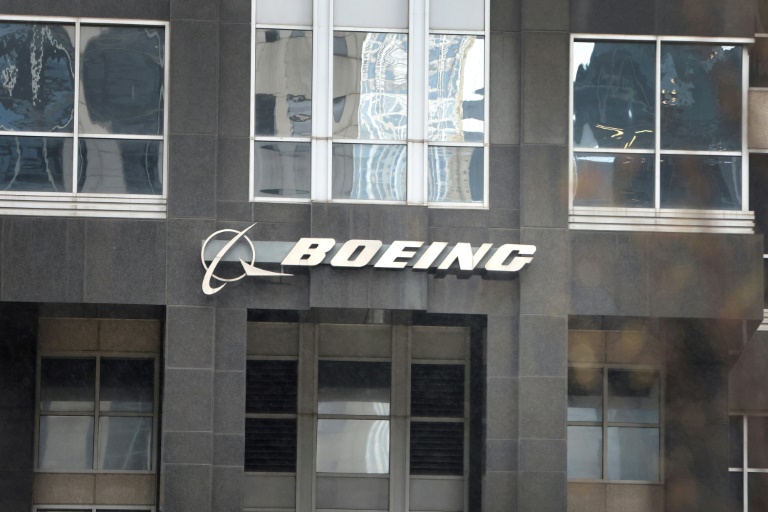
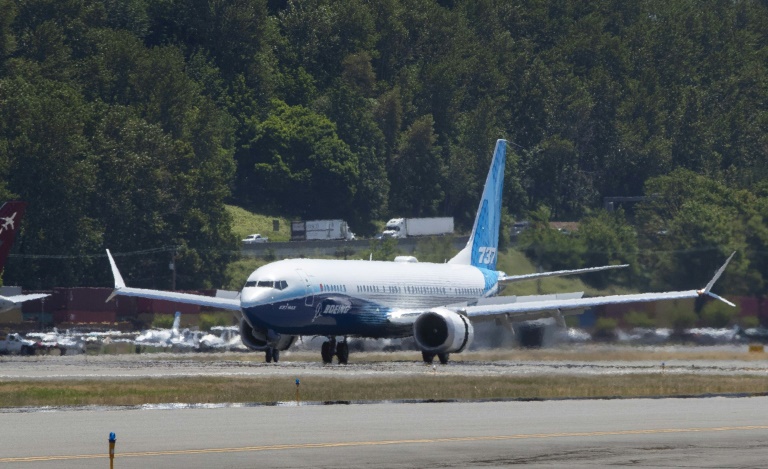
Boeing said Wednesday it is seeking other potential customers for its 737 MAX because China is still not taking delivery of the jetliners it has ordered.

Chief Financial Officer Brian West said the company was in “active discussions” with other customers about 138 planes in inventory ordered by Chinese companies.

There is “more to come and we’ll keep you updated,” West told analysts.

Executives described the outreach as part of an effort to “de-risk” Boeing’s finances given the murky outlook for the company’s China business.

China’s zero-tolerance Covid-19 policies “have reduced demand for airplanes in general,” Chief Executive Dave Calhoun said during a conference call with analysts.

“We still would like to deliver airplanes to China. We continue to support our customers,” Calhoun said.

“But we also are clear-eyed about the geopolitical risks that are out there and we are not going to impart new risks on our investors,” said Calhoun, adding, “I have not gotten a single signal … they’re going to take deliveries in the near term.”

The MAX was grounded globally following the second of two deadly crashes in March 2019 until the Federal Aviation Administration became the first major regulator to clear the plane in November 2020 to resume service following upgrades, extensive testing and new training protocols.

China was the last major Boeing market to deem the jet airworthy in December 2021. But the plane still needs to clear a few final hurdles with Chinese regulators and has not resumed service in that country.

Seeing no China progress, Boeing eyes other prospective MAX buyers

Boeing said Wednesday it is seeking other potential customers for its 737 MAX because China is still not taking delivery of the jetliners it has ordered.

Chief Financial Officer Brian West said the company was in “active discussions” with other customers about 138 planes in inventory ordered by Chinese companies.

There is “more to come and we’ll keep you updated,” West told analysts.

Executives described the outreach as part of an effort to “de-risk” Boeing’s finances given the murky outlook for the company’s China business.

China’s zero-tolerance Covid-19 policies “have reduced demand for airplanes in general,” Chief Executive Dave Calhoun said during a conference call with analysts.

“We still would like to deliver airplanes to China. We continue to support our customers,” Calhoun said.

“But we also are clear-eyed about the geopolitical risks that are out there and we are not going to impart new risks on our investors,” said Calhoun, adding, “I have not gotten a single signal … they’re going to take deliveries in the near term.”

The MAX was grounded globally following the second of two deadly crashes in March 2019 until the Federal Aviation Administration became the first major regulator to clear the plane in November 2020 to resume service following upgrades, extensive testing and new training protocols.

China was the last major Boeing market to deem the jet airworthy in December 2021. But the plane still needs to clear a few final hurdles with Chinese regulators and has not resumed service in that country.

Blinken sees some 'positive' signs by Saudis after oil cut

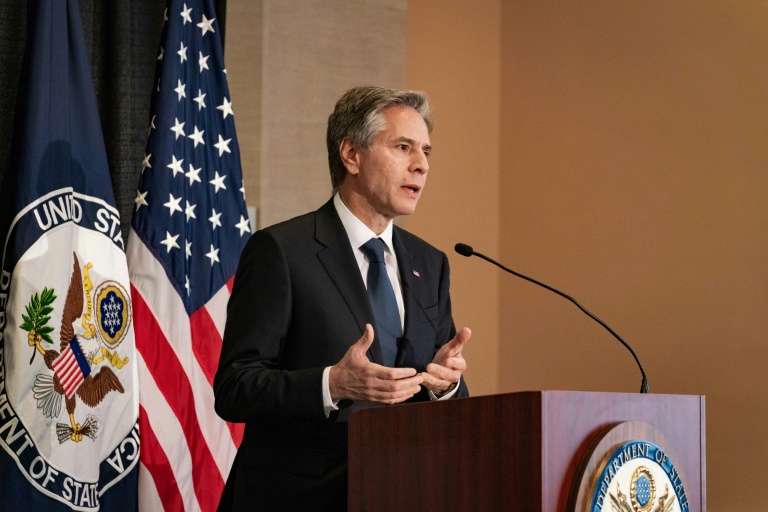
US Secretary of State Antony Blinken said Wednesday that Saudi Arabia has offered some “positive” signs since its bombshell oil production cut but he made clear that Washington remained unhappy.

The OPEC+ cartel infuriated President Joe Biden by deciding to cut production by two million barrels a day starting in November, putting pressure on consumer prices days before US elections and potentially raising revenue for Russia while its war in Ukraine rages on. 

The Biden administration publicly accused Riyadh of siding with Russia. But Blinken acknowledged that Saudi Arabia has since voted with the United States to condemn Moscow’s annexations of Ukrainian territory and has announced $400 million in humanitarian aid for Ukraine. 

“So these are positive developments. They don’t compensate for the decision that was made by OPEC+ on production. But we take note of that,” Blinken said at a Bloomberg News event.

Biden as a candidate vowed to shun Saudi Arabia over human rights abuses, including the killing of US-based journalist Jamal Khashoggi in the kingdom’s Istanbul consulate, but he took political risks in June by traveling there and meeting Crown Prince Mohammed bin Salman, the de facto ruler. 

US officials hoped the trip had secured an understanding on oil prices, amid pressure on Biden over soaring inflation. 

Blinken reiterated that Saudi Arabia had made the “wrong decision” and dismissed its argument that it was responding to market dynamics. 

“There was nothing to suggest in the analysis that we had — and it was shared with the Saudis — that we were looking at prices plummeting in ways that would be problematic for them,” Blinken said.

He repeated that the Biden administration was reassessing the relationship with Saudi Arabia, without giving details.

“We’re going to do it in a very deliberate fashion, in consultation with members of Congress to make sure of this, that the relationship better reflects our own interests,” he said.

Euro bounces back above dollar parity

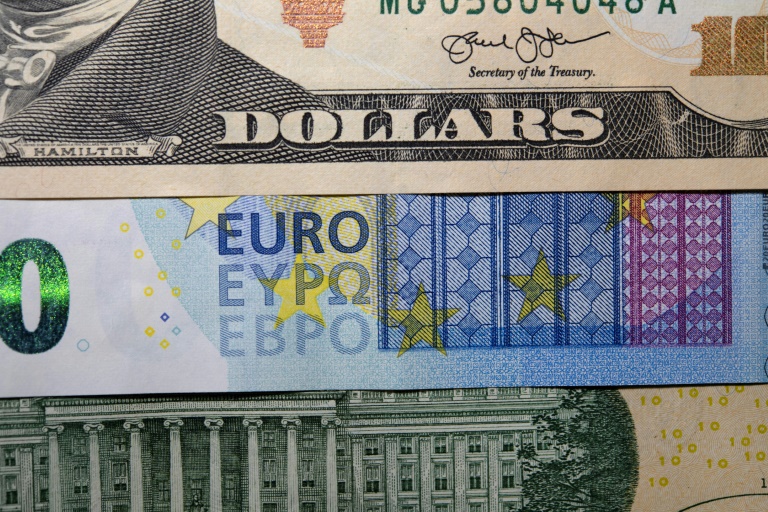
The euro on Wednesday jumped back above parity with the dollar, the US currency sliding against its main rivals on concerns over the world’s biggest economy and the prospect of slower interest rate hikes.

The euro bounced back above one dollar for the first time since mid-September, helped also by expectations of a big interest-rate hike from the European Central Bank on Thursday.

There were large gains against the dollar also for the British pound and yen, helping them recover some ground following the recent sharp losses.

The dollar retreated following “a string of negative (US) economic data released since the beginning of the week”, noted ActivTrades senior analyst Ricardo Evangelista.

Poorly received data, including slower house price growth and weaker consumer confidence, showed that big rate hikes from the Federal Reserve are “starting to open some cracks in the American economy”, he said.

“The Federal Reserve has been hiking rates aggressively in an attempt to bring inflation under control, and the country’s economy is starting to suffer as a result,” Evangelista added.

– Risk investments rebound –

A string of poor economic news has been welcomed by investors as it opens up the possibility that the Fed can slow down or end its interest rate hikes sooner. The recent news has seen risk investments like equities rebound in recent weeks.

The Bank of Canada on Wednesday increased its main rate by a smaller than expected 0.5 percentage points.

Market analyst Michael Hewson at CMC Markets said the move “suggests that central banks are starting to wake up to the possibility that too aggressive rate rises could do more harm than good.”

He added: “It’s also got markets asking the question, could the Fed follow suit next week after another poor set of housing numbers from the US.”

Wall Street, which had opened lower on poor results from tech giants, was mostly higher in late morning trading.

In Europe, London, Frankfurt and Paris stocks all ended the day higher.

Sterling on Wednesday jumped more than one percent against the dollar, winning a boost also from markets welcoming the appointment of Rishi Sunak as prime minister.

The move was seen as offering stability to the UK economy after weeks of upheaval fuelled by predecessor Liz Truss’s tax-cutting budget.

“The pound pushed back above the 1.1600 area against the US dollar today and risen against the euro despite the prospect that next week’s budget statement has been delayed until 17th November in order to allow time” for updated fiscal forecasts, said Hewson.

– Key figures around 1530 GMT –

Euro/dollar: UP at $1.0071 from $0.9971 on Tuesday

Pound/dollar: UP at $1.1612 from $1.1478 

Dollar/yen: DOWN at 146.40 yen from 147.92 yen

Euro/pound: DOWN at 86.73 pence from 86.85 pence

New York – Dow: UP 1.0 percent at 32,165.41 points

EURO STOXX 50: UP 0.6 percent at 3,605.31

London – FTSE 100: UP 0.6 percent at 7,056.07 (close) 

Frankfurt – DAX: UP 1.1 percent at 13,195.81 (close)

Paris – CAC 40: UP 0.4 percent at 6,276.31 (close)

Tokyo – Nikkei 225: UP 0.7 percent at 27,431.84 (close)

Hong Kong – Hang Seng Index: UP 1.0 percent at 15,317.67 (close)

Shanghai – Composite: UP 0.8 percent at 2,999.50 (close)

Brent North Sea crude: UP 2.4 percent at $95.79 per barrel

West Texas Intermediate: UP 3.2 percent at $88.04 per barrel

burs-rl/jj

Euro bounces back above dollar parity

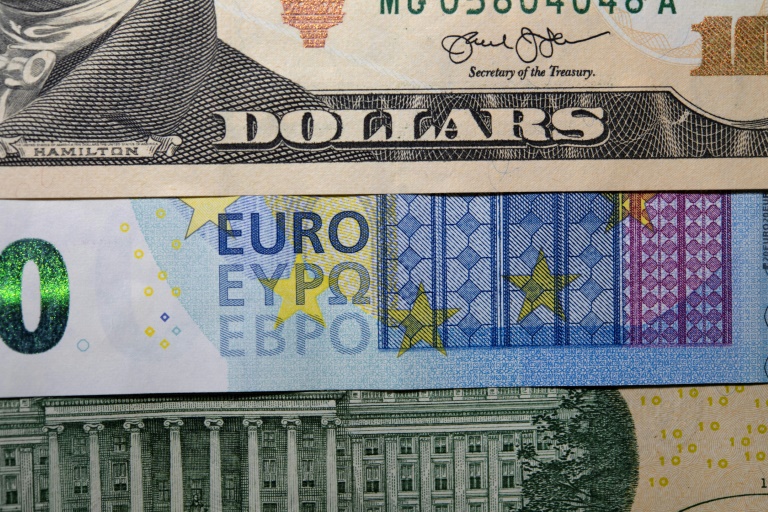
The euro on Wednesday jumped back above parity with the dollar, the US currency sliding against its main rivals on concerns over the world’s biggest economy and the prospect of slower interest rate hikes.

The euro bounced back above one dollar for the first time since mid-September, helped also by expectations of a big interest-rate hike from the European Central Bank on Thursday.

There were large gains against the dollar also for the British pound and yen, helping them recover some ground following the recent sharp losses.

The dollar retreated following “a string of negative (US) economic data released since the beginning of the week”, noted ActivTrades senior analyst Ricardo Evangelista.

Poorly received data, including slower house price growth and weaker consumer confidence, showed that big rate hikes from the Federal Reserve are “starting to open some cracks in the American economy”, he said.

“The Federal Reserve has been hiking rates aggressively in an attempt to bring inflation under control, and the country’s economy is starting to suffer as a result,” Evangelista added.

– Risk investments rebound –

A string of poor economic news has been welcomed by investors as it opens up the possibility that the Fed can slow down or end its interest rate hikes sooner. The recent news has seen risk investments like equities rebound in recent weeks.

The Bank of Canada on Wednesday increased its main rate by a smaller than expected 0.5 percentage points.

Market analyst Michael Hewson at CMC Markets said the move “suggests that central banks are starting to wake up to the possibility that too aggressive rate rises could do more harm than good.”

He added: “It’s also got markets asking the question, could the Fed follow suit next week after another poor set of housing numbers from the US.”

Wall Street, which had opened lower on poor results from tech giants, was mostly higher in late morning trading.

In Europe, London, Frankfurt and Paris stocks all ended the day higher.

Sterling on Wednesday jumped more than one percent against the dollar, winning a boost also from markets welcoming the appointment of Rishi Sunak as prime minister.

The move was seen as offering stability to the UK economy after weeks of upheaval fuelled by predecessor Liz Truss’s tax-cutting budget.

“The pound pushed back above the 1.1600 area against the US dollar today and risen against the euro despite the prospect that next week’s budget statement has been delayed until 17th November in order to allow time” for updated fiscal forecasts, said Hewson.

– Key figures around 1530 GMT –

Euro/dollar: UP at $1.0071 from $0.9971 on Tuesday

Pound/dollar: UP at $1.1612 from $1.1478 

Dollar/yen: DOWN at 146.40 yen from 147.92 yen

Euro/pound: DOWN at 86.73 pence from 86.85 pence

New York – Dow: UP 1.0 percent at 32,165.41 points

EURO STOXX 50: UP 0.6 percent at 3,605.31

London – FTSE 100: UP 0.6 percent at 7,056.07 (close) 

Frankfurt – DAX: UP 1.1 percent at 13,195.81 (close)

Paris – CAC 40: UP 0.4 percent at 6,276.31 (close)

Tokyo – Nikkei 225: UP 0.7 percent at 27,431.84 (close)

Hong Kong – Hang Seng Index: UP 1.0 percent at 15,317.67 (close)

Shanghai – Composite: UP 0.8 percent at 2,999.50 (close)

Brent North Sea crude: UP 2.4 percent at $95.79 per barrel

West Texas Intermediate: UP 3.2 percent at $88.04 per barrel

burs-rl/jj

Euro bounces back above dollar parity

The euro on Wednesday jumped back above parity with the dollar, the US currency sliding against its main rivals on concerns over the world’s biggest economy and the prospect of slower interest rate hikes.

The euro bounced back above one dollar for the first time since mid-September, helped also by expectations of a big interest-rate hike from the European Central Bank on Thursday.

There were large gains against the dollar also for the British pound and yen, helping them recover some ground following the recent sharp losses.

The dollar retreated following “a string of negative (US) economic data released since the beginning of the week”, noted ActivTrades senior analyst Ricardo Evangelista.

Poorly received data, including slower house price growth and weaker consumer confidence, showed that big rate hikes from the Federal Reserve are “starting to open some cracks in the American economy”, he said.

“The Federal Reserve has been hiking rates aggressively in an attempt to bring inflation under control, and the country’s economy is starting to suffer as a result,” Evangelista added.

– Risk investments rebound –

A string of poor economic news has been welcomed by investors as it opens up the possibility that the Fed can slow down or end its interest rate hikes sooner. The recent news has seen risk investments like equities rebound in recent weeks.

The Bank of Canada on Wednesday increased its main rate by a smaller than expected 0.5 percentage points.

Market analyst Michael Hewson at CMC Markets said the move “suggests that central banks are starting to wake up to the possibility that too aggressive rate rises could do more harm than good.”

He added: “It’s also got markets asking the question, could the Fed follow suit next week after another poor set of housing numbers from the US.”

Wall Street, which had opened lower on poor results from tech giants, was mostly higher in late morning trading.

In Europe, London, Frankfurt and Paris stocks all ended the day higher.

Sterling on Wednesday jumped more than one percent against the dollar, winning a boost also from markets welcoming the appointment of Rishi Sunak as prime minister.

The move was seen as offering stability to the UK economy after weeks of upheaval fuelled by predecessor Liz Truss’s tax-cutting budget.

“The pound pushed back above the 1.1600 area against the US dollar today and risen against the euro despite the prospect that next week’s budget statement has been delayed until 17th November in order to allow time” for updated fiscal forecasts, said Hewson.

– Key figures around 1530 GMT –

Euro/dollar: UP at $1.0071 from $0.9971 on Tuesday

Pound/dollar: UP at $1.1612 from $1.1478 

Dollar/yen: DOWN at 146.40 yen from 147.92 yen

Euro/pound: DOWN at 86.73 pence from 86.85 pence

New York – Dow: UP 1.0 percent at 32,165.41 points

EURO STOXX 50: UP 0.6 percent at 3,605.31

London – FTSE 100: UP 0.6 percent at 7,056.07 (close) 

Frankfurt – DAX: UP 1.1 percent at 13,195.81 (close)

Paris – CAC 40: UP 0.4 percent at 6,276.31 (close)

Tokyo – Nikkei 225: UP 0.7 percent at 27,431.84 (close)

Hong Kong – Hang Seng Index: UP 1.0 percent at 15,317.67 (close)

Shanghai – Composite: UP 0.8 percent at 2,999.50 (close)

Brent North Sea crude: UP 2.4 percent at $95.79 per barrel

West Texas Intermediate: UP 3.2 percent at $88.04 per barrel

burs-rl/jj

UK's new PM delays budget, restores fracking ban

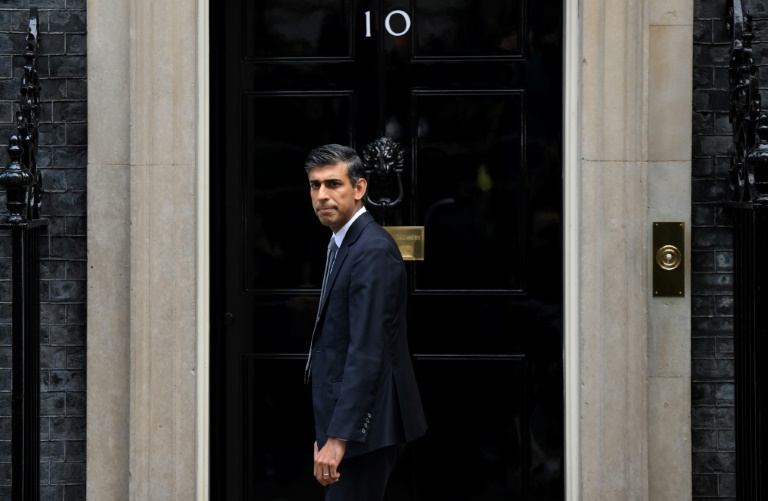
In his first full day as Britain’s prime minister, Rishi Sunak on Wednesday delayed a crunch budget and rebuffed renewed demands for an early general election as he began trying to rebuild the Conservatives’ poll standing.

Following the fiscal chaos seen under his short-lived predecessor, Liz Truss, Sunak’s government said it needed more time to present the full budget — deferring a Treasury statement due next Monday to mid-November.

He also jettisoned a signature stance taken by Truss, which he also backed during their summer battle for the leadership. After taking office, she had made good on the promise to overturn a ban on fracking — drilling on land for natural gas — but Sunak said the ban would return.

The U-turn was back in line with the 2019 manifesto that last brought his Conservative party to power.

No company had yet come forward to take advantage of Truss’s offer, which risked arousing serious opposition from locals in prospective drilling sites.

Following a meeting of his new cabinet, Sunak engaged in his first parliamentary joust with opposition Labour leader Keir Starmer, who is riding high in the polls and says the new Conservative leader lacks a democratic mandate.

“The only time he ran in a competitive election he got trounced by the former prime minister, who herself got beaten by a lettuce,” Starmer said, challenging Sunak to face UK voters.

After the scandal-tarred Boris Johnson announced in July that he was quitting, Truss beat Sunak in a vote by Tory members. 

But her right-wing economic programme, based on unfunded tax cuts, collapsed and she lasted only 49 days — with a lettuce lasting longer in one newspaper stunt. 

Sunak then beat off an audacious comeback bid by Johnson to become Tory leader on Monday.

“We will have to take difficult decisions to restore economic stability and confidence,” he told MPs, brushing off Starmer’s election call.

“I will always protect the most vulnerable. We did it in Covid and we will do it again,” the former finance minister added.

– ‘Test of time’ –

Chancellor of the Exchequer Jeremy Hunt — retained in Sunak’s cabinet along with several other senior ministers — said that Monday’s planned “medium-term fiscal statement” was no longer so pressing.

Instead, there will be a full budget statement on November 17 to lay out the new government’s tax and spending plans, Hunt told reporters.

The new plan will be accompanied by fresh economic forecasts from the Office for Budget Responsibility (OBR), which were lacking from Truss’s own aborted plan, and will “stand the test of time”, he said.

Hunt said he had discussed the delay with Bank of England governor Andrew Bailey. The central bank was forced to make several emergency interventions in recent weeks after Truss’s tax-slashing plans sent markets into a tailspin. 

Markets were unperturbed by the postponement, suggesting Hunt and Sunak have successfully calmed investors’ nerves.

Truss left office as the UK’s shortest-serving premier in history, replaced by its youngest since 1812 and first Hindu leader.

Sunak triumphed in a 96-hour Tory leadership contest after rival contender Penny Mordaunt failed to secure enough nominations from Tory lawmakers and Johnson dramatically aborted his own bid.

After appointing his top team Tuesday, Sunak spoke to the presidents of Ukraine and the United States to vow continuity on UK foreign policy, including ongoing support for Kyiv’s resistance following Russia’s invasion.

– ‘Grubby’ –

Sunak has vowed to restore “trust” and “integrity” in government after months of tumult under Johnson and then Truss.

But critics claimed the new leader had immediately undermined the pledge by reappointing hardline right-winger Suella Braverman as interior minister, days after she was forced to resign for a security breach.

Braverman emailed classified government documents outside her department that reportedly included market-sensitive information from the OBR.

Sunak told parliament that she had “made an error of judgement” but had “accepted her mistake” and so he was “delighted to welcome her back”.

Starmer said her return was “grubby” payback after Braverman backed Sunak against Johnson’s attempt to return to Downing Street.

“There’s a new Tory at the top but as always with them, party first, country second,” the opposition leader said.

As well as mending Britain’s wounded finances, Sunak is also pledging to reunite the Conservatives after another bruising leadership contest, mere weeks after Johnson was forced out.

He has kept Truss’s defence, trade and culture ministers among others, as well as re-hiring some older faces from the Johnson cabinet.

Boeing reports huge loss on defense contract woes

Aerospace giant Boeing reported a surprise $3.3 billion third-quarter loss Wednesday as it struggled with swelling costs on several defense programs, including the US presidential jet Air Force One.

The performance woes in defense — which also affected the KC-46 refueling and military transport aircraft and the T-7A Air Force pilot training system — reflects the drag from supply chain problems that have plagued the broader economy, as well as the restrictive nature of the contracts.

Locking Boeing into a fixed-price contract was unwise, Chief Executive Dave Calhoun acknowledged in an interview with CNBC that touched on the company’s troubled execution of an Air Force One procurement revamp negotiated with former president Donald Trump.

“It turns out the critics were right. So we didn’t get enough price, that’s fairly obvious to all of us,” Calhoun said.

“The biggest, probably, mistake on… Air Force One was the fixed price nature of it,” he said. 

“When a program that requires that many agencies and that many things to come to bear on a particular platform, and there’s only two of them, that just begs for more of a cost-incentive kind of contract.”

Boeing also said costs were rising in other unspecified defense projects.

The difficulties in Boeing’s defense program came as the company saw a jump in revenues in its commercial airplane division following the resumption of deliveries of the 787 Dreamliner and an increase in deliveries in the 737 MAX. 

The aviation giant reported a four-percent rise in revenues to $16 billion, which also missed analyst estimates. 

On the up side, Boeing reaffirmed it is on track for positive free cash flow in 2022, a statement that temporarily boosted shares. The company also described demand for commercial planes as robust in spite of worries about the broader global economy.

Separately, Boeing announced that Alaska Airlines had exercised options for an additional 52 737 MAX planes.

The Alaska Airlines order includes 42 of Boeing’s latest MAX plane, the 737 MAX 10, which has still not been certified by US authorities.

Because of a change in Federal Aviation Administration certification requirements enacted by Congress that takes effect in late December, Boeing would likely need US lawmakers to enact fresh legislation.

The earlier 2020 law required the FAA to only certify planes equipped with a flight crew alerting system designed to help pilots prioritize warnings and advisories activated during flight.

The alerting system in the 737 MAX 10 shares the traits in the earlier MAX planes and does not meet the new standards. Boeing has argued the benefit of the MAX 10’s “commonality” with earlier versions of the jets, which enables pilots experienced in earlier version of the MAX to easily transition to the MAX 10.

Calhoun said in the interview the company was making its case on Capitol Hill and was “confident” on an extension.

– China ‘de-risk’ –

Another question concerns Boeing’s presence in China, the only major market where the 737 MAX has not returned.

In light of strong demand, Calhoun suggested Boeing could shift some planes originally built for Chinese carriers to other customers. 

“We’re free traders. We would love to continue to do business with China, but we’re not going to put our investors at risk as we go down this path,” Calhoun told CNBC. 

“And as we’ve said before, we continue to de-risk the backlog that we have and the airplanes that we have on our tarmac.”

Later, on a conference call with Wall Street analysts, Calhoun reiterated Boeing’s intention to “de-risk” its business with respect to China, adding that the company is also “clear-eyed” about rising geopolitical risk.

Boeing shares rose 2.2 percent but by midmorning trading slid to a 1.2 percent loss at 144.88.

Boeing reports huge loss on defense contract woes

Aerospace giant Boeing reported a surprise $3.3 billion third-quarter loss Wednesday as it struggled with swelling costs on several defense programs, including the US presidential jet Air Force One.

The performance woes in defense — which also affected the KC-46 refueling and military transport aircraft and the T-7A Air Force pilot training system — reflects the drag from supply chain problems that have plagued the broader economy, as well as the restrictive nature of the contracts.

Locking Boeing into a fixed-price contract was unwise, Chief Executive Dave Calhoun acknowledged in an interview with CNBC that touched on the company’s troubled execution of an Air Force One procurement revamp negotiated with former president Donald Trump.

“It turns out the critics were right. So we didn’t get enough price, that’s fairly obvious to all of us,” Calhoun said.

“The biggest, probably, mistake on… Air Force One was the fixed price nature of it,” he said. 

“When a program that requires that many agencies and that many things to come to bear on a particular platform, and there’s only two of them, that just begs for more of a cost-incentive kind of contract.”

Boeing also said costs were rising in other unspecified defense projects.

The difficulties in Boeing’s defense program came as the company saw a jump in revenues in its commercial airplane division following the resumption of deliveries of the 787 Dreamliner and an increase in deliveries in the 737 MAX. 

The aviation giant reported a four-percent rise in revenues to $16 billion, which also missed analyst estimates. 

On the up side, Boeing reaffirmed it is on track for positive free cash flow in 2022, a statement that temporarily boosted shares. The company also described demand for commercial planes as robust in spite of worries about the broader global economy.

Separately, Boeing announced that Alaska Airlines had exercised options for an additional 52 737 MAX planes.

The Alaska Airlines order includes 42 of Boeing’s latest MAX plane, the 737 MAX 10, which has still not been certified by US authorities.

Because of a change in Federal Aviation Administration certification requirements enacted by Congress that takes effect in late December, Boeing would likely need US lawmakers to enact fresh legislation.

The earlier 2020 law required the FAA to only certify planes equipped with a flight crew alerting system designed to help pilots prioritize warnings and advisories activated during flight.

The alerting system in the 737 MAX 10 shares the traits in the earlier MAX planes and does not meet the new standards. Boeing has argued the benefit of the MAX 10’s “commonality” with earlier versions of the jets, which enables pilots experienced in earlier version of the MAX to easily transition to the MAX 10.

Calhoun said in the interview the company was making its case on Capitol Hill and was “confident” on an extension.

– China ‘de-risk’ –

Another question concerns Boeing’s presence in China, the only major market where the 737 MAX has not returned.

In light of strong demand, Calhoun suggested Boeing could shift some planes originally built for Chinese carriers to other customers. 

“We’re free traders. We would love to continue to do business with China, but we’re not going to put our investors at risk as we go down this path,” Calhoun told CNBC. 

“And as we’ve said before, we continue to de-risk the backlog that we have and the airplanes that we have on our tarmac.”

Later, on a conference call with Wall Street analysts, Calhoun reiterated Boeing’s intention to “de-risk” its business with respect to China, adding that the company is also “clear-eyed” about rising geopolitical risk.

Boeing shares rose 2.2 percent but by midmorning trading slid to a 1.2 percent loss at 144.88.

US new home sales fall in September on rising mortgage rates

New home sales in the US dipped in September, official data showed Wednesday, as worsening affordability nudges ownership further out of reach for many.

Sales soared during the coronavirus pandemic as Americans snapped up homes on the back of bargain mortgage rates, but the sector has cooled with the US Federal Reserve hiking lending rates as it fights to bring down surging inflation.

Mortgage rates have climbed in the past year and taken a toll on potential homebuyers, with the average for a 30-year loan hitting its highest in over a decade.

In September, sales of new single-family houses fell 10.9 percent from August to a seasonally adjusted annual rate of 603,000, the Commerce Department said.

The median sales price for a new home rose however to $470,600, up by more than $34,000 from August’s revised figures.

Prices have been supported recently by low levels of existing home inventory, pushing buyers into new homes, said Ian Shepherdson of Pantheon Macroeconomics in an analysis this week.

But while sales of new homes rose in August to the highest rate since early this year, analysts expected the gain to be short-lived given a drop in mortgage purchase applications and increasing mortgage rates.

The leap in August could be inaccurate given margins of error in data, or it could be “unsustainable, if it reflects a rush of purchases by people who locked-in rates as they began to surge again,” said Shepherdson.

“We expect both new and existing home prices to fall sharply over the next year,” he said, pointing to growing inventory levels.

The latest down trend in the small new home segment reflects that in the larger existing home sales market, which made an eighth straight monthly decline last month according to industry data.

With inflation still persistently high, observers widely expect the Fed to deliver a further rate hike at an officials’ policy meeting next week.

Close Bitnami banner
Bitnami