AFP

Credit Suisse to pay 238 mn euros to settle French fraud probe

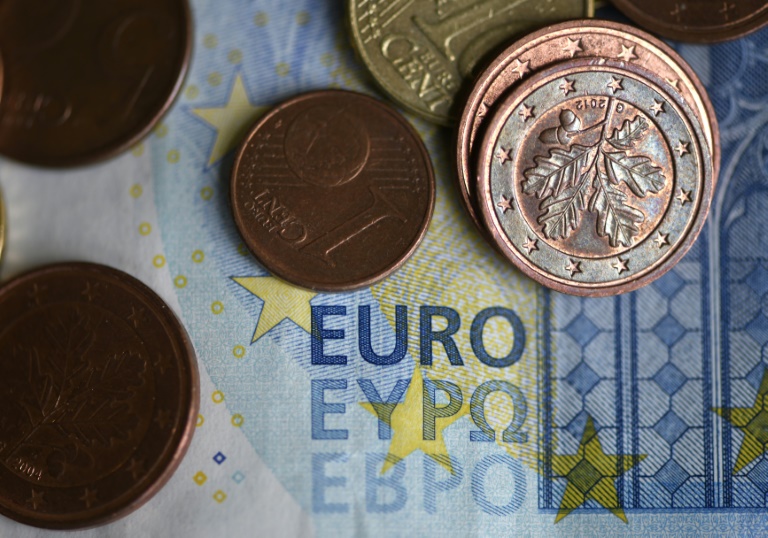
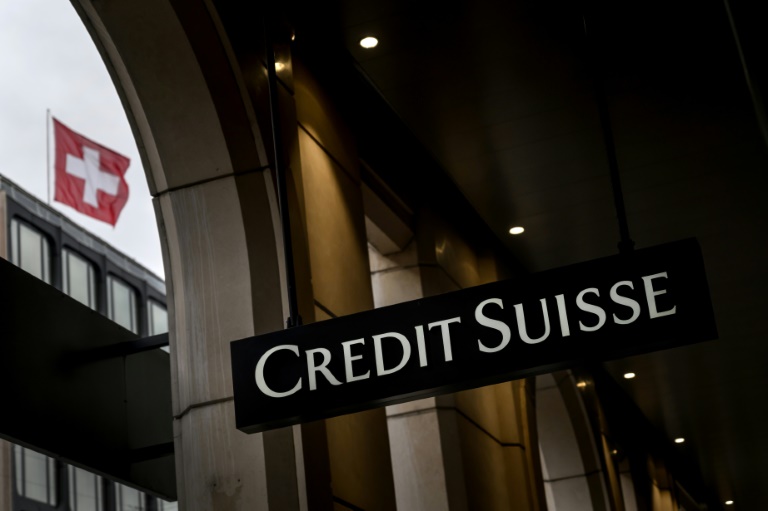
Credit Suisse has agreed to pay 238 million euros ($234 million) to avoid prosecution on French money laundering and tax fraud charges, according to a settlement approved Monday by a Paris court.

The settlement will see Switzerland’s second-largest bank pay a fine of 123 million euros and pay an additional 115 million euros in damages and interest to the French state.

Credit Suisse said it had reached the settlement “to resolve a legacy matter in relation to an investigation into historical cross-border private-banking services.”

It added that “the settlement does not comprise a recognition of criminal liability.”

French financial prosecutors opened a probe in 2016 and found that 5,000 French nationals had undeclared Credit Suisse accounts that were hiding two billion euros, according to the court.

The judge presiding over the settlement said that Credit Suisse bankers had prospected for clients in high-end French restaurants and hotels, avoiding the bank’s offices in the country.

Prosecutor Francois-Xavier Dulin said the settlement took into account “the systematic character, lengthy period and creation of tools to hide” its prospecting of French clients between 2005 and 2012.

He said Credit Suisse had created offshore entities to aid clients to avoid declaring certain assets to French authorities.

Prosecutors added the settlement also took into account the bank’s current cooperation and the corrective measures it undertook.

“The bank is pleased to resolve this matter, which marks another important step in the proactive resolution of litigation and legacy issues,” Credit Suisse said in its statement.

Most markets up on rate hopes but China fear casts shadow

Most markets rose Monday on hopes the Federal Reserve would soon slow its pace of interest rate hikes, though the mood was darkened by worries over the China outlook after President Xi Jinping tightened his grip on power.

The yen weakened against the dollar after a short rally as speculation swirled that Japanese authorities had stepped into forex markets again to support their currency for a second time in as many sessions.

Tokyo, Sydney, Seoul and Taipei led gains after a strong performance in New York that was sparked by a report the Fed could begin to take its foot off the pedal in its rate hike campaign.

The Wall Street Journal said some officials were keen to discuss a slowdown when they meet next month.

Markets have been hammered this year by fears that moves by the Fed and other central banks to fight decades-high inflation will spark a recession.

Officials had been expected to lift rates 75 basis points for a fourth successive time next month, while bets were increasing on another such move in December.

“The mere suggestion of the Fed stepping down from 75 basis points to a 50 basis point incremental rate hike in December produced a fierce rally in US equities, partial reversal of the recent surge in US Treasury yields and smart about-turn in the US dollar,” said National Australia Bank’s Ray Attrill.

But while most equity markets across the region were well up, Chinese markets were hammered by the reshuffle at the top of government. Hong Kong fell more than six percent and Shanghai was two percent down.

– Zero-Covid worries –

Xi, who was at the weekend given a third five-year term as leader, handed key positions to loyalists who back his strategy of fighting Covid outbreaks with lockdowns and other strict measures.

The policy has been blamed for the sharp drop in growth in the world’s number two economy, and while data showed Monday that it expanded more than forecast in the third quarter, traders remain on edge.

In a speech to close the Congress on Saturday, Xi insisted his zero-Covid policy had been a success.

And he promoted Li Qiang, the architect of a two-month lockdown in Shanghai that crippled the financial hub’s economy, to the second most powerful post in the Communist Party.

“The market is concerned that with so many Xi supporters elected, Xi’s unfettered ability to enact policies that are not market friendly is now cemented,” Justin Tang of United First Partners said.

Tech firms were among the worst hit in the Hong Kong selloff, hammered in recent years by Xi’s crackdown on the sector that has scythed firms’ profits and wiped billions off their valuations.

E-commerce giants Alibaba and JD.com each saw double-digit losses, as did Tencent. The Hang Seng tech index was close to 10 percent down.

The onshore yuan dipped as much as 0.4 percent to 7.2552 to the dollar — its weakest since January 2008.

Investor worries about China also weighed on oil markets with both main contracts in retreat as the prospect of more possible lockdowns hitting demand expectations.

On currency markets, the yen was hovering just above 149 to the dollar, having strengthened to 145.65 earlier amid talk that authorities had intervened to support the unit.

Observers said officials likely stepped in on Friday after the dollar soared to a fresh 32-year high of 151.93 yen. That came after warnings from the finance ministry that it was keeping tabs on movements, and follows a similar move last month.

“Whilst the (finance ministry) has since declined to comment on whether they intervened, such action has not come without multiple warnings from officials,” said Matt Simpson at City Index.

“The MoF last week said they will deal with speculators ‘severely’ and the strong price reaction on Friday suggests they did just that.

“Price action has also been erratic in Monday’s Asian session, which points to another probable intervention.”

The pound rose after former UK prime minister Boris Johnson said he would not stand for the Conservative leadership again, after the resignation of Liz Truss last week.

His decision leaves his former finance minister Rishi Sunak the favourite to take the reins and become the country’s third premier this year.

The choice of the less-controversial Sunak could provide a little stability in Westminster after weeks of turmoil sparked by Truss’s debt-fuelled mini-budget that hammered the pound and sent shivers through markets.

London slipped in the morning, though Paris and Frankfurt rose even as data showed further weakness in the eurozone economy.

– Key figures around 0810 GMT –

Tokyo – Nikkei 225: UP 0.3 percent at 26,974.90 (close)

Hong Kong – Hang Seng Index: DOWN 6.4 percent at 15,180.69 (close)

Shanghai – Composite: DOWN 2.0 percent at 2,977.56 (close)

London – FTSE 100: DOWN 0.3 percent at 6,946.36

Pound/dollar: UP at $1.1330 from $1.1258 on Friday

Dollar/yen: UP at 149.15 yen from 147.65 yen

Euro/dollar: DOWN at $0.9841 from $0.9863

Euro/pound: DOWN at 86.88 pence from 87.26 pence

West Texas Intermediate: DOWN 1.5 percent at $83.81 per barrel

Brent North Sea crude: DOWN 1.3 percent at $92.27 per barrel

New York – Dow: UP 2.5 percent at 31,082.56 (close)

Most markets up on rate hopes but China fear casts shadow

Most markets rose Monday on hopes the Federal Reserve would soon slow its pace of interest rate hikes, though the mood was darkened by worries over the China outlook after President Xi Jinping tightened his grip on power.

The yen weakened against the dollar after a short rally as speculation swirled that Japanese authorities had stepped into forex markets again to support their currency for a second time in as many sessions.

Tokyo, Sydney, Seoul and Taipei led gains after a strong performance in New York that was sparked by a report the Fed could begin to take its foot off the pedal in its rate hike campaign.

The Wall Street Journal said some officials were keen to discuss a slowdown when they meet next month.

Markets have been hammered this year by fears that moves by the Fed and other central banks to fight decades-high inflation will spark a recession.

Officials had been expected to lift rates 75 basis points for a fourth successive time next month, while bets were increasing on another such move in December.

“The mere suggestion of the Fed stepping down from 75 basis points to a 50 basis point incremental rate hike in December produced a fierce rally in US equities, partial reversal of the recent surge in US Treasury yields and smart about-turn in the US dollar,” said National Australia Bank’s Ray Attrill.

But while most equity markets across the region were well up, Chinese markets were hammered by the reshuffle at the top of government. Hong Kong fell more than six percent and Shanghai was two percent down.

– Zero-Covid worries –

Xi, who was at the weekend given a third five-year term as leader, handed key positions to loyalists who back his strategy of fighting Covid outbreaks with lockdowns and other strict measures.

The policy has been blamed for the sharp drop in growth in the world’s number two economy, and while data showed Monday that it expanded more than forecast in the third quarter, traders remain on edge.

In a speech to close the Congress on Saturday, Xi insisted his zero-Covid policy had been a success.

And he promoted Li Qiang, the architect of a two-month lockdown in Shanghai that crippled the financial hub’s economy, to the second most powerful post in the Communist Party.

“The market is concerned that with so many Xi supporters elected, Xi’s unfettered ability to enact policies that are not market friendly is now cemented,” Justin Tang of United First Partners said.

Tech firms were among the worst hit in the Hong Kong selloff, hammered in recent years by Xi’s crackdown on the sector that has scythed firms’ profits and wiped billions off their valuations.

E-commerce giants Alibaba and JD.com each saw double-digit losses, as did Tencent. The Hang Seng tech index was close to 10 percent down.

The onshore yuan dipped as much as 0.4 percent to 7.2552 to the dollar — its weakest since January 2008.

Investor worries about China also weighed on oil markets with both main contracts in retreat as the prospect of more possible lockdowns hitting demand expectations.

On currency markets, the yen was hovering just above 149 to the dollar, having strengthened to 145.65 earlier amid talk that authorities had intervened to support the unit.

Observers said officials likely stepped in on Friday after the dollar soared to a fresh 32-year high of 151.93 yen. That came after warnings from the finance ministry that it was keeping tabs on movements, and follows a similar move last month.

“Whilst the (finance ministry) has since declined to comment on whether they intervened, such action has not come without multiple warnings from officials,” said Matt Simpson at City Index.

“The MoF last week said they will deal with speculators ‘severely’ and the strong price reaction on Friday suggests they did just that.

“Price action has also been erratic in Monday’s Asian session, which points to another probable intervention.”

The pound rose after former UK prime minister Boris Johnson said he would not stand for the Conservative leadership again, after the resignation of Liz Truss last week.

His decision leaves his former finance minister Rishi Sunak the favourite to take the reins and become the country’s third premier this year.

The choice of the less-controversial Sunak could provide a little stability in Westminster after weeks of turmoil sparked by Truss’s debt-fuelled mini-budget that hammered the pound and sent shivers through markets.

London slipped in the morning, though Paris and Frankfurt rose even as data showed further weakness in the eurozone economy.

– Key figures around 0810 GMT –

Tokyo – Nikkei 225: UP 0.3 percent at 26,974.90 (close)

Hong Kong – Hang Seng Index: DOWN 6.4 percent at 15,180.69 (close)

Shanghai – Composite: DOWN 2.0 percent at 2,977.56 (close)

London – FTSE 100: DOWN 0.3 percent at 6,946.36

Pound/dollar: UP at $1.1330 from $1.1258 on Friday

Dollar/yen: UP at 149.15 yen from 147.65 yen

Euro/dollar: DOWN at $0.9841 from $0.9863

Euro/pound: DOWN at 86.88 pence from 87.26 pence

West Texas Intermediate: DOWN 1.5 percent at $83.81 per barrel

Brent North Sea crude: DOWN 1.3 percent at $92.27 per barrel

New York – Dow: UP 2.5 percent at 31,082.56 (close)
What to expect from Xi's next five years in power

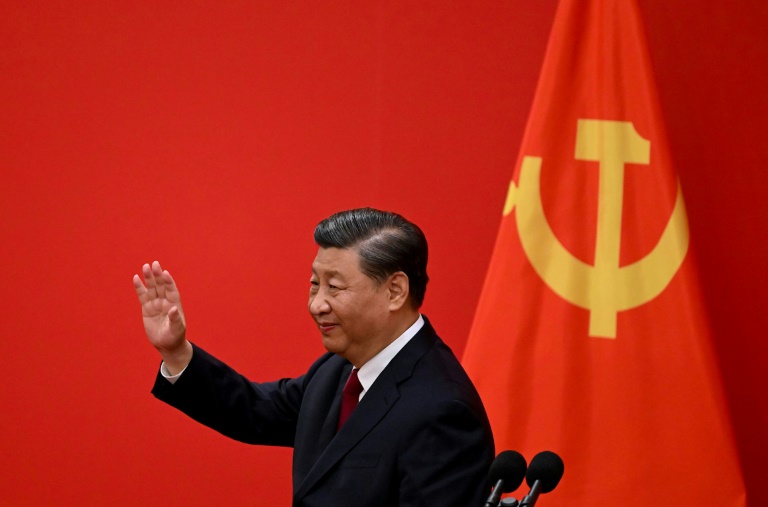
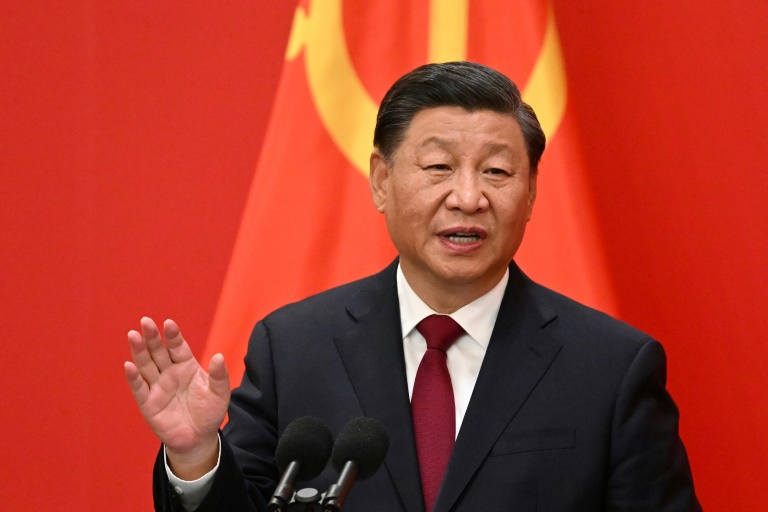
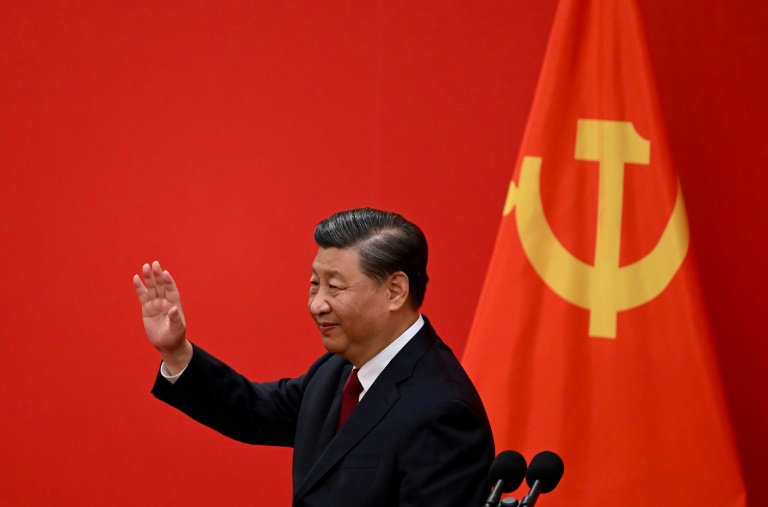
Chinese leader Xi Jinping has emerged from a five-year congress with even more power over the ruling Communist Party. AFP examines how Xi is expected to handle the key issues facing the country.

– Slowing economy –

China’s slowing economy will likely dominate Xi’s next five years in power but his decision to pack the Communist Party’s top leadership with loyalists has stoked concerns about him prioritising ideology at the expense of growth.

After decades of high growth, China’s economy is running out of steam, with analysts widely expecting the country will struggle to attain its 2022 growth target of around 5.5 percent.

And Xi’s move suggests the days of liberal reformers steering the world’s second largest economy have come to an end.

While past decades saw China’s private sector grow rich on easy credit and hefty profits, Xi’s next term may see Beijing revert to more old-school economic management, with a fresh focus on shoring up heavy industry and a continuation of a crackdown on big tech. 

Xi has thrown his weight behind the development of a more consumption-driven economy — a policy known as “dual circulation” — and has sought to address China’s yawning wealth gap under the banner of “common prosperity”. 

With the United States promising to prioritise maintaining “an enduring competitive edge” against China as the two superpowers battle for dominance over technology, Beijing may find itself under growing pressure internationally as growth slows at home.

– Tensions over Taiwan –

After years of ratcheting up tensions with Taiwan, an increasingly emboldened Xi could decide the time is right to fulfil Beijing’s longstanding ambition of retaking the self-ruled democratic island.

US officials have argued that the world is closer than ever to seeing a conflict over the island — and that China could invade as soon as this year.

China has made a “fundamental decision that the status quo was no longer acceptable, and that Beijing was determined to pursue reunification on a much faster timeline,” US Secretary of State Antony Blinken said this month.

Beijing insists its policy towards Taiwan has not changed, but the rhetoric and actions towards the island have become more pronounced.

The Communist Party for the first time enshrined its opposition to Taiwanese independence in its constitution at its just-ended congress which handed Xi a third term in power.

But any move to invade Taiwan would wreak havoc with global supply chains — the island is a major supply of semiconductors, an essential component of nearly all modern electronics, from smartphones to kitchen appliances and cars.

It would also provoke outrage from the West, deepening China’s isolation, bring Beijing and Washington closer than ever to direct military confrontation, and snuff out Taiwan’s hard-earned democratic freedoms.

– Zero Covid –

Xi will also need to decide the future of China’s strict zero-Covid policy — and whether the country is now ready to open up to the outside world after two years of closed borders and strict quarantines.

The policy is dragging on the economy, with officials this week blaming the epidemic for rising unemployment.

“Consumption is unlikely to recover to pre-Covid level with the current scale of Covid control,” said Dan Wang, chief economist at Hang Seng Bank China.

And with Covid rules in China’s semi-autonomous territory of Hong Kong slowly being relaxed in a bid to attract more international capital, Xi could decide the economic costs outweigh the benefits of keeping controls tight.

But the Chinese leader’s speech to the party faithful last week gave no sign that the rigid policy — which has forced millions into lockdowns over just handfuls of cases as the rest of the world learns to live with the virus — would relent anytime soon. 

And with the success of the zero-Covid policy so entwined with Xi’s legitimacy, it appears unlikely that a relaxation will take place anytime soon — no matter the cost to the economy. 

– Human rights –

China under Xi has seen the almost-total eradication of civil society, with scores of activists having fled the country and opposition to the government all but snuffed out. 

And in the far-western region of Xinjiang, rights groups say more than a million Uyghurs and other Muslim minorities are detained in what the United States and lawmakers in Western countries have said amounts to genocide.

The situation looks unlikely to improve under the next five years as Xi’s power grows increasingly impossible to challenge and the leadership digs in its heels against international pressure.

Xi’s next term will likely see him “continue his profound assault on human rights across the country and around the globe,” Sophie Richardson at Human Rights Watch wrote. 

China economy grows, but Xi's new power spooks investors

China’s economy grew at a faster pace than forecast in the third quarter, official data showed Monday, but investors reacted with alarm to President Xi Jinping’s sweeping new powers over the ruling Communist Party.

Xi as expected secured a third term as leader at a party Congress over the weekend, but surprised observers with his complete stacking of other leadership positions with proteges and allies. 

After delaying the release of economic data last week so it would not conflict with the Congress, the government announced Monday the economy grew 3.9 percent year-on-year in the third quarter.

China had been expected to announce some of its weakest quarterly growth figures since 2020, with the world’s second-biggest economy hobbled by Covid restrictions and a real estate crisis.

But investors instead focused on the political developments, which raised fears Xi and his allies would continue with gruelling Covid lockdowns and other policies that have punished the economy.

The currency of the world’s second-largest economy slumped and the country’s stocks nosedived in Hong Kong to their lowest level since the global financial crisis.

On Monday the onshore yuan dipped as much as 0.4 percent to 7.2552 per dollar — its weakest since January 2008 — and the Hang Seng China Enterprises Index, a gauge of Chinese stocks listed in Hong Kong, plunged more than 5 percent.

That put it on track for the worst showing after any Communist Party Congress since the start of the index in 1994.

“The market is concerned that with so many Xi supporters elected, Xi’s unfettered ability to enact policies that are not market friendly is now cemented,” said Justin Tang, head of Asian research at United First Partners.

One of the most pressing concerns is Xi’s zero-Covid policy, which continues to see tens of millions of people endure rolling lockdowns that also shutter factories. 

China is the last of the world’s major economies to continue following the strategy.  

“There is no clear sign of a significant easing of the zero-Covid strategy,” Nomura’s Ting Lu said, noting that, if anything, the opposite had happened. 

In a speech to close the Congress on Saturday, Xi insisted his zero-Covid policy had been a success. 

And he promoted Li Qiang, the architect of a two-month lockdown in Shanghai that crippled the financial hub’s economy, to the second most powerful post in the Communist Party.

Tech firms were among the worst hit in Monday’s sell-off, having been hammered in recent years by Xi’s crackdown on the sector that has scythed firms’ profits and wiped billions off their valuations.

E-commerce giants Alibaba and JD.com tanked more than 10 percent each, while Tencent lost more than eight percent. 

China is also battling an unprecedented crisis in its real estate sector — which makes up more than a quarter of the country’s GDP when combined with construction. 

Following years of explosive growth fuelled by easy access to loans, Xi oversaw a crackdown on excessive debt that began in 2020.

Property sales are now falling across the country, leaving many developers struggling and some owners refusing to pay their mortgages for unfinished homes.

Still, the economic data released on Monday gave some cause for optimism.

The third-quarter growth was higher than the 2.5 percent predicted by a panel of experts surveyed by AFP.

“Many economic indicators have actually recovered reasonably well from the mass lockdowns of March and April,” according to analyst Thomas Gatley of Gavekal Dragonomics.

Car sales held strong in September, driven by strong demand for electric clean vehicles.

August exports increased 7.1 percent compared with the previous year, and Beijing has invested in infrastructure to support activity.

In the second quarter of the year, growth had collapsed to 0.4 percent on-year, the worst performance since 2020. 

The country posted 4.8 percent growth in the first quarter of 2022.

Many economists continue to think China will struggle to attain its 2022 growth target of around 5.5 percent, and the International Monetary Fund has lowered its GDP growth forecast to 3.2 percent for 2022 and 4.4 percent for next year.

— Bloomberg News contributed to this story —

China economy grows, but Xi's new power spooks investors

China’s economy grew at a faster pace than forecast in the third quarter, official data showed Monday, but investors reacted with alarm to President Xi Jinping’s sweeping new powers over the ruling Communist Party.

Xi as expected secured a third term as leader at a party Congress over the weekend, but surprised observers with his complete stacking of other leadership positions with proteges and allies. 

After delaying the release of economic data last week so it would not conflict with the Congress, the government announced Monday the economy grew 3.9 percent year-on-year in the third quarter.

China had been expected to announce some of its weakest quarterly growth figures since 2020, with the world’s second-biggest economy hobbled by Covid restrictions and a real estate crisis.

But investors instead focused on the political developments, which raised fears Xi and his allies would continue with gruelling Covid lockdowns and other policies that have punished the economy.

The currency of the world’s second-largest economy slumped and the country’s stocks nosedived in Hong Kong to their lowest level since the global financial crisis.

On Monday the onshore yuan dipped as much as 0.4 percent to 7.2552 per dollar — its weakest since January 2008 — and the Hang Seng China Enterprises Index, a gauge of Chinese stocks listed in Hong Kong, plunged more than 5 percent.

That put it on track for the worst showing after any Communist Party Congress since the start of the index in 1994.

“The market is concerned that with so many Xi supporters elected, Xi’s unfettered ability to enact policies that are not market friendly is now cemented,” said Justin Tang, head of Asian research at United First Partners.

One of the most pressing concerns is Xi’s zero-Covid policy, which continues to see tens of millions of people endure rolling lockdowns that also shutter factories. 

China is the last of the world’s major economies to continue following the strategy.  

“There is no clear sign of a significant easing of the zero-Covid strategy,” Nomura’s Ting Lu said, noting that, if anything, the opposite had happened. 

In a speech to close the Congress on Saturday, Xi insisted his zero-Covid policy had been a success. 

And he promoted Li Qiang, the architect of a two-month lockdown in Shanghai that crippled the financial hub’s economy, to the second most powerful post in the Communist Party.

Tech firms were among the worst hit in Monday’s sell-off, having been hammered in recent years by Xi’s crackdown on the sector that has scythed firms’ profits and wiped billions off their valuations.

E-commerce giants Alibaba and JD.com tanked more than 10 percent each, while Tencent lost more than eight percent. 

China is also battling an unprecedented crisis in its real estate sector — which makes up more than a quarter of the country’s GDP when combined with construction. 

Following years of explosive growth fuelled by easy access to loans, Xi oversaw a crackdown on excessive debt that began in 2020.

Property sales are now falling across the country, leaving many developers struggling and some owners refusing to pay their mortgages for unfinished homes.

Still, the economic data released on Monday gave some cause for optimism.

The third-quarter growth was higher than the 2.5 percent predicted by a panel of experts surveyed by AFP.

“Many economic indicators have actually recovered reasonably well from the mass lockdowns of March and April,” according to analyst Thomas Gatley of Gavekal Dragonomics.

Car sales held strong in September, driven by strong demand for electric clean vehicles.

August exports increased 7.1 percent compared with the previous year, and Beijing has invested in infrastructure to support activity.

In the second quarter of the year, growth had collapsed to 0.4 percent on-year, the worst performance since 2020. 

The country posted 4.8 percent growth in the first quarter of 2022.

Many economists continue to think China will struggle to attain its 2022 growth target of around 5.5 percent, and the International Monetary Fund has lowered its GDP growth forecast to 3.2 percent for 2022 and 4.4 percent for next year.

— Bloomberg News contributed to this story —

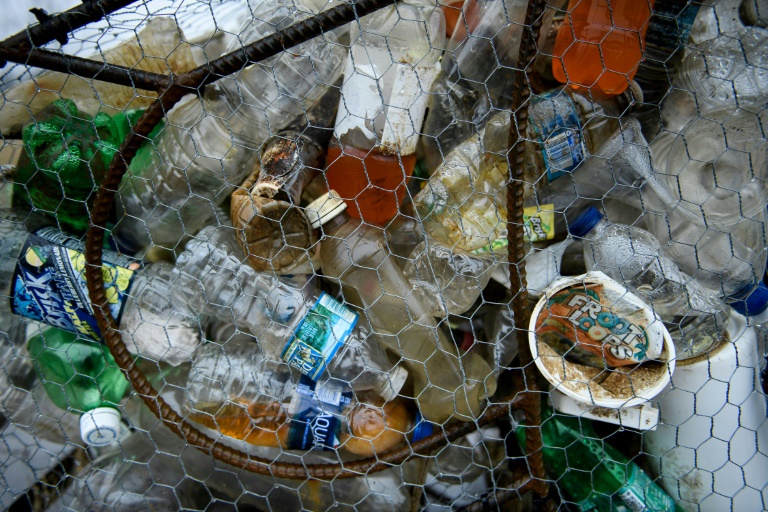
Plastic recycling remains a 'myth': Greenpeace study

Plastic recycling rates are declining even as production shoots up, according to a Greenpeace USA report out Monday that blasted industry claims of creating an efficient, circular economy as “fiction.”

Titled “Circular Claims Fall Flat Again,” the study found that of 51 million tons of plastic waste generated by US households in 2021, only 2.4 million tons were recycled, or around five percent.

After peaking in 2014 at 10 percent, the trend has been decreasing, especially since China stopped accepting the West’s plastic waste in 2018. 

Virgin production — of non-recycled plastic, that is — meanwhile is rapidly rising as the petrochemical industry expands, lowering costs.

“Industry groups and big corporations have been pushing for recycling as a solution,” Greenpeace USA campaigner Lisa Ramsden told AFP. 

“By doing that, they have shirked all responsibility” for ensuring that recycling actually works, she added. She named Coca-Cola, PepsiCo, Unilever and Nestle as prime offenders.

According to Greenpeace USA’s survey, only two types of plastic are widely accepted at the nation’s 375 material recovery facilities.

The first is polyethylene terephthalate (PET), which is commonly used in water and soda bottles; and the second is high density polyethylene (HDPE), seen in milk jugs, shampoo bottles and cleaning product containers.

These are numbered “1” and “2” according to a standardized system in which there are seven plastic types.

But being recyclable in theory doesn’t mean products are being recycled in practice.

The report found that PET and HDPE products had actual reprocessing rates of 20.9 percent and 10.3 percent, respectively — both down slightly from Greenpeace USA’s last survey in 2020.

Plastic types “3” through “7” — including children’s toys, plastic bags, produce wrappings, yogurt and margarine tubs, coffee cups and to-go food containers — were reprocessed at rates of less than five percent.

Despite often carrying the recycling symbol on their labels, products that use plastic types “3” through “7” fail to meet the Federal Trade Commission classification of recyclable.

This is because recycling facilities for these types aren’t available to a “substantial majority” of the population, defined as 60 percent, and because the collected products are not being used in the manufacturing or assembly of new items.

According to the report, there were five main reasons why plastic recycling is a “failed concept.”

– Economically unfeasible –

First, plastic waste is generated in vast quantities and is extremely difficult to collect —  as becomes clear during what the report called ineffective “volunteer cleanup stunts” funded by nonprofits such as “Keep America Beautiful.”  

Second, even if it were all collected, mixed plastic waste cannot be recycled together, and it would be “functionally impossible to sort the trillions of pieces of consumer plastic waste produced each year,” the report said.

Third, the recycling process itself is environmentally harmful, exposing workers to toxic chemicals and itself generating microplastics. 

Fourth, recycled plastic carries toxicity risks through contamination with other plastic types in collection bins, preventing it from becoming food-grade material again.

Fifth and finally, the process of recycling is prohibitively expensive.

“New plastic directly competes with recycled plastic, and it’s far cheaper to produce and of higher quality,” said the report.

Ramsden called on corporations to support a Global Plastics Treaty, which United Nations members agreed to create in February, and move toward refill and reuse strategies.

“This isn’t actually a new concept — it’s how the milkman used to be, it’s how Coca-Cola used to get its beverages to people. They would drink their beverage, give the glass bottle back, and it would be sanitized and reused,” she said.

Some countries are leading the way, including India, which recently banned 19 single-use plastic items. Austria has set reuse targets of 25 percent by 2025 and at least 30 percent by 2030 for beverage packaging, while Portugal has also set the 30 percent by 2030 goal.

Chile is moving to phase out single-use cutlery and mandating refillable bottles.

Ukraine slams Russia's 'dirty bomb' claims as 'dangerous' lies

Ukraine slammed Russia on Sunday for alleging Kyiv was planning to use a radioactive bomb in its own territory, calling the claims “dangerous” lies and prompting Western allies to warn Moscow against using any pretext for escalating the conflict.

Russia’s Defence Minister Sergei Shoigu spoke with his British, French and Turkish counterparts to convey “concerns about possible provocations by Ukraine with the use of a ‘dirty bomb’,” Moscow said, referring to a weapon that uses traditional explosives to scatter radioactive material.

But Ukraine and its Western allies swiftly dismissed Moscow’s allegations, with the United States, Britain and France issuing a joint statement on Sunday rejecting Russia’s “transparently false” claims.

Moscow said Shoigu had also spoken to US Defense Secretary Lloyd Austin, but the Pentagon said Austin had “rejected any pretext for Russian escalation” in the phone call.

US Secretary of State Antony Blinken tweeted on Sunday that he spoke to Ukraine’s Foreign Minister Dmytro Kuleba to “reject Russia’s false allegations that Ukraine is preparing to use a dirty bomb on its own territory”.

Ukrainian President Volodymyr Zelensky called for a united international response.

“If Russia calls and says that Ukraine is allegedly preparing something, it means one thing: Russia has already prepared all this,” Zelensky said in a video address on social media.

“I believe that now the world should react as harshly as possible.”

Earlier on Sunday, Kuleba had denounced Moscow’s claims as “absurd” and “dangerous”.

“Russians often accuse others of what they plan themselves,” he added. 

A British defence ministry statement said Defence Secretary Ben Wallace had “refuted these claims and cautioned that such allegations should not be used as a pretext for greater escalation”.

And in Washington, National Security Council spokeswoman Adrienne Watson said President Joe Biden’s administration dismissed Moscow’s “transparently false allegations”.

– ‘Vile strikes’ –

Russia announced Sunday it had destroyed a depot in central Ukraine that was storing over 100,000 tonnes of aviation fuel.

Kyiv’s energy operator said scheduled power cuts had been introduced in the capital due to Russia’s repeated strikes on Ukraine’s power network, and urged residents to use electricity sparingly.

More than one million Ukrainian households have lost electricity following recent Russian strikes and at least a third of the country’s power stations have been destroyed ahead of winter, according to officials in Kyiv.

Zelensky condemned the strikes as “vile”.

– ‘Save your strength’ –

In the southern Ukrainian city of Kryvyi Rig, deputy mayor Sergiy Miliutin has been dealing with emergencies and outages from his underground bunker, used as a venue for a children’s martial arts competition.

“I’ve reached a point where I just survive on my drive. You have to stay level-headed and save your strength. No one knows how long this will all last,” he told AFP.

The intensification of Russian strikes on Ukraine, particularly on energy facilities, came after the bridge linking the annexed Crimea peninsula to mainland Russia was partially destroyed by an explosion this month.

It was another major setback for Moscow’s forces, battling to contain a Ukrainian counteroffensive in the south and east of the country.

Speaking in Rome on Sunday at the start of a peace conference, French President Emmanuel Macron said that it was for Ukrainians to decide when “peace is possible”.

Ukraine reported three deaths in an overnight Russian artillery strike in the Toretsk area, a governor of the eastern Donetsk region said.

Inside Russia, two lines of defence have been built in the border region of Kursk to deal with any possible attack, a local governor said Sunday.

And defence structures are also being built in the neighbouring Russian border region of Belgorod after two civilians were killed there in strikes Saturday and thousands were left without electricity, according to governor Vyacheslav Gladkov.

– Kherson evacuations –

Ukraine’s SBU intelligence service said it had detained two officials of Ukrainian aircraft engine maker Motor Sich on suspicion of working with Russia.

The SBU said management at the company’s plant in Ukraine’s southern Zaporizhzhia region — partly controlled by Russian forces — had colluded with Russian state-owned defence conglomerate Rostec.

The suspects had supplied Russia with Ukrainian aircraft engines that were used to make and repair attack helicopters, the SBU said.

In the southern Ukrainian region of Kherson, which Russia claims to have annexed, pro-Moscow officials have urged residents to leave amid Ukraine’s counteroffensive.

Kherson, the region’s main city, was the first to fall to Moscow’s troops in the invasion’s early days and retaking it would be a major prize for Kyiv.

Around 25,000 people have already left Kherson city to the left bank of the Dnipro River, according to Kremlin-installed officials.

Ukraine has denounced the removal of residents from Kherson, describing them as “deportations”.

ECB again eyes jumbo rate hike to 'tame inflation beast'

The European Central Bank is expected to set aside recession worries and deliver another jumbo interest rate hike this week to cool inflation, as Russia’s war on Ukraine sends energy prices soaring.

Inflation in the 19-nation eurozone climbed to an all-time high of nearly 10 percent in September, five times the ECB’s target of two percent.

The ECB’s governing council last month raised its key interest rates by an unprecedented 75 basis points, and many observers expect it to repeat the move at Thursday’s meeting.

Households and businesses are bracing for a grim winter as Russia continues to squeeze gas supplies to Europe, raising fears of energy shortages and eye-wateringly high electricity and heating bills.

The war has also pushed up food costs, while pandemic-era supply chain snarls combined with higher manufacturing costs have added to price pressures on a range of goods.

“Those who thought inflation was dead now know better,” said Joachim Nagel, the head of Germany’s Bundesbank central bank.

“Now the beast has woken up from its slumber… it’s up to monetary policymakers to tame it again,” he recently told students at Harvard University.

Like other central banks, the ECB is using a series of rate hikes to bring inflation under control — at the risk of slowing economic activity to such an extent that it triggers a downturn.

“The 75 basis point rate hike looks like a done deal,” said ING economist Carsten Brzeski.

“The ECB has turned a blind eye on recession risks,” he added.

Analysts from Capital Economics said they saw the ECB going even bigger, predicting a 100 basis-point jump followed by smaller hikes over the coming months.

– ‘Not painless’ –

In the United States, where inflation is running at a 40-year high, the Federal Reserve recently said there was no “painless” way to combat runaway prices.

A slowdown of economic growth and the US job market will be “required” to bring down inflation, said the Fed, which has hiked rates faster and more aggressively than the ECB.

ECB president Christine Lagarde has warned that the euro area was also facing “a significant slowdown”.

If Russia completely cuts off gas flows to Europe, the eurozone economy could shrink by nearly one percent in 2023, ECB vice-president Luis de Guindos added.

It’s a scenario that has become more likely after Russia in late August halted gas flows through the crucial Nord Stream 1 pipeline to Europe’s biggest economy, Germany.

– Government spending –

The German economy, whose energy-hungry industries relied heavily on Russian gas before the war, is now forecast to shrink by 0.4 percent in 2023.

Chancellor Olaf Scholz has unveiled a 200-billion-euro ($197 billion) energy fund to help citizens cope with price shocks, irking European neighbours who can’t afford the same fiscal largesse.

With other eurozone countries such as France and Spain also rolling out support measures, the ECB has warned governments not to fall into the trap of spending so much that they boost inflation.

Germany’s hawkish Finance Minister Christian Lindner agreed, saying last week that fiscal policy “must not counter the measures of central banks” by strengthening demand.

The ECB is also expected to use this week’s meeting to discuss bringing other monetary policy levers in line with its inflation-busting efforts.

Policymakers are likely to consider changes to the super cheap, long-term loans (TLTROs) offered to banks in recent years to help the eurozone through several crises — sometimes at negative rates.

As a consequence of the ECB’s rapid rate hikes since July, lenders can now make a profit by parking their excess TLTRO cash at the central bank and pocketing the new, higher deposit rate — leaving the ECB looking for ways to incentivise early repayment of the loans.

The ECB may also ponder how best to shrink its multi-trillion-euro balance sheet, after years of hoovering up government and corporate bonds to drive up stubbornly low inflation.

But given the uncertain outlook and the risk of rattling financial markets, analysts say the start of any “quantitative tightening” is some way off.

Most Asian markets up on rate hopes but China fear casts shadow

Most Asian markets rose Monday after a surge on Wall Street fuelled by hopes the Federal Reserve could begin to slow its pace of interest rate hikes.

However, the bright start to the week was overshadowed by a plunge in Hong Kong and Shanghai after Xi Jinping was handed a third term as leader and put in place a team who back his economically damaging zero-Covid strategy.

The yen fluctuated against the dollar as speculation swirled that Japanese authorities had stepped into forex markets again to support their currency for a second time in as many sessions.

Tokyo, Sydney, Seoul and Taipei led gains after a strong performance in New York that was sparked by a report the Fed could begin to take its foot off the pedal in its rate hike campaign.

The Wall Street Journal article said some officials were keen to discuss a slowdown when they meet next month.

Markets have been hammered this year by fears that moves by the Fed and other central banks to fight decades-high inflation will spark a recession.

Officials had been expected to lift rates 75 basis points for a fourth successive time next month, while bets were increasing on another such move in December.

“The mere suggestion of the Fed stepping down from 75 basis points to a 50 basis point incremental rate hike in December produced a fierce rally in US equities, partial reversal of the recent surge in US Treasury yields and smart about-turn in the US dollar,” said National Australia Bank’s Ray Attrill.

However, while most equity markets across the region were well up, Chinese markets were being hammered by the reshuffle at the top of government. Hong Kong shed more than four percent and Shanghai almost one percent.

-Zero-Covid worries-

Xi, who was at the weekend given a third five-year term as leader, handed key positions to loyalists who back his strategy of fighting Covid outbreaks with lockdowns and other strict measures.

The policy has been blamed for the sharp drop in growth in the world’s number two economy, and while data showed Monday that it expanded more than forecast in the third quarter, traders remain on edge.

On currency markets, the yen was hovering around 149 to the dollar, having strengthened to 145.65 earlier amid talk that authorities had intervened to support the unit for a second time in as many sessions.

Observers said officials likely stepped in on Friday after the dollar soared to a fresh 32-year high of 151.93 yen. That came after warnings from the finance ministry that it was keeping tabs on movements, and follows a similar move last month.

“Whilst the (finance ministry) has since declined to comment on whether they intervened, such action has not come without multiple warnings from officials,” said Matt Simpson at City Index.

“The MoF last week said they will deal with speculators ‘severely’ and the strong price reaction on Friday suggests they did just that.

“Price action has also been erratic in Monday’s Asian session, which points to another probable intervention.”

The pound rose after former UK prime minister Boris Johnson said he would not stand for the Conservative leadership again, after the resignation of Liz Truss last week.

His decision leaves his former finance minister Rishi Sunak the favourite to take the reins and become the country’s third premier this year.

The choice of the less-controversial Sunak could provide a little stability in Westminster after weeks of turmoil sparked by Truss’s debt-fuelled mini-budget that hammered the pound and sent shivers through markets.

– Key figures around 0230 GMT –

Tokyo – Nikkei 225: UP 1.0 percent at 27,156.95 (break)

Hong Kong – Hang Seng Index: DOWN 4.4 percent at 15,497.13

Shanghai – Composite: DOWN 0.9 percent at 3,010.37

Pound/dollar: UP at $1.1318 from $1.1258 on Friday

Dollar/yen: UP at 148.92 yen from 147.65 yen

Euro/dollar: DOWN at $0.9840 from $0.9863

Euro/pound: DOWN at 86.93 pence from 87.26 pence

West Texas Intermediate: FLAT at $85.05 per barrel

Brent North Sea crude: FLAT at $93.47 per barrel

New York – Dow: UP 2.5 percent at 31,082.56 (close)
London – FTSE 100: UP 0.4 percent at 6,969.73 (close)

Close Bitnami banner
Bitnami