AFP

Turkey bows to US pressure, cuts Russian bank ties

Turkey’s booming wartime trade with Moscow took a giant step back on Wednesday with confirmation that the last three banks still processing Russian card payments were pulling out under pressure from Washington.

The decision follows weeks of increasingly blunt warnings from the United States for NATO member Turkey to either limit its economic relations with Russia or face the threat of sanctions itself.

The US Treasury said last week that Turkish banks working with Russian Mir bank cards “risk supporting Russia’s efforts to evade US sanctions”.

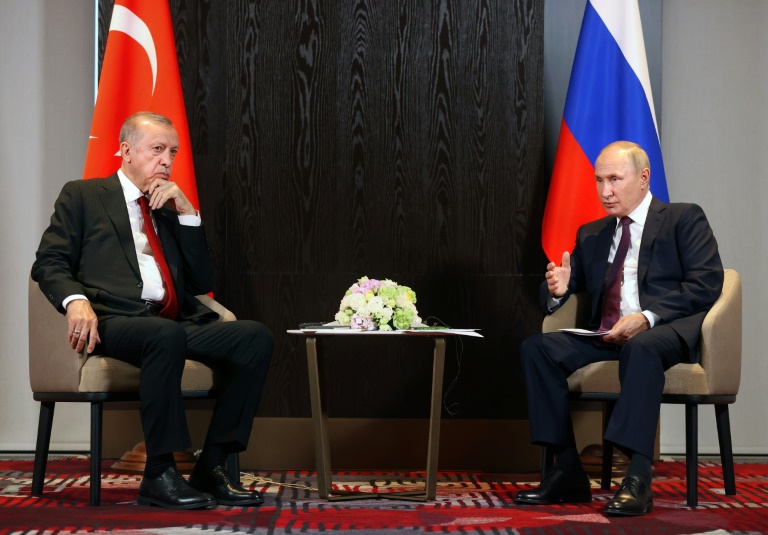
Two private Turkish lenders that began processing Mir after Turkish President Recep Tayyip Erdogan met Russian counterpart Vladimir Putin in August suspended the transactions earlier this month.

But three state lenders — Halkbank, Vakifbank and Ziraatbank — still worked with the cards.

A senior Turkish official did not say when Russians would no longer be able to access their cards in Turkey at all.

The three banks “are still processing (the outstanding) payments, but they have set a future date” for pulling out, the official said on condition of anonymity because no formal decision by the three bank has been announced.

The Kremlin on Wednesday condemned Washington for forcing Turkish banks to cut their Russian ties.

“They are threatened with secondary sanctions on the banking system. And this decision, of course, was made under this unprecedented pressure,” Kremlin spokesman Dmitry Peskov said.

– Shift in tone –

The explosion of Turkish trade with Russia during the seven-month war in Ukraine has been a source of growing irritation for Washington.

The value of trade between the two rose by more than 50 percent. Turkey has also agreed to pay for a quarter of its Russian natural gas imports in rubles.

US Deputy Secretary of the Treasury Wally Adeyemo paid a rare visit to Ankara and Istanbul in June to express Washington’s worries that Russian oligarchs and big businesses were using Turkish entities to evade Western sanctions.

The Treasury sent a follow up letter to Turkish banks and businesses in August warning that they cannot expect to have “access to the US dollar and other major currencies” if they trade with sanctioned Russians.

Turkey has tried to stay neutral in the Ukrainian conflict and refused to sign up to Western sanctions against Russia.

It has used this status to strike a range of economic agreements that have helped prop up the ailing economy in the run-up to June elections in which Erdogan will struggle to extend his two-decade grip on power.

Mir cards offer millions of Russians that vacation in Turkey each year a way to access their rubles and pay for everything from restaurants to hotels.

They are also increasingly important to Russians who are fleeing to Turkey as part of a new migration wave of men trying to avoid the draft.

– ‘Fear of secondary sanctions’ –

Prominent Russian sanctions campaigner Bill Browder — a businessman who left Moscow after one of his associates died in jail — said the Turkish bank decision showed that the “fear of secondary sanctions is starting to work”.

“Turkish banks have abandoned Putin’s Mir payment system out of fear of being punished by the US,” Browder tweeted.

“We need to roll this out far and wide. Chinese, Indian UAE and many other countries should understand there will be consequences.”

Russia developed Mir in 2015 to circumvent Western sanctions imposed following its annexation of Ukraine’s Crimea peninsula.

But Russian central bank chief Elvira Nabiullina conceded earlier this month that Moscow was encountering “difficulties” expanding its payment system around the world.

Uzbekistan suspended Mir transactions last Friday citing unspecified “technical procedures”.

The card still works in Belarus and a handful of Russia’s closest allies.

Visa and Mastercard no longer issue new cards in Russia or process foreign payments on the cards acquired before the war.

EU sees sabotage in gas pipe leaks, Norway hikes security

The EU said Wednesday that leaks from two Russia-Germany undersea gas pipelines appeared to be “a deliberate act”, as fossil fuel-rich Norway boosted security at its installations.

The three outflows from the Nord Stream 1 and 2 pipelines have sent natural gas prices soaring, exacerbating an energy crunch in Europe as it stands on the threshold to winter.

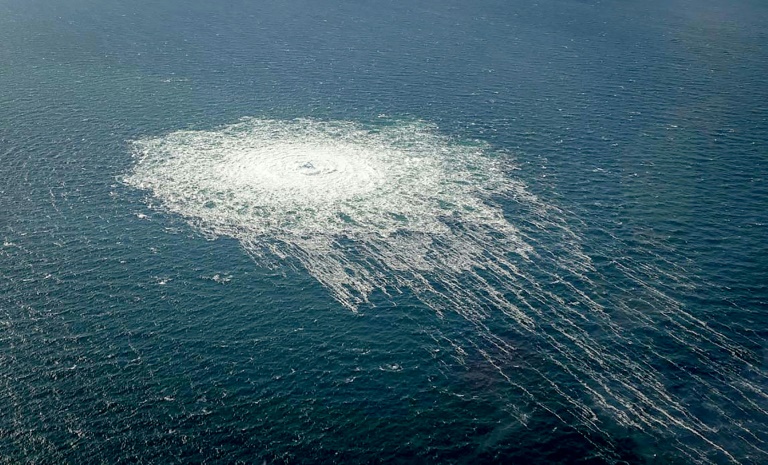
Methane gas from the leaks are bubbling to the surface of the Baltic Sea close to Denmark and Sweden in discharges expected to last for a week, until depletion of the gas in the pipelines.

Europe suspects the leaks to be from sabotage. 

They “are not a coincidence,” EU foreign policy chief Josep Borrell said in a statement. “All available information indicates those leaks are the result of a deliberate act.”

He warned: “Any deliberate disruption of European energy infrastructure is utterly unacceptable and will be met with a robust and united response.”

Suspicion has focused on Russia, which has cut gas supplies to Europe in retaliation for severe Western sanctions over the war in Ukraine.

But the Kremlin hit back, saying it was “stupid and absurd” to accuse Russia of causing the leaks.

EU chiefs Ursula von der Leyen and Charles Michel have both blamed the Nord Stream leaks on sabotage.

Michel on Wednesday tweeted that they “appear to be an attempt to further destabilise energy supply to EU”.

He added: “Those responsible will be held fully accountable and made to pay.”

The EU is currently mulling further sanctions on Russia for annexation votes imposed on four regions in Ukraine its forces occupy.

– Weeks before inspection –

Neither of the Nord Stream pipelines are currently operational, but they were full with gas when they were hit with what Swedish seismologists said were “massive releases of energy”.

One of the seismologists told AFP “there isn’t much else than a blast that could cause it”.

Danish Defence Minister Morten Bodskov told reporters in Brussels that “it can easily take one or two weeks for the area to calm down enough” for an inspection to verify the cause.

Two Danish military vessels have been sent to the area.

Non-EU member Norway, which has now overtaken Russia as the biggest supplier of gas to Europe, said it will beef up security around its oil and gas facilities.

“The government has decided to put measures in place to increase security at infrastructure sites, land terminals and platforms on the Norwegian continental shelf,” Norwegian Energy Minister Terje Aasland said.

The Norwegian Petroleum Safety Authority earlier this week called for “increased vigilance from all operators and shipping companies on the continental shelf”.

Built in parallel to the Nord Stream 1 pipeline, Nord Stream 2 was intended to double the capacity for Russian gas imports to Germany.

But Berlin blocked newly completed Nord Stream 2 in the days before the war.

Germany, which has been highly dependent on imports of fossil fuels from Russia to meet its energy needs, has since come under acute stress as Moscow’s supplies dwindle.

Sweden and Poland agree sabotage is the most likely cause of the Nord Stream leaks, with Warsaw suggesting Russia was probably the culprit, to escalate the war in Ukraine.

The United States said it was looking into the leaks, with Secretary of State Antony Blinken telling reporters that, if sabotage were confirmed, “that’s clearly in no one’s interest”.

The US has pledged to help European allies on energy security, and is already shipping what liquified natural gas it has to spare to the EU.

Turkey bows to US pressure, cuts Russian bank ties

Turkey’s booming wartime trade with Moscow took a giant step back on Wednesday with confirmation that the last three banks still processing Russian card payments were pulling out under pressure from Washington.

The decision follows weeks of increasingly blunt warnings from the United States for NATO member Turkey to either limit its economic relations with Russia or face the threat of sanctions itself.

The US Treasury said last week that Turkish banks working with Russian Mir bank cards “risk supporting Russia’s efforts to evade US sanctions”.

Two private Turkish lenders that began processing Mir after Turkish President Recep Tayyip Erdogan met Russian counterpart Vladimir Putin in August suspended the transactions earlier this month.

But three state lenders — Halkbank, Vakifbank and Ziraatbank — still worked with the cards.

A senior Turkish official did not say when Russians would no longer be able to access their cards in Turkey at all.

The three banks “are still processing (the outstanding) payments, but they have set a future date” for pulling out, the official said on condition of anonymity because no formal decision by the three bank has been announced.

The decision follows a meeting headed by Erdogan last Friday that officially focused on looking at “alternatives” to the Russian cards.

– Shift in tone –

The explosion of Turkish trade with Russia during the seven-month war in Ukraine has been a source of growing irritation for Washington.

The value of trade between the two rose by more than 50 percent. Turkey has also agreed to pay for a quarter of its Russian natural gas imports in rubles.

US Deputy Secretary of the Treasury Wally Adeyemo paid a rare visit to Ankara and Istanbul in June to express Washington’s worries that Russian oligarchs and big businesses were using Turkish entities to evade Western sanctions.

The Treasury sent a follow up letter to Turkish banks and businesses in August warning that they cannot expect to have “access to the US dollar and other major currencies” if they trade with sanctioned Russians.

Turkey has tried to stay neutral in the Ukrainian conflict and refused to sign up to Western sanctions against Russia.

It has used this status to strike a range of economic agreements that have helped prop up the ailing economy in the run-up to June elections in which Erdogan will struggle to extend his two-decade grip on power.

Mir cards offer millions of Russians that vacation in Turkey each year a way to access their rubles and pay for everything from restaurants to hotels.

They are also increasingly important to Russians who are fleeing to Turkey as part of a new migration wave of men trying to avoid the draft.

But analysts note a shift in Turkey’s tone away from Russia in the past few weeks.

Ankara last week strongly condemned the “illegitimate” polls the Kremlin is using as a pretext to annex four Ukrainian regions now under partial Russian control.

– ‘Fear of secondary sanctions’ –

Prominent Russian sanctions campaigner Bill Browder — a businessman who left Moscow after one of his associates died in jail — said the Turkish bank decision showed that the “fear of secondary sanctions is starting to work”.

“Turkish banks have abandoned Putin’s Mir payment system out of fear of being punished by the US,” Browder tweeted.

“We need to roll this out far and wide. Chinese, Indian UAE and many other countries should understand there will be consequences.”

Russia developed Mir in 2015 to circumvent Western sanctions imposed following its annexation of Ukraine’s Crimea peninsula.

But Russian central bank chief Elvira Nabiullina conceded earlier this month that Moscow was encountering “difficulties” expanding its payment system around the world.

Uzbekistan suspended Mir transactions last Friday citing unspecified “technical procedures”.

The card still works in Belarus and a handful of Russia’s closest allies.

Visa and Mastercard no longer issue new cards in Russia or process foreign payments on the cards acquired before the war.
'Incredible': Astronomers hail first images of asteroid impact

The asteroid is flying through space in the grainy black and white video, when suddenly a massive cloud of debris sprays out in front of it, meaning only one thing: impact.

Astronomers have hailed this early footage of the first time humanity deliberately smashed a spacecraft into an asteroid, saying it looks like it did a “lot of damage”.

That would be good news, because NASA’s Double Asteroid Redirection Test (DART) impactor struck the asteroid Dimorphos at 23,500 kilometres (14,500 miles) per hour on Monday night with the goal of deflecting its trajectory.

While Dimorphos is 11 million kilometres (6.8 million miles) away and poses no threat to Earth, it is being used as a historic test run so the world can be ready to defend itself if a future astroid heads Earth’s way.

After the impact, ground-based telescopes and the toaster-sized satellite LICIACube, which separated from DART a few weeks ago, revealed the first images of the collision.

“On the LICIACube images, the plume of what came off the surface was quite impressive,” Antonella Barucci of the Paris Observatory’s LESIA laboratory told AFP.

By examining the plume, “we can begin to estimate the density of the material on the surface,” she said.

– ‘Very, very big’ plume –

The Asteroid Terrestrial-impact Last Alert System (ATLAS) project on Tuesday tweeted a nine-second video of the impact taken by its telescope in South Africa.

Larry Denneau, the ATLAS co-principal investigator, said the telescope took one image every 40 seconds.

“So the whole sequence that you’ve seen on Twitter lasts about two hours in real time,” he told AFP.

He said the “very, very big” plume was made by dust shooting off the asteroid.

“A lot of the dust is released at a speed that’s greater than the gravity of the asteroid, and so it escapes,” Denneau said.

The plume expanded to around “several thousand miles in diameter,” he added.

In the coming days and weeks astronomers around the world will work to confirm whether the asteroid’s trajectory was definitively altered by the impact. 

Then the European Space Agency’s Hera mission will arrive at Dimorphos in 2026 to survey the surface and discover the extent of DART’s impact.

Hera mission principal investigator Patrick Michel said “we are all impressed by the magnitude of the event”.

“We have done a lot of damage to Dimorphos,” Michel said.

“We have a quantity of ejected matter that is quite incredible.”

The amount of matter ripped from the asteroid will help scientists work out exactly how much its trajectory has been affected — if at all.

“The more material is ejected, the more it deviates,” said Eric Lagadec, president of the French Astronomical Society. 

“So it’s a pretty good sign,” he added.

juc-la-pcl-dl/yad

Hurricane Ian strengthens to Category 4 as it barrels toward Florida

Hurricane Ian strengthened to a Category 4 storm as it headed towards the US state of Florida on Wednesday, with forecasters warning of life-threatening storm surges and “devastating” winds after it reportedly killed two and left millions without power in Cuba.

As of 5 am (0900 GMT), mandatory evacuation orders had been issued in a dozen coastal Florida counties, with voluntary evacuation recommended in several others, according to the state’s emergency officials.

In an advisory issued around the same time, the US National Hurricane Center (NHC) said “Ian has strengthened into an extremely dangerous Category 4 hurricane.”

“Very recent data from an Air Force Reserve Hurricane Hunter aircraft indicate that the maximum sustained winds have increased to near 140 mph (220 km/h) with higher gusts,” the NHC said.

The storm was expected to make landfall later on Wednesday before moving across central Florida and emerging in the western Atlantic by late Thursday.

The NHC said earlier that a “life-threatening storm surge is expected along the Florida west coast and the Lower Florida Keys,” with “devastating wind damage” expected near Ian’s core.

“Catastrophic flooding is expected across portions of central Florida with considerable flooding in southern Florida, northern Florida, southeastern Georgia and coastal South Carolina,” it said.

Florida Governor Ron DeSantis said on Tuesday night that there had already been at least two “radar-indicated tornadoes” in the state, and warned those in areas projected to be hit hardest that their “time to evacuate is coming to an end.”

“You need to evacuate now. You’re going to start feeling major impacts of this storm relatively soon,” he said.

Calls to heed evacuation warnings were echoed by US President Joe Biden, who earlier said Ian “could be a very severe hurricane, life-threatening and devastating in its impact.”

White House Press Secretary Karine Jean-Pierre said Biden had spoken with DeSantis — a potential 2024 election challenger — on Tuesday evening to discuss preparations for the storm.

– Widespread blackout –

Ian plunged all of Cuba into darkness on Tuesday after battering the country’s west as a Category 3 for more than five hours before moving back out over the Gulf of Mexico, the Insmet meteorological institute said.

The storm damaged Cuba’s power network and left the island “without electrical service,” state electricity company Union Electrica said.

Only the few people with gasoline-powered generators had access to electricity on the island of more than 11 million people. Others had to make do with flashlights or candles at home, and lit their way with cell phones as they walked the streets.

In the western city of Pinar del Rio, AFP footage showed downed power lines, flooded streets and a scattering of damaged rooftops.

“Desolation and destruction. These are terrifying hours. Nothing is left here,” a 70-year-old resident of the city was quoted as saying in a social media post by his journalist son, Lazaro Manuel Alonso.

About 40,000 people were evacuated across Pinar del Rio province, which bore the brunt of the storm, local authorities said.

– Two dead –

Cuban residents described “destruction” and posted images on social media of flooded streets and felled trees.

At the time of impact, the NHC reported Ian’s maximum wind speeds at 125 miles (205 kilometers) per hour. 

At least two people have been reported dead in Pinar del Rio province, according to Cuban state media.

In Consolacion del Sur, southwest of Havana, 65-year-old Caridad Fernandez said her roof was seriously damaged and water came through her front door.

“Everything we have is damaged,” she said. “But we’ll get through this, we’ll just keep moving forwards.”

In San Juan y Martinez, a hub for Cuba’s vital cigar industry, “it was apocalyptic, a real disaster,” said Hirochi Robaina from the Robaina tobacco plantation.

– ‘Life and death’ –

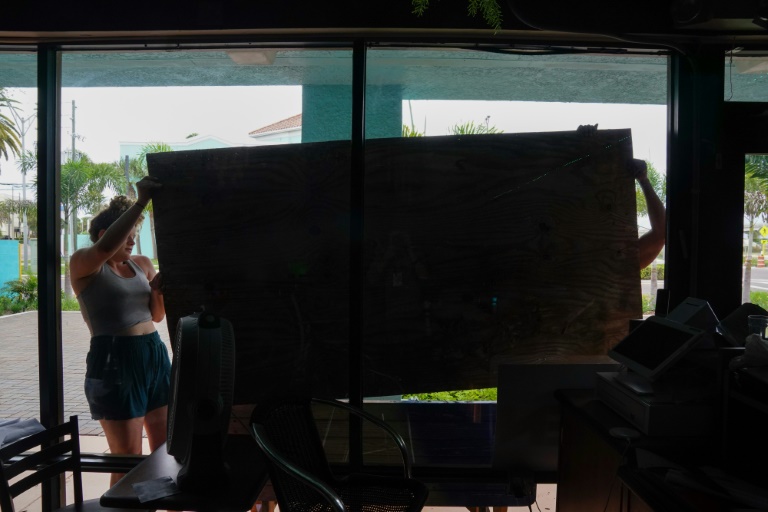
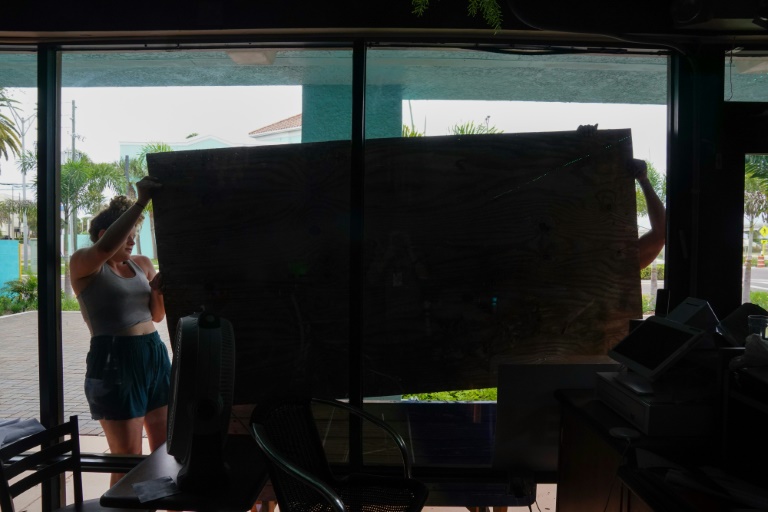
In Florida, 30-year-old Chelsea Thompson was helping her parents board up their home on Tuesday in a mandatory evacuation zone southwest of Tampa, saying that “the closer it gets, obviously with the unknown, your anxiety gets a little higher.” 

The Pentagon said 3,200 national guardsmen had been called up in Florida, with another 1,800 on the way.

Authorities in several municipalities were distributing free sandbags to help residents protect their homes from flooding.

Tampa International Airport suspended operations from Tuesday at 5 pm.

Biden has preemptively approved emergency aid in Florida through the Federal Emergency Management Agency (FEMA).

NASA, on the state’s east coast, also took precautions, rolling back its massive Moon rocket into a storage hanger for protection.

Like DeSantis, FEMA administrator Deanne Criswell highlighted the danger of storm surge, saying it was the agency’s “biggest concern.”

“If people are told to evacuate by their local officials, please listen to them. The decision you choose to make may be the difference between life and death,” she said.

Hurricane Ian strengthens to Category 4 as it barrels toward Florida

Hurricane Ian strengthened to a Category 4 storm as it headed towards the US state of Florida on Wednesday, with forecasters warning of life-threatening storm surges and “devastating” winds after it reportedly killed two and left millions without power in Cuba.

As of 5 am (0900 GMT), mandatory evacuation orders had been issued in a dozen coastal Florida counties, with voluntary evacuation recommended in several others, according to the state’s emergency officials.

In an advisory issued around the same time, the US National Hurricane Center (NHC) said “Ian has strengthened into an extremely dangerous Category 4 hurricane.”

“Very recent data from an Air Force Reserve Hurricane Hunter aircraft indicate that the maximum sustained winds have increased to near 140 mph (220 km/h) with higher gusts,” the NHC said.

The storm was expected to make landfall later on Wednesday before moving across central Florida and emerging in the western Atlantic by late Thursday.

The NHC said earlier that a “life-threatening storm surge is expected along the Florida west coast and the Lower Florida Keys,” with “devastating wind damage” expected near Ian’s core.

“Catastrophic flooding is expected across portions of central Florida with considerable flooding in southern Florida, northern Florida, southeastern Georgia and coastal South Carolina,” it said.

Florida Governor Ron DeSantis said on Tuesday night that there had already been at least two “radar-indicated tornadoes” in the state, and warned those in areas projected to be hit hardest that their “time to evacuate is coming to an end.”

“You need to evacuate now. You’re going to start feeling major impacts of this storm relatively soon,” he said.

Calls to heed evacuation warnings were echoed by US President Joe Biden, who earlier said Ian “could be a very severe hurricane, life-threatening and devastating in its impact.”

White House Press Secretary Karine Jean-Pierre said Biden had spoken with DeSantis — a potential 2024 election challenger — on Tuesday evening to discuss preparations for the storm.

– Widespread blackout –

Ian plunged all of Cuba into darkness on Tuesday after battering the country’s west as a Category 3 for more than five hours before moving back out over the Gulf of Mexico, the Insmet meteorological institute said.

The storm damaged Cuba’s power network and left the island “without electrical service,” state electricity company Union Electrica said.

Only the few people with gasoline-powered generators had access to electricity on the island of more than 11 million people. Others had to make do with flashlights or candles at home, and lit their way with cell phones as they walked the streets.

In the western city of Pinar del Rio, AFP footage showed downed power lines, flooded streets and a scattering of damaged rooftops.

“Desolation and destruction. These are terrifying hours. Nothing is left here,” a 70-year-old resident of the city was quoted as saying in a social media post by his journalist son, Lazaro Manuel Alonso.

About 40,000 people were evacuated across Pinar del Rio province, which bore the brunt of the storm, local authorities said.

– Two dead –

Cuban residents described “destruction” and posted images on social media of flooded streets and felled trees.

At the time of impact, the NHC reported Ian’s maximum wind speeds at 125 miles (205 kilometers) per hour. 

At least two people have been reported dead in Pinar del Rio province, according to Cuban state media.

In Consolacion del Sur, southwest of Havana, 65-year-old Caridad Fernandez said her roof was seriously damaged and water came through her front door.

“Everything we have is damaged,” she said. “But we’ll get through this, we’ll just keep moving forwards.”

In San Juan y Martinez, a hub for Cuba’s vital cigar industry, “it was apocalyptic, a real disaster,” said Hirochi Robaina from the Robaina tobacco plantation.

– ‘Life and death’ –

In Florida, 30-year-old Chelsea Thompson was helping her parents board up their home on Tuesday in a mandatory evacuation zone southwest of Tampa, saying that “the closer it gets, obviously with the unknown, your anxiety gets a little higher.” 

The Pentagon said 3,200 national guardsmen had been called up in Florida, with another 1,800 on the way.

Authorities in several municipalities were distributing free sandbags to help residents protect their homes from flooding.

Tampa International Airport suspended operations from Tuesday at 5 pm.

Biden has preemptively approved emergency aid in Florida through the Federal Emergency Management Agency (FEMA).

NASA, on the state’s east coast, also took precautions, rolling back its massive Moon rocket into a storage hanger for protection.

Like DeSantis, FEMA administrator Deanne Criswell highlighted the danger of storm surge, saying it was the agency’s “biggest concern.”

“If people are told to evacuate by their local officials, please listen to them. The decision you choose to make may be the difference between life and death,” she said.

Typhoon Noru tears across Vietnam

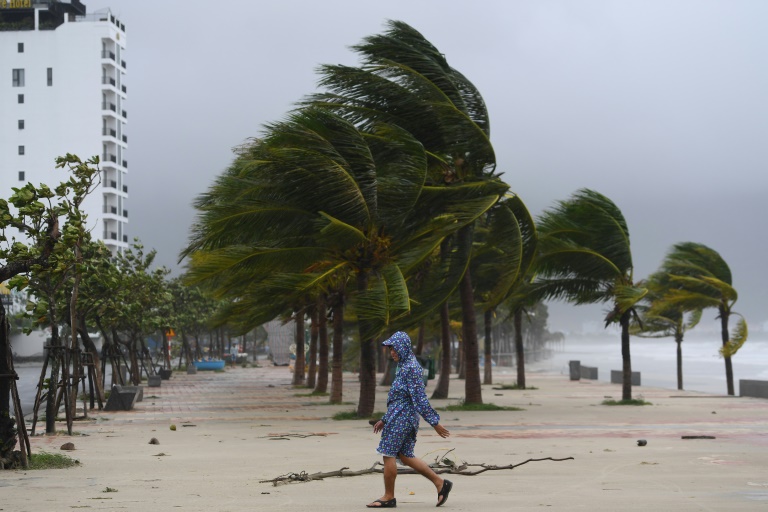
Typhoon Noru tore roofs from homes and caused power outages across central Vietnam Wednesday, with hundreds of thousands of people taking refuge, after the storm claimed at least 10 lives in the Philippines.

In Danang, Vietnam’s third-largest city, high-rise buildings shook as the typhoon made landfall in the early hours of Wednesday, bringing winds of up to around 120 kilometres (75 miles) per hour, according to the national forecaster.

More than 300,000 people in Vietnam hunkered down in shelters overnight after experts predicted the storm would be one of the biggest to ever hit the country.

Wind speeds were lower than initially feared, but forecasters said heavy rain would continue and warned of landslides and serious flooding.

The defence ministry has mobilised around 40,000 soldiers and 200,000 militia members, equipped with armoured vehicles and boats in preparation for rescue and relief operations, state media said.

In the tourist city of Hoi An, the Hoai River was close to bursting its banks, while the ground was littered with metal roof sheeting and fallen trees that had damaged cars and blocked roads.

Several streets in the old town were under water.

“The typhoon was terrible last night. I could not sleep as the wind was so strong and loud,” resident Nguyen Thi Hien told AFP.

Around 300 houses in the coastal province of Quang Tri had their roofs blown off on Tuesday as the wind began picking up speed.

“I heard the sound of fallen trees and signboards outside. I was scared. But we were prepared so luckily the losses were not that bad.”

Residents rushed to clean up the debris early on Wednesday, with some shops already open and tourists walking the streets, taking pictures of the floodwater.

Reshma D’Souza, from India, spent a frightening night in her hotel room. At around 1 am, she said, she saw that the “wall was vibrating”.

“(It was) shaking, so I was just praying and I was so scared.”

Airports and offices across central provinces began to reopen on Wednesday afternoon.

But key sections of the highway linking Hanoi in the north with commercial hub Ho Chi Minh City in the south remained closed due to landslides and floods, according to state media.

– Deaths in Philippines –

Noru hit Vietnam after slamming into the Philippines earlier this week as a super typhoon with winds of up to 195 kph, leaving 10 dead and eight missing, the civil defence office said.

The typhoon was forecast to continue moving inland Wednesday, passing over Laos before hitting Thailand’s northeastern Ubon Ratchathani province on Thursday and gradually weakening into a tropical depression.

Thai authorities warned of heavy rain and possible flash flooding, saying people living in high-risk areas should prepare to evacuate their homes.

Vietnam is frequently lashed by heavy storms in the rainy season between June and November, with central coastal provinces the worst affected.

Scientists have warned the storms are becoming more powerful as the world gets warmer because of climate change.

Stocks and oil drop as dollar gains on recession, Ukraine fears

Equities and crude prices fell while the dollar held at multi-year highs Wednesday as recession fears mount and traders grow increasingly concerned about tensions between Russia and the West.

Investors are keeping a close eye on London, after new finance minister Kwasi Kwarteng’s tax-cutting last week sent shock waves through markets, pushing the pound to a record low and leading to dire warnings for Britain’s economy.

While Asia saw small gains Tuesday, New York and Europe ended mostly in the red again, with Wall Street jolted by data showing a surprise improvement in US consumer confidence — likely because of a dip in petrol prices — and a jump in home sales.

The figures pointed to resilience in the world’s top economy despite three successive bumper Federal Reserve rate hikes — and expectations for another in November — as it tries to tame four-decade-high inflation.

Several Fed officials have lined up this week to reassert their determination to keep hiking until prices are brought under control, even at the cost of a recession.

Observers are now betting that borrowing costs will top out at around 4.75 percent next year, and some policymakers have suggested they could remain elevated for some time.

The prospect of such tight monetary policy has battered equities, as US 10-year Treasury yields — a gauge of future rates — hit four percent for the first time since 2010.

The Dow and S&P 500 ended down Tuesday, though the Nasdaq enjoyed a slight uptick. 

Asia resumed its downtrend Wednesday, with Hong Kong down more than three percent, while Seoul, Taipei and Manila sank more than two percent. Tokyo, Shanghai and Singapore were off more than one percent.

There were also losses in Sydney, Wellington, Bangkok and Mumbai, while London, Paris and Frankfurt were also sharply lower.

– Russia nuclear warning –

The dollar remains the go-to unit as the Fed leads the way in central bank tightening.

“The fact we have such a strong increase in US yields is attracting flows into the US dollar,” said Nannette Hechler-Fayd’herbe, of Credit Suisse Group AG.

“As long as monetary and fiscal policy worldwide are really not coming to strengthen their own currencies, we should be anticipating a very strong dollar.”

The greenback rose against sterling, with the British currency battered by concerns that Kwarteng’s spending plan would ramp up borrowing just as the Bank of England was trying to hike rates to fight inflation, causing consternation among many observers.

The dollar was also approaching 145 yen, having sunk from a high close to 146 yen after the Japanese government intervened last week to support its currency. 

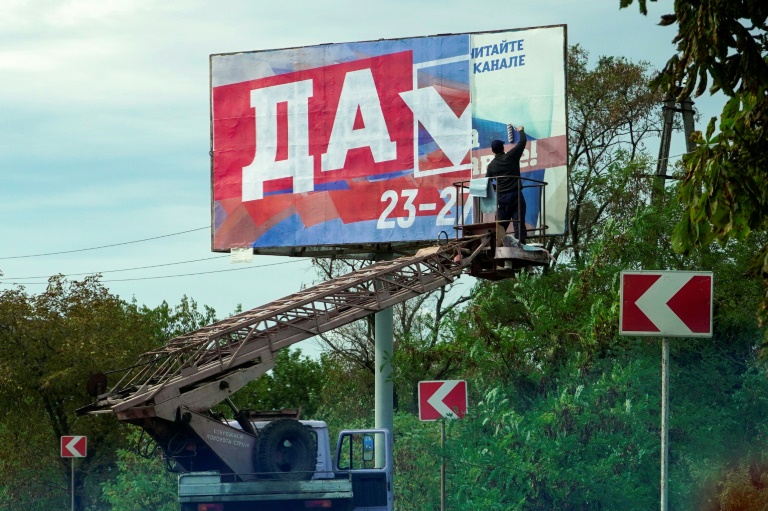
Sentiment was also rattled by worries about developments in Ukraine, after Kremlin-installed authorities in four regions under Russian control claimed victory in annexation votes, with Moscow warning it could use nuclear weapons to defend the territories.

Ukraine and its allies have denounced the so-called referendums as a sham, saying the West would never recognise the results.

In response, Kyiv on Wednesday called for the West to “significantly” increase its military aid to Ukraine.  

But former Russian leader Dmitry Medvedev — an ally of President Vladimir Putin and now deputy chairman of the country’s security council — issued a stark warning that Moscow was ready to act decisively.

“I want to remind you — the deaf who hear only themselves: Russia has the right to use nuclear weapons if necessary,” he said on social media.

On crude markets, both main contracts were down more than two percent on recession worries and as Bloomberg quoted sources saying that US inventories increased more than four million barrels last week.

The drop comes despite a report that Moscow is calling on OPEC and other major groups to slash output by a million barrels a day when they meet next week.

“With Brent trading only a little above $80 and WTI below, you have to wonder how much more OPEC+ will tolerate, and the size of (any) output cut they may be considering next week in light of the new economic outlook and price,” said OANDA’s Craig Erlam.

– Key figures at around 0810 GMT –

Tokyo – Nikkei 225: DOWN 1.5 percent at 26,173.98 (close)

Hong Kong – Hang Seng Index: DOWN 3.4 percent at 17,250.88 (close)

Shanghai – Composite: DOWN 1.6 percent at 3,045.07 (close)

London – FTSE 100: DOWN 2.0 percent at 6,845.82

Pound/dollar: DOWN at $1.0680 from $1.0730 on Tuesday

Euro/dollar: DOWN at $0.9562 from $0.9595

Euro/pound: UP at 89.50 pence from 89.39 pence 

Dollar/yen: DOWN at 144.60 yen from 144.81 yen

West Texas Intermediate: DOWN 2.2 percent at $76.76 per barrel

Brent North Sea crude: DOWN 2.1 percent at $84.50 per barrel

New York – Dow: DOWN 0.4 percent at 29,134.99 (close)

Stocks and oil drop as dollar gains on recession, Ukraine fears

Equities and crude prices fell while the dollar held at multi-year highs Wednesday as recession fears mount and traders grow increasingly concerned about tensions between Russia and the West.

Investors are keeping a close eye on London, after new finance minister Kwasi Kwarteng’s tax-cutting last week sent shock waves through markets, pushing the pound to a record low and leading to dire warnings for Britain’s economy.

While Asia saw small gains Tuesday, New York and Europe ended mostly in the red again, with Wall Street jolted by data showing a surprise improvement in US consumer confidence — likely because of a dip in petrol prices — and a jump in home sales.

The figures pointed to resilience in the world’s top economy despite three successive bumper Federal Reserve rate hikes — and expectations for another in November — as it tries to tame four-decade-high inflation.

Several Fed officials have lined up this week to reassert their determination to keep hiking until prices are brought under control, even at the cost of a recession.

Observers are now betting that borrowing costs will top out at around 4.75 percent next year, and some policymakers have suggested they could remain elevated for some time.

The prospect of such tight monetary policy has battered equities, as US 10-year Treasury yields — a gauge of future rates — hit four percent for the first time since 2010.

The Dow and S&P 500 ended down Tuesday, though the Nasdaq enjoyed a slight uptick. 

Asia resumed its downtrend Wednesday, with Hong Kong down more than three percent, while Seoul, Taipei and Manila sank more than two percent. Tokyo, Shanghai and Singapore were off more than one percent.

There were also losses in Sydney, Wellington, Bangkok and Mumbai, while London, Paris and Frankfurt were also sharply lower.

– Russia nuclear warning –

The dollar remains the go-to unit as the Fed leads the way in central bank tightening.

“The fact we have such a strong increase in US yields is attracting flows into the US dollar,” said Nannette Hechler-Fayd’herbe, of Credit Suisse Group AG.

“As long as monetary and fiscal policy worldwide are really not coming to strengthen their own currencies, we should be anticipating a very strong dollar.”

The greenback rose against sterling, with the British currency battered by concerns that Kwarteng’s spending plan would ramp up borrowing just as the Bank of England was trying to hike rates to fight inflation, causing consternation among many observers.

The dollar was also approaching 145 yen, having sunk from a high close to 146 yen after the Japanese government intervened last week to support its currency. 

Sentiment was also rattled by worries about developments in Ukraine, after Kremlin-installed authorities in four regions under Russian control claimed victory in annexation votes, with Moscow warning it could use nuclear weapons to defend the territories.

Ukraine and its allies have denounced the so-called referendums as a sham, saying the West would never recognise the results.

In response, Kyiv on Wednesday called for the West to “significantly” increase its military aid to Ukraine.  

But former Russian leader Dmitry Medvedev — an ally of President Vladimir Putin and now deputy chairman of the country’s security council — issued a stark warning that Moscow was ready to act decisively.

“I want to remind you — the deaf who hear only themselves: Russia has the right to use nuclear weapons if necessary,” he said on social media.

On crude markets, both main contracts were down more than two percent on recession worries and as Bloomberg quoted sources saying that US inventories increased more than four million barrels last week.

The drop comes despite a report that Moscow is calling on OPEC and other major groups to slash output by a million barrels a day when they meet next week.

“With Brent trading only a little above $80 and WTI below, you have to wonder how much more OPEC+ will tolerate, and the size of (any) output cut they may be considering next week in light of the new economic outlook and price,” said OANDA’s Craig Erlam.

– Key figures at around 0810 GMT –

Tokyo – Nikkei 225: DOWN 1.5 percent at 26,173.98 (close)

Hong Kong – Hang Seng Index: DOWN 3.4 percent at 17,250.88 (close)

Shanghai – Composite: DOWN 1.6 percent at 3,045.07 (close)

London – FTSE 100: DOWN 2.0 percent at 6,845.82

Pound/dollar: DOWN at $1.0680 from $1.0730 on Tuesday

Euro/dollar: DOWN at $0.9562 from $0.9595

Euro/pound: UP at 89.50 pence from 89.39 pence 

Dollar/yen: DOWN at 144.60 yen from 144.81 yen

West Texas Intermediate: DOWN 2.2 percent at $76.76 per barrel

Brent North Sea crude: DOWN 2.1 percent at $84.50 per barrel

New York – Dow: DOWN 0.4 percent at 29,134.99 (close)

Stocks and oil drop as dollar gains on recession, Ukraine fears

Equities and crude prices fell while the dollar held at multi-year highs Wednesday as recession fears mount and traders grow increasingly concerned about tensions between Russia and the West.

Investors are keeping a close eye on London, after new finance minister Kwasi Kwarteng’s tax-cutting last week sent shock waves through markets, pushing the pound to a record low and leading to dire warnings for Britain’s economy.

While Asia saw small gains Tuesday, New York and Europe ended mostly in the red again, with Wall Street jolted by data showing a surprise improvement in US consumer confidence — likely because of a dip in petrol prices — and a jump in home sales.

The figures pointed to resilience in the world’s top economy despite three successive bumper Federal Reserve rate hikes — and expectations for another in November — as it tries to tame four-decade-high inflation.

Several Fed officials have lined up this week to reassert their determination to keep hiking until prices are brought under control, even at the cost of a recession.

Observers are now betting that borrowing costs will top out at around 4.75 percent next year, and some policymakers have suggested they could remain elevated for some time.

The prospect of such tight monetary policy has battered equities, as US 10-year Treasury yields — a gauge of future rates — hit four percent for the first time since 2010.

The Dow and S&P 500 ended down Tuesday, though the Nasdaq enjoyed a slight uptick. 

Asia resumed its downtrend Wednesday, with Hong Kong down more than three percent, while Seoul, Taipei and Manila sank more than two percent. Tokyo, Shanghai and Singapore were off more than one percent.

There were also losses in Sydney, Wellington, Bangkok and Mumbai, while London, Paris and Frankfurt were also sharply lower.

– Russia nuclear warning –

The dollar remains the go-to unit as the Fed leads the way in central bank tightening.

“The fact we have such a strong increase in US yields is attracting flows into the US dollar,” said Nannette Hechler-Fayd’herbe, of Credit Suisse Group AG.

“As long as monetary and fiscal policy worldwide are really not coming to strengthen their own currencies, we should be anticipating a very strong dollar.”

The greenback rose against sterling, with the British currency battered by concerns that Kwarteng’s spending plan would ramp up borrowing just as the Bank of England was trying to hike rates to fight inflation, causing consternation among many observers.

The dollar was also approaching 145 yen, having sunk from a high close to 146 yen after the Japanese government intervened last week to support its currency. 

Sentiment was also rattled by worries about developments in Ukraine, after Kremlin-installed authorities in four regions under Russian control claimed victory in annexation votes, with Moscow warning it could use nuclear weapons to defend the territories.

Ukraine and its allies have denounced the so-called referendums as a sham, saying the West would never recognise the results.

In response, Kyiv on Wednesday called for the West to “significantly” increase its military aid to Ukraine.  

But former Russian leader Dmitry Medvedev — an ally of President Vladimir Putin and now deputy chairman of the country’s security council — issued a stark warning that Moscow was ready to act decisively.

“I want to remind you — the deaf who hear only themselves: Russia has the right to use nuclear weapons if necessary,” he said on social media.

On crude markets, both main contracts were down more than two percent on recession worries and as Bloomberg quoted sources saying that US inventories increased more than four million barrels last week.

The drop comes despite a report that Moscow is calling on OPEC and other major groups to slash output by a million barrels a day when they meet next week.

“With Brent trading only a little above $80 and WTI below, you have to wonder how much more OPEC+ will tolerate, and the size of (any) output cut they may be considering next week in light of the new economic outlook and price,” said OANDA’s Craig Erlam.

– Key figures at around 0810 GMT –

Tokyo – Nikkei 225: DOWN 1.5 percent at 26,173.98 (close)

Hong Kong – Hang Seng Index: DOWN 3.4 percent at 17,250.88 (close)

Shanghai – Composite: DOWN 1.6 percent at 3,045.07 (close)

London – FTSE 100: DOWN 2.0 percent at 6,845.82

Pound/dollar: DOWN at $1.0680 from $1.0730 on Tuesday

Euro/dollar: DOWN at $0.9562 from $0.9595

Euro/pound: UP at 89.50 pence from 89.39 pence 

Dollar/yen: DOWN at 144.60 yen from 144.81 yen

West Texas Intermediate: DOWN 2.2 percent at $76.76 per barrel

Brent North Sea crude: DOWN 2.1 percent at $84.50 per barrel

New York – Dow: DOWN 0.4 percent at 29,134.99 (close)

Close Bitnami banner
Bitnami