AFP

UK rail, postal staff halt strikes after queen's death

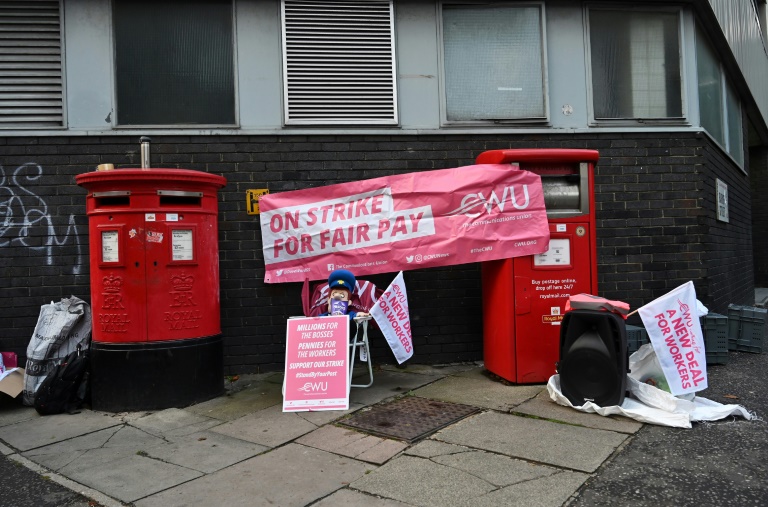
British railway and postal workers, at the forefront of sector-wide strikes over a cost-of-living crisis, have halted upcoming walkouts following the death of Queen Elizabeth II.

The Communication Workers Union had planned to continue a 48-hour stoppage Friday but it was called off “out of respect for” the queen, CWU general secretary Dave Ward said in a statement following the queen’s passing in Scotland on Thursday.

The Trades Union Congress said it had postponed its four-day annual conference due to have begun Sunday.

“The UK’s trade union movement sends our condolences to the Royal Family on the death of the Queen, and recognises her many years of dedicated service to the country,” the TUC added in a statement.

The RMT rail union said it was suspending walkouts planned for next week and the TSSA transport union has called off its September strikes.

Train drivers’ union Aslef has also suspended a planned stoppage.

“RMT joins the whole nation in paying its respects to Queen Elizabeth,” its general secretary Mick Lynch said in a statement.

“The planned railway strike action on 15 and 17 September is suspended. 

“We express our deepest condolences to her family, friends and the country,” Lynch added.

Network Rail, which manages Britain’s railways, said it welcomed “the unions’ decision to call off” strikes.

In Scotland, refuse collectors had already decided a week ago to suspend walkouts as they mull an improved pay offer.

– Summer of strikes –

Tens of thousands of workers went on strike across Britain over the summer as decades-high inflation erodes earnings.

The walkouts have been spearheaded by the rail sector, which has carried out its biggest industrial action in 30 years.

Some proposed non-rail strikes were halted after unions and companies agreed pay deals at the eleventh hour.

But walkouts have still gone ahead by Amazon warehouse staff and criminal lawyers in recent weeks.

Analysts are forecasting sector-wide stoppages to continue this year as inflation keeps on rising.

New Prime Minister and Conservative party leader Liz Truss is seen as wanting to take on the unions, which are traditionally allied to the main opposition Labour party.

In a bid to ease the cost-of-living crisis, Truss this week announced a huge financial package that will cap domestic energy bills.

This will eventually help to trim inflation but not before many households and business first see bills increase in October.

Teachers and health workers have meanwhile hinted at possible walkouts should they not receive new pay deals deemed acceptable.

UN chief slams climate change 'insanity' on Pakistan flood visit

United Nations Secretary General Antonio Guterres called the lack of global attention to climate change “insanity” Friday as he visited Pakistan to mobilise help for millions of people affected by devastating monsoon floods.

Nearly 1,400 people have died in flooding that covers a third of the country — an area the size of the United Kingdom — wiping out crops and destroying homes, businesses, roads and bridges.

Pakistan says it will cost at least $10 billion to rebuild and repair — an impossible sum for the deeply indebted nation — but the priority is food and shelter for 33 million people affected.

Guterres said he hoped his visit would galvanise international help, noting Pakistan had always shown generosity towards others, hosting millions of refugees for decades from neighbouring Afghanistan at enormous cost.

Pakistan receives heavy — often destructive — rains during its annual monsoon season, which are crucial for agriculture and water supplies.

But downpours as intense as this year’s have not been seen for decades, and Pakistan officials blame climate change, which is increasing the frequency and intensity of extreme weather around the world.

“This is insanity, this is collective suicide,” Guterres told a press conference in the capital, lamenting the lack of attention the world gave to climate change — particularly the industrialised nations that scientists blame.

Pakistan is responsible for less than one percent of global greenhouse gas emissions, but is eighth on a list compiled by the NGO Germanwatch of countries most vulnerable to extreme weather caused by climate change.

Guterres plans to tour flood-hit parts of the south on Saturday, and also visit Mohenjo-daro, a centuries-old UNESCO-designated world heritage site threatened by the deluge.

– Tents and tarpaulins needed –

“If he comes and sees us, Allah will bless him,” Rozina Solangi, a 30-year-old housewife from a flooded village near Sukkur, told AFP Friday.

“All the children, men and women are roasting in this scorching heat. We have nothing to eat, there is no roof on our heads. So he must do something for us poor.”

A flood relief plan compiled by the Pakistan government and UN calls for an immediate $160 million in international funding, and aid is already arriving.

On Thursday, a US Air Force C-17 landed — the first American military plane in Pakistan for years — bringing desperately needed tents and tarpaulins for temporary shelter.

While Washington is a key supplier of military hardware to Islamabad, relations have been fractious as a result of conflicting interests in neighbouring Afghanistan — especially since the Taliban returned to power in August last year.

The meteorological office says Pakistan received five times more rain than normal in 2022. Padidan, a small town in Sindh province, has been drenched by more than 1.8 metres (71 inches) since the monsoon began in June.

The effect of the rains has been twofold — flash floods in rivers in the mountainous north that washed away roads, bridges and buildings in minutes, and a slow accumulation of water in the southern plains that has submerged hundreds of thousands of square kilometres of land.

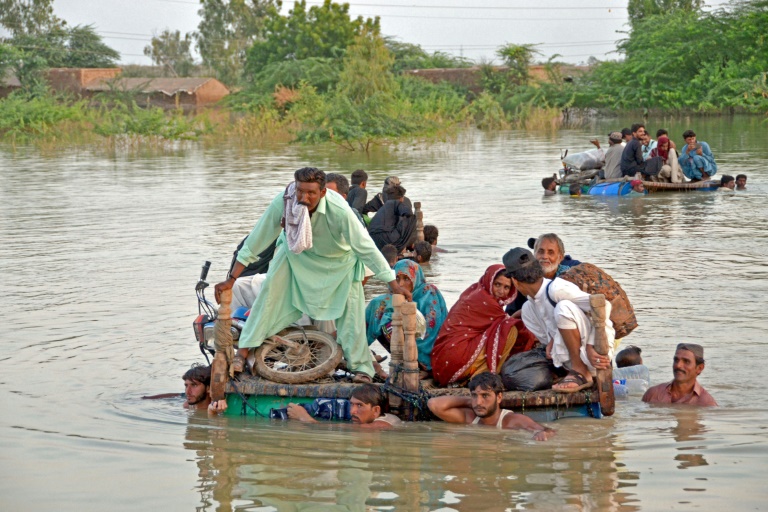
In Jaffarabad district of Balochistan on Thursday, villagers were fleeing their homes on makeshift rafts made from upturned wooden “charpoy” beds.

Thousands of temporary campsites have mushroomed on slivers of dry land in the south and west — often roads and railway tracks are the only ground in a landscape of water.

With people and livestock cramped together, the camps are ripe for outbreaks of disease, with many cases of mosquito-borne dengue reported, as well as scabies.

Voice-operated smartphones target Africa's illiterate

Voice-operated smartphones are aiming at a vast yet widely overlooked market in sub-Saharan Africa — the tens of millions of people who face huge challenges in life because they cannot read or write.

In Ivory Coast, a so-called “Superphone” using a vocal assistant that responds to commands in a local language is being pitched to the large segment of the population — as many as 40 percent — who are illiterate.

Developed and assembled locally, the phone is designed to make everyday tasks more accessible, from understanding a document and checking a bank balance to communicating with government agencies.

“I’ve just bought this phone for my parents back home in the village, who don’t know how to read or write,” said Floride Jogbe, a young woman who was impressed by adverts on social media.

She believed the 60,000 CFA francs ($92) she forked out was money well spent.

The smartphone uses an operating system called “Kone” that is unique to the Cerco company, and covers 17 languages spoken in Ivory Coast, including Baoule, Bete, and Dioula, as well as 50 other African languages. 

Cerco hopes to expand this to 1,000 languages, reaching half of the continent’s population, thanks to help from a network of 3,000 volunteers.

The goal is to address the “frustration” illiterate people feel with technology that requires them to be able to read or write or spell effectively, said Cerco president Alain Capo-Chichi, a Benin national.

“Various institutions set down the priority of making people literate before making technology available to them,” he told AFP. 

“Our way skips reading and writing and goes straight to integrating people into economic and social life.”

Of the 750 million adults around the world who cannot read or write, 27 percent live south of the Sahara, according to UN figures for 2016, the latest year for which data is available.

The continent also hosts nearly 2,000 languages, some of which are spoken by tens of millions of people and are used for inter-ethnic communication, while others are dialects with a small geographical spread.

Lack of numbers or  economic clout often means these languages are overlooked by developers who have already devised vocal assistants for languages in bigger markets.

– Twi and Kiswahili –

Other companies investing in the voice-operation field in Africa include Mobobi, which has created a Twi language voice assistant in Ghana called Abena AI, while Mozilla is working on an assistant in Kiswahili, which has an estimated 100 million speakers in East Africa.

Telecommunications expert Jean-Marie Akepo questioned whether voice operation needed the platform of a dedicated mobile phone.

Existing technology “manages to satisfy people”, he said.

“With the voice message services offered by WhatsApp, for example, a large part of the problem has already been solved.”

Instead of a new phone, he recommended “software with local languages that could be installed on any smartphone”.

The Ivorian phone is being produced at the ICT and Biotechnology Village in Grand-Bassam, a free-trade zone located near the Ivorian capital.

It  came about through close collaboration with the government. The company pays no taxes or customs duties and the assembly plant has benefited from a subsidy of more than two billion CFA francs.

In exchange, Cerco is to pay 3.5 percent of its income to the state and train around 1,200 young people each year.

The company says it has received 200,000 orders since launch on July 21.

Thanks to a partnership with French telecommunications giant Orange, the phone will be distributed in 200 shops across Ivory Coast.

Stocks and oil prices rally, as dollar drops

Stock markets and oil prices rallied Friday, with investors largely pricing in more interest rate hikes aimed at taming runaway inflation.

The dollar slid one percent versus the pound and euro after recent hefty gains.

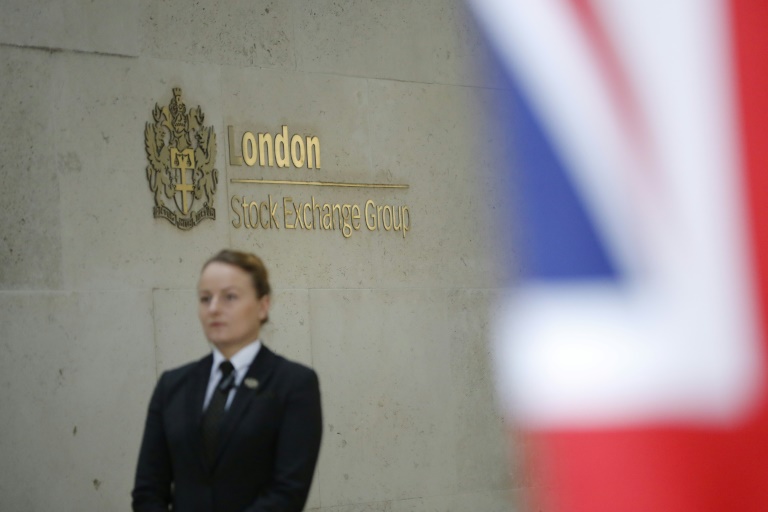
London’s stock market jumped more than 1.5 percent in morning deals, mirroring advances in Paris and Frankfurt, while the British capital’s exchange mourned the death of Queen Elizabeth II.

“We are deeply saddened at the passing of Her Majesty Queen Elizabeth II,” the London Stock Exchange said in a message posted on its website.

“Our sympathies and condolences are with The Royal Family.”

The LSE is expected to shut on the day of the queen’s funeral following her death on Thursday.

“Markets are being very British about the whole thing, carrying on in a fashion that I suspect she would have approved of,” said IG analyst Chris Beauchamp.

– Dollar off highs –

The more confident mood across equity and oil markets was reflected in a cooler dollar, which had surged to multi-decade highs against major peers in recent weeks owing to the Federal Reserve’s hawkish tilt to tighter monetary policy.

The greenback’s softness came even after Federal Reserve chief Jerome Powell reasserted the US central bank’s determination to keep hiking interest rates to fight prices, even at the cost of economic growth.

His warning that “we need to act now forthrightly, strongly” followed comments from his deputy Lael Brainard, who said policymakers would lift borrowing costs for as long as it takes to bring inflation down from 40-year highs.

Still, Wall Street ended in positive territory Thursday, putting markets on course for a weekly gain and easing some pressure after hefty losses in August caused by worries that rising rates would spark a recession.

New York’s rise filtered through to Asia, where Hong Kong rose close to three percent heading into a long weekend.

Edward Moya, analyst at trading platform OANDA, said traders cheered as “Powell stuck to his hawkish script and affirmed the commitment to tighten policy until inflation is back towards their target.

“Wall Street is expecting to see some pricing pressure relief with next week’s inflation report, but that shouldn’t derail the current 75 basis-point pace of tightening.”

There was also some cheer from news that inflation in China had eased slightly in August, giving the government more room to introduce more economy-supporting measures, though the recovery remains hostage to leaders’ strict zero-Covid strategy of growth-sapping lockdowns.

The euro was holding well above parity with the dollar, one day after the European Central Bank announced its own 75 basis-point rise as it warned inflation was “far too high” and likely to stay above target for “an extended period”.

ECB chief Christine Lagarde suggested policy would continue to be tightened for some time.

The yen strengthened as officials began speaking up after the unit approached a 32-year low versus the greenback.

The pick-up came after Bank of Japan chief Haruhiko Kuroda met Prime Minister Fumio Kishida on Friday before saying “the rapid weakening of the yen is undesirable”. 

The talks were used as a sign of intent to act in support of the currency if it continued to weaken. 

– Key figures at around 1045 GMT –

London – FTSE 100: UP 1.6 percent at 7,378.05 points

Frankfurt – DAX: UP 1.5 percent at 13,092.83

Paris – CAC 40: UP 1.8 percent at 6,233.32

EURO STOXX 50: UP 1.8 percent at 3,576.28

Tokyo – Nikkei 225: UP 0.5 percent at 28,214.75 (close)

Hong Kong – Hang Seng Index: UP 2.7 percent at 19,362.25 (close)

Shanghai – Composite: UP 0.8 percent at 3,262.05 (close)

New York – Dow: UP 0.6 percent at 31,774.52 (close)

Euro/dollar: UP at $1.0090 from $1.0001 on Thursday

Pound/dollar: UP at $1.1621 from $1.1500

Euro/pound: DOWN at 86.84 pence from 86.93 pence

Dollar/yen: DOWN at 142.13 yen from 144.07 yen 

Brent North Sea crude: UP 2.0 percent at $90.89 per barrel

West Texas Intermediate: UP 1.5 percent at $84.77 per barrel

burs/bcp/rfj/lth

Stocks and oil prices rally, as dollar drops

Stock markets and oil prices rallied Friday, with investors largely pricing in more interest rate hikes aimed at taming runaway inflation.

The dollar slid one percent versus the pound and euro after recent hefty gains.

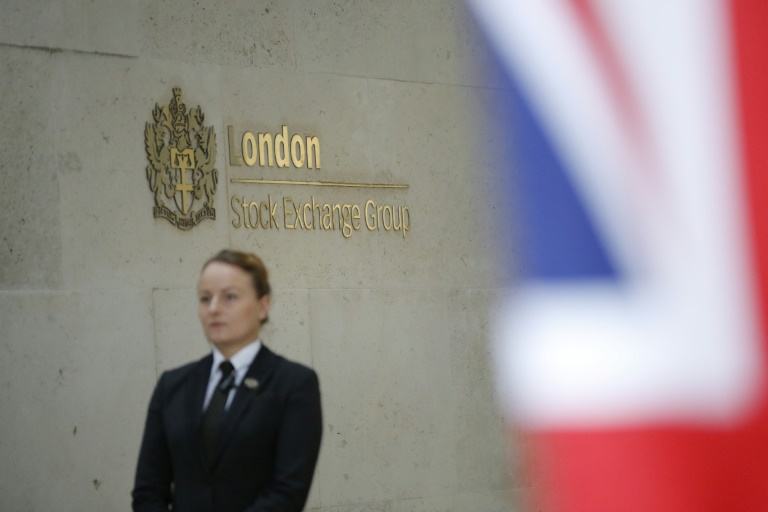
London’s stock market jumped more than 1.5 percent in morning deals, mirroring advances in Paris and Frankfurt, while the British capital’s exchange mourned the death of Queen Elizabeth II.

“We are deeply saddened at the passing of Her Majesty Queen Elizabeth II,” the London Stock Exchange said in a message posted on its website.

“Our sympathies and condolences are with The Royal Family.”

The LSE is expected to shut on the day of the queen’s funeral following her death on Thursday.

“Markets are being very British about the whole thing, carrying on in a fashion that I suspect she would have approved of,” said IG analyst Chris Beauchamp.

– Dollar off highs –

The more confident mood across equity and oil markets was reflected in a cooler dollar, which had surged to multi-decade highs against major peers in recent weeks owing to the Federal Reserve’s hawkish tilt to tighter monetary policy.

The greenback’s softness came even after Federal Reserve chief Jerome Powell reasserted the US central bank’s determination to keep hiking interest rates to fight prices, even at the cost of economic growth.

His warning that “we need to act now forthrightly, strongly” followed comments from his deputy Lael Brainard, who said policymakers would lift borrowing costs for as long as it takes to bring inflation down from 40-year highs.

Still, Wall Street ended in positive territory Thursday, putting markets on course for a weekly gain and easing some pressure after hefty losses in August caused by worries that rising rates would spark a recession.

New York’s rise filtered through to Asia, where Hong Kong rose close to three percent heading into a long weekend.

Edward Moya, analyst at trading platform OANDA, said traders cheered as “Powell stuck to his hawkish script and affirmed the commitment to tighten policy until inflation is back towards their target.

“Wall Street is expecting to see some pricing pressure relief with next week’s inflation report, but that shouldn’t derail the current 75 basis-point pace of tightening.”

There was also some cheer from news that inflation in China had eased slightly in August, giving the government more room to introduce more economy-supporting measures, though the recovery remains hostage to leaders’ strict zero-Covid strategy of growth-sapping lockdowns.

The euro was holding well above parity with the dollar, one day after the European Central Bank announced its own 75 basis-point rise as it warned inflation was “far too high” and likely to stay above target for “an extended period”.

ECB chief Christine Lagarde suggested policy would continue to be tightened for some time.

The yen strengthened as officials began speaking up after the unit approached a 32-year low versus the greenback.

The pick-up came after Bank of Japan chief Haruhiko Kuroda met Prime Minister Fumio Kishida on Friday before saying “the rapid weakening of the yen is undesirable”. 

The talks were used as a sign of intent to act in support of the currency if it continued to weaken. 

– Key figures at around 1045 GMT –

London – FTSE 100: UP 1.6 percent at 7,378.05 points

Frankfurt – DAX: UP 1.5 percent at 13,092.83

Paris – CAC 40: UP 1.8 percent at 6,233.32

EURO STOXX 50: UP 1.8 percent at 3,576.28

Tokyo – Nikkei 225: UP 0.5 percent at 28,214.75 (close)

Hong Kong – Hang Seng Index: UP 2.7 percent at 19,362.25 (close)

Shanghai – Composite: UP 0.8 percent at 3,262.05 (close)

New York – Dow: UP 0.6 percent at 31,774.52 (close)

Euro/dollar: UP at $1.0090 from $1.0001 on Thursday

Pound/dollar: UP at $1.1621 from $1.1500

Euro/pound: DOWN at 86.84 pence from 86.93 pence

Dollar/yen: DOWN at 142.13 yen from 144.07 yen 

Brent North Sea crude: UP 2.0 percent at $90.89 per barrel

West Texas Intermediate: UP 1.5 percent at $84.77 per barrel

burs/bcp/rfj/lth

UN chief in Pakistan to boost flood aid for devastated millions

United Nations chief Antonio Guterres began a two-day visit to flood-hit Pakistan on Friday that officials hope will boost global support for a humanitarian crisis affecting millions.

A third of the country is under water — an area the size of the United Kingdom — following record rains brought by what Guterres has described as “a monsoon on steroids”.

Pakistan officials say it will cost at least $10 billion to rebuild and repair damaged infrastructure — an impossible sum for the deeply indebted nation — but the priority, for now, is food and shelter for millions made homeless.

“If he comes and sees us, Allah will bless him,” Rozina Solangi, a 30-year-old housewife from a flooded village near Sukkur, told AFP Friday.

“All the children, men and women are roasting in this scorching heat. We have nothing to eat, there is no roof on our heads. So he must do something for us poor.”

In a tweet sent before he arrived, Guterres said he wanted to “be with the people in their time of need, galvanize international support and bring global focus on the disastrous repercussions of climate change”.

He plans to tour flood-hit parts of the south on Saturday, and also visit Mohenjo-daro, a centuries-old UNESCO-designated world heritage site threatened by the deluge.

Pakistan receives heavy — often destructive — rains during its annual monsoon season, which are crucial for agriculture and water supplies.

But a downpour as intense as this years has not been seen for decades, and Pakistan officials blame climate change, which is increasing the frequency and intensity of extreme weather around the world.

Pakistan is responsible for less than one percent of global greenhouse gas emissions, but is eighth on a list compiled by the NGO Germanwatch of countries most vulnerable to extreme weather caused by climate change.

– Tents and tarpaulins needed –

A flood relief plan compiled by the Pakistan government and UN calls for an immediate $160 million in international funding, and aid is already arriving.

On Thursday, a US Air Force C-17 landed — the first American military plane in Pakistan for years — bringing desperately needed tents and tarpaulins for temporary shelter.

While Washington is a key supplier of military hardware to Islamabad, relations have been fractious as a result of conflicting interests in neighbouring Afghanistan — especially since the Taliban returned to power in August last year.

The meteorological office says Pakistan received five times more rain than normal in 2022. Padidan, a small town in Sindh, has been drenched by more than 1.8 metres (71 inches) since the monsoon began in June.

The effect of the heavy rains has been twofold — flash floods in rivers in the mountainous north that washed away roads, bridges and buildings in minutes, and a slow accumulation of water in the southern plains that has submerged hundreds of thousands of square kilometres of land.

In Jaffarabad district of Balochistan on Thursday, villagers were fleeing their homes on makeshift rafts made from upturned wooden “charpoy” beds.

Thousands of temporary campsites have mushroomed on slivers of dry land in the south and west — often roads and railway tracks are the only high ground in a landscape of water.

With people and livestock cramped together, the camps are ripe for outbreaks of disease, with many cases of mosquito-borne dengue reported, as well as scabies.

The floods have killed nearly 1,400 people, according to the latest National Disaster Management Authority report.

Nearly 7,000 km of roads have been damaged, about 246 bridges washed away and more than 1.7 million homes and businesses destroyed.

EU energy ministers plan for 'difficult winter'

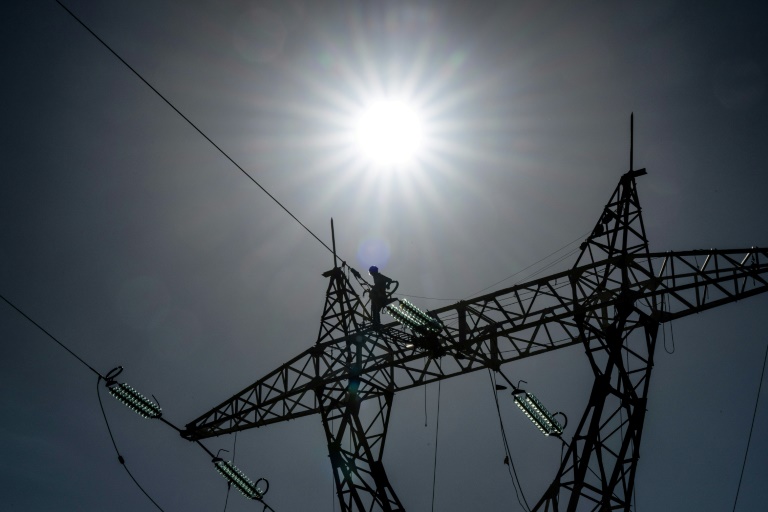
EU energy ministers met on Friday to seek a united response to the energy shock triggered by Russia’s war on Ukraine, which has sent prices for electricity and heating skyrocketing.

Moscow’s invasion has seen the price of natural gas hit record levels, throwing the EU economy into deep uncertainty, with all eyes on whether Russian President Vladimir Putin will cut off the energy flow entirely.

Before the war, 40 percent of the EU’s gas imports came from Russia, with most of the supply going to Germany, the bloc’s economic powerhouse, now scrambling to come up with new ways to heat homes and power factories.

The European Commission, the EU’s executive, will ask the ministers meeting in Brussels to consider a series of highly complex proposals designed to ease the burden.

“Right now, we need extraordinary intervention measures to address high and very volatile prices,” the EU’s energy commissioner Kadri Simson said, as she arrived for the talks.

“No doubt, ahead of us is a very difficult winter but our energy union is strong and we will prevail.”

The main drive will be to find ways to compensate households and businesses that are struggling to pay their bills and keep activity going.

The EU executive will propose a mechanism that would make non-gas electricity companies, such as nuclear, solar or renewable firms, share windfall revenues won on the back of high prices for electric power.

The market price of electricity in Europe is closely linked to the gas price, meaning non-gas utilities are enjoying a revenue bonanza while companies stuck paying for gas struggle.

Fossil fuel companies would also be levied on their mega profits from the inflated energy prices.

Finding consensus will be difficult with energy policy and dependence on Russia varying greatly across the EU’s 27 countries.

“Today, we are defining a mandate for the European Commission. We have to agree on a series of objectives, a calendar,” French energy minister Agnes Pannier-Runacher said.

– Price cap push stalled –

One proposal that has broad backing is an idea to rescue electricity companies that are struggling to hedge their spending on energy markets that have been extremely volatile.

This would be done by relaxing EU rules on state rescues of companies that are suddenly facing more onerous terms for cash as fears of a crisis spread.

The commission will also ask member states to agree on a united way to cut back on energy demand, with mandatory cuts on usage still considered an option, diplomats said.

“These are proposals where I feel there is quite a large convergence of views among the member states,” a key EU diplomat said.

An idea to cap Russian gas prices, however, is stalled, diplomats warned, amid fears that retribution from Moscow would throw the European economy into even further chaos.

US Secretary of State Antony Blinken, ahead of a visit to Brussels, on Friday urged Europeans to seize the opportunity and finally end the dependence on Russian energy “once and for all”.

But an EU diplomat aware of the state of negotiations warned that there was no majority among the member states in favour of the idea. 

The EU’s energy ministers are set to debate the commission’s ideas, with many countries expected to come to the table with their own proposals.

The commission, which draws up laws that are then ratified by member states and the European Parliament, would then formalise the proposal next week.

Shipping giant changes course to save Sri Lanka whales

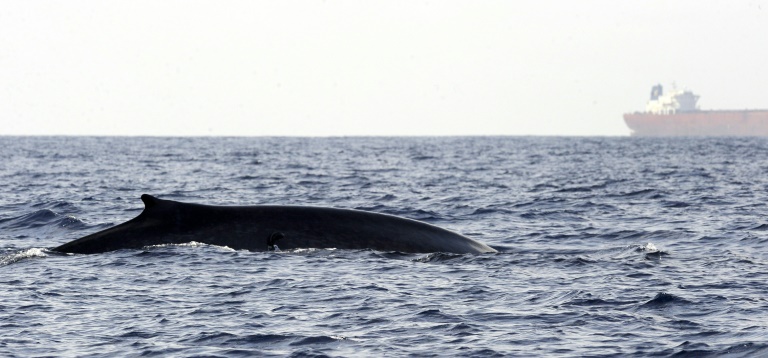
Animal rights activists on Friday cheered a move by a shipping giant to alter course in Sri Lankan waters to avoid collisions with blue whales, the world’s largest mammals.

The island’s southern coast has an unusually high density of blue whales, classed as endangered on the IUCN Red List of Threatened Species, and is one of the world’s busiest international shipping lanes.

Campaigners believe more than a dozen of the gigantic animals — the largest ever to have lived on Earth at up to 30 metres long and 150 tonnes — have been killed in collisions with commercial ships in the last decade.

There have also been occasional reports of fishermen dying when their boats were run down by container ships in the area, a rich fishing ground.

International activists and local environmentalists have for years pressed authorities to shift the east-west shipping routes 15 nautical miles further offshore.

The Geneva-based Mediterranean Shipping Company (MSC), one of the world’s biggest container carriers, announced Thursday that it had voluntarily adjusted its routes around Sri Lanka by that distance to reduce the risk of accidents involving whales, dolphins and porpoises.

The move could reduce the strike risk as much as 95 percent, the company said. 

It is also ordering its smaller feeder vessels in the area to slow to 10 knots in blue whale habitats.

The International Fund for Animal Welfare welcomed the announcement, calling it “good news for both blue whales and for people”.

The presence of the mammals has spawned a lucrative tourist whale-watching industry.

Sri Lankan animal rights activist and researcher Gehan Wijeratne said the topography of the ocean floor, currents and monsoons make the sea off southern Sri Lanka rich in nutrients and marine life.

“This rich food web results in an area which is optimal for fishing,” Wijeratne said. “Not surprisingly whales also gather in this area.”

Any move to improve the safety of fishermen and shipping will automatically have a positive impact on whales and whale watching, he added.

Leading Sri Lankan environmentalist Jagath Gunawardena told AFP that MSC’s unilateral action exposed Colombo’s failure to protect marine life and fishermen.

“We should be embarrassed that we failed, but an international shipping company had to take the initiative,” he said.

Asian markets rally, dollar dips as traders price in policy tightening

Asian markets rallied Friday following a healthy performance on Wall Street, with investors largely pricing in more interest rate hikes aimed at taming runaway inflation.

The more confident mood was reflected in a dip in the dollar, which has surged in recent weeks to multi-decade highs against its major peers owing to the Federal Reserve’s hawkish tilt to tighter monetary policy.

The greenback’s softness came even after Fed chief Jerome Powell reasserted the bank’s determination to keep hiking rates to fight prices, even at the cost of economic growth.

His warning that “we need to act now forthrightly, strongly” followed comments from his deputy Lael Brainard, who said policymakers would lift borrowing costs for as long as it takes to bring inflation down from 40-year highs.

Still, Wall Street ended in positive territory, putting markets on course for a weekly gain and easing some pressure after hefty losses in August caused by worries that rising rates would spark a recession.

“The markets have finally digested the fact that rates are almost certain to go up by 75 basis points when the Fed moves next (on September 21),” JoAnne Feeney, at Advisors Capital Management, told Bloomberg TV.

“What we are seeing though is some recognition that perhaps the sell-off that we saw in the second half of August was a bit overdone,” she said.

New York’s rise filtered through to Asia, where Hong Kong rose close to three percent heading into a long weekend, while Tokyo, Sydney, Shanghai, Singapore, Wellington, Mumbai, Manila and Bangkok were also well up.

London, Paris and Frankfurt also rose in early trading.

OANDA’s Edward Moya said traders cheered as “Powell stuck to his hawkish script and affirmed the commitment to tighten policy until inflation is back towards their target.

“Wall Street is expecting to see some pricing pressure relief with next week’s inflation report, but that shouldn’t derail the current 75 basis-point pace of tightening.”

There was also some cheer from news that inflation in China had eased slightly in August, giving the government more room to introduce more economy-supporting measures, though the recovery remains hostage to leaders’ strict zero-Covid strategy of growth-sapping lockdowns.

On currency markets, the euro was holding well above parity with the dollar after the European Central Bank announced its own 75 basis-point rise as it warned inflation was “far too high” and likely to stay above target for “an extended period”.

ECB chief Christine Lagarde suggested policy would continue to be tightened for some time.

The yen strengthened as officials began speaking up after the unit approached a 32-year low versus the greenback.

The pick-up came after Bank of Japan chief Haruhiko Kuroda met Prime Minister Fumio Kishida on Friday before saying “the rapid weakening of the yen is undesirable”. 

The talks were used as a sign of intent to act in support of the currency if it continued to weaken. 

However, there is an expectation the Japanese unit will see more losses as the BoJ sticks rigidly to its ultra-loose policies despite the Fed’s increasingly hawkish moves.

Oil prices edged up after Thursday’s gains though they remain pressured by ongoing worries about the impact on demand from possible recessions caused by the rate hikes and inflation. 

Weakness in China’s economy and lockdowns in major cities were also cause for concern among commodities traders. 

Reports that President Joe Biden was considering releasing more crude from the US strategic reserves were also weighing on the market.

Washington is concerned that prices could spike in December when European Union sanctions on Russian supplies kick in.

– Key figures at around 0810 GMT –

Tokyo – Nikkei 225: UP 0.5 percent at 28,214.75 (close)

Hong Kong – Hang Seng Index: UP 2.7 percent at 19,362.25 (close)

Shanghai – Composite: UP 0.8 percent at 3,262.05 (close)

London – FTSE 100: UP 1.0 percent at 7,335.91

Euro/dollar: UP at $1.0096 from $1.0001 on Thursday

Pound/dollar: UP at $1.1628 from $1.1500

Euro/pound: DOWN at 86.81 pence from 86.93 pence

Dollar/yen: DOWN at 142.39 yen from 144.07 yen 

West Texas Intermediate: UP 1.2 percent at $84.54 per barrel

Brent North Sea crude: UP 1.3 percent at $90.32 per barrel

New York – Dow: UP 0.6 percent at 31,774.52 (close)

Asian markets rally, dollar dips as traders price in policy tightening

Asian markets rallied Friday following a healthy performance on Wall Street, with investors largely pricing in more interest rate hikes aimed at taming runaway inflation.

The more confident mood was reflected in a dip in the dollar, which has surged in recent weeks to multi-decade highs against its major peers owing to the Federal Reserve’s hawkish tilt to tighter monetary policy.

The greenback’s softness came even after Fed chief Jerome Powell reasserted the bank’s determination to keep hiking rates to fight prices, even at the cost of economic growth.

His warning that “we need to act now forthrightly, strongly” followed comments from his deputy Lael Brainard, who said policymakers would lift borrowing costs for as long as it takes to bring inflation down from 40-year highs.

Still, Wall Street ended in positive territory, putting markets on course for a weekly gain and easing some pressure after hefty losses in August caused by worries that rising rates would spark a recession.

“The markets have finally digested the fact that rates are almost certain to go up by 75 basis points when the Fed moves next (on September 21),” JoAnne Feeney, at Advisors Capital Management, told Bloomberg TV.

“What we are seeing though is some recognition that perhaps the sell-off that we saw in the second half of August was a bit overdone,” she said.

New York’s rise filtered through to Asia, where Hong Kong rose close to three percent heading into a long weekend, while Tokyo, Sydney, Shanghai, Singapore, Wellington, Mumbai, Manila and Bangkok were also well up.

London, Paris and Frankfurt also rose in early trading.

OANDA’s Edward Moya said traders cheered as “Powell stuck to his hawkish script and affirmed the commitment to tighten policy until inflation is back towards their target.

“Wall Street is expecting to see some pricing pressure relief with next week’s inflation report, but that shouldn’t derail the current 75 basis-point pace of tightening.”

There was also some cheer from news that inflation in China had eased slightly in August, giving the government more room to introduce more economy-supporting measures, though the recovery remains hostage to leaders’ strict zero-Covid strategy of growth-sapping lockdowns.

On currency markets, the euro was holding well above parity with the dollar after the European Central Bank announced its own 75 basis-point rise as it warned inflation was “far too high” and likely to stay above target for “an extended period”.

ECB chief Christine Lagarde suggested policy would continue to be tightened for some time.

The yen strengthened as officials began speaking up after the unit approached a 32-year low versus the greenback.

The pick-up came after Bank of Japan chief Haruhiko Kuroda met Prime Minister Fumio Kishida on Friday before saying “the rapid weakening of the yen is undesirable”. 

The talks were used as a sign of intent to act in support of the currency if it continued to weaken. 

However, there is an expectation the Japanese unit will see more losses as the BoJ sticks rigidly to its ultra-loose policies despite the Fed’s increasingly hawkish moves.

Oil prices edged up after Thursday’s gains though they remain pressured by ongoing worries about the impact on demand from possible recessions caused by the rate hikes and inflation. 

Weakness in China’s economy and lockdowns in major cities were also cause for concern among commodities traders. 

Reports that President Joe Biden was considering releasing more crude from the US strategic reserves were also weighing on the market.

Washington is concerned that prices could spike in December when European Union sanctions on Russian supplies kick in.

– Key figures at around 0810 GMT –

Tokyo – Nikkei 225: UP 0.5 percent at 28,214.75 (close)

Hong Kong – Hang Seng Index: UP 2.7 percent at 19,362.25 (close)

Shanghai – Composite: UP 0.8 percent at 3,262.05 (close)

London – FTSE 100: UP 1.0 percent at 7,335.91

Euro/dollar: UP at $1.0096 from $1.0001 on Thursday

Pound/dollar: UP at $1.1628 from $1.1500

Euro/pound: DOWN at 86.81 pence from 86.93 pence

Dollar/yen: DOWN at 142.39 yen from 144.07 yen 

West Texas Intermediate: UP 1.2 percent at $84.54 per barrel

Brent North Sea crude: UP 1.3 percent at $90.32 per barrel

New York – Dow: UP 0.6 percent at 31,774.52 (close)

Close Bitnami banner
Bitnami