AFP

Bollywood seeks boost with 'Forrest Gump' remake

One of India’s biggest stars is banking on a remake of Hollywood feelgood hit “Forrest Gump” to revive the fortunes of Hindi-language Bollywood, after a string of weak box-office showings.

Aamir Khan’s “Laal Singh Chaddha”, an adaptation of the 1994 US classic starring Tom Hanks, hits cinemas on Thursday ahead of India’s 75th independence celebrations.

Disappointing takings for other Bollywood A-listers have cast a pall over an industry still recovering from Covid-19 lockdown losses when many in movie-mad India turned to streaming giants like Netflix and Disney+ Hotstar.

The adaptation keeps several iconic scenes from the original — which netted six Oscars, including for Best Picture — such as a floating white feather, ping-pong playing and lots of running.

– Box of golgappas –

But there are several changes, with Gump’s “box of chocolates” line becoming “Life is just like a golgappa. Your tummy might feel full, but your heart always craves more.”

Golgappa is a popular Indian snack, while the second half of the saying — “you never know what you’re gonna get” in the original —  draws from a common Hindi phrase.

The film promises to take people through India’s history in the same way Gump stumbled through and influenced major US events like the Vietnam War.

This could irk Indian right-wing critics who have already called for a boycott of the film because of comments made by Khan in 2015 that were deemed to be unpatriotic.

Khan, the star of megahit “Dangal” (2016), and screenwriter Atul Kulkarni were coy in sharing what Indian historical settings would be featured.

Kulkarni would only say that his script was a “beautiful story about a beautiful country called India through a beautiful person called Laal Singh”.

– Remaking a ‘classic’ –

Khan, 57, admitted that he initially put off reading Kulkarni’s script, uncertain it would be possible to adapt such a “cult classic”.

“It’s like saying we are remaking ‘Mughal-e-Azam’ and ‘Mother India’. It’s not a wise thing to do,” he said, referring to two Indian classics.

“But when I heard the script, I understood he’s done it. It was a moving experience for me. I really loved it. The moment I heard it I wanted to do this.”

Bollywood star Kareena Kapoor, 41, who plays Singh’s lifelong friend Rupa, based on Robin Wright’s Jenny Curran, said the plot was “timeless” with a love story at its core.

“I wondered how they would play around with such an iconic film,” added Naga Chaitanya, a Telugu-language star from the southern film industry “Tollywood” who plays Bala, an adaptation of Gump’s shrimp-fishing Vietnam comrade Bubba.

“But the way they have conceived the film for Indian cinema is unique.”

– Competition –

Recent silver-screen hits have not come from Hindi-language Bollywood but are in other Indian languages, such as action flicks “Pushpa”, “KGF: Chapter 2” and “RRR”.

“RRR”, released in March, raked in $87 million domestically, while “KGF: Chapter 2”, which debuted a few weeks later, took in $106 million, media analyst Karan Taurani of Mumbai-based Elara Capital told AFP.

Action film “Shamshera”, released on July 22 and starring Bollywood actor Ranbir Kapoor, has so far only made $5.6 million, dashing hopes it would lure audiences back to Hindi cinema.

A rare Bollywood hit this year has been comedy horror “Bhool Bhulaiyaa 2” released on May 20 and featuring rising star Kartik Aryan, which has brought in $24 million so far.

Now, all eyes are on “Laal Singh Chaddha” and family dramedy “Raksha Bandhan” with Bollywood megastar Akshay Kumar — which also releases on Thursday.

Taurani estimates that “Laal Singh Chaddha” will make $19 million, falling short of Khan’s per-film average of $35 million.

Khan, who co-produced “Laal Singh Chaddha”, believes Bollywood hasn’t lost its mojo, blaming the early release of movies on streaming services for lower box-office takings.

“I feel that perhaps we — I’m including myself in this — as Hindi filmmakers, need to… also pick topics which are relevant to a larger audience, as opposed to picking topics which are relevant to a smaller audience,” he said.
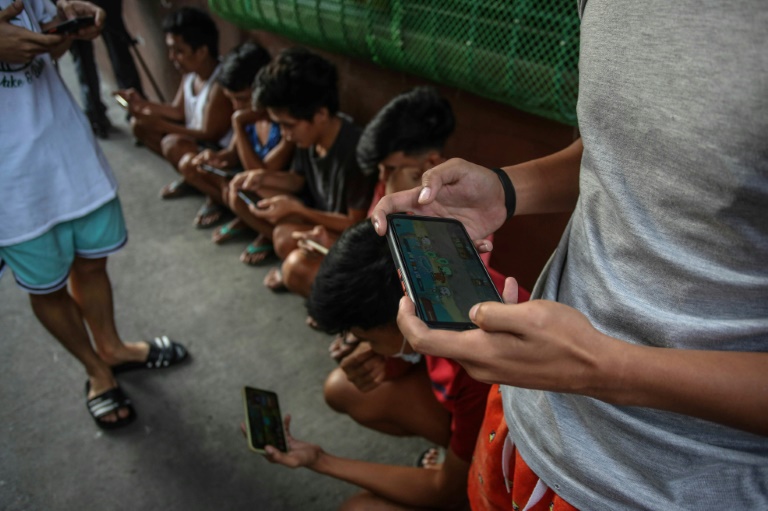
Space invaders: How video gamers are resisting a crypto onslaught

When video game designer Mark Venturelli was asked to speak at Brazil’s biggest gaming festival, he submitted a generic-sounding title for his presentation — “The Future of Game Design” — but that was not the talk he gave.

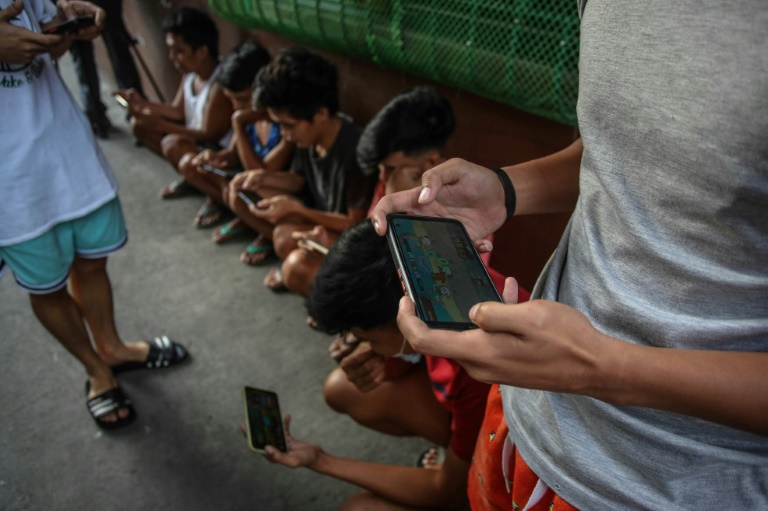
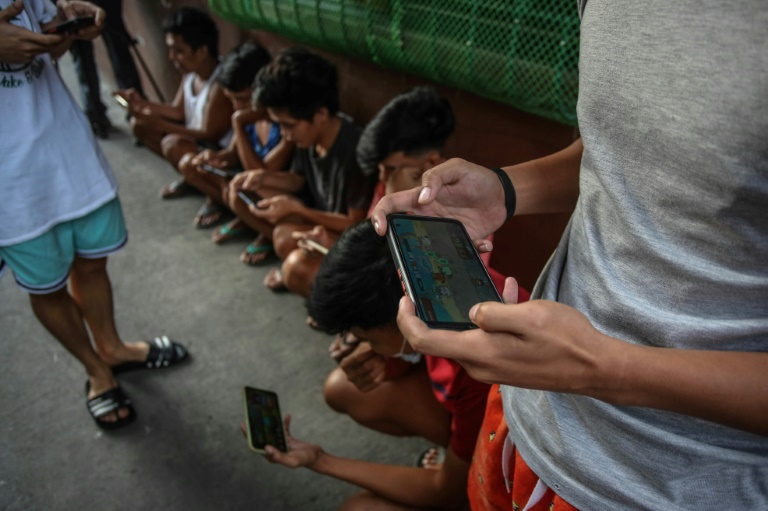
Instead, he launched into a 30-minute diatribe against the blockchain technology that underpins cryptocurrencies and the games it has spawned, mostly very basic smartphone apps that lure players with the promise of earning money.

“Everything that is done in this space right now is just bad — actually it’s terrible,” he told AFP.

He is genuinely worried for the industry he loves, particularly because big gaming studios are also sniffing around the technology.

To crypto enthusiasts, blockchain will allow players to grab back some of the money they spend on games and make for higher-stakes enjoyment.

Critics say the opposite is true — game makers will capture more profits while sidestepping laws on gambling and trading, and the profit motive will kill all enjoyment.

The battle lines are drawn for what could be a long confrontation over an industry worth some $300 billion a year, according to Accenture.

– ‘Ecologically mortifying’ –

Gamers like Venturelli might feel that they have triumphed in the early sorties.

Cryptocurrencies have crashed recently and dragged down the in-game tokens that had initially attracted players.

“Nobody is playing blockchain games right now,” Mihai Vicol of Newzoo told AFP, saying between 90 and 95 percent of games had been affected by the crash. 

Ubisoft, one of the world’s biggest gaming firms, last year tried to introduce a marketplace to one of its hit games for trading NFTs, the digital tokens that act as receipts for anything from art to video game avatars. 

But gamers’ forums, many already scattered with anti-crypto sentiment, lit up in opposition.

Even French trade union IT Solidarity got involved, labelling blockchain “useless, costly, ecologically mortifying tech” — a reference to the long-held criticism that blockchain networks are hugely power hungry.

Ubisoft quickly ditched the NFT marketplace in Tom Clancy Ghost Recon Breakpoint.

Last month, Minecraft, a world-building game hugely popular with children and teenagers, announced it would not allow blockchain technology. 

The firm criticised the “speculative pricing and investment mentality” around NFTs and said introducing them would be “inconsistent with the long-term joy and success of our players”.

The wider sector also has a serious image problem after a spectacular theft earlier this year of almost $600 million from Axie Infinity, a blockchain game popular in the Philippines. 

Analyst firm NonFungible last week revealed that the NFT gaming sector crashed in the second quarter of this year with the number of sales plunging 22 percent.

All of this points to a bleak time for crypto enthusiasts, but blockchain entrepreneurs are not giving up. 

– ‘Revolutionise’ gaming –

Sekip Can Gokalp, whose firms Infinite Arcade and Coda help developers introduce blockchain to their games, argues it is still “very early days”.

He told AFP some of the attention-grabbing play-to-earn games had been “misguided” and he was convinced the technology still had the potential to “revolutionise” gaming.

Reports of a culture clash between gamers and crypto fans, he said, were overplayed and his research suggested there was substantial overlap between the two communities.

Gokalp can take heart from recent announcements by gaming giants such as Sega and Roblox, a popular platform mostly used by children, indicating they are still exploring blockchain. 

And Ubisoft, despite abandoning its most high-profile blockchain effort, still has several crypto-related projects on the go. 

Among the many benefits trumpeted by crypto enthusiasts are that the blockchain allows players to take items from one game to another, gives them ownership of those items and stores their progress across platforms. 

Vicol, though, reckons blockchain gaming needs to find other selling points to succeed.

“It could be the future,” he said, “but it’s going to be different to how people envisage it today”. 

Brazilian Venturelli, whose games include the award-winning Relic Hunters, used his talk at the BIG Festival in Sao Paulo to dismiss all the benefits trumpeted by crypto fans as either unworkable, undesirable or already available. 

And he told AFP that play-to-earn games risked real-world damage in Latin America — a particular target for the industry — by enticing young people away from occupations that bring benefits to society.

He said many people he knows, including venture capitalists and the heads of billion-dollar corporations, shared his point of view.

“They came to congratulate me on my talk,” he said. 

But with new blockchain games emerging every day, he accepts that the battle is far from over.

Space invaders: How video gamers are resisting a crypto onslaught

When video game designer Mark Venturelli was asked to speak at Brazil’s biggest gaming festival, he submitted a generic-sounding title for his presentation — “The Future of Game Design” — but that was not the talk he gave.

Instead, he launched into a 30-minute diatribe against the blockchain technology that underpins cryptocurrencies and the games it has spawned, mostly very basic smartphone apps that lure players with the promise of earning money.

“Everything that is done in this space right now is just bad — actually it’s terrible,” he told AFP.

He is genuinely worried for the industry he loves, particularly because big gaming studios are also sniffing around the technology.

To crypto enthusiasts, blockchain will allow players to grab back some of the money they spend on games and make for higher-stakes enjoyment.

Critics say the opposite is true — game makers will capture more profits while sidestepping laws on gambling and trading, and the profit motive will kill all enjoyment.

The battle lines are drawn for what could be a long confrontation over an industry worth some $300 billion a year, according to Accenture.

– ‘Ecologically mortifying’ –

Gamers like Venturelli might feel that they have triumphed in the early sorties.

Cryptocurrencies have crashed recently and dragged down the in-game tokens that had initially attracted players.

“Nobody is playing blockchain games right now,” Mihai Vicol of Newzoo told AFP, saying between 90 and 95 percent of games had been affected by the crash. 

Ubisoft, one of the world’s biggest gaming firms, last year tried to introduce a marketplace to one of its hit games for trading NFTs, the digital tokens that act as receipts for anything from art to video game avatars. 

But gamers’ forums, many already scattered with anti-crypto sentiment, lit up in opposition.

Even French trade union IT Solidarity got involved, labelling blockchain “useless, costly, ecologically mortifying tech” — a reference to the long-held criticism that blockchain networks are hugely power hungry.

Ubisoft quickly ditched the NFT marketplace in Tom Clancy Ghost Recon Breakpoint.

Last month, Minecraft, a world-building game hugely popular with children and teenagers, announced it would not allow blockchain technology. 

The firm criticised the “speculative pricing and investment mentality” around NFTs and said introducing them would be “inconsistent with the long-term joy and success of our players”.

The wider sector also has a serious image problem after a spectacular theft earlier this year of almost $600 million from Axie Infinity, a blockchain game popular in the Philippines. 

Analyst firm NonFungible last week revealed that the NFT gaming sector crashed in the second quarter of this year with the number of sales plunging 22 percent.

All of this points to a bleak time for crypto enthusiasts, but blockchain entrepreneurs are not giving up. 

– ‘Revolutionise’ gaming –

Sekip Can Gokalp, whose firms Infinite Arcade and Coda help developers introduce blockchain to their games, argues it is still “very early days”.

He told AFP some of the attention-grabbing play-to-earn games had been “misguided” and he was convinced the technology still had the potential to “revolutionise” gaming.

Reports of a culture clash between gamers and crypto fans, he said, were overplayed and his research suggested there was substantial overlap between the two communities.

Gokalp can take heart from recent announcements by gaming giants such as Sega and Roblox, a popular platform mostly used by children, indicating they are still exploring blockchain. 

And Ubisoft, despite abandoning its most high-profile blockchain effort, still has several crypto-related projects on the go. 

Among the many benefits trumpeted by crypto enthusiasts are that the blockchain allows players to take items from one game to another, gives them ownership of those items and stores their progress across platforms. 

Vicol, though, reckons blockchain gaming needs to find other selling points to succeed.

“It could be the future,” he said, “but it’s going to be different to how people envisage it today”. 

Brazilian Venturelli, whose games include the award-winning Relic Hunters, used his talk at the BIG Festival in Sao Paulo to dismiss all the benefits trumpeted by crypto fans as either unworkable, undesirable or already available. 

And he told AFP that play-to-earn games risked real-world damage in Latin America — a particular target for the industry — by enticing young people away from occupations that bring benefits to society.

He said many people he knows, including venture capitalists and the heads of billion-dollar corporations, shared his point of view.

“They came to congratulate me on my talk,” he said. 

But with new blockchain games emerging every day, he accepts that the battle is far from over.

Space invaders: How video gamers are resisting a crypto onslaught

When video game designer Mark Venturelli was asked to speak at Brazil’s biggest gaming festival, he submitted a generic-sounding title for his presentation — “The Future of Game Design” — but that was not the talk he gave.

Instead, he launched into a 30-minute diatribe against the blockchain technology that underpins cryptocurrencies and the games it has spawned, mostly very basic smartphone apps that lure players with the promise of earning money.

“Everything that is done in this space right now is just bad — actually it’s terrible,” he told AFP.

He is genuinely worried for the industry he loves, particularly because big gaming studios are also sniffing around the technology.

To crypto enthusiasts, blockchain will allow players to grab back some of the money they spend on games and make for higher-stakes enjoyment.

Critics say the opposite is true — game makers will capture more profits while sidestepping laws on gambling and trading, and the profit motive will kill all enjoyment.

The battle lines are drawn for what could be a long confrontation over an industry worth some $300 billion a year, according to Accenture.

– ‘Ecologically mortifying’ –

Gamers like Venturelli might feel that they have triumphed in the early sorties.

Cryptocurrencies have crashed recently and dragged down the in-game tokens that had initially attracted players.

“Nobody is playing blockchain games right now,” Mihai Vicol of Newzoo told AFP, saying between 90 and 95 percent of games had been affected by the crash. 

Ubisoft, one of the world’s biggest gaming firms, last year tried to introduce a marketplace to one of its hit games for trading NFTs, the digital tokens that act as receipts for anything from art to video game avatars. 

But gamers’ forums, many already scattered with anti-crypto sentiment, lit up in opposition.

Even French trade union IT Solidarity got involved, labelling blockchain “useless, costly, ecologically mortifying tech” — a reference to the long-held criticism that blockchain networks are hugely power hungry.

Ubisoft quickly ditched the NFT marketplace in Tom Clancy Ghost Recon Breakpoint.

Last month, Minecraft, a world-building game hugely popular with children and teenagers, announced it would not allow blockchain technology. 

The firm criticised the “speculative pricing and investment mentality” around NFTs and said introducing them would be “inconsistent with the long-term joy and success of our players”.

The wider sector also has a serious image problem after a spectacular theft earlier this year of almost $600 million from Axie Infinity, a blockchain game popular in the Philippines. 

Analyst firm NonFungible last week revealed that the NFT gaming sector crashed in the second quarter of this year with the number of sales plunging 22 percent.

All of this points to a bleak time for crypto enthusiasts, but blockchain entrepreneurs are not giving up. 

– ‘Revolutionise’ gaming –

Sekip Can Gokalp, whose firms Infinite Arcade and Coda help developers introduce blockchain to their games, argues it is still “very early days”.

He told AFP some of the attention-grabbing play-to-earn games had been “misguided” and he was convinced the technology still had the potential to “revolutionise” gaming.

Reports of a culture clash between gamers and crypto fans, he said, were overplayed and his research suggested there was substantial overlap between the two communities.

Gokalp can take heart from recent announcements by gaming giants such as Sega and Roblox, a popular platform mostly used by children, indicating they are still exploring blockchain. 

And Ubisoft, despite abandoning its most high-profile blockchain effort, still has several crypto-related projects on the go. 

Among the many benefits trumpeted by crypto enthusiasts are that the blockchain allows players to take items from one game to another, gives them ownership of those items and stores their progress across platforms. 

Vicol, though, reckons blockchain gaming needs to find other selling points to succeed.

“It could be the future,” he said, “but it’s going to be different to how people envisage it today”. 

Brazilian Venturelli, whose games include the award-winning Relic Hunters, used his talk at the BIG Festival in Sao Paulo to dismiss all the benefits trumpeted by crypto fans as either unworkable, undesirable or already available. 

And he told AFP that play-to-earn games risked real-world damage in Latin America — a particular target for the industry — by enticing young people away from occupations that bring benefits to society.

He said many people he knows, including venture capitalists and the heads of billion-dollar corporations, shared his point of view.

“They came to congratulate me on my talk,” he said. 

But with new blockchain games emerging every day, he accepts that the battle is far from over.

Elon Musk sells nearly $7 billion worth of Tesla shares: document

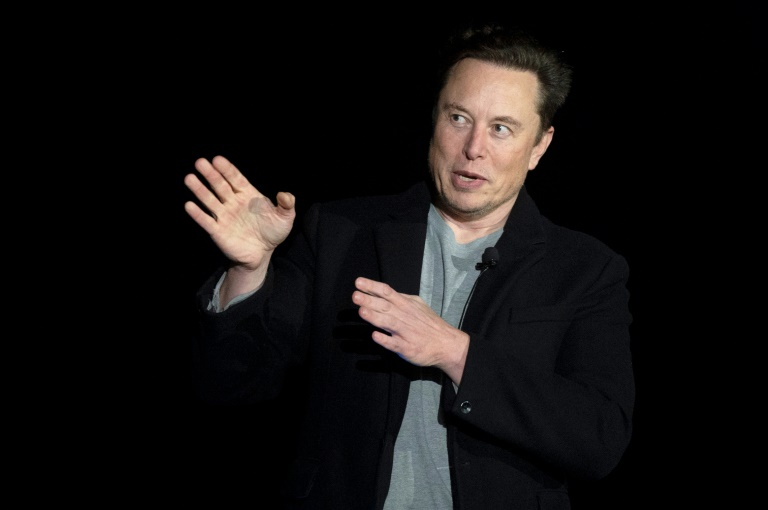
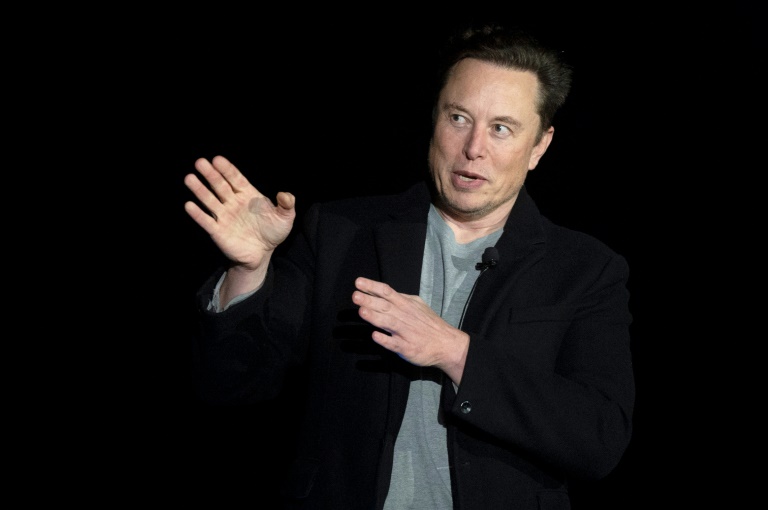
Elon Musk has sold nearly $7 billion worth of Tesla shares, according to legal filings published Tuesday, amid a high-stakes legal battle with Twitter over a $44 billion buyout deal.

The Tesla boss sold some 7.9 million shares between August 5 and 9, according to filings published on the Securities and Exchange Commission’s website.

“In the (hopefully unlikely) event that Twitter forces this deal to close and some equity partners don’t come through, it is important to avoid an emergency sale of Tesla stock,” Musk, the world’s richest man wrote on Twitter late Tuesday.

Twitter is locked in a legal battle with the mercurial Tesla boss over his effort to walk away from the April agreement to buy the company, and a judge has ordered that a trial will begin in October.

Musk has filed a countersuit, accusing Twitter of fraud and alleging the social media platform misled him about key aspects of its business before he agreed to a $44 billion buyout.

The move comes after Musk sold around $8.5 billion worth of shares in the electric carmaker in April as he was preparing to finance the Twitter deal. He tweeted at the time: “No further TSLA sales planned after today.”

Elon Musk sells nearly $7 billion worth of Tesla shares: document

Elon Musk has sold nearly $7 billion worth of Tesla shares, according to legal filings published Tuesday, amid a high-stakes legal battle with Twitter over a $44 billion buyout deal.

The Tesla boss sold some 7.9 million shares between August 5 and 9, according to filings published on the Securities and Exchange Commission’s website.

“In the (hopefully unlikely) event that Twitter forces this deal to close and some equity partners don’t come through, it is important to avoid an emergency sale of Tesla stock,” Musk, the world’s richest man wrote on Twitter late Tuesday.

Twitter is locked in a legal battle with the mercurial Tesla boss over his effort to walk away from the April agreement to buy the company, and a judge has ordered that a trial will begin in October.

Musk has filed a countersuit, accusing Twitter of fraud and alleging the social media platform misled him about key aspects of its business before he agreed to a $44 billion buyout.

The move comes after Musk sold around $8.5 billion worth of shares in the electric carmaker in April as he was preparing to finance the Twitter deal. He tweeted at the time: “No further TSLA sales planned after today.”

South Korea flooding death toll rises to nine

At least nine people were killed and seven others missing in South Korea after record downpours flooded major roads, metro stations and homes, officials said Wednesday.

The rain that began Monday is the heaviest since South Korea’s weather observations began 115 years ago, according to President Yoon Suk-yeol, who apologised for the “inconveniences”. 

Images shared on social media earlier this week showed people wading through waist-deep water and overflowing metro stations. 

Seoul’s posh Gangnam district was particularly hard hit, with cars left half submerged.

“There are a total of 16 casualties, including nine deaths and seven missing,” an official at the Interior Ministry told AFP.

In all, around 600 people have been affected, he said, with many forced to leave their homes.

Among the nine victims, three died while trapped in their flooded semi-basement apartment, known as a banjiha, according to the ministry.

Local reports say the victims were a teenager, her mother and her aunt.

Another victim died while removing a tree that had fallen onto a sidewalk, and is believed to have been electrocuted.

Another died after a landslide buried his home in the mountainous Gangwon Province. 

President Yoon, who on Tuesday visited the banjiha apartment, acknowledged South Koreans have “suffered a lot of damage”.

At a separate government meeting, he told officials to pay special attention to the most vulnerable. 

“Those who struggle financially or with physical difficulties are bound to be more vulnerable to natural disasters,” he said.

Yoon’s approval rating has plummeted to just 24 percent since he took office in May, according to the latest Gallup Korea poll. He is facing criticism for not going to the government’s emergency control centre when the downpour started.

Local media reported his absence was due to flooding around his house, but his office denied the claim, saying he decided to stay home as his team already had the response in hand.

On the menu at a UK restaurant: carbon footprint

The menu at The Canteen in southwest England doesn’t just let diners know how much a dish costs. They can also check its carbon footprint.

The carrot and beetroot pakora with yoghurt sauce is responsible for just 16 grams of CO2 emissions. The aubergines with a miso and harissa sauce with tabbouleh and Zaatar toast caused 675 grams of carbon dioxide.

As customers weigh their options, the menu at the vegetarian restaurant in Bristol includes a comparison with a dish that it does not serve: the emissions from a UK-produced hamburger.

“Three kilos for a burger, wow! I can’t believe it,” exclaimed Enyioma Anomelechi, a 37-year-old diner sipping a beer outside in the sunshine.

The menu notes that a real beef burger’s emissions is “10 times the amount of its vegan alternative”.

The carbon footprints of businesses and consumers have come under growing scrutiny as countries scramble to limit global temperature increases to 1.5 degrees Celsius and to achieve net-zero emission by 2050.

The Canteen became in July the first restaurant to agree to put its carbon footprint on the menu under a campaign spearheaded by UK vegan campaigning charity Viva!

The restaurant’s manager, Liam Stock, called the move a way to “see what we are doing; to understand and improve ourselves”.

The average British person has an annual carbon footprint of more than 10 tonnes, according to UK government figures.

Britain has set the ambitious goal of reducing harmful emissions by 78 percent by 2035, compared with 1990 figures, in order to meet its international climate change commitments.

– ‘Climate emergency’ –

Switching to a plant-based diet is one of the most effective ways for an individual to reduce their carbon footprint, experts from the UN’s Intergovernmental Panel on Climate Change said in April.

The livestock industry replaces CO2-absorbing forests with land for grazing and soy crops for cattle feed. The animals also belch huge amounts of methane, a potent greenhouse gas.

Whether diners will let carbon footprints influence their order choices remains to be seen, but Stock said the menu innovation has stoked interest and support.

“In England if you’re a big chain restaurant, it’s the law that you have to have calories on (the menu),” he said. 

“But a lot of people are saying… they’re more interested in carbon.”

While Anomelechi noted the “huge” difference in emissions between a hamburger and other dishes, he said he did not necessarily want to be burdened with knowing his order’s calorie count or carbon footprint.

“When I go out to eat I just want to enjoy,” he added, noting he would be more inclined to change his ways when grocery shopping.

Laura Hellwig, campaigns manager at Viva!, said the carbon footprint figure should become compulsory.

“We are in a climate emergency and consumers have to be able to make informed choices,” said the activist. 

In her view, “most people would actually choose for the planet” if confronted with a comparison between the carbon footprint of a meat-based meal and a vegan dish.

– ‘Cradle to store’ –

Stock said he knew his restaurant’s dishes would score low carbon footprints, as most of his ingredients are sourced regionally.

“We didn’t have to change anything,” he said, while admitting some surprises, such as learning that imported spices drive up emissions.

To calculate the dishes’ footprints, The Canteen sent its recipes and the source of the ingredients to a specialised company called MyEmissions.

It is able to calculate the carbon impact from “cradle to store”, taking into account farming, processing, transport and packaging.

“If I was choosing between two dishes, maybe depending on how hungry I was, I might choose the one with a lower footprint,” said Nathan Johnson, a 43-year-old diner at the restaurant. 

That day, he opted for the chef’s salad, which racks up 162 grams of carbon.

Another diner, 29-year-old Emma Harvey, also backed the idea of increased awareness of carbon footprints “and the ethical effects of the food that we’re eating”. 

“We have to incorporate things (like) that into everyday life,” she said.

On the menu at a UK restaurant: carbon footprint

The menu at The Canteen in southwest England doesn’t just let diners know how much a dish costs. They can also check its carbon footprint.

The carrot and beetroot pakora with yoghurt sauce is responsible for just 16 grams of CO2 emissions. The aubergines with a miso and harissa sauce with tabbouleh and Zaatar toast caused 675 grams of carbon dioxide.

As customers weigh their options, the menu at the vegetarian restaurant in Bristol includes a comparison with a dish that it does not serve: the emissions from a UK-produced hamburger.

“Three kilos for a burger, wow! I can’t believe it,” exclaimed Enyioma Anomelechi, a 37-year-old diner sipping a beer outside in the sunshine.

The menu notes that a real beef burger’s emissions is “10 times the amount of its vegan alternative”.

The carbon footprints of businesses and consumers have come under growing scrutiny as countries scramble to limit global temperature increases to 1.5 degrees Celsius and to achieve net-zero emission by 2050.

The Canteen became in July the first restaurant to agree to put its carbon footprint on the menu under a campaign spearheaded by UK vegan campaigning charity Viva!

The restaurant’s manager, Liam Stock, called the move a way to “see what we are doing; to understand and improve ourselves”.

The average British person has an annual carbon footprint of more than 10 tonnes, according to UK government figures.

Britain has set the ambitious goal of reducing harmful emissions by 78 percent by 2035, compared with 1990 figures, in order to meet its international climate change commitments.

– ‘Climate emergency’ –

Switching to a plant-based diet is one of the most effective ways for an individual to reduce their carbon footprint, experts from the UN’s Intergovernmental Panel on Climate Change said in April.

The livestock industry replaces CO2-absorbing forests with land for grazing and soy crops for cattle feed. The animals also belch huge amounts of methane, a potent greenhouse gas.

Whether diners will let carbon footprints influence their order choices remains to be seen, but Stock said the menu innovation has stoked interest and support.

“In England if you’re a big chain restaurant, it’s the law that you have to have calories on (the menu),” he said. 

“But a lot of people are saying… they’re more interested in carbon.”

While Anomelechi noted the “huge” difference in emissions between a hamburger and other dishes, he said he did not necessarily want to be burdened with knowing his order’s calorie count or carbon footprint.

“When I go out to eat I just want to enjoy,” he added, noting he would be more inclined to change his ways when grocery shopping.

Laura Hellwig, campaigns manager at Viva!, said the carbon footprint figure should become compulsory.

“We are in a climate emergency and consumers have to be able to make informed choices,” said the activist. 

In her view, “most people would actually choose for the planet” if confronted with a comparison between the carbon footprint of a meat-based meal and a vegan dish.

– ‘Cradle to store’ –

Stock said he knew his restaurant’s dishes would score low carbon footprints, as most of his ingredients are sourced regionally.

“We didn’t have to change anything,” he said, while admitting some surprises, such as learning that imported spices drive up emissions.

To calculate the dishes’ footprints, The Canteen sent its recipes and the source of the ingredients to a specialised company called MyEmissions.

It is able to calculate the carbon impact from “cradle to store”, taking into account farming, processing, transport and packaging.

“If I was choosing between two dishes, maybe depending on how hungry I was, I might choose the one with a lower footprint,” said Nathan Johnson, a 43-year-old diner at the restaurant. 

That day, he opted for the chef’s salad, which racks up 162 grams of carbon.

Another diner, 29-year-old Emma Harvey, also backed the idea of increased awareness of carbon footprints “and the ethical effects of the food that we’re eating”. 

“We have to incorporate things (like) that into everyday life,” she said.

Space invaders: How video gamers are resisting a crypto onslaught

When video game designer Mark Venturelli was asked to speak at Brazil’s biggest gaming festival, he submitted a generic-sounding title for his presentation — “The Future of Game Design” — but that was not the talk he gave.

Instead, he launched into a 30-minute diatribe against the blockchain technology that underpins cryptocurrencies and the games it has spawned, mostly very basic smartphone apps that lure players with the promise of earning money.

“Everything that is done in this space right now is just bad — actually it’s terrible,” he told AFP.

He is genuinely worried for the industry he loves, particularly because big gaming studios are also sniffing around the technology.

To crypto enthusiasts, blockchain will allow players to grab back some of the money they spend on games and make for higher-stakes enjoyment.

Critics say the opposite is true — game makers will capture more profits while sidestepping laws on gambling and trading, and the profit motive will kill all enjoyment.

The battle lines are drawn for what could be a long confrontation over an industry worth some $300 billion a year, according to Accenture.

– ‘Ecologically mortifying’ –

Gamers like Venturelli might feel that they have triumphed in the early sorties.

Cryptocurrencies have crashed recently and dragged down the in-game tokens that had initially attracted players.

“Nobody is playing blockchain games right now,” Mihai Vicol of Newzoo told AFP, saying between 90 and 95 percent of games had been affected by the crash. 

Ubisoft, one of the world’s biggest gaming firms, last year tried to introduce a marketplace to one of its hit games for trading NFTs, the digital tokens that act as receipts for anything from art to video game avatars. 

But gamers’ forums, many already scattered with anti-crypto sentiment, lit up in opposition.

Even French trade union IT Solidarity got involved, labelling blockchain “useless, costly, ecologically mortifying tech” — a reference to the long-held criticism that blockchain networks are hugely power hungry.

Ubisoft quickly ditched the NFT marketplace in Tom Clancy Ghost Recon Breakpoint.

Last month, Minecraft, a world-building game hugely popular with children and teenagers, announced it would not allow blockchain technology. 

The firm criticised the “speculative pricing and investment mentality” around NFTs and said introducing them would be “inconsistent with the long-term joy and success of our players”.

The wider sector also has a serious image problem after a spectacular theft earlier this year of almost $600 million from Axie Infinity, a blockchain game popular in the Philippines. 

Analyst firm NonFungible last week revealed that the NFT gaming sector crashed in the second quarter of this year with the number of sales plunging 22 percent.

All of this points to a bleak time for crypto enthusiasts, but blockchain entrepreneurs are not giving up. 

– ‘Revolutionise’ gaming –

Sekip Can Gokalp, whose firms Infinite Arcade and Coda help developers introduce blockchain to their games, argues it is still “very early days”.

He told AFP some of the attention-grabbing play-to-earn games had been “misguided” and he was convinced the technology still had the potential to “revolutionise” gaming.

Reports of a culture clash between gamers and crypto fans, he said, were overplayed and his research suggested there was substantial overlap between the two communities.

Gokalp can take heart from recent announcements by gaming giants such as Sega and Roblox, a popular platform mostly used by children, indicating they are still exploring blockchain. 

And Ubisoft, despite abandoning its most high-profile blockchain effort, still has several crypto-related projects on the go. 

Among the many benefits trumpeted by crypto enthusiasts are that the blockchain allows players to take items from one game to another, gives them ownership of those items and stores their progress across platforms. 

Vicol, though, reckons blockchain gaming needs to find other selling points to succeed.

“It could be the future,” he said, “but it’s going to be different to how people envisage it today”. 

Brazilian Venturelli, whose games include the award-winning Relic Hunters, used his talk at the BIG Festival in Sao Paulo to dismiss all the benefits trumpeted by crypto fans as either unworkable, undesirable or already available. 

And he told AFP that play-to-earn games risked real-world damage in Latin America — a particular target for the industry — by enticing young people away from occupations that bring benefits to society.

He said many people he knows, including venture capitalists and the heads of billion-dollar corporations, shared his point of view.

“They came to congratulate me on my talk,” he said. 

But with new blockchain games emerging every day, he accepts that the battle is far from over.

Close Bitnami banner
Bitnami