AFP

US prices accelerate in June, outpacing income gains

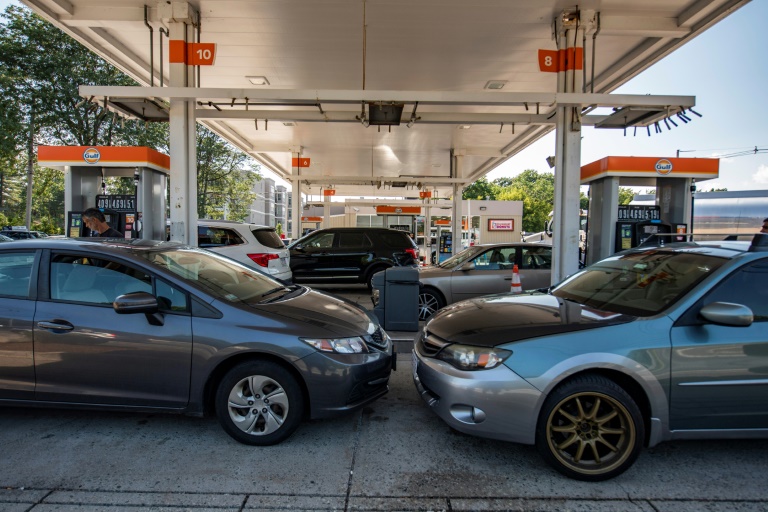
A key US inflation measure accelerated again in June, outpacing gains in income, government data showed Friday, heaping pressure on President Joe Biden and policymakers trying to ease the pain for American families.

The data showing the biggest inflation surge in four decades comes on the heels of dismal economic growth figures and another super-sized interest rate increase by the Federal Reserve.

The Fed’s preferred inflation gauge, the personal consumption expenditures (PCE) price index, rose 6.8 percent compared to June 2021, the Commerce Department reported.

And inflation jumped 1.0 percent compared to May, in line with economists’ expectations but outpacing personal income, which rose just 0.6 percent, the same increase as the prior month, according to the report.

Consumers buoyed by a stockpile of savings during the pandemic splurged on goods, cars and homes last year, but global supply chain snarls and worker shortages pushed prices higher — factors worsened by Russia’s war on Ukraine, which sent food and energy prices soaring worldwide.

Excluding the volatile food and energy components, the “core” PCE price index gained a more moderate 4.8 percent in the last 12 months, just a tenth higher than May but continuing a gradual slowing.

The Fed focuses on the PCE price index, as it reflects consumers’ actual spending, including shifts to lower cost items, unlike the more well-known consumer price index, which jumped 9.1 percent in June.

The PCE also gives less weight to things like rent, vehicles and airline fares, which have contributed to the blistering pace of the CPI rise

The Fed has been aggressively raising borrowing rates this year, with the fourth increase announced Wednesday, as it aims to cool the economy.

Central bankers face the difficult task of easing price pressures that are squeezing US households without causing a severe economic downturn.

One concern is that demands for higher pay amid a worker shortage could cause a wage-price spiral.

In a separate data report, the Labor Department said worker compensation, including wages and benefits, rose 1.3 percent in the three-months ended in June and up 5.1 percent in the latest 12 months.

Nancy Vanden Houten of Oxford Economics said the hotter-than-expected gain does not provide the compelling evidence of slowing inflation the central bank is seeking.

“The Q2 employment cost data doesn’t provide any evidence that wage growth is slowing and leaves the Fed on track to lift the funds rate another 75bps at its September meeting,” she said.

US prices accelerate in June, outpacing income gains

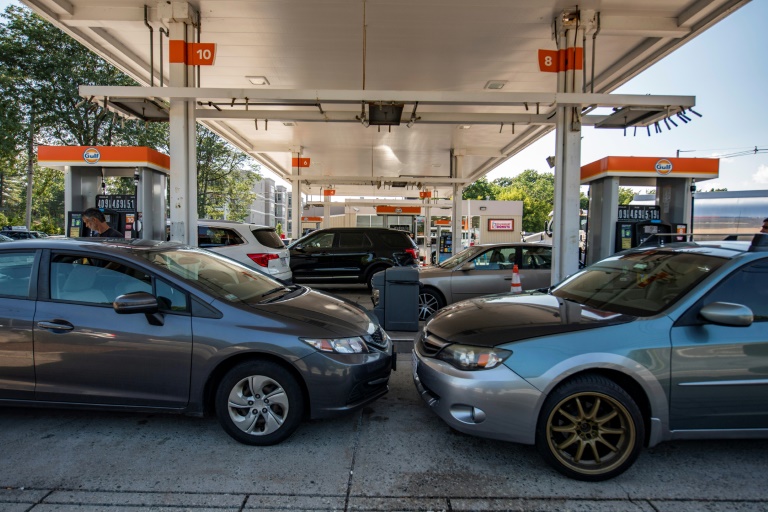
A key US inflation measure accelerated again in June, outpacing gains in income, government data showed Friday, heaping pressure on President Joe Biden and policymakers trying to ease the pain for American families.

The data showing the biggest inflation surge in four decades comes on the heels of dismal economic growth figures and another super-sized interest rate increase by the Federal Reserve.

The Fed’s preferred inflation gauge, the personal consumption expenditures (PCE) price index, rose 6.8 percent compared to June 2021, the Commerce Department reported.

And inflation jumped 1.0 percent compared to May, in line with economists’ expectations but outpacing personal income, which rose just 0.6 percent, the same increase as the prior month, according to the report.

Consumers buoyed by a stockpile of savings during the pandemic splurged on goods, cars and homes last year, but global supply chain snarls and worker shortages pushed prices higher — factors worsened by Russia’s war on Ukraine, which sent food and energy prices soaring worldwide.

Excluding the volatile food and energy components, the “core” PCE price index gained a more moderate 4.8 percent in the last 12 months, just a tenth higher than May but continuing a gradual slowing.

The Fed focuses on the PCE price index, as it reflects consumers’ actual spending, including shifts to lower cost items, unlike the more well-known consumer price index, which jumped 9.1 percent in June.

The PCE also gives less weight to things like rent, vehicles and airline fares, which have contributed to the blistering pace of the CPI rise

The Fed has been aggressively raising borrowing rates this year, with the fourth increase announced Wednesday, as it aims to cool the economy.

Central bankers face the difficult task of easing price pressures that are squeezing US households without causing a severe economic downturn.

One concern is that demands for higher pay amid a worker shortage could cause a wage-price spiral.

In a separate data report, the Labor Department said worker compensation, including wages and benefits, rose 1.3 percent in the three-months ended in June and up 5.1 percent in the latest 12 months.

Nancy Vanden Houten of Oxford Economics said the hotter-than-expected gain does not provide the compelling evidence of slowing inflation the central bank is seeking.

“The Q2 employment cost data doesn’t provide any evidence that wage growth is slowing and leaves the Fed on track to lift the funds rate another 75bps at its September meeting,” she said.
Price hikes boost P&G profits despite lower China sales

Higher prices helped Procter & Gamble score increased quarterly profits despite a hit to China sales, and executives on Friday described inflation as having a relatively limited impact thus far on demand.

Chief Executive Jon Moeller alluded to “significant headwinds” faced by the consumer products giant including a strengthening US dollar, higher costs and Covid upheaval, but praised the performance of the firm behind well-known brands like Pampers diapers and Crest toothpaste.

The company “delivered strong top-line growth, earnings growth and significant cash return to shareholders in the face severe cost and operational headwinds,” Moeller said in a statement.

Profits in the final quarter of the company’s fiscal year rose $3.1 billion, up five percent on revenues of $19.5 billion, which were three percent higher than the year-ago period.

Sales were boosted by an eight percent increase in pricing. 

However, P&G executives said sales in China suffered an 11 percent hit due to Covid-19 lockdowns, with the earnings release highlighting the impact in beauty, grooming and health care.

With restrictions in China easing “we are seeing a gradual return to consumer mobility,” said Chief Financial Officer Andre Schulten. “And that is certainly helping consumption.”

Schulten said P&G has seen relatively little incidence of consumers “trading down” to lower-priced products because of inflation.

“You see consumers may be skimp for a period of time, use up inventory,” he told reporters on a briefing. “But it’s more benign than we would have expected based on historical data.”

Moeller, in an interview with CNBC, did not discount the possibility that the US economy could be heading into a recession, but said consumers were still showing robustness.

“We’ve got a very strong labor market. Consumer balance sheets are generally strong,” Moeller told the network. “So based on that slice that we see, at least some of the US economy, things are very good.”

P&G’s earnings-per-share of $1.21 missed analyst expectations by two cents, while revenues slightly topped estimates.

Shares fell 4.7 percent to $141.18 just after trading opened.

Kentucky flood toll at least 15, expected to double: governor

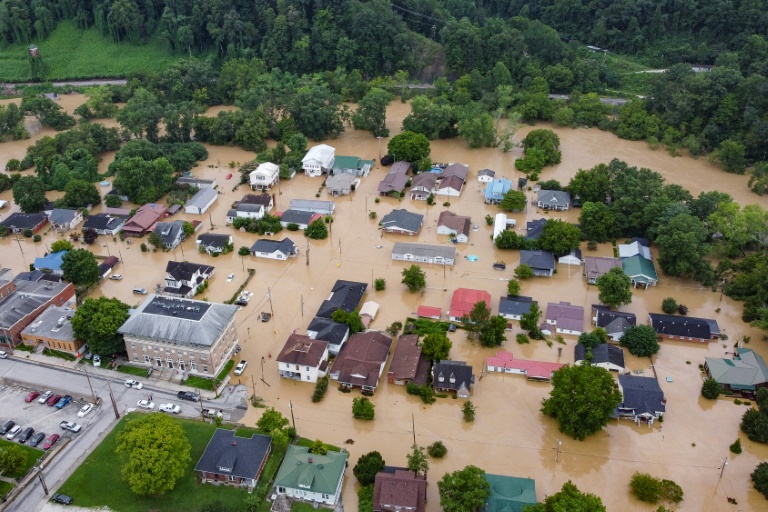
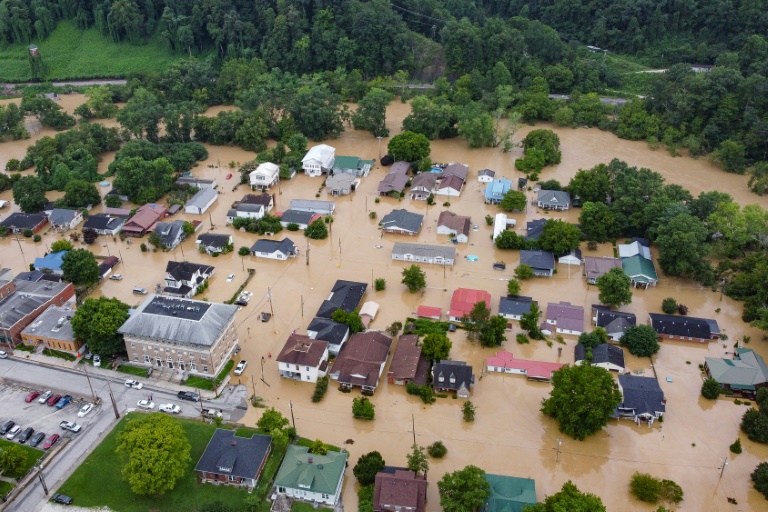
Flash flooding caused by torrential rains has killed at least 15 people in eastern Kentucky and the death toll is expected to double, the US state’s governor said Friday.

“It is devastating. Our number of Kentuckians we’ve lost is now at 15, expected to more than double. And it’s going to include some children,” Governor Andy Beshear told CNN.

He said hundreds of people had been rescued by boat and there had been about 50 aerial rescues using helicopters deployed by the National Guard.

“Eastern Kentucky floods a lot but we’ve never seen something like this,” Beshear said.

“Folks who deal with this for a living who have been doing it for 20 years have never seen water this high.”

Some areas reported receiving more than eight inches (20 centimeters) of rain in a 24-hour period.

The water level of the North Fork of the Kentucky River at Whitesburg rose to a staggering 20 feet, well above its previous record of 14.7 feet.

Kentucky flood toll at least 15, expected to double: governor

Flash flooding caused by torrential rains has killed at least 15 people in eastern Kentucky and the death toll is expected to double, the US state’s governor said Friday.

“It is devastating. Our number of Kentuckians we’ve lost is now at 15, expected to more than double. And it’s going to include some children,” Governor Andy Beshear told CNN.

He said hundreds of people had been rescued by boat and there had been about 50 aerial rescues using helicopters deployed by the National Guard.

“Eastern Kentucky floods a lot but we’ve never seen something like this,” Beshear said.

“Folks who deal with this for a living who have been doing it for 20 years have never seen water this high.”

Some areas reported receiving more than eight inches (20 centimeters) of rain in a 24-hour period.

The water level of the North Fork of the Kentucky River at Whitesburg rose to a staggering 20 feet, well above its previous record of 14.7 feet.

World Bank refuses new funding for bankrupt Sri Lanka

The World Bank said Friday it would not offer new funding to Sri Lanka unless the bankrupt island nation carried out “deep structural reforms” to stabilise its crashing economy.

Sri Lanka has suffered an unprecedented downturn with its 22 million people enduring months of food and fuel shortages, rolling blackouts and rampant inflation. 

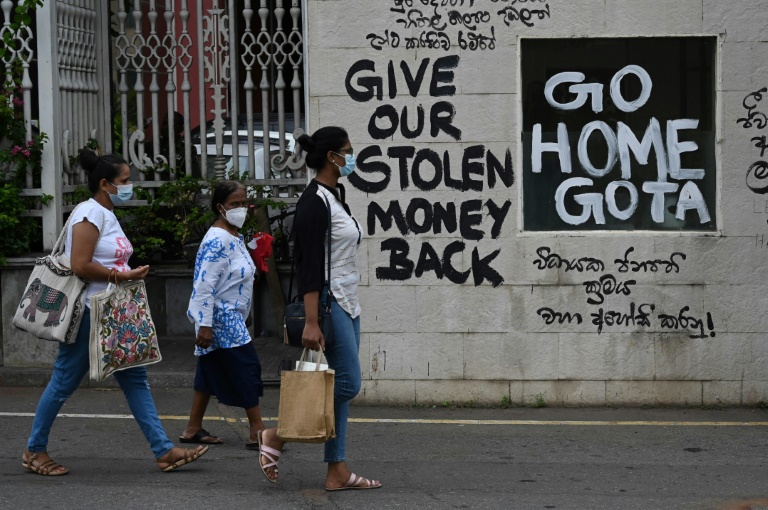
The South Asian nation defaulted on its $51-billion foreign debt in April and huge protests earlier this month forced then president Gotabaya Rajapaksa to flee the country and resign.

The World Bank said it was concerned about the impact of the crisis on Sri Lanka’s people but was not ready to give funds until the government had bedded down necessary reforms. 

“Until an adequate macroeconomic policy framework is in place, the World Bank does not plan to offer new financing to Sri Lanka,” the lender said in a statement.

“This requires deep structural reforms that focus on economic stabilisation, and also on addressing the root structural causes that created this crisis.”

The World Bank said it had already diverted $160 million from existing loans to finance urgently needed medicines, cooking gas and school meals.

Sri Lanka is currently in bailout talks with the International Monetary Fund but officials say the process could take months.

The island nation has run out of foreign exchange to finance even the most essential imports, and chronic shortages have inflamed public anger.

Motorists stay in long queues for days to get rationed petrol and government officials have been told to work from home to reduce commuting and save fuel.

Inflation rose to 60.8 percent in July for a tenth consecutive monthly record, according to data from the Colombo Consumer Price Index (CCPI) released Friday, while the Sri Lankan rupee has lost more than half its value against the US dollar this year.

The UN World Food Programme estimates five out of every six Sri Lankan families have been forced to buy lower-quality food, eat less or in some cases skip meals altogether.

The crisis came to a head on July 9, when tens of thousands of protesters stormed Rajapaksa’s residence, forcing the president to flee to Singapore and resign.

His successor, Ranil Wickremesinghe, has declared a state of emergency and vowed a tough line against “trouble-makers”, with several activists who helped lead the mass demonstrations arrested this week.

World Bank refuses new funding for bankrupt Sri Lanka

The World Bank said Friday it would not offer new funding to Sri Lanka unless the bankrupt island nation carried out “deep structural reforms” to stabilise its crashing economy.

Sri Lanka has suffered an unprecedented downturn with its 22 million people enduring months of food and fuel shortages, rolling blackouts and rampant inflation. 

The South Asian nation defaulted on its $51-billion foreign debt in April and huge protests earlier this month forced then president Gotabaya Rajapaksa to flee the country and resign.

The World Bank said it was concerned about the impact of the crisis on Sri Lanka’s people but was not ready to give funds until the government had bedded down necessary reforms. 

“Until an adequate macroeconomic policy framework is in place, the World Bank does not plan to offer new financing to Sri Lanka,” the lender said in a statement.

“This requires deep structural reforms that focus on economic stabilisation, and also on addressing the root structural causes that created this crisis.”

The World Bank said it had already diverted $160 million from existing loans to finance urgently needed medicines, cooking gas and school meals.

Sri Lanka is currently in bailout talks with the International Monetary Fund but officials say the process could take months.

The island nation has run out of foreign exchange to finance even the most essential imports, and chronic shortages have inflamed public anger.

Motorists stay in long queues for days to get rationed petrol and government officials have been told to work from home to reduce commuting and save fuel.

Inflation rose to 60.8 percent in July for a tenth consecutive monthly record, according to data from the Colombo Consumer Price Index (CCPI) released Friday, while the Sri Lankan rupee has lost more than half its value against the US dollar this year.

The UN World Food Programme estimates five out of every six Sri Lankan families have been forced to buy lower-quality food, eat less or in some cases skip meals altogether.

The crisis came to a head on July 9, when tens of thousands of protesters stormed Rajapaksa’s residence, forcing the president to flee to Singapore and resign.

His successor, Ranil Wickremesinghe, has declared a state of emergency and vowed a tough line against “trouble-makers”, with several activists who helped lead the mass demonstrations arrested this week.

Ultra-fast fashion charms young despite damaging environment

So-called “ultra-fast fashion” has won legions of young fans who are able to snap up relatively cheap clothes online, but campaigners say the trend masks darker environmental problems. 

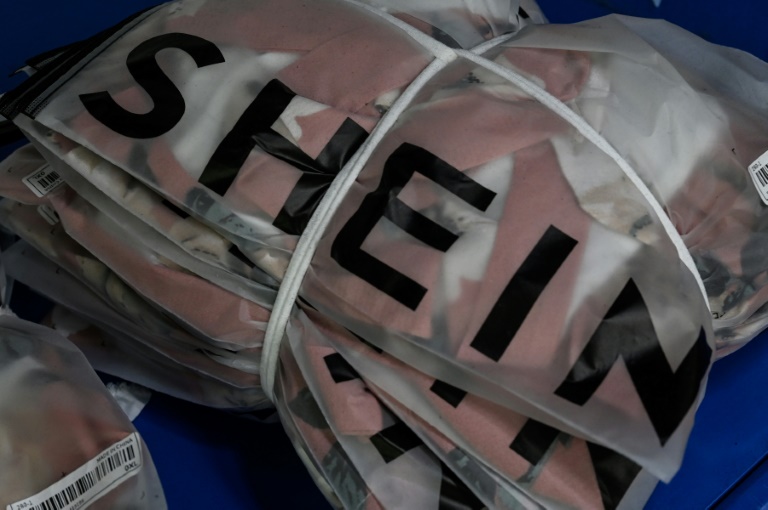
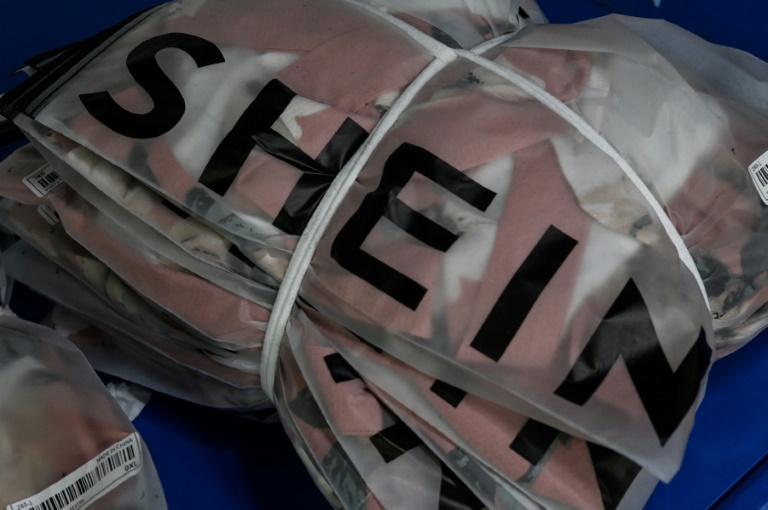
Britain’s Boohoo, China’s SHEIN and Hong Kong’s Emmiol are the main players in a sector that produces items and collections at breakneck speed and rock-bottom prices.

Their internet-based business model provides fierce competition to better-known “fast fashion” chains with physical stores, like Sweden’s H&M and Spain’s Zara.

According to Bloomberg, SHEIN generated $16 billion in global sales last year.

However, environmental pressure groups slam the “throwaway clothing” phenomenon as grossly wasteful — it takes 2,700 litres of water to make one T-shirt that is swiftly binned.

“Many of these cheap clothes end up… on huge dump sites, burnt on open fires, along riverbeds and washed out into the sea, with severe consequences for people and the planet,” Greenpeace says. 

Nevertheless, with inflation across the globe soaring to the highest level in decades, there is huge demand for low-price garments. 

And after the coronavirus pandemic, high-street shops with big overhead costs are struggling to compete.

– ‘Quantity not quality’ –

With T-shirts costing just the equivalent of $4.80 and bikinis and dresses selling for just under $10, for high-school students, such as 18-year-old Lola from the French city of Nancy, ultra-fast fashion shopping appears to offer unbeatable bargains. 

Turning a blind eye to the environmental cost, she says brands such as SHEIN allow her to follow the latest trends “without spending an astronomical amount”. 

Lola says she normally places two or three orders per month on SHEIN with an average combined value of 70 euros ($71) for about 10 items.

Ultra-fast fashion’s young target demographic are looking for “quantity rather than quality,” says economics professor Valerie Guillard at Paris-Dauphine University.

Much of the success of SHEIN, which was founded in late 2008, is attributable to its massive presence on social media networks, such as TikTok, Instagram and YouTube.

In so-called “haul” videos, customers unwrap SHEIN packages, try on clothes and review them online.

On TikTok alone, there are 34.4 billion mentions of the hashtag #SHEIN and six billion for #SHEINhaul.

The brands also extend their reach via low-cost partnerships with so-called social-media influencers to build trust and increase sales.

Irish influencer Marleen Gallagher, 45, who works with SHEIN and other firms, praised them for offering broader-size ranges. 

“They are unrivalled when it comes to choices for plus-size women,” she told AFP.

– Carbon footprint –

But not only does the industry have a reputation for devouring valuable resources and damaging the environment, ultra-fast fashion companies have also been plagued by scandals over allegedly poor working conditions in their factories.

Swiss-based NGO Public Eye discovered in November 2022 that employees in some SHEIN factories worked up to 75 hours per week, in contravention of China’s labour laws.

Britain’s Boohoo similarly faced criticism following media reports that its suppliers were underpaying workers in Pakistan.

The industry’s carbon footprint is equally disastrous.

The French Agency for Ecological Transition estimates that fast fashion accounts for two percent of global greenhouse emissions per year — as much as air transport and maritime traffic combined.

It comes as no surprise, then, that climate campaigner Greta Thunberg is damning.

“The fashion industry is a huge contributor to the climate and ecological emergency, not to mention its impact on the countless workers and communities who are being exploited around the world in order for some to enjoy fast fashion that many treat as disposables,” Thunberg wrote last year. 

The authorities are also beginning to scrutinise the brands’ practices. 

The British Competition and Markets Authority has opened a “greenwashing” probe against Boohoo, Asos and George at Asda over concerns that some of the environmental claims about their products are misleading. 

Charlotte, 14, says she has decided to stop ordering from SHEIN and Emmiol. 

“I was happy to have new clothes, but then I felt guilty,” she said.

Now “I look for them on Vinted”, an online marketplace for buying and selling new and secondhand items, the teenager said. 

Ultra-fast fashion charms young despite damaging environment

So-called “ultra-fast fashion” has won legions of young fans who are able to snap up relatively cheap clothes online, but campaigners say the trend masks darker environmental problems. 

Britain’s Boohoo, China’s SHEIN and Hong Kong’s Emmiol are the main players in a sector that produces items and collections at breakneck speed and rock-bottom prices.

Their internet-based business model provides fierce competition to better-known “fast fashion” chains with physical stores, like Sweden’s H&M and Spain’s Zara.

According to Bloomberg, SHEIN generated $16 billion in global sales last year.

However, environmental pressure groups slam the “throwaway clothing” phenomenon as grossly wasteful — it takes 2,700 litres of water to make one T-shirt that is swiftly binned.

“Many of these cheap clothes end up… on huge dump sites, burnt on open fires, along riverbeds and washed out into the sea, with severe consequences for people and the planet,” Greenpeace says. 

Nevertheless, with inflation across the globe soaring to the highest level in decades, there is huge demand for low-price garments. 

And after the coronavirus pandemic, high-street shops with big overhead costs are struggling to compete.

– ‘Quantity not quality’ –

With T-shirts costing just the equivalent of $4.80 and bikinis and dresses selling for just under $10, for high-school students, such as 18-year-old Lola from the French city of Nancy, ultra-fast fashion shopping appears to offer unbeatable bargains. 

Turning a blind eye to the environmental cost, she says brands such as SHEIN allow her to follow the latest trends “without spending an astronomical amount”. 

Lola says she normally places two or three orders per month on SHEIN with an average combined value of 70 euros ($71) for about 10 items.

Ultra-fast fashion’s young target demographic are looking for “quantity rather than quality,” says economics professor Valerie Guillard at Paris-Dauphine University.

Much of the success of SHEIN, which was founded in late 2008, is attributable to its massive presence on social media networks, such as TikTok, Instagram and YouTube.

In so-called “haul” videos, customers unwrap SHEIN packages, try on clothes and review them online.

On TikTok alone, there are 34.4 billion mentions of the hashtag #SHEIN and six billion for #SHEINhaul.

The brands also extend their reach via low-cost partnerships with so-called social-media influencers to build trust and increase sales.

Irish influencer Marleen Gallagher, 45, who works with SHEIN and other firms, praised them for offering broader-size ranges. 

“They are unrivalled when it comes to choices for plus-size women,” she told AFP.

– Carbon footprint –

But not only does the industry have a reputation for devouring valuable resources and damaging the environment, ultra-fast fashion companies have also been plagued by scandals over allegedly poor working conditions in their factories.

Swiss-based NGO Public Eye discovered in November 2022 that employees in some SHEIN factories worked up to 75 hours per week, in contravention of China’s labour laws.

Britain’s Boohoo similarly faced criticism following media reports that its suppliers were underpaying workers in Pakistan.

The industry’s carbon footprint is equally disastrous.

The French Agency for Ecological Transition estimates that fast fashion accounts for two percent of global greenhouse emissions per year — as much as air transport and maritime traffic combined.

It comes as no surprise, then, that climate campaigner Greta Thunberg is damning.

“The fashion industry is a huge contributor to the climate and ecological emergency, not to mention its impact on the countless workers and communities who are being exploited around the world in order for some to enjoy fast fashion that many treat as disposables,” Thunberg wrote last year. 

The authorities are also beginning to scrutinise the brands’ practices. 

The British Competition and Markets Authority has opened a “greenwashing” probe against Boohoo, Asos and George at Asda over concerns that some of the environmental claims about their products are misleading. 

Charlotte, 14, says she has decided to stop ordering from SHEIN and Emmiol. 

“I was happy to have new clothes, but then I felt guilty,” she said.

Now “I look for them on Vinted”, an online marketplace for buying and selling new and secondhand items, the teenager said. 

World Bank refuses new funding for bankrupt Sri Lanka

The World Bank said Friday it would not offer new funding to Sri Lanka unless the bankrupt island nation carried out “deep structural reforms” to stabilise its crashing economy.

Sri Lanka has suffered an unprecedented downturn with its 22 million people enduring months of food and fuel shortages, rolling blackouts and rampant inflation. 

The South Asian nation defaulted on its $51-billion foreign debt in April and huge protests earlier this month forced then president Gotabaya Rajapaksa to flee the country and resign.

The World Bank said it was concerned about the impact of the crisis on Sri Lanka’s people but was not ready to give funds until the government had bedded down necessary reforms. 

“Until an adequate macroeconomic policy framework is in place, the World Bank does not plan to offer new financing to Sri Lanka,” the lender said in a statement.

“This requires deep structural reforms that focus on economic stabilisation, and also on addressing the root structural causes that created this crisis.”

The World Bank said it had already diverted $160 million from existing loans to finance urgently needed medicines, cooking gas and school meals.

Sri Lanka is currently in bailout talks with the International Monetary Fund but officials say the process could take months.

The island nation has run out of foreign exchange to finance even the most essential imports, and chronic shortages have inflamed public anger.

Motorists stay in long queues for days to get rationed petrol and government officials have been told to work from home to reduce commuting and save fuel.

The UN World Food Programme estimates the crisis has forced five out of every six Sri Lankan families to buy lower-quality food, eat less or in some cases skip meals altogether.

The crisis came to a head on July 9, when tens of thousands of protesters stormed Rajapaksa’s residence, forcing the president to flee to Singapore and resign.

His successor, Ranil Wickremesinghe, has declared a state of emergency and vowed a tough line against “trouble-makers”, with several activists who helped lead the mass demonstrations arrested this week.

Close Bitnami banner
Bitnami