
Fed’s Jefferson Says Credit Tightening Seen Is Typical for Cycle
Federal Reserve Governor Philip Jefferson said that credit availability has contracted as banks tighten lending standards but he was hopeful the economy would continue to grow.
Federal Reserve Governor Philip Jefferson said that credit availability has contracted as banks tighten lending standards but he was hopeful the economy would continue to grow.
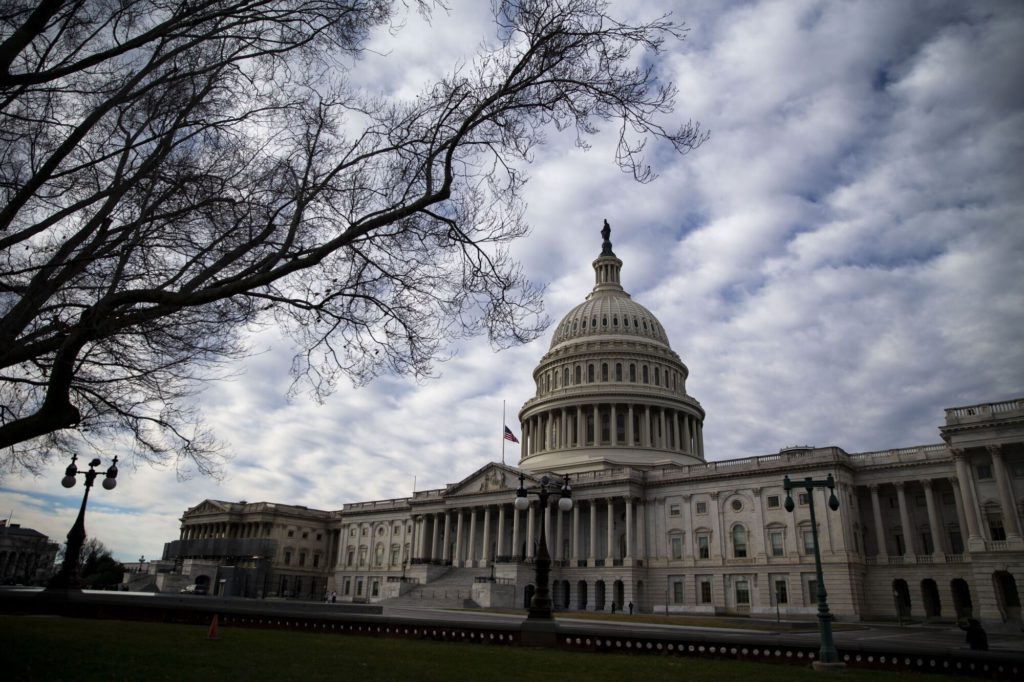
Even if the US Congress and President Joe Biden reach a debt ceiling deal, if it involves cutting federal infrastructure spending, it could threaten economic growth, according to Lisa Shalett, chief investment officer at Morgan Stanley Wealth Management.
China would react “strictly and strongly” to any penalties imposed on its companies by the European Union for supplying Russia with so-called dual-use goods that can be used for both military and civilian purposes, according to Foreign Minister Qin Gang.
Sri Lanka’s bilateral creditors held an inaugural meeting on the South Asian nation’s debt restructuring, with China sitting in as an observer.
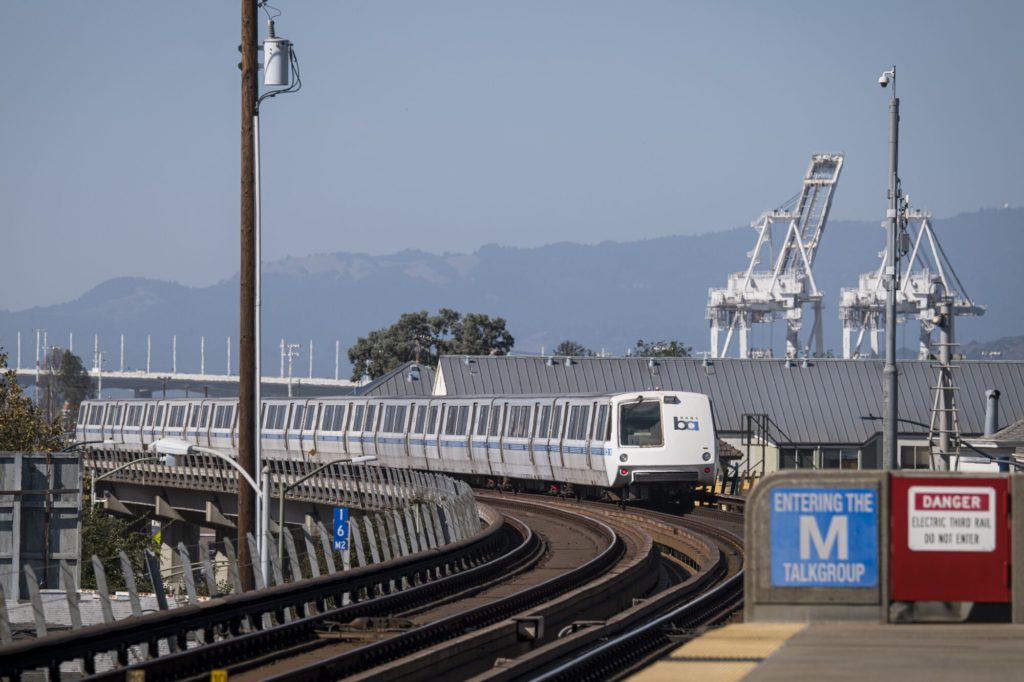
The post-pandemic reality for America’s public transportation is bleak. Work from home has solidly set in, leaving transit agencies that rely on fare-box revenue facing a fiscal cliff.
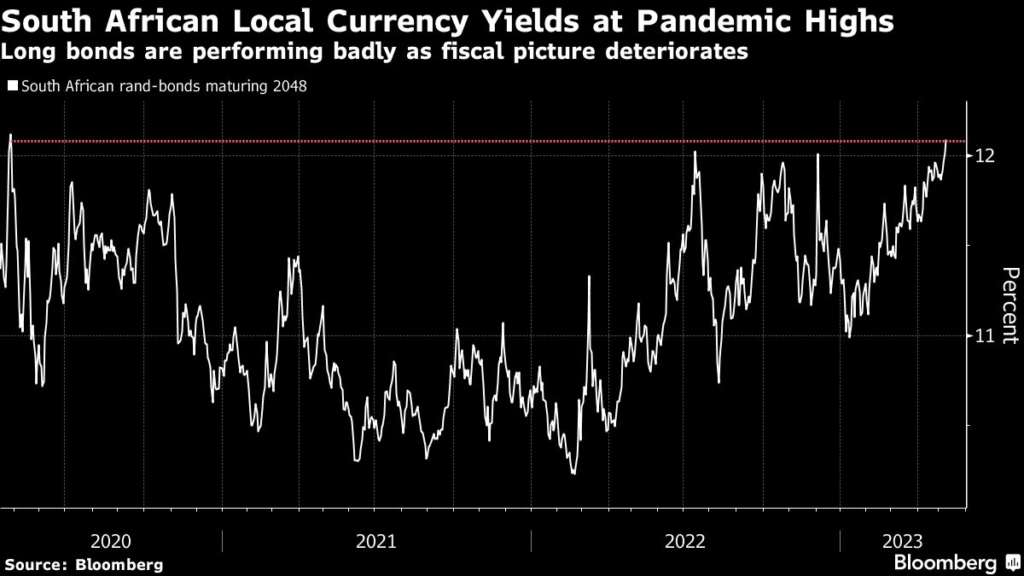
Eskom Holdings SOC Ltd.’s bonds tumbled to levels last seen before South Africa’s government announced billions of dollars in financial aid for the struggling state-owned company earlier this year.
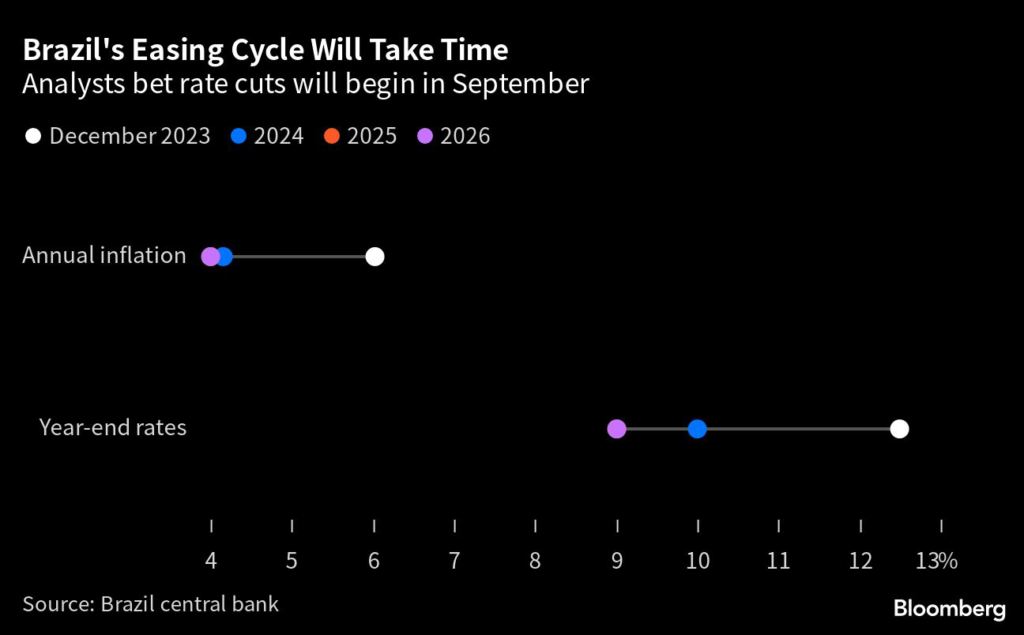
Brazil’s central bank called for patience on monetary policy, warning that the disinflation process will be more gradual in coming months as the government turns up pressure for lower interest rates to bolster the economy.
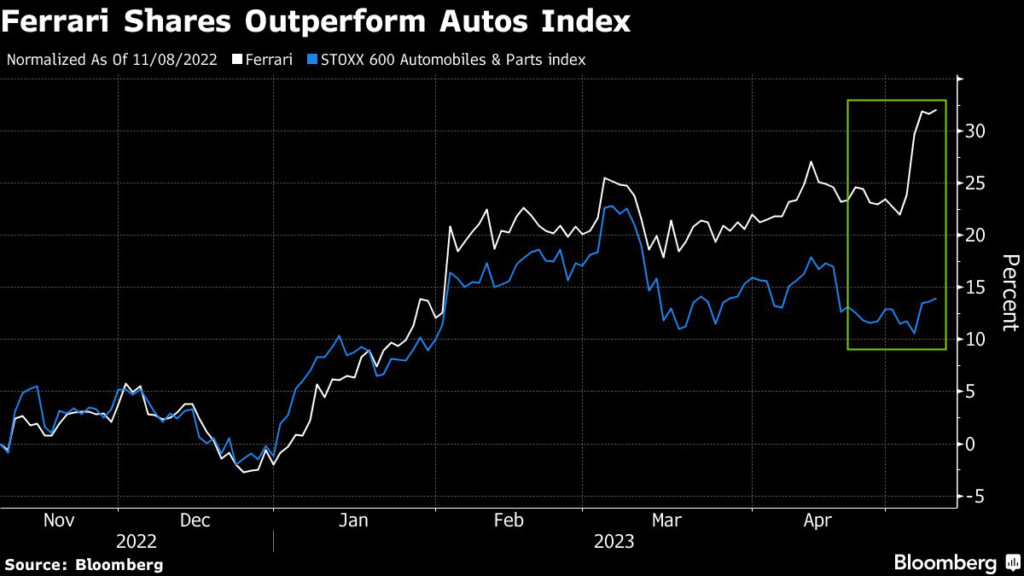
Ferrari NV’s market value has surpassed that of Stellantis NV — the auto conglomerate that contains Fiat, which was once the parent of the iconic Italian luxury sports-car maker.
Chile’s government reached an agreement with opposition lawmakers on the main sticking point in a proposal to raise taxes on copper miners in the biggest-producing nation.
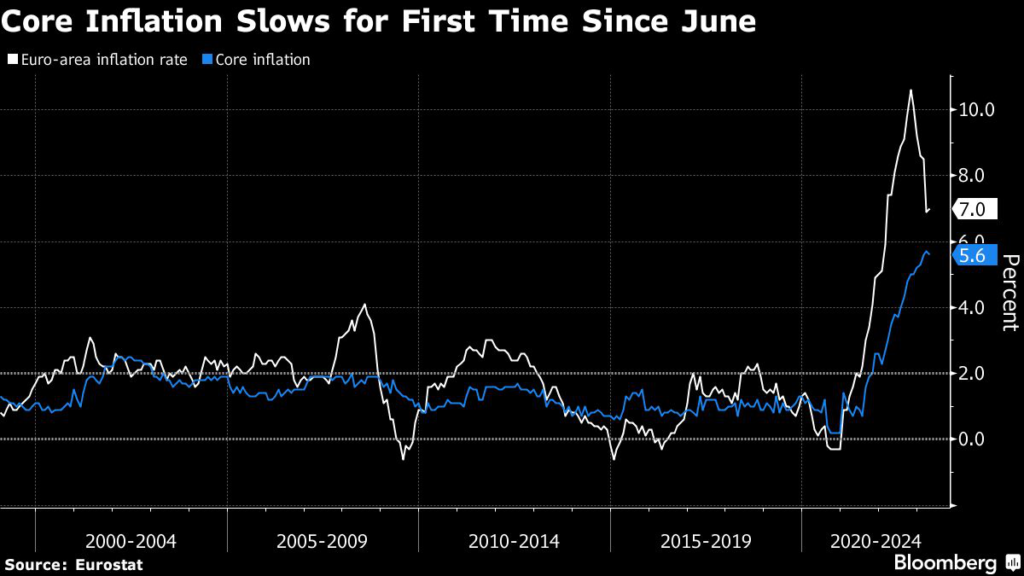
Investors shouldn’t count on the European Central Bank’s unprecedented bout of interest-rate increases ending in July, as the majority of economists currently predicts, according to Governing Council member Martins Kazaks.

