Bloomberg

US Won’t Help Fund China’s Chip Ambitions, Rahm Emanuel Says

(Bloomberg) — The US is “not in the business” of aiding rival chip-producing countries, Ambassador to Japan Rahm Emanuel said, as the White House steps up efforts to deny China access to American technology. 

“It’s one thing if you’re going to have competition,” Emanuel said on Monday in an interview with Bloomberg Television. “The other thing is if you actually help the competitor compete,” he added. “We’re not in the business of funding and supporting and doing the hard work and research to fund you to compete against us.”

His comments came after the Biden administration last week included dozens of Chinese technology companies on a so-called Entity List, making it almost impossible for them to procure critical foreign components and ratcheting up a trade conflict between the world’s two largest economies. A spokesman for China’s embassy in Washington called the move a “reckless suppression” of Chinese enterprises.

Over the past two months, the US has taken its strongest steps yet to prevent China from buying or making leading-edge semiconductors — crucial for the Asian nation to leapfrog the US in areas such as artificial intelligence and supercomputing. Key US allies, including the Netherlands and Japan, are planning to adopt at least some of the new US rules as well, Bloomberg News reported last week.


Emanuel said the US and Japanese efforts on semiconductors are complementary. He also lauded Japan’s announcement on Friday of a new security strategy, in which it laid out plans for a substantial hike in defense spending, and defined China as an “unprecedented” strategic challenge.  

“If Japan wasn’t doing this, you would be asking me what’s taking Japan so long?” Emanuel said of the new defense policy, citing threats from North Korea as well. “Just think about what they are facing today and what the United States as the principle ally of Japan is facing.”

Taiwan Semiconductor Manufacturing Co. Chief Executive Officer C.C. Wei separately warned Saturday of the dangers of excessive government export controls, saying they erode mutual trust between governments. The prolific chipmaker is now building plants in Arizona and Japan amid growing concerns from customers and major governments that the world’s chip production is too centralized in Taiwan.

“Export controls and banning products from other foreign countries destroy productivity and efficiency gained under globalization, or at least they reduce benefits offered by a free market,” Wei said at an industry event in Taipei on Saturday. “But the scariest thing is that mutual trust and cooperation among countries is beginning to weaken.”

–With assistance from Haidi Lun and Shery Ahn.

More stories like this are available on bloomberg.com

©2022 Bloomberg L.P.

Ukraine Latest: Kyiv Says Nine Iranian-Made Drones Shot Down

(Bloomberg) —

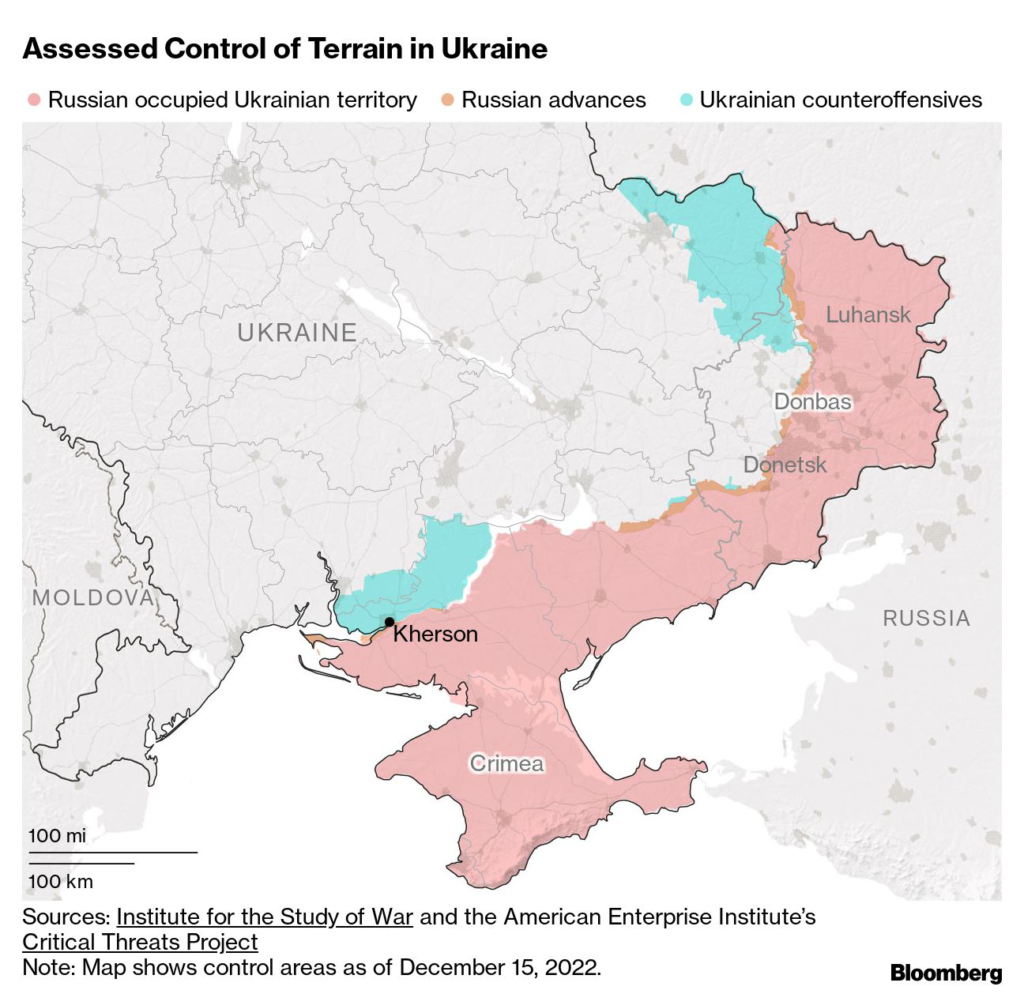
Explosions were heard early Monday in Kyiv as the city government said Iranian drones were shot down. That followed a warning by an adviser to Ukrainian President Volodymyr Zelenskiy that Russia could sharply escalate the war in a winter offensive driven by mass infantry and that Western allies needed to be prepared. 

UK Prime Minister Rishi Sunak will attend a 10-nation meeting in Latvia on Monday to discuss further air-defense support for Ukraine, according to his office. Ukraine is repairing key infrastructure after Russian missile strikes on Friday, the ninth major barrage since early October. 

Russia has launched over 4,000 missiles at Ukraine since the start of its full-scale invasion, Zelenskiy said on Saturday. The Kremlin said Russian President Vladimir Putin met with military commanders and asked for “proposals” on the next steps in the war.

(See RSAN on the Bloomberg Terminal for the Russian Sanctions Dashboard.)

Key Developments

  • Putin’s Ambitions Put Finland’s Troops and Tanks Back In Vogue
  • Putin’s War Makes Russian Stocks World’s Worst With Grim Outlook
  • A Million Shells and More: Pentagon Revs Up Ukraine Weapons Aid
  • EU Will Fund Cable Bringing Power From Caucasus Region
  • Europe’s $1 Trillion Energy Bill Only Marks Start of the Crisis
  • Germany Opens LNG Terminal in Quest to Replace Russian Gas

On the Ground

Russian forces are trying to regain positions near Lyman and restoring railway infrastructure in Zaporizhzhia to improve logistics, Ukraine’s general staff said in an update. Russia is attempting to advance near Bakhmut and Avdiivka. There were four missile strikes and 20 shellings from multiple rocket launchers on Sunday. Russian forces shelled the center of Kherson, injuring three, Kyrylo Tymoshenko, deputy head of presidential staff, said on Telegram. Air defense systems were triggered in Russia’s Belgorod region, with at least four people were injured on the ground, Governor Vyacheslav Gladkov wrote on Telegram. One person was killed and another injured in the surrounding region.  

(All times CET)

Kyiv Says Iranian Drones Shot Down (4:31 a.m.)

Explosions were heard around Kyiv early Monday morning, with the city government saying nine Iranian-made Shahed drones were shot down. Sirens first blared at 2 a.m. local time, continuing for hours in a city still confronting power and water shortages, with temperatures below zero. 

Ukraine Allies to Discuss More Aid on Air Defense (11:30 p.m.)

The leaders of the UK, Denmark, Finland, Estonia, Iceland, Latvia, Lithuania, the Netherlands, Sweden and Norway will discuss further air defense support for Ukraine at a meeting in Latvia on Monday, UK Prime Minister Rishi Sunak’s office said in a statement.

UK Prime Minister Rishi Sunak will announce a £250 million contract that will ensure a constant flow of artillery ammunition to Ukraine throughout 2023. He’ll also visit Estonia to meet UK troops and sign a bilateral technology partnership.

Zelenskiy Aide Warns of Potential Russian Winter Escalation: NYT (5:12 p.m.)

Ukraine is bracing for a major Russian escalation over the winter to tamp down political backlash at home, Zelenskiy adviser Mykhailo Podolyak told the New York Times. 

The comments, made to the newspaper in emailed responses to questions, were a warning that the Kremlin plans to ramp up the war, potentially with a new mass mobilization. Ukraine’s army commander-in-chief Valeriy Zaluzhnyi told The Economist last week there was “no doubt” Russia will make another run at capturing Kyiv as soon as January with fresh troops now in training. 

Russia’s military appears to be laying plans for mass infantry attacks reminiscent of those done by the Soviet Union during World War II, Podolyak said. 

Rheinmetall Plans New Ammo Production Line (4 p.m.)

Rheinmetall will build a new production line for ammunition to ease supply bottlenecks for Germany’s armed forces in the latest sign that Russia’s war against Ukraine is reshaping Europe’s security landscape. 

The German company plans to invest more than €10 million ($10.6 million) to add the new capacity at its existing site in Unterluess, Lower Saxony. It will provide ammunition also for the 30 “Gepard” anti-aircraft guns which Chancellor Olaf Scholz’s coalition government sent to Ukraine earlier this year.

Ukraine Takes on FIFA Over World Cup Video Decision (2:30 p.m.)

Ukraine criticized FIFA, saying the football governing body had declined to show a video message from Voldymyr Zelenskiy calling for world peace before Sunday’s World Cup final in Qatar. 

Ukraine’s president recorded a video in English that he hoped would be shown before the game. “FIFA blocked the initiative and will not allow” the video to be shown, CNN reported, citing a statement from the office. FIFA hasn’t commented. 

Presidential aide Mykhailo Podolyak said on Twitter that the sports body “shows lack of understanding of the disaster” Russia is dragging the world into, while Ukraine’s foreign ministry urged FIFA to not be afraid. 

Ukraine’s Railway Lights Up Christmas Tree With Pedal Power (2 p.m.)

The Ukrainian railway company Ukrzaliznytsya set up a Christmas tree in the hall of a central railway station in Kyiv with lights powered by a electricity generated by a bicycle, its CEO said on Twitter. 

Russian Defense Chief Visits ‘Forward Positions’ in Ukraine (11 a.m.)

Russian Defense Minister Sergei Shoigu flew over deployment area of Russian troops in Ukraine and inspected forward positions, the ministry said on its website. Shoigu is shown in a 43-second video traveling by helicopter; it’s unclear when trip took place and exactly what locations he visited. 

The travel was announced two days after President Vladimir Putin met with military commanders, including Shoigu, to strategize on the way forward for what Russia calls its “special military operation” in Ukraine, which is approaching the 10-month mark. 

Shoigu met with field commanders at a “command and control post,” and “interacted with Russian servicemen,” according to the ministry. 

Ukraine Picks Eurovision Artist in Broadcast From Bomb Shelter (10 am.) 

Ukrainians chose the band Tvorchi to represent the nation at the 2023 Eurovision Song Contest in Liverpool. The UK will host the event on behalf of Ukraine, which won the broadcasting rights after its Kalush Orchestra won this year’s competition. 

Tvorchi, an electro-pop duo from Ternopil in western Ukraine, was selected from ten contenders after a nationwide broadcast on TV, radio and the internet from a Kyiv underground station that’s being used as a bomb shelter. 

The sing-off came a day after Kremlin troops bombarded the capital with 40 missiles, of which 37 were shot down by air defense. 

Heat Mostly Back On in Kyiv After Latest Strikes, Mayor Says (8 a.m.)

Kyiv has restored operations at utilities providing heat throughout the city following the latest missile strikes by Russia on Friday, Mayor Vitali Klitschko wrote in Telegram post. 

Municipal workers will be addressing any localized issues at buildings without heat throughout the day, he said. Temperatures in Ukraine’s capital will be well below freezing Sunday and Monday before a slight thaw.

Kremlin troops fired some 40 missiles at Ukraine’s capital on Friday as part of the ninth major barrage against key infrastructure since early October. Some 37 missiles were shot down by air defense. 

Kremlin Trying to Rehabilitate Putin’s Image, US Analysts Say (7:30 a.m.)

The Kremlin likely publicized Vladimir Putin’s meeting with military commanders to portray him as a competent wartime leader and rehabilitate the image of Russia’s defense ministry as well, the Institute for the Study of War said in a report.  

The US-based analysts said the Kremlin wanted to present Putin as “being thoroughly engaged with the planning and execution of the war” following recent criticism from the pro-war community. “One prominent milblogger even questioned whether ‘Putin finally showed public interest in the special military operation’ at their suggestion to do so,” ISW said.

Publicizing the attendance at Friday’s meeting of top military brass, including Army General Sergei Surovikin, who commands Russia’s forces in Ukraine, was done to depict the defense ministry “as an organized, unified, and effective war-fighting institution,” they added. 

UK Doubts Impact of ‘Creative Brigades’ to Cheer Russian Troops (7 a.m.) 

Two “front-line creative brigades” announced by Russia’s defense ministry to entertain troops and boost morale are unlikely to alleviate soldiers’ concerns about high casualty rates, poor leadership, and lack of equipment and ammunition, the UK defense ministry said. 

Russian media reported that the entertainment teams will include “opera singers, actors and circus performers,” the ministry said in a Twitter thread. 


Energy Teams Restore Power to 6 Million, Zelenskiy Says (8:54 p.m.)

Ukraine’s President Volodymyr Zelenskiy said Saturday in his nightly address that teams have been working nonstop to repair damage to power and water supply networks damaged Friday in Russia’s latest missile attack. Electricity has been restored to almost 6 million Ukrainians in the past day, Zelenskiy said.

The most difficult situations are in areas including the capital, Kyiv, and surrounding region, as well as Lviv, Vinnytsia, Zakarpattia, Odesa, and Chernihiv, among other regions, he added. 

Putin Asks Generals for Ideas at Strategy Meeting (5 p.m.)

As Russia’s invasion of Ukraine approaches the 10-month mark, President Vladimir Putin spent Friday at the nation’s war-coordination command post, according to a Kremlin statement on Saturday. 

Putin listened to reports, held a general meeting and conducted one-on-one talks with military commanders, the Kremlin said, without giving more detail. “I would like to hear your proposals on our immediate and medium-term actions,” Putin said in a short video released on Saturday 

The meetings, which also included Defense Minister Sergei Shoigu, came days before Putin’s planned trip to Belarus for talks with President Alexander Lukashenko, the Russian leader’s first visit to Minsk since 2019. 

Kyiv Puts Up Christmas Tree Despite Russian Attacks, Power Cuts (1:02 p.m.)

Ukraine’s capital is preparing for the holidays despite the hardships of Russia’s invasion, and has put up a Christmas tree on the central Sophiyska Square, mayor Vitali Klitschko said on Facebook. 

“This year, the country’s main Christmas tree is artificial, 12 meters high, and decorated with energy-saving garlands connected to a generator,” he said. “We will also arrange points for recharging gadgets next to the generator.”

Germany Opens LNG Terminal as Way Around Putin ‘Blackmail’ (12:35 p.m.)

Germany opened its first state-chartered floating terminal for liquefied natural gas as replaces Russian gas cut off in what Chancellor Olaf Scholz called Vladimir Putin’s “blackmail” of Europe. 

“Germany and the EU will become a great deal more secure and independent,” Scholz said in a speech in Wilhelmshaven on the North Sea coast, citing the terminal’s 10-month build time as evidence of Germany’s speedy response.

Putin “was wrong” calculating that he could pressure Germany and the rest of Europe by making energy a political weapon,” Scholz said. 

Russia Launches Cruise Missiles at Odesa (8:57 a.m.)

Russia aimed two “Oniks” cruise missiles at the Black Sea port city of Odesa early Saturday. Both were downed by Ukrainian air defence, Ukraine’s southern operational command said. 

The supersonic missiles were fired from a coastal defense system in Russian-occupied Crimea, the command said.

Missiles attacks continued on the Sumy, Donetsk, Kherson and Zaporizhzhia regions, Ukraine’s presidential office said in statement, citing local authorities. At least one person was killed and several injured. 


More stories like this are available on bloomberg.com

©2022 Bloomberg L.P.

China Hints at Pro-Business Policies, Smaller Fiscal Boost

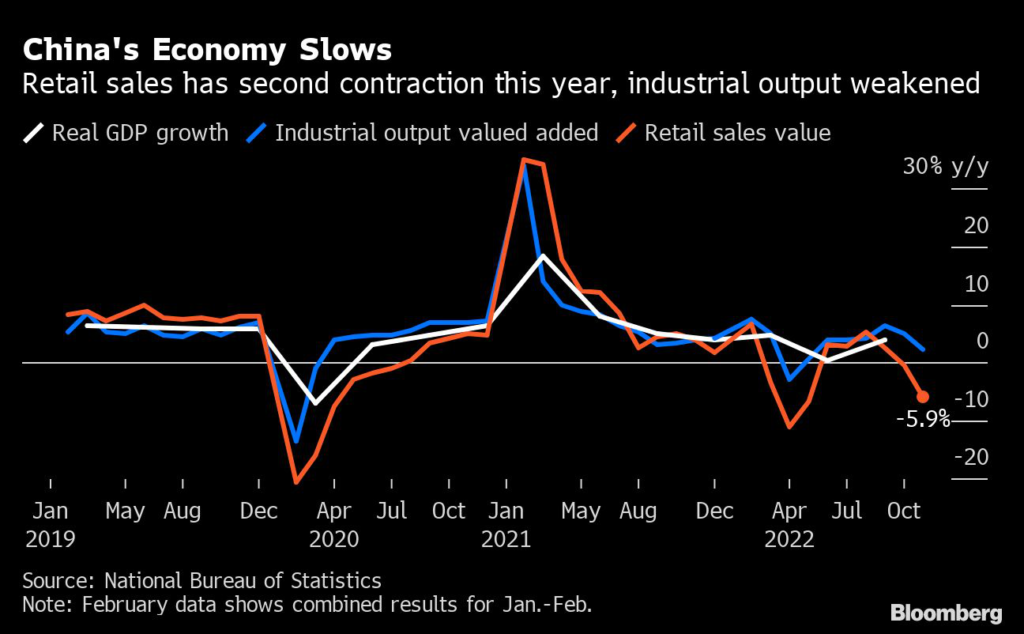
(Bloomberg) — China’s top leaders said they will focus on boosting the economy next year, hinting at business-friendly policies, further support for the property market while likely scaling back fiscal stimulus.

After three years of strict Covid Zero restrictions, a crackdown on financial risk in the property market and targeting excessive growth of internet platform companies, President Xi Jinping now appears to be loosening the reins. 

At a two-day Central Economic Work Conference that wrapped up on Friday, Xi and other senior officials pledged to revive consumption and support the private sector, a marked shift from recent years.

Economists said the signals are clear that the focus next year is on boosting gross domestic product, with policymakers likely to target growth of 5% or higher. 

That task will be a challenging one though given China is facing a surge in Covid infections in coming months after virus controls were hastily abandoned and consumer and business confidence remain at near record low levels.

In a sign that the pro-business stance is coming right from the top, the People’s Daily, the official newspaper of the Communist Party, ran a front-page article on Sunday titled “The key is to boost confidence.” It quoted Xi in the article saying: “I have always supported private enterprises, and I also worked in places where the private economy is relatively developed.” 

The ruling party’s leader in Zhejiang province in eastern China also visited Alibaba Group Holding Ltd.’s headquarters on Sunday, urging the company to promote development and global competition. 

What Bloomberg Economics Says…

An unprecedented weight attached to reviving consumption, hints of a peak in regulatory tightening, a renewed effort to encourage entrepreneurship and silence on ‘common prosperity’ are important signals of a shift in policy approach.

Chang Shu, David Qu, Eric Zhu

For the full report, click here

Traders on Monday weighed up the pro-business tone from officials against the short-term challenges for the economy from surging infections. The benchmark CSI 300 Index was down 0.4% as of 10:00 a.m. local time. A gauge of Chinese tech stocks in Hong Kong traded 1.2% higher.

The yield on China’s most actively traded 10-year bond fell three basis points to 2.88%, the lowest since Nov. 28.

Here’s a look at the key takeaways from the Central Economic Work Conference and what analysts say it means for policies next year. 

More business-friendly policies, including for tech firms

Officials said they will implement favorable policy to encourage private enterprises to grow and broaden market access for foreign firms. Singling out internet platform firms, the officials said they would support the companies in playing a leading role in economic development, creating jobs and competing in the international market.

The language on platform companies was much more positive than used during last year’s meeting, when leaders emphasized supervision of the industry and curbing its “wild growth.”

“The biggest change this year seems to be the increased focus on improving the business environment for foreign and private companies, especially the internet platform companies,” said Adam Wolfe, an economist at Absolute Strategy Research. “That could help restore confidence and boost investment in light manufacturing and the service sector.”

A GDP growth target probably around 5%

Officials took a stronger pro-growth stance at the meeting than in recent years, stating the “amount” of economic expansion is important. Topping the list of priorities for next year was expanding domestic demand. 

In particular, officials said consumer spending and employment growth should both be given a “more prominent position.” Incomes of urban and rural residents would be increased “through multiple channels,” they said, in order to expand spending in better housing, new energy cars, and elderly care.

Consumer spending has been a weak spot for the economy during the pandemic and economists expect a rebound next year as Covid restrictions end and infections subside. That’s likely to drive growth next year to 5% or above, from an estimated 3% this year. 

Senior officials are debating a GDP growth target of around 5% for next year, Bloomberg News reported earlier this month. Several government-linked officials have argued the economy needs growth of at least that amount in coming years to meet China’s longer-term ambitions.

Fiscal stimulus could be scaled back

While promising active fiscal policy, officials shunned phrases such as “front-loading” infrastructure investment and “new tax cuts,” which were highlighted during last year’s meeting.

For next year, officials said the focus of fiscal policy will remain to support growth, while also pledging to maintain a “necessary” magnitude of public spending, ensure fiscal sustainability and keep local government debt risks in check. 

“We think this means a continued proactive fiscal policy but likely with a smaller additional fiscal stimulus than 2022,” UBS economists led by Wang Tao wrote in a note. 

China’s budget deficit soared to all-time high levels this year and local government debt burdens have become unsustainable because of sliding tax and land revenue and higher spending on Covid controls. The central government boosted transfer payments to local governments and turned to unconventional income sources such as central bank profits to increase revenue.

The UBS economists expect infrastructure investment to grow 5%-6% next year, slowing from an estimate of more than 12% in 2022. The broad fiscal deficit may rise by less than 0.5 percentage point of GDP, much smaller than this year’s increase of more than 3.5 percentage points, they forecast.

Monetary policy likely to remain loose

The fiscal limits mean monetary policy may remain relatively loose given the government is keen to expand domestic demand and the economic recovery remains fragile.

That could mean further monetary easing, like interest rate cuts, and a push to get banks to boost loans, especially to small businesses. Officials said liquidity will remain “reasonably ample,” and they’ll aim to expand credit at a similar pace to nominal GDP growth.

Comments from Liu Guoqiang, deputy governor of the People’s Bank of China, this weekend appeared to confirm that accommodative stance. He said the “magnitude of monetary policy will not be smaller than this year,” and it could be stepped up if needed, unless growth and inflation exceeded expectations, according to a report in the local media.

Further support for property market

The official slogan that “housing is for living, not for speculation” was repeated — a phrase used in previous years to signal efforts to make the economy less reliant on property as a source of growth.

Yet there were clear signs of a softening of tone, with officials pledging to support consumer demand for “better housing,” ensure “stable growth” in the sector and meet the financing needs of property companies. 

Citic Securities Co. said the language around the property market signaled the stance has “completely shifted to support and care-taking.”  

“We think the government’s determination to put a floor to the property market slump is unquestionable,” Citic analysts including Ming Ming wrote in a report. “Policies will likely be eased further until the market show signs of a stabilization and recovery.”

Senior officials have recently switched rhetoric on the property market. Vice Premier Liu He told a foreign business delegation last week that the property market was a “pillar” of the economy and new measures are being considered to improve the financial condition of the sector and boost confidence.

–With assistance from Lin Zhu, April Ma and Wenjin Lv.

(Updates with details from state media, market reaction)

More stories like this are available on bloomberg.com

©2022 Bloomberg L.P.

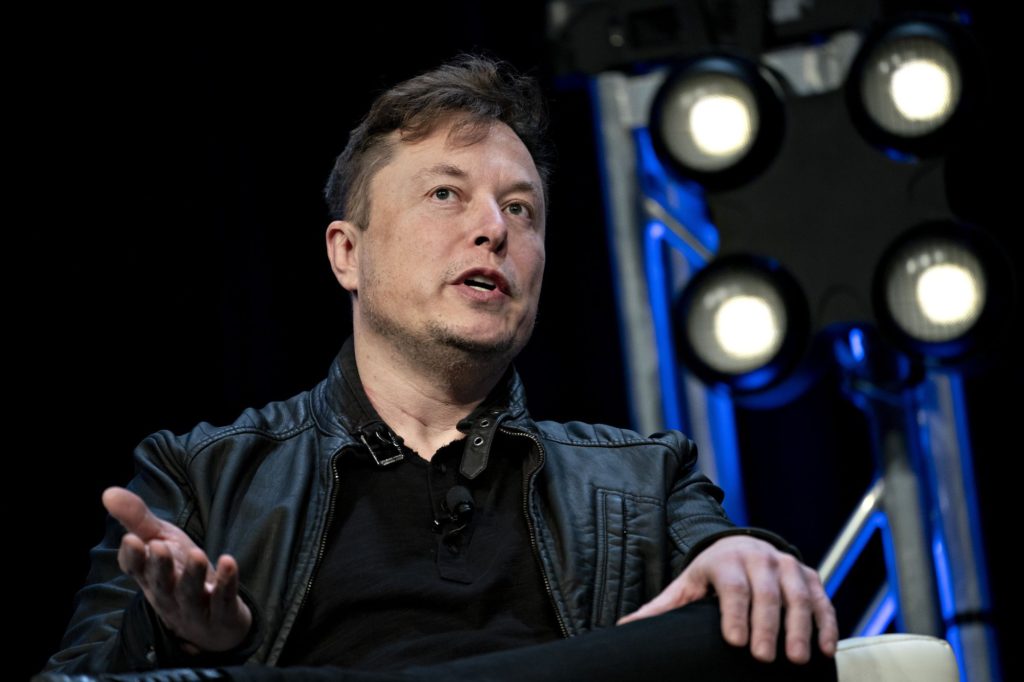
Musk’s Volatility Is Alienating Twitter’s Top Content Creators

(Bloomberg) — Elon Musk’s ever-changing Twitter Inc. content policies, applied haphazardly to justify banning the accounts of a number of prominent journalists who cover him, have attracted the ire of regulators and free-speech advocates.

The moves have also given the people who make the most content for the social network a reason to flee, which could be bad for business.

On Twitter, a small minority of users produce the vast majority of the tweets. According to Pew Research, 97% of the posts on the service come from 25% of the users. Those in the media, who rely on Twitter’s fast-flowing feed to inform their jobs, are among the top power users. They’re such a crucial constituency that for years pre-Musk, Twitter directly recruited and worked with media companies to sign up their journalists for the site and get their accounts verified.

Reporters are the “heartbeat” of the user base, according to Lara Cohen, former vice president of partners and marketing — a team that was culled in Musk’s recent layoffs.

Twitter needs its power users because more interesting content that appears on its site first leads to more reason for other people to join in order to share and comment on those posts. That generates more tweets, which in turn creates more opportunity for advertising revenue.

Musk is also launching a subscription service that will cost $8 a month, the success of which will depend on Twitter serving up regular valuable information and entertainment to subscribers. And he needs Twitter to grow and succeed financially, in order to repay the banks that lent him billions to purchase the network.

Musk seems to understand this in principle. In his first question-and-answer session with employees as their new owner in November, he noted that Twitter needed to recruit the top talent from YouTube and TikTok and find a way for them to be compensated for their work. 

When he released internal documents chronicling decisions by Twitter’s prior management, he made the reporters with access to the so-called #TwitterFiles agree to release their findings on the social network first. 

And yet, in practice, Musk is making life harder for his top creators. On Thursday, a half-dozen journalists from the New York Times, Washington Post and elsewhere found their accounts suspended as they chronicled the ban of an account that was tracking his private jet. Some had followings in the tens or hundreds of thousands.

Twitter Suspends Journalists Who Musk Says Imperiled His Safety

Over the weekend, after restoring some of those users, he went on to ban more highly followed reporters – all of whom were working on stories about Musk. Out of fear that anyone might be banned at any time, top users started sharing links to their alternative accounts. 

That, too, irked Musk. So Twitter introduced a new policy against directing followers to Facebook, Instagram, Mastodon and other competing sites.

“This is the last straw,” tweeted Paul Graham, a prominent venture capitalist with 1.5 million followers. “I give up. You can find a link to my new Mastodon profile on my site.” Soon, his account also became temporarily unavailable.

It’s not unusual for social media sites to discourage linking to competitors. Facebook has, at times, done so algorithmically or automatically – a practice that was criticized in a federal antitrust case. On Instagram, another Meta Platforms Inc. property, it’s been difficult for big accounts to earn verified check marks if they link to a competitive account in their profile. On TikTok, most accounts can’t link anything in their profiles. 

But on Twitter, which is mostly text-based, creators who may have had bigger followings on other sites have historically come to market their work, wherever it lives. Such a broad policy against it is “unprecedented,” said Jason Goldman, an early Twitter executive. “What matters more is that they are terrified of the exodus.”

With the backlash from Twitter’s top users showing no signs of abating, Musk has seemingly made some concessions. On Sunday, he apologized and said that going forward he’ll conduct votes on major policy changes, while also tweeting out a poll asking users to decide whether he should step down as head of Twitter.   

“Any platform that doesn’t recognize or respect its most influential creators generally does not last for long,” said Taylor Lorenz, a Washington Post journalist who covers the creator economy. She found herself banned temporarily over the weekend, after asking Musk to comment on a story.

More stories like this are available on bloomberg.com

©2022 Bloomberg L.P.
Musk Asks Twitter Users to Decide If He Should Step Down

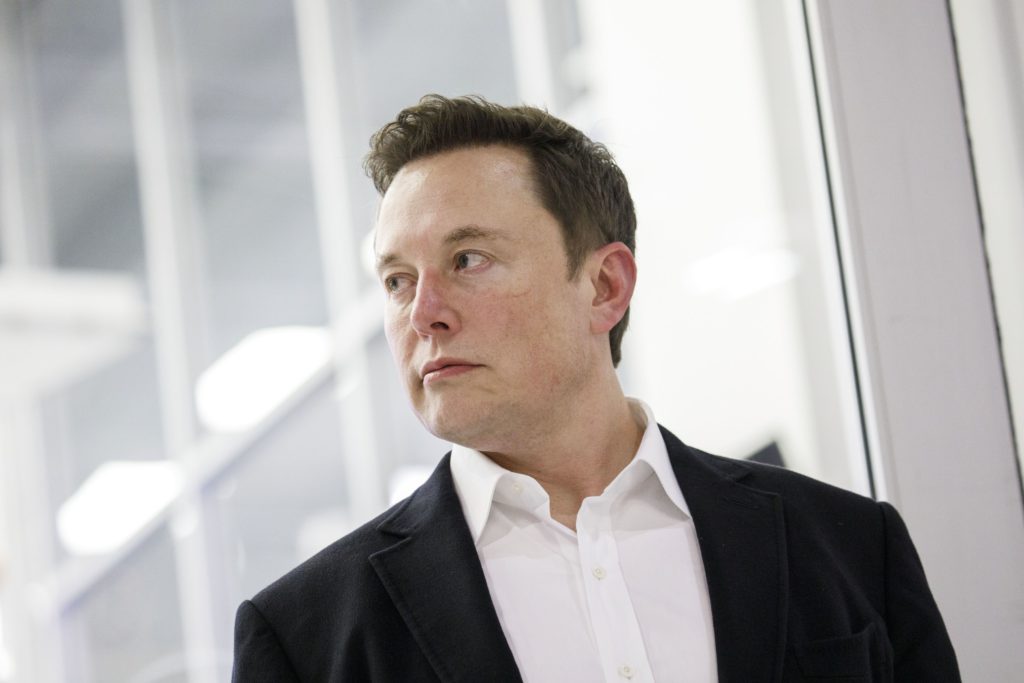
(Bloomberg) — Elon Musk, under fire for recent policy changes at Twitter Inc., is asking users to vote on whether he should step down as head of the social media site.

The billionaire owner of Twitter and chief executive officer of Tesla Inc. will abide by the results of the poll, he pledged in a tweet Sunday. With 9 hours left and 7.4 million votes cast, 57% of polled users have said yes. Three of the top trending topics in the US were about the platform itself, including “VOTE YES” and “CEO of Twitter.”

Following his takeover of Twitter, Musk has weathered criticism for his sweeping changes at the social network — such as firing more than half its staff and bringing back previously barred accounts — as well as calls to refocus on Tesla, whose share price has been plummeting. Since reluctantly completing the Twitter acquisition at the end of October, he has spent much of his time on the social service.

He was posting late into the night Thursday after tangling with journalists, Twitter’s most engaged and active contributors. The company banned a number of them from major publications like the Washington Post and CNN, alleging they were doxxing his location. The move incurred condemnation from the likes of the American Civil Liberties Union and even the United Nations, who called it a “dangerous precedent.”

Over the weekend, Twitter also announced a policy change whereby it will bar accounts “created solely” to promote competing social networks. That decision led to the suspension of at least one prominent account, prompting Musk to say he’ll adjust the policy mere hours after its introduction. His remaking of Twitter’s rules on the fly has also sparked discontent among users and advertisers, leading to unpredictability about the content that can and cannot be posted.

On Sunday, Musk apologized and said he’ll conduct votes on major policy changes. Three minutes later he published the poll asking if he should step down. The Twitter Safety account later offered a poll on whether it should have the policy on removing accounts promoting other social media platforms.

(Updates with Twitter Safety poll and trending topics)

More stories like this are available on bloomberg.com

©2022 Bloomberg L.P.
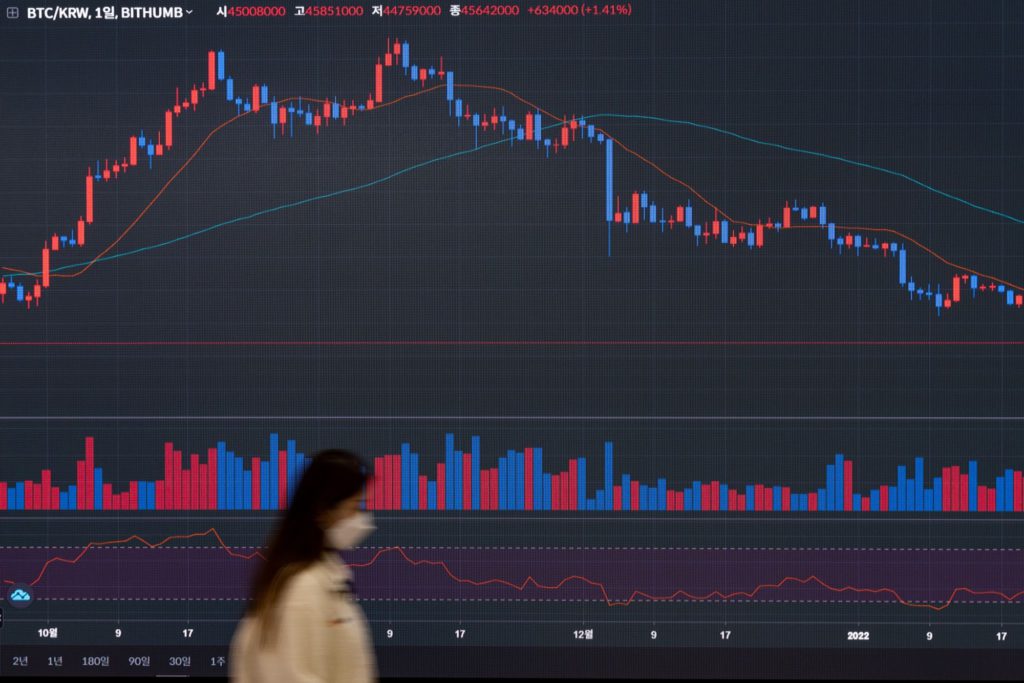
Basel Oversight Body Backs Standards for Banks’ Crypto Exposure

(Bloomberg) — The body overseeing the Basel Committee on Banking Supervision endorsed global prudential standards for banks’ exposure to crypto assets, seeking to counter threats from virtual coins.

The backing from the Group of Central Bank Governors and Heads of Supervision is an important step toward “mitigating risks to banks” from digital tokens, Tiff Macklem, chair of the oversight body and governor of the Bank of Canada, said in a statement on Dec. 16.

The standards outline two groups of crypto assets — one for tokens that fully meet a set of conditions and another for coins that fail to meet any of them. 

The first group is subject to capital requirements as set out in the existing Basel Framework. For group two crypto assets, a bank’s total exposure must not exceed 2% of Tier 1 capital and should generally be lower than 1%.

The chaotic bankruptcy of Sam Bankman-Fried’s FTX crypto empire, which may have left more than a million creditors, has injected urgency into regulatory efforts to curb risks from the digital-asset industry.

The Financial Stability Oversight Council in the US said last week that interconnections between crypto firms and traditional financial institutions remain limited while adding that entanglements could rapidly increase and put the broader system at risk.

More stories like this are available on bloomberg.com

©2022 Bloomberg L.P.
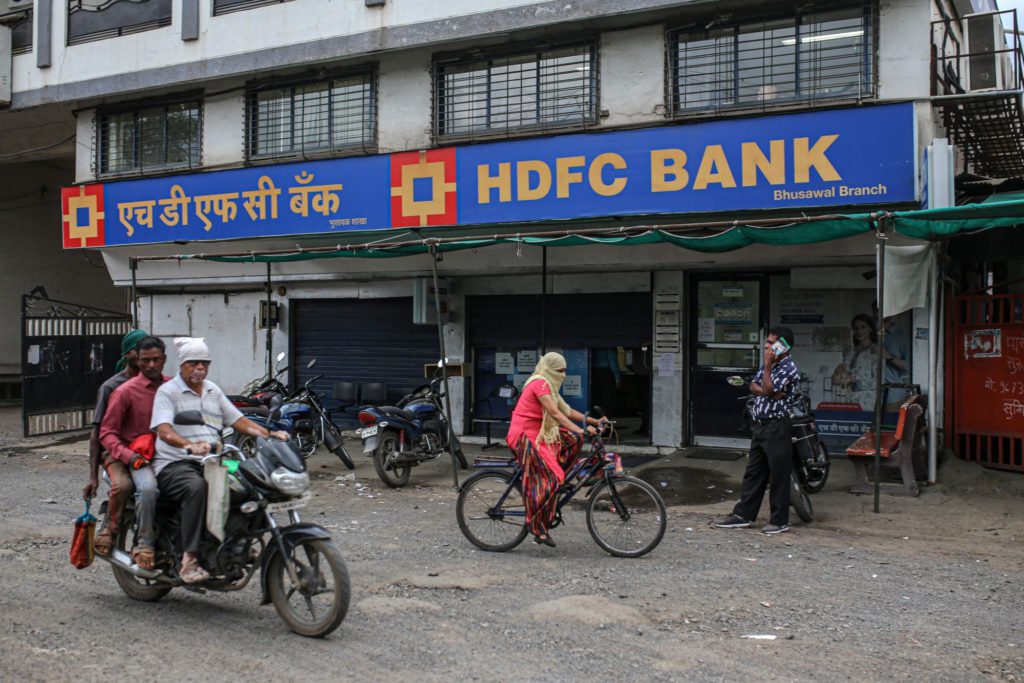
India’s HDFC Targets Issuing One Million Credit Cards A Month

(Bloomberg) — India’s largest private bank HDFC Bank Ltd. is seeking to issue a million credit cards a month, a remarkable bounce-back for the lender after the country’s regulator banned it from taking on new card clients two years ago.

The bank wants to double the current pace of half a million new credit card issuances every month, according to Parag Rao, country head for payments business, consumer finance, digital banking and marketing. The firm will announce partnerships across a range of industries from online retail to food delivery in the coming weeks to increase spending on cards, Rao said. 

The recovery for HDFC Bank has been swift since the eight-month long card ban was lifted in August last year, with the lender seeking to move past the punishment for repeated online glitches that hurt its customers. Reserve Bank of India data showed that the bank captured 29% of India’s overall spending on credit cards in October, the highest among its competitors.

“We focus not only on the issuance of cards which is a distribution game, but on deep engagement, ensuring customers find more value in their cards, and keep spending,” Rao said in an interview.

The partnerships in the next few weeks also include two airlines and a large hotel chain, according to Rao. HDFC Bank is in the final stages of developing a new digital credit card to pull in younger customers, he added. 

Banks in the world’s second most populated country are poised to benefit from the growth in online shopping where customers use their credit cards for purchases. Between 200 million and 300 million Indians are expected to spend $50 billion on online retail this year, according to a Bain & Co Inc. report. 

Part of the push at HDFC Bank will be tied to its merger with Housing Development Finance Corp., which will give it access to the mortgage lender’s customers, Rao said. The two firms agreed to combine this year in one of the biggest global deals to ride a boom in home loans and consumer spending in India.

Beyond partnerships, the bank also wants to attract more customers who use credit cards from India’s local retail payment system known as RuPay, according to Rao. He sees recent rules that allow the linkage of RuPay credit cards to the widely used government-backed payment interface expanding the market for these cards.

“The credit lines for such customers will be small but these will be customers of the future, who can upgrade to other cards as they evolve,” Rao said.

And while peers are offering rewards on a slew of products to gain customers, HDFC Bank is avoiding this strategy. 

“We never have had the best discounts in the market nor do we want to be known as the card with the most discounts,” Rao said.

More stories like this are available on bloomberg.com

©2022 Bloomberg L.P.
Toshiba Falls on Report Preferred Bidder May Lower Valuation

(Bloomberg) — Toshiba Corp. dropped on a report that the company’s preferred bidder may lower its valuation for the iconic Japanese conglomerate.

Shares fell as much as 7.1% in Tokyo after the Nikkei newspaper reported late Saturday that a group led by Japan Industrial Partners Inc. is weighing an offer of about 2 trillion yen ($14.7 billion), down from the 2.2 trillion yen JIP had expected in early November. The Nikkei didn’t say where it got the information.

Toshiba had a market value of $15.1 billion as of Friday’s close of stock trading.

A representative for Toshiba declined to comment on the stock’s decline and said the company is not in a position to confirm the veracity of Nikkei’s report. A spokesperson for JIP declined to comment.

Four major Japanese banks have agreed to provide a loan to the JIP-led consortium, Bloomberg News reported last week, removing a major obstacle to the deal’s progress. In an open letter to shareholders last week, Toshiba said the company is planning to receive binding proposals and would work to reach a conclusion to the process as soon as possible.

Bloomberg reported last month that the JIP consortium was considering a lower offer due to the company’s disappointing second-quarter earnings.

Toshiba has been exploring options for its future including going private. The process comes after years of scandals and clashes between management and shareholders at the Japanese company.

(Updates with JIP no comment in fourth paragraph)

More stories like this are available on bloomberg.com

©2022 Bloomberg L.P.
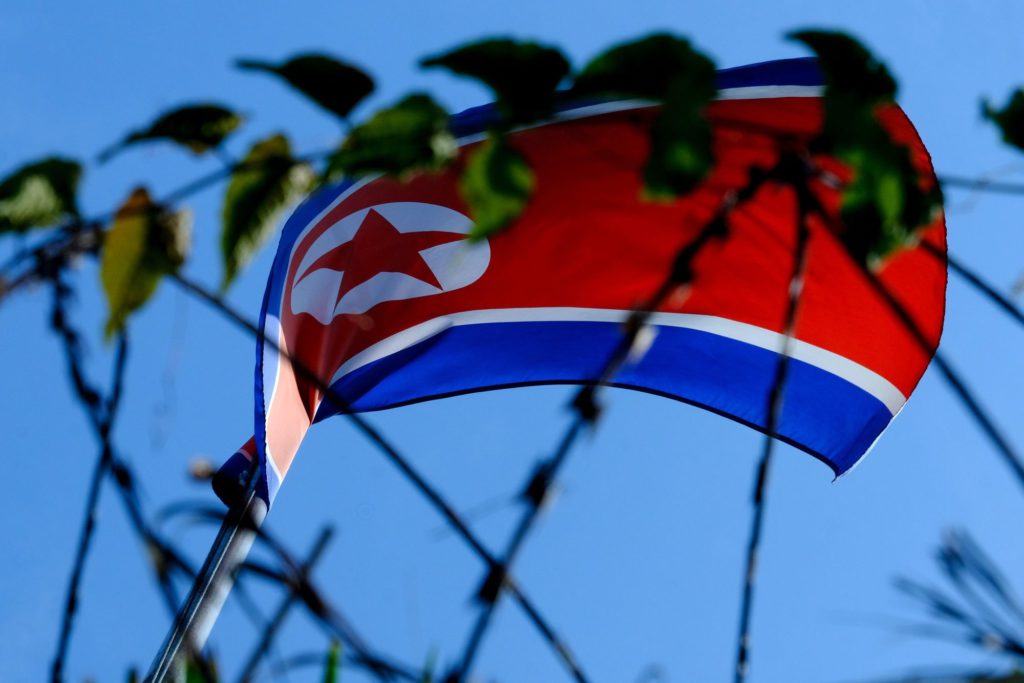
North Korea to Finish Preparations for Spy Satellite by April

(Bloomberg) — North Korea said it will finish preparations for its first military reconnaissance satellite by April, claiming it carried out the final-stage test for its development. 

The test was a high-angle launch of a test-piece satellite to an altitude of 500 kilometers (311 miles), state-run Korean Central News Agency reported on Monday. The satellite carried various cameras and transmitters, it said.

South Korea said on Sunday that North Korea fired at least two suspected medium-range ballistic missiles from near a site where, a few days ago, it tested a new solid-fuel rocket engine.  

More stories like this are available on bloomberg.com

©2022 Bloomberg L.P.
South Africa Latest: ANC Ends Briefings, Leadership Vote Goes On

(Bloomberg) — South Africa’s governing African National Congress canceled further media briefings for the day late on Sunday and said it would provide further updates on Monday.

Members were still voting for the party’s leaders shortly before midnight on Sunday, with the outcome of several of the contests still hanging in the balance. The results of the election are now expected to be announced on Monday.

ANC Condemns Accusations of Vote Buying (Dec. 18, 3:23 p.m.)

Accusations of vote buying damaged the ANC’s brand and undermined the credibility of its leaders and the practice wouldn’t be tolerated, according to spokesman Pule Mabe. Security officials and marshals had been briefed to report any suspicious exchange of money to the conference’s steering committee, he told reporters.

Vote buying is the “antithesis of what we stand for,” Mabe said. “The leadership of the ANC must be beyond reproach.”

The Candidates for Top Positions (Dec. 18, 2:20 a.m.)

President Cyril Ramaphosa and former Health Minister Zweli Mkhize are the only nominees to lead the party. Cooperative Governance Minister Nkosazana Dlamini-Zuma, who narrowly lost to Ramaphosa in the contest to lead the ANC in 2017 and is among the president’s detractors, declined a nomination from the conference floor to run for the top post.

Deputy President David Mabuza also said he wasn’t available to be re-elected deputy party leader, leaving the position to be contested by Justice Minister Ronald Lamola, Eastern Cape Premier Oscar Mabuyane and ANC Treasurer-General Paul Mashatile. Mabuza’s decision means he’s unlikely to serve a second term as the nation’s deputy president. 

These are the candidates for the other top posts:

Secretary-General:

  • Mdumiseni Ntuli, a former ANC secretary in the KwaZulu-Natal province
  • Phumulo Masualle, the deputy minister of public enterprises
  • Fikile Mbalula, the transport minister

Deputy Secretary-General:

  • Nomvula Mokonyane, a former minister of environmental affairs
  • Tina Joemat-Pettersson, a former energy minister

Second Deputy Secretary-General 

  • Maropene Ramokgopa, a presidential adviser on international relations
  • Ronalda Nalomanga, an ANC official from the Western Cape province

Chairperson:    

  • Stanley Mathabatha, the premier of the Limpopo province
  • Gwede Mantashe, the mineral resources and energy minister, and incumbent ANC chairman
  • David Masondo, the deputy finance minister

Treasurer-General:

  • Bejani Chauke, a special adviser to Ramaphosa
  • Pule Mabe, the ANC’s spokesman
  • Mzwandile Masina, a former mayor of the Ekurhuleni municipality
  • Gwen Ramakgopa, a former deputy health minister

ANC Registers Delegates to Pick Leader (Dec. 17, 10 p.m.)

The ANC completed the registration of 4,426 voting delegates attending its conference.

Challenges that delayed the process included a new registration system, a poor computer network, faulty equipment and power cuts, the ANC’s credentials committee said in a report on Saturday. There were also late changes to some delegate lists and problems with tags and photos, it said.

The five-day conference is due to end on Dec. 20. 

ANC Membership Nosedives (Dec. 17, 9 p.m.)

The party’s membership has fallen sharply over the past two years, a decline that mirrors its waning support.

The ANC credential committee’s report shows the party has 691,381 paid-up members, down from 1.6 million in July 2020. 

“The sharp fall in membership numbers shows the general apathy toward the party and organizational disarray,” said Melanie Verwoerd, an independent political analyst and former ANC lawmaker. “The use of an electronic membership system by the ANC since its last national conference in 2017 also lends credence to suspicions then that membership numbers had been inflated.”

Godongwana Says Policy Shift Unlikely (Dec. 17, 8 a.m. )

Finance Minister Enoch Godongwana told business leaders attending a breakfast on the sidelines of the conference that ANC policy isn’t determined by the party’s leaders and won’t necessarily shift if power does change hands. He also said he’d be prepared to continue working with Ramaphosa or Mkhize.

“Unlike in the USA where the policy belongs to the president, policy belongs to the party, so irrespective of the change in government, the party will continue to pursue its policy,” Godongwana said. “I am not panicking an inch about who comes out.”

–With assistance from Paul Vecchiatto, Monique Vanek, Rene Vollgraaff and Paul Richardson.

More stories like this are available on bloomberg.com

©2022 Bloomberg L.P.

Close Bitnami banner
Bitnami