Bloomberg

TSMC Monthly Sales Rise 56% as Chip Giant Weathers Tech Slowdown

(Bloomberg) — Taiwan Semiconductor Manufacturing Co. posted a 56% increase in sales for October, signaling the world’s largest contract chipmaker continues to weather a broader slowdown in electronics demand.

Revenue rose to NT$210.3 billion ($6.6 billion) from NT$134.5 billion a year earlier, the company said Thursday in a statement. Year-to-date sales at TSMC, which benefits as the Taiwanese dollar depreciates, have risen 44%.

Sales of electronics from smartphones to computers are slowing as consumers curb spending amid accelerating inflation and rising interest rates, leaving chipmakers under pressure. The industry has also been hit by the US-China tech war, with Washington enacting restrictions to try to counter China’s ambitions and trying to attract more projects to US shores.

Read more: TSMC Prepares for Another US Plant as China Tensions Simmer

TSMC said this week it was preparing for another US plant in addition to the $12 billion complex it was already building in Arizona, a sign of confidence during the broader tech downturn. Other chipmakers have warned in recent months that they are facing a tougher market as inventories build up and orders are being cut by data center as well as consumer tech clients.

Last month, TSMC reported higher-than-expected sales for the third quarter, even as rival Samsung Electronics Co. and US processor and graphics chip maker Advanced Micro Devices Inc. both fell short of estimates.

Shares of TSMC have lost about a third of their value this year, also hurt by growing investor concern over the risks posed by a more aggressive China toward the company’s home base of Taiwan.


More stories like this are available on bloomberg.com

©2022 Bloomberg L.P.

Asian Stocks Fall, Crypto Bounces Before CPI: Markets Wrap

(Bloomberg) — Asian stocks weakened after US shares fell and cryptocurrencies arrested a sharp decline that sapped risk appetite ahead of crucial inflation data due Thursday.

Shares in Japan, China and Australia fell. US equity futures inched higher after the S&P 500 slumped Wednesday to end a three-day advance. The dollar treaded water after a Wednesday rally and bond yields fell in Australia and New Zealand, following Treasuries.

Bitcoin climbed above $16,000 after tumbling by the biggest margin since March 2020 Wednesday as Binance scrapped plans to acquire embattled exchange FTX.com, which may face bankruptcy. The action weighed on crypto-linked companies across the region after similar declines in the US. Japan-listed Monex Group and Remixpoint dropped and South Korea’s Hanwha Investment fell.

US voters delivered a mixed verdict in midterm elections. Republicans headed for control of the House by smaller margins than forecast while the race for Senate continued.

A divided congress “would likely block further bold fiscal moves,” Mark Haefele, chief investment officer at UBS Global Wealth Management, said in a note. For markets, however, “Federal Reserve policy, rather than fiscal policy, will remain the main driver.”

October inflation data will offer clues on the path of Fed tightening. JPMorgan Chase & Co. analysts said a hot print could send US stocks 6% lower in Thursday trade.

Oil traded flat after its worst day in nearly a month as US stockpiles grew and Covid outbreaks in China threatened growth. 

Key events this week:

  • US CPI, US initial jobless claims, Thursday
  • Fed officials Lorie Logan, Esther George, Loretta Mester speak at events, Thursday
  • US University of Michigan consumer sentiment, Friday

Stocks

  • Futures on the S&P 500 rose 0.3% as of 2:18 p.m. Tokyo time. The S&P 500 fell 2.1%
  • Nasdaq 100 futures climbed 0.5%. The Nasdaq 100 fell 2.4%
  • Japan’s Topix Index fell 0.6%
  • Australia’s S&P/ASX 200 Index fell 0.5%
  • The Hang Seng Index fell 1.8%
  • The Shanghai Composite Index fell 0.6%
  • Euro Stoxx 50 futures fell 0.7%

Currencies

  • The Bloomberg Dollar Spot Index fell 0.2%
  • The euro rose 0.2% to $1.0033
  • The Japanese yen rose 0.2% to 146.13 per dollar
  • The offshore yuan rose 0.4% to 7.2483 per dollar

Cryptocurrencies

  • Bitcoin rose 5.2% to $16,553.76
  • Ether rose 7% to $1,182.88

Bonds

  • The yield on 10-year Treasuries declined three basis points to 4.07%
  • Australia’s 10-year yield declined 15 basis points to 3.71%

Commodities

  • West Texas Intermediate crude was little changed
  • Spot gold rose 0.2% to $1,710.74 an ounce

–With assistance from Stephen Kirkland.

More stories like this are available on bloomberg.com

©2022 Bloomberg L.P.

Sequoia Capital Writes Down Entire Value of Its FTX Stake

(Bloomberg) — Sequoia Capital wrote down the full value of its $214 million investment in FTX only weeks after the hailing the embattled cryptocurrency exchange’s founder as a “legend” with a “savior complex.”

The VC firm put in about $214 million last year in FTX’s international and US businesses, Sequoia told its investors Wednesday. The writedown includes holdings of both FTX.com and FTX.us, said a spokeswoman for the firm.

“We are in the business of taking risk,” Sequoia wrote in a message to investors. “Some investments will surprise to the upside, and some will surprise to the downside.”

Sequoia is among several prominent backers that stand to lose big on their holdings of Sam Bankman-Fried’s FTX. Others include BlackRock Inc., Tiger Global Management and SoftBank Group Corp. That’s a big reversal of fortune for the startup investment powerhouse, which in September called Bankman-Fried a “legend” worth emulating. This week, Sequoia appended a line to that public article that clashed with its celebratory tone.

“Since this article was published, a liquidity crunch has created solvency risk for FTX and its future is uncertain,” the latest addition went. “FTX is exploring all opportunities to ensure its customers are able to recover their funds as quickly as possible.”

A smaller venture fund, Multicoin Capital, told investors Wednesday that about 10% of its assets under management were affected. “Unfortunately, we were not able to withdraw all of the Fund’s assets on FTX,” Multicoin wrote in a letter reviewed by Bloomberg.

A sudden loss of confidence in FTX.com among customers exposed deep problems with the cryptocurrency exchange. People rushed to withdraw money and sell off tokens associated with the company, causing a liquidity crunch. A rival, Binance, agreed to buy FTX.com and then pulled out over concerns with FTX’s financial health.

Bankman-Fried held a call with investors Wednesday and said FTX.com needed a cash infusion or would have to file for bankruptcy, Bloomberg reported. The US entity, FTX.us, stood at a distance from the crisis, but the Sequoia writedown indicates a lack of confidence in that asset, too.

Sequoia sought to reassure investors, saying FTX accounts for less than 3% of committed capital in the fund with the biggest exposure to FTX. That fund, Sequoia said, has realized and unrealized gains of about $7.5 billion.

Here’s the full memo:

–With assistance from Hannah Miller.

(Updates with Sequoia’s previous comments from the fourth paragraph)

More stories like this are available on bloomberg.com

©2022 Bloomberg L.P.

Biden Aims to Avoid Concessions to Xi During First Summit

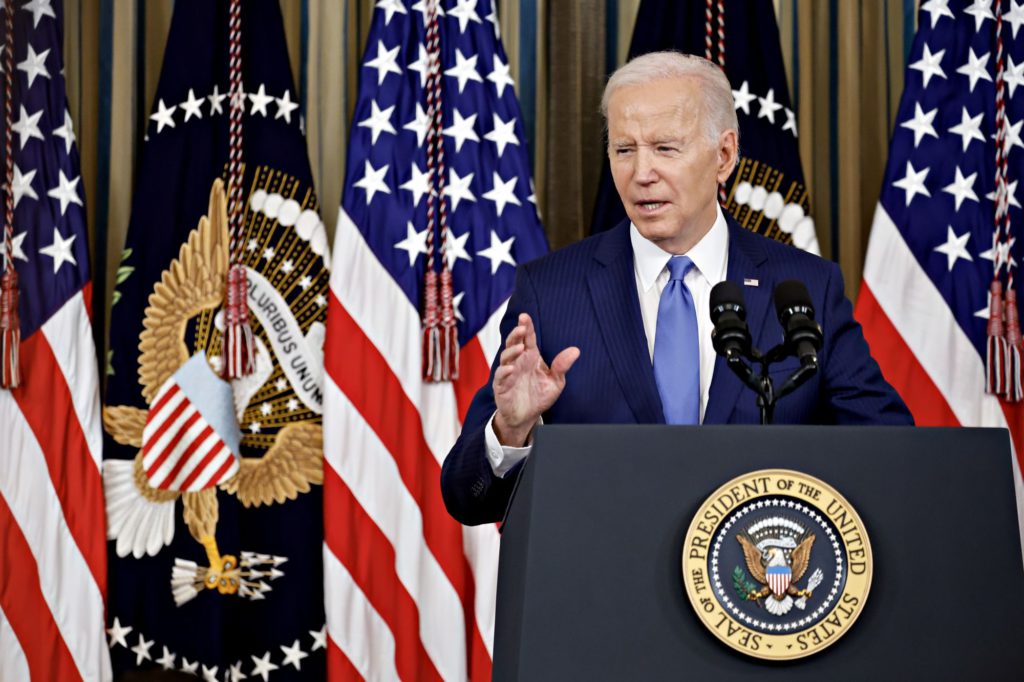
(Bloomberg) — US President Joe Biden vowed to make no “fundamental concessions” in his first in-person summit with China’s Xi Jinping, reinforcing already low expectations for a major reset in relations between the world’s two largest economies. 

The two presidents are expected to meet next week on the sidelines on the Group of 20 summit in Bali, Indonesia, a highly anticipated encounter — their first since Biden took office. 

Biden said he expects to discuss contentious issues such as trade and Taiwan, which China has put under increased military pressure since US House Speaker Nancy Pelosi visited Taipei in August. 

“I’m not willing to make any fundamental concessions,” Biden told a White House news conference Wednesday. “I’m looking for competition not conflict.”

The US and China face a diplomatic dilemma as they attempt to balance the need to cooperate on trade and pressing issues like climate change Covid-19 and Russia’s war in Ukraine with increasing suspicion of each other’s intentions. The National Security Strategy released by Biden last month cast China as trying to supplant the US as the world’s dominant power, while a defiant Xi declared that the “rejuvenation of the Chinese nation is now on an irreversible historical course.”

With relations between the two nations at their lowest point in decades, both presidents have put some domestic uncertainty behind them in recent weeks. Xi has secured a precedent-breaking third term as leader and stacked the Communist Party’s leadership with proven loyalists. Biden emerged stronger than expected from US midterm elections, telling reporters Wednesday that he plans to run for re-election in 2024, though he has yet to make a formal announcement. 

Previous calls between the two presidents — who met several times when Biden was vice president — have helped serve to steady relations during periods of discord. In recent days, Xi said he was willing to work with the US while senior diplomats between the two sides of have held calls and in-person meetings. 

“The two sides don’t want to normalize the bilateral relationship so much as stabilize it,” said Richard McGregor, senior fellow for East Asia at the Lowy Institute in Sydney. “Whether that allows for any significant cooperation on issues like climate change and pandemics and the like is yet to be seen.”

The meeting could help reopen communication channels after Beijing cut off military talks and climate change cooperation in retaliation over Pelosi’s becoming the first US speaker to visit Taiwan in 25 years. They might seek to ease some of the pressures over issues including Beijing’s military threats against Taiwan and Washington’s curbs on Chinese chipmakers, although a temporary truce akin to the one Xi and President Donald Trump brokered at the G-20 summit in 2019 might prove elusive. 

The US-China relationship rapidly deteriorated after that, with Trump dubbing Covid the “China virus,” the US accusing Beijing of carrying out genocide against Muslims in Xinjiang and the both sides trading sanctions. China responded to Pelosi’s trip with its most provocative military exercises near the island in decades, including firing ballistic missiles over Taipei. 

“For three years, we have only had hawkish attacks on each other,” Henry Wang Huiyao, founder of the Center for China and Globalization, a policy research group in Beijing, said. “We need a bottom for this deterioration. I think at least that this meeting can probably find that and gradually stabilize, if not improve, the relationship.”

The Bali meeting is one of a series of summits, including Association of Southeast Asian Nations meetings in Phnom Penh and the Asia-Pacific Economic Cooperation forum in Bangkok, that both sides will use to press their competing visions for the world. Biden is expected to meet with regional leaders such as Japanese premier Fumio Kishida and Indonesian President Joko Widodo during his trip to Asia. 

Russian President Vladimir Putin’s expected absence from the summits might help lower the temperature on differences between Washington and Beijing over the war in Ukraine. While Xi has refused to criticize Putin’s invasion, he has recently expressed concerns about the conflict and reaffirmed his opposition to the use of nuclear weapons. 

Xi has ramped up diplomatic efforts after self-imposed isolation during the pandemic. He met with Putin at a regional security summit in Uzbekistan in September and hosted German Chancellor Olaf Scholz in Beijing last week. 

Yun Sun, a senior fellow and director of the China Program at the Washington-based Stimson Center, said a good outcome for China would be for Biden “to show respect.” 

“China will take it as a victory if Biden shows a few things that he wants China to cooperate on, because it implies that US is willing to reciprocate on issues China sees as important,” she said. 

Taiwan is likely to loom large after Biden’s previous assurances to defend the island in the event of a Chinese attack, despite the US longstanding One China policy of maintaining “strategic ambiguity” about its commitment to the island’s defense. Biden said Wednesday he was “going to have that conversation” with Xi, adding that US policy toward Taiwan “has not changed at all.” 

China considers the democratically ruled Taiwan as part of its territory, even though it has never controlled the island, and has repeatedly reaffirmed its willingness to use force to prevent its formal independence. During Xi’s previous calls with Biden, including their most recent one in July, he has warned the US against “playing with fire” on Taiwan. 

“What I want to do with him when we talk is lay out what each of our red lines are — understand what he believes to be in the critical national interests of China, what I know to be the critical interests of the United States and determine whether or not they conflict with one another,” Biden said. “And if they do, how to resolve, and how to work it out.”

–With assistance from Jennifer Jacobs, Justin Sink, Colum Murphy, Zibang Xiao and Rebecca Choong Wilkins.

(Updates with analyst comment, starting in seventh paragraph.)

More stories like this are available on bloomberg.com

©2022 Bloomberg L.P.

Exclusive Satellite Images Show Methane Clouds Near a Polish Coal Mine

(Bloomberg) — All through COP27, Bloomberg Green will exclusively publish new satellite images of methane releases around the world, in collaboration with emissions monitoring firm GHGSat Inc. Scientists say reducing the emissions of methane, which has 84 times the warming power of carbon dioxide during its first two decades in the atmosphere, is one of the fastest and cheapest ways to cool the planet.

Pszczyna County, Poland, Nov. 8, 1:25 pm local time

Two distinct methane plumes were observed in southern Poland near the border with the Czech Republic by a GHGSat satellite on Nov. 8. The emissions monitoring firm attributed the concentrations of methane to the coal sector and estimated the combined rate for the two plumes at 3,410 kilograms per hour. 

Poland’s Ministry of Climate and Environment didn’t immediately respond to an emailed request for comment sent outside normal business hours. 

Methane can leak from coal mines when sedimentary rocks are crushed or coal seams are exposed. Miners often attempt to drain methane from coal seams before mining the fossil fuel to reduce the risk of explosions and fires. The sector is responsible for about 30% of the total emissions of the potent greenhouse gas coming from the energy sector. Halting intentional venting of methane and accidental leaks from coal mines and oil and gas infrastructure is viewed by scientists as some of the lowest hanging fruit in the fight against climate change.

Both plumes were near Poland’s KWK Pniówek coal mine, according to Global Energy Monitor, a San Francisco-based non-profit that catalogs global fossil fuel infrastructure. Vents for large underground mines can be several kilometers from where coal is coming is coming out of the ground. 

The KWK Pniówek mine was highlighted in a 2015 report from the U.S. Environmental Protection Agency as part of its Coalbed Methane Outreach Program that works with mines in the U.S. and internationally to encourage the economic use of coal mine methane that is otherwise vented to the atmosphere. 

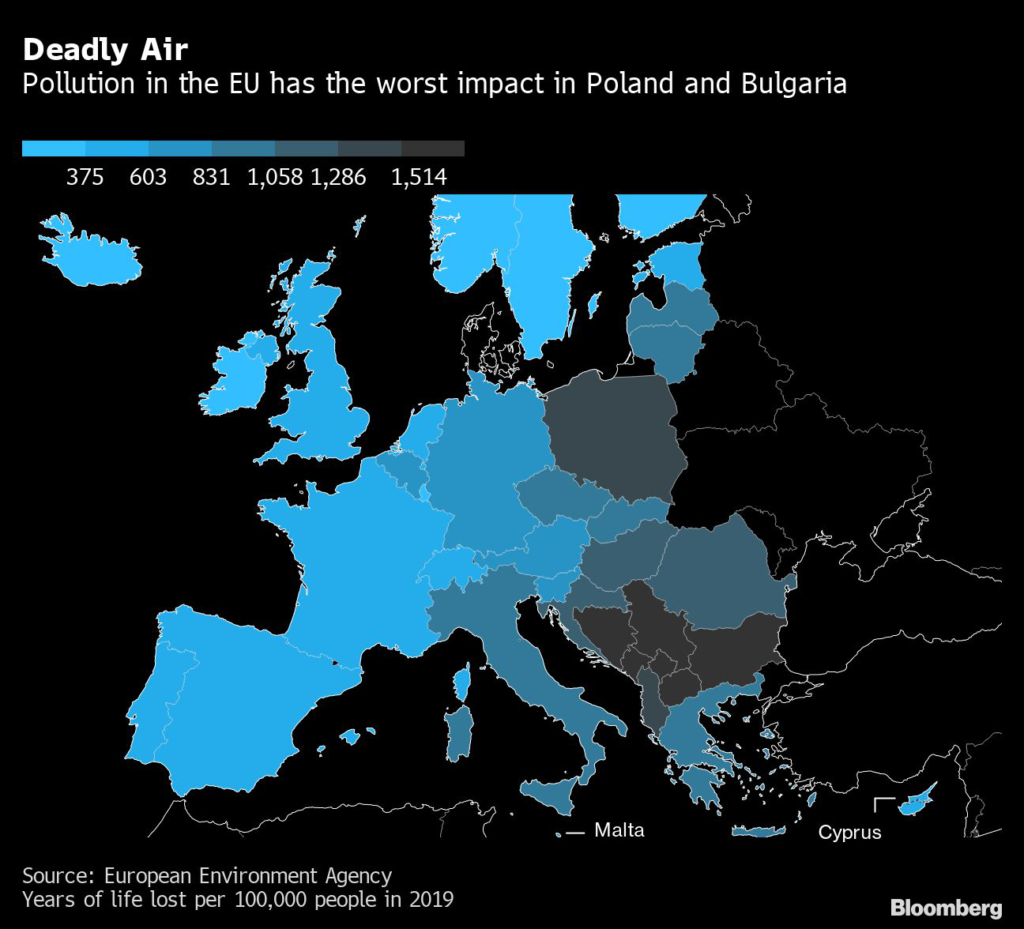
Poland remains heavily reliant on coal for home heating and the country is home to 40 of the 100 cities with the worst air quality in the European Union. The nation has one of the continent’s highest prevalence of premature deaths linked to contaminated air. 

Fars Province, Iran, Nov. 6, 9:25 am local time

A GHGSat satellite observed methane emissions near fossil fuel facilities Nov. 6 in a remote corner of Fars Province, in southern Iran. The emissions monitoring company attributed the plume to the oil and gas sector and estimated methane was spewing at a rate of 795 kilograms an hour at the time of the observation. 

Officials with the National Iranian Oil Co., the country’s government-owned oil and natural gas producer, didn’t immediately respond to an email sent outside normal business hours. 

The emissions occurred near the Arsanjan-Kheirgoo Gas Compressor Station. The site’s three compressors help ship as much as 110 million cubic meters of gas a day from the South Pars field 1,050 kilometers (650 miles) north to Tehran and were designed to increase transmission capacity during the winter heating season, according to a promotional video from the site’s operating subsidiary Sekafco.

National Iranian Oil spews more methane than any other global energy producer according to a report last week by Global Energy Monitor. The non-profit group found that that just 30 fossil fuel companies account for nearly half of the sector’s emissions of the potent greenhouse gas.

Methane is the primary component of natural gas and responsible for about 30% of the Earth’s warming. Leaks can occur during extraction and transport of the fossil fuel.

The potent greenhouse gas, which has 84 times the warming power of carbon dioxide during its first two decades in the atmosphere, is also routinely generated as a byproduct of oil or coal production and if operators don’t have infrastructure to get the gas to market they may release it into the atmosphere. The International Energy Agency has called for oil and gas operators to halt all non-emergency methane venting. 

Near Kirtland, New Mexico, USA, Nov. 6, 1:48 pm local time

A GHGSat satellite observed methane emissions near a coal mine Nov. 6 in New Mexico that the emissions monitoring firm said was coming from a mine vent. The company estimated the release was spewing at a rate of 440.4 kilograms per hour. 

Operational coal mines often vent methane to reduce the risk of explosion. Closed or abandoned coal mines can leak methane for years if they aren’t properly sealed. 

GHGSat said they first detected emissions from the site through a demonstrator satellite in 2016. An official with the New Mexico Environment Department said Westmoreland Mining LLC is the operator of the facility near the plume. An official at Westmoreland didn’t immediately respond to a request for comment after normal business hours.

Near Lucknow, India, Nov. 5, 1:28 pm local time

The satellite image was taken on Nov. 5 and shows a plume of methane that GHGSat attributed to a landfill in India. The estimated emissions rate was 1,328 kilograms per hour of methane. Landfills tend to be persistent emitters, according to the Montreal-based company. 

The detection highlights how piles of garbage — which generate the potent greenhouse gas when organic material like food scraps break down in the absence of oxygen — are triggering some of the world’s strongest and most persistent methane emissions. Landfills and wastewater are responsible for about 20% of the methane emissions generated from human activity.

•  Read more: The Trash Mountains of South Asia That Threaten the Climate

Failing to curb releases from the waste sector could derail global climate goals. Diverting food scraps and other organics before they enter a landfill is crucial to limiting future emissions. The impact of legacy dumps can be mitigated through aerating piles of trash and gas capture systems.

Near Daqing, China, Nov. 4 at 1:15pm local time

On Nov. 4 a satellite identified six methane releases in northeast China near the Daqing oilfield, according to GHGSat. Estimated emissions rates ranged between 446 and 884 kilograms per hour and the cumulative rate was 4,477 kilograms an hour. If the releases lasted for an hour at that rate they would have the same short-term climate impact as the annual emissions from about 81 US cars.

• Read more:  Countries Set to Bolster Global Methane Pledge at Climate Summit

The detections highlight the rapidly expanding ability of satellites to identify and track methane almost anywhere in the world that is driving a new era of climate transparency in which greenhouse gases will be quantified and attributed in near real-time to individual assets and companies.  

More companies and institutions are launching multi-spectral satellites that can detect methane’s unique signature. GHGSat has six satellites in orbit now dedicated to monitoring industrial methane and aims to launch another five by the end of next year. US non-profit Environmental Defense Fund plans to launch its MethaneSAT in 2023 and a consortium including Carbon Mapper, the state of California, NASA’s Jet Propulsion Laboratory and Planet Labs expects to launch two satellites next year. 

In 2021, concentrations of methane in the atmosphere had the biggest year-on-year jump since measurements began four  decades ago, according to the World Meteorological Organization. 


–With assistance from Golnar Motevalli.

(This story updates through Nov. 18 with new satellite images of methane releases around the world.)

More stories like this are available on bloomberg.com

©2022 Bloomberg L.P.

FTX Warns of Bankruptcy Without Rescue for $8 Billion Shortfall

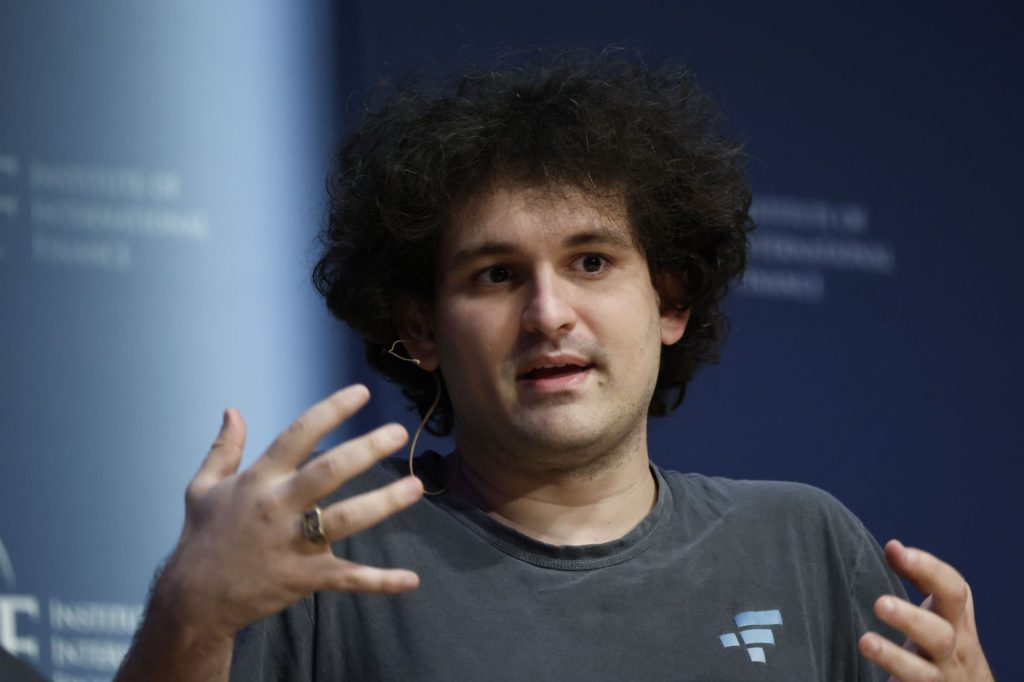
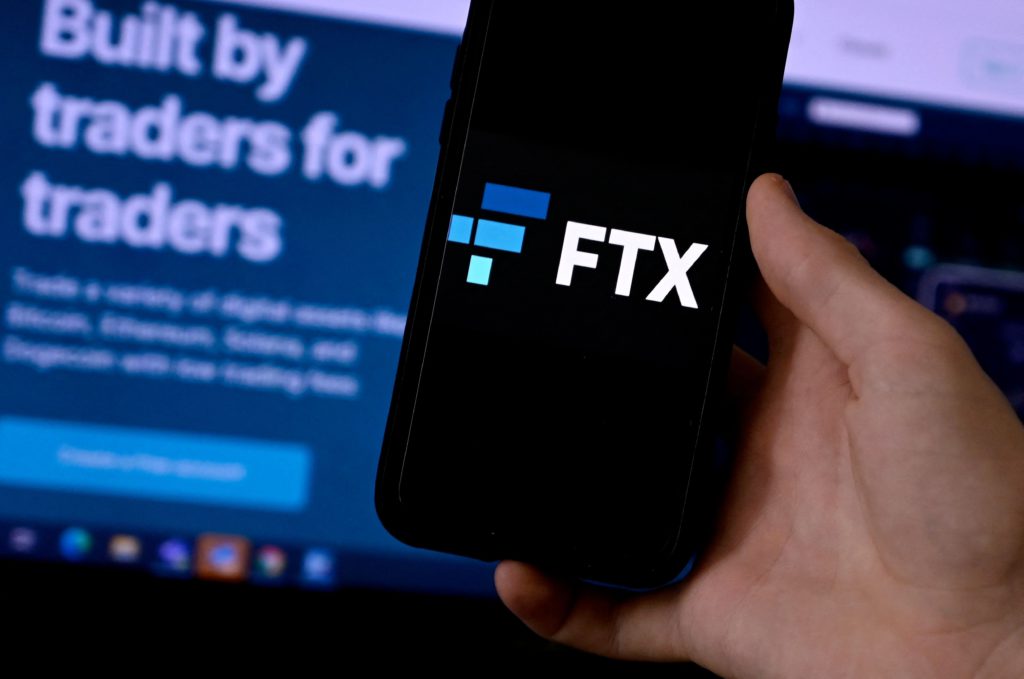
(Bloomberg) — Sam Bankman-Fried told FTX.com investors Wednesday that without a cash injection the company would need to file for bankruptcy, according to a person with direct knowledge of the matter.

On a call before Binance pulled an about-face and bailed on its takeover offer, Bankman-Fried informed investors his crypto exchange faced a shortfall of up to $8 billion and needed $4 billion to remain solvent, the person said, asking not to be named discussing private talks. FTX is attempting to raise rescue financing in the form of debt, equity, or a combination of the two, the person said.

“I f—ed up,” Bankman-Fried told investors on the call, according to people with knowledge of the conversation. He said he would be “incredibly, unbelievably grateful” if investors could help.

An FTX representative declined to comment.

The acknowledgment of his firm’s deepening troubles and limited options is a stunning turn for the crypto industry’s onetime wunderkind, who was once worth $26 billion and likened to John Pierpont Morgan. It also underscores the uncertainty hanging over FTX, its clients and cryptocurrency markets. 

Hanging in the balance as the exchange teeters is not just the fate of its investors and lenders but anyone who has been unable to retrieve customer assets since it halted some withdrawals earlier in the week. The failure of crypto firms Celsius and Voyager saw billions in client money tied up in bankruptcy proceedings.

FTX has a prominent list of backers such as Sequoia Capital, BlackRock Inc., Tiger Global Management and SoftBank Group Corp. Sequoia wrote down the full value of its holdings in FTX.com and FTX.us, an indication that the firm sees no clear path to recouping its investment.

Still, Bankman-Fried remained defiant during a hectic period of roughly 24 hours that included mounting speculation that Binance wouldn’t go through with the deal. 

He repeatedly told investors during the conference call on Wednesday afternoon that it was simply not true that Changpeng Zhao was walking away from the takeover, the person said. 

About an hour later, Binance said it was indeed backing out.

Read more: Binance Backs Out of FTX Rescue, Citing Finances, Investigations

“Our hope was to be able to support FTX’s customers to provide liquidity, but the issues are beyond our control or ability to help,” Binance, the crypto exchange founded by Zhao, said in a statement.

In addition to the financial strains, FTX is drawing attention from US authorities. 

The Securities and Exchange Commission and the Commodity Futures Trading Commission are investigating whether the firm properly handled customer funds, as well as its relationship with other parts of Bankman-Fried’s crypto empire, including his trading house Alameda Research, Bloomberg News reported Wednesday. Officials from the Justice Department also are working with SEC attorneys, one of the people said. 

Zhao said in a memo earlier on Wednesday that there was no “master plan” to take over FTX, and that “user confidence is severely shaken.”

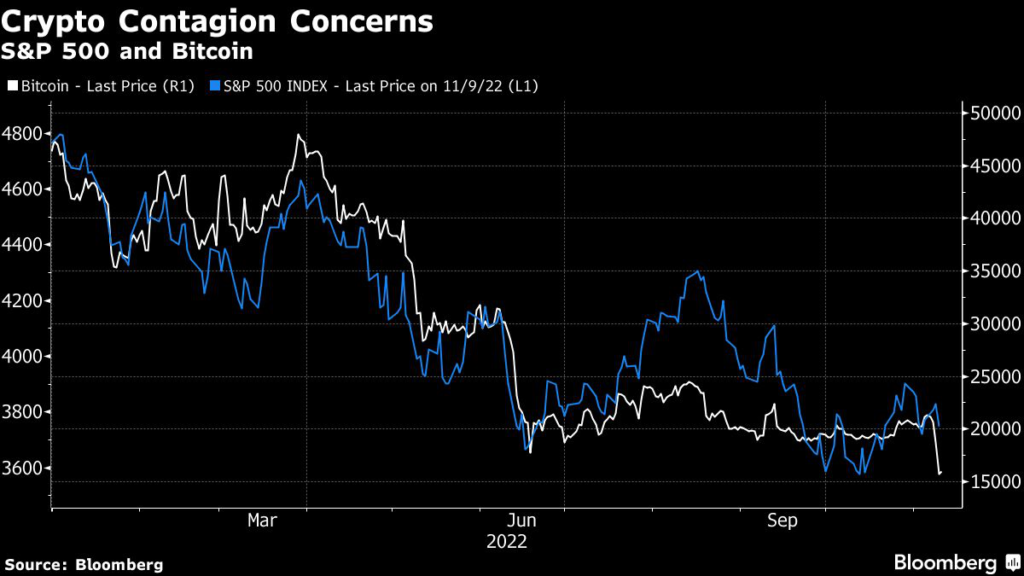
The renewed concern about contagion risk is showing up in the plunging prices of digital assets. Bitcoin fell below $16,000, the lowest in two years, after Binance’s announcement. 

Coinbase Chief Executive Officer Brian Armstrong said Tuesday in a Bloomberg TV interview that if the deal with Binance fell through, it would likely mean FTX customers would take losses.

“That’s a not a good thing for anybody,” he said.

For crypto market prices: {CRYP}; for top crypto news: {TOP CRYPTO}.

–With assistance from Yueqi Yang and Hannah Miller.

(Updates with Sequoia Capital writing down FTX investment in the seventh paragraph.)

More stories like this are available on bloomberg.com

©2022 Bloomberg L.P.

Crypto Markets Pull Back From Brink in Respite From FTX Rout

(Bloomberg) — Cryptocurrencies regained some ground following Wednesday’s plunge, offering investors a respite from a rout fueled by Binance Holdings Ltd.’s withdrawal of its offer to buy FTX.com.

Bitcoin rose as much as 4.4% after tumbling as low as $15,574, a level unseen since November 2020. Ether climbed 3.6%. The MVIS CryptoCompare Digital Assets 100 Index was down 3.9% as of 10:23 a.m. in Singapore on Thursday, after having fallen as much as 6.8%.

“Expect the unexpected in the days ahead,” Genesis Trading analysts Ainsley To and Gordon Grant wrote in a note Wednesday that highlighted the explosion of volatility across the crypto-markets complex.

Crypto markets have been roiled by the saga involving FTX, which until just a few days ago was seen as one of the top entities, with charismatic founder Sam Bankman-Fried seen as the crypto’s version of John Pierpont Morgan. Its FTT token plunged amid concerns fueled by Twitter comments from Binance co-founder Changpeng “CZ” Zhao, and is now below $2 after trading near $25 just a week ago. Bankman-Fried and Zhao co-announced a non-binding offer by Binance to buy FTX, which was then scrapped on Wednesday.

“Since I entered the crypto industry in 2016, very few periods tested its market infrastructure and participants” the way the turmoil of recent days did, said crypto hedge-fund manager Dan Liebau of Modular Asset Management.

Value Loss

Bitcoin, the largest token by market value, had plunged almost 16% on Wednesday. It reached a record high of almost $69,000 a year ago. FTT, the utility token of the FTX exchange, is down 92% this week, and was trading around $1.94.

The FTX-Binance saga calls to mind the turmoil involving Celsius — the crypto lender that collapsed earlier this year — as well as those seen by other firms that were engulfed in this year’s crash in digital assets.

The chaos also attracted the attention of regulators and legislators.

Read more: Lummis Has ‘Many Questions’ About Binance’s Takeover of FTX

“What we’ve seen in the last two days, if I can step back from it a bit, is really part of a pattern,” US Securities & Exchange Commission Chair Gary Gensler said on Bloomberg Television. “Investors get hurt when we don’t rely upon the time-tested public policy guardrails we’ve put in place over the decades.”

He cited opacity, using other people’s money, leverage and inter-connectedness as risks in the digital-asset sector.

As for potential effects, concerns about the recent events may deter some firms which were previously tempted to enter the space.

“This is going to give pause for more traditional financial institutions,” Soona Amhaz, general partner at Volt Capital LLC, said on Bloomberg Television.

More stories like this are available on bloomberg.com

©2022 Bloomberg L.P.
Apple Limits iPhone File-Sharing Tool Used for Protests in China

(Bloomberg) — Apple Inc. has limited the AirDrop wireless file-sharing feature on iPhones in China after the mechanism was used by protesters to spread images to other iPhone owners. 

AirDrop allows the quick exchange of files like images, documents or videos between Apple devices. The latest version — iOS 16.1.1, released Wednesday — caps the window in which users can receive files from non-contacts at 10 minutes. The previous options didn’t limit the time involved. Users could choose to get files from everyone, no one or just their contacts. 

After the 10-minute period expires, the system reverts to the mode where files can only be received from contacts. That means that individuals won’t be able to get an AirDrop transfer from a stranger without actively turning on the feature in the preceding few minutes. It makes it harder for anyone seeking to distribute content and reach people in a discreet manner.

Apple made the change to AirDrop on iPhones sold in China. The shift came after protesters in the country used the service to spread posters opposing Xi Jinping and the Chinese government. The use of AirDrop to sidestep China’s strict online censorship has been well-documented over the past three years and was highlighted again recently.

Apple didn’t comment on why the change was introduced in China, but said that it plans to roll out the new AirDrop setting globally in the coming year. The idea is to mitigate unwanted file sharing, the company said.

But the Cupertino, California-based tech giant has been criticized in the past for making changes to iPhone features to appease the Chinese government. In one example, the iPhone maker took heat in 2019 for hiding the Taiwanese flag emoji for users in Hong Kong or Macau. It also removed apps for virtual private networks, or VPNs, which are commonly used to circumvent the country’s internet firewall. Many of Apple’s own services are also inaccessible in China — the world’s biggest smartphone market — including Apple TV+, the iTunes Store, paid podcasts, Apple Books and Apple Arcade. 

China faces a mounting challenge in quelling social discontent. Anti-government slogans emerged in cities such as Beijing last month ahead of a key communist party meeting. During pro-democracy protests in Hong Kong, activists used AirDrop to spread their political demands. China vowed to stick with its stringent Covid Zero policy over the weekend, crushing hopes that Beijing may ease the controls following its party congress.

The AirDrop feature has been controversial since its iPhone debut with iOS 7 in 2013, as it’s also been used inappropriately in settings outside of China. There have been multiple reports over the last year of flights being delayed or canceled due to airplane passengers sending false terrorism threats or pornographic images to other people on board.

–With assistance from Philip Glamann and Gao Yuan.

More stories like this are available on bloomberg.com

©2022 Bloomberg L.P.
Rakuten Is Said Cutting Mobile Unit Headcount to Woo Investors

(Bloomberg) — Rakuten Group Inc. is reducing headcount at its mobile unit and seeking outside investors to help turn around the loss-making business, according to people familiar with the matter. 

The Japanese internet group is in the process of relocating “not an insignificant number” of employees from the mobile division, one of the people said, declining to be named as the matter is private. Rakuten hopes the move will help improve its finances, clean up its balance sheet and attract third-party investors, the person said.

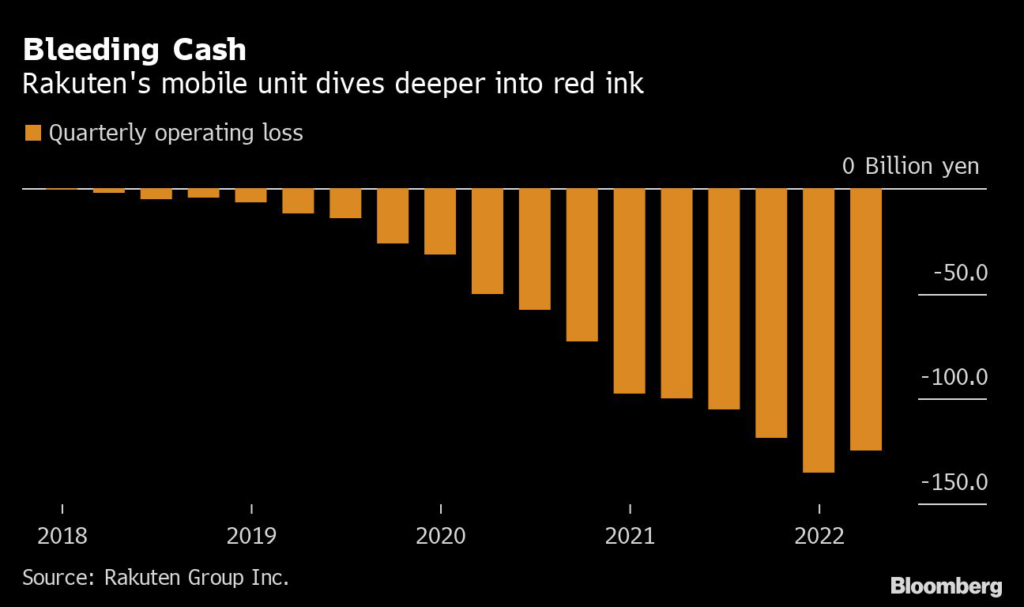
Mounting losses in the mobile division are weighing heavily on Rakuten’s bottom line, souring investor sentiment. The company’s bonds have fallen to near all-time lows on concern that the Amazon.com Inc. competitor will report more losses on Friday. Rakuten is also at risk of a downgrade further into junk territory by S&P Global Ratings.

“We do not comment on rumor or speculation,” a Rakuten spokesperson said, regarding the staff reduction and investor search. 

The company previously sought a third-party investor to help finance the struggling mobile business, in an unsuccessful search dubbed Project Atago — named after founder Hiroshi Mikitani’s favorite shrine, one person said. Bankers had at one point discussed the possibility of a sale of Rakuten’s mobile unit, but no potential buyer emerged, another person said. 

Rakuten has been pouring money into the mobile unit since its commercial launch in 2020. But the division still struggles to make headway against bigger rivals NTT Docomo Inc., KDDI Corp. and SoftBank Corp. who together control more than 90% of a saturated market.

One hurdle has been getting rivals to share some of their spectrum in the 900 megahertz band, which enables better connectivity indoors as well as wider network coverage across Japan. If Rakuten remains shut out, the mobile unit could be worthless, one person said. 

A Ministry of Internal Affairs and Communications task force recommended earlier this week that the major carriers foot the cost of any transfer of spectrum, should new entrants such as Rakuten win allocation. That process could take more than five years, the task force said, but the news propelled Rakuten shares up 4.5% on Wednesday, in their biggest rise in more than a month. 

So far, Rakuten’s bet to win users with ultra-cheap mobile contracts has been costly. The company posted its eighth straight quarterly net loss in April-June, despite double-digit earnings growth from its e-commerce and fintech businesses.

A plan to boost mobile subscriptions by allowing people to use as much as 1 gigabyte of data per month without fees backfired when customers limited their usage to avoid payments. Mikitani scrapped the “zero yen” data plan in May, alienating users. The number of subscribers fell that quarter.

“Rakuten’s earnings hinges on viable mobile strategy,” Bloomberg Intelligence analysts Marvin Lo and Chris Muckensturm wrote in a note last month. “We see low visibility on Rakuten Mobile’s subscriber growth prospects in the near term.” 

Rakuten has sought outside investors before, raising 242 billion yen from Tencent Holdings Ltd., Walmart Inc. and Japan Post Holdings Co. to bankroll growth in its artificial intelligence, finance and mobile operations.

Rakuten’s stock price hit its lowest in 12 years in June, maintaining a downward trajectory after hitting a peak in 2015. The company is now also preparing to revamp its e-commerce business and may overhaul its flagship Ichiba marketplace to hue more to the targeted approach favored by Amazon and other competitors, one person said.

More stories like this are available on bloomberg.com

©2022 Bloomberg L.P.
Medibank Hack Could Cost A$700 Million in Compensation, Fixes

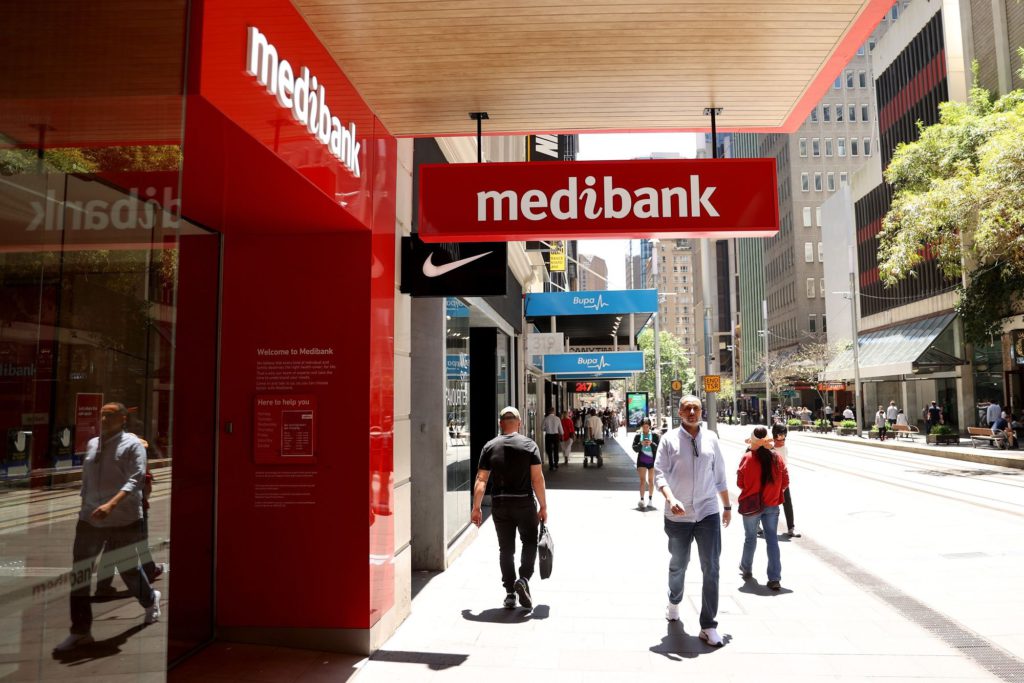
(Bloomberg) — The data breach at Medibank Private Ltd. could cost the Australian health insurer A$700 million ($450 million) if customers decide to sue for damages after personal medical details were posted to a forum on the dark web, according to Bloomberg Intelligence.

“The award of customer damages is the key variable in the ultimate cost of Medibank’s data breach,” BI analyst Matt Ingram wrote in a note Thursday. The compensation bill could run as high as A$960 million if 10% of affected customers join a mooted class-action lawsuit and are paid the maximum A$20,000 in damages, but BI’s base case is A$480 million, he said. 

The insurer then also faces potential fines, while the cost of fixing the issue could be more than double the A$35 million charge Medibank has already flagged, according to Ingram. While these damages could pose a significant blow to 2023 earnings, they shouldn’t prompt a capital raise, he said. 

Hackers began leaking data stolen from Medibank including the names, addresses and birthdates of hundreds of customers to a forum on the so-called dark web on Wednesday. More details were posted Thursday and the company expects further leaks. The hackers demanded a $10 million ransom for the data, the Australian Financial Review reported.  

Read More: Hacked Australian Health Insurer Data Posted to Dark Web 

The hack at Medibank follows a vast data leak at Singapore Telecommunications Ltd.’s Optus unit in September, which exposed the details of as many as 10 million customers. In Singtel’s earnings Thursday, it said it had provisioned a further S$142 million ($101 million) for customer remediation efforts.

More stories like this are available on bloomberg.com

©2022 Bloomberg L.P.
Close Bitnami banner
Bitnami