Bloomberg

US Statistics Agency Says ‘No Evidence’ of Hack on CPI Report

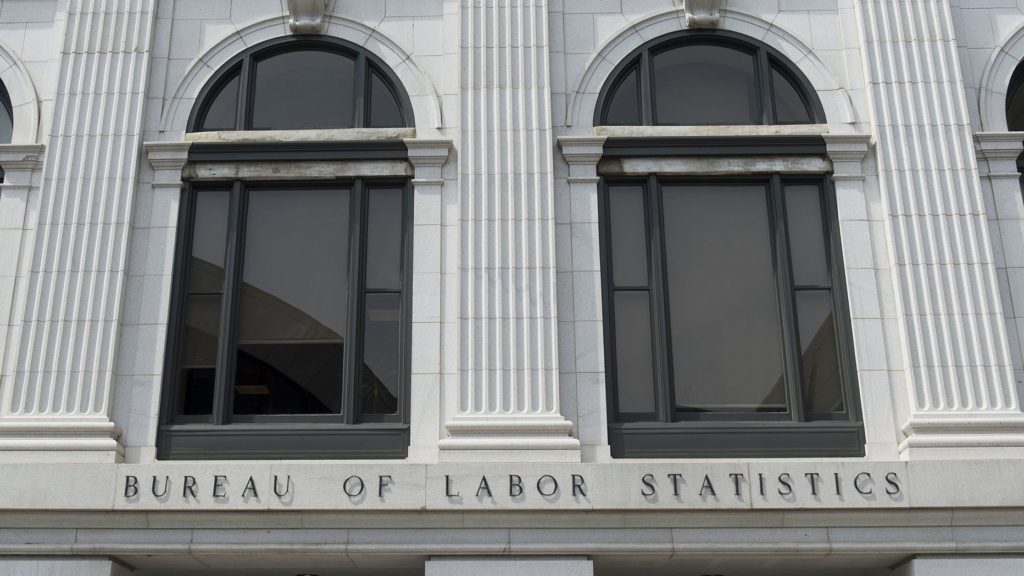
(Bloomberg) — The Bureau of Labor Statistics said Friday that it found no evidence its systems were compromised or that there was any suspicious activity around the release of the US consumer price index earlier this week.

A rally in Treasuries futures seconds before the better-than-expected inflation data hit the Labor Department agency’s website on Tuesday had led to concerns about a potential leak or hack of the closely watched data.

“There is no evidence that our IT systems were in any way compromised,” said Karen Ransom, division chief of the division of publishing services at BLS. “And we do continuously monitor for suspicious activity and have detected none.”

Over a 60-second span before the November CPI data went out, more than 13,000 March 10-year Treasuries futures traded hands — during a period when activity is usually nonexistent. Stocks and bonds rose further immediately after publication, as investors speculated that cooling inflation meant the Federal Reserve would pause its tightening cycle early next year.

When asked if there was anything that went differently about this CPI release compared to the prior month’s report — either in the process leading up to its publication or in its actual publication — Ransom said “no.”

“All of our normal procedures were followed,” Ransom said.

–With assistance from Edward Bolingbroke.

More stories like this are available on bloomberg.com

©2022 Bloomberg L.P.

GM’s Cruise Robotaxi Unit Faces Safety Probe After Three Accidents

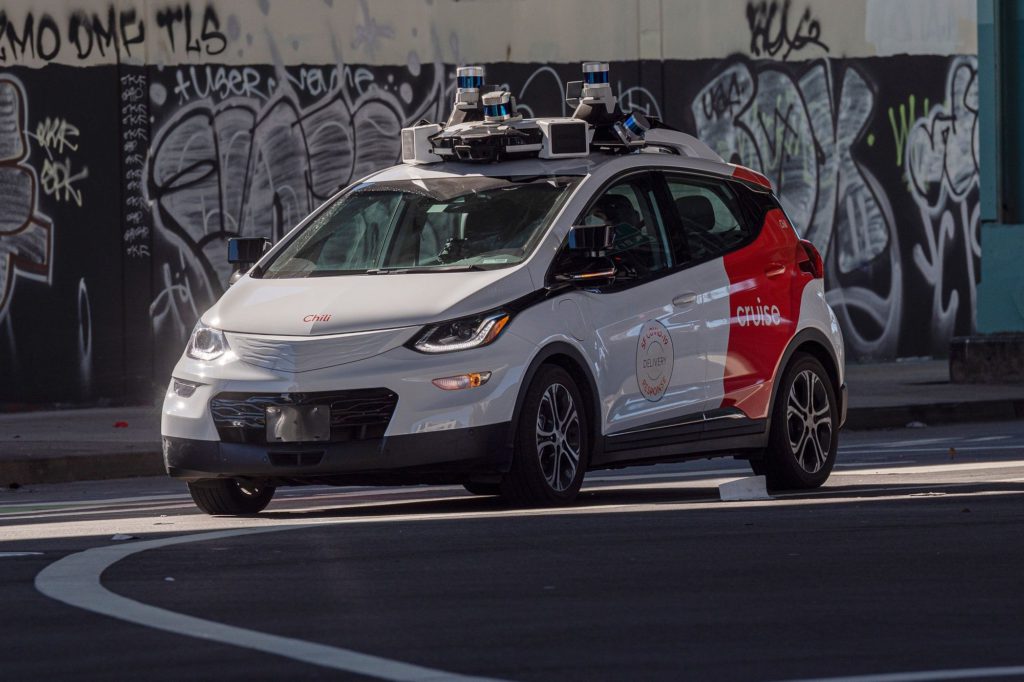
(Bloomberg) — The US National Highway Traffic Safety Administration opened a defect investigation into the autonomous-driving system used by General Motors Co.’s Cruise LLC after three crashes and multiple reports of its cars being immobilized on the road.

The agency’s preliminary evaluation pertains to an estimated 242 vehicles, according to a document posted Friday. The three collisions followed hard-braking incidents in which Cruise cars were rear-ended. NHTSA said it’s unknown how many times the company’s vehicles have become disabled on streets.

“Although the two types of incidents appear to be distinct, they each result in the Cruise vehicles becoming unexpected roadway obstacles,” the agency said. “This may introduce multiple potential hazards such as a collision with a Cruise vehicle, risk to a stranded passenger exiting an immobilized Cruise vehicle, or obstruction of other traffic including emergency vehicles.”

The investigation is the latest in a series of probes by NHTSA into automated-driving systems. The agency has spent more than a year looking into how Tesla Inc.’s Autopilot handles crash scenes involving first responders and opened defect investigations into sudden braking by Tesla, Nissan Motor Co. and Honda Motor Co. cars.

Unique Probe Aspect

What makes NHTSA’s investigation of Cruise’s system unique is the company’s driving system is capable of higher-level autonomy. The company started testing out driverless rides with employees on board in San Francisco two years ago and opened its cars up to the public in February.

Read more: Self-Driving Survivors Struggle With ‘Trough of Disillusionment’

Cruise announced just this week that it will expand its service across San Francisco, and said in September that it planned to launch before year-end in Phoenix and Austin, Texas. The business is a big part of GM Chief Executive Officer Mary Barra’s goal to double revenue by 2030. The startup majority-owned by GM has a goal to reach $1 billion revenue in 2025 and $50 billion by the end of the decade.

GM shares pared a decline of as much as 4.6% to trade down 4.1% to $36.07 as of 12:57 p.m. New York time. The stock has declined about 39% this year.

In all three of the hard-braking crashes, Cruise’s vehicles were operating under the supervision of a human in the car. The company’s autonomous system was responding to aggressive or erratic human drivers in other vehicles and were trying to minimize collision severity and risk of harm, said Drew Pusateri, a company spokesman.

Stranding Risk

In instances where Cruise’s cars have a tough time navigating their way around, the vehicles turn on their hazard lights and pull over. NHTSA said it will look into the potential for the cars to strand passengers in unsafe locations or endanger other drivers.

“These immobilizations may increase the risk to exiting passengers,” the agency said. “Further, immobilization may cause other road users to make abrupt or unsafe maneuvers to avoid colliding with the immobilized Cruise vehicle, by, for example, diverting into oncoming lanes of traffic or into bike lanes.”

Cruise cars shut down an intersection in San Francisco in June for more than an hour before company personnel could get to the scene and move them. Its board of directors — which is controlled by top GM executives including Barra — took notice along with NHTSA and local authorities.

Related: GM’s Cruise Scrutinized After Its Robocars Crash, Jam Traffic

Cruise said it plans to stay the course with its expansion, and that its technology is safe for the road.

“Cruise’s safety record is publicly reported and includes having driven nearly 700,000 fully autonomous miles in an extremely complex urban environment with zero life-threatening injuries or fatalities,” Pusateri said in a statement. “This is against the backdrop of over 40,000 deaths each year on American roads.”

(Updates with more detail from NHTSA’s document in the third paragraph.)

More stories like this are available on bloomberg.com

©2022 Bloomberg L.P.

Crypto Faithful Fight ‘Bear Market Blues’ in Puerto Rico

(Bloomberg) — Ignore the stripper poles. Don’t be distracted by the light-up floor. Tune out the reggaeton.

This is actually a story about crypto — crypto as dreamers imagined it could be, before so much went so wrong.

“If you got bear-market blues, give me a round of applause.”

That’s 43-year-old Pedro Rivera, in a striped ensemble and lavender-tinted sunglasses, shouting into a mic.

It’s 9 p.m. at the cavernous 7eight7 nightclub in Puerto Rico’s capital: “Where party animals, hedonists and dreamers come together,” the website promises. 

Tonight’s not-so-big attraction: Crypto Mondays, a networking party that passes for a bit of group therapy, too, these days.

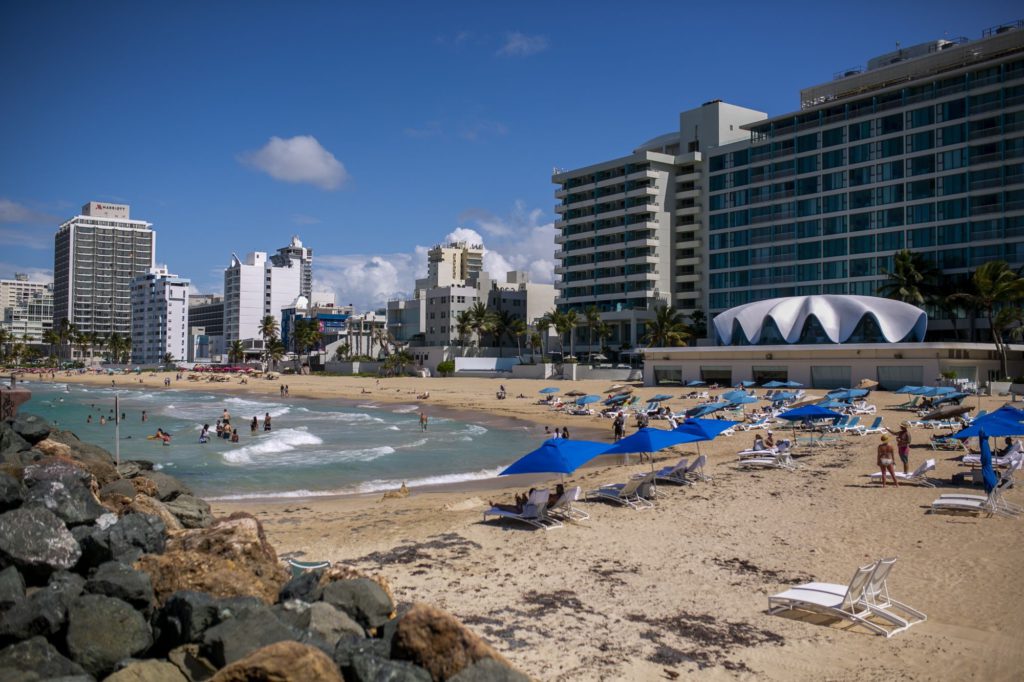
Before joke coins shot to the moon, NFTs of bored apes sold for millions and FTX founder Sam Bankman-Fried built and blew billions in the Bahamas, there was Puerto Rico. Entrepreneurs flocked to San Juan as early as 2016, lured by low taxes, broad beaches and hopes of creating a crypto paradise. 

That’s still a work in progress. The crypto universe has operated in crisis mode since May, when the collapse of the supposed stablecoin TerraUSD helped trigger a broader selloff. 

The implosion of FTX, once the world’s second-largest crypto exchange, further rattled investors last month. Bankman-Fried, 30, faces criminal charges and civil actions in the US, a dramatic downfall for a former billionaire who once graced the covers of Fortune and Forbes.

Crypto prices have plummeted along with Bankman-Fried’s reputation. Bitcoin is now worth about $17,000, far from its November 2021 peak of $68,000.

Smaller Crowds

As a result, many of Puerto Rico’s cryptopians are poorer now, though possibly wiser. Some sport merch with the word “Broke,” spelled with a Bitcoin-styled “B.” 

And yet believers are going to believe. Puerto Rico Blockchain Week kicked off for a second time in early December, the week before Bankman-Fried’s Dec. 12 arrest in the Bahamas.

The crowds at Blockchain Week’s conferences and panel discussions were lighter than last year. But, despite everything, their enthusiasm remained.

Inside 7eight7, crypto loyalists hoot as Rivera lowers his mic. He moved to Puerto Rico almost five years ago from Miami and founded Crypto Mondays San Juan in 2018. Rivera, who’s of Puerto Rican descent, hosts the weekly events with his brother Isaac, who joined him on the island two years ago.

About 40 men — and they’re almost all men — have turned up tonight. This time last year, Isaac Rivera says, 500 came out for Crypto Monday during Blockchain Week. 

Don’t believe the headlines, Isaac, 48, says. Puerto Rico’s cryptopians will bounce back.    

“They’ll be back out once the market picks back up, you know what I mean?” he says.

Alexander Pearson, 37, leans over the bar. He moved here to trade crypto in 2021, after living with his family in North Carolina during the worst of the pandemic.

Pearson says the crypto winter — marked by plunging token prices — has been hard. 

“I was feeling pretty down,” he says. Then he shakes it off. “While I took a big haircut, I’m alive and swimming.” 

Pearson, a lead analyst at crypto-trading education company Cracking Cryptocurrency, characterizes the crypto community here as an “intellectual orgy.” He sees himself staying in Puerto Rico for three years at least. Lately, he’s been talking up a post-FTX idea: an algorithmic trading platform. 

He’s wearing a black T-shirt that says “End Ponzinomics,” as he scans the crowd at 7eight7. 

“The real business happens at the after-parties,” he says, dragging on a vape pen and exhaling a plume from his nose.

‘True Believers’

Elsewhere, people wait for the bus at the Fairmont El San Juan Hotel, on Isla Verde Beach, where crypto conference CoinAgenda is underway. Some revelers wear Hawaiian shirts; others have top hats with feathers, a la Burning Man.

Where to? San Juan’s Beverly Hills neighborhood and the home of Michael Terpin, a crypto impresario who moved here from Las Vegas in 2016, during the initial wave of crypto adventurers. Terpin is the chief executive officer of Transform Ventures, a blockchain incubator.

Behind the gates, guests party like it’s 2021. Sample the gravlax, the grilled octopus, the filet mignon tartar. Try this white-bean soup with truffle, frothed like a cappuccino. 

Everyone seems to know one another, or at least to have heard of one another.

Isaac Rivera sits by the pool. These people, he says, are “the true believers of the future and what’s coming down the line.”

“As my brother likes to say — bear markets bear fruit, and bull markets produce bullsh*t,” Rivera says, citing Pedro’s market wisdom.  

Still, everyone agrees the crowd is leaner. Half the tables in the Fairmont ballroom were empty. 

Terpin is fine with that. “Quality over quantity,” he says.

Sitting at La Casa de Roberta’s restaurant in San Juan, Jack Purdy, who moved to Puerto Rico earlier this year, expresses a similar sentiment. 

Bear markets purge “bad actors” and crypto tourists chasing the hype, he says. Purdy works at Messari, a crypto market intelligence firm, as director of sales for protocol services and recently bought a home in Los Paseos, San Juan — a 15-minute drive from the beach. 

Over at the Wicked Lily restaurant on Condado beach, Han Kao, 43, ponders the crypto life over a cold Medalla. He arrived from Santa Monica, California, in 2021, opened an investment firm called Sanctor Capital and bought a home in Dorado.

“On a surface level, it looks like everything is falling apart,” Kao says, to the sounds of the waves and Bruno Mars. Not true, he says, not true. “DeFi”— decentralized finance — “is here to stay.”

Back in the Fairmont, Luke Stokes sounds upbeat, too. He’s been here for four years, working with crypto wallets and protocols — and he says he’s not going anywhere. The ups and downs of crypto don’t worry him.

“For the people who’ve been through that cycle so many times that it’s like, eh, it’ll come back,” he says.

–With assistance from Jim Wyss and Peter Eichenbaum.

More stories like this are available on bloomberg.com

©2022 Bloomberg L.P.

US Regulators Warn About Risks of Deeper Crypto-Wall Street Ties

(Bloomberg) — The top US financial regulators are worried about the prospect of deeper ties between digital-asset firms and Wall Street.

The Financial Stability Oversight Council said Friday that interconnections between crypto firms and traditional financial institutions remain limited. However, entanglements could rapidly increase and put the broader system at risk, they warned in an annual report.

US officials have long been concerned about looming threats from the digital-asset industry much of which operates in regulatory gray areas. The issues have been underscored this year amid market turmoil, the bankruptcy of crypto lenders, and, most recently, the collapse of the exchange giant FTX. 

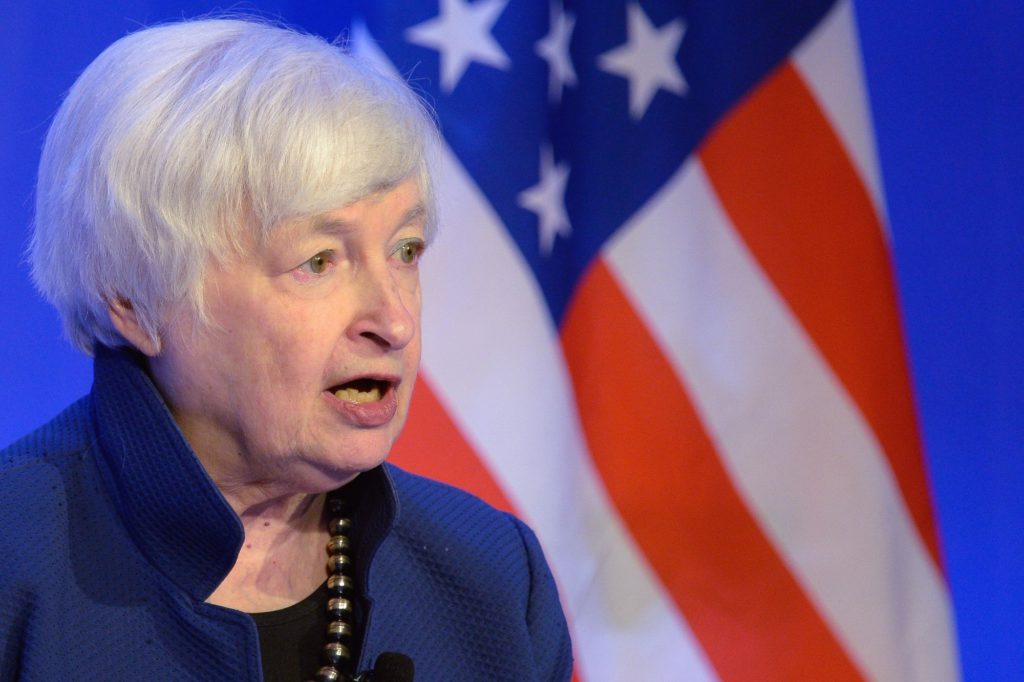
“Crypto-asset activities could pose risks to the US financial system if their interconnections with the traditional financial system or their overall scale were to grow without adherence to or being paired with appropriate regulation,” Treasury Secretary Janet Yellen said on Friday about the findings. “Recent crypto market developments have demonstrated the importance of Congress and regulators acting on the report’s recommendations.” 

FSOC, which was formed after the financial crisis, is led by the Treasury secretary and includes the heads of key agencies such as the Federal Reserve, Securities and Exchange Commission and Commodity Futures Trading Commission. The group is tasked with identifying risks to financial stability and responding to emerging threats. 

Recent volatility in digital-asset markets has hit many crypto investors hard, with some losing their entire life savings. Still, traditional financial institutions have been largely insulated from those problems due to the current regulatory framework and the limited overall scale of crypto activities, FSOC said in its annual report.

Yet there is some overlap, and ties could strengthen — for instance, through banks holding reserve assets backing so-called crypto stablecoins, they said. Those tokens serve as a key on and off ramp between crypto and mainstream finance. 

Overall, FSOC identified several gaps in the current US framework for regulating digital assets, such as a lack of federal oversight of tokens that aren’t considered legally to be securities under the SEC’s remit like Bitcoin. Fixing that blindspot would require Congress to write a new law. 

How Washington regulates crypto — or doesn’t — has been thrust into the forefront after FTX and a web of related companies collapsed last month. The firm’s co-founder, Sam Bankman-Fried, is now in locked up in the Bahamas and facing extradition to the US to face a range of criminal charges. He has also been sued by the CFTC and the SEC. 

Before FTX’s collapse, the exchange had been pushing for US approval to take the middleman out of crypto derivatives trading. The controversial proposal, which could have eventually encroached on a function managed by Wall Street brokers, was withdrawn after FTX and more than 100 related entities filed for bankruptcy last month. 

On Friday, FSOC said in its report that regulators should assess the “impact of potential vertical integration by crypto-asset firms,” citing proposals to give retail customers direct access to markets by removing traditional intermediaries. 

Other Risks

The council’s report also identified several non-crypto issues as representing threats to financial markets and financial institutions. 

FSOC said enhancing the resilience of the $24 trillion Treasury securities market, which has had several bouts with low liquidity, remained a priority. The group also said regulators should review market structure issues that may contribute to “liquidity challenges.”

The regulators said it supports initiatives from the SEC and other agencies to address possible risks from investment firms.

“The hedge fund industry has grown considerably over the last five years,” the report said. “Over the same period, qualifying hedge funds’ presence in the critically important short-term funding markets and the US Treasury market has increased markedly.”

The report included a section on global risks, with one focus on China that mentioned difficulties in the real estate sector there and implications for that country’s financial institutions and markets. FSOC also reiterated a call for states and federal agencies to work together to gather data to assess the risks posed by climate change. 

“Climate-related financial risks could contribute to financial instability through numerous channels, including financial intermediaries experiencing significant losses, impairment of financial market functioning, or the sudden and disruptive repricing of assets,” the council said. 

More stories like this are available on bloomberg.com

©2022 Bloomberg L.P.
Amazon Cited by OSHA for Failing to Record Warehouse Injuries

(Bloomberg) — Amazon.com Inc. failed to record injuries and illnesses at warehouses around the US, according to federal workplace safety regulators, a finding that undermines the company’s pledges to improve worker safety in its facilities.

The Occupational Safety and Health Administration cited the Seattle-based e-commerce giant for 14 record-keeping violations during an ongoing probe of six facilities in Colorado, Florida, Idaho, Illinois and New York. The unrecorded incidents included injuries to wrists, knees, backs and shoulders that resulted in employees missing work, OSHA said.

“Solving health and safety problems in the workplace requires injury and illness records to be accurate and transparent,” OSHA chief Doug Parker said in a release. “Our concern is that nothing will be done to keep an injury from recurring if it isn’t even recorded in the logbook which—in a company the size of Amazon—could have significant consequences for a large number of workers.” 

Amazon faces fines of $29,008 for the violations. 

“The safety of our employees is our top priority, and we invest hundreds of millions of dollars every year into ensuring we have a robust safety program to protect them,” Kelly Nantel, a company spokesperson, said in an email. “Accurate record-keeping is a critical element of that program and while we acknowledge there may have been small administrative errors over the years, we’ve been confident in the numbers we’ve reported to the government. We’re pleased that OSHA reached the same conclusion today.”

More stories like this are available on bloomberg.com

©2022 Bloomberg L.P.
Employees Navigate Working Through Covid When There Are No More Office Precautions

(Bloomberg) — The hit Netflix show Wednesday, an Addams Family spinoff,  has catapulted lead Jenna Ortega to internet stardom. Turns out Ortega pushed through a bout of Covid to film the eccentric dance scene that’s gone viral on social media. 

“It was awful to film,” Ortega told London-based pop culture site NME last month. “I had woken up with the body aches. I felt like I’d just been hit by a car,” she said. “They were giving me medicine between takes.” Strict Covid protocols were followed and once the test came back positive Ortega was removed from the set, an MGM spokesperson said in a statement. Even after that effort, Ortega wasn’t satisfied with the final cut. “I’m like, oh man… I probably wasn’t at my best when I did that,” she said in the NME interview.

Ortega’s not alone. Simona Tabasco, who plays Lucia in HBO’s White Lotus, told Cosmopolitan last month that she also battled Covid while auditioning for the part, opting to persevere through illness rather than risk advancing her career.

Both episodes raise the question: How should we handle Covid in the workplace in a world where spreading the illness could always be a concern?

As infections of Covid-19, flu and RSV rise steadily across the US, cities like New York and Los Angeles are once again recommending masks indoors. The advisory is especially salient for those over 65 or who are immunocompromised, the New York City Health Commissioner said, and those who aren’t fully vaccinated — about 30% of the US population, according to data from the University of Oxford’s Our World in Data project.

Meanwhile, pandemic precautions have been relaxed or done away with entirely at many workplaces across the country as employees are expected to return to work in person. These policy changes speak to the power of vaccines and therapeutic medicines to keep people out of hospitals, said  Joseph Allen, a professor at the Harvard T.H. Chan School of Public Health. “I don’t think we should be forever masking and forever testing,” he said. “That was part of the emergency of Covid.” Instead, he said, employers should upgrade their buildings’ ventilation and filtration systems to limit the spread of pathogens. 

Regardless, the number one rule will always stand: “People should stay home when they’re sick,” Allen said. The US Centers for Disease Control and Prevention’s guidelines instruct people to isolate if they have symptoms and suspect Covid, even if they haven’t gotten test results back yet. The CDC’s counsel suggests a five-day quarantine if you test positive. “It used to be the case that people would see it as a badge of honor to work through a cold,” Allen said. “But nobody wants to get sick when they go to work — when people cough now in an office, everyone turns to look.”

The major barrier to following that advice, of course, is the lack of guaranteed paid sick time in the US. One in five American workers doesn’t have access to paid sick leave, according to data from the US Bureau of Labor Statistics, forcing many to choose between their health (and their coworkers’ health) and a paycheck. The situation is especially acute for low-wage workers, who are most likely to need the money and whose employers are least likely to provide the benefit.

Employers must also encourage staff to get Covid and flu vaccines and stay up-to-date with boosters, said Stacey Lee, a professor at Johns Hopkins Carey Business School. And if someone isn’t feeling well and absolutely insists on coming to the office anyway, she said, at the very least they should wear a high-quality mask.

While for many Covid may no longer be a pressing concern, for immunocompromised people and their families and caregivers, the dangers are still very real. While those at high risk of complications from Covid are generally eligible for accommodations from their employer, like access to remote work, caregivers are not, Lee said. At least 7 million US adults are immunocompromised, according to the American Medical Association. 

Best practices notwithstanding, Lee said she’s seen observance of precautions drop precipitously. “Unfortunately, I think that there has been a huge rush to get back to normal,” she said. Since most people have been at least partially vaccinated and infection rates aren’t dominating the front page, Covid isn’t seen as as much of a threat. In some cases, she’s seen people go back to work after just one day of quarantine following a positive test. 

“I don’t believe that the public is in the headspace now of the safety precautions that we saw over the past two years,” she said. “Some of the protocols and norms that we were observing before just aren’t being observed in the workplace anymore.”

More stories like this are available on bloomberg.com

©2022 Bloomberg L.P.
Hollywood’s Dilemma Over Working Through Covid Mirrors Offices Everywhere

(Bloomberg) — The hit Netflix show Wednesday, an Addams Family spinoff,  has catapulted lead Jenna Ortega to internet stardom. Turns out Ortega pushed through a bout of Covid to film the eccentric dance scene that’s gone viral on social media. 

“It was awful to film,” Ortega told London-based pop culture site NME last month. “I had woken up with the body aches. I felt like I’d just been hit by a car,” she said. “They were giving me medicine between takes.” Strict Covid protocols were followed and once the test came back positive Ortega was removed from the set, an MGM spokesperson said in a statement. Even after that effort, Ortega wasn’t satisfied with the final cut. “I’m like, oh man… I probably wasn’t at my best when I did that,” she said in the NME interview.

Ortega’s not alone. Simona Tabasco, who plays Lucia in HBO’s White Lotus, told Cosmopolitan last month that she also battled Covid while auditioning for the part, opting to persevere through illness rather than risk advancing her career.

Both episodes raise the question: How should we handle Covid in the workplace in a world where spreading the illness could always be a concern?

As infections of Covid-19, flu and RSV rise steadily across the US, cities like New York and Los Angeles are once again recommending masks indoors. The advisory is especially salient for those over 65 or who are immunocompromised, the New York City Health Commissioner said, and those who aren’t fully vaccinated — about 30% of the US population, according to data from the University of Oxford’s Our World in Data project.

Meanwhile, pandemic precautions have been relaxed or done away with entirely at many workplaces across the country as employees are expected to return to work in person. These policy changes speak to the power of vaccines and therapeutic medicines to keep people out of hospitals, said  Joseph Allen, a professor at the Harvard T.H. Chan School of Public Health. “I don’t think we should be forever masking and forever testing,” he said. “That was part of the emergency of Covid.” Instead, he said, employers should upgrade their buildings’ ventilation and filtration systems to limit the spread of pathogens. 

Regardless, the number one rule will always stand: “People should stay home when they’re sick,” Allen said. The US Centers for Disease Control and Prevention’s guidelines instruct people to isolate if they have symptoms and suspect Covid, even if they haven’t gotten test results back yet. The CDC’s counsel suggests a five-day quarantine if you test positive. “It used to be the case that people would see it as a badge of honor to work through a cold,” Allen said. “But nobody wants to get sick when they go to work — when people cough now in an office, everyone turns to look.”

The major barrier to following that advice, of course, is the lack of guaranteed paid sick time in the US. One in five American workers doesn’t have access to paid sick leave, according to data from the US Bureau of Labor Statistics, forcing many to choose between their health (and their coworkers’ health) and a paycheck. The situation is especially acute for low-wage workers, who are most likely to need the money and whose employers are least likely to provide the benefit.

Employers must also encourage staff to get Covid and flu vaccines and stay up-to-date with boosters, said Stacey Lee, a professor at Johns Hopkins Carey Business School. And if someone isn’t feeling well and absolutely insists on coming to the office anyway, she said, at the very least they should wear a high-quality mask.

While for many Covid may no longer be a pressing concern, for immunocompromised people and their families and caregivers, the dangers are still very real. While those at high risk of complications from Covid are generally eligible for accommodations from their employer, like access to remote work, caregivers are not, Lee said. At least 7 million US adults are immunocompromised, according to the American Medical Association. 

Best practices notwithstanding, Lee said she’s seen observance of precautions drop precipitously. “Unfortunately, I think that there has been a huge rush to get back to normal,” she said. Since most people have been at least partially vaccinated and infection rates aren’t dominating the front page, Covid isn’t seen as as much of a threat. In some cases, she’s seen people go back to work after just one day of quarantine following a positive test. 

“I don’t believe that the public is in the headspace now of the safety precautions that we saw over the past two years,” she said. “Some of the protocols and norms that we were observing before just aren’t being observed in the workplace anymore.”

More stories like this are available on bloomberg.com

©2022 Bloomberg L.P.
FTX Talking to Bahamas Regulators to Try to End Bankruptcy Feud

(Bloomberg) — Bahamian regulators and court officials met this week with the US restructuring team in control of the failed crypto firm FTX in an attempt to resolve part of an unusual legal standoff that has embroiled the company’s bankruptcy case.

Liquidators appointed by a court in the Bahamas are willing to drop their demand for immediate, online access to FTX systems, as long as they can get certain data stored on the computers, said a US lawyer describing the meeting in court on Friday. American lawyers for FTX have rebuffed Bahamas officials, saying government regulators can’t be trusted with “live” access to the company’s computers.

The issue is one of two legal fights pending in federal court in Wilmington, Delaware, where about 100 FTX units have filed Chapter 11 cases in order to collect as many missing assets as possible to pay creditors owed billions of dollars. The Bahamian liquidators also want US Bankruptcy Judge John Dorsey to recognize the case they filed in the islands’ Supreme Court as the primary restructuring effort. FTX lawyers are fighting that request.

The two sides said they hope to resolve both issues as they continue negotiating.

‘Really Interfering’

The computer access feud “is really interfering with the liquidators’ ability to do their job,” Jason Zakia, a lawyer for the liquidators said during a video court hearing Friday morning. Bahamian liquidators argue they’re entitled to access to the computer network so they can clean up a locally based subsidiary.

The liquidators will accept “static” access to the data for now, Zakia said. In an earlier hearing, FTX lawyer James Bromley had said FTX would only give the Bahamas limited access to information stored on company servers.

Should the two sides fail to cut a deal on data access, Dorsey is scheduled to hold a mini-trial on Jan. 6. The FTX team said it would put on evidence showing that the Bahamas have colluded with FTX founder Sam Bankman-Fried, a charge the Bahamas lawyers deny. Bankman-Fried is under arrest in the Bahamas and faces fraud charges in the US.

The liquidators control a single FTX entity, called FTX Digital, which is being supervised by a court in the Bahamas. The American team controls nearly all the rest of Bankman-Fried’s former empire, which filed for court protection from creditors on Nov. 11. That means most of the assets, wherever they are located, are likely under the authority of Dorsey.

In a court filing Monday, the liquidators demanded that a property-owning unit be dismissed from bankruptcy in Delaware and sold for parts in the Bahamas. 

Among other things, they say the real estate should be liquidated in the Bahamas because the unit that owns it has no connection to the US — not even a bank account. They also claim that two signatures were required to put property-holding unit into bankruptcy in the US., but that only Bankman-Fried authorized the filing, so it is illegal.

The case is FTX Trading Ltd., 22-11068, US. Bankruptcy Court for the District of Delaware. 


More stories like this are available on bloomberg.com

©2022 Bloomberg L.P.
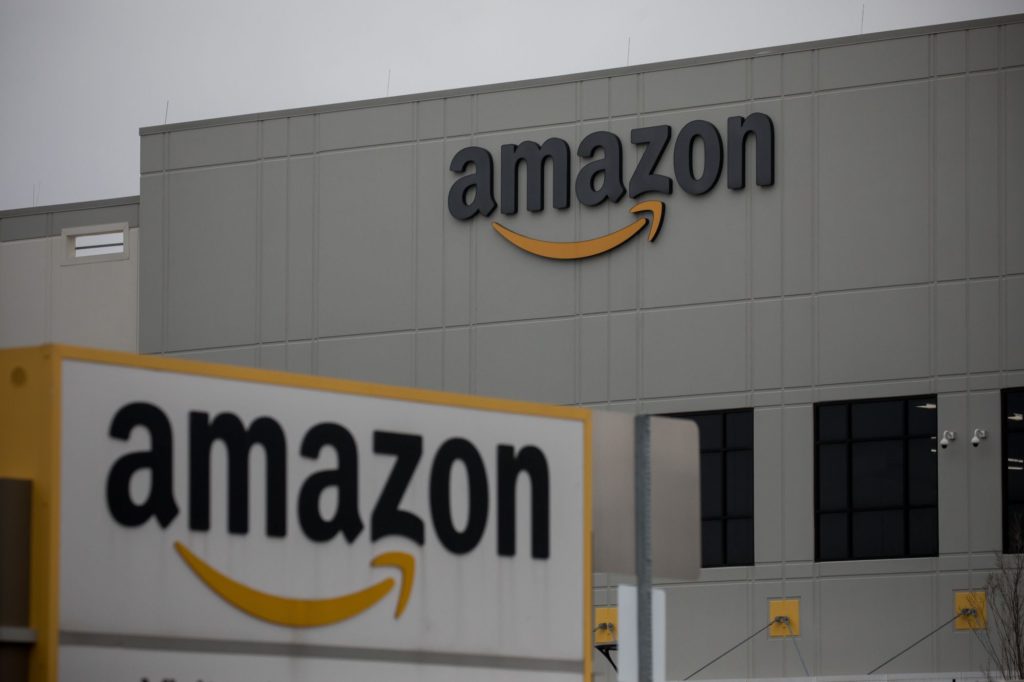
Workers at Starbucks-Amazon Store Reject Union Membership

(Bloomberg) — Baristas at an experimental Starbucks-Amazon Go store in New York narrowly rejected union membership, the latest setback for the US labor movement.

The workers, who legally work for Starbucks Corp., requested a union election because they said the tie-up between the coffee chain and Amazon.com Inc. doubled their workload with no additional pay. The vote was very close, with 13 voting to join Starbucks Workers United, and 14 voting no, according to a spokesperson for the National Labor Relations Board, which oversees union elections.

The defeat follows successful campaigns at hundreds of Starbucks cafes around the US. Amazon workers at a New York warehouse voted earlier this year to join the Amazon Labor Union, but the upstart labor group lost two subsequent contests. 

“We are grateful for the continued trust our partners have placed in the company as we work side-by-side with them to reinvent Starbucks for the future,” Starbucks spokesperson Andrew Trull said in an emailed statement. 

Starbucks baristas at 50 locations throughout the US are starting a three-day strike on Friday, saying the company isn’t bargaining fairly with recently unionized stores.

A group of workers at an Amazon Fresh grocery store in Seattle earlier this year announced that they had formed a union that would seek improved working conditions, but without taking the step of petitioning the NLRB for an election that could force Amazon to recognize the group. 

Amazon and Starbucks have both fiercely fought the union campaigns, at times using tactics that NLRB officials say violated workers rights.

The two companies launched the pilot retail partnership last year, with the aim of using Amazon’s cashierless technology and Starbucks’ mobile ordering to facilitate a fast and convenient experience for customers. There are now two “Starbucks Pickup with Amazon Go” stores, one near Times Square and another on Manhattan’s east side.


The locations are divided into three sections: a Starbucks waiting area, Amazon Go market and a lounge. The idea is for people to pick up a coffee ordered from the Starbucks app, grab food from the Amazon Go and then walk out without having to stand in line.

–With assistance from Sabiq Shahidullah and Josh Eidelson.

(Updated with Starbucks comment in fourth paragraph.)

More stories like this are available on bloomberg.com

©2022 Bloomberg L.P.

Biden’s China Tech Crackdown Leaves Xi With Few Ways to Hit Back

(Bloomberg) — The US has sharpened its assault on China’s technology industry with a flurry of export bans and stifling restrictions on companies, an escalation that leaves Beijing with few options to retaliate.

Washington’s moves are part of a longer-term strategy to prevent China from dominating the industries of the future and arming its military with advanced weaponry, while also securing its tech supply chain by enticing chipmakers to set up shop in the US. 

President Joe Biden’s administration this week escalated those efforts to hobble its main geopolitical competitor, blacklisting dozens of Chinese tech firms, while signs emerged Japan and the Netherlands are aligning with US restrictions on selling crucial chipmaking equipment to China, a major blow to Beijing’s ambitions to produce advanced semiconductors. 

In response, China has accused the US of protectionism, lodged a complaint with the World Trade Organization and courted chip-making powerhouse South Korea, a key US ally. Beijing is also reportedly preparing a multibillion-dollar aid package for its semiconductor industry, a crucial sector for the global economy given the widespread use of chips in everything from cars and mobile phones to guided missiles.

But China doesn’t have many options, or incentives, to go further. 

Similar to Beijing’s actions during the trade war with former President Donald Trump’s administration — when it failed to follow through on threats to add US companies to a so-called unreliable entities list — any moves to block American investment threatens an economy already reeling from President Xi Jinping’s zero-tolerance Covid policies, which are only now being rolled back.

“China’s lack of good options is precisely why the US is striking hard and fast now with export controls,” said Reva Goujon, a director at the Rhodium Group who advises corporate clients on US-China relations and industrial policies. 

The tech battle comes as US-China relations have eased since hitting a low point earlier this year following a visit to Taiwan by House Speaker Nancy Pelosi. After Biden and Xi met at the Group of 20 summit in Bali last month, the US watered down a legislative proposal that would’ve named Taiwan a “major non-NATO ally,” a sign that Washington is trying to avoid another showdown that risks derailing the relationship.

The US has “abused” export controls and import restrictions, while the new sanctions on Chinese companies “violate the commitment” that Biden made to Xi in Bali, Liu Pengyu, the spokesman for China’s embassy in Washington, said in a Friday briefing. 

“From the US side, they are now building walls and barriers, pushing for decoupling and severing supply chains,” Liu told reporters. “We call on the US side to stop disrupting the trade of high-tech products and maintain normal China-US economic and trade exchanges.”

Yet Beijing’s response to the recent US moves on semiconductors has been “very reserved,” according to Henry Wang Huiyao, founder of the Center for China and Globalization, a policy research group in Beijing. The Biden-Xi talks and an upcoming visit to China by US Secretary of State Antony Blinken have laid the groundwork for more understanding and hopefully some relaxation of sanctions, Wang added.

‘Major Blow’

The new actions unveiled this week — which follow export controls announced in October aimed at preventing China’s access to machines and knowhow to make high-end chips — placed a number of Chinese companies on a so-called entity list, requiring suppliers to get difficult-to-obtain US government licenses.

Among the most notable firms on that list is emerging chip equipment-maker Shanghai Micro Electronics Equipment Group Co., or SMEE, which could stifle Beijing’s efforts to create next-generation semiconductors. The machines that make semiconductors are among the most complicated devices produced by humans and defy reverse engineering, making it difficult for China to develop its own domestic capabilities if it can’t get the equipment elsewhere.

“Having SMEE on the entity list is a major blow for China’s chip sector,” said Martijn Rasser, a former analyst at the Central Intelligence Agency who’s now a senior fellow at the Center for a New American Security think-tank. 

“It’s the one company that Beijing saw as having potential to produce advanced chipmaking machines, which is essential for China to be a competitive force in the global semiconductor ecosystem,” he said. “Those hopes are now greatly diminished, if not dashed altogether.”

Courting Allies

Under the Biden restrictions, China is severely limited in its ability to buy those chipmaking machines from abroad. The critical American gearmakers Applied Materials Inc., Lam Research Corp. and KLA Corp. can no longer sell their advanced equipment to Chinese customers. But a complete blockade requires cooperation from Japan’s Tokyo Electron Ltd. and Dutch lithography specialist ASML Holding NV.

Those US efforts gathered momentum this week with Japan and the Netherlands nearing an agreement to join Washington in tightening controls over the export of up-to-date chipmaking machinery to China. The two governments are considering a ban on the sale of machinery capable of fabricating chips that are at least three generations behind the latest advances available on the market, in line with the rules Washington set out in October.

Also on the blacklist is China’s leading memory chipmaker, Yangtze Memory Technologies Corp., which was once close to a deal to supply Apple Inc., and is a competitor to Samsung Electronics Co. and Micron Technology Inc. for mobile phone and personal computer components.

China Response

Even if China wins the WTO case, the US can veto any ruling by bringing it to the trade organization’s appellate body, which the Trump administration paralyzed in 2019.

China’s best option may be to pour money into developing its own high-tech chips. Beijing is preparing to unleash a $143 billion aid package for its chip industry, according to Reuters. But it’s not clear how much impact this will have, given the mixed results from the tens of billions that China has already funneled into the sector.

“They can invest more, but the issues right now are not really a lack of resources,” Adam Segal, chair in emerging technologies and national security at the Council on Foreign Relations. “It’s these technological chokepoints they are still vulnerable to.”

There’s a risk that unilateral actions could eventually alienate key US partners, said Jon Bateman, a senior fellow at the Carnegie Endowment for International Peace. As well, Beijing hasn’t yet shown a willingness to leverage its dominance of rare earth minerals or its role as a manufacturing hub because it “has more to lose than to gain,” he said, but that could change.  

“China has a lot of capability to retaliate but very limited willingness to do so thus far,” he said. “We may be surprised when that finally happens.”

–With assistance from Ian King, Bryce Baschuk and Rebecca Choong Wilkins.

(Updates with China embassy comment in ninth paragraph.)

More stories like this are available on bloomberg.com

©2022 Bloomberg L.P.
Close Bitnami banner
Bitnami

