Chinese Business

Stocks, oil prices rally on China hopes

Stock markets and oil prices rallied Friday on hopes China would roll back some of its economically-painful policies surrounding Covid.

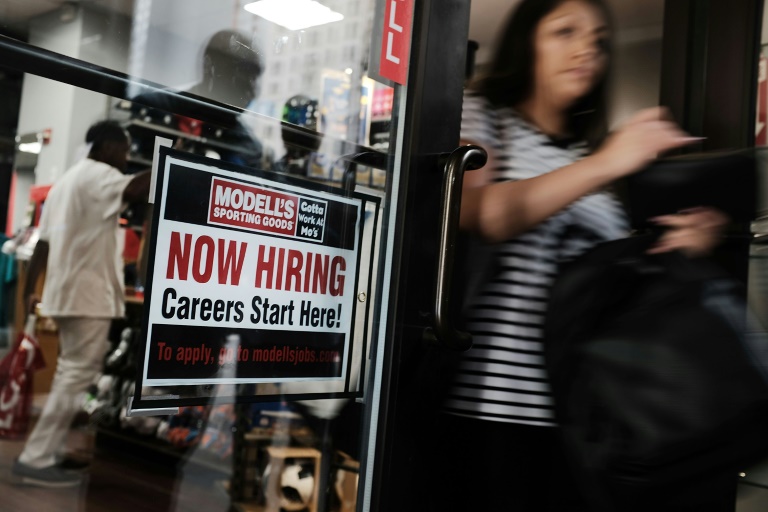
Equities also got a boost from the latest US jobs data, which raised hopes of a soft landing of the economy despite rising interest rates.

“Asia markets bounced back strongly today on more unsubstantiated reports that the Chinese government is looking at a reopening strategy as it looks to navigate a path out of the straitjacket of its current zero-Covid policy,” said CMC Makets analyst Michael Hewson. 

“These reports, which still haven’t been confirmed in any official capacity, have prompted a huge relief rally in equity markets, despite concerns that any reopening is unlikely to happen in the immediate future, and the very real risk that it is merely a sucker’s rally,” he added.

The rally continued into Europe, where London, Paris and Frankfurt all rose at least two percent.

Wall Street stocks also shot higher at the opening bell, but much of the gains had evaporated by midday.

The optimism also lifted oil prices by more than four percent at one point as traders eyed rising demand for crude on the news out of China.

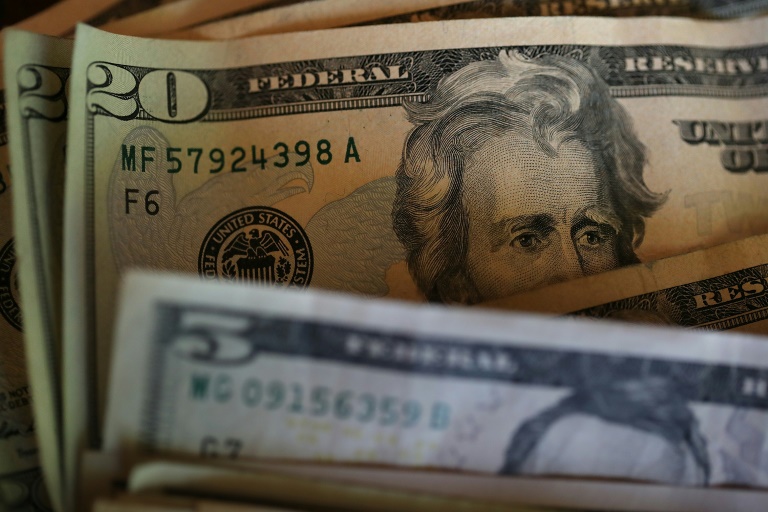
In foreign exchange, the dollar slid more than one percent against the euro despite the prospect of higher US interest rates.

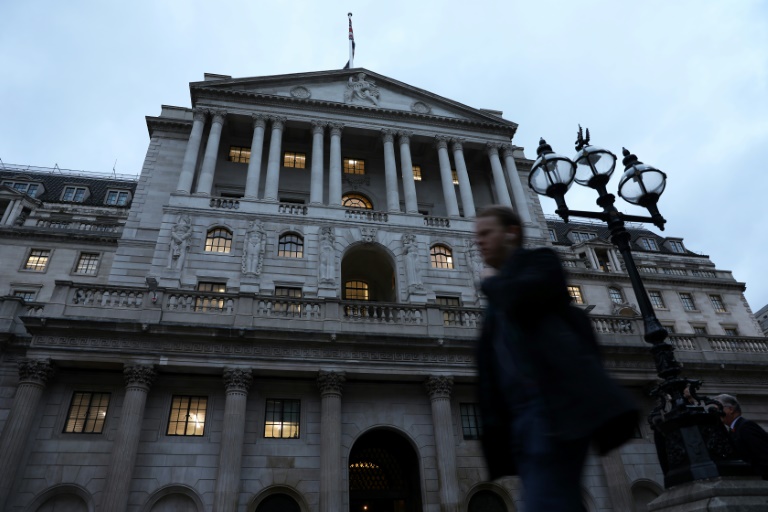
The pound also won back some ground against the dollar, rising 1.2 percent a day after tumbling as the Bank of England said the UK economy could face a two-year-long recession that it believes has already begun.

The BoE on Thursday also lifted its main interest rate by 0.75 percentage points, the most in 33 years in efforts to contain runaway inflation.

The week also saw the Federal Reserve hike its key rate by the same amount, as central banks try to cool decades-high inflation.

The Fed has pointed to a still-strong labour market as a key reason for not shifting from aggressive rate-tightening.

The addition of 261,000 jobs last month, far more than economists had forecast, will likely reinforce the determination of policymakers to continue the hawkish policy.

That would normally see equities tumble as higher interest rates are bad for most businesses.

But the figures are “consistent with achieving a soft landing for the economy”, said market analyst Patrick O’Hare at Briefing.com.

Fed Chair Jerome Powell has indicated the central bank is willing to push the US economy into recession if necessary to tame inflation.

But Chris Beauchamp, chief market analyst at online trading platform IG, pointed to one indicator in the report that suggests a drop of 300,000 jobs was the reason why the unemployment rate inched higher.

“This might be a case of cherry-picking par excellence, but markets have taken it as the first sign that the hitherto-unstoppable US market is weakening, thus perhaps bringing forward the chances of that fabled Fed pivot we keep hearing so much about,” said Beauchamp.

Markets have been looking for any data that would help the Fed “pivot” away from its aggressive rate hikes.

– Key figures around 1530 GMT –

New York – Dow: UP 0.3 percent at 32,085.46 points

EURO STOXX 50: UP 2.7 percent at 3,688.33

London – FTSE 100: UP 2.0 percent at 7,334.84 (close)

Frankfurt – DAX: UP 2.5 percent at 13,459.85 (close)

Paris – CAC 40: UP 2.8 percent at 6,416.44 (close)

Tokyo – Nikkei 225: DOWN 1.7 percent at 27,199.74 (close)

Hong Kong – Hang Seng Index: UP 5.4 percent at 16,161.14 (close)

Shanghai – Composite: UP 2.4 percent at 3,070.80 (close)

Pound/dollar: UP at $1.1303 from $1.1160 Thursday

Euro/dollar: UP at $0.9911 from $0.9751

Dollar/yen: DOWN at 147.15 yen from 148.25 yen

Euro/pound: UNCHANGED at 87.73 pence

Brent North Sea crude: UP 3.0 percent at $97.50 per barrel

West Texas Intermediate: UP 3.7 percent at $91.41 per barrel

burs-rl/bp
Stocks, oil prices rally on China hopes

Stock markets and oil prices rallied Friday on hopes China would roll back some of its economically-painful policies surrounding Covid.

Equities also got a boost from the latest US jobs data, which raised hopes of a soft landing of the economy despite rising interest rates.

“Stocks jumped in anticipation that the Chinese government would relax its zero-Covid policy from March next year,” noted Russ Mould, investment director at AJ Bell.

All three of Europe’s top indices were up by at least two percent in afternoon trading.

Wall Street stocks also shot higher at the opening bell, with the Dow climbing 1.1 percent.

The optimism also lifted oil prices by more than four percent as traders eyed rising demand for crude on the news out of China.

In foreign exchange, the dollar slid more than one percent against the euro despite the prospect of higher US interest rates.

The pound also won back some ground against the dollar, rising one percent a day after tumbling as the Bank of England said the UK economy could face a two-year-long recession that it believes has already begun.

The BoE on Thursday also lifted its main interest rate by 0.75 percentage points, the most in 33 years in efforts to contain runaway inflation.

The week also saw the Federal Reserve hike its key rate by the same amount, as central banks try to cool decades-high inflation.

The Fed has pointed to a still-strong labour market as a key reason for not shifting from aggressive rate-tightening.

The addition of 261,000 jobs last month, far more than economists had forecast, will likely reinforce the determination of policymakers to continue the hawkish policy.

That would normally see equities tumble as higher interest rates are bad for most businesses.

But the figures are “consistent with achieving a soft landing for the economy”, said market analyst Patrick O’Hare at Briefing.com.

Fed Chair Jerome Powell has indicated that the central bank is willing to push the US economy into recession if necessary to tame inflation.

– Key figures around 1330 GMT –

London – FTSE 100: UP 2.0 percent at 7,334.50 points

Frankfurt – DAX: UP 2.2 percent at 13,448.66

Paris – CAC 40: UP 2.9 percent at 6,421.61

EURO STOXX 50: UP 2.6 percent at 3,686.05

New York – Dow: UP 1.1 percent at 32,358.37

Tokyo – Nikkei 225: DOWN 1.7 percent at 27,199.74 (close)

Hong Kong – Hang Seng Index: UP 5.4 percent at 16,161.14 (close)

Shanghai – Composite: UP 2.4 percent at 3,070.80 (close)

Pound/dollar: UP at $1.1279 from $1.1160 Thursday

Euro/dollar: UP at $0.9865 from $0.9751

Dollar/yen: DOWN at 147.11 yen from 148.25 yen

Euro/pound: DOWN at 87.52 pence from 87.73 pence

Brent North Sea crude: UP 3.9 percent at $98.36 per barrel

West Texas Intermediate: UP 4.5 percent at $92.13 per barrel

burs-rl/lth

Stocks, oil prices rally on China hopes

Stock markets and oil prices rallied Friday on hopes China would roll back some of its economically-painful policies surrounding Covid.

The dollar dropped as investors awaited the release of US jobs data later in the day, seeking fresh insight into the state of the world’s top economy and the outlook for interest rates.

“Stocks jumped in anticipation that the Chinese government would relax its zero-Covid policy from March next year,” noted Russ Mould, investment director at AJ Bell.

The optimism also lifted oil prices as traders eyed rising demand for crude on the news out of China.

In foreign exchange, the pound won back some ground against the dollar, a day after tumbling as the Bank of England said the UK economy could face a two-year-long recession that it believes has already begun.

The BoE on Thursday also lifted its main interest rate by 0.75 percentage points, the most in 33 years in efforts to contain runaway inflation.

The week also saw the Federal Reserve hike its key rate by the same amount, as central banks try to cool decades-high inflation.

With the Fed pointing to a still-strong labour market as a key reason for not shifting from aggressive rate-tightening, traders see another strong figure Friday as evidence that officials will carry on with large increases to borrowing costs.

“Friday’s payrolls will be the last vital data point this week, as signals on the labour market remain crucial to the Fed’s path forward,” said SPI Asset Management’s Stephen Innes.

In Asia, Hong Kong’s Hang Seng Index jumped almost nine percent this week after an unverified statement suggested officials in Beijing were discussing a change to its zero-Covid policy.

The gains continued despite pushback from authorities, and after President Xi Jinping reasserted the strict strategy at a major Communist Party gathering last month.

– Key figures around 1045 GMT –

London – FTSE 100: UP 1.1 percent at 7,268.46 points

Frankfurt – DAX: UP 1.5 percent at 13,319.98

Paris – CAC 40: UP 1.9 percent at 6,364.38

EURO STOXX 50: UP 1.6 percent at 3,649.59

Tokyo – Nikkei 225: DOWN 1.7 percent at 27,199.74 (close)

Hong Kong – Hang Seng Index: UP 5.4 percent at 16,161.14 (close)

Shanghai – Composite: UP 2.4 percent at 3,070.80 (close)

New York – Dow: DOWN 0.5 percent at 32,001.25 (close)

Pound/dollar: UP at $1.1239 from $1.1160 Thursday

Euro/dollar: UP at $0.9795 from $0.9751

Dollar/yen: DOWN at 147.74 yen from 148.25 yen

Euro/pound: DOWN at 87.18 pence from 87.73 pence

Brent North Sea crude: UP 2.8 percent at $97.35 per barrel

West Texas Intermediate: UP 3.1 percent at $90.90 per barrel

Stock markets rise as China hopes boost Hong Kong

Asian and European markets rose Friday with Hong Kong leading the way fuelled by hopes China will roll back some of its economically painful zero-Covid policies.

The gains come after Federal Reserve boss Jerome Powell’s pushback against expectations of a softer approach to interest rate hikes sent shivers through trading floors and ramped up fears of a global recession.

However, the mood lightened in Asia on Friday, as Hong Kong jumped more than five percent on lingering hopes that China will soon begin rolling back its zero-Covid strategy of lockdowns that has hammered the world’s second-largest economy. Shanghai ended up more than two percent.

The Hang Seng Index has jumped almost nine percent this week since an unverified statement earlier this week suggested officials in Beijing were discussing a change.

The gains continued despite pushback from authorities, and after President Xi Jinping reasserted the zero-Covid strategy at a major Communist Party gathering last month.

“What we are guessing is China in the future will model the reopening on the back of Hong Kong,” Jack Siu, Greater China chief investment officer at Credit Suisse, told Bloomberg Television.

“To fully reopen, we are still at least nine months away from today.”

Tech firms were the big winners in Hong Kong, with Alibaba and Tencent up by double digits on reports of progress in US auditing of Chinese firms listed in New York.

Alibaba and Tencent among others have faced delisting from Wall Street owing to a standoff between securities authorities as part of the wider China-US row.

Elsewhere, Sydney, Seoul, Singapore, Taipei, Manila, Jakarta, Bangkok and Wellington rose.

However, Tokyo was deep in the red as traders played catch-up with Thursday’s losses after returning from a one-day holiday. Mumbai also fell.

The ongoing optimism about an easing of China’s Covid policy lifted oil prices on an expectation that demand will build as the giant economy picks up speed again.

The dollar held gains made after Powell’s comments Wednesday. The governor told a news conference that while the size of rate increases would likely come down, they would top out at a higher level than expected, dealing a blow to talk of an end soon.

The decision came as other central banks have signalled they will tone down their hawkishness, even in the face of decades- or record-high inflation.

The Bank of England became the latest on Thursday when it lifted borrowing costs by their most in 33 years — and to a 14-year high — but said they would not go as high as markets had priced in.

It also warned that the UK economy faced a prolonged recession — possibly into 2024 — as it battles high prices caused by the Ukraine war.

The comments skewered the pound — already under severe pressure after recent turmoil in Westminster — and sent it tumbling against the dollar and euro, while it struggled to bounce back in Asia.

Investors are now awaiting the release of jobs data later in the day, which could provide fresh insight into the state of the world’s top economy.

With the Fed pointing to a still-strong labour market as a key reason for not shifting from its rate-hike strategy, traders are nervous that a big figure in the report will give officials room to tighten more.

“After initial jobless claims came in line with expectations, Friday’s payrolls will be the last vital data point this week, as signals on the labour market remain crucial to the Fed’s path forward, and many stock pickers are dearly hoping for ‘bad news is good news’ close to the week,” said SPI Asset Management’s Stephen Innes.

– Key figures around 0820 GMT –

Tokyo – Nikkei 225: DOWN 1.7 percent at 27,199.74 (close)

Hong Kong – Hang Seng Index: UP 5.4 percent at 16,161.14 (close) 

Shanghai – Composite: UP 2.4 percent at 3,070.80 (close)

London – FTSE 100: UP 0.7 percent at 7,237.13

Pound/dollar: UP at $1.1216 from $1.1160 Thursday

Euro/dollar: UP at $0.9773 from $0.9751

Dollar/yen: DOWN at 147.76 yen from 148.25 yen

Euro/pound: DOWN at 87.16 pence from 87.73 pence

West Texas Intermediate: UP 2.2 percent at $90.07 per barrel

Brent North Sea crude: UP 1.9 percent at $96.44 per barrel

New York – Dow: DOWN 0.5 percent at 32,001.25 (close)

Most Asian markets rise as China hopes boost Hong Kong

Most Asian markets rose Friday after the previous day’s Federal Reserve-induced sell-off, with Hong Kong leading the way with another big rally fuelled by hopes China will roll back some of its painful zero-Covid policies.

Fed boss Jerome Powell’s pushback against expectations of a softer approach to monetary tightening sent shivers through trading floors and ramped up fears of a global recession.

The governor told a news conference that while the size of increases would likely come down, they would top out at a higher level than expected, dealing a blow to talk of an end soon.

The decision came as other central banks have signalled they will tone down their hawkishness, even in the face of decades- or record-high inflation.

The Bank of England became the latest on Thursday when it lifted borrowing costs by their most in 33 years — and to a 14-year high — but said they would not go as high as markets had priced in.

It also warned that the UK economy faced a prolonged recession — possibly into 2024 — as it battles high prices caused by the Ukraine war.

The comments skewered the pound — already under severe pressure after recent turmoil in Westminster — and sent it tumbling against the dollar and euro, while it struggled to bounce back in Asia.

Still, regional equity markets mostly turned positive as investors picked up bargains and awaited the non-farm payrolls data later in the day, which could provide fresh insight into the state of the world’s top economy.

With the Fed pointing to a still-strong labour market as a key reason for not shifting from its rate-hike strategy, traders are nervous that a big figure in the report will give officials room to tighten more.

“After initial jobless claims came in line with expectations, Friday’s payrolls will be the last vital data point this week, as signals on the labour market remain crucial to the Fed’s path forward, and many stock pickers are dearly hoping for ‘bad news is good news’ close to the week,” said SPI Asset Management’s Stephen Innes.

Hong Kong jumped more than five percent on lingering hopes that China will soon begin rolling back its zero-Covid strategy of lockdowns that has hammered the world’s second-largest economy. 

Shanghai was up more than two percent Friday.

The Hang Seng Index has jumped almost 10 percent this week since an unverified statement earlier this week suggested officials in Beijing were discussing a change. 

The gains continue despite pushback from authorities, and after President Xi Jinping reasserted the zero-Covid strategy at a major Communist Party gathering last month.

“What we are guessing is China in the future will model the reopening on the back of Hong Kong,” Jack Siu, Greater China chief investment officer at Credit Suisse, told Bloomberg Television.

“To fully reopen, we are still at least nine months away from today.”

Elsewhere, Sydney, Seoul, Singapore, Mumbai, Bangkok and Wellington rose.

However, Tokyo was deep in the red as traders played catch-up with Thursday’s losses after returning from a one-day holiday. Taipei, Manila and Jakarta also fell.

– Key figures around 0710 GMT –

Tokyo – Nikkei 225: DOWN 2.0 percent at 27,107.23

Hong Kong – Hang Seng Index: UP 5.7 percent at 16,213.68 (break)

Shanghai – Composite: UP 2.1 percent at 3,060.39 (break)

Pound/dollar: UP at $1.1208 from $1.1160 Thursday

Euro/dollar: UP at $0.9773 from $0.9751

Dollar/yen: DOWN at 148.09 yen from 148.25 yen

Euro/pound: DOWN at 87.18 pence from 87.73 pence

West Texas Intermediate: UP 0.8 percent at $88.85 per barrel

Brent North Sea crude: UP 0.7 percent at $95.32 per barrel

New York – Dow: DOWN 0.5 percent at 32,001.25 (close)

London – FTSE 100: UP 0.6 percent at 7,188.63 (close)

Escape from Foxconn: Workers recount Covid chaos at iPhone factory

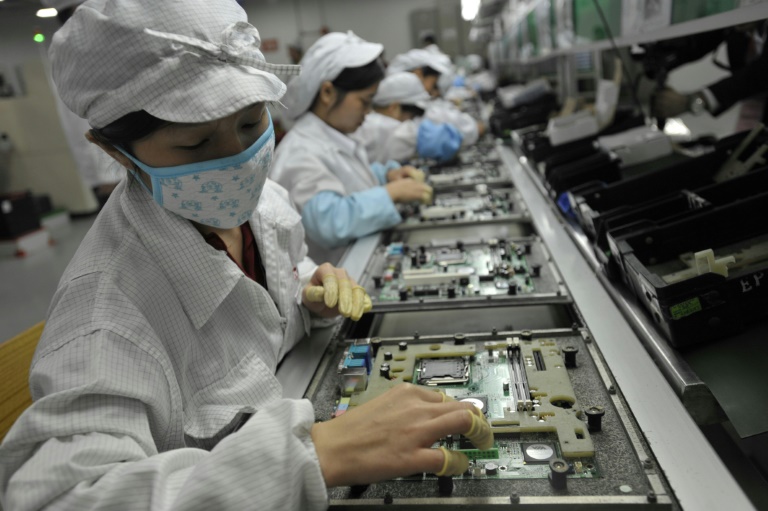
Zhang Yao recalls the moment he realised something had gone deeply wrong at the Chinese mega-factory where he and hundreds of thousands of other workers assembled iPhones and other high-end electronics.

In early October, supervisors suddenly warned him that 3,000 colleagues had been taken into quarantine after someone tested positive for Covid-19 at the factory.

“They told us not to take our masks off,” Zhang, speaking under a pseudonym for fear of retaliation, told AFP by telephone.

What followed was a weeks-long ordeal including food shortages and the ever-present fear of infection, before he finally escaped on Tuesday.

Zhang’s employer, Taiwanese tech giant Foxconn, has said it faces a “protracted battle” against infections and imposed a “closed loop” bubble around its sprawling campus in central China’s Zhengzhou city.

Local authorities locked down the area surrounding the major Apple supplier’s factory on Wednesday, but not before reports emerged of employees fleeing on foot and a lack of adequate medical care at the plant.

China is the last major economy committed to a zero-Covid strategy, persisting with snap lockdowns, mass testing and lengthy quarantines in a bid to stamp out emerging outbreaks.

But new variants have tested officials’ ability to snuff out flare-ups and dragged down economic activity with the threat of sudden disruptions.

– Desperation –

Multiple workers have recounted scenes of chaos and increasing disorganisation at Foxconn’s complex of workshops and dormitories, which form a city-within-a-city near Zhengzhou’s airport.

Zhang told AFP that “positive tests and double lines (on antigen tests) had become a common sight” in his workshop before he left.

“Of course we were scared, it was so close to us.”

“People with fevers are not guaranteed to receive medicine,” another Foxconn worker, a 30-year-old man who also asked to remain anonymous, told AFP.

“We are drowning,” he said.

Those who decided to stop working were not offered meals at their dormitories, Zhang said, adding that some were able to survive on personal stockpiles of instant noodles.

Kai, a worker at in the complex who gave an interview to state-owned Sanlian Lifeweek, told the magazine Foxconn’s “closed loop” involved cordoning off paths between dormitory compounds and the factory, and complained he was left to his own devices after being thrown in quarantine.

TikTok videos geolocated by AFP showed mounds of uncollected rubbish outside buildings in late October, while employees in N95 masks squeezed onto packed shuttle buses taking them from dormitories to their work stations.

A 27-year-old woman working at Foxconn, who asked not to be named, told AFP a roommate who tested positive for Covid was sent back to her dormitory on Thursday morning, crying, after she decided to hand in her notice while in quarantine.

“Now the three of us are living in the same room: one a confirmed case and two of us testing positive on the rapid test, still waiting for our nucleic acid test results,” the worker told AFP.

Many became so desperate by the end of last month that they attempted to walk back to their hometowns to get around Covid transport curbs.

As videos of people dragging their suitcases down motorways and struggling up hills spread on Chinese social media, the authorities rushed in to do damage control.

The Zhengzhou city government on Sunday said it had arranged for special buses to take employees back to their hometowns.

Surrounding Henan province has officially reported a spike of more than 600 Covid cases since the start of this week.

– Distrust –

When Zhang finally attempted to leave the Foxconn campus on Tuesday, he found the company had set up obstacle after obstacle.

“There were people with loudspeakers advertising the latest Foxconn policy, saying that each day there would be a 400 yuan ($55) bonus,” Zhang told AFP.

A crowd of employees gathered at a pick-up point in front of empty buses but were not let on.

People in hazmat suits, known colloquially as “big whites” in China, claimed they had been sent by the city government.

“They tried to persuade people to stay in Zhengzhou… and avoid going home,” Zhang said.

“But when we asked to see their work ID, they had nothing to show us, so we suspected they were actually from Foxconn.”

Foxconn pointed to the local government’s lockdown orders from Wednesday when asked by AFP if it attempted to stop employees from leaving, without giving any further response.

The company had on Sunday said it was “providing employees with complimentary three meals a day” and cooperating with the government to provide transport home.

Eventually, the crowd of unhappy workers who had gathered decided to take matters into their own hands and walked over seven kilometres on foot to the nearest highway entry ramp.

There, more people claiming to be government officials pleaded with the employees to wait for the bus.

The crowd had no choice as the road was blocked.

Buses eventually arrived at five in the afternoon — nearly nine hours after Zhang had begun his attempt to secure transport.

“They were trying to grind us down,” he said.

Back in his hometown, Zhang is now waiting out the home quarantine period required by the local government.

“All I feel is, I’ve finally left Zhengzhou,” he told AFP.

Most Asian markets rise, dollar holds gains ahead of US jobs data

Most Asian investors tentatively stepped back into the markets Friday after the previous day’s Federal Reserve-induced sell-off, while the dollar held gains as focus turned to the release of key US jobs data.

Fed boss Jerome Powell’s pushback against expectations of a softer approach to monetary tightening sent shivers through trading floors and ramped up fears of a global recession.

The governor told a news conference that while the size of increases would likely come down, they would top out at a higher level than expected, dealing a blow to talk of an end soon.

The decision came as other central banks have signalled they will tone down their hawkishness, even in the face of decades- or record-high inflation.

The Bank of England became the latest on Thursday when it lifted borrowing costs by their most in 33 years — and to a 14-year high — but said they would not go as high as markets had priced in.

It also warned that the UK economy faced a prolonged recession — possibly into 2024 — as it battles high prices caused by the Ukraine war.

The comments skewered the pound — already under severe pressure after recent turmoil in Westminster — and sent it tumbling against the dollar and euro, while it struggled to bounce back in Asia.

Still, regional equity markets mostly turned positive as investors picked up bargains and awaited the non-farm payrolls data later in the day, which could provide fresh insight into the state of the world’s top economy.

With the Fed pointing to a still-strong labour market as a key reason for not shifting from its rate-hike strategy, traders are nervous that a big figure in the report will give officials room to tighten more.

“After initial jobless claims came in line with expectations, Friday’s payrolls will be the last vital data point this week, as signals on the labour market remain crucial to the Fed’s path forward, and many stock pickers are dearly hoping for ‘bad news is good news’ close to the week,” said SPI Asset Management’s Stephen Innes.

In early trade, Hong Kong jumped nearly four percent on lingering hopes that China will soon begin rolling back its zero-Covid strategy of lockdowns that has hammered the world’s second-largest economy.

While it retreated with others Thursday, the Hang Seng Index has surged since an unverified statement earlier this week suggested officials in Beijing were discussing a change. Shanghai was up more than one percent

The gains continue despite pushback from authorities in China.

Elsewhere, Sydney, Seoul, Singapore and Wellington rose.

However, Tokyo was deep in the red as traders played catch-up with Thursday’s losses after returning from a one-day holiday. Taipei, Manila and Jakarta also fell.

– Key figures around 0230 GMT –

Tokyo – Nikkei 225: DOWN 2.0 percent at 27,103.17 (break)

Hong Kong – Hang Seng Index: UP 3.9 percent at 15,936.89 

Shanghai – Composite: UP 1.5 percent at 3,041.59

Pound/dollar: UP at $1.1202 from $1.1160 Thursday

Euro/dollar: UP at $0.9767 from $0.9751

Dollar/yen: DOWN at 148.13 yen from 148.25 yen

Euro/pound: DOWN at 87.21 pence from 87.73 pence

West Texas Intermediate: UP 0.5 percent at $88.64 per barrel

Brent North Sea crude: UP 0.5 percent at $95.15 per barrel

New York – Dow: DOWN 0.5 percent at 32,001.25 (close)

London – FTSE 100: UP 0.6 percent at 7,188.63 (close)

Stock markets sink, dollar jumps

Stock markets around the world sank Thursday while the dollar rallied after the Federal Reserve warned US interest rates would go higher than previously expected in its fight against decades-high inflation.

Meanwhile the Bank of England warned that Britain faced a recession set to last until mid-2024.

The Fed on Wednesday unveiled a fourth straight 0.75-percentage-point increase as expected — the sixth hike this year to cool rampant prices.

The dollar rose strongly against the pound despite the Bank of England also delivering on Thursday a 0.75-percentage-point hike — the largest in 33 years — to 3.0 percent, or the highest rate since 2008.

The pound fell by two percent against the dollar in afternoon trading before clawing back some of its losses, which helped London’s FTSE 100 share index buck the trend and rise 0.6 percent. The index is loaded with multinationals which earn most of their revenues in dollars and post higher profits in pounds when the sterling exchange rate is low.

European Central Bank president Christine Lagarde flagged more interest rate hikes on Thursday with comments that a “mild” eurozone recession was looming but would not be enough to bring down record-high inflation.

Oil prices also fell heavily on Thursday as aggressive rate hikes increase expectations of a global recession and softer demand for energy.

Hong Kong led stock market losses as the city’s central bank hiked rates in line with the Fed, owing to their policy link via the dollar peg.

Traders gave back a   chunk of the previous two days’ gains, which came on the back of speculation China was planning to roll back some of its painful zero-Covid policies.

Adding to the selling was confirmation from Beijing’s health authority that it intended to stick to the strategy.

– ‘Some ways to go’ –

“Stocks fell… after the Federal Reserve raised benchmark interest rates and warned that there was still some ways to go in its efforts to tame inflation,” said Mark Haefele, chief investment officer at UBS Global Wealth Management.

Before the Fed announcement, stocks had rallied for more than a week on speculation the US central bank would indicate that its rate tightening could soon reach a peak as the world’s biggest economy showed signs of slowing.

Yet Fed chief Jerome Powell poured cold water on hopes for a “pivot” in policy, telling a news conference “incoming data since our last meeting suggests that ultimate level of interest rates will be higher than previously expected”.

Briefing.com analyst Patrick O’Hare said  for investors “the point that registered was (Powell’s) view that it is very premature to talk about pausing the rate hikes”.

Another key point was that “the Fed still has a ways to go to get the policy rate to a restrictive level that is sufficient for getting inflation back down to the 2.0 percent target,” O’Hare noted.

Moreover, Powell indicated “that the Fed’s terminal rate is apt to be higher than previously expected and is likely to be held there longer than previously expected,” which upended previous market expectations.

Investors now expect Fed rates to top out at more than five percent, compared with four percent previously.

The latest US data didn’t help sentiment, with a key survey showing the services sector grew less than expected in October as new orders eased and businesses struggled to replenish their stocks.

Global equities have slumped this year on mounting fears that rising borrowing costs will curtail consumer and business spending, sparking a global recession.

– Key figures around 1530 GMT –

New York – Dow: DOWN less than 0.1 percent at 32,126.58 points

EURO STOXX 50: DOWN 0.8 percent at 3,593.18

London – FTSE 100: UP 0.6 percent at 7,188.63 (close)

Frankfurt – DAX: DOWN 1.0 percent at 13,130.19 (close)

Paris – CAC 40: DOWN 0.5 percent at 6,243.28 (close)

Hong Kong – Hang Seng Index: DOWN 3.1 percent at 15,339.49 (close)

Shanghai – Composite: DOWN 0.2 percent at 2,997.81 (close)

Tokyo – Nikkei 225: Closed for a holiday

Pound/dollar: DOWN at $1.1180 from $1.1390 Wednesday

Euro/dollar: DOWN at $0.9754 from $0.9816

Dollar/yen: UP at 148.25 yen from 147.90 yen

Euro/pound: UP at 87.20 pence from 86.17 pence

Brent North Sea crude: DOWN 0.9 percent at $95.26 per barrel

West Texas Intermediate: DOWN 1.4 percent at $88.72 per barrel

burs-rl/bp

Stock markets sink, dollar jumps

Stock markets around the world sank Thursday while the dollar rallied after the Federal Reserve warned US interest rates would go higher than previously expected in its fight against decades-high inflation.

Meanwhile the Bank of England warned that Britain faced a recession set to last until mid-2024.

The Fed on Wednesday unveiled a fourth straight 0.75-percentage-point increase as expected — the sixth hike this year to cool rampant prices.

The dollar rose strongly against the pound on Thursday despite the Bank of England also delivering a 0.75-percentage-point hike — the largest in 33 years — to 3.0 percent, or the highest rate since 2008.

The pound fell by two percent against the dollar in afternoon trading.

Norway’s central bank raised its policy rate for a fourth consecutive time, with a quarter-point increase that took it to its highest level since 2009 at 2.5 percent.

European Central Bank president Christine Lagarde flagged more interest rate hikes on Thursday with comments that a “mild” eurozone recession was looming but would not be enough to bring down record-high inflation.

Oil prices also fell heavily on Thursday as aggressive rate hikes increase expectations of a global recession.

Hong Kong led stock market losses as the city’s central bank hiked rates in line with the Fed, owing to their policy link via the dollar peg.

Traders gave back a chunk of the previous two days’ gains, which came on the back of speculation China was planning to roll back some of its painful zero-Covid policies.

Adding to the selling was confirmation from Beijing’s health authority that it intended to stick to the strategy.

– ‘Some ways to go’ –

“Stocks fell… after the Federal Reserve raised benchmark interest rates and warned that there was still some ways to go in its efforts to tame inflation,” said Mark Haefele, chief investment officer at UBS Global Wealth Management.

Before the Fed announcement, stocks had rallied for more than a week on speculation the US central bank would indicate that its rate tightening could soon reach a peak as the world’s biggest economy showed signs of slowing.

Yet Fed chief Jerome Powell poured cold water on these hopes for a “pivot” in policy, telling a news conference that “incoming data since our last meeting suggests that ultimate level of interest rates will be higher than previously expected”.

He added that “we still have some ways” until borrowing costs were at the necessary level and that it “is very premature to be thinking about pausing”.

Briefing.com analyst Patrick O’Hare said that for investors “the point that registered was (Powell’s) view that it is very premature to talk about pausing the rate hikes”.

Another key point was that “the Fed still has a ways to go to get the policy rate to a restrictive level that is sufficient for getting inflation back down to the 2.0 percent target,” O’Hare noted.

Moreover, Powell indicated “that the Fed’s terminal rate is apt to be higher than previously expected and is likely to be held there longer than previously expected,” which upended previous market expectations.

Investors now expect Fed rates to top out at more than five percent, compared with four percent previously.

Global equities have slumped this year on mounting fears that rising borrowing costs will curtail consumer and business spending and spark a global recession.

“The Federal Reserve… didn’t offer any real crumbs of comfort for traders or indeed the global economy when it came to how rapidly the now relentless — and potentially damaging — run of rate hikes may conclude,” said Scope Markets analyst James Hughes.

– Key figures around 1330 GMT –

London – FTSE 100: DOWN 0.5 percent at 7,110.98 points

Frankfurt – DAX: DOWN 1.6 percent at 13,040.32

Paris – CAC 40: DOWN 1.3 percent at 6,196.72

EURO STOXX 50: DOWN 1.5 percent at 3,566.85

New York – Dow: DOWN 0.8 percent at 31,893.44

Hong Kong – Hang Seng Index: DOWN 3.1 percent at 15,339.49 (close)

Shanghai – Composite: DOWN 0.2 percent at 2,997.81 (close)

Tokyo – Nikkei 225: Closed for a holiday

Pound/dollar: DOWN at $1.1174 from $1.1390 Wednesday

Euro/dollar: DOWN at $0.9753 from $0.9816

Dollar/yen: UP at 148.15 yen from 147.90 yen

Euro/pound: UP at 87.24 pence from 86.17 pence

Brent North Sea crude: DOWN 1.5 percent at $94.73 per barrel

West Texas Intermediate: DOWN 1.9 percent at $88.26 per barrel

burs-rl/imm

Stock markets sink, dollar jumps on central bank watch

Asian and European stock markets sank and the dollar rallied Thursday after the Federal Reserve warned US interest rates would go higher than previously expected in its fight against decades-high inflation.

The Fed on Wednesday unveiled a fourth straight 0.75-percentage-point increase as expected — the sixth hike this year to cool rampant prices.

The dollar on Thursday rose strongly against main rival including the pound and as the Bank of England was set to deliver its own bumper interest-rate hike in a decision due at 1200 GMT. 

The BoE is tipped to lift its key rate by 0.75 percentage points to three percent — the most in 33 years and putting British borrowing costs at the highest level since 2008.

Norway’s central bank raised its policy rate for a fourth consecutive time, with a quarter-point increase that took it to its highest level since 2009 at 2.5 percent.

Oil prices also fell heavily on Thursday as aggressive rate hikes increase expectations of a global recession.

Hong Kong led stock market losses as the city’s central bank hiked rates in line with the Fed, owing to their policy link via the dollar peg.

Traders gave back a chunk of the previous two days’ gains, which came on the back of speculation China was planning to roll back some of its painful zero-Covid policies.

Adding to the selling was confirmation from Beijing’s health authority that it intended to stick to the strategy.

– ‘Some way to go’ –

“Stocks fell… after the Federal Reserve raised benchmark interest rates and warned that there was still some ways to go in its efforts to tame inflation,” said Mark Haefele, chief investment officer at UBS Global Wealth Management.

Before the Fed announcement, stocks had rallied for more than a week on speculation the US central bank would indicate that its rate tightening could soon reach a peak as the world’s biggest economy showed signs of slowing.

Yet Powell poured cold water on those hopes, telling a news conference that “incoming data since our last meeting suggests that ultimate level of interest rates will be higher than previously expected”.

He added that “we still have some ways” until borrowing costs were at the necessary level and that it “is very premature to be thinking about pausing”.

Investors now expect Fed rates to top out at more than five percent, compared with four percent previously.

Global equities have slumped this year on mounting fears that rising borrowing costs will curtail consumer and business spending and spark a global recession.

“The Federal Reserve… didn’t offer any real crumbs of comfort for traders or indeed the global economy when it came to how rapidly the now relentless — and potentially damaging — run of rate hikes may conclude,” said Scope Markets analyst James Hughes.

– Key figures around 1030 GMT –

London – FTSE 100: DOWN 0.4 percent at 7,113.98 points

Frankfurt – DAX: DOWN 0.8 percent at 13,156.90

Paris – CAC 40: DOWN 0.6 percent at 6,238.31

EURO STOXX 50: DOWN 0.8 percent at 3,593.41

Hong Kong – Hang Seng Index: DOWN 3.1 percent at 15,339.49 (close)

Shanghai – Composite: DOWN 0.2 percent at 2,997.81 (close)

Tokyo – Nikkei 225: Closed for a holiday

New York – Dow: DOWN 1.6 percent at 32,147.76 (close)

Pound/dollar: DOWN at $1.1258 from $1.1390 Wednesday

Euro/dollar: DOWN at $0.9754 from $0.9816 

Dollar/yen: UP at 148.16 yen from 147.90 yen

Euro/pound: UP at 86.64 pence from 86.17 pence

Brent North Sea crude: DOWN 1.4 percent at $94.80 per barrel

West Texas Intermediate: DOWN 1.8 percent at $88.40 per barrel

Close Bitnami banner
Bitnami