US Business

Russia rejects oil price cap agreed by EU, G7

Russia on Saturday rejected a $60 price cap on its oil agreed by the EU, G7 and Australia, which Ukraine said would contribute to the destruction of Russia’s economy.

“We will not accept this price cap,” Kremlin spokesman Dmitry Peskov told domestic news agencies. Russia, the world’s second-largest crude exporter, was “analysing” the move, he added.

The $60 oil price cap will come into effect on Monday or soon after, alongside an EU embargo on maritime deliveries of Russian crude oil.

The embargo will prevent seaborne shipments of Russian crude to the European Union, which account for two thirds of the bloc’s oil imports from Russia, potentially depriving Russia’s war chest of billions of euros.

Kyiv welcomed the price cap, which stops countries paying more than $60 a barrel for Russian oil deliveries by tanker vessel and is designed to make it harder for Russia to bypass EU sanctions by selling beyond the European Union at market prices.

“We always achieve our goal and the economy of Russia will be destroyed, and Russia itself will pay and be responsible for all crimes,” Ukraine’s presidential chief of staff Andriy Yermak said Saturday.

– Limit funds for the ‘war machine’ –

Poland, which initially refused to back the price cap over concerns the $60 ceiling was too high, eventually confirmed its agreement on Friday evening.

Yermak noted a cap of “$30 would have destroyed it (the Russian economy) more quickly”.

The market price of a barrel of Russian Urals crude is currently around $65 dollars, just slightly higher than the $60 cap, suggesting the measure may have only a limited impact in the short term.

The G7 said it was delivering on its vow “to prevent Russia from profiting from its war of aggression against Ukraine, to support stability in global energy markets and to minimise negative economic spillovers of Russia’s war of aggression”.

The White House described the cap as “welcome news” that would help limit Russian President Vladimir Putin’s ability to fund the Kremlin’s “war machine”.

Russia has threatened not to deliver to countries that adopt the measure.

The G7 and Australia said they were prepared to adjust the price ceiling if necessary.

Russia has earned 67 billion euros ($71 billion) from the sale of oil to the European Union since the start of the war in February.

Its annual military budget amounts to around 60 billion, said Phuc-Vinh Nguyen, an energy expert at the Institut Jacques-Delors in Paris.

The EU embargo on seaborne deliveries follows a decision by Germany and Poland to stop taking Russian oil via pipeline by the end of 2022.

In all, more than 90 percent of Russian deliveries to the European Union will be hit, according to the bloc. 

– ‘Endure’ power cuts –

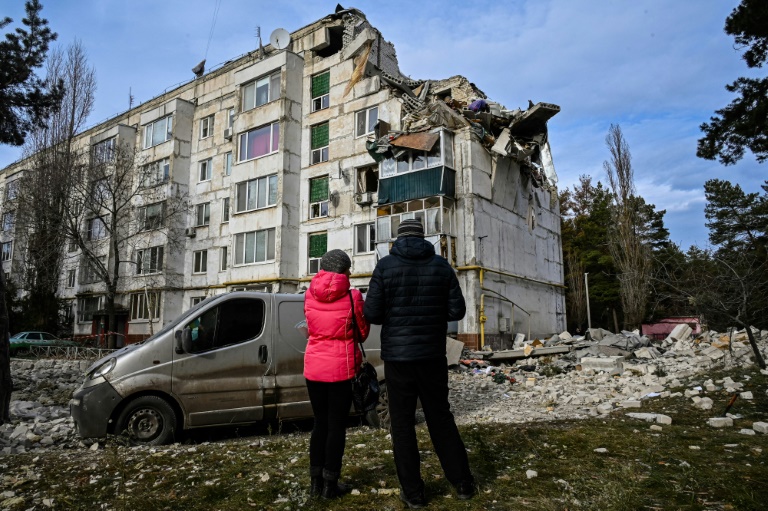
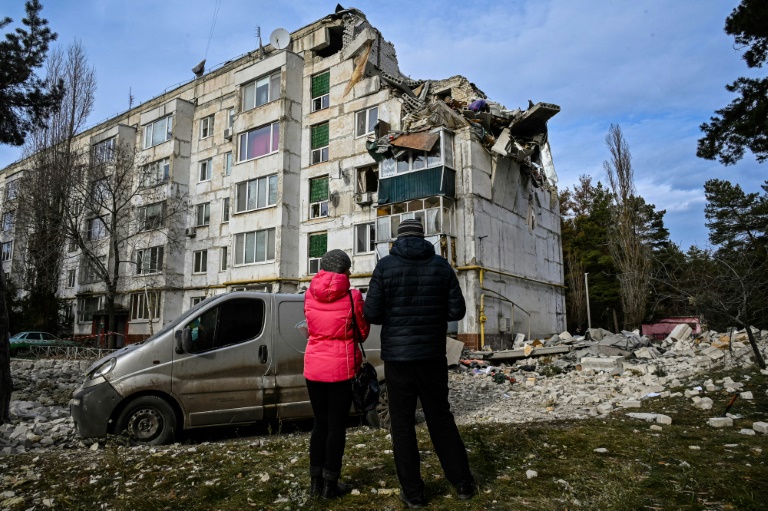
On the ground, Russian forces carried out strikes in the east of Ukraine on Saturday, hitting a “civilian infrastructure facility” in the eastern city of Kramatorsk, the Ukrainian army said.

After suffering humiliating defeats during what has become the largest armed conflict in Europe since World War II, Russia began targeting Ukrainian energy infrastructure in October.

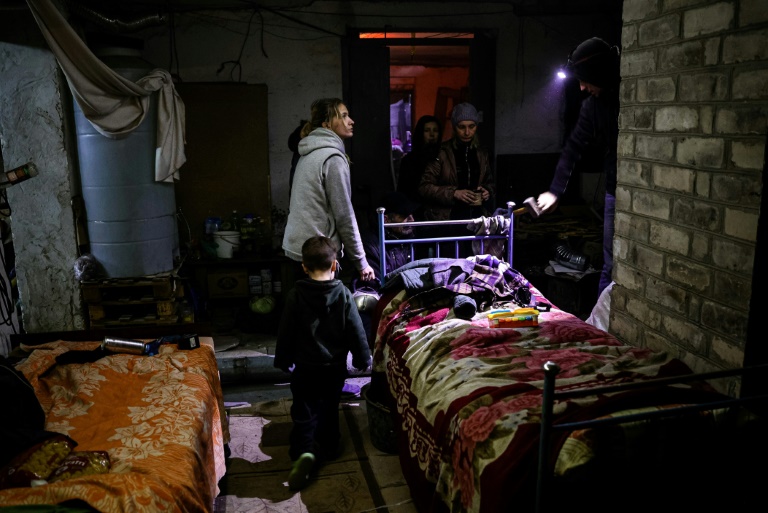
The strikes have caused sweeping blackouts, and cut off water supplies and heating to civilians at a time when the temperature in some regions has dropped to minus five degrees Celsius (41 degrees Fahrenheit).

The authorities have introduced scheduled power cuts several times a day to keep essential infrastructure working.

On Saturday, the governor of the southern region of Mykolaiv, Vitaly Kim, urged citizens to “endure” the electricity shortages.

Putin on Friday told Germany’s Chancellor Olaf Scholz the Russian strikes, which have destroyed close to half of the Ukrainian energy system, were an “inevitable response to Kyiv’s provocative attacks on Russia’s civilian infrastructure”.

He was referring in particular to the October attack on a bridge linking Moscow-annexed Crimea to the Russian mainland.

Scholz “urged the Russian president to come as quickly as possible to a diplomatic solution, including the withdrawal of Russian troops”, according to his spokesman.

But Putin accused the West of carrying out “destructive” policies in Ukraine, the Kremlin said, stressing that Western political and financial aid meant Kyiv “completely rejects the idea of any negotiations”.

Ukrainian President Volodymyr Zelensky has ruled out talks with Russia while Putin is in power after the Kremlin claimed to have annexed several Ukrainian regions.

The Kremlin also said Saturday that Putin would “in due time” visit the Donbas region of eastern Ukraine, which he claims to have annexed. But Peskov gave no indication of when this could happen.

burs-ah/jj
Russia rejects oil price cap agreed by EU, G7

Russia on Saturday rejected a $60 price cap on its oil agreed by the EU, G7 and Australia, which Ukraine said would contribute to the destruction of Russia’s economy.

“We will not accept this price cap,” Kremlin spokesman Dmitry Peskov told domestic news agencies, adding that Russia, the world’s second largest crude exporter, was “analysing” the move.

The $60 oil price cap will come into effect on Monday or soon after, alongside an EU embargo on maritime deliveries of Russian crude oil.

The embargo will prevent seaborne shipments of Russian crude to the European Union, which account for two thirds of the bloc’s oil imports, potentially depriving Russia’s war chest of billions of euros.

Kyiv welcomed the price cap, which stops countries paying more than $60 a barrel for Russian oil deliveries by tanker vessel and is designed to make it harder for Russia to bypass EU sanctions by selling beyond the European Union at market prices.

“We always achieve our goal and the economy of Russia will be destroyed, and Russia itself will pay and be responsible for all crimes,” Ukraine’s presidential chief of staff Andriy Yermak said on Saturday.

The Kremlin also said Russian President Vladimir Putin would “in due time” visit the Donbas region of eastern Ukraine, which he claims to have annexed. But Peskov gave no indication of when this could happen.

– Limit funds for the ‘war machine’ –

Poland had earlier refused to back the price cap over concerns the $60 ceiling was too high but confirmed its agreement on Friday evening.

Yermak noted a cap of “$30 would have destroyed it (the Russian economy) more quickly”.

The market price of a barrel of Russian Urals crude is currently around $65 dollars, just slightly higher than the $60 cap, indicating the measure may have only a limited impact in the short term.

The G7 said it was delivering on its vow “to prevent Russia from profiting from its war of aggression against Ukraine, to support stability in global energy markets and to minimise negative economic spillovers of Russia’s war of aggression”.

The White House described the cap as “welcome news” that would help limit Putin’s ability to fund the Kremlin’s “war machine”.

Russia has threatened not to deliver to countries that adopted the measure.

The G7 and Australia said they were prepared to ajust the price ceiling if necessary.

Russia has earned 67 billion euros ($71 billion) from the sale of oil to the European Union since the start of the war in February.

Its annual military budget amounts to around 60 billion, noted Phuc-Vinh Nguyen, an energy expert at the Institut Jacques-Delors in Paris.

The EU embargo on seaborne deliveries follows a decision by Germany and Poland to stop taking Russian oil via pipeline by the end of 2022.

In all, more than 90 percent of Russian deliveries to the European Union will be affected, according to the bloc.  

– ‘Endure’ power cuts –

After suffering humiliating defeats during what has become the largest armed conflict in Europe since World War II, Russia began targeting Ukrainian energy infrastructure in October.

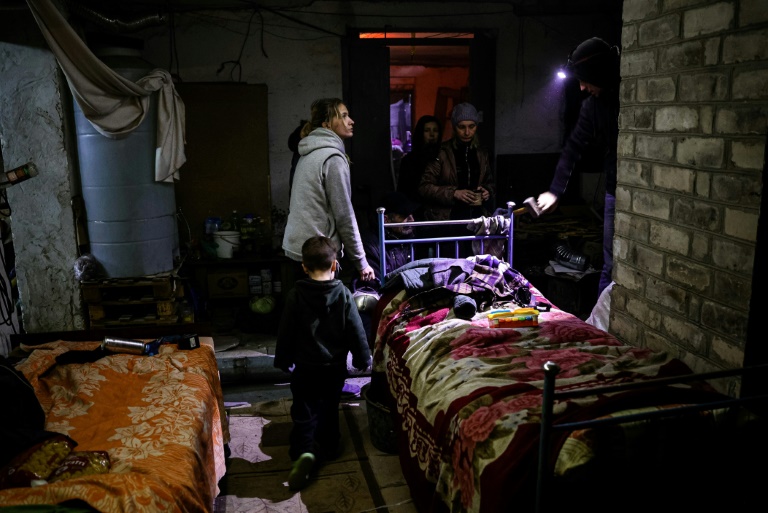
The strikes have caused sweeping blackouts, and cut off water supplies and heating to civilians at a time when the temperature in some regions has dropped to minus five degrees Celsius (41 degrees Farenheit).

The authorities have introduced scheduled power cuts several times a day to keep essential infrastructure working.

On Saturday, the governor of the southern region of Mykolaiv, Vitaly Kim, urged citizens to “endure” the electricity shortages.

Putin on Friday told Germany’s Chancellor Olaf Scholz the Russian strikes, which have destroyed close to half of the Ukrainian energy system, were an “inevitable response to Kyiv’s provocative attacks on Russia’s civilian infrastructure”.

He was referring in particular to the October attack on a bridge linking Moscow-annexed Crimea to the Russian mainland.

Scholz “urged the Russian president to come as quickly as possible to a diplomatic solution, including the withdrawal of Russian troops”, according to his spokesman.

But Putin accused the West of carrying out “destructive” policies in Ukraine, the Kremlin said, stressing that Western political and financial aid meant Kyiv “completely rejects the idea of any negotiations”.

Ukrainian President Volodymyr Zelensky has ruled out talks with Russia while Putin is in power after the Kremlin claimed to have annexed several Ukrainian regions.

– Talks off the table – 

The Kremlin also indicated Moscow was in no mood for talks, after US President Joe Biden said he would be willing to sit down with Putin if the latter truly wanted to end the fighting.

“What did President Biden say in fact? He said that negotiations are possible only after Putin leaves Ukraine,” Peskov told reporters, adding Moscow was “certainly” not ready to accept those conditions.

The White House on Friday downplayed the idea too, saying Biden currently has “no intention” of holding talks with Putin.

Top US general Mark Milley last month said more than 100,000 Russian military personnel have been killed or wounded in Ukraine, with Kyiv’s forces likely suffering similar casualties. 

burs-gil/ah

Russia rejects oil price cap agreed by EU, G7

Russia on Saturday rejected a $60 price cap on its oil agreed by the EU, G7 and Australia, which Ukraine said would contribute to the destruction of Russia’s economy.

“We will not accept this price cap,” Kremlin spokesman Dmitry Peskov told domestic news agencies, adding that Russia, the world’s second largest crude exporter, was “analysing” the move.

The $60 oil price cap will come into effect on Monday or soon after, alongside an EU embargo on maritime deliveries of Russian crude oil.

The embargo will prevent seaborne shipments of Russian crude to the European Union, which account for two thirds of the bloc’s oil imports, potentially depriving Russia’s war chest of billions of euros.

Kyiv welcomed the price cap, which stops countries paying more than $60 a barrel for Russian oil deliveries by tanker vessel and is designed to make it harder for Russia to bypass EU sanctions by selling beyond the European Union at market prices.

“We always achieve our goal and the economy of Russia will be destroyed, and Russia itself will pay and be responsible for all crimes,” Ukraine’s presidential chief of staff Andriy Yermak said on Saturday.

The Kremlin also said Russian President Vladimir Putin would “in due time” visit the Donbas region of eastern Ukraine, which he claims to have annexed. But Peskov gave no indication of when this could happen.

– Limit funds for the ‘war machine’ –

Poland had earlier refused to back the price cap over concerns the $60 ceiling was too high but confirmed its agreement on Friday evening.

Yermak noted a cap of “$30 would have destroyed it (the Russian economy) more quickly”.

The market price of a barrel of Russian Urals crude is currently around $65 dollars, just slightly higher than the $60 cap, indicating the measure may have only a limited impact in the short term.

The G7 said it was delivering on its vow “to prevent Russia from profiting from its war of aggression against Ukraine, to support stability in global energy markets and to minimise negative economic spillovers of Russia’s war of aggression”.

The White House described the cap as “welcome news” that would help limit Putin’s ability to fund the Kremlin’s “war machine”.

Russia has threatened not to deliver to countries that adopted the measure.

The G7 and Australia said they were prepared to ajust the price ceiling if necessary.

Russia has earned 67 billion euros ($71 billion) from the sale of oil to the European Union since the start of the war in February.

Its annual military budget amounts to around 60 billion, noted Phuc-Vinh Nguyen, an energy expert at the Institut Jacques-Delors in Paris.

The EU embargo on seaborne deliveries follows a decision by Germany and Poland to stop taking Russian oil via pipeline by the end of 2022.

In all, more than 90 percent of Russian deliveries to the European Union will be affected, according to the bloc.  

– ‘Endure’ power cuts –

After suffering humiliating defeats during what has become the largest armed conflict in Europe since World War II, Russia began targeting Ukrainian energy infrastructure in October.

The strikes have caused sweeping blackouts, and cut off water supplies and heating to civilians at a time when the temperature in some regions has dropped to minus five degrees Celsius (41 degrees Farenheit).

The authorities have introduced scheduled power cuts several times a day to keep essential infrastructure working.

On Saturday, the governor of the southern region of Mykolaiv, Vitaly Kim, urged citizens to “endure” the electricity shortages.

Putin on Friday told Germany’s Chancellor Olaf Scholz the Russian strikes, which have destroyed close to half of the Ukrainian energy system, were an “inevitable response to Kyiv’s provocative attacks on Russia’s civilian infrastructure”.

He was referring in particular to the October attack on a bridge linking Moscow-annexed Crimea to the Russian mainland.

Scholz “urged the Russian president to come as quickly as possible to a diplomatic solution, including the withdrawal of Russian troops”, according to his spokesman.

But Putin accused the West of carrying out “destructive” policies in Ukraine, the Kremlin said, stressing that Western political and financial aid meant Kyiv “completely rejects the idea of any negotiations”.

Ukrainian President Volodymyr Zelensky has ruled out talks with Russia while Putin is in power after the Kremlin claimed to have annexed several Ukrainian regions.

– Talks off the table – 

The Kremlin also indicated Moscow was in no mood for talks, after US President Joe Biden said he would be willing to sit down with Putin if the latter truly wanted to end the fighting.

“What did President Biden say in fact? He said that negotiations are possible only after Putin leaves Ukraine,” Peskov told reporters, adding Moscow was “certainly” not ready to accept those conditions.

The White House on Friday downplayed the idea too, saying Biden currently has “no intention” of holding talks with Putin.

Top US general Mark Milley last month said more than 100,000 Russian military personnel have been killed or wounded in Ukraine, with Kyiv’s forces likely suffering similar casualties. 

burs-gil/ah

Ukraine welcomes Russian oil price cap agreed by EU, G7

Ukraine on Saturday welcomed a $60 price cap on Russian oil agreed by the EU, G7 and Australia, saying it would “destroy” Russia’s economy.

The price cap, previously negotiated on a political level between the G7 group of wealthy democracies and the European Union, will come into effect with an EU embargo on Russian crude oil from Monday.

Poland had refused to back the price cap plan over concerns the ceiling was too high, before its ambassador to the EU confirmed Warsaw’s agreement on Friday evening.

The embargo will prevent shipments of Russian crude by tanker vessel to the EU, which account for two thirds of imports, potentially depriving Russia’s war chest of billions of euros.

“We always achieve our goal and Russia’s economy will be destroyed, and it will pay and be responsible for all its crimes,” Ukraine’s presidential chief of staff Andriy Yermak said on Saturday on Telegram. 

But a cap of “$30 would have destroyed it more quickly”, he added.

The G7 said it was delivering on its vow “to prevent Russia from profiting from its war of aggression against Ukraine, to support stability in global energy markets and to minimise negative economic spillovers of Russia’s war of aggression”.

The White House described the deal as “welcome news”, saying a price cap will help limit Russian President Vladimir Putin’s ability to fund the Kremlin’s “war machine”.

– Infrastructure strikes ‘inevitable’ –

After suffering humiliating defeats during what has become the largest armed conflict in Europe since World War II, Russia began targeting Ukrainian energy infrastructure in October, causing sweeping blackouts.

Putin said Russian strikes on Ukrainian infrastructure were “inevitable”, in his first conversation with German Chancellor Olaf Scholz since mid-September.

“Such measures have become a forced and inevitable response to Kyiv’s provocative attacks on Russia’s civilian infrastructure,” Putin told Scholz, according to a Kremlin readout of the telephone talks.

The Kremlin leader referred in particular to the October attack on a bridge linking Moscow-annexed Crimea to the Russian mainland.

During the hour-long call, Scholz “urged the Russian president to come as quickly as possible to a diplomatic solution, including the withdrawal of Russian troops”, according to the German leader’s spokesman.

But Putin urged Berlin to “reconsider its approaches” and accused the West of carrying out “destructive” policies in Ukraine, the Kremlin said, stressing that its political and financial aid meant Kyiv “completely rejects the idea of any negotiations”.

Ukrainian President Volodymyr Zelensky had ruled out any talks with Russia while Putin is in power, shortly after the Kremlin claimed to have annexed several Ukrainian regions.

– Talks off the table – 

The Kremlin also indicated Moscow was in no mood for talks over Ukraine, after US President Joe Biden said he would be willing to sit down with Putin if the Russian leader truly wanted to end the fighting.

“What did President Biden say in fact? He said that negotiations are possible only after Putin leaves Ukraine,” Putin’s spokesman Dmitry Peskov told reporters, adding Moscow was “certainly” not ready to accept those conditions.

The White House, meanwhile, sought to pour water on the idea of talks as well on Friday, saying Biden currently has “no intention” of sitting down with Putin.

Russia’s strikes have destroyed close to half of the Ukrainian energy system and left millions in the cold and dark at the onset of winter.

In the latest estimates from Kyiv, Mykhaylo Podolyak, an adviser to Zelensky, said as many as 13,000 Ukrainian soldiers have died in the fighting.

Both Moscow and Kyiv are suspected of minimising their losses to avoid damaging morale.

Top US general Mark Milley last month said more than 100,000 Russian military personnel have been killed or wounded in Ukraine, with Kyiv’s forces likely suffering similar casualties. 

The fighting in Ukraine has also claimed the lives of thousands of Ukrainian civilians and forced millions to flee their homes.

Those who remain in the country have had to cope with emergency blackouts as authorities seek to relieve the pressure on the energy infrastructure.

burs-raz/gil

Ukraine welcomes Russian oil price cap agreed by EU, G7

Ukraine on Saturday welcomed a $60 price cap on Russian oil agreed by the EU, G7 and Australia, saying it would “destroy” Russia’s economy.

The price cap, previously negotiated on a political level between the G7 group of wealthy democracies and the European Union, will come into effect with an EU embargo on Russian crude oil from Monday.

Poland had refused to back the price cap plan over concerns the ceiling was too high, before its ambassador to the EU confirmed Warsaw’s agreement on Friday evening.

The embargo will prevent shipments of Russian crude by tanker vessel to the EU, which account for two thirds of imports, potentially depriving Russia’s war chest of billions of euros.

“We always achieve our goal and Russia’s economy will be destroyed, and it will pay and be responsible for all its crimes,” Ukraine’s presidential chief of staff Andriy Yermak said on Saturday on Telegram. 

But a cap of “$30 would have destroyed it more quickly”, he added.

The G7 said it was delivering on its vow “to prevent Russia from profiting from its war of aggression against Ukraine, to support stability in global energy markets and to minimise negative economic spillovers of Russia’s war of aggression”.

The White House described the deal as “welcome news”, saying a price cap will help limit Russian President Vladimir Putin’s ability to fund the Kremlin’s “war machine”.

– Infrastructure strikes ‘inevitable’ –

After suffering humiliating defeats during what has become the largest armed conflict in Europe since World War II, Russia began targeting Ukrainian energy infrastructure in October, causing sweeping blackouts.

Putin said Russian strikes on Ukrainian infrastructure were “inevitable”, in his first conversation with German Chancellor Olaf Scholz since mid-September.

“Such measures have become a forced and inevitable response to Kyiv’s provocative attacks on Russia’s civilian infrastructure,” Putin told Scholz, according to a Kremlin readout of the telephone talks.

The Kremlin leader referred in particular to the October attack on a bridge linking Moscow-annexed Crimea to the Russian mainland.

During the hour-long call, Scholz “urged the Russian president to come as quickly as possible to a diplomatic solution, including the withdrawal of Russian troops”, according to the German leader’s spokesman.

But Putin urged Berlin to “reconsider its approaches” and accused the West of carrying out “destructive” policies in Ukraine, the Kremlin said, stressing that its political and financial aid meant Kyiv “completely rejects the idea of any negotiations”.

Ukrainian President Volodymyr Zelensky had ruled out any talks with Russia while Putin is in power, shortly after the Kremlin claimed to have annexed several Ukrainian regions.

– Talks off the table – 

The Kremlin also indicated Moscow was in no mood for talks over Ukraine, after US President Joe Biden said he would be willing to sit down with Putin if the Russian leader truly wanted to end the fighting.

“What did President Biden say in fact? He said that negotiations are possible only after Putin leaves Ukraine,” Putin’s spokesman Dmitry Peskov told reporters, adding Moscow was “certainly” not ready to accept those conditions.

The White House, meanwhile, sought to pour water on the idea of talks as well on Friday, saying Biden currently has “no intention” of sitting down with Putin.

Russia’s strikes have destroyed close to half of the Ukrainian energy system and left millions in the cold and dark at the onset of winter.

In the latest estimates from Kyiv, Mykhaylo Podolyak, an adviser to Zelensky, said as many as 13,000 Ukrainian soldiers have died in the fighting.

Both Moscow and Kyiv are suspected of minimising their losses to avoid damaging morale.

Top US general Mark Milley last month said more than 100,000 Russian military personnel have been killed or wounded in Ukraine, with Kyiv’s forces likely suffering similar casualties. 

The fighting in Ukraine has also claimed the lives of thousands of Ukrainian civilians and forced millions to flee their homes.

Those who remain in the country have had to cope with emergency blackouts as authorities seek to relieve the pressure on the energy infrastructure.

burs-raz/gil

Guns N' Roses sues online gun shop for appropriating name

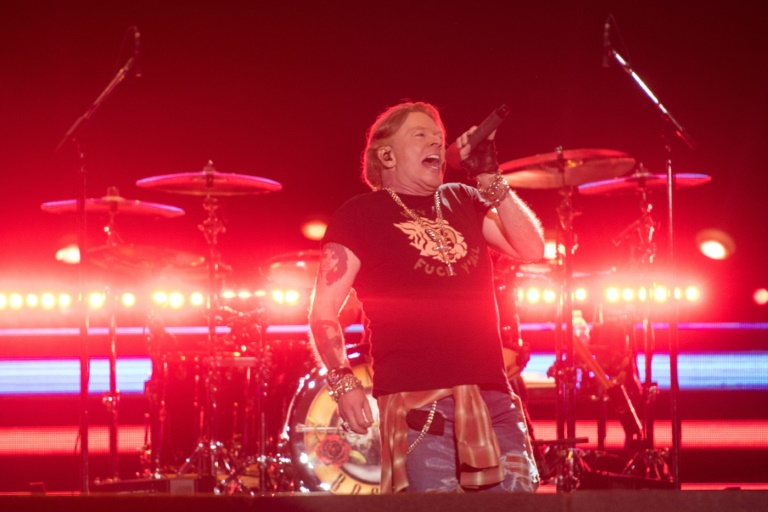
US rock band Guns N’ Roses has sued a company that runs an online gun store named Texas Guns and Roses, charging in federal court that the business appropriated its name unjustly.

In a lawsuit filed in Los Angeles, attorneys for the band said a corporation that runs the online shop was conning consumers into believing the business had something to do with the rock band.

Guns N’ Roses “quite reasonably does not want to be associated with Defendant, a firearms and weapons retailer,” the lawsuit, filed Thursday, says.

Additionally, the band claimed, the gun dealer “espouses political views related to the regulation and control of firearms and weapons on the Website that may be polarizing to many US consumers.”

Guns N’ Roses, formed in 1984, is one of the most successful bands of all time and was inducted into the Rock & Roll Hall of Fame in 2012. Its members are Axl Rose, Saul “Slash” Hudson and Michael “Duff” McKagan.

The lawsuit identified Jersey Village Florist LLC as the owner and operator of Texas Guns and Roses, which it said sells firearms and ammunition, scopes, body armor and metal safes, among other items.

The online business is registered at a Houston address and obtained its Texas registry listing in 2016 without Guns N’ Roses’ “approval, license, or consent,” according to the suit.

Lawyers for the rock group are seeking a jury trial and a court order barring the use of the website name as well as unspecified punitive damages.

The online shop did not immediately respond to an email seeking comment.

US unveils high-tech B-21 stealth bomber

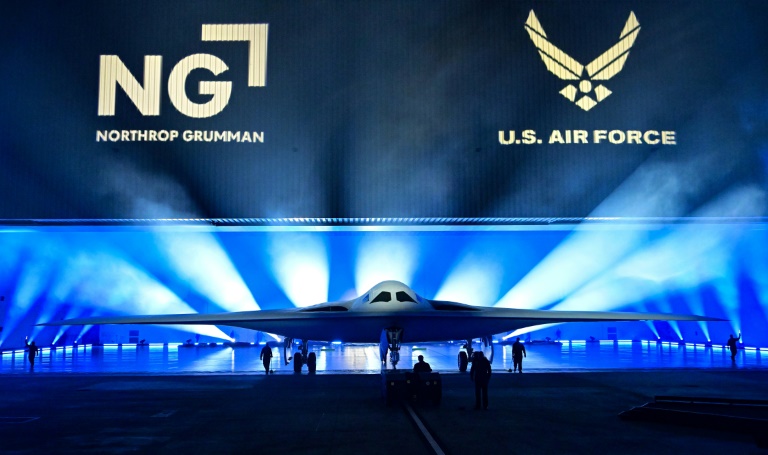
The United States on Friday unveiled the B-21 Raider, a high-tech stealth bomber that can carry nuclear and conventional weapons and is designed to be able to fly without a crew on board.

The slickly choreographed ceremony at B-21 manufacturer Northrop Grumman’s facility in Palmdale, California opened with the US national anthem as older bombers roared over a crowd that included top US officials.

Dramatic music played and lights flashed as the doors of a hanger holding the new aircraft slowly opened, and the crowd applauded as the cloth covering it was pulled away to reveal a sleek grey bomber that is on track to cost nearly $700 million per plane.

“The B-21 Raider is the first strategic bomber in more than three decades. It is a testament to America’s enduring advantages in ingenuity and innovation,” US Defense Secretary Lloyd Austin said in remarks at the ceremony.

Many specifics of the aircraft are being kept under wraps, but the plane will offer significant advances over existing bombers in the US fleet, which Austin highlighted in his remarks.

He hailed its range — “no other long-range bomber can match its efficiency” — and its durability, saying it is “designed to be the most maintainable bomber ever built.”

Like the F-22 and F-35 warplanes, the B-21 features stealth technology, which minimizes an aircraft’s signature through both its shape and the materials it is constructed from, making it harder for adversaries to detect.

“Fifty years of advances in low-observable technology have gone into this aircraft,” Austin said. “Even the most sophisticated air defense systems will struggle to detect the B-21 in the sky.”

The plane is also built with an “open system architecture,” which allows for the incorporation of “new weapons that haven’t even been invented yet,” he said.

Amy Nelson, a fellow at the Brookings Institution think tank, told AFP ahead of the unveiling that the B-21 is “designed to evolve.”

– ‘American air power’ –

“The ‘open architecture’ allows for the future integration of improved software (including for autonomy) so the aircraft doesn’t become obsolete as quickly,” she said.

“The B-21 is much fancier than its predecessors — truly modern. Not only is it dual-capable (unlike the B-2), which means it can launch nuclear or conventionally armed missiles, it can launch long- and short-range missiles,” Nelson said.

Not mentioned during the ceremony was the plane’s potential for uncrewed flight. US Air Force spokesperson Ann Stefanek told AFP the aircraft is “provisioned for the possibility, but there has been no decision to fly without a crew.”

The first flight by a B-21 — “the backbone of our future bomber force” — is expected to take place next year, and the Air Force plans to buy at least 100 of the aircraft, Stefanek said.

Northrop Grumman said six of the planes are currently in different stages of assembly and testing at its facility in Palmdale.

The bomber will be a key part of the US “nuclear triad,” which consists of weapons that can be launched from the land, air and sea.

“For nuclear deterrence, the bomber fleet provide flexibility to US nuclear posture, and redundance should any of the other legs fail,” Nelson said.

The “Raider” portion of the aircraft’s name honors the 1942 US bomber raid on Tokyo led by then-lieutenant colonel James Doolittle — the first American strike on Japan’s homeland following the surprise attack on Pearl Harbor the previous year.

“On a cold and rainy April morning, four months after Pearl Harbor, 16 US Army bomber planes took off from an aircraft carrier in the Pacific,” Austin said.

They “flew more than 650 miles to strike distant enemy targets, and the Doolittle Raiders, as they came to be known, showed the strength and the reach of American air power,” he said.

ABB to pay $315 mn to settle US charges over South Africa bribes

Swedish-Swiss industrial company ABB agreed to pay $315 million to settle US criminal charges that it bribed state-owned Eskom of South Africa over government contracts, the Department of Justice (DOJ) announced Friday.

Two affiliates of ABB each pleaded guilty to one count of conspiracy to violate the US Foreign Corrupt Practices Act as part of a three-year deferred prosecution agreement, the US agency said of a settlement that was coordinated with government authorities in Switzerland, Germany and South Africa.

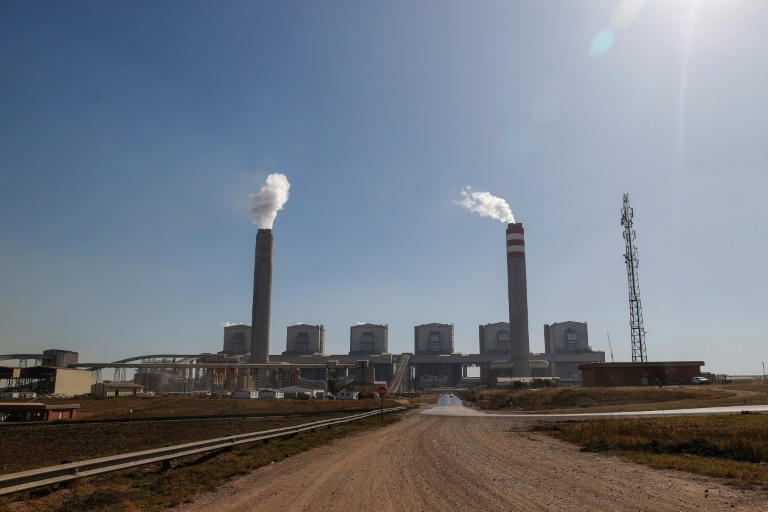
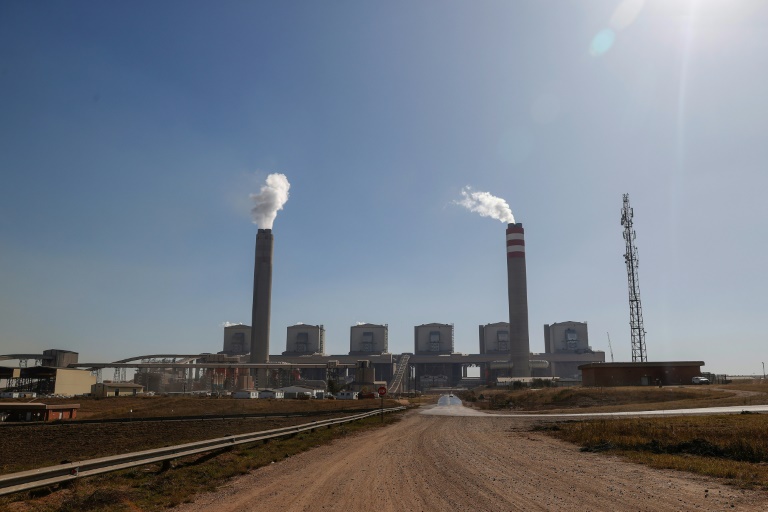
The issue concerns a troubled project near Johannesburg with the Kusile power station, the fourth largest coal-fired generator in the world, which has been fraught with allegations of graft. South Africa’s struggling power utility Eskom commissioned the plant in 2007.

In October eight people, including former Eskom CEO Matshela Koko, were arrested on corruption charges linked to the ABB work.

Between 2014 and 2017, ABB through its subsidiaries secured “multiple” government contracts, syphoning illicit payments through subcontractors associated with an official at Eskom, South Africa’s state-owned power company, the DOJ said.

“ABB worked with these subcontractors despite their poor qualifications and lack of experience,” the DOJ said in a news release. “In return, ABB received improper advantages in its efforts to obtain work with Eskom, including, among other benefits, confidential and internal Eskom information.”

ABB engaged in “sham” negotiations with the Eskom official and falsely reported the payments as legitimate business expenses, according to the press release.

ABB chief executive Bjorn Rosengren said the company has acted in the wake of the case by “launching a new code of conduct, educating employees and implementing an enhanced control system to prevent something similar from happening again.”

In a statement, he said that ABB has “a clear zero tolerance approach to non-ethical behavior within our company.” 

The US agency said the penalty was reduced 25 percent from the high end of the sentencing range in light of ABB’s “extraordinary” cooperation and “extensive” remediation efforts.

But the department noted that ABB had two earlier criminal FCPA resolutions in 2004 and 2010, as well as a guilty plea by an ABB entity for bid rigging in 2001.

The US law on foreign corrupt practices applies to foreign companies with US-issued stock, as is the case with ABB.

The company also settled a parallel civil case with the Securities and Exchange Commission. 

Earlier Friday, the Swiss attorney general’s office said ABB was fined four million Swiss francs ($4.3 million) in the case. ABB said it hoped to reach a resolution with German authorities in the near term.

In total, ABB said the settlements totaled $327 million, and have been accounted for in the company’s third quarter financial results.

ABB to pay $315 mn to settle US charges over South Africa bribes

Swedish-Swiss industrial company ABB agreed to pay $315 million to settle US criminal charges that it bribed state-owned Eskom of South Africa over government contracts, the Department of Justice (DOJ) announced Friday.

Two affiliates of ABB each pleaded guilty to one count of conspiracy to violate the US Foreign Corrupt Practices Act as part of a three-year deferred prosecution agreement, the US agency said of a settlement that was coordinated with government authorities in Switzerland, Germany and South Africa.

The issue concerns a troubled project near Johannesburg with the Kusile power station, the fourth largest coal-fired generator in the world, which has been fraught with allegations of graft. South Africa’s struggling power utility Eskom commissioned the plant in 2007.

In October eight people, including former Eskom CEO Matshela Koko, were arrested on corruption charges linked to the ABB work.

Between 2014 and 2017, ABB through its subsidiaries secured “multiple” government contracts, syphoning illicit payments through subcontractors associated with an official at Eskom, South Africa’s state-owned power company, the DOJ said.

“ABB worked with these subcontractors despite their poor qualifications and lack of experience,” the DOJ said in a news release. “In return, ABB received improper advantages in its efforts to obtain work with Eskom, including, among other benefits, confidential and internal Eskom information.”

ABB engaged in “sham” negotiations with the Eskom official and falsely reported the payments as legitimate business expenses, according to the press release.

ABB chief executive Bjorn Rosengren said the company has acted in the wake of the case by “launching a new code of conduct, educating employees and implementing an enhanced control system to prevent something similar from happening again.”

In a statement, he said that ABB has “a clear zero tolerance approach to non-ethical behavior within our company.” 

The US agency said the penalty was reduced 25 percent from the high end of the sentencing range in light of ABB’s “extraordinary” cooperation and “extensive” remediation efforts.

But the department noted that ABB had two earlier criminal FCPA resolutions in 2004 and 2010, as well as a guilty plea by an ABB entity for bid rigging in 2001.

The US law on foreign corrupt practices applies to foreign companies with US-issued stock, as is the case with ABB.

The company also settled a parallel civil case with the Securities and Exchange Commission. 

Earlier Friday, the Swiss attorney general’s office said ABB was fined four million Swiss francs ($4.3 million) in the case. ABB said it hoped to reach a resolution with German authorities in the near term.

In total, ABB said the settlements totaled $327 million, and have been accounted for in the company’s third quarter financial results.

G7, EU agree oil price cap to reduce Russia war funding

The G7 and EU on Friday agreed a $60-per-barrel price cap on Russian oil in an attempt to deny the Kremlin of war resources, as President Vladimir Putin said more strikes on Ukrainian infrastructure were “inevitable”.

The price cap, previously negotiated on a political level between the G7 group of wealthy democracies and the European Union, will come into effect with an EU embargo on Russian crude oil from Monday.

The embargo will prevent shipments of Russian crude by tanker vessel to the EU, which account for two thirds of imports, potentially depriving Russia’s war chest of billions of euros.

“The G7 and Australia… reached consensus on a maximum price of 60 US dollars per barrel for seaborne Russian origin crude oil in line with” the European Union, the G7 said in a statement.

The G7 said it was delivering on its vow “to prevent Russia from profiting from its war of aggression against Ukraine, to support stability in global energy markets and to minimise negative economic spillovers of Russia’s war of aggression”.

Poland had refused to back the price cap plan over concerns the ceiling was too high, before its ambassador to the bloc confirmed Warsaw’s agreement on Friday evening.

The price cap is designed to make it harder to bypass the sanctions by selling beyond the EU.

Poland’s ambassador Andrzej Sados also said Brussels would take into account Polish and Baltic state suggestions for a “painful and expensive” ninth round of sanctions against Moscow.

The White House described the deal as “welcome news”, saying a price cap will help limit Putin’s ability to fund the Kremlin’s “war machine”.

– Infrastructure strikes ‘inevitable’ –

After suffering humiliating defeats during what has become the largest armed conflict in Europe since World War II, Russia began targeting Ukrainian energy infrastructure in October, causing sweeping blackouts.

Putin said Russian strikes on Ukrainian infrastructure were “inevitable”, in his first conversation with German Chancellor Olaf Scholz since mid-September.

“Such measures have become a forced and inevitable response to Kyiv’s provocative attacks on Russia’s civilian infrastructure,” Putin told Scholz, according to a Kremlin readout of the telephone talks.

The Kremlin leader referred in particular to the October attack on a bridge linking Moscow-annexed Crimea to the Russian mainland.

During the hour-long call, Scholz “urged the Russian president to come as quickly as possible to a diplomatic solution including the withdrawal of Russian troops”, according to the German leader’s spokesman.

But Putin urged Berlin to “reconsider its approaches” and accused the West of carrying out “destructive” policies in Ukraine, the Kremlin said, stressing that its political and financial aid meant Kyiv “completely rejects the idea of any negotiations”.

Ukrainian President Volodymyr Zelensky had ruled out any talks with Russia while Putin is in power shortly after the Kremlin claimed to have annexed several Ukrainian regions.

– Talks off the table – 

The Kremlin also indicated Moscow was in no mood for talks over Ukraine, after US President Joe Biden said he would be willing to sit down with Putin if the Russian leader truly wanted to end the fighting.

“What did President Biden say in fact? He said that negotiations are possible only after Putin leaves Ukraine,” Putin’s spokesman Dmitry Peskov told reporters, adding Moscow was “certainly” not ready to accept those conditions.

The White House, meanwhile, sought to pour water on the idea of talks as well on Friday, saying Biden currently has “no intention” of sitting down with Putin.

But Washington did say it was ready to meet on a different issue, expressing disappointment that Russia had postponed talks on nuclear arms control.

Russia’s strikes have destroyed close to half of the Ukrainian energy system and left millions in the cold and dark at the onset of winter.

In the latest estimates from Kyiv, Mykhaylo Podolyak, an adviser to Zelensky, said as many as 13,000 Ukrainian troops have died in the fighting.

Both Moscow and Kyiv are suspected of minimising their losses to avoid damaging morale.

Top US general Mark Milley last month said more than 100,000 Russian military personnel have been killed or wounded in Ukraine, with Kyiv’s forces likely suffering similar casualties. 

The fighting in Ukraine has also claimed the lives of thousands of Ukrainian civilians and forced millions to flee their homes.

Those who remain in the country have had to cope with emergency blackouts as authorities sought to relieve the pressure on the energy infrastructure.

Close Bitnami banner
Bitnami