US Business

Macron blasts Biden subsidies at start of US state visit

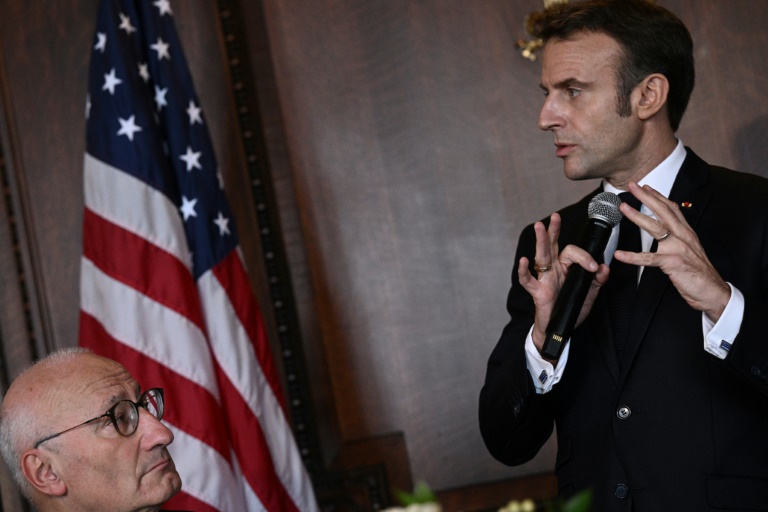
France’s President Emmanuel Macron fired a volley at his American hosts on the first day of a rare state visit to Washington, telling lawmakers Wednesday that US industrial subsidies are “super aggressive” against French competitors.

“This is super aggressive for our business people,” an AFP reporter heard Macron tell members of Congress and business leaders, who had invited him to lunch ahead of the main part of the state visit on Thursday, when the French leader will spend most of the day with President Joe Biden.

Macron was referring to Biden’s signature policy called the Inflation Reduction Act, which is set to pour billions of dollars into environmentally friendly industries — with strong backing for US-based manufacturers.

The White House touts the IRA legislation as a groundbreaking effort to reignite US manufacturing and promote renewable technologies, but European Union governments are crying foul, threatening to launch a trade war by subsidizing their own green economy sector.

Macron’s blunt assessment, saying he just wanted “to be respected as a good friend,” tore some of the veneer off a carefully choreographed state visit intended to celebrate historic US-French ties — and also tackle the trickier parts of the US-EU transatlantic alliance.

“I don’t want to become a market to sell American products because I have exactly the same products as you,” said Macron, stressing that France had its own middle class in need of employment.

“And the consequence of the IRA is that you will perhaps fix your issue but you will increase my problem. I’m sorry to be so straightforward,” he said.

The White House responded by insisting that the state visit is about the two presidents’ “warm relationship.”

US advances in the clean energy economy will help Europeans too, Press Secretary Karine Jean-Pierre said. The IRA “presents significant opportunities for European firms as well as benefits to EU energy security. This is not a zero sum game.”

In a speech later at the French embassy, Macron insisted on the subsidies issue and said they could become a real sticking point in US relations with Europe.

While voicing support for the environmental goals of the IRA, Macron said, “These are choices that will split the West.”

Still, Macron said US-French ties remain solid, calling on both countries to heed “the bonds that history has forged between us, an alliance stronger than anything.” 

– Frenchman on the Moon? –

Earlier, Macron joined Vice President Kamala Harris at NASA headquarters in Washington to discuss cooperation in space — and to propose the first Frenchman on the Moon.

Macron highlighted the American lunar program Artemis, whose first uncrewed test mission launched in mid-November with participation of the European Space Agency (ESA), and said “we are very keen” to join.

“It’s very important for us, as long as you can propose a French leader to fly to the Moon quite rapidly,” he told Harris, in a nod to French astronaut Thomas Pesquet, who also attended the NASA visit.

Macron’s busy schedule, which included a working lunch to discuss biodiversity and clean energy, and a visit to the historic Arlington National Cemetery, illustrated the ambitions set for the trip — the first formal state visit by a foreign leader to Washington since Biden took office nearly two years ago.

The core of the visit will be Thursday, including a White House military honor guard, Oval Office talks with Biden, a joint press conference and a banquet where Grammy-award-winning American musician Jon Batiste will perform.

The White House showed off the menu for the big dinner, which will start with butter poached Maine lobster, paired with caviar, “delicata squash raviolo” and tarragon sauce.

The main course features beef and triple cooked butter potatoes, before heading into the cheese course of award winning US brands, and finally orange chiffon cake, roasted pears with citrus sauce, and creme fraiche ice cream.

Washing all that down will be three different American wines.

– EU-US tensions –

Trade tensions, however, are only part of the uncomfortable flip side to the red carpet occasion.

Another gripe in Europe is the high cost of US liquid natural gas exports — which have surged to help compensate for canceled Russian deliveries.

There is also divergence on how to deal with the rise of superpower China. 

The question — with Washington pursuing a more hawkish tone and EU powers trying to find a middle ground — is unlikely to see much progress.
Macron blasts Biden subsidies at start of US state visit

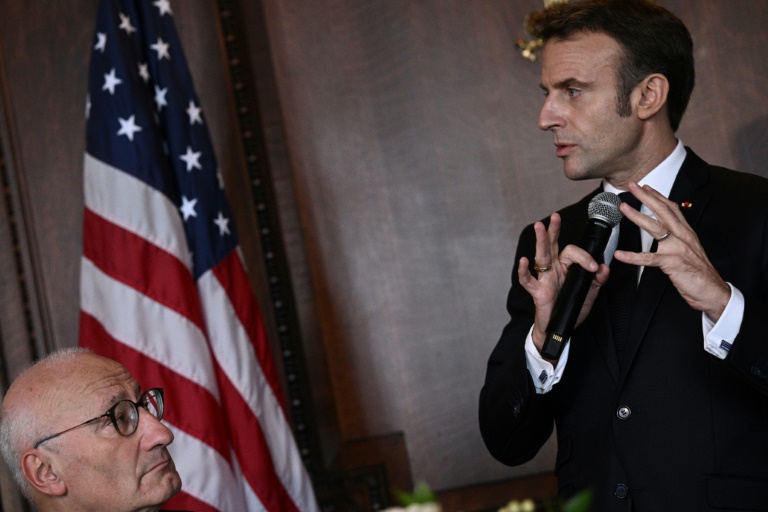
France’s President Emmanuel Macron fired a volley at his American hosts on the first day of a rare state visit to Washington, telling lawmakers Wednesday that US industrial subsidies are “super aggressive” against French competitors.

“This is super aggressive for our business people,” an AFP reporter heard Macron tell members of Congress and business leaders, who had invited him to lunch ahead of the main part of the state visit on Thursday, when the French leader will spend most of the day with President Joe Biden.

Macron was referring to Biden’s signature policy called the Inflation Reduction Act, which is set to pour billions of dollars into environmentally friendly industries — with strong backing for US-based manufacturers.

The White House touts the IRA legislation as a groundbreaking effort to reignite US manufacturing and promote renewable technologies, but European Union governments are crying foul, threatening to launch a trade war by subsidizing their own green economy sector.

Macron’s blunt assessment, saying he just wanted “to be respected as a good friend,” tore some of the veneer off a carefully choreographed state visit intended to celebrate historic US-French ties — and also tackle the trickier parts of the US-EU transatlantic alliance.

“I don’t want to become a market to sell American products because I have exactly the same products as you,” said Macron, stressing that France had its own middle class in need of employment.

“And the consequence of the IRA is that you will perhaps fix your issue but you will increase my problem. I’m sorry to be so straightforward,” he said.

The White House responded by insisting that the state visit is about the two presidents’ “warm relationship.”

US advances in the clean energy economy will help Europeans too, Press Secretary Karine Jean-Pierre said. The IRA “presents significant opportunities for European firms as well as benefits to EU energy security. This is not a zero sum game.”

In a speech later at the French embassy, Macron insisted on the subsidies issue and said they could become a real sticking point in US relations with Europe.

While voicing support for the environmental goals of the IRA, Macron said, “These are choices that will split the West.”

Still, Macron said US-French ties remain solid, calling on both countries to heed “the bonds that history has forged between us, an alliance stronger than anything.” 

– Frenchman on the Moon? –

Earlier, Macron joined Vice President Kamala Harris at NASA headquarters in Washington to discuss cooperation in space — and to propose the first Frenchman on the Moon.

Macron highlighted the American lunar program Artemis, whose first uncrewed test mission launched in mid-November with participation of the European Space Agency (ESA), and said “we are very keen” to join.

“It’s very important for us, as long as you can propose a French leader to fly to the Moon quite rapidly,” he told Harris, in a nod to French astronaut Thomas Pesquet, who also attended the NASA visit.

Macron’s busy schedule, which included a working lunch to discuss biodiversity and clean energy, and a visit to the historic Arlington National Cemetery, illustrated the ambitions set for the trip — the first formal state visit by a foreign leader to Washington since Biden took office nearly two years ago.

The core of the visit will be Thursday, including a White House military honor guard, Oval Office talks with Biden, a joint press conference and a banquet where Grammy-award-winning American musician Jon Batiste will perform.

The White House showed off the menu for the big dinner, which will start with butter poached Maine lobster, paired with caviar, “delicata squash raviolo” and tarragon sauce.

The main course features beef and triple cooked butter potatoes, before heading into the cheese course of award winning US brands, and finally orange chiffon cake, roasted pears with citrus sauce, and creme fraiche ice cream.

Washing all that down will be three different American wines.

– EU-US tensions –

Trade tensions, however, are only part of the uncomfortable flip side to the red carpet occasion.

Another gripe in Europe is the high cost of US liquid natural gas exports — which have surged to help compensate for canceled Russian deliveries.

There is also divergence on how to deal with the rise of superpower China. 

The question — with Washington pursuing a more hawkish tone and EU powers trying to find a middle ground — is unlikely to see much progress.
Venezuela's Maduro calls for 'complete lifting' of oil sanctions

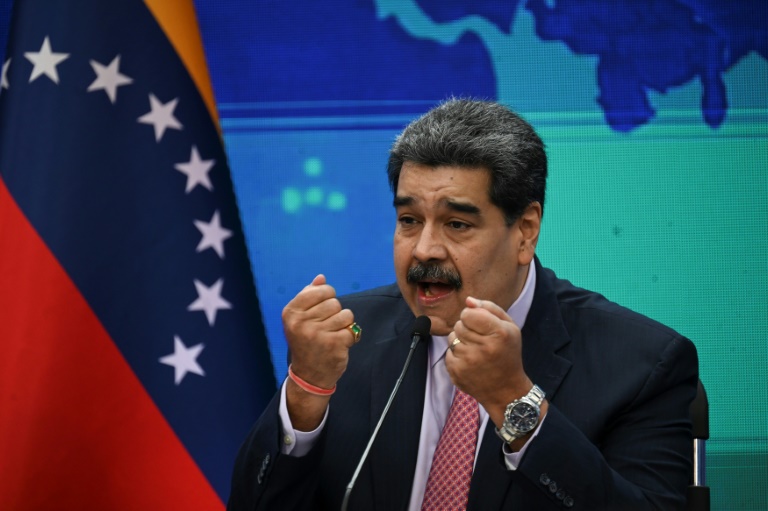
Venezuelan President Nicolas Maduro said the easing of an oil embargo on his country by the United States was not enough, and called Wednesday for the total lifting of sanctions.

The United States over the weekend granted energy giant Chevron a license to resume some oil operations in Venezuela — a step in the “right direction,” Maduro told a press conference.

But the move was “not enough for what Venezuela demands, which is the complete lifting” of sanctions against its oil industry, he said.

The US action on Saturday was in response to Maduro’s government signing a broad social accord with the Venezuelan opposition, as the two parties resumed formal negotiations on the country’s grinding political and economic crisis, and on elections set for 2024.

The deal, signed in Mexico, paves the way for the United Nations to oversee a trust fund of some $3 billion in frozen assets of the government led by Maduro, whose victory in contested 2018 elections was not recognized by Washington.

The funds will be used for social projects in the South American country, including programs related to education, health, food security, flood response and electricity.

The US Treasury Department said the accord marked “important steps in the right direction to restore democracy” in Venezuela, as it announced the six-month license to Chevron.

The relaxation of curbs on Chevron’s operations in Venezuela, which has the world’s largest oil reserves, would allow the nation to move toward re-entering global oil markets. 

International efforts to resolve the Venezuelan crisis have gained strength since Russia’s invasion of Ukraine, which paced pressure on global energy supplies.

“The idea of removing Venezuela from the world’s economic circuit was a bad idea, an extremist idea by Donald Trump, and they are paying for it, because Venezuela is part of the global energy equation,” Maduro said Wednesday.

“No matter what, we have to be there, we are a great oil power and we are going to be a gas power.”

– ‘Limited’ impact –

However, analysts told AFP there would be “limited” impact on the international market as a result of the deal due to lean production capacity. 

The joint ventures between Chevron and Venezuelan state firm PDVSA “could probably raise production in the next six months by about 50,000 to 60,000 barrels per day (bpd)” to 100,000 bpd, said Francisco Monaldi, director of the Latin American Energy Program at Rice University in Texas. 

“But then (Chevron) would have to invest to get to full capacity, which is about 220,000, and that would take about two years.”

Pilar Navarro, Latin America Analyst at Medley Global Advisors, said Chevron did not seem to have “the appetite” — nor PDVSA the funds — to inject the needed capital to boost production above the some 200,000 bpd the companies put out before sanctions.

Venezuela’s production, which two decades ago was 3.2 million bpd, remains stagnant at around 700,000 bpd this year, according to OPEC. 

The United States imported nearly 700,000 bpd from Russia in 2021, according to its energy agency, a quota impossible to cover with the Venezuelan supply capacity.

The eventual rebound in production of Chevron and PDVSA’s joint ventures is “important” for Venezuela, but “not significant for world production,” said Monaldi.

Venezuela’s political crisis has worsened since Maduro declared himself the victor of contested 2018 elections, which were widely seen as fraudulent, and generated widespread street protests.

Saturday’s accord in Mexico did not make headway on the crucial issue of the 2024 presidential election, which the opposition has demanded be free and fair.

Caracas wants the international community to recognize Maduro as the rightful president and to lift sanctions, particularly the US oil embargo and freeze on the nation’s overseas assets.

After the contested 2018 elections, almost 60 countries, including the United States, recognized opposition leader Juan Guaido as acting president.

However, Guaido’s influence has waned in recent years, and he has lost key allies both at home and in the region, where many countries have since elected leftist presidents.

US House approves bill to avert freight rail strike

Lawmakers in the US House of Representatives voted Wednesday to prevent a potentially catastrophic freight rail strike, stepping in to break an impasse between workers and executives during a critical pre-holiday period.

The bill, passed with a solid bipartisan majority, effectively forces hold-out unions to accept a September deal on increased wages, which a majority of unions had already agreed to.

The bill must now go to the Senate, where leaders of both parties have suggested they will move quickly to head off a disruption of the US rail system right before Christmas.

Congress is empowered under a 1926 law to resolve disputes between railroads and labor unions, as part of its power to regulate commerce.

President Joe Biden praised the bipartisan vote to avert a shutdown that “would devastate our economy and families everywhere,” but said the measure must pass swiftly.

“Without more action, supply chain disruptions will begin,” Biden said on Twitter. “The Senate must urgently send a bill to my desk.”

White House Press Secretary Karine Jean-Pierre told a press briefing that Biden expects the bill to reach him by next weekend.

The Biden administration had taken a hands-on approach to the long-running deadlock over a contract between organized labor and railroads, with cabinet secretaries in September participating in all-night negotiations alongside union leaders and rail executives.

After that marathon session, leaders from the two sides announced a tentative agreement.

Since that time, members of eight of the 12 rail unions approved the deal, while four voted it down.

The agreement includes a 24 percent pay increase for workers. But critics in organized labor have slammed a lack of guaranteed paid sick leave, an omission that has been seen as evidence of “unchecked corporate greed,” as one leading union put it.

In a win for organized labor, the House also backed a measure to add mandated paid sick time to the agreement, addressing the major sticking point identified by unions. 

The sick-leave measure passed on a tighter, mostly party-line vote, leaving its fate in the Senate more uncertain.

– Test for ‘Union Joe’ –

The failure of the agreement to win universal approval among the unions set the stage for a potential strike on December 9, putting the White House in an awkward spot.

Biden, who has been dubbed “Union Joe” for his strong affinity for organized labor, called on Monday for Congress to act.

His call was endorsed by numerous business groups and resonated with leading congressional Republicans, including Representative Sam Graves of Missouri, who called the prospect of a strike a “catastrophic economic disaster.”

The House voted 290-137 in favor of the resolution to enact the agreement, with 79 Republicans joining most Democrats in backing the measure.

Since Monday, at least two of the four unions that voted down the agreement have publicly criticized Biden’s stance.

The Brotherhood of Maintenance of Way Employees (BMWED), part of the Teamsters union, said it was “deeply disappointed” by the president’s action, while the Brotherhood of Railroad Signalmen also expressed disappointment as it encouraged the Biden administration “to stick to its pro-worker roots” and insist that guaranteed paid sick leave be included in the deal.

But both unions coalesced around a separate resolution championed by House Democrat Donald Payne Jr. to add seven days of paid sick leave to the agreement.

Payne, in proposing the measure, described it as “about fairness” in light of the sacrifices made by rail workers and other essential workers during the pandemic.

“Without paid sick time, railroad workers are forced to make a choice between their health, or the health of their families, and their paychecks,” Payne said.

But Graves said the existing agreement was “more than fair for rail workers.” 

Graves noted that Biden had hailed the September agreement, but “it’s now clear that the administration cannot close their own deal,” he said in urging colleagues to vote against the measure adding paid sick leave.

In the end, the resolution still passed on a largely party-line, 221-207, with all 218 Democrats present voting in support, along with three Republicans.

US House approves bill to avert freight rail strike

Lawmakers in the US House of Representatives voted Wednesday to prevent a potentially catastrophic freight rail strike, stepping in to break an impasse between workers and executives during a critical pre-holiday period.

The bill, passed with a solid bipartisan majority, effectively forces hold-out unions to accept a September deal on increased wages, which a majority of unions had already agreed to.

The bill must now go to the Senate, where leaders of both parties have suggested they will move quickly to head off a disruption of the US rail system right before Christmas.

Congress is empowered under a 1926 law to resolve disputes between railroads and labor unions, as part of its power to regulate commerce.

President Joe Biden praised the bipartisan vote to avert a shutdown that “would devastate our economy and families everywhere,” but said the measure must pass swiftly.

“Without more action, supply chain disruptions will begin,” Biden said on Twitter. “The Senate must urgently send a bill to my desk.”

White House Press Secretary Karine Jean-Pierre told a press briefing that Biden expects the bill to reach him by next weekend.

The Biden administration had taken a hands-on approach to the long-running deadlock over a contract between organized labor and railroads, with cabinet secretaries in September participating in all-night negotiations alongside union leaders and rail executives.

After that marathon session, leaders from the two sides announced a tentative agreement.

Since that time, members of eight of the 12 rail unions approved the deal, while four voted it down.

The agreement includes a 24 percent pay increase for workers. But critics in organized labor have slammed a lack of guaranteed paid sick leave, an omission that has been seen as evidence of “unchecked corporate greed,” as one leading union put it.

In a win for organized labor, the House also backed a measure to add mandated paid sick time to the agreement, addressing the major sticking point identified by unions. 

The sick-leave measure passed on a tighter, mostly party-line vote, leaving its fate in the Senate more uncertain.

– Test for ‘Union Joe’ –

The failure of the agreement to win universal approval among the unions set the stage for a potential strike on December 9, putting the White House in an awkward spot.

Biden, who has been dubbed “Union Joe” for his strong affinity for organized labor, called on Monday for Congress to act.

His call was endorsed by numerous business groups and resonated with leading congressional Republicans, including Representative Sam Graves of Missouri, who called the prospect of a strike a “catastrophic economic disaster.”

The House voted 290-137 in favor of the resolution to enact the agreement, with 79 Republicans joining most Democrats in backing the measure.

Since Monday, at least two of the four unions that voted down the agreement have publicly criticized Biden’s stance.

The Brotherhood of Maintenance of Way Employees (BMWED), part of the Teamsters union, said it was “deeply disappointed” by the president’s action, while the Brotherhood of Railroad Signalmen also expressed disappointment as it encouraged the Biden administration “to stick to its pro-worker roots” and insist that guaranteed paid sick leave be included in the deal.

But both unions coalesced around a separate resolution championed by House Democrat Donald Payne Jr. to add seven days of paid sick leave to the agreement.

Payne, in proposing the measure, described it as “about fairness” in light of the sacrifices made by rail workers and other essential workers during the pandemic.

“Without paid sick time, railroad workers are forced to make a choice between their health, or the health of their families, and their paychecks,” Payne said.

But Graves said the existing agreement was “more than fair for rail workers.” 

Graves noted that Biden had hailed the September agreement, but “it’s now clear that the administration cannot close their own deal,” he said in urging colleagues to vote against the measure adding paid sick leave.

In the end, the resolution still passed on a largely party-line, 221-207, with all 218 Democrats present voting in support, along with three Republicans.

Germany, Norway seek NATO-led hub for key undersea structures

Germany and Norway want to start a NATO-led alliance to protect critical underwater infrastructure, their leaders said on Wednesday, weeks after explosions hit two key gas pipelines in the fallout from the war in Ukraine.

“We are in the process of asking the NATO Secretary General to set up a coordination office for the protection of underwater infrastructure,” German Chancellor Olaf Scholz told a press conference in Berlin.

“We take the protection of our critical infrastructure very seriously and nobody should believe that attacks will remain without consequences,” he said.

Norwegian Prime Minister Jonas Gahr Store said the alliance would be “an informal initiative to exchange between civilian and also military actors” with NATO providing “a centre, a coordination point”.

Underwater cables and pipelines were “arteries of the modern economy” and it was necessary to create “a coordinated joint effort to ensure security for this infrastructure”, he said.

NATO Secretary General Jens Stoltenberg, who is in Berlin for a security conference, welcomed the joint proposal later on Wednesday.

“NATO has been working for many years to secure our undersea infrastructure,” he said.

“We have stepped up our efforts after the recent sabotage of the Nord Stream pipelines, and it is vital to do even more to ensure that our offshore infrastructure remains safe from future destructive acts.”

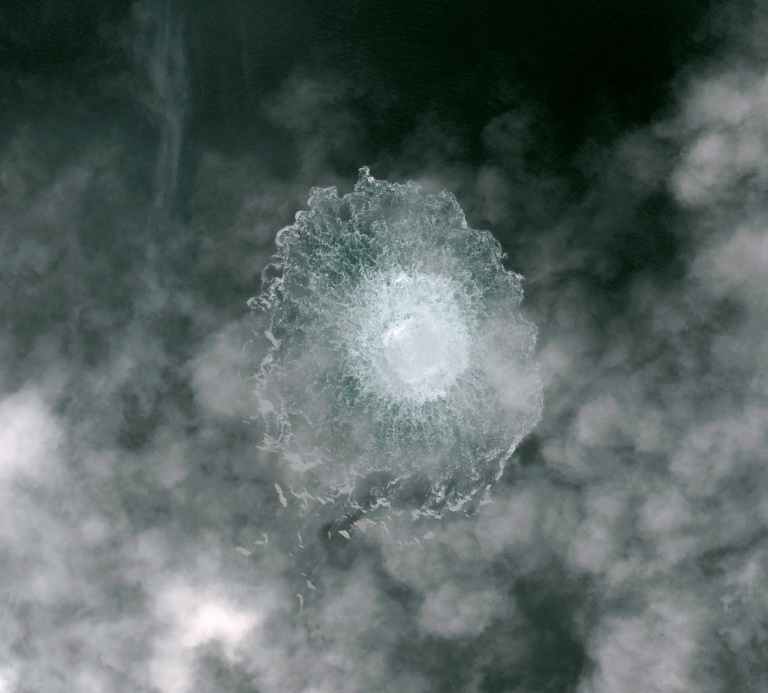
The Nord Stream 1 and 2 gas pipelines off the Danish island of Bornholm were targeted by two huge explosions at the end of September.

The pipelines, which connect Russia to Germany, had been at the centre of geopolitical tensions as Moscow cut gas supplies to Europe in suspected retaliation to Western sanctions over the invasion of Ukraine.

Although they were not in operation when the leaks occurred, they both still contained gas which spewed up through the water and into the atmosphere.

Russia and Western countries, particularly the United States, have traded bitter barbs over who is responsible for the blasts.

Several European countries have since taken steps to increase security around critical infrastructure.

The G7 interior ministers warned earlier this month at a meeting in Germany that the Nord Stream explosions had highlighted “the need to better protect our critical infrastructure”.

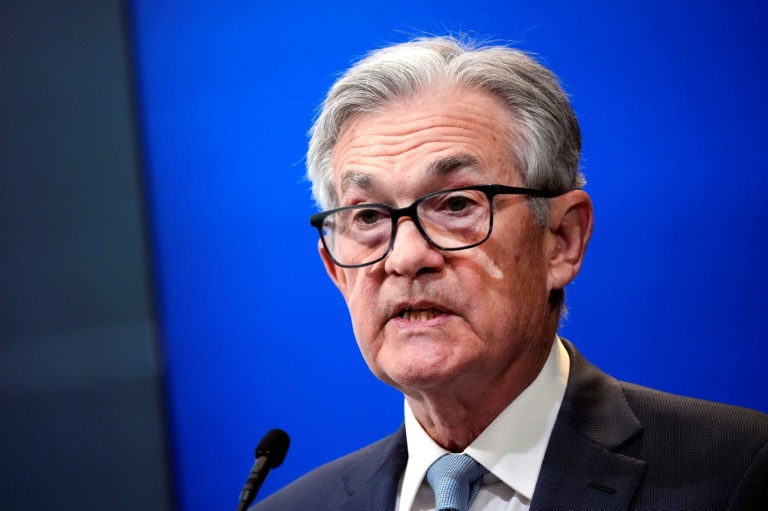
US stocks rally, dollar retreats as Powell shifts tone on rate hikes

Wall Street stocks soared and the dollar fell Wednesday after Federal Reserve Chair Jerome Powell signaled a shift from the central bank’s aggressive policy to counter inflation.

Major US indices, which had been near flat prior to Powell’s appearance, suddenly vaulted higher. 

The gains came after European bourses also advanced on better inflation data in the eurozone.

“This was the unofficial pivot the markets have been waiting for,” Forex.com’s Joe Perry said of Powell’s comments. “As a result of Powell’s dovishness, the US dollar index sold off aggressively.”

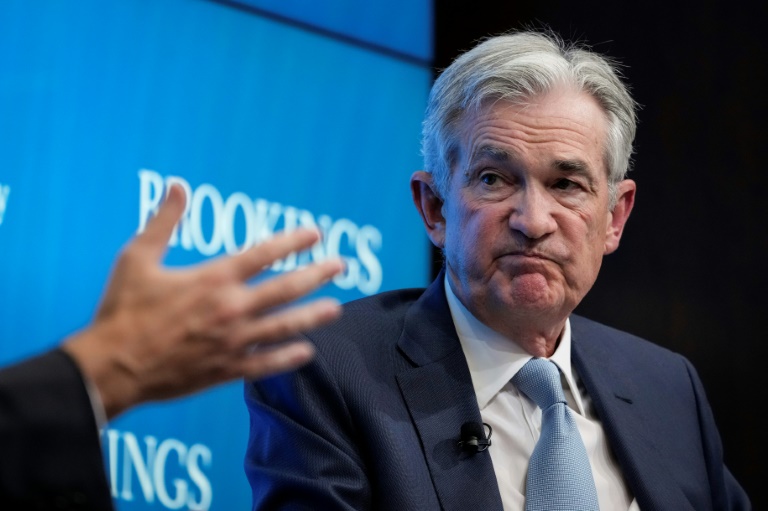
Powell, appearing at the Brookings Institution in Washington, said the Fed could ease its stance on interest rate hikes “as soon as” December when policymakers are next scheduled to meet.

He added that the full effects of the bank’s rapid tightening are yet to be felt.

“Thus, it makes sense to moderate the pace of our rate increases as we approach the level of restraint that will be sufficient to bring inflation down,” he said.

But Powell warned that policy will likely still have to remain tight “for some time” to restore price stability.

The Fed has raised the benchmark lending rate by 0.75 percentage point four consecutive times in recent months, out of six times this year, in an aggressive effort to rein in prices.

Major US indices rallied after the remarks, with the Nasdaq leading the way with a 4.4 percent surge.

The dollar also retreated as markets bet on fewer big rate hikes.

Earlier, Paris and Frankfurt both advanced after eurozone inflation eased to 10 percent in November, the first drop in 17 months, according to official data.

Analysts had expected the inflation rate in the single currency area to fall but the drop was steeper than predicted by Bloomberg and FactSet, who foresaw 10.4 percent. 

But the November figure may not convince the European Central Bank that it can stop raising interest rates, as its president Christine Lagarde has expressed scepticism that inflation has peaked.

As late as Monday, Lagarde warned: “I think that there is too much uncertainty … to assume that inflation has actually reached its peak. It would surprise me.”

The inflation figure was still “extraordinarily high” but offered “hope that inflation may have peaked and the deceleration could be faster than anticipated”, said Craig Erlam, senior market analyst at OANDA.

– ‘Intensifying headwinds’ –

In Asia, stocks mostly rebounded as investors looked past weekend demonstrations in China after officials announced moves aimed at softening the zero-Covid strategy.

But in a sign that the leadership was determined to maintain its authority, the country’s top security body called for a “crackdown” against “hostile forces”.

New clashes broke out in China’s southern city of Guangzhou on Tuesday night and into Wednesday, according to witnesses and social media footage verified by AFP.

Data showing China’s factory activity shrank further in November underscored the impact the zero-Covid approach has had on the world’s second-biggest economy.

“The headwinds facing China are intensifying and the protests of recent days could make it even more challenging to navigate… Even the best-case scenario is one of significant turbulence,” added Erlam.

– Key figures around 2140 GMT –

New York – Dow: UP 2.2 percent at 34,589.77 (close)

New York – S&P 500: UP 3.1 percent at 4,080.11 (close)

New York – Nasdaq: UP 4.4 percent at 11,468.00 (close)

London – FTSE 100: UP 0.8 percent at 7,573.05 (close)

Frankfurt – DAX: UP 0.3 percent at 14,397.04 (close)

Paris – CAC 40: UP 1.0 percent at 6,738.55 (close)

EURO STOXX 50: UP 0.8 percent at 3,964.72 (close)

Tokyo – Nikkei 225: DOWN 0.2 percent at 27,968.99 (close)

Hong Kong – Hang Seng Index: UP 2.2 percent at 18,597.23 (close)

Shanghai – Composite: UP 0.1 percent at 3,151.34 (close)

Euro/dollar: UP at $1.0408 from $1.0330 on Tuesday

Dollar/yen: DOWN at 138.03 yen from 138.63 yen

Pound/dollar: UP at $1.2052 from $1.1952

Euro/pound: DOWN at 86.34 pence from 86.42 pence

Brent North Sea crude: UP 2.9 percent at $85.43 per barrel

West Texas Intermediate: UP 3.0 percent at $80.55 per barrel

US stocks rally, dollar retreats as Powell shifts tone on rate hikes

Wall Street stocks soared and the dollar fell Wednesday after Federal Reserve Chair Jerome Powell signaled a shift from the central bank’s aggressive policy to counter inflation.

Major US indices, which had been near flat prior to Powell’s appearance, suddenly vaulted higher. 

The gains came after European bourses also advanced on better inflation data in the eurozone.

“This was the unofficial pivot the markets have been waiting for,” Forex.com’s Joe Perry said of Powell’s comments. “As a result of Powell’s dovishness, the US dollar index sold off aggressively.”

Powell, appearing at the Brookings Institution in Washington, said the Fed could ease its stance on interest rate hikes “as soon as” December when policymakers are next scheduled to meet.

He added that the full effects of the bank’s rapid tightening are yet to be felt.

“Thus, it makes sense to moderate the pace of our rate increases as we approach the level of restraint that will be sufficient to bring inflation down,” he said.

But Powell warned that policy will likely still have to remain tight “for some time” to restore price stability.

The Fed has raised the benchmark lending rate by 0.75 percentage point four consecutive times in recent months, out of six times this year, in an aggressive effort to rein in prices.

Major US indices rallied after the remarks, with the Nasdaq leading the way with a 4.4 percent surge.

The dollar also retreated as markets bet on fewer big rate hikes.

Earlier, Paris and Frankfurt both advanced after eurozone inflation eased to 10 percent in November, the first drop in 17 months, according to official data.

Analysts had expected the inflation rate in the single currency area to fall but the drop was steeper than predicted by Bloomberg and FactSet, who foresaw 10.4 percent. 

But the November figure may not convince the European Central Bank that it can stop raising interest rates, as its president Christine Lagarde has expressed scepticism that inflation has peaked.

As late as Monday, Lagarde warned: “I think that there is too much uncertainty … to assume that inflation has actually reached its peak. It would surprise me.”

The inflation figure was still “extraordinarily high” but offered “hope that inflation may have peaked and the deceleration could be faster than anticipated”, said Craig Erlam, senior market analyst at OANDA.

– ‘Intensifying headwinds’ –

In Asia, stocks mostly rebounded as investors looked past weekend demonstrations in China after officials announced moves aimed at softening the zero-Covid strategy.

But in a sign that the leadership was determined to maintain its authority, the country’s top security body called for a “crackdown” against “hostile forces”.

New clashes broke out in China’s southern city of Guangzhou on Tuesday night and into Wednesday, according to witnesses and social media footage verified by AFP.

Data showing China’s factory activity shrank further in November underscored the impact the zero-Covid approach has had on the world’s second-biggest economy.

“The headwinds facing China are intensifying and the protests of recent days could make it even more challenging to navigate… Even the best-case scenario is one of significant turbulence,” added Erlam.

– Key figures around 2140 GMT –

New York – Dow: UP 2.2 percent at 34,589.77 (close)

New York – S&P 500: UP 3.1 percent at 4,080.11 (close)

New York – Nasdaq: UP 4.4 percent at 11,468.00 (close)

London – FTSE 100: UP 0.8 percent at 7,573.05 (close)

Frankfurt – DAX: UP 0.3 percent at 14,397.04 (close)

Paris – CAC 40: UP 1.0 percent at 6,738.55 (close)

EURO STOXX 50: UP 0.8 percent at 3,964.72 (close)

Tokyo – Nikkei 225: DOWN 0.2 percent at 27,968.99 (close)

Hong Kong – Hang Seng Index: UP 2.2 percent at 18,597.23 (close)

Shanghai – Composite: UP 0.1 percent at 3,151.34 (close)

Euro/dollar: UP at $1.0408 from $1.0330 on Tuesday

Dollar/yen: DOWN at 138.03 yen from 138.63 yen

Pound/dollar: UP at $1.2052 from $1.1952

Euro/pound: DOWN at 86.34 pence from 86.42 pence

Brent North Sea crude: UP 2.9 percent at $85.43 per barrel

West Texas Intermediate: UP 3.0 percent at $80.55 per barrel

Christine McVie of Fleetwood Mac dead at 79

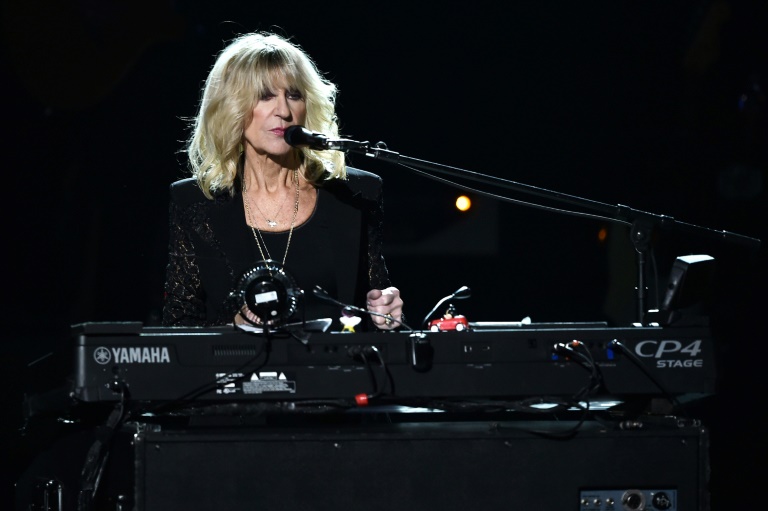
Christine McVie, the English hitmaker and keyboardist who found fame in the 1970s as a member of Fleetwood Mac, died Wednesday, the band and her family said. She was 79 years old.

A family statement posted on McVie’s social media said the artist died “peacefully” while hospitalized “following a short illness.”

In a separate statement from Fleetwood Mac, the legendary band called McVie — who joined the group behind “Rumours” in 1970 and penned a number of their hits — “truly one-of-a-kind, special and talented beyond measure.”

“She was the best musician anyone could have in their band and the best friend anyone could have in their life,” the statement continued. 

“She will be so very missed.”

Born Christine Anne Perfect on July 12, 1943 in England, the artist studying sculpture fell in with musicians in Britain’s blues scene and her nascent career in rock began.

In 1967 she joined the blues band Chicken Shack, which routinely came across Fleetwood Mac, and played piano as a session musician on a number of Peter Green’s songs off the latter band’s second album “Mr. Wonderful.”

She married member and bassist John McVie in 1968, and joined the group officially in 1970, becoming a mainstay member as a lyricist, lead vocalist and keyboardist.

When the group went stateside and added members Stevie Nicks and Lindsey Buckingham, McVie penned a number of hit songs off their 1975 self-titled album, including “Over My Head” and “Say You Love Me.”

Her biggest hit was “Don’t Stop,” off the seminal “Rumours” album, which also included her songs “Songbird” and “You Make Loving Fun,” a track about her affair with the band’s lighting director.

The McVies divorced by the end of the tour — a closing chapter to one of many of Fleetwood’s well-known, tumultuous love stories that inspired their hit music.

Despite its ever-changing lineup and juicy internal drama, Fleetwood Mac is one of the most popular and influential bands of the 1970s and 1980s.

McVie was inducted alongside fellow band members into the Rock & Roll Hall of Fame in 1998.

US rate hikes could slow 'as soon as' December: Fed chair

The Federal Reserve could ease its pace of interest rate hikes “as soon as” December, chair Jerome Powell said Wednesday, as the US central bank’s campaign to cool prices trickles through the world’s largest economy.

With American households grappling with soaring consumer costs, the Fed has waged an all-out battle to tame inflation that has hit levels not seen since the 1980s — while trying to avoid tipping the United States into a recession.

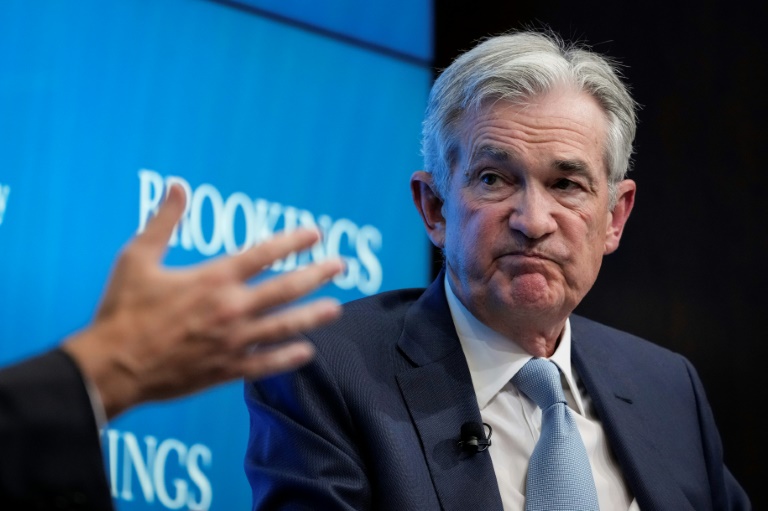
“The time for moderating the pace of rate increases may come as soon as the December meeting” of Fed policymakers, Powell said in a speech at the Brookings Institution think tank.

He added that the full effects of the bank’s moves are yet to be felt, but also warned that its policy will likely have to remain tight “for some time” to restore price stability.

Monetary policy affects the economy and inflation with “uncertain lags,” he said.

“Thus, it makes sense to moderate the pace of our rate increases as we approach the level of restraint that will be sufficient to bring inflation down,” he added.

He however stressed that the Fed would “stay the course until the job is done,” noting that history cautions strongly against loosening policy prematurely.

Following Powell’s remarks, US stocks rallied, with the tech-rich Nasdaq Composite Index surging more than three percent.

The central bank has raised the benchmark lending rate by 0.75 percentage points four consecutive times in recent months, out of six rate hikes this year in an aggressive effort to rein in prices.

The latest increase in November took the benchmark lending rate to 3.75-4.0 percent, the highest since January 2008.

– Soft landing ‘plausible’ –

Policymakers aim to put the brakes on spending by making it more costly to borrow, bringing demand more into balance with supply, which has been battered by global logistics problems and Russia’s war in Ukraine.

For now, there are early signs that prices are cooling, but annual consumer inflation remained at 7.7 percent in October, underscoring the heightened cost of living.

Powell said Wednesday that inflation remains “far too high,” and there is still a need to raise interest rates to a “sufficiently restrictive” level.

Despite tighter policy and slower growth in the past year, there is still not “clear progress” on easing inflation, he said.

But amid fears of a downturn, Powell said he continues to “believe that there’s a path to a soft or softish landing,” referring to a scenario where unemployment rises but the country avoids a severe recession.

“I think that’s very plausible,” he said.

In recent days, there has been a growing chorus of voices, including some Fed officials, advocating for smaller steps in coming months.

In separate remarks on Wednesday, Fed Governor Lisa Cook said “it would be prudent to move in smaller steps” going forward as well, as the Fed tries to bring inflation back to its longer-term target of two percent.

“Given the tightening already in the pipeline, I am mindful that monetary policy works with long lags,” she added.

Close Bitnami banner
Bitnami