US Business

Beyonce-Adele rematch set to dominate 2023 Grammys

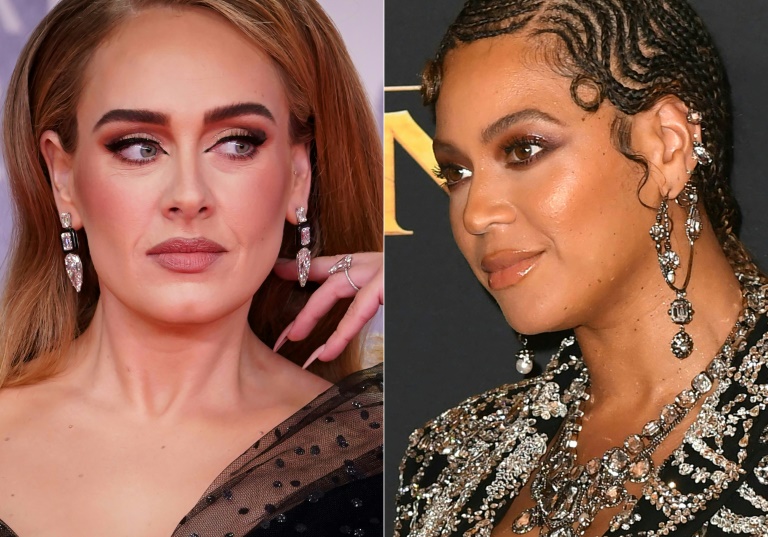
Pop royalty Beyonce and Adele will face off at the Grammys once again, after the music titans released blockbuster albums that vaulted them to the front of the list of 2023 nominees.

Beyonce leads the pack with nine chances to win during the performance-heavy ceremony on February 5 that honors the industry’s best, the Recording Academy announced Tuesday.

Rapper Kendrick Lamar notched eight nods, while Adele and fellow balladeer Brandi Carlile scored seven each.

Beyonce’s “Renaissance,” a pulsating club track collection, will face off with Adele’s introspective, ugly-cry ode “30” in the most prestigious categories — six years after the British artist shut out Queen Bey’s culture-shaking “Lemonade”.

Adele’s sweep left both women in tears, with the crooner calling Beyonce her “idol” and telling the audience her fellow megastar’s paradigm-shifting record should have won.

That contest fueled criticism that the Academy consistently fails to pay Black artists their due.

The 2023 nomination slate sees Beyonce continue on her history-making path: she moved into a tie with her husband, Jay-Z, as the most nominated artists ever with 88 each.

Already the woman with the most Grammys, Beyonce could overtake classical conductor Georg Solti for the most wins by any artist, with four victories; she’s already tied for second place with music power player Quincy Jones.

– Bad Bunny, Mary J and Taylor redux –

After years of pandemic-induced delays and scalebacks, the 65th annual Grammys will head to Los Angeles early next year for what looks primed to be the Recording Academy’s most star-studded gala in recent memory.

Bad Bunny, indisputably the world’s biggest commercial artist, came away with three nominations for his major drop “Un Verano Sin Ti,” which is in the running for Album of the Year.

It’s the first time an all Spanish-language album has a chance at that coveted award, and the Puerto Rican reggaeton megastar’s first time landing a solo nomination in the major Grammy categories.

R&B legend Mary J. Blige won a surprise six nominations off her album “Good Morning Gorgeous.” She is tied with rapper Future, who dominated the rap categories, and DJ Khaled, for his album “God Did.”

Pop juggernaut Harry Styles, who the Academy has repeatedly snubbed, will also vie for six awards, including alongside Beyonce, Lamar, and Adele for Record and Album of the Year.

Beyonce’s “Renaissance” was a boon for songwriters, including Terius “The-Dream” Gesteelde-Diamant, who received six nominations thanks to his work on the album.

Lizzo and Doja Cat also figure among the top nominees, cementing their status as Grammy regulars.

Taylor Swift — who’s been making good on a vow to re-record her first six albums so she can control the rights to them — returned to her country roots by earning one of the genre’s down-ballot nominations for “I Bet You Think About Me (Taylor’s Version) (From the Vault).” 

She also snagged a nod for best music video, and another in the prestigious Song of the Year contest, which celebrates songwriters, for her 10-minute version of “All Too Well.”

The song came out in 2012 on Swift’s album “Red,” but qualified for inclusion because the expanded version contained more than 50 percent new material.

“I want to ramble about the magic and mystery of time and fate and reclaiming my art but instead I think I’ll go scream for ten minutes straight,” the artist posted in her Instagram stories. 

– Surprises and snubs –

The Best New Artist field was once again one of the ballot’s most eclectic, featuring Brazil’s Anitta, Mexican-American Omar Apollo, and Eurovision winners Maneskin, who hail from Italy.

The Academy — comprised of music-makers including artists, composers and engineers — also honored a coterie of the industry’s enduring stars, with Bonnie Raitt, Willie Nelson and ABBA garnering a handful of nominations each.

Familiar faces cropped up in the global categories, including Angelique Kidjo and Burna Boy, while South Korea’s boy band sensation BTS — who earlier this year declared they were taking a hiatus — will vie once again for their first elusive Grammy.

After complaining that her song “Super Freaky Girl” was moved from the rap categories to pop, Nicki Minaj didn’t make it into either.

Silk Sonic’s Bruno Mars and Anderson .Paak — who scooped both Record and Song of the Year in 2022 — meanwhile abstained from submitting work from their 1970s easy listening project this time around. 

Meanwhile, the Weeknd continued to boycott the awards after being left out in 2021.

And it wouldn’t be the Grammys without a few amusing morsels: icon Neil Young will compete against pop stars including Adele, Billie Eilish and Justin Bieber for top music film.
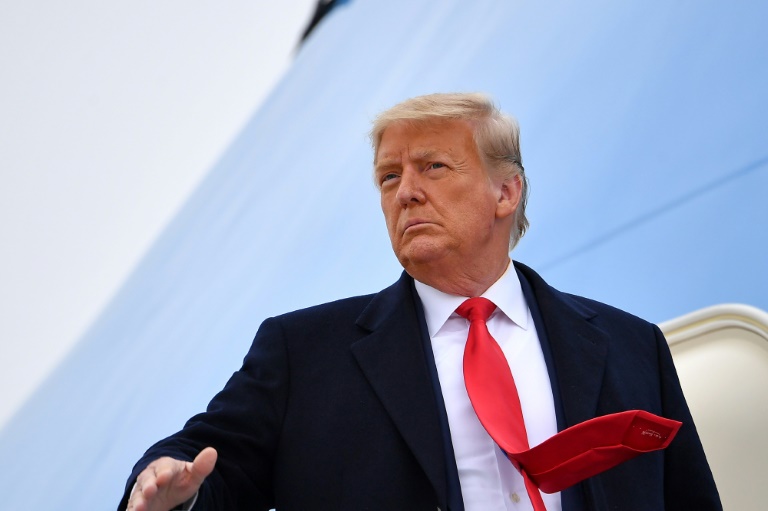
Donald Trump: the art of the comeback?

From his earliest business days, Donald Trump has always wanted to be the center of attention.

Now the former president has put himself firmly back at the top of the agenda — brushing off a lackluster midterm showing by his loyalists, and pulling the trigger on a third run for the White House in 2024.

To millions of passionate backers, the 76-year-old is the man who broke the mold, defying the political system to champion what he dubbed the “forgotten men and women” of middle America.

To many others, Trump broke the country — and now threatens to break it again as he attempts to reconquer the presidency.

“America’s comeback starts right now,” Trump told cheering supporters at his Mar-a-Lago resort, as he formally announced his candidacy.

The Republican’s first term began in 2017 with a dark inaugural address evoking “American carnage.”

It ended in mayhem when the former real estate entrepreneur with dyed blond hair refused to accept his defeat by Joe Biden, and then stoked supporters to storm Congress on January 6, 2021.

In office, Trump upended every norm, ranging from the trivial (what got planted in the Rose Garden) to the fundamental (relations with NATO).

And as an ex-president, his wrecking ball political presence continued to dominate an increasingly far-right Republican Party.

Entangled in mounting legal woes, he pushed his 2020 election lies ever more vigorously — arguably sabotaging his party’s midterm performance by backing an army of election-denying candidates, who fared dismally.

But Trump proved undeterred by the rumblings of dissent in his party, as he threw his hat back into the ring for 2024.

– At first, they laughed –

When the FBI searched his Mar-a-Lago residence in Florida this summer to retrieve top secret documents that Trump had allegedly pilfered on his way out of the White House, opponents thought his time was really up — that criminal charges and even prison awaited.

A probe into his attempt to overturn the 2020 election could also potentially result in charges.

But supporters embrace Trump’s insistence that he is somehow suffering on their behalf.

“The political persecution of President Donald J. Trump has been going on for years,” Trump wrote on his Truth Social platform, which he launched to circumvent his Twitter ban.

“I restored power to the people, and truly delivered for our Country, like we have never seen before. The establishment hated it.”

Back in 2016, many Americans literally laughed at the idea of a future Trump White House.

Yet he defeated Democratic heavyweight Hillary Clinton.

When Democrats launched two impeachment proceedings, the Republican Party backed him to the hilt. He was acquitted both times.

Offstage turmoil that might sink an ordinary presidency — court battles with a porn star, the jailing of his lawyer — only fueled Trump’s message of grievance and aggression.

Journalists became the “enemy of the people.” Intelligence services and the FBI were demonized as the “deep state.” Opponents in Congress were variously branded “crazy” and treasonous.

As Trump had tweeted in 2012, “when someone attacks me, I always attack back… except 100x more.” 

On the world stage, it was the same story. Trump turned US alliances into cut-throat business relationships.

Friendly partners like South Korea, Germany and Canada were accused of trying to “rip us off.”

US foes and rivals like North Korea and China were invited to negotiate in dramatic, if patchy, diplomatic initiatives where Trump cast himself in the starring role.

– Autocratic drift? –

Prior to 2016, he was famous mostly for the ruthless character he played on the reality TV show “The Apprentice,” for developing luxury buildings and golf clubs, and for his former fashion model wife Melania.

But academics noted parallels between Trump’s evolution as a politician and those of autocrats in countries where democratic institutions exist only as facades.

He relished the controversy, joking — he said he was joking, at least — about changing the constitution to stay in power indefinitely. “It drives them crazy,” he said gleefully.

He also mused — or was it a joke? — about being added to the monumental Mount Rushmore sculptures, alongside George Washington, Thomas Jefferson, Theodore Roosevelt and Abraham Lincoln.

But as the Covid tragedy spiraled, Trump looked inept, granting Biden an opening. The Democrat’s old-school ways and calming centrist message propelled him to a comfortable majority.

Facing defeat as the 2020 results came in, Trump pulled the trigger.

“If you count the legal votes, I easily win,” he declared in the White House right after the election, unleashing an unprecedented challenge to US democracy that would climax in the January 6 violence.

Disgrace looked assured, and the Trump story looked over — but it wasn’t. And he is back for more.

Trump said a lot of things about himself. Many of them — The Washington Post counted more than 30,000 false or misleading claims — were untrue.

One typically brazen claim, though, was hard to contest: “There’s never been a president like President Trump.”

Poland military on alert after 'Russian-made' missile blast

Poland put its military on high alert Tuesday after what the country’s president said was “most probably” a strike by a Russian-made missile.

Western leaders were scrambling to respond to the potentially major escalation of the war in Ukraine, with an “emergency roundtable” due to be held Wednesday on the sidelines of the G20 summit in Indonesia.

Warsaw said the missile killed two people in the village of Przewodow but did not have conclusive evidence of who fired it, adding that Moscow’s ambassador has been summoned to provide “immediate detailed explanations”.

Poland put its military on heightened alert after an emergency national security council meeting.

“There has been a decision to raise the state of readiness of some combat units and other uniformed services,” spokesman Piotr Muller told reporters after the meeting in Warsaw, adding that “our services are on the ground at the moment working out what happened.”

President Joe Biden spoke by phone with his Polish counterpart Andrzej Duda, offering “full US support for and assistance with Poland’s investigation”, the White House said.

The two leaders agreed to “remain in close touch to determine appropriate next steps as the investigation proceeds”, it added.

British Prime Minister Rishi Sunak, German Chancellor Olaf Scholz and French President Emmanuel Macron — all leaders of NATO member states — expressed solidarity with Poland.

Poland is protected by NATO’s commitment to collective defence — enshrined in Article 5 of its founding treaty — but the alliance’s response will likely be heavily influenced by whether the incident was accidental or intentional.

Biden also spoke with NATO chief Jens Stoltenberg about the blast in Poland, while ambassadors from the alliance were to hold an emergency meeting on Wednesday.

European Union chief Charles Michel said he was “shocked”, and US Secretary of State Anthony Blinken pledged to “remain closely coordinated in the days ahead as the investigation proceeds and we determine appropriate next steps”.

Ukrainian President Volodymyr Zelensky had earlier said two Russian missiles hit Poland in what he described as “a very significant escalation.”

Ukraine’s Foreign Minister Dmytro Kuleba rejected as a “conspiracy theory” the idea that the Poland blast may have been caused by a surface-to-air missile fired by Kyiv’s forces, while Russia’s defence ministry dismissed reports that it was to blame as a “provocation” intended to escalate tensions.

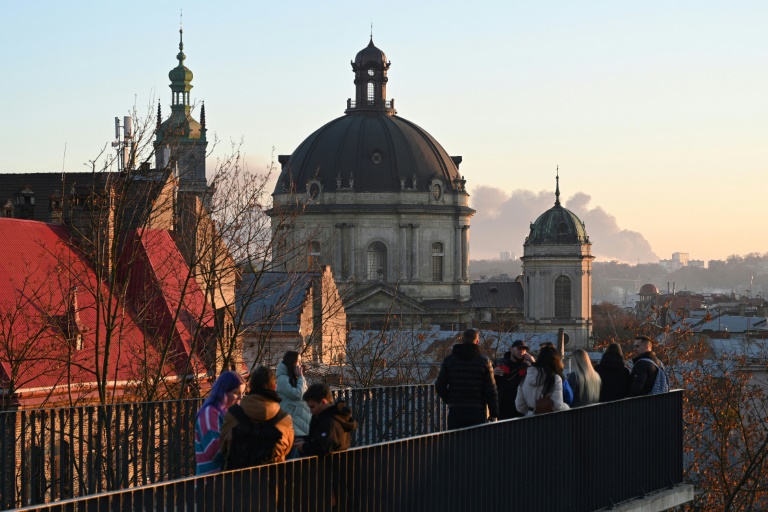
The explosion came after Russian missiles hit cities across Ukraine on Tuesday, including Lviv, near the border with Poland.

Zelensky said the strikes cut power to some 10 million people, though it was later restored to eight million of them, and also triggered automatic shutdowns at two nuclear power plants.

He said Russia had fired 85 missiles at energy facilities across the country, condemning the strikes as an “act of genocide” and a “cynical slap in the face” of the G20.

Moldova, which also borders Ukraine, reported power cuts because of the missiles fired at its neighbour and called on Moscow to “stop the destruction now”.

– ‘Now is the time’ –

Zelensky told the G20 summit in Bali on Tuesday that “now is the time” to end the war, while Washington said the Russian strikes in Ukraine would “deepen the concerns among the G20 about the destabilising impact of Putin’s war”.

White House National Security Advisor Jake Sullivan said Russia was again trying to destroy Ukrainian critical infrastructure.

Since September, Ukraine forces have been pushing deeper into the south. Russia last week announced a full withdrawal from the regional capital of the southern Kherson region, allowing Ukraine’s forces to re-enter the city.

Tuesday’s missile strikes came after Russia-appointed officials in Nova Kakhovka said they were leaving the important southern city, blaming artillery fire from Kyiv’s forces.

They also claimed “thousands of residents” had followed their recommendation to leave to “save themselves”, saying Kyiv’s forces would seek “revenge on collaborators”.

– Key dam at risk –

Nova Kakhovka sits on the eastern bank of the Dnipro River, now a natural dividing line between Ukrainian forces that retook Kherson city on the west side and Russia’s forces on the opposing bank.

It is also home to the Kakhovka hydroelectric dam, which was captured in the beginning of the invasion because of its strategic importance supplying the Moscow-annexed Crimean peninsula.

The Russian-controlled dam is a particular focus now after Zelensky accused Russian troops of planning to blow it up to trigger a devastating flood.

Any defects in the dam would cause water supply problems for Crimea, which has been under Russian control since 2014 and which Ukraine hopes to recapture.

Russian forces said last week that a Ukrainian strike had damaged the dam.

The Russian-appointed head of the occupied part of the Kherson region, Vladimir Saldo, said Tuesday the dam was no longer operating.

“The situation is more dangerous — not with electricity generation — but with the dam itself, which, in the event of an explosion, would flood a fairly large area,” he said on state-run television channel Rossiya-24, according to Russian agencies.

'Like Christmas morning': Fervent Trump supporters await big announcement

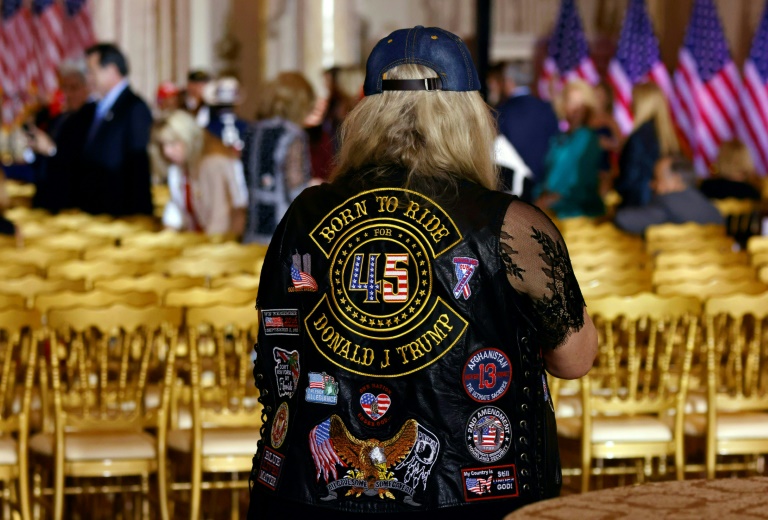
Waving flags and adorned in Donald Trump paraphernalia from head to toe, thousands of die-hard supporters of the former US president waited for hours outside his Mar-a-Lago home in Florida with bated breath.

They are desperate to hear Trump announce he will run for president again in 2024.

“I am super excited. I feel like it’s almost Christmas morning, and Santa Claus is coming,” said a grinning Stacey Bovasso, 54.

“Donald J. Trump is our president, and we need him back.”

Many like Bovasso, who works for a tech company, took the day or afternoon off to attend the announcement.

Most are convinced that Trump actually won the 2020 election, and it was stolen from him due to fraud — an unfounded claim the multi-millionaire has clung to and used to fire up his support base.

Daniel Thibault, a 41-year-old waiter who traveled 170 miles (280 kilometers) from Tampa in western Florida, does not doubt what happened in the last election.

“The next one is the third election (Trump) is going to win. He just got cheated in the last one.”

On a bridge leading to the former president’s luxury residence, a group waves flags reading “Trump 2024 – Take America Back” and “Communism sucks”.

The mood is festive, and a loudspeaker booms with the usual tunes of Republican rallies, such as Bruce Springsteen’s “Born in the USA”.

Trump’s most ardent backers believe the country is in danger, hurtling into decline, and that Donald Trump is their only savior.

“This new administration is destroying America and everything it stands for,” said Eric Pardi, 54, a painter. “They’re destroying our national independence, our border, our economy, and our law and order.”

To him, the only solution is for Trump to return to the White House.

“That man loves this country and stands for it, and that’s what a president should be, somebody who stands and defends our Constitution,” he says.

Stephanie Liu, an American citizen born in China, is even more fired up for the real-estate magnate.

“He is chosen by God to fight for our country. His patriotism inspires us to support him,” said the 50-year-old social worker who traveled to Florida from New York.

As if to contradict her, an advertising plane flew above Mar-a-Lago with a banner reading: “You lost again Donald. DeSantis 2024.”

Florida governor Ron DeSantis, seen by many as Trump’s main rival in 2024, has significant support in his home state. But, some say he should wait his turn.

“I love Ron DeSantis. But he needs to stay as our governor. And then once Trump is done with his term, then it will be his time, and I believe that’s the way that it should be,” said businesswoman Karen Reinhart, 60.

Meanwhile, 58-year-old Debbie Mecchia is tempering her expectations.

“I wouldn’t say I was nervous, but there’s always that aspect that his announcement may not be what we all think it is. But, I mean, we’re excited, we’re hoping, you know, he does say that he’s running for president in 2024.”

India fact-checkers face threats, jail in misinformation fight

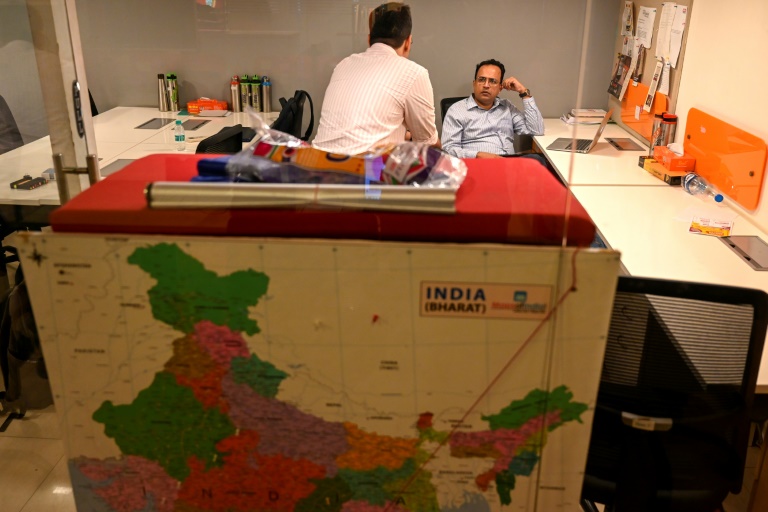
Hunched over laptops in small office cubicles, a group of Indian fact-checkers is on the frontlines of a war against misinformation, braving online abuse and legal threats.

India has the world’s largest number of certified fact-checking organisations, but many feel outnumbered and outgunned in a country with hundreds of millions of internet users and a climate of growing religious intolerance, hate speech and declining press freedom.

BOOM Live is among the organisations methodically debunking some of the tsunami of falsehoods, but their efforts can feel like a drop in the bucket.

“It’s an unequal fight,” Jency Jacob, managing editor of BOOM Live, told AFP in the firm’s cramped office in a defunct Mumbai industrial complex.  

“Fact-checkers are always going to be the underdogs who are going to fight this out… with limited resources.”  

On a recent workday in October, Jacob huddled with his small team as an air conditioner blasted cool air and a generator hummed in the background.  

The team scoured WhatsApp groups –- a leading source of misinformation in India -– and trawled the internet for potential stories to debunk: a politician claiming religious minorities were the biggest users of condoms; rumours that the central bank had misplaced bank notes worth millions; footage showing a political party’s rally drew fewer crowds than it claimed.  

– ‘Harassment’ –  

BOOM, which launched in 2016 and has 15 fact-checkers across India, has its task cut out in a country where hundreds of millions of smartphones, low data costs and a lack of digital literacy have accelerated the spread of internet falsehoods.  

Press freedom in the world’s biggest democracy is also increasingly under attack under Hindu nationalist Prime Minister Narendra Modi, activists say. 

India fell eight spots this year to 150 out of 180 countries in the World Press Freedom Index compiled by Reporters Without Borders.  

Fact-checkers are no exception. They say they are increasingly experiencing vicious trolling and online abuse, especially when tackling posts that seek to inflame religious hatred.  

Geeta Seshu, co-founder of Indian media watchdog Free Speech Collective, points the finger at a motivated right wing as well as vigilante groups who know they have been caught out.  

“(They are) worried that they (the fact-checkers) have managed to very successfully and very quickly point out the kind of disinformation and fake news that is being put out,” Seshu told AFP.  

A growing number of fact-checkers face “targeted harassment and threats of litigation”, Enock Nyariki of the International Fact-Checking Network (IFCN) at the Poynter Institute in the United States told AFP.  

In June, Mohammed Zubair, co-founder of fact-checking organisation Alt News and a prominent thorn in the side of Modi’s government, was jailed after an anonymous Twitter user accused him of insulting a Hindu god in a four-year-old tweet.  

Amid a torrent of abuse by right-wing campaigners, he was granted bail weeks later after battling a pile of cases that left him shuttling between various courts.

Pratik Sinha, the other co-founder of Alt News, said the court battle as well as a slew of defamation notices had added to the financial burden of his organisation, which is entirely funded by donor contributions.  

Sinha alleged that those giving money feared retribution after a fintech firm handling the payment gateway to receive donations shared donor data with police following Zubair’s arrest.  

“Many (donors) have asked: ‘Is there a way we could give you money indirectly?'” Sinha told AFP.  

– ‘Psychological impact’ –    

India, with a population of 1.4 billion people, has 17 IFCN-certified fact-checking organisations, the most of any country. The United States by comparison has 12.

But the proliferation of misinformation — in hundreds of regional languages — has massively outpaced the growth in fact-checking operations. 

The consequences of viral misinformation can be deadly. In 2018, dozens of people were killed in a series of lynchings that rocked the country after false rumours of child kidnapping spread on smartphones.

A 2019 study by Microsoft said India had more internet hoaxes and falsehoods than the rest of the world. It showed that 64 percent of Indians had encountered “fake news” compared with a global average of 57 percent.  

As in other countries, Indian fact-checkers operate in an ecosystem where internet lies travel faster than truth, and posts peddling misinformation often get more traction than real news.  

BOOM’s recent debunking of false reports of a coup in China –- fuelled by multiple Indian accounts as well as some mainstream television channels — highlighted the disturbing reality of misinformation profiteers.  

The baseless rumour got so much traction that some online retailers began using the #Chinacoup hashtag to boost posts advertising furniture, cooking ware and appliances, further propelling the lie.

Facing growing pressures, Seshu noted the “psychological impact” on fact-checkers, especially as the job often involves poring over graphic content for long hours.

“It’s not easy,” Seshu said.  

Estee Lauder agrees to buy Tom Ford brand for $2.3 bn

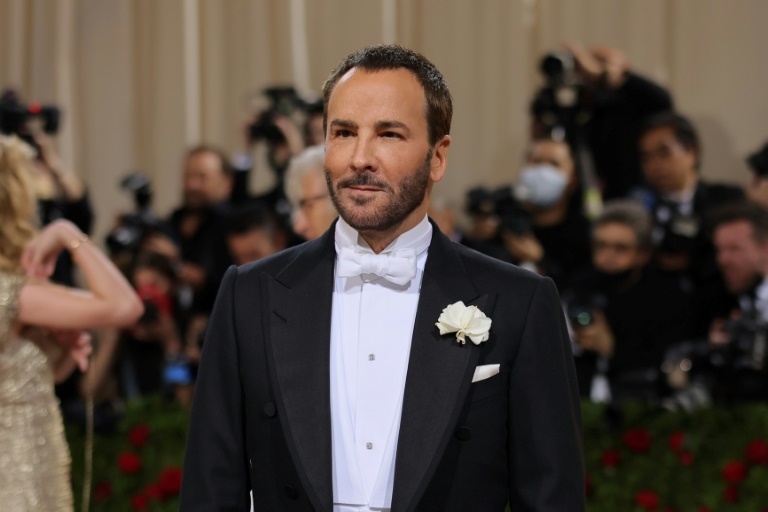
Luxury beauty brand Estee Lauder said in a statement Tuesday it had agreed to buy designer Tom Ford’s company for $2.3 billion. 

The deal, which values Ford’s business at $2.8 billion, will see the US fashion superstar remain in his position as creative director until the end of next year, the statement said. 

Bringing the brand under the “stewardship” of Estee Lauder Companies (ELC) “will allow for continuity and the further evolution of the Tom Ford brand as one of the preeminent global luxury brands of the twenty-first century,” New York-based ELC said in its statement.

The deal includes the Tom Ford Beauty cosmetics and fragrance collection, with which Estee Lauder already has a licensing agreement until 2030.

Estee Lauder also holds major brands such as MAC cosmetics, Clinique and La Mer facial products, and Aveda.

The group expects Tom Ford Beauty to hit sales of one billion dollars a year within two years, betting on the success of its luxury perfumes in the United States and China.

“We are incredibly proud of the success Tom Ford Beauty has achieved in luxury fragrance and makeup and its dedication to creating desirable, high-quality products for discerning consumers around the world,” head of Estee Lauder Companies Fabrizio Freda said in the statement.

“This strategic acquisition will unlock new opportunities and fortify our growth plans for Tom Ford Beauty,” he added.

The deal also includes licenses for the brand’s men’s and women’s fashion lines, eyewear label and accessories and underwear divisions, according to the statement.

– Intellectual property rights –

The purchase of Tom Ford will grant Estee Lauder intellectual property rights to all of its lines.

The company will no longer have to pay royalties for Tom Ford Beauty and will be able to take advantage of new revenue sources by granting its own licenses.

The agreement notably provides for the extension and expansion of the license granted by Tom Ford to Ermenegildo Zegna for clothing, accessories and underwear lines. 

The license currently granted to Marcolin for Tom Ford glasses will also be extended.

“I could not be happier with this acquisition as The Estee Lauder Companies is the ideal home for the brand,” 61-year-old Ford said in the statement. 

Domenico De Sole, chairman of Tom Ford International, will remain at the company as a consultant until Ford leaves at the end of 2023, the ELC statement said. 

Ford, who first launched his brand in 2005, is the current head of the Council of Fashion Designers of America. 

He launched film production company Fade to Black in 2005, and previously worked as creative director at Gucci and Yves Saint Laurent in the 1990s and early 2000s.

According to the Wall Street Journal, other groups had been in the running to purchase Tom Ford, including French company Kering which holds the Gucci, Saint Laurent and Balenciaga brands.

Estee Lauder agrees to buy Tom Ford brand for $2.3 bn

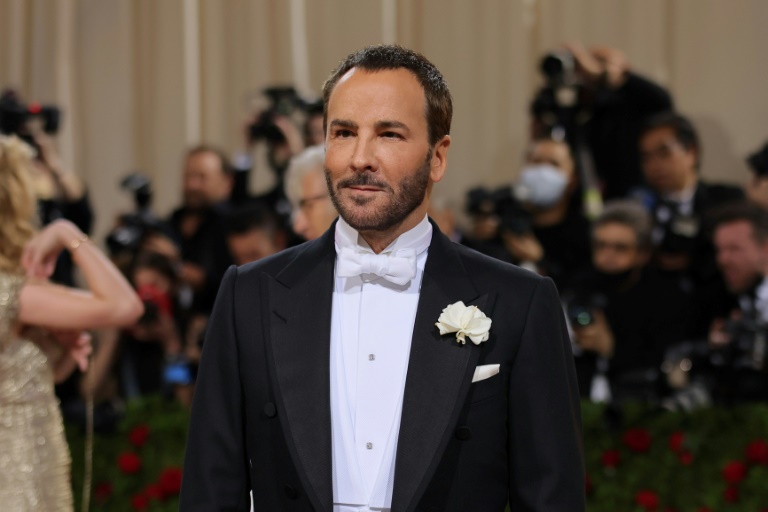
Luxury beauty brand Estee Lauder said in a statement Tuesday it had agreed to buy designer Tom Ford’s company for $2.3 billion. 

The deal, which values Ford’s business at $2.8 billion, will see the US fashion superstar remain in his position as creative director until the end of next year, the statement said. 

Bringing the brand under the “stewardship” of Estee Lauder Companies (ELC) “will allow for continuity and the further evolution of the Tom Ford brand as one of the preeminent global luxury brands of the twenty-first century,” New York-based ELC said in its statement.

The deal includes the Tom Ford Beauty cosmetics and fragrance collection, with which Estee Lauder already has a licensing agreement until 2030.

Estee Lauder also holds major brands such as MAC cosmetics, Clinique and La Mer facial products, and Aveda.

The group expects Tom Ford Beauty to hit sales of one billion dollars a year within two years, betting on the success of its luxury perfumes in the United States and China.

“We are incredibly proud of the success Tom Ford Beauty has achieved in luxury fragrance and makeup and its dedication to creating desirable, high-quality products for discerning consumers around the world,” head of Estee Lauder Companies Fabrizio Freda said in the statement.

“This strategic acquisition will unlock new opportunities and fortify our growth plans for Tom Ford Beauty,” he added.

The deal also includes licenses for the brand’s men’s and women’s fashion lines, eyewear label and accessories and underwear divisions, according to the statement.

– Intellectual property rights –

The purchase of Tom Ford will grant Estee Lauder intellectual property rights to all of its lines.

The company will no longer have to pay royalties for Tom Ford Beauty and will be able to take advantage of new revenue sources by granting its own licenses.

The agreement notably provides for the extension and expansion of the license granted by Tom Ford to Ermenegildo Zegna for clothing, accessories and underwear lines. 

The license currently granted to Marcolin for Tom Ford glasses will also be extended.

“I could not be happier with this acquisition as The Estee Lauder Companies is the ideal home for the brand,” 61-year-old Ford said in the statement. 

Domenico De Sole, chairman of Tom Ford International, will remain at the company as a consultant until Ford leaves at the end of 2023, the ELC statement said. 

Ford, who first launched his brand in 2005, is the current head of the Council of Fashion Designers of America. 

He launched film production company Fade to Black in 2005, and previously worked as creative director at Gucci and Yves Saint Laurent in the 1990s and early 2000s.

According to the Wall Street Journal, other groups had been in the running to purchase Tom Ford, including French company Kering which holds the Gucci, Saint Laurent and Balenciaga brands.

Musk delays Twitter relaunch after fake account frenzy

Twitter’s new owner Elon Musk on Tuesday postponed the relaunch of the site’s paid subscription service after a first attempt saw an embarrassing spate of fake accounts that scared advertisers.

“Punting relaunch of Blue Verified to November 29th to make sure that it is rock solid,” Musk tweeted, delaying his new revamp, originally promised for Tuesday, by two weeks.

The bid for more time came after authentic-looking fake accounts proliferated on the website that Musk bought for $44 billion late last month, throwing his plans into chaos.

This forced Twitter last week to suspend the new paid checkmark system and reinstate a gray “official” badge on accounts belonging to public figures and major businesses.

In an apparent attempt to avoid a repeat of the problem, Musk tweeted that in the new release, “changing your verified name will cause loss of checkmark until name is confirmed by Twitter to meet Terms of Service.”

In the original revamp users in the US could pay eight dollars for the verified checkmark and were left free to change their account names and impersonate existing accounts, attracting mischief.

Musk’s overhaul of Twitter had already been the subject of heavy criticism after he fired half of the company’s 7,500-strong staff and saw major advertisers suspend ad buys amid the chaos.

Firings this week continued at the platform, with one senior engineer dismissed via a tweet by Musk after he questioned his new policies. 

US media reports said about a dozen employees were let go in recent days after openly questioning decision-making by Musk, who has called himself a “free speech absolutist”.

Musk has radically changed the company’s culture since taking it over on October 27. 

He has scrapped a highly popular work from home policy, imposed long hours and centralized authority around a small group of confidantes, including his personal lawyer.

Musk delays Twitter relaunch after fake account frenzy

Twitter’s new owner Elon Musk on Tuesday postponed the relaunch of the site’s paid subscription service after a first attempt saw an embarrassing spate of fake accounts that scared advertisers.

“Punting relaunch of Blue Verified to November 29th to make sure that it is rock solid,” Musk tweeted, delaying his new revamp, originally promised for Tuesday, by two weeks.

The bid for more time came after authentic-looking fake accounts proliferated on the website that Musk bought for $44 billion late last month, throwing his plans into chaos.

This forced Twitter last week to suspend the new paid checkmark system and reinstate a gray “official” badge on accounts belonging to public figures and major businesses.

In an apparent attempt to avoid a repeat of the problem, Musk tweeted that in the new release, “changing your verified name will cause loss of checkmark until name is confirmed by Twitter to meet Terms of Service.”

In the original revamp users in the US could pay eight dollars for the verified checkmark and were left free to change their account names and impersonate existing accounts, attracting mischief.

Musk’s overhaul of Twitter had already been the subject of heavy criticism after he fired half of the company’s 7,500-strong staff and saw major advertisers suspend ad buys amid the chaos.

Firings this week continued at the platform, with one senior engineer dismissed via a tweet by Musk after he questioned his new policies. 

US media reports said about a dozen employees were let go in recent days after openly questioning decision-making by Musk, who has called himself a “free speech absolutist”.

Musk has radically changed the company’s culture since taking it over on October 27. 

He has scrapped a highly popular work from home policy, imposed long hours and centralized authority around a small group of confidantes, including his personal lawyer.

Stocks push higher on reassuring US inflation data

Global markets pushed higher on Tuesday, boosted by encouraging data and earnings reports suggesting resilience in the US economy and showing inflation may be slowing.

But Wall Street retreated from the day’s highs after reports of a missile strike in Poland.

NATO and the Pentagon said they were looking into unconfirmed reports that two Russian missiles had landed inside NATO-member Poland. 

The news sent US stocks lower but major indices recovered ground by the closing bell, and the broad-based S&P 100 gained 0.9 percent.

Moves by China to shore up its economy also boosted sentiment, while the dollar continued to fall back following data showing US wholesale price inflation eased last month — lifting hopes the central bank could slow its pace of interest rate hikes.

Stocks have taken a beating in recent months as the US Federal Reserve and other central banks aggressively raised borrowing costs, and after statements by policymakers who say they are ready to push economies into recession if necessary to bring inflation down.

But markets rallied late last week on indications that US consumer price inflation may be moderating.

And data released Tuesday showed the producer price index, which measures wholesale costs, rose far slower than analysts expected.

“While Fed officials have been at pains to push back on the narrative that inflation may well have peaked, the numbers appear to be speaking for themselves,” said market analyst Michael Hewson at CMC Markets.

“Fed officials may well be urging caution but investors already appear to have made up their minds,” he added.

Top retailer Walmart, a bellwether for shifts in consumer activity, also posted encouraging third quarter results with rising sales and better-than-expected earnings.

It announced a $20 billion share buyback, sending its shares up by nearly seven percent at close.

But Jack Ablin of Cresset Capital cautioned that recent trading days saw strong gains at the beginning and a loss of momentum at the end is “not a good sign” since it could reflect some caution among institutional investors.

“We really had a trifecta of information between retail and PPI and the China reopening story, and you would think that would be a recipe for a bull market, but institutional investors don’t agree,” he told AFP.

European stocks were mostly higher in afternoon trading, with an improvement in German investor sentiment helping eurozone stocks, while London’s blue-chip FTSE 100 index was penalized by the strong pound.

In Asia trading, China’s move to ease some strict Covid-19 restrictions and provide much-needed support to its beleaguered property sector helped support sentiment.

Hong Kong rose more than four percent and Shanghai closed in positive territory.

There has also been a boost in optimism for thawing relations between Washington and Beijing, after talks between US President Joe Biden and China’s top leader Xi Jinping on the sidelines of the G20 summit in Indonesia.

While there remain differences on hot-potato issues such as Taiwan, the sides found common ground on the Ukraine conflict, climate and the need to avoid another Cold War.

Oil prices initially slid as the International Energy Agency once again cut its demand growth forecasts given the fragile state of the global economy, but a drop in the dollar helped them later turn positive.

– Key figures around 2130 GMT –

New York – Dow: UP 0.2 percent at 33,592.92 points (close)

New York – S&P 500: UP 0.9 percent at 3,991.73 (close)

New York – Nasdaq: UP 1.5 percent at 11,358.41 (close)

EURO STOXX 50: UP 0.7 percent at 3,915.09 (close)

London – FTSE 100: DOWN 0.2 percent at 7,369.44 (close)

Frankfurt – DAX: UP 0.5 percent at 14,378.51 (close)

Paris – CAC 40: UP 0.5 percent at 6,641.66 (close)

Tokyo – Nikkei 225: UP 0.1 percent at 27,990.17 (close)

Hong Kong – Hang Seng Index: UP 4.1 percent at 18,343.12 (close)

Shanghai – Composite: UP 1.6 percent at 3,134.08 (close)

Euro/dollar: UP at $1.0354 from $1.0331 on Monday

Pound/dollar: UP at $1.1871 from $1.1751 

Dollar/yen: DOWN at 139.16 yen from 139.90 yen

Euro/pound: DOWN at 87.18 pence from 87.89 pence

West Texas Intermediate: UP 1.22 percent at $86.92 per barrel

Brent North Sea crude: UP 0.8 percent at $93.86 per barrel

burs-rl-bys/hs

Close Bitnami banner
Bitnami