US Business

Russia suspends participation in Ukraine grain deal

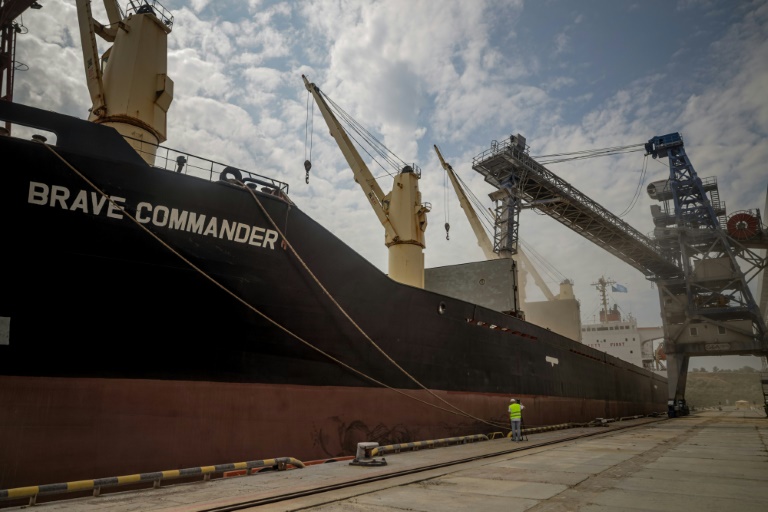
Moscow on Saturday suspended its participation in a landmark agreement that allowed vital grain exports from Ukraine, blaming drone attacks on Russian ships in Crimea.

Russia made the announcement after its army accused Kyiv earlier Saturday of a “massive” drone attack on its Black Sea fleet, which Ukraine labelled a “false pretext” and the UN urged the deal’s preservation.

US President Joe Biden called the move “purely outrageous” while Secretary of State Antony Blinken said Moscow was “weaponising food”.

The July deal to unlock grain exports signed between Russia and Ukraine and brokered by Turkey and the UN, is critical to easing the global food crisis caused by the conflict.

The agreement already allowed more than nine million tonnes of Ukrainian grain to be exported and was due to be renewed on November 19.

A Turkish security source told AFP that Ankara had not been “officially notified” of Russia’s suspension, while Ukraine and the UN pushed for the agreement to remain in force.

“I call on all states to demand that Russia stop its hunger games and recommit to fulfilling its obligations,” Ukrainian Foreign Minister Dmytro Kuleba said on Twitter. 

Ukrainian President Volodymyr Zelensky called the Russian move “an absolutely transparent intention of Russia to return the threat of large-scale famine to Africa and Asia”.

“Just today, more than two million tons of food are in the sea. This means that access to food has actually worsened for more than seven million consumers,” he said in his nightly address.

Stephane Dujarric, spokesman for the UN secretary-general, said: “It is vital that all parties refrain from any action that would imperil the Black Sea Grain Initiative which is a critical humanitarian effort”.

– ‘Peddling false claims’ –

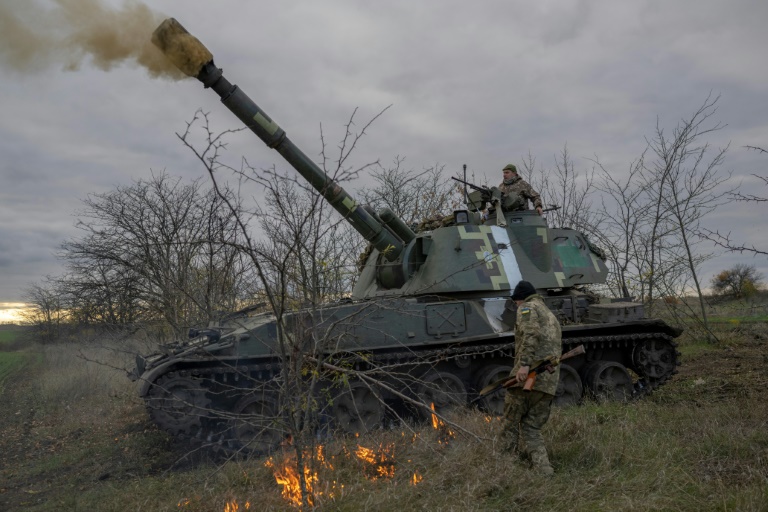
Sevastopol in Moscow-annexed Crimea has been targeted several times in recent months and serves as the headquarters for the Black Sea fleet and a logistical hub for operations in Ukraine.

The Russian army claimed to have “destroyed” nine aerial drones and seven maritime ones, in an attack in the port early Saturday. 

“In light of the terrorist act carried out by the Kyiv regime with the participation of British experts against ships of the Black Sea fleet and civilian vessels involved in the security of grain corridors, Russia suspends its participation in the implementation of the agreement on the export of agricultural products from Ukrainian ports,” the Russian defence ministry said on Telegram.

Moscow’s forces alleged British “specialists”, whom they said were based in the southern Ukrainian city of Ochakiv, had helped prepare and train Kyiv to carry out the strike. 

In a further singling out of the UK — which Moscow sees as one of the most unfriendly Western countries — Russia said the same British unit was involved in explosions on the Nord Stream gas pipelines last month.

Britain strongly rebutted both claims, saying “the Russian Ministry of Defence is resorting to peddling false claims of an epic scale”.

Russia’s foreign ministry spokeswoman Maria Zakharova said Saturday Moscow would raise the blasts and the alleged drone attack at the UN Security Council.

The British defence ministry said this “invented story says more about arguments going on inside the Russian Government than it does about the West”.

Moscow’s military said ships targeted at their Crimean base were involved in the grain deal.

The United Nations Coordinator for the Black Sea Grain Initiative, Amir Abdulla, reported that Russia had notified him earlier Saturday of “its concerns about the safety of movements of merchant vessels” under the agreement.

Russia had recently criticised the deal, saying its own grain exports have suffered due to Western sanctions. 

– ‘Massive’ attack –

Mikhail Razvozhayev, the Moscow-installed governor of Sevastopol, said Saturday’s drone attack was the “most massive” the peninsula had seen. 

City authorities said the harbour was “temporarily” closed to boats and ferries and urged people “not to panic”.

Attacks on Crimea, annexed by Moscow in 2014, have increased in recent weeks, as Kyiv presses a counter-offensive in the south to retake territory held by Moscow for months. 

Moscow-installed authorities in Kherson, just north of Crimea, have vowed to turn the city into a fortress, preparing for an inevitable assault. 

On Thursday, Razvozhayev said a thermal power station had been attacked in Balaklava, in the Sevastopol area.

He claimed there was only minor damage and no casualties.  

In early October, Moscow’s bridge linking Crimea to the Russian mainland — personally inaugurated by President Vladimir Putin in 2018 — was damaged by a blast that Putin blamed on Ukraine. 

The Russian fleet stationed in the port had also been attacked by a drone in August.  

Russia’s allegations Saturday came as the Ukrainian army reported fighting in the Lugansk and Donetsk regions in the east, including near Bakhmut — the only area where Moscow’s forces have advanced in recent weeks.  

Pro-Russian separatists fighting alongside Moscow also announced a new prisoner exchange with Kyiv, saying 50 will return home from each side. 
Pelosi 'heartbroken and traumatized' over attack on husband

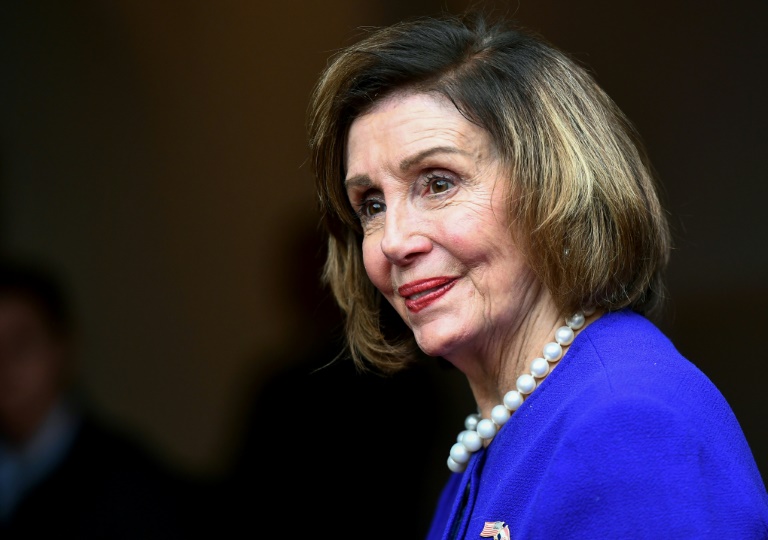
Speaker of the US House of Representatives Nancy Pelosi said Saturday she and her family were “heartbroken and traumatized” by the violent attack on her husband at their California home. 

An intruder had broken into the couple’s house in San Francisco early Friday morning and attacked the speaker’s husband Paul Pelosi with a hammer, fracturing his skull.

“Our children, our grandchildren and I are heartbroken and traumatized by the life-threatening attack on our Pop,” Pelosi said of the incident in a letter posted to Twitter Saturday evening. 

“We are grateful for the quick response of law enforcement and emergency services, and for the life-saving medical care he is receiving,” she said, in her first comment about the attack.

Paul Pelosi, 82 — who underwent surgery and is recovering in hospital — was at home alone, as his wife was working in Washington.

“His condition continues to improve,” Pelosi said in the letter. 

San Francisco police said officers found the assailant at the couple’s home just before 2:30 am (0930 GMT), where he and Paul Pelosi were scuffling over a hammer.

“The suspect pulled the hammer away from Mr. Pelosi and violently assaulted him with it,” San Francisco police chief Bill Scott told reporters, saying later that Paul Pelosi was hit at least once.

Police identified the assailant as 42-year-old David Depape, with Scott saying Depape would be charged with attempted homicide, assault with a deadly weapon, burglary and other felonies.

“This was not a random act,” Scott said. “This was intentional, and it is wrong.”

The suspect “demanded to confront me and brutally attacked my husband Paul,” Pelosi — who is second in line to the presidency — said in Saturday’s letter. 

– ‘This talk produces the violence’ –

US media, citing family sources, said the intruder told Paul Pelosi he was going to tie him up and wait for the speaker to get home.

Local media had earlier reported that the intruder shouted “Where’s Nancy?” during the assault, which came less than two weeks ahead of the midterm elections.

And speaking after voting in his home state of Delaware Saturday afternoon, President Joe Biden said he didn’t “know for certain, but it looks like this (assault) was intended for Nancy.”

He again denounced the attack, calling out increasingly polarizing political rhetoric.  

“You can’t condemn the violence unless you condemn those people who continue to argue the election was not real, that it’s being stolen — all the malarkey that’s been put out there to undermine democracy,” he said. 

“This talk produces the violence,” he added. 

The suspect, whom the Wall Street Journal reported broke in through a sliding-glass door, citing enforcement officers, had espoused extreme right-wing positions on social media, one of the officers told the newspaper.

Several Republicans also spoke out against the attack, including House minority whip Steve Scalise, who himself was shot at a congressional baseball practice in 2017 and said he was “disgusted” by Friday’s assault. 

With Twitter, Musk's influence enters uncharted territory

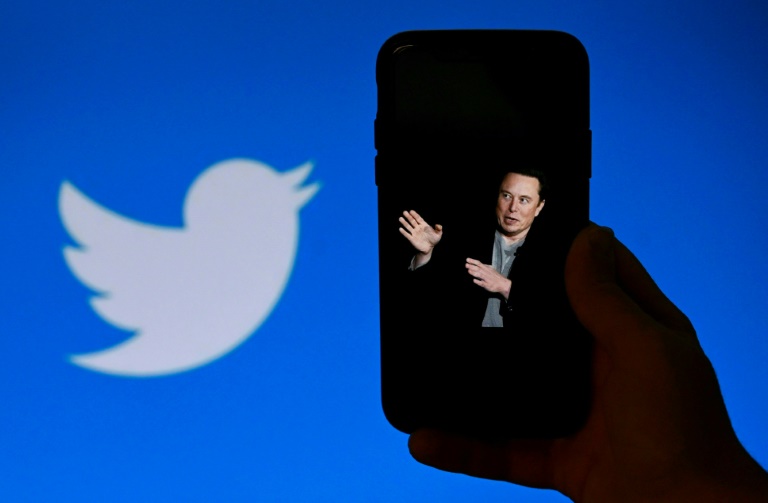
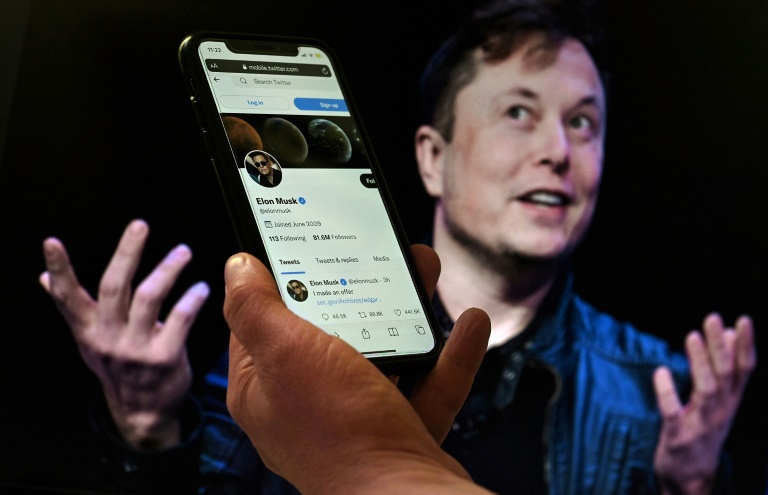
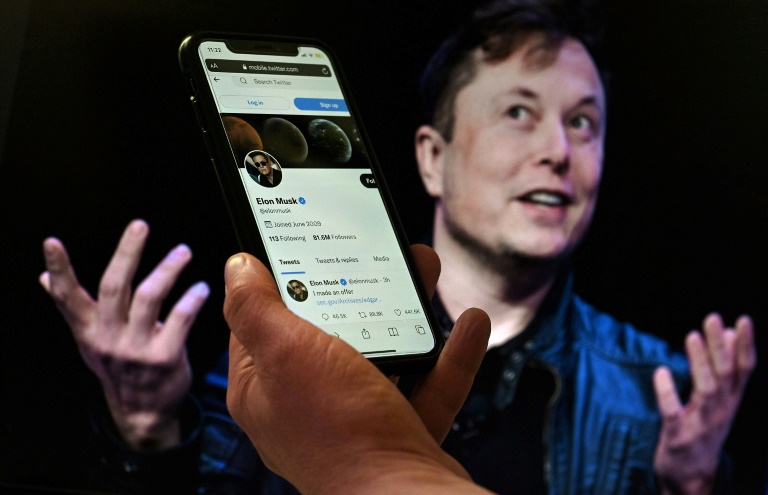
First, Elon Musk revolutionized the automobile industry, then he tackled space travel. By taking control of Twitter, the eccentric billionaire now wields a nearly untold level of influence.

In using his fortune to grab hold of such an important platform, experts say, he has even inserted himself squarely in today’s global political conversation.

“He is not just expressing views on an instrument of communication, he now owns it and sets the policy of how that instrument will be used,” Jeffrey Winters, a specialist in elites and oligarchs at Northwestern University, told AFP.  

The question now is what he will do with that power, starting with the topic on everyone’s mind: Whether or not Musk will allow former US president Donald Trump to return to the site. 

Without anyone to answer to, Musk “is going to change the constellation of political voices that are going to be expressed through Twitter,” Winters said. 

According to the professor, Musk represents a typical oligarch — a person whose fortune lends them social and political power not available to an average citizen — though Musk does not have any governments or militaries under his control.

– Oracle –

In the business world, Musk’s bona fides as an innovator are well-established. 

“He goes into directions that people just never go in, and he creates brand new products that proved to be highly effective and successful,” said Nicholas Colas, co-founder of DataTrek Research.

Musk did not invent the electric car, but with Tesla, “he showed it was possible in a big scalable way,” Colas explained. 

With SpaceX, Musk introduced internet satellites and reusable rockets, technologies that were “something that’s been promised but never really delivered until he came along,” Colas added. 

For Colas, Musk can in some ways be compared with inventors as prolific as Thomas Edison or iconic Apple founder Steve Jobs.

He has proven at least that he knows how to make money: Tesla is by far the highest-valued car company on the stock market and SpaceX is worth more than $125 billion. 

So when the richest man in the world gives his two cents on a business matter, such as his opinion on a company or on cryptocurrency, like an oracle — his fans listen. 

He can shake up the markets with just a few words. 

In 2021, when Musk edited his Twitter bio to simply say “#bitcoin,” the price of the virtual currency temporarily soared 20 percent. 

He could have stuck to his role as a businessman and adopted a low profile. According to Winters, that’s what most rich people do, fearing hostile reactions to their wealth. 

They employ lawyers and lobbyists to discreetly protect their interests, sometimes financing political campaigns. 

But “Elon Musk is unafraid to be very rich and very visible,” Winters said. 

– Red line? –

“The creation of Tesla as an iconic brand brought him to people’s attention and great wealth,” said Arizona State University communication and marketing specialist Mark Hass. 

“Then he just was willing to put himself out there continually on social media on issues that other CEOs would never publicly engage (with) the way he did,” he added. 

“He’s not afraid to say what is on his mind, regardless of who he insults, regardless of which regulator he angers,” said Hass. 

When Musk took to Twitter to propose a peace deal between Kyiv and Moscow, he probably viewed himself “as just giving his opinion like anyone else,” Winters said. 

“When you control the satellites that are important for Ukrainians’ ability to communicate, your opinion has massive ripple effects,” he explained. 

But in Washington, Musk still has less influence than other financial heavy-hitters such as JP Morgan’s Jamie Dimon or Goldman Sachs’ David Solomon, who “control the banking system,” Colas said. 

In buying Twitter — largely with his own money, but also with significant backing from investors who expect a return on their own risk — Musk has taken on a huge potential liability. 

“He can’t just flip a switch and make an anarchy there (at Twitter), because every big advertiser will back away,” Colas cautioned. 

“He likes to push things to the edge,” Hass said. And so far, “he’s never self-destructed.”

But in controlling Twitter, Musk has a more direct line to the public than ever before, and “I don’t know where his red line is,” Hass added. 

With Twitter, Musk's influence enters uncharted territory

First, Elon Musk revolutionized the automobile industry, then he tackled space travel. By taking control of Twitter, the eccentric billionaire now wields a nearly untold level of influence.

In using his fortune to grab hold of such an important platform, experts say, he has even inserted himself squarely in today’s global political conversation.

“He is not just expressing views on an instrument of communication, he now owns it and sets the policy of how that instrument will be used,” Jeffrey Winters, a specialist in elites and oligarchs at Northwestern University, told AFP.  

The question now is what he will do with that power, starting with the topic on everyone’s mind: Whether or not Musk will allow former US president Donald Trump to return to the site. 

Without anyone to answer to, Musk “is going to change the constellation of political voices that are going to be expressed through Twitter,” Winters said. 

According to the professor, Musk represents a typical oligarch — a person whose fortune lends them social and political power not available to an average citizen — though Musk does not have any governments or militaries under his control.

– Oracle –

In the business world, Musk’s bona fides as an innovator are well-established. 

“He goes into directions that people just never go in, and he creates brand new products that proved to be highly effective and successful,” said Nicholas Colas, co-founder of DataTrek Research.

Musk did not invent the electric car, but with Tesla, “he showed it was possible in a big scalable way,” Colas explained. 

With SpaceX, Musk introduced internet satellites and reusable rockets, technologies that were “something that’s been promised but never really delivered until he came along,” Colas added. 

For Colas, Musk can in some ways be compared with inventors as prolific as Thomas Edison or iconic Apple founder Steve Jobs.

He has proven at least that he knows how to make money: Tesla is by far the highest-valued car company on the stock market and SpaceX is worth more than $125 billion. 

So when the richest man in the world gives his two cents on a business matter, such as his opinion on a company or on cryptocurrency, like an oracle — his fans listen. 

He can shake up the markets with just a few words. 

In 2021, when Musk edited his Twitter bio to simply say “#bitcoin,” the price of the virtual currency temporarily soared 20 percent. 

He could have stuck to his role as a businessman and adopted a low profile. According to Winters, that’s what most rich people do, fearing hostile reactions to their wealth. 

They employ lawyers and lobbyists to discreetly protect their interests, sometimes financing political campaigns. 

But “Elon Musk is unafraid to be very rich and very visible,” Winters said. 

– Red line? –

“The creation of Tesla as an iconic brand brought him to people’s attention and great wealth,” said Arizona State University communication and marketing specialist Mark Hass. 

“Then he just was willing to put himself out there continually on social media on issues that other CEOs would never publicly engage (with) the way he did,” he added. 

“He’s not afraid to say what is on his mind, regardless of who he insults, regardless of which regulator he angers,” said Hass. 

When Musk took to Twitter to propose a peace deal between Kyiv and Moscow, he probably viewed himself “as just giving his opinion like anyone else,” Winters said. 

“When you control the satellites that are important for Ukrainians’ ability to communicate, your opinion has massive ripple effects,” he explained. 

But in Washington, Musk still has less influence than other financial heavy-hitters such as JP Morgan’s Jamie Dimon or Goldman Sachs’ David Solomon, who “control the banking system,” Colas said. 

In buying Twitter — largely with his own money, but also with significant backing from investors who expect a return on their own risk — Musk has taken on a huge potential liability. 

“He can’t just flip a switch and make an anarchy there (at Twitter), because every big advertiser will back away,” Colas cautioned. 

“He likes to push things to the edge,” Hass said. And so far, “he’s never self-destructed.”

But in controlling Twitter, Musk has a more direct line to the public than ever before, and “I don’t know where his red line is,” Hass added. 

US Fed set for further steep rate hike as recession fears loom

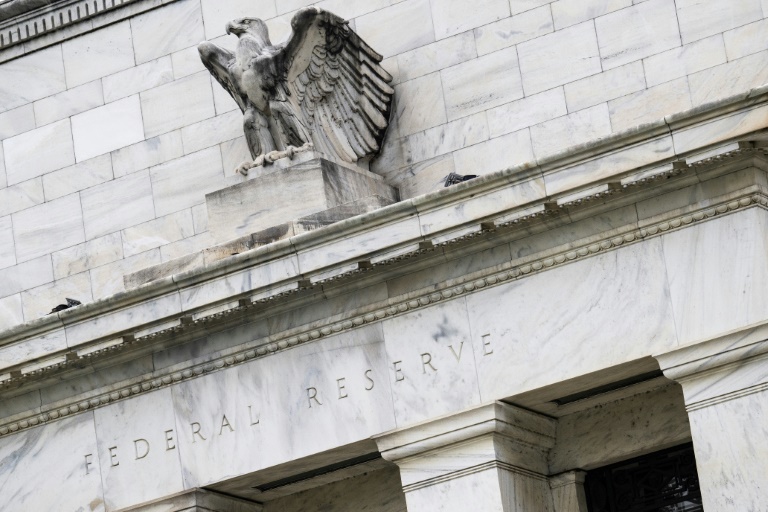
The US Federal Reserve is pegged to make a fourth straight steep hike in the key interest rate this week as it battles surging costs, with its aggressive stance fueling expectations of a recession.

American households have been squeezed by soaring consumer prices, propelling economic issues to the top spot among voter concerns in upcoming midterm elections. Fed officials walk a tightrope to try and rein in prices while avoiding a downturn.

To raise borrowing costs and cool demand, the US central bank has already cranked up the benchmark lending rate five times this year, including three straight 0.75 percentage point raises.

But with persistently high inflation and a tight labor market supporting wages and spending, analysts say another 0.75 point hike is almost certain at central bankers’ next policy meeting.

The policy-setting Federal Open Market Committee (FOMC) starts its two-day policy meeting on Tuesday, and all eyes are on signals that it may be ready to slow its campaign in the months ahead.

There will be a focus on whether the committee is confident of being “on track” toward a policy stance restrictive enough to manage inflation risks, a Barclays analysis said.

Many economists expect the Fed to raise rates again by another half point in December.

Federal Reserve Chair Jerome Powell has made it clear that there is no “painless way” to cool the economy and avoid a repeat of the last time US inflation got out of control in the 1970s and early 1980s.

It took tough action and a recession to bring prices down and the Fed is unwilling to give up its hard-won, inflation-fighting credibility.

“We’ve been told time and again that the Fed would continue to raise rates aggressively until it sees ‘compelling’ evidence that inflation is slowing down,” said Nancy Vanden Houten, US economist at Oxford Economics.

“I don’t think the data so far meets that standard,” she told AFP.

The Fed’s actions have rippled through the economy, with mortgage rates hitting their highest in decades recently and home sales sliding.

Further Fed hikes are also expected to dampen consumer and business spending, making it more attractive to save rather than spend.

Analysts warn that the economy could enter a recession in 2023 on the effects of the Fed’s rate hikes, inflation and a global slowdown in growth.

– Policy divide –

Some Fed officials have expressed worries about tightening policy too much, wanting to consider a slower pace of rate hikes or even a pause to assess the impact of current moves, said Vanden Houten.

In October, San Francisco Fed President Mary Daly told an event that policymakers should start planning for a reduction in size of rate hikes, even if it is not yet the time to step back, while Chicago Fed President Charles Evans noted separately that “overshooting is costly.”

He added that there is uncertainty over how restrictive policy must become.

While St. Louis Fed President James Bullard, who has advocated for front-loading of policy hikes, referred to a possible pause next year, others have repeated their intentions to keep raising rates until there are signs that inflation is being contained.

“This divide reflects positioning for a debate about the course of policy in coming months,” said Barclays analysts.

The central bank’s benchmark rate is currently at a target range of 3 percent to 3.25 percent.

Even with gas prices coming down, consumer prices are not letting up — with a core measure that strips out the volatile food and energy segments surging to a 40-year high in September.

Policymakers are not just concerned about high inflation, but that a mindset of continued rising prices will set in — leading to a dangerous spiral and a phenomenon called stagflation.

That fear has driven the Fed to front-load its rate hikes rather than pursue the more customary course of small, gradual steps over a longer period. 

US Fed set for further steep rate hike as recession fears loom

The US Federal Reserve is pegged to make a fourth straight steep hike in the key interest rate this week as it battles surging costs, with its aggressive stance fueling expectations of a recession.

American households have been squeezed by soaring consumer prices, propelling economic issues to the top spot among voter concerns in upcoming midterm elections. Fed officials walk a tightrope to try and rein in prices while avoiding a downturn.

To raise borrowing costs and cool demand, the US central bank has already cranked up the benchmark lending rate five times this year, including three straight 0.75 percentage point raises.

But with persistently high inflation and a tight labor market supporting wages and spending, analysts say another 0.75 point hike is almost certain at central bankers’ next policy meeting.

The policy-setting Federal Open Market Committee (FOMC) starts its two-day policy meeting on Tuesday, and all eyes are on signals that it may be ready to slow its campaign in the months ahead.

There will be a focus on whether the committee is confident of being “on track” toward a policy stance restrictive enough to manage inflation risks, a Barclays analysis said.

Many economists expect the Fed to raise rates again by another half point in December.

Federal Reserve Chair Jerome Powell has made it clear that there is no “painless way” to cool the economy and avoid a repeat of the last time US inflation got out of control in the 1970s and early 1980s.

It took tough action and a recession to bring prices down and the Fed is unwilling to give up its hard-won, inflation-fighting credibility.

“We’ve been told time and again that the Fed would continue to raise rates aggressively until it sees ‘compelling’ evidence that inflation is slowing down,” said Nancy Vanden Houten, US economist at Oxford Economics.

“I don’t think the data so far meets that standard,” she told AFP.

The Fed’s actions have rippled through the economy, with mortgage rates hitting their highest in decades recently and home sales sliding.

Further Fed hikes are also expected to dampen consumer and business spending, making it more attractive to save rather than spend.

Analysts warn that the economy could enter a recession in 2023 on the effects of the Fed’s rate hikes, inflation and a global slowdown in growth.

– Policy divide –

Some Fed officials have expressed worries about tightening policy too much, wanting to consider a slower pace of rate hikes or even a pause to assess the impact of current moves, said Vanden Houten.

In October, San Francisco Fed President Mary Daly told an event that policymakers should start planning for a reduction in size of rate hikes, even if it is not yet the time to step back, while Chicago Fed President Charles Evans noted separately that “overshooting is costly.”

He added that there is uncertainty over how restrictive policy must become.

While St. Louis Fed President James Bullard, who has advocated for front-loading of policy hikes, referred to a possible pause next year, others have repeated their intentions to keep raising rates until there are signs that inflation is being contained.

“This divide reflects positioning for a debate about the course of policy in coming months,” said Barclays analysts.

The central bank’s benchmark rate is currently at a target range of 3 percent to 3.25 percent.

Even with gas prices coming down, consumer prices are not letting up — with a core measure that strips out the volatile food and energy segments surging to a 40-year high in September.

Policymakers are not just concerned about high inflation, but that a mindset of continued rising prices will set in — leading to a dangerous spiral and a phenomenon called stagflation.

That fear has driven the Fed to front-load its rate hikes rather than pursue the more customary course of small, gradual steps over a longer period. 

How US election conspiracy film fueled drop box surveillance

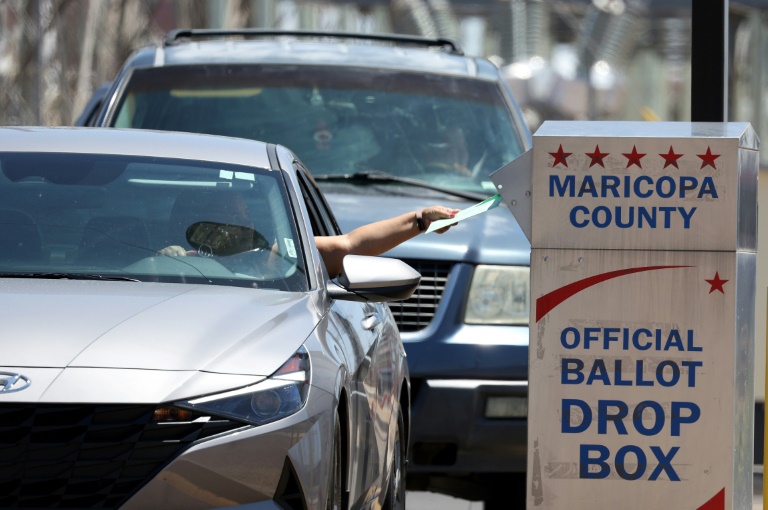
The people spending nights staking out and filming ballot drop boxes in Arizona say their task is to save democracy from the “mules” that countless Americans believe rigged the 2020 election against Donald Trump.

But to poll officials, voting rights advocates and many citizens in a state where early voting is common, the self-appointed ballot watchers are a physical representation of how a disinformation-laden documentary is making its mark on next month’s US midterm elections.

Described by some as a vigilante parade, the watchers stand accused of intimidating voters at drop boxes — secure bins used in many states to submit a ballot.

The film energizing them is far-right commentator Dinesh D’Souza’s “2000 Mules.” It advanced the conspiracy theory that ballot-trafficking “mules” smuggled fraudulent votes into the boxes to swing the presidency to Joe Biden.

Reached by AFP, D’Souza defended his production and its sticking power — and said those surveilling ballot boxes are “patriots, who are worried about fraud this time around.”

Legal challenges to organizations spearheading the ballot watching arose after Arizona’s secretary of state referred several voter intimidation complaints to law enforcement, including one from a voter claiming they were accused of “being a mule.”

“The last two years have been a wild goose chase for those seeking to prove that elections are rigged,” said Jared Holt, senior research manager at the London-based Institute for Strategic Dialogue. 

“What has differentiated the mules claims from other conspiracy theories is that the solution activists have taken away from them is to take matters into their own hands.”

– Real-world impact –

“2000 Mules” followed debunked stories of fraud about everything from permanent marker pens allegedly used to spoil ballots to machines switching votes, and court rejections of dozens of lawsuits seeking to overturn the election. 

Experts panned the film for leaps in logic, circumstantial evidence and a flawed analysis of cell phone data. Trump’s own attorney general called it “indefensible.” 

One voter the film framed as a “mule” was found by investigators to have legally deposited ballots for his family — and is now suing D’Souza.

Signature verification, voter registration lists and other checks prevent voter fraud, including in states where it is legal for others to return someone’s ballot.

“Those measures are why we didn’t have any evidence from 2020 of fraud at ballot drop boxes, despite the effort to create the impression,” said Lorraine Minnite, a political scientist at Rutgers University. 

“You could make out a ballot for Mickey Mouse, but if Mickey Mouse isn’t registered to vote, they’re not going to count the ballot.”

Still, “2000 Mules” ignited Trump’s base with its May release. Screenings took place across the country, including at the former president’s Mar-a-Lago residence.

“Ballot mules” were mentioned more than 324,000 times on Twitter between the first reference to “2000 Mules” in January and October — and the movie over 2.3 million times — according to Zignal Labs, a media intelligence company.

The discourse included plans for the stakeouts now under way.

Kari Lake, the Republican candidate for governor in Arizona, tweeted in July: “Potential Mules beware: we are watching drop boxes throughout the state.”

Days later, a Telegram post viewed 72,000 times called for “all night patriot tailgate parties for EVERY DROP BOX IN AMERICA.”

Clean Elections USA, one group behind the Arizona efforts, says on its website its mission is to prevent the fraud imagined in D’Souza’s film.

“Just your presence alone & the mule knowing they will be caught on ur multiple cameras is enough deterrent to make them shrink back into the darkness,” said founder Melody Jennings, who has embraced the QAnon conspiracy theory, in August on Truth Social, Trump’s platform.

But photos and rumors spread about voters could inspire more misinformation, said Minnite, who authored a book on voter fraud.

“People will be guided into seeing it as evidence of fraud if they already believe it’s happening,” she said. “It’s impossible to put that genie back in the bottle.” 

Jennings did not respond to AFP’s enquiries.

– Politicians noticing –

Some politicians have boosted the activity, including Republican Mark Finchem, who is running to control Arizona’s elections as secretary of state, and Trump.

After Jennings posted on Truth Social that drop boxes were overrun with “mules getting there and doing their thing,” Trump amplified it to his 4.38 million followers.

He later shared Jennings’ posts featuring photos of people using drop boxes.

“Republicans from top to bottom bear responsibility,” said Democratic lawyer Marc Elias, whose organization is backing the lawsuits in Arizona. 

“It’s not just the Kari Lake… It is from top to bottom a party that has abandoned democracy.”

Russia suspends participation in Ukraine grain deal

Russia on Saturday suspended its participation in a landmark agreement that allowed vital grain exports from Ukraine, blaming drone attacks on Russian ships in Crimea.

Russia made the announcement after its army accused Kyiv earlier Saturday of a “massive” drone attack on its Black Sea fleet, which Ukraine labelled a “false pretext” and the UN urged the deal’s preservation.

The Turkey and UN-brokered deal to unlock grain exports signed between Russia and Ukraine in July is critical to easing the global food crisis caused by the conflict.

The agreement already allowed more than nine million tonnes of Ukrainian grain to be exported and was due to be renewed on November 19.

A Turkish security source told AFP that Ankara had not been “officially notified” of Russia’s suspension, while Ukraine and the UN pushed for the agreement to remain in force.

“I call on all states to demand that Russia stop its hunger games and recommit to fulfilling its obligations,” Ukrainian Foreign Minister Dmytro Kuleba said on Twitter. 

Stephane Dujarric, spokesman for the UN secretary-general, said: “It is vital that all parties refrain from any action that would imperil the Black Sea Grain Initiative which is a critical humanitarian effort.”

– ‘Peddling false claims’ –

Sevastopol in Moscow-annexed Crimea has been targeted several times in recent months and serves as the headquarters for the Black Sea fleet and a logistical hub for operations in Ukraine.

The Russian army claimed to have “destroyed” nine aerial drones and seven maritime ones, in an attack in the port early Saturday. 

“In light of the terrorist act carried out by the Kyiv regime with the participation of British experts against ships of the Black Sea fleet and civilian vessels involved in the security of grain corridors, Russia suspends its participation in the implementation of the agreement on the export of agricultural products from Ukrainian ports,” the Russian defence ministry said on Telegram.

Moscow’s forces alleged British “specialists”, whom they said were based in the southern Ukrainian city of Ochakiv, had helped prepare and train Kyiv to carry out the strike. 

In a further singling out of the UK — which Moscow sees as one of the most unfriendly Western countries — Russia said the same British unit was involved in explosions on the Nord Stream gas pipelines last month.

Britain strongly rebutted both claims, saying “the Russian Ministry of Defence is resorting to peddling false claims of an epic scale.”

Russia’s foreign ministry spokeswoman Maria Zakharova said Saturday Moscow would raise the blasts and the alleged drone attack at the UN Security Council.

The British defence ministry said this “invented story says more about arguments going on inside the Russian Government than it does about the West”.

Moscow’s military said ships targeted at their Crimean base were involved in the grain deal.

Russia had recently criticised the deal, saying its own grain exports have suffered due to Western sanctions. 

– ‘Massive’ attack –

Mikhail Razvozhayev, the Moscow-installed governor of Sevastopol, said Saturday’s drone attack was the “most massive” the peninsula had seen. 

The city’s services were on “alert”, but he claimed no “civilian infrastructure” had been damaged. 

City authorities said the harbour was “temporarily” closed to boats and ferries and urged people “not to panic”.

Attacks on Crimea, annexed by Moscow in 2014, have increased in recent weeks, as Kyiv presses a counter-offensive in the south to retake territory held by Moscow for months. 

Moscow-installed authorities in Kherson, just north of Crimea, have vowed to turn the city into a fortress, preparing for an inevitable assault. 

On Thursday, Razvozhayev said a thermal power station had been attacked in Balaklava, in the Sevastopol area. 

He claimed there was only minor damage and no casualties.  

In early October, Moscow’s bridge linking Crimea to the Russian mainland — personally inaugurated by President Vladimir Putin in 2018 — was damaged by a blast that Putin blamed on Ukraine. 

The Russian fleet stationed in the port had also been attacked by a drone in August.  

Russia’s allegations Saturday came as the Ukrainian army reported fighting in the Lugansk and Donetsk regions in the east, including near Bakhmut — the only area where Moscow’s forces have advanced in recent weeks.  

Pro-Russian separatists fighting alongside Moscow also announced a new prisoner exchange with Kyiv, saying 50 will return home from each side. 
Both sides were gearing up for the battle for the city of Kherson, the regional capital that fell to Moscow’s forces in the first days of their offensive.  

Russia suspends participation in Ukraine grain deal

Russia on Saturday suspended its participation in a landmark agreement that allowed vital grain exports from Ukraine, blaming alleged drone attacks on Russian ships in Crimea.

Russia made the announcement after its army accused Kyiv earlier Saturday of a “massive” drone attack on its Black Sea fleet, while Britain bluntly rejected Moscow’s claims its specialists were involved.

The Turkey and UN-brokered deal to unlock grain exports signed between Russia and Ukraine in July is critical to easing the global food crisis caused by the conflict.

The agreement already allowed more than nine million tonnes of Ukrainian grain to be exported and was due to be renewed on November 19.

“In light of the terrorist act carried out by the Kyiv regime with the participation of British experts against ships of the Black Sea fleet and civilian vessels involved in the security of grain corridors, Russia suspends its participation in the implementation of the agreement on the export of agricultural products from Ukrainian ports,” the Russian defence ministry said on Telegram.

Sevastopol in Moscow-annexed Crimea, which has been targeted several times in recent months, serves as the headquarters for the fleet and a logistical hub for operations in Ukraine.

The Russian army claimed to have “destroyed” nine aerial drones and seven maritime ones, in an attack in the port early Saturday. 

Moscow’s forces alleged British “specialists”, whom they said were based in the southern Ukrainian city of Ochakiv, had helped prepare and train Kyiv to carry out the strike. 

In a further singling out of the UK — which Moscow sees as one of the most unfriendly Western countries — Russia said the same British unit was involved in explosions on the Nord Stream gas pipelines last month.

Britain strongly rebutted both claims, saying “the Russian Ministry of Defence is resorting to peddling false claims of an epic scale.”

Russia’s foreign ministry spokeswoman Maria Zakharova said Saturday Moscow would raise the blasts and the alleged drone attack at the UN Security Council.

The British defence ministry said this “invented story says more about arguments going on inside the Russian Government than it does about the West”.

Moscow’s military said ships targeted at their Crimean base were involved in a UN-brokered deal to allow the export of Ukrainian grain. 

Russia had recently criticised the deal, saying its own grain exports have suffered due to Western sanctions. 

– ‘Massive’ attack –

Mikhail Razvozhayev, the Moscow-installed governor of Sevastopol, said Saturday’s drone attack was the “most massive” the peninsula had seen. 

The city’s services were on “alert”, but he claimed no “civilian infrastructure” had been damaged. 

City authorities said that the harbour was “temporarily” closed to boats and ferries and urged people “not to panic”.

Attacks on Crimea, annexed by Moscow in 2014, have increased in recent weeks, as Kyiv presses a counter-offensive in the south to retake territory held by Moscow for months. 

Moscow-installed authorities in Kherson, just north of Crimea, have vowed to turn the city into a fortress, preparing for an inevitable assault. 

On Thursday, Razvozhayev said a thermal power station had been attacked in Balaklava, in the Sevastopol area. 

He claimed there was only minor damage and no casualties.  

In early October, Moscow’s bridge linking Crimea to the Russian mainland — personally inaugurated by President Vladimir Putin in 2018 — was damaged by a blast that Putin blamed on Ukraine. 

The Russian fleet stationed in the port had also been attacked by a drone in August.  

Russia’s allegations Saturday came as the Ukrainian army reported fighting in the Lugansk and Donetsk regions in the east, including near Bakhmut — the only area where Moscow’s forces have advanced in recent weeks.  

Pro-Russian separatists fighting alongside Moscow also announced a new prisoner exchange with Kyiv, saying 50 will return home from each side. 
Both sides were gearing up for the battle for the city of Kherson, the regional capital that fell to Moscow’s forces in the first days of their offensive.  

Hackers, abusers and regulators may vex Musk at Twitter

Elon Musk’s talk of slimming Twitter’s staff and letting people post anything allowed by law is expected to clash with the reality of fending off hackers, trolls, police and regulators, experts say.

If Musk guts Twitter staff or mass resignations hit the platform, it could mean “doom,” said Rebekah Tromble, director of the Institute for Data, Democracy and Politics at George Washington University.

“No matter Musk’s big vision, you need a highly skilled, knowledgeable workforce capable of (re)building a viable platform and responding to EU obligations,” Tromble told AFP.

Along with engineers, that includes legal and policy teams that keep user data safe and guard against dangerous posts.

“There really, truly are almost countless ways that Twitter as a company has to think about safeguarding its users,” Tromble said.

Cybersecurity issues range from lone hackers out to cause mischief to organized groups and attacks by nation states.

Then there are “bad actors” who gang up to abuse targets on Twitter in a tactic referred to as “dog piling.”

“One of my greatest fears at the moment, is that a sort of large scale firing or even large scale resignations will mean that the already imperfect system will just backslide,” Tromble said.

Losing people from teams that fight intrusive demands by police or other government agencies for Twitter user data means experience walks out the door with them, Tromble added.

– Tweet trouble –

Musk is in for a wake-up call when it comes to taking a laissez faire approach to content moderation, according to Emma Llanso of the Center for Democracy and Technology.

US law is permissive in terms of letting social media platforms decide content policies and not holding them accountable for what users post, but that could soon change, Llano said.

The US Supreme Court, in a decision with potentially far-reaching ramifications, is set to hear two cases challenging the legal immunity of internet companies from liability for content posted by their users.

The top court in the United States may well decide to roll back how much social media firms like Twitter are immune to blame for content “recommended” to users.

“There are any number of decisions content sorting algorithms must make regarding which tweets a user sees,” Llanso said.

“Does that make them recommended?”

Musk has said he wants to rely more on software and less on people for content moderation.

The Supreme Court is also to consider cases concerning whether states can dictate content rules at social media platforms.

And while there is currently strong legal footing for Musk to do as he wants with content moderation in the United States, laws are more restrictive in Europe and elsewhere.

“Many countries around the world are really looking at cracking down on the broad leeway social media services have had till now on setting content policy the way they see fit,” Llanso said.

Varying content moderation laws will also mean that Twitter has to figure out in real time what can be shown where.

With Musk at the helm for just some 24 hours, malicious characters were already testing the limits of Twitter systems, Tromble noted.

“And when hate speech, doxxing and harassment slip through the cracks, real harm occurs,” Tromble said.

“Doxxing” is the publication of private or identifying information about a person, often with malicious intent. 

Even if there aren’t legal consequences for letting Twitter turn foul, there are business consequences, said Electronic Frontier Foundation director of federal affairs, India McKinney.

“People are looking for a place to go,” McKinney said of the search by some users for an alternative to Twitter.

“It is an opportunity for someone, that’s for sure.”

Close Bitnami banner
Bitnami