US Business

Boeing sees progress on 787 but warns on supply chain

Boeing said Wednesday it is close to receiving regulatory approval to resume 787 jet deliveries, a move that could help reverse lackluster profits, but warned that its production ramp-up for the 737 MAX would be slowed by supply chain problems.

The US aviation giant’s two most popular commercial planes figured prominently in its mixed quarterly earnings report, with the lack of revenue from the 787 Dreamliner again a big drag.

Shares gyrated following the announcement. 

A resumption of 787 deliveries will restore a key source of revenue, but a more protracted 737 MAX ramp-up suggests Boeing won’t deliver as many of those planes as quickly as had been expected.

“A lot of things good happened over the quarter,” said Chief Executive Dave Calhoun, who described the company as “on the verge” of garnering approval from US air safety officials on the 787, though he declined to give a precise target date.

Calhoun reported no sign of overall slowdown in the sector, telling analysts that “this general recession thing so far hasn’t impacted our aviation industry.” 

“Will it at some moment? Maybe,” he said, while noting that air travel appears to have been “prioritized fundamentally to a higher slot” by consumers tired of pandemic restrictions.

– Engine trouble –

Calhoun however warned that the company had no timetable for lifting production of the MAX to 38 per month from the current level of 31, calling “limited” engine capacity a “constraint” on the company’s outlook.

“Some investment has to get made and capacity has to expand for the engine suppliers to keep up with what I believe will be continued robust demand,” Calhoun said.

Boeing Chief Financial Officer Brian West told analysts to expect MAX deliveries in the “low 400s” in 2022 after previously estimating around 500.

For the quarter ending June 30, Boeing reported a 67 percent plunge in quarterly profits to $193 million, as revenues declined 1.9 percent to $16.7 billion.

The company missed analyst estimates for revenues and earnings-per-share, but stock prices initially rose after the report, as Boeing confirmed it still expects to have positive cash flow in 2022.

On the 787, the company has been working with the Federal Aviation Administration to address a series of manufacturing issues uncovered in 2020 and since.

Boeing took a $3.5 billion charge for additional rework costs on the 787 in the fourth quarter of 2021. It said in April it also expects another $2 billion in “abnormal costs” for the 787.

At the end of June, Boeing had 120 Dreamliner planes in inventory and was producing the jet “at very low rates,” the company said in a filing.

On Wednesday, the company said it was working with US air safety officials on “final actions” to resume 787 deliveries. 

– China haze –

The enhanced regulatory scrutiny of the 787 and other Boeing planes comes on the heels of a pair of crashes in 2018 and 2019 on the 737 MAX, which led to a lengthy global grounding of the plane.

But the MAX has since returned to service, enabling Boeing to resume deliveries and announce significant new orders, including at the Farnborough Airshow earlier this month.

But Boeing still has 290 MAX planes in inventory. A key wild card remains when deliveries will resume in China, where the MAX has still not returned to service. 

“While we expect 737 MAX deliveries to our customers in China to resume in 2022, subject to final regulatory approvals, risk remains around the timing and rate of those deliveries,” Boeing said in a securities filing Wednesday.

Despite the latest Farnborough orders, Boeing’s backlog of orders in the pipeline lags that of archrival Airbus, but Calhoun told CNBC Wednesday he is not worried about the difference.

“We don’t need to close that gap,” Calhoun said, adding that the aviation industry is “supply constrained for as far as I can see.”

Boeing’s job is “to deliver against our backlog,” he said. “My job is to make sure I’ve got a big enough backlog to continue to increase my rate, stay stable in production and satisfy our customers every step of the way.”

By early afternoon, shares were flat at $155.87.

Boeing sees progress on 787 but warns on supply chain

Boeing said Wednesday it is close to receiving regulatory approval to resume 787 jet deliveries, a move that could help reverse lackluster profits, but warned that its production ramp-up for the 737 MAX would be slowed by supply chain problems.

The US aviation giant’s two most popular commercial planes figured prominently in its mixed quarterly earnings report, with the lack of revenue from the 787 Dreamliner again a big drag.

Shares gyrated following the announcement. 

A resumption of 787 deliveries will restore a key source of revenue, but a more protracted 737 MAX ramp-up suggests Boeing won’t deliver as many of those planes as quickly as had been expected.

“A lot of things good happened over the quarter,” said Chief Executive Dave Calhoun, who described the company as “on the verge” of garnering approval from US air safety officials on the 787, though he declined to give a precise target date.

Calhoun reported no sign of overall slowdown in the sector, telling analysts that “this general recession thing so far hasn’t impacted our aviation industry.” 

“Will it at some moment? Maybe,” he said, while noting that air travel appears to have been “prioritized fundamentally to a higher slot” by consumers tired of pandemic restrictions.

– Engine trouble –

Calhoun however warned that the company had no timetable for lifting production of the MAX to 38 per month from the current level of 31, calling “limited” engine capacity a “constraint” on the company’s outlook.

“Some investment has to get made and capacity has to expand for the engine suppliers to keep up with what I believe will be continued robust demand,” Calhoun said.

Boeing Chief Financial Officer Brian West told analysts to expect MAX deliveries in the “low 400s” in 2022 after previously estimating around 500.

For the quarter ending June 30, Boeing reported a 67 percent plunge in quarterly profits to $193 million, as revenues declined 1.9 percent to $16.7 billion.

The company missed analyst estimates for revenues and earnings-per-share, but stock prices initially rose after the report, as Boeing confirmed it still expects to have positive cash flow in 2022.

On the 787, the company has been working with the Federal Aviation Administration to address a series of manufacturing issues uncovered in 2020 and since.

Boeing took a $3.5 billion charge for additional rework costs on the 787 in the fourth quarter of 2021. It said in April it also expects another $2 billion in “abnormal costs” for the 787.

At the end of June, Boeing had 120 Dreamliner planes in inventory and was producing the jet “at very low rates,” the company said in a filing.

On Wednesday, the company said it was working with US air safety officials on “final actions” to resume 787 deliveries. 

– China haze –

The enhanced regulatory scrutiny of the 787 and other Boeing planes comes on the heels of a pair of crashes in 2018 and 2019 on the 737 MAX, which led to a lengthy global grounding of the plane.

But the MAX has since returned to service, enabling Boeing to resume deliveries and announce significant new orders, including at the Farnborough Airshow earlier this month.

But Boeing still has 290 MAX planes in inventory. A key wild card remains when deliveries will resume in China, where the MAX has still not returned to service. 

“While we expect 737 MAX deliveries to our customers in China to resume in 2022, subject to final regulatory approvals, risk remains around the timing and rate of those deliveries,” Boeing said in a securities filing Wednesday.

Despite the latest Farnborough orders, Boeing’s backlog of orders in the pipeline lags that of archrival Airbus, but Calhoun told CNBC Wednesday he is not worried about the difference.

“We don’t need to close that gap,” Calhoun said, adding that the aviation industry is “supply constrained for as far as I can see.”

Boeing’s job is “to deliver against our backlog,” he said. “My job is to make sure I’ve got a big enough backlog to continue to increase my rate, stay stable in production and satisfy our customers every step of the way.”

By early afternoon, shares were flat at $155.87.
Fresh nationwide rail strikes hit UK

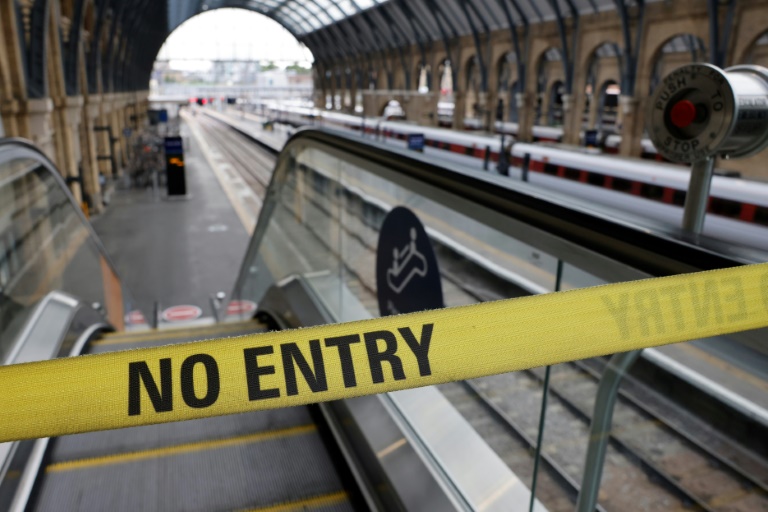
Around 40,000 British railway workers staged a walkout on Wednesday, a month after the largest strike in 30 years as the UK battles its worst cost-of-living crisis in decades.

The nationwide walkout over pay and conditions brought the rail network to a virtual standstill with only one in five training running and caused major disruption to rush-hour commuters as many simply stayed at home.

With inflation at a 40-year high and set to worsen, the cost-of-living crisis presents a major challenge to Foreign Secretary Liz Truss and former finance minister Rishi Sunak, who are vying to replace Prime Minister Boris Johnson in a leadership contest.

London Underground trains and buses ran as normal, but Eurostar reduced the number of trains though the Channel Tunnel as a knock-on effect, despite its staff not joining the walkout.

Mick Lynch, general secretary of the RMT rail union, argues strikes are necessary as wages have failed to keep pace with UK inflation, currently at 9.4 percent and on course to keep rising.

“Network Rail have not made any improvement on their previous pay offer and the train companies have not offered us anything new,” he said.

Wednesday’s 24-hour strike came after RMT staged a three-day walkout last month, also virtually paralysing the rail network.

“The government need to stop their interference in this dispute so the rail employers can come to a negotiated settlement with us,” said Lynch.

The government urged union bosses and train operators to resolve the dispute.

“They don’t need to speak to ministers to resolve this because their employers are the people who have the mandate to negotiate this,” Transport Minister Grant Shapps told Sky News.

“This is just… trying to distract attention,” he added. 

The opposition Labour Party leader Keir Starmer demoted a senior MP, Sam Tarry, for joining a picket line in defiance of his instructions, after the politician posted about his participation on social media.

The London MP was sacked from his frontbench role with responsibility for transport after Starmer said that the party’s role was to try to resolve the dispute, not to go on picket lines.

Services were expected to resume early Thursday.

The Aslef trade union, which represents train drivers, announced a fresh strike for August 13.

Biden celebrates getting over Covid with return to Oval Office

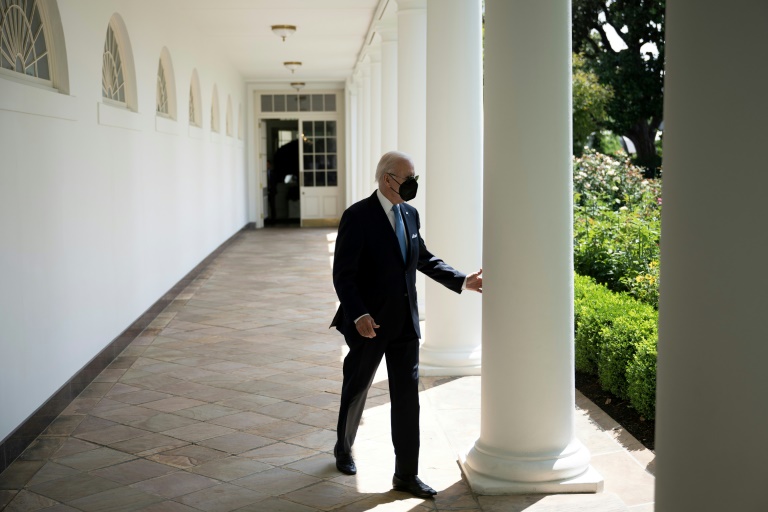
US President Joe Biden ended his Covid isolation Wednesday, telling cheering aides that his quick recovery from infection should inspire Americans to take advantage of free vaccines and treatments.

“I thought I heard a rumbling in my staff saying, ‘He’s back,'” Biden joked to a crowd of staff in the Rose Garden after he emerged from the White House residence for the first time since ending a five-day isolation period. “Thanks for sticking around.”

Wearing his beloved Aviator sunglasses under a scorching sun, the 79-year-old Democrat noted the difference when Republican Donald Trump got Covid and had to be airlifted to hospital at the height of the pandemic in October 2020, before vaccines were available.

“When my predecessor got Covid, he had to get helicoptered to Walter Reed Medical Center. He was severely ill. Thankfully, he recovered. When I got Covid, I worked from upstairs of the White House, in the offices upstairs, for the five-day period,” Biden said.

Biden said that being fully vaccinated, taking preventative tests, then using the Paxlovid therapeutic to speed up recovery from infection, prevents deaths and is all available at no cost.

“You don’t need to be president to get these tools,” he said, urging Americans to visit the covid.gov website for information. “The same treatment I got is available to you.”

“Let’s keep emerging from one of the darkest moments in our history,” Biden said, before finishing his nine-minute address with an enthusiastic: “And now I get to go back to the Oval Office.”

Biden had tested positive for coronavirus last Thursday and experienced a hoarse voice and fatigue. He worked from his residence with a somewhat lighter schedule than normal.

The official White House doctor said Wednesday he gave the all clear after two negative tests.

“Given these reassuring factors, the president will discontinue his strict isolation,” presidential physician Kevin O’Connor wrote in a memorandum.

While now out of isolation, the president will wear a mask for 10 days when around others and continue to test regularly for the virus in case of a “rebound,” O’Connor said.

Biden has no fever, the doctor added, noting “his symptoms have been steadily improving, and are almost completely resolved.”

Biden is the oldest person ever in the US presidency, but his physician says he is generally in good health. He has been fully vaccinated and received two booster shots against the coronavirus.

US lottery jackpot tops $1 bn, fourth highest ever

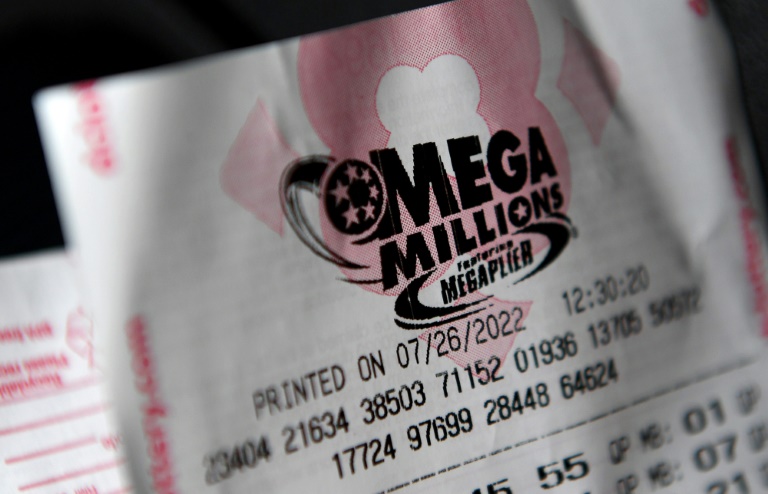
The jackpot for the upcoming drawing of the Mega Millions lottery has ballooned to more than $1 billion, the fourth highest prize ever, its US organizer announced Wednesday.

The Mega Millions grand prize has been steadily growing, along with players’ dreams of fortune, for over three months, with no one correctly guessing the six magic numbers in 29 previous drawings.

Friday’s estimated jackpot sits at just above $1 billion, Mega Millions announced in a press release.

That represents an increase of nearly $200 million over Tuesday’s top prize, which attracted so many players that the Mega Millions website was down for over two hours, the group said.

Todd Graves, the founder and CEO of fast-food chicken chain Raising Cane’s announced on Twitter that he had bought 50,000 tickets for the Tuesday drawing and planned to share any prize money with his 50,000 employees.

Since none of those tickets hit the jackpot, the company plans to again shell out $100,000 for the next drawing, co-CEO A.J. Kumaran told CNN on Wednesday.

The odds of winning the Mega Millions jackpot are one in 303 million — much higher than the one-in-a-million chance of being struck by lightning, according to US government data.

Friday’s total is about half a billion dollars less than the world record, set in January 2016 by America’s other national lotto, the Powerball, though that sum was split among three winners.

The second-highest prize ever — and the highest won by a single person — was in an October 2018 Mega Millions drawing for $1.5 billion.

The $1 billion figure for Friday’s drawing represents the total amount a winner would be entitled to if they accepted the prize split up over a 30-year annuity.

If the lucky person decided instead to take the winnings as a one-time cash payment, the total amount would decrease to $602.5 million, Mega Millions estimates.

But don’t forget the taxes.

After federal taxes, the remaining total for Friday’s all-cash jackpot would be $379.6 million, according to lottery tracking site usamega.com.

Most US states then impose their own taxes on lottery winnings, although populous California and Florida, among others, do not.

Regardless of locale, winners are generally advised to immediately seek assistance from financial advisors, even before claiming the prize money.

Financial planner Robert Pagliarini also recommends that big winners “step outside the craziness of the situation for a moment.”

“Make a list of Who and What you love about your life that you don’t want to change,” he advised in a blog post.

Stocks advance ahead of US rate decision, dollar steady

European and US stock markets advanced while the dollar was largely steady on Wednesday as attention switched to the Federal Reserve and the size of its upcoming interest rate hike.

Tuesday saw a steep drop on Wall Street as traders pored over more company earnings that pointed to fallout caused by decades-high inflation.

After markets closed both Google and Microsoft reported disappointing earnings, but shares in both companies shot higher as trading got under way.

“The takeaway for many apparently is that their results and/or guidance was better than feared,” said market analyst Patrick J. O’Hare at Briefing.com.

Shares in Google jumped 6.6 percent and Microsoft stock climbed 4.8 percent.

They helped fuel a 2.5-percent rally in the tech-heavy Nasdaq Composite.

“Unlike a lot of other companies, it would appear that investors have a higher tolerance for misses from the likes of Microsoft and Google, although when you dig into the details, the numbers are still very good,” said Michael Hewson at CMC Markets.

But with both companies trading close to their lowest levels this year “a lot of bad news was probably already in the price,” he added.     

The blue-chip Dow was 0.4 percent higher in late morning trading, while the broader S&P 500 rose 1.4 percent.

In Europe, shares in London rose 0.6 percent, Paris climbed 0.8 percent and Frankfurt added 0.5 percent.

While traders will continue to sift over company results and economic data early in the US trading session, attention will later shift to the Fed’s rate decision.

Central banks are seeking to combat runaway prices by hiking interest rates, even though that risks pushing economies into recession.

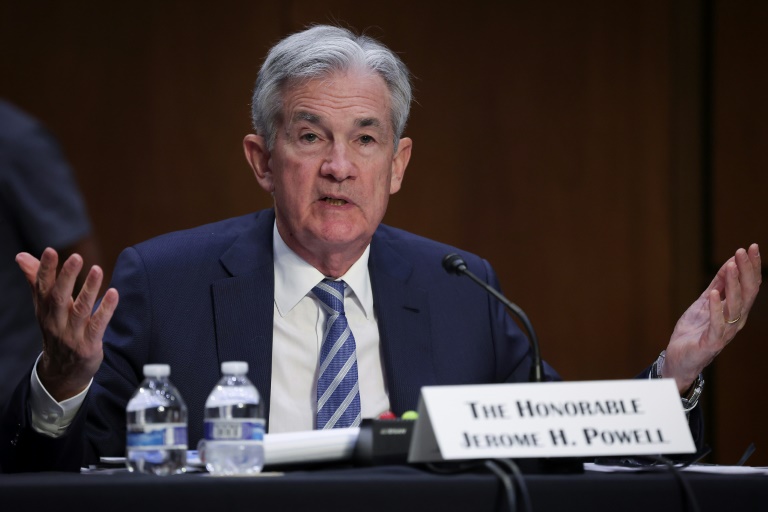
The US central bank is widely tipped to announce a 0.75-percentage-point increase in interest rates, with traders particularly interested in any indications whether it will keep up this pace of rate hikes.

“This increase in the interest rate is already very much priced in,” noted Naeem Aslam, chief market analyst at Avatrade.

He added that should the Fed indicate a plan to raise rates by another 75 basis points at its next meeting, “that would be highly bullish for the dollar”. 

Focus was also on gas prices as Russian energy giant Gazprom slashed deliveries of the fuel to Europe via the Nord Stream pipeline.

EU states have accused Russia of squeezing supplies in retaliation for Western sanctions over Moscow’s war in Ukraine.

The price of natural gas reference, Dutch TTF, rose only marginally after strong gains on Tuesday after Gazprom announced the cut.

On the corporate front, Switzerland’s scandal-hit banking giant Credit Suisse appointed a new chief executive as higher litigation costs and financial market volatility pushed it deeper into the red.

Ulrich Koerner, head of asset management at the bank, takes the reins from Thomas Gottstein on Monday.

The bank has been hit by a series of scandals and crises including the implosions of financial services firms Greensill and Archegos last year.

After starting the day lower on the Swiss stock exchange, Credit Suisse shares rose one percent.

– Key figures at around 1530 GMT –

New York – Dow: UP 0.4 percent at 31,888.11 points

EURO STOXX 50: UP 1.0 percent at 3,609.42

London – FTSE 100: UP 0.6 percent at 7,348.23 (close) 

Frankfurt – DAX: UP 0.5 percent at 13,166.38 (close)

Paris – CAC 40: UP 0.8 percent at 6,257.94 (close)

Tokyo – Nikkei 225: UP 0.2 percent at 27,715.75 (close)

Hong Kong – Hang Seng Index: DOWN 1.1 percent at 20,670.04 (close)

Shanghai – Composite: DOWN 0.1 percent at 3,275.76 (close)

Euro/dollar: UP at $1.0132 from $1.0126 Tuesday

Pound/dollar: UP at $1.2042 from $1.2030 

Euro/pound: UP at 84.14 pence from 84.09 pence

Dollar/yen: UP at 137.19 yen from 136.95 yen

Brent North Sea crude: UP 2.2 percent at $106.67 per barrel

West Texas Intermediate: UP 2.6 percent at $97.49 per barrel

burs-rl/kjm

Stocks advance ahead of US rate decision, dollar steady

European and US stock markets advanced while the dollar was largely steady on Wednesday as attention switched to the Federal Reserve and the size of its upcoming interest rate hike.

Tuesday saw a steep drop on Wall Street as traders pored over more company earnings that pointed to fallout caused by decades-high inflation.

After markets closed both Google and Microsoft reported disappointing earnings, but shares in both companies shot higher as trading got under way.

“The takeaway for many apparently is that their results and/or guidance was better than feared,” said market analyst Patrick J. O’Hare at Briefing.com.

Shares in Google jumped 6.6 percent and Microsoft stock climbed 4.8 percent.

They helped fuel a 2.5-percent rally in the tech-heavy Nasdaq Composite.

“Unlike a lot of other companies, it would appear that investors have a higher tolerance for misses from the likes of Microsoft and Google, although when you dig into the details, the numbers are still very good,” said Michael Hewson at CMC Markets.

But with both companies trading close to their lowest levels this year “a lot of bad news was probably already in the price,” he added.     

The blue-chip Dow was 0.4 percent higher in late morning trading, while the broader S&P 500 rose 1.4 percent.

In Europe, shares in London rose 0.6 percent, Paris climbed 0.8 percent and Frankfurt added 0.5 percent.

While traders will continue to sift over company results and economic data early in the US trading session, attention will later shift to the Fed’s rate decision.

Central banks are seeking to combat runaway prices by hiking interest rates, even though that risks pushing economies into recession.

The US central bank is widely tipped to announce a 0.75-percentage-point increase in interest rates, with traders particularly interested in any indications whether it will keep up this pace of rate hikes.

“This increase in the interest rate is already very much priced in,” noted Naeem Aslam, chief market analyst at Avatrade.

He added that should the Fed indicate a plan to raise rates by another 75 basis points at its next meeting, “that would be highly bullish for the dollar”. 

Focus was also on gas prices as Russian energy giant Gazprom slashed deliveries of the fuel to Europe via the Nord Stream pipeline.

EU states have accused Russia of squeezing supplies in retaliation for Western sanctions over Moscow’s war in Ukraine.

The price of natural gas reference, Dutch TTF, rose only marginally after strong gains on Tuesday after Gazprom announced the cut.

On the corporate front, Switzerland’s scandal-hit banking giant Credit Suisse appointed a new chief executive as higher litigation costs and financial market volatility pushed it deeper into the red.

Ulrich Koerner, head of asset management at the bank, takes the reins from Thomas Gottstein on Monday.

The bank has been hit by a series of scandals and crises including the implosions of financial services firms Greensill and Archegos last year.

After starting the day lower on the Swiss stock exchange, Credit Suisse shares rose one percent.

– Key figures at around 1530 GMT –

New York – Dow: UP 0.4 percent at 31,888.11 points

EURO STOXX 50: UP 1.0 percent at 3,609.42

London – FTSE 100: UP 0.6 percent at 7,348.23 (close) 

Frankfurt – DAX: UP 0.5 percent at 13,166.38 (close)

Paris – CAC 40: UP 0.8 percent at 6,257.94 (close)

Tokyo – Nikkei 225: UP 0.2 percent at 27,715.75 (close)

Hong Kong – Hang Seng Index: DOWN 1.1 percent at 20,670.04 (close)

Shanghai – Composite: DOWN 0.1 percent at 3,275.76 (close)

Euro/dollar: UP at $1.0132 from $1.0126 Tuesday

Pound/dollar: UP at $1.2042 from $1.2030 

Euro/pound: UP at 84.14 pence from 84.09 pence

Dollar/yen: UP at 137.19 yen from 136.95 yen

Brent North Sea crude: UP 2.2 percent at $106.67 per barrel

West Texas Intermediate: UP 2.6 percent at $97.49 per barrel

burs-rl/kjm

US gun makers earned $1 bn from AR-15 sales in last decade: panel

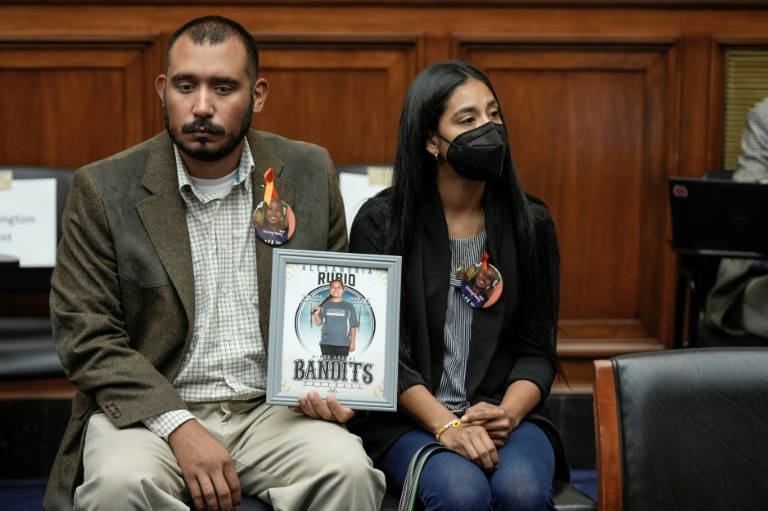
US gun makers earned more than $1 billion from the sale of AR-15-style semiautomatic weapons over the last decade, a House committee said Wednesday as lawmakers grilled manufacturers following a series of grim mass shootings.

“The gun industry has flooded our neighborhoods, our schools and even our churches and synagogues with these deadly weapons and has gotten rich doing it,” Democratic Representative Carolyn Maloney said.

“Even as guns kill more Americans than ever, none of those companies take even basic steps to monitor the deaths and injuries caused by their products,” the New York lawmaker said. “This is beyond irresponsible.”

Marty Daniel, chief executive officer of Daniel Defense — maker of the gun used by a young man to kill 19 school children and two teachers in Uvalde, Texas — defended his company’s practices.

“The stated implied purpose of this hearing is to vilify, blame and try to ban over 24 million sporting rifles already in circulation that are lawfully possessed and commonly used by millions of Americans to protect their homes and loved ones,” Daniel said.

“I believe our nation’s response needs to focus not on the type of gun but on the types of persons who are likely to commit mass shootings,” he said.

Christopher Killoy, president and CEO of Sturm, Ruger & Co., said it would be “wrong to deprive citizens of their constitutional right to purchase a lawful firearm.”

Republican lawmakers on the committee pushed back against their Democratic colleagues.

“Gun manufacturers do not cause violent crime,” said Representative James Comer of Kentucky. “Criminals cause violent crime.”

“We’ll continue to protect the rights of all law-abiding gun owners who safely use, store and carry firearms including the AR-15,” Comer said.

– Bill to ban assault weapons –

According to a report by the House Oversight and Reform Committee, five major gun manufacturers reaped more than one billion dollars from the sale of assault rifles over the last decade.

Daniel Defense’s revenue from AR-15-style rifles tripled from $40 million in 2019 to more than $120 million in 2021, the report said.

Ruger’s earnings from AR-15-style rifles rose from $39 million to $103 million during the period while Smith & Wesson’s revenue from long guns, including AR-15-style rifles, doubled, from $108 million to $253 million.

The Democratic-controlled House is moving forward for the first time in nearly 20 years with a bill that would ban the sale, import, manufacture or transfer of certain types of semi-automatic weapons.

The “Assault Weapons Ban of 2021” would be likely doomed to fail in the Senate, however.

Democrats have 50 seats in the 100-member Senate and 10 Republican votes would be needed to bring the measure to the floor.

Congress passed a 10-year ban on assault rifles and certain high-capacity magazines in 1994.

But lawmakers let it expire in 2004, and sales of those weapons have soared since then.

After the Uvalde massacre, President Joe Biden appealed to lawmakers to again ban assault rifles or at least raise the minimum age for buying them from 18 to 21.

But Republican lawmakers, who see such a restriction as going against the constitutional right to bear arms, have refused to go along with Biden’s proposal.

McDonald's beefs up UK price for 99p cheeseburger

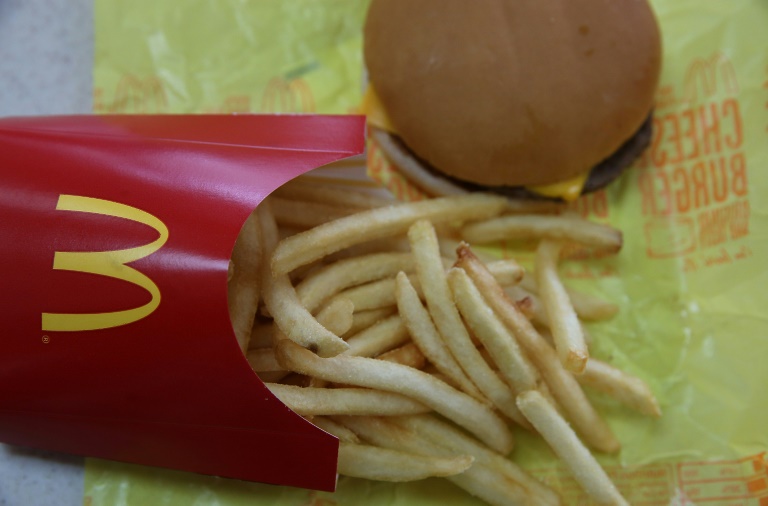
Stung by an across-the-board surge in inflation, McDonald’s said Wednesday it was raising the UK price of its cheeseburger — set at a lowly 99 pence ($1.19) for 14 years.

The 20-percent hike, to £1.19, sees the US fast-food giant join a raft of companies passing on higher wholesale prices to British consumers, fuelling the country’s worst cost-of-living crisis in generations.

McDonald’s said it was increasing the price of menu items “impacted most by inflation” by between 10p and 20p.

The chain is contending with “incredibly challenging times”, UK and chief executive officer Alistair Macrow said in a statement.

“Since we opened in the UK in 1974, we have committed to offering great tasting food at affordable prices, and that commitment will not change,” he said.

“But today’s pressures mean, like many, we are having to make some tough choices about our prices.” 

Last month, UK inflation hit a 40-year high of 9.4 percent and is forecast to rise into double digits, with energy prices set to rocket further on the back of Russia’s war in Ukraine.

On Tuesday, McDonald’s reported lower quarterly profits following its exit from Russia, and warned of the impact of rising inflation on consumer sentiment in Europe especially.

US-UK activist wins temporary release in Iran: daughter

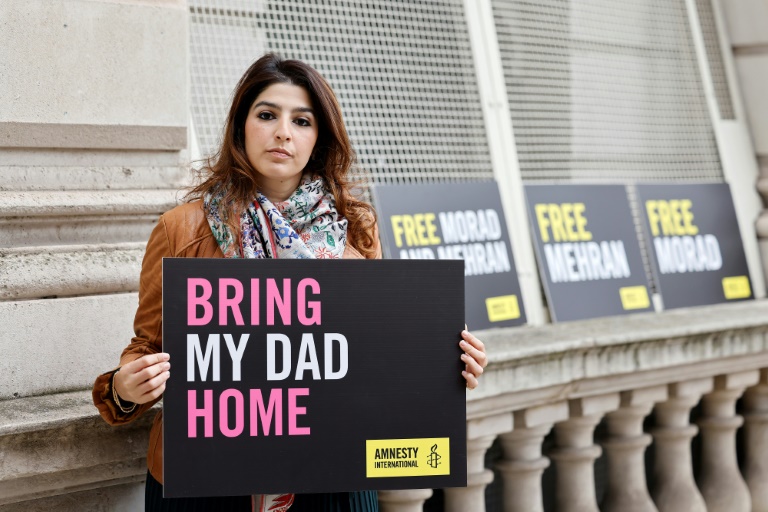
Morad Tahbaz, an environmental campaigner with UK and US citizenship, has been temporarily released from jail in Iran but London has “unfinished” business to secure his real freedom, his daughter said on Wednesday.

Tahbaz, 69, who has Iranian citizenship as well, is currently at his family home in Tehran after being released from Evin prison on temporary furlough with an ankle monitoring bracelet, Roxanne Tahbaz confirmed.

He remained behind in the Tehran jail when British-Iranians Nazanin Zaghari-Ratcliffe and Anoosheh Ashoori flew home in March, after the UK government repaid a historical debt to Tehran.

Roxanne has accused the UK government of abandoning her father, claiming it led the family to believe that he would be included in any deal to free Zaghari-Ratcliffe and Ashoori.

Following news of his temporary furlough, she said she was glad he could now be with her mother in the Iranian capital, as well as receive the medical attention that he “urgently needs”. 

“However, the UK government’s work is unfinished,” Roxanne added in a statement.

“My father is a UK-born national and he and my mother should have been on the flight with Nazanin and Anoosheh four months ago. They should be free. Home is not in Iran, home is with their children.”

She noted British Foreign Secretary Liz Truss is running to replace Boris Johnson as Conservative leader and prime minister, and has been touting her record of delivering on policy pledges.

“I hope she will stand by her promise to my family and to my father and ensure his unconditional release.”

The UK government maintains that it cannot secure his release alone because he is also a US citizen, and that the Iranians are also having discussions with US officials.

“Morad is a tri-national and we continue to work closely with the United States to urge the Iranian authorities to permanently release him and allow his departure from Iran,” the foreign ministry in London said.

A Tehran court in 2020 jailed Tahbaz for 10 years on charges of spying, conspiring with Washington and damaging national security.

He and seven others convicted on similar charges worked with environmental group Persian Wildlife Heritage Foundation to track endangered species.

They were arrested on suspicion of espionage in early 2018.

Britain’s foreign ministry told Tahbaz’s family that when the others were released in March, Iran had agreed to free Tahbaz on unrestricted curfew.

But he was returned to Tehran’s Evin prison within 24 hours of his partial release, prompting him to go on hunger strike.

There was no immediate comment from Iranian authorities Wednesday.

Zaghari-Ratcliffe was released on furlough in March 2020 but was taken back to Evin prison after two weeks, before being fully released two years later.

Close Bitnami banner
Bitnami