US Business

New York raises age for owning semiautomatic rifle

New York’s governor raised the age for buying a semiautomatic rifle from 18 to 21 Monday as she tightened gun laws following the racist massacre at a supermarket in Buffalo.

Kathy Hochul approved a package of gun reform laws that had been passed by the state senate in the wake of last month’s shooting that killed 10 Black people.

The measures come amid a spate of mass killings in the United States that have sparked renewed calls for greater gun control laws.

Payton Gendron, 18, is accused of gunning down the shoppers at Tops Friendly Market using a an AR-15 assault rifle that he had bought legally.

As well as being at least 21 years old, buyers of semiautomatic rifles will now also have to obtain a permit, meaning undergoing a background check.

Democratic New York already has some of the strongest gun laws in America.

The new laws also ban most civilians from purchasing body armor, such as bullet-proof vests.

Gendron, a white supremacist, was wearing heavy body armor during his alleged attack on May 14.

Hochul also agreed to expand the state’s “red flag” laws, which allow courts to take away guns from people deemed a risk to themselves and others.

Ten days after the Buffalo shooting, a teenaged gunman shot dead 19 children and two teachers at an elementary school in Uvalde, Texas.

US President Joe Biden has called for new gun-control legislation, including a ban on assault weapons. 

At a minimum, Biden has said lawmakers should raise the age at which assault weapons can be purchased from 18 to 21.

But gun regulation faces deep resistance in the United States, from most Republicans and some rural-state Democrats.

US gun violence has killed more than 18,000 people so far in 2022, including nearly 10,300 suicides, according to the Gun Violence Archive.

Mexico snub throws Americas' summit into disarray

President Joe Biden’s plans to reboot US engagement with Latin America — especially on critical topics like migration — took a major hit after key partner Mexico snubbed a regional summit opening Monday in Los Angeles to protest Washington’s exclusion of three far-left countries.

What was meant to be a week-long showcase of cooperation looks more likely to become a display of division that reflects diminishing clout over a region where long-time US economic and diplomatic influence faces a growing Chinese challenge.

Confirming it was not inviting Cuba, Nicaragua and Venezuela to the Summit of the Americas, a senior White House official cited “reservations regarding the lack of democratic space and the human rights situations.”

In response, Mexican President Andres Manuel Lopez Obrador said he would stay away.

“You cannot have a Summit of the Americas if you do not have all the countries of the Americas attending,” Lopez Obrador announced, complaining of US “hegemony” and “lack of respect for nations.”

Foreign Minister Marcelo Ebrard will represent Mexico instead, but the leftist populist leader’s absence will diminish the impact of a summit where US-Mexico relations are at the heart of major immigration and trade issues.

The senior US official did not directly respond to Lopez Obrador’s boycott, saying only that “the United States recognizes and respects the position of allies in support of inclusive dialogue.” The official also said non-governmental representatives from Cuba, Nicaragua and Venezuela would be present.

In Havana, the communist Cuban government issued a statement calling Biden’s decision “anti-democratic and arbitrary.”

Biden is expected to make announcements at the summit on economic cooperation and fighting Covid-19 and climate change, said Juan Gonzalez, the top White House adviser on Latin America.

The US president, who flies to Los Angeles on Wednesday, also hopes to secure an agreement to help regulate surges of migration from the region’s poorer and violent countries to the United States — a major concern for US voters and an area where Republican opponents see Biden as vulnerable in upcoming midterm elections.

– Playing down Mexico spat –

State Department spokesman Ned Price played down the seriousness of the spat with Lopez Obrador, saying “we understand his position” and that the US-Mexican relationship is “broad and deep.”

“Mexico is an important hemispheric player. We are very gratified that… Foreign Secretary Ebrard will be in attendance. We will have a number of opportunities to engage with our Mexican counterparts.”

The Biden administration also notes it has secured the presence of other key regional players, including Argentina’s left-leaning Alberto Fernandez and Brazil’s far-right Jair Bolsonaro.

Benjamin Gedan, who heads the Latin America program at the Woodrow Wilson International Center for Scholars, said Lopez Obrador’s absence would mark a “significant void” and said Mexico’s leader seemed more focused on domestic political gain.

The boycott has been “a really unfortunate subplot in the run-up to the summit because it has drained an enormous amount of US diplomatic energy for a bizarre cause celebre,” Gedan said.

Biden has crafted a positive agenda, avoiding simply summoning Latin American leaders to lecture them on democracy, corruption and China, he said.

But, he added, it was unclear whether Biden will bring substantial resources to the table, in contrast to China’s lavish infrastructure spending and trade privileges.

“I think, inevitably, the United States will disappoint,” Gedan said.

– ‘Progressively less ambitious’ –

The Summit of the Americas is the first held by the United States since the inaugural 1994 meeting in Miami, where then-US president Bill Clinton sought the creation of a trade area to cover the whole continent except communist Cuba.

The United States has since soured on free trade, with Biden following the lead of his predecessor Donald Trump, who said such pacts hurt US workers.

Trump championed a hard line on Venezuela and Cuba, and did not attend the last Summit of the Americas, in Peru in 2018. 

Eric Farnsworth, vice president of the Council of the Americas, recently told a congressional hearing that each summit has become “progressively less ambitious.”

Los Angeles, he said, “offers the perfect opportunity for Washington to announce a commitment to regional growth and recovery.”

Michael Shifter, a senior fellow at the Inter-American Dialogue, said the drama over summit attendance showed Washington’s waning hold over the region as China muscles in.

The United States “still has a lot of soft power,” Shifter said. “As for political and diplomatic influence, it is diminishing by the day.”

Mexico snub throws Americas' summit into disarray

President Joe Biden’s plans to reboot US engagement with Latin America — especially on critical topics like migration — took a major hit after key partner Mexico snubbed a regional summit opening Monday in Los Angeles to protest Washington’s exclusion of three far-left countries.

What was meant to be a week-long showcase of cooperation looks more likely to become a display of division that reflects diminishing clout over a region where long-time US economic and diplomatic influence faces a growing Chinese challenge.

Confirming it was not inviting Cuba, Nicaragua and Venezuela to the Summit of the Americas, a senior White House official cited “reservations regarding the lack of democratic space and the human rights situations.”

In response, Mexican President Andres Manuel Lopez Obrador said he would stay away.

“You cannot have a Summit of the Americas if you do not have all the countries of the Americas attending,” Lopez Obrador announced, complaining of US “hegemony” and “lack of respect for nations.”

Foreign Minister Marcelo Ebrard will represent Mexico instead, but the leftist populist leader’s absence will diminish the impact of a summit where US-Mexico relations are at the heart of major immigration and trade issues.

The senior US official did not directly respond to Lopez Obrador’s boycott, saying only that “the United States recognizes and respects the position of allies in support of inclusive dialogue.” The official also said non-governmental representatives from Cuba, Nicaragua and Venezuela would be present.

In Havana, the communist Cuban government issued a statement calling Biden’s decision “anti-democratic and arbitrary.”

Biden is expected to make announcements at the summit on economic cooperation and fighting Covid-19 and climate change, said Juan Gonzalez, the top White House adviser on Latin America.

The US president, who flies to Los Angeles on Wednesday, also hopes to secure an agreement to help regulate surges of migration from the region’s poorer and violent countries to the United States — a major concern for US voters and an area where Republican opponents see Biden as vulnerable in upcoming midterm elections.

– Playing down Mexico spat –

State Department spokesman Ned Price played down the seriousness of the spat with Lopez Obrador, saying “we understand his position” and that the US-Mexican relationship is “broad and deep.”

“Mexico is an important hemispheric player. We are very gratified that… Foreign Secretary Ebrard will be in attendance. We will have a number of opportunities to engage with our Mexican counterparts.”

The Biden administration also notes it has secured the presence of other key regional players, including Argentina’s left-leaning Alberto Fernandez and Brazil’s far-right Jair Bolsonaro.

Benjamin Gedan, who heads the Latin America program at the Woodrow Wilson International Center for Scholars, said Lopez Obrador’s absence would mark a “significant void” and said Mexico’s leader seemed more focused on domestic political gain.

The boycott has been “a really unfortunate subplot in the run-up to the summit because it has drained an enormous amount of US diplomatic energy for a bizarre cause celebre,” Gedan said.

Biden has crafted a positive agenda, avoiding simply summoning Latin American leaders to lecture them on democracy, corruption and China, he said.

But, he added, it was unclear whether Biden will bring substantial resources to the table, in contrast to China’s lavish infrastructure spending and trade privileges.

“I think, inevitably, the United States will disappoint,” Gedan said.

– ‘Progressively less ambitious’ –

The Summit of the Americas is the first held by the United States since the inaugural 1994 meeting in Miami, where then-US president Bill Clinton sought the creation of a trade area to cover the whole continent except communist Cuba.

The United States has since soured on free trade, with Biden following the lead of his predecessor Donald Trump, who said such pacts hurt US workers.

Trump championed a hard line on Venezuela and Cuba, and did not attend the last Summit of the Americas, in Peru in 2018. 

Eric Farnsworth, vice president of the Council of the Americas, recently told a congressional hearing that each summit has become “progressively less ambitious.”

Los Angeles, he said, “offers the perfect opportunity for Washington to announce a commitment to regional growth and recovery.”

Michael Shifter, a senior fellow at the Inter-American Dialogue, said the drama over summit attendance showed Washington’s waning hold over the region as China muscles in.

The United States “still has a lot of soft power,” Shifter said. “As for political and diplomatic influence, it is diminishing by the day.”
US orders seizure of two aircraft owned by Russian oligarch Abramovich

The US Justice Department ordered the seizure Monday of two aircraft owned by Russian oligarch Roman Abramovich, saying they had been used in violation of sanctions on Russia imposed over its invasion of Ukraine.

The department said in court filings that the two aircraft, a Boeing 787-8 Dreamliner and Gulfstream G650ER executive jet, had been flown into Russian territory in earlier this year in violation of US export controls set for US-made aircraft on March 2.

The move, announced by the Justice department’s New York division, took aim at one of the wealthiest Russian billionaires, who has already been forced to sell Chelsea Football Club in the wake of Moscow’s February 24 invasion of Ukraine.

The move aims at “incentivizing people who are close to the Kremlin to distance themselves from the Kremlin and from the Russian state as it continues to ramp up the war,” said Andrew Adams, director of the Justice Department’s KleptoCapture task force.

Both aircraft, which the Justice Department valued at $400 million, are believed to be currently out of reach of US officials — in Russia and, for the Boeing, possibly in Dubai according to media reports.

“We will take active steps to pursue seizure, and we’ll keep an eye out to see if they move jurisdictions,” said Adams.

The seizure order outlined in detail how Abramovich controls the two aircraft through a series of shell companies.

In parallel with the order, the US Commerce department issued a letter officially charging Abramovich of knowingly violating US restrictions that seek to block specific technologies and goods from being exported to Russia.

The charges can bring significant financial penalties of up to double the value of the “export” transaction, the Commerce letter said, suggesting that they could seek more than the value of the aircraft in fines.

“Commerce’s export and re-export controls are robust and they must be respected. They’re a critical component of the US strategy to deprive Russia of the means of fully fueling its illegal war,” said Adams.

Global crises must not delay action on climate, UN talks told

A barrage of global crises must not deflect attention from urgent climate action, the UN’s climate chief warned Monday, as negotiators from nearly 200 nations began talks in Germany against the backdrop of Russia’s invasion of Ukraine.

The conference will set the stage for a fresh round of major United Nations talks later this year in Egypt, as climate-driven weather extremes are increasingly felt across the planet.

But nations also face a formidable collection of inter-related challenges, including the Ukraine conflict, energy, food and economic crises, as well as the continued impact of the Covid pandemic.  

Issuing a call for international unity to hold firm, outgoing UN climate change chief Patricia Espinosa told delegates not to lose focus or give up hope.

It was “not acceptable to say that we are in challenging times”, she argued.

“We must understand that climate change is moving exponentially,” she said, opening the June 6 to 16 meeting.

“We can no longer afford to make just incremental progress. We must move these negotiations along more quickly. The world expects it.” 

– ‘Lack of action’ –

Governments have already accepted that climate change is a grave threat to humanity and the planet, and have advocated immediate action to cut fossil fuel emissions and prepare for the growing impacts of warming.

The summary to this year’s landmark climate report from the Intergovernmental Panel on Climate Change concluded that any further delay in action “will miss a brief and rapidly closing window of opportunity to secure a liveable and sustainable future for all”.

But as things stand, the world is unlikely to be able to meet the Paris climate deal’s commitment to limit warming “well below” two degrees Celsius above pre-industrial levels, and preferably 1.5C.

“There is this disconnect between the scientific evidence of global crisis in the making, of potentially rushing towards unmanageable climate impacts, versus the lack of action,” Johan Rockstrom, director of the Potsdam Institute for Climate Impact Research, told AFP.

“This is a deep worry.”

While the conference in the German city of Bonn is largely aimed at preparing for the UN COP27 meeting in Sharm el-Sheikh in November, a number of key issues are up for debate.

Among them is a push for countries to speed up their timetable for updating their carbon-cutting plans, to close the gap between warming targets and emissions-cutting action. 

– Funding promises not met –

In May, an analysis from non-profit groups found that countries in the G20 group of major economies had yet to strengthen greenhouse gas reduction goals, despite agreeing to revisit their plans.

Funding from rich polluters to help vulnerable developing nations least responsible for global heating will also be particularly in focus.

A promise of $100 billion a year from 2020 to help them adapt to a warming world has still not been met.

Meanwhile, there are growing calls for “loss and damage” funding for countries already struck by devastating climate impacts. 

“The inability to reduce emissions and ensure adequate adaptation funding is leading to increasing losses and damage in our countries, and we are the ones paying the price,” said Madeleine Diouf Sarr, chair of the Least Developed Countries group.  

Espinosa expressed concern that money to help green the economies of developing nations could shift away as a result of the war in Ukraine, which has roiled energy markets and raised the spectre of a global food crisis as wheat prices soar. 

– ‘Urgency’ –

Fears of a food crisis have intensified in recent weeks, with India moving to ban wheat exports after the hottest March and April on record — blamed largely on climate change — hit harvests.

Countries with exposure to Russian fossil fuels — particularly in Europe — have also scrambled to shore up energy supplies. 

The US, criticised over plans to resume oil and gas drilling, on Monday said it would invoke a key power to compel domestic manufacture of clean energy technology and suspend some solar tariffs to try and boost renewable capacity and tackle climate change. 

Espinosa told reporters that the “very difficult situation” caused by the war only adds to the “urgency of addressing climate change”.

She urged nations to prepare to arrive in Egypt able to demonstrate progress since the 2021 COP26 climate summit in Glasgow. 

Countries made a raft of promises on the sidelines of last year’s meeting — to curb deforestation and methane leaks, for example.

If honoured in full they could, along with official carbon-cutting commitments under the Paris deal, theoretically cap global warming under 2C, research suggests.   

But that means the focus at this year’s meetings needs to be on “accountability”, said Rockstrom. 

“We are now in the delivery phase”.

Musk accuses Twitter of withholding data, says may withdraw bid

Elon Musk threatened Monday to withdraw his bid to buy Twitter, accusing it of failing to provide data on fake accounts, in the latest twist in the Tesla billionaire’s push to acquire the social network.

Twitter has committed “a clear material breach” of its “obligations under the merger agreement and Mr. Musk reserves … his right not to consummate the transaction,” according to a document filed with securities regulators.

The filing marks an escalation of Musk’s prior statements that have highlighted fake accounts as a threat to his proposed $44 billion deal to take over Twitter.

The mercurial Musk agreed a deal in late April to purchase Twitter.

But the proposed sale has stoked protest from critics who warn his stewardship will embolden hate groups and disinformation campaigns.

US securities regulators have also pressed Musk for an explanation of an apparent delay in reporting his Twitter stock buys.

Musk began making significant noise about fake accounts in mid-May, saying on Twitter he could walk away from the transaction if his concerns were not addressed.

Some observers have seen Musk’s questioning of Twitter bots as a means to end the takeover process, or to pressure Twitter into lowering the price.

Musk’s latest statement on bots signifies he is “looking to walk away from deal,” Wedbush analyst Dan Ives said Monday on Twitter, noting that there is a $1 billion breakup fee in the Twitter-Musk transaction. 

“We continue to believe that Elon is playing hard ball… to gain leverage/options to either reduce his offer price or indeed completely walk away if he gets cold feet,” said CFRA Research’s Angelo Zino.

Twitter on Monday defended its responsiveness, and vowed to complete the deal.

“Twitter has and will continue to cooperatively share information with Mr. Musk,” a spokesperson said. “We intend to close the transaction and enforce the merger agreement at the agreed price and terms.”

– Counting bots –

Musk has said that the real number of bots may be four times higher than Twitter estimates.

Bots can be used on social media to spread false news or create a distorted impression of how widely information is being consumed and shared.

Twitter chief executive Parag Agrawal has said that fewer than five percent of accounts active on any given day at Twitter are bots, but that analysis cannot be replicated externally due to the need to keep user data private.

But Musk has been dismissive of Twitter’s responses and reiterated that stance in Monday’s filing.

Musk’s attorney, Mike Ringler, said Twitter had failed to respond to Musk’s valid inquiry about fake accounts, according to the filing.

“Mr. Musk has made it clear that he does not believe the company’s lax testing methodologies are adequate so he must conduct his own analysis,” Ringler said. “The data he has requested is necessary to do so.”

To execute the deal, Musk “must have a complete and accurate understanding of the very core of Twitter’s business model — its active user base,” said the filing. 

“Mr. Musk believes Twitter is transparently refusing to comply with its obligations under the merger agreement.”

Shares of Twitter fell 2.2 percent to $39.28 shortly after midday.

Musk accuses Twitter of withholding data, says may withdraw bid

Elon Musk threatened Monday to withdraw his bid to buy Twitter, accusing it of failing to provide data on fake accounts, in the latest twist in the Tesla billionaire’s push to acquire the social network.

Twitter has committed “a clear material breach” of its “obligations under the merger agreement and Mr. Musk reserves … his right not to consummate the transaction,” according to a document filed with securities regulators.

The filing marks an escalation of Musk’s prior statements that have highlighted fake accounts as a threat to his proposed $44 billion deal to take over Twitter.

The mercurial Musk agreed a deal in late April to purchase Twitter.

But the proposed sale has stoked protest from critics who warn his stewardship will embolden hate groups and disinformation campaigns.

US securities regulators have also pressed Musk for an explanation of an apparent delay in reporting his Twitter stock buys.

Musk began making significant noise about fake accounts in mid-May, saying on Twitter he could walk away from the transaction if his concerns were not addressed.

Some observers have seen Musk’s questioning of Twitter bots as a means to end the takeover process, or to pressure Twitter into lowering the price.

Musk’s latest statement on bots signifies he is “looking to walk away from deal,” Wedbush analyst Dan Ives said Monday on Twitter, noting that there is a $1 billion breakup fee in the Twitter-Musk transaction. 

“We continue to believe that Elon is playing hard ball… to gain leverage/options to either reduce his offer price or indeed completely walk away if he gets cold feet,” said CFRA Research’s Angelo Zino.

Twitter on Monday defended its responsiveness, and vowed to complete the deal.

“Twitter has and will continue to cooperatively share information with Mr. Musk,” a spokesperson said. “We intend to close the transaction and enforce the merger agreement at the agreed price and terms.”

– Counting bots –

Musk has said that the real number of bots may be four times higher than Twitter estimates.

Bots can be used on social media to spread false news or create a distorted impression of how widely information is being consumed and shared.

Twitter chief executive Parag Agrawal has said that fewer than five percent of accounts active on any given day at Twitter are bots, but that analysis cannot be replicated externally due to the need to keep user data private.

But Musk has been dismissive of Twitter’s responses and reiterated that stance in Monday’s filing.

Musk’s attorney, Mike Ringler, said Twitter had failed to respond to Musk’s valid inquiry about fake accounts, according to the filing.

“Mr. Musk has made it clear that he does not believe the company’s lax testing methodologies are adequate so he must conduct his own analysis,” Ringler said. “The data he has requested is necessary to do so.”

To execute the deal, Musk “must have a complete and accurate understanding of the very core of Twitter’s business model — its active user base,” said the filing. 

“Mr. Musk believes Twitter is transparently refusing to comply with its obligations under the merger agreement.”

Shares of Twitter fell 2.2 percent to $39.28 shortly after midday.

Mexico boycott clouds Biden's regional Americas' summit

The Summit of the Americas began under a cloud Monday after Mexico’s leader said he was snubbing President Joe Biden’s invitation because Washington refused to invite Cuba, Nicaragua and Venezuela over human rights abuses and lack of democracy.

The dispute, right as the week-long gathering in Los Angeles was getting underway, highlighted the challenges facing the Biden administration’s attempt to solidify US leadership in its own backyard at a time when China is making diplomatic and commercial inroads.

Confirming it was not inviting the three far-left governments, a senior White House official cited “reservations regarding the lack of democratic space and the human rights situations.”

In response, Mexican President Andres Manuel Lopez Obrador said he would stay away.

“You cannot have a Summit of the Americas if you do not have all the countries of the Americas attending,” Lopez Obrador announced, complaining of US “hegemony” and “lack of respect for nations.”

Foreign Minister Marcelo Ebrard will represent Mexico instead, but the leftist populist leader’s absence will diminish the impact of a summit where US-Mexico relations are at the heart of major immigration and trade issues.

The senior US official did not directly respond to Lopez Obrador’s boycott, saying only that “the United States recognizes and respects the position of allies in support of inclusive dialogue.” The official also said non-governmental representatives from Cuba, Nicaragua and Venezuela would be present.

Biden is expected to make announcements at the summit on economic cooperation and fighting Covid-19 and climate change, said Juan Gonzalez, the top White House adviser on Latin America.

The US president, who flies to Los Angeles Wednesday, also hopes to secure an agreement on regional cooperation over migration, a major concern for US voters and an area where Republican opponents see Biden as vulnerable in upcoming midterm elections.

The number of Central Americans and Haitians seeking to enter the United States has been surging as they flee poverty and violence in their homelands.

– ‘Unfortunate subplot’ –

Despite the dispute with Mexico, the Biden administration has secured the presence of other key regional players.

These include Argentina’s left-leaning Alberto Fernandez, whom Biden also invited to Washington, and Brazil’s far-right Jair Bolsonaro.

Benjamin Gedan, who heads the Latin America program at the Woodrow Wilson International Center for Scholars, said Lopez Obrador’s absence would mark a “significant void” and said Mexico’s leader seemed more focused on domestic political gain.

The boycott has been “a really unfortunate subplot in the run-up to the summit because it has drained an enormous amount of US diplomatic energy for a bizarre cause celebre,” Gedan said.

He said Biden has crafted a positive agenda, avoiding simply summoning Latin American leaders to lecture them on democracy, corruption and China.

But he said it was unclear whether Biden will bring substantial resources to the table, in contrast to China’s lavish infrastructure spending and trade privileges.

“The real barometer for this summit will be whether the United States offers meaningful new market access, lending and foreign assistance to support economic recovery and infrastructure in the region,” Gedan said.

“And there I think, inevitably, the United States will disappoint.”

– ‘Progressively less ambitious’ –

The Summit of the Americas is the first held by the United States since the inaugural 1994 meeting in Miami, where then US president Bill Clinton sought the creation of a trade area to cover the whole continent except communist Cuba.

The United States has since soured on free trade, with Biden following the lead of his predecessor Donald Trump, who said such pacts hurt US workers.

Trump championed a hard line on Venezuela and Cuba, and did not attend the last Summit of the Americas, in Peru in 2018. 

Eric Farnsworth, vice president of the Council of the Americas, recently told a congressional hearing that each summit has become “progressively less ambitious” with a shift “from a shared vision for democracy, trade and prosperity to a venue for taking a stand.”

Los Angeles, he said, “offers the perfect opportunity for Washington to announce a commitment to regional growth and recovery.”

Michael Shifter, a senior fellow at the Inter-American Dialogue, said the drama over summit attendance showed Washington’s waning hold over the region.

China has emerged as a leading partner, he said, and Latin American leaders are keenly aware of Biden’s political woes including the possibility that Republicans will retake control of Congress in November.

The United States “still has a lot of soft power,” Shifter said. “As for political and diplomatic influence, it is diminishing by the day.”
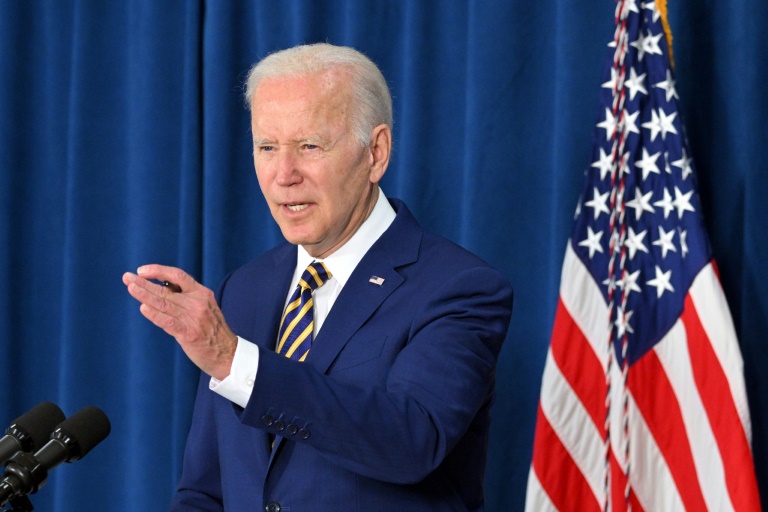
Mexico boycott clouds Biden's regional Americas' summit

The Summit of the Americas began under a cloud Monday after Mexico’s leader said he was snubbing President Joe Biden’s invitation because Washington refused to invite Cuba, Nicaragua and Venezuela over human rights abuses and lack of democracy.

The dispute, right as the week-long gathering in Los Angeles was getting underway, highlighted the challenges facing the Biden administration’s attempt to solidify US leadership in its own backyard at a time when China is making diplomatic and commercial inroads.

Confirming it was not inviting the three far-left governments, a senior White House official cited “reservations regarding the lack of democratic space and the human rights situations.”

In response, Mexican President Andres Manuel Lopez Obrador said he would stay away.

“You cannot have a Summit of the Americas if you do not have all the countries of the Americas attending,” Lopez Obrador announced, complaining of US “hegemony” and “lack of respect for nations.”

Foreign Minister Marcelo Ebrard will represent Mexico instead, but the leftist populist leader’s absence will diminish the impact of a summit where US-Mexico relations are at the heart of major immigration and trade issues.

The senior US official did not directly respond to Lopez Obrador’s boycott, saying only that “the United States recognizes and respects the position of allies in support of inclusive dialogue.” The official also said non-governmental representatives from Cuba, Nicaragua and Venezuela would be present.

Biden is expected to make announcements at the summit on economic cooperation and fighting Covid-19 and climate change, said Juan Gonzalez, the top White House adviser on Latin America.

The US president, who flies to Los Angeles Wednesday, also hopes to secure an agreement on regional cooperation over migration, a major concern for US voters and an area where Republican opponents see Biden as vulnerable in upcoming midterm elections.

The number of Central Americans and Haitians seeking to enter the United States has been surging as they flee poverty and violence in their homelands.

– ‘Unfortunate subplot’ –

Despite the dispute with Mexico, the Biden administration has secured the presence of other key regional players.

These include Argentina’s left-leaning Alberto Fernandez, whom Biden also invited to Washington, and Brazil’s far-right Jair Bolsonaro.

Benjamin Gedan, who heads the Latin America program at the Woodrow Wilson International Center for Scholars, said Lopez Obrador’s absence would mark a “significant void” and said Mexico’s leader seemed more focused on domestic political gain.

The boycott has been “a really unfortunate subplot in the run-up to the summit because it has drained an enormous amount of US diplomatic energy for a bizarre cause celebre,” Gedan said.

He said Biden has crafted a positive agenda, avoiding simply summoning Latin American leaders to lecture them on democracy, corruption and China.

But he said it was unclear whether Biden will bring substantial resources to the table, in contrast to China’s lavish infrastructure spending and trade privileges.

“The real barometer for this summit will be whether the United States offers meaningful new market access, lending and foreign assistance to support economic recovery and infrastructure in the region,” Gedan said.

“And there I think, inevitably, the United States will disappoint.”

– ‘Progressively less ambitious’ –

The Summit of the Americas is the first held by the United States since the inaugural 1994 meeting in Miami, where then US president Bill Clinton sought the creation of a trade area to cover the whole continent except communist Cuba.

The United States has since soured on free trade, with Biden following the lead of his predecessor Donald Trump, who said such pacts hurt US workers.

Trump championed a hard line on Venezuela and Cuba, and did not attend the last Summit of the Americas, in Peru in 2018. 

Eric Farnsworth, vice president of the Council of the Americas, recently told a congressional hearing that each summit has become “progressively less ambitious” with a shift “from a shared vision for democracy, trade and prosperity to a venue for taking a stand.”

Los Angeles, he said, “offers the perfect opportunity for Washington to announce a commitment to regional growth and recovery.”

Michael Shifter, a senior fellow at the Inter-American Dialogue, said the drama over summit attendance showed Washington’s waning hold over the region.

China has emerged as a leading partner, he said, and Latin American leaders are keenly aware of Biden’s political woes including the possibility that Republicans will retake control of Congress in November.

The United States “still has a lot of soft power,” Shifter said. “As for political and diplomatic influence, it is diminishing by the day.”
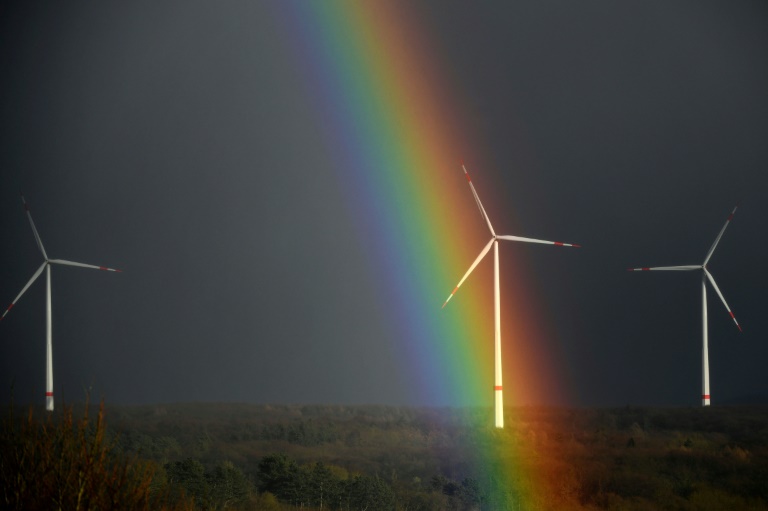
Stock prices rise on boost from China

Global stock markets advanced on Monday, driven by an easing of Covid lockdowns in the world’s second-biggest economy China.

London’s stock market, reopening after a British public holiday to mark Queen Elizabeth II’s Platinum Jubilee, shrugged off news that embattled British Prime Minister Boris Johnson was to face a confidence vote from MPs in his own conservative party.

Elsewhere, eurozone stocks also closed higher ahead of a European Central Bank meeting Thursday when the ECB is set to draw a line under its massive bond-buying stimulus programme.

On the other side of the Atlantic, Wall Street was firmly in positive territory. 

Stocks “have started the week on a positive note buoyed by a strong US jobs report on Friday”, said Victoria Scholar, head of investment at Interactive Investor.

Traders took heart also from a wind-down of Covid containment measures in China that have crippled its economy for months.

With infections trending down in major cities, including Shanghai and Beijing, authorities have allowed some sense of normality to return, raising hopes for a pick-up in consumer activity.

“Positive news around Chinese economic activity and cheaper equity valuations could offer value from a long-term investment perspective, but volatility will remain high in the short-term,” said Diana Mousina, of AMP Capital.

Adding to the upbeat mood were comments from US commerce chief Gina Raimondo that she was considering lifting tariffs on some goods from China to help in the battle against inflation.

In foreign exchange, the British pound was higher heading into the confidence vote on Johnson’s leadership.

“Markets have responded favourably to the news of the contest, with sterling appreciating,” noted Samuel Tombs, chief UK economist at Pantheon Macroeconomics. 

“This appears to reflect the general principle that markets favour Conservative governments, and the chances of the Tories winning the next election likely will be higher under a new leader.”

Johnson’s public image has suffered in the past year, most notably over the “Partygate” controversy that saw him become the first serving UK prime minister found to have broken the law.

The Conservative government has come under pressure also from a cost-of-living crisis in Britain as UK inflation stands at the highest level in four decades, driven by surging oil and gas prices.

– Key figures at around 1545 GMT –

New York – Dow: UP 0.5 percent to 33,056.08 points

London – FTSE 100: UP 1.0 percent at 7,608.22 (close)

Frankfurt – DAX: UP 1.3 percent at 14,653.81 (close)

Paris – CAC 40: UP 1.0 percent at 6,548.78 (close)

EURO STOXX 50: UP 1.4 percent at 3,838.42

Tokyo – Nikkei 225: UP 0.6 percent at 27,915.89 (close)

Hong Kong – Hang Seng Index: UP 2.7 percent at 21,653.90 (close)

Shanghai – Composite: UP 1.3 percent at 3,236.37 (close)

Brent North Sea crude: DOWN 0.2 percent at $119.42 per barrel

West Texas Intermediate: DOWN 0.4 percent at $118.36 per barrel

Euro/dollar: DOWN at $1.0695 from $1.0719 

Pound/dollar: UP at $1.2541 from $1.2488

Euro/pound: DOWN at 85.31 pence from 85.81 pence

Dollar/yen: UP at 131.52 yen from 130.81 yen

Close Bitnami banner
Bitnami