World

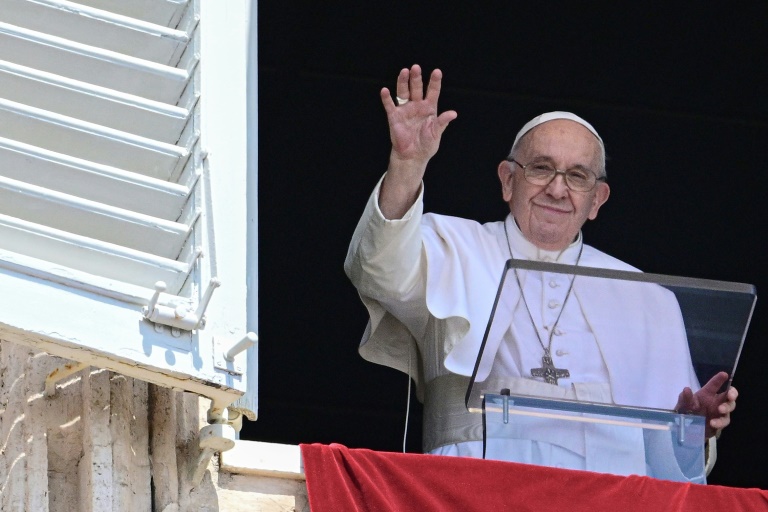
Pope Francis asks North Korea to invite him to visit

Pope Francis has asked Pyongyang to invite him to North Korea, saying in a televised interview on Friday that he would not turn down a chance to visit and work for peace.

A potential papal visit to the isolated, nuclear-armed country was previously floated in 2018 when Seoul’s former president Moon Jae-in embarked on a round of diplomacy with Pyongyang’s leader Kim Jong Un.

Moon, who is Catholic, said during a summit that Kim told him the pontiff would be “enthusiastically” welcomed. 

Pope Francis replied at the time that he would be willing to go if he received an official invitation.

But Pyongyang has largely cut off contact with Seoul following the collapse of a second summit between Kim and then-US president Donald Trump in 2019, which has left talks at a standstill.

“When they invite me — that is to say, please invite me — I won’t say no,” Pope Francis told South Korea’s state broadcaster KBS in an interview that aired Friday.

“The goal is simply fraternity,” he added.

Ties between North and South Korea have been at a frosty low since Seoul inaugurated a hawkish new president, Yoon Suk-yeol, in May. 

Yoon offered aid to the North in return for denuclearisation, but Kim’s regime ridiculed the plan.

The North blamed South Korea for its May outbreak of Covid-19 and earlier this month threatened to “wipe out” Seoul’s authorities in retaliation.

North Korea has conducted a record number of weapons tests this year, including firing an intercontinental ballistic missile at full range for the first time since 2017.

– ‘Work for peace’ –

The pope has repeatedly urged Koreans on the peninsula to “work for peace.”

“You, the Korean people, have suffered from the war,” he said. 

Religious freedom is enshrined in the North’s constitution, but all religious activity is banned outside of state-sanctioned institutions. 

In the early 20th century, before the division of the peninsula, Pyongyang was a regional missionary hub with scores of churches and a thriving Christian community that earned it the title “Jerusalem of the East”.

But Kim Il Sung, the North’s late founding leader and the current ruler’s grandfather, viewed Christianity as a threat and eradicated it through executions and labour camps.  

The North’s regime has since allowed Catholic organisations to run aid projects, but direct relations with the Vatican are non-existent. 

When Pope Francis visited South Korea in 2014, he held a special mass dedicated to the reunification of the two Koreas. 
Australia launches formal inquiry into ex-PM's secret power grab

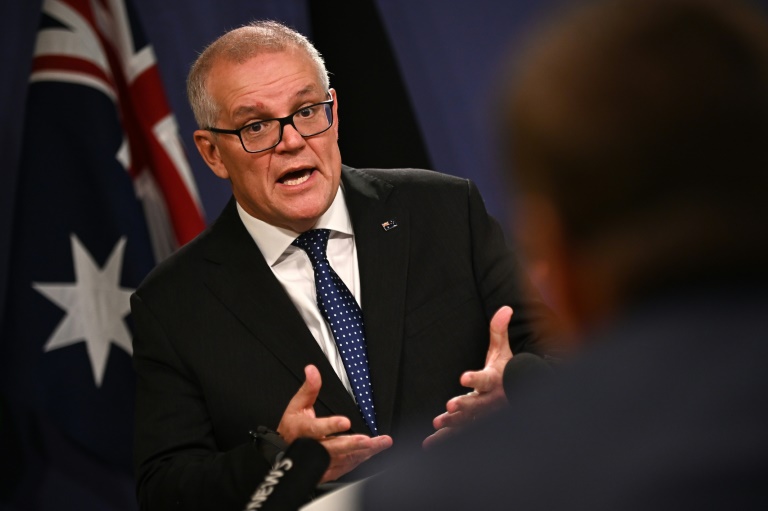
Australia on Friday tapped a former high court judge to investigate ex-prime minister Scott Morrison’s decision to secretly appoint himself to several key ministerial portfolios.

Incumbent Prime Minister Anthony Albanese announced the creation of the inquiry, saying the country’s system of “parliamentary democracy” had been tested.

During the Covid-19 pandemic, conservative leader Morrison appointed himself to the ministries of health, treasury, finance, resources and home affairs without telling colleagues or the public.

Albanese said the inquiry was essential “to ensure that this can never happen again”. 

The probe will be led by former high court judge Virginia Bell and will report by November 25.

“We need to have a quick and appropriate inquiry,” said Albanese, adding this is “not about the politics, but how this happened, why this happened and who knew about it.”

He did not rule out Morrison or other former government ministers from being compelled to give evidence if necessary.

Morrison has insisted he was right to take “emergency powers” during the tumult of the pandemic.

“I was steering the ship in the middle of the tempest,” he said in a defiant first public appearance after the scandal broke, dismissing critics who were “standing on the shore after the fact”. 

Three of Morrison’s fellow conservative prime ministers have also criticised the former premier’s behaviour. 

Christie's to auction Microsoft co-founder Allen's $1bn-plus art collection

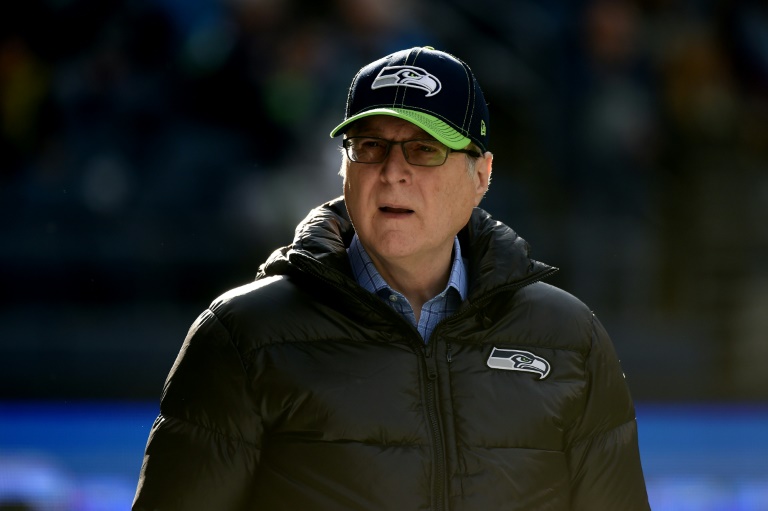
Christie’s announced plans on Thursday to auction the art collection of late Microsoft co-founder Paul Allen, which it estimated to be worth more than $1 billion.

The November sale of more than 150 pieces spanning 500 years of art will be “the largest and most exceptional art auction in history,” Christie’s said in a statement.

The works will include “La montagne Sainte-Victoire” by French painter Paul Cezanne, valued at more than $100 million, the auction house said.

It is holding the auction with the late billionaire’s estate. Christie’s said all proceeds will go to charitable causes, as per the wishes of Allen, who was an avid art collector, innovator and philanthropist.

Allen, who died in 2018 at the age of 65, co-founded Microsoft with Bill Gates in 1975. Together, they came up with the PC operating system that made a fortune for the US technology giant.

Allen left the company in 1983, due to health problems and a deteriorating relationship with Gates, who remained in charge of Microsoft until 2000.  

The auction record for a private collection was set this spring by the US couple Harry and Linda Macklowe, with $922 million fetched in auctions conducted by Sotheby’s.

Other than the work by Cezanne, the Allen collection features a work entitled “Small False Start” by American painter Jasper Johns, valued at more than $50 million, The New York Times reported.

Christie’s did not detail what else is in the collection, but a traveling exhibit in 2016 gave a glimpse of the richness of the Allen art trove.

It features works by Monet, Manet, Klimt and others.

This year is shaping up as one of the biggest ever in the art market.

Besides the Macklowe auction, an Andy Warhol portrait of Marilyn Monroe sold in May for $195 million — a record for a piece of 20th-century art. 

Christie’s CEO Guillaume Cerutti said the Allen auction will be like no other.

“The inspirational figure of Paul Allen, the extraordinary quality and diversity of works, and the dedication of all proceeds to philanthropy, create a unique combination that will make the sale of the Paul G. Allen Collection an event of unprecedented magnitude,” Cerutti said.

“To Paul, art was both analytical and emotional. He believed that art expressed a unique view of reality –- combining the artist’s inner state and inner eye –- in a way that can inspire us all,” said Jody Allen, the executor of the estate.

“His collection reflects the diversity of his interests, with their own mystique and beauty.”

Christie's to auction Microsoft co-founder Allen's $1bn-plus art collection

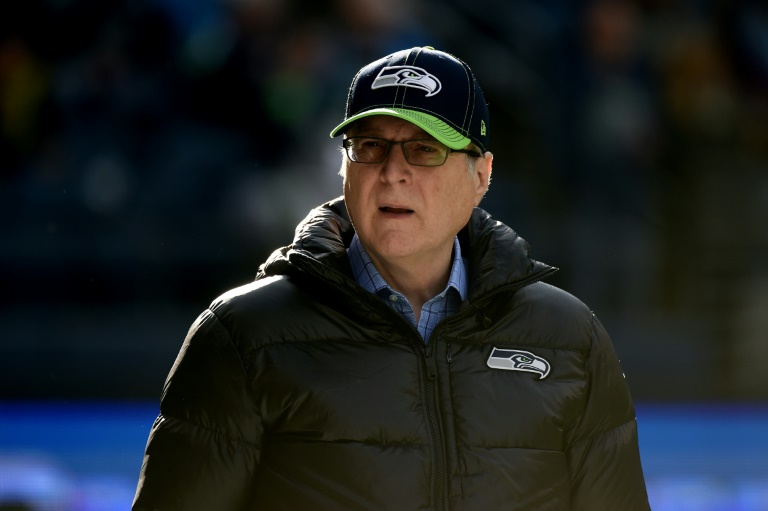
Christie’s announced plans on Thursday to auction the art collection of late Microsoft co-founder Paul Allen, which it estimated to be worth more than $1 billion.

The November sale of more than 150 pieces spanning 500 years of art will be “the largest and most exceptional art auction in history,” Christie’s said in a statement.

The works will include “La montagne Sainte-Victoire” by French painter Paul Cezanne, valued at more than $100 million, the auction house said.

It is holding the auction with the late billionaire’s estate. Christie’s said all proceeds will go to charitable causes, as per the wishes of Allen, who was an avid art collector, innovator and philanthropist.

Allen, who died in 2018 at the age of 65, co-founded Microsoft with Bill Gates in 1975. Together, they came up with the PC operating system that made a fortune for the US technology giant.

Allen left the company in 1983, due to health problems and a deteriorating relationship with Gates, who remained in charge of Microsoft until 2000.  

The auction record for a private collection was set this spring by the US couple Harry and Linda Macklowe, with $922 million fetched in auctions conducted by Sotheby’s.

Other than the work by Cezanne, the Allen collection features a work entitled “Small False Start” by American painter Jasper Johns, valued at more than $50 million, The New York Times reported.

Christie’s did not detail what else is in the collection, but a traveling exhibit in 2016 gave a glimpse of the richness of the Allen art trove.

It features works by Monet, Manet, Klimt and others.

This year is shaping up as one of the biggest ever in the art market.

Besides the Macklowe auction, an Andy Warhol portrait of Marilyn Monroe sold in May for $195 million — a record for a piece of 20th-century art. 

Christie’s CEO Guillaume Cerutti said the Allen auction will be like no other.

“The inspirational figure of Paul Allen, the extraordinary quality and diversity of works, and the dedication of all proceeds to philanthropy, create a unique combination that will make the sale of the Paul G. Allen Collection an event of unprecedented magnitude,” Cerutti said.

“To Paul, art was both analytical and emotional. He believed that art expressed a unique view of reality –- combining the artist’s inner state and inner eye –- in a way that can inspire us all,” said Jody Allen, the executor of the estate.

“His collection reflects the diversity of his interests, with their own mystique and beauty.”

Long Covid costs Australia millions of working days

Long Covid has already cost the Australian economy three million working days this year, according to a government analysis seen by AFP Friday, significantly worsening the country’s acute labour shortages.

The treasury report found that lingering effects of the coronavirus have been keeping some 31,000 Australians away from work every day.

Treasurer Jim Chalmers said Friday that Australia’s “labour market has been absolutely smashed by Covid, and Long Covid increasingly”.

“The thousands of workdays the economy is losing to Long Covid is just one part of a complex picture, and gives a sense of what we are all up against,” he said.

The treasury analysis defined Long Covid as someone experiencing symptoms four weeks or more after becoming infected.

This mirrors how Long Covid is characterised by the US Centers for Disease Control (CDC), which lists a wide variety of respiratory, heart, digestive and even neurological symptoms.

These include fatigue, heart palpitations, lightheadedness, stomach pain and difficulty concentrating — known as “brain fog”.

A comprehensive study published in the Lancet this month found that one in eight people who get Covid develop at least one Long Covid symptom.

The findings of the Australian treasury analysis were in line with this study — with 12 percent of Covid-related absenteeism attributed to Long Covid.

Australia is facing serious labour market constraints after its borders were closed to international arrivals for nearly two years during the pandemic.

The nation is experiencing the second-worst labour market shortage of any developed country, trailing only Canada, according to the OECD.

This and other issues — including years of stagnant wage growth — will be the subject of a “jobs summit” the new Labor government plans to hold next week.

Chalmers said challenges with skills shortages, wages and flatlining productivity would all be “front and centre at the summit”.

In risky recycling venture, Gazans burn plastic for fuel

Living in one of the poorest parts of the Middle East and facing some of the region’s highest fuel costs, Palestinians in Gaza are burning plastic to make affordable diesel.

It’s an economic and practical solution in a territory blockaded by Israel for 15 years, but one which poses serious environmental and health risks, experts say.

Standing before rusty metal machinery and fuel containers, Mahmoud al-Kafarneh described how he and his brothers came up with their plastic recycling project.

“We started experimenting to implement the project in 2018, through searching the internet,” he told AFP, at the site in the Jabalia area of northern Gaza.

“We failed a few times; after eight months we succeeded in extracting the fuel.”

The distilling setup features a series of crude-looking tanks and connecting pipes set up outside on the dirt.

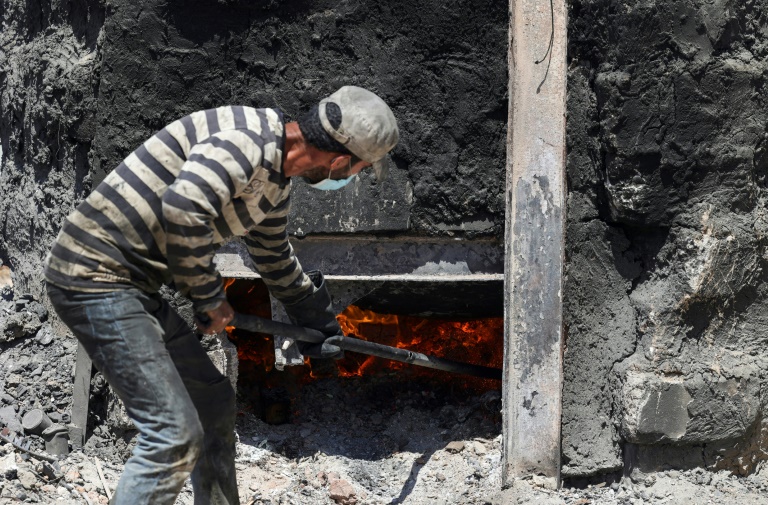
The process starts with the burning of wood in a furnace below a large mud-covered tank holding up to 1.5 tonnes (tons) of shredded plastic. When the plastic melts, the vapours flow through a pipe into a water tank where they cool and drip as fuel into containers, ready to be sold.

Black-grey smoke pours from several pipes extending above the furnace and the tank holding the plastic.

Only a few of the workers wear face masks and gloves as they melt bagfuls of shredded plastic. Their clothing is stained black.

Kafarneh said no-one has experienced health problems since starting work at the site, which sits beside olive trees and away from residential buildings.

“We follow all safety procedures at work”, he said. 

But Ahmed Hillis, director of Gaza’s National Institute for the Environment and Development, fears an environmental catastrophe from this unregulated industry.

“The method used is rudimentary and very harmful to the workers,” mainly because they inhale toxic fumes, he told AFP.

Burning plastic releases dioxins, mercury and other toxic gases which pose “a threat to vegetation, human and animal health”, according to the United Nations Environment Programme.

Hillis adds another danger of burning plastic, which is derived from petroleum hydrocarbons.

The tank is “a time bomb because it could explode” from the heat, he says.

In Gaza, where exchanges of fire between Palestinian militants and Israel for three days earlier this month killed at least 49 Palestinians, health risks are outweighed by economic reality.

– ‘Same quality’ –

Kafarneh, 25, said he would ideally upgrade their kit to a safer tank operated by electricity.

“But it’s unavailable due to the Israeli blockade,” he said. 

Since 2007, when the Islamist movement Hamas seized control of the Gaza Strip, Israel has severely restricted the flow of people and goods in and out of the coastal enclave where 2.3 million people live.

The territory is increasingly impoverished.

Unemployment has hit 47 percent and the average daily wage is around 60 shekels ($18), according to the Palestinian Central Bureau of Statistics.

Petrol delivered from Israel shot up to eight shekels ($2.40) a litre in Gaza, after Russia’s invasion of Ukraine sent global fuel prices spiking, before a pullback.

That sent demand soaring for Kafarneh’s fuel, with fishermen and farmers among the top customers.

At the portside in Gaza City, Abd al-Muti al-Habil is using a hose to fill the tank of his fishing boat.

“We use this diesel because it’s half the cost of the Israeli equivalent,” he said.

“There are no disadvantages. It’s the same quality, it doesn’t affect the motor and it’s working efficiently.”

The only problem for Habil is the shortage of supply, with around 10 boats currently using diesel made from recycled plastic. 

“Unfortunately the quantities are not enough. I barely get 500 litres (132 gallons) every two days,” he said.

Habil’s boat burns through 900 litres (237 gallons) of fuel during 12 hours at sea, quantities which are unaffordable if he relies solely on imported fuel.

One tankful of plastic can produce 1,000 litres (264 gallons) of fuel every 12-14 hours, but Kafarneh’s team must wait eight hours for the equipment to cool before they can restart the process. 

The amount produced also depends on the availability of raw materials.

At a sorting facility near the distilling site, six men are combing through a towering heap of baskets, bowls, buckets and other plastic waste.

“We get the plastic from workers who collect it from the street. We buy it from them, then we separate it and grind it through a special machine,” said Imad Hamed, whose hands are stained black from the work.

With the grinder relying on electricity, Hamed said they are frequently interrupted by Gaza’s chronic power cuts.

“We have to work at night sometimes, to coincide with the availability of electricity,” he said.

Asia stocks up before Powell speech, China tech adds support

Asian markets rose Friday after a Wall Street rally ahead of a speech by Federal Reserve boss Jerome Powell that is expected to reiterate his plan to ramp up interest rates to fight inflation.

Adding to the strong buying sentiment were signs of progress in talks between US and Chinese regulators that could see tech titans including Alibaba and JD.com avoid a delisting from New York.

Global equities have staggered in recent weeks after a near two-month rally from their June lows as a string of Fed officials lined up to reaffirm their commitment to tighten monetary policy, despite some promising economic data.

All eyes are now on Powell’s remarks later Friday at the annual symposium of top bankers and finance chiefs at Jackson Hole, Wyoming.

Most expect him to confirm that more hikes are on the way as officials try to bring inflation down from painful highs not seen in four decades.

Analysts said that while a number of board members have lined up this week, the hawkish tilt has largely been baked into market prices.

The key issue now is by how much the bank will tighten over the coming months, with expectations for a half-point lift in next month, after two three-quarter moves in June and July.

Wall Street’s three main indexes ended well up Thursday, with the Nasdaq and S&P 500 more than one percent to the good.

And Asia followed the lead, with Tokyo, Sydney, Seoul, Singapore, Taipei and Wellington all well up.

– US-China tech boost –

Hong Kong and Shanghai were among the best performers with a surge in tech companies thanks to news that China-US regulatory talks were progressing.

More than 200 Chinese firms have for months had the threat of New York delisting hanging over them as they are caught in a wide-ranging row between the superpowers.

But reports said Thursday that Beijing had called on top accounting firms to prepare to bring US-listed companies’ audit papers to Hong Kong, to be reviewed by US officials.

US lawmakers set a 2024 deadline for the removal of businesses that do not comply with listing rules and the latest move could provide a big step in avoiding that.

“To see that both sides are communicating, it is a good thing,” said Daisy Li, at EFG Asset Management. 

“Still, we will need to see if the US side is actually willing to accept the disclosure. If this can be resolved, it could help lower some (of the) China market’s geopolitical risk premium.”

The reports came as China announced plans to boost its flagging economy by pumping in tens of billions of dollars to kickstart lending, consumption and investment.

However, analysts have warned that while the cash injection will be welcomed, investors were more keen to see an easing of the zero-Covid policies that have led to the lockdown of major cities and battered industries.

– Key figures at around 0230 GMT –

Tokyo – Nikkei 225: UP 0.9 percent at 28,745.42 (break)

Hong Kong – Hang Seng Index: UP 0.7 percent at 20,100.06

Shanghai – Composite: UP 0.5 percent at 3,260.75

Euro/dollar: UP at 0.9970 from 0.9968 Thursday

Pound/dollar: DOWN at $1.1823 from $1.1826

Euro/pound: UP at 84.33 pence from 84.28 pence

Dollar/yen: UP at 136.76 yen from 136.36 yen

West Texas Intermediate: UP 1.0 percent at $93.41 per barrel

Brent North Sea crude: UP 1.0 percent at $100.34

New York – Dow: UP nearly 1.0 percent at 33,291.78 (close)

London – FTSE 100: UP 0.1 percent at 7,479.74 (close)

Asia stocks up before Powell speech, China tech adds support

Asian markets rose Friday after a Wall Street rally ahead of a speech by Federal Reserve boss Jerome Powell that is expected to reiterate his plan to ramp up interest rates to fight inflation.

Adding to the strong buying sentiment were signs of progress in talks between US and Chinese regulators that could see tech titans including Alibaba and JD.com avoid a delisting from New York.

Global equities have staggered in recent weeks after a near two-month rally from their June lows as a string of Fed officials lined up to reaffirm their commitment to tighten monetary policy, despite some promising economic data.

All eyes are now on Powell’s remarks later Friday at the annual symposium of top bankers and finance chiefs at Jackson Hole, Wyoming.

Most expect him to confirm that more hikes are on the way as officials try to bring inflation down from painful highs not seen in four decades.

Analysts said that while a number of board members have lined up this week, the hawkish tilt has largely been baked into market prices.

The key issue now is by how much the bank will tighten over the coming months, with expectations for a half-point lift in next month, after two three-quarter moves in June and July.

Wall Street’s three main indexes ended well up Thursday, with the Nasdaq and S&P 500 more than one percent to the good.

And Asia followed the lead, with Tokyo, Sydney, Seoul, Singapore, Taipei and Wellington all well up.

– US-China tech boost –

Hong Kong and Shanghai were among the best performers with a surge in tech companies thanks to news that China-US regulatory talks were progressing.

More than 200 Chinese firms have for months had the threat of New York delisting hanging over them as they are caught in a wide-ranging row between the superpowers.

But reports said Thursday that Beijing had called on top accounting firms to prepare to bring US-listed companies’ audit papers to Hong Kong, to be reviewed by US officials.

US lawmakers set a 2024 deadline for the removal of businesses that do not comply with listing rules and the latest move could provide a big step in avoiding that.

“To see that both sides are communicating, it is a good thing,” said Daisy Li, at EFG Asset Management. 

“Still, we will need to see if the US side is actually willing to accept the disclosure. If this can be resolved, it could help lower some (of the) China market’s geopolitical risk premium.”

The reports came as China announced plans to boost its flagging economy by pumping in tens of billions of dollars to kickstart lending, consumption and investment.

However, analysts have warned that while the cash injection will be welcomed, investors were more keen to see an easing of the zero-Covid policies that have led to the lockdown of major cities and battered industries.

– Key figures at around 0230 GMT –

Tokyo – Nikkei 225: UP 0.9 percent at 28,745.42 (break)

Hong Kong – Hang Seng Index: UP 0.7 percent at 20,100.06

Shanghai – Composite: UP 0.5 percent at 3,260.75

Euro/dollar: UP at 0.9970 from 0.9968 Thursday

Pound/dollar: DOWN at $1.1823 from $1.1826

Euro/pound: UP at 84.33 pence from 84.28 pence

Dollar/yen: UP at 136.76 yen from 136.36 yen

West Texas Intermediate: UP 1.0 percent at $93.41 per barrel

Brent North Sea crude: UP 1.0 percent at $100.34

New York – Dow: UP nearly 1.0 percent at 33,291.78 (close)

London – FTSE 100: UP 0.1 percent at 7,479.74 (close)

Air raid warning puzzles Swedish motorists

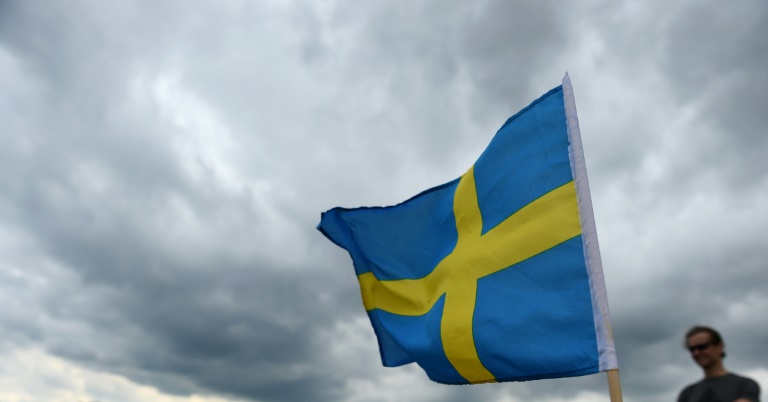
Swedish motorists were left puzzled this week after mistakenly receiving an air raid warning, an incident authorities termed “serious” on Thursday given the war in Ukraine and Russia’s irritation over Sweden’s NATO bid.

“We are in the process of investigating” how it happened, a spokeswoman for the Swedish Transport Administration told AFP.

The alert was sent out on Wednesday on a so-called Traffic Message Channel, a system currently being phased out in Sweden that allows motorists to receive traffic updates via their car radio.

The message was sent out in the southern county of Blekinge, which is home to one of Sweden’s biggest air force bases.

“Important traffic message, Blekinge county: Air raid, danger”, appeared on vehicle dashboards, preceded by a danger triangle.

Media outlets then contacted the Transport Administration, informing it that the warning that had been sent out.

It was not immediately known how many motorists received the message.

The Transport Administration said it knew “very little” about how it happened, but considered it “serious” given the current situation in the Nordic country and the war in Ukraine.

Moscow has reacted frostily to Sweden’s decision to abandon two centuries of military non-alliance and seek NATO membership following Russia’s invasion of Ukraine in February.

Russian military aircraft have violated Swedish airspace on several occasions this year before the country formally submitted its NATO application.

Sweden in 2018 reissued a wartime pamphlet to all households advising Swedes how to act in the event of a major crisis or conflict, despite the fact that the country has not experienced a war on its soil in more than 200 years.

Trump social media platform faces money woes, modest following

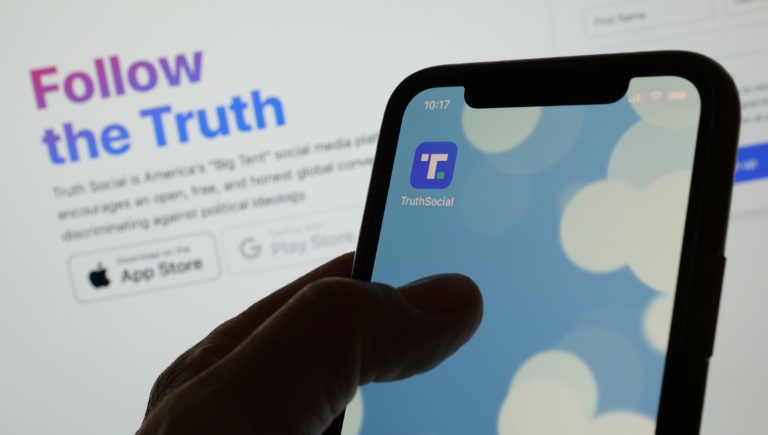
Signs are growing that Donald Trump’s social media platform Truth Social is in financial trouble, with just a modest following six months after launching.

Fox Business Network reported Thursday that the platform has halted payments to the company that hosts it, RightForge, and owes $1.6 million.

The platform’s parent company, Trump Media and Technology Group, did not respond to a request for comment.

A RightForge spokesman would not comment on the reports that Trump Social is not paying its bills.

“RightForge was on the ground floor of building Truth Social and will continue to support president Trump in his endeavors,” the company said.

Meanwhile the parent company’s merger with Digital World Acquisition Corp — a blank check company formed specifically to carry out a merger — has yet to take place, 10 months after the announcement that it would happen. This fusion is supposed to bring in fresh funding for the Trump platform.

DWAC published Thursday a call for a special shareholders meeting September 6 at which investors will be asked to approve a one-year delay for carrying out the merger, until Sept 8 of 2023.

Without a favorable vote for an extension the blank check company said it will be forced to dissolve.

Financial data published Thursday said that as of late June, DWAC had only $3,000 in cash on hand.

Truth Social bills itself as Trump’s answer to platforms like Twitter, which the former president used as a loud political bullhorn until he was ejected from it after a mob he had egged on assaulted the US Capitol in January 2021.

But six months later it is in 30th place in an Apple ranking of social media apps downloaded onto iPhones.

The Statista data base says Truth Social is downloaded only around 50,000 times per week.

Trump’s account on Truth Social has 3.91 million followers; on Twitter he had 79.5 million when he was booted.

Shares in DWAC have fallen 71 percent since hitting their peak in early March.

Close Bitnami banner
Bitnami