World

Pelosi's Asia tour kicks off under Taiwan cloud

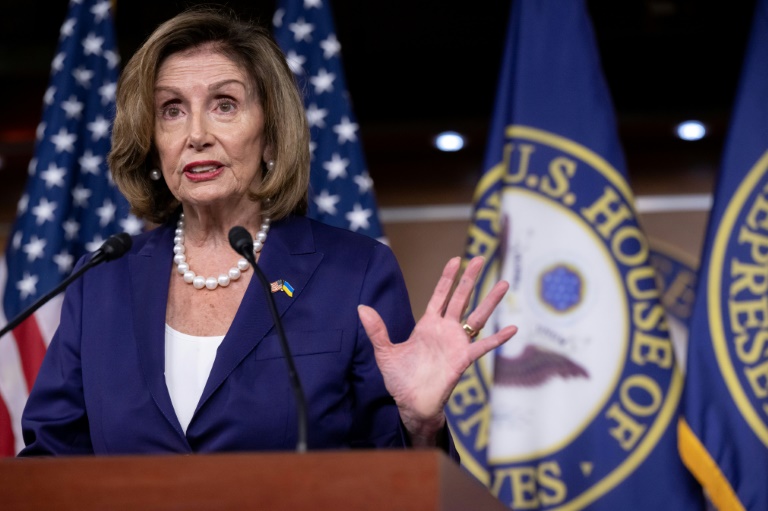
US House Speaker Nancy Pelosi on Monday kicked off an Asia tour that has been shrouded in secrecy following an escalation in tensions with China over Taiwan.

With no word if Pelosi will visit the island, she stopped first in Singapore, where Prime Minister Lee Hsien Loong urged her at a meeting to strive for “stable” ties with Beijing.

Her itinerary also includes Malaysia, South Korea and Japan, but a possible Taiwan visit has dominated attention in the run-up.

Reports about a plan to visit the island have enraged Beijing and caused unease in the White House with President Joe Biden trying to lower the temperature.

Beijing considers self-ruled Taiwan its territory — to be seized one day, by force if necessary — and said it would regard a Pelosi visit as a major provocation.

Pelosi’s office confirmed her Asia trip in a statement Sunday once her plane was in the air, following days of US media speculation and the speaker refusing to confirm her itinerary.

“The trip will focus on mutual security, economic partnership and democratic governance in the Indo-Pacific region,” it said, referring to the Asia-Pacific.

The statement did not mention Taiwan. But visits by US officials there are usually kept secret until delegations land.

And as speculation mounted, both CNN and Taiwan’s TVBS cited unnamed sources Monday to report that Pelosi does indeed plan to include the island on her Asia tour.

– ‘Powder keg’ –

The Global Times, China’s state-run tabloid, suggested that Pelosi might use “emergency excuses like an aircraft fault or refuelling” to land at a Taiwanese airport.

“If she dares to stop in Taiwan, it will be the moment to ignite the powder keg of the situation in the Taiwan Straits,” Hu Xijin, a former Global Times editor and now commentator, tweeted.

Beijing’s foreign ministry on Monday, warned a visit would “seriously threaten the peace and stability” of the Taiwan Strait if it goes ahead.

“If House Speaker Nancy Pelosi visits Taiwan, China will take resolute and strong countermeasures to defend its sovereignty and territorial integrity,” spokesman Zhao Lijian said.

“As to what measures, if she dares to go, then let’s wait and see.”

Taiwan’s 23 million people have long lived with the possibility of an invasion but the threat has intensified under Chinese President Xi Jinping.

The United States maintains a policy of “strategic ambiguity” over whether it would militarily intervene were China to invade.

While it diplomatically recognises Beijing over Taipei, it also backs Taiwan’s democratic government and opposes any forced change to the island’s status.

American officials often make discreet visits to Taiwan to show support but a Pelosi trip would be higher-profile than any in recent history.

Taiwan’s government has remained silent on the prospect of a Pelosi visit and there has been minimal local press coverage. 

“I really hate what the Chinese are doing,” Hsu Ching-feng, a fruit vendor in Taipei, told AFP.

“But there’s nothing us common folks can do about it but ignore them. I will just ignore them.”

– ‘Wrong target’ –

As House speaker, Pelosi is third in line to the US presidency and one of the country’s most powerful politicians.

The last House speaker to visit was Newt Gingrich in 1997.

Biden and Xi had a tense phone call last week clouded by disagreements over Taiwan.

Xi issued an oblique warning to the United States not to “play with fire” over the island.

Speculation about Pelosi’s Taiwan plans has coincided with an uptick in military activity across the region.

US officials have sought to downplay the significance of a Pelosi visit, urging calm from Chinese leaders.

Kharis Templeman, a Taiwan expert at the Hoover Institution, said Beijing “misread US politics and screwed their signalling up” with its intense reaction.

“They picked the wrong target. Biden doesn’t control the Speaker or any other member of Congress,” he tweeted Sunday.

“They’ve drawn the line at the Speaker of the House, on a visit rich in symbolism but of limited practical value. And now it will be politically costly for either Pelosi not to go, or Xi not to respond with something dramatic.”

In Taiwan, there have been mixed views about the prospect of Pelosi visiting, but figures from both the ruling party and the main opposition have said the island should not cave to Chinese pressure.

“If Pelosi were to cancel or postpone the trip, it would be a victory for the Chinese government and for Xi as it would show that the pressure it has exerted has achieved some desired effects,” Hung Chin-fu, from Taiwan’s National Cheng Kung University, told AFP. 
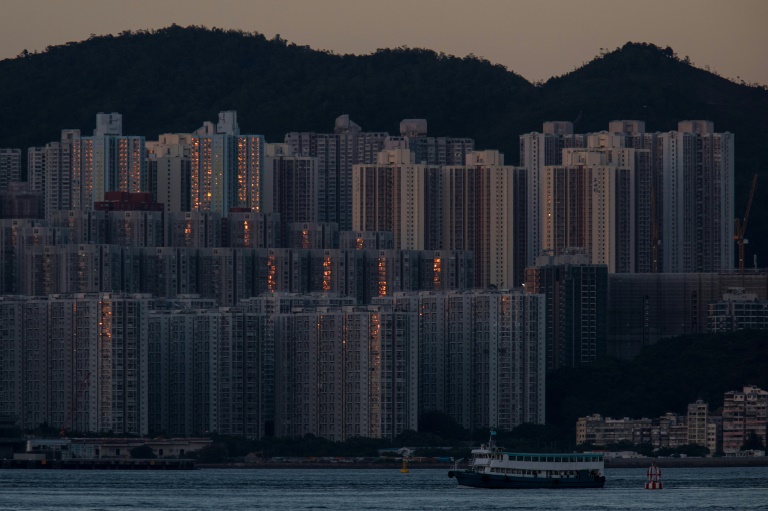
Hong Kong economy tips into technical recession

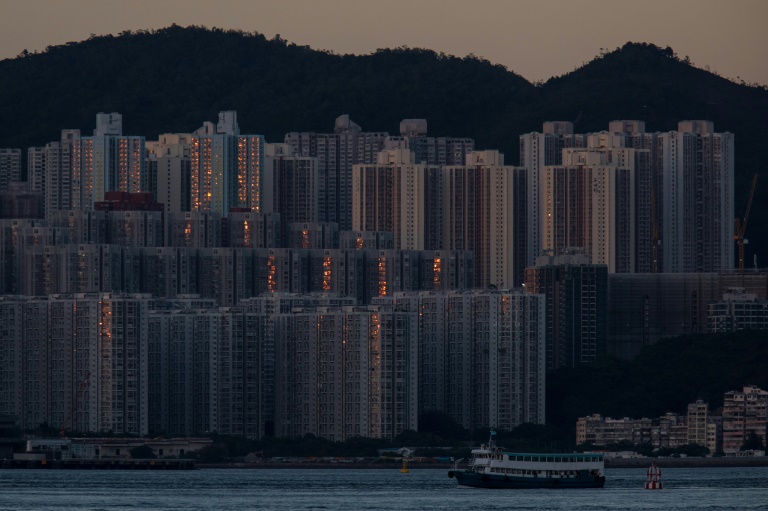
Hong Kong has tipped back into a technical recession, new government figures showed Monday, weighed down by mounting interest rates, weakened global trade and the city’s continued adherence to strict coronavirus controls.

Following a year-on-year decrease of 3.9 percent in the first quarter of 2022, the city’s GDP again reported decline in the second quarter on Monday — but with a narrower margin of 1.4 percent — according to advance estimates released by the Census and Statistics Department. 

The downturn is reversing last year’s recovery when the economy enjoyed a 6.3 percent annual growth after the slowdown in 2019 and 2020, when the city was first upended by months of huge, sometimes violent pro-democracy protests, and then the pandemic.

The Hong Kong government said the economic improvement was smaller than expected due to weak performance in external trade.

Official statistics released last month showed the value of total exports of goods in the second quarter decreased by 4.2 percent compared with the preceding quarter. 

For the first half of 2022, a visible trade deficit of $206.1 billion, equivalent to 8.2 percent of the value of imports of goods, was recorded.

“Weakened global demand and continued disruptions to cross-boundary land cargo flows between the mainland and Hong Kong weighed heavily on Hong Kong’s exports,” the government said Monday.

Monetary policy tightening by major central banks around the world is expected to dampen global economic growth significantly while quarantine-free travel between Hong Kong and mainland China is yet to have a clear timetable under Beijing’s strict adherence to its zero covid policy.

The financial hub’s new leader John Lee said his government would soon announce further shortening of mandatory hotel quarantine for overseas arrivals, according to an interview with the Hong Kong Economic Journal published on Monday.  

“Connecting with the world and with the mainland, we shall do both and they are not contradictory,” Lee told the newspaper. 

“I understand that one of Hong Kong’s competitiveness lies in its international connections.” 

In following China’s zero covid policy, Hong Kong has been largely cut off from the rest of the world for more than two years. 

It still has some of the world’s strictest restrictions, including week-long quarantine for arrivals and a ban on group gatherings with more than four people.

Local media recently reported that the government was mulling resuming quarantine-free travel for overseas arrivals in November, when the city is hoping to resuscitate its international image with a finance summit and the Hong Kong Rugby Sevens. 

Hong Kong economy tips into technical recession

Hong Kong has tipped back into a technical recession, new government figures showed Monday, weighed down by mounting interest rates, weakened global trade and the city’s continued adherence to strict coronavirus controls.

Following a year-on-year decrease of 3.9 percent in the first quarter of 2022, the city’s GDP again reported decline in the second quarter on Monday — but with a narrower margin of 1.4 percent — according to advance estimates released by the Census and Statistics Department. 

The downturn is reversing last year’s recovery when the economy enjoyed a 6.3 percent annual growth after the slowdown in 2019 and 2020, when the city was first upended by months of huge, sometimes violent pro-democracy protests, and then the pandemic.

The Hong Kong government said the economic improvement was smaller than expected due to weak performance in external trade.

Official statistics released last month showed the value of total exports of goods in the second quarter decreased by 4.2 percent compared with the preceding quarter. 

For the first half of 2022, a visible trade deficit of $206.1 billion, equivalent to 8.2 percent of the value of imports of goods, was recorded.

“Weakened global demand and continued disruptions to cross-boundary land cargo flows between the mainland and Hong Kong weighed heavily on Hong Kong’s exports,” the government said Monday.

Monetary policy tightening by major central banks around the world is expected to dampen global economic growth significantly while quarantine-free travel between Hong Kong and mainland China is yet to have a clear timetable under Beijing’s strict adherence to its zero covid policy.

The financial hub’s new leader John Lee said his government would soon announce further shortening of mandatory hotel quarantine for overseas arrivals, according to an interview with the Hong Kong Economic Journal published on Monday.  

“Connecting with the world and with the mainland, we shall do both and they are not contradictory,” Lee told the newspaper. 

“I understand that one of Hong Kong’s competitiveness lies in its international connections.” 

In following China’s zero covid policy, Hong Kong has been largely cut off from the rest of the world for more than two years. 

It still has some of the world’s strictest restrictions, including week-long quarantine for arrivals and a ban on group gatherings with more than four people.

Local media recently reported that the government was mulling resuming quarantine-free travel for overseas arrivals in November, when the city is hoping to resuscitate its international image with a finance summit and the Hong Kong Rugby Sevens. 

'Good to be back': Hugs and tears as Tonga reopens borders

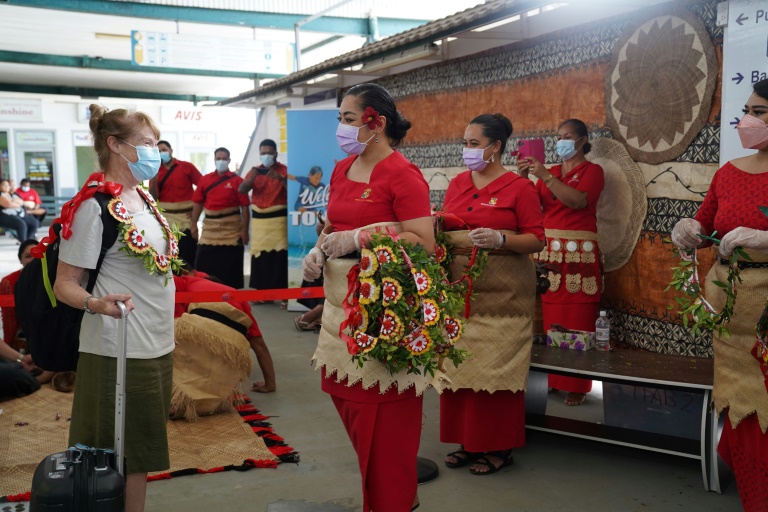
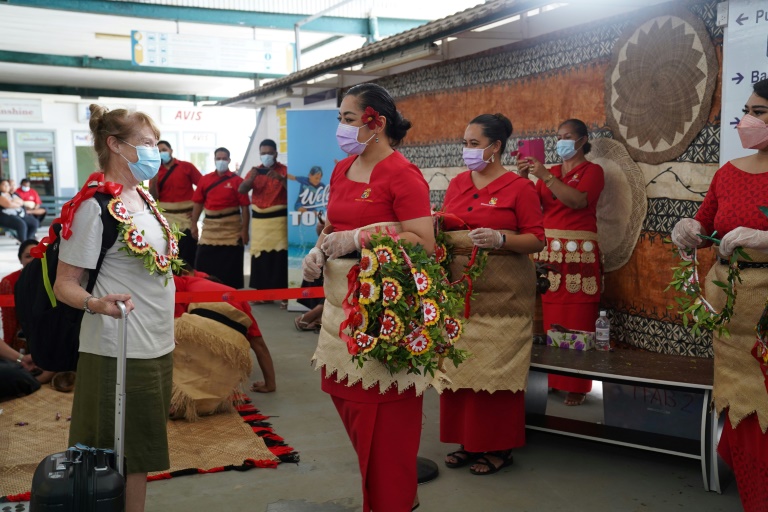
Families embraced and cried tears of joy Monday as they reunited at Tonga’s airport — the inaugural arrivals to the Pacific nation after it lifted Covid restrictions for the first time since the pandemic struck.

After Tonga shut its borders in March 2020, the government had tightly controlled a select list of people who were approved to fly into the kingdom — leaving over 3,000 Tongans stuck overseas.

But with restrictions lifted, Monday’s first batch of tourists and returning Tongans — greeted with colourful garlands and serenaded by a band at the Fua’amotu International Airport — will not have to undergo quarantine. 

The first plane to land was an Air New Zealand flight from Auckland carrying around 200 passengers.

“It’s good to be back,” said ‘Etu Palu, eager to see family again with his mother Finau Palu, who said it was “good to visit the motherland!”

Another passenger, Siosaia Filikitonga, said this was his first visit to Tonga in more than two years because of the pandemic.

“I am happy and emotional. Once Tonga announced the border re-opening, I booked to come,” Filikitonga told AFP.

Amid the reunions, Sione Moala Mafi, CEO of Tonga’s Ministry of Tourism, said the visitors bring an important boost to the Pacific Kingdom’s economy.

“I’m so glad that the border’s open and that facilitates the travel between Tonga and the outside world, especially, New Zealand,” he said.

“I can see there are a lot of foreign visitors are arriving on the flight as well as Tongans.”

More flights, one from New Zealand and one from Australia, are expected later this week with planes from Fiji also due Tuesday and Saturday.

“We are happy to welcome them,” Moala Mafi added.

– No super yachts –

Despite its reopening, Tonga is taking a cautious staged approach by limiting the number of incoming flights this month under a framework announced by the Prime Minister’s Office on July 22.

They will review the number of flights and cruise ships for September and October, and all incoming passengers must be vaccinated and have negative COVID-19 tests before departure and three to five days after arrival.

Currently the government’s National Emergency Management Committee has set the current level to “orange”, but Moala Mafi said it looks like “we are progressing towards” going “green”.

“Orange now and it has to be reviewed at the end of this month,” he said.

So far, yachts and super yachts are not included in the border re-opening, much to the frustration of tourism operators, who say July, with its fantastic weather, is the peak season in Tonga.

“I’ve got 20 boats sitting in Tahiti that want to come to Tonga. Big boats, I’m not talking about little yachts, because they won’t let the yachts come back in here and I don’t know why,” said David Hunt, owner of Super Yacht Services Tonga.

He was waiting at the airport to meet a yacht owner who had not seen his yacht moored in Vava’u —  one of Tonga’s islands — for over three years.

“Before the pandemic, we were averaging about 30 to 35 yachts a year between operators, but it could be much more this year,” he said.

“They’ve got all these boats coming down to the Pacific they don’t want to be in Ukraine, in the Mediterranean.”

Moala Mafi said the government is still undecided on yachts in Tongan waters.

“We are still finalising the policy framework for the cruise ships,” he said. “We don’t forget them, but they are in the pipeline.”

'Good to be back': Hugs and tears as Tonga reopens borders

Families embraced and cried tears of joy Monday as they reunited at Tonga’s airport — the inaugural arrivals to the Pacific nation after it lifted Covid restrictions for the first time since the pandemic struck.

After Tonga shut its borders in March 2020, the government had tightly controlled a select list of people who were approved to fly into the kingdom — leaving over 3,000 Tongans stuck overseas.

But with restrictions lifted, Monday’s first batch of tourists and returning Tongans — greeted with colourful garlands and serenaded by a band at the Fua’amotu International Airport — will not have to undergo quarantine. 

The first plane to land was an Air New Zealand flight from Auckland carrying around 200 passengers.

“It’s good to be back,” said ‘Etu Palu, eager to see family again with his mother Finau Palu, who said it was “good to visit the motherland!”

Another passenger, Siosaia Filikitonga, said this was his first visit to Tonga in more than two years because of the pandemic.

“I am happy and emotional. Once Tonga announced the border re-opening, I booked to come,” Filikitonga told AFP.

Amid the reunions, Sione Moala Mafi, CEO of Tonga’s Ministry of Tourism, said the visitors bring an important boost to the Pacific Kingdom’s economy.

“I’m so glad that the border’s open and that facilitates the travel between Tonga and the outside world, especially, New Zealand,” he said.

“I can see there are a lot of foreign visitors are arriving on the flight as well as Tongans.”

More flights, one from New Zealand and one from Australia, are expected later this week with planes from Fiji also due Tuesday and Saturday.

“We are happy to welcome them,” Moala Mafi added.

– No super yachts –

Despite its reopening, Tonga is taking a cautious staged approach by limiting the number of incoming flights this month under a framework announced by the Prime Minister’s Office on July 22.

They will review the number of flights and cruise ships for September and October, and all incoming passengers must be vaccinated and have negative COVID-19 tests before departure and three to five days after arrival.

Currently the government’s National Emergency Management Committee has set the current level to “orange”, but Moala Mafi said it looks like “we are progressing towards” going “green”.

“Orange now and it has to be reviewed at the end of this month,” he said.

So far, yachts and super yachts are not included in the border re-opening, much to the frustration of tourism operators, who say July, with its fantastic weather, is the peak season in Tonga.

“I’ve got 20 boats sitting in Tahiti that want to come to Tonga. Big boats, I’m not talking about little yachts, because they won’t let the yachts come back in here and I don’t know why,” said David Hunt, owner of Super Yacht Services Tonga.

He was waiting at the airport to meet a yacht owner who had not seen his yacht moored in Vava’u —  one of Tonga’s islands — for over three years.

“Before the pandemic, we were averaging about 30 to 35 yachts a year between operators, but it could be much more this year,” he said.

“They’ve got all these boats coming down to the Pacific they don’t want to be in Ukraine, in the Mediterranean.”

Moala Mafi said the government is still undecided on yachts in Tongan waters.

“We are still finalising the policy framework for the cruise ships,” he said. “We don’t forget them, but they are in the pipeline.”

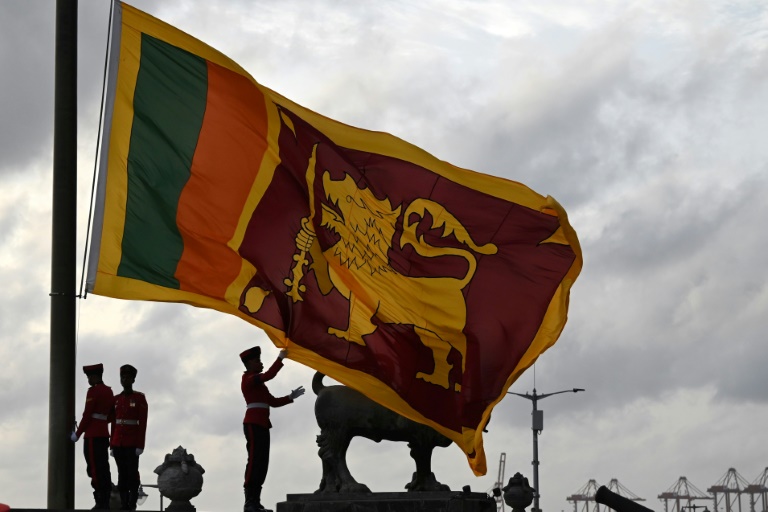
Bankrupt Sri Lanka seeks urgent help to feed children

Sri Lanka issued an urgent appeal on Monday to tackle rapidly spreading malnutrition among children as its economic crisis leaves nine out of 10 people dependent on state handouts.

The Ministry for Women and Child Affairs said they were seeking private donations to feed possibly several hundred thousand children wasting due to insufficient food.

The bankrupt state, grappling with Sri Lanka’s worst economic crisis since independence, was unable to sustain welfare.

“When the Covid pandemic was at its peak, the problem was bad, but now, with the economic crisis, the situation is far worse,” secretary Neil Bandara Hapuhinne told reporters in Colombo.

Hapuhinne said they had counted 127,000 malnourished children among the 570,000 girls and boys below the age of five in mid-2021.

Since then, he estimated the numbers have increased several fold with the full impact of rampant inflation and dire shortages of food and other essentials.

He said the number of people receiving direct state handouts has almost doubled in the past year with over 90 percent of the population now relying on the government for financial help.

Hapuhinne said these included about 1.6 million government employees.

Sri Lanka’s inflation was officially measured at 60.8 percent in July, but private economists say it is well over 100 percent and second only to Zimbabwe.

UNICEF has also issued an appeal for funding saying that children in Sri Lanka were disproportionately affected by the severe economic crisis.

The country ran out of foreign exchange to finance even essential imports late last year and Colombo defaulted on its $51 billion foreign debt in mid-April. 

Under embattled new President Ranil Wickremesinghe, the government is now in bailout talks with the International Monetary Fund.

The country’s 22 million people endure lengthy daily power cuts, long queues for fuel and shortages of staple food and medicines in a country that once had South Asia’s best social indicators.

Last month, President Gotabaya Rajapaksa fled the country and quit after thousands of protesters angry at the economic crisis stormed his official residence.

First grain shipment since Russian invasion leaves Ukraine

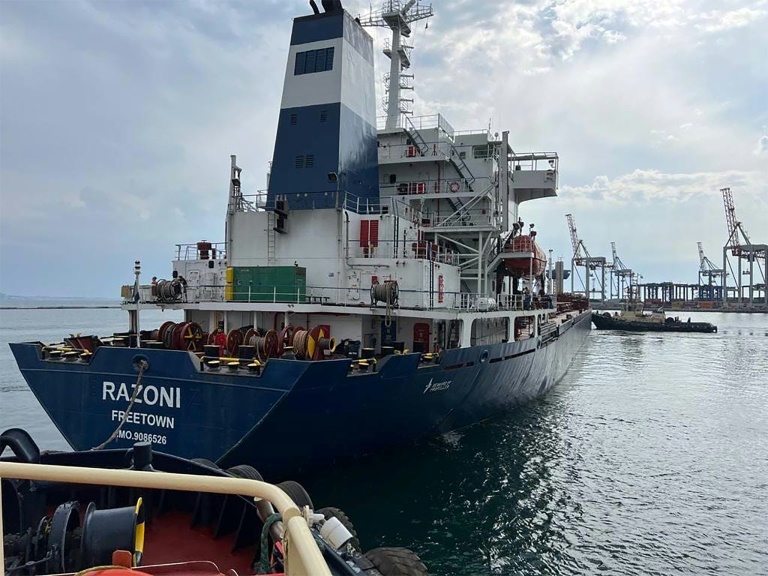
The first shipment of Ukrainian grain since the Russian invasion in February left the port of Odessa on Monday morning under a landmark deal to lift Moscow’s naval blockade in the Black Sea. 

United Nations chief Antonio Guterres, who brokered the plan along with Turkey, welcomed the announcement while Kyiv said it would bring “relief for the world” if Moscow held up its side of the accord.

The five-month halt of deliveries from war-torn Ukraine — one of the world’s biggest grain exporters — has contributed to soaring food prices, hitting the world’s poorest nations especially hard.

Officials said the Razoni cargo ship, registered in Sierra Leone, was making its way through a specially cleared corridor in the mine-infested waters of the Black Sea with 26,000 tonnes of maize on board.  

“It is expected in Istanbul on August 2. It will then continue its journey after it has been inspected in Istanbul,” the Turkish foreign minister said in a statement.

Other convoys would follow, respecting the maritime corridor and the agreed formalities, the statement said.

Last month, Ukraine and Russia signed the breakthrough pact — the first signficant accord involving the warring sides since the invasion — with Turkey and the United Nations aimed at getting millions of tonnes of trapped Ukrainian grain to world markets.

But Russian strikes on the Odessa port the day after the deal was signed sparked outrage from Ukraine’s allies and cast doubt over the accord.

Guterres, according to a UN statement, “hopes that this will be the first of many commercial ships moving in accordance with the initiative signed, and that this will bring much-needed stability and relief to global food security, especially in the most fragile humanitarian contexts”.

– Ships ‘waiting to leave’ –

“Ensuring that existing grain and foodstuffs can move to global markets is a humanitarian imperative,” he added.

Guterres also said that the World Food Programme was planning to “purchase, load and ship an initial 30,000 metric tons of wheat out of Ukraine on a UN-chartered vessel,” and there would be further details in the coming days.

Ukrainian Foreign Minister Dmytro Kuleba said Monday marked a “day of relief for the world, especially for our friends in the Middle East, Asia, and Africa, as the first Ukrainian grain leaves Odessa after months of Russian blockade.”

The Kremlin on Monday hailed it as a “very positive” development and a “good opportunity to test the effectiveness of the mechanisms that were agreed during talks in Istanbul”. 

The long-awaited consignment however is just the beginning of a backlog and Ukraine Infrastructure Minister Oleksandr Kubrakov said 16 more ships were already “waiting for their turn” to leave Odessa. 

“These are the ships that were blocked from the beginning of Russia’s full-scale invasion,” he said, adding that new requests for ships to dock and load were coming continuously.

“We are planning to reach full efficiency at of shipments of agricultural products during the following weeks,” he added.

The departure of the Razoni comes one day after Ukrainian agricultural magnate Oleksiy Vadatursky, 74, and his wife Raisa were killed when a missile struck their house in the battle-scarred city of Mykolaiv in the south.

Vadatursky owned major grain exporter Nibulon and was previously decorated with the prestigious “Hero of Ukraine” award.

Mykolaiv — which has been attacked frequently — is the closest Ukrainian city to the southern front where Kyiv’s forces are looking to launch a major counter-offensive to recapture territory lost after Russia’s February invasion.

The governor said Monday that three people had been injured in “massive” Russian shelling overnight that damaged homes and damaged humanitarian supplies.

Despite progress on the grain exports, there was also Russian shelling in the war-scarred east of the country, where Russian troops have been fighting deeper into the Donbas region.

The head of the industrial Donetsk region, Pavlo Kyrylenko said Russian shelling over the past 24 hours had killed three people.

The Razoni’s departure came after Russian authorities in the Crimean Black Sea peninsula — seized by Moscow from Ukraine in 2014 — said a small explosive device from a commercial drone, likely launched nearby, hit the navy command in Sevastopol.

The local mayor blamed “Ukrainian nationalists” for the attack that forced the cancellation of festivities marking Russia’s annual holiday celebrating the navy.

Ukraine’s navy accused Russia of staging the attacks as a pretext to cancel the festivities.

Philippines president says 'no intention' to rejoin ICC

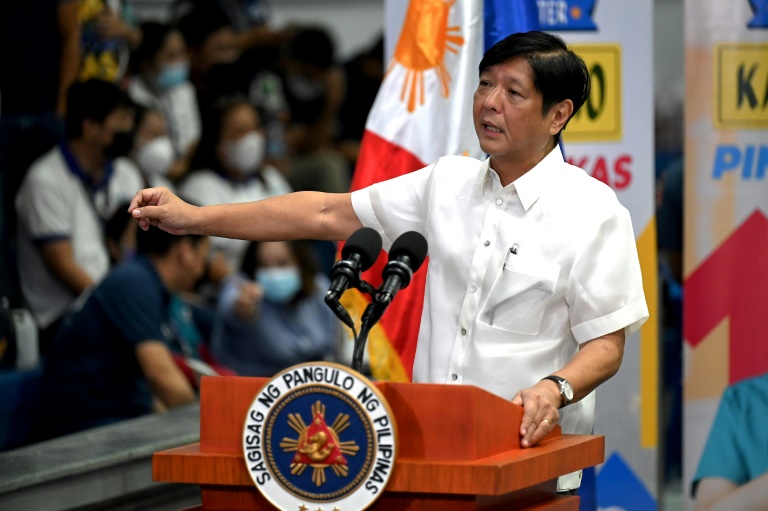
The Philippines has no plan to rejoin the International Criminal Court, President Ferdinand Marcos Jr said Monday, with the tribunal’s prosecutor seeking to resume a probe into the ex-president’s deadly drug war.

Rodrigo Duterte, who left office on June 30, pulled the Philippines out of the ICC in 2019 after it launched a preliminary probe into his drug crackdown, which killed many thousands of people.

ICC judges authorised a full investigation into the anti-narcotics campaign last September, saying it resembled an illegitimate and systematic attack on civilians.

It suspended the probe two months later, after Manila said it was looking into the alleged crimes itself.

But ICC prosecutor Karim Khan said in June that the request by Manila to defer the probe was unjustified and that it should restart “as quickly as possible”.

Marcos, who backed Duterte’s drug war, has previously indicated he would not cooperate with the ICC. 

On Monday, he went even further. 

“The Philippines has no intention of rejoining the ICC,” Marcos told reporters. 

Son of the country’s late dictator, Marcos Jr was elected president by a landslide in May with the help of a powerful alliance with Duterte’s daughter, Sara, who won the vice presidential race.

During his presidency, Duterte refused to cooperate with the court, claiming it had no jurisdiction — an assertion rejected by the Philippine Supreme Court.

Under pressure from the UN Human Rights Council and the ICC, the government has examined several hundred cases of drug operations that led to deaths.

Charges have been filed in a handful of cases. Only three police have been convicted for slaying a drug suspect. 

The ICC has invited the Philippines “to offer observations” on Khan’s request to resume the probe, the presidential communications office said.

Manila has until September 8 to respond. 

– ‘We are not under them’ –

Marcos said Monday that a recent meeting with his legal team, which includes Duterte’s former spokesman Harry Roque, was to discuss whether the administration would respond.

“What we’re saying is we have an investigation here and it’s ongoing, so why do we have to have that?” Marcos said on the sidelines of an event to promote booster shots of Covid-19 vaccines.

“It’s also possible that we will not bother (to respond) at all because we are not under them.”

Human rights group iDefend said they were undeterred by Marcos’ decision, and vowed to “continue to fight for justice and accountability”.

Even if the ICC gathers enough evidence to bring a case against Duterte, its rules prevent him from being tried in absentia.

The 77-year-old is still hugely popular among many in the Philippines who supported his quick-fix solutions to crime, and he remains a potent political force.

A self-professed killer, Duterte told officers to fatally shoot narcotics suspects if their lives were at risk.

He defended the crackdown, saying it had saved families and prevented the Philippines from turning into a “narco-politics state”.

Government data show at least 6,252 people died in police anti-drug operations during Duterte’s six-year term.

Rights groups say Duterte created a climate of impunity and estimate that tens of thousands have been killed by police, hitmen and vigilantes, even without proof they were involved in drugs.

Indonesian tourism workers strike over Komodo park price hike

Tourism businesses in Indonesia’s Komodo National Park began a month-long strike on Monday after the government imposed a huge price hike.

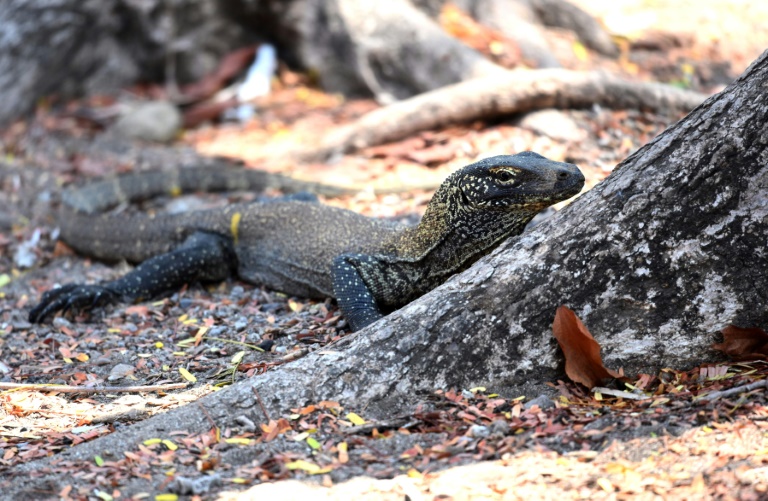
Jakarta’s 18-fold rise for entry to the park’s most popular islands seeks to limit the number of visitors to protect endangered Komodo dragons — the world’s largest lizards — from overexposure to humans and environmental damage.

The move, which came into force Monday, raised admission fees to Komodo and Padar islands at the World Heritage-listed site in East Nusa Tenggara province from 200,000 rupiah ($13) to 3.75 million rupiah ($252).

But it sparked uproar among locals who rely on tourism, and industry-related businesses in the national park — still reeling from the Covid-19 pandemic — were closed on Monday in protest.

“We have no other option, we have conveyed all our rational opinions and arguments but the government didn’t listen,” said Servianus Setiawan, a tour operator in Labuan Bajo, the town that serves as the entrance to the park. 

“We support Komodo conservation but please come up with a sensible number so we can protect Komodo dragons and so people whose livelihood depends on tourism can live.”

East Nusa Tenggara Governor Viktor Laiskodat said the new price would be imposed despite the protest.

“We admit that we missed disseminating the information (about the price increase) properly. We will inform the people better while monitoring and evaluating the situation,” he told reporters Monday.

At least 700 workers will take part in the strike until the end of August, Servianus said.

Tour organiser Samin told AFP those refusing to join the strike had been threatened with “social sanctions”. 

One tourism association threatened to burn down businesses that remained open.

Locals said the drastic price hike would deter tourists with a limited budget from visiting the national park, which was almost deserted at the peak of the pandemic. 

“We are slowly recovering, if people cancel their reservations, we will fall apart again,” Matheus Siagian, a hotel and restaurant owner told AFP. 

“Please let us heal first.”

Komodo dragons are found only in the national park and neighbouring Flores island, and just 3,458 adult and baby Komodo dragons are left in the wild, according to the International Union for the Conservation of Nature.

Indonesian tourism workers strike over Komodo park price hike

Tourism businesses in Indonesia’s Komodo National Park began a month-long strike on Monday after the government imposed a huge price hike.

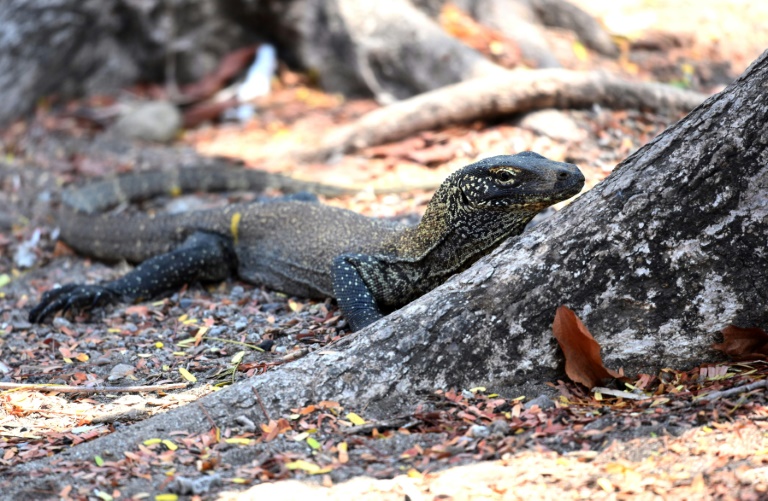
Jakarta’s 18-fold rise for entry to the park’s most popular islands seeks to limit the number of visitors to protect endangered Komodo dragons — the world’s largest lizards — from overexposure to humans and environmental damage.

The move, which came into force Monday, raised admission fees to Komodo and Padar islands at the World Heritage-listed site in East Nusa Tenggara province from 200,000 rupiah ($13) to 3.75 million rupiah ($252).

But it sparked uproar among locals who rely on tourism, and industry-related businesses in the national park — still reeling from the Covid-19 pandemic — were closed on Monday in protest.

“We have no other option, we have conveyed all our rational opinions and arguments but the government didn’t listen,” said Servianus Setiawan, a tour operator in Labuan Bajo, the town that serves as the entrance to the park. 

“We support Komodo conservation but please come up with a sensible number so we can protect Komodo dragons and so people whose livelihood depends on tourism can live.”

East Nusa Tenggara Governor Viktor Laiskodat said the new price would be imposed despite the protest.

“We admit that we missed disseminating the information (about the price increase) properly. We will inform the people better while monitoring and evaluating the situation,” he told reporters Monday.

At least 700 workers will take part in the strike until the end of August, Servianus said.

Tour organiser Samin told AFP those refusing to join the strike had been threatened with “social sanctions”. 

One tourism association threatened to burn down businesses that remained open.

Locals said the drastic price hike would deter tourists with a limited budget from visiting the national park, which was almost deserted at the peak of the pandemic. 

“We are slowly recovering, if people cancel their reservations, we will fall apart again,” Matheus Siagian, a hotel and restaurant owner told AFP. 

“Please let us heal first.”

Komodo dragons are found only in the national park and neighbouring Flores island, and just 3,458 adult and baby Komodo dragons are left in the wild, according to the International Union for the Conservation of Nature.

Close Bitnami banner
Bitnami