World

Final two candidates for UK PM to be decided

The final two candidates to become UK prime minister will be decided Wednesday, with Foreign Secretary Liz Truss and Penny Mordaunt battling it out with frontrunner Rishi Sunak. 

Former finance minister Sunak was only two votes short of securing his place in the final two after Tuesday’s voting, but the race behind him tightened as Truss clawed back five votes to finish only six behind Mordaunt.

The final two will be announced at four pm (1400 GMT), before the race then moves to the party members who will decide the new leader and prime minister. The result will be announced on September 5.

Tuesday’s vote means Britain will get either its first British Asian prime minister or the third female leader in the country’s history.

Sunak, whose resignation helped to topple outgoing leader Boris Johnson, is all but guaranteed to make the final cut.

But Mordaunt — the one-time bookmaker’s favourite — is now the outsider with punters betting that the right wing of the party will swing behind Truss after Kim Badenoch was voted out on Tuesday.

Former minister David Davis, a backer of Mordaunt, accused Sunak of lending votes to Truss in order to face her in the run off.

“Rishi just re-allocated some (votes) … He wants to fight Liz, because she’s the person who will lose the debate with him,” he told LBC Radio.

A YouGov poll published before the vote showed that, despite his popularity with parliamentary colleagues, Sunak was the least appealing candidate to the members. 

Mordaunt had headed the same poll previously.

She now trails Truss after a damaging few days in which her former boss, one-time UK Brexit pointman David Frost, slammed her work ethic and questions were raised over her stance on trans rights.

– Race gets personal –

In a statement after Tuesday’s vote, Mordaunt said: “We are so nearly across the finish line. I am raring to go and excited to put my case to members across the country and win.”

The BBC announced on Tuesday it will host a live televised debate with the final two candidates on Monday, with all remaining candidates agreeing to take part if they get through.

Sky News on Monday scrapped a planned debate between the remaining contenders after Sunak and Truss pulled out.

Prime Minister Boris Johnson announced on July 7 he was quitting as Conservative leader after a government rebellion in protest at his scandal-hit administration.

His government having survived a confidence vote on Monday, Johnson is now almost certain to stay on as prime minister until his successor is announced on September 5.

Under Britain’s parliamentary system, the leader of the biggest party is prime minister and can be changed mid-term without having to call a general election.

Johnson chaired his last Cabinet meeting on Tuesday morning and is due to face his last weekly question and answer session with MPs in parliament on Wednesday.

In the two previous televised debates — on Channel 4 Friday and the ITV network Sunday — the contenders clashed notably on whether to cut taxes to help ease a soaring cost of living crisis.

But Sunday’s clash turned more acrimonious — and personal — with candidates encouraged to directly criticise one another and their proposals.

Sunak called out Truss for voting against Brexit, her previous membership of the Liberal Democrats and her position on tax.

In turn, Truss questioned Sunak’s stewardship of the economy.

Badenoch attacked Mordaunt for her stance on transgender rights — a rallying call in the “culture wars” exercising the Tory right.

Hundreds evacuated as blaze engulfs Athens suburbs

Hundreds of people were evacuated early Wednesday as firefighters deployed planes and helicopters to fight a surging wildfire in mountainside suburbs north of Athens for a second day.

Nearly 500 firefighters, 120 vehicles, three planes and four helicopters swung into action from dawn to battle the flames from spreading to the suburbs of Penteli, Pallini, Anthousa and Gerakas, which is home to some 29,000 people.

No injuries were immediately reported but at least 10 homes are believed to have sustained varying degrees of damage, state TV ERT said.

“The sky was red…we left without taking anything with us,” a Pallini resident who lost his car and shed to the flames told ERT. 

The house next door was completely gutted.

“The civil protection authority was late in alerting us. The fire was scorching our backs, we left in the nick of time. Had we stayed another 30 seconds it would have burned us,” he said.

Greek media reported that an 80-year-old man in Anthousa had fatally shot himself in despair over the fire, which broke out on Tuesday afternoon.

Greece has so far been spared the scorching temperatures that have contributed to deadly wildfires in France, Portugal and Spain, destroying vast tracts of land, but has faced gale-force winds this week.

The wildfires on the foot of Mount Penteli north of Athens were fanned overnight by strong winds that constantly changed direction.

“There are two active fronts…the winds are so strong that the planes are prevented from making targeted water drops,” senior civil protection official Vassilis Kokkalis told Athens 98.4 radio.

He added that the fire was threatening businesses on a major Athens highway.

“It’s a fire that will be a cause for concern for several days because of rekindlings,” Kokkalis said.

Residents in several areas, a paediatric hospital and the national observatory at Athens were evacuated as a precautionary measure.

The police said some 600 people had been moved to safety overnight.

“It was insane, we did not know where to flee,” an elderly resident of Anthousa told ERT.

“Embers were falling from the sky, I’ve never seen anything like it,” he said.

Traffic was suspended on parts of a ring road around Athens, the company that manages it said on Twitter.

Greece has set up a crisis cell and firefighters battled 117 wildfires in the country in the last 24 hours.

Another 87 firefighters were battling a blaze in the Peloponnese, a southern peninsula.

Athens has asked European countries to send firefighters. A heatwave and wildfires last year destroyed 103,000 hectares (255,000 acres) and claimed three lives.

Russian fire pounds Ukraine, as Putin announces 'progress' on grain exports

Russian shelling pounded eastern and southern Ukraine as President Vladimir Putin said Moscow would only ease the path for Black Sea exports of Ukrainian grain if the West lifts sanctions on Russia’s shipments.

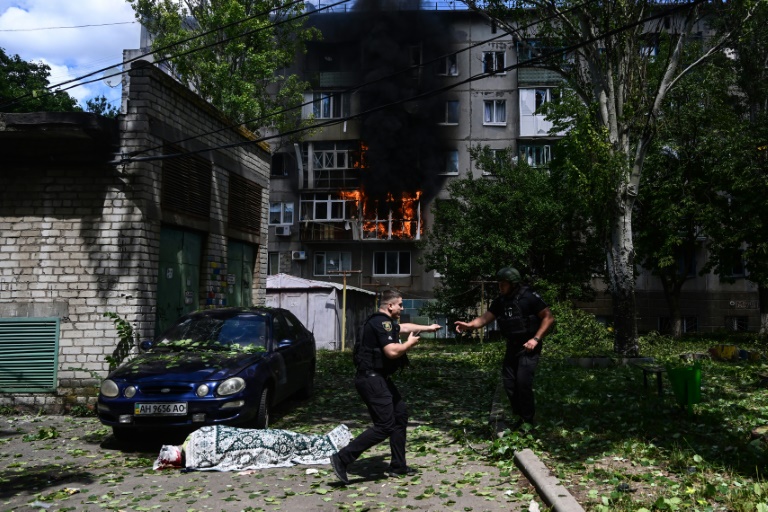
Russian strikes hit the eastern city of Kramatorsk on Tuesday, killing one person, local authorities said.

AFP journalists said a four-story residential building had been hit in the city in the Donbas region. One man with a bloodied head lay on the ground, before being taken away by the emergency services.

“He was just walking by and was hit,” said one woman, who declined to give her name, visibly shaken after the bombardment.

Russia’s invasion of Ukraine in February has killed thousands and displaced millions, but also hampered shipments from one of the world’s biggest exporters of wheat and other grain, sparking fears of global food shortages.

Putin, in Tehran for talks with his Turkish counterpart Recep Tayyip Erdogan, on Tuesday said “progress” had been made in discussions towards exporting grain from Ukraine.

After talks with both Erdogan and Iran’s president, Putin told reporters that any deal hinged on the West’s willingness to yield some ground.

“We will facilitate the export of Ukrainian grain, but we are proceeding from the fact that all restrictions related to air deliveries for the export of Russian grain will be lifted,” he said.

NATO member Turkey has been using its good relations with both the Kremlin and Kyiv to try and broker an agreement on a safe way to deliver the grain.

– ‘Victory before winter’ –

On Wednesday, Russian and Ukrainian delegations are due to meet in Istanbul alongside Turkish and UN representatives, with hopes rising for an announced accord.

The EU’s foreign policy chief Josep Borrell warned this week that the grain impasse was “an issue of life and death for many human beings”.

And a document consulted by AFP Tuesday showed that the European Commission is proposing to unblock assets at Russian banks linked to trade in food and fertiliser.

Along the Black Sea coast, Kyiv said that a barrage of seven cruise missiles had wounded at least six people, including a child, in the southern coastal region of Odessa.

The Russian defence ministry claimed that strikes on Odessa had destroyed a stockpile of Western-supplied weapons.

Russian Defence Minister Sergei Shoigu ordered troops earlier this week to prioritise the destruction of long-range artillery supplied by the United States and Ukraine’s other Western allies.

Observers credit the weapons with altering battlefield dynamics, giving Ukraine the capacity to hit Russian arms depots and command posts deep inside territory controlled by Moscow.

Ukrainian Defence Minister Oleksiy Reznikov, during a visit to the United States, urged the West to drastically step up its supply of precision rocket systems, calling them a “game-changer”.

In Washington, National Security Council spokesman John Kirby said the United States believes that Russia is moving ahead with plans to annex more Ukrainian territory. 

“Russia is beginning to roll out a version of what you could call an annexation playbook, very similar to the one we saw in 2014,” when it invaded and annexed Crimea, Kirby said.

Zelensky’s chief of staff Andriy Yermak underlined in an interview published Tuesday that Ukraine had to win its war with Russia before winter, telling Ukrainian weekly Novoye Vremya that if Moscow has time to regroup, it will be “more difficult”.

– Suspected treason –

On the diplomatic front, Russia’s close ally Syria announced Wednesday it was severing ties with Ukraine, according to an unidentified foreign ministry official, cited by state news agency SANA.

Kyiv had already announced it was cutting ties with Syria late last month, after Damascus recognised the Russian-backed breakaway republics of Donetsk and Lugansk in eastern Ukraine.

Ukrainian lawmakers on Tuesday endorsed the president’s decision to sack the country’s top prosecutor and security chief, backing Ukraine’s largest political shake-up since Russia invaded.

Several Ukrainian deputies said lawmakers at the parliamentary session in Kyiv had overwhelmingly backed President Volodymyr Zelensky’s shock call to remove the senior officials.

“Parliament voted to dismiss Iryna Venediktova as prosecutor general,” said David Arakhamia, a lawmaker affiliated with Zelensky.

Other deputies said the plea to remove security chief Ivan Bakanov had secured the required 226 votes.

Zelensky late Sunday said he was suspending the senior law enforcement officials — and that 650 cases of suspected treason were under investigation.

He replaced Bakanov on Monday and described the shake-up in the security services as an “audit”, saying 28 security officials were facing dismissal.

The governor of Mykolaiv, a southern region under constant Russian rocket fire, meanwhile on Tuesday promised a $100 reward for anyone who could help to identify people who have been collaborating with Russia by providing it with the locations of Ukrainian troops or coordinates of potential targets. 

burs-sst-ah-sr/dva

Last man standing: Russia former mayor does not 'fear' prison

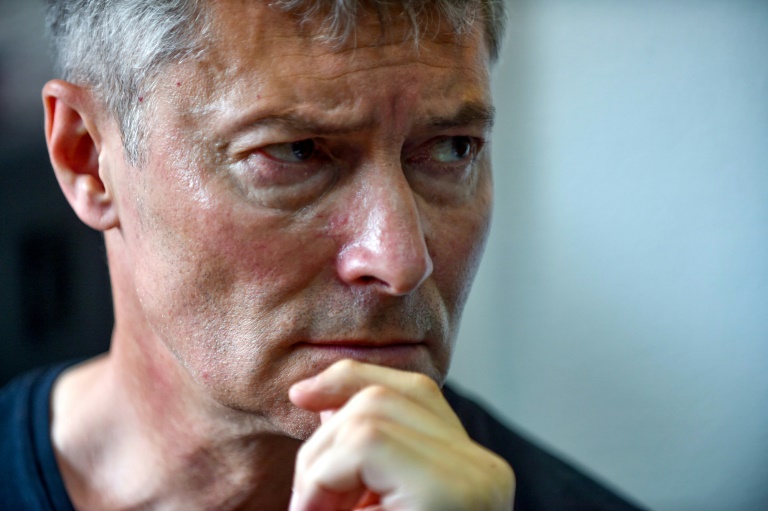
Yevgeny Roizman tries to conceal his sadness behind a mountain of work at his charity fund in the Urals city of Yekaterinburg, where visitors queue to see him.  

Roizman, who was Yekaterinburg’s mayor between 2013 and 2018, is Russia’s last prominent opposition figure who is still in the country and not behind bars. 

Russian society is reeling from a historic crackdown on dissent as Moscow presses ahead with its military intervention in Ukraine.

All top opposition figures are either in prison like Roizman’s friend Alexei Navalny or in exile.

Roizman, who openly denounces President Vladimir Putin and his campaign in Ukraine, says he knows he can be arrested at any moment. 

“I have no illusions,” the tough-minded opposition politician told AFP, sporting red moccasins. 

“But I also have no fear.”

Tall and sporty, the 59-year-old first shot to prominence as an anti-drugs activist fighting Russia’s severe narcotics epidemic. 

When he served as mayor, he made himself accessible to his constituents, receiving the city’s neediest people to help them solve their problems.

He resigned after authorities moved to scrap mayoral elections, but he is still closely involved in his charity’s work.

Every Friday the former mayor receives people at his fund located in the centre of Russia’s fourth-largest city.

Requests range from help finding a job to assistance buying Zolgensma, the world’s most expensive drug used to treat children with spinal muscular atrophy.

– ‘Come what may’ –

On a recent Friday afternoon, AFP saw several dozen people waiting to speak to the opposition politician including a family with an autistic child, a couple of admirers, and a weeping woman who wanted to emigrate because of Russia’s offensive in Ukraine.

Roizman said he was afraid of speaking to his friends and acquaintances in Ukraine because he “feels insanely guilty”.

“What can I wish Ukrainians?” he said. 

“I can ask for their forgiveness and wish them strength and courage.”

He said he and like-minded Russians understood that they were helpless in the face of “absolute evil”. 

But he said he was convinced that sooner or later “justice will prevail.”

That Friday, one of his daughters was getting married so the former mayor shuttled in and out of the office throughout the day.

Roizman said he would not buckle under pressure and would continue to speak out and help people.

“Do what you must and come what may,” he said.

The noose around Roizman is tightening.

He was recently fined three times for condemning Moscow’s military intervention in Ukraine.

Fellow opposition activists Ilya Yashin and Vladimir Kara-Murza have recently been arrested and are now in pre-trial detention over discrediting the Russian army. Both face a decade in prison.

Roizman’s admirers are worried.

“We’re afraid that they will imprison him like all the others,” said Yevgeniya Kuzmenkova, who travelled from the Siberian city of Novosibirsk.

“So we came to see him and shake his hand before he is persecuted,” said the 36-year-old, who arrived with her husband.

– ‘Anti-propaganda’ – 

Roizman’s road to opposition stardom has been somewhat controversial.

Born to a Jewish engineer father and a Russian childcare worker mother, he served a prison sentence in his youth. 

In the 1990s, he became an entrepreneur when Yekaterinburg was an epicentre of gang warfare. 

In 1999, he co-founded a foundation called City Without Drugs and a drug rehab centre in Yekaterinburg.

Rights activists have questioned the centre’s methods, which included handcuffing addicts to their beds and forcing heroin users to go cold turkey.

Its supporters however have reported a drop in drug-related deaths since the foundation was set up.

Roizman was a lawmaker between 2003 and 2007. In 2013, he snatched the mayoral seat from under the Kremlin’s nose, becoming Russia’s highest-profile opposition mayor. 

After resigning he never missed an opportunity to needle the Kremlin. 

He has a penchant for crude language and has peppered Twitter with swear words to mock officials, much to the delight of his supporters. 

“It’s short and brutal anti-propaganda,” he said. 

The use of profanities — that can lead to hefty fines in Russia — helps “reveal the true nature” of the official line, he added.

A literature aficionado, Roizman mused about the difficulty of translating swear words into foreign languages. 

He recalled a conversation he once had with a prominent Slavist about the translation of works of French Renaissance writer Francois Rabelais known for his gallows humour.

He interrupted the interview to attend his daughter’s wedding, then returned.

When two young women arrived with abandoned kittens, he immediately turned to the new task. 

“Do we need to find them a home, then?” he said. “That’s our main line of work.”

China speeding up approvals for new coal plants: Greenpeace

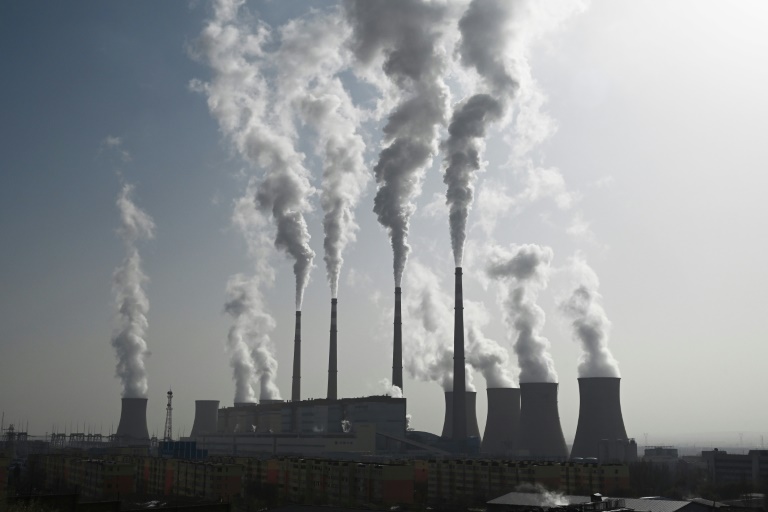
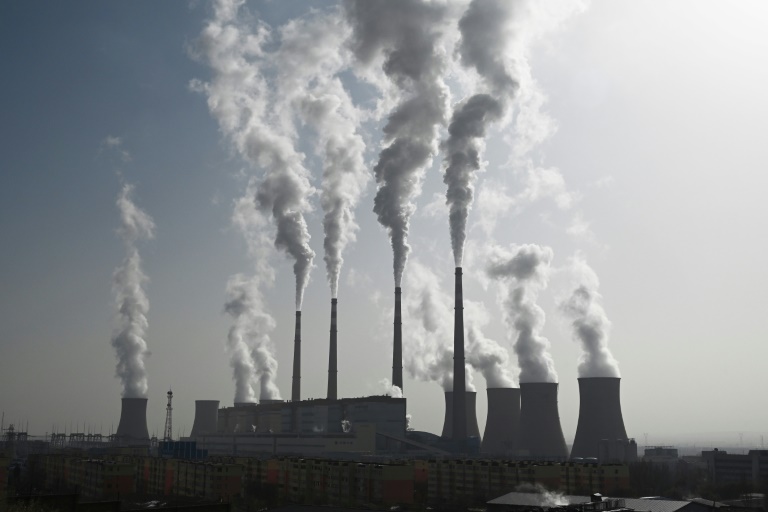
China has ramped up approvals for new coal power plants this year, Greenpeace said Wednesday, with authorities trying to lower the risk of economically painful electricity shortages.

China is the world’s biggest emitter of the greenhouse gases driving global warming, and President Xi Jinping last year vowed to phase down coal use from 2026 as part of an ambitious set of national climate commitments.

But campaigners fear those targets are under threat with the government focused on economic challenges, even as the deadly impact of climate change is felt around the world.

In the first quarter of 2022, Chinese regulators gave the green light to coal plants with a total capacity of 8.63 gigawatts, according to research conducted by Greenpeace.

That is nearly half of the entire coal-fired capacity approved last year, the environmental campaigners said.

“Building more coal-fired power capacity will not provide energy security for China,” said Wu Jinghan, climate and energy campaigner with Greenpeace in Beijing.

“China has an overcapacity of coal-fired power plants. Power inadequacies originate from poor integration of generation, grid, load and storage.”

The figure for new coal plant approvals dipped in mid-2021 but rebounded later in the year as China experienced widespread power outages due to a supply crunch.

Electricity consumption has surged this summer as China suffers through an intense heatwave, with air conditioning cranked up at homes and businesses to try and keep people cool.

China relies on coal for around 60 percent of its electricity, and has asked domestic miners to increase capacity by 300 million tons this year.

The State Council, China’s cabinet, in May announced 10 billion yuan ($1.5 billion) of investment in coal power generation, as coal producers were pressured to ramp up output before the 2025 threshold. 

“An overcapacity of this one energy source is a major hurdle for energy security, as well as China’s energy transition,” Wu warned.

Skyrocketing global commodity prices in the wake of Russia’s invasion of Ukraine have renewed China’s focus on energy security.

As the Chinese economy stalls under strict Covid policies and prolonged supply chain disruptions, authorities are looking to boost growth through a massive infrastructure construction push — which relies overwhelmingly on coal power.

China is the world’s biggest coal consumer and producer, and analysts worry that economic targets will derail its pledge to peak carbon emissions by 2030.

China speeding up approvals for new coal plants: Greenpeace

China has ramped up approvals for new coal power plants this year, Greenpeace said Wednesday, with authorities trying to lower the risk of economically painful electricity shortages.

China is the world’s biggest emitter of the greenhouse gases driving global warming, and President Xi Jinping last year vowed to phase down coal use from 2026 as part of an ambitious set of national climate commitments.

But campaigners fear those targets are under threat with the government focused on economic challenges, even as the deadly impact of climate change is felt around the world.

In the first quarter of 2022, Chinese regulators gave the green light to coal plants with a total capacity of 8.63 gigawatts, according to research conducted by Greenpeace.

That is nearly half of the entire coal-fired capacity approved last year, the environmental campaigners said.

“Building more coal-fired power capacity will not provide energy security for China,” said Wu Jinghan, climate and energy campaigner with Greenpeace in Beijing.

“China has an overcapacity of coal-fired power plants. Power inadequacies originate from poor integration of generation, grid, load and storage.”

The figure for new coal plant approvals dipped in mid-2021 but rebounded later in the year as China experienced widespread power outages due to a supply crunch.

Electricity consumption has surged this summer as China suffers through an intense heatwave, with air conditioning cranked up at homes and businesses to try and keep people cool.

China relies on coal for around 60 percent of its electricity, and has asked domestic miners to increase capacity by 300 million tons this year.

The State Council, China’s cabinet, in May announced 10 billion yuan ($1.5 billion) of investment in coal power generation, as coal producers were pressured to ramp up output before the 2025 threshold. 

“An overcapacity of this one energy source is a major hurdle for energy security, as well as China’s energy transition,” Wu warned.

Skyrocketing global commodity prices in the wake of Russia’s invasion of Ukraine have renewed China’s focus on energy security.

As the Chinese economy stalls under strict Covid policies and prolonged supply chain disruptions, authorities are looking to boost growth through a massive infrastructure construction push — which relies overwhelmingly on coal power.

China is the world’s biggest coal consumer and producer, and analysts worry that economic targets will derail its pledge to peak carbon emissions by 2030.

Rolls-Royce champions energy transition at Farnborough

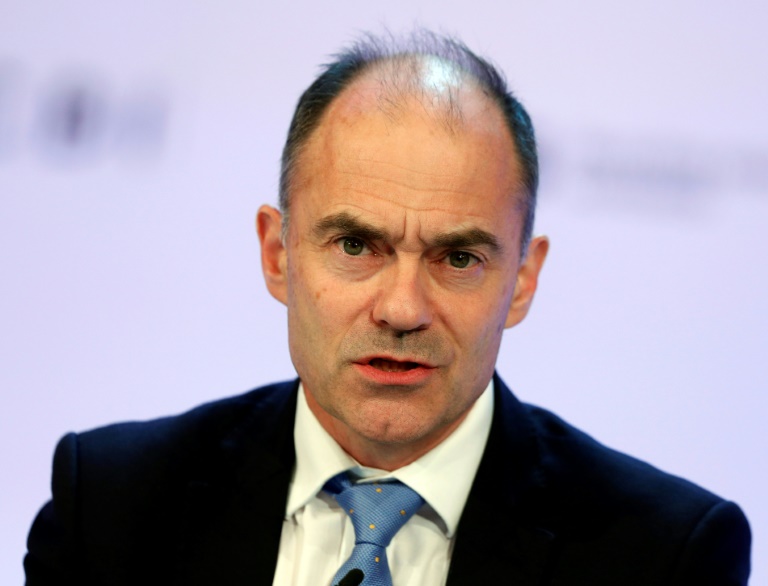
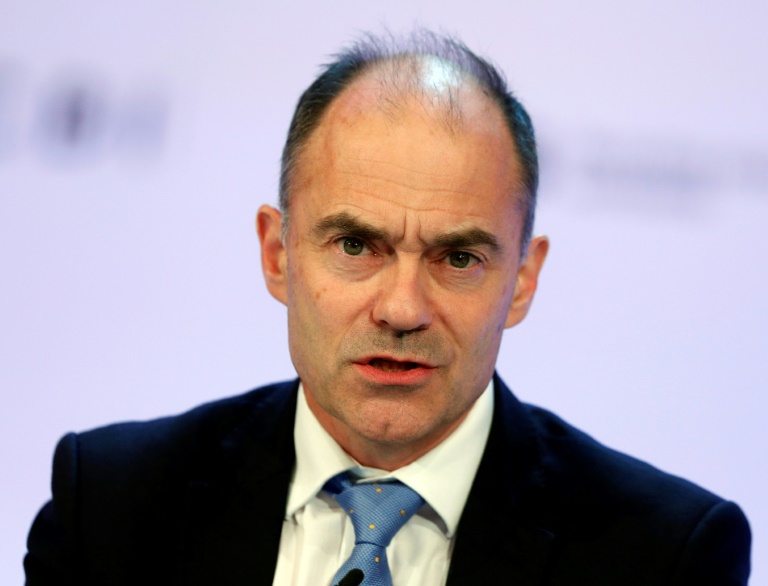
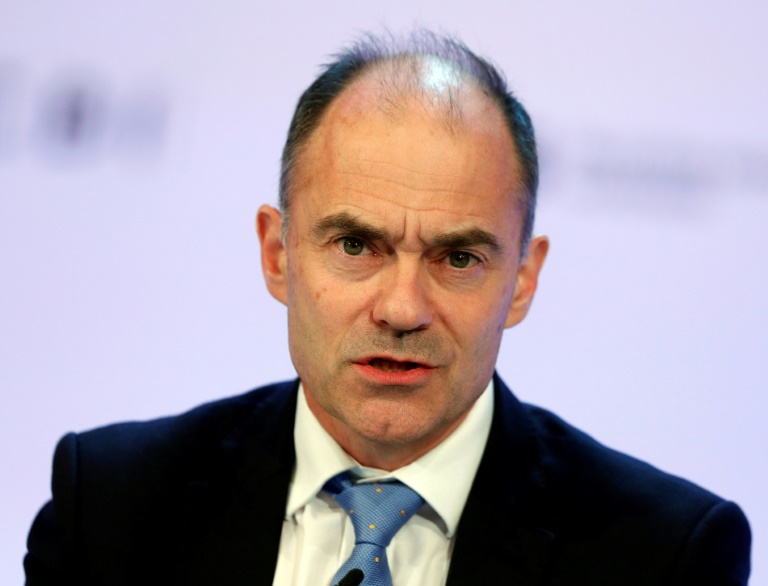
British aircraft engine maker Rolls-Royce is “championing” the energy transition and the decarbonisation of aviation, its outgoing chief executive Warren East told AFP on Tuesday at the Farnborough airshow.

This year’s Farnborough spectacle, returning from a four-year absence, is set against the backdrop of air travel’s nascent post-pandemic recovery but as economic turmoil hampers manufacturing.

Yet the airshow’s focus is on decarbonisation and sustainability in a sector often criticised for its impact on the climate, amid Europe’s blistering heatwave with record temperatures in England.

– Energy transition –

“The big theme is energy transition,” East told AFP in an interview at the company’s airshow chalet.

“This is the number one issue for the sector. We’ve been championing that for some time — and saying it’s absolutely necessary and we embrace that as an opportunity.”

East, 60, is retiring after more than seven years at the helm of the aerospace behemoth, with his tenure marked by historic corruption fines for the group, Trent engine troubles and Brexit.

Rolls, whose products power Airbus and Boeing aircraft, then axed 9,000 jobs and offloaded assets in a drastic restructuring after the Covid pandemic grounded jets and sparked a collapse air traffic.

East then guided it back to profit in 2021 from Covid-driven losses after slashing costs.

The titan, based in the city of Derby in central England, is now reaping the benefits of aviation’s post-Covid recovery, defence growth, a record power systems order book — and a long-standing focus on sustainability.

“I’m quite pleased with my time at Rolls-Royce,” added East, who took the reins in July 2015.

“We’ve really sort of modernised Rolls Royce in terms of culture.

“We’ve put in place a lot of efficiency and productivity improvements, which then crystallised during the Covid pandemic.

“And that’s created a very firm platform for the future (with) great operational and financial gearing now.”

– Cleaner fuel –

Aviation accounts for between 2-3 percent of the world’s total damaging carbon dioxide emissions, according to industry estimates.

Airlines and manufacturers alike have meanwhile committed to achieving net zero emissions — or carbon neutrality — by 2050.

Yet global air traffic is forecast to more than double by that point.

Rolls-Royce, which specialises in engines for long-haul aircraft, military jets and helicopters, is as a result ramping up its research into a wide range of technologies including electric and hydrogen power.

At the first Farnborough airshow since Covid, Rolls-Royce has announced a partnership, named H2ZERO, with British low-cost carrier Easyjet to test cleaner hydrogen engine combustion technology. 

Rolls also signed a deal with South Korea’s Hyundai to explore all-electric propulsion and hydrogen fuel cell technology for flying taxis of the future.

The company in addition unveiled a new research programme on hydrogen propulsion technology that emits no carbon dioxide.

Rolls is meanwhile working to develop a fuel-efficient future engine named UltraFan, which emits less damaging pollutants.

UltraFan aims for 25 percent fuel savings  compared with traditional long-haul engine.

“We are a group that is very focused on power and we do power across multiple sectors and one of the sectors in which we obviously have decades of experience in is aviation and aerospace,” said East.

– Cost –

The CEO cautioned however that it would take “decades” before hydrogen was deployed in aircraft engines.

The global aerospace industry would meanwhile need to harness technology such as sustainable aviation fuels derived from biomass, in order to curb its reliance on high-polluting kerosene.

SAF is however between three and four times more expensive than normal jet fuel. 

“I think as we go forward — maybe we’ll get to hydrogen in a gas turbine — but we’re not going to get there for at least a couple of decades,” East told AFP.

“There is a huge amount of work to do to make that practical, safe and economic and we need to have some transition technologies in the meantime and that’s why we talk about sustainable aviation fuel.”

He added: “Essentially, we’re just saying instead of kerosene we’ve got batteries, hydrogen, and synthetic kerosene.”

Rolls-Royce champions energy transition at Farnborough

British aircraft engine maker Rolls-Royce is “championing” the energy transition and the decarbonisation of aviation, its outgoing chief executive Warren East told AFP on Tuesday at the Farnborough airshow.

This year’s Farnborough spectacle, returning from a four-year absence, is set against the backdrop of air travel’s nascent post-pandemic recovery but as economic turmoil hampers manufacturing.

Yet the airshow’s focus is on decarbonisation and sustainability in a sector often criticised for its impact on the climate, amid Europe’s blistering heatwave with record temperatures in England.

– Energy transition –

“The big theme is energy transition,” East told AFP in an interview at the company’s airshow chalet.

“This is the number one issue for the sector. We’ve been championing that for some time — and saying it’s absolutely necessary and we embrace that as an opportunity.”

East, 60, is retiring after more than seven years at the helm of the aerospace behemoth, with his tenure marked by historic corruption fines for the group, Trent engine troubles and Brexit.

Rolls, whose products power Airbus and Boeing aircraft, then axed 9,000 jobs and offloaded assets in a drastic restructuring after the Covid pandemic grounded jets and sparked a collapse air traffic.

East then guided it back to profit in 2021 from Covid-driven losses after slashing costs.

The titan, based in the city of Derby in central England, is now reaping the benefits of aviation’s post-Covid recovery, defence growth, a record power systems order book — and a long-standing focus on sustainability.

“I’m quite pleased with my time at Rolls-Royce,” added East, who took the reins in July 2015.

“We’ve really sort of modernised Rolls Royce in terms of culture.

“We’ve put in place a lot of efficiency and productivity improvements, which then crystallised during the Covid pandemic.

“And that’s created a very firm platform for the future (with) great operational and financial gearing now.”

– Cleaner fuel –

Aviation accounts for between 2-3 percent of the world’s total damaging carbon dioxide emissions, according to industry estimates.

Airlines and manufacturers alike have meanwhile committed to achieving net zero emissions — or carbon neutrality — by 2050.

Yet global air traffic is forecast to more than double by that point.

Rolls-Royce, which specialises in engines for long-haul aircraft, military jets and helicopters, is as a result ramping up its research into a wide range of technologies including electric and hydrogen power.

At the first Farnborough airshow since Covid, Rolls-Royce has announced a partnership, named H2ZERO, with British low-cost carrier Easyjet to test cleaner hydrogen engine combustion technology. 

Rolls also signed a deal with South Korea’s Hyundai to explore all-electric propulsion and hydrogen fuel cell technology for flying taxis of the future.

The company in addition unveiled a new research programme on hydrogen propulsion technology that emits no carbon dioxide.

Rolls is meanwhile working to develop a fuel-efficient future engine named UltraFan, which emits less damaging pollutants.

UltraFan aims for 25 percent fuel savings  compared with traditional long-haul engine.

“We are a group that is very focused on power and we do power across multiple sectors and one of the sectors in which we obviously have decades of experience in is aviation and aerospace,” said East.

– Cost –

The CEO cautioned however that it would take “decades” before hydrogen was deployed in aircraft engines.

The global aerospace industry would meanwhile need to harness technology such as sustainable aviation fuels derived from biomass, in order to curb its reliance on high-polluting kerosene.

SAF is however between three and four times more expensive than normal jet fuel. 

“I think as we go forward — maybe we’ll get to hydrogen in a gas turbine — but we’re not going to get there for at least a couple of decades,” East told AFP.

“There is a huge amount of work to do to make that practical, safe and economic and we need to have some transition technologies in the meantime and that’s why we talk about sustainable aviation fuel.”

He added: “Essentially, we’re just saying instead of kerosene we’ve got batteries, hydrogen, and synthetic kerosene.”

Rolls-Royce champions energy transition at Farnborough

British aircraft engine maker Rolls-Royce is “championing” the energy transition and the decarbonisation of aviation, its outgoing chief executive Warren East told AFP on Tuesday at the Farnborough airshow.

This year’s Farnborough spectacle, returning from a four-year absence, is set against the backdrop of air travel’s nascent post-pandemic recovery but as economic turmoil hampers manufacturing.

Yet the airshow’s focus is on decarbonisation and sustainability in a sector often criticised for its impact on the climate, amid Europe’s blistering heatwave with record temperatures in England.

– Energy transition –

“The big theme is energy transition,” East told AFP in an interview at the company’s airshow chalet.

“This is the number one issue for the sector. We’ve been championing that for some time — and saying it’s absolutely necessary and we embrace that as an opportunity.”

East, 60, is retiring after more than seven years at the helm of the aerospace behemoth, with his tenure marked by historic corruption fines for the group, Trent engine troubles and Brexit.

Rolls, whose products power Airbus and Boeing aircraft, then axed 9,000 jobs and offloaded assets in a drastic restructuring after the Covid pandemic grounded jets and sparked a collapse air traffic.

East then guided it back to profit in 2021 from Covid-driven losses after slashing costs.

The titan, based in the city of Derby in central England, is now reaping the benefits of aviation’s post-Covid recovery, defence growth, a record power systems order book — and a long-standing focus on sustainability.

“I’m quite pleased with my time at Rolls-Royce,” added East, who took the reins in July 2015.

“We’ve really sort of modernised Rolls Royce in terms of culture.

“We’ve put in place a lot of efficiency and productivity improvements, which then crystallised during the Covid pandemic.

“And that’s created a very firm platform for the future (with) great operational and financial gearing now.”

– Cleaner fuel –

Aviation accounts for between 2-3 percent of the world’s total damaging carbon dioxide emissions, according to industry estimates.

Airlines and manufacturers alike have meanwhile committed to achieving net zero emissions — or carbon neutrality — by 2050.

Yet global air traffic is forecast to more than double by that point.

Rolls-Royce, which specialises in engines for long-haul aircraft, military jets and helicopters, is as a result ramping up its research into a wide range of technologies including electric and hydrogen power.

At the first Farnborough airshow since Covid, Rolls-Royce has announced a partnership, named H2ZERO, with British low-cost carrier Easyjet to test cleaner hydrogen engine combustion technology. 

Rolls also signed a deal with South Korea’s Hyundai to explore all-electric propulsion and hydrogen fuel cell technology for flying taxis of the future.

The company in addition unveiled a new research programme on hydrogen propulsion technology that emits no carbon dioxide.

Rolls is meanwhile working to develop a fuel-efficient future engine named UltraFan, which emits less damaging pollutants.

UltraFan aims for 25 percent fuel savings  compared with traditional long-haul engine.

“We are a group that is very focused on power and we do power across multiple sectors and one of the sectors in which we obviously have decades of experience in is aviation and aerospace,” said East.

– Cost –

The CEO cautioned however that it would take “decades” before hydrogen was deployed in aircraft engines.

The global aerospace industry would meanwhile need to harness technology such as sustainable aviation fuels derived from biomass, in order to curb its reliance on high-polluting kerosene.

SAF is however between three and four times more expensive than normal jet fuel. 

“I think as we go forward — maybe we’ll get to hydrogen in a gas turbine — but we’re not going to get there for at least a couple of decades,” East told AFP.

“There is a huge amount of work to do to make that practical, safe and economic and we need to have some transition technologies in the meantime and that’s why we talk about sustainable aviation fuel.”

He added: “Essentially, we’re just saying instead of kerosene we’ve got batteries, hydrogen, and synthetic kerosene.”

Rolls-Royce champions energy transition at Farnborough

British aircraft engine maker Rolls-Royce is “championing” the energy transition and the decarbonisation of aviation, its outgoing chief executive Warren East told AFP on Tuesday at the Farnborough airshow.

This year’s Farnborough spectacle, returning from a four-year absence, is set against the backdrop of air travel’s nascent post-pandemic recovery but as economic turmoil hampers manufacturing.

Yet the airshow’s focus is on decarbonisation and sustainability in a sector often criticised for its impact on the climate, amid Europe’s blistering heatwave with record temperatures in England.

– Energy transition –

“The big theme is energy transition,” East told AFP in an interview at the company’s airshow chalet.

“This is the number one issue for the sector. We’ve been championing that for some time — and saying it’s absolutely necessary and we embrace that as an opportunity.”

East, 60, is retiring after more than seven years at the helm of the aerospace behemoth, with his tenure marked by historic corruption fines for the group, Trent engine troubles and Brexit.

Rolls, whose products power Airbus and Boeing aircraft, then axed 9,000 jobs and offloaded assets in a drastic restructuring after the Covid pandemic grounded jets and sparked a collapse air traffic.

East then guided it back to profit in 2021 from Covid-driven losses after slashing costs.

The titan, based in the city of Derby in central England, is now reaping the benefits of aviation’s post-Covid recovery, defence growth, a record power systems order book — and a long-standing focus on sustainability.

“I’m quite pleased with my time at Rolls-Royce,” added East, who took the reins in July 2015.

“We’ve really sort of modernised Rolls Royce in terms of culture.

“We’ve put in place a lot of efficiency and productivity improvements, which then crystallised during the Covid pandemic.

“And that’s created a very firm platform for the future (with) great operational and financial gearing now.”

– Cleaner fuel –

Aviation accounts for between 2-3 percent of the world’s total damaging carbon dioxide emissions, according to industry estimates.

Airlines and manufacturers alike have meanwhile committed to achieving net zero emissions — or carbon neutrality — by 2050.

Yet global air traffic is forecast to more than double by that point.

Rolls-Royce, which specialises in engines for long-haul aircraft, military jets and helicopters, is as a result ramping up its research into a wide range of technologies including electric and hydrogen power.

At the first Farnborough airshow since Covid, Rolls-Royce has announced a partnership, named H2ZERO, with British low-cost carrier Easyjet to test cleaner hydrogen engine combustion technology. 

Rolls also signed a deal with South Korea’s Hyundai to explore all-electric propulsion and hydrogen fuel cell technology for flying taxis of the future.

The company in addition unveiled a new research programme on hydrogen propulsion technology that emits no carbon dioxide.

Rolls is meanwhile working to develop a fuel-efficient future engine named UltraFan, which emits less damaging pollutants.

UltraFan aims for 25 percent fuel savings  compared with traditional long-haul engine.

“We are a group that is very focused on power and we do power across multiple sectors and one of the sectors in which we obviously have decades of experience in is aviation and aerospace,” said East.

– Cost –

The CEO cautioned however that it would take “decades” before hydrogen was deployed in aircraft engines.

The global aerospace industry would meanwhile need to harness technology such as sustainable aviation fuels derived from biomass, in order to curb its reliance on high-polluting kerosene.

SAF is however between three and four times more expensive than normal jet fuel. 

“I think as we go forward — maybe we’ll get to hydrogen in a gas turbine — but we’re not going to get there for at least a couple of decades,” East told AFP.

“There is a huge amount of work to do to make that practical, safe and economic and we need to have some transition technologies in the meantime and that’s why we talk about sustainable aviation fuel.”

He added: “Essentially, we’re just saying instead of kerosene we’ve got batteries, hydrogen, and synthetic kerosene.”

Close Bitnami banner
Bitnami