World

Iran to supply Russians with UAVs for Ukraine: White House

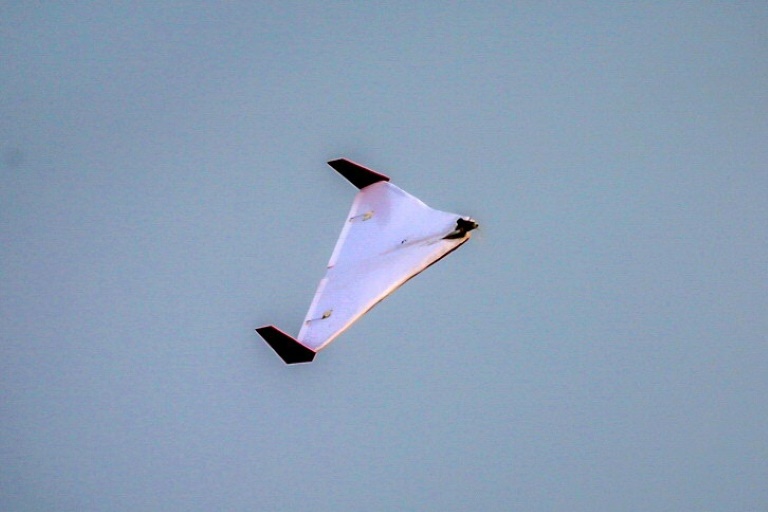
Iran is planning to supply hundreds of drones with combat weapon capabilities to Russia for use in Ukraine, a top US official said Monday.

Jake Sullivan, the White House national security advisor, said the information received by the United States supported views that the Russian military is facing challenges sustaining its weaponry after significant losses in Ukraine.

“The Iranian government is preparing to provide Russia with up to several hundred UAVs (unmanned aerial vehicles), including weapons-capable UAVs, on an expedited timeline,” Sullivan told reporters.

“Our information further indicates that Iran is preparing to train Russian forces to use these UAVs, with initial training sessions slated to begin as soon as early July,” he said.

Sullivan said it was not clear whether Iran had delivered any of the drones to Russia yet.

He noted that Iran’s drones have been used by the Houthi rebels in Yemen to attack Saudi Arabia.

Drones have played a crucial role on both sides of the war in Ukraine, for everything from firing missiles from a distance, to dropping small bombs on targets, to conducting reconnaissance for artillery forces and ground troops.

Ukraine’s forces have had particular success in using Turkish-made Bayraktar armed combat UAVs, and the United States and other allies have supplied Kyiv with many types of smaller drones.

“From our perspective, we will continue to do our part to help sustain the effective defense of Ukraine and to help the Ukrainians show that the Russian effort to try to wipe Ukraine off the map cannot succeed,” Sullivan said.

Dark-skinned patients get less ICU oxygen due to flawed device: study

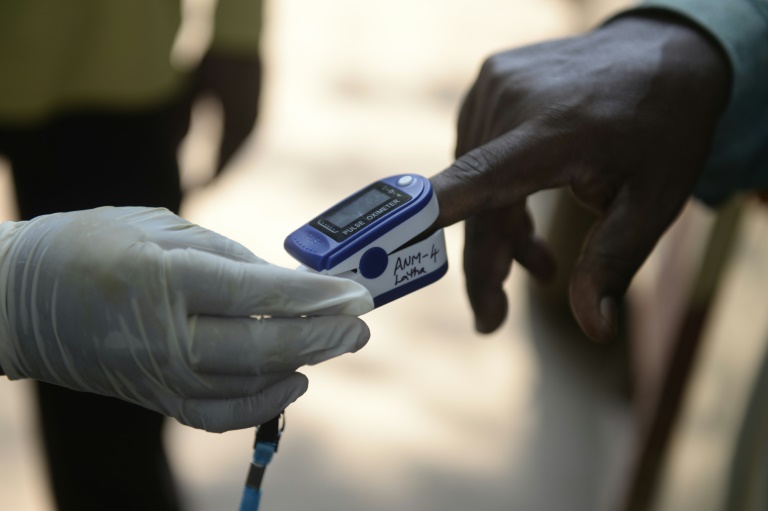
Racial minorities receive less oxygen in the intensive care unit than white patients because of a flaw in a medical device found in hospitals across the world, a US study said Monday.

The pulse oximeter, first developed in the 1970s, clips to a patient’s finger and uses red and infrared light absorption to assess hemoglobin. But it is known to generate falsely elevated readings in people with darker skin.

In new research published in JAMA Internal Medicine, Eric Raphael Gottlieb and colleagues looked back at records of 3,069 patients at the Beth Israel Deaconess Medical Center in Boston who spent at least 12 hours in the hospital’s ICU.

They compared oxygen saturation estimates on the pulse ox devices to more accurate direct readings taken of hemoglobin oxygen saturation.

After controlling for other variables, they found that Black, Asian and Hispanic patients were given 0.2 to 0.4 liters per minute less oxygen than their white counterparts.

“Our findings present a unique and compelling opportunity to improve equity through device reengineering and by reevaluating how data are interpreted,” the team wrote.

Another recent study on the same topic showed that measurement biases in oxygen saturation levels was associated with a time delay in eligibility for Covid-19 treatment for Black and Hispanic patients.

An accompanying editor’s note said devices exist that perform more equitably, but have never been widely distributed.

“Health care systems, including academic centers, are large-scale purchasers of pulse oximeters,” the editorial said. “If they make a commitment to buy only devices that function across skin tones, manufacturers would respond.”

New UK prime minister to be announced on September 5

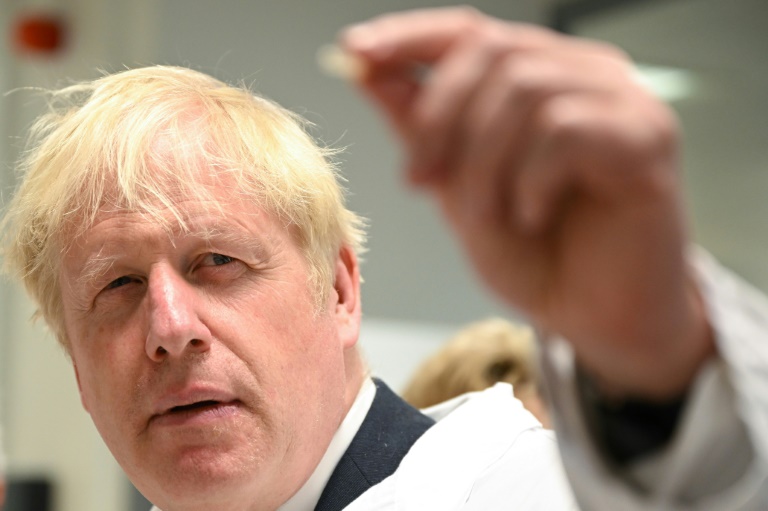
The new UK prime minister to replace the outgoing Boris Johnson will be announced on September 5, the ruling Conservative party said Monday, with 11 hopefuls currently vying for the job.

The leadership contest was triggered last week when Johnson, 58, was forced to step down after a frenzy of more than 50 resignations from his government, in opposition to his scandal-hit premiership.

The influential 1922 Committee of non-ministerial Tory MPs in parliament on Monday outlined a timetable for the party’s leadership election.

Nominations will officially open and close on Tuesday, with a new prime minister set to be installed when parliament returns from the summer break on September 5, Graham Brady, chair of the 1922 Committee, told reporters.

Tory MPs will whittle the current list down to a final two through a series of ballots, with the worst-performing candidate eliminated after each round, before party members choose the winner.

With calls for Johnson to leave Downing Street as soon as possible — and to avoid the process dragging into MPs’ summer holidays — the numbers are likely to be pared down quickly to just two.

The joint-executive secretary of the 1922 Committee, Bob Blackman, said they were committed to doing that before parliament breaks for the summer on July 21.

The first ballot will be held on Wednesday, with a second ballot likely on Thursday, said Brady. 

In a bid to speed up the process, candidates must have at least 20 MPs backing them in order to enter the race, up from the usual eight, and any candidate who fails to get the support of 30 MPs in the first ballot will be eliminated.

Among those running are Rishi Sunak and Sajid Javid, whose departures as finance minister and health minister sparked the wave of resignations.

Foreign Secretary Liz Truss and Sunak’s successor Nadhim Zahawi have also declared, and Home Secretary Priti Patel is reportedly mulling a bid.

But a poll of grassroots members by the influential ConservativeHome website released on Monday showed strong support for less high-profile candidates, with former defence minister Penny Mordaunt holding a narrow lead from arch-conservative Kemi Badenoch.

Brexit figurehead Johnson dramatically announced his departure as party leader last Thursday but is staying on in Downing Street until a replacement is found.

Javid said that with Britain facing a soaring cost-of-living crisis, energy price hikes and the war in Ukraine, there was a need more than ever for “competence” in the country’s leaders.

“I’ve every hope that this campaign can and will be the turning point that we need,” he said at a campaign launch.

– Fall from grace –

On a visit to a science research institute in London, Johnson was asked directly if he would endorse any of the candidates, six of whom are from black and minority ethnic backgrounds.

“The job of the prime minister at this stage is to let the party decide, let them get on with it, and to continue delivering on the projects that we were elected to deliver,” he said.

Johnson’s fall from grace has been spectacular. In December 2019 he won a landslide 80-seat victory on a promise to take Britain out of the European Union.

His parliamentary majority allowed him to do just that but his premiership was hit by waves of scandal, not least about lockdown-breaking parties in Downing Street that saw him fined by police.

Another row blew up last week about his appointment of a senior colleague despite knowing of sexual assault allegations against him, sparking the government resignations.

In his speech, he blamed the “herd” for moving against him, and his allies have been briefing angrily against Sunak.

But Johnson refused to say Monday whether he felt betrayed.

“I don’t want to say any more about all that,” he said. 

“There’s a contest under way and that has happened and you know, I wouldn’t want to damage any chances by offering my support. 

“I just have to get on and in the last few days or weeks… the constitutional function of the prime minister in this situation is to continue to discharge the mandate. And that’s what I’m doing,” he added. 

“The more we focus on the people who elect us… (and) the less we talk about politics at Westminster, the generally happier we will all be.”

Agreement at UN to extend cross-border Syria aid: diplomats

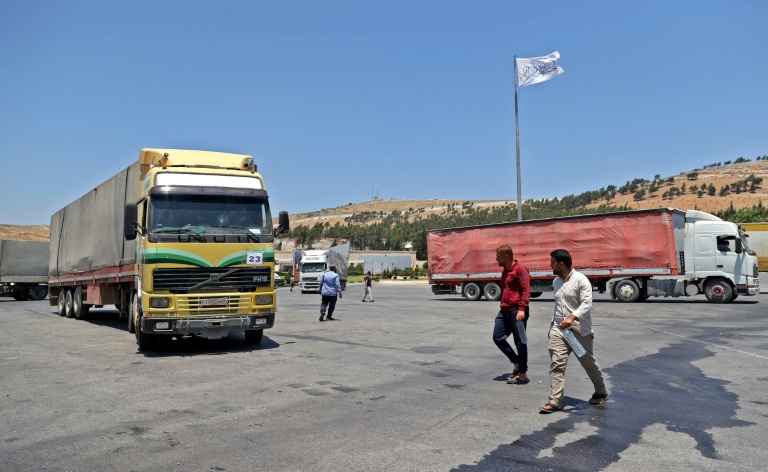
The UN Security Council has agreed to extend a vital system for cross-border aid to war-ravaged Syria by six months, the length of time wanted by Russia, diplomats told AFP Monday.

Western nations had demanded a year-long extension, but a vote by the 15 members on half that is expected later in the day.

The agreement will provide for a renewal in January 2023 for another six months, subject to the adoption of a new resolution, the diplomats added.

The aid delivery mechanism across Turkey’s border into rebel-held Syria at the Bab al-Hawa crossing is the only way United Nations assistance can reach civilians without navigating areas controlled by Syrian government forces.

The system, in place since 2014 and which more two million people rely on for assistance, had expired on Sunday.

The agreement breaks an impasse that had threatened to derail the life-saving supplies.

Syrian ally Russia on Friday vetoed a Security Council resolution that would have prolonged the mechanism by one year, and Western powers then voted down Moscow’s competing resolution that proposed extending approval by just six months.

The last draft by Ireland and Norway suggested the possibility of a halt to the mechanism in January next year if the Security Council so decided.

The new Irish-Norwegian draft text requires a briefing every two months on the implementation of the system.

It also calls for a special report on humanitarian needs in the region to the UN secretary-general by December 10.

Russia’s deputy ambassador to the UN Dmitry Polyanski said Moscow would adopt the resolution with “a minimal modification.”

An ambassador of an influential Security Council member said his country would adopt the resolution.

Moscow has curtailed a number of Western-backed measures in recent years, using its veto 17 times in relation to Syria since the war’s outbreak in 2011.

More than 4,600 aid trucks, carrying mostly food, have crossed Bab al-Hawa this year, helping some 2.4 million people, according to the UN’s Office for the Coordination of Humanitarian Affairs.

Cuba protest crackdown created human rights crisis: HRW

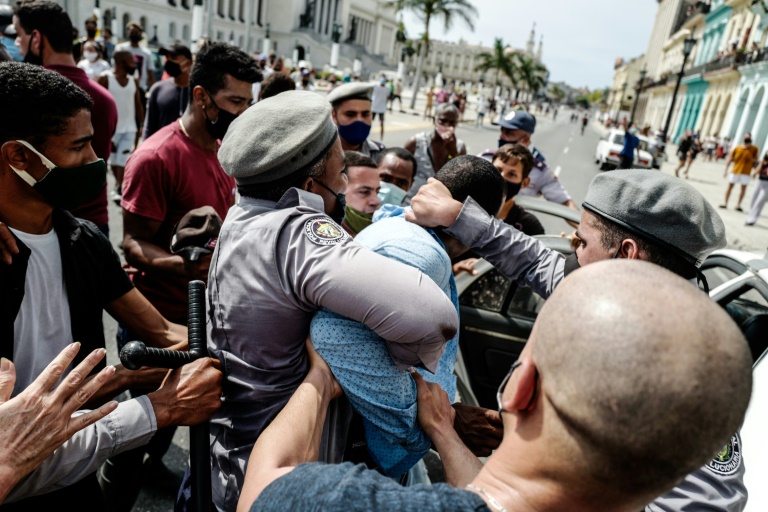
Cuba’s government committed “systematic human rights violations” in response to last summer’s unprecedented anti-government protests, Human Rights Watch (HRW) said in a report Monday.

The report, published on the first anniversary of the demonstrations, accuses the Cuban authorities of having carried out “arbitrary detention, abuse-ridden prosecutions, and torture.”

The aim was to punish protesters and deter future demonstrations, the New York-based NGO said in “Prison or Exile: Cuba’s Systematic Repression of July 2021 Demonstrators.”

“A year ago today, thousands of Cubans protested, demanding rights and freedoms, but the government gave many of them only two options: prison or exile,” Juan Pappier, senior Americas researcher at HRW said.

“Governments in Latin America and Europe should urgently escalate their human rights scrutiny over Cuba and prioritize a concerted, multilateral response before this human rights crisis becomes even worse,” he added.

Mass protests broke out across Cuba on July 11 and 12 last year, with demonstrators demanding freedom amid economic strife, shortages of food and medicine, and growing anger at the government.

They were the biggest protests in Cuba since the 1959 revolution.

A crackdown by the security forces left one dead, dozens injured and 1,300 people detained, according to the Justicia 11J civil society organization.

HRW’s report documents 155 cases of protesters who were unfairly treated.

They include Lorenzo Rosales Fajardo, a 50-year-old evangelical pastor who joined the protests with his 17-year-old son.

Police detained Fajardo, “dragging him, beating him with batons  on his back and face, and knocking out a tooth and several fillings,” HRW said, citing a family member.

When Fajardo’s son asked for his father’s whereabouts, he was detained as well, the report said.

Fajardo was sentenced to seven years in prison in April.

HRW wrote that Cuba’s courts have confirmed convictions against more than 380 protesters and bystanders, including several children.

The rights body said it interviewed more than 170 people in Cuba, including abuse victims, their relatives and lawyers, for the report.

The Cuban government accuses the United States of being behind the protests.

In a statement marking the anniversary, Secretary of State Antony Blinken said the United States “will always remain with the Cuban people in your desire to build a better future.”

French PM survives no-confidence motion in parliament

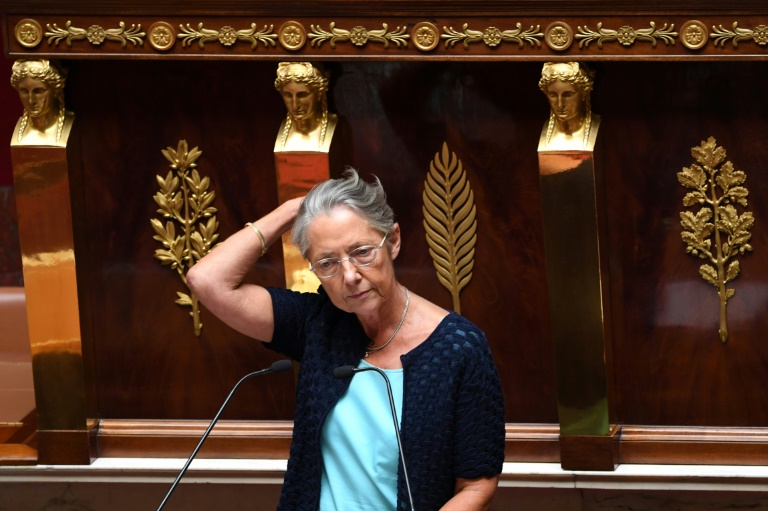
French Prime Minister Elisabeth Borne on Monday survived her first no-confidence vote in parliament, which had been sponsored by the hard-left opposition.

The motion, which would have needed 289 yes-votes to pass, was backed by just 146 of the National Assembly’s 577 deputies after close to three hours of debate.

The France Unbowed (LFI) party had brought in the motion against Borne, who heads a minority government, but she appeared out of danger when other opposition parties ruled out backing the initiative even before the vote.

During the debate, the prime minister accused LFI of diverting parliamentary time away from important topics.

“Ladies and gentlemen, today we could be working for the good of the French people,” Borne told parliament ahead of the vote.

“Instead, we are debating a no-confidence vote that is based on my alleged intentions, and that stands in the way of parliament’s work and therefore of the wish of the French people,” she said.

Borne was appointed by President Emmanuel Macron in May, a month before parliamentary elections in which the ruling centrist party lost its majority.

“We will never accept that someone holds power in this country with their only legitimacy being that they were named by the president,” senior LFI lawmaker Alexis Corbiere told the Public Senat channel on Monday.

“This is the moment of truth,” added the party’s parliamentary group’s leader, Mathilde Panot.

The point of the vote was “political clarification” as those who did not vote in favour would be identified as “favouring government policies,” she added.

Borne, 61, has made clear she intends to rely on the votes of opposition parties to pass legislation, with the right-wing Republicans party seen as crucial to her future.

Support from the 62 Republicans MPs would be enough for the government to pass laws during the lifetime of this parliament.

US firefighters race to protect giant sequoias in Yosemite

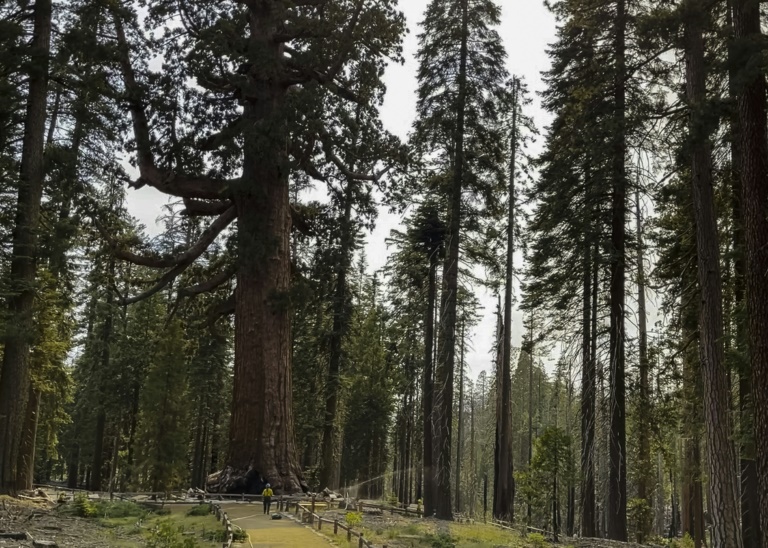
Hundreds of firefighters scrambled Monday to prevent a wildfire engulfing an area of rare giant sequoia trees in California’s Yosemite National Park.

The Washburn fire, in the Mariposa Grove of giant sequoias, was first reported on July 7 and doubled in size over the weekend to 2,340 acres (946 hectares), according to a park report.

Yosemite’s fire management service said 545 firefighters were battling the blaze, including “proactively protecting” the grove — the largest sequoia grove in Yosemite, with over 500 mature trees.

Further reinforcements were due to be deployed Monday, as the blaze remained out of control with increasingly hot and dry weather forecast, Nancy Phillipe, spokeswoman for Yosemite Fire Information, told AFP.

“It’s still showing zero percent containment,” Phillipe said.

“We are doing everything we can to put this fire out,” including deploying air tankers and helicopters along with ground crews, she added.

At the sequoia grove, crews worked to remove quick-burning leaves, sticks and branches as well as drenching the ground and trees.

The Yosemite fire service tweeted footage of emergency sprinklers set up specifically to douse the grove’s “Grizzly Giant” — the most renowned sequoia in the park, which is the second largest tree in Yosemite at 209 feet (63 meters), and one of the oldest.

Phillipe said the response team was “feeling confident that we’ve set up the trees for as much protection as we can” with the recent efforts, aided by previous prescribed burns.

– ‘A long season’ –

Giant sequoias are the world’s largest trees by volume. Their relatives, the California redwoods, can grow taller — well over 100 meters — but are not as wide.

Both kinds of tree are adapted to fires, with thick bark that protects them from heat.

In their lifetimes, which are measured in thousands of years, they typically endure many fires, the heat from which helps their cones to open, allowing the seeds to disperse.

But longer, hotter and more aggressive fires can damage them, sometimes irreparably, and California has recently seen multiple severe fire seasons in a row.

Scientists say global warming, which is being driven chiefly by humanity’s unchecked burning of fossil fuels, is making extreme weather events more likely.

Last year, California and other parts of the western United States were ravaged by huge, hot and fast-moving wildfires, driven by years of drought and a warming climate.

Two of those fires in California burned 3,600 giant sequoias, each more than four feet (120 centimeters) in diameter. 

The year before, 10,000 of the giants — up to 14 percent of the world’s total — perished in another fire.

With drought and scorching temperatures, fire chiefs have warned of longer and longer fire seasons.  

More than 3,500 fires have been reported already by California state firefighters CalFire in 2022, burning an estimated 22,900 acres.

“It is only just the beginning of July,” said Phillipe, echoing concern at the lengthening seasons. 

“Every year we say ‘wow this is going to be a long season’ and the seasons are lasting longer and longer.”

Sri Lanka president near airport as exile rumours spread

Sri Lanka’s embattled president was flown to an airbase near the main international airport Monday, officials said, raising speculation he will escape into exile abroad.

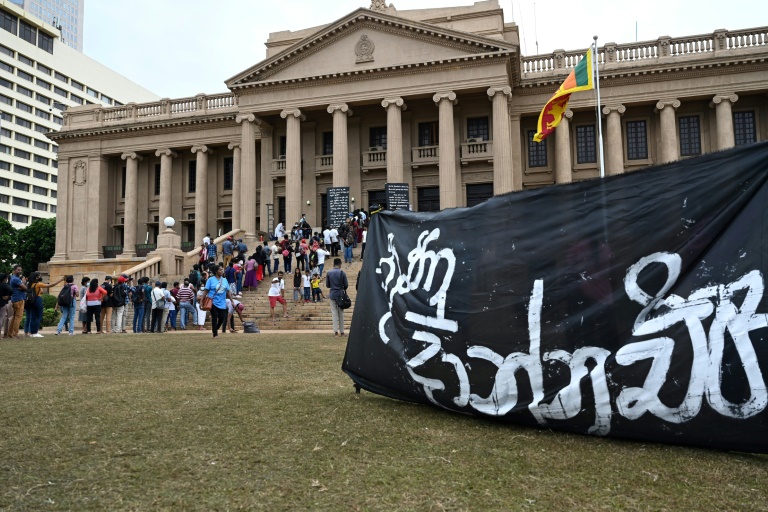
Gotabaya Rajapaksa fled the presidential palace in Colombo under naval protection on Saturday, shortly before tens of thousands of protesters overran the compound.

Hours later, the parliamentary speaker announced Rajapaksa would resign on Wednesday to allow a “peaceful transition of power”.

The 73-year-old leader had taken refuge at a navy facility in the island’s northeast, a top defence official said, adding that he was brought to the Katunayake airbase adjoining the country’s main international airport.

“He and his entourage were flown back to Colombo in two Bell 412 choppers,” the official added.

There was no official word from the president’s office about his whereabouts, and several local media reports speculated he was set to leave for Dubai later Monday.

But four commercial flights subsequently took off for Middle Eastern destinations without him, airport officials said.

Immigration officers were refusing to go to the VIP suite to stamp his passport, while he insisted he would not go through the public facilities, they added — a humiliating stand-off for the leader once known as ‘The Terminator’.

A military source said Rajapaksa, who remains the commander-in-chief of the armed forces, had the option of travelling in an air force aircraft.

Prime Minister Ranil Wickremesinghe’s office said Rajapaksa had officially informed him of the president’s intention to resign, without specifying a date.

– Cash in court –

Earlier in the day, 17.85 million rupees (about $50,000) in cash that Rajapaksa had left behind at the presidential palace was handed over to a court after being turned in by protesters, police said.

Official sources said a suitcase full of documents had also been left behind at the stately mansion.

Rajapaksa took up residence at the two-century-old building after he was driven out of his private home on March 31 when protesters tried to storm it.

If Rajapaksa steps down as promised, Wickremesinghe will automatically become acting president until parliament elects an MP to serve out the presidential term, which ends in November 2024.

But Wickremesinghe has himself announced his willingness to step down if consensus is reached on forming a unity government.

The succession process could take between three days — the minimum time taken to convene parliament — and a maximum of 30 days allowed under the statute. If Rajapaksa does step down on Wednesday, the vote would take place on July 20, the parliamentary speaker said.

The main opposition party Samagi Jana Balawegaya (SJB) held talks with smaller political groups Monday to secure support for their leader Sajith Premadasa.

An SJB official said they reached a tentative agreement with dissidents in Rajapaksa’s SLPP to support 55-year-old Premadasa, who lost the 2019 presidential election.

Premadasa is the son of former president Ranasinghe Premadasa, who was assassinated in a Tamil rebel suicide bombing in May 1993.

Former Rajapaksa loyalist Dullas Alahapperuma, 63, an ex-media minister, was tipped to be the new prime minister, an SJB legislator involved in the talks told AFP.

Five ministers resigned over the weekend, and Wickremesinghe’s office said the cabinet had agreed on Monday to resign en masse once an agreement was reached on an “all-party government”. 

– Protesters stay put –

On Monday, huge queues formed to visit the palace — a line longer than some of the petrol queues snaking their way through the city.

Protesters say they will not leave until Rajapaksa formally quits.

“The demand is very clear, people are still asking for the resignation (of Rajapaksa), and full resignation, in a written confirmation,” said protester Dela Peiris.

“So hopefully we will have this resignation from the government including the prime minister and president in the coming days.”

The premier’s private home in Colombo was also set on fire on Saturday night.

Demonstrators had been camping outside the president’s office for more than three months, demanding he quit over the country’s unprecedented economic crisis.

Rajapaksa is accused of mismanaging the economy to a point where the country has run out of foreign exchange to finance even the most essential imports, leading to severe hardships for the 22 million population.

Wickremesinghe, an opposition legislator, was made premier in May to try to lead the country out of its economic crisis — the sixth time he has been appointed to the post.

Sri Lanka defaulted on its $51-billion foreign debt in April and is in talks with the IMF for a possible bailout.

The island has nearly exhausted its already scarce supplies of petrol. The government has ordered the closure of non-essential offices and schools to reduce commuting and save fuel.

Heatwave grips Spain as UK readies for soaring temperatures

Spain and Portugal were sweltering in their second heatwave in a month on Monday, with scorching temperatures also expected in France and Britain in the coming days.

In Spain the southern city of Seville recorded Monday’s highest temperature with the mercury hitting 42.4 degrees Celsius (108.3 Fahrenheit), according to Spain’s meteorological agency AEMET.

Temperatures neared 42 degrees Celsius in the eastern cities of Badajoz and Merida, it added.

“This heatwave really has the potential to be exceptional,” said AEMET spokesman Ruben del Campo.

The current temperature surge began Sunday and could “last nine or ten days, which would make it one of the three longest heat waves Spain has seen since 1975,” he told AFP.

Heatwaves have become more frequent due to climate change, scientists say. As global temperatures rise over time, heatwaves are expected to become more intense.

June also saw Spain grapple with temperatures above 40C in swathes of the country.

The previous month was Spain’s hottest May since the beginning of the century.

In August 2021 Spain recorded its highest ever temperature when the mercury reached 47.4C in the southern town of Montoro. 

Meteorologists did not rule out the prospect of that record being broken in the coming days.

The heightened temperatures have been accompanied by a lack of rainfall. 

Reservoirs in Spain stood at 45.3 percent of capacity on Monday, well below the average of 65.7 percent recorded during the same period over the past decade.

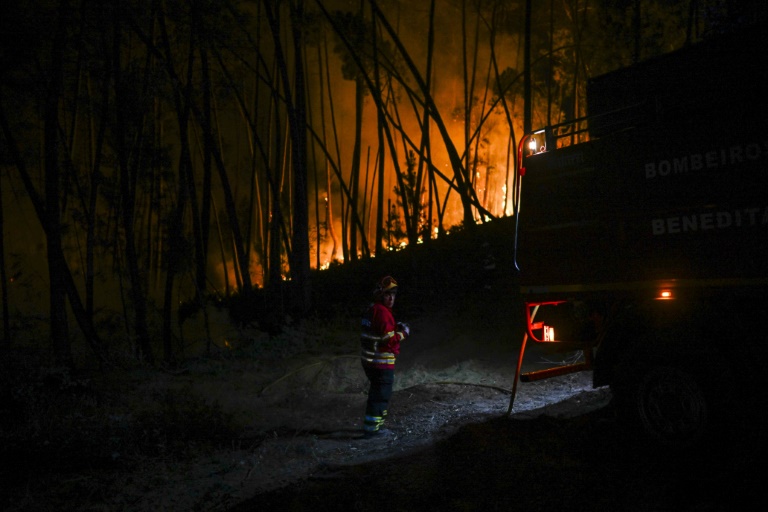
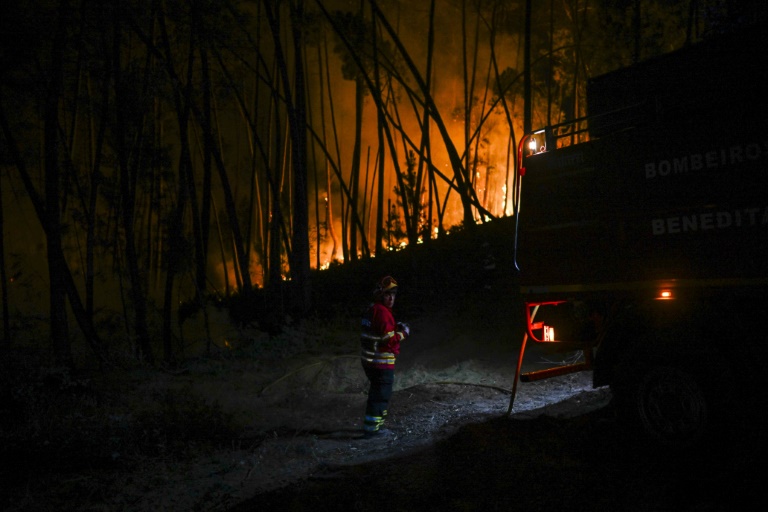
In neighbouring Portugal temperatures topped 44C over the weekend, fuelling wildfires and vast smoke clouds which were visible in the capital Lisbon.

Firefighters brought the largest blaze under control on Monday after it had burned through swathes of the central municipality of Ourem, local officials said.

– ‘Maximum risk’ –

While temperatures eased somewhat in Portugal on Monday they were expected to soar again in the coming days with 44C forecast for the southeastern city of Evora.

“In the coming days we will experience conditions of maximum risk,” Prime Minister Antonio Costa said.

“The slightest lapse in vigilance could result in a fire of significant proportions.”

A front of hot air began pushing into France on Monday, with the mercury rising above 30C across much of the country, according to national weather forecaster Meteo-France.

Temperatures could hit 39C in some parts of France on Tuesday, it added.

The heat wave should reach its peak between Saturday and next Tuesday, said Sebastien Leas of Meteo-France.

Britain on Monday issued an extreme heat warning, with temperatures predicted to hit more than 30C across large parts of England and Wales.

The extreme heat warning was classified as “amber”, the second-highest alert level, indicating a “high impact” on daily life and people.

Met Office deputy chief meteorologist Rebekah Sherwin said the UK highs would continue into early next week.

“From Sunday and into Monday, temperatures are likely to be in excess of 35C in the southeast (of England), although the details still remain uncertain,” she said.

Heatwave grips Spain as UK readies for soaring temperatures

Spain and Portugal were sweltering in their second heatwave in a month on Monday, with scorching temperatures also expected in France and Britain in the coming days.

In Spain the southern city of Seville recorded Monday’s highest temperature with the mercury hitting 42.4 degrees Celsius (108.3 Fahrenheit), according to Spain’s meteorological agency AEMET.

Temperatures neared 42 degrees Celsius in the eastern cities of Badajoz and Merida, it added.

“This heatwave really has the potential to be exceptional,” said AEMET spokesman Ruben del Campo.

The current temperature surge began Sunday and could “last nine or ten days, which would make it one of the three longest heat waves Spain has seen since 1975,” he told AFP.

Heatwaves have become more frequent due to climate change, scientists say. As global temperatures rise over time, heatwaves are expected to become more intense.

June also saw Spain grapple with temperatures above 40C in swathes of the country.

The previous month was Spain’s hottest May since the beginning of the century.

In August 2021 Spain recorded its highest ever temperature when the mercury reached 47.4C in the southern town of Montoro. 

Meteorologists did not rule out the prospect of that record being broken in the coming days.

The heightened temperatures have been accompanied by a lack of rainfall. 

Reservoirs in Spain stood at 45.3 percent of capacity on Monday, well below the average of 65.7 percent recorded during the same period over the past decade.

In neighbouring Portugal temperatures topped 44C over the weekend, fuelling wildfires and vast smoke clouds which were visible in the capital Lisbon.

Firefighters brought the largest blaze under control on Monday after it had burned through swathes of the central municipality of Ourem, local officials said.

– ‘Maximum risk’ –

While temperatures eased somewhat in Portugal on Monday they were expected to soar again in the coming days with 44C forecast for the southeastern city of Evora.

“In the coming days we will experience conditions of maximum risk,” Prime Minister Antonio Costa said.

“The slightest lapse in vigilance could result in a fire of significant proportions.”

A front of hot air began pushing into France on Monday, with the mercury rising above 30C across much of the country, according to national weather forecaster Meteo-France.

Temperatures could hit 39C in some parts of France on Tuesday, it added.

The heat wave should reach its peak between Saturday and next Tuesday, said Sebastien Leas of Meteo-France.

Britain on Monday issued an extreme heat warning, with temperatures predicted to hit more than 30C across large parts of England and Wales.

The extreme heat warning was classified as “amber”, the second-highest alert level, indicating a “high impact” on daily life and people.

Met Office deputy chief meteorologist Rebekah Sherwin said the UK highs would continue into early next week.

“From Sunday and into Monday, temperatures are likely to be in excess of 35C in the southeast (of England), although the details still remain uncertain,” she said.

Close Bitnami banner
Bitnami