World

Candlelight vigil held for 2012 Delhi gang-rape, murder victim

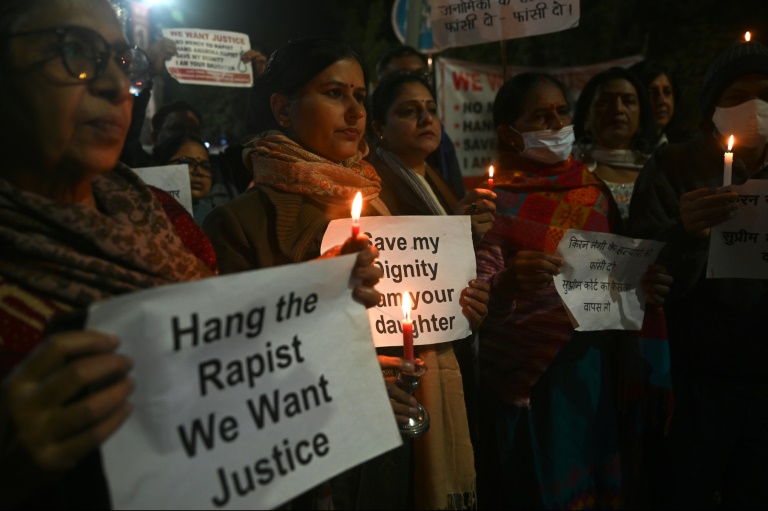
Scores of activists and campaigners held a candlelight vigil on Friday for Jyoti Singh, the young woman who was brutally gang-raped and murdered on a New Delhi bus 10 years ago.

The horrific crime appalled India and the world and shone a spotlight on the scourge of sexual crimes against women.

The crowd at the vigil, led by Singh’s parents Asha Devi and Badrinath Singh, paid silent tribute and sought justice for the families of other rape victims.

“Nothing has changed in the last 10 years. I have been continuously raising my voice against crime against women but things haven’t improved,” Devi, 57, told reporters.

“Small girls are being raped. How can we say things have changed… Things have changed only on paper.”

India registered 31,677 cases of rape in 2021, an average of 86 a day, according to the latest government crime report. Government figures show there were 24,923 rape cases in the year Singh was killed.

Singh, 23, was returning home from watching “Life of Pi” at the cinema with a male friend when they boarded a bus on the evening of Sunday December 16, 2012.

Six assailants knocked out her male friend and dragged Singh to the back of the bus, where they raped and assaulted her with a metal rod.

She and her friend were dumped for dead about an hour later.

Singh survived long enough to identify her six attackers but died a fortnight later in a Singapore hospital.

Five adults and a juvenile were charged with 13 offences two months later, and four men were hanged in 2020.

The main accused was found dead in his prison cell a month after he was charged in what officials suspected was a suicide, although his family and lawyer alleged he was murdered.

The youngest of those charged spent three years in a juvenile detention centre.

Singh was dubbed “Nirbhaya” (“fearless”) by the Indian media and became a symbol of the socially conservative country’s failure to tackle sexual violence against women.

Her death sparked huge, and at times violent, demonstrations involving tens of thousands of people in Delhi and elsewhere.

It led to much soul-searching in a country where patriarchal attitudes still rule and girls are often seen as a financial burden.

Under pressure, the government introduced harsher penalties for rapists and the death penalty for repeat offenders.

Several new sexual offences were also introduced, including for stalking and jail sentences for officials who failed to register rape complaints.

More CCTV cameras and street lights have been installed, and there are centres where rape survivors can access legal and medical help.

However, tens of thousands of rape cases remain stuck in India’s overburdened legal system and horrific crimes against women continue to be reported.
Musk under fire as Twitter suspends journalists

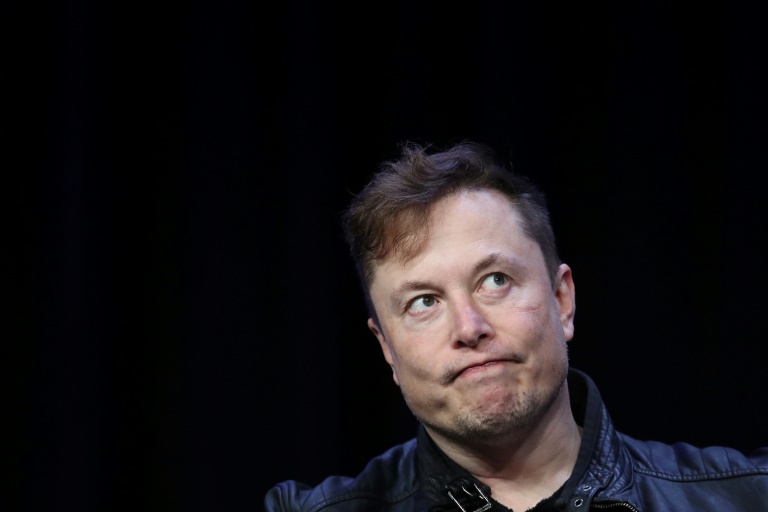
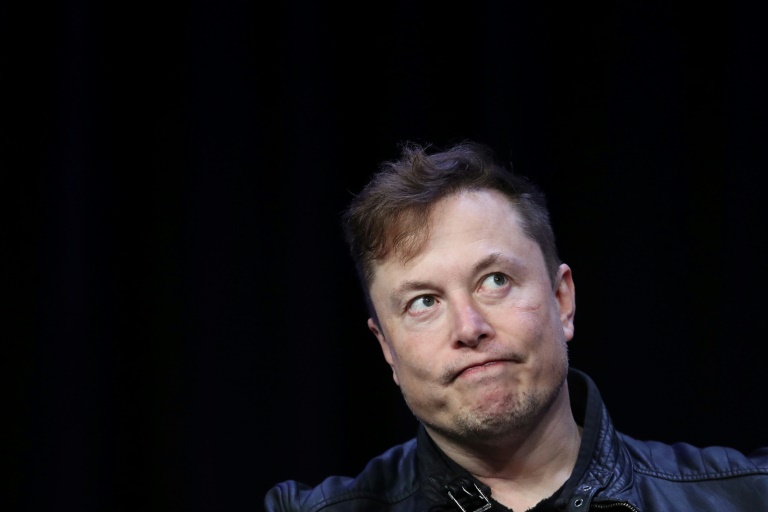
Twitter-owner Elon Musk drew anger and stern warnings from regulators on Friday after suspending the accounts of half a dozen prominent journalists — accusing them of endangering his family.

Journalists from CNN, the New York Times and the Washington Post were cut off from the platform without warning on Friday, provoking the newest controversy since Musk took over the company on October 27.

“News about arbitrary suspension of journalists on Twitter is worrying,” EU commissioner Vera Jourova posted on Twitter, warning the influential platform could face hefty fines through European laws.

“Elon Musk should be aware of that. There are red lines. And sanctions, soon,” she added.

The latest controversy began when Musk on Wednesday suspended @elonjet, an account that tracked flights of his private jet.

Musk said the move was necessary after a car in Los Angeles carrying one of his children was followed by “a crazy stalker” and seemed to blame the tracking of his jet for this incident.

Some of the journalists had reported on the affair, including tweets linking to the suspended account, which Musk said amounted to “assassination coordinates” against he and his family.

In a chat hosted live on Twitter, Musk provided no evidence for his claim but told some of the suspended reporters that on Twitter “everyone’s going to be treated the same… they’re not special because you’re a journalist.”

Pressed further on his allegations, Musk ended the conversation. Twitter Spaces, the feature where the chat took place, was then suspended.

Media organizations criticized the move sharply and opened the door to re-evaluating their relationship with Twitter, which has become an essential tool for journalism in the past decade.

“The impulsive and unjustified suspension of a number of reporters, including CNN’s Donie O’Sullivan, is concerning but not surprising,” the news organization said in a tweet.

“Twitter’s increasing instability and volatility should be of incredible concern for everyone who uses the platform.”

The New York Times said in a statement it also wanted answers from Twitter regarding the “questionable” suspension of journalists.

– Twitter exodus? –

Twitter has lurched from one controversy to the next since Musk took control after paying $44 billion, mainly by selling shares in Tesla, his successful electric car company. 

The billionaire’s talk of unfettered speech has scared off major advertisers and caught the attention of regulators.

Musk has reinstated the account of former US president Donald Trump and lashed out against the outgoing key advisor for the US response to the Covid-19 pandemic, Anthony Fauci, a frequent target of vitriol on right-wing media.

CNN has reported that Twitter’s former head of trust and safety fled his home after baseless attacks on Twitter content moderation, endorsed by Musk.

Meanwhile, a purge initiated by Musk at Twitter left more than half of its 7,500 employees on the sidelines and now many of them are taking the SpaceX and Tesla tycoon to court.

Musk at one point signaled he was going to war with Apple over the App Store, only to later tweet that it was a “misunderstanding.”

Market tracker Insider Intelligence forecast that Twitter will experience an exodus of users.

“There won’t be one catastrophic event that ends Twitter,” said Insider Intelligence analyst Jasmine Enberg.

“Instead, users will start to leave the platform next year as they grow frustrated with technical issues and the proliferation of hateful or other unsavory content.”

Musk under fire as Twitter suspends journalists

Twitter-owner Elon Musk drew anger and stern warnings from regulators on Friday after suspending the accounts of half a dozen prominent journalists — accusing them of endangering his family.

Journalists from CNN, the New York Times and the Washington Post were cut off from the platform without warning on Friday, provoking the newest controversy since Musk took over the company on October 27.

“News about arbitrary suspension of journalists on Twitter is worrying,” EU commissioner Vera Jourova posted on Twitter, warning the influential platform could face hefty fines through European laws.

“Elon Musk should be aware of that. There are red lines. And sanctions, soon,” she added.

The latest controversy began when Musk on Wednesday suspended @elonjet, an account that tracked flights of his private jet.

Musk said the move was necessary after a car in Los Angeles carrying one of his children was followed by “a crazy stalker” and seemed to blame the tracking of his jet for this incident.

Some of the journalists had reported on the affair, including tweets linking to the suspended account, which Musk said amounted to “assassination coordinates” against he and his family.

In a chat hosted live on Twitter, Musk provided no evidence for his claim but told some of the suspended reporters that on Twitter “everyone’s going to be treated the same… they’re not special because you’re a journalist.”

Pressed further on his allegations, Musk ended the conversation. Twitter Spaces, the feature where the chat took place, was then suspended.

Media organizations criticized the move sharply and opened the door to re-evaluating their relationship with Twitter, which has become an essential tool for journalism in the past decade.

“The impulsive and unjustified suspension of a number of reporters, including CNN’s Donie O’Sullivan, is concerning but not surprising,” the news organization said in a tweet.

“Twitter’s increasing instability and volatility should be of incredible concern for everyone who uses the platform.”

The New York Times said in a statement it also wanted answers from Twitter regarding the “questionable” suspension of journalists.

– Twitter exodus? –

Twitter has lurched from one controversy to the next since Musk took control after paying $44 billion, mainly by selling shares in Tesla, his successful electric car company. 

The billionaire’s talk of unfettered speech has scared off major advertisers and caught the attention of regulators.

Musk has reinstated the account of former US president Donald Trump and lashed out against the outgoing key advisor for the US response to the Covid-19 pandemic, Anthony Fauci, a frequent target of vitriol on right-wing media.

CNN has reported that Twitter’s former head of trust and safety fled his home after baseless attacks on Twitter content moderation, endorsed by Musk.

Meanwhile, a purge initiated by Musk at Twitter left more than half of its 7,500 employees on the sidelines and now many of them are taking the SpaceX and Tesla tycoon to court.

Musk at one point signaled he was going to war with Apple over the App Store, only to later tweet that it was a “misunderstanding.”

Market tracker Insider Intelligence forecast that Twitter will experience an exodus of users.

“There won’t be one catastrophic event that ends Twitter,” said Insider Intelligence analyst Jasmine Enberg.

“Instead, users will start to leave the platform next year as they grow frustrated with technical issues and the proliferation of hateful or other unsavory content.”

UK working 'flat out' for deal in N.Ireland: Sunak

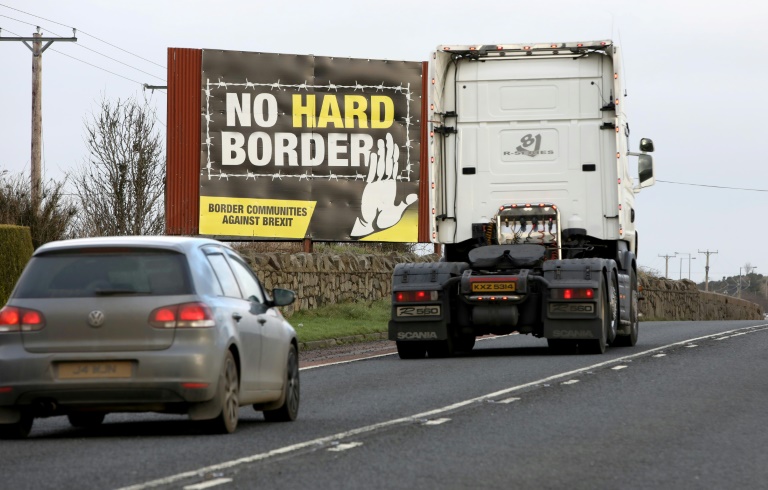
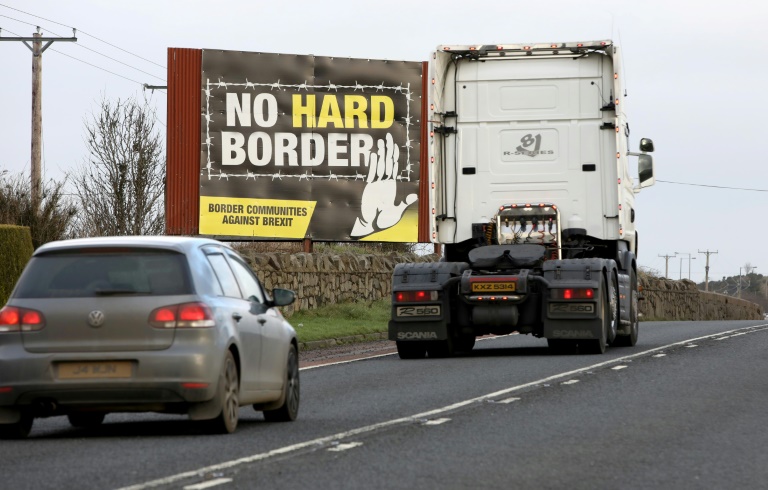
UK Prime Minister Rishi Sunak said on Friday his government was working “flat out” to settle post-Brexit trading problems in Northern Ireland to end political paralysis in Belfast.

On his first visit to Northern Ireland as premier, Sunak said he was “really committed to resolving some of the issues with the protocol” and “protecting Northern Ireland’s place in the union”.

The UK and the EU have been working this year to resolve their differences over post-Brexit trade rules known as the Northern Ireland Protocol.

The deal keeps Northern Ireland in the European single market and customs union, mandating checks on goods heading to the province from the rest of the UK.

It has proven deeply unpopular with pro-British unionists who have said the arrangements drive a wedge between it and the three other UK nations.

Sunak said by working though the problems, Northern Ireland’s lawmakers should be able to restore power-sharing at the region’s devolved government.

“That is what the people in Northern Ireland need and deserve,” he added.

Northern Ireland’s government has been out of action since February because of a boycott by the Democratic Unionist Party (DUP).

The party withdrew its first minister from the executive at Stormont in February in protest over the protocol.

It has refused to return until the rules are overhauled or scrapped entirely.

Sunak said he would not put a “strict deadline” on talks between London and Brussels but vowed to “work as hard and as fast as I can to find a resolution”.

“I want to do that as soon as practically possible,” he added.

Sunak met the leaders of Northern Ireland’s five main political parties on Thursday evening.

DUP leader Jeffrey Donaldson said he was told by the prime minister there would likely be an “intensification at the political level” of negotiations over coming weeks.

Sunak also toured Belfast’s shipyards to highlight the revival of shipbuilding in the historic area where doomed liner the Titanic was built and launched over 100 years ago. 

Under a £1.6-billion ($1.9-billion) government contract, three new British naval vessels will be completed at the shipyards by a consortium led by Belfast shipbuilders Harland and Wolff.

UK working 'flat out' for deal in N.Ireland: Sunak

UK Prime Minister Rishi Sunak said on Friday his government was working “flat out” to settle post-Brexit trading problems in Northern Ireland to end political paralysis in Belfast.

On his first visit to Northern Ireland as premier, Sunak said he was “really committed to resolving some of the issues with the protocol” and “protecting Northern Ireland’s place in the union”.

The UK and the EU have been working this year to resolve their differences over post-Brexit trade rules known as the Northern Ireland Protocol.

The deal keeps Northern Ireland in the European single market and customs union, mandating checks on goods heading to the province from the rest of the UK.

It has proven deeply unpopular with pro-British unionists who have said the arrangements drive a wedge between it and the three other UK nations.

Sunak said by working though the problems, Northern Ireland’s lawmakers should be able to restore power-sharing at the region’s devolved government.

“That is what the people in Northern Ireland need and deserve,” he added.

Northern Ireland’s government has been out of action since February because of a boycott by the Democratic Unionist Party (DUP).

The party withdrew its first minister from the executive at Stormont in February in protest over the protocol.

It has refused to return until the rules are overhauled or scrapped entirely.

Sunak said he would not put a “strict deadline” on talks between London and Brussels but vowed to “work as hard and as fast as I can to find a resolution”.

“I want to do that as soon as practically possible,” he added.

Sunak met the leaders of Northern Ireland’s five main political parties on Thursday evening.

DUP leader Jeffrey Donaldson said he was told by the prime minister there would likely be an “intensification at the political level” of negotiations over coming weeks.

Sunak also toured Belfast’s shipyards to highlight the revival of shipbuilding in the historic area where doomed liner the Titanic was built and launched over 100 years ago. 

Under a £1.6-billion ($1.9-billion) government contract, three new British naval vessels will be completed at the shipyards by a consortium led by Belfast shipbuilders Harland and Wolff.

NASA launches satellite for landmark study of Earth's water

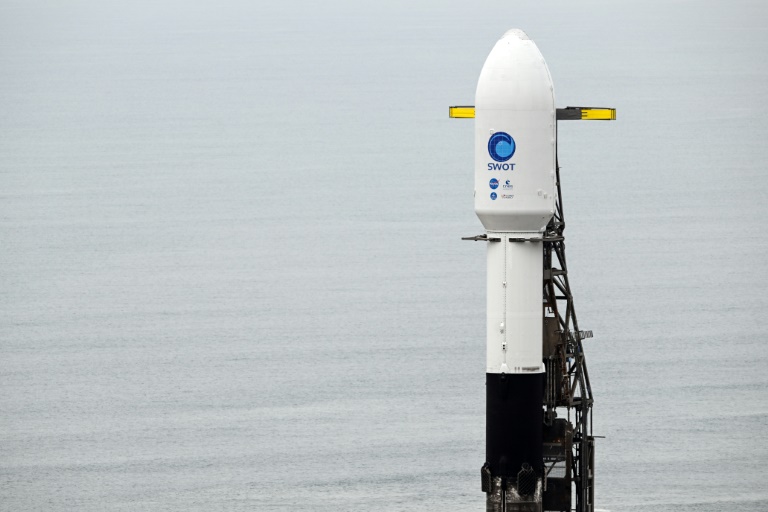
A satellite lifted off Friday from California on a mission to survey nearly all bodies of water on Earth, offering key insights on how they influence or are impacted by climate change.

The Surface Water and Ocean Topography (SWOT) satellite, a billion-dollar project jointly developed by NASA and France’s space agency CNES, took off at 1146 GMT atop a SpaceX rocket from the Vandenberg Space Force Base.

According to a statement from NASA, it will start collecting scientific data in about six months after undergoing checks and calibrations.

“SWOT will bring us a revolutionary advance in our understanding of how water moves around our planet,” said Karen St. Germain, NASA’s Earth Science Division director, ahead of the launch.

“We will be able to see detail in eddies and currents and circulation in the oceans that we have never been able to see before.”

She said this would help predict floods in areas with too much water, and manage water in regions prone to drought.

Selma Cherchali, of the French space agency CNES, told a press conference on Tuesday that the satellite represents a “revolution in hydrology. We are aiming to provide fine-scale observations ten times better than the current technology.”

From a height of 890 kilometers (550 miles), SWOT will have the clearest view yet of the world’s oceans, allowing it to track the rise in sea levels, as well as rivers and lakes.

Researchers will be able to get data on millions of lakes, rather than the few thousands currently visible from space.

“We know with climate change that Earth’s water cycle is accelerating. What this means is that some locations have too much water, others don’t have enough,” said Benjamin Hamlington, a NASA research scientist.

“We’re seeing more extreme droughts, more extreme floods, precipitation patterns are changing, becoming more volatile. So it’s really important that we try to understand exactly what is happening.”

The mission is meant to last for three and a half years, but could be extended until five years, or even more, said SWOT’s project head at CNES, Thierry Lafon.

The US and French space agencies have worked together in the field for more than 30 years. A previous satellite developed by the partners, TOPEX/Poseidon, improved understanding of ocean circulation and its effect on global climate.

Pristine Colombian island in tug of war over naval base

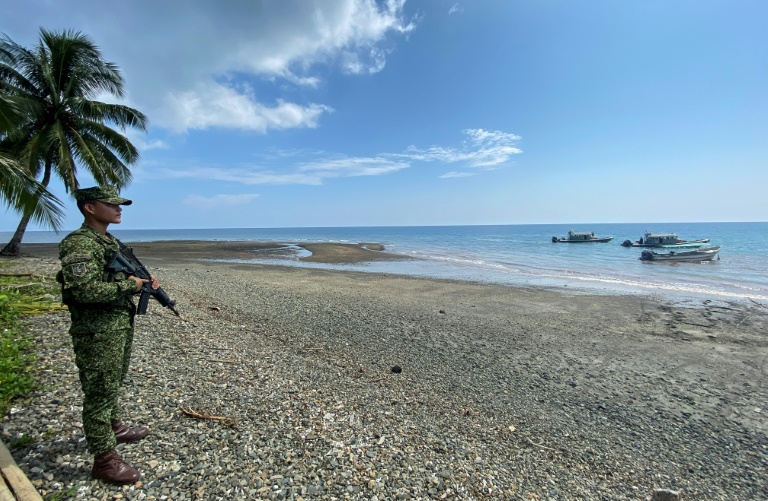
Just off Colombia’s Pacific coast lies a dot of an island that is postcard perfect: mountains, lush jungle, pristine beaches and humpback whales and other critters that find the place irresistible.

Enter the Colombian military, which is building a US-financed coast guard station here on Gorgona Island, and a spat is served up  — one that is challenging Colombia’s new leftist president, Gustavo Petro, to make good on promises to fight climate change and be an environmental champion.

Environmental groups filed a class action lawsuit last month asking a judge to suspend construction of the coast guard base, which the navy says will help it fight drug trafficking and other crime.

“But even better would be for Dr Petro to fulfill the promises he made as a candidate,” said Jorge Robledo, a former senator serving as spokesman for the conservation groups who filed the suit.

“If the president, who is commander in chief of the armed forces, wants to end this project he can do it in a second,” said Robledo.

He said Petro, who took office in August, has to fulfill the ambitious conservation and climate change program he campaigned on.

The navy says the coast guard base will give it a tactical advantage in fighting drug trafficking and environmental crimes like poaching.

“If the project is not carried out, the ones who come out winning are the criminals,” coast guard commander Javier Bermudez told AFP.

Gorgona — the name comes from the snake-haired gorgons of Greek mythology — is situated in a maritime corridor used to smuggle drugs northward.

Bermudez said three environmental impact studies have been done to assess the risk posed by the base.

-Fragile ecosystem –

Some say the protected nature reserve set up on and around Gorgona Island is as rich in biodiversity as the Galapagos islands off the coast of Ecuador.

Colombians know it for a darker reason, however: it used to house a prison where prisoners deemed to be the most dangerous were sent and tortured. That facility operated from the 1960s until 1984.

These days the island 60 kilometers (40 miles) off the southwestern coast of Colombia is better known for its tourists, who are lured by its coral reefs, exotic fauna and lush forests.

Felipe Gulh, a biologist at the University of the Andes, said the base construction work will surely harm the island, which is only 11 kilometers long and four kilometers wide.

He called Gorgona a fragile biological sanctuary where any kind of human intervention will hurt the coral reefs, fish and animals. 

In 2015 the government agency that grants environmental certification approved construction of the base, which will feature a 132 meter dock, a radar installation and housing for military personnel.

The project is receiving financing form the Untied States, which is the main partner of Colombia — the world’s top cocaine producer — in fighting drug trafficking.

The navy says that in waters near the island a variety of crimes are committed in addition to drug smuggling: contraband, illegal fishing, deforestation, poaching, sea pollution and others.

“Why build a base on the island when it could just as well be on the coast?” Gulh asked. “A 60 kilometer distance from the island to land should not make much of a distance what with the technology that we have today” when it comes to surveillance, he said.

– ‘Environmental authority’ –

Some 6,400 tourists visit the island every year, and have to make an awkward disembarkation because it has no dock at present, said Daniel Agudelo, who runs the nature parks on Gorgona and says the base project is feasible.

Commander Bermudez of the coast guard said the base is needed to fight crime.

“We cannot have protected areas made out of paper. We need the work of police to exercise that environmental authority,” he said.

Guhl said the project must be halted because “from a biological standpoint, Gorgona Island is a treasure.” 

S. Africa's Ramaphosa set to win ANC leadership vote despite scandal

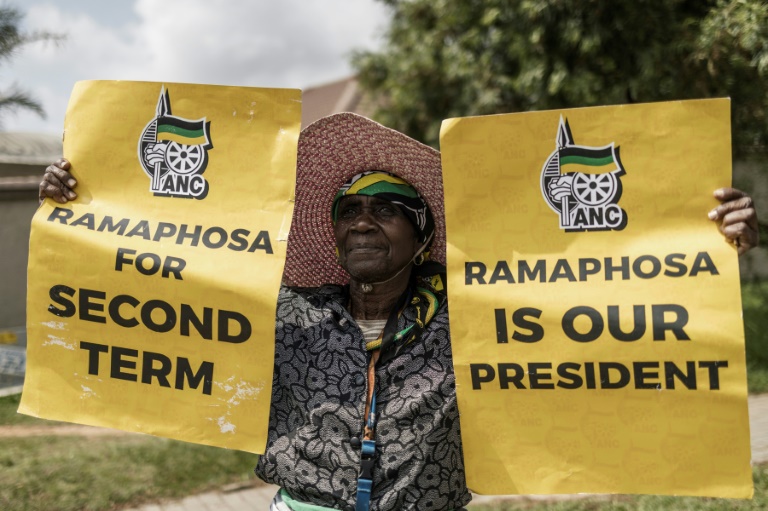
South Africa’s ruling party went into a closely watched conference Friday that looks set to re-elect Cyril Ramaphosa as leader, despite a tarnishing cash-heist scandal.

Some 4,500 African National Congress (ANC) delegates sporting bright yellow and green T-shirts gathered at an events centre near Johannesburg where they will vote for a new leader on Saturday.

Ramaphosa is bidding to retain the reins of the ANC as the storied party struggles with rifts and declining support after 28 years in power.

Portraying himself as a graft-busting champion, Ramaphosa took control of the ANC in 2017 after his boss Jacob Zuma became mired in corruption.

The party’s majority in parliament means that it also has control over the process to approve the national president.

But Ramaphosa’s clean-hands image has been dented by allegations he concealed a huge cash burglary at his farm rather than report the matter to the authorities.

Despite this, the 70-year-old leader appears on track to win the party leadership election, expected to take place among delegates on Saturday. 

The start of the conference was several hours behind schedule, but a party official said that, despite the delay, voting will be on time, and results will be released around five hours later.

ANC member Tumi Mogotla, 37, a street vendor selling ANC paraphernalia on the fringes of the conference centre, believes Ramaphosa deserves a second term

“My wish is that Ramaphosa wins again. I believe he is the best person to fix corruption in the country,” said Mogotla, standing next to shirts, hats and flags in ANC colours.

But Ntombikayise Shabalala, 52, an unemployed party delegate angered by rolling electricity blackouts, wanted a change of leadership.

– ‘A watershed moment’ –

“We need a strong leadership,” she told AFP.

Outside the imposing conference venue, a group of delegates chanted that Ramaphosa should leave the presidency over the farmgate scandal. They also sang a pro-Zuma song.

On the eve of the conference Zuma announced he was seeking to bring a prosecution against Ramaphosa over a leaked medical report linked to a 1990s arms corruption trial.

But the action is unlikely to hamper Ramaphosa’s chances of securing a second term as ANC leader.

A victory would secure him a ticket to a fresh term as president after the 2024 elections, if his party wins that vote.

Ramaphosa won a reprieve ahead of the conference when the ANC used its majority in parliament to block a possible impeachment inquiry.

He is leading the list of only two nominated presidential candidates so far and is seen to be the most viable in the absence of better options in the 110-year-old party.

The ex-trade unionist fronted the historic negotiations to end apartheid and helped draft the constitution — hailed as one of Africa’s most progressive charters.

Dodging the impeachment bullet likely emboldened his re-election bid, analysts say.

His rival is his former health minister Zweli Mkhize, who is facing corruption allegations linked to Covid-19 funds.

The venerable party was shaped by Nelson Mandela into the main weapon that ended apartheid.

But its image today is stained by corruption and factionalism.

– Declining vote share –

Protests spiralled into looting last year when Zuma was jailed for contempt of court for snubbing a probe into state corruption.

Ramaphosa told a party fundraising dinner Thursday night that the conference was “a watershed moment” which will “determine where South Africa goes not only (for) the next five years but in the next decade and beyond that”.

Over the past decade, the party has lost its grip over key cities in municipal elections.

Its showing in this battlefield slumped last year under 50 percent for the first time.

On a national level, the ANC won the 2019 election with 57.5 percent of the vote, down from 62.15 percent in 2014.

But it remains South Africa’s largest party with 230 out of 400 seats in the National Assembly.

Whoever emerges victorious in the vote will have to defuse anger at crippling power cuts and entrenched poverty.

bur-sn/gw

Japan approves major defence overhaul, warning of China threats

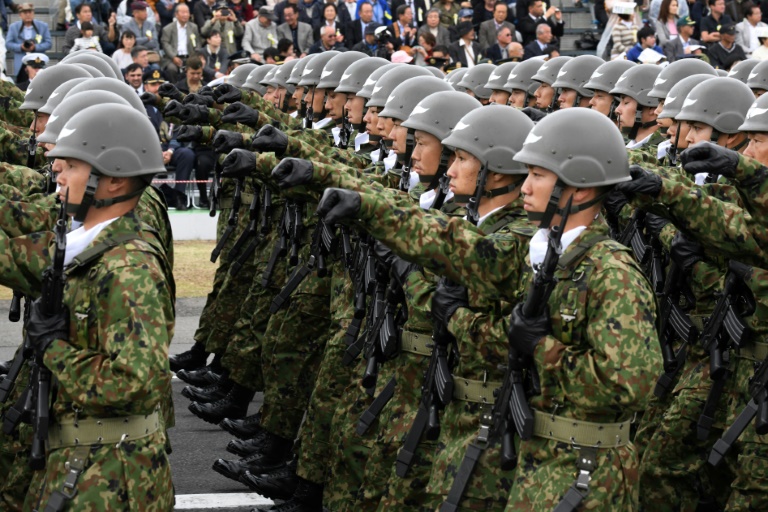
Japan approved a major defence policy overhaul on Friday, including a significant spending hike, as it warned China poses the “greatest strategic challenge ever” to its security.

In its largest defence shake-up in decades, Japan vowed to increase security spending to two percent of GDP by 2027, reshape its military command, and acquire new missiles that can strike far-flung enemy launch sites.

Prime Minister Fumio Kishida told a news conference he was “determined to remain resolute in our mission to protect and defend the nation and its people, at this turning point in history”.

“In our neighbouring countries and regions, the strengthening of nuclear missile capabilities, rapid military build-up and attempts to unilaterally change the status quo by force have become even more pronounced,” he said, evoking Russia’s invasion of Ukraine as an example of the changing times.

Polls suggest Japan’s public largely backs the shift, but the changes could still be controversial because Japan’s post-war constitution does not officially recognise the military and limits it to nominally self-defensive capabilities.

The moves are outlined in three defence and security documents approved by the cabinet Friday.

They describe Beijing as “the greatest strategic challenge ever to securing the peace and stability of Japan”, as well as a “serious concern” for Japan and the international community.

In response, the government plans to raise its defence spending to two percent of GDP by fiscal 2027, bringing Japan in line with NATO member guidelines.

That marks a significant increase from historic spending of around one percent and has sparked criticism over how it will be financed.

The money will fund projects including the acquisition of what Japan calls “counterstrike capacity” — the ability to hit launch sites that threaten the country.

The documents warn that Japan’s current missile interception systems are no longer sufficient, and Kishida said counterstrike capacity “will be essential in the future”.

– ‘Radically strengthen’ –

While Japanese governments have long suggested that counterstrikes to neutralise enemy attacks would be permissible under the constitution, there has been little appetite to secure the capacity.

That has shifted with the continued growth of Chinese military might and a record volley of North Korean missile launches in recent months, including over Japanese territory.

Still, in a nod to the sensitivity of the issue, the documents rule out preemptive strikes and insist Japan is committed to “an exclusively defence-oriented policy”.

“Japan’s adherence to the three non-nuclear principles, the exclusive defence policy and its progress as a peaceful nation will remain unchanged,” Kishida said on Friday.

The counterstrike capacity will involve both upgrading existing Japanese weaponry but also buying US-made Tomahawk missiles, reportedly up to 500.

Other changes include the establishment of a permanent joint command for Japan’s armed forces as well as enhancement of its coastguard.

Core army troops in the southwestern islands will be doubled, and logistics strengthened “to enable the` rapid deployment of troops from all over Japan” in an emergency, Kishida said.

Among the documents is the National Security Strategy, which is being updated for the first time since its 2013 launch.

Its language on relations with both China and Russia has hardened significantly.

The strategy document previously said Japan was seeking a “mutually beneficial strategic partnership” with Beijing, a phrase that has disappeared from this iteration.

Instead it suggests a “constructive and stable relationship” and better communication.

And while the document once called for enhanced ties and cooperation with Russia, it now warns that Moscow’s military posturing in Asia and cooperation with China are “a strong security concern”.

China’s foreign ministry urged Japan on Friday to “reflect on its policies”.

“Japan disregards the facts, deviates from the common understandings between China and Japan and its commitment to bilateral relations, and discredits China,” ministry spokesman Wang Wenbin told reporters.

However, US President Joe Biden said Washington welcomed “Japan’s contributions to peace and prosperity”.

“The United States stands with Japan at this critical moment. Our alliance is the cornerstone of a free and open Indo-Pacific,” he wrote on Twitter.

The strategy contained in the documents represents a major evolution of Japan’s military posture, according to Chris Hughes, professor of international politics and Japanese studies at the University of Warwick.

“The Japanese government will depict these changes as necessary, moderate and wholly in line with previous defence posture,” he told AFP.

Still, “they are going to, in the words often used by the (ruling) Liberal Democratic Party itself in policy documents, ‘radically strengthen’ Japan’s military power”, said Hughes, author of the book “Japan as a Global Military Power”.

Climate change fuelling cholera surge: WHO

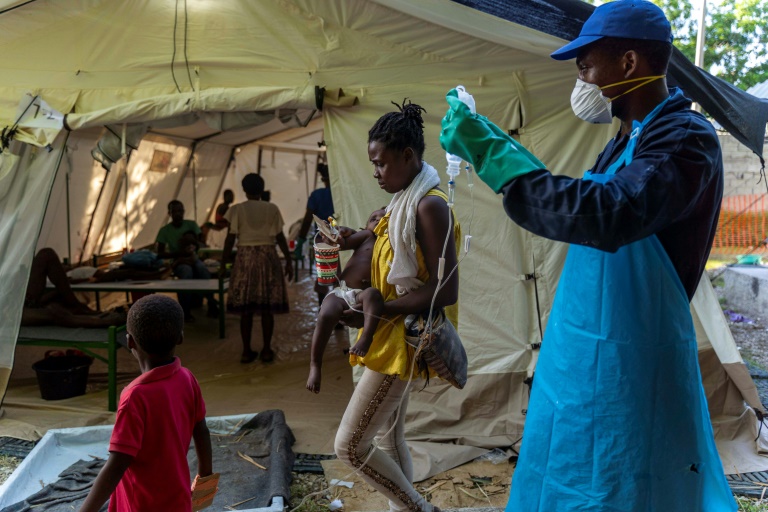
Climate change is fuelling a global cholera upsurge, the WHO said Friday, warning the situation was compounded by vaccine shortages and will only worsen unless it is stamped out soon.

The World Health Organization is responding to cholera outbreaks in 29 countries, including Haiti, which has more than 1,200 confirmed cases, more than 14,000 suspected cases and more than 280 reported deaths.

This week, Haiti received almost 1.2 million doses of oral cholera vaccines.

But the WHO said that vaccine stockpiles were extremely low — and that manufacturers were not enthusiastic about producing a vaccine chiefly aimed at some of the poorest countries in the world.

“If we don’t control the outbreak now, the situation will get worse and worse,” Philippe Barboza, the WHO’s team lead on cholera, told reporters in Geneva.

He said fatality rates are extremely high for most of the countries for which the UN health agency has data.

Cholera is contracted from a bacterium that is generally transmitted through contaminated food or water.

It causes diarrhoea and vomiting, and can be especially dangerous for young children.

“The factors which drive cholera are still the same: poverty, vulnerability and people who do not have access to clean water,” Barboza said.

These are amplified by conflict, humanitarian crises and natural disasters, which reduce access to drinking water.

– Vaccine shortage –

“But this year, we have a factor which is even more important: the direct impact of climate change, with a succession of major droughts, unprecedented floods in certain parts of the world, and cyclones which have amplified most of these epidemics,” he said.

Barboza said that while there had been big epidemics in certain countries before, they had not happened simultaneously, as now.

Although cholera can kill within hours, it can be treated with simple oral rehydration, and antibiotics for more severe cases.

But many people lack timely access to such treatment.

Outbreaks can be prevented by ensuring access to clean water and improving surveillance.

“It is not acceptable in the 21st century to have people dying of a disease which is very well-known and very easy to treat,” said Barboza.

Around 36 million cholera vaccine doses were produced this year.

Barboza said that making these doses was not very attractive to manufacturers as it is “a vaccine for poor countries”.

But he insisted that the mortality rate could be reduced by prioritising timely access to medical aid.

“The fight against cholera is not lost. We can win it,” he said.

Close Bitnami banner
Bitnami