World

Rescuers search for missing after landslide on Italian island kills one

Italian rescuers were searching for a dozen missing people on the southern island of Ischia on Sunday after a landslide killed at least one person, as the government scheduled an emergency meeting.

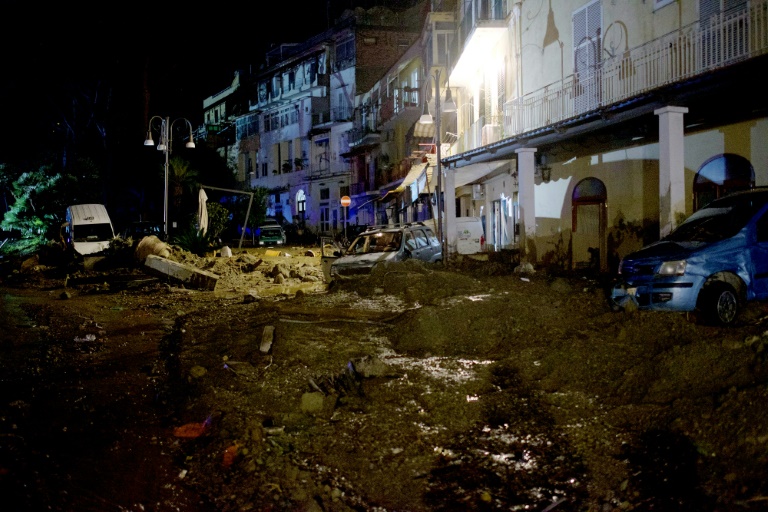
A wave of mud and debris swept through the small town of Casamicciola Terme early Saturday morning, engulfing at least one house and sweeping cars down to the sea, local media and emergency services said.

Rescuers had recovered the body of a 31-year-old woman, according to Italian news agency AGI, with other local media reporting that 13 people had been injured in the incident.

About a dozen people were still unaccounted for by early Saturday evening, according to Claudio Palomba, prefect of Naples, of which the island is part.

But some people who had earlier been reported missing had since been found safe, including one family with a newborn baby, he said.

Prime Minister Giorgia Meloni tweeted her sympathy to those affected, saying she had called an extraordinary cabinet meeting on Sunday to discuss the disaster.

“We are afraid that there might be other victims, but so far the current figure is one dead,” Luca Cari, a spokesman for the fire service, told AFP.

The rescue effort was hampered by rain and high winds, which also delayed ferries bringing reinforcements from the mainland.

Interior Minister Matteo Piantedosi had earlier warned there were people trapped in the mud, saying it was a “very serious” situation.

However, he denied a statement by his colleague Matteo Salvini, the deputy prime minister and infrastructure minister, that eight people had died, saying this had not been confirmed.

– Complex rescue operation –

Heavy rain sent torrents of mud through the streets of Casamicciola Terme, a settlement on the north of Ischia, a lush island near Capri that is thronged with tourists in summer.

Trees were upturned and cars left battered on the side of the road or in the water, according to AFP journalists.

The fire service said earlier one house had been overwhelmed by the mud and two people had been rescued from a car that had been swept into the sea.

In the worst-affected area of the town, at least 30 families were trapped in their homes without water or electricity, with mud and debris blocking the road, ANSA news agency reported.

Officials said they expected to evacuate and find temporary homes for between 150 and 200 people by Saturday evening.

“The rescue effort remains complex due to the weather conditions,” said the department for civil protection, but it stressed teams would keep working through the night.

Local authorities called on residents of Ischia to stay inside to avoid hindering the rescue operation.

Casamicciola Terme was hit by an earthquake in 2017, in which two people died.

The devastation in Ischia comes just weeks after 11 people died in heavy rain and flooding in the central Italian region of Marche.
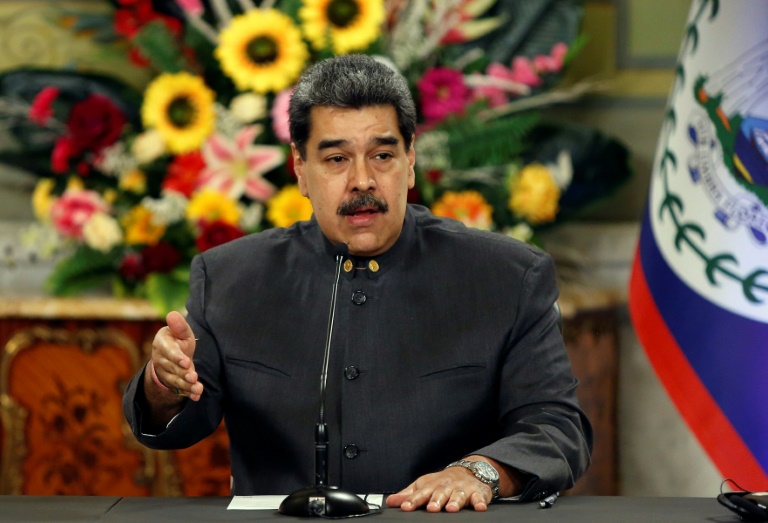
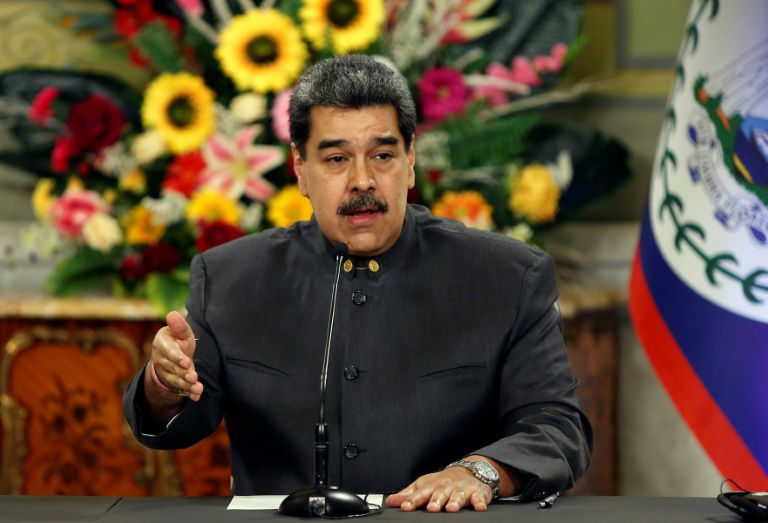
Breakthrough in Venezuela talks spurs US to ease embargo

The government of Nicolas Maduro and the Venezuelan opposition broke a political stalemate Saturday with a broad social accord, and the US government responded by allowing a major US oil company to resume operations in Venezuela.

The accord heralded a potential easing of a grinding economic and political crisis in Venezuela.

It paves the way for the United Nations to oversee a trust fund of frozen assets of the Maduro government to be used for a variety of social projects in the South American country, including programs related to education, health, food security, flood response and electricity.

“We have identified a set of resources belonging to the Venezuelan state, frozen in the global financial system, to which it is possible to access,” said Dag Nylander, an envoy from Norway, which facilitated the negotiations. The amount to be released was not specified.

The agreement, signed in Mexico, ended 15 months of stalemate between the two sides, potentially easing a massive flow of refugees from Venezuela throughout the region and even impacting world oil markets.

Maduro praised the deal on Twitter, saying it “opens the way for a new chapter for Venezuela, to keep advancing towards the peace and well-being that all Venezuelans yearn for.”

And UN deputy spokesman Farhan Haq said in a statement that Secretary-General Antonio Guterres was committed to supporting the parties, calling the breakthrough “an important milestone that has the potential to deliver broader benefits for the people of Venezuela.”

The US Treasury Department said the accord marks “important steps in the right direction to restore democracy” in Venezuela, and responded by issuing a license to Chevron Corp. to resume limited oil extraction operations in Venezuela.

– World’s largest oil reserves –

The license will remain in effect for six months while the Biden administration assesses whether the Maduro government meets commitments made in the accord, Treasury said.

Chevron said it would “continue supporting social investment programs aimed at providing humanitarian relief” in the country and that the “decision brings added transparency to the Venezuelan oil sector.”

The relaxation of curbs on Chevron’s operations in Venezuela, which has the world’s largest oil reserves, would allow the nation to move toward re-entering global oil markets. 

International efforts to resolve the Venezuelan crisis have gained strength since Russia’s invasion of Ukraine and the pressure it has placed on global energy supplies.

A joint statement by Canada, the United States, Britain and the EU pledged “willingness to review sanctions” on Venezuela but demanded that it release political prisoners, respect press freedom and guarantee independence of the judiciary and electoral bodies. 

The powerful Democratic chairman of the US Senate Foreign Relations Committee, Robert Menendez, said the Biden administration should move slowly.   


– ‘Criminal dictatorship’ –

“If Maduro again tries to use these negotiations to buy time to further consolidate his criminal dictatorship, the United States… must snap back the full force of our sanctions that brought his regime to the negotiating table in the first place,” Menendez said in a statement. 

Despite its huge oil reserves, Venezuela suffers grinding poverty and a political crisis that has led a UN-estimated seven million Venezuelans to flee the country in recent years. Food, medicine and such basics as soap and toilet paper are often in short supply. 

Saturday’s accord made no headway on a critical issue: How to move ahead toward presidential elections scheduled for 2024.

Venezuela’s political crisis has worsened since Maduro declared himself victor of contested 2018 elections, which were widely seen as fraudulent, and generated widespread street protests.

Maduro’s opposition is seeking free and fair presidential elections while Caracas wants the international community to recognize Maduro as the rightful president and to lift sanctions, particularly a US oil embargo and freeze on the nation’s overseas assets.

After the contested 2018 elections, almost 60 countries, including the United States, recognized opposition leader Juan Guaido as acting president.

The Unitary Platform opposition group has not reached consensus over the conditions it requires to take part in the vote, a source close to the negotiations told AFP.

Guaido’s influence has waned in recent years, and he has lost key allies both at home and in the region, where many countries have since elected leftist presidents.

Breakthrough in Venezuela talks spurs US to ease embargo

The government of Nicolas Maduro and the Venezuelan opposition broke a political stalemate Saturday with a broad social accord, and the US government responded by allowing a major US oil company to resume operations in Venezuela.

The accord heralded a potential easing of a grinding economic and political crisis in Venezuela.

It paves the way for the United Nations to oversee a trust fund of frozen assets of the Maduro government to be used for a variety of social projects in the South American country, including programs related to education, health, food security, flood response and electricity.

“We have identified a set of resources belonging to the Venezuelan state, frozen in the global financial system, to which it is possible to access,” said Dag Nylander, an envoy from Norway, which facilitated the negotiations. The amount to be released was not specified.

The agreement, signed in Mexico, ended 15 months of stalemate between the two sides, potentially easing a massive flow of refugees from Venezuela throughout the region and even impacting world oil markets.

Maduro praised the deal on Twitter, saying it “opens the way for a new chapter for Venezuela, to keep advancing towards the peace and well-being that all Venezuelans yearn for.”

And UN deputy spokesman Farhan Haq said in a statement that Secretary-General Antonio Guterres was committed to supporting the parties, calling the breakthrough “an important milestone that has the potential to deliver broader benefits for the people of Venezuela.”

The US Treasury Department said the accord marks “important steps in the right direction to restore democracy” in Venezuela, and responded by issuing a license to Chevron Corp. to resume limited oil extraction operations in Venezuela.

– World’s largest oil reserves –

The license will remain in effect for six months while the Biden administration assesses whether the Maduro government meets commitments made in the accord, Treasury said.

Chevron said it would “continue supporting social investment programs aimed at providing humanitarian relief” in the country and that the “decision brings added transparency to the Venezuelan oil sector.”

The relaxation of curbs on Chevron’s operations in Venezuela, which has the world’s largest oil reserves, would allow the nation to move toward re-entering global oil markets. 

International efforts to resolve the Venezuelan crisis have gained strength since Russia’s invasion of Ukraine and the pressure it has placed on global energy supplies.

A joint statement by Canada, the United States, Britain and the EU pledged “willingness to review sanctions” on Venezuela but demanded that it release political prisoners, respect press freedom and guarantee independence of the judiciary and electoral bodies. 

The powerful Democratic chairman of the US Senate Foreign Relations Committee, Robert Menendez, said the Biden administration should move slowly.   


– ‘Criminal dictatorship’ –

“If Maduro again tries to use these negotiations to buy time to further consolidate his criminal dictatorship, the United States… must snap back the full force of our sanctions that brought his regime to the negotiating table in the first place,” Menendez said in a statement. 

Despite its huge oil reserves, Venezuela suffers grinding poverty and a political crisis that has led a UN-estimated seven million Venezuelans to flee the country in recent years. Food, medicine and such basics as soap and toilet paper are often in short supply. 

Saturday’s accord made no headway on a critical issue: How to move ahead toward presidential elections scheduled for 2024.

Venezuela’s political crisis has worsened since Maduro declared himself victor of contested 2018 elections, which were widely seen as fraudulent, and generated widespread street protests.

Maduro’s opposition is seeking free and fair presidential elections while Caracas wants the international community to recognize Maduro as the rightful president and to lift sanctions, particularly a US oil embargo and freeze on the nation’s overseas assets.

After the contested 2018 elections, almost 60 countries, including the United States, recognized opposition leader Juan Guaido as acting president.

The Unitary Platform opposition group has not reached consensus over the conditions it requires to take part in the vote, a source close to the negotiations told AFP.

Guaido’s influence has waned in recent years, and he has lost key allies both at home and in the region, where many countries have since elected leftist presidents.

Brazil school shooting toll rises to four after teacher death

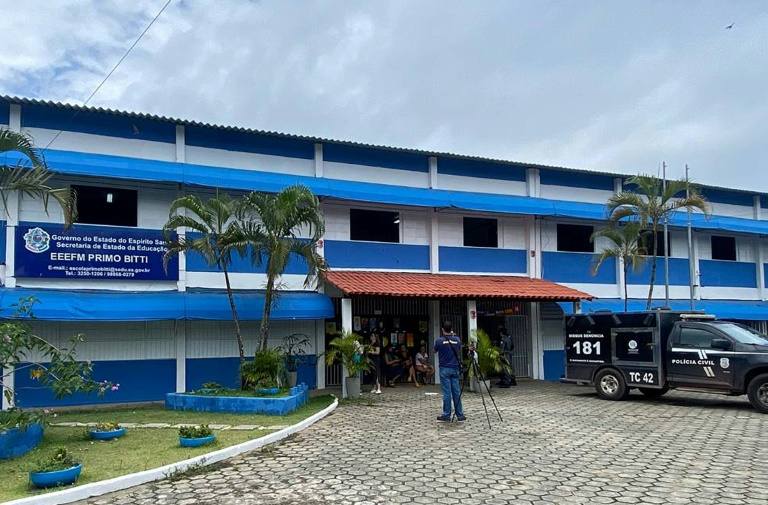
The death toll from a twin school shooting in Brazil rose to four on Saturday after a teacher wounded in the attack by a 16-year-old shooter wearing Nazi symbols died from her injuries, officials said.

Authorities in the city of Aracruz, in Espirito Santo state, had said some of the around 10 wounded, including three teachers and a student, were in serious condition after the Friday attack that shocked the country, which has seen a rise in school shootings in recent years.

“Unfortunately, the tragedy of Aracruz has not yet ended,” said state Governor Renato Casagrande on Saturday. 

“With deep regret we confirm the death of another victim, teacher Flavia Amboss Mercon,” tweeted the governor, who had declared three days of mourning in Espirito Santo. 

The shooter was a former student at the public school he targeted first, where he fired on a group of teachers, killing two people and wounding some nine others. He then went to a nearby private school where he killed an adolescent girl and left several more people wounded. 

He has been arrested and will face charges of murder and attempted aggravated murder, Espirito Santo police said.

Relatives of the other three people killed held wakes on Saturday, according to Brazilian media. 

“My daughter was always light and love. I lost my daughter to hate,” Thais Sagrillo, the mother of a 12-year-old girl who was killed, told Globonews.

The attack was the twelfth school shooting in Brazil since 2002, according to research institute Sou da Paz.

The latest attacks spurred calls for gun policy reform, with critics hitting out at a series of presidential decrees relaxing regulations on firearms and ammunition under far-right President Jair Bolsonaro.

Brazilian president-elect Luiz Inacio Lula da Silva, who has been sharply critical of the ex-army captain’s relaxation of gun-control laws, defeated Bolsonaro in elections last month. 

Officials said the shooter, a policeman’s son, used two handguns in the attack, both registered to his father — one being his service firearm, and the other being a privately registered weapon.

Casagrande said the boy appeared to have planned the attack carefully.

Security camera footage aired on Brazilian media showed the shooter running into the school dressed in military-style camouflage and brandishing a gun. 

Investigators said he had a swastika on his fatigues and that they were looking into whether he had links to any extremist organizations. 

Messi magic reignites Argentina, France into World Cup last 16

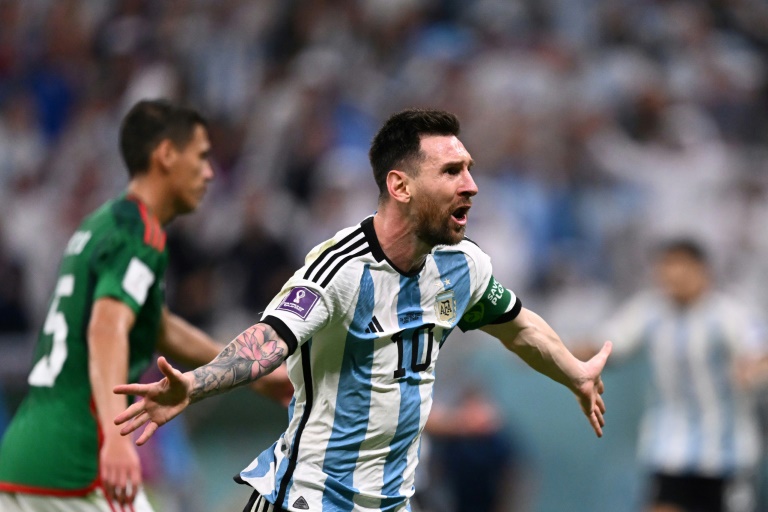
Lionel Messi reignited Argentina’s World Cup challenge with a superb goal in a 2-0 win over Mexico on Saturday as Kylian Mbappe’s double fired France into the last 16.

Rocked by a stunning upset defeat against Saudi Arabia on Tuesday, Argentina faced Mexico knowing that a defeat would send them crashing out of the tournament.

But Messi breathed fresh life into Argentina’s campaign with his eighth World Cup goal in his fifth appearance in the finals.

The 35-year-old maestro, desperate to crown his glittering career by lifting football’s greatest prize, rifled home a low shot on 64 minutes to put Argentina en route to victory.

Rising star Enzo Fernandez made the game safe with a magical curling strike in the 87th minute, sparking wild celebrations amongst Argentina fans at the glittering Lusail Stadium.

An Argentinian victory on Wednesday against Poland — who were 2-0 winners over Saudi Arabia earlier Saturday — will carry the South American champions into the knockout rounds from Group C.

“We knew that today we had to win, that another World Cup was starting for us, and we knew how to do it,” Messi said.

– Mbappe double –

Elsewhere on Saturday, France became the first team to reach the last 16 after two goals from star striker Mbappe secured a 2-1 victory over Denmark. 

Mbappe, one of the heroes of France’s march to the 2018 World Cup title, ensured Les Bleus would be the first team into the knockout rounds after popping up with an 86th-minute winner to break Danish hearts at Stadium 974 in Doha.

The win all but guarantees France will enter the last 16 as winners of Group D heading into their final game against Tunisia on Wednesday.

“For us, it’s ideal, we have six points so we’re sure to qualify after two matches,” France coach Didier Deschamps said.

“We’ll appreciate that before the next match in four days. It brings tranquility and the assurance that we qualify.”

Mbappe had fired France into the lead on 61 minutes after Denmark’s defence finally buckled following wave after wave of French pressure.

However Andreas Christensen jolted France with a 68th minute equaliser before Mbappe’s late show sealed all three points.

Earlier Saturday, Poland star Robert Lewandowski finally broke his World Cup scoring duck in a clinical win over Saudi Arabia.

It was a World Cup reality check for the Saudis following their stunning win over Argentina.

“The importance of the goal and how I scored it made all my dreams from childhood come true,” said Lewandowski, who had missed a penalty in Poland’s opening 0-0 draw with Mexico on Tuesday.

The 34-year-old was overcome with emotion having capitalised on a blunder by midfielder Abdulelah Al-Malki.

– ‘Emotional’ Lewandowski –

“I think the older I get the more emotional I get,” Lewandowski said. “I’m aware it might be my last World Cup and I wanted to be able to say that I’ve played and scored at World Cups. 

“The result is most important, but getting both is great.”

Goalkeeper Wojciech Szczesny was the hero for Poland, however, producing a stunning double save in the first half.

He first denied Salem Al-Dawsari from the penalty spot, then made a stunning stop to keep out the rebound.

In other games on Saturday, Australia defeated Tunisia 1-0, recovering from a chastening opening defeat against champions France to keep their hopes alive.

Striker Mitch Duke scored the only goal of a tight game with a clever header in the first half and Australia desperately held on to silence Tunisia’s vociferous fans.

The Socceroos sit second in Group D with three points from two games, with a game to come against Denmark.

With Messi throwing Argentina a lifeline on Saturday, all eyes on Sunday will now be on Germany in a must-win battle with Spain in Group E. 

Germany, beaten 2-1 by Japan in a remarkable opening upset, would be eliminated if they lose to the 2010 champions and Japan avoid defeat to Costa Rica.

Germany coach Hansi Flick described the game as his team’s “first final of this World Cup.”

“I am convinced of our ideas,” Flick said. “We will approach the game with courage and belief in our quality.”

Teodoro Obiang, Equatorial Guinea's iron-fisted ruler

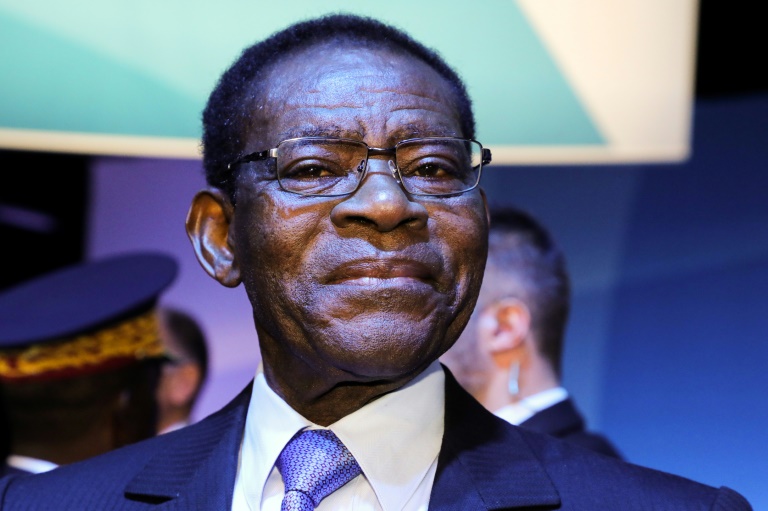
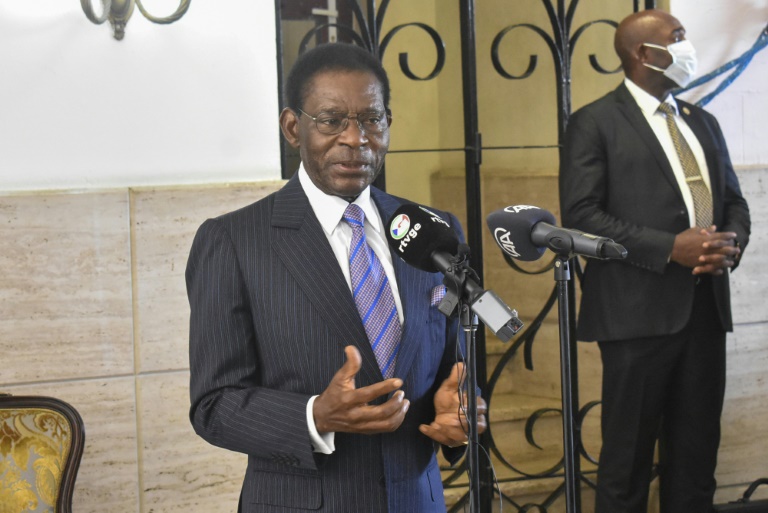
Confirmed for a sixth term as president, Teodoro Obiang Nguema Mbasogo has ruled oil-rich Equatorial Guinea since August 1979, overseeing a regime notorious for crushing dissent and fearing coups.

The 80-year-old’s 43 years in power are the longest of any leader alive in the world today, with the exception of monarchs.

He seized power from Francisco Macias Nguema, who in 1968 had become Equatorial Guinea’s first president upon independence from Spain and later declared himself president for life. Macias — Obiang’s uncle — was executed by firing squad two months after the coup.

Obiang’s opponents say that under his iron-fisted, hermetic tenure, the country has become the “North Korea of Africa”.

The regime’s ruthlessness is regularly condemned by rights watchdogs, who have documented mass, arbitrary arrests, dissidents held in nightmarish prison conditions and frequent sweeps against suspected plotters.

In a country where there is just a single authorised opposition party, Obiang exercises near-total political control.

In 2016, he was re-elected with 93.7 percent of the vote: this time, the official result gave him 94.9 percent, on a turnout of 98 percent.

– Son in the wings –

Obiang’s son, Teodoro Nguema Obiang Mangue, known as Teodorin, is widely seen as his successor, and has ascended the ranks to the position of vice president today.

In an interview ahead of the 2016 vote, the elder Obiang told the French-language Jeune Afrique magazine that this would be the last time he would run.

“I have been in power for too long, but the people want me to be their president,” he said.

Asked whether Teodorin was being groomed for power, he said: “Equatorial Guinea isn’t a monarchy… but if he’s got talent, there’s nothing I can do.”

Speculation that he would hand over the reins in the upcoming vote gained pace as his public appearances became rarer.

But those expectations were quashed after Teodorin was enveloped in scandals abroad and a conviction in France for ill-gotten gains — state assets acquired illegally.

France, Britain and the United States have ordered him to forfeit millions of dollars in assets, from mansions to luxury cars, while France also handed him a three-year suspended sentence and a fine of 30 million euros.

The storm, coinciding with a downturn in oil revenue and the economic blow inflicted by Covid, may have prompted the elder Obiang’s inner circle to advise against leadership change.

The PDGE unanimously chose Obiang as its candidate “because of his charisma, his leadership and his political experience”, Teodorin wrote on Twitter. The party’s election slogan, seen universally on posters and state TV, was “continuity”.

– Fear of coups –

Obiang graduated from military school while the country, as Spanish Guinea, was still under the rule of Spain’s fascist dictator, General Francisco Franco.

He then held a string of key jobs, including head of the notorious Black Beach prison — a place of “living hell”, in the words of Amnesty International.

His violent path to power has bequeathed a deep fear of coups.

His bodyguard comprises soldiers who are members of his clan, but — for additional security — he has a close-protection unit who are reputedly Israelis. Zimbabweans and Ugandans have also been brought in to help guard the presidential palace.

Obiang says he has foiled at least 10 attempted coups and assassinations during his long spell in power, often blaming dissidents living in exile or “foreign powers”. 

The authorities closed the borders ahead of the elections to thwart suspected plotters.

Obiang has been buttressed by the discovery of oil in territorial waters in mid-1996.

The bonanza has turned Equatorial Guinea into sub-Saharan Africa’s third-richest country, in terms of per capita income.

But the wealth is very unequally distributed — four-fifths of the population of 1.4 million live below the poverty threshold according to World Bank figures for 2006, the latest available.

The country has a long-established reputation internationally for graft, ranking 172 out of 180 nations on Transparency International’s 2021 Corruption Perceptions Index.

Obiang wins sixth term as E.Guinea ruler

Equatorial Guinea’s ruler Teodoro Obiang Nguema Mbasogo has been re-elected to a sixth term as president with 94.9 percent of the votes cast, election officials announced on Saturday, putting turnout for the vote at 98 percent.

Obiang, 80, who seized power in a 1979 coup, is the longest-ruling head of state in the world excluding monarchs. He has never officially been re-elected with less than 93 percent of the vote.

Electoral commission head Faustino Ndong Esono Eyang confirmed that Obiang would serve another seven years in the top job. The commission said the turnout rate for the election was 98 percent.

The landslide result was widely expected in the oil-rich and authoritarian Central African nation, where the political opposition is extremely weak.

Obiang had the backing of a coalition of 15 parties, including his all-powerful ruling Democratic Party of Equatorial Guinea (PDGE).

The PDGE, which was the country’s only legal political movement until 1991, also swept all seats in the National Assembly and the Senate.

The percentages won by the opposition candidates, Andres Esono Ondo of the Convergence for Social Democracy and Buenaventura Monsuy Asumu of the Social Democratic Coalition Party, were not announced, with both garnering just a few thousand votes.

“The definitive results of the vote find in our favour once more,” Obiang’s son, Vice President Teodoro Nguema Obiang Mangue, wrote on Twitter.

“We will continue to prove that we are a great political party.”

– ‘History repeating itself’ –

Obiang has ruled Equatorial Guinea for more than 43 years after ousting his uncle, Francisco Macias Nguema, who was then executed by a firing squad.

He has suppressed dissent and seen off a string of attempted coups in the Spanish-speaking nation.

Security forces arrested opposition figures in the weeks before the result, with the regime saying it was thwarting a “conspiracy” to commit attacks in the capital Malabo and economic hub Bata.

The authorities also closed the country’s land borders with neighbouring Gabon and Cameroon before campaigning began, saying it was foiling infiltrators from disrupting the vote.

Obiang is just the second president in Equatorial Guinea’s history since it gained independence in 1968 from Spain, its colonial power for nearly two centuries.

“Equatorial Guinea’s history has been repeating itself for 43 years and the political vision established by the government will continue after this election,” Justo Bolekia, a professor at Spain’s University of Salamanca, told AFP.

“It was predictable, including for the opposition. We were even expecting a score closer to 98 percent,” he added.

The discovery of offshore oil in the mid-1990s turned Equatorial Guinea into sub-Saharan Africa’s third-richest country in terms of per-capita income in 2021.

But the wealth has remained concentrated in the hands of a few families. 

In 2006, when the oil boom was in full swing, more than three quarters of the population lived in extreme poverty, or on less than $1.90 a day, according to the World Bank. There have been no new figures since.

The country also has a reputation for graft, ranking 172 out of 180 nations on Transparency International’s 2021 Corruption Perceptions Index.

Four Burkina troops, three civilians killed in jihadist-hit north

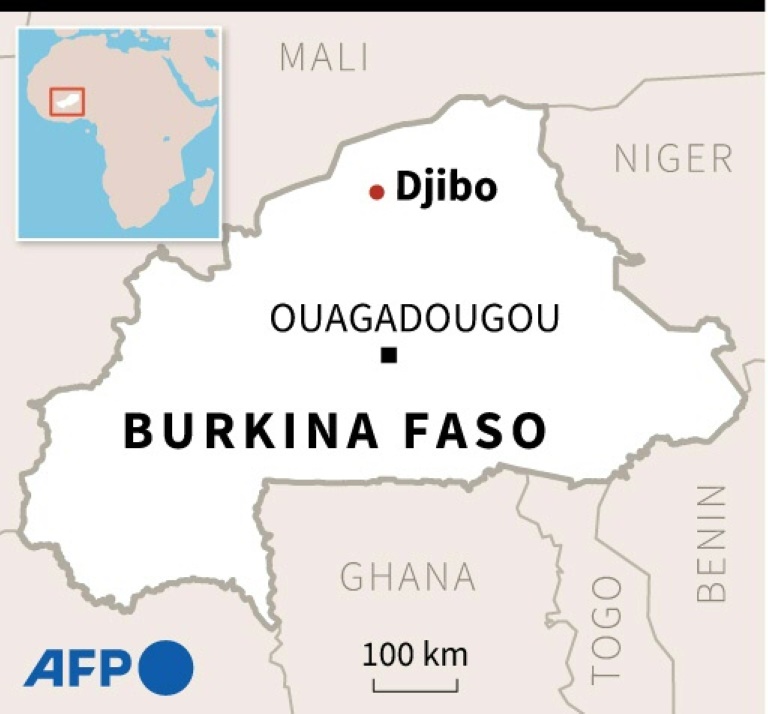
A roadside bomb killed four troops in northern Burkina Faso, an area wracked by jihadist insurgency, the army said on Saturday, while three civilians died in another strike in the same region.

The troops were killed on Friday when an improvised explosive device went off as an army escort drove along the Bourzanga-Kongoussi road, the army said in a statement, adding that one person was also wounded.

The troops were returning after having escorted an aid convoy into the town of Djibo, a security source told AFP.

A security source said armed men attacked the northeastern town of Falangoutou on Friday, killing three civilians.

A former lawmaker said jihadist forces returned to the town on Saturday, attacking local self-defence teams who were organising themselves to protect it.

One of the world’s poorest countries, Burkina has been struggling with a jihadist offensive since 2015.

Thousands of civilians and members of the security forces have died and around two million people have been displaced.

Disgruntled army officers have carried out two coups this year in a show of anger at failures to roll back the insurgency.

The first, in January, saw a military junta led by Lieutenant-Colonel Paul-Henri Sandaogo Damiba overthrow elected president Roch Marc Christian Kabore.

The second, in September, saw Captain Ibrahim Traore come to power as he and his supporters ousted Damiba.

Traore has been appointed transitional president with the declared aim of taking back swathes of territory held by the jihadists.

Equatorial Guinea's poor lose hope in promised social housing

Brand new homes intended for Equatorial Guinea’s lower-income families have cropped up across the capital Malabo, but shanty town residents say they are going to the middle class and wealthy instead.

President Teodoro Obiang Nguema Mbasogo on Saturday won a sixth term in office, a much-expected result in an authoritarian country with next to no political opposition.

The 80-year-old has been in power for 43 years — the longest rule of any leader alive in the world today except monarchs.

During his election campaign in 2009, Obiang promised “social housing for all” in the oil-rich central African state.

Obiang planned to provide enough housing to raise Malabo’s shanty towns, including Nubili, a mass of tin-roofed shacks along narrow paths that is home to thousands of families in the heart of the city.

Since, some 20,000 housing projects have sprung up in the country of around 1.5 million residents.

But sitting outside his shack in Nubili, 70-year-old Julio Ondo said none of them appeared to be for people like him.

“They’ve made fools of the poor,” he said. I’ve lost all hope of one day living in “dignified housing”.

Most people live in poverty in Equatorial Guinea, the World Bank estimates, while wealth is concentrated in the hands of just a few families.

– ‘I’ll be dead’ –

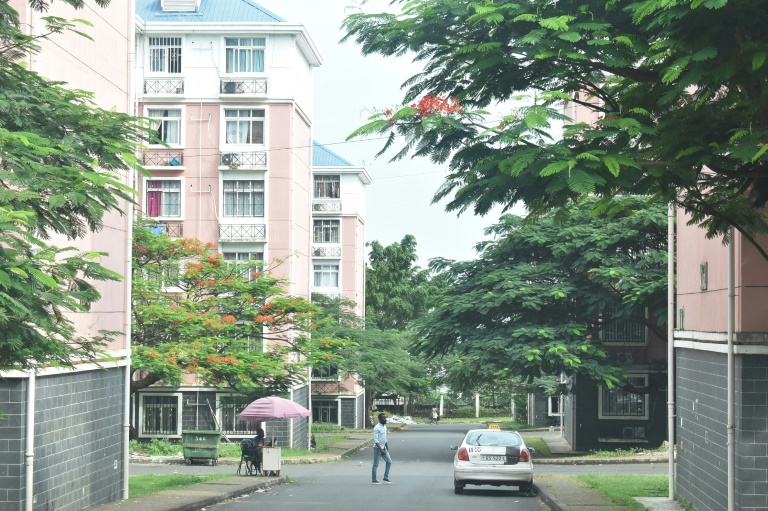
In some parts of Malabo today, lines of identical apartment blocks have sprung up as far as the eye can see, built with the profits of high international oil prices.

In the suburb of Buena Esperanza, some 2,300 small detached homes appeared during the 2010s, supposed to welcome families from Nubili.

But today, shiny four-wheel drives and other expensive cars line the neighbourhood’s streets, appearing to indicate the wealth of its new residents.

The homes are being sold for around $15,500, payable in monthly instalments of $78.

But that is astronomical for many in Nubili.

Plantain farmer Antonio Omecha, 72, is one of many who had hoped the housing plan would allow him to leave a slum plagued with disease and frequent fires.

He said he did receive a housing coupon to go and live in Buena Esperanza.

“But we had to pay 1.5 million francs (more than $2,350)” upfront first, he said.

It was impossible on his monthly income of $30.

His neighbour Tobias Ondo, 65, said the new homes were simply too expensive.

“Do you really think someone who works seven days and barely makes 2,000 francs can afford to own such a home?” he said.

“I’ll be dead before I go and live in the public housing promised by the president.”

– ‘Powerful’ landlords –

Equatorial Guinea is the region’s third richest country, with a GDP per capita of $8,462 last year, after the Seychelles and Mauritius, the World Bank says.

But in 2006, when the oil boom was in full swing, more than three quarters of the population lived in “extreme poverty”, or on less than $1.90 a day, the international financial body said. There have been no new figures since.

The country ranked 172 out of 180 in Transparency International’s 2021 Corruption Perceptions Index.

During his election campaign at the start of the month, Obiang admitted that social housing intended for “people without great means” had been snapped up instead by “people able to build their own home”.

But he did not offer a solution.

Martinez Obiang, of micro-financing firm Atom Finances, says he thinks the homes should have cost no more than the equivalent of $780, payable in tiny monthly instalments of less than $3.

Sociologist Nsogo Eyi said the new homes, including those in Buena Esperanza, did not seem to be serving their intended purpose.

“Some powerful men have bought them to rent them out, including to expats,” he said.

AFP reached out to several of these new owners, but they refused to comment.

sam-lad-gir-tg/ah/imm

90 years on, Ukrainians see repeat of Russian 'genocide'

Ninety years ago, millions perished in Ukraine in a manmade famine under Joseph Stalin that many in the country call genocide. For Ganna Pertchuk, the current Russian invasion is a case of history repeating itself.

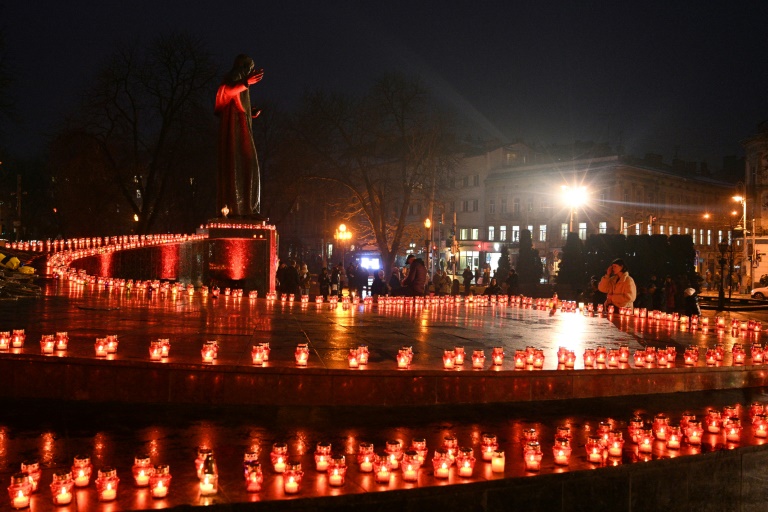
At the tall candle-shaped Holodomor (Ukrainian for death by starvation) memorial centre in central Kyiv, a dozen Orthodox priests in black and silver robes gathered Saturday for a religious ceremony for the victims of the famine.

The event was held outdoors despite sub-zero temperatures.

Before starting the ceremony, Archbishop Filaret, 93, laid a wreath of red carnations at the monument with a statue of an emaciated girl clutching some stalks of wheat against her chest.

“We pray for those who perished in the famine,” he said.

“The Holodomor was not a result of a bad harvest but the targeted extermination of the Ukrainian people,” he said.

“What happened in the 1930s was genocide and what is happening now is also genocide,” said Pertchuk, a pensioner, who attended the ceremony

“The parallels are very clear.”

Ukraine is known as the breadbasket of Europe for its abundant wheat crops, a product of its rich, black soil. But under Soviet rule it lost between four and eight million citizens during the 1932-1933 famine. Some researchers put the figure even higher.

While some historians argue the famine was planned and exacerbated by Stalin to quash an independence movement, others suggest it was a result of rapid Soviet industrialisation and the collectivisation of agriculture.

Ukraine officially considers it a “genocide” along with a number of Western countries, a label that Moscow vehemently rejects.

– ‘Victory of Good over Evil’ –

Pertchuk, like many Ukrainians has heard horror stories from family members.

Her mother-in-law, remembered as a young girl hiding with her family in a village near Kyiv so “that she wasn’t eaten up,” Pertchuk said, speaking of a famine that fuelled rare cases of cannibalism.

“Imagine the horror,” said the 61-year-old former nurse, with tears in her eyes.

She said she was “praying for our victory which will be a victory of Good over Evil”.

“It was an artificial genocidal famine…,” priest Oleksandr Shmurygin, 38, told AFP. “Now when we experience this massive unprovoked war of Russia against Ukraine, we see history repeating itself.” 

Among those gathered to commemorate the victims of the famine was lawyer Andryi Savchuk, who spoke of its “irreparable” loss for Ukraine.

“Stalin’s system, the repressive state, wanted to destroy Ukraine as a nation,” he said. “Today we see that the efforts made by Stalin are continued by (President Vladimir) Putin.

“At that time, they wanted to exterminate Ukrainians through famine,” he added.

“Today, they are exterminating us with heavy weapons,” and bombing energy installations to deprive citizens of electricity, heating and water just as the punishing winter sets in.

But just as Ukrainians hold on in the 1930s, so they would against Moscow today, said Savchuk.

“We have an unyielding will and confidence. And the whole world is with us.”

Close Bitnami banner
Bitnami