World

Ethereum blockchain set for 'monumental' overhaul

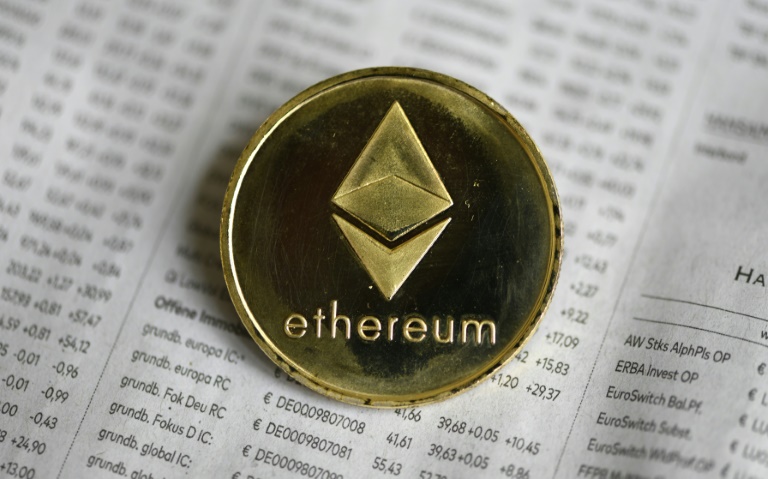
An army of computer programmers scattered across the globe is set to attempt one of the biggest software upgrades the crypto sector has ever seen this week to reduce its environmentally unfriendly energy consumption.

Developers have spent years working on a more energy-efficient version of the ethereum blockchain, a digital ledger that underpins a multibillion dollar ecosystem of cryptocurrencies, digital tokens (NFTs), games and apps.

Ethereum — the second most important blockchain after bitcoin — burns through more power each year than New Zealand.

Experts say the changeover, expected to take place between Tuesday and Thursday, would slash energy consumption by more than 99 percent.

Enthusiasts hope a greener ethereum will spur wider adoption, particularly as a way of enabling banks to automate transactions and other processes.

But so far the technology has been used largely to create speculative financial products.

The ING bank said in a recent note that the switchover might help ethereum gain acceptability among policymakers and regulators. 

“This in turn may provide a boost to traditional financial institutions’ willingness to develop ethereum-based services,” the bank said.

– ‘Technological milestone’ –

The switchover, dubbed “the merge”, will change the way transactions are logged.

At the moment, so-called crypto miners use energy-guzzling rigs of computers to solve puzzles that reward them with new coins — a system known as “proof of work”.

The new system will get rid of those miners and their computer stacks overnight.

Instead, “validators” will have to put up 32 ether (worth $55,000) — ethereum’s cryptocurrency — to participate in the new “proof of stake” system where they earn rewards for their work.

But the merge process will be risky.

Blockchain company Consensys called it a “monumental technological milestone” and the biggest update to ethereum since it was launched in 2015.

Critics have questioned whether such an upgrade will pass off without incident, given the sector’s history of instability.

Ethereum went offline in May for three hours when a new NFT project sparked a surge in buyers that overwhelmed the network.

Several exchanges and crypto companies said they would halt transactions during the merge process.

– ‘Decentralised and complicated’ –

The upgrade also faces a possible rebellion from crypto mining companies whose business will be severely damaged.

They can try to hijack the process or create a “fork”, basically a smaller blockchain that would continue with the old mechanism.

And even if the “merge” is successful, ethereum will still face major hurdles before it can be more widely adopted.

For example, it is expensive to use and the update will not reduce fees.

And the wider crypto sector is beset by wildly fluctuating prices, security flaws and an array of scams.

Crypto lawyer Charles Kerrigan from the firm CMS told AFP that ethereum was “decentralised and complicated” and had not yet been tested enough for governments and banks to get onboard.

“There have been questions about how easily it could deal with upgrades of the type that traditional software vendors provide to customers,” he said. 

“A successful merge will answer those questions.”
Ethereum blockchain set for 'monumental' overhaul

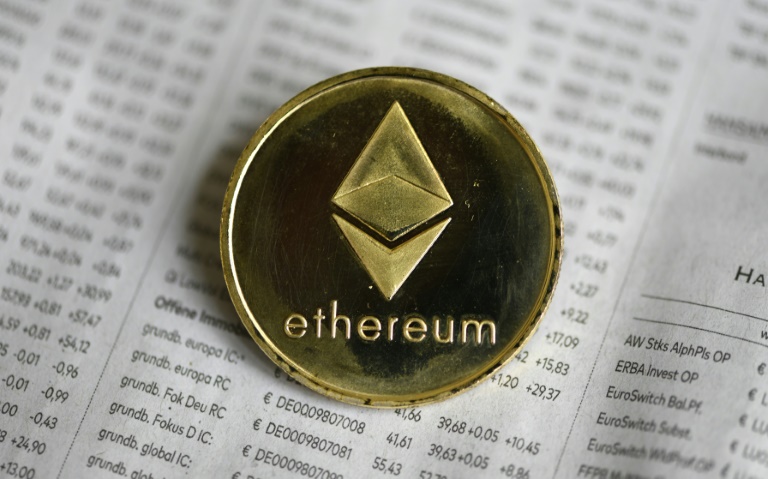
An army of computer programmers scattered across the globe is set to attempt one of the biggest software upgrades the crypto sector has ever seen this week to reduce its environmentally unfriendly energy consumption.

Developers have spent years working on a more energy-efficient version of the ethereum blockchain, a digital ledger that underpins a multibillion dollar ecosystem of cryptocurrencies, digital tokens (NFTs), games and apps.

Ethereum — the second most important blockchain after bitcoin — burns through more power each year than New Zealand.

Experts say the changeover, expected to take place between Tuesday and Thursday, would slash energy consumption by more than 99 percent.

Enthusiasts hope a greener ethereum will spur wider adoption, particularly as a way of enabling banks to automate transactions and other processes.

But so far the technology has been used largely to create speculative financial products.

The ING bank said in a recent note that the switchover might help ethereum gain acceptability among policymakers and regulators. 

“This in turn may provide a boost to traditional financial institutions’ willingness to develop ethereum-based services,” the bank said.

– ‘Technological milestone’ –

The switchover, dubbed “the merge”, will change the way transactions are logged.

At the moment, so-called crypto miners use energy-guzzling rigs of computers to solve puzzles that reward them with new coins — a system known as “proof of work”.

The new system will get rid of those miners and their computer stacks overnight.

Instead, “validators” will have to put up 32 ether (worth $55,000) — ethereum’s cryptocurrency — to participate in the new “proof of stake” system where they earn rewards for their work.

But the merge process will be risky.

Blockchain company Consensys called it a “monumental technological milestone” and the biggest update to ethereum since it was launched in 2015.

Critics have questioned whether such an upgrade will pass off without incident, given the sector’s history of instability.

Ethereum went offline in May for three hours when a new NFT project sparked a surge in buyers that overwhelmed the network.

Several exchanges and crypto companies said they would halt transactions during the merge process.

– ‘Decentralised and complicated’ –

The upgrade also faces a possible rebellion from crypto mining companies whose business will be severely damaged.

They can try to hijack the process or create a “fork”, basically a smaller blockchain that would continue with the old mechanism.

And even if the “merge” is successful, ethereum will still face major hurdles before it can be more widely adopted.

For example, it is expensive to use and the update will not reduce fees.

And the wider crypto sector is beset by wildly fluctuating prices, security flaws and an array of scams.

Crypto lawyer Charles Kerrigan from the firm CMS told AFP that ethereum was “decentralised and complicated” and had not yet been tested enough for governments and banks to get onboard.

“There have been questions about how easily it could deal with upgrades of the type that traditional software vendors provide to customers,” he said. 

“A successful merge will answer those questions.”
Gas rationing risk means French yoghurt factory faces sour future

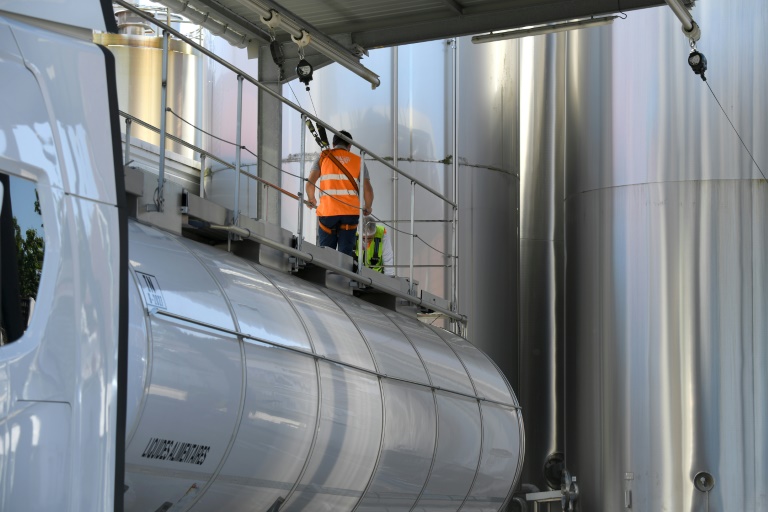
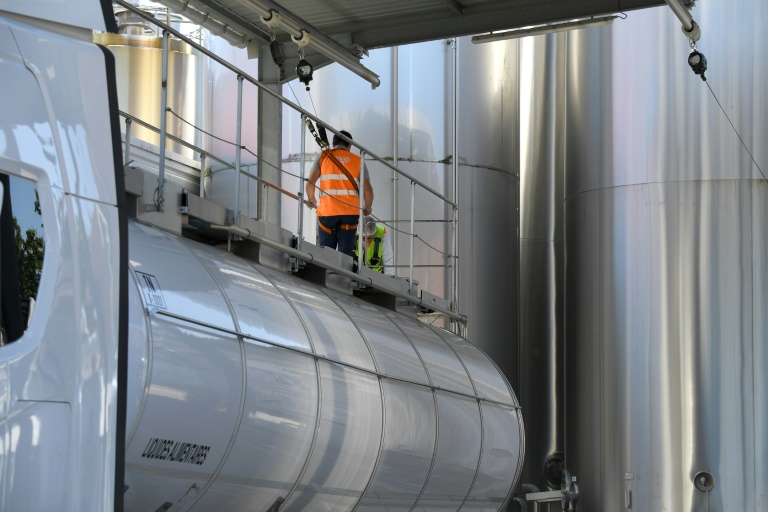
Tanker trucks filled with milk collected from across northern France waited in line to unload their precious cargo at one of the country’s biggest yoghurt factories on a recent morning, but this ritual is at risk as the nation considers how to cut energy use.

Like many countries, France plans to shut off businesses first if there is not enough gas or electricity, with European nations facing the prospect of energy shortages this winter following Russia’s invasion of Ukraine.

But energy cuts, or even mandated reductions to businesses, risk causing unexpected and surprising economic consequences, such as a halt in the production of French consumers’ beloved yoghurt.

The French are big on yoghurt, behind only the Dutch in consumption per capita. It is not only a breakfast staple, but often eaten with lunch or as a snack.

But making yoghurt is an energy-intensive process.

For Patrick Falconnier, director of the Eurial Ultra Fresh factory southeast of Paris, it’s quite simple: “No gas” means “no more yoghurt”.

The milk from the tanker trucks, after having gone through rigorous quality controls, is transferred into tanks where it is briefly heated to a high temperature to kill bacteria naturally present.

The pasteurised milk is then ready to be transformed into yoghurt or other dairy products, then kept chilled before being quickly shipped off to supermarkets.

“We’ve been told we could have gas cuts at certain periods this winter, and for us that’s really serious,” Falconnier told AFP.

If a lack of gas prevents the pasteurisation “we couldn’t take deliveries of milk, which means it won’t be collected and this will be dramatic for our farmers who will be forced to throw out their milk,” said Falconnier, who is also head of the Syndifrais association which unites 22 yoghurt manufacturers responsible for 70 percent of French production. 

The impact would be quickly felt within days by consumers as supermarkets receive dairy shipments daily.

“We make products with an average shelf life of 30 days. We make them to be sold the next day,” Falconnier said.

“When I shut down a factory, I halt production and I stop sales and I can’t supply my clients,” he added.

The Eurial Ultra Fresh factory which employs 461 is part of the Agrial agricultural cooperative which has four such facilities.

About 90 percent of their output is sold under brands of major retailers, in France and several other neighbouring European countries.

– ‘Can’t handle another crisis’ –

Falconnier worries that the industry wouldn’t be able to survive such disruptions. 

The pandemic saw staff worn down by high numbers of people off due to illness.

Since the beginning of the war in Ukraine, the surge in prices of energy , packaging and fruits has added 20 percent to costs. 

“We’ve been weakened. We can’t handle another crisis with factory closures. That’s just not possible,” Falconnier said.

French Prime Minister Elisabeth Borne warned industry leaders at the end of August that energy rationing was a risk this winter and urged them to quickly cut consumption.

Government ministers have begun meeting with industrial federations on how to reduce consumption, with a target of a 10 percent drop within two years.

Falconnier says he has considered moving to methane, a gas which can be produced from the breakdown of organic matter from farms, landfills and wastewater treatment plants.

But he estimates this would take five to 10 years and sees little possibility for a quick reduction in energy use. 

“We can’t make investments for a term of six months,” Falconnier said.

“To stop supplies to a factory from one day to the next, that’s shutting it down. We don’t how to manage things differently.”

Gas rationing risk means French yoghurt factory faces sour future

Tanker trucks filled with milk collected from across northern France waited in line to unload their precious cargo at one of the country’s biggest yoghurt factories on a recent morning, but this ritual is at risk as the nation considers how to cut energy use.

Like many countries, France plans to shut off businesses first if there is not enough gas or electricity, with European nations facing the prospect of energy shortages this winter following Russia’s invasion of Ukraine.

But energy cuts, or even mandated reductions to businesses, risk causing unexpected and surprising economic consequences, such as a halt in the production of French consumers’ beloved yoghurt.

The French are big on yoghurt, behind only the Dutch in consumption per capita. It is not only a breakfast staple, but often eaten with lunch or as a snack.

But making yoghurt is an energy-intensive process.

For Patrick Falconnier, director of the Eurial Ultra Fresh factory southeast of Paris, it’s quite simple: “No gas” means “no more yoghurt”.

The milk from the tanker trucks, after having gone through rigorous quality controls, is transferred into tanks where it is briefly heated to a high temperature to kill bacteria naturally present.

The pasteurised milk is then ready to be transformed into yoghurt or other dairy products, then kept chilled before being quickly shipped off to supermarkets.

“We’ve been told we could have gas cuts at certain periods this winter, and for us that’s really serious,” Falconnier told AFP.

If a lack of gas prevents the pasteurisation “we couldn’t take deliveries of milk, which means it won’t be collected and this will be dramatic for our farmers who will be forced to throw out their milk,” said Falconnier, who is also head of the Syndifrais association which unites 22 yoghurt manufacturers responsible for 70 percent of French production. 

The impact would be quickly felt within days by consumers as supermarkets receive dairy shipments daily.

“We make products with an average shelf life of 30 days. We make them to be sold the next day,” Falconnier said.

“When I shut down a factory, I halt production and I stop sales and I can’t supply my clients,” he added.

The Eurial Ultra Fresh factory which employs 461 is part of the Agrial agricultural cooperative which has four such facilities.

About 90 percent of their output is sold under brands of major retailers, in France and several other neighbouring European countries.

– ‘Can’t handle another crisis’ –

Falconnier worries that the industry wouldn’t be able to survive such disruptions. 

The pandemic saw staff worn down by high numbers of people off due to illness.

Since the beginning of the war in Ukraine, the surge in prices of energy , packaging and fruits has added 20 percent to costs. 

“We’ve been weakened. We can’t handle another crisis with factory closures. That’s just not possible,” Falconnier said.

French Prime Minister Elisabeth Borne warned industry leaders at the end of August that energy rationing was a risk this winter and urged them to quickly cut consumption.

Government ministers have begun meeting with industrial federations on how to reduce consumption, with a target of a 10 percent drop within two years.

Falconnier says he has considered moving to methane, a gas which can be produced from the breakdown of organic matter from farms, landfills and wastewater treatment plants.

But he estimates this would take five to 10 years and sees little possibility for a quick reduction in energy use. 

“We can’t make investments for a term of six months,” Falconnier said.

“To stop supplies to a factory from one day to the next, that’s shutting it down. We don’t how to manage things differently.”

Appeal to start in French court over Charlie Hebdo attack

An appeal trial is set to begin Monday as two men ruled to have helped Islamist gunmen prepare a deadly 2015 attack on satirical weekly Charlie Hebdo seek to overturn their convictions.

Twelve people were killed at the magazine’s Paris office by brothers Said and Cherif Kouachi, who said they were acting on behalf of Al-Qaeda to avenge Charlie Hebdo’s decision to publish cartoons of the Prophet Mohammed.

The killings signalled the start of a deadly wave of Islamist attacks around Europe.

The first trial was held in 2020 with 14 defendants — some tried in their absence — accused of helping the gunmen prepare and organise the attacks in the French capital.

Jail terms ranging from four years to life were handed out for those convicted of helping the gunmen, who attacked the magazine’s office and customers at a Jewish supermarket.

Only two, those given the heaviest sentences, have appealed.

Ali Riza Polat, 37, was sentenced to 30 years in prison after it was ruled he had helped the Kouachi brothers and Amedy Coulibaly secure weapons.

Coulibaly was responsible for the murder of a French policewoman and a hostage-taking at a Hyper Cacher market in which four Jewish men were killed in the same month as the January Charlie Hebdo attack.

Polat’s lawyers have argued that the appeal is a last chance to “correct the mistakes of a judicial system overwhelmed by the scale of these attacks”.

They said he was “wrongly attributed a role he never played” in the attacks.

The other defendant, Amar Ramdani, was handed 20 years in prison for supplying weapons and financing the attacks — the maximum allowed under law.

The Kouachi brothers and Coulibaly were killed during a police assault.

The appeal court will have six weeks to weigh up the degree of responsibility of the pair.

Several days at the start of the trial will be given to hearing testimony from survivors of the attack and relatives of the victims.

Those shot dead in the Charlie Hebdo office included some of France’s most celebrated cartoonists including Jean Cabut, known as Cabu, 76, Georges Wolinski, 80, and Stephane “Charb” Charbonnier, 47.

The Charlie Hebdo killings triggered a global outpouring of solidarity with France under the “I am Charlie” slogan.

Later that year, in November 2015, Paris was again attacked when Islamist gunmen went on the rampage at the Bataclan concert hall, the national stadium and at a host of bars and restaurants.

Italy's far-right eyes easy victory under firebrand Meloni

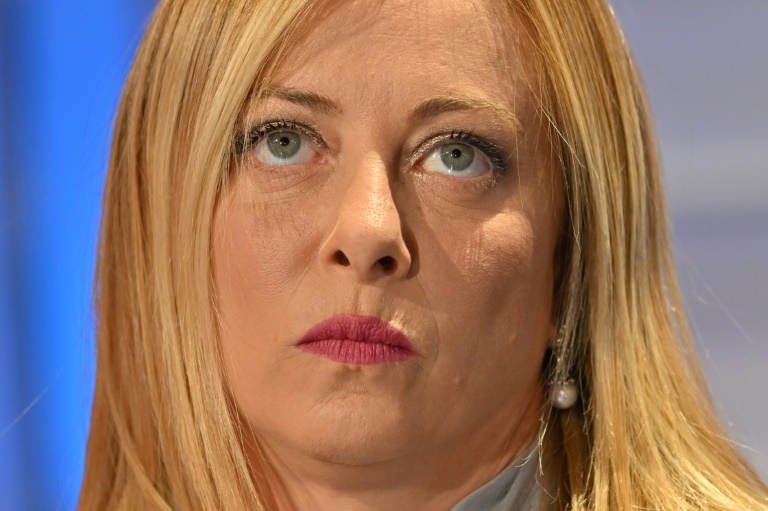
Italy’s Giorgia Meloni looks unstoppable: with two weeks to the election, final polls show her heading for a thumping victory to lead the country’s first far-right government as its first female prime minister.

The right-wing coalition, which includes Meloni’s post-fascist Brothers of Italy party, Matteo Salvini’s anti-immigrant League, and Silvio Berlusconi’s Forza Italia, is forecast to pocket 46 percent of the vote.

The left, lead by the Democratic Party (PD), looks to win 28.5 percent, while the populist Five Star Movement (M5S) could take 13 percent, according to a YouTrend poll before a pre-voting embargo.

In a startling move, PD head Enrico Letta admitted defeat this week, but urged undecided voters to choose his party or risk handing the right the landslide victory that would allow it to change the constitution.

“I’m going to vote for Meloni,” 55-year old lawyer Bernardo, who did not want to provide his surname, told AFP, saying he wanted “to teach the PD a lesson” for a negative campaign based on “hating others”.

– ‘God, country, family’ –

The snap election was called following Prime Minister Mario Draghi’s resignation in July after three parties in his coalition pulled support, plunging Italy into uncertainty as it faced inflation and a record drought.

The right-wing coalition has pledged extremely expensive solutions to the energy and cost of living crisis in the eurozone’s third biggest economy — without explaining how they will be paid for.

The EU has earmarked almost 200 billion euros in post-pandemic recovery funds for Italy, which has the second highest public debt in the euro zone.

Meloni, 45, who has cultivated a straight-talking, tough persona, said she would renegotiate that deal, which is contingent on Italy carrying out a series of reforms.

The leftist alliance insists the money is at risk should the right win.

In 2018 elections, Brothers of Italy secured just over four percent of the vote, but is now polling at 24 percent despite being a political descendant of the Italian Social Movement (MSI), formed by supporters of fascist dictator Benito Mussolini after World War II.

Meloni has wooed Italians with her motto of “God, country and family”, stealing support from once-popular Salvini, who analysts say sealed his own political fate by botching a power-grab in 2019.

– ‘Still margin for surprise’ –

She has pledged to cut taxes and bureaucracy, raise defence spending, close Italy’s borders to protect the country from “Islamisation”, renegotiate European treaties to return more power to Rome, and fight “LGBT lobbies”.

A rightist victory would present a “big risk” to the EU, Letta told AFP in August, as there had “never been a major European country governed by political forces so clearly against the idea of a community of Europe”.

The right suffers deep divisions over the Russian invasion, with Meloni supporting sending weapons to Ukraine, while Salvini — a longtime admirer of President Vladimir Putin — is against sanctions.

The left wants to carry on where pro-European Draghi will leave off.

But its call for continuity is less persuasive to impoverished, anxious voters in debt-laden Italy than a pledge to change, analysts say.

There is “still a margin for surprise”, Italian political theorist Nadia Urbinati told the Domani newspaper Thursday, particularly considering about 20 percent of eligible voters are still undecided, polls show.

'A necessity': Lebanon's forced conversion to solar

Thanks to solar energy, residents of the northern Lebanese village of Toula are finally able to enjoy ice cream again — a treat in a sun-baked country plagued by power cuts.

Lebanon’s economy collapsed in 2019 after decades of corruption and mismanagement, leaving the state unable to provide electricity for more than an hour or two per day.

Last winter, the mountain village of Toula barely had three hours of daily generator-driven electricity.

Solar power now helps keep the lights on for 17 hours, an engineer working on the alternative energy project said.

“For two years the kids have been asking for ice cream, now it’s finally time,” said Toula mini-market owner Jacqueline Younes, beaming.

“We are waiting for our first order of ice cream to arrive.”

While many Lebanese rely on costly generators for electricity, a growing number of homes, companies and state institutions are turning to solar — not out of environmental concern, but because it’s their only option.

Solar panels dot rooftops and parking lots, powering entire villages — and even Beirut’s only functioning traffic lights, thanks to a local NGO.

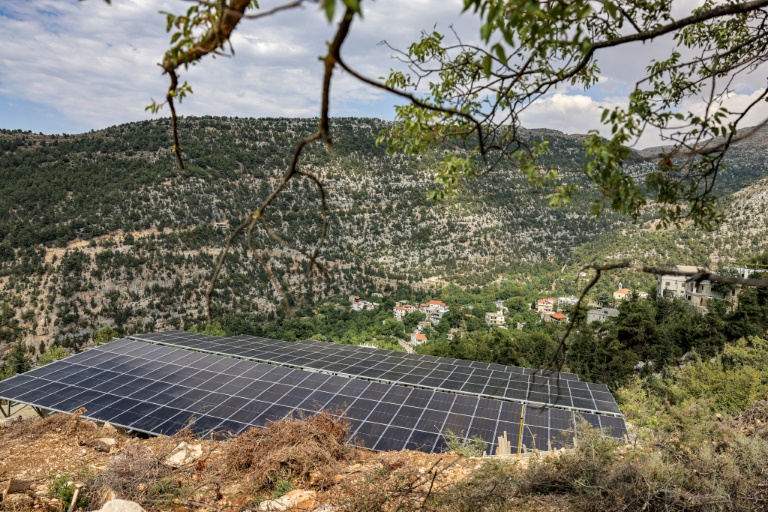
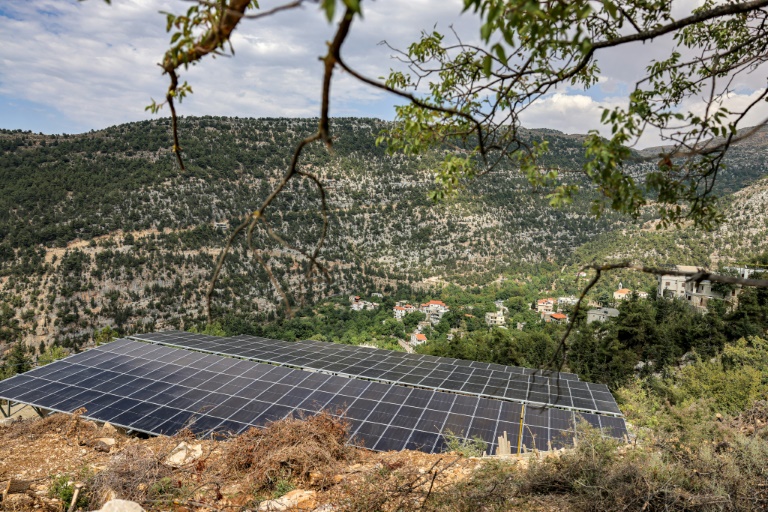
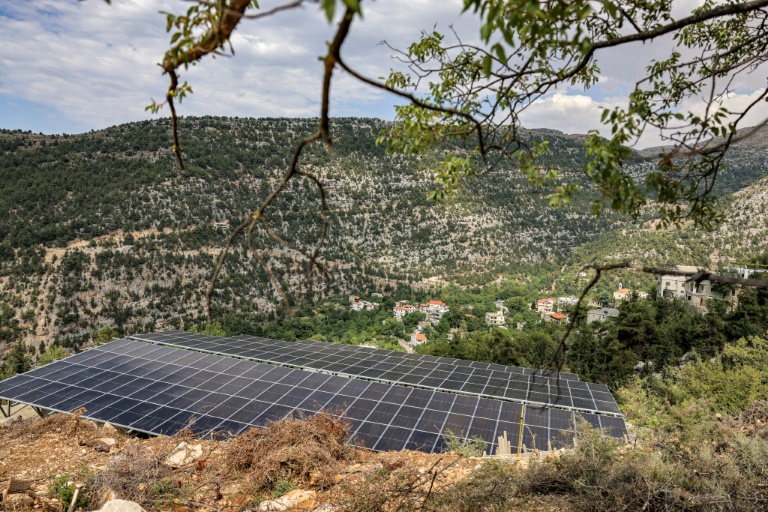
“Solar energy is no longer an alternative, it’s a necessity. If we hadn’t installed panels, the village wouldn’t have any electricity,” said engineer Elie Gereige, standing beside a sea of panels on a hilltop overlooking Toula.

Gereige is part of a team of volunteers who raised more than $100,000 from Toula expatriates to build a solar farm with 185 panels installed on church land.

They worked with the municipality to feed the village generator with solar energy, cutting down on fuel costs while powering the entire community.

– $1.4 million for power –

An hour’s drive south of Toula, a branch of Spinneys supermarket is also installing panels in the parking lot and rooftop to slash its generator bills.

“I think we will save around half of our energy costs in Jbeil due to solar panels,” said Hassan Ezzeldine, chairman of Gray Mackenzie Retail Lebanon, which owns Spinneys.

The company spends between $800,000 and $1.4 million a month on electricity for its chain of supermarkets, he said, to power generators that run on diesel round-the-clock.

“The cost of generators today is dramatic. It’s a disaster.”

His company has considered turning to solar energy for years, but after the crisis “we thought… it’s something we needed to do, and we needed to do it immediately,” he said.

Private individuals are also turning to solar to cut down on generator bills, setting up panels and batteries on balconies and rooftops.

Homemaker Zeina Sayegh installed solar power for around $6,000 for her Beirut apartment last summer, when the state lifted most petrol subsidies.

She was the only one in the building with panels.

This year, nine neighbours have joined her, covering the roof with metal bars connecting dozens of panels.

She has switched completely to solar, limiting power consumption at night. But she has non-stop electricity in the summertime — a rare luxury.

“I’m more comfortable this way. I feel I’m in control of the electricity and not the other way around,” she said.

– Expensive switch –

In a country where poverty is rampant and bank depositors with savings are locked out of their accounts, installing solar power is expensive.

Many Lebanese have resorted to selling a car, jewellery or a plot of land to finance the switch.

Before Lebanon’s economy collapsed, only a few companies offered solar power installation services.

But high demand has opened the door “for anyone to start selling solar systems”, said Antoine Skayem of solar power company Free Energy.

Demand from cash-strapped municipalities has soared, he said.

But they are vulnerable to political meddling and patronage.

'A necessity': Lebanon's forced conversion to solar

Thanks to solar energy, residents of the northern Lebanese village of Toula are finally able to enjoy ice cream again — a treat in a sun-baked country plagued by power cuts.

Lebanon’s economy collapsed in 2019 after decades of corruption and mismanagement, leaving the state unable to provide electricity for more than an hour or two per day.

Last winter, the mountain village of Toula barely had three hours of daily generator-driven electricity.

Solar power now helps keep the lights on for 17 hours, an engineer working on the alternative energy project said.

“For two years the kids have been asking for ice cream, now it’s finally time,” said Toula mini-market owner Jacqueline Younes, beaming.

“We are waiting for our first order of ice cream to arrive.”

While many Lebanese rely on costly generators for electricity, a growing number of homes, companies and state institutions are turning to solar — not out of environmental concern, but because it’s their only option.

Solar panels dot rooftops and parking lots, powering entire villages — and even Beirut’s only functioning traffic lights, thanks to a local NGO.

“Solar energy is no longer an alternative, it’s a necessity. If we hadn’t installed panels, the village wouldn’t have any electricity,” said engineer Elie Gereige, standing beside a sea of panels on a hilltop overlooking Toula.

Gereige is part of a team of volunteers who raised more than $100,000 from Toula expatriates to build a solar farm with 185 panels installed on church land.

They worked with the municipality to feed the village generator with solar energy, cutting down on fuel costs while powering the entire community.

– $1.4 million for power –

An hour’s drive south of Toula, a branch of Spinneys supermarket is also installing panels in the parking lot and rooftop to slash its generator bills.

“I think we will save around half of our energy costs in Jbeil due to solar panels,” said Hassan Ezzeldine, chairman of Gray Mackenzie Retail Lebanon, which owns Spinneys.

The company spends between $800,000 and $1.4 million a month on electricity for its chain of supermarkets, he said, to power generators that run on diesel round-the-clock.

“The cost of generators today is dramatic. It’s a disaster.”

His company has considered turning to solar energy for years, but after the crisis “we thought… it’s something we needed to do, and we needed to do it immediately,” he said.

Private individuals are also turning to solar to cut down on generator bills, setting up panels and batteries on balconies and rooftops.

Homemaker Zeina Sayegh installed solar power for around $6,000 for her Beirut apartment last summer, when the state lifted most petrol subsidies.

She was the only one in the building with panels.

This year, nine neighbours have joined her, covering the roof with metal bars connecting dozens of panels.

She has switched completely to solar, limiting power consumption at night. But she has non-stop electricity in the summertime — a rare luxury.

“I’m more comfortable this way. I feel I’m in control of the electricity and not the other way around,” she said.

– Expensive switch –

In a country where poverty is rampant and bank depositors with savings are locked out of their accounts, installing solar power is expensive.

Many Lebanese have resorted to selling a car, jewellery or a plot of land to finance the switch.

Before Lebanon’s economy collapsed, only a few companies offered solar power installation services.

But high demand has opened the door “for anyone to start selling solar systems”, said Antoine Skayem of solar power company Free Energy.

Demand from cash-strapped municipalities has soared, he said.

But they are vulnerable to political meddling and patronage.

'A necessity': Lebanon's forced conversion to solar

Thanks to solar energy, residents of the northern Lebanese village of Toula are finally able to enjoy ice cream again — a treat in a sun-baked country plagued by power cuts.

Lebanon’s economy collapsed in 2019 after decades of corruption and mismanagement, leaving the state unable to provide electricity for more than an hour or two per day.

Last winter, the mountain village of Toula barely had three hours of daily generator-driven electricity.

Solar power now helps keep the lights on for 17 hours, an engineer working on the alternative energy project said.

“For two years the kids have been asking for ice cream, now it’s finally time,” said Toula mini-market owner Jacqueline Younes, beaming.

“We are waiting for our first order of ice cream to arrive.”

While many Lebanese rely on costly generators for electricity, a growing number of homes, companies and state institutions are turning to solar — not out of environmental concern, but because it’s their only option.

Solar panels dot rooftops and parking lots, powering entire villages — and even Beirut’s only functioning traffic lights, thanks to a local NGO.

“Solar energy is no longer an alternative, it’s a necessity. If we hadn’t installed panels, the village wouldn’t have any electricity,” said engineer Elie Gereige, standing beside a sea of panels on a hilltop overlooking Toula.

Gereige is part of a team of volunteers who raised more than $100,000 from Toula expatriates to build a solar farm with 185 panels installed on church land.

They worked with the municipality to feed the village generator with solar energy, cutting down on fuel costs while powering the entire community.

– $1.4 million for power –

An hour’s drive south of Toula, a branch of Spinneys supermarket is also installing panels in the parking lot and rooftop to slash its generator bills.

“I think we will save around half of our energy costs in Jbeil due to solar panels,” said Hassan Ezzeldine, chairman of Gray Mackenzie Retail Lebanon, which owns Spinneys.

The company spends between $800,000 and $1.4 million a month on electricity for its chain of supermarkets, he said, to power generators that run on diesel round-the-clock.

“The cost of generators today is dramatic. It’s a disaster.”

His company has considered turning to solar energy for years, but after the crisis “we thought… it’s something we needed to do, and we needed to do it immediately,” he said.

Private individuals are also turning to solar to cut down on generator bills, setting up panels and batteries on balconies and rooftops.

Homemaker Zeina Sayegh installed solar power for around $6,000 for her Beirut apartment last summer, when the state lifted most petrol subsidies.

She was the only one in the building with panels.

This year, nine neighbours have joined her, covering the roof with metal bars connecting dozens of panels.

She has switched completely to solar, limiting power consumption at night. But she has non-stop electricity in the summertime — a rare luxury.

“I’m more comfortable this way. I feel I’m in control of the electricity and not the other way around,” she said.

– Expensive switch –

In a country where poverty is rampant and bank depositors with savings are locked out of their accounts, installing solar power is expensive.

Many Lebanese have resorted to selling a car, jewellery or a plot of land to finance the switch.

Before Lebanon’s economy collapsed, only a few companies offered solar power installation services.

But high demand has opened the door “for anyone to start selling solar systems”, said Antoine Skayem of solar power company Free Energy.

Demand from cash-strapped municipalities has soared, he said.

But they are vulnerable to political meddling and patronage.

Three main rivals face off in Sweden's tight election race

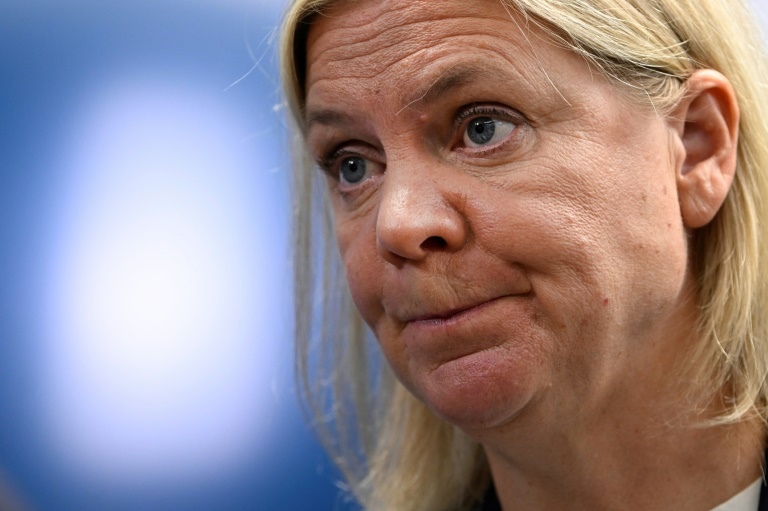
Swedish Prime Minister Magdalena Andersson, the head of the opposition conservative Moderates Ulf Kristersson, and far-right leader Jimmie Akesson face off as the three main candidates in Sunday’s general election.

– ‘Bulldozer’ PM –

Andersson came to power in November 2021 with the aim of breathing new life into the Social Democrats and ended up leading the charge for the nation’s historic NATO membership bid.

Sweden’s first woman prime minister despite the country’s reputation as one of the most feminist in the world, the 55-year-old replaced Stefan Lofven after he retired from politics.

The former swimming champion served as finance minister for seven years, earning the nickname “The bulldozer” for her blunt manner, which can rub some the wrong way in a country deeply attached to consensus.

Initially hesitant about joining NATO, Andersson made up her mind several weeks after Russia’s invasion of Ukraine, convincing her party to abandon its longstanding opposition after two centuries of Swedish military non-alignment.

“She has managed to maintain, and even strengthen, the party’s position and voter support,” political scientist Ulf Bjereld said.

Often clad in navy suits with her straight blonde hair tucked behind her ears, Andersson has campaigned with the slogan “Sweden can do better”.

She has vowed to defend Swedes’ cherished welfare state and pursued the party’s toughening stance on immigration.

“Integration has failed”, she said in April after immigrant youths clashed with police.

On the international scene, her thorniest task has been negotiating with Turkey.

Ankara has threatened to block Sweden’s NATO application, accusing Stockholm of harbouring Kurdish “terrorists”.

A first obstacle was lifted in June, but Turkey has yet to ratify Sweden’s membership in the Atlantic alliance.

If she loses the election, she will become Sweden’s shortest-serving prime minister since 1936.

– Gambling with the far-right –

Her main challenger for the prime ministership, conservative Moderates Party chief Ulf Kristersson hopes to end the Social Democrats’ eight years in power.

The 58-year-old is gambling that his historic welcoming of the once-pariah far-right Sweden Democrats into the right-wing fold will pay off and supply the majority he needs in parliament.

A former gymnast with horn-rimmed glasses and clean-cut looks, Kristersson is making his second attempt to become prime minister.

After the 2018 election, he was given a shot at forming a government but failed to secure a majority. The Moderates’ and their traditional centre-right allies refused to collaborate with the Sweden Democrats.

By December 2019, Kristersson agreed to hold exploratory talks with the far-right, and their cooperation has deepened since then. The Christian Democrats and, albeit to a lesser extent, the Liberals, have followed suit. 

His critics, including Centre Party leader Annie Loof, have accused him of “selling out” to the far-right, recalling his promises to never do so.

Kristersson defends the tie-up as “my side of politics”.

A Tintin fan with a degree in economics, Kristersson wants to introduce a cap on Sweden’s generous social benefits to give people more incentive to enter the labour market.

A second failure to become prime minister could spell the end for him as party leader.

– From outcast to heavyweight –

In 17 years as party leader Jimmie Akesson has steered the far-right Sweden Democrats from outcast status to heavyweights whose support is indispensable if the right-wing bloc wants to govern.

With his impeccably coiffed brown hair, glasses and neatly trimmed beard, the casually dressed 43-year-old looks like your average Swede.

That’s par for the course for someone who transformed an often-violent neo-Nazi movement known as “Keep Sweden Swedish” into a nationalist party with a flower as its logo.

“He wants to give the impression that he’s an ordinary guy… who grills sausages, talks normally and goes on charter trips to the Canary Islands,” Jonas Hinnfors, a political science professor at Gothenburg University, told AFP.

His party, which first entered parliament in 2010 with 5.7 percent of the ballots and is now polling around 20 percent, has drawn voters from both the conservative Moderates as well as the Social Democrats, especially among working class men.

The far right could for the first time be part of a right-wing coalition in parliament.

Akesson once said Muslims were “the biggest foreign threat since World War II” and the party previously lobbied for Sweden to quit the European Union.

But over the years it has tried to tone down its rhetoric and policies, like other nationalist parties in Europe.

Akesson has been credited with his party’s meteoric rise, but his success has come at a price.

In 2014 he admitted he was addicted to online gambling and went on six-month sick leave for burnout.

Close Bitnami banner
Bitnami