AFP

Covid outbreak traps visitors at Shanghai Disneyland

Shanghai Disney Resort abruptly shut its doors Monday as Chinese authorities imposed a snap lockdown, trapping guests who are not permitted to leave until they test negative for Covid-19.

China is the last major economy wedded to a zero-Covid policy, with authorities brandishing snap lockdowns, mass testing and lengthy quarantines in an effort to stamp out emerging outbreaks.

But new variants have tested local officials’ ability to snuff out flare-ups faster than they can spread, causing much of the country to live under an ever-changing mosaic of Covid curbs.

Visitors to Shanghai Disney Resort are not allowed to leave “until on-site testing returns a negative result”, the city government said in an online notice on Monday.

It added that those who had visited the park since Thursday must obtain three negative Covid tests over three successive days and “avoid participating in group activities”.

The announcement came after Disney said it was “temporarily closing with immediate effect… in accordance with disease control requirements”.

The sprawling 390-hectare (960 acres) theme park and resort includes Shanghai Disneyland, Disneytown and Wishing Star Park. The resort had previously said that it was operating at reduced capacity due to Covid restrictions.

“We will notify guests as soon as we have a confirmed date to resume operations,” Disney said. 

China reported 2,699 local Covid infections on Monday, including 10 asymptomatic cases in Shanghai, according to the National Health Commission.

The eastern megacity — a major hub for the world’s second-largest economy — seethed under a months-long lockdown earlier this year marked by sporadic food shortages and isolated protests.

Markets mostly rise on hopes Fed will take foot off pedal

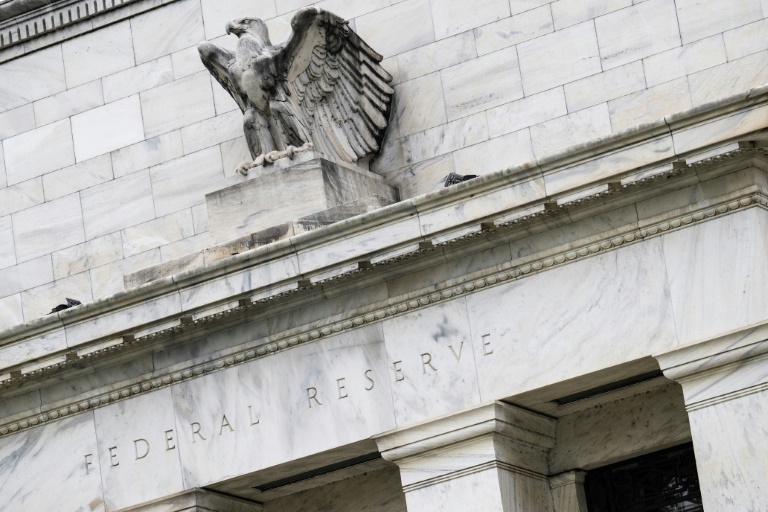
World stocks mostly rose Monday before a key Federal Reserve policy meeting later in the week, with investors hoping for a less hawkish tilt in plans for interest rate hikes. 

Frankfurt and London equities climbed, but Paris slipped on news of record high eurozone inflation and slowing economic growth.

Investors were nevertheless soothed by reports that the Fed could take its foot off the accelerator in its push to rein in decades-high inflation.

It is expected to announce a fourth successive 75 basis point hike on Wednesday, but it could hint that officials are open to dialling back the pace of increases.

The US slipped into the red on Monday morning, after Wall Street enjoyed strong gains before the weekend thanks to a rally in tech firms after strong earnings from Apple.

“The Fed decision is high priority — and the likelihood of a less hawkish Fed is increasing, which could benefit riskier assets” like equities, said XTM Market analyst Walid Koudmani.

The US gathering comes as other central banks recently indicated they are willing to ease up, with Canada raising rates less than expected last week.

The Bank of England is however expected to deliver another hefty rate hike on Thursday.

– Better earnings than expected –

Concerns that rapidly rising borrowing costs will send economies into a recession have hammered markets globally this year.

Yet a better-than-expected earnings season has provided recent support.

More multinationals are due to report this week as the financial reporting season rolls on, including pharmaceutical giants Moderna and Pfizer, technology behemoth Sony, and car brands BMW, Toyota and Ferrari.

But investors remain on edge over red-hot inflation, as analysts warned a recession in the Eurozone appeared to be on its way.

Economic growth in the bloc fell to 0.2 percent in the third quarter, as inflation hit another record high on the back of soaring energy prices, the EU’s statistics agency said Monday.

“It is a matter of how deep the recession will be and not if there will be one,” Oxford Economics said in an analyst note.

Consumer prices jumped by a fresh record of 10.7 percent in October, stoked by an eye-watering 41.9 percent rise in energy costs, Eurostat said.

The news came after the European Central Bank warned last week that a recession was looming, as it announced another jumbo interest rate hike to try to curb inflation driven up by the fallout from energy producer Russia’s war on Ukraine.

“Double-digit inflation and decade-high interest rates do not bode well for eurozone growth during the rest of this year and into 2023,” noted economist Benjamin Trevis at think-tank CEBR.

– ‘Salt to the wounds’ –

Asia mainly advanced, although Hong Kong and Shanghai sank on concerns over the economic impact of Chinese Covid restrictions.

Beijing reported a contraction in factory activity Monday as sweeping pandemic restrictions paralysed major industrial cities.

That also weighed heavily on oil because China is a major global consumer.

“Although these data points are weaker than expected, it should be no surprise given those broad-based Covid-related restrictions that remained in place during the party congress,” said Stephen Innes, managing partner at SPI Asset Management.

“Negative news from the real estate sector is adding salt to the economic wounds.”

– Key figures around 1330 GMT –

London – FTSE 100: UP 0.5 percent at 7,084.52 points

Frankfurt – DAX: UP 0.19 percent at 13,271.77

Paris – CAC 40: DOWN 0.1 percent at 6,267.68

EURO STOXX 50: UP 0.2 percent at 3,619.19

New York – Dow: DOWN 0.3 percent at 32,749.75

Tokyo – Nikkei 225: UP 1.8 percent at 27,587.46 (close)

Hong Kong – Hang Seng Index: DOWN 1.2 percent at 14,687.02 (close)

Shanghai – Composite: DOWN 0.8 percent at 2,893.48 (close)

Euro/dollar: DOWN at $0.9906 from $0.9965 on Friday

Pound/dollar: DOWN at $1.1498 from $1.1615 

Dollar/yen: UP at 148.72 yen from 147.60 yen

Euro/pound: UP at 86.15 pence from 85.80 pence

West Texas Intermediate: DOWN 1.3 percent at $87.90 per barrel

Brent North Sea crude: DOWN 0.4 percent at $96.31 per barrel

burs-rox/pvh

Markets mostly rise on hopes Fed will take foot off pedal

World stocks mostly rose Monday before a key Federal Reserve policy meeting later in the week, with investors hoping for a less hawkish tilt in plans for interest rate hikes. 

Frankfurt and London equities climbed, but Paris slipped on news of record high eurozone inflation and slowing economic growth.

Investors were nevertheless soothed by reports that the Fed could take its foot off the accelerator in its push to rein in decades-high inflation.

It is expected to announce a fourth successive 75 basis point hike on Wednesday, but it could hint that officials are open to dialling back the pace of increases.

The US slipped into the red on Monday morning, after Wall Street enjoyed strong gains before the weekend thanks to a rally in tech firms after strong earnings from Apple.

“The Fed decision is high priority — and the likelihood of a less hawkish Fed is increasing, which could benefit riskier assets” like equities, said XTM Market analyst Walid Koudmani.

The US gathering comes as other central banks recently indicated they are willing to ease up, with Canada raising rates less than expected last week.

The Bank of England is however expected to deliver another hefty rate hike on Thursday.

– Better earnings than expected –

Concerns that rapidly rising borrowing costs will send economies into a recession have hammered markets globally this year.

Yet a better-than-expected earnings season has provided recent support.

More multinationals are due to report this week as the financial reporting season rolls on, including pharmaceutical giants Moderna and Pfizer, technology behemoth Sony, and car brands BMW, Toyota and Ferrari.

But investors remain on edge over red-hot inflation, as analysts warned a recession in the Eurozone appeared to be on its way.

Economic growth in the bloc fell to 0.2 percent in the third quarter, as inflation hit another record high on the back of soaring energy prices, the EU’s statistics agency said Monday.

“It is a matter of how deep the recession will be and not if there will be one,” Oxford Economics said in an analyst note.

Consumer prices jumped by a fresh record of 10.7 percent in October, stoked by an eye-watering 41.9 percent rise in energy costs, Eurostat said.

The news came after the European Central Bank warned last week that a recession was looming, as it announced another jumbo interest rate hike to try to curb inflation driven up by the fallout from energy producer Russia’s war on Ukraine.

“Double-digit inflation and decade-high interest rates do not bode well for eurozone growth during the rest of this year and into 2023,” noted economist Benjamin Trevis at think-tank CEBR.

– ‘Salt to the wounds’ –

Asia mainly advanced, although Hong Kong and Shanghai sank on concerns over the economic impact of Chinese Covid restrictions.

Beijing reported a contraction in factory activity Monday as sweeping pandemic restrictions paralysed major industrial cities.

That also weighed heavily on oil because China is a major global consumer.

“Although these data points are weaker than expected, it should be no surprise given those broad-based Covid-related restrictions that remained in place during the party congress,” said Stephen Innes, managing partner at SPI Asset Management.

“Negative news from the real estate sector is adding salt to the economic wounds.”

– Key figures around 1330 GMT –

London – FTSE 100: UP 0.5 percent at 7,084.52 points

Frankfurt – DAX: UP 0.19 percent at 13,271.77

Paris – CAC 40: DOWN 0.1 percent at 6,267.68

EURO STOXX 50: UP 0.2 percent at 3,619.19

New York – Dow: DOWN 0.3 percent at 32,749.75

Tokyo – Nikkei 225: UP 1.8 percent at 27,587.46 (close)

Hong Kong – Hang Seng Index: DOWN 1.2 percent at 14,687.02 (close)

Shanghai – Composite: DOWN 0.8 percent at 2,893.48 (close)

Euro/dollar: DOWN at $0.9906 from $0.9965 on Friday

Pound/dollar: DOWN at $1.1498 from $1.1615 

Dollar/yen: UP at 148.72 yen from 147.60 yen

Euro/pound: UP at 86.15 pence from 85.80 pence

West Texas Intermediate: DOWN 1.3 percent at $87.90 per barrel

Brent North Sea crude: DOWN 0.4 percent at $96.31 per barrel

burs-rox/pvh

Delicious US gravestone recipes that are to 'die for'

For some, gravestones can evoke mourning, for others a tribute to a loved one, or, with a little imagination, a gaunt hand emerging from freshly turned earth.

But to the discerning eye, a scattering of gravestones contain recipes, and an American librarian has begun to explore them on TikTok, where her videos posted under the account @ghostlyarchive have drawn millions of views.

Peach crumble, blueberry pie or fudge: for each gourmet epitaph, 33-year-old Rosie Grant proceeds in the same way.

Faced with limited instructions — “there’s only so much space on a gravestone,” she tells AFP — she first has to guess the cooking time and temperature. Viewers of her TikTok videos often post comments that allow her to refine the recipes.

It was by chance that Grant stumbled upon her first recipe from the graveyard, that of the spritz cookies of one Naomi Odessa Miller-Dawson, who died in 2009 at the age of 87 and is buried in Green-Wood Cemetery in Brooklyn, New York.

As an intern in the archives of a Washington cemetery, Grant discovered the world of taphophiles, people who have a passion for cemeteries, tombstones and other aspects of burial.

She started a TikTok account dedicated to the unexpected wonders of cemeteries and ended up unearthing Miller-Dawson’s recipe on the internet.

“It wasn’t just that it said this woman liked cookies… It had the actual ingredients for the cookies on her gravestone. And I was, like, ‘that’s amazing!'” says the librarian, who has since moved to Los Angeles. “What is this? What is this recipe? What does this taste like? I was so curious.”

– ‘Coolest thing ever’ –

She has even been contacted by descendants of those whose recipes she makes. All of the recipes she found were on gravestones of women, most of whom have died within the past 30 years.

“A lot of them have grandkids and great grandkids that are on TikTok. So several of them have commented on the videos, like, ‘Hey, this is my grandma, this is the recipe we made and I recommend you do it this way, which is the coolest thing ever!” Grant says enthusiastically.

In between recipes, the librarian explores graveyards in her videos, tells about the lives of accused witches buried there, shares anecdotes about the lives of buried celebrities or tells, for example, how the custom of picnicking at cemeteries went out of fashion in the early 20th century.

For Grant, who lost both of her grandmothers during the pandemic, the journey has brought some closure.

“This whole process has made me aware of the idea that people and society are better off if you think about your own mortality. And not to be, like, ‘Yay death!’ It’s not a happy thing, but to be more, like, ‘oh, it’s okay that we’ll all die someday,’ and celebrate yourself.”

For Halloween, Grant will try a new recipe from the afterlife: apricot ice cream.

And at the end of the video, she’ll add these words that she concludes each of her TikTok videos with: “They’re to die for.”

Bankrupt Sri Lanka's inflation dips to 66 percent

Inflation in crisis-hit Sri Lanka dipped marginally for the first time in 12 months but prices were still an eye-watering 66 percent higher than a year ago, official data showed Monday.

The island nation of 22 million people has suffered months of extreme economic hardship with severe shortages of essentials including food, fuel and medicines.

The Department of Census and Statistics data showed October inflation was nearly four percentage points lower than the record 69.8 percent in September.

Food inflation which had also reached a record high for the 12th consecutive month in September at 94.9 percent moderated to 85.6 percent in October.

The department did not give reasons for the slowdown in inflation, but authorities had reduced fuel prices twice in October, cutting prices by 20 percent.

However, the price of petrol is still double the amount before the start of the crisis late last year, while diesel — used commonly for public transport — is still three and a half times more.

Sharp price increases for both food and fuel has led to a drop in demand and queues for petrol and diesel and cooking gas have sharply reduced in recent weeks.

The World Bank has warned that the economy could shrink by 9.2 percent this year, worse than the 8.7 percent contraction the central bank of Sri Lanka had forecasted.

An unprecedented downturn forced the government to default on its $51 billion foreign debt in April and go to the International Monetary Fund (IMF) for a bailout. 

Blackouts, chronic fuel shortages and high prices triggered months of political unrest, ultimately forcing the president Gotabaya Rajapaksa to flee the country and resign in July. 

The IMF has tentatively approved a four-year, $2.9 billion bailout to help Sri Lanka reorganise its finances, subject to an agreement with its creditors.

It had also asked the government to contain spiralling inflation and address corruption as part of efforts to salvage the troubled economy.

Bankrupt Sri Lanka's inflation dips to 66 percent

Inflation in crisis-hit Sri Lanka dipped marginally for the first time in 12 months but prices were still an eye-watering 66 percent higher than a year ago, official data showed Monday.

The island nation of 22 million people has suffered months of extreme economic hardship with severe shortages of essentials including food, fuel and medicines.

The Department of Census and Statistics data showed October inflation was nearly four percentage points lower than the record 69.8 percent in September.

Food inflation which had also reached a record high for the 12th consecutive month in September at 94.9 percent moderated to 85.6 percent in October.

The department did not give reasons for the slowdown in inflation, but authorities had reduced fuel prices twice in October, cutting prices by 20 percent.

However, the price of petrol is still double the amount before the start of the crisis late last year, while diesel — used commonly for public transport — is still three and a half times more.

Sharp price increases for both food and fuel has led to a drop in demand and queues for petrol and diesel and cooking gas have sharply reduced in recent weeks.

The World Bank has warned that the economy could shrink by 9.2 percent this year, worse than the 8.7 percent contraction the central bank of Sri Lanka had forecasted.

An unprecedented downturn forced the government to default on its $51 billion foreign debt in April and go to the International Monetary Fund (IMF) for a bailout. 

Blackouts, chronic fuel shortages and high prices triggered months of political unrest, ultimately forcing the president Gotabaya Rajapaksa to flee the country and resign in July. 

The IMF has tentatively approved a four-year, $2.9 billion bailout to help Sri Lanka reorganise its finances, subject to an agreement with its creditors.

It had also asked the government to contain spiralling inflation and address corruption as part of efforts to salvage the troubled economy.

Markets mostly rise on hopes Fed will take foot off pedal

World stocks mostly rose Monday before a key Federal Reserve policy meeting later in the week, with investors hoping for a less hawkish tilt in plans for interest rate hikes. 

Frankfurt and London equities climbed, but Paris slipped on news of record high eurozone inflation and slowing economic growth.

Asia mainly advanced, although Hong Kong and Shanghai sank on concerns over the economic impact of Chinese Covid restrictions.

That also weighed heavily on oil because China is a major global consumer.

– ‘High priority’ –

Investors were nevertheless soothed by reports that the Fed could take its foot off the accelerator in its push to rein in decades-high inflation.

“The Fed decision is high priority — and the likelihood of a less hawkish Fed is increasing, which could benefit riskier assets” like equities, said XTM Market analyst Walid Koudmani.

“Furthermore, Friday’s non-farm payrolls report is also going to be quite important as it will precede next week’s mid-term US election and set the tone.”

The Fed is expected to announce a fourth successive 75 basis point hike on Wednesday, but it could hint that officials are open to dialling back the pace of increases.

The gathering comes as other central banks recently indicated they are willing to ease up, with Canada raising rates less than expected last week.

The Bank of England is however expected to deliver another hefty rate hike on Thursday.

Concerns that rapidly rising borrowing costs will send economies into a recession have hammered markets globally this year.

Yet a better-than-expected earnings season has provided recent support, but investors remain on edge over red-hot inflation.

Eurozone economic growth fell to 0.2 percent in the third quarter, as inflation hit another record high on the back of soaring energy prices, the EU’s statistics agency said Monday.

Consumer prices jumped by a fresh record of 10.7 percent in October, stoked by an eye-watering 41.9 percent rise in energy costs, Eurostat said.

The news came after the European Central Bank warned last week that a recession was looming, as it announced another jumbo interest rate hike to try to curb inflation driven up by the fallout from energy producer Russia’s war on Ukraine.

“Double-digit inflation and decade-high interest rates do not bode well for eurozone growth during the rest of this year and into 2023,” noted economist Benjamin Trevis at think-tank CEBR.

Wall Street meanwhile enjoyed strong gains before the weekend, thanks to a rally in tech firms after strong earnings from Apple.

– Key figures around 1130 GMT –

London – FTSE 100: UP 0.1 percent at 7,057.08 points

Frankfurt – DAX: UP 0.2 percent at 13,266.49

Paris – CAC 40: DOWN 0.2 percent at 6,263.60

EURO STOXX 50: UP 0.1 percent at 3,616.77

Tokyo – Nikkei 225: UP 1.8 percent at 27,587.46 (close)

Hong Kong – Hang Seng Index: DOWN 1.2 percent at 14,687.02 (close)

Shanghai – Composite: DOWN 0.8 percent at 2,893.48 (close)

New York – Dow: UP 2.6 percent at 32,861.80 (close)

Euro/dollar: DOWN at $0.9935 from $0.9965 on Friday

Pound/dollar: DOWN at $1.1547 from $1.1615 

Dollar/yen: UP at 148.46 yen from 147.60 yen

Euro/pound: UP at 86.04 pence from 85.80 pence

West Texas Intermediate: DOWN 1.6 percent at $86.49 per barrel

Brent North Sea crude: DOWN 1.5 percent at $94.35 per barrel

Markets mostly rise on hopes Fed will take foot off pedal

World stocks mostly rose Monday before a key Federal Reserve policy meeting later in the week, with investors hoping for a less hawkish tilt in plans for interest rate hikes. 

Frankfurt and London equities climbed, but Paris slipped on news of record high eurozone inflation and slowing economic growth.

Asia mainly advanced, although Hong Kong and Shanghai sank on concerns over the economic impact of Chinese Covid restrictions.

That also weighed heavily on oil because China is a major global consumer.

– ‘High priority’ –

Investors were nevertheless soothed by reports that the Fed could take its foot off the accelerator in its push to rein in decades-high inflation.

“The Fed decision is high priority — and the likelihood of a less hawkish Fed is increasing, which could benefit riskier assets” like equities, said XTM Market analyst Walid Koudmani.

“Furthermore, Friday’s non-farm payrolls report is also going to be quite important as it will precede next week’s mid-term US election and set the tone.”

The Fed is expected to announce a fourth successive 75 basis point hike on Wednesday, but it could hint that officials are open to dialling back the pace of increases.

The gathering comes as other central banks recently indicated they are willing to ease up, with Canada raising rates less than expected last week.

The Bank of England is however expected to deliver another hefty rate hike on Thursday.

Concerns that rapidly rising borrowing costs will send economies into a recession have hammered markets globally this year.

Yet a better-than-expected earnings season has provided recent support, but investors remain on edge over red-hot inflation.

Eurozone economic growth fell to 0.2 percent in the third quarter, as inflation hit another record high on the back of soaring energy prices, the EU’s statistics agency said Monday.

Consumer prices jumped by a fresh record of 10.7 percent in October, stoked by an eye-watering 41.9 percent rise in energy costs, Eurostat said.

The news came after the European Central Bank warned last week that a recession was looming, as it announced another jumbo interest rate hike to try to curb inflation driven up by the fallout from energy producer Russia’s war on Ukraine.

“Double-digit inflation and decade-high interest rates do not bode well for eurozone growth during the rest of this year and into 2023,” noted economist Benjamin Trevis at think-tank CEBR.

Wall Street meanwhile enjoyed strong gains before the weekend, thanks to a rally in tech firms after strong earnings from Apple.

– Key figures around 1130 GMT –

London – FTSE 100: UP 0.1 percent at 7,057.08 points

Frankfurt – DAX: UP 0.2 percent at 13,266.49

Paris – CAC 40: DOWN 0.2 percent at 6,263.60

EURO STOXX 50: UP 0.1 percent at 3,616.77

Tokyo – Nikkei 225: UP 1.8 percent at 27,587.46 (close)

Hong Kong – Hang Seng Index: DOWN 1.2 percent at 14,687.02 (close)

Shanghai – Composite: DOWN 0.8 percent at 2,893.48 (close)

New York – Dow: UP 2.6 percent at 32,861.80 (close)

Euro/dollar: DOWN at $0.9935 from $0.9965 on Friday

Pound/dollar: DOWN at $1.1547 from $1.1615 

Dollar/yen: UP at 148.46 yen from 147.60 yen

Euro/pound: UP at 86.04 pence from 85.80 pence

West Texas Intermediate: DOWN 1.6 percent at $86.49 per barrel

Brent North Sea crude: DOWN 1.5 percent at $94.35 per barrel

'Sharp' global labour market slowdown underway: UN

The war raging in Ukraine and other overlapping crises are taking a toll on labour markets worldwide, the UN said Monday, suggesting a “sharp” slowdown was already underway.

In a fresh report, the International Labour Organization cautioned that the outlook for global labour markets has deteriorated in recent months.

“The ILO projects that if current trends continue, global employment growth will deteriorate significantly in the last three months of this current year 2022, and unemployment might start increasing,” agency chief Gilbert Houngbo told reporters.

The UN agency warned that multiple, overlapping crises, compounded by Russia’s war in Ukraine, were piling up with the world still in the grips of the Covid-19 pandemic.

Amid deepening energy and food security crises, swelling inflation, tightening monetary policy and fears of a looming global recession, it said both employment creation and the quality of jobs were declining.

“While it normally takes time for an economic slowdown or a recession to result in job destruction and unemployment, available data suggests that a sharp labour market slowdown is already underway,” the report said.

– 40 million jobs missing –

At the beginning of this year, as the world began recovering from the height of the pandemic, employment-to-population ratios returned to or even exceeded pre-Covid-crisis levels in most advanced economies.

ILO said this uptick was especially apparent in high-skilled occupations — but cautioned that it was also driven by a surge in informal jobs, where social protections are generally lacking.

The situation has worsened in recent months, ILO said, estimating that overall hours worked was 1.5 percent below pre-pandemic levels in the third quarter.

That amounts to a deficit of 40 million full-time jobs.

As the number of jobs available is shrinking, surging inflation is causing real wages to fall in many countries, as many households are still grappling with pandemic-induced income declines, it said.

– Ukraine employment plunges –

Monday’s report highlighted in particular the dire employment situation in Ukraine itself since Russia invaded in February.

Houngbo said the war had caused “a dramatic effect on Ukraine’s own labour market.”

Inflation in the conflict-torn country is expected to top 30 percent by the end of the year, while ILO estimated employment there would be 15.5 percent below the 2021 level.

That means 2.4 million jobs lost since the start of the war — half the number predicted by ILO in April, when the number of areas in Ukraine under occupation or facing active hostilities was higher.

But the UN agency cautioned the “partial labour market recovery is modest and highly fragile.”

It highlighted the large number of internally displaced people looking for jobs.

“This risks pushing wages down in these areas,” Houngbo said.

The report also estimated that 10.4 percent of Ukraine’s pre-war workforce — some 1.6 million people, mostly women — had fled to other countries.

A recent survey found around a quarter of Ukrainian refugees had found waged work or self-employment in their host countries, ILO said.

– ‘Deeply worrying’ –

Monday’s report called for in-depth social dialogue to create the policies needed to counter labour market downturns.

It also warned that excessive policy tightening could cause “undue damage to jobs and incomes in both advanced and developing countries.”

There is a “need to ensure that the monetary tightening to combat inflation … is really dovetailed with social measures, dovetailed with minimum social protection,” Houngbo said, describing the global employment situation as “deeply worrying”.

“Preventing a significant global labour market downturn, will require comprehensive, integrated and balanced policies both nationally and globally.” 

Gas crisis fears recede for now as Europe stockpiles

With prices falling and ports clogged with liquefied natural gas tankers, fears of a winter heating crisis in Europe have eased but experts are warning against complacency.

For over a week now, there have been bottlenecks at Spanish ports of ships bringing in LNG, indicating Europe is at full capacity.

Spanish gas regulator Enagas says the backlog at ports is expected to last at least until this week.

The Dutch TTF, a leading European benchmark price, is now close to its lowest level since June, at under 100 euros per megawatt hour at the end of October.

Its price has fallen more than 60 percent since a massive surge in August when Russia’s disruptions to its supply via the Nord Stream pipelines alarmed markets.

TTF’s short-term futures price even briefly went negative last week, for the first time since October 2019. In the United States, gas prices have also fallen sharply.

The days of stratospheric price rises of up to 350 euros per megawatt hour in Europe in March, a few days after Russia’s invasion of Ukraine began, seem to be well and truly in the past.

Since then Europe has made efforts to fill its storage facilities to reduce dependence on Russian gas and sought alternative suppliers, holding crisis meetings and calling for a cut in domestic usage.

– ‘Not out of woods’ –

The strategy has paid off with Europe’s storage reserves now at over 90 percent.

“Since Q1 2022, the EU has benefited from very strong LNG inflow primarily from the US,” analysts at broker Marex said in a note.

Georgi Slavov, head of research at Marex, told AFP that Europe is currently seeing an oversupply of gas but “it is premature to declare victory on that front”.

He said the current abundance is down to factors including unusually warm temperatures, which mean Europeans are not using gas for heating.

In addition the “economic slowdown is limiting gas use,” Slavov said, and “self-imposed restrictions on gas consumption also help enormously”.

A cold winter and industry shifting back to higher energy use could quickly reverse the trend.

“The continent is not out of the woods yet,” said Nikoline Bromander, an analyst for Rystad Energy. 

“With Russian flows continuing to decline, winter 2023 will be even tougher.”

The price for European natural gas is still fluctuating at a very high level, up more than 80 percent since the start of the year. 

– Short-term imbalance –

And “the price curve will not fall into negative in the US or in Europe”, said Eli Rubin of EBW Analytics Group.

A similar situation happened to US crude at the height of the Covid-19 pandemic when demand plummeted and the glut in supply led to a frantic race to stock up.

“Storage, which is the balancing mechanism between supply and demand, normally mops up the excess supply,” said Slavov.

The benchmark WTI crude oil prices then plummeted into negative values as investors were ready to pay not to have barrels of oil due to lack of storage space.

But with gas “we are talking about short-term imbalances that have a short-term effect on the price,” mainly concerning immediate deliveries, said Rubin.

Spain is seeing the same situation, with the waiting tankers indicating a temporary bottleneck, not a fundamental imbalance between too abundant supply versus demand.

This happens “every year” as winter approaches and is a localised issue off the coast of Spain, said Vincent Demoury, general delegate of GIGNL, the International Group of Liquefied Natural Gas Importers.

Spain has six LNG terminals, more than any other European country, where 108 ships unload every week.

Spain also has 44 percent of the EU’s gas storage capacity, according to Enagas.

Demoury say the fall in gas consumption and the high level of gas stocks for winter mean there are no more “available slots in Europe in November” to unload ships.

It is not the case that Europe is drowning in oversupply, since the LNG tankers are simply used as temporary floating storage “waiting for consumers to need gas and for prices to be more attractive,” Demoury said.

Close Bitnami banner
Bitnami