AFP

Trump to testify in defamation case against rape accuser

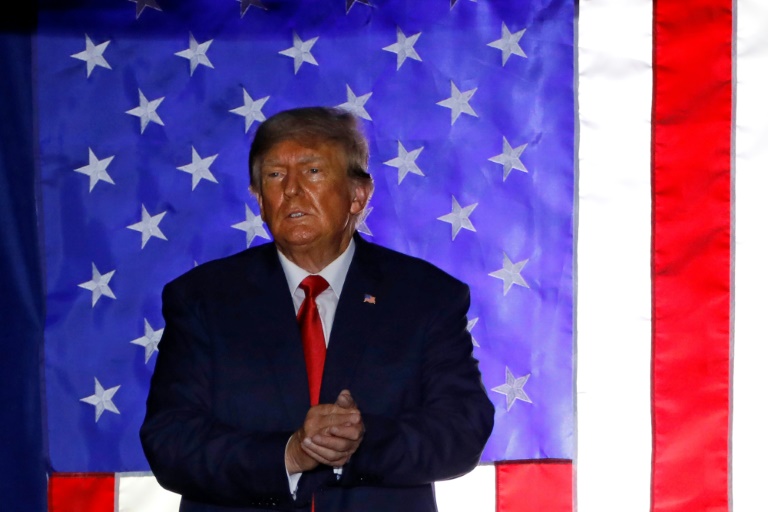
Former US president Donald Trump is expected to testify Wednesday in a defamation case pitting him against a prominent American columnist who says he raped her in the 1990s.

E. Jean Carroll, 78, alleges that Trump sexually assaulted her in a New York department store.

Last week, a New York federal court judge rejected a motion by Trump, who has denied the accusation, to further delay his deposition. 

Judge Lewis Kaplan ruled that Carroll’s and Trump’s depositions should be held on October 14 and 19, respectively.

It is not known if Carroll testified on Friday, and neither of the parties’ lawyers responded to comment requests from AFP.

Trump is expected to submit a sworn deposition from his Mar-a-Lago residence in Florida, The New York Times reported.

Carroll on Tuesday shared a photo of her lawyer Roberta Kaplan on Twitter captioned “Carroll versus Trump,” and wished Kaplan “GOOD LUCK FOR TOMORROW.” She later deleted the tweet.

Kaplan, who is unrelated to the case’s judge, is a co-founder of the Time’s Up movement that provides legal aid to victims of sexual assault.

Carroll, a former columnist for Elle magazine, sued then-president Trump for defamation in a New York civil court in November 2019.

In an excerpt of her book published by New York Magazine that year, Carroll said she was raped by Trump in the changing room at the luxury Bergdorf Goodman department store on Fifth Avenue in New York in the mid-1990s.

Trump denied the accusation, saying Carroll was “not my type” and that she was “totally lying,” which prompted the defamation suit.

The case has been delayed by procedural battles, including whether Trump should be represented by the US government, since he was president at the time he made the statements. 

According to several media outlets on Tuesday, Trump’s lawyers have always claimed their client was protected by his executive immunity, particularly for allegedly defamatory statements he made during his term.

Last week, Trump made new comments about the case on his right-wing Truth Social platform, mocking Carroll’s rape allegations. 

According to legal experts cited in a Vice News report, Carroll could argue that Trump defamed her again — this time as a private citizen. 

Judge Kaplan said last week that Carroll could claim damages from Trump for the alleged rape starting from November 24, after a New York state law comes into effect that allows survivors of sexual assault to file a civil suit regardless of the statute of limitations.

Kremlin proxies flee Kherson as Ukraine advances

Pro-Kremlin officials said they were pulling out of the key southern Ukraine city of Kherson on Wednesday, as Kyiv’s forces advanced on territory in Russian hands since the war’s earliest days.

Kherson was the first major city to fall to Moscow’s troops after the February invasion and retaking it would be a crucial prize in Ukraine’s ongoing counter-offensive.

Kyiv’s recapturing of swathes of its territory in the east and parts of the south has however been followed by missile and drone strikes that have demolished large parts of Ukraine’s power grid ahead of winter.

“The entire administration is already moving today,” to the eastern bank of the Dnieper River, the Kherson region’s Moscow-installed head, Vladimir Saldo, told Russian state television.

But the Ukrainian presidency’s chief of staff Andriy Yermak called the moves a “propaganda show” and accused Russia of “trying to scare the people of Kherson”.

Ukrainian forces “do not fire at Ukrainian cities,” Yermak wrote on Telegram.

The city is located on the western bank of the Dnieper, the same side where Ukrainian troops have been moving forward in a counter-offensive that began in August.

Saldo said the pull-out, along with the organised movement of civilians from the city, was a precaution and vowed that Russian forces would continue to fight against Ukraine.

Pro-Russian officials have said civilians would only be allowed to leave towards Russia or Russian-held parts of Ukraine.

However, Ukrainian forces have targeted bridges across the river to disrupt supply lines so Russian-installed officials said the evacuations were being done with ferries.

Russia’s Rossiya 24 state television channel showed images of people waiting to board ferries to cross the river.

Local officials said they were planning to move up to 60,000 civilians from the city of Kherson over a period of around six days.

Russia’s military commander for Ukraine operations, General Sergey Surovikin has said the Russian army will ensure “the safe evacuation of the population” from Kherson.

Speaking to Russian state TV on Tuesday, he accused Ukraine of strikes on civilian infrastructure in the region that “create a direct threat to the lives of residents”.

– ‘Safe evacuation’ –

Ukraine has re-captured occupied territory in the east of the country in recent weeks.

Its advance in the south has been far slower but has been gaining momentum in recent days.

There have also been some Russian advances.

Russian forces on Tuesday claimed to have retaken territory from Ukrainian troops in the eastern Kharkiv region.

It was Moscow’s first announced capture of a village there since being nearly entirely pushed out of the region last month.

Russia has also been building up its defences in the territory it still holds.

Russia’s Wagner mercenary group said it was working on building a fortified line of defence in Ukraine’s eastern Lugansk region.

“It is a multi-level and layered defence,” the group’s founder Yevgeny Prigozhin said on the social media of his company Concord.

Russian forces meanwhile continue to occupy the Zaporizhzhia nuclear power plant — Europe’s largest.

Petro Kotin, head of Ukraine’s nuclear energy agency Energoatom, told AFP on Wednesday that Russian forces were holding “about 50” plant employees in captivity.

– Warnings of power outages –

Ukraine meanwhile scrambled to rebuild damaged energy facilities across the country following a series of Russian strikes.

The government has warned of an emerging “critical” risk to its power grid after repeated Russian bombardments had destroyed one third of the country’s power facilities as winter approaches.

“It’s necessary for the whole country to prepare for electricity, water and heating outages,” Kyrylo Tymoshenko, deputy head of the Ukrainian president’s office, told Ukrainian television on Tuesday.

Drones also bombarded Kyiv on Monday, leaving five dead, in what the presidency described as an attack of Russian desperation after a string of battlefield losses.

Kyiv and its Western allies have accused Moscow of using Iranian-made drones in the strikes, a move President Volodymyr Zelensky portrayed as a sign of Russia’s failure.

Ukraine said Wednesday it had shot down 223 Iranian-made drones since mid-September.

But the Kremlin has said it has no knowledge of its army using Iranian drones in Ukraine and Tehran has said the claims that it is providing Russia with weapons are “baseless”.

Nabila Massrali, spokeswoman for EU foreign policy chief Josep Borrell, said the EU has “sufficient evidence” that Tehran was supplying Russia with drones and would prepare fresh sanctions on Iran.

Stocks stumble as inflation concerns offset positive earnings

Major stock markets stumbled Wednesday, as lingering concerns over sky-high inflation offset positive earnings.

In a sign of the uphill struggle in the battle against soaring prices, UK inflation jumped back above 10 percent last month.

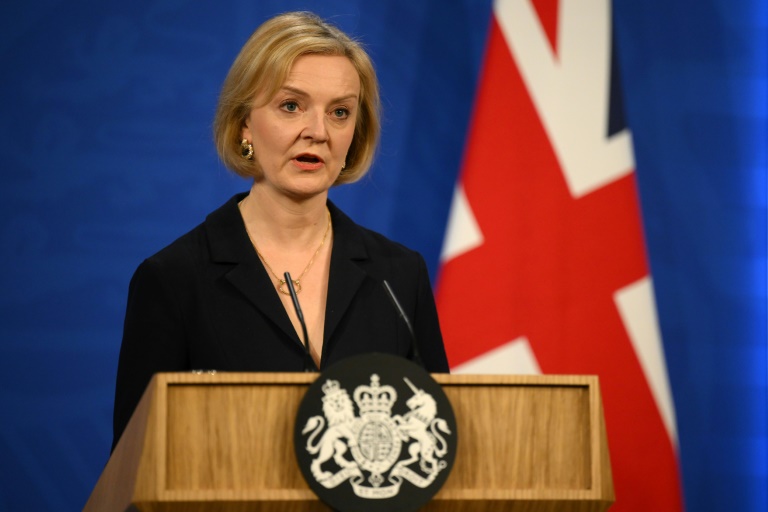
London’s FTSE 100 shares index steadied and the pound fell following the data — and as Britain’s under-fire Prime Minister Liz Truss faced a grilling in parliament.

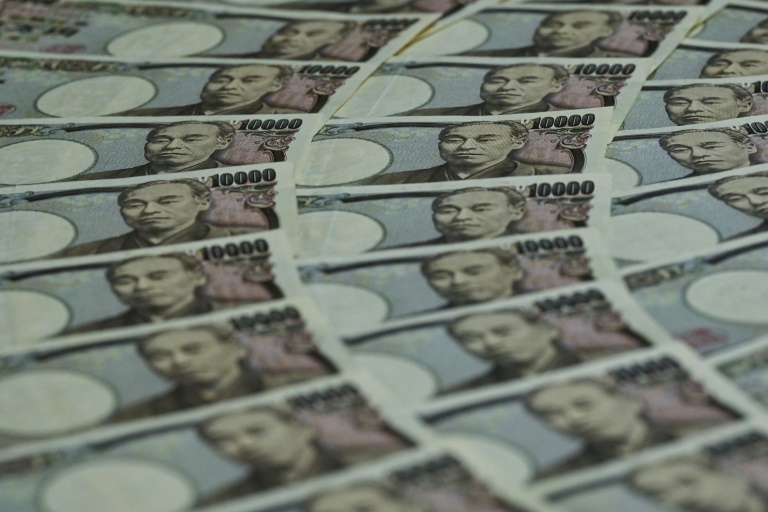
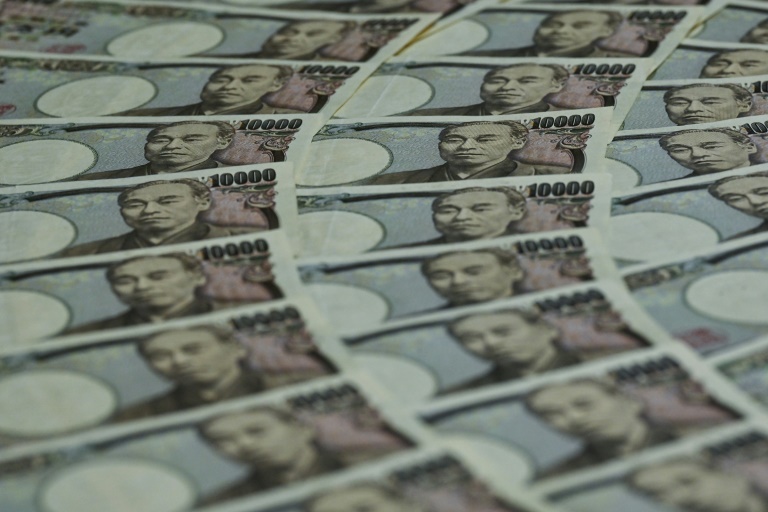
Foreign exchange traders were keeping tabs also on whether the dollar would reach 150 yen, which would be a fresh high for 32 years.

Japan’s currency is being hit hard as the country’s central bank holds off from hiking interest rates, in sharp contrast to its peers the world over which are aggressively hiking borrowing costs to try and cool decades-high inflation.

Asian stock markets diverged after Wall Street ended higher for a second session running Tuesday, heartened by forecast-beating results from Goldman Sachs and Johnson & Johnson.

They came on the heels of better-than-expected reports from banking giants Citi, JP Morgan and Wells Fargo.

Traders were given an extra boost by news that Netflix gained more than two million subscribers in July-September.

“Earnings season offers investors the opportunity to focus more on the actual earnings power of corporate America, and less on the machinations of the backward-looking economic data stream,” said Art Hogan, a strategist at B. Riley.

“A better-than-feared earnings season may well be the catalyst the market needs to see a break in the steady grind lower.”

In Europe, Nestle’s sales surged in the first nine months of the year as the maker of Nespresso capsules, Purina pet food and Haagen-Dazs ice cream raised its prices in response to soaring inflation.

On commodity markets, crude oil prices rose on renewed supply worries.

They had slumped Tuesday on bets that US President Joe Biden would order the release of more barrels from the country’s emergency reserves in order to keep fuel prices subdued heading into mid-term elections.

– Key figures around 1100 GMT –

London – FTSE 100: FLAT at 6,934.52 points

Frankfurt – DAX: UP 0.1 percent at 12,776.12

Paris – CAC 40: UP 0.4 percent at 6,090.48

EURO STOXX 50: UP 0.7 percent at 3,486.43

Tokyo – Nikkei 225: UP 0.4 percent at 27,257.38 (close)

Hong Kong – Hang Seng Index: DOWN 2.4 percent at 16,511.28 (close)

Shanghai – Composite: DOWN 1.2 percent at 3,044.38 (close)

New York – Dow: UP 1.1 percent at 30,523.80 (close)

Pound/dollar: DOWN at $1.1252 from $1.1332 on Tuesday

Dollar/yen: UP at 149.59 yen from 149.21 yen

Euro/dollar: DOWN at $0.9780 from $0.9862 

Euro/pound: DOWN at 86.97 pence from 87.01 pence

Brent North Sea crude: UP 1.1 percent at $91.03 per barrel

West Texas Intermediate: UP 1.5 percent at $84.04 per barrel

Stocks stumble as inflation concerns offset positive earnings

Major stock markets stumbled Wednesday, as lingering concerns over sky-high inflation offset positive earnings.

In a sign of the uphill struggle in the battle against soaring prices, UK inflation jumped back above 10 percent last month.

London’s FTSE 100 shares index steadied and the pound fell following the data — and as Britain’s under-fire Prime Minister Liz Truss faced a grilling in parliament.

Foreign exchange traders were keeping tabs also on whether the dollar would reach 150 yen, which would be a fresh high for 32 years.

Japan’s currency is being hit hard as the country’s central bank holds off from hiking interest rates, in sharp contrast to its peers the world over which are aggressively hiking borrowing costs to try and cool decades-high inflation.

Asian stock markets diverged after Wall Street ended higher for a second session running Tuesday, heartened by forecast-beating results from Goldman Sachs and Johnson & Johnson.

They came on the heels of better-than-expected reports from banking giants Citi, JP Morgan and Wells Fargo.

Traders were given an extra boost by news that Netflix gained more than two million subscribers in July-September.

“Earnings season offers investors the opportunity to focus more on the actual earnings power of corporate America, and less on the machinations of the backward-looking economic data stream,” said Art Hogan, a strategist at B. Riley.

“A better-than-feared earnings season may well be the catalyst the market needs to see a break in the steady grind lower.”

In Europe, Nestle’s sales surged in the first nine months of the year as the maker of Nespresso capsules, Purina pet food and Haagen-Dazs ice cream raised its prices in response to soaring inflation.

On commodity markets, crude oil prices rose on renewed supply worries.

They had slumped Tuesday on bets that US President Joe Biden would order the release of more barrels from the country’s emergency reserves in order to keep fuel prices subdued heading into mid-term elections.

– Key figures around 1100 GMT –

London – FTSE 100: FLAT at 6,934.52 points

Frankfurt – DAX: UP 0.1 percent at 12,776.12

Paris – CAC 40: UP 0.4 percent at 6,090.48

EURO STOXX 50: UP 0.7 percent at 3,486.43

Tokyo – Nikkei 225: UP 0.4 percent at 27,257.38 (close)

Hong Kong – Hang Seng Index: DOWN 2.4 percent at 16,511.28 (close)

Shanghai – Composite: DOWN 1.2 percent at 3,044.38 (close)

New York – Dow: UP 1.1 percent at 30,523.80 (close)

Pound/dollar: DOWN at $1.1252 from $1.1332 on Tuesday

Dollar/yen: UP at 149.59 yen from 149.21 yen

Euro/dollar: DOWN at $0.9780 from $0.9862 

Euro/pound: DOWN at 86.97 pence from 87.01 pence

Brent North Sea crude: UP 1.1 percent at $91.03 per barrel

West Texas Intermediate: UP 1.5 percent at $84.04 per barrel

Tokyo Olympics bribery scandal widens with mascot allegations

A corruption scandal surrounding the Tokyo Olympics widened on Wednesday as a former Games executive was re-arrested on suspicion of taking bribes from two firms, one of which reportedly sold official mascot toys.

Prosecution documents seen by AFP accused former Tokyo 2020 board member Haruyuki Takahashi of accepting 54 million yen ($360,000) in bribes from a major advertising firm and a merchandise company.

It was the fourth time the 78-year-old has been arrested over the scandal, following allegations that he received a similar amount from a suit retailer that was an official partner of last year’s pandemic-delayed event.

Prosecutors alleged that Takahashi helped advertising giant ADK Holdings with a sponsorship contract and received 47 million yen “knowing it was meant to be thank-you money”.

They also accused him of accepting seven million yen from a merchandise firm, which Japanese media named as Sun Arrow and said was licensed to sell soft toys of the cute Games mascots.

Three other people including ADK president Shinichi Ueno were also arrested on Wednesday.

ADK Holdings said it was “extremely regrettable that we find ourselves in this situation, and we would like to apologise for the enormous trouble” caused by the arrests.

“Since the investigation remains ongoing, we will refrain from disclosing details,” it said, adding it would fully cooperate with authorities “to help resolve the case”.

The latest arrest of Takahashi — a former advertising executive who served on the Tokyo 2020 board from June 2014 — reportedly brought the total sum of the bribes he allegedly pocketed to 196 million yen.

He has previously been accused of taking bribes from publishing giant Kadokawa and another advertising agency, Daiko.

The ballooning saga is not the first time questions have been raised over impropriety around the Tokyo Games.

The former head of Japan’s Olympic Committee, Tsunekazu Takeda, stepped down in 2019 after French prosecutors launched an investigation into corruption allegations linked to Tokyo’s Olympic bid.

Hong Kong to 'trawl world for talent' in reboot attempt

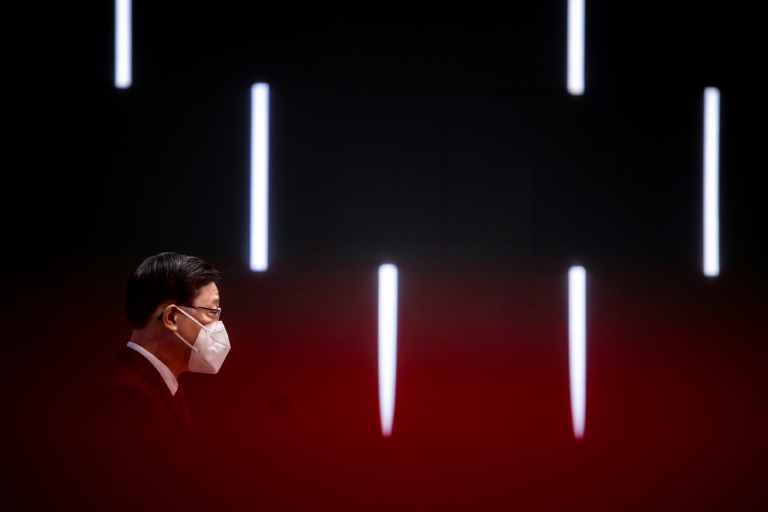
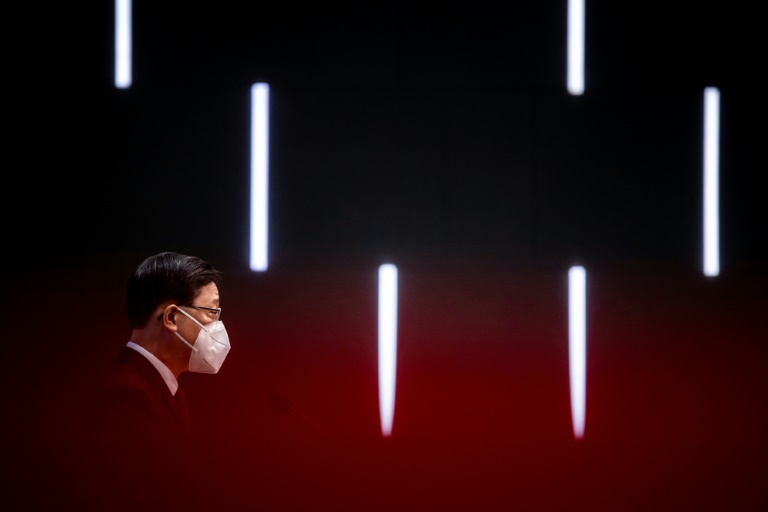
Hong Kong’s leader unveiled plans to resuscitate the business hub’s fortunes on Wednesday, hoping to lure back international expertise after an exodus of talent — but he vowed no let-up in a political crackdown that has transformed the city.

John Lee, a Beijing-anointed former security chief, gave a debut policy speech that prioritised the revival of an economy mired in recession and maintaining security while recognising that many had left a city that serves as a gateway to China.

“Over the past two years, the local workforce shrank by about 140,000,” he said. “Apart from actively nurturing and retaining local talent, the government will proactively trawl the world for talent.”

The former British colony has lately undergone its most tumultuous period since its 1997 handover to China. 

Huge and sometimes violent democracy protests three years ago were followed by a sweeping clampdown on dissent as well as some of the world’s strictest coronavirus pandemic rules, many of which remained in place long after rivals reopened.

The city, which only scrapped mandatory quarantine for international arrivals last month, has seen its deficit soar while the border with the Chinese mainland remains all but closed because of Beijing’s strict zero-Covid rules.

– Talent office –

Lee’s speech offered his blueprint for reversing that downturn, including a talent scouting office, a HK$30 billion ($3.8 billion) co-investment fund to attract overseas businesses and rules to make it easier to hire foreigners.

The city will give preferential treatment to “top talent”, described as people who earn HK$2.5 million or more annually and graduates from the top 100 universities around the world who have relevant work experience.

Even with investor-friendly measures, rebooting Hong Kong will be tough.

Lee took office in July at a time of rising global interest rates, fears for China’s zero-Covid economy, uncertainty sparked by Russia’s Ukraine invasion and dents in Hong Kong’s business-friendly reputation.

The reaction from investors and analysts was lukewarm. 

Hong Kong’s stock exchange, which has lost more than a quarter of its value since the start of the year, closed down 2.38 percent on Wednesday.

“The government still lacks the sense of crisis and understanding of the actual situation,” public affairs commentator Derek Yuen told AFP, saying Lee’s policy focused more on Hong Kong being a gateway to China and less on being a truly international business hub.  

“(Officials) may be aware of the competition from within the region like Singapore but they don’t understand what makes other countries tick,” he added.

Baptist University political scientist Kenneth Chan said there was little to reassure foreign talent about Hong Kong’s core values.

“For a lot of people who are looking at Hong Kong… it’s a new era with a lot of uncertain elements, mostly political elements. They have to think very carefully before making the move and commit,” he told AFP.

– ‘Stability is the prerequisite’ –

After nearly three years, Hong Kong is gradually moving away from its version of China’s zero-Covid policy, which failed to keep out the virus and has left the city internationally cut off.

Authorities have axed the unpopular hotel quarantine for incoming travellers and loosened some social-distancing rules.

But the pace of reopening still lags behind regional rivals such as Singapore — which has gone on its own charm offensive to lure talent and has roared back as a global transport hub.

Overseas arrivals to Hong Kong, for example, cannot enter bars and restaurants for the first three days and Lee’s speech gave no details on a clear timeline to lifting all virus curbs. 

Lee did stress that the government would press ahead with more national security legislation and possible new rules on “false information”. 

“The development of Hong Kong allows no delay. Social stability is the prerequisite for our development, and we have to get rid of any interference,” he said.

Beijing imposed a sweeping national security law on Hong Kong in 2020 after democracy protests the year before, flipping the city’s once outspoken vibe.

Most prominent local democracy activists either are in jail, are awaiting trial or have fled overseas while schools have been ordered to turn students into Chinese patriots.

Lee’s policy speech — which lasted two hours and 45 minutes — also included major infrastructure projects to boost the economy and plans to deliver more housing in a city with one of the world’s least affordable property markets, something successive Hong Kong administrations have failed to tackle.

Hong Kong to 'trawl world for talent' in reboot attempt

Hong Kong’s leader unveiled plans to resuscitate the business hub’s fortunes on Wednesday, hoping to lure back international expertise after an exodus of talent — but he vowed no let-up in a political crackdown that has transformed the city.

John Lee, a Beijing-anointed former security chief, gave a debut policy speech that prioritised the revival of an economy mired in recession and maintaining security while recognising that many had left a city that serves as a gateway to China.

“Over the past two years, the local workforce shrank by about 140,000,” he said. “Apart from actively nurturing and retaining local talent, the government will proactively trawl the world for talent.”

The former British colony has lately undergone its most tumultuous period since its 1997 handover to China. 

Huge and sometimes violent democracy protests three years ago were followed by a sweeping clampdown on dissent as well as some of the world’s strictest coronavirus pandemic rules, many of which remained in place long after rivals reopened.

The city, which only scrapped mandatory quarantine for international arrivals last month, has seen its deficit soar while the border with the Chinese mainland remains all but closed because of Beijing’s strict zero-Covid rules.

– Talent office –

Lee’s speech offered his blueprint for reversing that downturn, including a talent scouting office, a HK$30 billion ($3.8 billion) co-investment fund to attract overseas businesses and rules to make it easier to hire foreigners.

The city will give preferential treatment to “top talent”, described as people who earn HK$2.5 million or more annually and graduates from the top 100 universities around the world who have relevant work experience.

Even with investor-friendly measures, rebooting Hong Kong will be tough.

Lee took office in July at a time of rising global interest rates, fears for China’s zero-Covid economy, uncertainty sparked by Russia’s Ukraine invasion and dents in Hong Kong’s business-friendly reputation.

The reaction from investors and analysts was lukewarm. 

Hong Kong’s stock exchange, which has lost more than a quarter of its value since the start of the year, closed down 2.38 percent on Wednesday.

“The government still lacks the sense of crisis and understanding of the actual situation,” public affairs commentator Derek Yuen told AFP, saying Lee’s policy focused more on Hong Kong being a gateway to China and less on being a truly international business hub.  

“(Officials) may be aware of the competition from within the region like Singapore but they don’t understand what makes other countries tick,” he added.

Baptist University political scientist Kenneth Chan said there was little to reassure foreign talent about Hong Kong’s core values.

“For a lot of people who are looking at Hong Kong… it’s a new era with a lot of uncertain elements, mostly political elements. They have to think very carefully before making the move and commit,” he told AFP.

– ‘Stability is the prerequisite’ –

After nearly three years, Hong Kong is gradually moving away from its version of China’s zero-Covid policy, which failed to keep out the virus and has left the city internationally cut off.

Authorities have axed the unpopular hotel quarantine for incoming travellers and loosened some social-distancing rules.

But the pace of reopening still lags behind regional rivals such as Singapore — which has gone on its own charm offensive to lure talent and has roared back as a global transport hub.

Overseas arrivals to Hong Kong, for example, cannot enter bars and restaurants for the first three days and Lee’s speech gave no details on a clear timeline to lifting all virus curbs. 

Lee did stress that the government would press ahead with more national security legislation and possible new rules on “false information”. 

“The development of Hong Kong allows no delay. Social stability is the prerequisite for our development, and we have to get rid of any interference,” he said.

Beijing imposed a sweeping national security law on Hong Kong in 2020 after democracy protests the year before, flipping the city’s once outspoken vibe.

Most prominent local democracy activists either are in jail, are awaiting trial or have fled overseas while schools have been ordered to turn students into Chinese patriots.

Lee’s policy speech — which lasted two hours and 45 minutes — also included major infrastructure projects to boost the economy and plans to deliver more housing in a city with one of the world’s least affordable property markets, something successive Hong Kong administrations have failed to tackle.

Markets mixed as traders struggle to keep rally's momentum

Investors battled to push markets higher again Wednesday following another healthy run-up on Wall Street boosted by more positive earnings results that raised hopes for the reporting season.

However, while there is a more upbeat mood on trading floors for now, analysts warned that the current rally could soon turn as central banks press on with interest rate hikes aimed at fighting multi-decade-high inflation.

In a sign of the uphill struggle in the battle against prices, the closely watched UK consumer price index jumped back above 10 percent last month owing to soaring food costs.

Forex traders were also keeping tabs on the yen as it edges closer to 150 per dollar, with Japanese officials holding off a second intervention in as many months but saying they are ready to act when necessary.

All three main indexes in New York enjoyed back-to-back gains as investors were heartened by forecast-beating results from Goldman Sachs and Johnson & Johnson.

They came on the heels of better-than-expected reports from banking giants Citi, JP Morgan and Wells Fargo.

Traders were given an extra boost by news that Netflix gained more than two million subscribers in July-September, easing worries about the impact of rising borrowing costs on consumers.

“Earnings season offers investors the opportunity to focus more on the actual earnings power of corporate America, and less on the machinations of the backward-looking economic data stream,” Art Hogan, a strategist at B. Riley, said.

“A better-than-feared earnings season may well be the catalyst the market needs to see a break in the steady grind lower.”

Still, Asian markets were mixed, with Hong Kong tanking as investors were left unimpressed with city leader John Lee’s first policy speech, which laid out plans to boost the economy but also saw a vow not to let up on a security crackdown.

There were also losses in Shanghai, Seoul, Taipei and Bangkok, though Tokyo, Sydney, Singapore, Wellington, Mumbai, Manila and Jakarta rose.

London edged down after the inflation reading and ahead of a keenly awaited Prime Minister’s Questions in parliament, the first since Liz Truss’s new finance minister tore up her controversial mini-budget that hammered markets last month.

The pound fell back below $1.13 as European trade began, having rallied in the previous two days on the government U-turn.

Paris and Frankfurt also dipped, while US futures rose.

– Dollar closes on 150 yen –

SPI Asset Management’s Stephen Innes warned there were still plenty of issues keeping a cap on equities including sticky inflation, weak sentiment, hawkish central banks, the Ukraine war, China’s economic woes and “a non-stop drum beat of recessionary rhetoric from vocal market participants”.

“The key to equity markets is (Federal Reserve) certainty, and that is the crucial turn on the road before the rates markets can settle back into a groove and Treasury volatility can decline,” he added.

“But for that to happen, the US data needs to roll over. Given the much-hotter-than-expected inflation data, the Fed may do the opposite of what the market wants — turning volatility up again.”

On currency markets, eyes were on Tokyo as the yen hovers just below 149.50 per dollar, with finance minister Shunichi Suzuki saying “we’ll respond appropriately against excessive moves”.

The unit is much weaker than the 145.90 level it touched last month before authorities stepped in, and analysts said they would likely act before it passes 150.

The yen has plunged more than 20 percent against the dollar as the Bank of Japan refuses to lift interest rates — citing a need to boost the economy — even as the Fed announces a series of bumper increases.

“If dollar-yen rises past the symbolic 150 level, price action will naturally accelerate, so they probably want to halt it before then or buy time,” said Yuji Saito of Credit Agricole CIB. 

Crude rose on renewed supply worries, having slumped Tuesday on bets that President Joe Biden would order the release of more barrels from US emergency reserves in order to keep fuel prices subdued heading into the winter and mid-term elections.

– Key figures around 0810 GMT –

Tokyo – Nikkei 225: UP 0.4 percent at 27,257.38 (close)

Hong Kong – Hang Seng Index: DOWN 2.4 percent at 16,511.28 (close)

Shanghai – Composite: DOWN 1.2 percent at 3,044.38 (close)

London – FTSE 100: DOWN 0.3 percent at 6,918.50

Pound/dollar: DOWN at $1.1290 from $1.1332 on Tuesday

Dollar/yen: UP at 149.35 yen from 149.21 yen

Euro/dollar: DOWN at $0.9836 from $0.9862 

Euro/pound: UP at 87.14 pence from 87.01 pence

West Texas Intermediate: UP 0.7 percent at $83.36 per barrel

Brent North Sea crude: UP 0.1 percent at $90.12 per barrel

New York – Dow: UP 1.1 percent at 30,523.80 (close)

Markets mixed as traders struggle to keep rally's momentum

Investors battled to push markets higher again Wednesday following another healthy run-up on Wall Street boosted by more positive earnings results that raised hopes for the reporting season.

However, while there is a more upbeat mood on trading floors for now, analysts warned that the current rally could soon turn as central banks press on with interest rate hikes aimed at fighting multi-decade-high inflation.

In a sign of the uphill struggle in the battle against prices, the closely watched UK consumer price index jumped back above 10 percent last month owing to soaring food costs.

Forex traders were also keeping tabs on the yen as it edges closer to 150 per dollar, with Japanese officials holding off a second intervention in as many months but saying they are ready to act when necessary.

All three main indexes in New York enjoyed back-to-back gains as investors were heartened by forecast-beating results from Goldman Sachs and Johnson & Johnson.

They came on the heels of better-than-expected reports from banking giants Citi, JP Morgan and Wells Fargo.

Traders were given an extra boost by news that Netflix gained more than two million subscribers in July-September, easing worries about the impact of rising borrowing costs on consumers.

“Earnings season offers investors the opportunity to focus more on the actual earnings power of corporate America, and less on the machinations of the backward-looking economic data stream,” Art Hogan, a strategist at B. Riley, said.

“A better-than-feared earnings season may well be the catalyst the market needs to see a break in the steady grind lower.”

Still, Asian markets were mixed, with Hong Kong tanking as investors were left unimpressed with city leader John Lee’s first policy speech, which laid out plans to boost the economy but also saw a vow not to let up on a security crackdown.

There were also losses in Shanghai, Seoul, Taipei and Bangkok, though Tokyo, Sydney, Singapore, Wellington, Mumbai, Manila and Jakarta rose.

London edged down after the inflation reading and ahead of a keenly awaited Prime Minister’s Questions in parliament, the first since Liz Truss’s new finance minister tore up her controversial mini-budget that hammered markets last month.

The pound fell back below $1.13 as European trade began, having rallied in the previous two days on the government U-turn.

Paris and Frankfurt also dipped, while US futures rose.

– Dollar closes on 150 yen –

SPI Asset Management’s Stephen Innes warned there were still plenty of issues keeping a cap on equities including sticky inflation, weak sentiment, hawkish central banks, the Ukraine war, China’s economic woes and “a non-stop drum beat of recessionary rhetoric from vocal market participants”.

“The key to equity markets is (Federal Reserve) certainty, and that is the crucial turn on the road before the rates markets can settle back into a groove and Treasury volatility can decline,” he added.

“But for that to happen, the US data needs to roll over. Given the much-hotter-than-expected inflation data, the Fed may do the opposite of what the market wants — turning volatility up again.”

On currency markets, eyes were on Tokyo as the yen hovers just below 149.50 per dollar, with finance minister Shunichi Suzuki saying “we’ll respond appropriately against excessive moves”.

The unit is much weaker than the 145.90 level it touched last month before authorities stepped in, and analysts said they would likely act before it passes 150.

The yen has plunged more than 20 percent against the dollar as the Bank of Japan refuses to lift interest rates — citing a need to boost the economy — even as the Fed announces a series of bumper increases.

“If dollar-yen rises past the symbolic 150 level, price action will naturally accelerate, so they probably want to halt it before then or buy time,” said Yuji Saito of Credit Agricole CIB. 

Crude rose on renewed supply worries, having slumped Tuesday on bets that President Joe Biden would order the release of more barrels from US emergency reserves in order to keep fuel prices subdued heading into the winter and mid-term elections.

– Key figures around 0810 GMT –

Tokyo – Nikkei 225: UP 0.4 percent at 27,257.38 (close)

Hong Kong – Hang Seng Index: DOWN 2.4 percent at 16,511.28 (close)

Shanghai – Composite: DOWN 1.2 percent at 3,044.38 (close)

London – FTSE 100: DOWN 0.3 percent at 6,918.50

Pound/dollar: DOWN at $1.1290 from $1.1332 on Tuesday

Dollar/yen: UP at 149.35 yen from 149.21 yen

Euro/dollar: DOWN at $0.9836 from $0.9862 

Euro/pound: UP at 87.14 pence from 87.01 pence

West Texas Intermediate: UP 0.7 percent at $83.36 per barrel

Brent North Sea crude: UP 0.1 percent at $90.12 per barrel

New York – Dow: UP 1.1 percent at 30,523.80 (close)

UK inflation returns above 10 percent

British inflation jumped back above 10 percent in September on soaring food prices, official data showed Wednesday, with the country gripped by a cost-of-living crisis bedevilling the government.

The Consumer Prices Index accelerated to 10.1 percent on an annual basis, up from 9.9 percent in August, the Office for National Statistics said in a statement.

The September rate matched the level in July and is the highest in 40 years as a result also of sky-high energy bills.

“I understand that families across the country are struggling with rising prices and higher energy bills,” Britain’s new finance minister Jeremy Hunt said in a separate statement.

“This government will prioritise help for the most vulnerable while delivering wider economic stability and driving long-term growth that will help everyone.”

The government has been rocked by chaos in markets in the wake a budget that pledged tax cuts that would have been funded by state debt.

Most of those measures have since been reversed, leaving Prime Minister Liz Truss fighting to save her job.

Following widespread criticism over the budget, Truss sacked Hunt’s predecessor, Kwasi Kwarteng, after less than six weeks in the role.

Analysts said Wednesday’s data would put pressure on the Bank of England to keep raising its main interest rate by sizeable amounts.

Capital Economics noted that the BoE could hike its rate by as much as one percentage point to 3.25 percent at its next meeting in November.

– ‘Most pressing problem’ –

Victoria Scholar, head of investment at Interactive Investor, said inflation was “the most pressing economic problem facing the Bank of England as well as the government. 

“Without price stability, the cost-of-living crisis will continue to weigh on the economy by squeezing household budgets and dampening business margins.”

In a bid to help households, the government has capped domestic energy bills until April. However, the original plan was for a cap until late 2024, which Truss pulled earlier this week.

Markets were left spooked that a budget of tax cuts and a costly energy-price cap would add massively to British debt that had already ballooned on government support during the Covid pandemic.

Her budget sent the pound plunging to a record-low against the dollar and caused yields on government bonds to soar — forcing Truss into a huge budget U-turn that has calmed markets.

Following Wednesday’s data, the pound was down against the dollar and euro, while London’s FTSE 100 shares index steadied at the open.

burs/bcp/lth

Close Bitnami banner
Bitnami