AFP

Sterling rises with UK finance minister set to unveil spending plans

Sterling rose Monday as Britain’s new finance minister prepared to announce new tax and spending measures aimed at calming markets after a botched debt-fuelled budget by his predecessor sent shivers through trading floors.

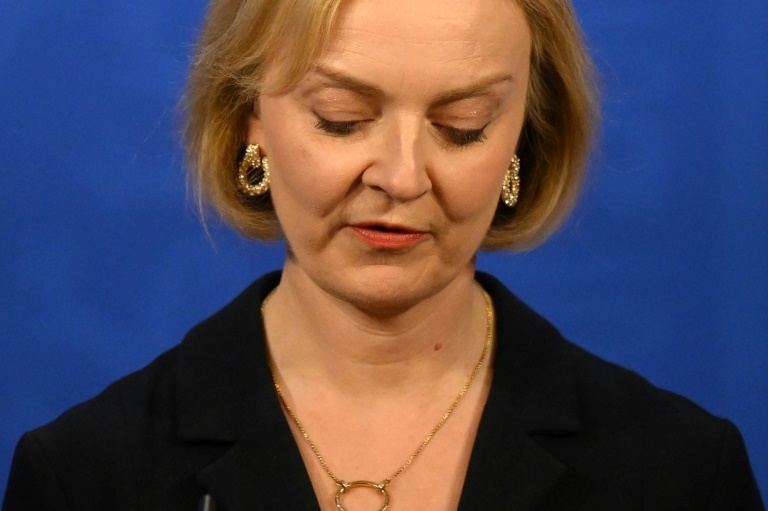
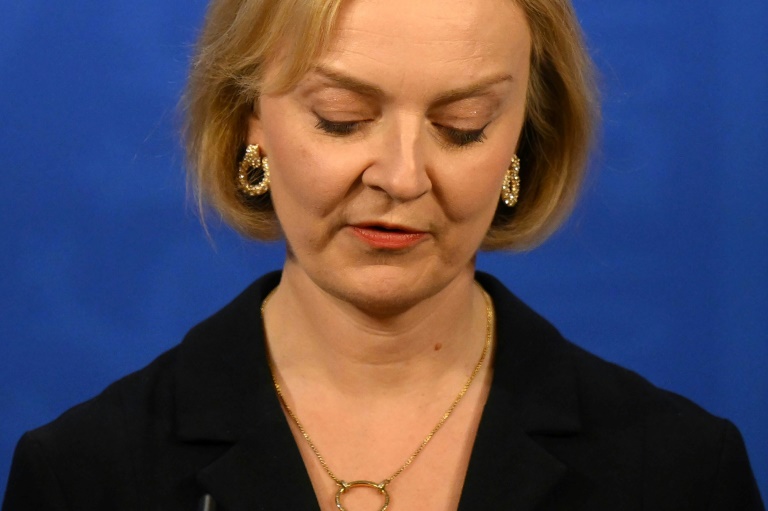
Jeremy Hunt was put in place on Friday after Prime Minister Liz Truss sacked Kwasi Kwarteng as she battles to save her political career just weeks after taking the keys to Downing Street.

Hunt is tipped to tear up the previous plans and warned at the weekend of tax hikes as he dramatically reversed course on right-wing Truss’ radical programme.

“It does indicate that they are moving back to some degree of fiscal probity and employing a slightly more prudent fiscal outlook,” said Peter Kinsella, of Union Bancaire Privee UBP SA.

The pound held above $1.12, having sunk Friday owing to the uncertainty in Westminster, while a news conference by Truss did very little to reassure nervous investors.

Bonds also rallied on the first day without the Bank of England support put in place in response to turmoil caused by Kwarteng’s mini-budget.

“There is no question that recent events have shattered confidence in the… current government, and trust once foregone is usually very difficult to get back,” said CMC Markets’ Michael Hewson.

“The wider question now is what happens next with respect to any new budget, and whether new Chancellor Jeremy Hunt can stabilise the ship at a time when global interest rates are rising anyway.”

The calm also lifted equities, with London in positive territory in the morning. There were also gains in Paris and Frankfurt.

Asia started the week in mixed fashion as Friday’s rally petered out.

The latest strong US inflation reading ramped up bets that the Federal Reserve will hike borrowing costs by 75 basis points twice more before the end of the year, stoking concerns the world’s top economy will flip into a recession.

All three main indexes on Wall Street finished sharply lower Friday.

There was a little disappointment among investors after Chinese President Xi Jinping at the weekend reasserted his commitment to the zero-Covid strategy of lockdowns that has hammered the economy this year.

“We expect that the existing Covid measures, that is the number of Covid tests, quarantine days, etc, will remain the same after the Party Congress,” said Iris Pang at ING.

“This will continue to put fiscal pressure on local governments, and when the number of Covid cases increase, we should keep seeing localised lockdowns.”

Traders are also keeping tabs on looming earnings reports, with expectations that higher rates and prices will have eaten into companies’ bottom lines.

Eyes are also on Tokyo as the yen sits around a three-decade low against the dollar owing to US rate hike expectations and the Bank of Japan’s refusal to tighten monetary policy, citing a need to support the economy.

The yen is approaching 150 to the dollar for the first time since 1990, but while officials have said they are keeping tabs on developments, they have yet to intervene in markets for a second time, having done so last month.

– Key figures around 0720 GMT –

Tokyo – Nikkei 225: DOWN 1.2 percent at 26,775.79 (close)

Hong Kong – Hang Seng Index: UP 0.2 percent at 16,612.90 (close)

Shanghai – Composite: UP 0.4 percent at 3,084.94 (close)

London – FTSE 100: UP 0.6 percent at 6,896.53

Pound/dollar: UP at $1.1262 from $1.1180 Friday

Dollar/yen: DOWN at 148.61 yen from 148.72 yen

Euro/dollar: UP at $0.9748 from $0.9724

Euro/pound: DOWN at 86.55 pence from 86.93 pence

West Texas Intermediate: UP 1.0 percent at $86.47 per barrel

Brent North Sea crude: UP 1.0 percent at $92.54 per barrel

New York – Dow: DOWN 1.3 percent at 29,634.83 (close)
Sterling rises with UK finance minister set to unveil spending plans

Sterling rose Monday as Britain’s new finance minister prepared to announce new tax and spending measures aimed at calming markets after a botched debt-fuelled budget by his predecessor sent shivers through trading floors.

Jeremy Hunt was put in place on Friday after Prime Minister Liz Truss sacked Kwasi Kwarteng as she battles to save her political career just weeks after taking the keys to Downing Street.

Hunt is tipped to tear up the previous plans and warned at the weekend of tax hikes as he dramatically reversed course on right-wing Truss’ radical programme.

“It does indicate that they are moving back to some degree of fiscal probity and employing a slightly more prudent fiscal outlook,” said Peter Kinsella, of Union Bancaire Privee UBP SA.

The pound held above $1.12, having sunk Friday owing to the uncertainty in Westminster, while a news conference by Truss did very little to reassure nervous investors.

Bonds also rallied on the first day without the Bank of England support put in place in response to turmoil caused by Kwarteng’s mini-budget.

“There is no question that recent events have shattered confidence in the… current government, and trust once foregone is usually very difficult to get back,” said CMC Markets’ Michael Hewson.

“The wider question now is what happens next with respect to any new budget, and whether new Chancellor Jeremy Hunt can stabilise the ship at a time when global interest rates are rising anyway.”

The calm also lifted equities, with London in positive territory in the morning. There were also gains in Paris and Frankfurt.

Asia started the week in mixed fashion as Friday’s rally petered out.

The latest strong US inflation reading ramped up bets that the Federal Reserve will hike borrowing costs by 75 basis points twice more before the end of the year, stoking concerns the world’s top economy will flip into a recession.

All three main indexes on Wall Street finished sharply lower Friday.

There was a little disappointment among investors after Chinese President Xi Jinping at the weekend reasserted his commitment to the zero-Covid strategy of lockdowns that has hammered the economy this year.

“We expect that the existing Covid measures, that is the number of Covid tests, quarantine days, etc, will remain the same after the Party Congress,” said Iris Pang at ING.

“This will continue to put fiscal pressure on local governments, and when the number of Covid cases increase, we should keep seeing localised lockdowns.”

Traders are also keeping tabs on looming earnings reports, with expectations that higher rates and prices will have eaten into companies’ bottom lines.

Eyes are also on Tokyo as the yen sits around a three-decade low against the dollar owing to US rate hike expectations and the Bank of Japan’s refusal to tighten monetary policy, citing a need to support the economy.

The yen is approaching 150 to the dollar for the first time since 1990, but while officials have said they are keeping tabs on developments, they have yet to intervene in markets for a second time, having done so last month.

– Key figures around 0720 GMT –

Tokyo – Nikkei 225: DOWN 1.2 percent at 26,775.79 (close)

Hong Kong – Hang Seng Index: UP 0.2 percent at 16,612.90 (close)

Shanghai – Composite: UP 0.4 percent at 3,084.94 (close)

London – FTSE 100: UP 0.6 percent at 6,896.53

Pound/dollar: UP at $1.1262 from $1.1180 Friday

Dollar/yen: DOWN at 148.61 yen from 148.72 yen

Euro/dollar: UP at $0.9748 from $0.9724

Euro/pound: DOWN at 86.55 pence from 86.93 pence

West Texas Intermediate: UP 1.0 percent at $86.47 per barrel

Brent North Sea crude: UP 1.0 percent at $92.54 per barrel

New York – Dow: DOWN 1.3 percent at 29,634.83 (close)

Russian kamikaze drones strike Kyiv in attack of 'desperation'

Ukraine said on Monday that Russia had attacked Kyiv with a swarm of “kamikaze drones”, in what the president’s office said was an act of desperation nearly eight months into Russia’s invasion.

An AFP journalist in Kyiv saw drones swooping low over a central district of the capital as police officers fired at them with automatic weapons and smoke rising from explosions across the city.

The attack comes exactly one week after Russia launched a massive two-day salvo of missile strikes over cities across Ukraine that disrupted energy and water supplies nationwide.

“They seem to be hitting us every Monday now,” said taxi driver Sergiy Prikhodko, who was waiting for a fare near the central train station in Kyiv.

“It’s a new way of starting the week,” he told AFP. 

Air raid sirens sounded in Kyiv shortly before the first explosion at around 6:35 am (0335 GMT), followed by sirens across most of the country.

“All night and all morning, the enemy terrorises the civilian population. Kamikaze drones and missiles are attacking all of Ukraine. The enemy can attack our cities, but it won’t be able to break us,” President Volodymyr Zelensky said.

Kyiv mayor Vitali Klitschko said a residential building in the central Shevchenkivsky district of the capital had been hit. He said 18 people had been rescued but two people were still trapped under the rubble.

– ‘More air defences’ –

The head of the national railways, Alexander Kamyshin, confirmed earlier attacks “near” the capital’s central rail hub.

“We need more air defence systems and as soon as possible. More weapons to defend the sky and destroy the enemy,” Zelensky’s chief of staff, Andriy Yermak, said on social media.

“The Russians think it will help them but it shows their desperation,” he also wrote.

The Ukrainian military said Russian drones and missiles were targeting towns and cities across the country. It estimated that Russian forces had fired two missiles and 26 air strikes, and carried out more than 80 rocket attacks.

“In the past 13 hours, the Ukrainian military shot down 37 Iranian Shahed-136 drones and three cruise missiles launched by Russian terrorists,” the defence ministry said in a separate statement.

In Kyiv, Klitschko said earlier the drone attacks in Shevchenkivsky district caused a fire and damaged several buildings. He warned residents to take shelter.

“Fire departments are working. Several residential buildings were damaged. Medics are on the spot,” he said on Telegram.

“We are clarifying the information about the casualties.”

Klitschko also posted a picture of what he said was the charred wreckage of one of the kamikaze drones — loitering munitions that can hover while waiting for a target to attack.

– ‘Iranian drones’ –

Zelensky last week said Iranian drones were used in Russian attacks on energy infrastructure in several cities, although Tehran denies supplying Russia with weapons for the war.

On October 10, Russian missiles rained down on Kyiv and other cities in the biggest wave of strikes in months.

The attacks killed at least 19 people, wounded 105 others and sparked an international outcry.

Moscow carried out further strikes on October 11, though on a smaller scale, striking energy installations in western Ukraine far from the front.

Russian President Vladimir Putin said the strikes were in retaliation for an explosion that damaged a key bridge linking Russia to the Moscow-annexed Crimean peninsula.

Putin last week expressed satisfaction and said there was no need for further massive strikes on Ukraine “for now”.

The Russian president also claimed Moscow was “doing everything right” in its invasion of Ukraine, despite a string of embarrassing defeats.

In southern Ukraine, Kyiv’s troops have been pushing closer and closer to Kherson, the main city in the region of the same name, just north of Crimea.

Kherson is one of four regions in Ukraine that Moscow recently claimed to have annexed, and the city of Kherson was the first major city to fall after the Kremlin launched its invasion in February.

Washington last week announced fresh military assistance for Kyiv “in the wake of Russia’s brutal missile attacks on civilians across Ukraine”.

The new $725-million package included more ammunition for the Himars rocket systems that have been used by Ukraine to wreak havoc on Russian targets.

It brings the total US military assistance to Ukraine to $17.6 billion since the Russian invasion began on February 24.

burs/gil

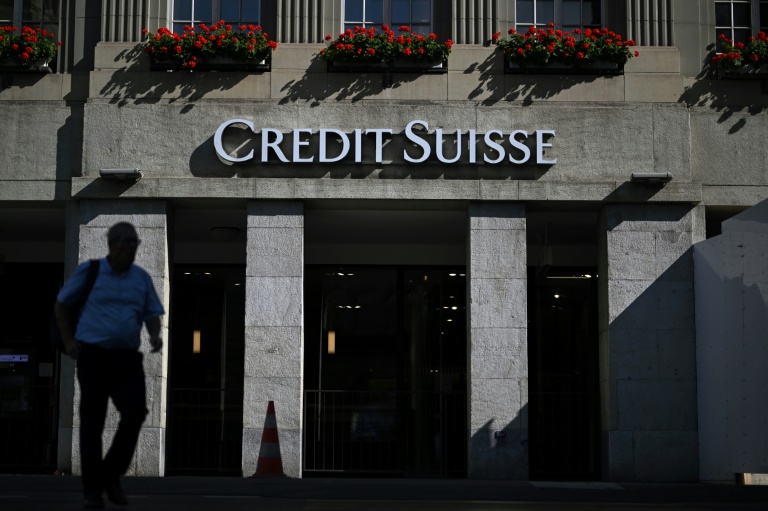
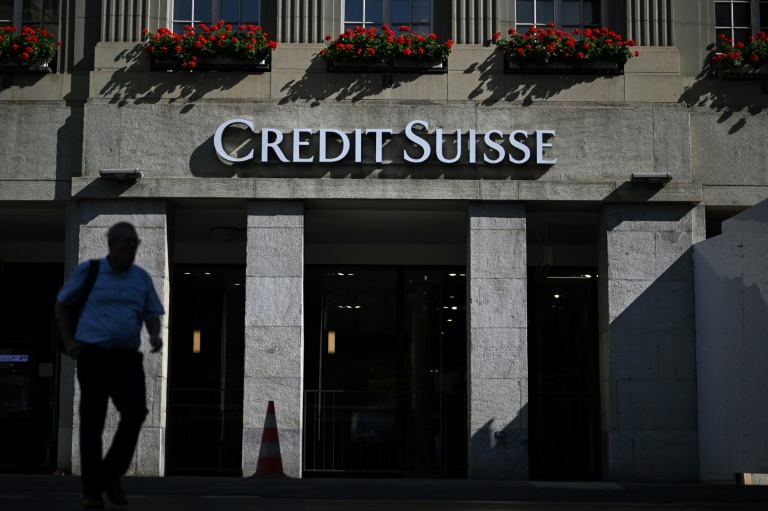
Credit Suisse to pay $495 mn in US to settle securities case

Credit Suisse said Monday it would pay $495 million to settle a row over mortgage-backed securities dating back to the 2008 financial crisis.

Switzerland’s second-biggest bank said it had agreed with New Jersey authorities to make the “one-time payment… to fully resolve claims” for compensation, and said it had already provisioned the amount.

In the claim filed in 2013, Credit Suisse was criticised for not having provided sufficient information on the risks relating to $10 billion of mortgage-backed securities.

Subprime mortgages, credit granted to borrowers often with poor credit histories or insufficient income, were packaged into financial products and sold to investors. 

But as borrowers defaulted on many of those mortgages, investors had no way of telling what portion of the loans in the derivatives were bad. 

Those products were at the heart of the 2008 financial crisis, which sparked a global recession and brought the international financial system to the brink of collapse.

Credit Suisse said the final settlement with the New Jersey Attorney General allowed it “to resolve the only remaining RMBS (residential mortgage-backed securities) matter involving claims by a regulator and the largest of its remaining exposures on its legacy RMBS docket”.

Shares rose after the statement on the SMI, the flagship index of the Swiss Stock Exchange.

Speculation has been growing ahead of an update scheduled by the new chief executive for later this month.

According to the Financial Times, the bank is considering not only disposals in its investment bank but also the sale of some of its domestic activities in Switzerland.

– Financial crisis fines –

In January 2017, US authorities forced Credit Suisse to pay out $5.28 billion over its role in the subprime crisis — three years after it was fined $2.6 billion for helping Americans avoid taxes.

Last year, Credit Suisse also paid $600 million to financial guarantee insurer MIBA to settle other long-running litigation connected to the US subprime mortgage crisis.

The bank said last January it was increasing the provisions set aside for the MBIA case and others involving mortgage backed securities by $850 million.

Some of the world’s biggest banks have also faced legal claims after the 2008 financial crash.

German banking giant Deutsche Bank agreed in December 2016 to pay $7.2 billion to settle a case with the US Department of Justice.

And British banking giant Barclays reached a deal in 2018 to pay a US fine of $2 billion over a fraud case involving subprime mortgage derivatives.

The Bank of America meanwhile agreed to a $17 billion deal with US authorities in 2014 to settle claims it sold risky mortgage securities as safe investments ahead of the 2008 financial crisis.

Credit Suisse to pay $495 mn in US to settle securities case

Credit Suisse said Monday it would pay $495 million to settle a row over mortgage-backed securities dating back to the 2008 financial crisis.

Switzerland’s second-biggest bank said it had agreed with New Jersey authorities to make the “one-time payment… to fully resolve claims” for compensation, and said it had already provisioned the amount.

In the claim filed in 2013, Credit Suisse was criticised for not having provided sufficient information on the risks relating to $10 billion of mortgage-backed securities.

Subprime mortgages, credit granted to borrowers often with poor credit histories or insufficient income, were packaged into financial products and sold to investors. 

But as borrowers defaulted on many of those mortgages, investors had no way of telling what portion of the loans in the derivatives were bad. 

Those products were at the heart of the 2008 financial crisis, which sparked a global recession and brought the international financial system to the brink of collapse.

Credit Suisse said the final settlement with the New Jersey Attorney General allowed it “to resolve the only remaining RMBS (residential mortgage-backed securities) matter involving claims by a regulator and the largest of its remaining exposures on its legacy RMBS docket”.

Shares rose after the statement on the SMI, the flagship index of the Swiss Stock Exchange.

Speculation has been growing ahead of an update scheduled by the new chief executive for later this month.

According to the Financial Times, the bank is considering not only disposals in its investment bank but also the sale of some of its domestic activities in Switzerland.

– Financial crisis fines –

In January 2017, US authorities forced Credit Suisse to pay out $5.28 billion over its role in the subprime crisis — three years after it was fined $2.6 billion for helping Americans avoid taxes.

Last year, Credit Suisse also paid $600 million to financial guarantee insurer MIBA to settle other long-running litigation connected to the US subprime mortgage crisis.

The bank said last January it was increasing the provisions set aside for the MBIA case and others involving mortgage backed securities by $850 million.

Some of the world’s biggest banks have also faced legal claims after the 2008 financial crash.

German banking giant Deutsche Bank agreed in December 2016 to pay $7.2 billion to settle a case with the US Department of Justice.

And British banking giant Barclays reached a deal in 2018 to pay a US fine of $2 billion over a fraud case involving subprime mortgage derivatives.

The Bank of America meanwhile agreed to a $17 billion deal with US authorities in 2014 to settle claims it sold risky mortgage securities as safe investments ahead of the 2008 financial crisis.

Portugal bets all on renewables after abandoning coal

As the UN steps up calls to make the switch to renewable energy to fight the global climate emergency, Portugal is among the first European Union countries to abandon coal.

It will share the lessons it has learned so far at November’s COP27 UN climate summit in Egypt.

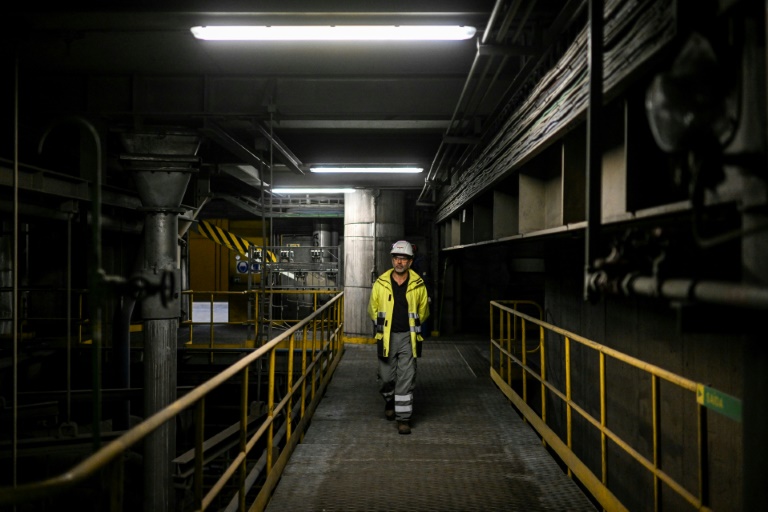
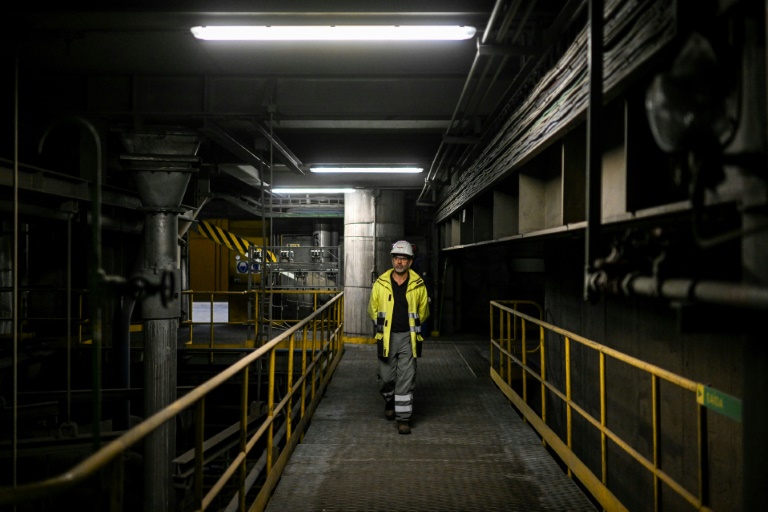
It has been nearly a year now since smoke has trailed up from the cooling towers of the coal plant in Pego, 120 kilometres (70 miles) northeast of the capital Lisbon.

The lights are off at the station, and the dust gathering on the steel structure attests to the fact that the last coal plant in Portugal shut down in November last year after 30 years in service.

The authorities in Lisbon shut down this fossil-fuel eight years sooner than planned — and just months after the Sines coal plant, some 90 kilometres south of Lisbon, closed at the start of 2021.

Portugal is one a handful of EU member states — along with Belgium and Sweden — to have renounced coal as an energy source.

The energy crisis triggered by the war in Ukraine prompted Austria to reverse a previous decision to close coal-fired plants.

Portugal however “remains convinced that it will not be necessary to renege on this decision,” Environment Minister Duarte Cordeiro said in mid-September.

– ‘An example in Europe’ –

“Portugal is an example in Europe,” says Pedro Nunes, an expert in renewable energy at the University of Lisbon, and policy officer with the environmental group Zero.

The two coal plants recently closed accounted for nearly 20 percent of Portugal’s greenhouse gases, he points out.

To replace coal’s contribution to electricity production, the government hopes to continue developing its green energy to provide 80 percent of its energy by 2026, up from 40 percent in 2017.

If the share of renewables in electrical output hit nearly 60 percent in 2021, the figure dropped back to 40 percent this year owing to a historic drought which slashed hydro-electric power.

The UN’s World Meteorological Organization called Tuesday for the world to double the supply of electricity from renewables by 2030 to prevent climate change from undermining global energy security.

Electricity has not only been a major source of carbon emissions driving climate change, but it is also vulnerable to the effects of a warming planet, the WMO said.

Portugal is aiming to increase its wind power and solar capacity — it currently ranks 8th and 13th respectively in Europe. But it remains heavily dependent on fossil fuels, which accounted for 71 percent of its energy mix in 2020, according to Eurostat.

In this transition phase, the strategy “initially passes via electricity produced by gas plants, which are one-third less polluting than coal”, said Nunes.

– Imports rising –

Portugal has used natural gas-fired combined cycle power plants like the one running since 2011 on the Pego site, next to the decommissioned coal plant. It is scheduled to run until 2035.

“It’s not by chance” that Portugal has been among the first in Europe to abandon coal, says Pedro Almeida Fernandes, tasked with renewable energies for the Portuguese subsidiary of Spain’s Endesa.

The country has been preparing for its energy transition “for a long time”, he says.

Endesa won the contract to reconvert by 2025 the Pego coal plant into a complex combining solar power, wind energy and green hydrogen. This is, after all, a place that enjoys 300 days of sunshine per year.

With that kind of resource, Portugal aims to increase solar power production by 50 percent to three gigawatts, in 2022 alone, according to a government estimate.

Nevertheless, Pedro Clemente Nunes, an energy specialist at Lisbon’s Technical University, said the country’s move away from coal had been “badly planned” in Portugal.

For a year, Portugal “considerably increased its electrical imports” from neighbouring Spain which “continues to produce energy from coal,” he said.

Portugal bets all on renewables after abandoning coal

As the UN steps up calls to make the switch to renewable energy to fight the global climate emergency, Portugal is among the first European Union countries to abandon coal.

It will share the lessons it has learned so far at November’s COP27 UN climate summit in Egypt.

It has been nearly a year now since smoke has trailed up from the cooling towers of the coal plant in Pego, 120 kilometres (70 miles) northeast of the capital Lisbon.

The lights are off at the station, and the dust gathering on the steel structure attests to the fact that the last coal plant in Portugal shut down in November last year after 30 years in service.

The authorities in Lisbon shut down this fossil-fuel eight years sooner than planned — and just months after the Sines coal plant, some 90 kilometres south of Lisbon, closed at the start of 2021.

Portugal is one a handful of EU member states — along with Belgium and Sweden — to have renounced coal as an energy source.

The energy crisis triggered by the war in Ukraine prompted Austria to reverse a previous decision to close coal-fired plants.

Portugal however “remains convinced that it will not be necessary to renege on this decision,” Environment Minister Duarte Cordeiro said in mid-September.

– ‘An example in Europe’ –

“Portugal is an example in Europe,” says Pedro Nunes, an expert in renewable energy at the University of Lisbon, and policy officer with the environmental group Zero.

The two coal plants recently closed accounted for nearly 20 percent of Portugal’s greenhouse gases, he points out.

To replace coal’s contribution to electricity production, the government hopes to continue developing its green energy to provide 80 percent of its energy by 2026, up from 40 percent in 2017.

If the share of renewables in electrical output hit nearly 60 percent in 2021, the figure dropped back to 40 percent this year owing to a historic drought which slashed hydro-electric power.

The UN’s World Meteorological Organization called Tuesday for the world to double the supply of electricity from renewables by 2030 to prevent climate change from undermining global energy security.

Electricity has not only been a major source of carbon emissions driving climate change, but it is also vulnerable to the effects of a warming planet, the WMO said.

Portugal is aiming to increase its wind power and solar capacity — it currently ranks 8th and 13th respectively in Europe. But it remains heavily dependent on fossil fuels, which accounted for 71 percent of its energy mix in 2020, according to Eurostat.

In this transition phase, the strategy “initially passes via electricity produced by gas plants, which are one-third less polluting than coal”, said Nunes.

– Imports rising –

Portugal has used natural gas-fired combined cycle power plants like the one running since 2011 on the Pego site, next to the decommissioned coal plant. It is scheduled to run until 2035.

“It’s not by chance” that Portugal has been among the first in Europe to abandon coal, says Pedro Almeida Fernandes, tasked with renewable energies for the Portuguese subsidiary of Spain’s Endesa.

The country has been preparing for its energy transition “for a long time”, he says.

Endesa won the contract to reconvert by 2025 the Pego coal plant into a complex combining solar power, wind energy and green hydrogen. This is, after all, a place that enjoys 300 days of sunshine per year.

With that kind of resource, Portugal aims to increase solar power production by 50 percent to three gigawatts, in 2022 alone, according to a government estimate.

Nevertheless, Pedro Clemente Nunes, an energy specialist at Lisbon’s Technical University, said the country’s move away from coal had been “badly planned” in Portugal.

For a year, Portugal “considerably increased its electrical imports” from neighbouring Spain which “continues to produce energy from coal,” he said.

From mediocre to medal-winning: Japan's koshu wine

Japanese food is famously paired with sake, but winemakers near Mount Fuji are on a mission to prove their bottles go just as well with crispy tempura and delicately sliced raw fish.

With its abundant rain and formidable summer humidity, Japan is far from ideal wine terroir, so producers have fine-tuned their craft to adapt to the challenges of the climate.

The result is an acclaimed wine called koshu: a light, dry white designed to complement the subtle flavours of Japanese cuisine that has scooped international awards.

Koshu has been produced in the mountainous region of Yamanashi since the first commercial vineyards were established there in the 1870s.

The thick-skinned grape variety grown for centuries in Yamanashi was seen as a hardy choice by early winemakers, who learned their techniques in France.

But the results were mediocre, even until two decades ago.

“We used to say koshu was not good for wine, or for eating — that it had no taste, no flavour, no colour,” Takayuki Tamura of Chateau Mercian, one of Yamanashi’s largest wine producers, told AFP.

Tamura, Mercian’s chief winemaker in the region, said the turning point for Koshu came in 2003, when a team of Japanese and French researchers from the University of Bordeaux discovered citrus notes in fermentation tests.

That “led to a re-think of agriculture methods and vinification techniques” to draw out these aromas, he explained.

Since then, winemakers in Yamanashi have invested heavily in koshu production, and it has paid off.

In 2021, two koshu vintages from the region’s wineries won the second-place platinum medal at the Decanter World Wine Awards, the world’s largest wine competition.

– Grape ‘umbrellas’ –

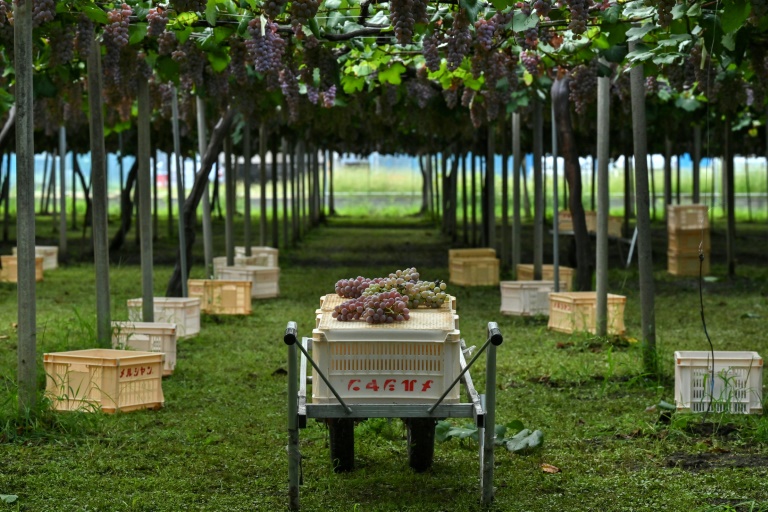
One of those award-winners was L’Orient Shirayuri Winery, a small family vineyard established in 1938, where workers inspect the dusky lilac grapes on their pergola under a low, stormy sky.

Growing on the structures “reduces the grapes’ exposure to humidity, and helps them dry in the wind”, said Keiya Uchida, general manager at Shirayuri.

To protect the fruit from the rain, each bunch is given a small umbrella-like hat made from a white material with a waxy surface.

“Foreign visitors often find that a bit mad” because of the time spent to attach the umbrellas, said the 28-year-old, who studied viticulture in France’s Burgundy.

But it’s an “essential” measure, as frequent downpours and high humidity “makes grapes fragile and prone to disease”.

Such efforts have transformed the fertile soils of Yamanashi, near Japan’s most famous peak, into the country’s premier wine region.

Around 90 producers compete to supply a burgeoning market for local wine, with many vineyards squeezed into rural corridors between built-up areas.

Imported wine, mainly from France, Chile and Italy, still makes up around two-thirds of the domestic market by volume, with prices ranging from cheap mass-produced plonk to eye-wateringly expensive vintages.

Most of the rest is produced in Japan, but using grapes from elsewhere.

However, in 2018, a special label was introduced to distinguish wine grown in the country, with the average price for a bottle around 2,000 to 3,000 yen ($13 to $20).

– ‘Renewed interest’ –

Such ‘made-in-Japan’ wine accounts for around five percent of the market, a share that is slowly increasing.

That could grow to 10 percent within five or six years thanks to the improving quality of koshu, said Mitsuhiro Anzo, director general at Chateau Mercian and president of the Yamanashi Prefecture Wine Manufacturers’ Association.

Marie Ishiyama, a 30-year-old Tokyo resident tasting the wines at Shirayuri, also believes demand is rising.

“Although foreign products are very popular, there’s a renewed interest for local, made-in-Japan products,” including wine, she told AFP.

Japan still sells very little wine abroad, with exports in 2021 worth 687 million yen (then $6.2 million) — compared with 46 billion yen ($420 million) for whisky and 40 billion yen for sake, its famous rice wine.

High labour costs, obstacles posed by Japan’s climate and limited farmland mean the nation will never produce and export wine at large volumes, said Frederic Cayuela, an instructor at Academie du Vin, a wine academy in Tokyo.

“So they have this really big focus on the quality rather than the quantity,” he told AFP.

Japan’s wine industry can grow a niche appeal by focusing on its unique tastes and how well the wine accompanies Japanese or fusion food, he said.

Anzo from Chateau Mercian, which is owned by drinks giant Kirin and picked up a gold medal for a koshu wine at the 2021 International Wine Challenge, is on the same wavelength.

“Twenty years ago, we were only trying to imitate foreign wine. But now, we have very specific varieties, like koshu,” he said.

“Many overseas consumers are interested in Japanese culture and cuisine, which is a good thing for Japanese wine.”

Asian markets track Wall St losses but sterling bounces

Asian equities dropped Monday, tracking a selloff on Wall Street as last week’s rally ran out of steam on fresh worries about rising interest rates and surging inflation.

The pound rose, however, after British Prime Minister Liz Truss replaced her finance minister and speculation swirled that she would row back on more of the debt-fuelled, tax-cutting budget that sent shivers through finance markets.

The healthy gains Asian markets enjoyed on Friday were largely wiped out in early trade as expectations about elevated prices and central bank moves to rein them in continued to fan recession fears.

Last week’s strong US inflation reading ramped up bets that the Federal Reserve will hike borrowing costs by 75 basis points twice more before the end of the year, stoking concerns the world’s top economy will flip into a recession.

All three main indexes on Wall Street finished sharply lower Friday, and Asia followed suit Monday.

Hong Kong shed more than one percent and Shanghai was also in the red, with Chinese President Xi Jinping at the weekend reasserting his commitment to the zero-Covid strategy of lockdowns that has hammered the economy this year.

There were also losses in Tokyo, Sydney, Seoul, Singapore, Taipei, Jakarta and Wellington.

Traders are also keeping tabs on looming earnings reports, with expectations that higher rates and prices will have eaten into companies’ bottom lines.

They will also be keeping a close eye on the United Kingdom as Truss battles for her political future just weeks after taking the keys to Number 10.

She sacked her finance minister Kwasi Kwarteng on Friday after coming under intense pressure following his controversial tax-cutting mini-budget.

His replacement, Jeremy Hunt, looked set to roll back several of the measures in a bid to reassure markets.

“It does indicate that they are moving back to some degree of fiscal probity and employing a slightly more prudent fiscal outlook,” said Peter Kinsella, of Union Bancaire Privee UBP SA. 

The pound was holding above $1.12 in Asian trade, having sunk Friday owing to the uncertainty in Westminster, while a news conference by Truss did very little to reassure nervous investors.

Eyes are also on Tokyo as the yen sits around a three-decade low against the dollar owing to US rate hike expectations and the Bank of Japan’s refusal to tighten monetary policy, citing a need to support the economy.

The yen is approaching 150 to the dollar for the first time since 1990, but while officials have said they are keeping tabs on developments, they have yet to intervene in markets for a second time, having done so last month.

– Key figures around 0230 GMT –

Tokyo – Nikkei 225: DOWN 1.4 percent at 26,703.00 (break)

Hong Kong – Hang Seng Index: DOWN 1.3 percent at 16,365.82

Shanghai – Composite: DOWN 0.2 percent at 3,065.88

Pound/dollar: UP at $1.1236 from $1.1180 Friday

Dollar/yen: DOWN at 148.59 yen from 148.72 yen

Euro/dollar: UP at $0.9747 from $0.9724

Euro/pound: DOWN at 86.76 pence from 86.93 pence

West Texas Intermediate: UP 0.8 percent at $86.31 per barrel

Brent North Sea crude: UP 0.9 percent at $92.41 per barrel

New York – Dow: DOWN 1.3 percent at 29,634.83 (close)
London – FTSE 100: UP 0.1 percent at 6,858.79 (close) 

Asian markets track Wall St losses but sterling bounces

Asian equities dropped Monday, tracking a selloff on Wall Street as last week’s rally ran out of steam on fresh worries about rising interest rates and surging inflation.

The pound rose, however, after British Prime Minister Liz Truss replaced her finance minister and speculation swirled that she would row back on more of the debt-fuelled, tax-cutting budget that sent shivers through finance markets.

The healthy gains Asian markets enjoyed on Friday were largely wiped out in early trade as expectations about elevated prices and central bank moves to rein them in continued to fan recession fears.

Last week’s strong US inflation reading ramped up bets that the Federal Reserve will hike borrowing costs by 75 basis points twice more before the end of the year, stoking concerns the world’s top economy will flip into a recession.

All three main indexes on Wall Street finished sharply lower Friday, and Asia followed suit Monday.

Hong Kong shed more than one percent and Shanghai was also in the red, with Chinese President Xi Jinping at the weekend reasserting his commitment to the zero-Covid strategy of lockdowns that has hammered the economy this year.

There were also losses in Tokyo, Sydney, Seoul, Singapore, Taipei, Jakarta and Wellington.

Traders are also keeping tabs on looming earnings reports, with expectations that higher rates and prices will have eaten into companies’ bottom lines.

They will also be keeping a close eye on the United Kingdom as Truss battles for her political future just weeks after taking the keys to Number 10.

She sacked her finance minister Kwasi Kwarteng on Friday after coming under intense pressure following his controversial tax-cutting mini-budget.

His replacement, Jeremy Hunt, looked set to roll back several of the measures in a bid to reassure markets.

“It does indicate that they are moving back to some degree of fiscal probity and employing a slightly more prudent fiscal outlook,” said Peter Kinsella, of Union Bancaire Privee UBP SA. 

The pound was holding above $1.12 in Asian trade, having sunk Friday owing to the uncertainty in Westminster, while a news conference by Truss did very little to reassure nervous investors.

Eyes are also on Tokyo as the yen sits around a three-decade low against the dollar owing to US rate hike expectations and the Bank of Japan’s refusal to tighten monetary policy, citing a need to support the economy.

The yen is approaching 150 to the dollar for the first time since 1990, but while officials have said they are keeping tabs on developments, they have yet to intervene in markets for a second time, having done so last month.

– Key figures around 0230 GMT –

Tokyo – Nikkei 225: DOWN 1.4 percent at 26,703.00 (break)

Hong Kong – Hang Seng Index: DOWN 1.3 percent at 16,365.82

Shanghai – Composite: DOWN 0.2 percent at 3,065.88

Pound/dollar: UP at $1.1236 from $1.1180 Friday

Dollar/yen: DOWN at 148.59 yen from 148.72 yen

Euro/dollar: UP at $0.9747 from $0.9724

Euro/pound: DOWN at 86.76 pence from 86.93 pence

West Texas Intermediate: UP 0.8 percent at $86.31 per barrel

Brent North Sea crude: UP 0.9 percent at $92.41 per barrel

New York – Dow: DOWN 1.3 percent at 29,634.83 (close)
London – FTSE 100: UP 0.1 percent at 6,858.79 (close) 

Close Bitnami banner
Bitnami