AFP

Made in Madrid: The Spanish tailors outfitting world cinema

With a vast wardrobe catering to everything from “House of the Dragon” to “The Crown”, Spain’s Peris Costumes has carved out a well-tailored niche for itself, renting costumes to producers across the globe.

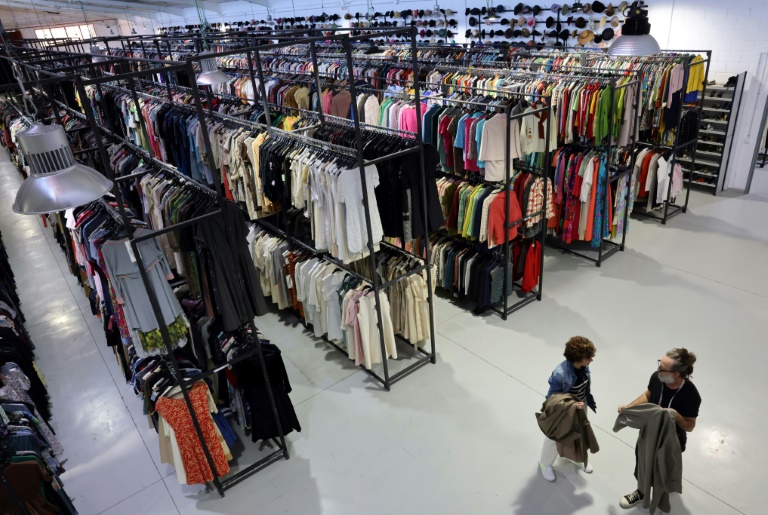
“Here, you can find everything,” says CEO Javier Toledo showing off a vast array of costumes and accessories — from suits of armour to frock coats, sailor suits and monastic robes.

All around him mannequins dressed in 18th-century gowns stand next to posters of the many films his company has worked on in recent years. 

“There are starting to be rather a lot,” admits the 63-year-old entrepreneur with white hair and a neatly trimmed goatee whose business is based in Algete, a small town just outside Madrid. 

Since Toledo took over 10 years ago, the business has been transformed. 

What began as a small family firm set up by tailors specialising in theatre costumes in the eastern coastal city of Valencia in 1856 has become a world leader in costume hire for the film industry.

And it’s a success story closely linked to the rise of on-demand streaming giants such as Netflix, Disney+ and HBO. 

“We have responded to the changes that have taken place in the market,” he told AFP, pointing notably to the explosion in popularity “of the series”.

When he bought the company, Peris Costumes only had a dozen staff, all based in Madrid. 

Today, the group employs 250 people and has offices or workshops in 15 capital cities, including Budapest, Berlin, Paris and Mexico City. 

“During the first half of the year, we were involved in almost 600 productions. And by the end of the year we’re hoping that will be more than 1,000,” says marketing director Myriam Wais. 

– Elizabeth Taylor’s ‘Cleopatra’ jewellery – 

Among the films and series that have chosen the company are numerous super-productions which are very demanding in terms of period or fantasy costumes.

Whether it’s “The Rings of Power”, “Mulan” or “Marco Polo”, many productions prefer to rent costumes rather than invest in making their own.

“Trying to make (the costumes) from scratch is practically impossible because of the time and costs involved,” says Toledo. 

And producers appreciate “having costumes that have been worn in and aged with time”, he explains.

To expand its catalogue, Peris Costumes has in recent years has bought up millions of gowns, hats, pairs of shoes and uniforms from studio giants like Warner Bros. 

And all these complement its own in-house collections put together in the workshops of its costume designers. 

“In total, we have more than 10 million articles” of clothing and accessories, says Wais, reeling off a list of the most popular styles and eras.

It is, she says, “the biggest wardrobe in the world”. 

In a nearby room, four garment makers are working with pieces of leather, with a hammer-like maul and pliers on hand.

“Right now, we’re working on our inventory but there are also orders,” she says. 

In another room is the jewellery workshop, where close to 20,000 pieces are stored, including the jewels worn by Elizabeth Taylor in the 1963 epic “Cleopatra” and the papal cross worn by Jude Law in the 2016 series “The Young Pope”.

– Damaged but never discarded –

At Peris Costumes, the rule is to never throw anything away, not even if it is damaged during filming. 

“We have an area called ‘The Walking Dead’ in which we put everything that is broken or damaged but that could be reused,” Wais says, the term referencing a TV series about zombie apocalypse survivors.

With demand showing little sign of ebbing, this Spanish outfitter has recently started digitising some of its catalogue with the help of a studio equipped with 144 high-resolution cameras.

Dubbed Peris Digital, this service lets production companies “create 3D images” of costumes which can be used “during post-production”, Wais says. 

And this “virtual wardrobe” has also proved popular with the makers of video games, the company says. 

US VP Harris lands in S. Korea after North's missile tests

US Vice President Kamala Harris was in South Korea Thursday to tour the heavily fortified border with the nuclear-armed North, on a trip aimed at strengthening the security alliance with Seoul.

Pyongyang conducted two banned ballistic missile launches in the days before Harris’s arrival, part of a record-breaking streak of weapons tests this year.

Speaking ahead of her meeting with South Korea’s President Yoon Suk-yeol, Harris said the countries’ alliance was “a linchpin of security and prosperity on the Korean peninsula”.

“I’m here to reinforce the strength of our alliance and strengthen our work together,” she added.

Washington stations about 28,500 troops in South Korea to help protect it from the North, and the allies are conducting a large-scale joint naval exercise this week in a show of force against the North.

Harris’ trip to the Demilitarized Zone (DMZ) is likely to infuriate Pyongyang, which branded United States House Speaker Nancy Pelosi the “worst destroyer of international peace” when she visited the border in August.

Harris arrived in Seoul after a trip to Japan, where she attended the state funeral of assassinated former prime minister Shinzo Abe, before telling US troops that America would operate “undaunted and unafraid” throughout Asia, including the Taiwan Strait.

Security issues were set to dominate her meeting with Yoon, although Seoul also planned to raise its concerns over a new law signed by US President Joe Biden that removes subsidies for electric cars built outside America, impacting Korean automakers such as Hyundai and Kia.

Harris, America’s first woman vice president, will also meet what the White House called “groundbreaking women leaders” of South Korea to discuss gender equality issues.

Yoon, who has pledged to abolish Seoul’s Ministry of Gender Equality, has faced domestic criticism for a lack of women in his cabinet. 

– Nuclear test? –

Harris lands in Seoul after months of warnings from South Korean and US officials that North Korean leader Kim Jong Un is preparing to conduct another nuclear test. 

On Wednesday, the South’s spy agency said the test could happen next month.

The isolated regime has tested nuclear weapons six times since 2006. Its last and most powerful one in 2017 — which Pyongyang claimed was a hydrogen bomb — had an estimated yield of 250 kilotons.

“North Korea’s growing nuclear missile threat raises concerns in Seoul about the reliability of Washington’s defense commitments,” said Leif-Eric Easley, a professor at Ewha University in Seoul.

But sending both the USS Ronald Reagan supercarrier and Kamala Harris is a demonstration of America’s military capabilities and political will, he added.

During President Yoon’s tenure, Seoul and Washington have boosted joint military exercises, which they insist are purely defensive. North Korea sees them as rehearsals for an invasion.

Cheong Seong-chang of the Center for North Korean Studies at the Sejong Institute told AFP that he expected Yoon and Harris to discuss the plan for responding to another nuclear test by Pyongyang. 

Harris’s trip is “an opportunity to strengthen the high-level cooperative and friendly relationship between South Korea and the United States”, he said.

On Thursday, Seoul said it would hold trilateral anti-submarine drills with Japan and the US, the first such exercises since 2017, after officials said this weekend they had detected signs Pyongyang could be preparing to fire a submarine-launched ballistic missile.

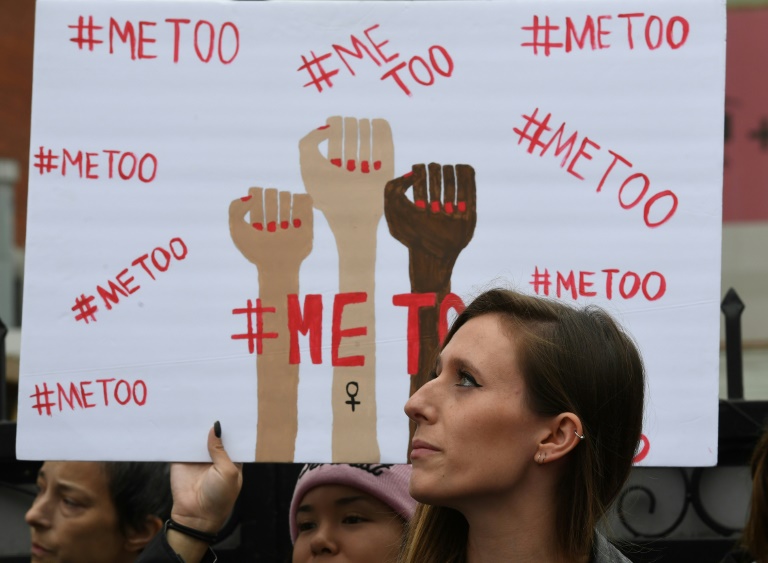
Five years on, how #MeToo shook the world

By forcing the world to wake up to the daily sexual abuse suffered by women, the #MeToo movement became a social revolution of historic importance. Its legacy is still being determined. 

It began with a tweet: on October 15, 2017, US actor Alyssa Milano invited women to share their experiences of sexual harassment under the words “Me too”. 

Within a year, the hashtag had been used more than 19 million times, according to Pew Research Center — pushing the issue of sexual assault to the top of the global agenda.

Of course, the movement sat on the shoulders of decades of feminist struggle — even the phrase “Me Too” was a decade old, created by activist Tarana Burke for a charity aimed at survivors of abuse.

It caught fire in the wake of an explosive New York Times investigation about film producer Harvey Weinstein who, it transpired, had for years been raping and assaulting women, many in the industry, and getting away with it. 

A reckoning came for many powerful figures in the entertainment industry.

Kevin Spacey was dropped from “House of Cards” and Ridley Scott’s “All the Money in the World” was reshot to replace him with another actor. 

The heads of Amazon Studios, Fox News, CBS and Vox Media were forced out. 

Actor James Franco, opera singer Placido Domingo, comedian Louis C.K., fashion photographer Terry Richardson, celebrity chef Mario Batali — barely a week went by without another illustrious name being shamed. 

The most serious allegations led to jail time for previously untouchable figures: Bill Cosby, once considered “America’s dad”, singer R. Kelly, and the ultra-connected financier Jeffrey Epstein.

The pressure spread beyond the entertainment business to embroil politicians, sports stars and major tech firms such as Google and Uber. 

– ‘A revolution’ –

Its strength lay in making visible what had always been lying in plain sight. 

“#MeToo showed that sexual and sexist violence was a daily reality, that it was banal,” said Sandrine Ricci, a sociologist at the University of Quebec in Montreal.

“The movement allowed people, especially victims, to better understand what was being done to them.”

The epicentre was the United States, but the aftershocks were global. 

When abuse cases emerged, they were harder to ignore, whether it was a Serbian drama teacher accused of rape, abuse by ultra-Orthodox leaders in Israel, or a “sex for grades” scandal at a Moroccan university. 

The Pew study found that a third of #MeToo tweets in the first year were written in a non-English language — seven percent were in Afrikaans, four percent in Somali — and that didn’t count the regional variants, such as #YoTambien in Spanish or #BalanceTonPorc (“rat out your pig”) in French. 

“People were surprised — they didn’t know how common sexual harassment is,” said Hillevi Ganetz at Stockholm University.

“Day after day there were testimonies, it was overwhelming,” she added. “It was a revolution and it was wonderful.”

– Resistance –

The backlash was almost immediate. 

By its nature, #MeToo targeted behaviour that was often hard to prove in court, and led to accusations that people were being “cancelled” without a proper enquiry.

Some fretted that it spelled the end of flirting — that it could strip the tension out of sexual tension. 

French film icon Catherine Deneuve was one who spoke out against the movement’s “puritanical” streak that threatened to turn women into “eternal victims”. 

The debate inevitably fell down the toilet bowl of the online culture wars — exemplified by the militant taking-of-sides in the Johnny Depp-Amber Heard trial earlier this year. 

The three-week disappearance of Chinese tennis star Peng Shuai after accusing former vice-premier Zhang Gaoli of forcing her into sex showed the serious extent that resistance could take. 

But even France — the scene of mass protests on the topic — has a president in Emmanuel Macron who has appointed at least three ministers carrying allegations of sexual assault. 

– ‘A long way off’ –

As the initial waves of the movement ebb, the hard task of encouraging societal change has taken over. 

“We are still a long way off putting solutions in place,” said Florence Rochefort of France’s National Centre for Scientific Research. 

With the world embroiled in economic and climate crises, “the timing is not great to resolve social problems”, she added.

Laws against rape have been toughened in many places, such as Sweden in 2018 and Spain last year.

Businesses around the world have introduced training, and no longer brush complaints under the carpet. 

Times Up, which campaigns on abuse in the film industry, is setting up a panel of experts to hear complaints, similar to standards authorities for doctors, teachers and other professionals. 

Such ideas cut both ways — providing a clear mechanism that encourages people to come forward, while countering those who claim the accused are found guilty without due process.

“We want to avoid trial by media,” said the group’s British chair Heather Rabbatts. 

“It doesn’t help anybody.” 

Australia's largest carbon emitter to exit coal by 2035

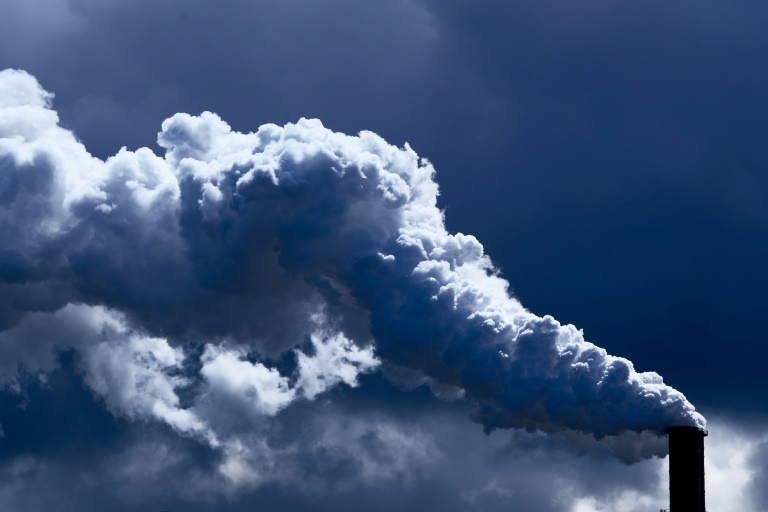
Australia’s biggest carbon polluter announced Thursday it will exit coal-fired power a decade early, as renewable projects surge in a country long seen as a climate laggard.

AGL said it would shutter one of Australia’s biggest carbon emitters, the Loy Yang A Power Station in Victoria’s Latrobe Valley, by mid-2035, a decade earlier than previously targeted.

Its closure would complete AGL’s exit from all coal-fired power, the company said.

“This represents one of the most significant decarbonisation initiatives in Australia,” said AGL chair Patricia McKenzie.

This week, Queensland said it would build one of the world’s largest pumped hydroelectric energy storage schemes and Victoria’s government pledged to build enough renewable energy storage for half of the state’s homes by 2035.

AGL is Australia’s largest energy provider and owns three of the country’s biggest coal-fired power stations.

The company has faced intense pressure in the past year from environmental groups and shareholder activists pushing for a faster transition away from coal.

AGL also confirmed Thursday that its largest coal-fired power station — Bayswater in New South Wales — remains on track to close before 2033.

Once the brown coal-burning Loy Yang A is closed in 2035, the company would be net zero for direct and indirect carbon emissions, McKenzie said.

– Turmoil to transition –

AGL’s incoming interim chief executive Damien Nicks said the closures were “a major step forward in Australia’s decarbonisation journey”.

Nicks acknowledged “mounting pressure” from banks and investors for AGL to go green during a market update Thursday.

The announcement marks a major shift for AGL, which has previously dug in against attempts by its largest shareholder, billionaire green activist Mike Cannon-Brookes, to decarbonise.

Earlier this year, Cannon-Brookes tried to buy the company for about US$6 billion — an offer AGL rejected as “well below the fair value of the company”.

But two months later, the energy giant abruptly announced the departure of its chairman Peter Botten, chief executive Graeme Hunt and a string of board members.

It also scrapped a long-planned move to spin off its lucrative but highly-polluting coal business, a “demerger” strongly criticised by Cannon-Brookes and Greenpeace.

“We have listened to our stakeholders… as well as government and energy regulatory authorities,” McKenzie said.

– States lead to net zero –

The Australian state of Queensland unveiled on Wednesday its plans to build one of the world’s largest pumped hydroelectric energy storage schemes.

The project sits at the centre of a plan to get Queensland — one of Australia’s fossil fuel heartlands — to 80 percent renewable energy by 2035.

“We know that Queenslanders understand climate change. Today, government understands that we need to take action,” Queensland Premier Annastacia Palaszczuk said.

The state of Victoria also announced this week that it would target 6.3 gigawatts of renewable storage by 2035 — enough to power half of its homes.

Both signal a major energy transition for Australia, where 71 percent of electricity is generated by fossil fuels — 51 percent of that from coal — according to government figures.

The country currently has the highest per capita coal emissions in the world, according to research by think tank Ember that was published in May.

— Anchors away —

Energy expert Greg Bourne, former President of BP Australasia, told AFP he believed that “many companies have had in the top drawer the plans they need to go forward and decarbonise”.

He said companies were now pulling out these plans because of two key factors: Australia’s change of government and the new market reality that “coal is not a commercially viable industry any longer”.

“We been walking along with a dragging anchor,” said Bourne, who serves as a member of Australia’s Climate Council. “That anchor has been dropped now, the acceleration is really on.”

He said he expected more announcements akin to AGL’s decarbonisation plan in the coming months, although it is “far too early to say” how this week’s news could filter in Australia’s national emissions.

Australia's largest carbon emitter to exit coal by 2035

Australia’s biggest carbon polluter announced Thursday it will exit coal-fired power a decade early, as renewable projects surge in a country long seen as a climate laggard.

AGL said it would shutter one of Australia’s biggest carbon emitters, the Loy Yang A Power Station in Victoria’s Latrobe Valley, by mid-2035, a decade earlier than previously targeted.

Its closure would complete AGL’s exit from all coal-fired power, the company said.

“This represents one of the most significant decarbonisation initiatives in Australia,” said AGL chair Patricia McKenzie.

This week, Queensland said it would build one of the world’s largest pumped hydroelectric energy storage schemes and Victoria’s government pledged to build enough renewable energy storage for half of the state’s homes by 2035.

AGL is Australia’s largest energy provider and owns three of the country’s biggest coal-fired power stations.

The company has faced intense pressure in the past year from environmental groups and shareholder activists pushing for a faster transition away from coal.

AGL also confirmed Thursday that its largest coal-fired power station — Bayswater in New South Wales — remains on track to close before 2033.

Once the brown coal-burning Loy Yang A is closed in 2035, the company would be net zero for direct and indirect carbon emissions, McKenzie said.

– Turmoil to transition –

AGL’s incoming interim chief executive Damien Nicks said the closures were “a major step forward in Australia’s decarbonisation journey”.

Nicks acknowledged “mounting pressure” from banks and investors for AGL to go green during a market update Thursday.

The announcement marks a major shift for AGL, which has previously dug in against attempts by its largest shareholder, billionaire green activist Mike Cannon-Brookes, to decarbonise.

Earlier this year, Cannon-Brookes tried to buy the company for about US$6 billion — an offer AGL rejected as “well below the fair value of the company”.

But two months later, the energy giant abruptly announced the departure of its chairman Peter Botten, chief executive Graeme Hunt and a string of board members.

It also scrapped a long-planned move to spin off its lucrative but highly-polluting coal business, a “demerger” strongly criticised by Cannon-Brookes and Greenpeace.

“We have listened to our stakeholders… as well as government and energy regulatory authorities,” McKenzie said.

– States lead to net zero –

The Australian state of Queensland unveiled on Wednesday its plans to build one of the world’s largest pumped hydroelectric energy storage schemes.

The project sits at the centre of a plan to get Queensland — one of Australia’s fossil fuel heartlands — to 80 percent renewable energy by 2035.

“We know that Queenslanders understand climate change. Today, government understands that we need to take action,” Queensland Premier Annastacia Palaszczuk said.

The state of Victoria also announced this week that it would target 6.3 gigawatts of renewable storage by 2035 — enough to power half of its homes.

Both signal a major energy transition for Australia, where 71 percent of electricity is generated by fossil fuels — 51 percent of that from coal — according to government figures.

The country currently has the highest per capita coal emissions in the world, according to research by think tank Ember that was published in May.

— Anchors away —

Energy expert Greg Bourne, former President of BP Australasia, told AFP he believed that “many companies have had in the top drawer the plans they need to go forward and decarbonise”.

He said companies were now pulling out these plans because of two key factors: Australia’s change of government and the new market reality that “coal is not a commercially viable industry any longer”.

“We been walking along with a dragging anchor,” said Bourne, who serves as a member of Australia’s Climate Council. “That anchor has been dropped now, the acceleration is really on.”

He said he expected more announcements akin to AGL’s decarbonisation plan in the coming months, although it is “far too early to say” how this week’s news could filter in Australia’s national emissions.

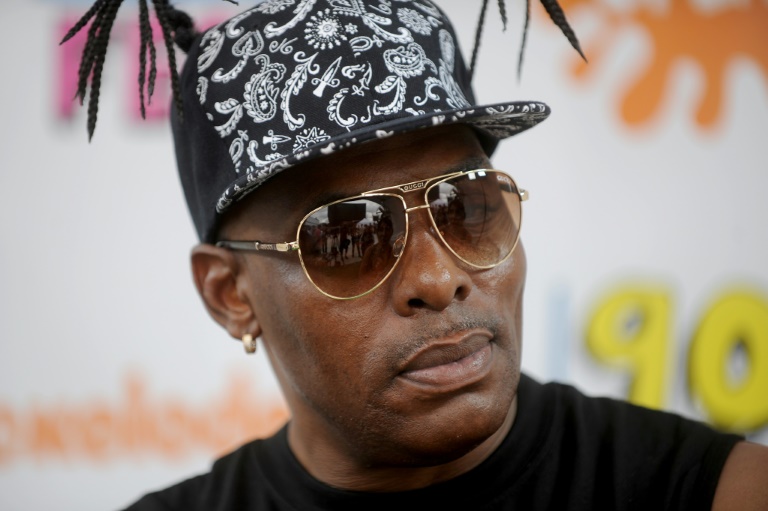
Coolio, rapper behind hit 'Gangsta's Paradise,' dies at 59

Coolio, the US rapper best known for the chart-topping 1995 song “Gangsta’s Paradise,” has died, his manager said Wednesday. He was 59 years old.

The Grammy-winning musician passed away in Los Angeles. No cause of death was immediately provided.

Coolio’s friend and long-standing manager Jarez Posey confirmed the news to AFP without providing additional details.

Posey told celebrity news website TMZ that Coolio was found unresponsive in the bathroom of a friend’s house on Wednesday afternoon.

Born Artis Leon Ivey Jr on August 1, 1963 in Pennsylvania, the artist spent most of his life in Compton, California, attending community college and working jobs including airport security before finding success in rap.

Coolio began his music career in California in the late 1980s, digging roots in the Los Angeles scene by 1994 when he signed to Tommy Boy Records.

His single “Fantastic Voyage” off his debut studio album “It Takes a Thief” charted as high as three on the Billboard Hot 100.

But it was “Gangsta’s Paradise” the following year that would make Coolio a household name.

The rapper soared to global fame in 1995 when he released the song for the soundtrack of the film “Dangerous Minds” that starred Michelle Pfeiffer.

It was the year’s top single, and scored Coolio a Grammy for best rap solo performance for the track at the subsequent awards gala.

With a hook lifted from Stevie Wonder’s 1976 track “Pastime Paradise” off of that artist’s seminal “Songs In The Key of Life,” the hit sold millions of copies worldwide, topping pop charts in 16 countries.

“Heartbroken to hear of the passing of the gifted artist @coolio,” wrote Pfeiffer on social media. “A life cut entirely too short.”

“30 years later I still get chills when I hear the song.”

– ‘It wrote me’ –

In an interview more than a decade later with Britain’s “The Voice,” Coolio said he had “no clue” that the song would go on to endure for so many years.

“I didn’t write Gangsta’s Paradise — it wrote me,” he said. “It was its own entity, out there in the spirit world, trying to find its way to the world, and it chose me as the vessel to come through.”

“I thought it was going to be a hood record; I never thought it would cross over the way that it did — to all ages, races, genres, countries and generations.”

He never recreated the success of his signature track but later put out hits including “1, 2, 3, 4 (Sumpin’ New)” and “Too Hot.”

An enduring star of gangsta rap, Coolio’s high-spirited music videos brought him an increased following. He later pursued an acting career, including nabbing a part in 1997’s “Batman and Robin” and making a number of television cameos including on the hit 1990s show “The Nanny.”

The social media reaction to the rapper’s death was one of shock, with 1990s rapper Vanilla Ice tweeting: “I’m freaking out I just heard my good friend Coolio passed away.”

“Peaceful Journey Brother. #Coolio,” wrote Questlove.

Gamers to bid farewell to FIFA franchise after 30 years

One of the biggest franchises in video game history is coming to an end on Friday with the release of FIFA 23, the final installment of a football game that has entranced millions of fans for the past three decades.

US game maker Electronic Arts (EA) and global football body FIFA spent months negotiating over the licensing agreement that has underpinned the game since its first edition in 1993.

But they confirmed the split in May when FIFA said it would be seeking other partners and EA said it would rebrand its game as “EA Sports FC” from next year.

For the final version, EA has included women’s club teams for the first time — though only from England and France — several years after it introduced women players.

Australian superstar Sam Kerr, who plays in the English league, is on the game’s cover along with French World Cup winner Kylian Mbappe.

“It is — and remains — one of the most popular franchises in all of gaming,” said Tom Wijman of Newzoo, a firm that analyses data on the industry.

The decoupling is risky for both EA and FIFA, with neither guaranteed success from their new ventures.

But analysts say EA is in a stronger position after spending 30 years developing and marketing the game.

The firm said last year that FIFA had sold more than 325 million copies over its three decades — reportedly generating more than $20 billion in sales.

– ‘Out on a high’ – 

Gamers were less bothered about the corporate fallout and just wanted to play the latest version of the game.

Professional eSports players — some of whom earn hundreds of thousands of dollars for playing the game — queued up to livestream their first attempts.

“One of my favourite videos ever,” tweeted Donovan Hunt, one of the most successful eSports players, linking to a YouTube video of his first try.

Swedish gamer Olle Arbin livestreamed his first attempt for 12 hours on Wednesday.

Reviewers have been impressed by the game’s improvements in graphics since the last edition, and praised additional features such as a “power shot” for giving gameplay another dimension.

“FIFA 23 sees the series bow out on a high, and provides encouraging signs for the debut of EA Sports FC this time next year,” wrote Ben Wilson on the specialist site GamesRadar.

– ‘Risky endeavour’ –

The video game industry, estimated to be worth around $300 billion a year, has become increasingly cutthroat in recent years with the biggest companies buying up many of their competitors.

EA had a turnover of $5.6 billion last year, making it one of the biggest game makers that remains outside the grasp of the four giants — Tencent, Sony, Microsoft and Nintendo.

The end of the deal with FIFA came after the football body reportedly raised its licensing fee demand from $150 million a year to $250 million — bring the total for the mooted four-year contract to $1 billion.

EA will lose the right to use the FIFA name and competitions such as the World Cup, but it can still use player names and non-FIFA competitions such as the English Premier League — a key advantage over its rivals.

However, the firm was already pivoting increasingly towards club competitions, both on and off screen.

It is taking on a five-year sponsorship deal of Spain’s top-flight La Liga next year, for a reported 30 to 40 million euros a year.

Newzoo’s Wijman said “EA Sports FC” has a good chance of success.

“Losing the FIFA brand may hurt EA’s chances somewhat, but they have the game engine, development teams, marketing expertise, and branding expertise,” he said.

FIFA could struggle to attract potential parters after its reported $1 billion demand, Wijman said.

It would be a “risky endeavour”, he said, “in any circumstance, but especially if you then have to compete with EA to build the most popular football game”.

Hurricane Ian pounds Florida as a monster storm

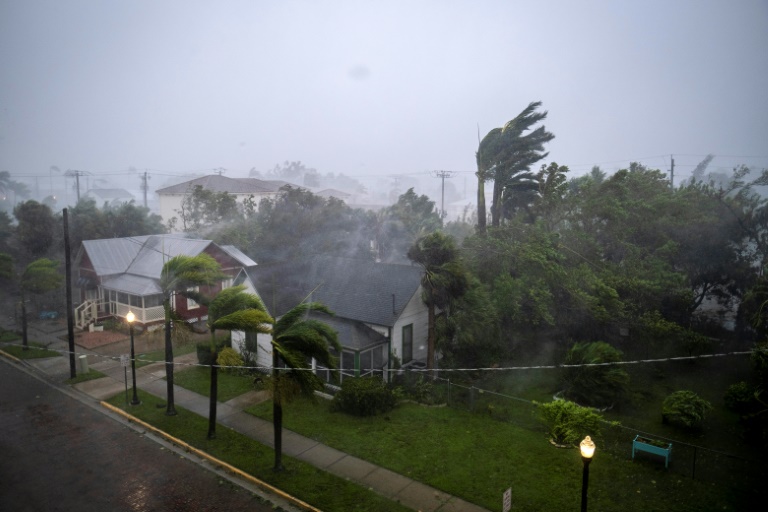
Hurricane Ian plunged much of coastal southwest Florida into darkness Wednesday, as the monster storm brought “catastrophic” storm surges, wind and flooding that had officials readying a huge emergency response.

The US Border Patrol said 20 migrants were missing after their boat sank, with four Cubans swimming to shore in the Florida Keys islands and three rescued at sea by the coast guard.

The National Hurricane Center (NHC) said the eye of the “extremely dangerous” hurricane made landfall just after 3:00 pm (1900 GMT) on the barrier island of Cayo Costa, west of the city of Fort Myers.

Dramatic television footage from the coastal city of Naples showed floodwaters surging into beachfront homes, submerging roads and sweeping away vehicles.

Some neighborhoods in Fort Myers, which has a population of more than 80,000, resembled lakes.

The NHC said Ian was packing maximum sustained winds of 150 miles (240 kilometers) per hour when it landed. 

It later weakened to a Category 1 hurricane with winds of 90 miles per hour, while still battering Florida with “storm surge, winds and flooding,” the NHC said at around 11:00 pm local time Wednesday (0300 GMT).

More than two million customers were without electricity in Florida on Wednesday evening, out of a total of more than 11 million, with southwestern areas of the state the hardest hit, according to the PowerOutage.us tracking website.

Ian is set to affect several million people across Florida and in the southeastern states of Georgia and South Carolina.

As hurricane conditions spread, forecasters warned of a once-in-a-generation calamity.

“This is going to be a storm we talk about for many years to come,” said National Weather Service director Ken Graham. “It’s a historic event.”

Florida’s Governor Ron DeSantis said the state was going to experience a “nasty, nasty day, two days.”

– ‘Life-threatening’ –

The town of Punta Gorda, north of Fort Myers, was in near-total darkness as the storm wiped out power, save for the lucky few buildings with generators.

Howling winds ripped branches off trees and pulled chunks out of roofs.

About 2.5 million people were under mandatory evacuation orders in a dozen coastal Florida counties, with several dozen shelters set up, and voluntary evacuation recommended in others.

For those who decided to ride out the storm, authorities stressed it was too late to flee and residents should hunker down and stay indoors.

Airports in Tampa and Orlando stopped all commercial flights, and cruise ship companies delayed departures or canceled voyages.

With up to 30 inches (76 centimeters) of rain expected to fall on parts of the so-called Sunshine State, and a storm surge that could reach devastating levels of 12 to 18 feet (3.6 to 5.5 meters), authorities were warning of dire emergency conditions.

“This is a life-threatening situation,” the NHC warned.

The storm was set to move across central Florida before emerging in the Atlantic Ocean by late Thursday.

– ‘Nothing is left here’ –

Ian had plunged all of Cuba into darkness a day earlier, after battering the country’s west as a Category 3 storm and downing the island’s power network.

“Desolation and destruction. These are terrifying hours. Nothing is left here,” a 70-year-old resident of the western city of Pinar del Rio was quoted as saying in a social media post by his journalist son, Lazaro Manuel Alonso.

At least two people died in Pinar del Rio province, Cuban state media reported.

In the United States, the Pentagon said 3,200 national guard personnel were called up in Florida, with another 1,800 on the way.

DeSantis said state and federal responders were assigning thousands of personnel to address the storm response.

“There will be thousands of Floridians who will need help rebuilding,” he said.

As climate change warms the ocean’s surface, the number of powerful tropical storms, or cyclones, with stronger winds and more precipitation is likely to increase.

The total number of cyclones, however, may not.

According to Gary Lackmann, a professor of atmospheric science at North Carolina State University, studies have also detected a potential link between climate change and rapid intensification — when a relatively weak tropical storm surges to a Category 3 hurricane or higher in a 24-hour period, as happened with Ian.

“There remains a consensus that there will be fewer storms, but that the strongest will get stronger,” Lackmann told AFP.

Hurricane Ian pounds Florida as a monster storm

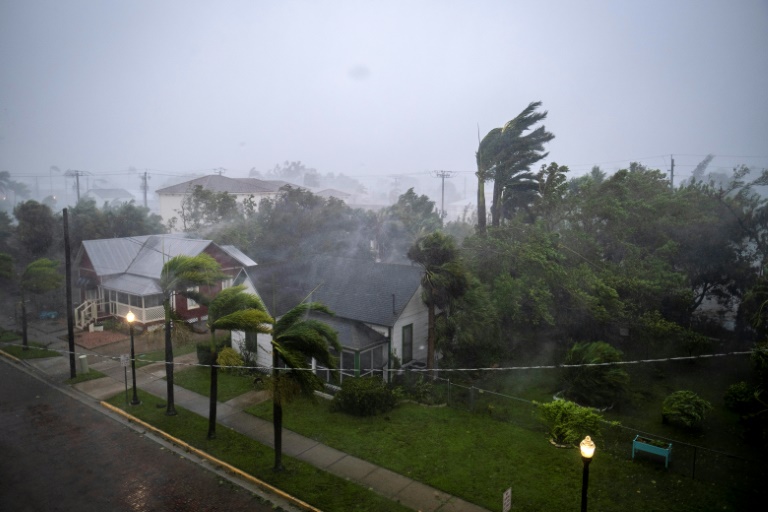
Hurricane Ian plunged much of coastal southwest Florida into darkness Wednesday, as the monster storm brought “catastrophic” storm surges, wind and flooding that had officials readying a huge emergency response.

The US Border Patrol said 20 migrants were missing after their boat sank, with four Cubans swimming to shore in the Florida Keys islands and three rescued at sea by the coast guard.

The National Hurricane Center (NHC) said the eye of the “extremely dangerous” hurricane made landfall just after 3:00 pm (1900 GMT) on the barrier island of Cayo Costa, west of the city of Fort Myers.

Dramatic television footage from the coastal city of Naples showed floodwaters surging into beachfront homes, submerging roads and sweeping away vehicles.

Some neighborhoods in Fort Myers, which has a population of more than 80,000, resembled lakes.

The NHC said Ian was packing maximum sustained winds of 150 miles (240 kilometers) per hour when it landed. 

It later weakened to a Category 1 hurricane with winds of 90 miles per hour, while still battering Florida with “storm surge, winds and flooding,” the NHC said at around 11:00 pm local time Wednesday (0300 GMT).

More than two million customers were without electricity in Florida on Wednesday evening, out of a total of more than 11 million, with southwestern areas of the state the hardest hit, according to the PowerOutage.us tracking website.

Ian is set to affect several million people across Florida and in the southeastern states of Georgia and South Carolina.

As hurricane conditions spread, forecasters warned of a once-in-a-generation calamity.

“This is going to be a storm we talk about for many years to come,” said National Weather Service director Ken Graham. “It’s a historic event.”

Florida’s Governor Ron DeSantis said the state was going to experience a “nasty, nasty day, two days.”

– ‘Life-threatening’ –

The town of Punta Gorda, north of Fort Myers, was in near-total darkness as the storm wiped out power, save for the lucky few buildings with generators.

Howling winds ripped branches off trees and pulled chunks out of roofs.

About 2.5 million people were under mandatory evacuation orders in a dozen coastal Florida counties, with several dozen shelters set up, and voluntary evacuation recommended in others.

For those who decided to ride out the storm, authorities stressed it was too late to flee and residents should hunker down and stay indoors.

Airports in Tampa and Orlando stopped all commercial flights, and cruise ship companies delayed departures or canceled voyages.

With up to 30 inches (76 centimeters) of rain expected to fall on parts of the so-called Sunshine State, and a storm surge that could reach devastating levels of 12 to 18 feet (3.6 to 5.5 meters), authorities were warning of dire emergency conditions.

“This is a life-threatening situation,” the NHC warned.

The storm was set to move across central Florida before emerging in the Atlantic Ocean by late Thursday.

– ‘Nothing is left here’ –

Ian had plunged all of Cuba into darkness a day earlier, after battering the country’s west as a Category 3 storm and downing the island’s power network.

“Desolation and destruction. These are terrifying hours. Nothing is left here,” a 70-year-old resident of the western city of Pinar del Rio was quoted as saying in a social media post by his journalist son, Lazaro Manuel Alonso.

At least two people died in Pinar del Rio province, Cuban state media reported.

In the United States, the Pentagon said 3,200 national guard personnel were called up in Florida, with another 1,800 on the way.

DeSantis said state and federal responders were assigning thousands of personnel to address the storm response.

“There will be thousands of Floridians who will need help rebuilding,” he said.

As climate change warms the ocean’s surface, the number of powerful tropical storms, or cyclones, with stronger winds and more precipitation is likely to increase.

The total number of cyclones, however, may not.

According to Gary Lackmann, a professor of atmospheric science at North Carolina State University, studies have also detected a potential link between climate change and rapid intensification — when a relatively weak tropical storm surges to a Category 3 hurricane or higher in a 24-hour period, as happened with Ian.

“There remains a consensus that there will be fewer storms, but that the strongest will get stronger,” Lackmann told AFP.

Macron faces strike as French unions flex muscles

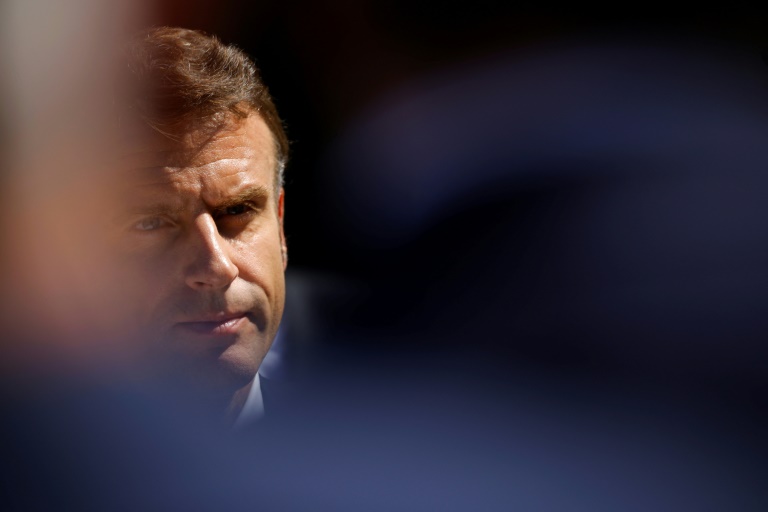
French schools, trains and businesses are set to be affected Thursday by the first major strike called since the re-election of President Emmanuel Macron in April, as unions push for wage hikes and the end of planned pension reform.

The extent of disruption remains uncertain, however, with the strike a test for the CGT union behind the protests, which is seeking to build support for a lengthy battle with the centrist government.

Macron has approved wage hikes for civil servants and teachers and put in place one of Europe’s most generous anti-inflation safety nets that has capped energy prices for households and held down inflation.

But his insistence on raising the retirement age from its current level of 62 — one of his main re-election campaign pledges — has stirred up unions and other left-wing opponents and remains broadly unpopular around the country.

“We are against pushing back the age of retirement because we consider it an aberration when there are so many unemployed people in this country,” Philippe Martinez, the head of the CGT, told the BFM broadcaster on Tuesday.

“Keeping people with work in their work means that people who haven’t got any can’t find it,” he added.

Despite warnings from allies about the risk of failure, Macron has tasked his government with hiking the retirement age from the current age of 62, one of the lowest in Europe, with changes set to take effect next year.

With deficits spiralling and public debt at historic highs, the former investment banker has argued that pushing back pensions and getting more people into jobs are the only ways the state can raise revenue without increasing taxes. 

His centrist party lost its majority in parliament in June, severely undermining his ability to push through changes. 

“If the president insists on declaring a social war on the people, we will respond with all the means at our disposal,” the parliamentary leader of the France Unbowed (LFI) political party, Mathilde Panot, tweeted on Wednesday.

– Stoppages – 

Thursday’s strike has been called by the CGT, France’s second-biggest union, with backing from smaller partners Solidaires and FSU.

The influential CFDT and hard-left FO unions have declined to take part, underlining splits in the country’s once formidable labour movement which has struggled to stop Macron’s economic and social security reforms since he came to power in 2017. 

Around one in 10 schools in Paris are expected to shut for the day on Thursday, while 300 will close in the southern Bouches-du-Rhone area which includes Marseille.

“We can really see that teachers are fed up with their salaries… if on top of that, there’s the issue of pensions, it risks creating some sparks,” said Guislaine David from the Snuipp-FSU union. 

SNCF railways and the RATP metro system in Paris are also bracing for disruption to services, while employees of oil and gas giant TotalEnergies have been on strike since Tuesday.

Despite anger over the soaring cost of living, Macron is in a hurry to push through pension reform, which he first promised in 2017 before pausing in 2020 during the Covid-19 pandemic.

“I don’t know anyone who wants to work for longer, but I don’t know anyone who thinks they are not going to work for longer,” a minister close to the president told AFP last week on condition of anonymity.

“Maybe I’m mistaken, but I’m not sure that the turnout will be as large as the unions and LFI are hoping for,” the minister said.

burs-adp/sjw/ah/mca

Close Bitnami banner
Bitnami