AFP

Oscar-winning actress Louise Fletcher dies at 88

Louise Fletcher, the US actress who won an Oscar in 1976 for her performance as villain Nurse Ratched in “One Flew Over the Cuckoo’s Nest,” has died, her family said in a statement to AFP Saturday.

While she was best known for her portrayal of Mildred Ratched, Fletcher had an acting career that spanned more than six decades, including numerous appearances in television shows.

Fletcher, who was 88, “died peacefully at her home in France surrounded by her family,” the statement said. 

She had a recurring role on “Star Trek: Deep Space Nine,” and garnered Emmy nominations for guest-starring roles on “Picket Fences” and “Joan of Arcadia” in 1996 and 2004 respectively. 

Born in 1934 in Birmingham, Alabama to hearing-impaired parents, Fletcher used sign language to thank them for their support during her Oscar acceptance speech.

Her last credited work was a two-episode run guest-starring on the Netflix show “Girlboss” in 2017, according to IMDb.com.

Fletcher died at her home that she built “out of a 300 year old farmhouse” in France’s south, her family said in the statement.

She is survived by two sons, US media reported.

burs/bfm/mdl

Russia stiffens penalty for surrender, replaces top general

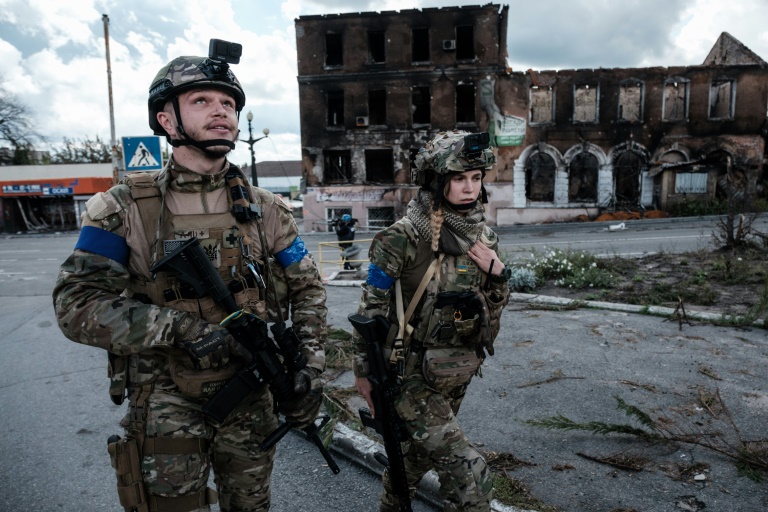
Russia on Saturday toughened penalties for soldiers voluntarily surrendering or refusing to fight, with up to 10 years imprisonment, and it replaced its top logistics general after a series of setbacks to its seven-month war in Ukraine.

Those developments come days after Russia instigated a partial mobilisation affecting up to 300,000 additional troops, at a time when Kyiv has taken back more and more territory in a stunning counter-offensive.

Seemingly in response to the new Russian penalties, Ukrainian President Volodymyr Zelensky directly addressed Russian citizens on Saturday, telling them that their president was knowingly “sending citizens to their death.”

Speaking in Russian, he called on Moscow’s forces to surrender, saying, “You will be treated in a civilized manner… No one will know the circumstances of your surrendering.”

His pointed remarks came as Kremlin-held regions of eastern and southern Ukraine voted for a second day on whether to become part of Russia, dramatically raising the stakes in the conflict. 

Integrating the four regions into Russia would mean that Moscow would consider any military move there as an attack on its own territory.

Zelensky has denounced the polls, on Friday calling them “crimes against international law and the law of Ukraine”.

Ukraine’s recent gains have laid bare flaws in Russia’s approach since it invaded on February 24, with some analysts seeing logistics as the weak link in Moscow’s army.

“Army General Dmitry Bulgakov has been relieved of the post of deputy minister of defence” and will be replaced by Colonel General Mikhail Mizintsev, aged 60, the defence ministry said.

Russia’s partial mobilisation, announced on Wednesday, will likely be one of Mizintsev’s first big logistical challenges, with the hundreds of thousands of reservists being called up needing equipment and training before deployment.

Military-age men have sought to leave, with flights full and neighbouring countries receiving an influx of Russians. Some 2,300 private vehicles were waiting at one crossing into Georgia, regional Russian authorities said.

“We were talking to our friends and many are thinking about leaving,” said Daria, 22, after fleeing Russia to Istanbul with many of her compatriots.

“Not everyone wanted to leave in February. The (mobilisation) decision of September 21 forced many to think about it again.”

More than 700 people were detained in protests on Saturday against the partial mobilisation, according to independent monitoring group OVD-Info. 

Now that President Vladimir Putin has signed the legislation, servicemen who desert, surrender “without authorisation”, refuse to fight or disobey orders can face up to 10 years imprisonment.

Looting will be punishable by 15 years imprisonment.

A separate law, also signed on Saturday, facilitates Russian citizenship for foreigners who enlist in the Russian army as the Kremlin seeks to bolster the ranks.

– Biden calls vote a ‘sham’ –

On Friday, US President Joe Biden dismissed as a “sham” the voting on whether Russia should annex four regions of Ukraine.

And in remarks at the UN General Assembly in New York, even Beijing, Moscow’s closest ally since the war began, called on Russia and Ukraine not to let the effects of the war “spill over”.

In his own address to the UN on Saturday, Russian Foreign Minister Sergei Lavrov bitterly criticized Western nations, saying the United States and its allies sought to “destroy” his country.

“The official Russophobia in the West is unprecedented. Now the scope is grotesque,” he said. 

He also defended the referendums, describing them as people claiming land “where their ancestors have been living for hundreds of years.”

The voting is being held in Russian-controlled areas of Donetsk and Lugansk in the east, and Kherson and Zaporizhzhia in the south.

Authorities there are going door-to-door to collect votes.

Polling stations then open Tuesday for residents to cast ballots on the final day of voting. Results are expected as early as late Tuesday.

“Ultimately, things are moving towards the restoration of the Soviet Union. The referendum is one step towards this,” Leonid, a 59-year-old military official, told AFP.

The snap referendums were announced just this week after the Ukrainian counter-offensive seized most of the northeast Kharkiv region — bringing hundreds of settlements back under Kyiv’s control after months of Russian occupation.

On Saturday, bad weather and stiff Russian resistance caused Ukraine’s counter-offensive to slow to a brutal slog in Kupiansk, in the eastern Kharkiv region. 

“For now, the rain is making it difficult to use heavy weapons everywhere. We can only use paved roads,” Ukrainian army sergeant Roman Malyna told AFP.

Irpin, close to the capital, was recaptured after weeks of fighting and residents have rallied to start rebuilding before winter sets in.

More than 100 apartment blocks in Irpin — dubbed a “hero city” by Zelensky for holding back Russian invaders — were badly damaged by shelling.

– Evidence of ‘war crimes’ –

Head of the residents’ association in his building, Mykhailo Kyrylenko looked proudly at the new roof taking shape.

“People don’t have much money, but they agreed” to donate funds to gradually restore shattered homes, he told AFP.

Putin this week warned that Moscow would use “all means” to protect its territory — which former Russian leader Dmitry Medvedev said on social media could include the use of “strategic nuclear weapons”.

UN investigators on Friday accused Russia of committing war crimes on a “massive scale” in Ukraine — listing bombings, executions, torture and horrific sexual violence.

In the eastern Kharkiv region, Ukrainian officials said they had exhumed 447 bodies from a site near the city of Izyum, which was recaptured from Russian forces.

The Kremlin has accused Kyiv of fabricating evidence of the alleged war crimes.

Russia stiffens penalty for surrender, replaces top general

Russia on Saturday toughened penalties for voluntary surrender and refusal to fight with up to 10 years imprisonment and replaced its top logistics general after a series of setbacks to its seven-month war in Ukraine. 

The tough new amendments and personnel change come days after Russia instigated partial mobilisation with Kyiv taking back more and more territory in a counter-offensive.

It also comes as Kremlin-held regions of eastern and southern Ukraine voted for a second day on becoming part of Russia, dramatically raising the stakes. 

Integrating the four regions into Russia would mean that Moscow would consider any military move there as an attack on its own territory.

Russia’s invasion, launched on February 24, and Ukraine’s recent gains have laid bare flaws, with some analysts seeing logistics as the weak link in Moscow’s army.

“Army General Dmitry Bulgakov has been relieved of the post of deputy minister of defence” and will be replaced by Colonel General Mikhail Mizintsev, aged 60, the defence ministry said.

Russia’s partial mobilisation announced on Wednesday will likely be one of his first big logistical challenges, with the hundreds of thousands of reservists being called up needing equipment and training before deployment.

Military-age men have sought to leave, with flights full and neighbouring countries receiving an influx of Russians, including Georgia where 2,300 private vehicles were waiting to enter at one crossing, regional Russian authorities said.

“We were talking to our friends and many are thinking about leaving,” said Daria, 22, after fleeing Russia to Istanbul along with many of her compatriots.

“Not everyone wanted to leave in February. The (mobilisation) decision of September 21 forced many to think about it again.”

More than 700 people were detained in protests on Saturday against the partial mobilisation, according to independent monitoring group OVD-Info. 

Now that President Vladimir Putin has signed the legislation, servicemen who desert, surrender “without authorisation”, refuse to fight or disobey orders can face up to 10 years imprisonment.

– ‘Sham’ –

Looting will be punishable by 15 years imprisonment. 

A separate law, also signed on Saturday, facilitates Russian citizenship for foreigners who enlist in the Russian army as the Kremlin seeks to bolster the ranks.

On Friday, US President Joe Biden dismissed as a “sham” the voting on whether Russia should annex four regions of Ukraine, which ends next Tuesday.

Even Beijing, Moscow’s closest ally since the war began, called on Russia and Ukraine not to let the effects of the war “spill over”.

The voting is being held in Russian-controlled areas of Donetsk and Lugansk in the east, and Kherson and Zaporizhzhia in the south.

For four days, authorities are going door-to-door to collect votes. Polling stations then open Tuesday for residents to cast ballots on the final day. Results are expected as early as late Tuesday or Wednesday.

“Ultimately, things are moving towards the restoration of the Soviet Union. The referendum is one step towards this,” Leonid, a 59-year-old military official, told AFP.

The snap referendums were announced just this week after the Ukrainian counter-offensive seized most of the northeast Kharkiv region — bringing hundreds of settlements back under Kyiv’s control after months of Russian occupation.

Bad weather and stiff Russian resistance caused Ukraine’s counter-offensive to slow to a brutal slog in Kupiansk in the eastern Kharkiv region on Saturday. 

“For now, the rain is making it difficult to use heavy weapons everywhere. We can only use paved roads,” Ukrainian army sergeant Roman Malyna told AFP.

Irpin, close to the capital, was recaptured after weeks of fighting and residents have rallied to start rebuilding before winter sets in.

Over 100 apartment blocks in Irpin — dubbed a “hero city” by President Volodymyr Zelensky for holding back Russian invaders — were badly damaged by shelling.

– Evidence of ‘war crimes’ –

Head of his building’s residents’ association Mykhailo Kyrylenko looked proudly at the new roof taking shape.

“People don’t have much money, but they agreed” to donate funds to gradually restore the shattered homes, he told AFP.

Putin this week warned that Moscow would use “all means” to protect its territory — which former Russian leader Dmitry Medvedev said on social media could include the use of “strategic nuclear weapons”.

Zelensky has denounced the polls, on Friday calling them “crimes against international law and the law of Ukraine”.

UN investigators on Friday accused Russia of committing war crimes on a “massive scale” in Ukraine — listing bombings, executions, torture and horrific sexual violence.

In the eastern Kharkiv region, Ukrainian officials said they had exhumed 447 bodies from a site near the city of Izyum, which was recaptured from Russian forces.

The Kremlin has accused Kyiv of fabricating evidence of the alleged war crimes.

W.House blasts 'catastrophic' Arizona abortion ban ruling

The White House on Saturday blasted a court ruling in Arizona that imposes a near-complete ban on abortions in the southwestern US state as “catastrophic, dangerous and unacceptable.”

On Friday, a judge in Arizona’s Pima County had ruled that the stricter ban — imposed in 1864 and expanded by a 1901 law, years before Arizona became a state — must be enforced.

“If this decision stands, health care providers would face imprisonment of up to five years for fulfilling their duty of care; survivors of rape and incest would be forced to bear the children of their assaulters; and women with medical conditions would face dire health risks,” spokeswoman Karine Jean-Pierre said in a statement.

The Arizona decision sparked outrage from abortion providers and seemed sure to plunge the thorny issue deeper into the national debate ahead of midterm elections in November.

The ruling “has the practical and deplorable result of sending Arizonans back nearly 150 years,” said Brittany Fonteno, president of the Arizona branch of Planned Parenthood, the country’s largest provider of reproductive services.

“No archaic law should dictate our reproductive freedom,” she said in a statement.

The ruling from Judge Kellie Johnson came in a case filed in Arizona seeking clarification after the US Supreme Court in June overturned the constitutional right to abortion but left it to the states to set new parameters.

The 1864 ban in Arizona, which permits abortions only when a woman’s life is in danger, had been blocked by injunction since 1973, when the US high court first found there was a constitutional right to abortion.

The Pima County ruling came a day before a ban on abortions after the 15th week of pregnancy, passed earlier by the Arizona legislature, was to take effect. That law was supported by Governor Doug Ducey, a Republican.

But with Republican-led states across the country imposing even more rigid rules since the Supreme Court decision, some in Arizona wanted to go further.

Arizona Attorney General Mark Brnovich, a Republican, asked the court to “harmonize” conflicting state laws, and he welcomed the Pima County ruling.

“We applaud the court for upholding the will of the legislature and providing clarity and uniformity on this important issue,” he said in a statement, the AZCentral.com news website reported.

Planned Parenthood had argued before Johnson that a number of abortion-related laws passed in Arizona since 1973 effectively created a right to abortion, but the judge was unswayed.

AZCentral reported that in the many years the 1864 law was in effect, numerous doctors and amateur abortion providers received jail terms for violating it. 

This year’s decision by the conservative-dominated Supreme Court has been seized on by Democrats, who expect it to anger and mobilize women to vote against Republicans in the fall. 

Several special elections held since that ruling have shown significantly higher female participation, and some Republican politicians, once absolutists, have begun to tiptoe around the subject.

In Arizona, a Donald Trump-backed candidate for the US Senate, Blake Masters, once described abortion as “genocide” and called for a federal “personhood” law for fetuses.

But as he slips in the polls, Masters has softened his tone and removed some of the toughest anti-abortion language on his website. 

He now voices opposition only to “very late-term and partial birth abortion,” two rare procedures. 

Climate activists block superyacht marina in French Riviera

Activists blocked a quayside on the French Riviera on Saturday to protest against what they called ultra-rich “climate criminals”.

Twenty protesters from the pressure group Attac closed off the gate leading to a quay at Antibes port where many superyachts are moored, an AFP correspondent saw.

Port Vauban Antibes on southern France’s Mediterranean coast, has 1,500 berths, including 18 for superyachts, which can reach up to 160 metres (524 feet) in length.

The group blocked the port for an hour as they unfurled banners reading “Disarm climate criminals” and “Don’t let the ultra-rich destroy the planet”.

“It is unacceptable to ask for efforts from those in a precarious situation when we do nothing against the ultra-rich,” said Raphael Pradeau, spokesperson for Attac.

The activists have launched a campaign against the owners of private jets and superyachts, including a petition which they say has already been signed by 10,000 people.

NASA scraps Tuesday Moon launch due to storm

NASA has called off the scheduled Tuesday launch of its historic uncrewed mission to the Moon due to a tropical storm that is forecast to strengthen as it approaches Florida.

After two previously canceled launch attempts, NASA is weighing returning the Artemis 1 mission rocket to its assembly site under the threat of extreme weather.

“NASA is forgoing a launch opportunity… and preparing for rollback (from the launchpad), while continuing to watch the weather forecast associated with Tropical Storm Ian,” it said on Saturday.

The US National Hurricane Center (NHC) said Ian is due to “rapidly intensify” over the weekend as it moves toward Florida, home to the Kennedy Space Center, from which the rocket is set to launch.

Currently south of Jamaica, the storm is expected to approach Florida’s west coast “at or near major hurricane strength” early next week, threatening storm surge, flooding and hurricane-force winds across much of the state, the NHC said.

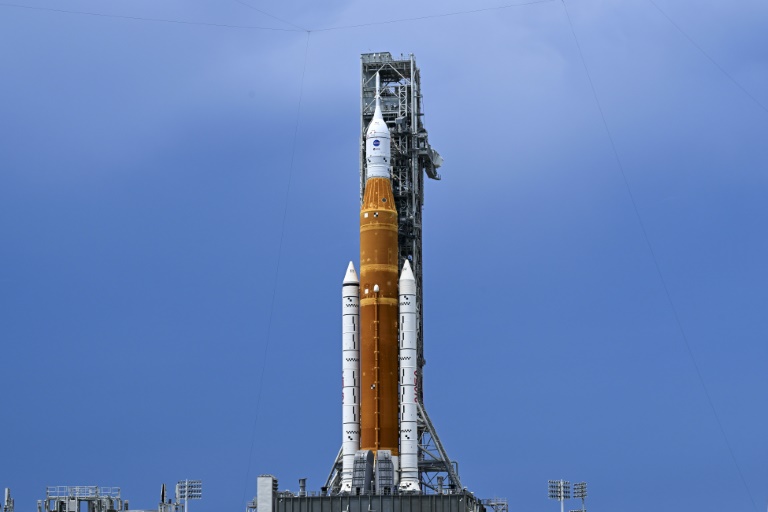
On the launchpad, the giant orange and white Space Launch System (SLS) rocket can withstand wind gusts of up to 137 kilometers (85 miles) per hour. But if it has to be sheltered, the current launch window, which runs until October 4, will be missed.

A decision on whether to roll back the rocket to the Vehicle Assembly Building is due to be taken by the Artemis 1 team on Sunday, “to allow for additional data gathering and analysis,” with the operation, if necessary, starting late Sunday or Monday morning, NASA said.

Jim Free, associate administrator for the agency’s exploration systems development directorate, said on Twitter that a “step-wise approach” to the decision to roll back preserves “a launch opportunity if conditions improve,” indicating a launch date before October 5 was still on the table.

If not, the next launch window will run from October 17 to 31, with one possibility of take-off per day, except from October 24-26 and 28.

The Artemis 1 space mission hopes to test the SLS as well as the unmanned Orion capsule that sits atop it, in preparation for future Moon-bound journeys with humans aboard.

Artemis is named after the twin sister of the Greek god Apollo, after whom the first Moon missions were named.

Unlike the Apollo missions, which sent only white men to the Moon between 1969 and 1972, Artemis missions will see the first person of color and the first woman step foot on the lunar surface.

A successful Artemis 1 mission would come as a huge relief to the US space agency, after years of delays and cost overruns. 

But another setback would be a blow to NASA, after two previous launch attempts were scrapped when the rocket experienced technical glitches including a fuel leak.

The cost of the Artemis program is estimated to reach $93 billion by 2025, with its first four missions clocking in at a whopping $4.1 billion each, according to a government audit.

NASA scraps Tuesday Moon launch due to storm

NASA has called off the scheduled Tuesday launch of its historic uncrewed mission to the Moon due to a tropical storm that is forecast to strengthen as it approaches Florida.

After two previously canceled launch attempts, NASA is weighing returning the Artemis 1 mission rocket to its assembly site under the threat of extreme weather.

“NASA is forgoing a launch opportunity… and preparing for rollback (from the launchpad), while continuing to watch the weather forecast associated with Tropical Storm Ian,” it said on Saturday.

The US National Hurricane Center (NHC) said Ian is due to “rapidly intensify” over the weekend as it moves toward Florida, home to the Kennedy Space Center, from which the rocket is set to launch.

Currently south of Jamaica, the storm is expected to approach Florida’s west coast “at or near major hurricane strength” early next week, threatening storm surge, flooding and hurricane-force winds across much of the state, the NHC said.

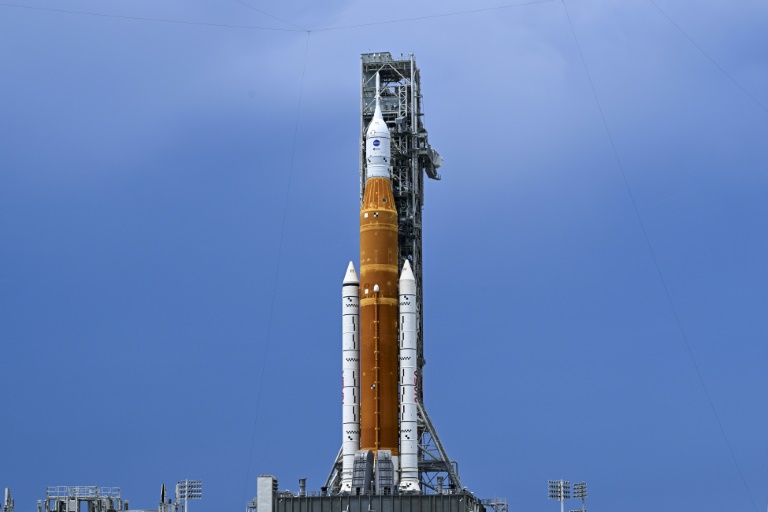
On the launchpad, the giant orange and white Space Launch System (SLS) rocket can withstand wind gusts of up to 137 kilometers (85 miles) per hour. But if it has to be sheltered, the current launch window, which runs until October 4, will be missed.

A decision on whether to roll back the rocket to the Vehicle Assembly Building is due to be taken by the Artemis 1 team on Sunday, “to allow for additional data gathering and analysis,” with the operation, if necessary, starting late Sunday or Monday morning, NASA said.

Jim Free, associate administrator for the agency’s exploration systems development directorate, said on Twitter that a “step-wise approach” to the decision to roll back preserves “a launch opportunity if conditions improve,” indicating a launch date before October 5 was still on the table.

If not, the next launch window will run from October 17 to 31, with one possibility of take-off per day, except from October 24-26 and 28.

The Artemis 1 space mission hopes to test the SLS as well as the unmanned Orion capsule that sits atop it, in preparation for future Moon-bound journeys with humans aboard.

Artemis is named after the twin sister of the Greek god Apollo, after whom the first Moon missions were named.

Unlike the Apollo missions, which sent only white men to the Moon between 1969 and 1972, Artemis missions will see the first person of color and the first woman step foot on the lunar surface.

A successful Artemis 1 mission would come as a huge relief to the US space agency, after years of delays and cost overruns. 

But another setback would be a blow to NASA, after two previous launch attempts were scrapped when the rocket experienced technical glitches including a fuel leak.

The cost of the Artemis program is estimated to reach $93 billion by 2025, with its first four missions clocking in at a whopping $4.1 billion each, according to a government audit.

Russia stiffens penalty for surrender, replaces top general

Russia on Saturday toughened penalties for voluntary surrender and refusal to fight with up to 10 years imprisonment and replaced its top logistics general after a series of setbacks to its seven-month war in Ukraine. 

The tough new amendments and personnel change come days after Russia instigated partial mobilisation with Kyiv taking back more and more territory in a counter-offensive.

It also comes as Kremlin-held regions of eastern and southern Ukraine voted for a second day on becoming part of Russia, dramatically raising the stakes. 

Integrating the four regions into Russia would mean that Moscow would consider any military move there as an attack on its own territory.

Russia’s invasion, launched on February 24, and Ukraine’s recent gains have laid bare flaws with some analysts seeing logistics as the weak link in Moscow’s army.

“Army General Dmitry Bulgakov has been relieved of the post of deputy minister of defence” and will be replaced by Colonel General Mikhail Mizintsev, aged 60, the defence ministry said.

Russia’s partial mobilisation announced on Wednesday will likely be one of his first big logistical challenges with the hundreds of thousands of reservists being called up needing to be equipped and trained before deployment.

Military-age men have sought to leave, with flights full and neighbouring countries receiving an influx of Russians, including Georgia where 2,300 private vehicles were waiting to enter at one crossing, regional Russian authorities said.

Now that President Vladimir Putin has signed the legislation, servicemen who desert, surrender “without authorisation”, refuse to fight or disobey orders can face up to 10 years imprisonment.

– ‘Sham’ –

Looting will be punishable by 15 years imprisonment. 

A separate law, also signed on Saturday, facilitates Russian citizenship for foreigners who enlist in the Russian army as the Kremlin seeks to bolster the ranks.

On Friday, US President Joe Biden has dismissed as a “sham” the voting on whether Russia should annex four regions of Ukraine, which ends next Tuesday.

Even Beijing, Moscow’s closest ally since the war began, called for the respect of “sovereignty and territorial integrity”.

The voting is being held in Russian-controlled areas of Donetsk and Lugansk in the east, and Kherson and Zaporizhzhia in the south.

For four days, authorities are going door-to-door to collect votes. Polling stations then open Tuesday for residents to cast ballots on the final day. Results are expected as early as late Tuesday or Wednesday.

“Ultimately, things are moving towards the restoration of the Soviet Union. The referendum is one step towards this,” Leonid, a 59-year-old military official, told AFP.

The snap referendums were announced just this week after the Ukrainian counter-offensive seized most of the northeast Kharkiv region — bringing hundreds of settlements back under Kyiv’s control after months of Russian occupation.

Irpin, close to the capital, was recaptured after weeks of fighting and residents have rallied to start rebuilding before winter sets in.

Over 100 apartment blocks in Irpin — dubbed a “hero city” by President Volodymyr Zelensky for holding back Russian invaders — were badly damaged by shelling.

– Evidence of ‘war crimes’ –

Head of his building’s residents’ association Mykhailo Kyrylenko looked proudly at the new roof taking shape.

“People don’t have much money, but they agreed” to donate funds to gradually restore the shattered homes, he told AFP.

Putin this week warned that Moscow would use “all means” to protect its territory — which former Russian leader Dmitry Medvedev said on social media could include the use of “strategic nuclear weapons”.

Zelensky has denounced the polls, on Friday calling them “crimes against international law and the law of Ukraine”.

G7 nations declared the polls will “never” be recognised and have “no legal effect or legitimacy”.

UN investigators on Friday accused Russia of committing war crimes on a “massive scale” in Ukraine — listing bombings, executions, torture and horrific sexual violence.

In the eastern Kharkiv region, Ukrainian officials said they had exhumed 447 bodies from a site near the city of Izyum, which was recaptured from Russian forces.

“Most of them have signs of violent death, and 30 have signs of torture,” said Kharkiv regional governor Oleg Synegubov.

“There are bodies with rope around their necks, with their hands tied, with broken limbs and gunshot wounds.” 

The Kremlin has accused Kyiv of fabricating evidence of the alleged war crimes.
Storm Fiona slams into east Canada, major power outages

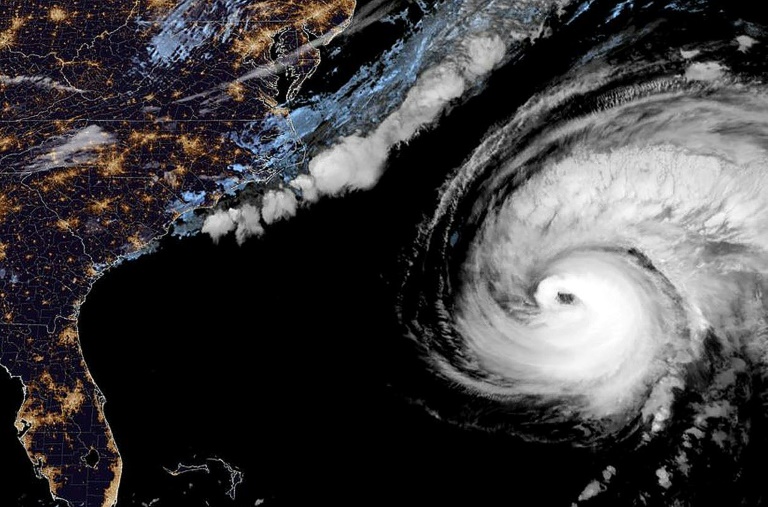
Powerful storm Fiona knocked out electricity to more than 500,000 homes Saturday as it lashed east Canada with strong winds and heavy rains in conditions that police said were “like nothing we’ve ever seen.”

Though downgraded from a hurricane, Fiona still packed winds of 85 miles (137 kilometers) per hour as it barreled ashore in the early hours after battering the Caribbean, according to meteorologists.

In the province of Novia Scotia, more than 400,000 households were without electricity, Novia Scotia Power reported.

In neighboring Price Edward Island, some 82,000 households lost power, with police in the provincial capital Charlottetown posting images of tangles of downed power lines and roofs punctured by felled trees. 

“Conditions are like nothing we’ve ever seen,” police tweeted. 

“It’s incredible, there is no electricity, no wi-fi, no more network,” said Charlottetown mayor Philip Brown on Radio-Canada TV.

“It’s stronger than Hurricane Juan in 2003. A lot of trees have fallen, there is a lot of flooding on the roads.”

Canada had issued severe weather warnings for swathes of its eastern coast.

“Significant impacts from high winds, storm surge, and heavy rainfall are expected,” the US National Hurricane Center said in an advisory. 

The Canadian Hurricane Center (CHC) said high-speed winds had been reported in Nova Scotia, Prince Edward Island, Iles-de-la-Madeleine and Newfoundland and that the storm would steam northeast, causing “damaging wind, waves, and storm surge.”

Rainfall of up to 4.9 inches (125 millimeters) was recorded in Nova Scotia and Prince Edward Island, the CHC said, with large waves hitting Nova Scotia and western Newfoundland of up to 40 feet (12 meters). 

The CHC said conditions would improve in western Nova Scotia and eastern New Brunswick on Saturday.

Authorities in Nova Scotia had issued an emergency alert on phones, saying people should stay inside with enough supplies for at least 72 hours.

In Halifax, the capital of Nova Scotia, stores sold out of propane gas cylinders for camping stoves as residents stocked up.

Before it hit, Prime Minister Justin Trudeau called the storm “a bad one,” adding it “could have significant impacts right across the region.”

– Puerto Rico hard hit –

Fiona had skirted Bermuda a day earlier, with residents battening down and authorities calling for people to remain inside as strong winds raked over the British territory. No fatalities or major damage were reported as the storm passed roughly 100 miles to the west of the island.

Bermuda, whose economy is fueled by international finance and tourism, is wealthy compared with most Caribbean countries, and structures must be built to strict planning codes to withstand storms. Some have done so for centuries.

Fiona killed at least four people in Puerto Rico earlier this week, according to US media, while two deaths were reported in the Dominican Republic and one in the French overseas department of Guadeloupe. 

President Joe Biden declared a state of emergency in Puerto Rico, a US territory that is still struggling to recover from Hurricane Maria five years ago.

In the Dominican Republic, President Luis Abinader declared three eastern provinces to be disaster zones.

burs-st-aha/sw/bgs

France's TotalEnergies injects further $1.5 bn into Qatar gas

France’s TotalEnergies on Saturday signed a new $1.5 billion deal to help expand Qatar’s natural gas production as Europe scrambles to find new energy sources to replace Russian supplies.

But TotalEnergies chairman Patrick Pouyanne and Qatar Energy Minister Saad Sherida Al-Kaabi expressed surprise at reports that Germany was resisting 20-year contracts — insisting that Europe must agree longer contracts to guarantee supplies.

The French energy giant will have a 9.3 percent stake in Qatar’s North Field South project, part of the world’s biggest natural gas reserves, Kaabi said at a signing ceremony.

Pouyanne said TotalEnergies would invest $1.5 billion in the new field.

It had already agreed in June to put more than $2 billion into Qatar’s North Field East and Kaabi said: “With this agreement, we see an enhanced position for TotalEnergies as a long term strategic partner”.

Twenty five percent of the field is to be reserved for foreign firms and more deals will be announced in coming weeks, Kaabi said.

Britain’s Shell, Italy’s ENI and US giants ConocoPhillips and ExxonMobil have already signed up to be part of North Field East.

– Security will cost –

Qatar has embarked on a massive expansion of the whole North Field, aiming to increase its liquefied natural gas (LNG) production by more than 60 percent by 2027.

The boost comes as Europe struggles to replace supplies of Russian oil and natural gas that have fallen victim to the Ukraine war.

Kaabi, who is to host talks with German Chancellor Olaf Scholz in Doha on Sunday, refused to discuss negotiations with Germany but expressed surprise at media reports that Qatar was insisting on a 20 year supply deal.

Russia’s invasion of Ukraine in February came as Europe was already facing an energy crisis and the Gulf state has hosted muliple visits by European leaders seeking gas supplies.

Europe had rejected the long-term deals that Qatar seeks, but a change in attitude has been forced as it faces a looming winter of energy shortages.

“We are in active discussions with the majority of buyers around the world and some are advancing more than others,” Kaabi told a news conference after the ceremony.

“For us, 15 years plus constitutes a long term deal,” the minister added.

Pouyanne said Europe had to accept longer deals to guarantee supplies. Producer countries and energy majors have insisted on the need for certainty in contracts to justify the huge investments needed in the gas industry.

“Most of the leaders of the world have discovered the words LNG,” said Pouyanne.

“The question is simple — the longer it (the contract) is, the better the price will be for the buyer.

“If you want a cheap price for a short duration, the answer will be ‘no’.”

Qatar is one of the world’s top LNG producers, alongside the United States, Australia and Russia. 

State-owned Qatar Energy estimates the North Field holds about 10 percent of the world’s known natural gas reserves.

LNG from the North Field is expected to start coming on line in 2026.

The offshore reserves extend over the maritime border with Iran, whose efforts to exploit its adjacent South Pars field have been hindered by US sanctions.

South Korea, Japan and China have traditionally been the main markets for Qatari LNG.

Qatar’s gas is among the cheapest to produce and has fuelled an economic boom in the tiny Gulf emirate, which is now one of the world’s wealthiest countries.

Close Bitnami banner
Bitnami