AFP

Eurozone equities bounce from Fed-induced sell-off

Eurozone stocks rebounded Tuesday from recent losses, but London gains were capped as investors played catch-up after a long weekend.

In midday deals, Frankfurt equities jumped 1.9 percent ahead of key German inflation data and Paris won 1.2 percent.

Both markets had slumped Monday as traders digested Federal Reserve chief Jerome Powell’s warning of more interest rate hikes to fight runaway inflation.

London eked out gains on Tuesday after a public holiday closure the day before, while the euro held above one dollar.

Sentiment had soured late Friday after Powell indicated more monetary tightening was needed to bring inflation down from four-decade highs, news that sent Wall Street into a tailspin.

– Positive note –

“European markets have started the week on a positive note following Friday’s sell-off on Wall Street after Powell struck a hawkish tone,” said Interactive Investor analyst Victoria Scholar on Tuesday.

“US futures are pointing to a bounce back, as markets look set to regain some lost ground.”

German inflation data is expected to show how the ongoing energy crisis has further stoked price pressures in the eurozone’s powerhouse economy.

Natural gas prices however dipped Tuesday despite jitters over supply disruptions from key producer Russia.

Europe’s benchmark Dutch TTF gas contract slid to 259.405 euros per megawatt hour, having stuck a March peak late on Friday.

French energy firm Engie said Tuesday that Russian energy giant Gazprom was slashing its natural gas deliveries “due to a disagreement between both sides over the execution of contracts”.

Engie added in a statement that Russian gas supplies had already been reduced drastically after Russia invaded Ukraine in February.

Many European countries are facing severe supply problems as Moscow turns off the gas taps in response to EU military and diplomatic backing for Ukraine.

Asian stocks indices diverged on Tuesday, winning limited support from bargain-buying.

Confidence remains at a premium as traders contemplate the prospect of more Fed rate hikes and a possible recession.

Oil tanked Tuesday on fears about a major hit to demand from any global economic slowdown — and news of more Covid restrictions in key consumer China.

– Key figures at around 1100 GMT –

London – FTSE 100: UP 0.1 percent at 7,435.36 points

Frankfurt – DAX: UP 1.9 percent at 13,141.45

Paris – CAC 40: UP 1.2 percent at 6,298.71

EURO STOXX 50: UP 1.5 percent at 3,622.75

Tokyo – Nikkei 225: UP 1.1 percent at 28,195.58 (close)

Hong Kong – Hang Seng Index: DOWN 0.4 percent at 19,949.03 (close)

Shanghai – Composite: DOWN 0.4 percent at 3,227.22 (close)

New York – Dow: DOWN 0.6 percent at 32,098.99 (close)

Euro/dollar: UP at $1.0034 from $0.9972 on Monday

Pound/dollar: UP at $1.1736 from $1.1709

Euro/pound: UP at 85.50 pence from 85.38 pence

Dollar/yen: DOWN at 138.34 yen from 138.68 yen

West Texas Intermediate: DOWN 1.8 percent at $95.23 per barrel

Brent North Sea crude: DOWN 2.4 percent at $102.53 per barrel

burs/rfj/jj

Eurozone equities bounce from Fed-induced sell-off

Eurozone stocks rebounded Tuesday from recent losses, but London gains were capped as investors played catch-up after a long weekend.

In midday deals, Frankfurt equities jumped 1.9 percent ahead of key German inflation data and Paris won 1.2 percent.

Both markets had slumped Monday as traders digested Federal Reserve chief Jerome Powell’s warning of more interest rate hikes to fight runaway inflation.

London eked out gains on Tuesday after a public holiday closure the day before, while the euro held above one dollar.

Sentiment had soured late Friday after Powell indicated more monetary tightening was needed to bring inflation down from four-decade highs, news that sent Wall Street into a tailspin.

– Positive note –

“European markets have started the week on a positive note following Friday’s sell-off on Wall Street after Powell struck a hawkish tone,” said Interactive Investor analyst Victoria Scholar on Tuesday.

“US futures are pointing to a bounce back, as markets look set to regain some lost ground.”

German inflation data is expected to show how the ongoing energy crisis has further stoked price pressures in the eurozone’s powerhouse economy.

Natural gas prices however dipped Tuesday despite jitters over supply disruptions from key producer Russia.

Europe’s benchmark Dutch TTF gas contract slid to 259.405 euros per megawatt hour, having stuck a March peak late on Friday.

French energy firm Engie said Tuesday that Russian energy giant Gazprom was slashing its natural gas deliveries “due to a disagreement between both sides over the execution of contracts”.

Engie added in a statement that Russian gas supplies had already been reduced drastically after Russia invaded Ukraine in February.

Many European countries are facing severe supply problems as Moscow turns off the gas taps in response to EU military and diplomatic backing for Ukraine.

Asian stocks indices diverged on Tuesday, winning limited support from bargain-buying.

Confidence remains at a premium as traders contemplate the prospect of more Fed rate hikes and a possible recession.

Oil tanked Tuesday on fears about a major hit to demand from any global economic slowdown — and news of more Covid restrictions in key consumer China.

– Key figures at around 1100 GMT –

London – FTSE 100: UP 0.1 percent at 7,435.36 points

Frankfurt – DAX: UP 1.9 percent at 13,141.45

Paris – CAC 40: UP 1.2 percent at 6,298.71

EURO STOXX 50: UP 1.5 percent at 3,622.75

Tokyo – Nikkei 225: UP 1.1 percent at 28,195.58 (close)

Hong Kong – Hang Seng Index: DOWN 0.4 percent at 19,949.03 (close)

Shanghai – Composite: DOWN 0.4 percent at 3,227.22 (close)

New York – Dow: DOWN 0.6 percent at 32,098.99 (close)

Euro/dollar: UP at $1.0034 from $0.9972 on Monday

Pound/dollar: UP at $1.1736 from $1.1709

Euro/pound: UP at 85.50 pence from 85.38 pence

Dollar/yen: DOWN at 138.34 yen from 138.68 yen

West Texas Intermediate: DOWN 1.8 percent at $95.23 per barrel

Brent North Sea crude: DOWN 2.4 percent at $102.53 per barrel

burs/rfj/jj
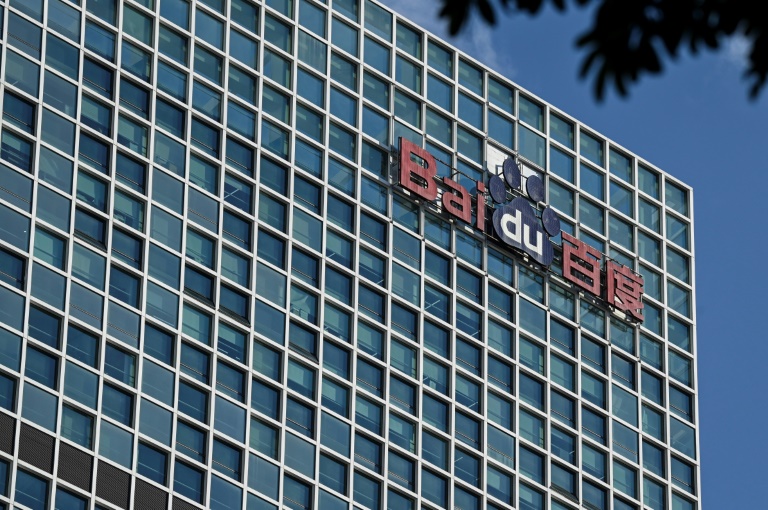
Baidu reports 5% year-on-year decrease in Q2 revenue

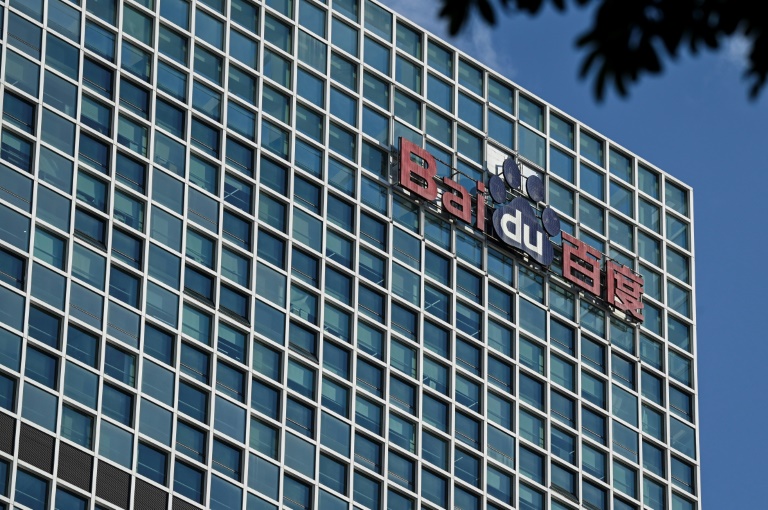
Chinese internet giant Baidu Inc. on Tuesday announced second-quarter revenues of 29.6 billion yuan ($4.3 billion), down five percent from last year after the company faced a challenging economic climate and tight controls on China’s once-thriving tech sector.

Other Chinese tech giants, including Tencent and e-commerce behemoth JD.com, had also reported disappointing results in recent weeks. 

China’s major tech companies have been grappling with economic uncertainty, Covid-19 restrictions that have kept consumers jittery, and heightened scrutiny from regulators in recent months.

Baidu, which operates China’s most widely used search engine, saw revenues decrease but posted a net profit of 3.6 billion yuan ($522 million), buoyed by a 31 percent year-on-year growth in its cloud computing business.

“Despite a challenging macro environment caused by Covid-19, Baidu Core generated  RMB23.2 billion in revenues in the second quarter,” CEO Robin Li was quoted as saying in an official press release.

“Going forward, we remain committed to quality revenue growth and sustainable business models.”

Last year, the Beijing-based group reported second-quarter revenue of 31.4 billion yuan ($4.5 billion), up 20 percent year-on-year at the time.

Baidu has heavily diversified into artificial intelligence, cloud computing and autonomous driving technologies in recent years, as advertising revenue remains sluggish. 

Li claimed Apollo Go, its autonomous driving arm, further consolidated its position as a leading intelligent ride-hailing provider, with fully driverless taxi services launched in the cities of Chongqing and Wuhan.

Beijing regulators’ widespread crackdown on the tech sector, beginning in late 2020, saw record fines, cancelled IPOs and lengthy investigations targeting top players, which decimated revenues and put further pressure on the stalling economy. 

The campaign is intended to reduce monopolistic practices and promote competition between internet platforms. 

Last week, Alibaba rival JD.com reported its slowest revenue growth to date in the second quarter, after tech giant Tencent reported its first drop in quarterly revenue since going public.

Didi Chuxing, China’s answer to Uber, was also fined the equivalent of $1.2 billion last month after a year-long cybersecurity investigation. 

Many parts of China have faced lockdowns and other Covid restrictions in recent months, disrupting business activity and adding to consumer worries as Beijing tries to stamp out the Omicron variant’s spread under its strict zero-Covid policy.

Baidu reports 5% year-on-year decrease in Q2 revenue

Chinese internet giant Baidu Inc. on Tuesday announced second-quarter revenues of 29.6 billion yuan ($4.3 billion), down five percent from last year after the company faced a challenging economic climate and tight controls on China’s once-thriving tech sector.

Other Chinese tech giants, including Tencent and e-commerce behemoth JD.com, had also reported disappointing results in recent weeks. 

China’s major tech companies have been grappling with economic uncertainty, Covid-19 restrictions that have kept consumers jittery, and heightened scrutiny from regulators in recent months.

Baidu, which operates China’s most widely used search engine, saw revenues decrease but posted a net profit of 3.6 billion yuan ($522 million), buoyed by a 31 percent year-on-year growth in its cloud computing business.

“Despite a challenging macro environment caused by Covid-19, Baidu Core generated  RMB23.2 billion in revenues in the second quarter,” CEO Robin Li was quoted as saying in an official press release.

“Going forward, we remain committed to quality revenue growth and sustainable business models.”

Last year, the Beijing-based group reported second-quarter revenue of 31.4 billion yuan ($4.5 billion), up 20 percent year-on-year at the time.

Baidu has heavily diversified into artificial intelligence, cloud computing and autonomous driving technologies in recent years, as advertising revenue remains sluggish. 

Li claimed Apollo Go, its autonomous driving arm, further consolidated its position as a leading intelligent ride-hailing provider, with fully driverless taxi services launched in the cities of Chongqing and Wuhan.

Beijing regulators’ widespread crackdown on the tech sector, beginning in late 2020, saw record fines, cancelled IPOs and lengthy investigations targeting top players, which decimated revenues and put further pressure on the stalling economy. 

The campaign is intended to reduce monopolistic practices and promote competition between internet platforms. 

Last week, Alibaba rival JD.com reported its slowest revenue growth to date in the second quarter, after tech giant Tencent reported its first drop in quarterly revenue since going public.

Didi Chuxing, China’s answer to Uber, was also fined the equivalent of $1.2 billion last month after a year-long cybersecurity investigation. 

Many parts of China have faced lockdowns and other Covid restrictions in recent months, disrupting business activity and adding to consumer worries as Beijing tries to stamp out the Omicron variant’s spread under its strict zero-Covid policy.

Fossil fuels causing cost-of-living crisis: climate expert

The cost-of-living crisis pushing millions of people towards poverty in Europe is driven by fossil fuels, according to a leading Earth systems scientist, who has warned that global heating risks causing runaway climate change. 

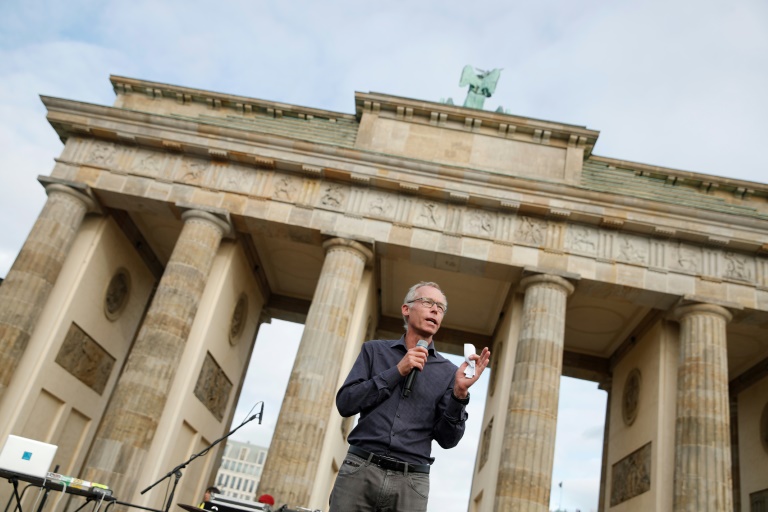
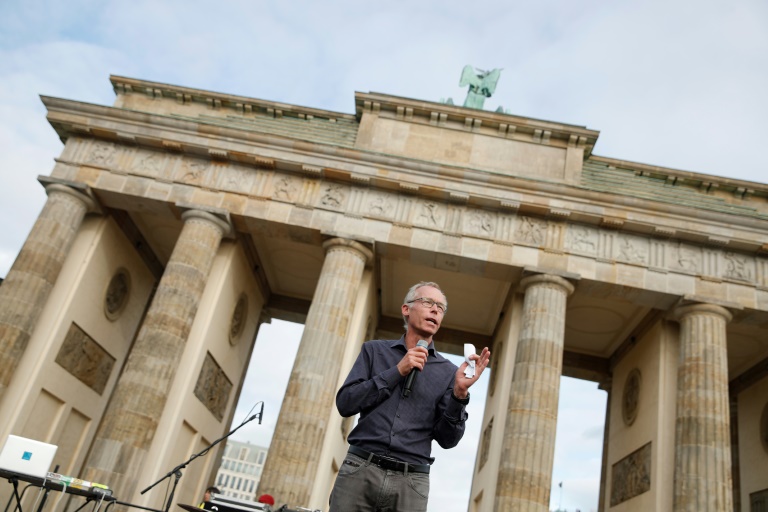
Johan Rockstrom, director of the Potsdam Institute for Climate Impact Research and co-author of the new book Earth For All, said that spiralling inflation was in large measure a result of decades of government failures to decarbonise their economies.

“I find it very disturbing that our political leaders in Europe are unable to communicate that high living costs right now are caused by higher prices on fossil fuels,” he told AFP at the book’s launch on Tuesday. 

“So this is fossil fuel-driven, supply-driven inflation. If 20 years ago you invested in solar (panels) or had a share in a wind farm, you’re not affected today. 

“The only reason why we have this crisis now is that we’ve had 30 years of underinvestment in preparing towards this turbulent phase which we knew would be coming,” said Rockstrom. 

“We’ve been saying since 1990 that we need to phase out the fossil fuel-driven economy towards a renewable-driven economy. And now here we are — we’re now hitting the wall.”

European energy prices soared to new records last week ahead of what many analysts expect to be a challenging winter as Russia’s invasion of Ukraine continues to disrupt oil and gas supplies.

The year-ahead contract for German electricity reached 995 euros ($995) per megawatt hour, while the French equivalent surged past 1,100 euros — a more than tenfold increase in both countries from last year.

In Britain, energy regulator Ofgem said it would increase the electricity and gas price cap almost twofold from October 1 to an average £3,549 ($4,197) per year.

Rockstrom, who helped pioneer the concept of planetary boundaries — thresholds of pollution or warming within which humanity can thrive — said he hoped the current energy price crisis would be “communicated as another nail in the coffin” for oil, gas and coal.

“This should accelerate our transition towards renewable energy systems,” he said. 

– ‘Giant changes required’ –

Rockstrom has spent two years working on Earth For All — a guide to help humans survive climate change — with several of the authors of The Limits to Growth.

Written 50 years ago, that groundbreaking work warned that the development of civilisation could not go on indefinitely with no limit to resource consumption.

The new book outlines two growth trajectories this century.

The first — “Too Little, Too Late” — sees the economic orthodoxy of the last 40 years endure, leading to ever starker inequality as the Earth’s average temperature rises by 2.5 degrees Celsius (36.5 degrees Farenheit) by 2100.  

The second — the “Great Leap” scenario — sees unprecedented mobilisation of resources to produce five changes: eradicate poverty and inequality, empower women, transform the global food system towards more plant-based diets, and rapidly decarbonise energy. 

In particular, the book says the International Monetary Fund must provide $1.0 trillion annually to poorer nations to create green jobs, and rich governments to cancel debt to low-income creditors while giving their own citizens a “universal basic dividend” to help share corporate windfalls.

Rockstrom said the tools are already available to make the Great Leap possible.

“(It) is to do with the current knowledge on all the current existing technologies and practices and policies. If we could put in place all the five turnarounds and scale them up very fast, that’s the best outcome we can have.”

– ‘Urgency point’ –

The project comes after another record-breaking summer that has seen unprecedented heatwaves and drought in Europe and China and devastating floods in Pakistan. 

Rockstrom said the world had reached an “urgency point” as climate-linked disasters occur more frequently than predicted in climate models. 

“Here we are — at 1.1C (of warming now), the things that we thought would happen perhaps at 2C are happening much earlier and are hitting harder,” he said. 

Rockstrom was recently involved in a paper studying the “climate endgame” — scenarios such as the complete melting of the Greenland ice sheet or heating “feedback loops”, which are deemed by scientists to be extremely unlikely and, he believes, therefore understudied.

He explained the possibility of “self-amplified warming”, which is when the Earth itself is triggered into producing emissions from carbon stored in forests and methane in permafrost.

“There is a risk of rolling towards a worst-case scenario, not because we are ploughing in more carbon dioxide and greenhouse gasses from (manmade) sourcing but that the Earth system itself starts emitting these greenhouse gasses.”

Rockstrom said scientists needed to “open up a much broader palette of scenarios” in climate models that could incorporate the kind of low-probability, high-impact events that could lead to runaway warming. 

As to whether governments were finally ready to take the kind of system-changing action needed to avoid climate meltdown, Rockstrom said that he was “actually quite pessimistic”.

“If you asked me three years ago, I would have said I was optimistic — we saw a post-Paris momentum and more policies coming into play and businesses stepping on board,” he said.

“Now with the post-Covid meltdown in public trust and the rise of populism … I cannot see that we are really ready to implement all these giant leaps.

“That’s why timing is really important. We need to bring back the debate and we have to have a conversation about the urgency of action. But is it a challenge? Definitely.”

Fossil fuels causing cost-of-living crisis: climate expert

The cost-of-living crisis pushing millions of people towards poverty in Europe is driven by fossil fuels, according to a leading Earth systems scientist, who has warned that global heating risks causing runaway climate change. 

Johan Rockstrom, director of the Potsdam Institute for Climate Impact Research and co-author of the new book Earth For All, said that spiralling inflation was in large measure a result of decades of government failures to decarbonise their economies.

“I find it very disturbing that our political leaders in Europe are unable to communicate that high living costs right now are caused by higher prices on fossil fuels,” he told AFP at the book’s launch on Tuesday. 

“So this is fossil fuel-driven, supply-driven inflation. If 20 years ago you invested in solar (panels) or had a share in a wind farm, you’re not affected today. 

“The only reason why we have this crisis now is that we’ve had 30 years of underinvestment in preparing towards this turbulent phase which we knew would be coming,” said Rockstrom. 

“We’ve been saying since 1990 that we need to phase out the fossil fuel-driven economy towards a renewable-driven economy. And now here we are — we’re now hitting the wall.”

European energy prices soared to new records last week ahead of what many analysts expect to be a challenging winter as Russia’s invasion of Ukraine continues to disrupt oil and gas supplies.

The year-ahead contract for German electricity reached 995 euros ($995) per megawatt hour, while the French equivalent surged past 1,100 euros — a more than tenfold increase in both countries from last year.

In Britain, energy regulator Ofgem said it would increase the electricity and gas price cap almost twofold from October 1 to an average £3,549 ($4,197) per year.

Rockstrom, who helped pioneer the concept of planetary boundaries — thresholds of pollution or warming within which humanity can thrive — said he hoped the current energy price crisis would be “communicated as another nail in the coffin” for oil, gas and coal.

“This should accelerate our transition towards renewable energy systems,” he said. 

– ‘Giant changes required’ –

Rockstrom has spent two years working on Earth For All — a guide to help humans survive climate change — with several of the authors of The Limits to Growth.

Written 50 years ago, that groundbreaking work warned that the development of civilisation could not go on indefinitely with no limit to resource consumption.

The new book outlines two growth trajectories this century.

The first — “Too Little, Too Late” — sees the economic orthodoxy of the last 40 years endure, leading to ever starker inequality as the Earth’s average temperature rises by 2.5 degrees Celsius (36.5 degrees Farenheit) by 2100.  

The second — the “Great Leap” scenario — sees unprecedented mobilisation of resources to produce five changes: eradicate poverty and inequality, empower women, transform the global food system towards more plant-based diets, and rapidly decarbonise energy. 

In particular, the book says the International Monetary Fund must provide $1.0 trillion annually to poorer nations to create green jobs, and rich governments to cancel debt to low-income creditors while giving their own citizens a “universal basic dividend” to help share corporate windfalls.

Rockstrom said the tools are already available to make the Great Leap possible.

“(It) is to do with the current knowledge on all the current existing technologies and practices and policies. If we could put in place all the five turnarounds and scale them up very fast, that’s the best outcome we can have.”

– ‘Urgency point’ –

The project comes after another record-breaking summer that has seen unprecedented heatwaves and drought in Europe and China and devastating floods in Pakistan. 

Rockstrom said the world had reached an “urgency point” as climate-linked disasters occur more frequently than predicted in climate models. 

“Here we are — at 1.1C (of warming now), the things that we thought would happen perhaps at 2C are happening much earlier and are hitting harder,” he said. 

Rockstrom was recently involved in a paper studying the “climate endgame” — scenarios such as the complete melting of the Greenland ice sheet or heating “feedback loops”, which are deemed by scientists to be extremely unlikely and, he believes, therefore understudied.

He explained the possibility of “self-amplified warming”, which is when the Earth itself is triggered into producing emissions from carbon stored in forests and methane in permafrost.

“There is a risk of rolling towards a worst-case scenario, not because we are ploughing in more carbon dioxide and greenhouse gasses from (manmade) sourcing but that the Earth system itself starts emitting these greenhouse gasses.”

Rockstrom said scientists needed to “open up a much broader palette of scenarios” in climate models that could incorporate the kind of low-probability, high-impact events that could lead to runaway warming. 

As to whether governments were finally ready to take the kind of system-changing action needed to avoid climate meltdown, Rockstrom said that he was “actually quite pessimistic”.

“If you asked me three years ago, I would have said I was optimistic — we saw a post-Paris momentum and more policies coming into play and businesses stepping on board,” he said.

“Now with the post-Covid meltdown in public trust and the rise of populism … I cannot see that we are really ready to implement all these giant leaps.

“That’s why timing is really important. We need to bring back the debate and we have to have a conversation about the urgency of action. But is it a challenge? Definitely.”

Afghan family rebuilds far from home after US drone strike

The damage inflicted by a United States drone that killed 10 members of Aimal Ahmadi’s family in the Afghan capital can still be seen in the courtyard of his home a year after the strike.

The 32-year-old, whose daughter was among those killed, left Afghanistan with some of his family members, moving to a refugee camp in Qatar from where they now expect to be evacuated to the US for a future far from home.

“I don’t wish that any human being would go through what we went through, it’s terrible, unimaginable”, Ahmadi told AFP from Qatar.

On August 29, 2021, Ahmadi’s three-year-old daughter Malika, his brother Ezmarai, who had worked for an American charity, and several of his nephews and nieces were killed in the strike. 

The 10 family members, including seven children, were near a family car when they were mistakenly targeted by a US drone.

The family were the last civilian deaths linked to US forces recorded in the chaotic days before American troops left Afghanistan on August 30 last year, allowing the Taliban to fully take control of the country.

A few days after the drone strike the Pentagon acknowledged that it had made a “mistake” in wrongly identifying the family’s white Toyota as an Islamic State (IS) target.

The Pentagon did not punish the service members involved in the incident.

“There was not a strong enough case to be made for personal accountability,” said Pentagon spokesman at that time, John Kirby.

The US administration is currently helping relocate members of the family, Ahmadi said.

The drone hit came three days after an IS suicide bomb attack at Kabul airport killed more than 150 people — including 13 US troops — significantly raising tensions in the last days of US withdrawal.

An estimated 188 civilians have been killed by US forces by mistake in Afghanistan since 2018, according to the American military.

– Compensation-

A year after the strike, the modest two-storey house on a narrow street in the Khwaja Bughra neighbourhood in the north of Kabul is now inhabited by only a dozen distant relatives. 

Several other relatives of the victims fled the scene of the tragedy, which still bears the scars of the attack.

Blown out by the explosion, the windows have now been repaired, the walls of the courtyard rebuilt and others repainted. 

But on the floor, tiles are still missing where the drone strike hit. 

The family’s second vehicle -– almost completely burned by the blast -– still lies in the middle of the yard under a tarp.

“We didn’t want to get rid of it in memory of the victims and because it saved lives by protecting the women inside the house from the shrapnel,” said Ahmadi’s 20-year-old nephew, Nasratullah Malikzada, who is now in charge of maintaining the house.

As he passed a gate where portraits of the 10 victims have been hung, the young Afghan said the situation is “very sad”.

“It is God’s will, what has happened has happened, we can’t go back. God will punish those responsible in the afterlife,” he said.

Washington’s announcement that it would pay the family compensation sparked interest in the family and among relatives, given the economic distress felt across the country.

Following the drone strike, Ahmadi lost his job working with foreign companies and one of his two other brothers was threatened by strangers who had heard about the expected compensation.

But to this day, the family has not received any money from the US and they have hired a lawyer to defend their interests, Ahmadi said.

The lawyer was not reachable for comment.

In an exhausted tone, Ahmadi said he is confident that the US government will compensate his family.

As soon as he completes the paperwork for his evacuation, he hopes to join his two brothers who are already in the US.

His ailing sister, who remains in Afghanistan and is also hoping to be evacuated, has left home for a safe place in Kabul.

“I hope that a better future awaits me,” said Ahmadi.

Most markets bounce after Powell-induced sell-off

Markets mostly rose Tuesday on bargain-buying following the latest sell-off, but confidence remains at a premium as traders contemplate the prospect of more Federal Reserve interest rate hikes and a possible recession.

Wall Street suffered another day in the red after Friday’s capitulation in response to a warning from US central bank boss Jerome Powell that more tightening was needed to bring inflation down from four-decade highs.

Bets on a third successive three-quarter-point increase next month have surged since his comments, which blew a hole in a recent rally across markets from their June lows.

Now there is a growing fear that the Fed’s priority of beating inflation at any cost will damage the world’s top economy, which is already in a technical recession following two straight quarters of contraction.

“The markets are spooked because they are afraid that the Fed could create a hard landing — that they’ll raise rates into a recession, and that will be really painful for the economy and for corporate profits,” Terri Spath, of Zuma Wealth, told Bloomberg Television.

After Monday’s retreat, Asian equities fared a little better, as bargain buyers jumped back, though sentiment was still weak.

Tokyo, Sydney, Seoul, Singapore, Mumbai, Taipei, Bangkok, Jakarta and Wellington all rose.

But Hong Kong, Shanghai and Manila fell.

London, Paris and Frankfurt edged up in the morning.

In light of the sell-off in response to the Powell speech, Minneapolis Fed President Neel Kashkari said it appeared traders had now accepted the fact that policymakers were focused on fighting price rises.

“People now understand the seriousness of our commitment to getting inflation back down to two percent,” he said.

And Michael Hewson of CMC Markets added: “The effect of higher interest rates as well as the rising cost of living has already started to manifest itself in the most recent lending data.

“It’s been a trend that has been in place since the start of this year, but appears to be accelerating as we head into the autumn.”

While central banks around the world commit to lifting rates to fight inflation, a major driver of the gains continues to cause a headache.

A warning from OPEC kingpin Saudi Arabia that it could cut output has put fresh upward pressure on the commodity, offsetting concerns about a hit to demand from any economic slowdown.

Both main contracts dipped in Asian trade but held most of the more than four percent rally enjoyed Monday.

Waning optimism about an imminent Iran nuclear deal, fresh unrest in Libya and China’s economic travails were adding to the oil market’s strength.

“A combination of fresh supply risks from Libya, along with uncertainty over the upcoming OPEC+ meeting, has provided a boost,” said Warren Patterson of ING Groep NV.

But he added that “fundamentally, the market is in a more comfortable state, and in the absence of a large supply disruption or OPEC+ intervention, it is difficult to see significant upside in the short term”.

– Key figures at around 0810 GMT –

Tokyo – Nikkei 225: UP 1.1 percent at 28,195.58 (close)

Hong Kong – Hang Seng Index: DOWN 0.4 percent at 19,949.03 (close)

Shanghai – Composite: DOWN 0.4 percent at 3,227.22 (close)

London – FTSE 100: UP 0.7 percent at 7,481.54

Euro/dollar: UP at $1.0027 from $0.9998 on Monday

Pound/dollar: UP at $1.1739 from $1.1703

Euro/pound: DOWN at 85.41 pence from 85.42 pence 

Dollar/yen: DOWN at 138.38 yen from 138.73 yen

West Texas Intermediate: UP 0.4 percent at $97.36 per barrel

Brent North Sea crude: UP 0.1 percent at $105.17

New York – Dow: DOWN 0.6 percent at 32,098.99 (close)

Most markets bounce after Powell-induced sell-off

Markets mostly rose Tuesday on bargain-buying following the latest sell-off, but confidence remains at a premium as traders contemplate the prospect of more Federal Reserve interest rate hikes and a possible recession.

Wall Street suffered another day in the red after Friday’s capitulation in response to a warning from US central bank boss Jerome Powell that more tightening was needed to bring inflation down from four-decade highs.

Bets on a third successive three-quarter-point increase next month have surged since his comments, which blew a hole in a recent rally across markets from their June lows.

Now there is a growing fear that the Fed’s priority of beating inflation at any cost will damage the world’s top economy, which is already in a technical recession following two straight quarters of contraction.

“The markets are spooked because they are afraid that the Fed could create a hard landing — that they’ll raise rates into a recession, and that will be really painful for the economy and for corporate profits,” Terri Spath, of Zuma Wealth, told Bloomberg Television.

After Monday’s retreat, Asian equities fared a little better, as bargain buyers jumped back, though sentiment was still weak.

Tokyo, Sydney, Seoul, Singapore, Mumbai, Taipei, Bangkok, Jakarta and Wellington all rose.

But Hong Kong, Shanghai and Manila fell.

London, Paris and Frankfurt edged up in the morning.

In light of the sell-off in response to the Powell speech, Minneapolis Fed President Neel Kashkari said it appeared traders had now accepted the fact that policymakers were focused on fighting price rises.

“People now understand the seriousness of our commitment to getting inflation back down to two percent,” he said.

And Michael Hewson of CMC Markets added: “The effect of higher interest rates as well as the rising cost of living has already started to manifest itself in the most recent lending data.

“It’s been a trend that has been in place since the start of this year, but appears to be accelerating as we head into the autumn.”

While central banks around the world commit to lifting rates to fight inflation, a major driver of the gains continues to cause a headache.

A warning from OPEC kingpin Saudi Arabia that it could cut output has put fresh upward pressure on the commodity, offsetting concerns about a hit to demand from any economic slowdown.

Both main contracts dipped in Asian trade but held most of the more than four percent rally enjoyed Monday.

Waning optimism about an imminent Iran nuclear deal, fresh unrest in Libya and China’s economic travails were adding to the oil market’s strength.

“A combination of fresh supply risks from Libya, along with uncertainty over the upcoming OPEC+ meeting, has provided a boost,” said Warren Patterson of ING Groep NV.

But he added that “fundamentally, the market is in a more comfortable state, and in the absence of a large supply disruption or OPEC+ intervention, it is difficult to see significant upside in the short term”.

– Key figures at around 0810 GMT –

Tokyo – Nikkei 225: UP 1.1 percent at 28,195.58 (close)

Hong Kong – Hang Seng Index: DOWN 0.4 percent at 19,949.03 (close)

Shanghai – Composite: DOWN 0.4 percent at 3,227.22 (close)

London – FTSE 100: UP 0.7 percent at 7,481.54

Euro/dollar: UP at $1.0027 from $0.9998 on Monday

Pound/dollar: UP at $1.1739 from $1.1703

Euro/pound: DOWN at 85.41 pence from 85.42 pence 

Dollar/yen: DOWN at 138.38 yen from 138.73 yen

West Texas Intermediate: UP 0.4 percent at $97.36 per barrel

Brent North Sea crude: UP 0.1 percent at $105.17

New York – Dow: DOWN 0.6 percent at 32,098.99 (close)

Japan business leader and monk Inamori dies at 90

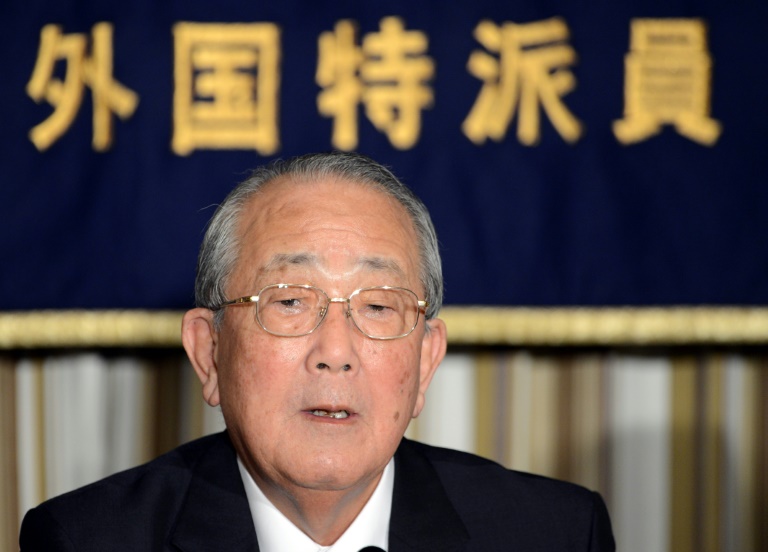
Kazuo Inamori, a business guru and ordained Buddhist monk who reversed the fortunes of debt-ridden Japan Airlines, has died aged 90, a company he founded said Tuesday.

The entrepreneur was one of Japan’s most respected executives, having established electric components maker Kyocera and another firm that later became part of telecoms group KDDI.

He died “of old age” at his Kyoto home on August 24 and a family funeral has since been held, Kyocera said in a statement.

Japan’s government convinced Inamori to come out of retirement in 2010 to head Japan Airlines (JAL) after the ailing carrier filed for bankruptcy.

The businessman — who was 78 at the time — said he was a “complete amateur” in the transport industry, but promised to “do my best”.

His overhaul was successful and JAL shares were relisted on the stock exchange in 2012, less than three years after the airline was forced to delist.

Inamori was an advocate of reducing government interference in business and he was known for his “amoeba management” theory, which grants autonomy to each unit of a company while group members pool their knowledge.

He was also a philanthropist whose close work with Alfred University in the US state of New York led it to rename its engineering department after him.

After stepping down from an active role at Kyocera, he earned the status of Buddhist monk in 1997 at a Kyoto temple, but he did not live a reclusive religious lifestyle.

Kyocera said it planned to hold a separate memorial for Inamori but details had not yet been decided.

Close Bitnami banner
Bitnami