AFP

Indonesia foot and mouth outbreak prompts NZ, Australia restrictions

Prime Minister Jacinda Ardern warned an outbreak of foot-and-mouth disease in Indonesia could cost thousands of New Zealand jobs, as her nation and neighbouring Australia stepped up border biosecurity restrictions.

“While not a threat to humans, it would devastate our national herd. Essentially, all animals that are of cloven hoof are at risk,” Ardern told reporters in Wellington.

Ardern warned that the disease, first detected in Indonesia in April, has the potential to threaten up to 100,000 jobs in New Zealand’s agriculture sector.

Foot and mouth disease is a severe, highly contagious viral disease of livestock.

It can have a significant economic impact, especially on a country like New Zealand which exported around 17 million sheep and two million cattle in the eight months up until May 2022. 

A foot-and-mouth outbreak has ripped through two Indonesian provinces, killing thousands of cows and infecting hundreds of thousands more.

Ardern said New Zealand has never had an outbreak — and wants to keep it that way by tightening border restrictions.

“We want to make sure that we’ve got all our settings in place to protect ourselves from this emerging threat,” she added.

There are currently no direct flights from Indonesia to New Zealand, but Ardern said it is important to stop it from entering the country, potentially via Australian tourists who had visited south-east Asia.

Travellers from Indonesia will not be allowed to bring meat products into New Zealand, baggage will be screened and there will be disinfectant mats at airports to clean footwear.

In Australia, parcels and baggage from China and Indonesia are now being checked and there are also foot mats at airports in response to the disease.

Canberra has so far rejected opposition calls to close the border to Indonesia completely, but further measures have not been ruled out.

Ardern said her government is working with Australian authorities to try to further reduce the risk.

New Zealand is set to fully open its borders at midnight on Sunday to all visitors.

New Zealand’s Biosecurity Minister Damien O’Connor said “vigilance is absolutely crucial” as the disease could also affect up to 77 percent of the country’s wildlife population, including wild deer, pigs and sheep.

He referred to how foot and mouth devastated British farming in 2001 when millions of cattle and sheep had to be slaughtered.
China swelters under record heat

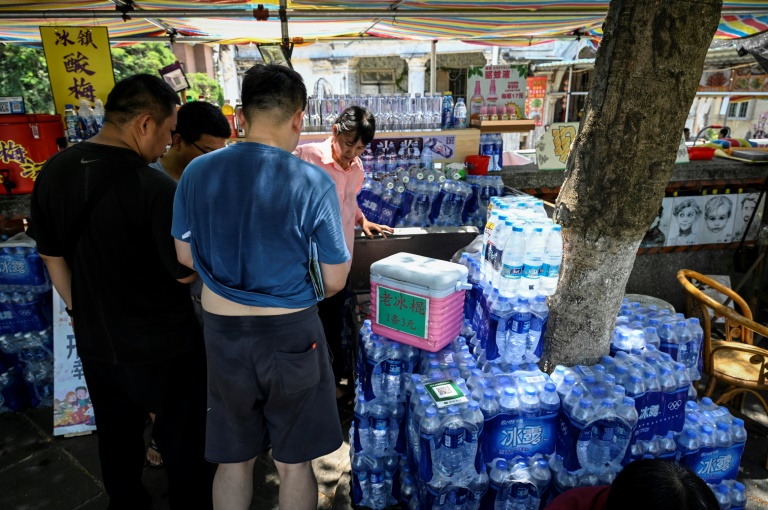
Cities across China were on red alert for heatwaves on Monday, as tens of millions of people were warned to stay indoors and record temperatures strained energy supply.

Swathes of the planet have been hit by extreme and deadly heatwaves in recent months, from Western Europe in July to India in March to April.

Scientists say the extreme weather has become more frequent due to climate change, and will likely grow more intense as global temperatures continue to rise.

China is no exception and is sweating through one of its hottest summers on record.

In the eastern provinces of Zhejiang and Fujian, the mercury rose above 41 degrees Celsius (106 degrees Fahrenheit) over the weekend, reaching all-time highs in two cities.

People in areas under red heat alerts — mostly concentrated in the southeast and northwest — are being ordered to “cease all outdoor activities” and “pay special attention to fire prevention,” the national meteorological service said in multiple notices over the weekend.

Saturday marked the “Great Heat” day on China’s traditional calendar, long recognised as the hottest period of the year, but this summer has been exceptionally warm.

Earlier this month Shanghai recorded its highest air temperature — 40.9C — since records began in 1873.

The scorching heat sent hundreds of people to the beach in Fujian’s Xiamen city on Sunday, while others hid from the sun under hats and face coverings.

China’s power grid is also feeling the strain from increased demand for air conditioning, with the country’s largest power plants generating at a record capacity in mid-July, according to energy industry publication Sxcoal.

Some local governments have resorted to turning off street lamps and raising peak period electricity tariffs for factories this month.

The ongoing heat wave, which has struck the lower reaches of the Yangtze River especially hard, will also “adversely affect local crops,” warned Fu Jiaolan, chief forecaster at the National Meteorological Centre.

Marauding monkeys injure 42 in Japanese city

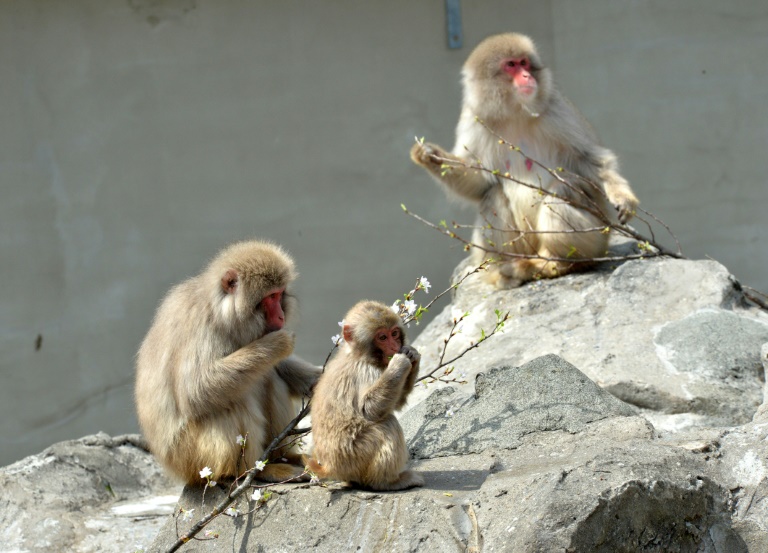
Local authorities in Japan’s Yamaguchi city said Monday they are turning to tranquiliser guns to confront marauding monkeys that have injured 42 people in recent weeks.

Japanese macaques are seen commonly across large parts of the country, and are a pest in some areas, eating crops and even entering homes.

But a spate of monkey attacks in the city in western Japan has been unusual, with adults and children suffering wounds including scratches and bites.

“All of Yamaguchi city is surrounded by mountains and it’s not rare to see monkeys,” a city official from the agricultural department told AFP, declining to give her name.

“But it’s rare to see this many attacks in a short period of time.”

The injuries have so far been largely mild, but authorities are now turning to tranquiliser guns after traps they set failed to snare any of the pesky primates.

“Initially only children and women were attacked. Recently elderly people and adult men have been targeted too,” the official said.

The city isn’t even sure if the attacks are the work of multiple monkeys or a single aggressive individual. The intruders have in some cases entered by sliding open screen doors, or entering through windows.

City officials and police have been patrolling the area since the first attacks around July 8, but have yet to snare any monkeys.

The story has made headlines in Japan in recent weeks, with local residents reporting regular invasions.

“I heard crying coming from the ground floor, so I hurried down,” one local father told the Mainichi Shimbun daily.

“Then I saw a monkey hunching over my child.”

Russia says Odessa strikes hit Western arms

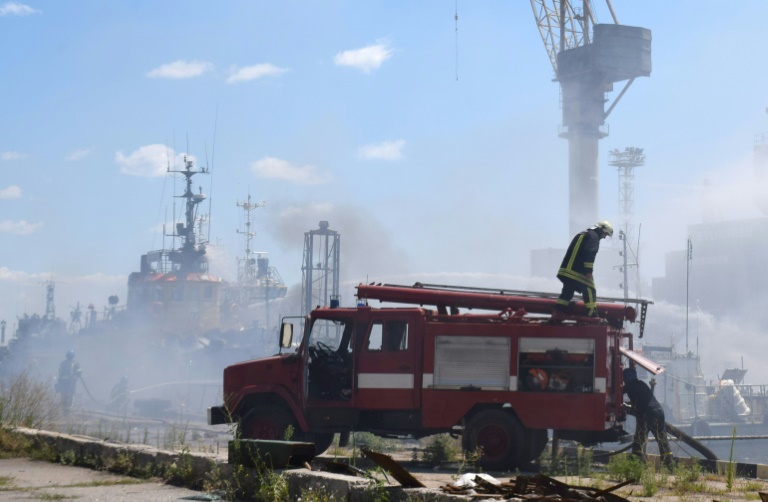
Russia said its missile barrage on a Ukrainian port central to a landmark grain export deal had destroyed Western-supplied weapons, after the attack sparked an outcry from Ukraine’s allies.

Russian Foreign Minister Sergei Lavrov was embarking on a tour of several countries in Africa and on his first stop in Egypt Sunday sought to reassure Cairo that Russian grain supplies would continue.

Ukrainian President Volodymyr Zelensky denounced Saturday’s strike on the Odessa port as “Russian barbarism” and said it amounted to desperation after the warring sides struck a deal to release exports from the facility.

“Even the occupiers admit that we will win. We hear it in their conversations –- all the time, in what they tell their loved ones when they contact them,” he said Sunday in his nightly address.

Turkey helped broker the accord and said immediately after the double cruise missile hits that it had received assurances from Moscow that Russian forces were not responsible.

But Russia’s defence ministry rolled back on the denial Sunday, saying the strikes had destroyed a Ukrainian military vessel and arms delivered by Washington.

“High-precision, long-range missiles launched from the sea destroyed a docked Ukrainian warship and a stockpile of anti-ship missiles delivered by the United States to the Kyiv regime,” it said.

“A Ukrainian army repair and upgrade plant has also been put out of order.”

The strikes have cast a shadow over the milestone accord — that was hammered out over months of negotiations and signed in Istanbul — to relieve a global food crisis.

– ‘Order of peace’ –

United Nations chief Antonio Guterres, who presided over the signing ceremony Friday, “unequivocally” condemned the attack. The United States meanwhile said it “casts serious doubt” over Russia’s commitment to the deal.

Western nations repeated their condemnation of Russia’s military assault on Ukraine after the strikes.

German President Frank-Walter Steinmeier called the invasion a war against the unity of Europe.

“We must not let ourselves be divided, we must not let the great work of a united Europe that we have begun so promisingly be destroyed,” he said in a speech Sunday.

Cereal prices in Africa — the world’s poorest continent where food supplies are critically tight — surged because of an exports slump.

Lavrov, who will visit Uganda, Ethiopia and Congo-Brazzaville on the tour, told his Egyptian counterpart Sameh Shoukry that Russia would meet grain orders.

“We confirmed the commitment of Russian exporters of cereal products to meet their orders in full,” he said in a press conference.

Zelensky said the strikes on Odessa showed Moscow could not be trusted to keep its promises.

Under the deal brokered by Turkish President Recep Tayyip Erdogan and Guterres, Odessa is one of three designated export hubs.

Ukrainian officials said grain was being stored in the port at the time of the strike, but food stocks did not appear to have been hit.

There was no response from Moscow until Sunday, but Turkish Defence Minister Hulusi Akar said before that Russia had denied carrying out the attack.

– Kherson ‘liberated’ by September –

Huge quantities of wheat and other grain have been blocked in Ukrainian ports by Russian warships and the mines Kyiv laid to avert a feared amphibious assault.

Zelensky has said around 20 million tonnes of produce from last year’s harvest and the current crop would be exported under the agreement, estimating the value of Ukraine’s grain stocks at around $10 billion.

Diplomats expect grain to only start fully flowing by mid-August.

The agreement in Istanbul has brought little reprieve on the battlefield where Russian forces were carrying out bombardments across the sprawling front line over the weekend, Ukraine’s presidency said Sunday.

It said among attacks in the industrial east and south, four Russian cruise missiles Saturday had hit residential areas in the southern city of Mykolaiv, injuring five people, including a teenager.

In a devastated village near Ukraine’s southern front line Stanislav, a 49-year-old who joined Ukraine’s armed forces after Russia’s invasion, said many people were afraid.

“But what can we do, we need to defend our homeland, because if I don’t do it then my children will be forced to do it,” he said.

An official in the nearby Kherson region in the south said a Ukrainian counter-offensive for the territory Russia captured early in the invasion would be over by September.

“We can say that a turning point has occurred on the battlefield. We are switching from defensive to counteroffensive actions,” Sergiy Khlan, an aide to the head of Kherson region, said in an interview with Ukrainian television.

burs-jbr/jfx/mtp

The centuries-old mines stirring Japan-South Korea tensions

Under a split-top mountain on the Japanese island of Sado lies a network of centuries-old mines that have sparked a new diplomatic row with South Korea.

Some of the gold and silver mines of Sado, off Japan’s west coast, are believed to have started operating as early as the 12th century and produced until after World War II.

Japan believes that lengthy history and the artisanal mining techniques used there at a time when European mines had turned to mechanisation merit recognition on UNESCO’s World Heritage List.

But in Seoul, the focus is on what isn’t mentioned in the bid: the use of conscripted Korean labour during the Second World War, when Japan occupied the Korean peninsula.

Japan is seeking recognition of three sites — the Nishimikawa gold mine, the Tsurushi silver mine, and the Aikawa gold and silver mines — for the period between 1603 and 1867.

Officials and supporters of the bid say that era was when the mines were the world’s most productive and mining was done by hand.

But it also stops short of the period when conscripted Koreans toiled in conditions that even some backers of the UNESCO bid call “extremely harsh”.

The World Heritage effort has been years in the making, inspired in part by the successful recognition of a silver mine in western Japan’s Shimane region.

Ryo Usami, from Sado city’s World Heritage Promotion section, said locals hoped the recognition would highlight the mine’s contributions to the unique culture and history of the island.

“Many people migrated to Sado to mine gold and silver… They came from all over Japan and brought their local cultures,” Usami told AFP.

“Sado’s history is basically the history of these gold mines, and its culture formed in part thanks to the mining operations. That’s what Sado city wants to preserve.”

– ‘Discrimination did exist’ –

Production at the sites petered out by the 1960s, when mine operator Mitsubishi Materials began accepting tourists.

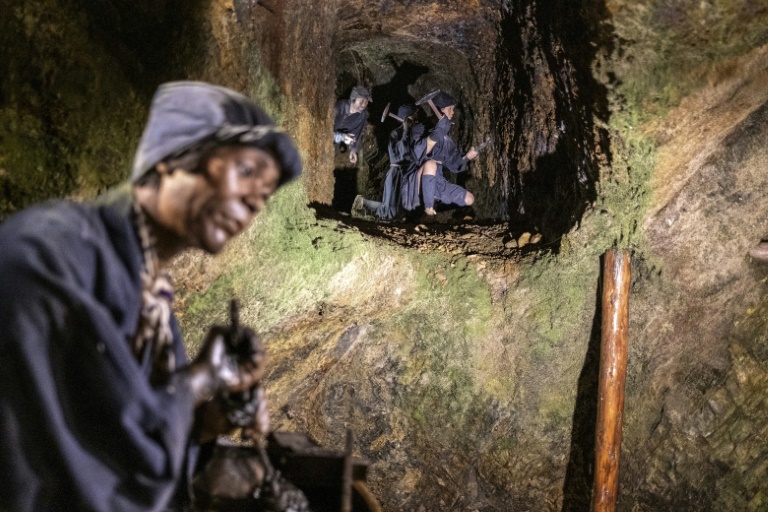
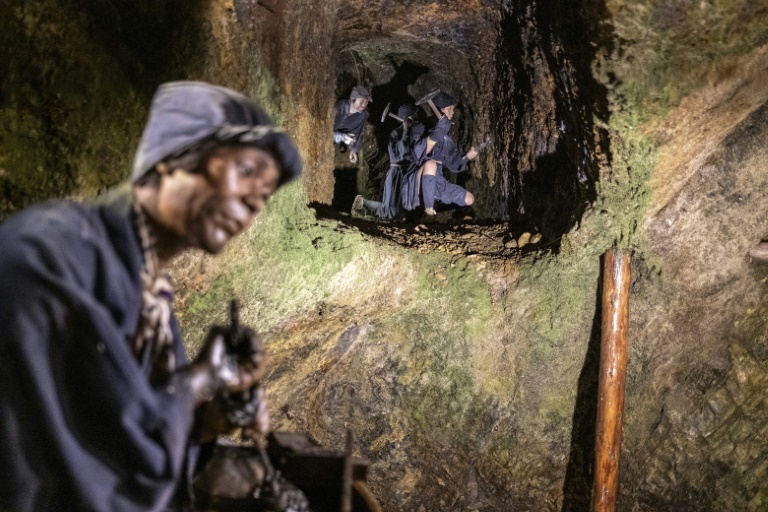
In the 1970s, animatronic robots were installed in some mining tunnels to give a sense of what life there was like.

The eerie, rundown figures remain, their heads swivelling side-to-side and arms mechanically swinging pickaxes up and down in a forlorn fashion.

Groups of domestic tourists file through the frigid tunnels and read panels that explain the history of Sado’s mining industry.

The panels note that Edo-era miners were often homeless or unregistered people who were captured and forced to work, and that child labour was used at times.

But there is little to testify that an estimated 1,500 Koreans worked at the sites during World War II.

Their status is disputed, with some arguing around two-thirds signed contracts voluntarily, while the remainder were conscripted during war-time mobilisation.

“The working conditions were extremely harsh, nevertheless the pay was very high, that’s why lots of people, including many Japanese, applied,” said Koichiro Matsuura, a former UNESCO director-general who is backing Sado’s bid.

Others argue the recruitment conditions effectively amounted to forced labour, and that Korean workers faced significantly harsher conditions than their Japanese counterparts.

“Discrimination did exist,” said Toyomi Asano, a professor of history of Japanese politics at Tokyo’s Waseda University.

“Their working conditions were very bad and dangerous. The most dangerous jobs were allocated to them.”

– ‘A part of our history’ –

Wartime issues like forced labour have soured ties between Japan and South Korea, and Seoul has formed a task force to push back against the UNESCO bid.

After the bid was announced, the government summoned Tokyo’s ambassador and issued a statement saying it “strongly regrets” the nomination and “sternly urges Japan to stop its attempt”.

The issue of forced labour affects other Japanese heritage sites, including the “Sites of the Meiji Industrial Revolution” inscribed in 2015.

UNESCO last year demanded an information centre for the sites properly explain that a “large number of Koreans and others (were) brought against their will and forced to work under harsh conditions”.

Matsuura believes Japan must “avoid making the same mistake” at Sado.

“We must say in a more concrete and more honest manner how the Korean workers lived and worked at the Sado gold mines.”

It’s a view shared by some visitors, including 79-year-old Hideji Yamagami.

“Of course they should (explain), I didn’t know about it at all,” he told AFP after a trip through the Aikawa site.

“I thought it was Japanese who had done all the hard work.”

Asano hopes UNESCO will insist the full history of Sado’s mines is on display if the site gets World Heritage status, and believes Japan “should not fear” recognising a part of its history.

“Every nation has its dark history, those nations who are completely exempt do not exist.”

The centuries-old mines stirring Japan-South Korea tensions

Under a split-top mountain on the Japanese island of Sado lies a network of centuries-old mines that have sparked a new diplomatic row with South Korea.

Some of the gold and silver mines of Sado, off Japan’s west coast, are believed to have started operating as early as the 12th century and produced until after World War II.

Japan believes that lengthy history and the artisanal mining techniques used there at a time when European mines had turned to mechanisation merit recognition on UNESCO’s World Heritage List.

But in Seoul, the focus is on what isn’t mentioned in the bid: the use of conscripted Korean labour during the Second World War, when Japan occupied the Korean peninsula.

Japan is seeking recognition of three sites — the Nishimikawa gold mine, the Tsurushi silver mine, and the Aikawa gold and silver mines — for the period between 1603 and 1867.

Officials and supporters of the bid say that era was when the mines were the world’s most productive and mining was done by hand.

But it also stops short of the period when conscripted Koreans toiled in conditions that even some backers of the UNESCO bid call “extremely harsh”.

The World Heritage effort has been years in the making, inspired in part by the successful recognition of a silver mine in western Japan’s Shimane region.

Ryo Usami, from Sado city’s World Heritage Promotion section, said locals hoped the recognition would highlight the mine’s contributions to the unique culture and history of the island.

“Many people migrated to Sado to mine gold and silver… They came from all over Japan and brought their local cultures,” Usami told AFP.

“Sado’s history is basically the history of these gold mines, and its culture formed in part thanks to the mining operations. That’s what Sado city wants to preserve.”

– ‘Discrimination did exist’ –

Production at the sites petered out by the 1960s, when mine operator Mitsubishi Materials began accepting tourists.

In the 1970s, animatronic robots were installed in some mining tunnels to give a sense of what life there was like.

The eerie, rundown figures remain, their heads swivelling side-to-side and arms mechanically swinging pickaxes up and down in a forlorn fashion.

Groups of domestic tourists file through the frigid tunnels and read panels that explain the history of Sado’s mining industry.

The panels note that Edo-era miners were often homeless or unregistered people who were captured and forced to work, and that child labour was used at times.

But there is little to testify that an estimated 1,500 Koreans worked at the sites during World War II.

Their status is disputed, with some arguing around two-thirds signed contracts voluntarily, while the remainder were conscripted during war-time mobilisation.

“The working conditions were extremely harsh, nevertheless the pay was very high, that’s why lots of people, including many Japanese, applied,” said Koichiro Matsuura, a former UNESCO director-general who is backing Sado’s bid.

Others argue the recruitment conditions effectively amounted to forced labour, and that Korean workers faced significantly harsher conditions than their Japanese counterparts.

“Discrimination did exist,” said Toyomi Asano, a professor of history of Japanese politics at Tokyo’s Waseda University.

“Their working conditions were very bad and dangerous. The most dangerous jobs were allocated to them.”

– ‘A part of our history’ –

Wartime issues like forced labour have soured ties between Japan and South Korea, and Seoul has formed a task force to push back against the UNESCO bid.

After the bid was announced, the government summoned Tokyo’s ambassador and issued a statement saying it “strongly regrets” the nomination and “sternly urges Japan to stop its attempt”.

The issue of forced labour affects other Japanese heritage sites, including the “Sites of the Meiji Industrial Revolution” inscribed in 2015.

UNESCO last year demanded an information centre for the sites properly explain that a “large number of Koreans and others (were) brought against their will and forced to work under harsh conditions”.

Matsuura believes Japan must “avoid making the same mistake” at Sado.

“We must say in a more concrete and more honest manner how the Korean workers lived and worked at the Sado gold mines.”

It’s a view shared by some visitors, including 79-year-old Hideji Yamagami.

“Of course they should (explain), I didn’t know about it at all,” he told AFP after a trip through the Aikawa site.

“I thought it was Japanese who had done all the hard work.”

Asano hopes UNESCO will insist the full history of Sado’s mines is on display if the site gets World Heritage status, and believes Japan “should not fear” recognising a part of its history.

“Every nation has its dark history, those nations who are completely exempt do not exist.”

From war to peace: Vietnam's rubber sandals march on

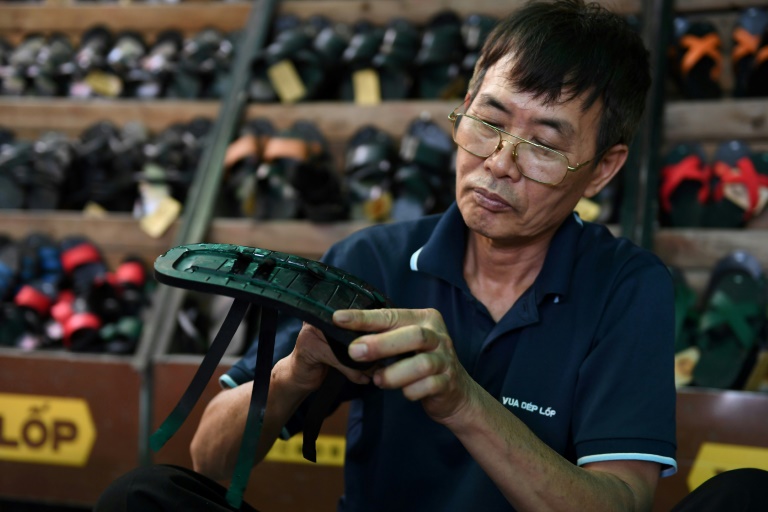
Made from recycled military truck or aircraft tyres, Vietnam’s hand-made rubber sandals, the famously rugged footwear of the Viet Cong, have travelled vast distances over the decades.

In the bustling capital Hanoi, all kinds of shoes are on sale: from $1,000 Gucci heels to $2 plastic slippers.

But for those seeking a nod to yesteryear, the hard-soled rubber sandals — evocative of the communist state’s resourcefulness under fire — are available at markets and small stores alike.

– Uncle Ho’s sandals –

Dao Van Quang paid $8 for a standard pair at a shop outside a Hanoi museum devoted to the country’s revolutionary leader — and dedicated rubber sandal wearer — Ho Chi Minh.

“I wore rubber sandals when I was at school, in the 1980s,” the 47-year-old from central Quang Nam province told AFP.

“They are of historical value, easy to wear and look nice.”

At the museum, the well-worn pair belonging to the former North Vietnam president known affectionately as “Uncle Ho” are displayed in a glass box with his Chinese-style uniform.

Ho’s sandals have even been lauded in national songs praising his simple lifestyle.

“These sandals helped Uncle travel a long way, and with them, he overcame difficulties to build the country,” the lyrics of one song say.

The Vietnamese first began making rubber sandals in the late 1940s, during the First Indochina War against the French, using tyres from an ambushed army truck.

They found the sandals were cheap to make and survived well in wet, muddy and hilly conditions, as soldiers marched through thick jungle.

Later, during the Vietnam War, the simple but sturdy footwear became a symbol of the communist Viet Cong forces’ ingenuity in their fight against the United States’ military might.

Even in peacetime, the design remains popular for sustainability reasons, said Nguyen Duc Truong, who has spent his life crafting the shoes.

“I think there is still much potential for rubber sandals,” the 58-year-old said.

– Rising popularity –

Vietnam is one of the world’s top four countries for shoe manufacturing and its factories produce pairs for major brands such as Nike and Adidas.

The footwear export industry generated nearly $12 billion in the first half of this year, according to government figures.

While the humble rubber sandal does not quite generate the same revenue, it is high on heritage value and its popularity as a casual shoe is rising.

Vua Dep Lop, which started as a small business and became Vietnam’s rubber sandal leader, sells the footwear for around $10 a pair.

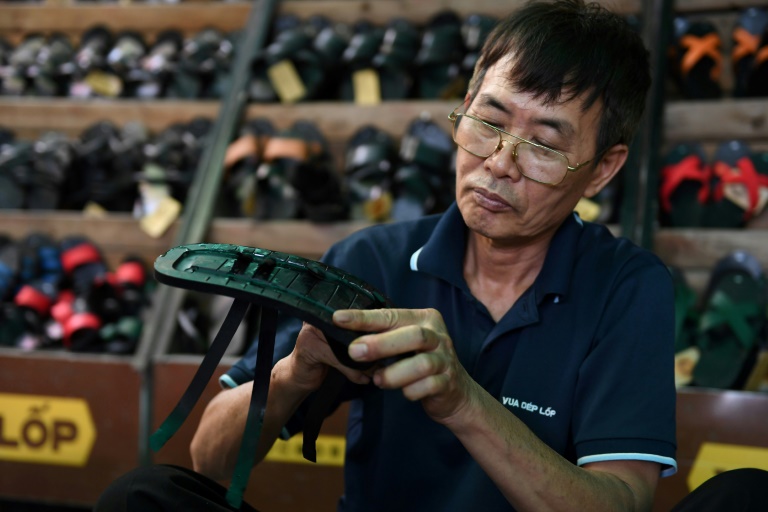
At its workshop in Hanoi, shoemakers use sharp knives and chisels to craft the sandals from huge tyres that are almost the same height as the workers.

While the traditional black models are bestsellers, a colourful modern twist is helping the sandal appeal to a younger demographic.

Nguyen Tien Cuong took over the business from his father-in-law in 2011, and has sold more than half a million pairs of rubber sandals since then.

“We tried to make them softer and more fashionable. After changing the style and format, we started having more customers,” he said. 

From war to peace: Vietnam's rubber sandals march on

Made from recycled military truck or aircraft tyres, Vietnam’s hand-made rubber sandals, the famously rugged footwear of the Viet Cong, have travelled vast distances over the decades.

In the bustling capital Hanoi, all kinds of shoes are on sale: from $1,000 Gucci heels to $2 plastic slippers.

But for those seeking a nod to yesteryear, the hard-soled rubber sandals — evocative of the communist state’s resourcefulness under fire — are available at markets and small stores alike.

– Uncle Ho’s sandals –

Dao Van Quang paid $8 for a standard pair at a shop outside a Hanoi museum devoted to the country’s revolutionary leader — and dedicated rubber sandal wearer — Ho Chi Minh.

“I wore rubber sandals when I was at school, in the 1980s,” the 47-year-old from central Quang Nam province told AFP.

“They are of historical value, easy to wear and look nice.”

At the museum, the well-worn pair belonging to the former North Vietnam president known affectionately as “Uncle Ho” are displayed in a glass box with his Chinese-style uniform.

Ho’s sandals have even been lauded in national songs praising his simple lifestyle.

“These sandals helped Uncle travel a long way, and with them, he overcame difficulties to build the country,” the lyrics of one song say.

The Vietnamese first began making rubber sandals in the late 1940s, during the First Indochina War against the French, using tyres from an ambushed army truck.

They found the sandals were cheap to make and survived well in wet, muddy and hilly conditions, as soldiers marched through thick jungle.

Later, during the Vietnam War, the simple but sturdy footwear became a symbol of the communist Viet Cong forces’ ingenuity in their fight against the United States’ military might.

Even in peacetime, the design remains popular for sustainability reasons, said Nguyen Duc Truong, who has spent his life crafting the shoes.

“I think there is still much potential for rubber sandals,” the 58-year-old said.

– Rising popularity –

Vietnam is one of the world’s top four countries for shoe manufacturing and its factories produce pairs for major brands such as Nike and Adidas.

The footwear export industry generated nearly $12 billion in the first half of this year, according to government figures.

While the humble rubber sandal does not quite generate the same revenue, it is high on heritage value and its popularity as a casual shoe is rising.

Vua Dep Lop, which started as a small business and became Vietnam’s rubber sandal leader, sells the footwear for around $10 a pair.

At its workshop in Hanoi, shoemakers use sharp knives and chisels to craft the sandals from huge tyres that are almost the same height as the workers.

While the traditional black models are bestsellers, a colourful modern twist is helping the sandal appeal to a younger demographic.

Nguyen Tien Cuong took over the business from his father-in-law in 2011, and has sold more than half a million pairs of rubber sandals since then.

“We tried to make them softer and more fashionable. After changing the style and format, we started having more customers,” he said. 

Thousands evacuated as California wildfire grows

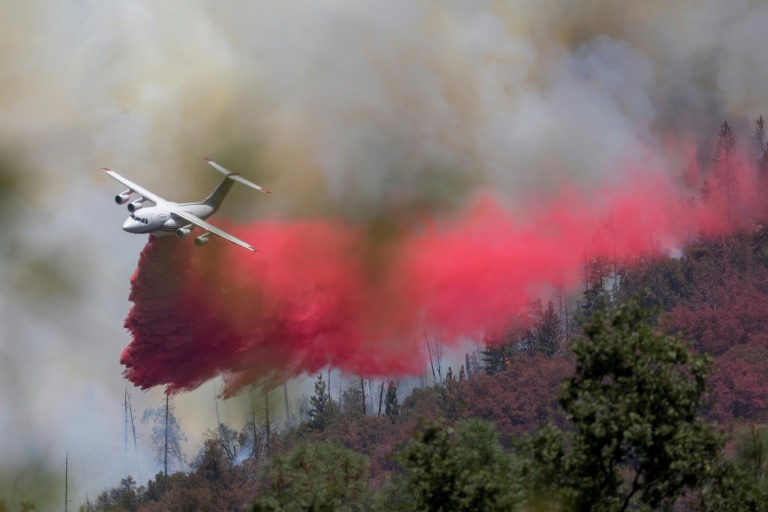
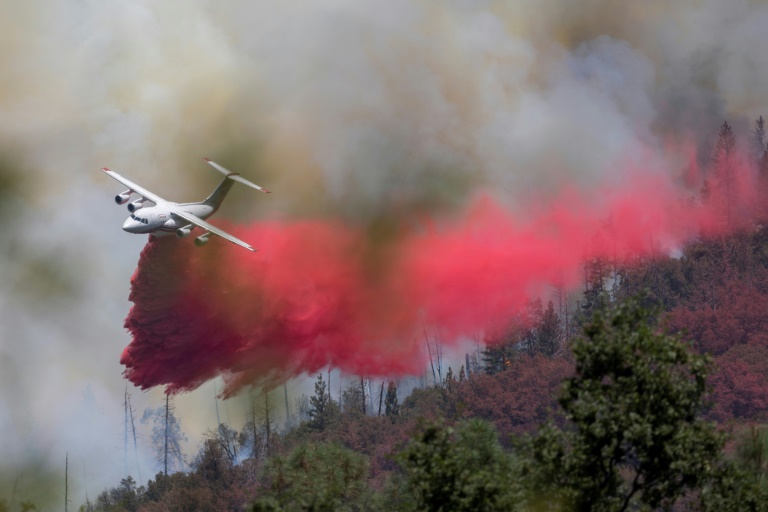
A fierce California wildfire expanded Sunday, burning several thousand acres and forcing evacuations as tens of millions of Americans sweltered through scorching heat.

More than 2,000 firefighters backed by 17 helicopters have been deployed against the Oak Fire, which broke out Friday near Yosemite National Park, the California Department of Forestry and Fire Protection (CAL FIRE) said in a report.

But two days after it began, the blaze has already consumed more than 15,600 acres (6,313 hectares) and remains zero percent contained, the report said, adding that heat combined with low humidity would “hamper” efforts Sunday.

“Extreme drought conditions have led to critical fuel moisture levels,” according to CAL FIRE’s report.

Described as “explosive” by officials, the blaze has left ashes, gutted vehicles and twisted remains of properties in its wake, as emergency personnel worked to evacuate residents and protect structures in its path.

It has already destroyed 10 properties and damaged five others, with thousands more threatened.

More than 6,000 people had been evacuated, said Hector Vasquez, a CAL FIRE official.

“It was scary when we left because we were getting ashes on us, but we had such a visual of this billowing. It just seemed like it was above our house and coming our way really quickly,” one woman who had to be evacuated, Lynda Reynolds-Brown, told local news station KCRA.

“We started getting our stuff together, and that’s when I went back up the hill and looked and I’m like, ‘Oh my God.’ It was coming fast,” her husband Aubrey Brown told the station.

California Governor Gavin Newsom on Saturday declared a state of emergency in Mariposa County, citing “conditions of extreme peril to the safety of persons and property.”

In recent years, California and other parts of the western United States have been ravaged by huge and fast-moving wildfires, driven by years of drought and a warming climate.

– Gore blasts ‘inaction’ –

Evidence of global warming could be seen elsewhere in the country, as 85 million Americans in more than a dozen states were under a weekend heat advisory.

The crisis prompted former vice president Al Gore, a tireless climate advocate, to issue stark warnings Sunday about “inaction” by US lawmakers.

Asked whether he believes US President Joe Biden should declare a climate emergency, which would grant him additional policy powers, Gore was blunt.

“Mother Nature has already declared it a global emergency,” he told ABC News talk show “This Week.”

And “it’s due to get much, much worse, and quickly,” he said separately on NBC.

But he also suggested that recent crises, including deadly heat waves in Europe, could serve as a wake-up call for members of US Congress who have so far refused to embrace efforts to combat climate change.

“I think these extreme events that are getting steadily worse and more severe are really beginning to change minds,” he said.

The central and northeast US regions have faced the brunt of the extreme heat, which is forecast to lessen somewhat on Monday.

“Searing heat will continue across the Mid-Atlantic and Northeast tonight before the upper trough over Canada dips down into the region to moderate temperatures a bit tomorrow,” the National Weather Service said Sunday afternoon.

But not all regions are expected to cool down: temperatures of 100 or more degrees Fahrenheit (37 degrees Celsius) are forecast in the coming days across parts of eastern Kansas and Oklahoma into southern Missouri and northern Arkansas.

Not even the usually cool Pacific Northwest will escape the far-reaching heat, with high temperatures “forecast to steadily rise over the next few days, leading to the possibility for records to be broken,” the weather service added.

Cities have been forced to open cooling stations and increase outreach to at-risk communities such as the homeless and those without access to air conditioning.

Various regions of the globe have been hit by extreme heat waves in recent months, such as Western Europe in July and India in March to April, incidents that scientists say are an unmistakable sign of a warming climate.

Thousands evacuated as California wildfire grows

A fierce California wildfire expanded Sunday, burning several thousand acres and forcing evacuations as tens of millions of Americans sweltered through scorching heat.

More than 2,000 firefighters backed by 17 helicopters have been deployed against the Oak Fire, which broke out Friday near Yosemite National Park, the California Department of Forestry and Fire Protection (CAL FIRE) said in a report.

But two days after it began, the blaze has already consumed more than 15,600 acres (6,313 hectares) and remains zero percent contained, the report said, adding that heat combined with low humidity would “hamper” efforts Sunday.

“Extreme drought conditions have led to critical fuel moisture levels,” according to CAL FIRE’s report.

Described as “explosive” by officials, the blaze has left ashes, gutted vehicles and twisted remains of properties in its wake, as emergency personnel worked to evacuate residents and protect structures in its path.

It has already destroyed 10 properties and damaged five others, with thousands more threatened.

More than 6,000 people had been evacuated, said Hector Vasquez, a CAL FIRE official.

“It was scary when we left because we were getting ashes on us, but we had such a visual of this billowing. It just seemed like it was above our house and coming our way really quickly,” one woman who had to be evacuated, Lynda Reynolds-Brown, told local news station KCRA.

“We started getting our stuff together, and that’s when I went back up the hill and looked and I’m like, ‘Oh my God.’ It was coming fast,” her husband Aubrey Brown told the station.

California Governor Gavin Newsom on Saturday declared a state of emergency in Mariposa County, citing “conditions of extreme peril to the safety of persons and property.”

In recent years, California and other parts of the western United States have been ravaged by huge and fast-moving wildfires, driven by years of drought and a warming climate.

– Gore blasts ‘inaction’ –

Evidence of global warming could be seen elsewhere in the country, as 85 million Americans in more than a dozen states were under a weekend heat advisory.

The crisis prompted former vice president Al Gore, a tireless climate advocate, to issue stark warnings Sunday about “inaction” by US lawmakers.

Asked whether he believes US President Joe Biden should declare a climate emergency, which would grant him additional policy powers, Gore was blunt.

“Mother Nature has already declared it a global emergency,” he told ABC News talk show “This Week.”

And “it’s due to get much, much worse, and quickly,” he said separately on NBC.

But he also suggested that recent crises, including deadly heat waves in Europe, could serve as a wake-up call for members of US Congress who have so far refused to embrace efforts to combat climate change.

“I think these extreme events that are getting steadily worse and more severe are really beginning to change minds,” he said.

The central and northeast US regions have faced the brunt of the extreme heat, which is forecast to lessen somewhat on Monday.

“Searing heat will continue across the Mid-Atlantic and Northeast tonight before the upper trough over Canada dips down into the region to moderate temperatures a bit tomorrow,” the National Weather Service said Sunday afternoon.

But not all regions are expected to cool down: temperatures of 100 or more degrees Fahrenheit (37 degrees Celsius) are forecast in the coming days across parts of eastern Kansas and Oklahoma into southern Missouri and northern Arkansas.

Not even the usually cool Pacific Northwest will escape the far-reaching heat, with high temperatures “forecast to steadily rise over the next few days, leading to the possibility for records to be broken,” the weather service added.

Cities have been forced to open cooling stations and increase outreach to at-risk communities such as the homeless and those without access to air conditioning.

Various regions of the globe have been hit by extreme heat waves in recent months, such as Western Europe in July and India in March to April, incidents that scientists say are an unmistakable sign of a warming climate.

Close Bitnami banner
Bitnami