AFP

US renews space flights with Russia in rare cooperation

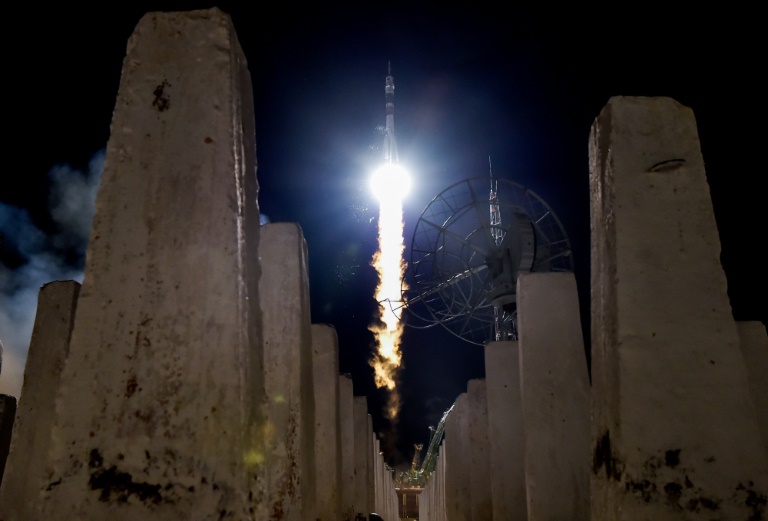
The United States and Russia said Friday they would renew flights together to the International Space Station, preserving one of the last areas of cooperation amid Western attempts to isolate Moscow over the invasion of Ukraine.

“To ensure continued safe operations of the International Space Station, protect the lives of astronauts and ensure continuous US presence in space, NASA will resume integrated crews on US crew spacecraft and the Russian Soyuz,” the US space agency said in a statement.

NASA said that astronaut Frank Rubio would fly with two Russian cosmonauts on a Soyuz rocket scheduled to launch on September 21 from Kazakhstan, with another astronaut, Loral O’Hara, taking another mission in early 2023.

In a first, Russian cosmonauts will join NASA astronauts on SpaceX’s new Crew-5 which will launch in September from Florida with a Japanese astronaut also on the mission.

Another joint mission on the SpaceX Crew-6 will fly out in early 2023, NASA said.

The move comes despite the European Space Agency earlier this week terminating its relationship with Russia on a mission to put a rover on Mars, infuriating Russian space chief Dmitry Rogozin who banned cosmonauts on the ISS from using a European-made robotic arm.

But hours before NASA’s announcement, President Vladimir Putin dismissed Rogozin, a firebrand nationalist and ardent backer of the Ukraine invasion who once quipped that US astronauts should get to the space station on trampolines rather than Russian rockets.

Roscosmos, the Russian space agency, said the agreement with NASA was in the interests of both countries and “will promote cooperation” on space.

“The agreement seeks to guarantee that in the event of an emergency caused by the cancellation or major delay in a Russian or American space launch, at least one Roscomos cosmonaut and one NASA astronaut will be present to service the Russian and American sections respectively,” it said.

NASA said that the ISS was set up for joint participation by the United States and Russia along with Europe, Japan and Canada.

“The station was designed to be interdependent and relies on contributions from each space agency to function. No one agency has the capability to function independent of the others,” NASA said.

– ‘Dear friends’ in space –

Soyuz rockets were the only way to reach the space station until SpaceX, run by the billionaire Elon Musk, debuted a capsule in 2020.

The last NASA astronaut to take a Soyuz to the station was NASA astronaut Mark Vande Hei in 2021. 

He returned to Earth in March this year alongside Russian cosmonauts, also on a Soyuz. 

Speaking to reporters afterward, Vande Hei said that the cosmonauts remained his “very dear friends” despite their nations’ tense relationship.

“We supported each other throughout everything,” he said. “And I never had any concerns about my ability to continue working with them.”

The United States has imposed sweeping sanctions on Russia after Putin on February 24 invaded Ukraine, defying Western warnings.

The sanctions, which include tough restrictions on financial interactions, have led to an exodus of leading US brands from Russia including Starbucks and McDonald’s.

But the International Space Station is unique. It was launched in 1998 at a time of hope for US-Russia cooperation following their Space Race competition during the Cold War.

The ISS is expected to wind down in the next decade.

Rogozin had warned that Western sanctions could affect cooperation.

“If you block cooperation with us, who will save the ISS from uncontrolled deorbiting and falling on US or European territory?” Rogozin wrote in a tweet earlier this year.

Kremlin spokesman Dmitry Peskov did not indicate that his removal meant Putin was unhappy with Rogozin.

One independent media outlet said he would be promoted and could be put in charge of occupied territories in Ukraine.
US renews space flights with Russia in rare cooperation

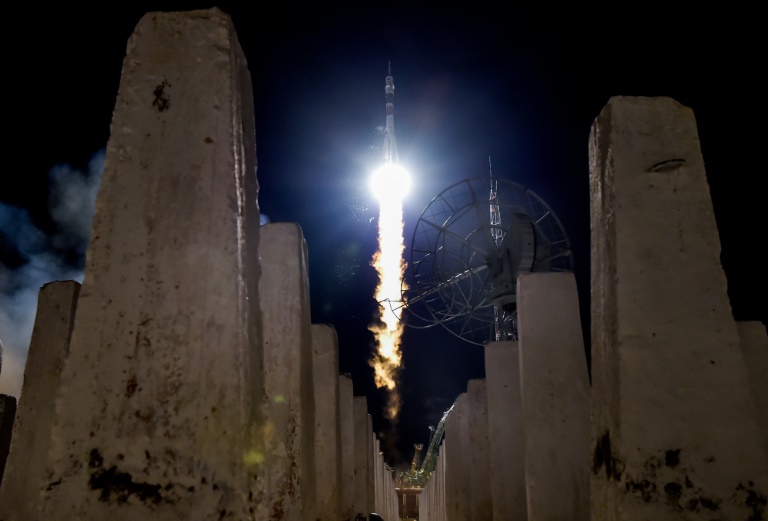
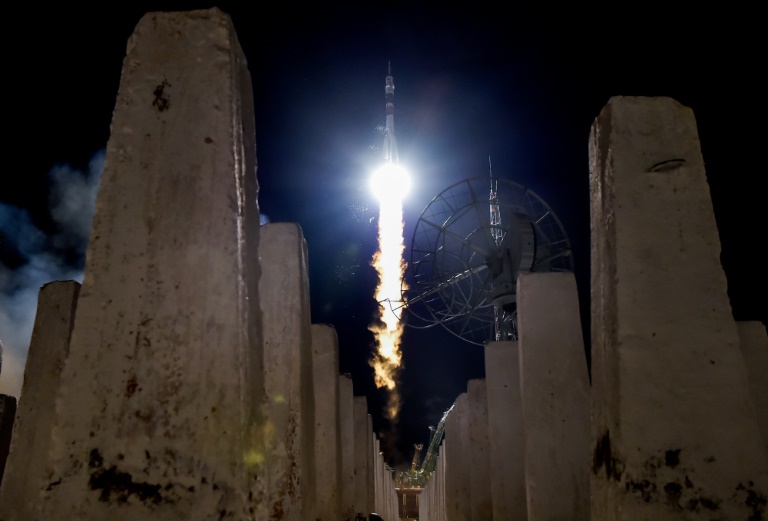
The United States and Russia said Friday they would renew flights together to the International Space Station, preserving one of the last areas of cooperation amid Western attempts to isolate Moscow over the invasion of Ukraine.

“To ensure continued safe operations of the International Space Station, protect the lives of astronauts and ensure continuous US presence in space, NASA will resume integrated crews on US crew spacecraft and the Russian Soyuz,” the US space agency said in a statement.

NASA said that astronaut Frank Rubio would fly with two Russian cosmonauts on a Soyuz rocket scheduled to launch on September 21 from Kazakhstan, with another astronaut, Loral O’Hara, taking another mission in early 2023.

In a first, Russian cosmonauts will join NASA astronauts on SpaceX’s new Crew-5 which will launch in September from Florida with a Japanese astronaut also on the mission.

Another joint mission on the SpaceX Crew-6 will fly out in early 2023, NASA said.

The move comes despite the European Space Agency earlier this week terminating its relationship with Russia on a mission to put a rover on Mars, infuriating Russian space chief Dmitry Rogozin who banned cosmonauts on the ISS from using a European-made robotic arm.

But hours before NASA’s announcement, President Vladimir Putin dismissed Rogozin, a firebrand nationalist and ardent backer of the Ukraine invasion who once quipped that US astronauts should get to the space station on trampolines rather than Russian rockets.

Roscosmos, the Russian space agency, said the agreement with NASA was in the interests of both countries and “will promote cooperation” on space.

“The agreement seeks to guarantee that in the event of an emergency caused by the cancellation or major delay in a Russian or American space launch, at least one Roscomos cosmonaut and one NASA astronaut will be present to service the Russian and American sections respectively,” it said.

NASA said that the ISS was set up for joint participation by the United States and Russia along with Europe, Japan and Canada.

“The station was designed to be interdependent and relies on contributions from each space agency to function. No one agency has the capability to function independent of the others,” NASA said.

– ‘Dear friends’ in space –

Soyuz rockets were the only way to reach the space station until SpaceX, run by the billionaire Elon Musk, debuted a capsule in 2020.

The last NASA astronaut to take a Soyuz to the station was NASA astronaut Mark Vande Hei in 2021. 

He returned to Earth in March this year alongside Russian cosmonauts, also on a Soyuz. 

Speaking to reporters afterward, Vande Hei said that the cosmonauts remained his “very dear friends” despite their nations’ tense relationship.

“We supported each other throughout everything,” he said. “And I never had any concerns about my ability to continue working with them.”

The United States has imposed sweeping sanctions on Russia after Putin on February 24 invaded Ukraine, defying Western warnings.

The sanctions, which include tough restrictions on financial interactions, have led to an exodus of leading US brands from Russia including Starbucks and McDonald’s.

But the International Space Station is unique. It was launched in 1998 at a time of hope for US-Russia cooperation following their Space Race competition during the Cold War.

The ISS is expected to wind down in the next decade.

Rogozin had warned that Western sanctions could affect cooperation.

“If you block cooperation with us, who will save the ISS from uncontrolled deorbiting and falling on US or European territory?” Rogozin wrote in a tweet earlier this year.

Kremlin spokesman Dmitry Peskov did not indicate that his removal meant Putin was unhappy with Rogozin.

One independent media outlet said he would be promoted and could be put in charge of occupied territories in Ukraine.
US renews space flights with Russia in rare cooperation

The United States and Russia said Friday they would renew flights together to the International Space Station, preserving one of the last areas of cooperation amid Western attempts to isolate Moscow over the invasion of Ukraine.

“To ensure continued safe operations of the International Space Station, protect the lives of astronauts and ensure continuous US presence in space, NASA will resume integrated crews on US crew spacecraft and the Russian Soyuz,” the US space agency said in a statement.

NASA said that astronaut Frank Rubio would fly with two Russian cosmonauts on a Soyuz rocket scheduled to launch on September 21 from Kazakhstan, with another astronaut, Loral O’Hara, taking another mission in early 2023.

In a first, Russian cosmonauts will join NASA astronauts on SpaceX’s new Crew-5 which will launch in September from Florida with a Japanese astronaut also on the mission.

Another joint mission on the SpaceX Crew-6 will fly out in early 2023, NASA said.

The move comes despite the European Space Agency earlier this week terminating its relationship with Russia on a mission to put a rover on Mars, infuriating Russian space chief Dmitry Rogozin who banned cosmonauts on the ISS from using a European-made robotic arm.

But hours before NASA’s announcement, President Vladimir Putin dismissed Rogozin, a firebrand nationalist and ardent backer of the Ukraine invasion who once quipped that US astronauts should get to the space station on trampolines rather than Russian rockets.

Roscosmos, the Russian space agency, said the agreement with NASA was in the interests of both countries and “will promote cooperation” on space.

“The agreement seeks to guarantee that in the event of an emergency caused by the cancellation or major delay in a Russian or American space launch, at least one Roscomos cosmonaut and one NASA astronaut will be present to service the Russian and American sections respectively,” it said.

NASA said that the ISS was set up for joint participation by the United States and Russia along with Europe, Japan and Canada.

“The station was designed to be interdependent and relies on contributions from each space agency to function. No one agency has the capability to function independent of the others,” NASA said.

– ‘Dear friends’ in space –

Soyuz rockets were the only way to reach the space station until SpaceX, run by the billionaire Elon Musk, debuted a capsule in 2020.

The last NASA astronaut to take a Soyuz to the station was NASA astronaut Mark Vande Hei in 2021. 

He returned to Earth in March this year alongside Russian cosmonauts, also on a Soyuz. 

Speaking to reporters afterward, Vande Hei said that the cosmonauts remained his “very dear friends” despite their nations’ tense relationship.

“We supported each other throughout everything,” he said. “And I never had any concerns about my ability to continue working with them.”

The United States has imposed sweeping sanctions on Russia after Putin on February 24 invaded Ukraine, defying Western warnings.

The sanctions, which include tough restrictions on financial interactions, have led to an exodus of leading US brands from Russia including Starbucks and McDonald’s.

But the International Space Station is unique. It was launched in 1998 at a time of hope for US-Russia cooperation following their Space Race competition during the Cold War.

The ISS is expected to wind down in the next decade.

Rogozin had warned that Western sanctions could affect cooperation.

“If you block cooperation with us, who will save the ISS from uncontrolled deorbiting and falling on US or European territory?” Rogozin wrote in a tweet earlier this year.

Kremlin spokesman Dmitry Peskov did not indicate that his removal meant Putin was unhappy with Rogozin.

One independent media outlet said he would be promoted and could be put in charge of occupied territories in Ukraine.
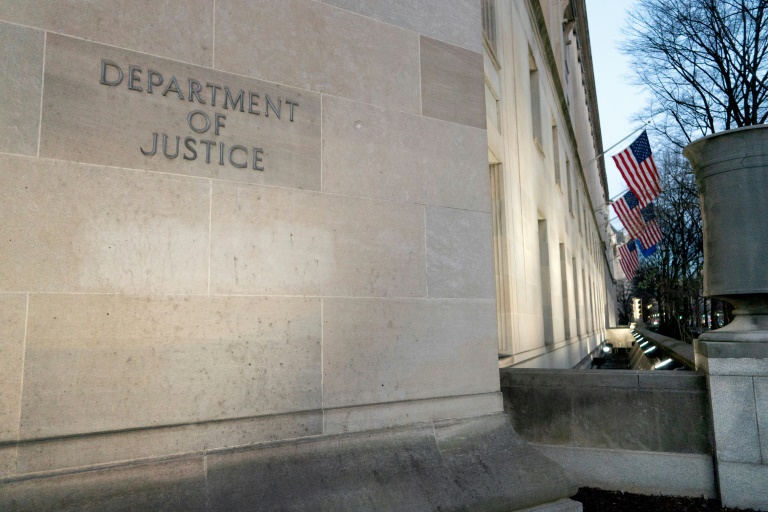
Turkish businessman Korkmaz extradited to US from Austria

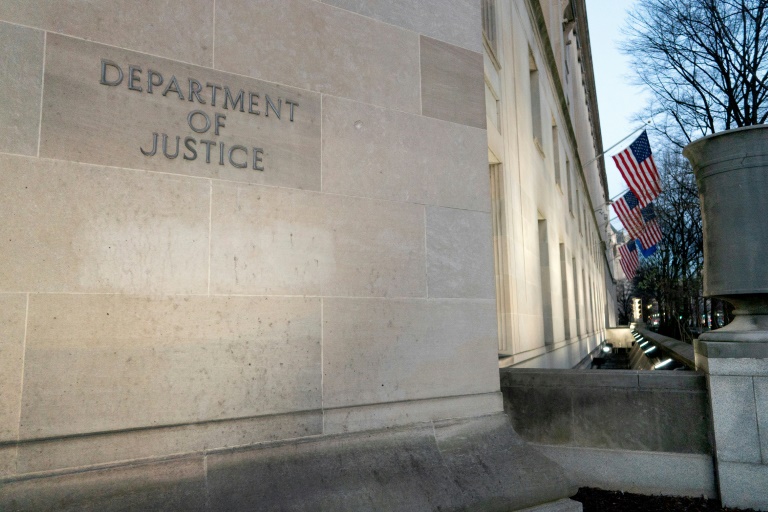
A Turkish businessman wanted on money laundering, wire fraud and obstruction charges was extradited from Austria to the United States on Friday, the Justice Department said.

Sezgin Baran Korkmaz was escorted by US Marshals to Utah, where he has been indicted for allegedly laundering more than $133 million through bank accounts he controlled in Turkey and Luxembourg.

Korkmaz was arrested in Austria in June of last year and had been fighting extradition to the United States, telling a Turkish reporter from jail that he would rather face justice at home, where he is also wanted for money laundering and fraud.

According to a US indictment, Korkmaz and co-conspirators were involved in a scheme to defraud the US Treasury by filing false claims for more than $1 billion in tax credits allegedly for the production and sale of biodiesel by their company, Washakie Renewable Energy LLC.

Jacob and Isaiah Kingston pleaded guilty in July 2019 to federal charges and testified in 2020 at the trial in Utah of another co-conspirator, Levon Termendzhyan, who was convicted of all charges.

Korkmaz and his co-conspirators allegedly used proceeds from the fraud to acquire luxury homes, businesses such as Biofarma, the Turkish airline Borajet, a yacht named the Queen Anne, a hotel in Turkey and a villa and apartment on the Bosporus in Istanbul, according to the US authorities.

Working with officials in Lebanon, US Marshals seized the Queen Anne in July 2021 and sold it for $10.11 million.

The Justice Department said Korkmaz faces a maximum penalty of 20 years in prison for each count of money laundering conspiracy, wire fraud and obstruction of an official proceeding.

The United States had been insisting on his extradition from Austria because the likelihood of Ankara extraditing him should he have been sent back to Turkey was low.

A large part of the reason lies in Washington’s refusal to hand over a US-based Turkish cleric President Recep Tayyip Erdogan believes plotted a failed coup against him in 2016.

According to the Organised Crime and Corruption Reporting Project, Korkmaz played a role in Ankara’s efforts to curry favor with president Donald Trump in his first years in the White House.

The investigative group also alleged that Korkmaz facilitated a 2018 trip for Americans linked to Trump who sought to secure detained US pastor Andrew Brunson’s release from Turkey.

The pastor’s fate became a major issue for Trump, who thrust him to the fore of US-Turkish relations until Brunson’s eventual release in late 2018.

Turkish businessman Korkmaz extradited to US from Austria

A Turkish businessman wanted on money laundering, wire fraud and obstruction charges was extradited from Austria to the United States on Friday, the Justice Department said.

Sezgin Baran Korkmaz was escorted by US Marshals to Utah, where he has been indicted for allegedly laundering more than $133 million through bank accounts he controlled in Turkey and Luxembourg.

Korkmaz was arrested in Austria in June of last year and had been fighting extradition to the United States, telling a Turkish reporter from jail that he would rather face justice at home, where he is also wanted for money laundering and fraud.

According to a US indictment, Korkmaz and co-conspirators were involved in a scheme to defraud the US Treasury by filing false claims for more than $1 billion in tax credits allegedly for the production and sale of biodiesel by their company, Washakie Renewable Energy LLC.

Jacob and Isaiah Kingston pleaded guilty in July 2019 to federal charges and testified in 2020 at the trial in Utah of another co-conspirator, Levon Termendzhyan, who was convicted of all charges.

Korkmaz and his co-conspirators allegedly used proceeds from the fraud to acquire luxury homes, businesses such as Biofarma, the Turkish airline Borajet, a yacht named the Queen Anne, a hotel in Turkey and a villa and apartment on the Bosporus in Istanbul, according to the US authorities.

Working with officials in Lebanon, US Marshals seized the Queen Anne in July 2021 and sold it for $10.11 million.

The Justice Department said Korkmaz faces a maximum penalty of 20 years in prison for each count of money laundering conspiracy, wire fraud and obstruction of an official proceeding.

The United States had been insisting on his extradition from Austria because the likelihood of Ankara extraditing him should he have been sent back to Turkey was low.

A large part of the reason lies in Washington’s refusal to hand over a US-based Turkish cleric President Recep Tayyip Erdogan believes plotted a failed coup against him in 2016.

According to the Organised Crime and Corruption Reporting Project, Korkmaz played a role in Ankara’s efforts to curry favor with president Donald Trump in his first years in the White House.

The investigative group also alleged that Korkmaz facilitated a 2018 trip for Americans linked to Trump who sought to secure detained US pastor Andrew Brunson’s release from Turkey.

The pastor’s fate became a major issue for Trump, who thrust him to the fore of US-Turkish relations until Brunson’s eventual release in late 2018.

US struggles to meet monkeypox vaccine demand

The United States, which is forecasting an increase in monkeypox cases in the coming weeks, does not currently have enough vaccines to meet demand, a top health official said Friday.

Concern has grown especially in New York, the epicenter of the US outbreak of the virus, with nearly 390 cases counted as of July 14. The United States has seen a total of 1,470 cases.

The illness is characterized by lesions on the skin — which can appear on the genitals or the mouth  — and is often accompanied by fever, sore throat and pain in the lymph nodes. It usually clears up on its own but can be extremely painful.

“I want to acknowledge that at this time the demand for vaccines from jurisdictions is higher than our current available supply,” Rochelle Walensky, director of the Centers for Disease Control and Prevention (CDC), said. “And we know that this is frustrating.”

“We don’t yet have all the vaccine that we would like in this moment,” she told reporters during a press conference, warning that authorities “anticipate an increase in cases in the coming weeks.”

New York public health authorities were forced to apologize earlier this week when a government website became overwhelmed as thousands tried to log on to book vaccine appointments at once. 

“Vaccine supply is extremely limited, extremely constrained, all across this country, and especially here in New York,” the head of the city’s public health department Ashwin Vasan said Thursday.

– Close contact –

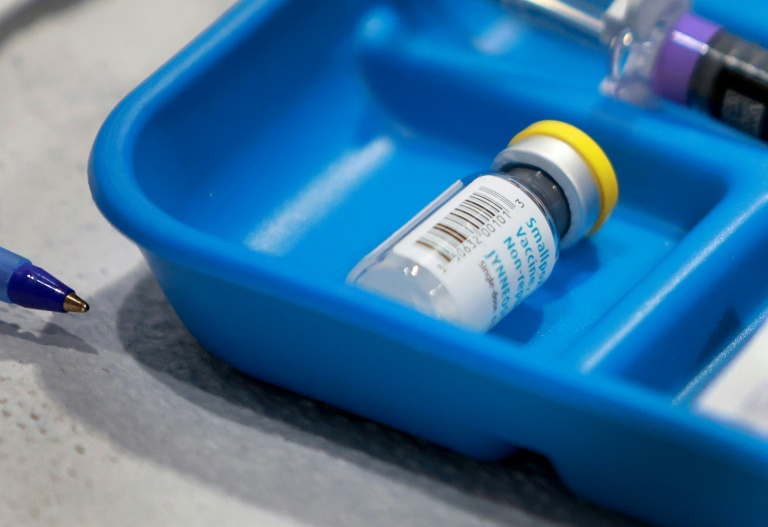
In May, when the outbreak began in the United States, there were only 2,000 doses of the Jynneos vaccine — the only specifically approved against monkeypox — available in the country. 

Since then, 156,000 doses have been distributed nationwide. More than 130,000 doses have been added to the strategic national stockpile and are expected to start being disseminated Monday. 

The next round of vaccine distribution will prioritize hardest-hit regions first, Walensky said. 

“I anticipate that there will be a lot more supply for New York City,” she added.

Furthering shortages, a shipment of 786,000 doses has been stuck in Denmark awaiting inspection from the Food and Drug Administration (FDA). The review is now complete, according to FDA official Peter Marks, and “we told the manufacturer (Bavarian Nordic) that they may ship the vaccine,” he said.

Additionally, the US Department of Health and Human Services announced Friday they had ordered another 2.5 million doses of the Jynneos vaccine, set to arrive in 2023. That order follows another made earlier this month, which is expected to arrive later this year. 

The two-injection vaccine is currently recommended for anyone who has been in close contact with someone infected with monkeypox. For now, the virus is mostly circulating among the LGBTQ community, especially gay and bisexual men.

Monkeypox spreads through close physical contact, by touching objects that have previously been handled by an infected person, or by close face-to-face interaction.

Committee probing US Capitol attack to hold primetime hearing

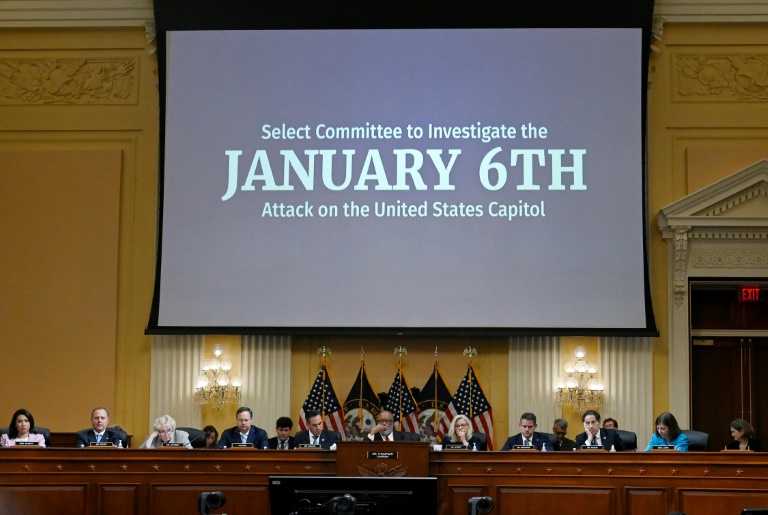
The US House committee investigating the January 6 assault on the US Capitol by Donald Trump supporters plans to hold a primetime hearing on Thursday.

The committee said the televised public hearing, its eighth, will take place at 8:00 pm in Washington (0000 GMT). The committee’s opening hearing was also held in primetime, when television audiences are largest.

Committee members have said the session is expected to focus on Trump’s actions on January 6, when thousands of his supporters stormed Congress in a bid to prevent certification of the results of the November 2020 election won by Democrat Joe Biden.

“You will hear that Donald Trump never picked up the phone that day to order his administration to help,” Representative Liz Cheney, a Republican member of the committee, said at the last hearing. 

“For multiple hours, Donald Trump refused to intervene to stop it,” Cheney said.

During its seventh hearing on Tuesday, the committee made up of seven Democrats and two Republicans examined the impact of a tweet Trump sent on December 19, 2020 urging his supporters to descend on Washington on January 6 for a rally he promised would be “wild.”

Members of right-wing militia groups and other Trump supporters saw the tweet from the then-president as a “call to arms,” lawmakers said.

The committee is trying to determine whether Trump or his associates had a role in planning or encouraging the violent insurrection, and has subpoenaed numerous advisors and aides to the former president.

More than 850 people have been arrested in connection with the attack on Congress, which left at least five people dead and 140 police officers injured.

Trump was impeached for a historic second time by the House after the riot — he was charged with inciting an insurrection — but was acquitted by the Senate.

Russia 'fully' responsible for death of British captive in east Ukraine

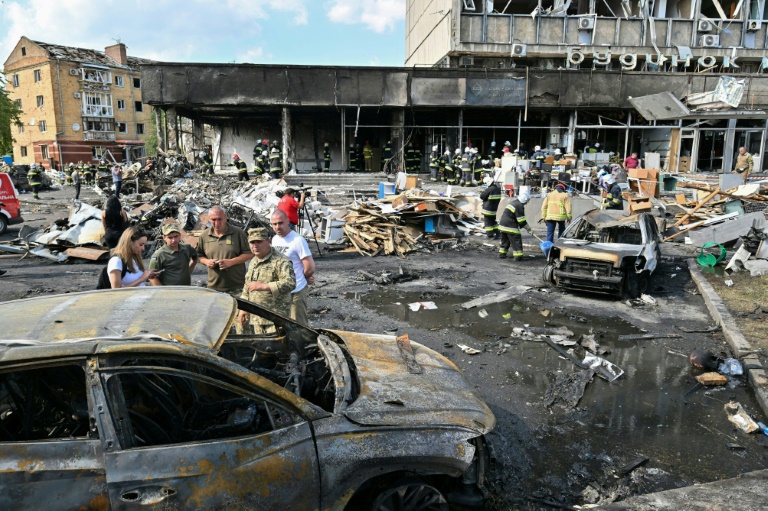
The United Kingdom said Friday the Kremlin was “fully responsible” for the death of a British captive in east Ukraine as rescue workers in Vinnytsia scoured debris for missing people after devastating Russian rocket attacks.

The comments from British Foreign Secretary Liz Truss came as Kyiv announced it had taken delivery of sophisticated rocket-launcher systems, part of a growing Western-supplied arsenal that Ukraine says is changing dynamics on the battlefield.

“I am shocked to hear reports of the death of British aid worker Paul Urey while in the custody of a Russian proxy in Ukraine,” Truss said. 

“Russia must bear the full responsibility for this,” she said.

Rescue workers were still clearing debris throughout the day in the wake of devastating Russian strikes in the central Ukrainian city of Vinnytsia that killed nearly two dozen people, including three children.

Russia claimed the strikes — hundreds of kilometres away from frontline fighting — had killed Ukrainian military officials and foreign arms suppliers.

But among those killed was four-year-old Liza Dmitrieva, who had Down’s syndrome and whose death spurred an outpouring after footage her final moments alive went viral on social media.

Ukrainian President Volodymyr Zelensky said in response that “no other country in the world poses the same kind of terrorist threat as Russia”.

Eighteen people were unaccounted for and more than 70 were hospitalised, the presidency said. Some 400 people were involved in clean-up operations, the emergency services announced Friday.

– Outpouring for slain toddler –

The missile strikes on Vinnytsia are the latest attacks to carry a heavy civilian toll and come less than a week after strikes on Chasiv Yar in the Donetsk region left nearly 50 dead.

Officials initially believed four-year-old Liza’s mother had been killed too, but announced Friday she was alive in a “critical” condition after surgery.

First Lady Olena Zelenska said early Friday she was “horrified” by Liza’s death and images of her overturned pushchair released by local authorities.

Moscow said it had targeted Ukraine military officials meeting to discuss arms supplies and aircraft repairs with foreign representatives.

“As a result of the strike, the participants of the meeting were destroyed,” the Russian defence ministry said.

But a senior US defence official rejected the claim, telling reporters: “I have no indication that there was a military target anywhere near that.”

Moscow launched its invasion on February 24 and the conflict has killed thousands of people, destroyed cities and forced millions to flee their homes.

Ukraine has repeatedly urged allies to supply it with advanced, long-range precisions artillery systems that would allow it to target Russian forces deeper inside Ukrainian-held territory.

Defence Minister Oleksiy Reznikov said Friday Ukraine had taken delivery of a first batch of sophisticated M270 rocket systems, adding to a growing arsenal of Western-supplied artillery Kyiv says is changing dynamics on the battlefield.

“They will be good company for Himars on the battlefield,” Oleksiy said, referring to US precision rocket systems recently deployed in the conflict.

The heaviest fighting recently in Ukraine has focused on the industrial Donbas region in the east, where a grinding trench war and artillery duels are morphing into a war of attrition.

– ‘Clearing’ Donbas town Siversk –

Moscow-backed separatists said Friday they were closing in on their next target, Siversk, after wresting control of sister cities Lysychansk and Severodonetsk two weeks ago.

And Donetsk separatist official Daniil Versonov said rebel fighters were “clearing” eastern districts of Siversk in small groups.

A strike Friday hit the central square in Kramatorsk, a major city and an administrative centre of the Donbas, where the town hall and cultural centre are located. Authorities said no one was hurt since it happened during the curfew.

Genya, a 72-year-old resident, described seeing from his balcony “something burning in the middle of the square then it exploded”.

The pro-Moscow authorities also announced British citizen Urey had died in their captivity on July 10. They say he was a veteran of conflicts in Afghanistan and the Middle East.

Truss said however Urey “was in Ukraine to try and help the Ukrainian people in the face of the unprovoked Russian invasion,” echoing claims from NGOs and a legion of foreign fighters backing Kyiv.

Negotiations to end the conflict collapsed early in the war but Russian and Ukrainian delegations met in Istanbul this week to discuss unblocking Ukraine’s grain exports.

The countries at war are among the world’s largest producers and the conflict has pushed up prices with Ukraine unable to export grain through its Black Sea ports. 

A Russian military spokesman said Friday however an agreement to unblock grain exports from Ukrainian ports would be ready “soon”.

burs-jbr/raz

Wildfires blaze across sweltering southwest Europe

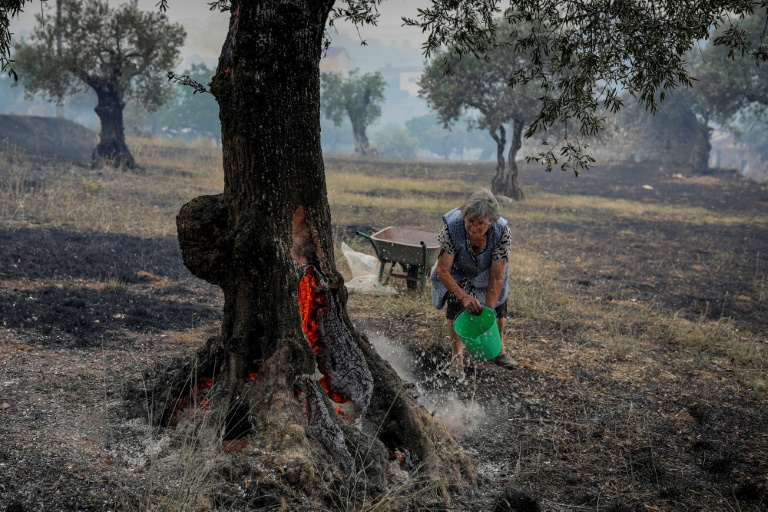
Southwest Europe baked under sweltering temperatures on Friday for a fifth day, with the heat sparking devastating wildfires, forcing the evacuations of thousands and ruining holidays.

Armies of firefighters battled blazes in France, Portugal and Spain as Britain braced for “extreme heat” in coming days and even Irish forecasters predicted a taste of blistering Mediterranean-style summer temperatures.

As French President Emmanuel Macros vowed authorities would do everything to mobilise resources to fight the fallout, the Bordeaux public prosecutor indicated a “criminal” origin was its main line of inquiry for at least one fire near the southwestern city.

The furnace engulfing swathes of southwest Europe is the second in weeks, with scientists blaming climate change and predicting more frequent and intense episodes of extreme weather.

In Portugal, five regions in the centre and north — where temperatures hit a July record 47 Celsius on Thursday before dropping back  — were on red  alert again Friday as more than 2,000 firefighters tackled four major blazes.

As of late Thursday, the fires had killed one person and injured around 60. Nearly 900 people had been evacuated and several dozen homes damaged or destroyed, authorities said.

Wildfires have destroyed 30,000 hectares (75,000 acres) of land this year, the largest area since Portugal’s horrific summer of 2017 when around 100 people died.

In neighbouring Spain, where temperatures were as high as 37C by seven am, a fire that broke out Thursday near the Monfrague National Park, a protected area renowned for wildlife in the Extremadura region, continued to blaze.

Spanish authorities reported close on 20 fires still raging out of control with one near Mijas in the deep south, inland from regional capital Malaga, forcing some 2,300 people to evacuate  their homes.

Across the Mediterranean, authorities said one person was found dead in northern Morocco as forest fires raged.

Spanish Prime Minister Pedro Sanchez tweeted he was “closely following the evolution of active fires” posing an “extreme risk”.

The mercury reached 45.4C in Spain on Thursday, shy of the all-time high of 47.4C registered in August last year.

In southwestern France, flames have destroyed some 7,700 hectares since Tuesday and forced the evacuation of 11,000 people — including many holidaymakers who decided to abandon their vacation rather than remain in makeshift shelters set up by local authorities.

Southern France, battling temperatures around 40C on Friday, is bracing for more heat next week with 16 departments already on orange, a severe alert.

– ‘Post-apocalyptic’ –

One fire was raging in pine forests near France’s Dune du Pilat, Europe’s tallest sand dune and a magnet for tourists.

“I’ve never seen this before and you get the feeling that it’s post-apocalyptic really,” said resident Karyn on Thursday shortly before the preventative evacuation order at Cazaux village near the dune.

Fire commander Laurent Dellac spoke of “tunnels of fire” around Teste-de-Buch, in the middle of the Landes forest to Bordeaux’s southwest — although nobody was reported hurt.

“The blazes are still not under control, and unfortunately conditions are windy again,” firefighter spokesman Matthieu Jomain told AFP.

Britain’s meteorological agency meanwhile issued its first ever “red” warning for exceptional heat with nights exceptionally warm.

The Met Office said there was a 50-percent chance on Monday or Tuesday of temperatures topping 40C for the first time, and an 80-percent chance that the country’s previous record of 38.7C set in 2019 will be exceeded.

– ‘Risk to life’ –

UK hospitals have warned of a surge in heat-related admissions and train operators have told passengers to expect cancellations.

The Irish meteorological office issued a weather warning for Sunday, Monday and Tuesday with “exceptionally warm weather”.

A high of 32C was possible on Monday, Met Eireann said, just short of Ireland’s record high 33.3C set in 1887.

Belgian authorities said they expected much higher temperatures next week, with a high of 38C in parts of the country forecast for Tuesday.

Scientists blamethe increasing regularity of heatwaves on global warming.

“Climate change is driving this heatwave, just as it is driving every heatwave now,” said Friederike Otto, senior lecturer in climate science at the Grantham Institute at Imperial College London.

“Greenhouse gas emissions, from burning fossil fuels like coal, gas and oil, are making heatwaves hotter, longer-lasting and more frequent,” she said.

burs/jh/cdw/bp

US House passes bills to protect abortion access, Senate approval unlikely

The US House of Representatives adopted two bills on Friday aimed at protecting access to abortion after the Supreme Court ruled that individual states can ban or restrict the procedure.

The legislation passed by the Democratic-controlled House is unlikely, however, to advance in the Senate, where 10 Republican votes would be needed to bring the measures to the floor.

“Just three weeks ago, the Supreme Court took a wrecking ball to fundamental rights by overturning Roe v. Wade,” Democratic House Speaker Nancy Pelosi said, referring to the landmark case that enshrined legal access to abortion.

“That is why today, our pro-choice, pro-women Democratic majority stands resolute,” Pelosi said. “We will take further action to defend women’s reproductive freedom.”

The first bill, the “Women’s Health Protection Act,” adopted only with Democratic support, would legalize abortion throughout the United States.

The House passed a similar bill last year but it failed in the Senate.

The other bill adopted on Friday would provide legal protection to women who leave one state to undergo an abortion in another.

Several conservative states have already banned abortion since the Supreme Court ruling, and about half of the 50 US states are expected to impose near or total bans in weeks or months to come.

Democratic President Joe Biden denounced last month’s abortion ruling by the conservative-dominated Supreme Court and has urged Americans to turn out in large numbers to vote in November’s midterm elections.

The party in power tends to perform poorly in the midterms, however, and Democrats risk losing their majority in the House and their slim hold on the Senate.

Close Bitnami banner
Bitnami