Africa Business

Trial in 2016 Ivory Coast attack set to get underway

Eighteen people go on trial in Ivory Coast on Wednesday accused of involvement in one of West Africa’s bloodiest jihadist attacks — a machine-gun assault on a beach resort in 2016 that left 19 dead.

But only four of the 18 will be physically present for the long-awaited proceedings in Abidjan, Ivory Coast’s economic hub.

The others are either on the run or being held in Mali, said Aude Rimailho, a lawyer for civilian plaintiffs.

On March 13, 2016, three men wielding assault rifles attacked Grand-Bassam, a tourist complex 40 kilometres (25 miles) east of Abidjan popular with foreigners.

In an operation echoing a jihadist massacre the previous year in Tunisia, they stormed the beach and then attacked several hotels and restaurants.

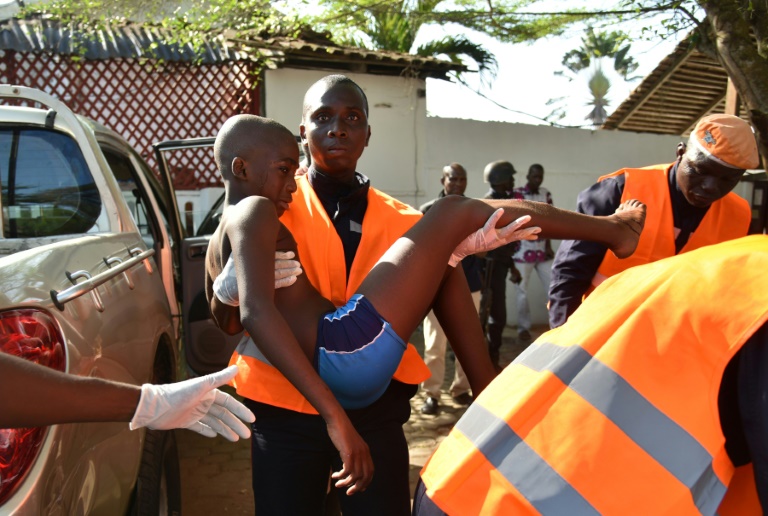
The 45-minute bloodbath ended when the three were shot dead by Ivorian security forces.

Al-Qaeda’s North African affiliate, Al-Qaeda in the Islamic Maghreb (AQIM), claimed responsibility the same day.

It said the attack was in response to anti-jihadist operations in the Sahel by France and its allies, and targeted Ivory Coast for having handed over AQIM militants to Mali.

– Terrorism, murder charges – 

Several dozen people were arrested, including three suspected accomplices of the dead attackers, who were detained in Mali.

The charges against the 18 include acts of terrorism, murder, attempted murder, criminal concealment, illegal possession of firearms and ammunition “and complicity in these deeds,” Public Prosecutor Richard Adou said last week.

Nineteen people were killed — nine Ivorians, four French citizens, a Lebanese, a German, a Macedonian, a Malian, a Nigerian and a person who could not be identified.

Thirty-three people of various nationalities were wounded.

Rimailho, representing French plaintiffs, said those on trial were “small fry” and cautioned against seeing the proceedings as a chance for closure.

“The people who planned the operation are in Mali,” she said.

The prospects of seeing them on trial there are clouded by “the chill between France and Mali,” she said, referring to a breakdown in relations between Paris and the Malian ruling junta.

Mali is the epicentre of a decade-long jihadist revolt that has shaken the Sahel, claiming thousands of lives and forcing hundreds of thousands to flee their homes.

The attack on Grand-Bassam was the first and deadliest in a string of sporadic attacks on countries lying on the coast of the Gulf of Guinea, south of the Sahel.

In January 2017, members of France’s Barkhane anti-jihadist force captured a key suspect, Mimi Ould Baba Ould Cheikh.

He is described by Ivory Coast investigators as one of the instigators of the Grand-Bassam attack and by Burkina Faso as the “operation leader” in an assault on the Burkinabe capital Ouagadougou in January 2016 that claimed 30 lives.
Trial in 2016 Ivory Coast attack set to get underway

Eighteen people go on trial in Ivory Coast on Wednesday accused of involvement in one of West Africa’s bloodiest jihadist attacks — a machine-gun assault on a beach resort in 2016 that left 19 dead.

But only four of the 18 will be physically present for the long-awaited proceedings in Abidjan, Ivory Coast’s economic hub.

The others are either on the run or being held in Mali, said Aude Rimailho, a lawyer for civilian plaintiffs.

On March 13, 2016, three men wielding assault rifles attacked Grand-Bassam, a tourist complex 40 kilometres (25 miles) east of Abidjan popular with foreigners.

In an operation echoing a jihadist massacre the previous year in Tunisia, they stormed the beach and then attacked several hotels and restaurants.

The 45-minute bloodbath ended when the three were shot dead by Ivorian security forces.

Al-Qaeda’s North African affiliate, Al-Qaeda in the Islamic Maghreb (AQIM), claimed responsibility the same day.

It said the attack was in response to anti-jihadist operations in the Sahel by France and its allies, and targeted Ivory Coast for having handed over AQIM militants to Mali.

– Terrorism, murder charges – 

Several dozen people were arrested, including three suspected accomplices of the dead attackers, who were detained in Mali.

The charges against the 18 include acts of terrorism, murder, attempted murder, criminal concealment, illegal possession of firearms and ammunition “and complicity in these deeds,” Public Prosecutor Richard Adou said last week.

Nineteen people were killed — nine Ivorians, four French citizens, a Lebanese, a German, a Macedonian, a Malian, a Nigerian and a person who could not be identified.

Thirty-three people of various nationalities were wounded.

Rimailho, representing French plaintiffs, said those on trial were “small fry” and cautioned against seeing the proceedings as a chance for closure.

“The people who planned the operation are in Mali,” she said.

The prospects of seeing them on trial there are clouded by “the chill between France and Mali,” she said, referring to a breakdown in relations between Paris and the Malian ruling junta.

Mali is the epicentre of a decade-long jihadist revolt that has shaken the Sahel, claiming thousands of lives and forcing hundreds of thousands to flee their homes.

The attack on Grand-Bassam was the first and deadliest in a string of sporadic attacks on countries lying on the coast of the Gulf of Guinea, south of the Sahel.

In January 2017, members of France’s Barkhane anti-jihadist force captured a key suspect, Mimi Ould Baba Ould Cheikh.

He is described by Ivory Coast investigators as one of the instigators of the Grand-Bassam attack and by Burkina Faso as the “operation leader” in an assault on the Burkinabe capital Ouagadougou in January 2016 that claimed 30 lives.
Killer of S.African anti-apartheid hero Hani stabbed in jail: prison

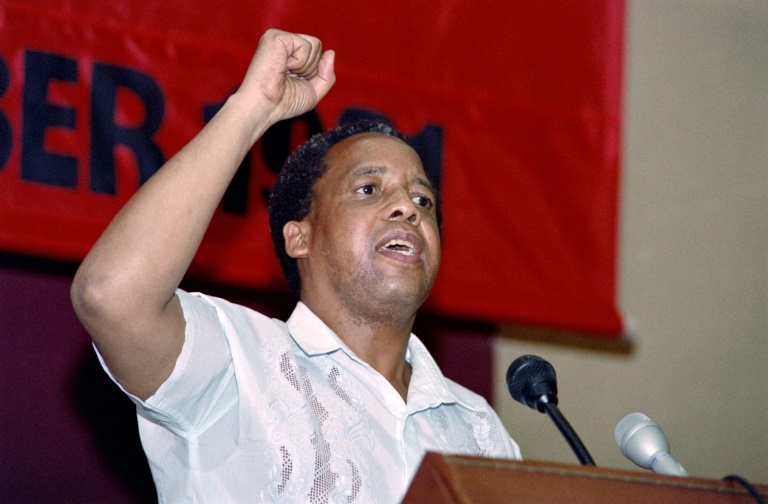
The killer of South African anti-apartheid hero Chris Hani has been stabbed in jail, days after the country’s top court ordered him to be released on parole, the prison services said Tuesday.

The Department of Correctional Services (DCS) said it was “able to confirm an unfortunate stabbing incident” involving Janusz Walus, who has spent nearly three decades in jail for the 1993 killing.

Walus, a 69-year-old far-right immigrant from then-communist Poland, was due to be released by Thursday, under an order issued last week by the Constitutional Court that ignited angry protests. 

The prison service said Walus was “stable” and receiving necessary health care, without giving details.

“It is alleged that Walus was stabbed by another inmate from the same housing unit,” it said, adding that an investigation was underway.

A DCS spokesman told AFP the incident occurred Tuesday afternoon and that Walus is being held at the Kgosi Mampuru II Correctional Centre in Pretoria.

Walus had been handed a life sentence for gunning down Hani, a hugely popular figure and fierce opponent of the apartheid regime. 

He was the general secretary of the South African Communist Party (SACP) and chief of staff of Umkhonto we Sizwe, the armed wing of the now-ruling African National Congress (ANC).

He was shot dead in the driveway of his house on April 10, 1993 in Boksburg, a suburb east of Johannesburg.

The shooting occurred just as negotiations to end apartheid were entering their final phase, stoking protests and rioting in black townships that some feared would erupt into civil war.

Then-ANC president Nelson Mandela appeared on national television to appeal for calm, a move that helped ease tensions and open the way to South Africa’s first multi-racial elections the following year.

– Parole controversy –

The Constitutional Court on November 21 granted Walus parole and gave the prison service 10 days in which to release him.

Walus “was convicted of (a) very serious crime… cold-blooded murder”, said Chief Justice Raymond Zondo.

He “seemed to have been intent on derailing the attainment of democracy by this country”, Zondo said. 

Even so, said Zondo, the law entitled Walus to parole. 

ANC lawmakers vowed Tuesday “to strengthen the laws that govern the granting of parole”.

“We are saddened by the fact that an unrepentant murderer of the hero of our struggle will walk free,” the ANC caucus said in a statement.

They also condemned what they described as “statements by white supremacist and Neo-Nazi groups in Poland that have hailed Walus’ release on parole”.

President Cyril Ramaphosa last week said the decision to parole the murderer of the “iconic figure in our struggle” was “disappointing” and “unfortunate”.

The decision was described as “diabolical” by Hani’s widow and unleashed angry protests by the ANC and SACP.

More protests led by the ANC, the SACP and the labour federation COSATU have been announced for Wednesday, to be staged outside the prison where Janus is being held.

At the weekend, Hani’s grave and memorial — a national heritage site — in a suburb east of Johannesburg were vandalised.

In a joint statement with trade unions, the ANC and SACP condemned the attack and said it came in the context of a judgement that “pleased unrepentant apartheid perpetrators”. 

On Monday, the home affairs ministry announced Walus would have to serve his parole in South Africa, saying he should not be allowed to return home to Poland given the “heinous crime committed”. 

Walus immigrated to South Africa from then-communist Poland in 1981 at the height of the white-minority apartheid rule.

His accomplice Clive Derby-Lewis, who supplied the gun that shot Hani, was released in 2015 on medical parole after 22 years in jail. He died of lung cancer in 2016, aged 80.

Stowaways who arrived in Spain on rudder returned to ship

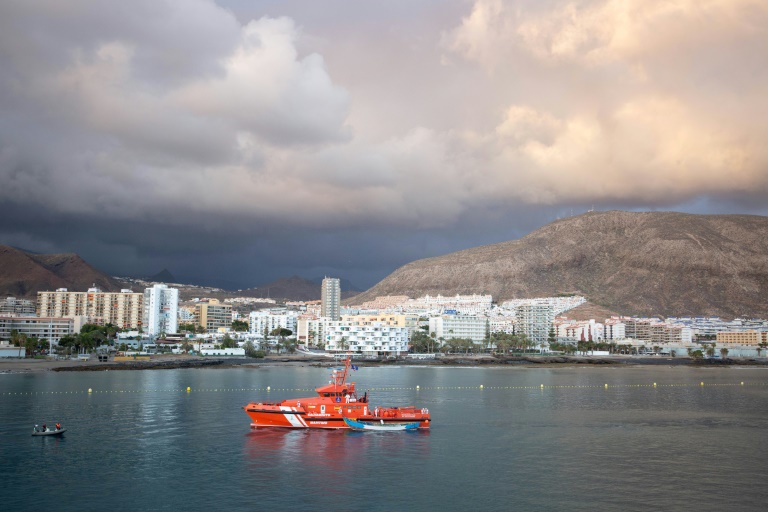
Three migrants who arrived in Spain after enduring an 11-day journey from Nigeria on the rudder of a fuel tanker were returned to the ship Tuesday after receiving medical care, officials said.

The men were found when the Alithini II docked in Las Palmas on the island of Gran Canaria on Monday evening. 

A photo shared on social media by the Spanish coastguard shows them sitting on the rudder of the oil tanker’s stern, their feet just above the waterline.

“They were tired and had symptoms of hypothermia and when they arrived at the port they were attended by health services,” the coastguard said in a statement.

Local emergency services said the three men were dehydrated and needed hospital care.

The three migrants were on Tuesday returned to the Maltese-flagged ship, which will have to take them back to Nigeria, a spokesman for the central government’s representative in the Canary Islands told AFP.

A ship’s operator must take care of any stowaways and “has to bring them back to their port of origin”, he said.

“If there are stowaways on a plane, the airline is responsible for them,” he added.

Officials gave no details about the nationality of the migrants or if they had requested asylum in Spain.

The Alithini II departed Nigeria’s largest city Lagos for Las Palmas — a journey of over 2,700 nautical miles — on November 17, according to maritime tracking websites.

Spain’s Canary Islands, located in the Atlantic off the northwest coast of Africa, are a popular gateway for migrants attempting to reach Europe.

Killer of S.African anti-apartheid hero Hani stabbed in jail: prison

The killer of South African anti-apartheid hero Chris Hani has been stabbed in jail, days after the country’s top court ordered him to be released on parole, the prison services said Tuesday.

The Department of Correctional Services (DCS) said it was “able to confirm an unfortunate stabbing incident” involving Janusz Walus, who has spent nearly three decades in jail for the 1993 killing.

Walus, a 69-year-old far-right immigrant from then-communist Poland, was due to be released by Thursday, under an order issued last week by the Constitutional Court that ignited angry protests. 

The prison service said “Walus is stable” and receiving necessary health care, without giving details.

“It is alleged that Walus was stabbed by another inmate from the same housing unit,” it said, adding that an investigation was underway.

A DCS spokesman told AFP the incident occurred “today, in the afternoon”.

Walus is being held at the Kgosi Mampuru II Correctional Centre in Pretoria, the spokesman said.

Walus had been handed a life sentence for gunning down Hani, a hugely popular figure and fierce opponent of the apartheid regime. 

He was the general secretary of the South African Communist Party (SACP) and chief of staff of Umkhonto we Sizwe, the armed wing of the now-ruling African National Congress (ANC).

He was shot dead in the driveway of his house on April 10, 1993 in Boksburg, a suburb east of Johannesburg.

The shooting occurred just as negotiations to end apartheid were entering their final phase, stoking protests and rioting in black townships that some feared would erupt into civil war.

Then-ANC president Nelson Mandela appeared on national television to appeal for calm, a move that helped ease tensions and open the way to South Africa’s first multi-racial elections the following year.

– Parole controversy –

The Constitutional Court on November 21 granted Walus parole and gave the prison service 10 days in which to release him.

Walus “was convicted of (a) very serious crime… cold-blooded murder”, said Chief Justice Raymond Zondo.

He “seemed to have been intent on derailing the attainment of democracy by this country”, Zondo said. 

“His conduct nearly plunged this country into civil unrest.”

Even so, said Zondo, the law entitled Walus to parole. 

President Cyril Ramaphosa last week said the decision to parole the murderer of the “iconic figure in our struggle” was “disappointing” and “unfortunate”.

The decision was described as “diabolical” by Hani’s widow and unleashed angry protests by the ANC and SACP.

More protests led by the ANC, the SACP and the labour federation COSATU have been announced for Wednesday, to be staged outside the prison where Janus is being held.

At the weekend, Hani’s grave and memorial — a national heritage site — in a suburb east of Johannesburg were vandalised.

In a joint statement with trade unions, the ANC and SACP condemned the attack and said it came in the context of a judgement that “pleased unrepentant apartheid perpetrators”. 

On Monday, the home affairs ministry announced Walus would have to serve his parole in South Africa, saying he should not be allowed to return home to Poland given the “heinous crime committed”. 

Walus immigrated to South Africa from then-communist Poland in 1981 at the height of the white-minority apartheid rule.

His accomplice, Clive Derby-Lewis, who supplied the gun that shot Hani, was released in 2015 on medical parole after 22 years in jail. He died of lung cancer in 2016, aged 80.

Senegal's Koulibaly gives World Cup man-of-the-match trophy to deceased Diop's family

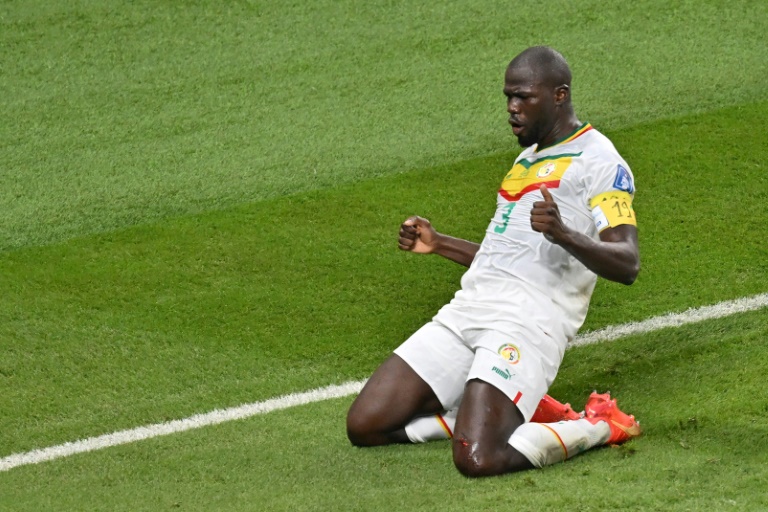
Kalidou Koulibaly said he would give the family of late Senegal great Papa Bouba Diop’s his man-of-the-match award after firing his country through to the World Cup last 16 on Tuesday.

The defender scored the winner to clinch a 2-1 win over Ecuador on the second anniversary of Diop’s tragic early death following a long illness, taking Senegal through in second place in Group A.

Koulibaly also paid tribute to Senegal’s 2002 World Cup hero by having Diop’s number 19 written on his captain’s armband.

Diop scored the winning goal in the stunning 1-0 triumph over France in the opening game of that tournament 20 years ago, helping Senegal reach the quarter-finals.

“Today is the anniversary of his death, I will give his family the trophy in his honour,” Koulibaly told reporters.

“We knew the anniversary of his death was something very important, for his family.

“We wanted to pay homage to him, he made me dream when I was a boy.

“We knew we wanted to play in his honour, this wasn’t something we were going to let slip.

“It was important for us as a team to make our families and Papa’s family proud.

“Now we know we need to rest up, keep a cool head, yes we’ve qualified, and yes we can savour the win, but now we need to concentrate.

“We need to show why we are the champions of Africa. We need to rest up and get the best from ourselves in the knockout stages.”

Koulibaly’s goal sent Senegal into the knockout phase for only the second time in their history.

“This was a special day for Senegal, all Senegalese football won today,” Koulibaly said on television after the game.

“I’m glad I scored this goal, it’s a huge honour for me.”

Ismaila Sarr sent Senegal ahead in the 44th minute with an ice-cool no-look penalty after he was felled by Piero Hincapie.

Ecuador fought back through Moises Caicedo’s header, but Chelsea defender Koulibaly stroked home three minutes later to send Senegal through with his first goal for his country on his 67th appearance.

Koulibaly also sent a message to his friends in Italy, where he played for Napoli for eight years, after landslides on Monday on the island of Ischia, near Naples

“There were a lot of deaths caused by landslides… I want to dedicate this goal to them today, to give them strength in testing times,” added the 31-year-old.

Uranium-rich Niger struggles despite nuclear resurgence

Prospects for the world’s nuclear industry have been boosted by the war in Ukraine and mounting hostility towards climate-wrecking fossil fuels — but Niger, one of the world’s biggest sources of uranium, has yet to feel the improvement.

The deeply impoverished landlocked Sahel state is a major supplier of uranium to the European Union, accounting for a fifth of its supplies, and is especially important to France, its former colonial power. 

But its mining industry is in the doldrums.

“Over the past few years, the uranium industry worldwide has been marked by a trend of continuously falling prices,” Mining Minister Yacouba Hadizatou Ousseini told AFP in an interview.

She blamed “pressure from ecologists” after the 2011 Fukushima nuclear accident in Japan, but also the emergence of “particularly rich deposits” of uranium in Canada for depressing the market.

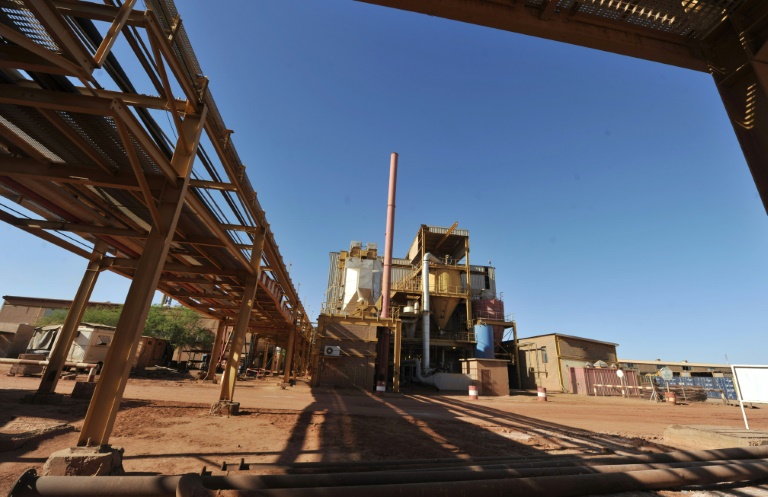
A concrete example of Niger’s problems can be found in its vast mine at Imouraren, which experts had said would yield 5,000 tonnes of ore for 35 years, but which has been closed since 2014.

“Mining at… Imouraren, which is one of the world’s largest uranium deposits, will get underway as soon as market conditions permit,” French miner Orano, which has the operating licence, says on its website.

Orano, previously known as Areva, has two subsidiaries in Niger.

Last year, its offshoot Cominak wound up activities at a mine in the desert region of Arlit which had been operating since the 1970s after commercially exploitable deposits of uranium ore ran out.

Production at a second site in Arlit by its other subsidiary Somair was 2,000 tonnes in 2021, compared with 3,000 tonnes nine years earlier.

– Grounds for optimism –

But there is good news, too, for the sector.

Prices have recently been on the upward track over the past two years. At around $50 a pound (half a kilo), they are double the price of six years ago, although still way off the record of $140 per pound, reached during a spike in 2007.

“Prices are low compared to production costs. Many mines have closed because of that,” a French uranium expert told AFP.

“But a slow improvement is underway. In the long term, there will be major demand, especially for power stations in Russia or China,” the specialist said, asking not to be identified.

This explains why foreign miners — from Australia, Britain, Canada, China, India, Italy, Russia and the United States — have been knocking on Niger’s door.

“There are 31 current authorisations for uranium prospecting, and 11 permits to mine uranium,” the minister said.

On November 5, the Canadian company Global Atomic Corporation began the symbolic start of uranium extraction at a site about 100 kilometres (60 miles) south of Arlit.

It has promised to invest 121 billion CFA francs (around $185 million) there next year.

“(Niger’s) uranium… is open to those who have the technological capacity to exploit it,” Nigerien President Mohamed Bazoum said last year.

“There is a future for uranium in Niger, but not necessarily with France,” the French expert said.

– Tensions with France –

Niger’s open-doors policy today contrasts with the half-century entwinement it previously had with France — a once-cosy relationship that suffered from repeated rows out about pricing.

In 2007, former president Mamadou Tandja successfully fought for a 40-percent increase in price for uranium paid by Areva.

His successor, Mahamadou Issoufou — a former Areva employee — once voiced indignation that his country earned so little from uranium, even though it was the fourth biggest producer in the world at the time.

In 2014, Areva and Niger signed a deal, after 18 months of negotiations, that set down improved conditions for Niger through operations at the Imouraren mine.

Those benefits are still awaited, as the huge mine is closed.

“There’s no win-win partnership. Niger has had no benefit from uranium mining,” said Ali Idrissa, coordinator of a coalition of campaign groups called the Nigerien Network of Organisations for Budget Transparency and Analysis.

Uranium “has brought us only (landscape) desolation… and all the profits went to France,” said Nigerien specialist Tchiroma Aissami Mamadou.

In 2020, mining contributed to 1.2 percent of the national budget.

Accusations of abuse or exploitation are rejected by Orano, which said it had invested millions of euros in projects to improve health and education for local communities and spur economic activities around mining sites.

It also pointed to taxes, dividends and other payments that mining companies paid into state coffers, directly or indirectly.

S.African anti-apartheid hero Hani's tomb vandalised

The grave of anti-apartheid hero Chris Hani has been vandalised, days after a South African court ordered the far-right gunman who killed him to be released on parole, city officials said on Tuesday.

The city of Ekurhuleni, where the tomb and memorial site of the late Communist Party leader are located, said the authorities had opened an investigation. 

“The monument was vandalised on Saturday night. One of the pillars is badly damaged, one side just fell off. And the electric lighting system was stolen,” Ekurhuleni spokesman Zweli Dlamini told AFP. 

The monument comprises four marble columns symbolising the pillars of the struggle against white rule led by the African National Congress (ANC), the party of Nelson Mandela. 

Hani, a hugely popular figure and fierce opponent of the apartheid regime, was shot dead in the driveway of his house in 1993, only a year before South Africa’s first multi-racial elections.

The shooting occurred just as negotiations to end apartheid were entering their final phase, stoking tensions that some feared would erupt into civil war.

Last week, South Africa’s top court controversially ordered the release on parole of Janusz Walus, the Polish immigrant who shot Hani dead.

Walus, 69, has served nearly three decades of a life sentence for the murder.

The decision, which Hani’s widow described as “diabolical”, has led to protests by the ruling ANC, and the South African Communist Party (SACP).

In a joint statement with trade unions, the two parties condemned the vandalisation of Hani’s memorial as a “provocative attack.”

They said it came in the context of a judgment that “pleased unrepentant apartheid perpetrators.” 

On Monday, the home affairs announced Walus would have to serve his parole in South Africa, saying he should not be allowed to return home to Poland given the “heinous crime committed.” 

All regions experienced water extremes in 2021: UN

All regions of the world saw water extremes last year — both floods and droughts — and billions of people had insufficient freshwater, the United Nations said on Tuesday.

Large areas of the planet recorded drier than normal conditions in 2021, the UN’s World Meteorological Organization said in its first annual State of Global Water Resources report.

The report assesses the effects of changes in the climate, environment and society on the Earth’s freshwater resources — limited supplies that are under growing demand — so they can be managed better.

“The impacts of climate change are often felt through water — more intense and frequent droughts, more extreme flooding, more erratic seasonal rainfall and accelerated melting of glaciers — with cascading effects on economies, ecosystems and all aspects of our daily lives,” said WMO head Petteri Taalas.

“And yet there is insufficient understanding of changes in the distribution, quantity and quality of freshwater resources.”

Some 3.6 billion people face inadequate access to freshwater at least one month per year. That is forecast to rise to more than five billion by 2050, the report said.

Between 2001 and 2018, 74 percent of all natural disasters were water-related, according to UN studies.

In 2021, all regions saw devastating water extremes, the report said.

There were record-breaking floods in western Europe and the Amazon, while water levels in rivers in Paraguay and southern Brazil dropped to an all-time low.

The report assessed streamflow — the volume of water flowing through a river — over a 30-year period.

Drops in water volumes were twice as widespread as rises.

Major river basins in the Americas and central Africa saw water volumes shrink. Rivers in northern India and southern Africa saw above average increases.

– Frozen resources –

Terrestrial water storage — all water on the land surface and in the subsurface — shrank more than it grew, the report said.

Negative hotspots included Patagonia, the Ganges and Indus headwaters, and the southwestern United States.

“Some of the hotspots are exacerbated by (over-extraction) of groundwater for irrigation. The melting of snow and ice also has a significant impact in several areas, including Alaska, Patagonia and the Himalayas,” the WMO said.

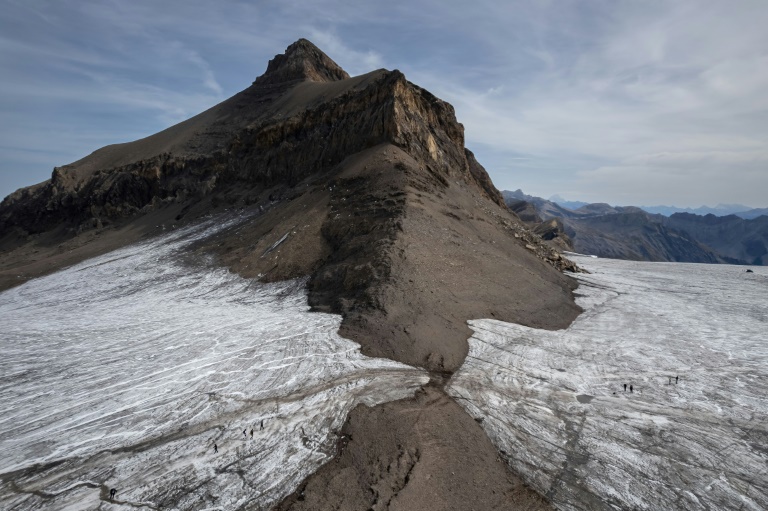
The world’s biggest natural reservoir of freshwater is the cryosphere — glaciers, snow cover, ice caps and permafrost — and changes to this reservoir affect food production, health and the natural world, the report said.

Around 1.9 billion people live in areas where drinking water is supplied by glaciers and snow melt but these glaciers are melting increasingly fast, it stressed.

It urged authorities to speed up the introduction of drought and flood early warning systems to help reduce the impact of water extremes.

Truce holds in east DR Congo despite ambushes

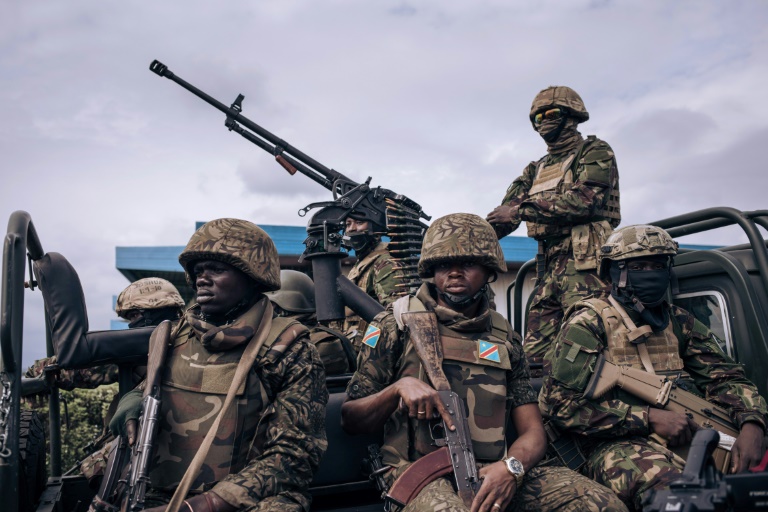
A ceasefire between government troops and M23 rebels appeared to be holding for a third day on Monday in the Democratic Republic of Congo (DRC), despite clashes between rival militias, residents told AFP.

Under the ceasefire that came into force on Friday night, the March 23 group, which has seized swathes of territory, was to withdraw from “occupied zones,” failing which an East African regional force would intervene.

But by Monday local people reported no sign of a rebel pullout of those zones.

Over the weekend, sporadic clashes occurred between the mainly Congolese Tutsi M23 fighters and Hutu factions such as the Democratic Forces for the Liberation Rwanda (FDLR).

“During the night, an M23 vehicle was caught in an ambush” at Kinyandonyi village in Rutshuru territory, a hospital source said Monday.

“There were deaths but it’s difficult to know more.”

On Sunday, the FDLR, present in the sprawling DRC since the 1994 genocide of Tutsis in neighbouring Rwanda, carried out another attack 30 kilometres (18 miles) away at Biruma, a resident said.

On Saturday, six civilians died when a local ethnic militia and the FDLR clashed at Kisharo, close to the same area, a hospital source said.

Despite fighting between the M23 and the army continuing right up to the ceasefire deadline north of the provincial capital Goma, no clashes have since been reported between the two, according to locals telephoned by AFP.

The frontlines have remained calm, they said.

AFP was unable to independently confirm the accounts from local people.

The March 23 group had been dormant for years, but took up arms again late last year accusing the government of failing to honour a disarmament deal.

M23 has overrun large tracts of mountainous Rutshuru territory north of Goma, a city of one million which they briefly captured 10 years ago.

The advance on Goma has halted over the last two weeks but the rebels had still been gaining ground on other fronts, in the west towards Masisi and in the northeast.

The DRC accuses neighbouring Rwanda of supporting the rebels — charges Kigali denies and in turn alleges Kinshasa works with the FDLR.

DRC President Felix Tshisekedi attended a regional mini summit in the Angolan capital Luanda last week, agreeing a deal on the cessation of hostilities from Friday evening.

A fresh round of talks with armed groups opened in Kenya on Monday, without the M23 present.

Minister and government spokesman Patrick Muyaya repeated the M23’s position, telling journalists: “The M23 will not take part in the Nairobi talks until it has liberated the occupied localities”.

The UN’s peacekeeping force in eastern DRC, MONUSCO, said on Monday it had been “officially requested by the DRC’s foreign ministry to support the implementation of decisions adopted in the context of the Luanda and Nairobi peace processes”. 

It said it was “ready to set up a coordination mechanism” with the East African regional force.

The M23 is among scores of armed groups that have turned eastern DRC into one of Africa’s most violent regions.

Many are legacies of two wars before the turn of the century that sucked in countries from the region and left millions dead.

Close Bitnami banner
Bitnami