Africa Business

Tonnes of fruit stranded in EU, S.Africa battle of oranges

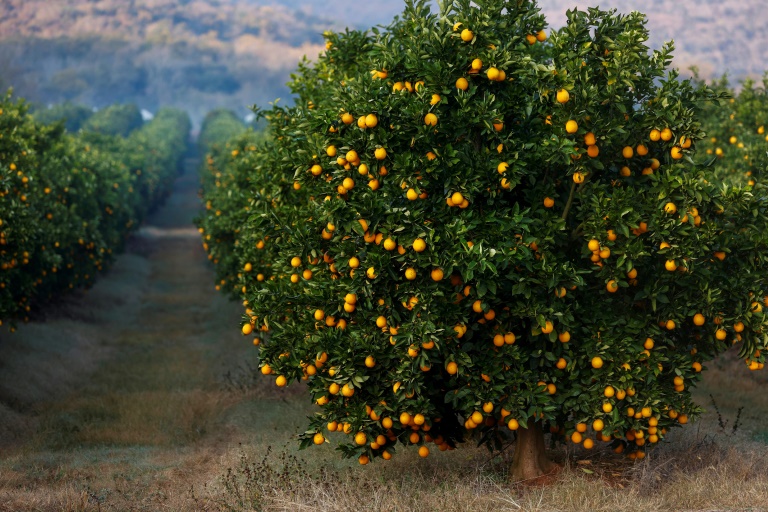
Millions of boxes of oranges are spoiling in containers stranded at European ports as South Africa and the European Union lock horns in a dispute over import rules, citrus growers have said. 

South Africa, the world’s second largest exporter of fresh citrus after Spain, filed a complaint with the World Trade Organisation (WTO) last month after the EU introduced new plant and health safety requirements that orange farmers say threaten their survival.

The measures came into force in July as ships were already at sea carrying hundreds of containers full of South African fruit to Europe, resulting in them being held up on arrival, South Africa’s Citrus Growers’ Association (CGA) says. 

“It’s a complete and utter disaster,” CGA’s CEO Justin Chadwick told AFP by phone.

“Food that has fantastic quality and is safe is (just) sitting there — and this at a time when people are worried about food security.”

The EU rules aim at tackling the potential spread of an insect called the false codling moth, a pest native to sub-Saharan Africa that feeds on fruits including oranges and grapefruits.

The new measures require South African farmers to apply extreme cold treatment to all Europe-bound oranges and keep the fruits at temperatures of two degrees Celsius (35 degrees Fahrenheit) or lower for 25 days.

But the CGA says this measure is unnecessary as the country already has its own, more targeted way of preventing infestation. 

In its WTO complaint, South Africa argued that the EU requirements were “not based on science”, more restrictive than necessary and “discriminatory”.

South African citrus growers say the requirement puts undue extra pressure on an industry already in dire straits. 

“This is going to add a lot of costs… and at the moment, that is what no grower in the world can afford,” said Hannes de Waal, who heads of the almost 100-year-old farm Sundays River Citrus.

De Waal, whose company has orange, clementine and lemon trees straddling 7,000 hectares (17,000 acres) near the southeastern coast city of Gqeberha, said revenues were already squeezed by high shipping and fertiliser costs. 

Freight costs have rocketed since Covid-19 struck, and so has the price of fertilisers due to the war in Ukraine — Russia being one of the world’s largest producers.

– ‘Under pressure’ –

Europe is the largest market for South Africa’s almost $2 billion citrus industry, accounting for 37 percent of all exports, according to the CGA.

The new rules hit at the height of South Africa’s orange season, during the southern hemisphere’s winter, when export operations were in full swing.

This gave fruit growers too little time to adapt, said Chadwick. 

Some 3.2 million cartons of citrus worth about 605 million rand ($36 million) left port with paperwork that would be wrong on arrival.

The South African government was scrambling to issue new documents for shipments that met the new criteria, but hundreds of containers could be slated for destruction, said Chadwick. 

South Africa already has an effective anti-moth system, the CGA says. 

“Our system does involve cold treatment, but targeted at the risk, whereas the EU measure is a blanket measure that covers all oranges,” Chadwick said.

“The higher the risk, the more extreme the cold treatment,” he said, of the South African measures.

The dispute is now with the WTO. The parties have 60 days to negotiate a solution. Failing that, the complainant can request the matter be decided by a panel of experts.

The EU said it was confident of the “WTO-compatibility” of its measures.  

“The objective of the EU’s plant and health safety criteria is to protect the union territory from the potential significant impact on the agriculture and the environment, should this pest establish itself in the union,” a spokesperson for the EU Commission said in a statement. 

Chadwick hopes that “sense” will prevail and a quick fix can be found.

“Our industry is under pressure. It’s basically a year of survival,” he said. 
Ivory Coast president Ouattara pardons predecessor Gbagbo

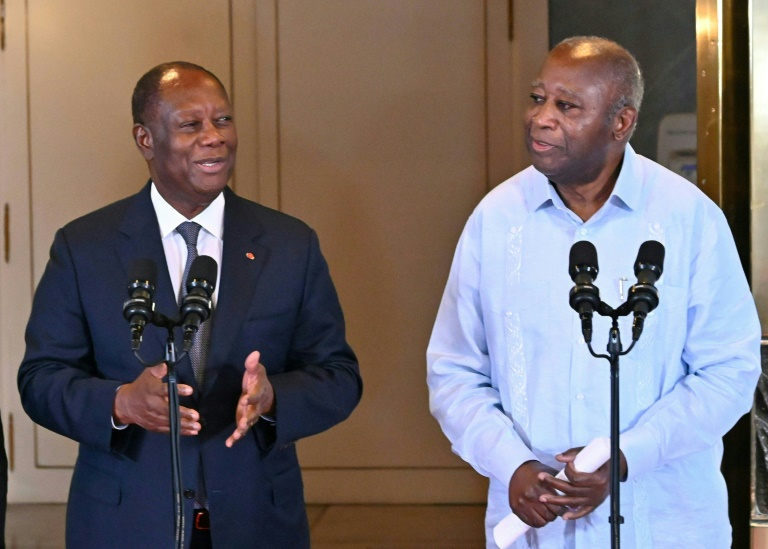
Ivory Coast President Alassane Ouattara announced Saturday that he had pardoned his predecessor, Laurent Gbagbo, who faced a 20-year jail term for a 2018 conviction over political unrest.

“In the interests of strengthening social cohesion, I have signed a decree granting a presidential pardon,” Ouattara said in a speech to mark the 62nd anniversary of the country’s independence.

The president said he had asked that Gbagbo’s bank accounts be unfrozen and that his life annuity be paid.

Ouattara also said he had signed a decree for the conditional release two of Gbagbo’s closest associates, former navy chief Vagba Faussignaux and a former commander of a key gendarmerie unit, Jean-Noel Abehi, both convicted for their role in the post-election unrest.

Gbagbo was acquitted by the International Criminal Court (ICC) for alleged war crimes committed during the 2011 civil conflict that broke out after he refused to recognise Ouattara’s victory in presidential elections a year earlier.

But in 2018, an Ivorian court handed Gbagbo a 20-year term in absentia over the looting of the Central Bank of West African States (BCEAO) during the country’s post-election crisis.

After his acquittal by the ICC, Gbagbo returned from exile in 2021 and launched a new political party, but he has kept a low profile since, despite having said he wants to remain in politics until his death.

Since his return to the country, there had been no attempt to imprison him on the basis of the 2018 conviction.

– A ‘fraternal meeting’ –

The announcement of the pardon comes just weeks after a meeting on July 14 between Outtara, Gbagbo and another former president, Henri Konan Bedie.

Ouattara, in his speech Saturday, described that occasion as a “fraternal meeting” in which the three men had “discussed, in a friendly atmosphere, matters of the national interest and the ways and means of consolidating peace in our country”.

Both Gbagbo and Bedie have been invited to attend independence day celebrations on Sunday at Yamoussoukro, the country’s political capital.

In 2020, the ex-presidents had challenged Outtara’s candidacy for a new term — which they deemed unconstitutional — with that election also leading to political violence.

But reconciliation efforts began the following year during legislative elections, which took place without major incident.

Though Ouattara’s party won that poll, it did allow for the return of the opposition to the National Assembly, including Gbagbo’s supporters, who had boycotted every election since his defeat in 2010 after 10 years in power.

A “political dialogue” between the government, parties and civil society organisations is currently under way with the aim of allowing local polls in 2023 and the next presidential election in 2025 to go ahead without violence.

Ivorian political life has been dominated for more than 20 years by Ouattara, Bedie and Gbagbo, aged 80, 88 and 77, respectively.

ICoast president Ouattara pardons predecessor Gbagbo

Ivory Coast President Alassane Ouattara announced Saturday that he had pardoned his predecessor, Laurent Gbagbo, who still faced a 20-year jail term for a 2018 conviction over political unrest.

“In the interests of reinforcing social cohesion, I have signed a decree granting a presidential pardon,” Ouattara said in a speech to mark the 62nd anniversary of the country’s independence.

He had also asked that Gbagbo’s bank accounts be unfrozen and that his life annuity be paid, he added.

And he had signed a decree for the release two of Gbagbo’s closest associates, former navy chief Vagba Faussignaux and a former commander of a key gendarmerie unit, Jean-Noel Abehi, both convicted for their role in the post-election unrest.

Gbagbo was acquitted by the International Criminal Court (ICC) for alleged war crimes committed during the 2011 civil conflict that broke out after he refused to recognise Ouattara’s victory in presidential elections a year earlier.

But in 2018, an Ivorian court handed Gbagbo a 20-year term in absentia over the looting of the Central Bank of West African States (BCEAO) during the country’s post-election crisis.

After his acquittal by the ICC, Gbagbo returned from exile in 2021, and the 77-year-old political veteran has kept a low profile since.

Springbok triumph adds to woes of embattled All Blacks

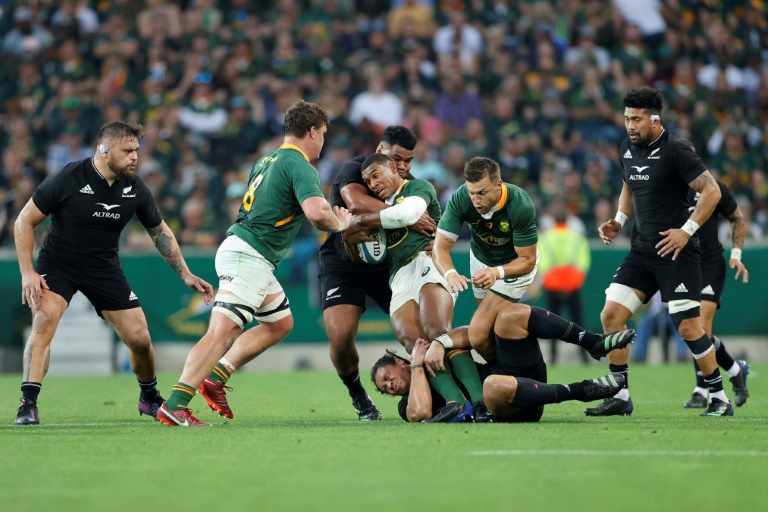
South Africa beat New Zealand 26-10 on Saturday in the Rugby Championship opener in Mbombela, adding to the woes of the embattled All Blacks. 

New Zealand flew to South Africa having lost four of their previous five matches amid calls for coach Ian Foster and captain Sam Cane to be sacked.

The ferocity of the Springboks constantly unsettled the All Blacks, who were lucky to trail only 10-3 at half-time having been outplayed in the opening 40 minutes. 

New Zealand did win more possession in the second half but basic errors cost them and their only try, from replacement loose forward Shannon Frizell, arrived when South Africa were reduced to 14 men.

Wing Kurt-Lee Arendse, scorer of the first South African try, was red-carded on 75 minutes after fouling airborne fly-half Beauden Barrett. 

Hooker Malcolm Marx was warmly greeted by the sell-out 40,000 crowd in recognition of him winning his 50th cap when he ran on to the field ahead of his teammates in the northeastern city.

There was a dramatic start to the opening match of the southern hemisphere championship with Springboks scrum-half Faf de Klerk knocked out after his head struck the knee of All Blacks wing Caleb Clarke.

De Klerk had to be stretchered off, but received lengthy applause when he appeared on the sideline midway through the opening half having failed a head injury assessment test.

Inexperienced Jaden Hendrikse, who debuted in a home series against Wales last month, replaced De Klerk just 43 seconds into the match.

– Arendse scores –

Fired-up South Africa dominated early possession and territory and went ahead on eight minutes when Arendse scored his first try for the world champions in only his second appearance.

The New Zealand defence failed to grasp a lofted kick from fly-half Handre Pollard and centre Lukhanyo Am fed Arendse, who raced over the tryline.

Unpredictable goal-kicker Pollard did well to convert from the touchline and increased the lead to 10 points on 22 minutes by slotting a close-range penalty between the posts.

There was a sudden change of momentum as half-time approached with New Zealand, helped by a steadier scrum, awarded four penalties in quick succession.

Full-back Jordie Barrett, one of three brothers in the All Blacks starting line-up, converted one of the penalties on 36 minutes to narrow the gap to seven points and it remained 10-3 until half-time.

In the build-up to the match, Springboks coach Jacques Nienaber had emphasised the need to translate dominance into points and will have been disappointed that his team were only seven points in front.

He would have been thrilled with the performance of Marx, though, as the Japan-based front-rower won several turnovers and figured constantly in assaults on the All Blacks.

In the second half, Pollard kicked two penalties and a drop goal to give the home team a 19-3 lead before both teams scored late tries.

Frizell dived over in the corner and fellow substitute Richie Mo’unga converted, then replacement back Willie le Roux scored beside the post and Pollard converted for a personal tally of 16 points. 

Kenya candidates vow economic revival in final push for votes

Flanked by cheering crowds and blaring vuvuzela horns, the frontrunners in Kenya’s presidential election vowed to revive the country’s troubled economy Saturday as they made their final push for votes ahead of the August 9 polls.

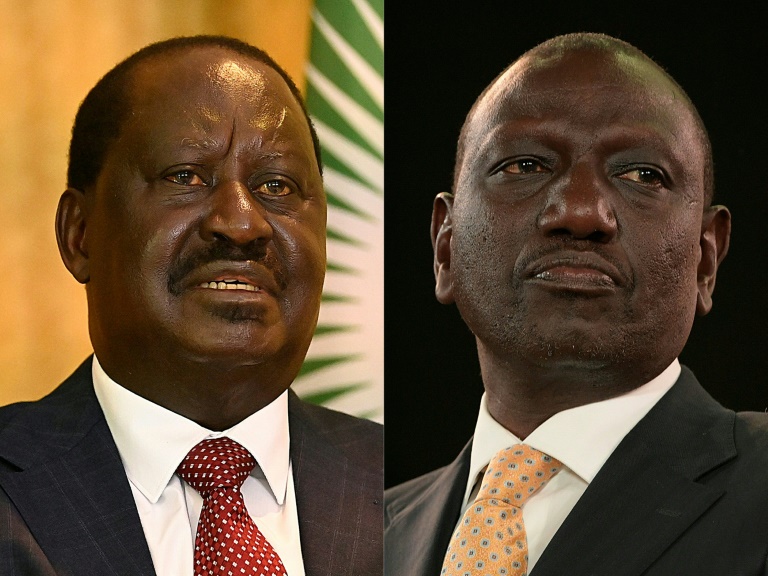
Deputy President William Ruto and Raila Odinga, a veteran opposition leader now backed by the ruling party, are fighting for the chance to lead the East African powerhouse as it grapples with a cost-of-living crisis.

Previous polls have been marred by violence — including inter-ethnic clashes — and continue to cast a dark shadow over the country, where 22.1 million voters will now choose the next president, as well as senators, governors, lawmakers, woman representatives and county officials.

The battle for votes has been dominated by mud-slinging, tit-for-tat claims of rigging and a freebie bonanza for supporters, who have been showered with umbrellas, groceries and cash for attending rallies.

After months of frenetic campaigning across the vast country, the two candidates staged their final offensive in the capital Nairobi, addressing thousands of flag-waving supporters.

A former political prisoner who is making his fifth run for president, Odinga promised to transform the multi-ethnic country into a land “of hope and opportunity, a Kenya not for individual tribes, but one big Kenya tribe”.

Ruto, who has cast himself as “hustler-in-chief”, said his government would tackle inflation and create jobs, vowing: “We are going to have a nation that leaves no Kenyan behind.”

With lawyers David Mwaura and George Wajackoyah — an eccentric former spy who wants to legalise marijuana — also in the fray, speculation has mounted that Kenya may see its first presidential run-off, sparking worries that a disputed result could lead to street violence.

– Close race –

A wealthy businessman with a rags-to-riches background and a shadowy reputation, Ruto, 55, was long expected to be President Uhuru Kenyatta’s successor, but was sidelined when his boss — who cannot run again — joined hands with longtime rival Odinga in 2018.

Kenyatta’s endorsement has given Odinga, 77, access to the ruling Jubilee party’s powerful election machinery, but has also dealt a blow to his anti-establishment credentials.

Nevertheless, some analysts believe Odinga will emerge the winner in a close race, with Oxford Economics highlighting the fact that “several influential political leaders”, including Kenyatta, back him.

Odinga has made the fight against corruption a key plank of his campaign, pointing out that Ruto’s running mate is fighting a graft case. 

Ruto meanwhile has taken aim at the “dynasties” running Kenya — a reference to the politically powerful Kenyatta and Odinga families — hoping to strike a chord in a nation where three in 10 people live on less than $1.90 a day, according to the World Bank.

Evance Odawo, a 23-year-old tailor attending Odinga’s rally, told AFP: “We expect from the next president that the economy improves and the living standards, too.” 

Grace Kawira, an unemployed mother-of-two, was waiting for Ruto’s arrival at a separate venue.

“There’s no work. We don’t have a job. We are the hustlers,” she told AFP, echoing concerns shared by many across Kenya.

“We are just surviving.”

– New chapter –

The election will open a new chapter in Kenya’s history, with neither candidate belonging to the dominant Kikuyu tribe, which has produced three of the country’s four presidents.

Analysts say the economic crisis will likely compete with tribal allegiances as a key factor driving voter behaviour.

With large ethnic voting blocs, Kenya has long suffered politically motivated communal violence around election time, notably after a disputed poll in 2007 when more than 1,100 people died, scarring the nation’s psyche.

The run-up to this year’s poll has been largely calm, with the police planning to deploy 150,000 officers on election day to ensure security and the international community calling for a peaceful vote.

Since 2002, every Kenyan presidential poll has been followed by a dispute over results. The Supreme Court annulled the 2017 election due to widespread irregularities in the counting process and mismanagement by the Independent Electoral and Boundaries Commission.

The IEBC, which is under pressure to ensure a free and fair poll, insists it has taken all necessary precautions to prevent fraud, with Kenyans hoping for a peaceful vote.

“I want (the politicians) to accept the election so the country can continue in peace,” said 32-year-old Kawira.

Hoare's golden roar as Australian wins shock 1500m title at Commonwealths

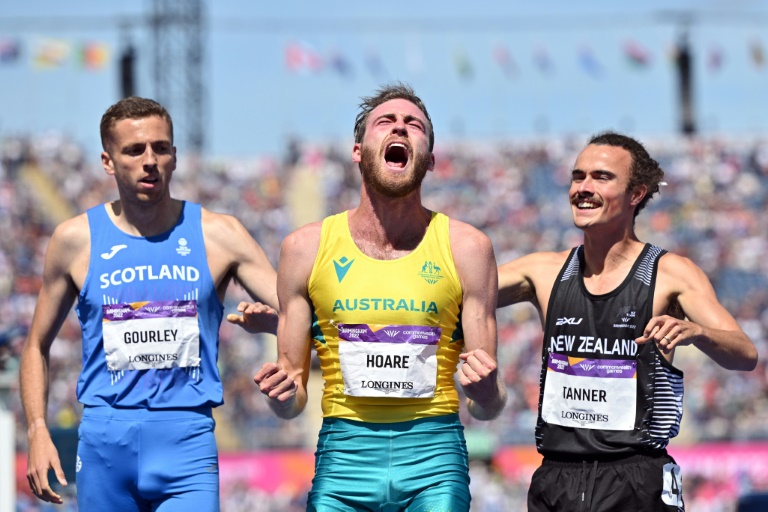
Australia’s Oliver Hoare shocked world champion Jake Wightman and Kenya’s Timothy Cheruiyot to win 1500m gold at the Commonwealth Games in Birmingham on Saturday.

The 25-year-old produced a storming late finish to cruise past Scotland’s Wightman and Kenyan star Cheruiyot, setting a new Games record of 3min 30:12sec.

He fell to the track and put his head in his hands before rising to his feet and letting out a huge roar.

Hoare’s victory was the second Australian gold medal of the morning on the penultimate day of track and field action at Alexander Stadium.

It followed an emotional win for Jemima Montag in the women’s 10,000m race walk, four years after she won the 20km event at the 2018 Games on the Gold Coast.

But Jamaican high-jumper Lamara Distin (1.95 metres) denied Australia a golden treble, taking gold ahead of Australia’s recently crowned world champion Eleanor Patterson (1.92).

Avinash Mukund Sable broke the stranglehold of the Kenyans in the men’s 3,000m steeplechase — they had swept the medals from the 1998 Games onwards —  taking silver behind Abraham Kibiwot.

Sable picked off Kibiwot’s two team-mates — including defending champion and world bronze medallist Conseslus Kipruto — and attacked the leader on the final bend.

– ‘Brought me luck’ –

But Kibiwot kept his nerve to hold off Sable and win in a time of 8:11.15.

“I know the guy who was following me (Sable) and I know he is not that fast,” said Kibiwot. “I was not afraid of him so that is why I controlled the race at the front.”

Priyanka Goswami, who had her fingernails painted in the colours of the English flag, finished second in the women’s race walk.

The 26-year-old Indian, who has a habit of painting her nails in the national flag of the country in which she is competing, said: “I have a Lord Krishna and I take him with me to every competition and he brought me luck today.”

Montag, wearing a lucky gold bracelet made from a piece of jewellery that had belonged to her late grandmother, Holocaust survivor Judith, wiped tears from her eyes as she crossed the line in 42:34.30.

“What I take from that is, in a race, it is one kilometre at a time and not thinking about the finish line,” she said, referring to her grandmother’s experiences.

“She teaches me to take one step at a time and it also puts things into perspective.”

Hosts England, who are in a battle with Australia to finish top of the overall medals table, won a gold medal when Nick Miller retained his hammer throw title with a distance of 76.43 metres.

Saturday’s evening session in Birmingham will feature an enthralling battle in the women’s 200m between last year’s Olympic gold and silver medallists, Jamaica’s Elaine Thompson-Herah and Christine Mboma of Namibia.

Both have had their injury problems this season — 19-year-old Mboma only returned to training five weeks ago after recovering from a thigh injury.

Thompson-Herah is seeking a sprint double after winning the 100m earlier in the Games.

Sudan condemns Chadian group's killing of 18

Sudan’s foreign ministry on Saturday condemned the killing of 18 Sudanese people during an attack by an armed group from Chad, state media reported. 

The killings took place Thursday when Sudanese herders from West Darfur state were ambushed while following the trails of camels looted by the Chadians the day before, according to Sudan’s ruling Sovereign Council. 

On Saturday, Sudan’s acting Foreign Minister Ali al-Sadiq conveyed his country’s “protest and condemnation of the incident”, in a meeting with Chad’s ambassador to Khartoum. 

He also “demanded that Chad exerts an effort to arrest the assailants and to recover the stolen items,” according to Sudan’s official news agency SUNA. 

Sudan has faced deepening unrest since army chief Abdel Fattah al-Burhan led a military coup in October last year. The putsch upended a transition to civilian rule put in place following the 2019 ouster of president Omar al-Bashir. 

The power grab exacerbated political and economic turmoil in the country. The security situation has deteriorated, with a spike in ethnic clashes in Sudan’s far-flung regions.

Thursday’s incident sparked anger among Sudanese living in Geneina, the capital of West Darfur state near the border with Chad. 

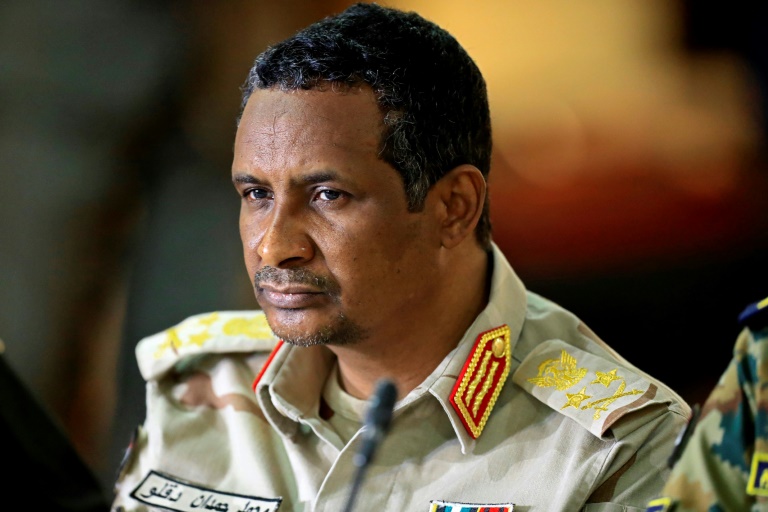
The deputy head of the Sovereign Council, Mohamed Hamdan Daglo, had on Thursday been in N’Djamena where he discussed border security in a meeting with Chad’s leader General Mahamat Idriss Deby. 

On Friday, Daglo called for restraint and vowed during the funeral of the slain Sudanese herders to take actions to bring “the chaos” along the border under control. 

Daglo commands the powerful paramilitary Rapid Support Forces which emerged from the Janjaweed militia unleashed in Darfur by the government of then-president Bashir.

A Bashir ally, Ali Muhammad Ali Abd-Al-Rahman, is on trial at the International Criminal Court in the Hague for war crimes allegedly committed in Darfur roughly two decades ago when he was a Janjaweed commander. 

Bashir is also wanted by the court.

Last month, Burhan pledged to step aside and make way for civilian groups to form a new government but Sudan’s main civilian bloc dismissed the move as a “ruse”.

Kenya candidates make final bid for votes as campaigning closes

Flanked by cheering crowds, the frontrunners in Kenya’s presidential election sought to make their final push for votes Saturday under tight security, capping months of frenetic campaigning ahead of the August 9 polls.

Deputy President William Ruto and Raila Odinga, a veteran opposition leader now backed by the ruling party, are fighting for the chance to lead the East African powerhouse as it grapples with a cost-of-living crisis.

Previous polls have been marred by violence and continue to cast a dark shadow over the country, where 22.1 million voters will now choose the next president, as well as senators, governors, lawmakers, women representatives and some 1,500 county officials.

The battle for votes has been dominated by mud-slinging, tit-for-tat claims of rigging and a freebie bonanza for supporters, who have been showered with umbrellas, groceries and cash for attending rallies.

After criss-crossing the vast country in recent months, the two candidates staged their final offensive in the capital Nairobi, with Ruto holding a rally at the 30,000-seat Nyayo National Stadium and Odinga campaigning at Kasarani Stadium, which seats 60,000.

Lawyers David Mwaure and George Wajackoyah — an eccentric former spy who wants to legalise marijuana — are also in the fray.

The bitterly fought race has sparked speculation Kenya may see its first presidential run-off, with many worried that a challenge to the result could lead to street violence.

– Close race –

A wealthy businessman with a rags-to-riches background and a shadowy reputation, Ruto, 55, was long expected to be President Uhuru Kenyatta’s successor, but lost ground when his boss — who cannot run again — joined hands with longtime rival Odinga in 2018.

Kenyatta’s endorsement has given Odinga, 77, access to the ruling Jubilee party’s powerful election machinery, but has also dealt a blow to the former political prisoner’s anti-establishment credentials.

Nevertheless, some analysts believe that Odinga will emerge the winner in a close race, with Oxford Economics highlighting the fact that he has the backing of “several influential political leaders”, including Kenyatta.

Ruto has cast himself as “hustler-in-chief”, taking aim at the “dynasties” running Kenya — a reference to the Kenyatta and Odinga families, who gave the country its first president and vice-president. 

He has promised to establish a “bottom-up” economy in a nation where three in 10 people live on less than $1.90 a day, according to the World Bank.

Odinga, meanwhile, has made the fight against corruption a key plank of his campaign, pointing out that Ruto’s running mate is fighting a graft case.

Evance Odawo, a 23-year-old tailor attending Odinga’s rally, told AFP: “We expect from the next president that the economy improves and the living standards, too.” 

“There’s no work. We don’t have a job. We are the hustlers,” said Grace Kawira, an unemployed mother-of-two, who was waiting for Ruto’s arrival.

“We are just surviving,” she told AFP, echoing concerns shared by many across Kenya.

– New chapter –

The election will open a new chapter in Kenya’s history, with neither candidate belonging to the dominant Kikuyu tribe, which has produced three of the country’s four presidents.

Both men have sought to appeal to the Kikuyu, who account for roughly six million votes, but analysts say the economic crisis will likely compete with tribal allegiances as a key factor driving voter behaviour.

With large ethnic voting blocs, Kenya has long suffered politically motivated communal violence around election time, notably after a disputed poll in 2007 when more than 1,100 people died, scarring the nation’s psyche.

The run-up to this year’s poll has been largely calm, with the police planning to deploy 150,000 officers on election day to ensure security and the international community calling for a peaceful vote.

Since 2002, every Kenyan presidential poll has been followed by a dispute over results. The Supreme Court annulled the 2017 election due to widespread irregularities in the counting process and mismanagement by the Independent Electoral and Boundaries Commission.

The IEBC, which is under pressure to ensure a free and fair poll, insists it has taken all necessary precautions to prevent fraud, with Kenyans hoping for a peaceful vote.

“I want (the politicians) to accept the election so the country can continue in peace,” said 32-year-old Kawira.

Kenya candidates make final bid for votes as campaigning closes

The frontrunners for Kenya’s presidential election were set to make their final push for votes Saturday, capping months of frenetic campaigning ahead of the August 9 polls.

Deputy President William Ruto and Raila Odinga, a veteran opposition leader now backed by the ruling party, are fighting for the chance to lead the East African powerhouse as it grapples with a cost-of-living crisis.

Previous polls have been marred by violence and continue to cast a dark shadow over the country, where 22.1 million voters will now choose the next president as well as senators, governors, lawmakers, woman representatives and some 1,500 county officials.

The battle for votes has been dominated by mud-slinging, tit-for-tat claims of rigging and a freebie bonanza for supporters, who have been showered with umbrellas, groceries and cash for attending rallies.

After criss-crossing the vast country in recent months, the leading candidates will stage their final campaigns in the capital Nairobi under tight security, with Ruto speaking at the 30,000-seat Nyayo National Stadium and Odinga addressing a rally at Kasarani Stadium, which seats 60,000.

The two candidates had initially announced plans to speak at the Nyayo venue on Saturday afternoon, fuelling fears of a pre-election day showdown.

Lawyers David Mwaure and George Wajackoyah — an eccentric former spy who wants to legalise marijuana —  are also in the fray.

The bitterly fought race has sparked speculation Kenya may see its first presidential run-off, with many worried that a challenge to the result could lead to street violence.

– Close race –

A wealthy businessman with a rags-to-riches background and a shadowy reputation, Ruto, 55, was long expected to be President Uhuru Kenyatta’s successor, but lost ground when his boss — who cannot run again — joined hands with longtime rival Odinga in 2018.

Kenyatta’s endorsement has given Odinga, 77, access to the ruling Jubilee party’s powerful election machinery, but has also dealt a blow to the former political prisoner’s anti-establishment credentials.

Nevertheless, some analysts believe that Odinga will emerge the winner in a close race, with Oxford Economics highlighting the fact that he has the backing of “several influential political leaders” including Kenyatta.

Ruto has cast himself as “hustler-in-chief”, taking aim at the “dynasties” running Kenya — a reference to the Kenyatta and Odinga families, who gave the country its first president and vice-president. 

He has promised to establish a “bottom-up” economy in a nation where three in 10 people live on less than $1.90 a day, according to the World Bank.

Odinga meanwhile has made the fight against corruption a key plank of his campaign, pointing out that Ruto’s running mate is fighting a graft case.

Evance Odawo, a 23-year-old tailor attending Odinga’s rally, told AFP: “We expect from the next president that the economy improves and the living standards too… we need jobs.”

– New chapter –

The election will open a new chapter in Kenya’s history, with neither candidate belonging to the dominant Kikuyu tribe, which has produced three of the country’s four presidents.

Both men have sought to appeal to the Kikuyu, who account for roughly six million votes, but analysts say the economic crisis will likely compete with tribal allegiances as a key factor driving voter behaviour.

With large ethnic voting blocs, Kenya has long suffered politically motivated communal violence around election time, notably after a disputed poll in 2007 when more than 1,100 people died, scarring the nation’s psyche.

The run-up to this year’s poll has been largely calm, with the police planning to deploy 150,000 officers on election day to ensure security and the international community calling for a peaceful vote.

Since 2002, every Kenyan presidential poll has been followed with a dispute over results. The Supreme Court annulled the 2017 election due to widespread irregularities in the counting process and mismanagement by the Independent Electoral and Boundaries Commission.

The IEBC, which is under pressure to ensure a free and fair poll, insists that it has taken all necessary precautions to prevent fraud.

Kenya candidates make final bid for votes as campaigning closes

The frontrunners for Kenya’s presidential election were set to make their final push for votes Saturday, capping months of frenetic campaigning ahead of the August 9 polls.

Deputy President William Ruto and Raila Odinga, a veteran opposition leader now backed by the ruling party, are fighting for the chance to lead the East African powerhouse as it grapples with a cost-of-living crisis.

Previous polls have been marred by violence and continue to cast a dark shadow over the country, where 22.1 million voters will now choose the next president as well as senators, governors, lawmakers, woman representatives and some 1,500 county officials.

The battle for votes has been dominated by mud-slinging, tit-for-tat claims of rigging and a freebie bonanza for supporters, who have been showered with umbrellas, groceries and cash for attending rallies.

After criss-crossing the vast country in recent months, the leading candidates will stage their final campaigns in the capital Nairobi, with 55-year-old Ruto speaking at the 30,000-seat Nyayo National Stadium and Odinga, 77, addressing a rally at Kasarani Stadium, which seats 60,000.

The bitterly fought race has sparked speculation Kenya may see its first presidential run-off, with many worried that a challenge to the result could lead to street violence.

The two candidates had initially announced plans to speak at the Nyayo venue on Saturday, fuelling fears of a pre-election day showdown.

– New chapter –

A wealthy businessman with a rags-to-riches background and a shadowy reputation, Ruto was long expected to be President Uhuru Kenyatta’s successor, but lost ground when his boss — who cannot run again — joined hands with longtime rival Odinga in 2018.

Ruto has since cast himself as “hustler-in-chief”, taking aim at the “dynasties” running Kenya — a reference to the Kenyatta and Odinga families, who gave the country its first president and vice-president. 

He has promised to establish a “bottom-up” economy in a nation where three in 10 people live on less than $1.90 a day, according to the World Bank.

Odinga meanwhile has made the fight against corruption a key plank of his campaign, pointing out that Ruto’s running mate is fighting a graft case.

The election will open a new chapter in Kenya’s history, with neither candidate belonging to the dominant Kikuyu tribe, which has produced three of the country’s four presidents.

Analysts say the economic crisis will likely compete with tribal allegiances as a key factor driving voter behaviour.

With large ethnic voting blocs, Kenya has long suffered politically motivated communal violence around election time, notably after a 2007 poll when more than 1,100 people died, scarring the nation’s psyche.

The run-up to this year’s poll has been largely calm, with the police planning to deploy 150,000 officers on election day to ensure security and the international community calling for a peaceful vote.

Close Bitnami banner
Bitnami