

Bloomberg

Despite DeFi Woes, Siam Commercial Bank Puts in Funds

(Bloomberg) — Investors haven’t lost all faith in the lofty promises of decentralized finance after the collapse of the TerraUSD stablecoin.

SCB 10X, the venture capital arm of Siam Commercial Bank, announced Thursday it deposited an undisclosed amount of funds into an institution-grade DeFi product called Compound Treasury that is promising a fixed annual return of 4%.

DeFi projects gained popularity over the past few years, hoping to replace traditional finance with the ability to facilitate borrowing and lending without an intermediary through the use of blockchain technology. But with the implosion of Terra — one of the most ambitious DeFi experiments yet — more than $80 billion has been wiped from the DeFi sector, according to data from tracker DeFi Llama.

Still, SCB 10X Chief Investment Officer Mukaya (Tai) Panich remains optimistic, adding that Terra’s meltdown would encourage regulatory clarifications for DeFi and stablecoins. “There will be more regulations that will bring in more institutions,” Panich said.

Terra’s collapse has already amplified calls for rules governing stablecoins in the US, UK and South Korea. For example, in the US, Treasury Secretary Janet Yellen said the de-pegging of Terra shows the urgency to have a regulatory framework on stablecoins as soon as this year. 

Plus, the bank’s investment is seen as an educational opportunity, Panich said.

“We would like to understand how the product works and how the protocol Compound integrates, so that in the future maybe we could use these as a way to integrate [DeFi] and make traditional finance more efficient,” Panich said in an interview. “For us when we invest into Compound Treasury, it’s not just because we want to get yields.”

Compound Treasury, developed by Compound Labs Inc., works by taking deposits in US dollars and converting them into USD Coin, a dollar-pegged stablecoin issued by Circle Internet Financial Ltd. It then transfers the tokens to its DeFi lending platform where the yield it generates from borrowers is used to pay accredited investors. 

Compound Prime, a subsidiary of Compound Labs that oversees Compound Treasury, recently received a B- long-term rating , or junk rating, from S&P Global Ratings. 

Robert Leshner, chief executive officer of Compound Labs, told Bloomberg that Compound Treasury already has a number of clients ranging from neobanks to crypto native institutions since its launch just about a year ago. SCB is one of the first national banks to participate in the product.

More stories like this are available on bloomberg.com

©2022 Bloomberg L.P.

Gridwise Raises New Funds in Sign VCs Still Have Faith in Gig-Worker Economy

(Bloomberg) — Gridwise Inc., an app that helps ride-share drivers and delivery couriers keep track of their work, raised $12.7 million in funding, a sign of confidence from venture capital investors that the gig economy will continue to grow even as volatility roils technology companies.

The funding was led by Crosslink Capital with participation from Autotech Ventures, Switch Ventures and Massive VC, among others. 

Founded in 2016, the Gridwise app helps gig workers on platforms like Uber Technologies Inc, DoorDash Inc. and Instacart Inc. track earnings and expenses across all of their side hustles and offers tips on how to bolster take-home pay. The app, which is free to download, also connects drivers and couriers to benefits such as dental, vision and car insurance products.

“The pandemic was a difficult time, but it also helped us better understand how to help the drivers who depend on our app to make the most of their work,” said co-founder and Chief Executive Officer Ryan Green. “We understand better than anyone the supply and demand patterns, where drivers are working, which apps, when they stop and the economics of their trips.”

It’s a tough time for most gig economy companies. Uber, Lyft and DoorDash have seen share prices plummet amid rising interest rates and fears of a global economic recession. Sequoia Capital, a venture capital firm that has about 250 portfolio companies, earlier this month laid out the case for a long and drawn-out recession and instructed startup founders to look at ways to conserve cash.

For Gridwise, the cash injection will help the Pittsburgh-based company build more features for its gig-worker user base and expand its enterprise business, Green said. Its access to the fast-growing pool of contract workers has allowed Gridwise to amass a trove of data about the on-demand economy, from what apps gig workers choose to work on, wages, utilization and retention. In turn, the startup licenses that information to insurance companies, city planners, real estate firms and other industries.

“As a transportation-focused fund, we’ve been observing the pain points experienced by gig economy workers very closely and believe that Gridwise’s category leading product is much needed,” said Autotech partner Burak Cendek.

More stories like this are available on bloomberg.com

©2022 Bloomberg L.P.
Jack Ma’s Ant Ekes Out Profit Rise as Fintech Overhaul Advances

(Bloomberg) — Billionaire Jack Ma’s Ant Group Co. saw profit inch up in the three months to December, despite setbacks from regulatory overhauls taming the country’s fintech industry.

The Hangzhou-based company contributed 7.28 billion yuan ($1.1 billion) to Alibaba Group Holding Ltd.’s earnings, a filing showed Thursday. Based on Alibaba’s one-third stake in Ant, that translates to an estimated 22.05 billion yuan in profit for Ant’s December quarter, or a 1.3% increase from a year earlier. Ant’s earnings lag a quarter behind Alibaba’s. 

Ant in March declared a dividend of about 3.9 billion yuan to its backers. But shareholders — including scores of employees — of two entities that held 50.52% of Ant pledged to keep the dividend within the firms to “better support the company as it moves forward with its business rectification and facilitate its long term sustainable development,” a company spokesperson said in an e-mailed response.

Jack Ma controls voting rights in Ant.

China kicked off a campaign to rein in its tech giants after snuffing out Ant’s $35 billion initial public offering in late 2020. The crackdown has snowballed into an assault on every corner of China’s technosphere as Beijing seeks to end the domination of a few heavyweights and create a more equitable distribution of wealth. 

As part of the government-ordered restructuring, Ant has ramped up its capital base to 35 billion yuan. It is also building firewalls in an ecosystem that once allowed it to direct traffic from Alipay, with a billion users, to services like wealth management, consumer lending and delivery.

Consumer loans jointly made with banks have been split from Ant’s Jiebei and Huabei brands. Assets under management at its money-market fund Yu’ebao — once the world’s largest — dropped 15% from a year earlier to 825 billion yuan as of March.

Alibaba reported a better-than-expected 9% rise in revenue after Chinese consumers turned to online malls for basic needs during Covid lockdowns across the country. The company refrained from offering a projection for annual revenue, citing uncertainty arising from Covid curbs.

(Updates with company comment in third paragraph)

More stories like this are available on bloomberg.com

©2022 Bloomberg L.P.
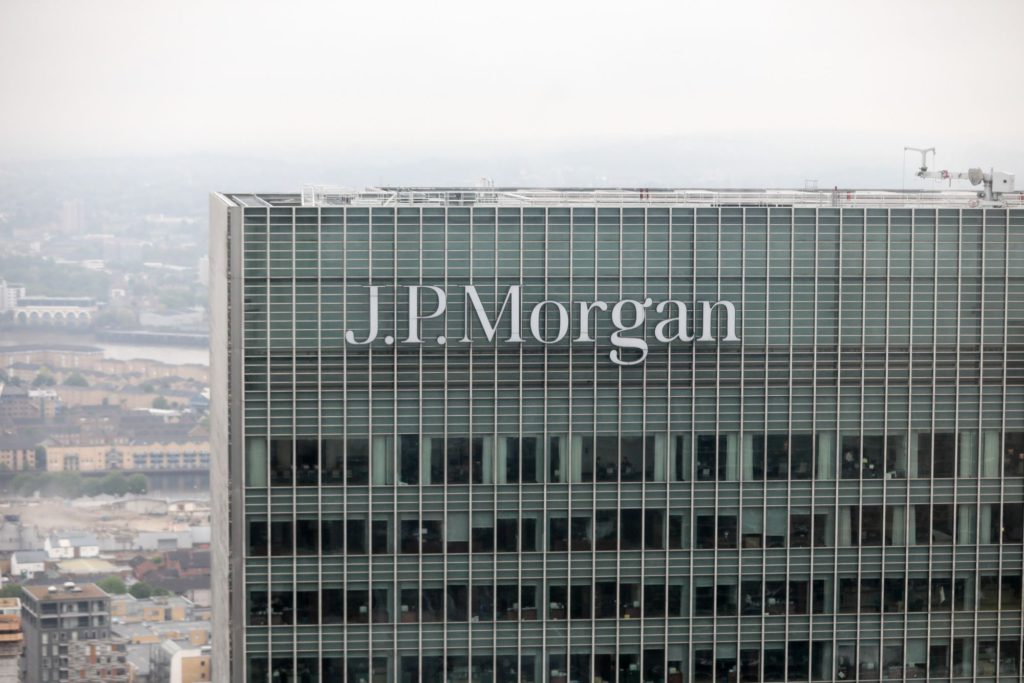
JPMorgan Finds New Use for Blockchain in Trading and Lending

(Bloomberg) — JPMorgan Chase & Co is using blockchain for collateral settlements, the latest Wall Street experimentation with the technology in the trading of traditional financial assets. 

The bank’s first such transaction came on May 20, when two of its entities transferred the token representation of BlackRock Inc. money market fund shares as collateral on its private blockchain. The effort will allow investors to pledge a wider range of assets as collateral and use them outside of market operating hours, according to New York-based JPMorgan.

“What we’ve achieved is the friction-less transfer of collateral assets on an instantaneous basis,” Ben Challice, JPMorgan’s global head of trading services, said in an interview. While BlackRock wasn’t a counterparty, “they have been heavily involved since Day One, and are exploring use of this technology.” 

Blockchain-based collateral settlement can be used for transactions such as derivatives and repo trading, as well as securities lending. In the coming months, the bank plans to expand tokenized collaterals to include equities, fixed income and other asset types, it said. 

DeFi Future

JPMorgan has been a proponent of blockchain technology and, in recent years, increasingly embraced digital assets. Over time, its blockchain could potentially be a bridge that connects institutional investors with decentralized finance platforms in the crypto economy, according to Tyrone Lobban, head of JPMorgan’s Blockchain Launch and Onyx Digital Assets. 

As the crypto sector grows over time, “there will be a growing set of financial activities that happen on the public blockchain, so we want to make sure that we are able to not only support that but also be ready to provide related-services,” he said. 

Since late 2020, the bank has used blockchain to conduct intraday repurchase, or repo, a type of short-term borrowing in fixed income. To date, more than $300 billion of repo transactions have been processed on the network, which counts Goldman Sachs Group Inc. and BNP Paribas SA among its participants. 

For years, Wall Street institutions have been exploring the use of blockchain in their businesses, such as interbank payments, mortgage loans, and cross-border trades. Vanguard and State Street Corp. have traded foreign exchange forward contracts using blockchain technology to reduce counterparty risks. Goldman and BlackRock are also working on the tokenization of a range of traditional asset classes.

More stories like this are available on bloomberg.com

©2022 Bloomberg L.P.
Tesla’s Insistence on Arbitration Adds to Reputational Risks

(Bloomberg) —

The use of forced arbitration agreements — in which employees consent to resolving disputes in arbitration hearings rather than in open court — has come under fire since the #MeToo and Black Lives Matter movements helped expose how they’re used as a tool to keep sexual misconduct and racial discrimination complaints quiet.

Tesla’s effort to continue wielding these agreements is coming back to the fore at an inopportune time, buttressing critics of the company’s social and governance practices and undermining Elon Musk’s attacks on ESG.

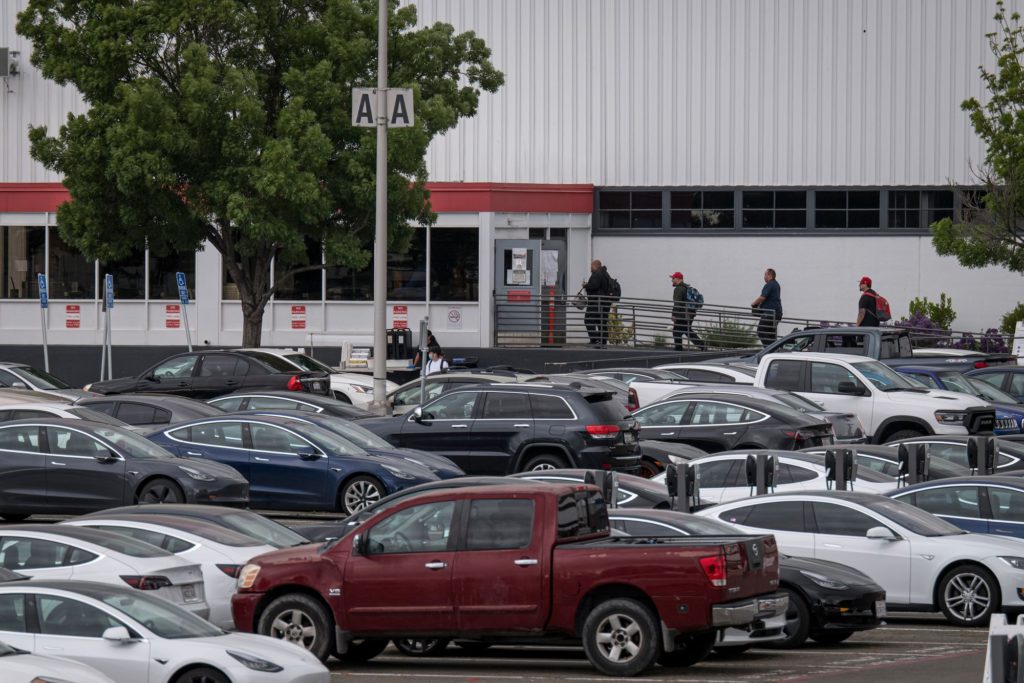
A judge in Alameda County Superior Court near Tesla’s California car plant ruled this week that Jessica Barraza, a former night-shift worker who has alleged rampant sexual harassment at the factory, can proceed with her case in court even though she signed an arbitration agreement giving up her right to sue. Judge Stephen Kaus faulted Tesla for asking Barraza to sign an arbitration agreement only after she had already quit the job she left to join the automaker in 2018.

“Tesla either orchestrated this sequence of events on purpose or was unacceptably indifferent to the situation in which this placed Barraza,” Kaus wrote in his order denying Tesla’s motion to compel arbitration. “Basically, Barraza was ambushed.”

This was a setback Tesla didn’t need days after its chief executive officer lashed out at S&P Dow Jones Indices for removing the company — whose stated mission is to accelerate the world’s transition to sustainable energy — from the ESG version of the S&P 500 Index.

Musk was already put on the defensive after S&P’s move by Insider’s report last week that SpaceX paid a flight attendant $250,000 to settle a sexual misconduct claim against him in 2018. It’s unlikely that starting a “hardcore litigation department” at Tesla, as Musk declared he would do, is the sort of action ESG adherents had in mind to address the issues S&P raised.

Tesla has managed to build a formidable brand that consumers equate with a clean-energy future. And the notion that going to work for Musk affords prospective hires a chance to change the world has helped him hire the best and brightest. The experiences Barraza has described, and the company’s handling of claims other former workers have made, have nicked Tesla’s reputation and risk hurting the company’s standing with top talent it’s looking to recruit.

Since Barraza filed her complaint in November, six more women have followed with their own lawsuits. All of the women share the same attorney: David Lowe of the San Francisco law firm Rudy, Exelrod, Zieff & Lowe. Barraza is still a Tesla employee; she’s currently on medical leave.

Each of the last two years, Nia Impact Capital, a social-impact fund based in Oakland, California, has proposed that Tesla prepare a report on its use of employee arbitration. Although the measure failed each time, there was a significant jump in shareholder support for it in October. Nia is likely to bring the resolution forward yet again when Tesla has its annual meeting in Austin, Texas on August 4.

This will be something to look out for when Tesla files its proxy for this year’s annual meeting. Musk’s electric-car maker is no longer a scrappy Silicon Valley startup. It’s a force to be reckoned with, boasting factories on three continents and more than 110,000 employees. As companies grow in size as well as influence, they come under more scrutiny, and investors demand more.

Like getting this newsletter? Subscribe to Bloomberg.com for unlimited access to trusted, data-driven journalism and subscriber-only insights.

More stories like this are available on bloomberg.com

©2022 Bloomberg L.P.
Rolls-Royce CEO Says Supply Chain a Daily Cause for Concern

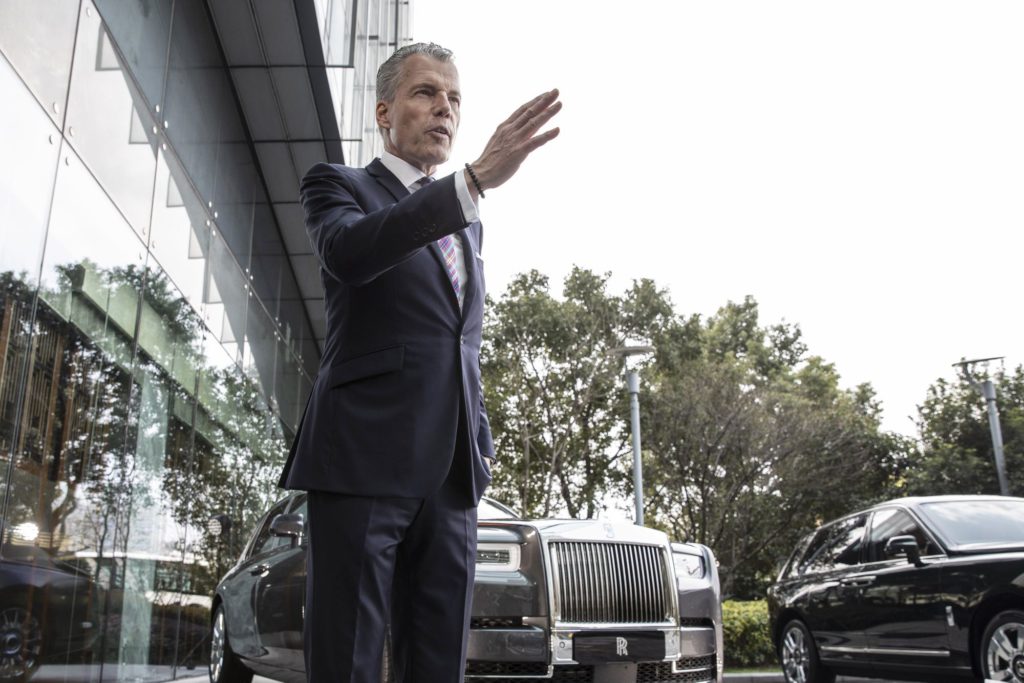
(Bloomberg) — Rolls-Royce Motor Cars Ltd. is concerned ongoing supply chain issues could prolong waiting lists that already stretch into the second half of next year for some models.

Parent BMW AG has prioritized feeding semiconductors Rolls-Royce’s way because of the contribution it makes to the group’s profitability, Chief Executive Officer Torsten Mueller-Oetvoes told Bloomberg Television. recent lockdowns in China have forced the British luxury-car maker to import some parts by air. 

“Supply chain is something that worries us, I would even say daily,” Mueller-Oetvoes said Thursday. “With all these port lockdowns in China, we also see certain constraints now. If only one part is missing, I can’t finish the product.”

Carmakers that already were struggling to source chips are now also grappling with disruptions stemming from China’s efforts to contain the spread of Covid-19, as well as Russia’s invasion of Ukraine. Rolls-Royce is coming off a record year, having delivered almost 5,600 vehicles globally in 2021.

More stories like this are available on bloomberg.com

©2022 Bloomberg L.P.
Hungary’s Assets Drop as Windfall Tax Plan Alarms Investors

(Bloomberg) — Hungarian shares and bonds tumbled after Prime Minister Viktor Orban unveiled plans for a sweeping set of new taxes to shore up the country’s strained budget.

The windfall-tax proposal is the latest in a series of developments that have alarmed investors as Hungary slips further away from its European Union allies. Orban started his fourth consecutive term this week by declaring a state of emergency just after he pushed through a constitutional amendment allowing the government to rule by decree in situations such as war in neighboring Ukraine.

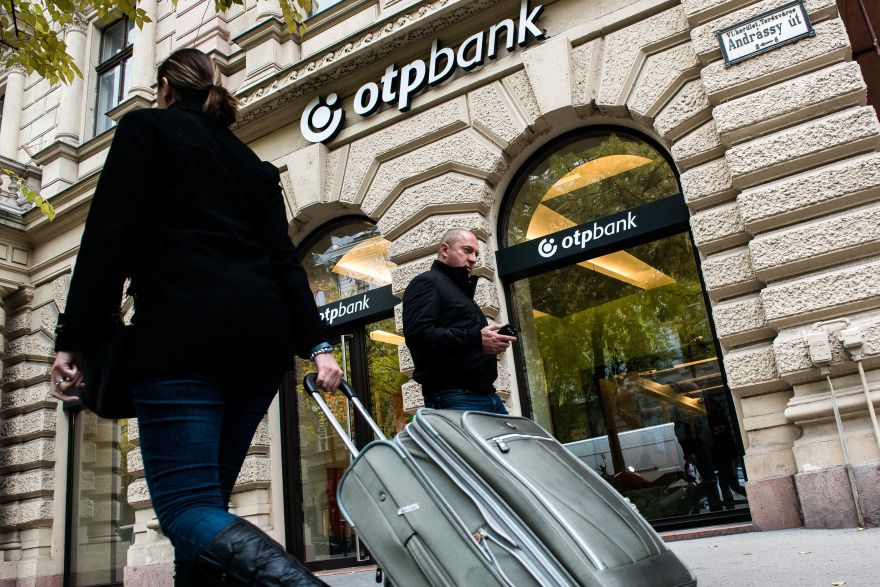
Refiner Mol Nyrt., which has seen its profit rise from selling Russian crude, plunged as much as 15% and the country’s largest lender, OTP Bank Nyrt., fell 13% at one point. The forint neared a record low against the euro before recouping losses, while government bond yields jumped. 

In a video message on Wednesday evening, Orban said that this year and next he seeks to siphon off to the budget  “the bulk” of what he called the “extra profits” in sectors including banking, insurance, energy, telecommunications, large retail and airlines. This is set to finance utility price cuts and help modernize the armed forces. Details of the plan will be unveiled at 2:30 p.m. in Budapest. 

“This is very bad news for sentiment,” Michal Konarski, an equity analyst at MBank SA in Warsaw, said by email. “One can’t properly value equities in this environment, with earnings per share being nearly unpredictable.”

Budget Consolidation

The fresh financing will help consolidate the Hungarian budget as the EU imposes an effective funding freeze against Orban’s government, which it accuses of flaunting democratic norms. 

Orban’s governments have shown a preference for sectoral taxes to raise extra revenues, targeting sectors of the economy where foreign companies are overrepresented. Such levies contributed more than 2 billion euros ($2.14 billion) to the state’s coffers last year, more than 2% of gross domestic product.

Raiffeisen Bank International analyst Jovan Sikimic said that a higher bank tax was already “in the air” as a potential fix to Hungary’s budget woes. The development is “Orban-style politics at its best,” he said. “We have included a 75% increase in bank tax from 2023 in our models.”

Hungary may also be planning to slap Mol with a levy on Russian crude imports, according to Tamas Pletser, an equity analyst at Erste Group Bank AG in Vienna. Such a move could politically help Orban, who is isolated in the EU for failing to back the bloc’s ban on purchasing Russian oil.

The forint dropped as much as 1% against the euro before recouping to trade 0.5% stronger at 390.71 at 1:38 p.m. in Budapest. The yield on Hungary’s 10-year local-currency government bond increased 19 basis points to a one-week high of 7.08%.

The government’s planned tax moves risk curbing corporate investments, which will reduce economic growth, while also potentially pushing up inflation as companies seek to regain additional cash lost to the budget, according to Peter Virovacz, an economist at ING Groep NV’s unit in Hungary. 

Combined with the Hungarian central bank’s recent shift toward a less aggressive monetary policy, the developments are a “bad mix for markets,” he said. 

Forward-rate agreements, derivatives showing bets on Hungarian interest rates, show expectations that the central bank will hike by around 40 basis points next week, up from yesterday’s view predicting about a 30 basis-point increase.

Orban, the EU’s longest serving head of government, has clashed with the bloc over issues ranging from Russia to immigration and the rule of law. 

The tax moves are a reversal from the past few years when Hungary tried to put on a more “business-friendly” face, MBank’s Konarski said. “Now, everything is lost and we should expect extra premium applied to the cost of equity.”

(Updates with more analyst comments and charts)

More stories like this are available on bloomberg.com

©2022 Bloomberg L.P.
Tycoon SPAC Deal to Create China’s Biggest US Listing Since Didi

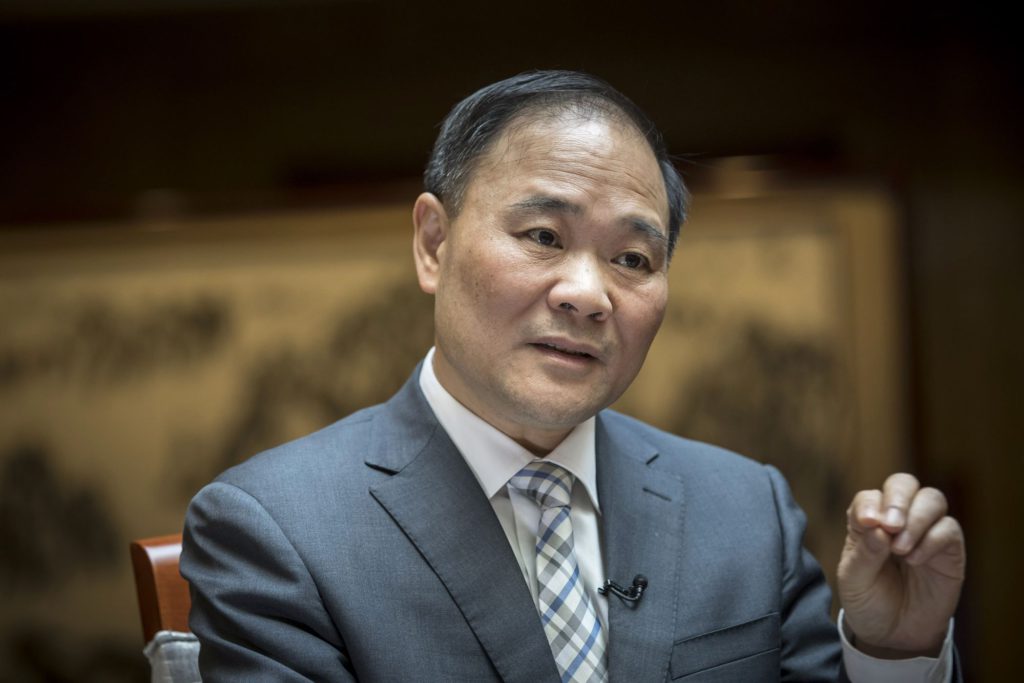
(Bloomberg) — ECARX Holdings Inc., the automotive tech firm backed by billionaire Li Shufu, agreed to go public through a merger with blank-check company COVA Acquisition Corp. in the largest Chinese listing in the US since Didi Global Inc. 

The deal values the combined company at about $3.8 billion, according to a statement Thursday, which confirmed an earlier Bloomberg News report. The transaction includes a $45 million investment from Li’s automobile giant Zhejiang Geely Holding Group Co., Luminar Technologies Inc. and Lotus Technology. Geely is an existing investor in ECARX.

Read more: Chinese Tycoon Li Shufu in Fundraising Push to Boost Auto Empire

ECARX would be the largest Chinese company to list in the US following Didi’s spectacular failure. The ride-hailing giant is set to delist from the New York Stock Exchange after proceeding with its IPO last June over Chinese regulators’ objections and becoming a victim of the country’s cybersecurity crackdown. Didi has lost about 90% of its market value since its debut.

Digital Cockpits 

ECARX, founded in 2017 by Geely’s Li and Ziyu Shen, develops software and hardware such as digital cockpit and infotainment systems for cars. It serves both combustion-powered vehicles as well as automated and electric cars. Its clients include 12 car brands such as Geely, Lotus, Mercedes-Benz Group AG and smart. 

“We are getting bigger and we want to be an international company,” Shen, ECARX’s chairman, said in an interview. “We want to have a very strong international expansion in the next five years.”

ECARX plans to announce partnership with two new global OEM clients in the next six months, according to Shen. The electrification of cars will be an opportunity for ECARX and contribute about 15% of this year’s revenue, he said. 

Jun Hong Heng, chairman of COVA Acquisition, said ECARX is well positioned for the next decade. The company could raise additional funding when there’s extra interest, according to Heng. 

Driverless Cars

“It struck me that this is a very unique opportunity, with the product and the substantial revenue that ECARX has, which is very rare for autotech companies,” he said in an interview. 

The merger is expected to close in the fourth quarter, according to Thursday’s statement. UBS Group AG and Morgan Stanley advised ECARX on the deal, while Cantor Fitzgerald acted as capital markets adviser to COVA Acquisition. 

COVA Acquisition raised $300 million in its 2021 IPO to find an acquisition target in the technology industry in Southeast Asia or the US, according to a filing to the Securities and Exchange Commission. The SPAC is led by Heng, founder of San Francisco-based Crescent Cove Advisors, which backs high-growth technology, media and telecommunications ventures in the US and Southeast Asia.

Crescent Cove was an early investor in Luminar, a driverless-car startup founded by entrepreneur Austin Russell. Luminar went public through a SPAC deal in 2020.

(Updates with confirmation from first paragraph.)

More stories like this are available on bloomberg.com

©2022 Bloomberg L.P.
Bitcoin Options Show Investors Becoming Anxious About Declines

(Bloomberg) —

Bitcoin might be registering tepid moves as of late but that doesn’t mean investors have become less anxious about the largest cryptocurrency’s prospect for further declines.

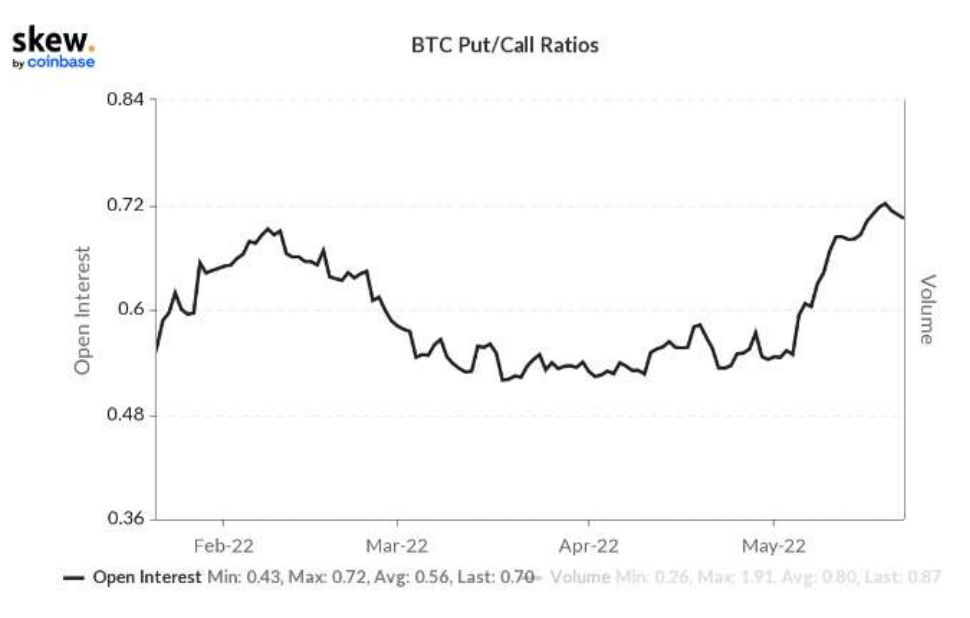
The put-to-call ratio on the coin hit a 12-month high at 0.72, meaning that many traders are loading up on hedges in the event it embarks on another leg lower and its losses deepen. The ratio hit a high of 0.96 April last year before prices plunged roughly 50% the following month, according to option Skew data compiled by Babel Finance.

It “signals cynicism in the markets with rising bearish sentiment,” said Josh Olszewicz, head of research at Valkyrie Investments. “Given the macro situation globally, and the near uniform risk-off trade currently dominating most asset classes, traders have followed suit with their Bitcoin strategies.”

Bitcoin and other cryptocurrencies have been mired in a downturn all year, with the largest digital asset shedding 37% of its value. Smaller and lesser-known tokens have fared even worse, with Dogecoin, a once beloved pandemic-favorite investment, down 54% since December. XRP and Bitcoin Cash are down a similar amount, while Avalanche and Solana has lost more than 70% in 2022, according to data compiled by Bloomberg. 

Wilfred Daye, chief executive officer of Securitize Capital, a digital asset management firm, also points out that during the past few weeks, put implied volatility became “super expensive.” As suspected volatility picked up, implied volatility rallied across the curve, signifying that “more people are buying options above their intrinsic value,” he said. “It shows more people are willing to pay more for puts,” right now.

The spike in the put-to-call ratio “does signal a bit of a market shift,” said Stephane Ouellette, chief executive of FRNT Financial Inc. “Long term believers in the space are very emotional about their crypto positions and not selling. That said, buying some options to protect against market volatility is probably more ‘allowable’ in that context.”

More important might be the fact that the coin “can turn around so fast that while you may think it’s going lower in the interim, you don’t want to sell your position altogether because things can take off very quickly,” he added. “Put options make some sense in that dynamic.”


Investors who once were hot on crypto have cooled on its prospects as the Federal Reserve’s rate-hiking regime spurs volatility in the market and dulls previously-hot growth and speculative assets. Guggenheim Partners Chief Investment Officer Scott Minerd said he expects Bitcoin to fall to $8,000. He had once predicted that it could reach $400,000. 

Bitcoin slumped as much as 3% to $28,860 on Thursday. It had closed below $30,000 the previous six trading sessions during New York hours. 

Peter Mallouk, president of Creative Planning, says Bitcoin and other cryptos have been correlated to tech, meaning their tend to move in the same direction. “It’s speculation,” he said by phone. “People aren’t buying it to use it as money. They’re buying it to speculate, and that’s become more apparent now than maybe it was this time a year ago.”

Valkyrie‘s Olszewicz sees a silver lining in the put-to-call data. “Typically, markets reverse after bearish exhaustion, once the put/call ratio reaches a local crescendo,” he said. 

More stories like this are available on bloomberg.com

©2022 Bloomberg L.P.

MAS Slaps Extra Capital Requirement on OCBC Over SMS Scam

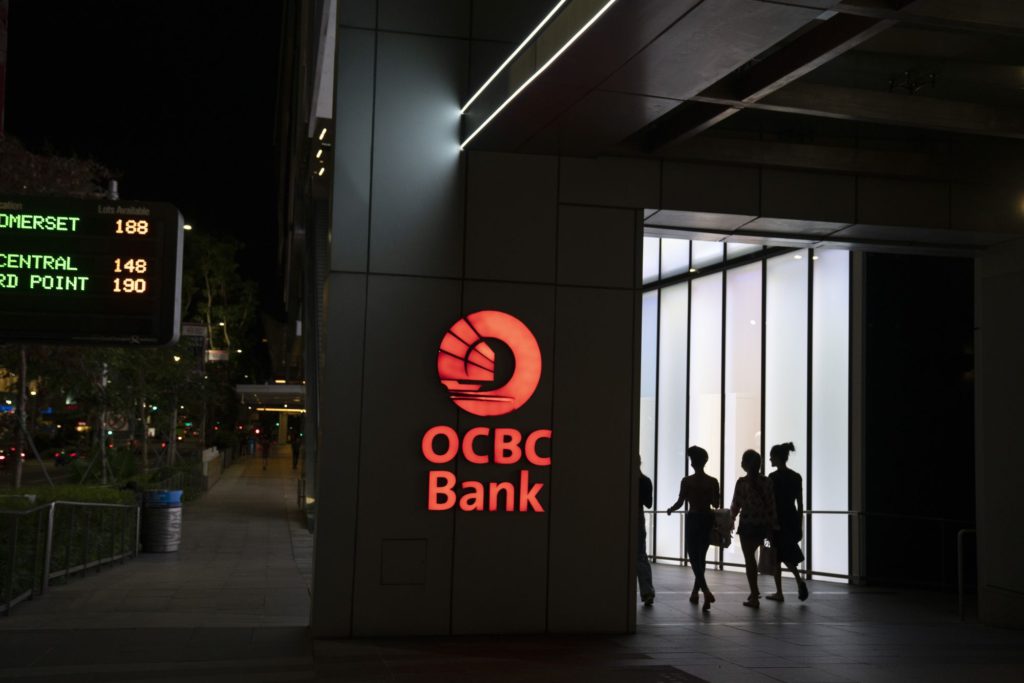
(Bloomberg) — The Monetary Authority of Singapore has imposed an additional capital requirement of about S$330 million ($240 million) on Oversea-Chinese Banking Corp., citing deficiencies in the bank’s response to SMS phishing scams in December, the regulator said in an emailed statement.

OCBC will be required to apply a multiplier of 1.3 times to its risk-weighted assets for operational risk, MAS said. This translates into the additional amount of capital.

“Financial institutions have a duty to put in place robust measures to prevent, detect and respond to scams,” Marcus Lim, assistant managing director of banking and insurance at MAS, said in the statement. “This means ensuring that their controls remain effective against evolving scam tactics, and prompt actions are taken as soon as a scam is detected.” 

MAS will review the additional capital requirement when it’s satisfied OCBC has addressed all deficiencies, it said.

The scam was unprecedented and the campaign’s tactics “reached a level of realism not seen in previous phishing scams,” OCBC Chief Executive Officer Helen Wong said in a statement. “While we took various actions in December to stem the scam, we should have responded faster and better to early signs of the attacks.”

OCBC said in late January that it had made goodwill payments to 790 customers who fell prey to the text message phishing scam impersonating the lender. About 80% of the amount lost occurred during the Dec. 23-30 festive period, at which time calls to the bank’s contact center surged by more than 40%, OCBC said at the time. 

More stories like this are available on bloomberg.com

©2022 Bloomberg L.P.

Close Bitnami banner
Bitnami