
Bloomberg

Nvidia Tumbles After Lockdowns, Ukraine War Hurt Forecast

(Bloomberg) — Nvidia Corp., the largest U.S. chipmaker by market value, slid in premarket trading after China’s Covid-19 lockdowns and the war in Ukraine weighed on its sales forecast. 

Revenue in the current quarter will be roughly $8.1 billion, the company said in a statement Wednesday. That compares with an $8.44 billion average analyst estimate, according to data compiled by Bloomberg.

The outlook reflects the continuing supply-chain chaos in China, where Covid-19 lockdowns have disrupted production and transportation lines. That’s made it harder for companies like Nvidia to capitalize on still-growing demand for chips.

Nvidia also cited Russia, which invaded Ukraine and drew widespread sanctions earlier this year, for hurting its outlook. Together, the problems will cut sales by about $500 million this quarter, Nvidia said.

“The supply chain has been problematic,” Chief Executive Officer Jensen Huang said on a conference call with analysts. “We’re doing our best.”

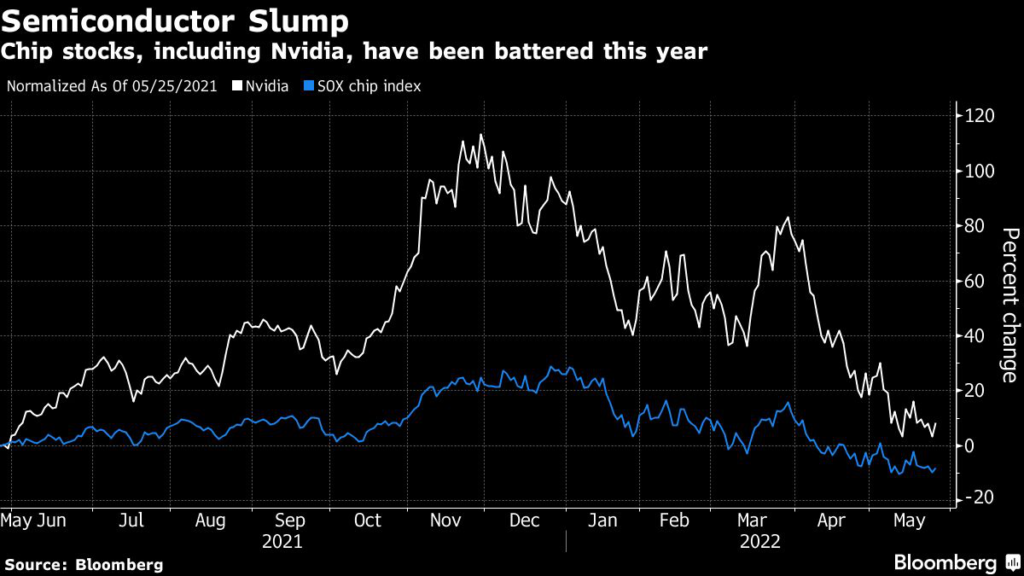
The shares fell about 5.5% in premarket trading in New York, up from a drop of as much as 10% in extended trading. Nvidia’s stock had gained 5.1% before the close on Wednesday, but remained down 42% for the year — the victim of a broader rout afflicting the chip market.

Investors have grown concerned that a surge in semiconductor demand during the pandemic years will fade, setting up one of the industry’s hallmark boom-and-bust cycles. But Nvidia’s growth in its fiscal first quarter suggests that demand remains strong. 

Revenue gained 46% to $8.29 billion, topping the $8.1 billion average analyst estimate. Excluding certain items, profit was 1.36 a share, compared with an average estimate of $1.30.

Revenue from data-center chips grew 83% to $3.75 billion, also above projections. Cloud providers are increasingly relying on Nvidia’s processors to handle artificial intelligence. That’s helped Huang transform the company from a niche graphics-card manufacturer to a chipmaking powerhouse.

“We expect to see data-center demand remain strong,” he said on the call.

Gaming revenue climbed 31% to $3.62 billion last quarter, while so-called professional visualization sales rose 67% to $622 million. A weak spot was automotive revenue, which declined 10%.

Nvidia’s gross margin, the percentage of sales remaining after deducting costs of production, will be roughly 66% this quarter — in line with the previous three months.

Nvidia’s tepid outlook overshadowed its strong results — and it follows similarly downbeat forecasts from other major tech providers. Companies such as Cisco Systems Inc. and Applied Materials Inc. have cut guidance because of the situation in China.

Nvidia Chief Financial Officer Colette Kress said that China lockdowns also have softened demand locally. “You have very large cities that are in full lockdown,” she said. “So it’s impacting our demand.”

Russia, meanwhile, has historically represented about 2% of Nvidia’s revenue. And it’s been an even bigger piece of the company’s gaming business, Huang said. Nvidia halted sales to the country earlier this year following the Ukraine invasion.

The full impact of the situation and China in Ukraine, Huang said, is “difficult to predict.”

(Updates with conference call starting in fifth paragraph, shares.)

More stories like this are available on bloomberg.com

©2022 Bloomberg L.P.
Baidu Sales Rise After AI Push Helps Offset China Slowdown

(Bloomberg) — Baidu Inc. posted a surprise revenue rise, after efforts to expand in areas such as cloud computing and autonomous driving offset weak ad sales in China.

Shares of Baidu jumped 5% while its Netflix-style streaming affiliate iQiyi Inc. surged 13% in pre-market trading in the U.S.

Revenue inched 1% higher to 28.4 billion yuan ($4.2 billion) for the three months ended March, compared with the 27.9 billion yuan forecast by analysts. Net loss was 885 million yuan, partly due to a 3 billion yuan one-time loss from long-term investments, versus an estimated profit of 142 million yuan.

The company has stopped giving revenue guidance since the October-December quarter, citing common practice among other US-listed companies on the Hong Kong Exchange.

China’s internet search leader is trying to pivot from online marketing to reinvent itself as a hard-tech supplier of self-driving systems, cloud computing and chips. The country’s weakening economy, coupled with Covid lockdowns in cities like Shanghai and Beijing, has hammered advertising spending and other consumer activity. That’s given urgency to Baidu’s push to monetize its artificial intelligence tech.

Online marketing revenue shrank 4% during the March quarter while AI cloud businesses expanded 45%.

Covid outbreaks continue to curb appetite for ad placement, and this is likely to hurt April revenues more, Bocom International analysts led by Connie Gu wrote in a note before the results. They estimated Baidu’s ad revenue will decline a further 13% in the current quarter.

Baidu is preparing to launch a fully driverless ride-hailing platform in China in 2023, after nabbing a first-of-its-kind testing license from regulators in April. The company has said it plans to expand the robotaxi service into 100 cities across the country by 2030. It’s also looking to raise about $300 million in a new financing round for its AI chip spinoff Kunlun, Bloomberg News reported, to tap more external clients.

For now, Baidu is counting on its flagship search-feed app and streaming affiliate iQiyi to retain users and advertisers. The video site posted its first quarterly net income since its 2018 listing, after carrying out aggressive cost control measures.

While Beijing’s attempts to open up the country’s internet ecosystem and deflate its most powerful tech giants may benefit Baidu, it’s fighting an uphill battle against more addictive social media offerings from Tencent Holdings Ltd. and ByteDance Ltd.

(Updates with share action from the second paragraph)

More stories like this are available on bloomberg.com

©2022 Bloomberg L.P.

Google Hit With Fresh UK Investigation Over Ad Tech Dominance

(Bloomberg) — The UK’s antitrust watchdog started a new investigation of Alphabet Inc.’s Google, over suspicions it may have abused its dominant position across its ad tech that goes to the heart of the tech giant’s business model.

The move by the Competition and Markets Authority opens a fresh front in its regulatory tussle with Google. The CMA said it was concerned Google sought to illegally favor its own ad exchange services, while taking steps to exclude the services offered by rivals.

“Weakening competition in this area could reduce the ad revenues of publishers, who may be forced to compromise the quality of their content to cut costs or put their content behind pay walls,” said Andrea Coscelli, the CMA’s Chief Executive Officer.

Watchdogs around the world have started to home in on the huge power that firms such as Google and Meta’s Facebook wield over ad markets — striking at the heart of the tech giants’ money making machines. Google faces a separate probe by the CMA into possible collusion over the way it operates online display advertising services. 

The CMA has been examining the way Google buys and sells advertising since at least 2020, saying that its advertising stack is a potential conflict of interest. It’s called for powers that would even allow for a structural changes.

“Advertising tools from Google and many competitors help websites and apps fund their content, and help businesses of all sizes effectively reach their customers,” Google said in a statement. “When publishers choose to use our advertising services, they keep the majority of revenue.”  

More stories like this are available on bloomberg.com

©2022 Bloomberg L.P.
Hungary’s Stocks and Currency Plunge as New Taxes Spook Markets

(Bloomberg) — Hungarian assets tumbled after Prime Minister Viktor Orban unveiled plans for a sweeping set of new taxes to shore up the economy.

The proposal is the latest in a series of developments that have alarmed investors as Hungary slips further away from its European Union and NATO allies. Orban started his fourth consecutive term this week by declaring a state of emergency just after he pushed through a constitutional amendment allowing the government to rule by decree in situations such as war in neighboring Ukraine.

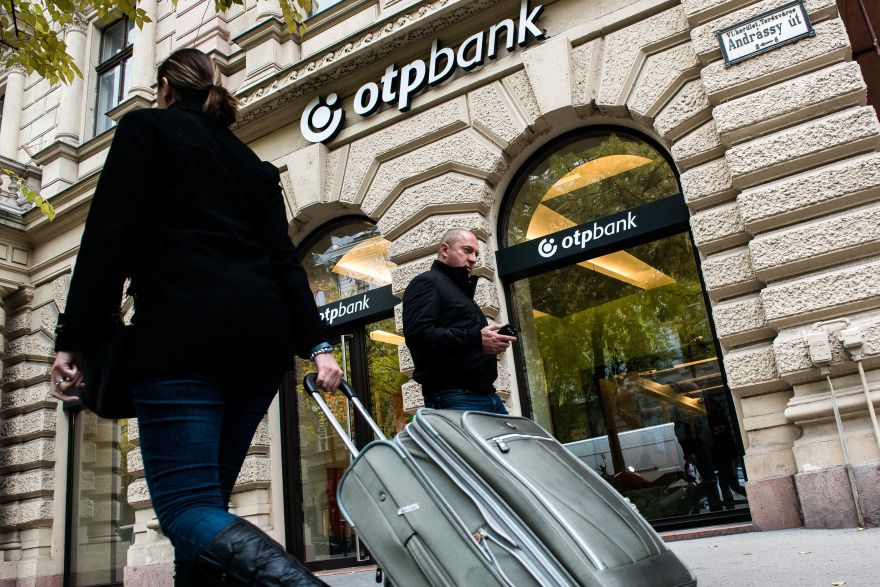
Refiner Mol Nyrt., which has seen its profit rise from selling Russian crude, plunged as much as 15% while the country’s largest lender, OTP Bank Nyrt., fell 13% at one point. The forint approached a record low against the euro and yields jumped. 

In a video message on Wednesday evening, Orban said that this year and next he seeks to siphon off to the budget  “the bulk” of what he called the “extra profits” in sectors including banking, insurance, energy, telecommunications, large retail and airlines. This is set to finance utility price cuts and help modernize the armed forces. Details of the plan will be unveiled at 2:30 p.m. in Budapest. 

“This is a very bad news for sentiment not only for Hungary but also for the whole region,” Michal Konarski, an analyst at MBank SA in Warsaw, said by email. “One can’t properly value equities in this operating environment, with earnings per share being nearly unpredictable.”

Budget Consolidation

The fresh financing will help consolidate the Hungarian budget as the EU imposes an effective funding freeze against Orban’s government, which it accuses of flaunting democratic norms. 

Raiffeisen Bank International analyst Jovan Sikimic said that a higher bank tax was already “in the air” as a potential fix to Hungary’s budget woes. The development is “Orban-style politics at its best,” he said. “We have included a 75% increase in bank tax from 2023 in our models.”

Hungary may also be planning to slap Mol with a levy on Russian crude imports, according to Tamas Pletser, an equity analyst at Erste Group Bank AG in Vienna. Such a move could politically help Orban, who is isolated in the EU for failing to back the bloc’s ban on purchasing Russian oil.

The forint dropped as much as 1% against the euro before recouping most losses to trade 0.1% weaker at 393.08 at 11:05 a.m. in Budapest. The yield on Hungary’s 10-year local-currency government bond increased 21 basis points to 7.05%, the highest level in a week.

Orban, the EU’s longest serving head of government, has clashed with the bloc over issues ranging from Russia to immigration and the rule of law. 

The tax moves are a reversal from the past few years when Hungary tried to put on a more “business-friendly” face, MBank’s Konarski said. “Now, everything is lost and we should expect extra premium applied to the cost of equity.”

(Updates throughout with analyst comments and latest markets.)

More stories like this are available on bloomberg.com

©2022 Bloomberg L.P.
Crypto Needs Urgent EU Rulebook to Protect Investors, Regulator Says

(Bloomberg) — Europe’s top securities regulator has warned that soaring inflation may drive retail investors into risky cryptoassets and called for a formal legal framework to govern the industry across the bloc.

Verena Ross, chair of the European Securities and Markets Authority, said she was waiting “with great impatience” for the EU’s blueprint for regulation of the area to be finalized as a law.

“With inflation rising, investors will look to find investments which are able to try to compensate for inflation and bring greater returns, which might lead to greater risk taking,” Ross said in an interview on Wednesday. “That is something we are monitoring very closely.”

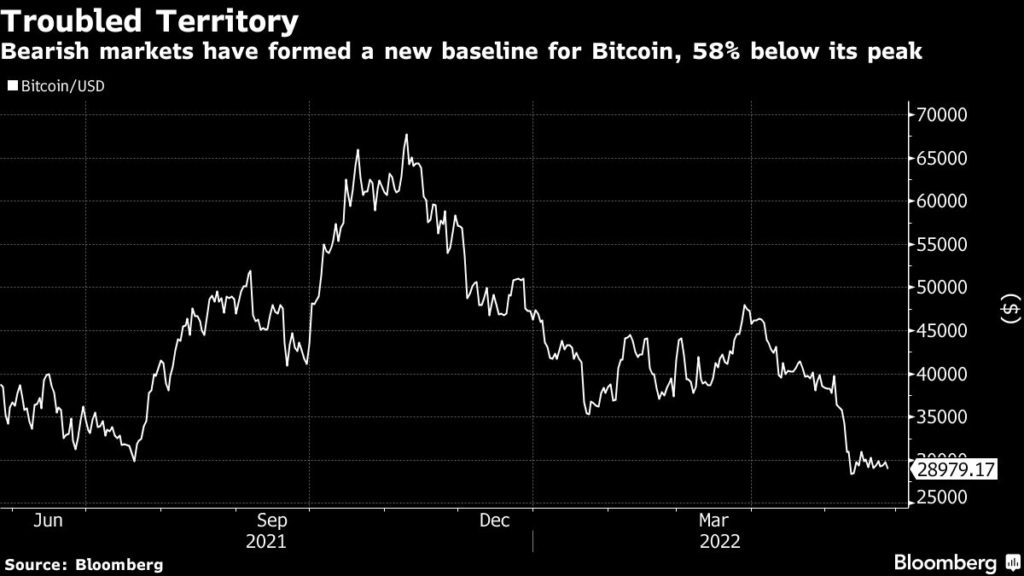
Regulators are intensifying their pressure on crypto amid choppy action in the market, with Bitcoin down 58% and Ether down 62% from their November highs. The European Central Bank has stepped up calls for tighter regulation after the stablecoin TerraUSD tumbled from its intended dollar peg earlier this month. 

For now, national regulators in the European Union base their crypto decisions on local laws, with individual countries taking different approaches. Binance Holdings Ltd., the world’s largest cryptocurrency exchange by trading volume, secured regulatory approval from the French government earlier this month, boosting its operational plans across Europe. It has also been courting the German financial regulator. 

“There is no EU regulatory framework for these kinds of entities at the moment and so there is currently an imbalance in how national supervisors deal with these entities and how they judge them,” Ross said. “That’s where a common regulatory framework will help.”


A draft framework, the Markets in Crypto-Assets Regulation — or “MiCA”, was first proposed in September 2020 as a way to standardize crypto regulation in the EU. It is currently being examined by the European Parliament and Council. Ross said she hoped that process would be finalized in the coming months and that the law would be in place in 2023 or 2024.

ECB President Christine Lagarde said last week that in her view crypto is “worth nothing.” Governing Council member Francois Villeroy de Galhau added to the skepticism on Monday saying that the promises of rewards in crypto were “an illusion.”

Binance supports a “stable regulatory environment,” a spokesperson said. “A consistent set of regulations implemented across Europe would be beneficial to everyone and MiCA has the potential to be foundational in establishing Europe at the forefront of this new industry.” 

Christian Faes, who is chair of the industry group Fintech Founders and is setting up a Bitcoin investment vehicle in the US, said a harmonized regulatory approach — rather than a country by country one — could help the industry develop. 

“I understand that each country is trying to lay out its own stall — I would just be suspicious about it being aimed more at trying to thwart the growth of crypto rather than being open-minded to the potential benefits,” Faes said.

While concerns among regulators and policymakers are growing about the danger cryptoassets could pose to individuals who do not understand the risks and cannot afford potential large losses, others argue that the trend is benign so far. Ian Taylor, head of crypto and digital assets team at KPMG UK, said there is no firm evidence that consumers are flooding into crypto assets because of high inflation.

More stories like this are available on bloomberg.com

©2022 Bloomberg L.P.

Musk’s Twitter Bid Drops Margin Loan But Needs More Cash

(Bloomberg) — Elon Musk is dropping plans to partially fund his purchase of Twitter Inc. with a margin loan tied to his Tesla Inc. stake and increasing the size of the deal’s equity component to $33.5 billion. 

Musk will provide an additional $6.25 billion in equity financing for the $44 billion buyout, according to a regulatory filing Wednesday. That’s enough to eliminate the margin loan of the same size, which had already been reduced earlier this month.

The new structure could reduce the risk of the deal for both Musk and his lenders, particularly given the recent slide in Tesla’s stock price. The electric carmaker has sunk about 40% since Musk first announced his stake in Twitter in early April. An extended slump raised the prospect that he wouldn’t have enough unpledged shares to cover the margin loan.

Shares of Twitter gained about 5.1% to $39.06 during pre-market trading in New York on Thursday. The stock closed Wednesday at $37.16, well below Musk’s offering price of $54.20.

Musk, Tesla’s co-founder, is still on the hook for coming up with the full $33.5 billion equity component. But he can turn to others for help. 

Musk is seeking additional financing commitments, including having discussions with Twitter co-founder Jack Dorsey and other investors about rolling their equity into the private company, according to the latest filing. He already announced earlier this month that he secured $7.1 billion of equity commitments from investors including billionaire Larry Ellison, Sequoia Capital and Binance.

Bloomberg reported earlier this month that Musk had received commitments for another $1 billion in equity since that initial round, and his advisers were soliciting interest from potential investors for as much as $6 billion in preferred equity financing.

Musk, 50, is the world’s richest person, with a personal fortune of $200 billion, according to the Bloomberg Billionaires Index. That’s largely due to his stake in Tesla.

Musk already disposed of $8.5 billion of Tesla shares to help raise cash for his Twitter deal, tweeting at the time that he had no further sales planned. 

EXPLAINER: Confused by Musk’s Twitter LBO? Here’s What’s Weird

(Updates with Twitter share price in 4th paragraph.)

More stories like this are available on bloomberg.com

©2022 Bloomberg L.P.

Coming Soon: A New Podcast All About Cryptocurrency

  • Listen to Bloomberg Crypto on the iHeartRadio App
  • Listen to Bloomberg Crypto on Apple Podcasts
  • Listen to Bloomberg Crypto on Spotify 

(Bloomberg) — Ever wondered how you make a Bitcoin? Or how a blockchain works? Or why anyone would spend money on digital pictures of monkeys?

We’ve got you.

The crypto universe is expanding fast, and with that expansion comes both excitement and uncertainty. The present and future of financial systems are being fundamentally challenged by these digital assets—and regulators are racing to keep up.

Stacy-marie Ishmael is the managing editor for crypto at Bloomberg News and your host for “Bloomberg Crypto,” a new daily podcast from Bloomberg and iHeart Radio. Each weekday, she will dive into how digital assets are affecting our lives, examining the players and what’s at stake in this unproven financial landscape.

Join Ishmael for the very latest in crypto news and takeaways: you’ll hear about everything from Bitcoin to Bored Apes, NFT’s to DeFi, staking to Web3. Along the way, she talks to Bloomberg reporters and editors around the world, as well as experts from every corner of the industry.

Bloomberg Crypto goes deeper than just the daily market buzz—we explore how this asset class is shifting the way we live, our politics and our culture. Subscribe now, and listen to the podcast starting June 2 on the iHeartRadio App, Apple Podcasts, or wherever you get your podcasts.

More stories like this are available on bloomberg.com

©2022 Bloomberg L.P.
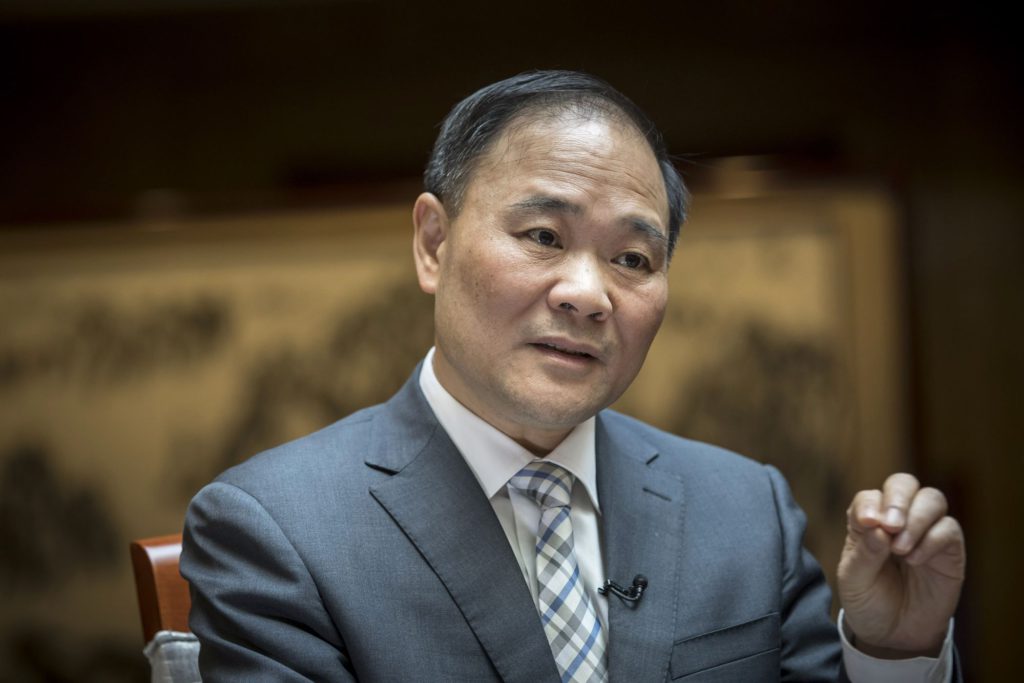
Geely-Backed Ecarx to Go Public Via $3.8 Billion Cova SPAC Deal

(Bloomberg) — Ecarx Holdings Inc., the car technology company backed by billionaire Li Shufu, is going public through a merger with blank-check company Cova Acquisition Corp. in what would be the largest Chinese listing in the US since Didi Global Inc., according to people with knowledge of the matter.

The combined company will be valued at about $3.8 billion in the deal, said the people, asking not to be identified as the information is private. The transaction includes a $45 million investment from Li’s automobile giant Zhejiang Geely Holding Group Co., Luminar Technologies Inc. and Lotus Technology. Geely is an existing investor in Ecarx.

The deal could be announced as early as Thursday, the people said. Representatives for Ecarx and Cova Acquisition declined to comment.

Read more: Chinese Tycoon Li Shufu in Fundraising Push to Boost Auto Empire

Ecarx would be the largest Chinese company to list in the US following Didi’s spectacular failure. The ride-hailing giant is set to delist from the New York Stock Exchange after proceeding with its IPO last June over Chinese regulators’ objections and becoming a victim of the country’s cybersecurity crackdown. Didi has lost about 90% of its market value since its debut.

Ecarx, founded in 2017 by Geely’s Li and Ziyu Shen, develops software and hardware such as digital cockpit and infotainment systems for cars. It serves both combustion-powered vehicles and automated and electric cars. Its clients include 12 car brands such as Geely, Lotus, Mercedes-Benz Group AG and smart. 

Cova Acquisition raised $300 million in its 2021 IPO to find an acquisition target in the technology industry in Southeast Asia or the US, according to a filing to the Securities and Exchange Commission. The SPAC is led by Jun Hong Heng, founder of San Francisco-based Crescent Cove Advisors, which backs high-growth technology, media and telecommunications ventures in the US and Southeast Asia.

Crescent Cove was an early investor in Luminar, a driverless-car startup founded by entrepreneur Austin Russell. Luminar went public through a SPAC deal in 2020.


More stories like this are available on bloomberg.com

©2022 Bloomberg L.P.
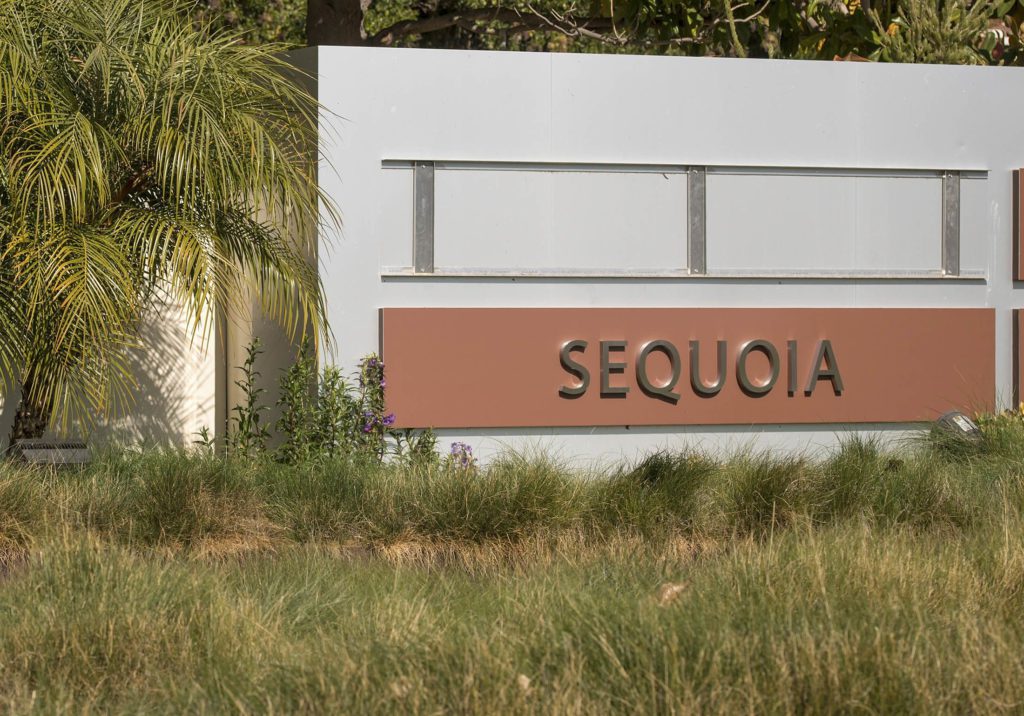
Sequoia Capital Warns Founders After ‘Crucible Moment’

(Bloomberg) — Calling the current environment a “crucible moment,” Sequoia Capital warned that the good times are not only over, there’s no indication when they’ll return. 

In a Zoom call earlier this month with the founders of its approximately 250 portfolio companies, the venture firm reviewed a 50-page presentation titled “Adapting to Endure,” according to documents obtained by Bloomberg News. 

Sequoia laid out the case for a long and drawn-out recession, and instructed founders to “do the cut exercise” immediately if they haven’t already done so by examining ways to conserve cash through eliminating or scaling back projects, R&D, marketing and other expenses.

“It doesn’t mean you have to pull the trigger, but that you are ready to do it in the next 30 days if needed,” Menlo Park, California-based Sequoia wrote in the presentation. The Information earlier reported the presentation.

Read More: The Tech Rout Isn’t Just Cyclical—It’s Well-Earned, and Overdue

An increasing number of late stage private tech companies  — the same ones that were bankrolled by investors to grow at all costs –- are re-focusing on profit. Swedish buy-now-pay-later company Klarna Bank AB and Istanbul-based rapid delivery startups Getir — both backed by Sequoia — are among businesses that have laid off hundreds of people recently. 

Sequoia, which also weighed in on the 2020 dip with its Black Swan memo and the RIP Good Times in 2008, called out pre-IPO startups as being particularly vulnerable if they weren’t focused on delivering profits.

On Tuesday, rapid grocery delivery app Gorillas Technologies GmbH announced it was cutting 50% of its global office staff, or around 300 workers. Online health-care provider Kry International AB, valued at $2 billion last year, recently said it would slash 10% of its 1,000-strong workforce.

Sequoia also took a shot at hedge funds that have been targeting private investments, who are now “tending to wounds in their public portfolios which have been hit hard.”

Tiger Global’s flagship hedge fund recently posted a 15% April decline, extending its loss for the year to 44%, fueled by declining tech investments. SoftBank Group Corp. also reported a record annual loss at its giant Vision Fund unit after a selloff in tech shares pummeled the value of its portfolio companies, including public holdings like Coupang Inc., Uber Technologies Inc. and Didi Global Inc. 

Not everyone is so pessimistic about future markets. Andreessen Horowitz said Wednesday that it had raised a $4.5 billion crypto fund, the industry’s largest to date. Palo Alto, California-based TripActions is also in discussions with investors to raise new money at around a $9 billion valuation, according to people familiar with the matter,

(Updated with additional context)

More stories like this are available on bloomberg.com

©2022 Bloomberg L.P.
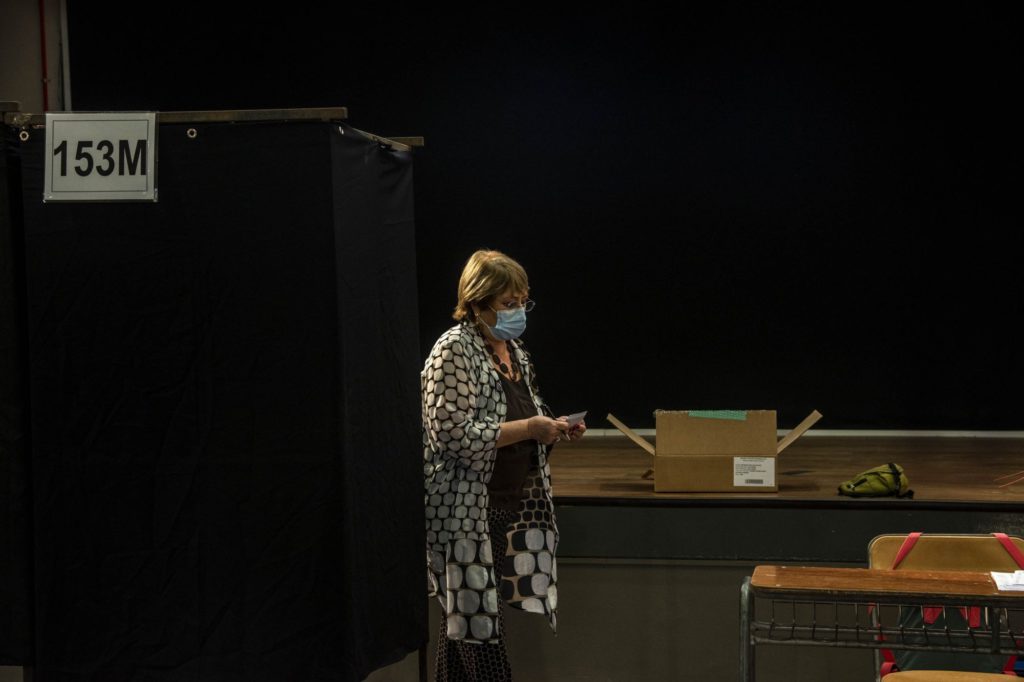
UN Corrects China on Human Rights Chief’s Actual Words to Xi

(Bloomberg) — The United Nations issued a “clarification” of its human rights chief’s remarks during a call with President Xi Jinping, in an apparent suggestion Chinese state media mischaracterized her comments.

“In response to widely reported remarks attributed to High Commissioner Bachelet, please find here a link to her actual opening remarks at her meeting with the President of China,” a spokesperson for the office of Michelle Bachelet said in an emailed statement late Wednesday. 

Shortly after the video call held earlier that day, state broadcaster China Central Television issued a readout saying Bachelet had told Xi that she admired the “efforts and achievement China has made in the areas of poverty elimination, human rights protection.”

The UN transcript, in contrast, said Bachelet stressed in her opening remarks that human rights must be at the core of “development, peace and security,” and that China had a crucial role to play within multilateral institutions on issues such as inequality. The excerpt contained nothing that could be construed as praising China’s human rights achievements.  

The UN didn’t reply to a request for more information about the apparent discrepancy between the two sides’ accounts. When asked about the discrepancy Thursday at a regular press briefing in Beijing, Chinese Foreign Ministry spokesman Wang Wenbin referred reporters to his ministry’s statement on the call, which mirrored CCTV’s readout.

READ: Blacklists, Trade and More U.S.-China Flashpoints: QuickTake

Bachelet’s trip has been criticized for failing to secure guarantees she would have unfettered access to the remote Xinjiang region, where the US accuses China of genocide against the mostly Muslim Uyghur people. US Ambassador Nicholas Burns told Bachelet he had “profound concerns” about attempts by Beijing to manipulate the trip, according to multiple people on a Monday call who asked for anonymity as they weren’t authorized to speak.

Her video meeting with Xi came a day after tens of thousands of apparently hacked files provided new evidence of the alleged abuse of Uyghurs in mass detention camps in Xinjiang. 

Hacked Data Shows Ethnic Abuse in China’s Xinjiang Camps

Beijing claims the facilities are vocational training centers to counter religious extremism and bring prosperity to the region, and vehemently denies accusations of genocide, a major source of tension between the world’s two largest economies.

(Updates with reaction from Chinese Foreign Ministry.)

More stories like this are available on bloomberg.com

©2022 Bloomberg L.P.

Close Bitnami banner
Bitnami
