
Bloomberg

Twitter Adopts ‘Poison Pill’ to Ward Off Musk Takeover

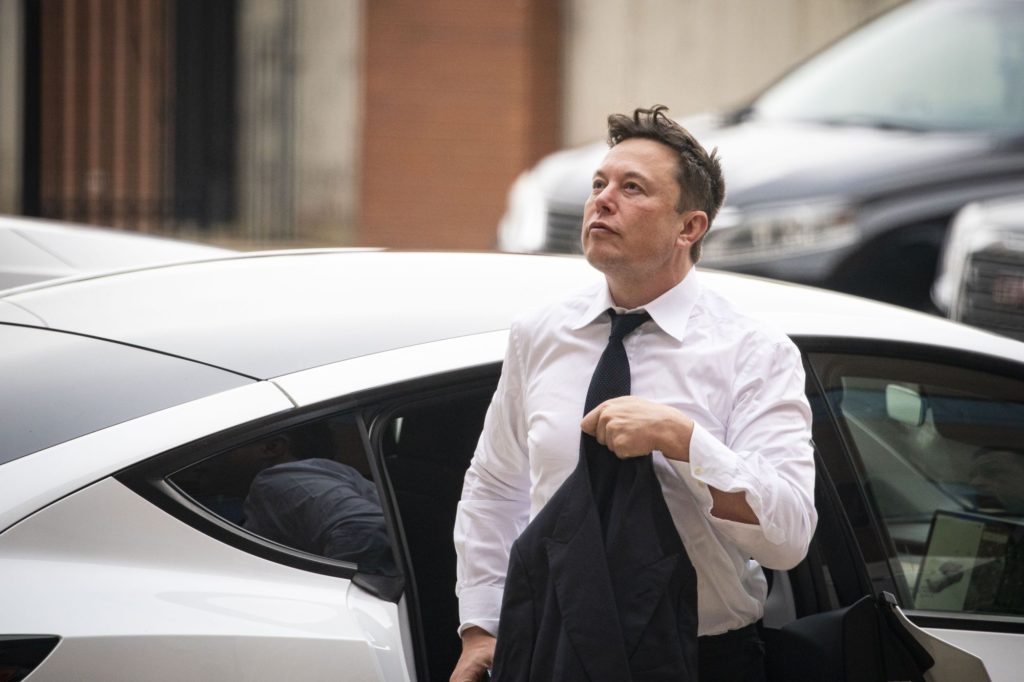
(Bloomberg) — Twitter Inc. adopted a measure that would shield it from hostile acquisition bids, taking steps to thwart billionaire Elon Musk’s unwelcome offer to take the company private and attempt to make it a bastion of free speech.

The board set up a shareholder rights plan, exercisable if a party acquires 15% of the stock without prior approval, lasting for one year only. The plan seeks to ensure that anyone taking control of the social media company through open market accumulation pays all shareholders an appropriate control premium, according to a statement Friday.

Twitter enacted the plan to buy time, according to a person familiar with the matter. The board, which met Thursday to review the bid, wants to be able to analyze and negotiate any deal, and may still accept it.

The Tesla Inc. chief executive officer on Thursday offered $54.20 a share in cash for Twitter, valuing the company at $43 billion. Musk, who said it was his “best and final” offer, had already accrued a stake of more than 9% in Twitter since earlier this year.

In addition to Musk’s offer, Twitter has been fielding takeover interest from other parties, including technology-focused private equity firm Thoma Bravo, Bloomberg reported earlier Friday. Goldman Sachs Group Inc. and JPMorgan Chase & Co. are advising Twitter.

A poison pill defense strategy allows existing shareholders the right to purchase additional shares at a discount, effectively diluting the ownership interest of the hostile party. Poison pills are common among companies under fire from activist investors or in hostile takeover situations.

Under Twitter’s plan, each right will entitle its holder to purchase, at the then-current exercise price, additional shares of common stock having a then-current market value of twice the exercise price of the right.

Musk didn’t address the issue of the poison pill on Friday, but thanked the 73% of people in an online Twitter poll who showed their support for his takeover plan, and mulled that removing the character limit on tweets was long overdue.

‘Love It’

Included in Musk’s securities filing disclosing the bid Thursday morning was a script of text he sent to the company. In it he said, “it’s a high price and your shareholders will love it.”

At least one prominent investor, though, said the offer was too low and the market reaction appeared to agree. Saudi Arabia’s Prince Alwaleed bin Talal said the deal doesn’t “come close to the intrinsic value” of the popular social media platform.

Speaking later Thursday at a TED conference, Musk said he wasn’t sure he “will actually be able to acquire it.” He added that his intent was to also retain “as many shareholders as is allowed by the law,” rather than keeping sole ownership of the company himself.

Twitter shares dropped 1.7% in New York on Thursday, reflecting the market’s view that the deal is likely to be rejected or to fall through. The Wall Street Journal earlier reported the San Francisco-based company was considering a poison pill defense.

Plan B

Musk first disclosed his Twitter stake on April 4, making him the largest individual investor. At the TED conference, he indicated that he has a Plan B if Twitter’s board rejects his offer. He declined to elaborate. But in his filing earlier in the day, he said he would rethink his investment if the bid failed.

“If the deal doesn’t work, given that I don’t have confidence in management nor do I believe I can drive the necessary change in the public market, I would need to reconsider my position as a shareholder,” said Musk.

Twitter, unlike Meta Platforms Inc., Snap Inc., and other tech giants, doesn’t have founders with majority voting control. That makes the company particularly vulnerable to activist investors and takeover interest. While it’s unclear what founder and board member Jack Dorsey thinks of Musk’s deal, he at least shares the opinion that Twitter might be better off private.

“As a public company, twitter has always been ‘for sale.’” Dorsey tweeted. “That’s the real issue.”

(Adds comment from Bloomberg Intelligence on possible partners)

More stories like this are available on bloomberg.com

©2022 Bloomberg L.P.

Texas Halts All Mexican Truck Inspections After Border Chaos

(Bloomberg) — Texas Governor Greg Abbott halted all Mexican truck inspections after a week of protests, traffic jams and mounting outrage from business interests on both sides of the border.

The Republican leader of the second-largest U.S. state signed an agreement with the governor of the border state of Tamaulipas on Friday that ends vehicle-safety checks in exchange for increased vigilance south of the international line.

Tamaulipas was the fourth and final border state to ink such a deal after Abbott triggered gridlock and angry trucker protests with an April 6 crackdown on northbound commercial traffic. Although Abbott initially said his decree was intended to curb undocumented immigration and drug smuggling, Texas state troopers targeted highway-safety issues such as bad brakes and other mechanical issues.

Tamaulipas has pledged “to prevent illegal immigration from Mexico into Texas,” Abbott said during a joint press conference with Tamaulipas Governor Francisco Javier García Cabeza de Vaca in the Texas border town of Weslaco on Friday. 

Abbott warned that if enforcement south of the border falters and undocumented migration increases, he will reimpose the program of inspecting every commercial vehicle that crosses over.

Paralyzed Border

The governors of Nuevo Leon, Chihuahua and Coahuila states agreed to similar arrangements in recent days.

Abbott’s clampdown paralyzed broad stretches of a border that sees more than $400 billion in annual trade, and raised the specter of bare grocery shelves and soaring produce prices amid already rampant food inflation. 

Semi-truck shipments from Mexican factories to the U.S. plunged by 80% at the height of the crisis and at least one of Abbott’s fellow Republicans turned on him for his “catastrophic” strategy.  

(Adds Texas governor’s comments in fourth paragraph.)

More stories like this are available on bloomberg.com

©2022 Bloomberg L.P.
Elon Musk’s ‘Free Speech’ Twitter Risks Scaring Off Advertisers

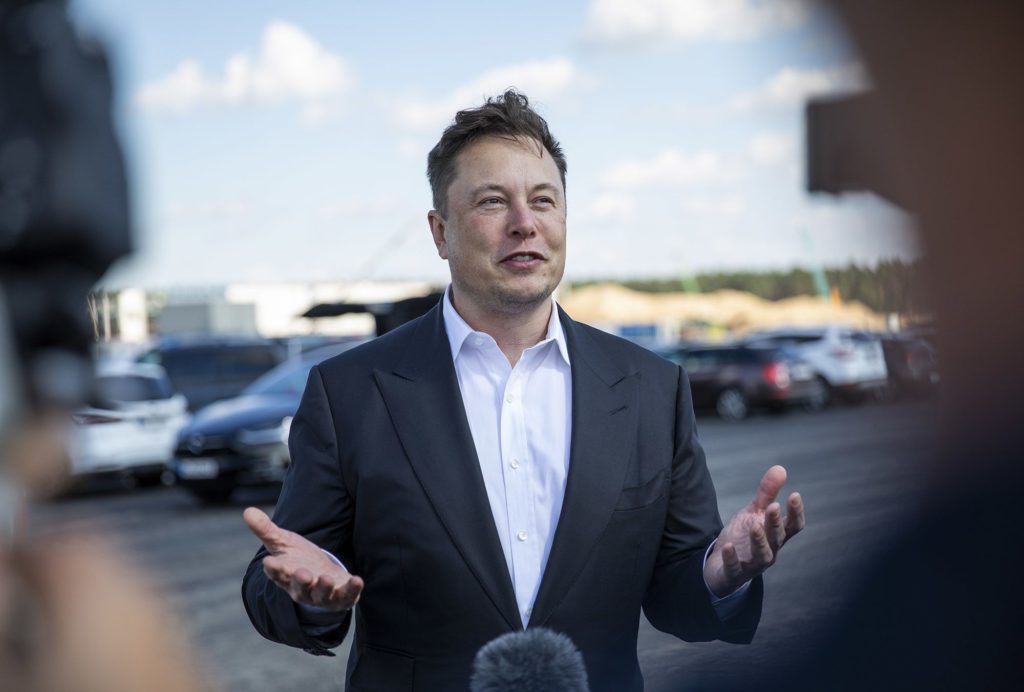
(Bloomberg) — Elon Musk’s vision of taking the guardrails off Twitter Inc.’s content moderation is lauded by free speech absolutists, but it risks creating a free-for-all that alienates advertisers and leaves regular users subject to abuse.

Musk lobbed his $43 billion takeover offer for Twitter with the intent of unlocking its potential to be the “platform for free speech around the globe.” He added that “free speech is a societal imperative for a functioning democracy.”

But a website with little content moderation would be a concern for advertisers who are brand conscious and wouldn’t want their adds to show up next to controversial posts. Regular people also could be turned off from the site if it was overrun with harassers or conspiracy theorists. 

“The underlying concern would be that Twitter could become a toxic place and a toxic community,” said Joshua Lowcock, global chief media officer at media agency UM Worldwide.

Twitter, like other social media platforms, is highly reliant on advertising, which accounted for close to 90% of its $5.1 billion in revenue in 2021. Also like its peers, especially Meta Platforms Inc., Twitter has struggled to balance how it regulates content on the site. Conservatives rail against what they claim is a liberal bias, while others say the platform doesn’t go far enough in curbing calls for violence or hate speech. In 2020, dozens of companies — from Coca-Cola Co. to Microsoft Corp. — paused advertising on Meta’s Facebook in protest over harmful content on the site and concern their ads would appear in association. 

Musk, with more than 80 million followers on Twitter, has long been one of the site’s most prominent users and also one of its most outspoken critics. Much of Musk’s ire against Twitter has been directed against what he perceives as censorship by the platform, and he has sympathized with users who have been booted off, such as the conservative satirical publication the Babylon Bee. The publication’s Twitter account was banned after a post about a transgender U.S. government official was deemed to violate the platform’s rules. Shortly thereafter, Musk reached out to the company and mused that “he might need to buy Twitter.”

But many of Musk’s own rants and jabs haven’t been barred. That includes memes that mock transgender people and one, since deleted, comparing Canadian Prime Minister Justin Trudeau to Hitler. He’s also slagged a British cave explorer as a “pedo guy.”

Even with Twitter’s ever-evolving rules and policies around content, many users still face harassment and doxxing, or the revealing of personal details. Opening the platform up even more could make that problem worse. 

“In terms of everyday users, people hate the harassment,” said Matt Navarra, a social media consultant and industry analyst. “Can you imagine if that was opened up to even more freedom of speech and there would be less policies, rules and repercussions? That would not be a place people would want to hang around in.”

For advertisers, the problem isn’t free speech, but rather the lack of any content moderation on Twitter, said UM Worldwide’s Lowcock. Under Twitter’s former CEO, Jack Dorsey, “Twitter prioritized the health of the platform and that was appreciated by the advertising community,” he said. “Trust in the platform increased. It’s unknown whether Musk will continue that approach or diverge completely.”

For all the businesses he’s been in — from manufacturing electric vehicles to launching rockets and satellites– Musk hasn’t run one that’s primarily supported by advertising revenue. Before announcing that he planned to acquire Twitter, Musk proposed getting rid of ads and rewarding verification checkmarks to users who paid for a subscription service. 

“Musk has never shown any interest in an ad-supported business and one hopes that he will put lieutenants in charge who understand the advertising industry,” Lowcock said.

Musk has framed his proposed bid as a fight for free speech, rather than for his own financial benefit. “Creating a public platform that is maximally trusted and broadly inclusive is extremely supportive to the future of civilization,” he said. To be sure, Musk himself is unsure if he will succeed in his bid, but he said he has a backup plan if the company rejects his offer. 

The billionaire entrepreneur isn’t alone in calling for more open discourse on social media platform; the American Civil Liberties Union has long been a critic of social media’s content moderation. But fixing those problems shouldn’t fall to one person, said Nadine Strossen, former president of the ACLU. “No matter how positive Musk’s intentions may be today, his intentions could change tomorrow and even if they remain good, the execution may be flawed,” she said.

More stories like this are available on bloomberg.com

©2022 Bloomberg L.P.
Billions Are Being Wagered on Breakthrough Ethereum Revamping

(Bloomberg) — One of the biggest bets in all of crypto is being wagered on the autonomously-run DeFi platform Lido Finance. 

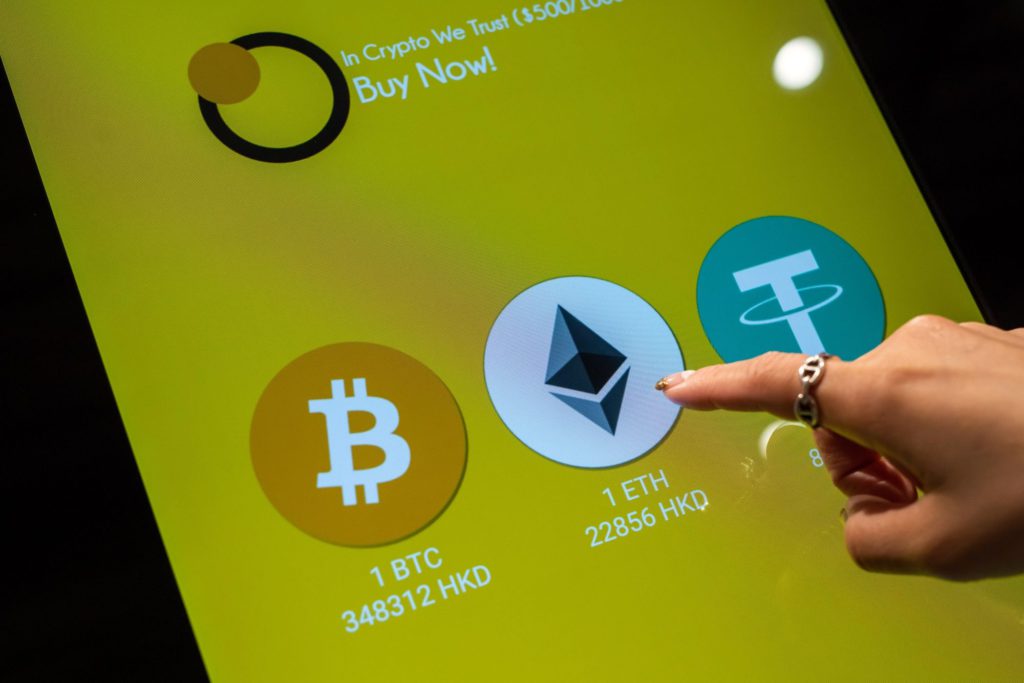
Nearly $10 billion, or around 3.22 million Ether tokens, has been deposited on the decentralized finance protocol in anticipation of a successful completion of a long-awaited upgrade of Ethereum. The years-in-the-making software revision — referred to as the Merge, targeted for later this year — is supposed to dramatically cut energy use, eventually boost performance and possibly returns on what is arguably the most important blockchain network. 

The big bet is being made through a fairly common crypto practice known as staking, which allows owners a way of earning passive income without having to sell their tokens. The staked coins are used to help validate transactions and secure the network in exchange for rewards based in part on the amount of new tokens minted and fees collected. The practice is popular among users of leading exchanges such as Coinbase, Kraken and Binance, which combined have roughly 2.5 million in Ether staked on their platforms.

Lido, a decentralized staking project launched in December 2020, is beating out the bigger industry players by also offering Ether owners a sweetener. It’s a token called stETH that is pegged to the value of the cryptocurrency and can be used on other decentralized applications — whether it is earning rewards by providing liquidity in money market protocols, or borrowing against stETH in DeFi lending markets to get even more Ether to boost staking rewards.

More than 700,000 stETH currently sits on the decentralized lending project Aave, according to data from blockchain tracker Nansen. Depending on how much risk a stETH holder wants to take, the rewards of staking Ether borrowed against stETH on Aave could be unlimited, in theory.

While the leveraged staking rewards raises the annual percentage rate well beyond the 3.9% earned initially on Lido by staking, the outsized gains don’t come without risks. If the Merge were postponed and stETH holders were in a rush to swap their coins for Ether on the open market, the token could be at risk of becoming unpegged, potentially causing its value to plummet. 

If the Ethereum “upgrade and adoption do not occur as widely anticipated, the value of the staked Ether could be lower than Ethereum 1.0,” said Gordon Liao, chief economist at Uniswap Labs, the company behind the popular DeFi protocol with the same name. “There is also additional price risk associated with the secondary market trading of the staked Ether, which could de-peg from Ether in the scenario that users lose confidence in the upgrade or staking project.”       

Lido said the risk is minimal. Before the Merge, if a large amount of people try to sell, whoever is holding a long position on Ether could arbitrage the price difference by selling Ether and buying stETH, bringing stETH and Ether’s prices back in line, Konstantin Lomashuk, a founding member of Lido, said in an interview with Bloomberg. The token’s high level of liquidity should allow it to navigate any surge in selling pressure without becoming unpegged for an extended period of time, he added.

Lido encourages stETH holders to put their tokens on the decentralized exchange Curve Finance, which holds more of the tokens than any other platform. In exchange, stETH owners get extra rewards in the form of both Curve’s CRV tokens and Lido’s native token LDO. The LDO token is also used in governance of Lido by a decentralized autonomous organization, or DAO. 

“Lido is removing barriers for both individuals and institutional investors to stake Ether and other proof-of-stake assets and the community’s commitment to decentralization sets it apart from other solutions,” Ali Yahya, general partner at venture capital firm Andreessen Horowitz, said in a written response through a representative. 

A16z announced in March that it invested $70 million in Lido, and that it staked a “portion” of a16z Crypto’s Ether holdings in the protocol. Other major companies that have chosen to stake with Lido include crypto hedge fund Three Arrows Capital and crypto lender Nexo, according to a representative at Lido.      

Now it’s mostly a matter of watching developments around the Merger unfold. On Wednesday, one of the leading Ethereum software developers said that while the process is going well, the upgrade is most likely going to be after June. That’s later than many observers have anticipated. 

More stories like this are available on bloomberg.com

©2022 Bloomberg L.P.
Nigerian Banks Hit by ‘Great Resignation’ of Top Tech Talent

(Bloomberg) — Nigerian banks have been hit by an exodus of tech talent, chief executives of the nation’s lenders say.

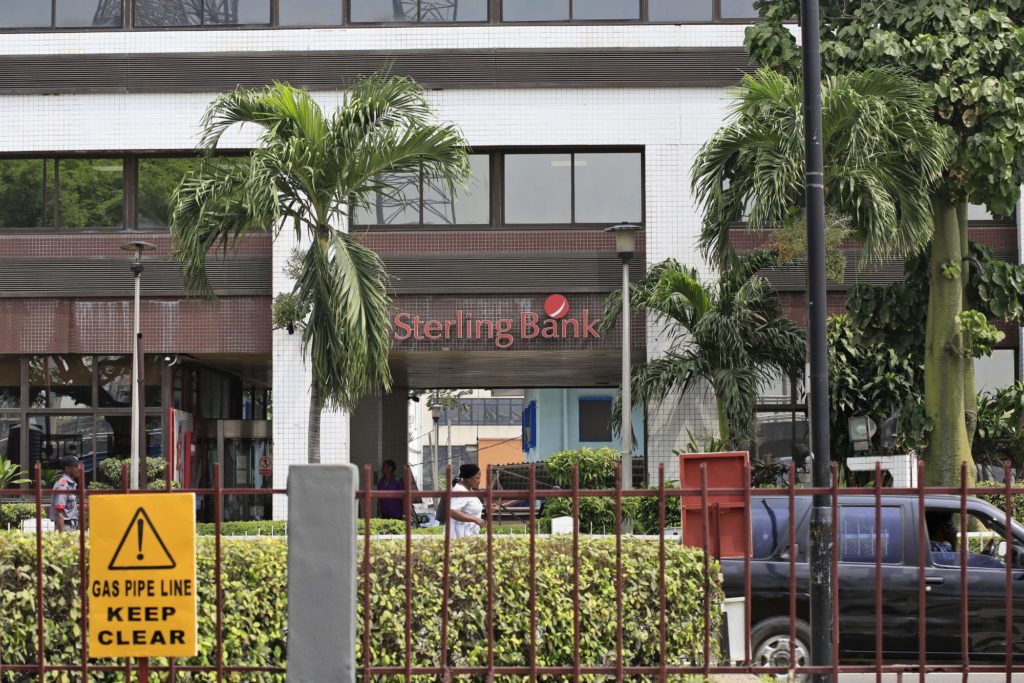
“So many of our very experienced talents especially in the area of software engineering are either leaving the industry or leaving the country,” Abubakar Suleiman, chief executive officer of Sterling Bank Plc, told reporters at the end of a meeting of bank CEOs on Thursday, according to a voice recording shared by the central bank. He referred to it as a “great resignation.”

The meeting came as traditional lenders in Africa’s largest economy face stiff competition for talent from technology startups attracting increased funding from international investors and offering better working conditions, in and outside the country. Africa-focused startups raised a record $5 billion last year, with those specializing in digital and mobile payments and lending soaking up most of the funding. 

Two economic contractions in the last five years have also forced some Nigerians with globally marketable skills to leave the country, with the U.S., Canada and U.K. being preferred destinations. 

The Chartered Institute of Bankers of Nigeria, the umbrella professional body for lenders in the country, will “drive the process of training more skills in the area where we see deficits,” Suleiman said. The executives discussed plans to fund training for new tech-focused staffers to replace those who have left in what he called “the great resignation.” 

The CEOs also agreed to help the central bank increase the adoption of the digital currency, the eNaira, Miriam Olusanya, managing director at Guaranty Trust Bank, said at the same briefing. The digital currency app has more than 756,000 downloads since its launch in October, she said, adding that the consumer wallet has 165,000 downloads and the merchant wallet 2,800.   

More stories like this are available on bloomberg.com

©2022 Bloomberg L.P.
Business Leaders Know the Climate Status Quo Is Untenable

(Bloomberg) —

It’s been 50 days since Russia’s unprovoked attack on Ukraine. A lot has changed since then, but viewed from a different angle, very little has changed. Russia now faces some of the stiffest sanctions ever devised — with major carveouts for oil, gas, and coal. The U.S. has banned the import of Russian oil, although it never imported a lot to begin with. The European Union, meanwhile, has bought from Russia some $35 billion worth of fossil fuels and counting since the invasion. 

It’s easy to get despondent: another crisis, another missed opportunity. Looking back, many of the European policy responses — or lack thereof — could best be explained by EU politicians thinking that Kyiv would fall quickly. It would all be over soon, and we could go back to regularly scheduled programming. 

Kyiv didn’t fall. 

Call me hopelessly optimistic, but something is different. The longer this war of choice waged by Russian President Vladimir Putin has dragged on, the clearer it has become that the current situation is untenable. Nobody questions if things must change, just when and how. The differences in energy and outlook seem palpable to me. Perhaps it is a function of my spending the spring semester at a business graduate program instead of a policy school. 

The way that many business leaders speak about the “threat” of climate policy can be jarring. It took me a while to get used to the fact that, in this world, “climate risk” primarily refers to the effects of climate policy on the bottom line, rather than those of climate change on lives and communities. But even in that there is good news: Most business leaders expect climate policy to go in one and only one direction (even if some try to delay action as long as possible, causing untold damage in the process). It’s also good news that a growing number of countries and businesses have committed to achieving net-zero emissions, and that those pledges add up to limiting the increase in global average temperatures, if they’re acted upon. 

Cue the inevitable jokes about distant promises: “Man announces he will quit drinking by 2050.” Skepticism is healthy. But so is seeing the enthusiasm among the next generation of private-sector leaders to be part of the solution. 

Every time a student has walked into my office at Columbia Business School this spring (or signed up for a 6 a.m. morning run with their professor), it is with a proposal to fix one or another piece of the puzzle. There’s the student with deep knowledge of commercial real estate who identified a gap in shifting the building sector to clean energy. His mission: to start a fund that closes that gap. The student with a fine arts background and sales experience at an auction house? She wants to put that background to work in the energy transition. The goal of the Nigerian student who’s a chemical engineer and former consultant in the oil and gas sector? Help transform that industry. 

Some of the transformation begins with business schools themselves. The three students who walked into my office on Wednesday with an “Open Letter on Climate Action at Columbia Business School” collected more than 200 signatures among fellow MBA students that same afternoon. The two climate-focused classes now taught at the school are woefully oversubscribed. 

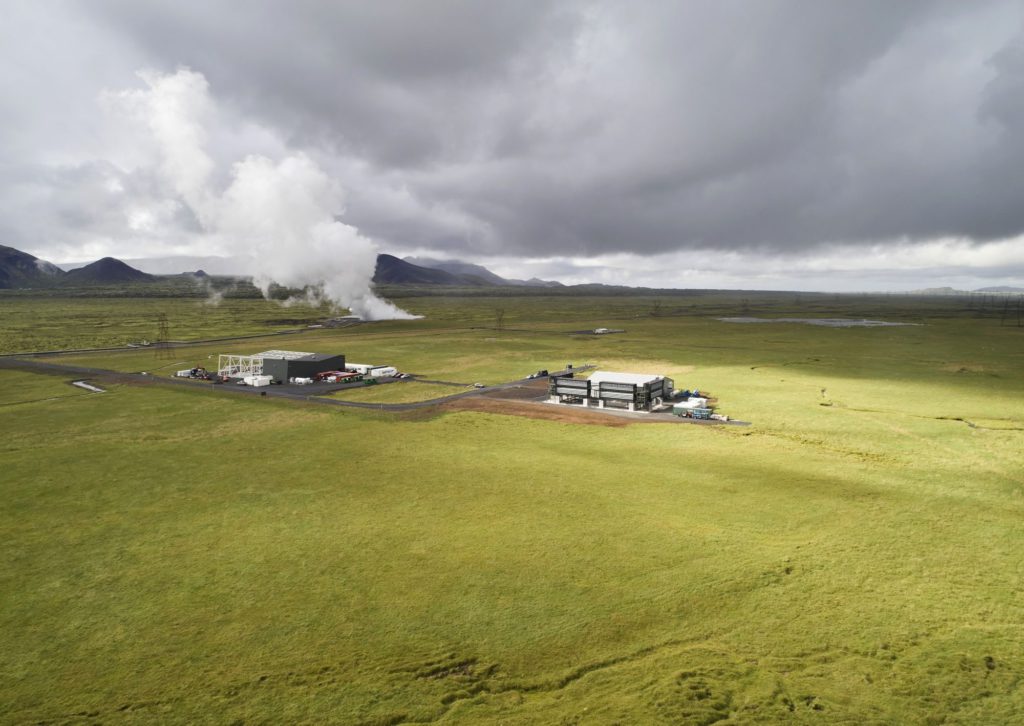
My own class this week was focused on offsets. Mere mention of offsets often invokes images of a broken system that lets polluters off the hook. Keep burning fossil fuels, Russian or otherwise, while finding the cheapest possible way to be able to put a tree on the annual report: Is that really the best we can do? The focus of our three-hour discussion was on getting offsets right. It helped that Nan Ransohoff, head of climate at Stripe Inc., dropped by for a discussion, the day after the company announced a new $925 million fund — paid into by the likes of Alphabet Inc. and McKinsey & Co. Inc. — to jumpstart the market for carbon removal technologies. 

The students’ most biting question was around the fund’s exit strategy: “It’s mostly philanthropy, right?” Yes and no. That’s where policy comes in. It is also what another venture hopes to address, a $350 million fund announced yesterday and raised by LowerCarbon Capital, a firm founded four years ago by Chris and Crystal Sacca. Its goal is to help carbon removal startups and make money doing so. 

Even investments on that scale will not “solve” climate change. Both Stripe and LowerCarbon Capital are clear about that. It will take trillions, most spent on scaling existing, already cheap technologies like building insulation, heat pumps, and solar and wind generation, all of which more than pay for themselves. There, too, is lots of excitement, showing business in the lead, with reactionary politicians grasping at ever smaller straws to try to delay the inevitable. 

Action is still much too slow. Ask any climate scientist, or Ukrainian President Volodymyr Zelenskiy. Getting the world off fossil fuels must be a much bigger priority than it is now. And business leadership can’t replace policy, which is essential. But it does help transform climate policy from a risk into an opportunity. 

Gernot Wagner writes the Risky Climate column for Bloomberg Green. He teaches at Columbia Business School (on leave from New York University). His latest book is Geoengineering: the Gamble (Polity, 2021). Follow him on Twitter: @GernotWagner. This column does not necessarily reflect the opinion of Bloomberg LP and its owners.

(Updated in 11th paragraph with more details on scaling climate technologies.)

More stories like this are available on bloomberg.com

©2022 Bloomberg L.P.
North Korea Fetes Founder as U.S. Prepares for Provocations

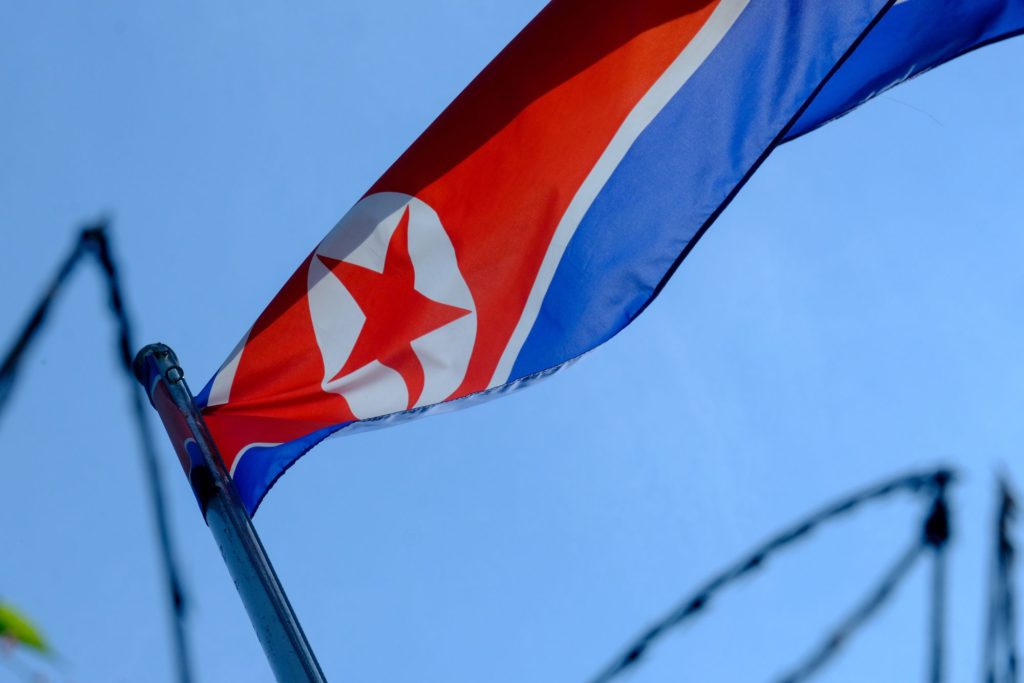
(Bloomberg) — North Korea celebrated the 110th birthday of its deceased state founder, while a U.S. aircraft carrier group was in waters east of the peninsula with Pyongyang poised for provocations that could include its first nuclear test since 2017. 

Festivities that included dance celebrations, music and fireworks commenced Friday night in Pyongyang, state TV said, as part of the celebrations for the Day of the Sun holiday to mark the birthday of Kim Il Sung — the grandfather of current leader Kim Jong Un. 

“Today is our nation’s most auspicious holiday,” the state’s official television broadcaster reported as it showed thousands of young North Koreans wearing masks for Covid protection and dancing in Kim Il Sung Square in central Pyongyang. 

Jets and helicopters flew low over central Pyongyang on Thursday night indicating a possible military parade, specialist service NK News cited sources in the capital as saying. 

In recent years, North Korea has held military parades at night and then edited footage for airing several hours later on state TV. But as of 7:30 p.m. local time Friday, North Korea hadn’t made any statement about a parade or shown any footage. 

South Korean authorities wouldn’t say if a parade took place or confirm the report from NK News. Unification Ministry deputy spokesman Cha Duck-chul told reporters Friday that Seoul was closely monitoring North Korea’s activities including the possibility it will hold military parade on April 25 to mark the anniversary of the founding of its army. 

North Korea had previously used the celebrations to show off its military might, parade new weapons through the streets of Pyongyang and hold rallies demonstrating support for its leader. The Biden administration’s envoy for North Korea policy, Sung Kim, said earlier this month Pyongyang may be looking at a nuclear or missile test to coincide with the events.

The U.S. Navy dispatched an aircraft carrier group this week to waters between the Korean Peninsula and Japan for the first time since 2017. The show of force comes as the Biden administration tries to limit Pyongyang’s provocations as it confronts the security and economic challenges posed by Russia’s invasion of Ukraine.

U.S. Carrier Group Arrives as North Korea Ramps Up Threats

A military parade would be North Korea’s first in about seven months, when it held a version in September that didn’t feature major systems such as ballistic missiles. In October 2020, Kim Jong Un put on a big display of new weaponry at a parade to mark the 75th anniversary of its ruling party. That event included a display of a new missile designed to strike the U.S. that was described by experts as the world’s largest road-worthy intercontinental ballistic missile.

That ICBM known as the Hwasong-17 appears to have blown up shortly after launch in a failed test last month. 

Kim Jong Un’s ‘Monster’ ICBM Meant to Overwhelm U.S. Defenses

Pyongyang could try to steal the spotlight from South Korea’s inauguration of a new president on May 10 with a nuclear test, the DongA newspaper reported Tuesday, citing an unidentified South Korean government official. 

While Kim has been signaling plans to resume major weapons tests for more than two years, the U.S.’s campaign to punish Russia over its invasion of Ukraine has reduced the risk of North Korea getting hit with sanctions for such provocations. Any additional measures from the UN Security Council would require support from Russia and China, which has led the criticism of Washington’s efforts to squeeze Moscow economically.

(Updates with state TV.)

More stories like this are available on bloomberg.com

©2022 Bloomberg L.P.
Ukraine Update: Russian Warship Sinks; U.S. Eyes Envoy to Kyiv

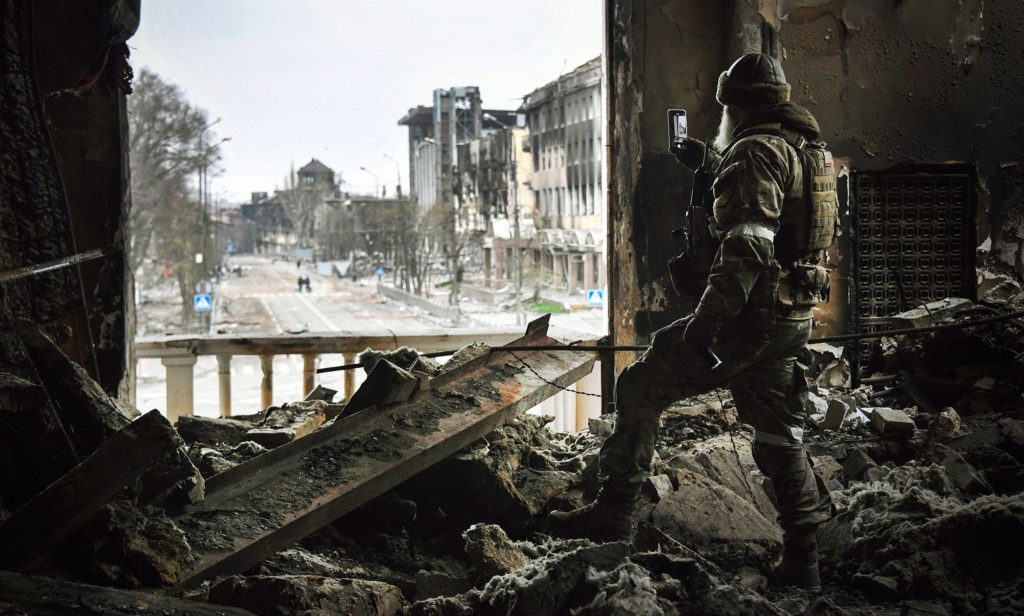
(Bloomberg) — Russia lost the flagship vessel of its Black Sea Fleet, delivering a blow to its pride and military capabilities as it repositions its forces for renewed attacks in eastern and southern parts of Ukraine. U.S. President Joe Biden said he’s considering sending a senior official to visit Ukraine. European Union leaders plan to …

Ukraine Update: Russian Warship Sinks; U.S. Eyes Envoy to Kyiv Read More »

China Battery Giant CATL Joins $6 Billion Venture in Indonesia

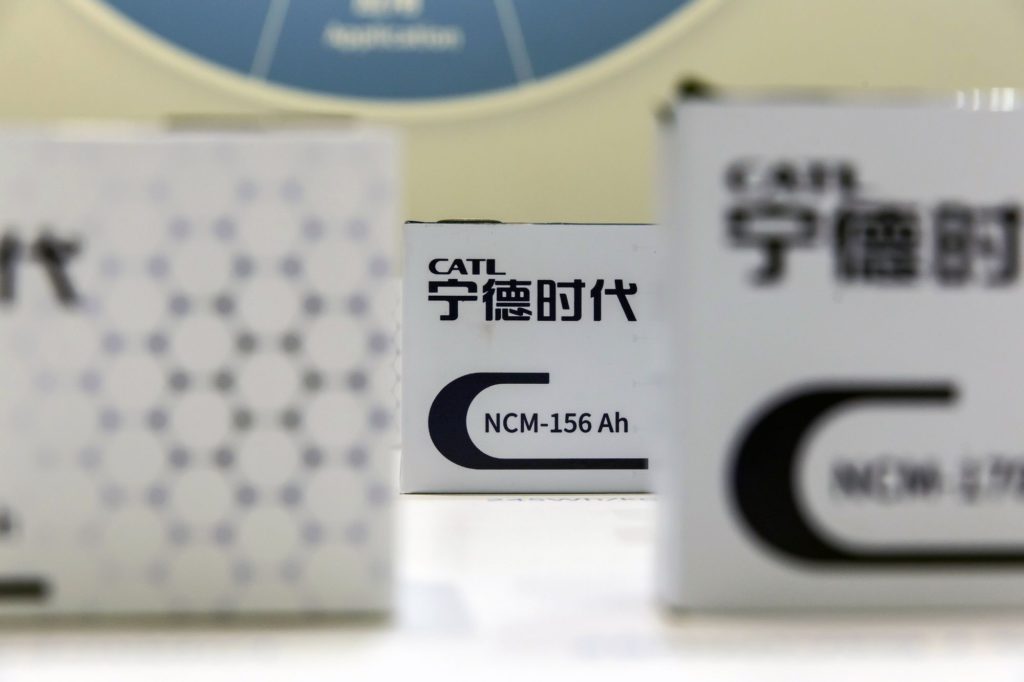
(Bloomberg) — China’s top battery producer plans to boost its presence in the aspiring electric-vehicle hub of Indonesia by partnering with local state-owned groups to build a $5.97 billion mining-to-batteries complex.

A unit of Contemporary Amperex Technology Co. Ltd. will join PT Aneka Tambang and PT Industri Baterai Indonesia on the project that spans everything from nickel mining to battery materials, recycling, and an EV batteries factory.

The Southeast Asian nation is aiming to become a major player in the electric-vehicle supply chain linked to its massive reserves of nickel, a vital battery material. CATL already has some involvement in Indonesia, while Chinese firms including Tsingshan Holding Group play a major role in the country’s nickel sector.

“The Indonesia project is an important milestone for CATL as we expand our global footprint, and it will become an emblem of the everlasting friendship between China and Indonesia,” Robin Zeng, founder and chairman of CATL, said in a statement on Friday.

The project will be based in Indonesia’s North Maluku province. The joint venture still needs approval from the companies’ shareholders and from regulators.

More stories like this are available on bloomberg.com

©2022 Bloomberg L.P.
Shanghai Residents Clash With Police Over Nearby Quarantine Site

(Bloomberg) — Residents of a Shanghai area that hosts research centers for major tech firms fought with police over plans to open quarantine facilities near them, underscoring burgeoning anger over the Chinese government’s handling of its worst Covid outbreak since Wuhan in early 2020.

People living at the Nashi community in the financial hub’s east tried to stop workers in hazmat suits from erecting fencing around several buildings that have units similar to serviced apartments, according to several people who spoke to Bloomberg News on condition they not be identified out of fear they may get in trouble with authorities.

Now-censored clips showed scores of police dragging away protesters worried that they could catch the virus from people who moved into the buildings. Officers can be seen trying to push angry people back, some of whom are screaming and shouting: “Police are beating us.”

Zhangjiang Group, the state-owned company that manages the Nashi community, said in a statement that “relevant departments” handled the matter, an apparent reference to the police. The company added that it was acting on government orders to carry out Covid-19 control work, and that residents were compensated for moving. Police at the local station didn’t answer a phone call seeking comment.

Xi Moves to Stop Shanghai Covid Rage From Sweeping Across China

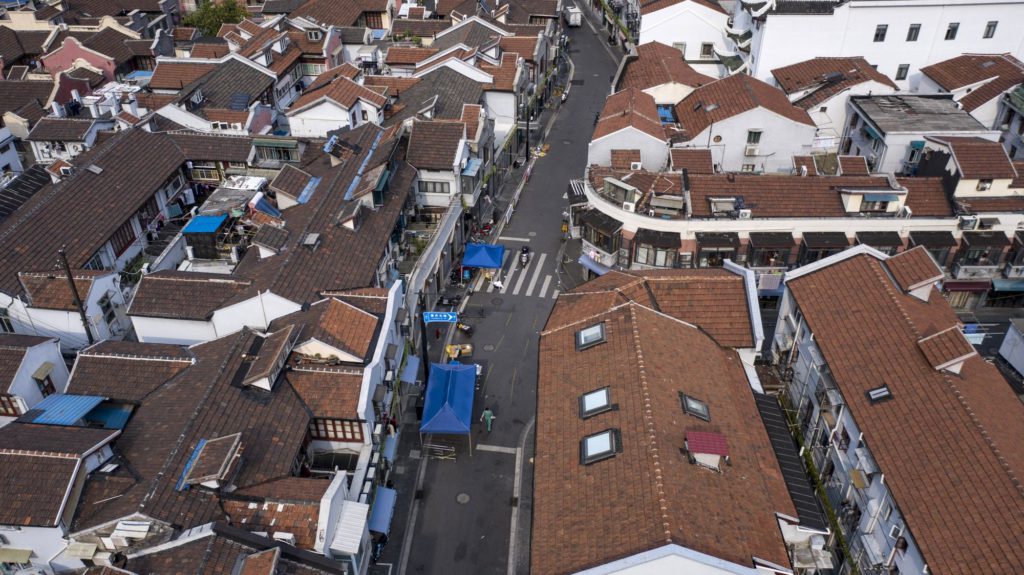
Confrontations between large groups of people and police are rare in China, illustrating the frustration felt by many in Shanghai, a cosmopolitan city of some 25 million people that’s been locked down for nearly three weeks. Anger has mounted over a lack of food, medical supplies, information on when their ordeal will end and even freedom to step outside. Some families have been awoken late at night by health workers in hazmat suits — nicknamed the “big white” in China — shouting over loudspeakers that they must assemble outside for yet another Covid test.

Several instances of public indignation have appeared on the Asian nation’s social media platforms, only to be blocked by authorities worried that unrest could spread. Videos of the fighting at the Nashi community have disappeared from the Twitter-like Weibo service, and a search using the hashtag of the neighborhood’s name yields no results, with Weibo citing the need to “comply with relevant laws and regulations.”

Shanghai is the epicenter of an outbreak of the highly contagious omicron variant in China, straining the government’s ability to enforce President Xi Jinping’s demand that cities be totally free of the virus, a strategy known as Covid Zero. The eastern metropolis, home to China’s biggest stock market and major financial institutions, saw a record of more than 27,700 new cases Wednesday, though the figure dipped to about 23,000 for Thursday. The vast majority of the cases are mild or asymptomatic, raising questions among many in the public about the need for the draconian lockdown.

Shanghai has been scrambling to build isolation facilities and makeshift hospitals for hundreds of thousands of people. The city has converted many of its exhibition halls, indoor stadiums and schools into quarantine centers. Upscale hotels have been told to hand over rooms.

Surging case numbers forced authorities to look for even more sites. Officials took over five buildings in the Nashi neighborhood in mid-March, though residents said there was little complaint because the towers were out of the way. Officials then went back to the compound Tuesday, telling residents they would take over another nine buildings, and tenants had to be out that day.

The Nashi complex caters to people working at Zhangjiang Science City, which hosts Semiconductor Manufacturing International Corp. and multinationals including Microsoft Corp.

More stories like this are available on bloomberg.com

©2022 Bloomberg L.P.
Close Bitnami banner
Bitnami
