
Bloomberg

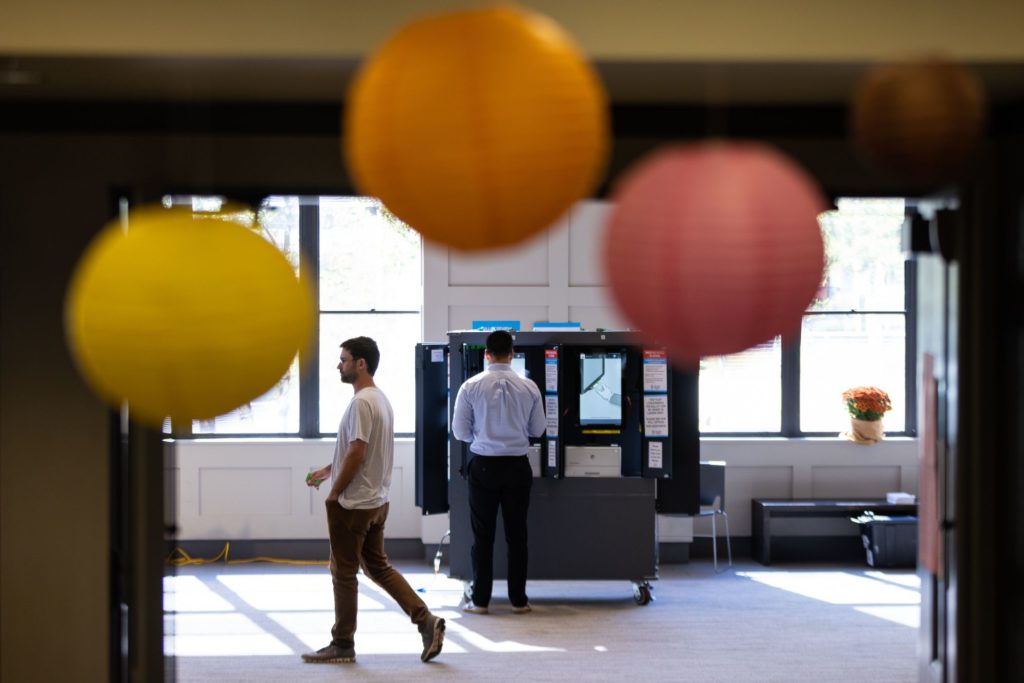
Where the US Races for Governor Stand Now

(Bloomberg) — A pair of incumbent governors thought to have eyes on the White House — Republican Ron DeSantis in Florida and Democrat Gavin Newsom in California — both handily won re-election Tuesday, giving their parties a glimpse into the future on a night when statehouse executives generally held off their challengers.

Along with DeSantis and Newsom, New York’s first female governor, Kathy Hochul, won election to a full term. Republicans in Texas and Georgia also emerged victorious, as did Democrats in Illinois and Connecticut. Two states — Maryland and Massachusetts — traded moderate Republican governors for pioneering Democratic contenders.

Some races still hung in the balance — including Arizona, where Republican Kari Lake, a vocal 2020 election denier with support from former president Donald Trump, is running against Democrat Katie Hobbs.

Oregon’s all mail-in balloting meant the state would have to wait to find out if it would have its first Republican governor in 20 years.

But the night’s gubernatorial headliners were DeSantis and Newsom, two men who have sparred coast-to-coast as they position themselves for possible presidential runs in 2024.

DeSantis beat Democratic challenger Charlie Crist by 60% to 40% in the Florida, according to the Associated Press. In California, Newsom easily defeated his Republican challenger, Brian Dahle, to win a second term.

DeSantis, 44, hasn’t said he plans to run in 2024 and avoided questions about the presidential race during his debate with Crist. Still, he has constantly popped up in polls as GOP voters’ preferred standard-bearer should Trump decide against making another run. DeSantis has also secured the support of big-ticket donors, including billionaire Ken Griffin, the founder of Citadel.

Newsom, 55, largely ignored his opponent and instead spent much of his campaign building his national profile and promoting progressive causes. That has fueled speculation that he is considering a presidential run, though he has repeatedly denied interest.

The races were among 36 gubernatorial contests across the US Tuesday. They’ve taken on added significance this year after the Supreme Court put the issue of abortion in the hands of state governments and limited what they can do to regulate guns. Those topics were front and center in Texas and Georgia, where incumbents Greg Abbott and Brian Kemp won.

In Democratic-led states, candidates also fared well. In New York, Hochul held off a surprisingly tough challenge from Republican Lee Zeldin in a race that focused heavily on crime in the closing days. In Illinois, Democratic billionaire J.B. Pritzker won his re-election as expected, beating Trump-backed Republican opponent Darren Bailey. In Connecticut, incumbent Ned Lamont won. 

NY Governor Hochul Beats Zeldin in Close Race Dominated by Crime

‘Begun to Fight’

Back in Florida, DeSantis thanked voters for what he called a “historic, landslide victory” in a speech in Tampa. He didn’t mention Trump or speculation that he will run for president, but he did say, “I have only begun to fight.”  

Trump escalated his rivalry with DeSantis, warning that he would expose damaging information if the Florida governor were to challenge him for the Republican presidential nomination.

“If he runs, he could hurt himself very badly,” Trump said in an interview with Fox News and other outlets. “I would tell you things about him that won’t be very flattering — I know more about him than anybody, other than, perhaps, his wife.”

DeSantis’s victory is also a win for the conservative, headline-grabbing brand of politics he carried out during his first term. The Republican incumbent won the important Latino vote in Florida, according to exit polls conducted by CBS News that found 56% of Latinos voted for DeSantis. The number represents a big swing in Hispanic support toward Florida Republicans over the last four to six years. DeSantis lost the Latino vote in his previous election.

He clashed with President Joe Biden over vaccine and mask mandates, blasting him for establishing a “biomedical security state.” He then shifted his focus to culture-war issues, especially a law limiting school instruction about gender identity. A couple of months ago, he used taxpayers’ dollars to fly dozens of Venezuelan migrants from Texas to Martha’s Vineyard, Massachusetts.

The strategy was key in raising DeSantis’s profile as a potential Republican presidential candidate. Trump has teased for months that he plans to run again in 2024, and while he’s still the favored pick among GOP voters, his political baggage and legal troubles could prove an obstacle for another run.

Abbott, Kemp Win

Abbott beat Democratic candidate Beto O’Rourke to win re-election for a third term as governor of Texas, signaling voters approved of his hardline conservative views.

Abbott was favored to win, with polls showing the incumbent having anywhere from a five to 11 percentage point lead. The results suggest Texans still trust Abbott to lead the state on issues like immigration and the economy — the top concerns among voters. Abbott’s stances favoring a ban on abortions with very few exceptions and loose gun policies were popular with his base.

Abbott’s healthy margin of victory may empower GOP lawmakers to take a more rightward slant in their policy proposals. During his campaign, Abbott spoke frequently about strengthening border security and providing property tax relief, which are two areas likely to be a focal point in next year’s session. 

In Georgia, Republican Governor Kemp easily won re-election, fending off voting-rights organizer Stacey Abrams for a second time and cementing the power of the state’s GOP-dominated legislature.

Kemp, 59, won 54% of the vote to the Democrat’s 45% in unofficial AP results, more than quadrupling his victory margin over Abrams in 2018.

The rematch between Abrams, 48, and Kemp was one of the most closely watched races in the US, in large part because of Abrams’s national stature as a voting activist and her role in delivering Georgia to Democrats in 2020 and 2021.

Whitmer Wins

Michigan’s Democratic Governor Gretchen Whitmer won-relection against Republican Tudor Dixon.

In Illinois, Pritzker, 57, campaigned on his support for abortion rights and improvements in state finances and had led in the polls in a state largely controlled by Democrats.

Heir to the Hyatt hotel fortune, Pritzker contributed more than $100 million of his own money to campaign against Bailey, a state senator and anti-abortion downstate farmer who ran on concerns about rising crime, property taxes and the economy. 

In Massachusetts, Attorney General Maura Healey sailed to victory, defeating Republican rival Geoffrey Diehl, who was backed by Trump. The 51-year-old Democrat vowed to become the nation’s most aggressive governor on climate change, and to help the state develop a “climate corridor” for innovative green technology. Her plans include appointing a cabinet-level climate czar and spurring the installation of 1 million heat pumps statewide by 2030. 

She’s also making history as the state’s first woman to be elected governor. 

In Maryland, Democratic nominee Wes Moore defeated Republican and election denier Dan Cox, making him the first Black governor of the state. Moore, a Rhodes Scholar who served in combat in Afghanistan, is the former chief executive officer of the Robin Hood Foundation, an organization that fights poverty in New York City and is backed by many on Wall Street. 

Sarah Huckabee Sanders, the former White House press secretary during the Trump presidency, won the governorship in Arkansas. Republican Governor Kevin Stitt won re-election in Oklahoma, defeating Democrat Joy Hofmeister, a former Republican and the state’s superintendent of public instruction.

–With assistance from Christian Hall, Margaret Newkirk, Airielle Lowe, Zach C. Cohen, Gregory Korte, Shruti Date Singh, Tarso Veloso, Alyce Andres, Brendan Walsh, Keshia Clukey, Emma Court, Amanda Albright, Karen Breslau, Tiffany Stecker, Ryan Teague Beckwith, Jack Gillum and Felipe Marques.

(A previous version of this story corrected the spelling of Florida in the sixth paragraph.)

More stories like this are available on bloomberg.com

©2022 Bloomberg L.P.
Nintendo Sinks 7% After Cutting Switch Sales Forecast

(Bloomberg) — Nintendo Co. shares fell 7.1% on Wednesday after the company cut its fiscal-year forecast for Switch console sales by 10% to 19 million. It was the biggest drop in over a year for the Kyoto-based games maker, which also maintained its operating profit outlook despite strong currency tailwinds.

Operating profit for the quarter ended September was 118.7 billion yen ($809 million), up from 100.2 billion yen in the same period a year earlier. Nintendo revised up its net income forecast for the year, pointing to the weaker yen as a key reason, but kept its full-year operating profit expectation at 500 billion yen.

Nintendo said it sold fewer Switch consoles in the quarter than the year-ago period in part because of a prolonged chips shortage. The company says it’s now front-loading production to maximize delivery in the holiday shopping season and production output has been improving since September. President Shuntaro Furukawa said in a briefing after the results that demand for the console remains firm.

What Bloomberg Intelligence Says

Nintendo needs to drive software sales and live services to support long-term earnings growth as the Switch platform enters the mature phase of its cycle. Hardware sales could continue to decline as momentum from Animal Crossing fades further, barring a reported — but as yet unconfirmed — new Pro console.

— Nathan Naidu, BI analyst

Click here for the full research

Splatoon 3, the latest installment of a core Nintendo franchise, became the company’s fastest Switch software launch ever, with 3.45 million units sold domestically over its first three days. Its September launch gave a lift to the hit-driven sales of Nintendo’s five-year-old Switch console and that momentum is expected to be sustained by the Nov. 18 launch of the latest entries in the Pokemon series.

The company raised its net income forecast by 18% to 400 billion yen for the fiscal year. It kept its software sales outlook unchanged.

Nintendo got a big boost from this year’s precipitous drop in the yen’s value. The currency trades at its lowest level against the US dollar in more than 30 years, and Nintendo gets four fifths of its sales from outside Japan while its software production costs are denominated mostly in the domestic currency.

Read more: Nintendo Surges After Record Debut of New Switch Game

Analysts are closely tracking the Switch console’s momentum heading into the year-end holiday season as supply chain constraints wane. Nintendo has consistently said demand for the handheld-hybrid console remains strong, despite the gadget’s age.

“It is strange that Nintendo cut its forecast of Switch shipments by 10% even though there is a broad consensus the chip shortage is easing,” said Tokyo-based industry analyst Serkan Toto. “I expect the next quarter to be another home run for Nintendo, largely thanks to the release of the new Pokemon title next week.”

–With assistance from Yuki Furukawa.

(Updates with shares and chart)

More stories like this are available on bloomberg.com

©2022 Bloomberg L.P.
Explainer: How Binance and FTX Sent Shockwaves Through the Crypto World

(Bloomberg) — It’s been a tumultuous few days in the largely unregulated cryptocurrency world, with mudslinging on Twitter, a shock exchange takeover bid and plunging token values.

The world’s biggest exchange, Binance Holdings Ltd., is now set to acquire troubled rival FTX.com in what would be a radical consolidation of power in the crypto world. The letter of intent is non-binding though, which sent jitters through the market and sparked a further plunge in values. While crypto might seem like a niche corner of finance, the saga between two of its top players has upended the crypto ecosystem and is likely to have far-reaching repercussions.

What are Binance and FTX?

They’re two of the biggest crypto exchanges, which are the marketplaces where investors buy, sell and store tokens. Binance is the biggest crypto exchange by volume by a long way — and FTX is in the top five, according to crypto data provider CoinMarketCap (which is owned by Binance). 

Who runs them?

They’ve also been led by two of the most visible and charismatic people in the crypto world: Binance by Changpeng Zhao (or CZ, as he is known), and FTX by Sam Bankman-Fried (or SBF).

Formerly a trader at Jane Street, until just a few weeks ago the curly-haired 30-year-old was everywhere in the crypto industry — backing flailing projects including BlockFi, Voyager Digital and Celsius. He counted the likes of Softbank Vision Fund, Singapore wealth fund Temasek and Ontario Teachers’ Pension Plan as investors. 

Zhao is a China-born Canadian citizen who emigrated to Vancouver aged 12 and graduated with a degree in computer science from McGill University in Montreal. He started Binance in 2017 in Shanghai — but the Chinese government banned crypto exchanges the same year. He’s now based in Dubai.

Read More: Crypto’s Richest Man Faces Regulatory Crackdown, Brutal Winter

Why did they fall out?

Back in 2019, Binance invested in FTX, then a derivatives exchange. The next year, Binance launched its own crypto derivatives, quickly becoming the leader in the field.

Tensions rose as the two companies increasingly took divergent tacks with regulators. Bankman-Fried was testifying in the US Congress, while Binance was said to be facing regulatory probes around the world.

The two companies have also been competing for assets, with both bidding for assets of Voyager Digital — an auction that FTX.US won.

Zhao and Bankman-Fried have been trading barbs on Twitter for months, feuding over issues ranging from lobbying US politicians to allegations of frontrunning trades.

So what just happened in the crypto world?

Over the weekend Zhao tweeted that Binance would be liquidating its holdings of a token known as FTT, which is issued by FTX.  

The tweet followed a story from crypto news outlet CoinDesk saying that Alameda Research, a trading house owned by FTX’s founder Bankman-Fried, had a lot of its assets in FTT token. 

That fueled broader concerns about FTX’s health and investors began to withdraw money. The FTT token plunged 72% on Tuesday and was falling again on Wednesday. A day before reaching a deal, Bankman-Fried said on Twitter that assets on FTX were “fine” and that “a competitor is trying to go after us with false rumors.”

What does this mean for the markets?

It’s injected a lot of uncertainty for investors. Even with the deal announcement, crypto price movements may make things tough. Bitcoin fell briefly to its lowest level since 2020, which leaves a lot of holders under water.

And then there’s Solana, which is backed by Bankman-Fried and fell 23% on Tuesday. 

What does this mean for Binance and FTX users?

Both CZ and SBF said on Twitter that the deal was done to protect users, though the exact terms are unclear. There have been no announcements from Binance about what will happen to FTX accounts. Customers are unlikely to be happy about the declines in token prices.

Read more: Crypto Retail Investors Rattled as Binance Moves to Acquire FTX

FTX.US is not part of the deal. 

How does this affect CZ and SBF?

This deal effectively makes CZ the top person in the crypto world — if he wasn’t already. And it’s a huge comedown for SBF, who had previously been seen as one of the most accomplished people in the industry.

That’s playing out in fortunes, as well. Bankman-Fried’s 53% stake in FTX was worth about $6.2 billion before Tuesday’s takeover, according to the Bloomberg Billionaires Index, based on that fundraising round and the subsequent performance of publicly traded crypto companies. His crypto trading house, Alameda Research, contributed $7.4 billion to his personal fortune.

The Bloomberg wealth index assumes existing FTX investors, including Bankman-Fried, will be completely wiped out by Binance’s bailout, and that the root of the exchange’s problems stemmed from Alameda. As a result, both FTX and Alameda are given a $1 value. That leaves SBF’s net worth at about $1 billion, down from $15.6 billion heading into Tuesday. The 94% loss is the biggest one-day collapse ever among billionaires tracked by Bloomberg.

CZ has had a rough period as well, with his fortune down 83% year-to-date according to the Billionaires Index — but he’s still estimated to be worth $16.4 billion.

What does this mean in terms of regulation?

This episode and how quickly it unfolded provide a stark example for regulators who have been concerned about the lack of guardrails in the freewheeling crypto space. Jurisdictions that have been considering looser rules may be less likely to do so — especially on the back a few months ago of implosions in the Terra/Luna ecosystem and hedge fund Three Arrows Capital.

In addition to general crypto regulation, the deal itself may draw scrutiny given it’s between two of the top players in the space and could trigger concerns about market dominance of a combined entity.

What’s Next?

It’s a bit unclear. Since the Binance agreement to buy FTX is non-binding, a lot of different things could happen. Binance could take over FTX, walk away entirely or perhaps acquire portions of it. And it isn’t even clear whether FTX would continue to exist as a separate entity. Some of this may depend on what Binance actually finds as it works on the due diligence, too.

–With assistance from Tom Maloney.

More stories like this are available on bloomberg.com

©2022 Bloomberg L.P.
Sam Bankman-Fried’s ‘Emperor’ Aura Makes Downfall a Crypto Stunner

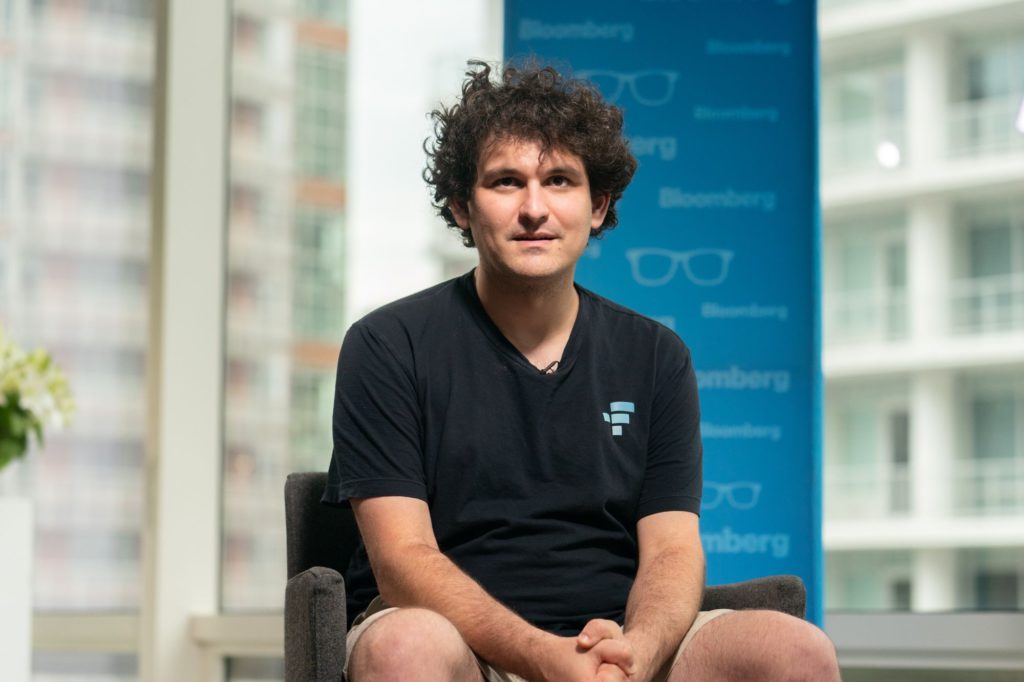
(Bloomberg) — Sam Bankman-Fried was supposed to be different than the run-of-the-mill crypto types. He was this wunderkind, a 30-year-old with a preternatural gift for math who had quickly built a crypto empire and then shrewdly expanded it during the worst of the industry’s meltdown this summer. 

So the sudden collapse of his crown jewel — the crypto exchange FTX.com, which now needs a bailout from its chief rival, Binance Holdings — has left crypto investors in stunned disbelief.

If people learned anything from the industry’s spectacular meltdowns in the spring — including the TerraUSD stablecoin, hedge fund Three Arrows Capital and lender Celsius Network — it’s that the ties that bind this nascent ecosystem are as pervasive as they are delicate. 

Read More: Bankman-Fried Bows to Binance Rescue as FTX Buckles

Yet while FTX was part of that, it seemed more than just an exchange: It was something of a one-stop shop for crypto boosterism, with its financial backing, market-making heft, Washington lobbying muscle and penchant for offering bailouts of its own that reached most corners of the industry. The question now is if the great SBF can be done in this quickly — in no more than a handful of days — what does that say for anyone else in the once-hot industry, now enduring a prolonged rout that’s wiped out $2 trillion of market value?

“I think if this bear market has proven anything, it’s that the emperor has no clothes,” Marc Weinstein, partner at crypto venture firm Mechanism Capital Ventures, said. “Even seasoned institutional investors can get swept away investing in hot deals at unreasonable valuations in a bull market.”

Anxiety about FTX and the indeterminate fate of its sister company, Alameda Research, washed over the already-battered space Tuesday. And the jitters translated into losses of more than 10% for Bitcoin and even bigger declines elsewhere in the crypto market. The extent of declines may depend on just how much contagion, if any, FTX’s sudden collapse will have in the market.

On Edge

FTX and Bankman-Fried’s influence is arguably even bigger than that of Three Arrows Capital, whose collapse set off a wave of pain across the industry just months ago. So the lack of details surrounding the potential takeover of FTX by Binance Holdings, and the swiftness with which it was put together, put the crypto world on edge. Some of FTX’s investors found out about the deal on Twitter, according to people familiar with the matter. These investors are uncertain whether they will receive any money if the agreement with Binance goes through. 

The list of losers in the collapse includes investors in Bankman-Fried’s exchange, valued at nearly $32 billion in a January financing. Those include blue-chip names like the SoftBank Group Corp.’s Vision Fund, the Ontario Teachers’ Pension Plan, the Singapore wealth fund Temasek Holdings Pte., hedge fund Tiger Global Management and Lightspeed Venture Partners. Following the January fund-raising, Bankman-Fried told Bloomberg the funds would likely go toward mergers and acquisitions, with possible targets including payments businesses, NFT-centric firms and the metaverse.

Other companies connected to Bankman-Fried also have strong ties with other major industry players, and FTX’s struggles have cast a pall of uncertainty over all of them. 

FTX.US, the exchange’s American affiliate, which is not included in the preliminary Binance deal, provided crypto lender BlockFi Inc. with a $400 million revolving credit facility that came with the option to purchase the company outright. Alameda Research, a crypto trading firm that was also co-founded by Bankman-Fried, offered a $485 million loan to Voyager Digital that failed to save the crypto brokerage from bankruptcy. FTX.US later won an auction for Voyager Digital’s assets.

Pain Points

Industry investors have zeroed in on Alameda being a potential pain point for Bankman-Fried moving forward. The company is an active borrower in the crypto industry and reports that the firm held a lot of its assets in FTX’s FTT token, which has declined sharply in price, likely helped trigger the deal with Binance. While Bankman-Fried has said that FTX and Alameda are separate companies, the close relationship between the two has come under fire.

“The most obvious question is what happens to Alameda and the debt that they owe,” said Matt Walsh, founding partner at crypto venture capital firm Castle Island Ventures.

Bankman-Fried stepped away from Alameda last year, but he is estimated to own to nearly all of the firm and more than 50% of FTX. Walsh said that this kind of structure wouldn’t have flown in a more regulated market and that the Binance deal could help put that issue to rest.

“It was never going to be viable for the owner of an exchange to also own a proprietary trading firm that trades on that exchange,” he said. 

Alameda Chief Executive Officer Caroline Ellison declined to comment on the deal between Binance and FTX, and its impact on Alameda. 

Overall, Walsh said FTX’s floundering will “massively increase the focus from regulators on all market participants” and draw more attention to whether tokens like FTT are unregistered securities. 

Arthur Breitman, the co-founder of the Tezos blockchain, said in a statement that it will be interesting to see whether an acquisition of FTX by Binance will draw away support from major blockchains. He noted that FTX has been a major backer of the Solana blockchain, while Binance has its own Binance Smart Chain. 

“I’m curious to see if FTX will continue to back Solana under the new leadership, or if they’ll pivot to BSC,” he said. Notably, the Solana token took a drubbing Tuesday, dropping 23%.

Avichal Garg, co-founder and partner at crypto venture capital firm Electric Capital, said that the potential deal demonstrates how “the incumbents can be disrupted very quickly in this space” and shows how Binance’s Changpeng “CZ” Zhao managed his cash well. 

“There’s a great lesson for founders here on how to run a business,” he said. 

If, in running that business, CZ eventually decides against going through with the FTX acquisition, there could be more turbulence yet.

–With assistance from Muyao Shen.

More stories like this are available on bloomberg.com

©2022 Bloomberg L.P.

World’s CO2 Hotspots Pinpointed by Al Gore-Backed Climate Project

(Bloomberg) — A consortium of dozens of research nonprofits on Wednesday launched a free online platform that details greenhouse gas emissions around the world across 20 economic sectors. Climate Trace, which can be viewed on a web browser, includes a zoomable world map that displays and ranks the dirtiest 72,000 power plants, oil refineries, airports, ships and more. The group used satellite imagery and machine learning as well as more conventional techniques to build what it says is the largest available source of greenhouse gas emissions data. 

“The sources of emissions data that are available now are not granular enough, or comprehensive enough, to use as the basis for decisions,” Former US Vice President Al Gore said in an interview. “And so what we are finding is that there is a ravenous hunger for accurate data.” Gore, who has fundraised for the group, is expected to introduce the platform on Wednesday at COP27, the UN climate talks in Sharm El-Sheikh, Egypt. 

Each economic sector on the platform is tracked using its own methodology, managed by team leads and checked by other experts not involved in creating the technique. Several of these individual methodologies have already been peer-reviewed, and the team expects to put more and more of its work through that rigorous process. 

“I like to think of it as Wikipedia with more sensors,” said Gavin McCormick, executive director of the research nonprofit WattTime and a Climate Trace co-founder. 

The site lets users compare any major pollution source in the world, no matter the scale, with any other. For instance: According to the site’s data, China’s five largest power plants release more carbon dioxide in a year than the entire country of Colombia. 

The goal of the project is to provide decision-makers with information to determine where to cut carbon dioxide, the most common greenhouse gas, and the other pollutants. But the takeaways are not always intuitive. Saudi Arabia’s oil production, for example, is responsible for less CO₂ per barrel than the equivalent from Canada or Venezuela. In a world that still needs oil, some “might prefer to see a world where people are scaling up Saudi Arabian oil production and scaling down oil production elsewhere,” McCormick said. “So it’s a good example of how the data cut both ways.” 

Climate Trace itself is made up of hundreds of researchers who have been scouring the world — tapping 300 satellites and 11,100 sensors, in addition to corporate and government data and the internet at large — for three years to assemble as complete a view of the human sources of greenhouse gas pollution as they think is currently possible. 

The data they compiled suggests that oil and gas sector emissions are much higher than what some countries or facilities report. Recent scientific research into methane flaring and leaks is built into one of the platform’s models, leading to the conclusion that many facilities are dramatically under-reporting their emissions. Countries that disclose to the UN their emissions related to oil and gas production may have actual emissions up to three times that amount, according to Climate Trace. 

“We know that transparency drives accountability,” said Andrew Zolli, chief impact officer at satellite company Planet Labs, a Climate Trace partner. “We are headed for an era of radical climate transparency.”

Their findings also show that in virtually every corner of the global economy, a small number of polluters make up the bulk of emissions. It’s true at the largest scale: The biggest 500 emitters make up less than 1% of all those in the group’s database, but were responsible for 14% of total emissions in 2021. Oil and gas production accounts for 26 of the 50 dirtiest sources. Sixty percent of the dirtiest 500 sources are power plants.

“We’re finding those patterns everywhere,” said McCormick. “Everywhere you look, in every sector, a relatively small number of assets makes up a much larger share of total global emissions than we expected.” 

With the world’s climate diplomats and advocates in Sharm El-Sheik for COP27, the ability to independently check any country’s emissions estimates — or provide them where they’re absent — may be the most important potential use of Climate Trace this week and next. 

But there are potentially many others. The mapping tool allows users to zoom in on any territory to see where specific facilities sit relative to surrounding cities or natural areas. A scroll along the bottom of the screen adjusts to show the biggest polluters at every zoom level. 

Corporate supply chain managers might use the platform to gauge the carbon footprints of potential partners. International energy developers could scan a country or a continent for places where fossil-fuel generators are prevalent and clean power can make large CO₂ gains in a short period of time. Cities strapped to measure their CO₂ responsibility could use the tool to get a sense of how they’re doing, or to check their own math. 

The purpose of Climate Trace is to spur collaboration, not to point fingers or “name and shame,” said Deborah Gordon, senior principal for climate intelligence at RMI, an energy think tank, and the lead for Climate Trace’s work on oil and gas production. 

“Climate Trace doesn’t exist to be the climate police,” she said. 

The project’s origins go back to 2018, when the UK research nonprofit Carbon Tracker published a pilot study that applied machine learning to satellite imagery of coal plants in countries where there’s often little data about them. The researchers studied images of plumes released from flue stacks and cooling towers and became confident in their ability to infer from that how much the plants were being used, their productivity and even their profitability. 

McCormick and Matt Gray, who led the Carbon Tracker study and is now chief executive officer of the UK company Transition Zero, applied for and received funding from Google.org’s Google AI Impact Challenge to expand on the work, partnering also with the World Resources Institute. They announced in May 2019 their goal to track in real time pollution from every power plant in the world. Gore read an article about it, contacted them to see how many other sectors might be included, and Climate Trace was born. 

The project grew as it became clear how much data it could suck in. Scientists contributed data that had never left their own servers for little reason other than data incompatibility. Some 50 software engineers work on Climate Trace directly, in some cases just to make existing data usable. 

In addition to convenor, Gore worked as a fundraiser for the group, attracting support from Google.org, Schmidt Futures, Benificus Foundation and his partners at Generation Investment Management. Fossil fuel backers were ruled out on principle and the team avoided companies too, to prevent them from potentially using any support of the effort to greenwash themselves, Gore said. 

In September 2021 Climate Trace released national greenhouse gas inventories covering 2020, which until today was the group’s major output. 

The group came in for some tough love in a “fast-track” National Academy of Sciences report published in early October, which evaluated ways to improve greenhouse gas monitoring. The report dinged the enterprise in several areas, including data transparency, whole-project peer review and inclusivity of air-pollution agencies or citizen science efforts. 

McCormick said the panel was evaluating dated work, and added that as Climate Trace grows rapidly — its data doubling every two months or so — it is adopting recommendations and resolving critiques. The group is releasing more than 400 pages of additional material, according to McCormick; it has undergone checking by multiple independent sources and has sought input from a wide range of developing-country government officials and professionals, he said.

“Our commitment is to openly and transparently publish the best info we have at any time, and be constantly soliciting and incorporating widespread feedback from many sources as we go,” McCormick said. “And I think that’s what the peer review of the future has to look like.”

Gore said the urgency of climate change sometimes encourages research that publishes first and peer reviews later. 

“The hunger for this data is such that people don’t want to wait for years before they start using data … that can empower them to make important decisions,” he said. “We have a global emergency on our hands, and we have very accurate data that can be used to respond to that emergency.” 

More stories like this are available on bloomberg.com

©2022 Bloomberg L.P.
Cathie Wood Boosts Coinbase as Rivals Binance, FTX Join Forces

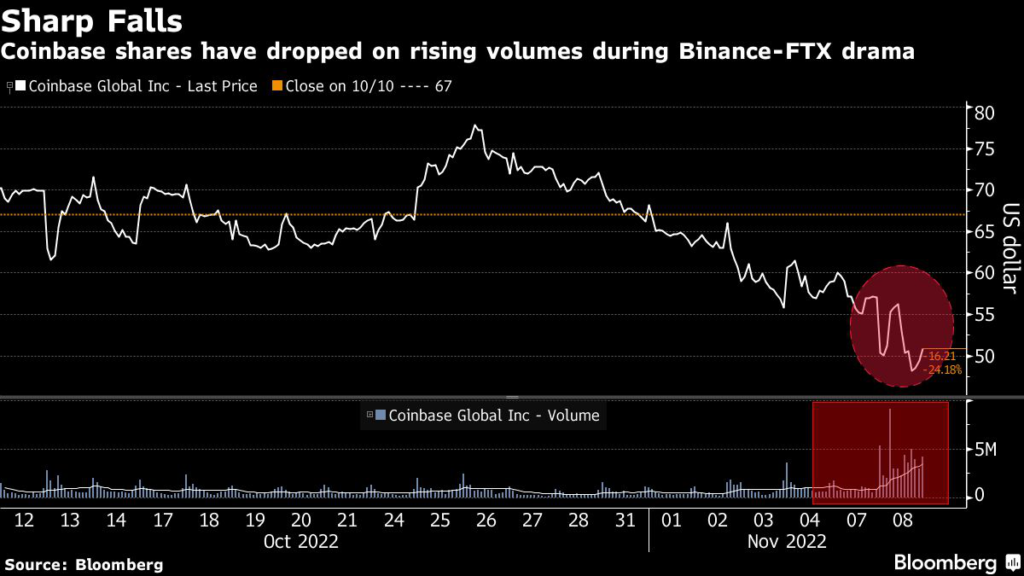
(Bloomberg) — Cathie Wood’s funds added to a stake in crypto exchange Coinbase Global Inc. after its key rival Binance signed an agreement to buy FTX’s non-U.S. business. 

Three Ark funds bought more than 420,000 shares in Coinbase on Tuesday, according to Wood’s firm Ark Investment Management LLC’s daily trading disclosures. Prior to this, Ark funds bought shares in the US company on Oct. 24, their first purchase since July.

Ark picked up shares as Coinbase plunged 11% on Tuesday to the lowest since July 1, amid concerns over how the potential acquisition of FTX by Binance will reshape the more than $1 trillion industry that is already dealing with a prolonged market downturn. 

Cryptocurrencies also tumbled as traders worry that the potential deal could signal more trouble brewing within the industry. Bitcoin fell as much as 3.8% on Wednesday, extending a 9.6% drop in the previous session. The world’s largest coin by market value had, at one point on Tuesday, dropped to a two-year low.

READ: Asian Crypto Stocks Follow US Peers Lower as Bitcoin Plunges

Billionaire Changpeng “CZ” Zhao shocked the crypto world Tuesday with a move to take over FTX.com, the troubled firm led by his chief rival and onetime disciple, Sam Bankman-Fried. The acquisition doesn’t involve FTX.US, a separate exchange also founded by Bankman-Fried.

Coinbase Chief Executive Officer Brian Armstrong said the liquidity crunch that prompted Binance’s tentative agreement with FTX wouldn’t happen at Coinbase because the company doesn’t engage in “risky behaviors.” His firm has no plans to buy FTX US, he said in a Bloomberg Television interview.

Wood’s firm is the fourth largest shareholder of Coinbase, holding more than 7.7 million shares or 4.3% stake in the company as of Sept. 30. 

More stories like this are available on bloomberg.com

©2022 Bloomberg L.P.
US Stock Futures Fluctuate as Votes Trickle In: Markets Wrap

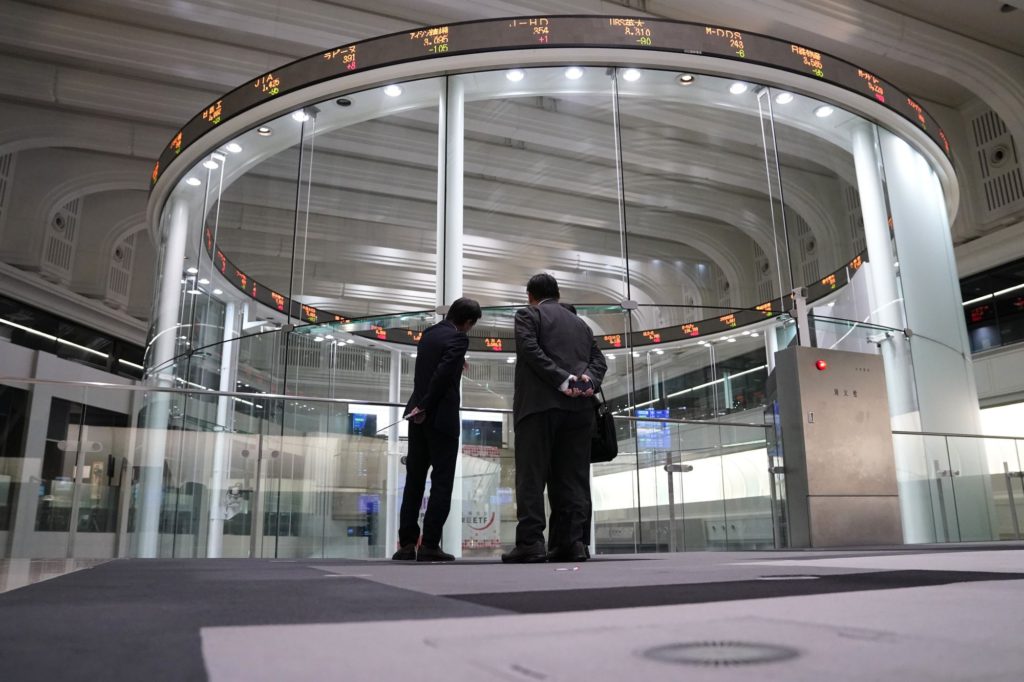
(Bloomberg) — US equity futures swung between gains and losses and Asian stocks were mixed as investors awaited midterm election results, with potential for government gridlock seen as positive for shares. 

Benchmark indexes climbed in South Korea and Australia while Japan saw a small decline. Shares of Chinese developers jumped the most in eight months as a key regulator expanded financing support for the sector. Broader gauges in Hong Kong and the mainland fell.

The dollar weakened slightly as Treasury yields retreated from their intraday highs. Bond yields fell in Australia and New Zealand, tracking moves in the US on Tuesday.

Crypto tokens were under pressure after a selloff that wiped out about 10% from the price of Bitcoin on Tuesday. Sentiment was dented after the largest crypto exchange swooped in to buy a smaller rival that ran into liquidity trouble. 

Optimism for shares has been helped by a history of robust performance following midterm results. Stocks have tended to flourish during times when government is constrained and polls suggest Republicans could make gains, placing a check on Democratic policies.

Still, any final outcome may not be known for days or even weeks if races are as close as polls suggest and if losers challenge results. For many investors, the bigger issue facing markets is the Federal Reserve’s monetary tightening.

“The stock market historically has performed well after midterm elections and during third years of presidential cycles,” according to a note from Yardeni Research. “But none of these positive political cyclical trends will make much difference if inflation remains elevated, which would force the Fed to cause a hard landing of the economy.”

Thursday’s consumer-price-index data may be the next event risk for the Fed’s policy rate and comes on the heels of core consumer prices rising more than forecast to a 40-year high in September. Even if prices begin to moderate, the CPI is far above the central bank’s comfort zone.

“The market is still going to fixate on inflation, which is going to stay high and sticky at least over the next couple of quarters,” Luke Barrs, global head of fundamental equity client portfolio management at Goldman Sachs Asset Management, said on Bloomberg Television. 

The turmoil in crypto markets came out of an unexpected development, with billionaire Changpeng “CZ” Zhao consolidating his position atop the crypto world on Tuesday with a move to take over FTX.com. Terms of the emergency buyout were scant, helping to send prices of cryptocurrencies tumbling after a brief rebound.

Oil steadied after a two-day decline as traders weighed the support from a weaker dollar and gold declined after jumping the most in a month.

Key events this week:

  • EIA oil inventory report, Wednesday
  • US wholesale inventories, MBA mortgage applications, Wednesday
  • Fed officials John Williams, Tom Barkin speak at events, Wednesday
  • US CPI, US initial jobless claims, Thursday
  • Fed officials Lorie Logan, Esther George, Loretta Mester speak at events, Thursday
  • US University of Michigan consumer sentiment, Friday

Some of the main moves in markets:

Stocks

  • S&P 500 futures were little changed as of 12:17 p.m. in Tokyo. The S&P 500 rose 0.6%.
  • Nasdaq 100 futures were little changed. The Nasdaq 100 rose 0.8%
  • Japan’s Topix index fell 0.2%
  • South Korea’s Kospi index rose 1.1%
  • Hong Kong’s Hang Seng Index fell 1.1%
  • China’s Shanghai Composite Index fell 0.2%
  • Australia’s S&P/ASX 200 Index rose 0.7%

Currencies

  • The Bloomberg Dollar Spot Index fell 0.1%
  • The euro was little changed at $1.0079
  • The Japanese yen rose 0.2% to 145.39 per dollar
  • The offshore yuan fell 0.3% to 7.2498 per dollar

Cryptocurrencies

  • Bitcoin fell 2.7% to $18,200.14
  • Ether fell 2.7% to $1,300.76

Bonds

  • The yield on 10-year Treasuries was little changed at 4.13%
  • Australia’s 10-year yield declined 14 basis points to 3.90%

Commodities

  • West Texas Intermediate crude fell 0.2% to $88.71 a barrel
  • Spot gold fell 0.1% to $1,710.24 an ounce

–With assistance from Stephen Kirkland and Emily Graffeo.

More stories like this are available on bloomberg.com

©2022 Bloomberg L.P.

Hacked Australian Health Insurer Data Posted to Dark Web

(Bloomberg) — Data stolen from an Australian health insurer, including the names, addresses and birthdates of hundreds of customers, has been posted to a forum on the so-called dark web. 

The files appear to be a sample of the data that was accessed, Medibank Private Ltd. said in a statement Wednesday. The company expects more data to be released, after earlier this week saying the hackers exposed information of around 9.7 million people. 

The release of the personal information comes after a vast data leak at Singapore Telecommunications Ltd.’s Optus unit in September, which exposed the details of as many as 10 million customers. Other recent hacks on pathology services provider Australian Clinical Labs Ltd. and Woolworths Ltd. subsidiary MyDeal have raised concern Australian companies aren’t doing enough to protect customer data.

Read more: Great Australian Hack Sends Wakeup Call to Complacent Companies

The hackers warned early Tuesday that they would release the data within 24 hours, a day after the Melbourne-based company said it wouldn’t pay a ransom because that would only encourage further crime. The leaked data contained details of about 100 customers including their treatments for cannabis dependence, alcohol abuse, anxiety, and drug use, the Australian Financial Review reported. 

Medibank’s data breach could cost the company more than A$200 million ($129 million), according to Bloomberg Intelligence analysts Matt Ingram and Jack Baxter. The health insurer, which has already delayed premium increases for affected customers, could face compensation of A$500 to A$20,000 for affected policyholders, the analysts said. 

Medibank shares rose 0.7% in afternoon trading in Sydney Wednesday. The stock has slumped around 20% since the hack was first detected just under a month ago, wiping about A$2 billion off the company’s market value.

The exposure of the first batch of information and threats to post more could be designed to pressure Medibank to pay the ransom, said Josh Lemon, who teaches cybersecurity at the SANS Institute. 

“Unfortunately paying the ransom doesn’t always guarantee that the data won’t be released, or resold to other cybercriminals,” Lemon said. “I don’t believe paying the ransom at this stage will do much more than delay how quickly the data may be released.”

Home Affairs Minister Clare O’Neil said Medibank’s decision not to pay a ransom to cyber criminals was in line with government advice.

“Paying them only fuels the ransomware business model,” O’Neil said. “They commit to undertaking actions in return for payment, but so often re-victimize companies and individuals.” 

“Under no circumstance should Medibank consider paying the ransom,” said Troy Hunt, who runs breach-tracking website haveibeenpwned. “Their position on this was the right one and reflects the government position on cybercrime and ransoms.” 

The Australian Federal Police’s operation Guardian, which was initially set up to protect victims of the Optus data breach, will be expanded to include victims of the Medibank hack, Assistant Commissioner Justine Gough said Wednesday. 

The government on Wednesday also passed legislation increasing the penalty for repeated or serious privacy breaches to at least A$50 million. 

“Significant privacy breaches in recent weeks have shown existing safeguards are outdated and inadequate. This bill makes clear to companies that the penalty for a major data breach can no longer be regarded as the cost of doing business,” said Attorney-General Mark Dreyfus in a statement.

(Adds analyst comment from sixth paragraph.)

More stories like this are available on bloomberg.com

©2022 Bloomberg L.P.
Singapore’s Wavemaker Raising Debut Fund Targeting Climate Tech

(Bloomberg) — Singapore investment company Wavemaker Impact completed the first close of a planned $25 million fund that focuses on technologies battling climate change.

The firm raised $13 million from investors including Pavilion Capital, JG Digital Equity Ventures, Kajima Ventures and Grantham Foundation at the first close, said Quentin Vaquette, a founding partner.

Rather than backing existing startups, Wavemaker identifies promising technologies and matches experienced entrepreneurs with them to build companies together. Since its inception in October 2021, the firm has launched four companies across Singapore, Indonesia and Vietnam. It plans to establish a further eight to 12 companies in the next two years, funding them from launch to Series A, and in some cases, Series B rounds.

The fund has announced a plan to team up with Bill Gates’ Breakthrough Energy Ventures, GenZero and Singapore state investor Temasek Holdings Pte to set up an agri-tech startup to decarbonize rice cultivation in Asia.

Climate tech covers industries from electric cars and carbon-free cement to green hydrogen and technologies for removing carbon dioxide from the air. Investors see that funding these technologies will help avoid a hotter planet, which would have long-lasting economic impacts.

Wavemaker Impact’s five partners include Steve Melhuish, co-founder of PropertyGuru Group Ltd.; Doug Parker, former chief operating officer of autonomous vehicle software startup nuTonomy as well as Paul Santos and Marie Cheong.

More stories like this are available on bloomberg.com

©2022 Bloomberg L.P.

Grocery Retailer Big C Said to Weigh $500 Million Thai IPO

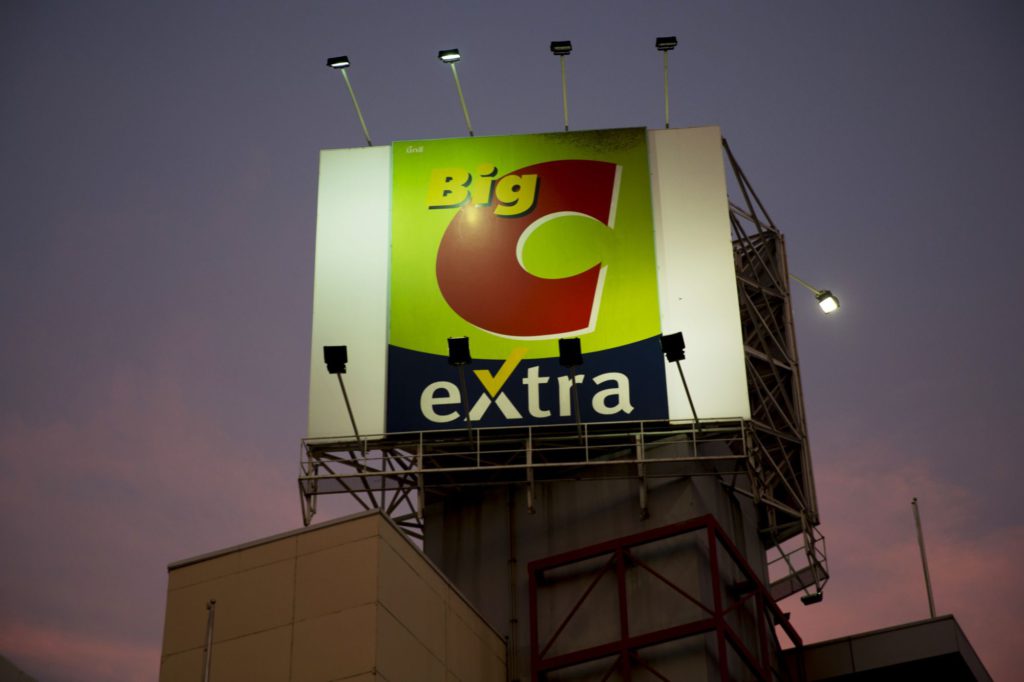
(Bloomberg) — Big C Supercenter Pcl, which runs supermarkets and convenience stores in Southeast Asia, is considering going public again in Bangkok through an initial public offering that could raise more than $500 million, according to people familiar with the matter.

The Bangkok-based company is sounding out investment banks for proposals for the share sale, which could happen as soon as next year, the people said, asking not to be identified as the information is private.

Discussions are ongoing and details of the potential offering such as fundraising size and timing could still change, the people said.

Berli Jucker Pcl, the owner of Big C, hasn’t made any conclusion on the IPO plans of the grocery retailer, said in an exchange filing on Wednesday. The company said it will inform the exchange if there is any progress.

Big C was founded by Thailand’s Central Group in 1993 and opened its first store on Chaengwattana Road. The company raised about 4.2 billion baht ($112 million) in a Thai IPO in 2012.

TCC Holding Co., controlled by Thai billionaire Charoen Sirivadhanabhakdi, in 2016 agreed to purchase a 58.6% stake in Big C for 3.1 billion euros from French retailer Casino Guichard Perrachon SA. Big C was delisted in 2017 after Berli Jucker, a subsidiary of TCC, took it private.

Big C operates 1,792 stores including convenience stores, supermarkets and hypermarkets in Thailand, Vietnam, Laos and Cambodia, according to its latest presentation. The company earlier this year acquired 18 Kiwi Mart stores in Cambodia and plans to rebrand them into Big C Mini stores.

Companies have raised about $2.5 billion through first-time share sales in Thailand so far in 2022, down from around $4 billion for the same period last year, amid a global slowdown in dealmaking, according to data compiled by Bloomberg

–With assistance from Anuchit Nguyen.

(Updates BJC’s response in fourth paragraph.)

More stories like this are available on bloomberg.com

©2022 Bloomberg L.P.
Close Bitnami banner
Bitnami

