Bloomberg

Your Sunday Asia Briefing: Spend, Spend, Spend

(Bloomberg) — World leaders will arrive in Asia this week for a series of political and economic events against a backdrop of the war in Ukraine, soaring global inflation and growing geopolitical tensions in the region. Rarely in recent history has there been a greater need for meaningful dialog.

The big heat: More than 100 heads of state and some 45,000 other delegates will descend on the Egyptian seaside town of Sharm el-Sheikh this week to argue over probably the most pressing topic affecting the future of humanity: money. COP27, the latest edition of the United Nations’ annual climate summit, is shaping up to be a battle between poor and rich nations over the cost of the damage we’ve caused to the environment and, more importantly, who will pay? To navigate the maze of jargon and hidden agendas and to see what part you can play, check out the latest edition of Bloomberg Green magazine.

The big hug: Many of those leaders and executives will then head straight to Southeast Asia, which is set to enjoy a cornucopia of conferences in the region’s tourist hotspots. In the next couple of weeks we will have meetings of the Association of Southeast Asian Nations in Phnom Penh, Cambodia,  the Asia Pacific Economic Cooperation forum in Bangkok, Thailand, and the Bloomberg New Economy Forum in Singapore, while the Indonesian island of Bali will host the G-20 summit.

The big shift: Inflation and recession fears are top of voters’ minds as they decide on control of the US Congress in midterm elections on Tuesday. With most pundits now expecting the Republican party to retake control of at least one of the houses of Congress, we look at the issues that could put the elephant in the room.

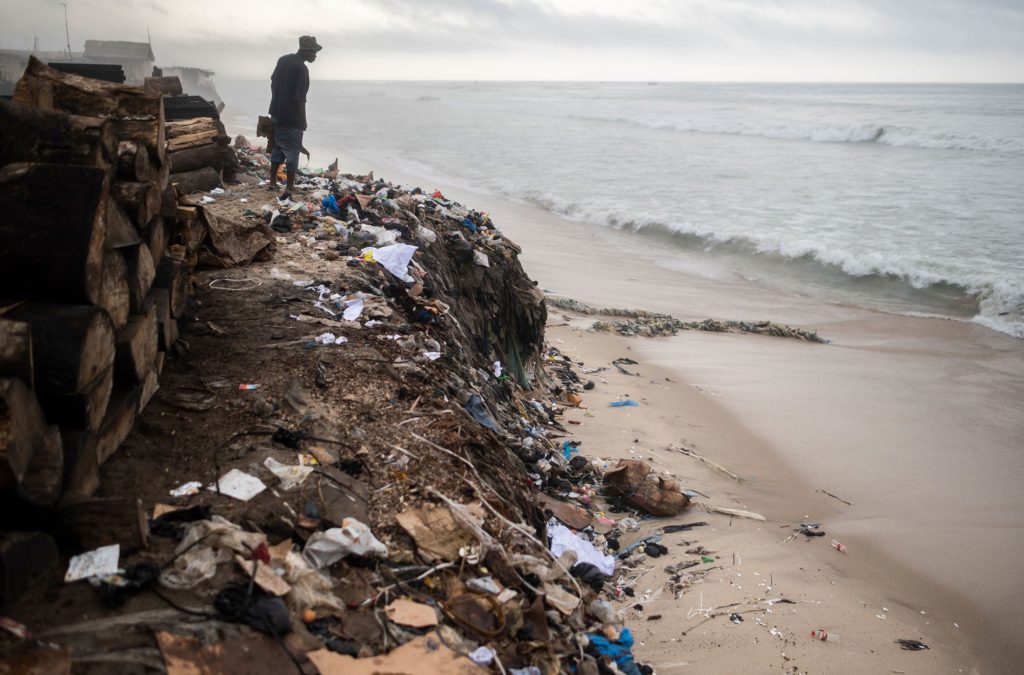
The enormous splurge: Only five days remain till the world’s biggest shopping event. Singles’ Day in China has gone from being a marketing gimmick for Alibaba Group, to a national extravagance bonanza, to a measure of global retail sales. This year’s may reflect a slowing domestic economy and ongoing Covid restrictions. But where does all this stuff end up? Here’s one answer.

The big data: A slew of data from China will likely show a deepening slowdown. Export growth should weaken, while factory prices may drop for the first time since late 2020 and consumer inflation could soften further, all signs of weaker demand at home and abroad. On the flip-side, GDP readings from Indonesia, Malaysia, and the Philippines are likely to show Southeast Asia’s growth holding up. Still, the biggest data for the week will come from the US, with the latest inflation reading and the weekly employment report giving an indication of how much effect the Federal Reserve’s rate hikes are having.  

The big eat: On Thursday, the United Nations publishes its “Food Outlook” report against a backdrop of supply disruptions caused by the war in Ukraine and a production system  increasingly stressed by changing climate and weather patterns.

The big earnings: Traders will be looking for something to lift a generally gloomy outlook this week as well as a steer on the effect of the growing US-China tech war. SoftBank Group, which is expected to return to profit after a record loss the previous quarter, could give a hint about listing plans for semiconductor unit Arm Ltd. and its exposure to Chinese assets, while mainland chipmaker SMIC could update investors on a shortage of manufacturing tools.

And finally: If you’re not looking forward to the morning commute now that traffic in many cities in the region is returning to its congested norm, spare a thought for the truck drivers in our Big Take, who can spend two weeks in a traffic jam.

Have a parsimonious week.

More stories like this are available on bloomberg.com

©2022 Bloomberg L.P.

Ukraine Latest: US Envoy Rejects Iran Version of Drone Shipments

(Bloomberg) — A US envoy called Iran’s statement that it provided drones to Russia months before the invasion of Ukraine “not true,” saying the Tehran government transferred dozens “just this summer.” That followed Iran’s first acknowledgement of any sort that it supplied Russia with drones.  

Ukraine’s grid operator said it was limiting power supplies to Kyiv and seven northern and central regions because of damage from Russian strikes. Over a dozen drones and missiles were shot down in the past day. 

A march against Italian military support for Ukraine drew tens of thousands of people in Rome, including a former prime minister.

(See RSAN on the Bloomberg Terminal for the Russian Sanctions Dashboard.)

Key Developments

  • Xi Tells Scholz China Opposes Nuclear Force in Message to Putin
  • US Announces $400 Million in Tanks and Missiles for Ukraine 
  • The Latest Russia Oil Mystery: Vostok Sale Announced Then Denied
  • US National Security Adviser Visits Kyiv in Show of Support
  • Sweden to Dissociate From Kurdish Groups in NATO Bid, SVT Says

On the Ground

Russia launched another four missile and five other air strikes against Ukraine on Saturday, Kyiv-based military staff said without providing more detail. Shelling was reported in the Kharkiv, Donetsk, Zaporizhzhia, Kherson and Mykolaiv regions. Ukraine’s air defense shot down 11 Iranian-made Shahed-136 loitering drones, three other drones and two Kalibr cruise missiles launched by Russia over the past day, officials said. Two Russian helicopters were shot down in Kherson region, Ukraine said. Russian forces conducted offensive actions in the Bakhmut, Avdiivka and Novopavlivka areas, Ukraine’s General Staff said. Defense force units repelled attacks in several settlements in Donetsk and Luhansk oblasts. Ukraine said it destroyed six Russian fuel stations in the Mykolaiv region on Friday. 

(All times CET)

US Seeks Ukraine Signal on Negotiations: Washington Post (11:40 p.m.)

The Biden administration is prodding Ukrainian leaders to signal openness to negotiations with Russia to help the government in Kyiv address war support fatigue among some of its allies, the Washington Post reported, citing people familiar with the discussions.

The people described it as a calculated attempt to maintain international support for Ukraine’s war effort, rather than pressure for Ukraine to negotiate, according to the Post.

Ukraine to Boost Maritime Drone Power, Zelenskiy Says (6:45 p.m.)

Ukraine’s government is seeking to replenish its maritime drone fleet to boost its defenses in the Black Sea, President Volodymyr Zelenskiy said, a week after Ukraine claimed a drone strike on Russia’s new flagship frigate, the Admiral Makarov.

“Next week, we will launch another fund-raising direction — we will raise funds for a fleet of marine drones,” Zelenskiy said in his nightly video address. He didn’t elaborate on the proposed source of funding. 

US Envoy Says Iran’s Drone Account ‘Not True’ (6:09 p.m.)

Robert Malley, the US special envoy for Iran, said an Iranian claim that its drones were provided to Russia before the war in Ukraine began is false.

Anti-War March in Rome Draws Tens of Thousands (5 p.m.)

Tens of thousands marched through Rome on Saturday calling for efforts toward a negotiated settlement in Ukraine and urging Italy, a NATO member, to stop providing military aid to Kyiv to fight Russia’s invasion. “No to war. No to sending weapons,” read a large banner carried by protesters. 

Police estimated attendance at about 30,000; organizers claimed 100,000.  Italy’s government, led by right-wing Prime Minister Giorgia Meloni, is being watched for any change in policy toward the war in Ukraine.  

Marchers included former Prime Minister Giuseppe Conte, who heads the Five Star party. The event had the support from unions, some churches and Rome political figures. A smaller, competing rally in support of Ukraine was held in Milan.

US Senators Discuss Russian Accountability at The Hague (4:33 p.m.)

US Senators Chris Coons of Delaware, a Democrat, and Rob Portman of Ohio, a Republican, held talks at the International Criminal Court in The Hague, two days after meeting with Ukraine’s president. 

“During our visit to Kyiv, we saw compelling evidence that Vladimir Putin and other Russian leaders are committing atrocities and war crimes in Ukraine,” the lawmakers said in a statement. “President Putin must be held accountable.”

The pair said they spoke with Karim Khan, the ICC’s chief prosecutor, to discuss how the US “can better support their efforts to deliver justice to the people of Ukraine.” 

Iran Must Realize ‘Consequences of Complicity,’ Ukraine Says (4 p.m.)

Iran “should realize that the consequences of complicity in crimes of Russia’s aggression against Ukraine will very much offset the benefit from support of Russia,” a Ukrainian foreign ministry spokesman said. 

Oleg Nikolenko commented on Facebook after Iran said it had provided drones to Russia, reversing earlier denials.

Iran’s foreign minister said Tehran gave Russia a limited number of drones, months before Moscow’s invasion of Ukraine. Western estimates suggest a large number of the weapons have been provided, including during the course of the conflict, now into its ninth month. 

Odesa Residents Back Removal of Catherine II Monument (3:24 p.m.)

A majority of voters in Odesa backed the idea of dismantling a monument to Russian empress Catherine II, one of the founders of the city in 18th century. 

More than 3,900 out of total of 7,796 who voted said they want to remove the whole monument. Another 2,800 voted to keep the structure in place, but to add historical context.  

A long-running discussion on the issue has intensified since Russia’s invasion of Ukraine in February. Mayor Gennadiy Trukhanov said he’ll vote to dismantle the monument; the city council plans to discuss the results of the poll. 

Sweden to Dissociate From Kurdish Groups in NATO Bid (1:41 p.m.)

Sweden’s government is distancing itself from two Kurdish groups to soothe Turkey’s concerns over its bid to join NATO, Foreign Minister Tobias Billstrom told local broadcaster SVT.

The cooperation between Sweden and Kurdish groups is a sticking point for Turkey, as it holds off on ratifying the applications of Sweden and Finland to enter the North Atlantic Treaty Organization. Joining the bloc requires the approval of all 30 members, and 28 have already signed off.

Read more: Sweden to Dissociate From Kurdish Groups in NATO Bid, SVT Says

Iran Says It Sent Drones to Russia ‘Before the War’ (9 a.m.)

Iran’s foreign minister said his country had sent drones to Russia before Moscow’s invasion in February. “We gave a limited number of drones to Russia months before the Ukraine war,” Hossein Amirabdollahian told reporters in Tehran, according to the Associated Press. 

Iran has previous denied sending arms to Russia for its war on Ukraine. Kremlin troops have used Iranian loitering drones to strike Ukrainian energy facilities and other targets for several weeks. 

On Twitter, Iran’s government said it was “completely wrong” to claim Iran has provided missiles to Russia. Iranian intelligence has indicated that Russian forces may already have received ballistic missiles from Tehran. 

Kyiv, Several Other Regions Face Continued Electricity Cutoffs (8 a.m.)

Ukraine’s power grid will limit power supplies on Saturday to consumers in the capital, Kyiv, and in seven northern and central regions, said Ukrenergo, the main grid operator. 

Irregular blackouts are likely during the day given higher electricity usage on Saturdays than during the workweek. 

The nation continues to struggle to fix severe damage to electrical generating equipment from weeks of Russian missile and drone attacks. 

Ukrainian Lines Holding in Donetsk, Zelenskiy Says (10:30 p.m.) 

Fierce fighting took place this week in the Donetsk region towns of Bakhmut and Soledar and remain the most tense area of the front line, Ukrainian President Volodymyr Zelenskiy said in his nightly address on Friday. “We hold our positions.” 

Zelenskiy said that Russia has concealed its war losses from its people, and also lies to some foreign leaders “about its alleged readiness for negotiations.” 

“When someone thinks about negotiations, he is not trying to deceive everyone around while sending thousands to death,” the president added said. 

US’s Sullivan Discussed Grain Initiative on Kyiv Visit (9 p.m.) 

US National Security Adviser Jake Sullivan made an unannounced visit to Kyiv on Friday as Iran’s involvement in the Russian invasion has deepened.

Sullivan, who was visiting Ukraine for the first time since the war began eight months ago, met with Ukrainian President Volodymyr Zelenskiy and his chief of staff Andriy Yermak. 

Ukraine’s infrastructure minister said Sullivan discussed the Black Sea Grain Initiative while in Kyiv. “The aim is to prepare proposals for providing aid to countries suffering from a food crisis,” Oleksandr Kubrakov said on Twitter.  

US Announces $400 Million in New Security Assistance (5:06 p.m.)

The Biden administration announced $400 million in new security assistance for Ukraine, including refurbished Soviet-era T-72 tanks and the HAWK air-defense missiles that Ukraine has been seeking. The package also includes more of the “Phoenix Ghost” drones that have been effective against Russian forces in the east.

The US and the Netherlands will split the cost of refurbishing 90 tanks in the Czech Republic, a Defense Department spokeswoman said. Some tanks will arrive before the end of the year.

The Netherlands said the total value of its package would be €120m, of which €45m will be used for the T-72 tanks.

Read more: US Announces $400 Million in New Security Assistance for Ukraine


More stories like this are available on bloomberg.com

©2022 Bloomberg L.P.

Why Pros Wading Into Crypto Hasn’t Lifted Prices: Valkyrie Q&A

(Bloomberg) — Cryptocurrency news this year has been littered with stories about institutional investors increasingly embracing digital assets. So if more big players are entering the space, why do the prices of Bitcoin, Ether and other tokens remain so depressed compared with last year’s peaks? 

Leah Wald, chief executive officer of digital-asset investment firm Valkyrie Investments Inc., joined the “What Goes Up” podcast to share her thoughts on that topic. She also discussed the outlook for blockchain miners, use cases for crypto in developing markets, and prospects for a spot Bitcoin exchange-traded fund.

Here are some highlights of the conversation, which have been condensed and lightly edited for clarity. Click below to listen to the full podcast, or subscribe on Apple Podcasts or wherever you listen.

Institutions’ Slow-Motion Crypto Embrace (Podcast)

Q: What do you think is holding crypto back in terms of new use cases in developing economies?

A: It has evolved in certain ways given the trend toward believing Bitcoin to be a store of value. The recent advances in countries like El Salvador that we’ve been following, utilizing Bitcoin as legal tender alongside the United States dollar has shown that there’s definitely promise to sovereign nations for using cryptocurrencies. But is it solving issues with the remittances corner? Other issues with the unbanked? I’m not sure why it hasn’t taken off quite yet. Structurally we haven’t been focused as much on those types of use cases. The speculative elements of cryptocurrencies have definitely had the limelight, which is maybe why we’re on this podcast today. 

But as more development banks around the world start getting more comfortable with crypto assets, which they have not been, we’ll start to hopefully see a little bit more progress on that front. With that said, there have been fantastic technological developments that can ease this, such as the amount of nodes on the Lightning network being over 77,000, and a lot of other advances that I think could facilitate what is needed in developing countries for remittances or for microfinance, microloan systems, and whatever platform needs to be used to make those successful. And hopefully we’ll see it on the sooner end.

Q: A Fidelity survey shows adoption among institutional investors increased to 42% in the US, 67% in Europe. Globally 81% of all institutional investors believe digital assets should be part of a portfolio. Did institutional involvement cushion the blow from this year’s selloff?

A: Those statistics are definitely exciting. As we very well know in finance, it absolutely depends on your time horizon. And institutions have a longer time horizon. They also, as a fiduciary, cannot just jump in with a strategy. My former partner used to tell me, ‘Hope is not a good investment strategy.’ So as much as we may like Bitcoin and we’re interested in Bitcoin, if it’s a bear market, it’s a bear market we’re not buying. 

So I do think I’m very excited about institutions’ interest, family offices as well, across the spectrum a desire to have a crypto strategy for when the timing is right to actually buy in. We also know that there are a lot of different committees that need to sign off, and there’s a lot of other hurdles that institutions have, whether it’s risk parameters, among others, and also just generally the vehicle that they need in order to buy it. 

Those statistics from Fidelity — and also a recent KPMG survey — and many others have been absolutely showing very exciting bullish metrics, but it’s not showing up in the market right now. And I think that’s also because we have a coupling in correlation to the traditional market, and all of us are very concerned, for the most part, about what the macro outlook is. So I don’t see any institutions investing in such a risk asset at the moment. I do see a lot, and we hear a lot, of institutions that we’re speaking to on the sidelines and preparing. So I do think if we consider a longer time horizon, that’s exciting. 

Q: What’s going on that’s keeping crypto prices so muted recently? Not even the BlackRock-Coinbase partnership announcement was able to spur a big rally.

Q: The survey that you just mentioned, [indicates] the main obstacle to adoption — over 51% said — was volatility. And that’s always been for the most part what registered investment advisers that we speak to — and other money managers — have had as their highest concern: volatility and an inability to accurately allocate given that volatility. So now we have Bitcoin being the boring asset in the market, and I think that there’s some humor to that as well, but also some important elements to consider as this asset develops.

To your second point, the BlackRock-Coinbase news was extremely important. You’re right that it didn’t move the markets yet, but the integration with Aladdin can’t be overstated. And I think anyone in traditional finance understands the power of Aladdin and obviously the power of BlackRock. 

What we’ve been hearing is that allocators still want to work with sophisticated crypto active managers to manage that product rather than allocate themselves due to those concerns around volatility, lack of understanding around fundamentals, lack of regulatory clarity, and just general discomfort in their own understanding of how to allocate to this asset class. So I believe that, number one, as institutions get more comfortable with the asset class, they will likely feel more comfortable allocating themselves through that integration. 

Click here to listen to the rest of the conversation.

–With assistance from Stacey Wong.

More stories like this are available on bloomberg.com

©2022 Bloomberg L.P.

Twitter Rolls Out New $8 Subscriptions Offering Verification

(Bloomberg) — Twitter Inc. has started giving users who sign up for $8 a month a verified check mark, days after owner Elon Musk floated the idea of a new verification system.   

“Power to the people,” Twitter said in the version notes for its latest update that was released Saturday. “Your account will get a blue checkmark, just like the celebrities, companies, and politicians you already follow.” 

Alongside the new verification system, Twitter is promising to halve the number of ads subscribers see “soon.” Also coming are the ability to post longer videos and get priority ranking in replies, mentions and searches, the company said. 

The latest update demonstrates how quickly Musk is moving to transform the social media platform that he purchased for $44 billion. In the week since he formally took control of the site, the billionaire has fired nearly half its staff along with most of the top managers. He’s touted the Twitter Blue subscription plan as a way to contend with plummeting ad revenues as well as to weed out bots.

Twitter is pushing ahead with its new verification system at a crucial time, with the US due to hold elections on Tuesday. The gutting of key teams, including curation and legal policy, has prompted current and former employees to question whether the site will have the resources to keep crucial systems like content moderation running effectively heading into the midterms.

With the new subscription plan, anyone would be able to pay $8 to have their account look more legitimate, adding a risk they could impersonate candidates or government entities. 

In response to tweets criticizing the new system, Musk said that relying on a payment system and Apple or Android is a much better way to ensure verification.

Twitter Blue is currently available only for users in the US, Canada, Australia, New Zealand and the UK, though Musk on Saturday tweeted that the service will eventually be available worldwide.

(Updates with tweets by Musk)

More stories like this are available on bloomberg.com

©2022 Bloomberg L.P.

Ukraine Latest: Iran Sent Drones to Russia ‘Months’ Before War

(Bloomberg) — Iran provided drones to Russia “months before” Moscow’s invasion of Ukraine, its foreign minister said in the first admission of weapons shipments. He denied Tehran has also sent missiles. Iranian-made drones have been used repeatedly by Russian forces to target civilian infrastructure in recent weeks. 

Ukraine’s grid operator will limit power supplies in Kyiv and seven northern and central regions on Saturday as it continues to struggle with severe damage from Russian strikes. Over a dozen drones and missiles were shot down in the past day. 

The Group of Seven nations vowed to hold Russia accountable for “war crimes” after recent attacks on Ukrainian infrastructure, and slammed the Kremlin’s “irresponsible nuclear rhetoric” in a statement released after a two-day meeting in Muenster, Germany. 

(See RSAN on the Bloomberg Terminal for the Russian Sanctions Dashboard.)

Key Developments

  • Xi Tells Scholz China Opposes Nuclear Force in Message to Putin
  • US Announces $400 Million in Tanks and Missiles for Ukraine 
  • The Latest Russia Oil Mystery: Vostok Sale Announced Then Denied
  • US National Security Adviser Visits Kyiv in Show of Support
  • Sweden to Dissociate From Kurdish Groups in NATO Bid, SVT Says

On the Ground

Russia launched another four missile and five other air strikes against Ukraine on Saturday, Kyiv-based military staff said without providing more detail. Shelling was reported in the Kharkiv, Donetsk, Zaporizhzhia, Kherson and Mykolaiv regions. Ukraine’s air defense shot down 11 Iranian-made Shahed-136 loitering drones, three other drones and two Kalibr cruise missiles launched by Russia over the past day, officials said. Two Russian helicopters were shot down in Kherson region, Ukraine said. Russian forces conducted offensive actions in the Bakhmut, Avdiivka and Novopavlivka areas, Ukraine’s General Staff said. Defense force units repelled attacks in several settlements in Donetsk and Luhansk oblasts. Ukraine said it destroyed six Russian fuel stations in the Mykolaiv region on Friday. 

(All times CET)

Big Turnout for Anti-War March in Rome (5 p.m.)

Tens of thousands marched through Rome on Saturday calling for efforts toward a negotiated settlement in Ukraine and urging Italy, a NATO member, to stop providing military aid to Kyiv to fight Russia’s invasion. “No to war. No to sending weapons,” read a large banner carried by protesters. 

Police estimated attendance at about 30,000 people; organizers claimed 100,000 attended. It comes as the new Italian government, led by right-wing Prime Minister Giorgia Meloni, is being watched for any change in policy toward the war in Ukraine.  

Former Prime Minister Giuseppe Conte, who now heads the Five Star party, spoke at the event, which had the support from unions, some churches and Rome political figures. A smaller, competing rally in support of Ukraine was held in Milan.

Senators Discuss Accountability for Russia at The Hague (4:33 p.m.)

US Senators Chris Coons of Delaware, a Democrat, and Rob Portman of Ohio, a Republican, traveled to the International Criminal Court in The Hague, two days after meeting with Ukraine’s president. 

“During our visit to Kyiv, we saw compelling evidence that Vladimir Putin and other Russian leaders are committing atrocities and war crimes in Ukraine,” the lawmakers said in a statement. “President Putin must be held accountable.”

The pair said they spoke with Karim Khan, the ICC’s chief prosecutor, to discuss how the US “can better support their efforts to deliver justice to the people of Ukraine.” 

Tehran Must Realize ‘Consequences of Complicity,’ Ukraine Says (4 p.m.)

Iran “should realize that the consequences of complicity in crimes of Russia’s aggression against Ukraine will very much offset the benefit from support of Russia,” a Ukrainian foreign ministry spokesman said. 

Oleg Nikolenko commented on Facebook after Iran admitted it had provided drones to Russia, reversing earlier denials.

Iran’s foreign minister said Tehran gave Russia a limited number of drones, months before Moscow’s invasion of Ukraine. Western estimates suggest a large number of the weapons have been provided, including during the course of the conflict, now into its ninth month. 

Odesa Residents Back Removal of Catherine II Monument (3:24 p.m.)

A majority of voters in Odesa backed the idea of dismantling a monument to Russian empress Catherine II, one of the founders of the city in 18th century. 

More than 3,900 out of total of 7,796 who voted said they want to remove the whole monument. Another 2,800 voted to keep the structure in place, but to add historical context.  

A long-running discussion on the issue has intensified since Russia’s invasion of Ukraine in February. Mayor Gennadiy Trukhanov said he’ll vote to dismantle the monument; the city council plans to discuss the results of the poll. 

Sweden to Dissociate From Kurdish Groups in NATO Bid (1:41 p.m.)

Sweden’s government is distancing itself from two Kurdish groups to soothe Turkey’s concerns over its bid to join NATO, Foreign Minister Tobias Billstrom told local broadcaster SVT.

The cooperation between Sweden and Kurdish groups is a sticking point for Turkey, as it holds off on ratifying the applications of Sweden and Finland to enter the North Atlantic Treaty Organization. Joining the bloc requires the approval of all 30 members, and 28 have already signed off.

Read more: Sweden to Dissociate From Kurdish Groups in NATO Bid, SVT Says

Iran Says It Sent Drones to Russia ‘Before the War’ (9 a.m.)

Iran’s foreign minister said his country had sent drones to Russia before Moscow’s invasion in February. “We gave a limited number of drones to Russia months before the Ukraine war,” Hossein Amirabdollahian told reporters in Tehran, according to the Associated Press. 

Iran has previous denied sending arms to Russia for its war on Ukraine. Kremlin troops have used Iranian loitering drones to strike Ukrainian energy facilities and other targets for several weeks. 

On Twitter, Iran’s government said it was “completely wrong” to claim Iran has provided missiles to Russia. Iranian intelligence has indicated that Russian forces may already have received ballistic missiles from Tehran. 

Kyiv, Several Other Regions Face Continued Electricity Cutoffs (8 a.m.)

Ukraine’s power grid will limit power supplies on Saturday to consumers in the capital, Kyiv, and in seven northern and central regions, said Ukrenergo, the main grid operator. 

Irregular blackouts are likely during the day given higher electricity usage on Saturdays than during the workweek. 

The nation continues to struggle to fix severe damage to electrical generating equipment from weeks of Russian missile and drone attacks. 

Ukrainian Lines Holding in Donetsk, Zelenskiy Says (10:30 p.m.) 

Fierce fighting took place this week in the Donetsk region towns of Bakhmut and Soledar and remain the most tense area of the front line, Ukrainian President Volodymyr Zelenskiy said in his nightly address on Friday. “We hold our positions.” 

Zelenskiy said that Russia has concealed its war losses from its people, and also lies to some foreign leaders “about its alleged readiness for negotiations.” 

“When someone thinks about negotiations, he is not trying to deceive everyone around while sending thousands to death,” the president added said. 

US’s Sullivan Discussed Grain Initiative on Kyiv Visit (9 p.m.) 

US National Security Adviser Jake Sullivan made an unannounced visit to Kyiv on Friday as Iran’s involvement in the Russian invasion has deepened.

Sullivan, who was visiting Ukraine for the first time since the war began eight months ago, met with Ukrainian President Volodymyr Zelenskiy and his chief of staff Andriy Yermak. 

Ukraine’s infrastructure minister said Sullivan discussed the Black Sea Grain Initiative while in Kyiv. “The aim is to prepare proposals for providing aid to countries suffering from a food crisis,” Oleksandr Kubrakov said on Twitter.  

US Announces $400 Million in New Security Assistance (5:06 p.m.)

The Biden administration announced $400 million in new security assistance for Ukraine, including refurbished Soviet-era T-72 tanks and the HAWK air-defense missiles that Ukraine has been seeking. The package also includes more of the “Phoenix Ghost” drones that have been effective against Russian forces in the east.

The US and the Netherlands will split the cost of refurbishing 90 tanks in the Czech Republic, a Defense Department spokeswoman said. Some tanks will arrive before the end of the year.

The Netherlands said the total value of its package would be €120m, of which €45m will be used for the T-72 tanks.

Read more: US Announces $400 Million in New Security Assistance for Ukraine


More stories like this are available on bloomberg.com

©2022 Bloomberg L.P.
Dorsey Apologizes for Growing Twitter ‘Too Quickly’

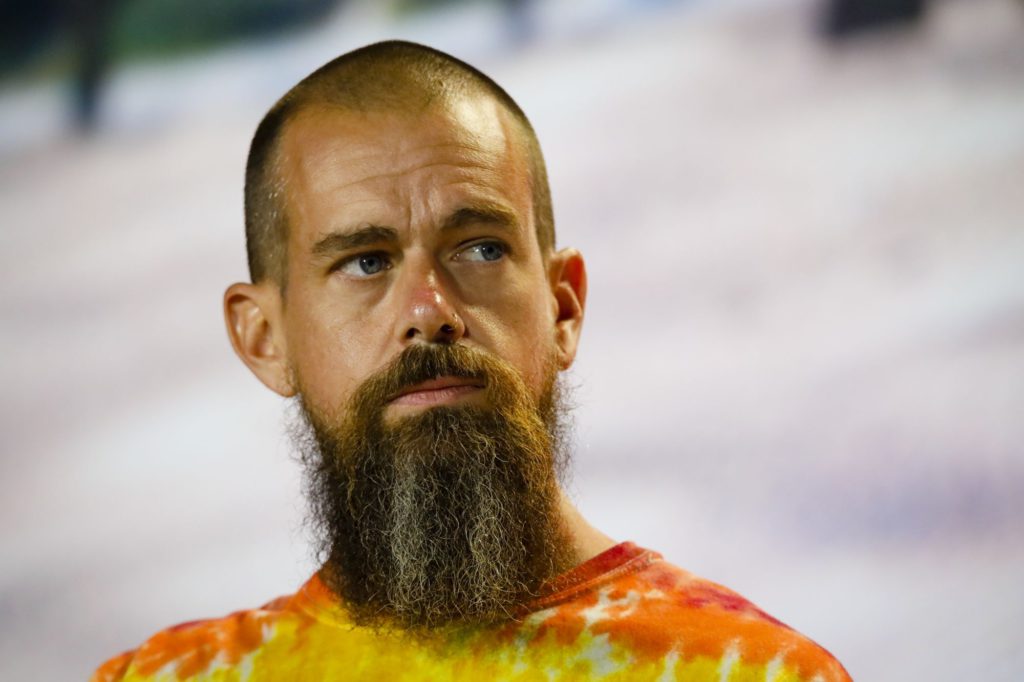
(Bloomberg) — Former Twitter Inc. Chief Executive Officer Jack Dorsey said he regrets growing the company too quickly as the social media platform downsizes following its recent sale to Elon Musk. 

Musk on Thursday and Friday slashed over half the staff, affecting almost every team at the company. The cuts, expected to involve about 3,700 jobs, have fueled questions about whether Twitter will have the resources to keep crucial systems running effectively, including during the US midterm elections on Tuesday.  

Dorsey remains an indirect shareholder in the site, after rolling over roughly 18 million Twitter shares into Elon Musk’s X Holdings I. He has endorsed Musk’s purchase, saying in April when the deal was first announced that the company was “owned” by Wall Street and said that taking it private was the “correct” first step.

More stories like this are available on bloomberg.com

©2022 Bloomberg L.P.

Your Saturday UK Briefing: Rate Hike, Housing and Heating

(Bloomberg) —

Prime Minister Rishi Sunak is rushing to complete his new budget plan and close what could be a £50 billion hole in public finances. The Bank of England’s biggest rate increase since 1989 — three-quarters of a percentage point — could make his job harder with higher government financing costs and increasing pain for many mortgage holders.Sunak is due to present his plan on Nov. 17, but the regular leaks to the press about possible tax measures are frustrating some investors. Joe Mayes offers a rundown of some of the ideas that Sunak and his team are mulling to raise revenue and contain spending.The higher interest rates are already sapping housing demand. Damian Shepherd and Jack Sidders look at all the ways Britain’s housing market is starting to go wrong. It’s not just homeowners suffering from the cost of living crisis. Britons are also struggling to pay soaring heating bills. Given the way the government set up its energy support plan, all taxpayers will end up subsidizing gas and electricity payments for homes with at least five bedrooms to the tune of £2 billion, according to Bloomberg calculations.

Could Brexit be to blame for the weakness in the UK economy and the pound that Sunak is trying to remedy? Former Bank of England Governor Mark Carney thinks so. The pound is already heading for its worst year since 2008, and investors see little upside in coming months. After clawing back to $1.13, some see sterling falling back below $1.10 before the end of the year, Alice Gledhill writes.

Sunak is taking time out from sorting out Liz Truss’s economic missteps to attend the COP27 climate summit, but some of his Conservative colleagues are worried his cost-cutting will hurt their chances in the next election, due by January 2025. The budget will help the party regain trust lost during his predecessor’s disastrous time as prime minister, Sunak told the Times in an interview. 

The Egyptian beach resort of Sharm El-Sheikh hosts the world’s climate warriors for COP27, a fitting location for a forum anxious about rising sea levels. But what if your whole country is no higher then the beach and most of your revenue comes from people paying to lie on your sand? What do you do then? Well, in the Maldives they decided to build a higher beach.

Egypt itself is no stranger to global warming, with average temperatures increasing at almost twice the rate of the planet’s average. For a glimpse of the future we could face, read about the problems Abdel Salam’s efforts to grow food on what was once one of the most fertile stretches of land in human history, where large-scale agriculture has been practiced for 10,000 years.

At the other end of the continent, a South African startup is crowdfunding solar panels on schools and farms in a sunny country that’s struggling to keep the lights on. Investors can choose to be paid in South African rand or Bitcoin. S’thembile Cele examined how the government will invest $8.5 billion of climate funding from wealthy nations.

Finally, did you hear the one about the City trader who went on holiday to Ibiza? Glen Point Capital co-founder Neil Phillips is still there awaiting an extradition hearing after being arrested in September. The US Department of Justice say his trades in the South African rand amount to fraud, but for many on Wall Street, it’s fair game.

More stories like this are available on bloomberg.com

©2022 Bloomberg L.P.

Ukraine Latest: Iran Says It Sent Drones to Russia Before War

(Bloomberg) — Iran’s foreign minister said the Islamic Republic sent drones to Russia “months before” Moscow’s invasion of Ukraine, the first admission of weapons shipments. He denied Tehran has sent missiles. Ukrainian intelligence has recently said that Russian troops have received short-range ballistic missiles and are being trained to use them. 

Ukraine’s grid operator will limit power supplies in Kyiv and seven northern and central regions on Saturday as it continues to struggle with severe damage from Russian strikes over the past month. Over a dozen drones and missiles were shot down in the past day. 

The Group of Seven nations vowed to hold Russia accountable for “war crimes” after recent attacks on Ukrainian infrastructure, and slammed the Kremlin’s “irresponsible nuclear rhetoric” in a statement released after a two-day meeting in Muenster, Germany. 

(See RSAN on the Bloomberg Terminal for the Russian Sanctions Dashboard.)

Key Developments

  • Xi Tells Scholz China Opposes Nuclear Force in Message to Putin
  • US Announces $400 Million in Tanks and Missiles for Ukraine 
  • The Latest Russia Oil Mystery: Vostok Sale Announced Then Denied
  • US National Security Advisor Visits Kyiv in Show of Support

On the Ground

Ukraine’s air defence troops shot down 11 Iranian-made Shahed-136 loitering drones, three another drones and two Kalibr cruise missiles launched by Russia over the past day, officials said. Two Russian helicopters were shot down in Kherson region, Ukraine said. Russian forces conducted offensive actions in the Bakhmut, Avdiivka and Novopavlivka areas, Ukraine’s General Staff said. Defense force units repelled attacks in several settlements in Donetsk and Luhansk oblasts. Russia launched six missile and 21 air strikes and carried out more than 60 rocket attacks. Targets ranged from Lviv in the far west to Kharkiv in the northeast to Kherson and Zaporizhzhia in the south. Ukraine said it destroyed six Russian fuel stations in the Mykolaiv region on Friday. 

(All times CET)

Iran Says It Sent Drones to Russia ‘Before the War’ (9 a.m.)

Iran’s foreign minister said his country had sent drones to Russia before Moscow’s invasion in February. “We gave a limited number of drones to Russia months before the Ukraine war,” Hossein Amirabdollahian told reporters in Tehran, according to the Associated Press. 

Iran has previous denied sending arms to Russia for its war on Ukraine. Kremlin troops have used Iranian loitering drones to strike Ukrainian energy facilities and other targets for several weeks. 

On Twitter, Iran’s government said it was “completely wrong” to claim Iran has provided missiles to Russia. Iranian intelligence has indicated that Russian forces may already have received ballistic missiles from Tehran. 

Kyiv, Several Other Regions Face Continued Electricity Cutoffs (8 a.m.)

Ukraine’s power grid will limit power supplies on Saturday to consumers in the capital, Kyiv, and in seven northern and central regions, said Ukrenergo, the main grid operator. 

Irregular blackouts are likely during the day given higher electricity usage on Saturdays than during the workweek. 

The nation continues to struggle to fix severe damage to electrical generating equipment from weeks of Russian missile and drone attacks. 

Ukrainian Lines Holding in Donetsk, Zelenskiy Says (10:30 p.m.) 

Fierce fighting took place this week in the Donetsk region towns of Bakhmut and Soledar and remain the most tense area of the front line, Ukrainian President Volodymyr Zelenskiy said in his nightly address on Friday. “We hold our positions.” 

Zelenskiy said that Russia has concealed its war losses from its people, and also lies to some foreign leaders “about its alleged readiness for negotiations.” 

“When someone thinks about negotiations, he is not trying to deceive everyone around while sending thousands to death,” the president added said. 

One Crop Vessel Left Ukraine Friday, Several Inbound Ships Cleared (8:22 p.m.)

One vessel carrying sunflower oil left the Ukrainian port of Chornomorsk on Friday for Romania under the Black Sea Grain Initiative, the Joint Coordination Centre said in a notice. 

Currently, there are only two vessels under the Initiative at the Ukrainian ports. On board inspections were concluded on seven inbound vessels, all of which were cleared to sail to Ukrainian ports.

US Announces $400 Million in New Security Assistance (5:06 p.m.)

The Biden administration announced $400 million in new security assistance for Ukraine, including refurbished Soviet-era T-72 tanks and the HAWK air-defense missiles that Ukraine has been seeking. The package also includes more of the “Phoenix Ghost” drones that have been effective against Russian forces in the east.

The US and the Netherlands will split the cost of refurbishing 90 tanks in the Czech Republic, a Defense Department spokeswoman said. Some tanks will arrive before the end of the year.

The Netherlands said the total value of its package would be €120m, of which €45m will be used for the T-72 tanks.

Read more: US Announces $400 Million in New Security Assistance for Ukraine

Russia Seeks Sanctions Relief for G-7 Creates ‘Mechanism’ to Defend Ukraine’s Key Infrastructure (2:30 p.m.)

The Group of Seven nations has agreed to coordinate assistance in repairing, restoring and protecting Ukraine’s energy and water facilities, which have been under a month of attacks from Kremlin troops. 

In the statement following their meeting in Germany, the G-7 foreign ministers said they have established a “coordination mechanism to help Ukraine repair, restore and defend its critical energy and water infrastructure.” 

Strengthening Ukraine’s “civilian resilience” will be a focus of an international conference in Paris planned for Dec. 13, they said, adding that the group “will stand firmly with Ukraine for as long as it takes.” 

G-7 Vows to Hold Russia Accountable for ‘War Crimes’ (2 p.m.)

The Group of Seven condemned Russia’s recent move to “terrorize” Ukraine’s civilian population with ongoing, “indiscriminate” attacks against energy and water facilities that have left much of the nation in the dark. 

Those strikes “constitute war crimes, and we reiterate our determination to ensure full accountability for these and crimes against humanity,” G-7 foreign ministers said in a statement following their meeting in Muenster, Germany. 

The statement also condemned “irresponsible nuclear rhetoric” by the Kremlin. “Any use of chemical, biological, or nuclear weapons by Russia would be met with severe consequences,” the G-7 said, without laying out specific steps. The group reiterated a call to Belarus “to stop enabling Russia’s war” and said the Belarusian regime risks “overwhelming additional costs.” 


More stories like this are available on bloomberg.com

©2022 Bloomberg L.P.

South African Solar Power Company Pays Investors in Crypto

(Bloomberg) — When Abraham Cambridge flew to South Africa in 2014, he was struck by how few solar panels he saw in a sunny country with unreliable electricity. Soon after, he started the Sun Exchange Inc., a company that crowdfunds the installation of panels, eliminating the need for customers to raise the often prohibitive amount of money needed to buy and install equipment.

“You’ve got to put solar panels into locations where you have the most environmental and social impact,” says Cambridge, who’d previously run a panel-installation business in the UK. “That drew me to South Africa, where it’s got fantastic solar radiation and escalating energy issues.” He zeroed in on schools, retirement homes, and shopping malls as potential customers—places that often find solar’s costs prohibitive.

Sun Exchange invites investors to buy solar cells, a constituent part of panels, for as little as $4, at a project of their choice. The customers who receive the renewable energy still pay a fee over a 20-year contract, but the cost is below what would have been charged for electricity from the grid.

Part of the income goes to Sun Exchange, so it can fund installation and maintenance and make a profit. The rest gets paid to investors. They can choose to receive South African rand or Bitcoin, with the cryptocurrency allowing easy cross-border payments to the more than 35,000 people in 180 countries who have participated so far. “I bought a couple of solar cells for a Sun Exchange project in 2018, the installation at Sacred Heart College in Johannesburg,” says Nick Hedley, a 34-year-old communications consultant and writer in Cape Town. “The earnings generated since then equate to 23% of my initial investment. It’s a genius operating model.”

South Africa has had its worst electricity outages this year as the indebted state utility, Eskom Holdings SOC Ltd., which generates almost all its power from coal, struggles to keep its aged plants running.

Made in Africa

Follow Bloomberg Green’s coverage of COP27 for more on the people devising new ways to fight global warming.

Until recently there were few alternatives for small businesses and homes to finance their own solar energy. “What this business model enables is, essentially, to use every roof that is available for solar, to allow everybody to invest in solar,” says Jules Kortenhorst, chief executive officer of the research nonprofit RMI.

Sun Exchange has installed panels for more than 60 agricultural businesses, schools, retirement homes, shopping centers, and facilities for the visually or educationally challenged in southern Africa.

One customer, Eric Brown, owns a remote farm in the semidesert Karoo region that isn’t connected to the grid. He’s relied on diesel generators, but in September he switched to solar. He expects his power costs to fall more than 60%. “The biggest infrastructure problem is electricity supply, because you can’t pump with diesel, it’s just too expensive,” he say. s.

Cambridge’s first project, in 2016, was the Stellenbosch Waldorf School, which caught the eye of investors in the US. Initial funding of $60,000 came from Boost VC in California. Later rounds brought more than $8.3 million. It took Sun Exchange only three days to raise the 9.5 million rand ($525,282) needed to install panels at the Pioneer School in Worcester, 70 miles east of Cape Town, which teaches about 120 blind or visually impaired students. “It’s cleaner and cheaper power, and we sell any excess we don’t need back to the municipality,” says Michael Bredenkamp, Pioneer’s principal. “We save about 10,000 rand a month, and we’re helping the environment.” —With Eric Roston


More stories like this are available on bloomberg.com

©2022 Bloomberg L.P.

Train Seen Crossing North Korea-Russia Border, 38 North Reports

(Bloomberg) — Satellite imagery showed a train from North Korea crossing into Russia on Friday in the first traffic observed on the route in several years, the 38 North website reported.

The movement was seen on the only land connection between the two countries on Friday afternoon, the report said, adding North Korea closed the link in February 2020 as it shut its borders due to the pandemic. 

It wasn’t possible to determine the purpose of the train from the imagery, the North Korea-focused website said. North Korea and Russia agreed in September to restart rail traffic, it said.

The latest analysis by 38 North comes days after the US accused North Korea of covertly supplying Russia with artillery shells for use in the Ukraine invasion despite previous denials that it planned to do so. 

In September, in an unusually direct statement, North Korea denied that it sold weapons to Russia.

Earlier this week, North Korea fired its biggest-ever daily missile barrage under leader Kim Jong Un. It was the latest in a series of weapons tests meant to protest the allied military drills, which North Korea had called a “huge mistake.”

Read more: N.Korea Warns US to End Provocations, Vows Countermeasures: KCNA

More stories like this are available on bloomberg.com

©2022 Bloomberg L.P.
Close Bitnami banner
Bitnami