
Bloomberg

Twitter’s Job Cuts Begin; Musk Decries ‘Massive’ Sales Drop

(Bloomberg) — The emails started arriving in Twitter Inc. employees’ personal inboxes in the early morning hours Friday: “Today is your last working day at the company,” the message read.

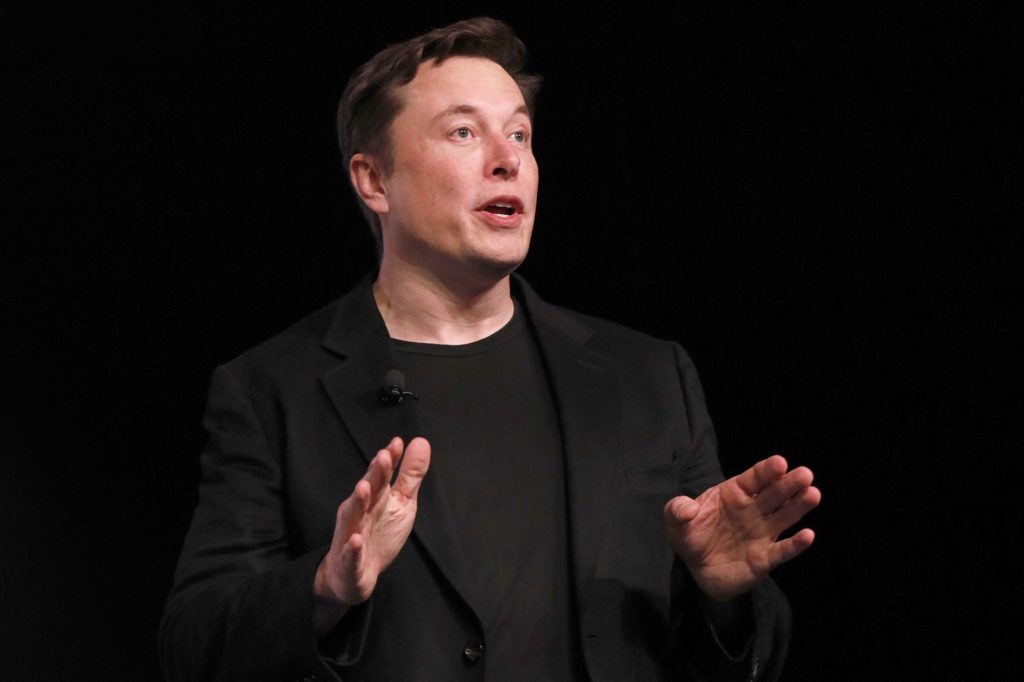
As people frantically refreshed their work and personal accounts to learn their fate, new owner Elon Musk sought to defend his decision to terminate thousands of jobs. He said the company had experienced a “massive drop in revenue” due to a flight of advertisers from the social network.

It was an eventful week for Twitter. Since his takeover last week, Musk has assembled a transition team of close confidants to help identify deep cost cuts and quick ways to jump-start revenue. The global workforce reductions are expected to affect 3,700 jobs — about half of the company. Some outgoing staff said they will be paid at least two months of severance. Musk is also looking for places to cut within Twitter’s technical infrastructure.

At the same time, remaining employees are racing to develop new tools that can be sold to users. The most urgent is a revised subscription program that will, among other perks, let anyone get a blue badge with a check mark next to their name on the site if they pay $8 a month. Currently, the check marks are free, used as a designation for verified accounts of celebrities, politicians, journalists and other public figures to distinguish them from impostors.

Musk’s acquisition of Twitter saddled the money-losing business with a large pile of debt, and the billionaire has said they “need to pay the bills.” The hastily arranged blue-check program, which could be released as soon as next week, was met with ire from popular users on Twitter. Musk and his transition team have responded derisively. “Your feedback is appreciated, now pay $8,” Musk wrote in response to US Representative Alexandria Ocasio-Cortez, who criticized the idea of making people pay in the name of “free speech.”

Twitter faces urgent matters besides cost-cutting and increasing cash flow. A major US election is on Tuesday, and Twitter employees said they were without access to essential tools for monitoring and removing political misinformation in the days following Musk’s takeover. Musk promised civil rights leaders he would restore content moderation tools that had been blocked for some staff by the end of this week.

Read more about candidates pushing ‘the Big Lie’ on social media

Before Twitter began the mass terminations, employees preemptively filed a class-action lawsuit Thursday. They claimed the company was moving too quickly to dismiss without warning, in violation of federal and California law. When details of the layoffs were communicated Friday, the attorney leading the class-action suit, prominent labor lawyer Shannon Liss-Riordan, said she was pleased that Musk “is making an effort to comply with the WARN Act” by paying severance.

Laws aside, Musk is looking to correct what he sees as a coddled workforce. He eliminated the company’s “days of rest” policy, which had been introduced as a mental-health measure during the Covid-19 pandemic. The response to these moves from many employees in the UK was to join trade unions, an effort to better protect their employment rights ahead of the mass job cuts, said Mike Clancy, general secretary of the union Prospect. “Twitter is treating its people appallingly,” he said.

Many workers turned to company Slack channels and public Twitter posts to say goodbye. They used blue heart and salute emojis to thank their colleagues. But they lacked official information about their next steps. At least two pregnant staffers who were laid off had no information about their medical benefits going forward, according to people familiar with the matter. Even the employees who survived the cuts were reeling from the way the process occurred.

Some advertisers are wary of associating their brands with Twitter during a time of tumult. Audi, Pfizer Inc. and General Mills Inc. said they will temporarily pause spending on Twitter while they wait to see how it evolves under Musk’s leadership. 

Though Musk pledged to reinstate worker access to content moderation tools this week, civil rights groups remain wary of his changes. A coalition called #StopToxicTwitter — made up of more than 60 advocacy organizations including the Anti-Defamation League and Accountable Tech — said on Friday it plans to escalate calls to Twitter advertisers telling them to stop buying ad space on the platform in the wake of Musk’s sweeping layoffs.

Jessica J. González, co-CEO of Free Press, part of the coalition, said the groups were stepping up their campaign in response to Musk’s failure to uphold his commitment to take the measures that would prevent Twitter from becoming a superspreader of racism and disenfranchisement.

On top of that, Musk is politically divisive, frequently promoting right-wing voices and sparring with the left. On Thursday night and early Friday morning, he was engaging on Twitter with someone who posted a meme making fun of Ocasio-Cortez and endorsed a message from the author Tom Fitton saying conservative speech is suppressed.

Musk blamed “activist groups pressuring advertisers” for a recent and swift decline in ad revenue. “Extremely messed up!” he wrote. “They’re trying to destroy free speech in America.”

–With assistance from Davey Alba.

(Updates with details about civil rights groups and advertising in 11th paragraph.)

More stories like this are available on bloomberg.com

©2022 Bloomberg L.P.
Crypto Trading Firm Amber Seeks $100 Million in Fresh Funding at ‘Flat’ Valuation

(Bloomberg) — The crypto market downturn has served as a major reality check for startups looking to secure new cash. 

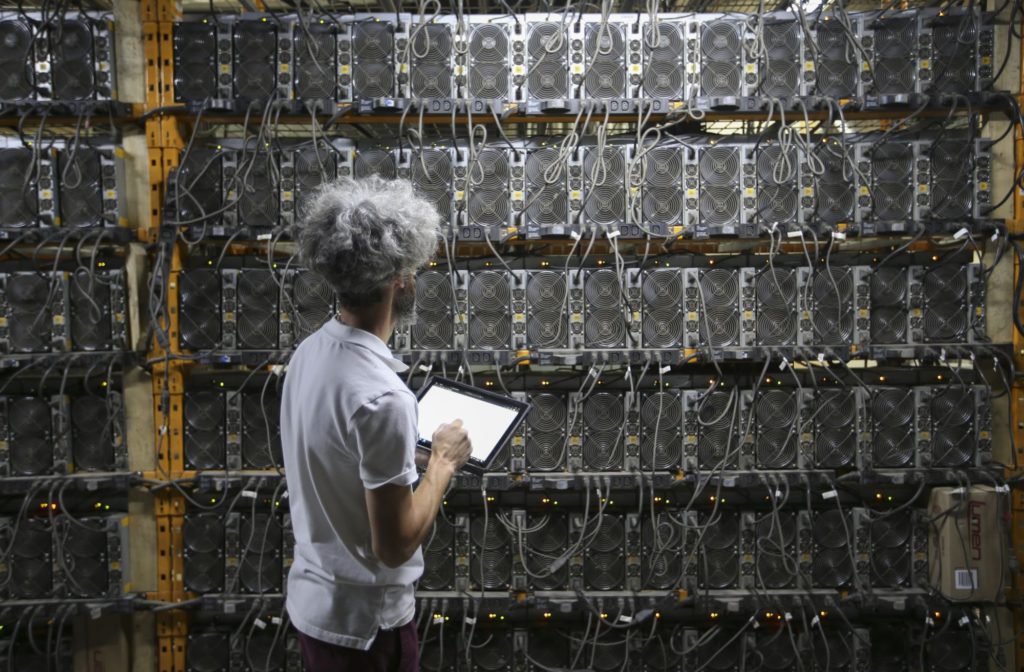
Digital-asset trading platform Amber Group is in the process of raising a little over $100 million in fresh funding at a $3 billion valuation, according to a person familiar with the matter. The Singapore-based startup had the same valuation in its most recent $200 million fundraise in February, which included Temasek Holdings Pte and Tiger Global Management as investors. 

The new funding is an extension of that previous round, said the person, who asked not to be identified discussing private information. They said that Amber Group had previously aimed to raise at a much higher valuation in the second quarter, but the slump in crypto prices prompted the company to pursue a so-called flat round instead. Bloomberg News reported in May that the company was looking to raise funds at a $10 billion valuation.

Amber Group declined to comment. 

The new raise is being completed in multiple parts, with around half of the $100 million already secured, according to the person. The company plans to have either one or two more additional closings by the end of this year or in early 2023. The fundraise is structured this way because investors are more cautious about participating in big funding rounds given current conditions, the person said. 

Like other crypto and tech companies, Amber Group has conducted major layoffs. The company cut as much as 10% of its staff, Bloomberg News reported in September. During last year’s crypto bull run, the company grew rapidly to around 900 employees, from a team of 200 to 300. Amber will finish a final round of layoffs this month, according to the person familiar. 

More stories like this are available on bloomberg.com

©2022 Bloomberg L.P.

China Stocks in US Soar on Reopening Hopes, Audit Progress

(Bloomberg) — US-listed China stocks jumped on Friday as fresh optimism over an easing of Covid restrictions and progress in the American audit inspection of Chinese companies fueled appetite for beaten-down names.

The Nasdaq Golden Dragon Index closed 8.8% higher in a four-day rising streak. The gauge advanced 17% for the week, erasing last week’s losses which were spurred by concerns over President Xi Jinping’s tightening control. Shares of internet giants Alibaba Group Holdings Ltd., Pinduoduo Inc., JD.com Inc. and Baidu Inc. rose at least 7% each. Electric vehicle stocks NIO Inc. and Li Auto Inc. rallied 18% and 9.3% respectively.

These moves tracked a frenzied rally in their Hong Kong traded peers, which drove the Hang Seng China Enterprise Index to its best weekly performance since 2015.

The big reversal in China stocks follows days of speculation on the back of unverified social media posts that the country is preparing to ease its strict Covid Zero policy. What’s more, Bloomberg reported that Beijing is working on plans to end a system that penalizes airlines for bringing virus cases into the nation, while the German Chancellor said China will make BioNTech SE’s Covid-19 vaccine available to foreign residents, the first approval of the mRNA vaccine in the country.

“Wall Street seems to believe it can’t get any worse for Chinese stocks and that we are a couple headlines away from seeing a major pivot on its strict Covid Zero policy,” said Ed Moya, senior market analyst at Oanda Corp. “There was always an expectation that we were going to see a rally post China’s Party Congress.” 

Moya also pointed to the audit inspection progress as “a pleasant surprise.” The shares “are benefiting on optimism the US audit went well and that we won’t have to see the worst case scenario play out with hundreds of companies delisting,” he said. 

US audit officials completed their first on-site inspection round of Chinese companies ahead of schedule, Bloomberg News reported, offering investors a much needed sign of progress in the closely watched process to prevent the removal of hundreds of stocks from American exchanges. 

READ: US Audit Inspectors Finish On-Site China Work Ahead of Plan (1)

Still, some fund managers and market strategists remain cautious about the nation’s equities. Tiger Global Management, a long-time investor in China, has pulled back from the region and is pausing future stock investments, on concerns that geopolitical tensions and China’s Zero Covid policy are more likely to persist after the recent leadership reshuffle.

“If China eases its Covid restrictions, it will be bullish for the Chinese stocks over the short-term,” said Matt Maley, chief market strategist at Miller Tabak + Co. “However, unless President Xi shows signs that he’s going to ease off on the crack downs they’ve engaged in on many different industries over the past two years, it will likely only be another bear market rally.”

–With assistance from Jan-Patrick Barnert and Taryana Odayar.

(Updates share moves and the chart at close)

More stories like this are available on bloomberg.com

©2022 Bloomberg L.P.
Biden Team to Push ‘Ambitious’ Antitrust Crackdown on Big Tech in Congress

(Bloomberg) — The White House is planning a post-midterms push for antitrust legislation that would rein in the power of the world’s largest tech companies, a last-ditch effort to get a stalled pair of bills through Congress before a predicted Republican takeover in January.  

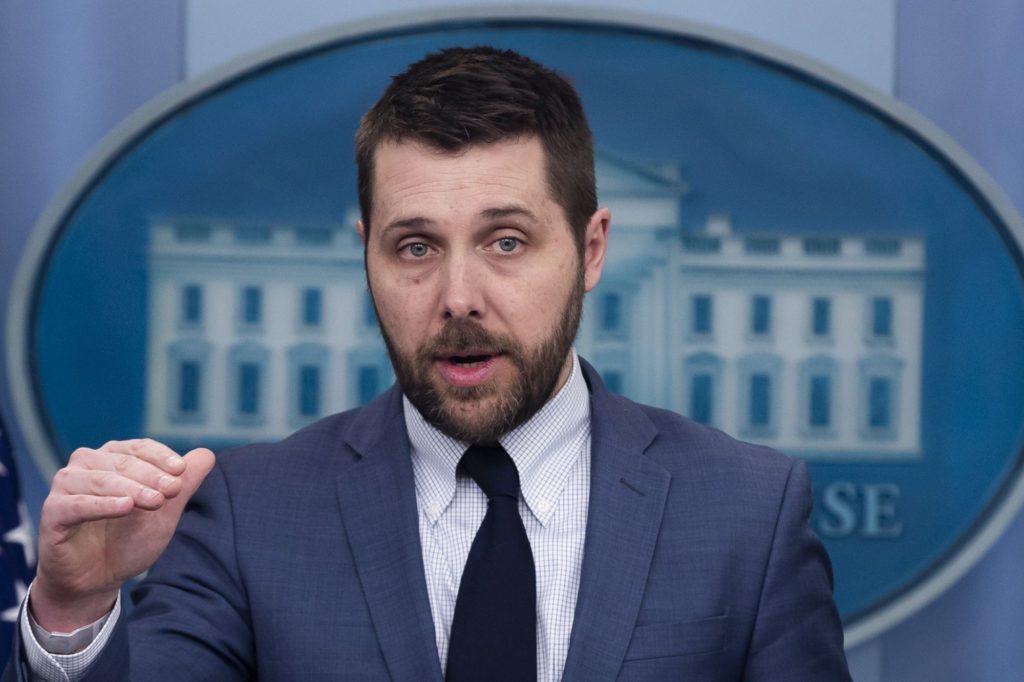
“We are very committed to moving ambitious legislation in this area,” Brian Deese, director of the National Economic Council, said in a phone interview.

The lame-duck period after Tuesday’s US election may be the last shot to pass the landmark legislation, the American Innovation and Choice Online Act and Open App Markets Act. The bills, which would prevent the tech companies from using their platforms to thwart competitors, would be the most significant expansion of antitrust law in over a century.

Even before the reinvigorated effort, tech companies have been grappling with economic uncertainty that has prompted them to freeze hiring and even cut entire departments. Shares of Amazon Inc. and Alphabet Inc. have fallen more than 40% this year, while Apple Inc.’s have fallen 23%. Meta Platforms Inc., meanwhile, lost about three-quarters of its value.

Republicans have made it clear that they won’t support the bills if they retake control of either chamber of Congress. That has supporters urging the White House to mount a push in the final weeks before a new Congress is seated early next year.

Advocates have criticized the White House for failing to prioritize the legislation, which major tech companies have spent more than $100 million to defeat. Alphabet’s Google, Amazon, Apple and Meta all oppose the bill. 

“There is bipartisan support for antitrust bills, and no reason why Congress can’t act before the end of the year,” said White House spokesperson Emilie Simons. “We are planning on stepping up engagement during the lame duck on the president’s agenda across the board, antitrust included.” 

Versions of both bills have made it through committees but await action by the full House and Senate. If Congress doesn’t act before the end of the year, it will likely be years before lawmakers pass any legislation to crack down on the power of the tech giants. 

Ultimately, the future of the bills lies with Senate Majority Leader Chuck Schumer, who will decide whether to bring the measures to a vote before the end of the year. Advocates hope that the White House will specifically focus its outreach on him. 

“It is great to see the White House leaning into important and popular legislation, and we now have a real chance to get it over the finish line,” said Alex Harman, director of government affairs at anti-monopoly group Economic Security Project. 

The White House has issued statements in support of the trust-busting legislation. However its congressional affairs team, which has brokered several bipartisan legislative packages during President Joe Biden’s tenure, has remained notably hands-off, according to supporters and congressional aides familiar with the White House’s outreach. 

Evan Greer, director of advocacy group Fight for the Future, launched a petition in mid-October urging the White House to put its weight behind the bills during the final stretch of this congressional session. 

“I don’t think the White House understands how embarrassing and bad this looks if Democrats, while they’re in control of House, Senate and White House, fail to do anything about big tech,” Greer said. “We’re coming up on the clock running out.” 

Deese, the NEC director, disputed assertions that the White House hasn’t been involved.

“This has been a process where we have, at every stage, tried to understand where the leaders on the Hill were pushing, what was going to be necessary to maintain bipartisan support for these pieces of legislation and how we can most constructively engage and weigh in,” Deese said.

The bills have advanced much farther than lobbyists and advocates expected thanks to a bipartisan coalition that brought together odd couples such as Minnesota Democratic Senator Amy Klobuchar and Iowa Republican Senator Chuck Grassley.

Jeff Hauser, executive director of government ethics group Revolving Door Project, said he believes the White House has been “slow-walking” the tech legislation –– a situation that he said he had anticipated when Biden nominated Louisa Terrell, a tech industry veteran, to run his congressional outreach. 

“The Biden administration has not made the tech bills a priority,” Hauser said.

Terrell has garnered a reputation for brokering complex deals, including the infrastructure law signed earlier this year and the Inflation Reduction Act. But Terrell has rarely mentioned the antitrust legislation during outreach to Capitol Hill, at times pivoting the conversation to data privacy or other tech issues, according to several congressional aides who have met with her and asked not to be identified discussing private conversations. 

The White House said Terrell has been supportive of the legislative effort since the start, rejecting any claims that she was disengaged. Terrell didn’t reply to a request for comment. 

Terrell worked as a Facebook lobbyist between 2011 and 2013, helping to set up the social media company’s Washington presence in its early chapters. She also worked for New Jersey Democratic Senator Cory Booker, the Federal Communications Commission and McKinsey & Company. 

Terrell’s defenders refuted any implication that she sides with big business because she worked for large companies, noting that during her time at the helm of the White House’s congressional affairs office, she has helped push policies opposed by rich industries including oil and gas and pharmaceuticals.

President Joe Biden has elevated the issue of trust-busting, specifically against the tech giants, more than any other president in recent memory. He appointed a trio of antitrust progressives to key roles at the White House, Federal Trade Commission and Justice Department. Last year, Biden signed a sweeping pro-competition executive order, which required agencies across the federal government to investigate and take action against corporate consolidation in industries including agriculture, healthcare and tech.

“President Biden is the most pro-competition president we’ve had in a generation and he and his administration have strongly supported this bipartisan legislation,” said Rhode Island Representative David Cicilline, the lead Democratic co-sponsor of the bills in the House. “We will be working around the clock with the White House to get it across the finish line during the final weeks of the Congress.”

(Updates with tech companies’ share performance in fourth paragraph.)

More stories like this are available on bloomberg.com

©2022 Bloomberg L.P.
Stocks Halt Rout With Dollar Down Most Since 2020: Markets Wrap

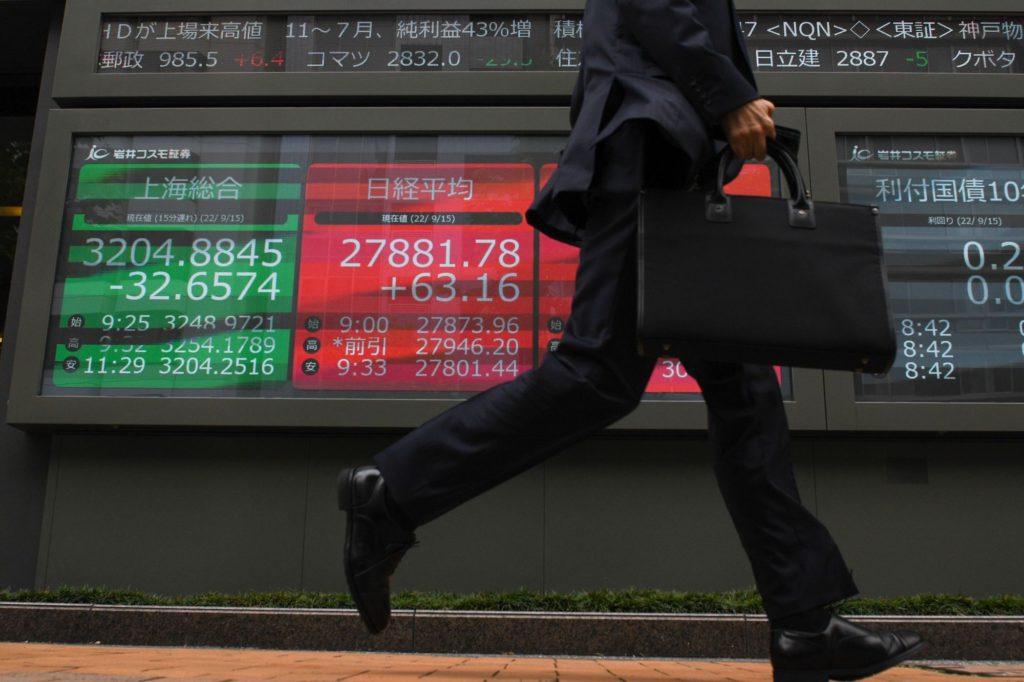
(Bloomberg) — Stocks rose, with traders weighing mixed jobs figures and awaiting next week’s inflation data for more clues on when the Federal Reserve would be able slow down its pace of rate hikes.

The S&P 500 halted a four-day slide. The dollar slumped the most since March 2020. Two-year US yields, which are more sensitive to imminent policy moves, reversed course and came down.

Fed fund futures are leaning toward pricing a 50-basis-point hike in December, with the peak around 5.1% next year. Officials this week raised rates by 75 basis points for the fourth straight time, lifting their benchmark to a target range of 3.75% to 4%.

Read: Fed Officials Eye Further Hikes, With Peak Above 5% an Option

Wall Street’s fear gauge is well below the panic levels seen during the pandemic or the 2008 crisis, but volatility is very much a feature of 2022. 

The S&P 500 has already seen five monthly moves this year in excess of 7%, either to the upside or downside. Beyond the tumult of the 2008 global financial crisis, one must go back to 1933 — the days of the Great Depression — to see more swings of such magnitude in a single year. 

“This week is a reminder that the intense volatility and emotional trading experience through much of the year is likely to continue,” said Mark Hackett, chief of investment research at Nationwide. “Bottoming processes are rarely clean, and even if bulls are gaining control, pockets of weakness are inevitable.”

Markets will watch the latest US inflation reading on Thursday after the core consumer price index rose more than forecast to a 40-year high in September. Even if prices begin to moderate, the CPI is far above the Fed’s comfort zone.

Reaction to Jobs:

Chris Senyek at Wolfe Research:

“This report does nothing to change the Fed’s ‘higher for longer’ narrative. We probably won’t see really weak jobs numbers until the US economy is already in a relatively deep recession.”

Jason Pride at Glenmede:

“This jobs report likely does not push the Fed off its path for a 50-75 bp rate hike in December. However, the next big economic report that could move the needle for the Fed is next week’s CPI report.”

Peter Essele at Commonwealth Financial Network:

“If labor growth remains strong and earnings growth slows, it’ll be a win-win for investors since there will be less pressure on the Fed to raise rates. The result could be a soft landing in the economy as opposed to a hard one.”

Mike Loewengart at Morgan Stanley Global Investment Office:

“While the number may be disappointing for investors hoping for a dovish Fed sooner rather than later, keep in mind it was the lowest reading in nearly two years, so there could be signs that the market is slowing.”

Charlie Ripley at Allianz Investment Management:

“The most notable signal from today’s employment data is not that the data came in better than expected, but rather that some subtle signs of the economy slowing are starting to show up. Investors are looking for any signs that the Fed will pull back the reigns on policy tightening.”

Investors are fleeing to the safety of cash funds as the Fed remains firmly hawkish, according to strategists at Bank of America Corp.

The asset class had inflows of $62.1 billion in the week through Nov. 2, according to a note from the bank citing EPFR Global data. That’s contributed to $194 billion of inflows into cash from the start of October — the fastest start to a quarter since 2020.

In corporate news, US-listed Chinese stocks jumped amid fresh optimism over an easing of Covid restrictions. DoorDash Inc. reported revenue that beat estimates, a sign that customers are still ordering pricey takeout despite a squeeze from higher inflation.

Some of the main moves in markets:

Stocks

  • The S&P 500 rose 1.4% as of 4 p.m. New York time
  • The Nasdaq 100 rose 1.6%
  • The Dow Jones Industrial Average rose 1.3%
  • The MSCI World index rose 1.9%

Currencies

  • The Bloomberg Dollar Spot Index fell 1.7%
  • The euro rose 2.2% to $0.9960
  • The British pound rose 1.9% to $1.1373
  • The Japanese yen rose 1.1% to 146.70 per dollar

Cryptocurrencies

  • Bitcoin rose 4.2% to $21,087.44
  • Ether rose 6.8% to $1,645.86

Bonds

  • The yield on 10-year Treasuries advanced two basis points to 4.17%
  • Germany’s 10-year yield advanced five basis points to 2.30%
  • Britain’s 10-year yield advanced two basis points to 3.54%

Commodities

  • West Texas Intermediate crude rose 5.1% to $92.64 a barrel
  • Gold futures rose 3.3% to $1,684.10 an ounce
  • Gold futures rose 3.2% to $1,683.60 an ounce

–With assistance from Emily Graffeo, Isabelle Lee, Vildana Hajric and Cecile Gutscher.

More stories like this are available on bloomberg.com

©2022 Bloomberg L.P.
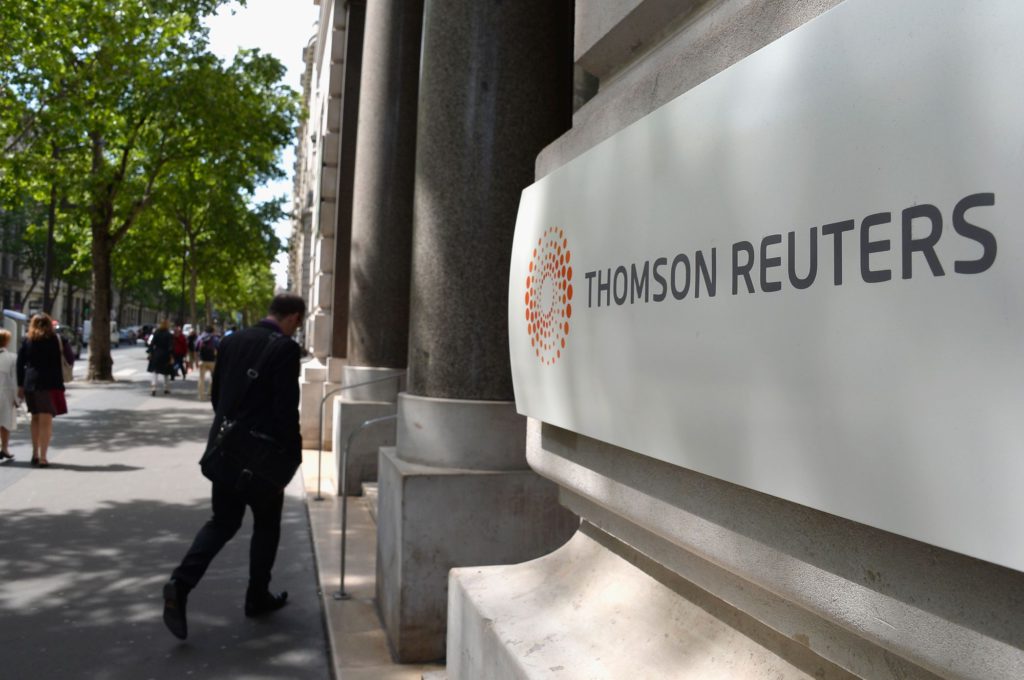
Reuters Journalists Authorize Strike as Union Negotiations Reach Boiling Point

(Bloomberg) — Thomson Reuters Corp. journalists in the US have authorized their union to call a strike against the media company, which they say has slow-walked negotiations for higher pay and other benefits.

The vote does not guarantee a work stoppage at the 171-year-old newswire, but allows the union’s bargaining committee to announce a strike if progress isn’t made in contract talks, which resume Nov. 14.

“We are still working very hard to get a deal at the table,” said Beverly Sloan, a union representative. “But we want a deal this year. There’s not a lot of this year left.”

Union members were notified on Friday of the vote’s result, in which 81% voted to green-light a potential strike, according to the Communications Workers of America’s NewsGuild. The NewsGuild represents about 300 Reuters reporters, photographers and video journalists in the US.

The union’s collective bargaining agreement has been expired for almost two years, with workers and the company disagreeing about pay, nondisclosure agreements and return-to-work policies, the guild said. The union is asking for higher guaranteed annual raises than Reuters’ proposed 2% to 3.25%, and for some backpay for the past two years.

“Reuters is fully committed to constructive negotiations with the NewsGuild as we work towards a contract resolution for our US union employees,” a company spokesperson said. “These conversations are ongoing and we will continue to work with the Guild committee to settle on mutually agreeable terms.”

The NewsGuild represents 26,000 workers at employers including The New York Times, the Washington Post and Bloomberg LP’s subsidiary Bloomberg Industry Group. Bloomberg LP, parent of Bloomberg News, competes with Reuters as a provider of financial news and services.

Guild members at Reuters mounted a one-day work stoppage in August, timed to coincide with the company’s quarterly earnings announcement. If employees walk out again, there will be no set end-date, Sloan said.

The guild has also filed a complaint with the US National Labor Relations Board accusing Reuters of failing to negotiate in good faith.

More stories like this are available on bloomberg.com

©2022 Bloomberg L.P.
Open Text Launches $3 Billion Leveraged Loan to Buy Micro Focus

(Bloomberg) — Canada’s Open Text Corp. has kicked off a roughly $3.1 billion leveraged loan sale to help finance its acquisition of British software business Micro Focus International Plc. 

A group of banks led by Barclays Plc will hold a lender call for the seven-year offering on Monday, at 1:30 p.m. New York time, according to a person familiar with the matter. The loan has a maximum net leverage ratio of 4.5 times, added the person, who asked not to be identified discussing a private transaction. 

The $3.085 billion term loan is the larger chunk of a senior secured debt package totaling $4.6 billion, with the remainder comprising other senior secured debt of $1.5 billion. 

Banks have been taking advantage of the relative calm that has swept across the US junk bond and loan markets lately to try to offload risky buyout and acquisition debt. 

Waterloo, Ontario-based Open Text announced its $6 billion deal to buy Micro Focus over the summer, detailing that it would seal the purchase with $4.6 billion of new debt, $600 million from an existing credit line as well as cash on its balance sheet. 

Once the deal closes, it will mark Open Text’s biggest acquisition to date. Its target, Newbury, UK-based Micro Focus, sells enterprise software to several companies ranked among the Fortune Global 500.

On Thursday, Open Text reported first-quarter results that topped the average analyst estimate. 

More stories like this are available on bloomberg.com

©2022 Bloomberg L.P.
Twitter Removes Ye’s Inflammatory Post as Musk Faces Pressure Over Content

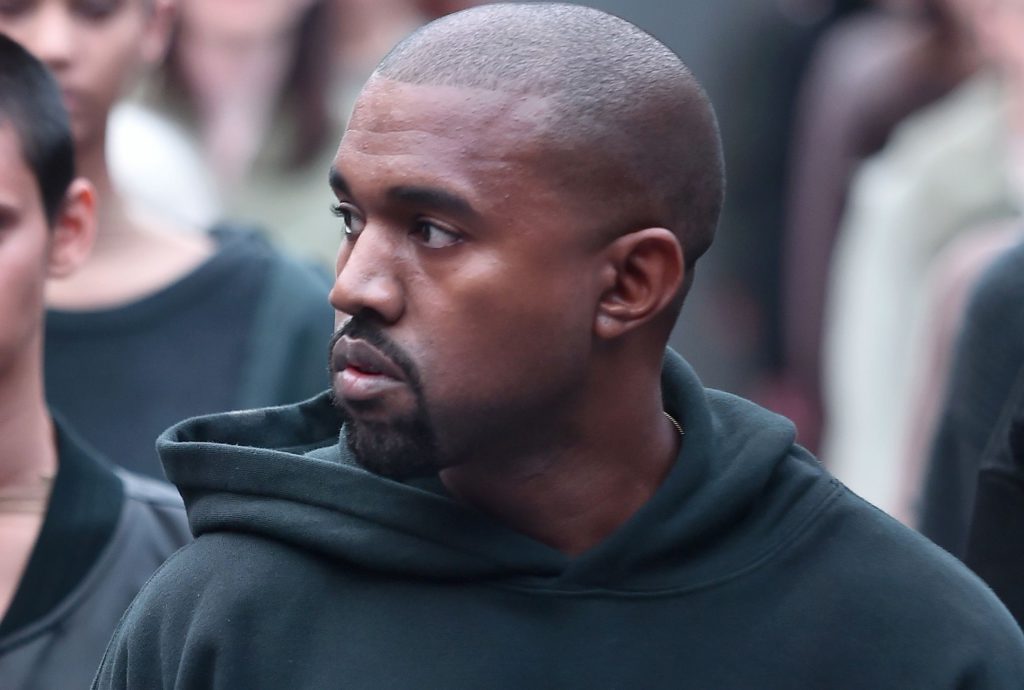
(Bloomberg) — Twitter Inc. removed a tweet from Ye for violating its terms of service as new owner Elon Musk comes under pressure from advertisers and civil-rights groups over the social-media firm’s content-moderation efforts.

Ye, the Black rapper and designer formerly known as Kanye West, had suggested in his tweet that calling someone antisemitic was a coded way of using a racial slur against African Americans. Ye has become a lightning rod for criticism in recent weeks for his offensive comments about Jews. Adidas AG, Gap Inc. and Balenciaga have dropped their partnerships with the artist.

Ye’s tweet was taken down the same day that a coalition of several civil-rights groups, including the Anti-Defamation League, the NAACP and Accountable Tech, said they plan exert more pressure on Twitter advertisers to stop buying ad space on the platform over concerns that Musk would relax its content-moderation policies. Volkswagen AG, General Motors Co. and Pfizer Inc. are among companies that have announced a pause in advertising on Twitter.

Also read:

  • Twitter Latest: Civil Rights Groups to Boost Advertiser Pressure
  • Twitter’s Deep Job Cuts Begin; Musk Decries ‘Massive’ Sales Drop

Earlier on Friday, Musk said Twitter is going through a “massive drop in revenue” even though no changes have been made to its content-moderation policies. Musk is a self-proclaimed free-speech absolutist who has previously indicated that he wants to change how the website regulates controversial content. He’s also said he would like to bring back divisive public figures, like former President Donald Trump, who have had their Twitter accounts banned indefinitely.


More stories like this are available on bloomberg.com

©2022 Bloomberg L.P.

US-China Friction Gives Kim Jong Un the Freedom to Fire Away

(Bloomberg) — North Korea’s unprecedented barrage of missiles is underscoring the cost of Washington’s tensions with Beijing, since China has shown little appetite for additional sanctions over the country’s nuclear program.

China, along with Russia, played a critical role in approving United Nations sanctions on their neighbor after Kim Jong Un tested an atomic bomb and launched a missile designed to carry warheads to the US five years ago. There’s little prospect of finding such unity on the UN Security Council now, even though North Korea has fired about 100 ballistic missiles since the UN approved its last penalties in 2017. 

The Biden administration has shown increasing frustration with China, which has long been North Korea’s most important benefactor. And the stakes are rising because the US and its allies believe Kim’s regime is preparing to detonate a nuclear bomb for the first time in five years. 

The US sought to make another run at support for fresh measures against North Korea at a Security Council meeting Friday afternoon in New York. Beijing and Moscow have resisted US-led efforts to expand sanctions in recent years, arguing that Kim deserves relief for gestures he made before his unprecedented — but ultimately unsuccessful — summits with former President Donald Trump. 

US Ambassador to the UN Linda Thomas-Greenfield said North Korea had “enjoyed blanket protection” from two members of the council — a thinly veiled reference to Russia and China.

“You don’t get to abandon Security Council responsibilities because the DPRK might sell you weapons to fuel your war of aggression in Ukraine, or because you think they make a good regional buffer to the United States,” Thomas-Greenfield told the Security Council, using the abbreviation for North Korea’s formal name.

In his speech, China’s ambassador to the UN, Zhang Jun made clear his government’s stance that the US, not North Korea, was responsible for the latest tension. He cited recent military exercises by the US and South Korea as needlessly inflammatory.

“We call on the US to stop unilaterally playing up tensions and confrontation,” Zhang said. He said the US should “demonstrate sincerity by earnestly responding to the legitimate and reasonable concerns” of North Korea.

More recently, US President Joe Biden has sanctioned Russia and sought to isolate its leader Vladimir Putin to halt its war in Ukraine. The administration has also warned Chinese leader Xi Jinping that he risks secondary sanctions if he helps Moscow, even as Washington and Beijing clash over everything from Taiwan to microchips. 

Those disputes have given Kim a freer hand to expand his nuclear program and build a more credible deterrent to prevent any US strike against the regime. North Korea’s tests have demonstrated a wide array of new missiles and launching platforms that appear intended to evade detection and interception by the US.

“North Korea knows the recent provocations won’t trigger any new UN resolutions,” said Maiko Takeuchi, a former member of a UN Security Panel of Experts set up to monitor sanctions on North Korea. If current sanctions were strictly implemented, that would also “seriously damage the regime’s activity and economy,” she said. 

The sanctions regime, which, among other things, includes a cap on fuel imports and limits on foreign income, has shown cracks. North Korea was on track to exceed its 500,000-barrel cap of annual imports this year, a Panel of Experts report released in September said.


In addition, an oil pipeline between Dandong, China, and Sinuiju, North Korea, that was exempted from sanctions could be supplying more than 3.7 million barrels of oil each year, according to a report from specialists David von Hippel and Peter Hayes.

Kim has also found ways to evade sanctions through cybercrimes and cryptocurrency theft. Investigators from the US and UN have said his regime has already taken in hundreds of millions of dollars in assets through online schemes, and is poised to rake in even more.

The North Korean leader has repeatedly rebuffed US overtures to return to talks, reiterating in September that he would “never give up nuclear arms or denuclearize first.” Instead, he has rebuilt once-frayed ties with China and Russia — whom both wield vetoes on the Security Council. 

Xi has recently reaffirmed his desire to maintain “strategic” talks with Kim. And the Biden administration has accused North Korea of covertly supplying Russia with artillery shells for use in the Ukraine invasion, something North Korea has denied. 

Without necessary support for UN sanctions, the US and South Korea have sought to deter North Korea from any more aggressive moves, jointly warning it that using a nuclear weapon against them would “result in the end of the Kim regime.” They also extended allied air force exercises in the region. 

One indication of Chinese support for additional sanctions will be its response to any North Korean nuclear test, especially after Xi told visiting German Chancellor Olaf Scholz on Friday that the international community must “reject the use or threat of the use of nuclear weapons.” China denounced North Korea’s last test in September 2017, expressing “firm opposition to and strong condemnation” of it.

North Korea may be banking that China won’t be so critical the next time. Kim’s actions indicate a broader shift away from the country’s long-term goal of normalizing ties with Washington as a buffer against Beijing and Moscow, said Rachel Minyoung Lee, who worked as an analyst for the CIA’s Open Source Enterprise for almost two decades. 

“The true import of this policy shift extends beyond just North Korea’s pivot to China and Russia,” Lee wrote in a commentary published on the 38 North website.  “It signals a more fundamental transformation in Pyongyang’s position on relations with Washington.” 

–With assistance from Iain Marlow.

(Updates with Security Council debate in top 8 paragraphs.)

More stories like this are available on bloomberg.com

©2022 Bloomberg L.P.

Blockchain Game Studio Cuts 10% Of Staff Amid Downturn

(Bloomberg) — Mythical Games, a blockchain video game company that has raised more than $270 million in venture capital, laid off 10% of its staff and lost three top executives this week.

The layoffs at a company once valued at $1.25 billion are reflective of widespread disinterest in so-called play-to-earn video games, which promise players the opportunity to buy and sell in-game goods for real-life cash using blockchain and nonfungible tokens. 

Spokesman Nate Nesbitt said the company was “affected by the economic downturn” and has “had to reevaluate and restructure some areas of our business accordingly.” Co-founder Rudy Koch, Chief Operating Officer Matt Nutt and Senior Vice President Chris Ko announced their departures on LinkedIn this week.  The company, based in Sherman Oaks, California, had about 320 employees according to its LinkedIn profile. 

Mythical’s flagship game is Blankos Block Party, a cartoonish take on Roblox. The game launched on the Epic Game Store in mid-September and has received a tepid reception so far, with about 30,000 players in October and a daily active user count in the thousands, the company said. Several messages in the Blankos Block Party Discord server complain of low player counts, which makes it more difficult for people to find games.

Investors have poured billions of dollars into blockchain gaming in recent years but haven’t found much success. The biggest game, Axie Infinity, crumbled earlier this year after a massive hack. And video game companies such as Ubisoft Entertainment SA have pulled back their investments in NFT games after widespread criticism and low interest. 

More stories like this are available on bloomberg.com

©2022 Bloomberg L.P.

Close Bitnami banner
Bitnami
