Bloomberg

Musk Says He’s Chief Twit, ‘No Idea’ Who Twitter’s CEO Is

(Bloomberg) — Elon Musk has “no idea” who Twitter Inc.’s chief executive officer is, he said in a tweet on Sunday. 

The billionaire entrepreneur responded to a post from a user asking Musk for how long he intends to stay on as Twitter CEO. 

Bloomberg reported earlier that Musk was planning to be CEO of the social media company in the immediate term. Musk completed his $44 billion acquisition of Twitter on Thursday. 

Read more: Musk Preparing for Twitter Job Cuts, Asks Leaders for Lists 

More stories like this are available on bloomberg.com

©2022 Bloomberg L.P.

Workers Leave Biggest IPhone Plant to Escape Covid Curbs

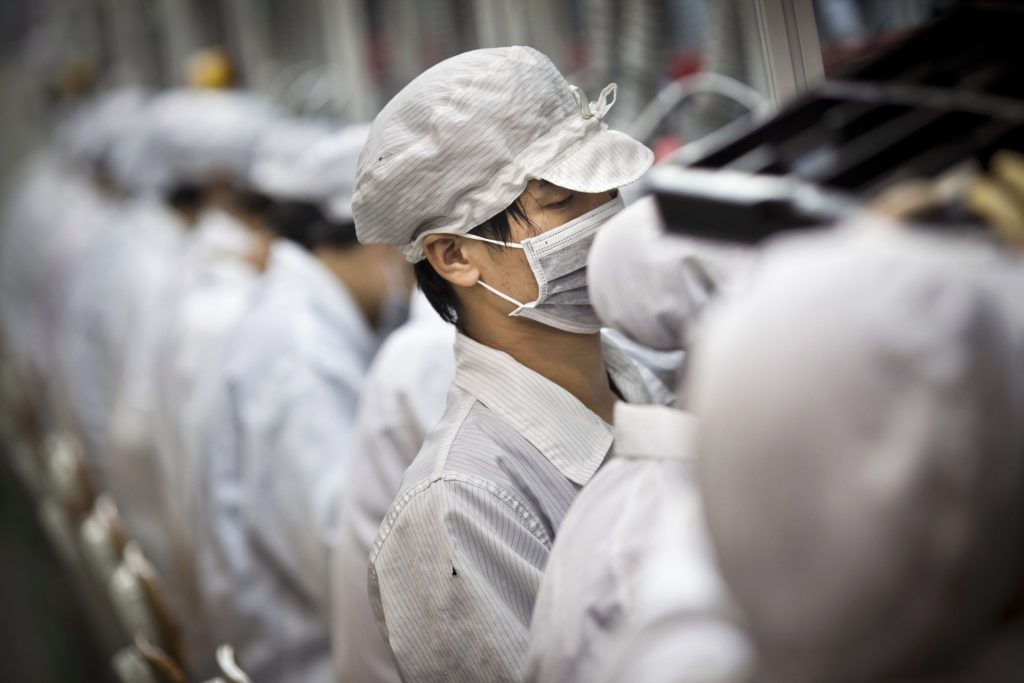
(Bloomberg) — Workers are departing Apple Inc.’s biggest iPhone plant in China, seeking to escape hastily enacted Covid measures that left many of the 200,000 staff grappling with inadequate living conditions.

Local authorities from several regions in the central Henan province said they will receive homebound workers from Foxconn Technology Group after strict Covid curbs were imposed at the world’s largest iPhone plant in Zhengzhou to quell an outbreak, according to official posts online.

At least six counties and cities in Henan asked residents who just left Foxconn to contact local authorities before going home. Workers will be sent to several days of mandatory isolation, according to official posts on WeChat. 

Cities such as Mengzhou and Luoyang have arranged buses to ferry workers to isolation sites, according to the posts. The government of Dagang county has dispatched buses and officials to help ferry employees to quarantine sites for a seven-day compulsory isolation before allowing them to go home, it said in a WeChat post.

Foxconn issued three notices to its workers at Zhengzhou plant, vowing to ensure safety, legitimate rights and income for those who are willing to stay, according to a WeChat statement posted by the Zhengzhou city government on Sunday. Meanwhile the company, together with local government, also arranged buses for employees choosing to return home.

Supply of daily necessities is ample and the Covid situation is gradually getting under control at Zhengzhou plant, Foxconn said in a statement to Bloomberg, adding that it will coordinate with other plants on capacity aid to reduce possible impact.

Videos and pictures of employees leaving the campus flooded social media over the weekend, depicting local residents offering food and shelter to some of the departing staff. Bloomberg hasn’t verified the authenticity of the content.

Tensions at the Zhengzhou plant underscore the economic and social costs of Xi Jinping’s Covid Zero policy, a rigorously policed system of mass testing and quarantine lockdowns that has fostered growing resentment. It also shows the potential risk to global supply chains and products from China’s approach, which demands lockdowns, business restrictions and mass testing drives when even one Covid case emerges.

Food Scarcity

Discontent has been brewing among staff at Foxconn’s main factory in Zhengzhou, where the emergence of Covid cases saw it go into a closed loop system. Food became a source of unrest after the Taiwanese company that makes most iPhones sold around the world shut cafeterias at the manufacturing site known as “iPhone City.” 

At one point, only workers on production lines were given meal boxes, with those infected or afraid to leave their company-provided dormitories given more basic fare like bread and instant noodles, Bloomberg News reported.

Read more: Covid Outbreak at China IPhone Plant Pushes Workers to the Edge

It’s unclear how many workers were allowed to leave Foxconn. The company hires many temporary workers from nearby regions to assemble electronics including Apple Inc.’s latest iPhone 14 devices. Foxconn and Apple didn’t immediately provide a comment outside of regular business hours. Foxconn said on Wednesday that production hadn’t been impacted by what it described as a “small” outbreak. 

China’s zero-tolerance approach to the pandemic has idled factories and up-ended supply chains. Closed loops enable companies to stay operational during lockdowns but take a toll on workers, whose movements are severely limited, with some even required to sleep on factory floors. Tesla Inc. used a closed loop to resume output during Shanghai’s restive lockdown earlier this year.

In May, hundreds of workers clashed with security personnel at Quanta Computer Inc.’s factory in Shanghai after they were barred for months from contact with the outside world.

Read more: Apple Supplier Faces Worker Revolt in Locked Down China Factory

Foxconn Fallout

Now, the fallout is being felt by the nation’s single biggest private sector employer, one often hailed as an example of China’s manufacturing prowess.

The discontent comes at a crucial time for Apple, which launched the iPhone 14 during an unprecedented slump in global electronics demand. While faring better than other smartphone makers, it’s backed off plans to increase production of its new iPhones this year after an anticipated surge in demand failed to materialize, Bloomberg has reported. Apple reported better-than-expected results Thursday but warned of a holiday slowdown.

Any disruption at Zhengzhou threatens to snarl Apple’s finely orchestrated supply chain. Thousands of components from Europe to Asia are shipped into Zhengzhou, assembled manually into devices, then shuttled off to the rest of the world.

Over the past few days, photos and video clips flooded social media sites such as Douyin and Weibo, purportedly taken by Foxconn workers dissatisfied with conditions in the plant. One widely shared clip zeroed in on trash piled up outside dorm rooms, while another showed people jostling for food in an apartment complex, where workers were alleged to have been sent for quarantine. 

Others posted pleas for help. Messages sent to users sharing these videos on Douyin went unanswered, and Bloomberg hasn’t been able to verify the authenticity of these particular clips.

Read more: This Is How Long Experts See China Clinging on to Covid Zero

–With assistance from Lulu Shen.

(Adds statements from company and local government in fifth and sixth paragraphs)

More stories like this are available on bloomberg.com

©2022 Bloomberg L.P.

Workers Leave World’s Biggest iPhone Plant to Escape Covid Curbs

(Bloomberg) — Workers are departing Apple Inc.’s biggest iPhone plant in China, seeking to escape hastily enacted Covid measures that left many of the 200,000 staff grappling with inadequate living conditions.

Local authorities from several regions in the central Henan province said they will receive home-going workers from Foxconn Technology Group after strict Covid curbs were imposed at the world’s largest iPhone plant in Zhengzhou to quell an outbreak, according to official posts online. 

At least six counties and cities in Henan asked residents who just left Foxconn to contact local authorities before going home. Workers will be sent to several days of mandatory isolation, according to official posts on WeChat. 

Cities such as Mengzhou and Luoyang have arranged buses to ferry workers to isolation sites, according to the posts. The government of Dagang county has dispatched buses and officials to help ferry employees to quarantine sites for a seven-day compulsory isolation before allowing them to go home, it said in a WeChat post.

Videos and pictures of employees leaving the campus flooded social media over the weekend, depicting local residents offering food and shelter to some of the departing staff. Bloomberg hasn’t verified the authenticity of the content.

Tensions at the Zhengzhou plant underscore the economic and social costs of Xi Jinping’s Covid Zero policy, a rigorously policed system of mass testing and quarantine lockdowns that has fostered growing resentment. It also shows the potential risk to global supply chains and products from China’s approach, which demands lockdowns, business restrictions and mass testing drives when even one Covid case emerges.

Food Scarcity

Discontent has been brewing among staff at Foxconn’s main factory in Zhengzhou, where the emergence of Covid cases saw it go into a closed loop system. Food became a source of unrest after the Taiwanese company that makes most iPhones sold around the world shut cafeterias at the manufacturing site known as “iPhone City.” 

At one point, only workers on production lines were given meal boxes, with those infected or afraid to leave their company-provided dormitories given more basic fare like bread and instant noodles, Bloomberg News reported.

Read more: Covid Outbreak at China IPhone Plant Pushes Workers to the Edge

It’s unclear how many workers were allowed to leave Foxconn. The company hires many temporary workers from nearby regions to assemble electronics including Apple Inc.’s latest iPhone 14 devices. Foxconn and Apple didn’t immediately provide a comment outside of regular business hours. Foxconn said on Wednesday that production hadn’t been impacted by what it described as a “small” outbreak. 

China’s zero-tolerance approach to the pandemic has idled factories and up-ended supply chains. Closed loops enable companies to stay operational during lockdowns but take a toll on workers, whose movements are severely limited, with some even required to sleep on factory floors. Tesla Inc. used a closed loop to resume output during Shanghai’s restive lockdown earlier this year.

In May, hundreds of workers clashed with security personnel at Quanta Computer Inc.’s factory in Shanghai after they were barred for months from contact with the outside world.

Read more: Apple Supplier Faces Worker Revolt in Locked Down China Factory

Foxconn Fallout

Now, the fallout is being felt by the nation’s single biggest private sector employer, one often hailed as an example of China’s manufacturing prowess.

The discontent comes at a crucial time for Apple, which launched the iPhone 14 during an unprecedented slump in global electronics demand. While faring better than other smartphone makers, it’s backed off plans to increase production of its new iPhones this year after an anticipated surge in demand failed to materialize, Bloomberg has reported. Apple reported better-than-expected results Thursday but warned of a holiday slowdown.

Any disruption at Zhengzhou threatens to snarl Apple’s finely orchestrated supply chain. Thousands of components from Europe to Asia are shipped into Zhengzhou, assembled manually into devices, then shuttled off to the rest of the world.

Over the past few days, photos and video clips flooded social media sites such as Douyin and Weibo, purportedly taken by Foxconn workers dissatisfied with conditions in the plant. One widely shared clip zeroed in on trash piled up outside dorm rooms, while another showed people jostling for food in an apartment complex, where workers were alleged to have been sent for quarantine. 

Others posted pleas for help. Messages sent to users sharing these videos on Douyin went unanswered, and Bloomberg hasn’t been able to verify the authenticity of these particular clips.

Foxconn said Wednesday it was assisting a “small number of employees affected by Covid” in its Zhengzhou facility. The firm, known also as Hon Hai Precision Industry Co., is providing the workers with necessities and counseling and called employees its top priority.

Read more: This Is How Long Experts See China Clinging on to Covid Zero

More stories like this are available on bloomberg.com

©2022 Bloomberg L.P.

Musk Lays Groundwork for Layoffs at Twitter, Asking Managers to Draw Up Lists

(Bloomberg) — Elon Musk has begun laying the groundwork for a round of layoffs at Twitter Inc. days after taking ownership of the social media platform.

The billionaire entrepreneur, who completed his $44 billion acquisition Thursday, has asked managers to draw up lists of team members who could be let go, according to a person with knowledge of the matter. The person asked not to be identified discussing private conversations.

Headcount reduction could commence as early as Saturday, the New York Times reported earlier. A representative of San Francisco-based Twitter didn’t immediately respond to a request for comment Saturday.

Concerns over massive layoffs swirled in the run-up to Musk’s take-private transaction, when potential investors were told that he’d eliminate 75% of the workforce, currently near 7,500. Musk later denied that the cuts would be that deep, though he hasn’t elaborated on the job cut plans.

The reductions could be closer to 50% of the work force, the Washington Post reported Saturday. One of the first to be impacted will likely be legal, trust and safety, the organization that oversees content moderation, the newspaper said. 

Musk has already axed much of Twitter’s leadership team, including its chief executive officer, finance chief and two senior legal staffers. He plans to be CEO himself in the immediate term, according to people familiar with the matter.

In recent weeks, Musk has hinted at his staffing priorities, saying he wants to focus on the core product. “Software engineering, server operations & design will rule the roost,” he tweeted in early October. Some staff were invited to a staff meeting next Wednesday; some weren’t, according to people familiar with the matter. That generated suspicion around which teams will be cut.

–With assistance from Kurt Wagner.

(Updates with Washington Post report in fifth paragraph)

More stories like this are available on bloomberg.com

©2022 Bloomberg L.P.

Musk Plans to Start Job Cuts at Twitter Within Days, NYT Says

(Bloomberg) — Elon Musk plans to begin layoffs at Twitter Inc. as early as Saturday after completing his acquisition of the social media platform, the New York Times reported, citing people with knowledge of the matter. 

Managers have been asked to draw up lists of employees who will be cut, though the number of reductions couldn’t be determined, the newspaper said. The layoffs will take place before Nov. 1, when employees were scheduled to receive stock grants.   

Twitter employees have been bracing for layoffs since the deal was announced in April, and Musk floated the idea of cost cuts to banking partners when he was initially fundraising for the deal. 

Some potential investors were told Musk plans to cut 75% of Twitter’s workforce, which now numbers about 7,500, and expects to double revenue within three years, a person familiar with the matter said earlier this month. Still, while visiting Twitter headquarters on Wednesday, Musk told employees that he didn’t plan to cut 75% of the staff when he took over the company, according to people familiar with the matter.

The billionaire has already let go of some top employees. Bloomberg News reported Thursday that Parag Agrawal was fired as chief executive officer, alongside Vijaya Gadde, the head of legal, policy and trust; Chief Financial Officer Ned Segal; and Sean Edgett, who has been general counsel at Twitter since 2012.

More stories like this are available on bloomberg.com

©2022 Bloomberg L.P.

Ukraine Latest: Biden Calls Russian Grain Blockade ‘Outrageous’

(Bloomberg) —

President Joe Biden denounced Russia’s announcement that it was pulling out of a UN-brokered deal to allow the export of grain from Ukraine as “purely outrageous” and said it would “increase starvation.” The EU and UK also condemned the decision. 

Russia suspended the agreement that allow exports from Black Sea ports after drone strikes against its naval vessels, a move that threatens to exacerbate the global food crisis. Air raid sirens sounded across Ukraine after the announcement.

Russia’s central bank cited the inflationary impact of the Kremlin’s recent call-up of reservists to fight against Ukraine in pausing its run of six consecutive interest rate cuts. Defense Minister Sergei Shoigu told Putin that Russia’s call-up of 300,000 reservists is complete. 

(See RSAN on the Bloomberg Terminal for the Russian Sanctions Dashboard.)

Key Developments

  • ‘Terrifying’ Putin Driven by ‘Evil Forces,’ ECB’s Lagarde Says
  • Russia Pulls Out of Black Sea Grain Safe-Transit Deal After Drone Strikes
  • Putin Stirs EU Worry on Home Appliance Imports Stripped for Arms
  • Russian Air Travel is Back, But Aircraft Lack Service, Parts
  • UK Bans Russian LNG Even Though Imports Have Already Stopped

On the Ground

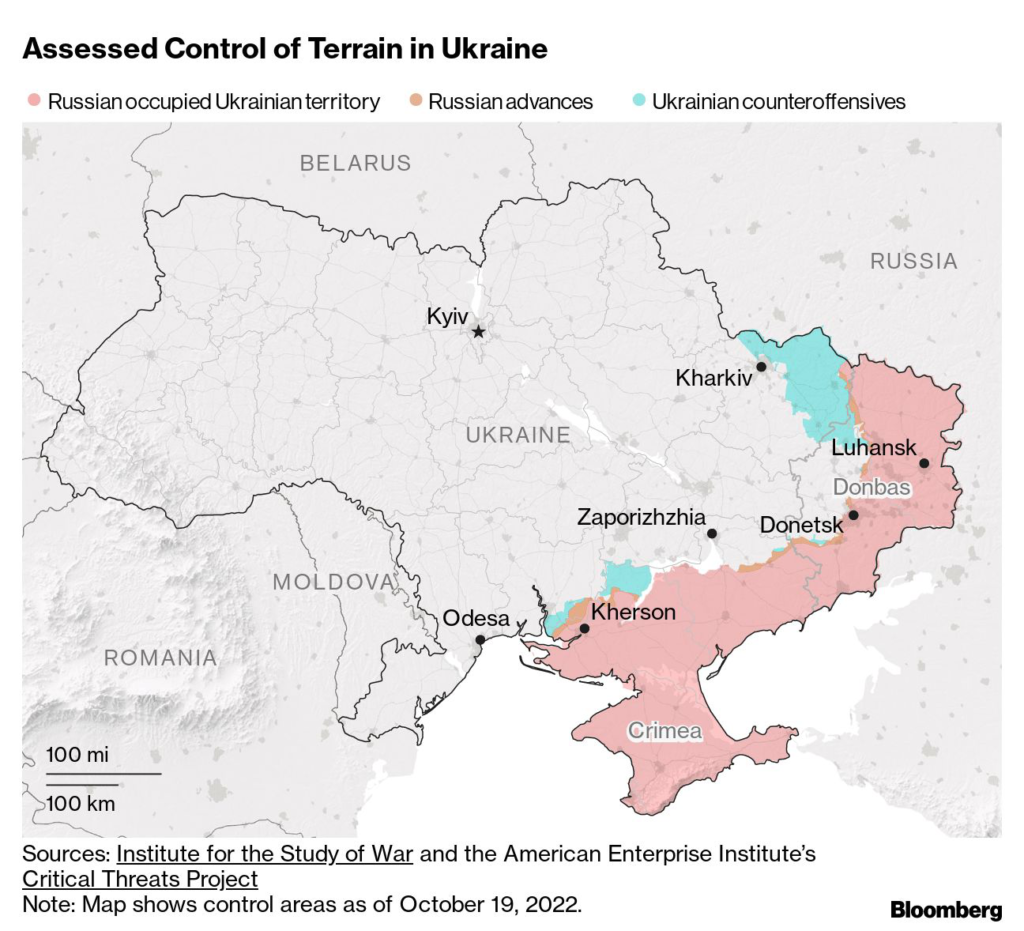
An industrial building in Zaporizhzhia was struck by Russia on Saturday, the region’s governor said. No casualties were reported. Ukrainian troops repelled Russian attacks in the Donetsk region around Vodyane, Kamianka and Nevelske over the past day, according to the General Staff of the Armed Forces. Russia also continued to attempt offensive actions in the directions of Bakhmut and Avdiivka. Two Russian Su-25 attack aircraft, one Mi-8 helicopter and a drone were shot down by air defense units. Russian occupation forces continued an evacuation from the southern Kherson region, and are removing equipment and medicines from local hospitals, according to the General Staff report.

(All times CET)

Biden Calls Russian Grain Blockade ‘Outrageous’ (10:54 p.m.)

President Joe Biden denounced Russia’s announcement that it was suspending participation in a UN-brokered deal to allow the export of grain from Ukraine as “purely outrageous.”

“It’s going to increase starvation,” Biden said Saturday after casting his midterm election ballot early in Wilmington, Delaware. “There’s no reason for them to do that. But they’re always looking for some rationale to be able to say the reason they’re doing something outrageous is because the West made them do it. And there’s just no merit to what they’re doing.”

Russia has said it is suspending the deal because of drone attacks on ships in the Black Sea Fleet.

Russia Deliberately Worsens Food Crisis, Zelenskiy Says (9:51 p.m.)

Ukrainian President Volodymyr Zelenskiy said it was “predictable” that Russia would suspend the deal to ease Ukrainian grain exports, saying 170 ships are already held up for Russian inspection. 

“More than 2 million tons of food are in the sea,” Zelenskiy said in his nightly address. “Algeria, Egypt, Yemen, Bangladesh, Vietnam, others could all be destabilized by this Russian decision to block exports.”

Zelenskiy urged a strong international reaction to Russia’s decision, including from the UN and G-20. “How can Russia be in the G-20, if it is deliberately working for hunger on several continents?” he said. “This is nonsense.”

EU, UK Condemn Russia Grain Block (8:59 p.m.)

The EU condemned Russia’s announcement it would suspend exports of Ukrainian grain from Black Sea ports. The export program is “a critical humanitarian effort that is clearly having a positive impact on access to food for millions of people around the world,” EU spokesperson Nabila Massrali said.

UK Foreign Secretary James Cleverly tweeted that the deal with Russia to export grain is “instrumental to global food security.”

Putin Stirs EU Worry on Home Appliance Imports Stripped for Arms (5:30 p.m.)

A spike in European exports of washing machines, refrigerators and even electric breast pumps to Russia’s neighbors is raising concerns that the trade boom may be helping Vladimir Putin’s war machine in Ukraine.

Read more: Putin Stirs EU Worry on Home Appliance Imports Stripped for Arms

Russia Pulls Out of Grain Deal After Drone Attack (5 p.m.)

Russia’s defense ministry said it’s halting involvement in a deal allowing the safe transit of exports of Ukrainian grain from Black Sea ports following drone strikes against its naval vessels. 

The foreign ministry called the suspension “indefinite,” and said its representatives at the coordination center in Istanbul had been sent relevant instructions. 

More than 9 million tons of grain and other foodstuffs have been shipped under the deal since August. Ukraine’s Grain Association has said exports could reach 50 million tons if shipments are allowed to proceed. 

UK Denies Accusation It Helped With Crimea Drone Attack (3:30 p.m.)

The UK defense ministry said Russia’s suggestion that its specialist forces helped Ukraine stage a drone attack on Crimea — and separately, that it was involved in September’s Nord Stream pipeline undersea explosions — was “peddling false claims on an epic scale.” 

Ukraine hasn’t commented on what Moscow called a “massive” attack by nine drones on its Black Sea fleet. Unconfirmed reports on social media suggested damage was wider than the “minor” impact on a single mine-sweeper announced by Russia, including a possible hit on the frigate Admiral Markov. 

New Prisoner Exchange Taking Place, Officials Say (1:50 p.m.)

Russia and Ukraine exchanged about 50 prisoners each on Saturday, Denis Pushilin, the Kremlin-backed head of the self-proclaimed Donetsk People’s Republic, said on Telegram, without giving further details. 

It was the second exchange in four days after Ukraine reported Wednesday that 10 of its servicemen were released. Last week, 108 women returned to Ukraine in a prisoner swap.

Presidential aide Andriy Yermak said 52 Ukrainian prisoners, including officers, medics, sergeants and soldiers, were freed. The swap included two civilians, he said. Some of the prisoners were captured from Azovstal steel plant in Mariupol. 

Russian Ship Damaged in Crimea Drone Attack, Ministry Says, Blaming UK (1 p.m.)

Russia’s Defense Ministry said a Navy minesweeper, the Ivan Golubets, received “minor” damage during an attack involving nine airborne drones and seven unmanned marine vessels against its Black Sea fleet in Sevastopol, Crimea. 

The ministry said ships targeted were involved in ensuring security for the grain corridor allowing safe transit of agricultural goods from Ukrainian ports. It also accused “British specialists” of helping Ukraine’s military carry out the attack, without offering evidence. 

The Moscow-appointed governor in Sevastopol, Mikhail Razvozhayev, said the drone assault on the city, home to a major Russian naval base, was the largest since the Kremlin’s invasion of Ukraine began in February. Nobody was hurt, the news service said.

Kyiv Mayor Makes Urgent Plea for Winter Aid (9:30 a.m.)

“Send blankets and generators or we’ll freeze to death,” Vitali Klitschko, mayor of Kyiv and a former world heavyweight boxing champion, told the UK’s Telegraph. 

The capital, like other parts of the country, is facing regular blackouts after widespread Russian strikes on the energy grid this month seen as a bid to break Ukrainian resolve heading into winter. About 40% of the nation’s energy infrastructure has been damaged by missile and drone attacks. 

“We are doing everything we can do to save the lives of our people and to protect them,” Klitschko said in an interview on Friday. “But this winter will definitely be a huge challenge for us.”  


Ukrainian Commander Thanks US Chief for Aid (9:13 a.m.)

Valeriy Zaluzhnyi, commander-in-chief of Ukraine’s armed forces, spoke by phone with General Mark Milley, chairman of the US Joint Chiefs of Staff, he said on Telegram. 

Kyiv’s forces “are concentrating their efforts on liberating of Ukrainian territory and preventing the capture of new areas,” Zaluzhnyi said. “Thanks to the courage and professionalism of Ukrainian soldiers and officers, our positions remain unchanged.” 

Germany Threatens to End Swiss Arms Purchases in Dispute Over Ammo (8:10 a.m.)

Germany is pressing on with a request for approval from Switzerland to allow a blocked supply of ammunition to Ukraine. The bullets were manufactured in Switzerland decades ago, and require a permit for re-export.

Switzerland’s Federal Council refused the request in June, citing the nation’s law of neutrality. Now German members of the Bundestag are openly threatening not to buy any more armaments in Switzerland if it doesn’t allow the deliveries.

Ukraine and Germany justify the renewed call for help with the fact that the ammunition is primarily used to secure grain exports from the port city of Odesa, turning it into a humanitarian action. Switzerland has yet to respond to this new argument.

Potemkin Remains Theft From Kherson ‘Symbolic,’ UK Says (8 a.m.)

Russia’s removal of the remains of Prince Grigory Potemkin from a tomb in Kherson’s cathedral is “symbolic,” the UK defense ministry said, and along with the civilian exodus from the region “likely preempts Russian intent to expedite withdrawal from the area.” 

“In the Russian national identity, Potemkin is heavily associated with the Russian conquest of Ukrainian lands in the 18th century, and highlights the weight Putin almost certainly places on perceived historical justification for the invasion,” the ministry said in a Twitter update. 

Potemkin’s remains were held in a crypt in the cathedral, including a small bag containing his “skull and bones, carefully numbered,” the New York Times reported. 


More stories like this are available on bloomberg.com

©2022 Bloomberg L.P.

Why Crushing Demand Is Worst Way to Fix Inflation: Q&A With ADP

(Bloomberg) — There are better ways to combat inflation than by destroying demand with interest-rate increases, according to Nela Richardson, chief economist for payrolls company Automatic Data Processing Inc. 

She joined the latest “What Goes Up” podcast to give her take on the strong jobs market, decades-high inflation rates and signs of softness in housing. 

Here are some highlights of the conversation, which have been condensed and lightly edited for clarity. Click below to listen to the full podcast, or subscribe on Apple Podcasts or wherever you listen.

The Worst Way to Fix Inflation (Podcast)

Q: The jobs market has been strong. Do you foresee a potential slowdown?

A: The slowdown is inevitable in the jobs numbers. We’ve already seen it. You can’t expect an economy in normal times or as close to normal as we’re going to get from here on out to produce half a million or 400,000 jobs a month. That’s not the US economy or any economy I’m aware of. Something more normal makes sense. And I think what you’re seeing is not necessarily a slowdown, but a normalization of job gains post pandemic. And so we’re still seeing some really solid job growth and what we’re hearing from clients at ADP is that they’re still trying to find qualified workers. That’s the top concern of many of our — especially small — business clients, who’ve been out-competed by larger companies who were really aggressive in hiring over the last year. Those large companies are slowing down, but they’re just making room for smaller companies to hire instead. So we think we’ll see some pretty steady gains ahead, but slower than what we’ve seen over the past six months.

Q: Do you think the only way to cure inflation is, in part, to weaken the job market a little bit?

A: I don’t think that’s the best way at all. I think that’s a horrible way to cure inflation by destroying demand; I think that’s the worst way. 

But it’s about productivity. Productivity grows you out of inflation. When more workers produce more output for the same amount of cost, that’s what productivity is. That’s what gets you out of the inflation-wage-price-spiral conundrum. But that takes some other muscles that the economy hasn’t really used all that well. It takes business investment, it takes government investment in jobs and workers. It takes more partnerships with community colleges to build an agile and skilled workforce in the places that the economy needs it.

There are better tools. We just haven’t had to use them in this economy until now.

Q: Should the headline inflation numbers carry more weight with the Fed?

A: The headline number should carry more weight because it feeds consumer expectations. And we know that the long-term driver of inflation is what people think will happen with inflation. So if you think that prices are going up, you are going to behave in a way that actually causes prices to go up, like go to Trader Joe’s and hoard a bunch of coffee in your cart because you think that next month is going to be higher. 

So, while the Fed is not looking at coffee or food or gas specifically when it’s really focused on its interest-rate policy, it is well aware, as we all are, that consumers see it and that’s what consumers are judging. And if that feeds back to long-term inflation expectations, then we have a problem that spirals beyond the window that the Fed is executing its policy in.

Q: Is the equation the Fed is trying to solve right now that inflation is almost a bigger destabilizing risk in society and the economy than a recession, and a recession is the lesser of two evils for the Fed trying to chart its course?

A: It’s always positioned as inflation or recession, but I’m bearish enough to think that you could have both. But for the Fed, it really is, and in my view too — inflation is job number one for the economy. Because without getting inflation under control, workers don’t benefit from a growing economy. All of their paychecks are eaten up by inflation. And so in order to get that productivity that leads to growth, you have to have inflation that’s manageable. The economy just can’t operate without having stable prices. And so I think the Fed’s priority list is in the right order. It has to be about inflation until inflation is under control. 

Q: How realistic is the Fed’s 2% target on inflation?

A: Those goal posts, probably they would love to move them. Some of those disinflationary forces that we’ve relied on for the past 10 years leading up to the pandemic are just not working so well anymore. The whole idea of globalization, bringing prices down, of having just-in-time inventory that kept prices and costs low, those things are kind of fragmenting at the seams. And the way that we’re sourcing things like semiconductors around the world, it changes the landscape for inflation. And so in my view, this episode of inflation is just one of a future world where inflation is more frequent and more persistent. It’s not that the Fed is doing a one-and-done battle with inflation. This is going to be an ongoing war. And so what they do now, I think sets the tone for the future. 

–With assistance from Stacey Wong.

More stories like this are available on bloomberg.com

©2022 Bloomberg L.P.
Ukraine Latest: Russia Pulls Out of Black Sea Grain Export Deal

(Bloomberg) —

Russia will “indefinitely” pull out of the safe-transit agreement for Ukrainian grain exports from three Black Sea ports following what it called a “terrorist attack” on its Black Sea fleet in Crimea overnight. Air raid sirens sounded across Ukraine after the announcement. 

Russia’s earlier said a navy minesweeper received minor damage from a “massive” drone strike on its ships, and accused “British experts” of helping with the attack, without offering evidence. The UK denied any involvement. 

Russia’s central bank cited the inflationary impact of the Kremlin’s recent call-up of reservists to fight against Ukraine in pausing its run of six consecutive interest rate cuts. Defense Minister Sergei Shoigu told Putin that Russia’s call-up of 300,000 reservists is complete. 

(See RSAN on the Bloomberg Terminal for the Russian Sanctions Dashboard.)

Key Developments

  • ‘Terrifying’ Putin Driven by ‘Evil Forces,’ ECB’s Lagarde Says
  • Russia Pulls Out of Black Sea Grain Safe-Transit Deal After Drone Strikes
  • Putin Stirs EU Worry on Home Appliance Imports Stripped for Arms
  • Russian Air Travel is Back, But Aircraft Lack Service, Parts
  • UK Bans Russian LNG Even Though Imports Have Already Stopped

On the Ground

An industrial building in Zaporizhzhia was struck by Russia on Saturday, the region’s governor said. No casualties were reported. Ukrainian troops repelled Russian attacks in the Donetsk region around Vodyane, Kamianka and Nevelske over the past day, according to the General Staff of the Armed Forces. Russia also continued to attempt offensive actions in the directions of Bakhmut and Avdiivka. Two Russian Su-25 attack aircraft, one Mi-8 helicopter and a drone were shot down by air defense units. Russian occupation forces continued an evacuation from the southern Kherson region, and are removing equipment and medicines from local hospitals, according to the General Staff report.

(All times CET)

Putin Stirs EU Worry on Home Appliance Imports Stripped for Arms (5:30 p.m.)

A spike in European exports of washing machines, refrigerators and even electric breast pumps to Russia’s neighbors is raising concerns that the trade boom may be helping Vladimir Putin’s war machine in Ukraine.

Read more: Putin Stirs EU Worry on Home Appliance Imports Stripped for Arms

Russia Pulls Out of Grain Deal After Drone Attack (5 p.m.)

Russia’s defense ministry said it’s halting involvement in a deal allowing the safe transit of exports of Ukrainian grain from Black Sea ports following drone strikes against its naval vessels. 

The foreign ministry called the suspension “indefinite,” and said its representatives at the coordination center in Istanbul had been sent relevant instructions. 

More than 9 million tns of grains and other foodstuffs have been shipped under the deal since August. Ukraine’s Grain Association has said exports could reach 50 million tns if shipments are allowed to proceed. 

UK Denies Accusation It Helped With Crimea Drone Attack (3:30 p.m.)

The UK defense ministry said Russia’s suggestion that its specialist forces helped Ukraine stage a drone attack on Crimea — and separately, that it was involved in September’s Nord Stream pipeline undersea explosions — was “peddling false claims on an epic scale.” 

Ukraine hasn’t commented on what Moscow called a “massive” attack by nine drones on its Black Sea fleet. Unconfirmed reports on social media suggested damage was wider than the “minor” impact on a single mine-sweeper announced by Russia, including a possible hit on the frigate Admiral Markov. 

New Prisoner Exchange Taking Place, Officials Say (1:50 p.m.)

Russia and Ukraine exchanged about 50 prisoners each on Saturday, Denis Pushilin, the Kremlin-backed head of the self-proclaimed Donetsk People’s Republic, said on Telegram, without giving further details. 

It was the second exchange in four days after Ukraine reported Wednesday that 10 of its servicemen were released. Last week, 108 women returned to Ukraine in a prisoner swap.

Presidential aide Andriy Yermak said 52 Ukrainian prisoners, including officers, medics, sergeants and soldiers, were freed. The swap included two civilians, he said. Some of the prisoners were captured from Azovstal steel plant in Mariupol. 

Russian Ship Damaged in Crimea Drone Attack, Ministry Says, Blaming UK (1 p.m.)

Russia’s Defense Ministry said a Navy minesweeper, the Ivan Golubets, received “minor” damage during an attack involving nine airborne drones and seven unmanned marine vessels against its Black Sea fleet in Sevastopol, Crimea. 

The ministry said ships targeted were involved in ensuring security for the grain corridor allowing safe transit of agricultural goods from Ukrainian ports. It also accused “British specialists” of helping Ukraine’s military carry out the attack, without offering evidence. 

The Moscow-appointed governor in Sevastopol, Mikhail Razvozhayev, said the drone assault on the city, home to a major Russian naval base, was the largest since the Kremlin’s invasion of Ukraine began in February. Nobody was hurt, the news service said.

Kyiv Mayor Makes Urgent Plea for Winter Aid (9:30 a.m.)

“Send blankets and generators or we’ll freeze to death,” Vitali Klitschko, mayor of Kyiv and a former world heavyweight boxing champion, told the UK’s Telegraph. 

The capital, like other parts of the country, is facing regular blackouts after widespread Russian strikes on the energy grid this month seen as a bid to break Ukrainian resolve heading into winter. About 40% of the nation’s energy infrastructure has been damaged by missile and drone attacks. 

“We are doing everything we can do to save the lives of our people and to protect them,” Klitschko said in an interview on Friday. “But this winter will definitely be a huge challenge for us.”  


Ukraine Commander Speaks With Chairman of US Joint Chiefs (9:13 a.m.)

Valeriy Zaluzhnyi, commander-in-chief of Ukraine’s armed forces, spoke by phone with General Mark Milley, chairman of the US Joint Chiefs of Staff, he said on Telegram. 

Kyiv’s forces “are concentrating their efforts on liberating of Ukrainian territory and preventing the capture of new areas,” Zaluzhnyi said. “Thanks to the courage and professionalism of Ukrainian soldiers and officers, our positions remain unchanged.” 

Germany Threatens to End Swiss Arms Purchases in Dispute Over Ammo (8:10 a.m.)

Germany is pressing on with a request for approval from Switzerland to allow a blocked supply of ammunition to Ukraine. The bullets were manufactured in Switzerland decades ago, and require a permit for re-export.

Switzerland’s Federal Council refused the request in June, citing the nation’s law of neutrality. Now German members of the Bundestag are openly threatening not to buy any more armaments in Switzerland if it doesn’t allow the deliveries.

Ukraine and Germany justify the renewed call for help with the fact that the ammunition is primarily used to secure grain exports from the port city of Odesa, turning it into a humanitarian action. Switzerland has yet to respond to this new argument.

Potemkin Remains Theft From Kherson ‘Symbolic,’ UK Says (8 a.m.)

Russia’s removal of the remains of Prince Grigory Potemkin from a tomb in Kherson’s cathedral is “symbolic,” the UK defense ministry said, and along with the civilian exodus from the region “likely preempts Russian intent to expedite withdrawal from the area.” 

“In the Russian national identity, Potemkin is heavily associated with the Russian conquest of Ukrainian lands in the 18th century, and highlights the weight Putin almost certainly places on perceived historical justification for the invasion,” the ministry said in a Twitter update. 

Potemkin’s remains were held in a crypt in the cathedral, including a small bag containing his “skull and bones, carefully numbered,” the New York Times reported. 

Lagarde Says Putin’s War Has ‘Reunited’ Ukrainians (5 a.m.)

Putin’s assault on on Ukraine is his attempt to “cause chaos and to destroy as much of Europe as he can,” European Central Bank chief Christine Lagarde said Friday on Irish national broadcaster RTE’s Late Late Show. “Anyone who is behaving in that way must be driven by evil forces.”

Lagarde called Putin a “terrifying person” in referring to her past meetings with the Russian leader, adding “he was not as sick as he is today.” Even so, Putin’s actions have “reunited” the Ukrainian people, she said.  “He has rejuvenated NATO and he has certainly brought the Europeans together.”

After expressing her view, Lagarde stressed that she’s “just a central banker,” so “shouldn’t be saying all these things.” 

More stories like this are available on bloomberg.com

©2022 Bloomberg L.P.
Hellscape or Not, Twitter Will Be Something Different Under Musk

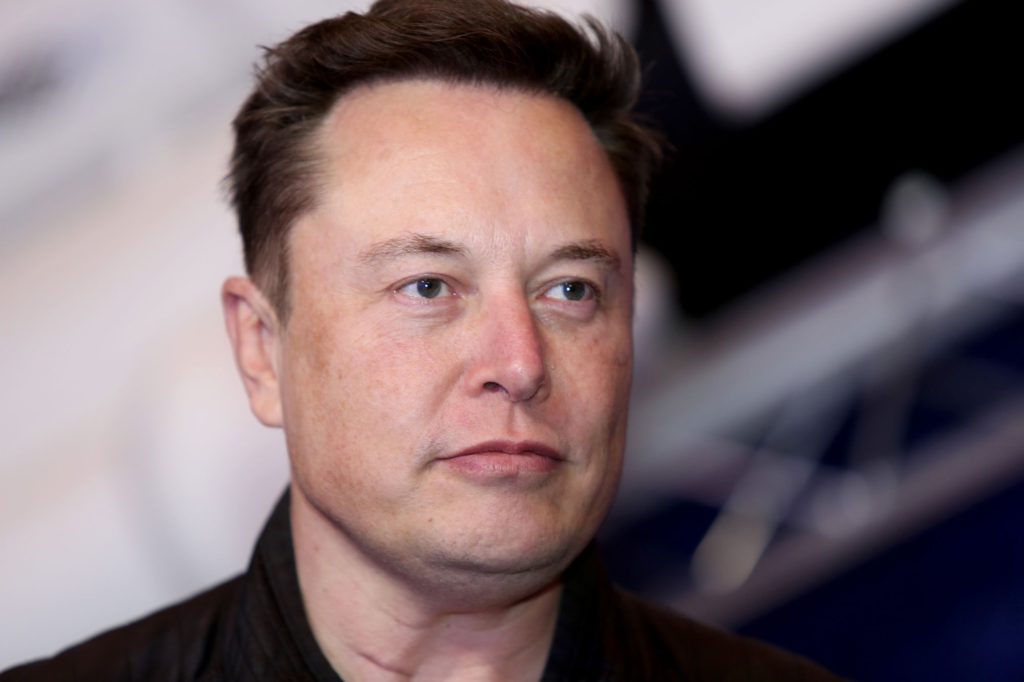
(Bloomberg) — After five months of mudslinging between Elon Musk and Twitter Inc., in court and otherwise, the mercurial billionaire finally owns the social network. The chaos of the deal was only a preview of what’s to come.

Musk has already axed much of Twitter’s leadership team, including its chief executive officer, and plans to be CEO himself in the immediate term, according to people familiar with the matter. Public shareholders are cashing out and passing ownership to a hodgepodge of investors that, besides Musk, include Oracle Corp.’s Larry Ellison and Qatar’s sovereign wealth fund. The company will stop reporting its financials — unless Musk wants to. He is expected to make severe job cuts, especially for roles outside of product and engineering.

Above all, the Tesla Inc. chief will bring a different set of values to the social network. Twitter has spent the last few years focused on reducing bullying and abuse on its network; Musk says he wants to loosen content restrictions and reverse account bans. Twitter is majority funded by advertising; Musk wants to build a more robust subscription product, he has told advisers. Twitter has worked to improve transparency and communication with its users; Musk tends to do much of the outbound communication for his companies himself — via tweets. 

Twitter has long punched above its weight culturally, as the network favored by the world’s top politicians, celebrities and media. That’s something Musk gets better than most: his experience, directly broadcasting to 111 million followers for instant support of his personal and business goals, represents the value of the medium he’s acquiring.

But Twitter has always been an underdog among social media peers, just a fraction of the size of Meta Platforms Inc., TikTok or YouTube. Some employees say they eschewed working for better-paying giants out of a sense of duty to improve what they see as the world’s most important engine for politics, news and entertainment. “Twitter is the indie rock punk band and Facebook is the pop radio sellout,” explained one former employee.

Now Twitter is controlled by the richest man in the world — a man who is already CEO of both Tesla and SpaceX, and founder of the Boring Co., Neuralink and OpenAI. Musk’s geopolitical and business interests may color his approach to the Twitter job. And current employees are already bracing for what that might mean.

For years, Twitter has worked to shake a reputation as a service that turned a blind eye to abuse and harassment. The platform, often critiqued as “toxic” or a “cesspool,” in recent years added controls to mute and hide content that could make a visit to the site uncomfortable. The work was seen as necessary from a business standpoint: Nobody wants to spend their time on a network that makes them feel bad.

Musk believes Twitter has gone too far and says he’s concerned about the service’s lack of “free speech.” During a question-and-answer session with Twitter employees in June, he said that the company should let people tweet “pretty outrageous” things, and that he plans to reverse former President Donald Trump’s permanent ban, which was enacted as a punishment for inciting violence in January 2021. Musk wants Twitter to allow all speech protected by the first amendment in the US.

It’s a stance that has been lauded by conservative politicians, but one that also promises to create other issues. While some users will return to Twitter once they feel they can tweet “outrageous” things, others will undoubtedly leave for the same reasons. 

Plus, there are all of Musk’s business conflicts to consider, as Tesla sells cars in countries where leaders might want to silence certain tweets, and counts major car manufacturing rivals among its advertisers.

Musk has made a “huge mistake,” said Alex Stamos, who formerly ran security at Meta and now works at the Stanford Internet Observatory. The billionaire is “making himself the global face of content moderation at a critical moment of struggle with governments, while maintaining massive personal exposure to challenging countries,” Stamos tweeted.

Where Musk plans to draw the line on content is still unclear. On Thursday, he wrote an open letter to advertisers, saying he was buying Twitter “because it is important to the future of civilization to have a common town square” with opinions on both the left and right, but that it can’t become “a free-for-all hellscape” where anything can be said without consequence. People should be able to choose the kind of experience they have on Twitter, he said, just like they choose what video games to play. 

On Friday, Musk said he wasn’t planning to reinstate anyone’s account before first forming and consulting a “content moderation council with widely diverse viewpoints.”

Rohit Kulkarni, a financial analyst at MKM partners, said he expects Musk’s business impact on Twitter to be positive, predicting a $100 billion initial public offering in 2026. But some advertisers remain skeptical. General Motors Co. said it is temporarily suspending advertising on Twitter until it has a better understanding of what will happen to it with Musk at the helm.

The vision is unclear to employees, too. Musk’s mind may change again and again. After all, he spent months in court claiming the company’s user numbers were fraudulent and trying to get out of his original deal contract. Recently, he tried to reserve his rights to sue Twitter’s departed executives and board. Now he says he owns Twitter “to try to help humanity.”

Employees also aren’t sure which teams or jobs will be cut. Musk seems prepared to downsize Twitter and focus on the core product. “Software engineering, server operations & design will rule the roost,” he tweeted in early October. Some staff were invited to a staff meeting next Wednesday; some weren’t, according to people familiar with the matter. That generated suspicion around which teams will be cut. 

Some employees may choose to leave simply for lifestyle reasons. Twitter allowed people to work from anywhere, whenever they wanted; Musk says only the “exceptional” people should be granted work-from-home privileges.

So far, he isn’t demonstrating much trust for Twitter’s staff. He’s been asking Twitter’s engineers to print out their most recent 30 days of code submissions, then bring them for review to Musk and his trusted colleagues from Tesla, according to a person familiar with the matter.

Those at Twitter who have endured prior dramas, like an activist investor tussle and the Trump ban, like to joke that their tenure should be measured in dog years, with one year at Twitter equal to seven years at a “normal” company that isn’t constantly mired in chaos. That sentiment, at least, may last.

–With assistance from Ed Ludlow.

More stories like this are available on bloomberg.com

©2022 Bloomberg L.P.
Ukraine Latest: Russia Pulls Out of Grain Safe-Transit Deal

(Bloomberg) —

Russia will suspend its participation in the safe-transit deal for Ukrainian grain exports from three Black Sea ports, Interfax reported, citing a ministry of defense statement slamming a “terrorist attack” on the Russian fleet in Crimea overnight. Air raid sirens went off across Ukraine. 

Russia’s Defense Ministry said a navy minesweeper received minor damage from a “massive” drone strike on its Black Sea fleet in Crimea, and accused the UK of helping with the attack, without offering evidence. The UK denied any involvement. 

Russia’s central bank cited the inflationary impact of the Kremlin’s recent call-up of reservists to fight against Ukraine in pausing its run of six consecutive interest rate cuts. Defense Minister Sergei Shoigu told Putin that Russia’s call-up of 300,000 reservists is complete. 

(See RSAN on the Bloomberg Terminal for the Russian Sanctions Dashboard.)

Key Developments

  • ‘Terrifying’ Putin Driven by ‘Evil Forces,’ ECB’s Lagarde Says
  • Russian Air Travel is Back, But Aircraft Lack Service, Parts
  • UK Bans Russian LNG Even Though Imports Have Already Stopped
  • Russia Pauses Rate Cuts as War Call-Up Stirs Economic Angst
  • UK Bans Russian LNG Even Though Imports Have Already Stopped

On the Ground

An industrial building in Zaporizhzhia was struck by Russia on Saturday, the region’s governor said. No casualties were reported. Ukrainian troops repelled Russian attacks in the Donetsk region around Vodyane, Kamianka and Nevelske over the past day, according to the General Staff of the Armed Forces. Russia also continued to attempt offensive actions in the directions of Bakhmut and Avdiivka. Two Russian Su-25 attack aircraft, one Mi-8 helicopter and a drone were shot down by air defense units. Russian occupation forces continued an evacuation from the southern Kherson region, and are removing equipment and medicines from local hospitals, according to the General Staff report.

(All times CET)

Russia ‘Suspends Participation’ in Grain Deal After Drone Attack (5 p.m.)

Russia’s defense ministry said Moscow “has suspended its participation” in safe-transit agreements for grain exports from three Ukrainian Black Sea ports after an overnight strike on Russia ships off Sevastopol, Crimea. 

The ministry, in a post on Telegram, called the strike a “terrorist attack” by Ukraine and also cited the participation of the UK — which the UK has denied. Russia earlier admitted to minor damage to one ship, but reports have circulated of a more extensive hit. 

More than 9 million tons of Ukrainian grains and other foodstuffs have been exported under the deal since August.  

UK Denies Moscow’s Accusation It Helped With Drone Attack (3:30 p.m.)

The UK defense ministry said Russia’s suggestion that its specialist forces helped Ukraine stage a drone attack on Crimea — and separately, that it was involved in September’s Nord Stream pipeline undersea explosions — was “peddling false claims on an epic scale.” 

Ukraine hasn’t commented on what Moscow called a “massive” attack by nine drones on its Black Sea fleet. Unconfirmed reports on social media suggested damage was wider than the “minor” impact on a single mine-sweeper announced by Russia. 

New Prisoner Exchange Taking Place, Officials Say (1:50 p.m.)

Russia and Ukraine exchanged about 50 prisoners each on Saturday, Denis Pushilin, the Kremlin-backed head of the self-proclaimed Donetsk People’s Republic, said on Telegram, without giving further details. 

It was the second exchange in four days after Ukraine reported Wednesday that 10 of its servicemen were released. Last week, 108 women returned to Ukraine in a prisoner swap.

Presidential aide Andriy Yermak said 52 Ukrainian prisoners, including officers, medics, sergeants and soldiers, were freed. The swap included two civilians, he said. Some of the prisoners were captured from Azovstal steel plant in Mariupol. 

Russian Ship Damaged in Crimea Drone Attack, Ministry Says, Blaming UK (1 p.m.)

Russia’s Defense Ministry said a Navy minesweeper, the Ivan Golubets, received “minor” damage during an attack involving nine airborne drones and seven unmanned marine vessels against its Black Sea fleet in Sevastopol, Crimea. 

The ministry said ships targeted were involved in ensuring security for the grain corridor allowing safe transit of agricultural goods from Ukrainian ports. It also accused “British specialists” of helping Ukraine’s military carry out the attack, without offering evidence. 

The Moscow-appointed governor in Sevastopol, Mikhail Razvozhayev, said the drone assault on the city, home to a major Russian naval base, was the largest since the Kremlin’s invasion of Ukraine began in February. Nobody was hurt, the news service said.

Kyiv Mayor Makes Urgent Plea for Winter Aid (9:30 a.m.)

“Send blankets and generators or we’ll freeze to death,” Vitali Klitschko, mayor of Kyiv and a former world heavyweight boxing champion, told the UK’s Telegraph. 

The capital, like other parts of the country, is facing regular blackouts after widespread Russian strikes on the energy grid this month seen as a bid to break Ukrainian resolve heading into winter. About 40% of the nation’s energy infrastructure has been damaged by missile and drone attacks. 

“We are doing everything we can do to save the lives of our people and to protect them,” Klitschko said in an interview on Friday. “But this winter will definitely be a huge challenge for us.”  


Ukraine Commander Speaks With Chairman of US Joint Chiefs (9:13 a.m.)

Valeriy Zaluzhnyi, commander-in-chief of Ukraine’s armed forces, spoke by phone with General Mark Milley, chairman of the US Joint Chiefs of Staff, he said on Telegram. 

Kyiv’s forces “are concentrating their efforts on liberating of Ukrainian territory and preventing the capture of new areas,” Zaluzhnyi said. “Thanks to the courage and professionalism of Ukrainian soldiers and officers, our positions remain unchanged.” 

Germany Threatens to End Swiss Arms Purchases in Dispute Over Ammo (8:10 a.m.)

Germany is pressing on with a request for approval from Switzerland to allow a blocked supply of ammunition to Ukraine. The bullets were manufactured in Switzerland decades ago, and require a permit for re-export.

Switzerland’s Federal Council refused the request in June, citing the nation’s law of neutrality. Now German members of the Bundestag are openly threatening not to buy any more armaments in Switzerland if it doesn’t allow the deliveries.

Ukraine and Germany justify the renewed call for help with the fact that the ammunition is primarily used to secure grain exports from the port city of Odesa, turning it into a humanitarian action. Switzerland has yet to respond to this new argument.

Potemkin Remains Theft From Kherson ‘Symbolic,’ UK Says (8 a.m.)

Russia’s removal of the remains of Prince Grigory Potemkin from a tomb in Kherson’s cathedral is “symbolic,” the UK defense ministry said, and along with the civilian exodus from the region “likely preempts Russian intent to expedite withdrawal from the area.” 

“In the Russian national identity, Potemkin is heavily associated with the Russian conquest of Ukrainian lands in the 18th century, and highlights the weight Putin almost certainly places on perceived historical justification for the invasion,” the ministry said in a Twitter update. 

Potemkin’s remains were held in a crypt in the cathedral, including a small bag containing his “skull and bones, carefully numbered,” the New York Times reported. 

Lagarde Says Putin’s War Has ‘Reunited’ Ukrainians (5 a.m.)

Putin’s assault on on Ukraine is his attempt to “cause chaos and to destroy as much of Europe as he can,” European Central Bank chief Christine Lagarde said Friday on Irish national broadcaster RTE’s Late Late Show. “Anyone who is behaving in that way must be driven by evil forces.”

Lagarde called Putin a “terrifying person” in referring to her past meetings with the Russian leader, adding “he was not as sick as he is today.” Even so, Putin’s actions have “reunited” the Ukrainian people, she said.  “He has rejuvenated NATO and he has certainly brought the Europeans together.”

After expressing her view, Lagarde stressed that she’s “just a central banker,” so “shouldn’t be saying all these things.” 

More stories like this are available on bloomberg.com

©2022 Bloomberg L.P.
Close Bitnami banner
Bitnami