Bloomberg

Musk’s Starlink Makes Maiden Asia Foray With Japan Launch

(Bloomberg) — Elon Musk’s Starlink has debuted in Japan, making it the first Asian nation to receive SpaceX’s satellite internet service.

Much of the country’s north, including Tokyo, can now receive Starlink’s signals, according to a map the startup shared on Twitter. Other areas including southern Japan and Hokkaido are expected to receive the service by the fourth quarter, before neighboring South Korea early next year.

Starlink is Space Exploration Technologies Corp.’s ambitious plan to create a constellation of satellites to beam broadband internet around the planet, particularly to remote areas with patchy connectivity. It signed an agreement with Japanese carrier KDDI Corp. last year to provide 1,200 remote mobile towers with high-speed internet.

Starlink’s profile has grown of late, most recently when its technology was deployed in Ukraine as part of a defense against Russia’s invasion, an endeavor Musk has said will cost SpaceX more than $100 million by the end of the year. The company is also seeking to muscle in on a crowded market to provide in-flight wi-fi.

More stories like this are available on bloomberg.com

©2022 Bloomberg L.P.

Chipmaker Rout Engulfs TSMC, Samsung With $240 Billion Wiped Out

(Bloomberg) — Asia’s top chip stocks tumbled Tuesday, ensnared in an escalating US-China tech race that has erased more than $240 billion from the sector’s global market value.

Taiwan Semiconductor Manufacturing Co., the world’s largest contract chipmaker, plunged a record 8.3% while Samsung Electronics Co. and Tokyo Electron Ltd. also declined. The selloff spread to the foreign-exchange market as investors tallied up the damage from the sweeping curbs the US is imposing on companies that conduct technology business with China.

The Biden administration measures erect barriers of entry to China’s market by limiting the ability of US firms to sell equipment and tech to their Chinese counterparts. There are concerns that the restrictions could spread if Washington widens the initiative to include other countries, while questions also remain over the scope and final impact of the moves.

“It is difficult to call a bottom on the performance of the chip sector,” said Gary Dugan, chief executive officer of the Global CIO Office. “The big story is that the West is becoming profoundly more concerned about security around any form of technology. We see no reason to re-enter the sector for the moment despite the profound poor performance.” 

US chip stocks were on track to decline for a third day, with Nvidia Corp., Advanced Micro Devices Inc., Qualcomm Inc. and Texas Instruments Inc. all down more than 1% before the bell. Chip-tool maker ASML Holding NV traded down 2.3% in Amsterdam, bringing three-day losses to more than 11%.

The US measures include restrictions on the export of some types of chips used in artificial intelligence and supercomputing, and also tighter rules on the sale of semiconductor equipment to any Chinese company. Washington also added more Chinese firms to a list of companies that it regards as “unverified,” which means US suppliers will face new hurdles in selling technologies to those entities. 

The US announced the export curbs Friday, and there have been suggestions that similar actions may be deployed in other countries to ensure international cooperation. The announcement spurred a two-day rout of over 9% in the Philadelphia Stock Exchange Semiconductor Index that saw it close Monday at its lowest level since November 2020. Markets in Korea, Japan and Taiwan were shut that day for holidays.

Samsung lost as much as 3.9%, the most in a year. South Korea’s SK Hynix Inc., one of the world’s largest makers of memory chips that has facilities in China — is part of a supply network that sends components around the world. Its shares slid 3.5% before paring losses.

The current rout has already wiped out more than $240 billion from chip stocks worldwide since Thursday’s close, according to data compiled by Bloomberg.

The selloff extended to currency markets, with the South Korean won sliding as much as 1.8% versus the greenback while the Taiwan dollar declined 0.7%.

The curbs are a “big setback to China” and “bad news” for global semiconductors, Nomura Holdings Inc. analyst David Wong wrote in a note Monday. China’s localization efforts may also be “at risk as it may not be able to use advanced foundries in Taiwan and Korea,” he wrote.

The US measures seek to stop China’s drive to develop its own chip industry and advance its military capabilities. The impact could extend well beyond semiconductors and into industries that rely on high-end computing, from electric vehicles and aerospace to gadgets like smartphones.

The fallout is already being felt. KLA Corp. will stop offering some supplies and services from Wednesday to China-based customers including SK Hynix to comply with the recent US regulations, Reuters reported, citing a person familiar with the situation. 

Shares of Chinese chipmakers extended their recent losses on Tuesday, with Morgan Stanley saying that the broader restrictions around supercomputers and multinational capital investment in China could be “disruptive.”

Chinese state media and officials have responded to Biden’s move in recent days, warning of economic consequences and stirring speculation about potential retaliation.

“With the latest measure, it would become difficult for China to manufacture and develop semiconductors because most semiconductor equipment are dominated by US and its allies,” such as Japan and Netherlands, Chae Minsook, an analyst at Korea Investment & Securities, wrote in a report. “It is impossible to maintain the chip industry without adopting advanced equipments.”

(Updates throughout)

More stories like this are available on bloomberg.com

©2022 Bloomberg L.P.

Stocks Decline as Rising Yields Sap Risk Appetite: Markets Wrap

(Bloomberg) — Stocks fell, pressured by rising Treasury yields and signs that company earnings were set to disappoint. A gauge of the dollar climbed to the highest this month.   

European shares declined for a fifth straight session as bond yields jumped amid concerns of persistently high inflation as well as the impact of hawkish central bank policies on global growth. The Stoxx Europe 600 Index dropped 0.6%, with futures on the S&P 500 down by about the same magnitude, pointing to another risk-off day on Wall Street.

The mood is fragile ahead of Thursday’s US inflation data, with the case for another 75 basis-point rate hike likely to be strong if the reading comes in higher than than forecast. Fed officials until now show little sign they are in a mood to pause the rate-hiking cycle despite the potential hit to economic growth.

“There is evidence inflation is stabilizing but the question is whether inflation has peaked or is just pausing before another leg higher,” said Michael Hewson, chief analyst at CMC Markets in London. “Rates markets are reflecting that uncertainty.”  

In bond markets, yields on two-year Treasuries rose to the highest since 2007 while the 30-year yield surged to the highest since 2014. With world growth under pressure, oil prices slipped around 1%, giving up more of last week’s 17% rally. 

Big US banks kick off the third-quarter earnings season in earnest later this week as strategists brace for weak profits against a drumbeat of warnings over the rising risk of a global recession. 

Britain has also become a point of concern, as the Bank of England was forced to expand its emergency measures to tackle what it called “fire-sale dynamics.” Ten-year UK government yields which had risen more than 50 basis points since Oct. 4, dropped as much as 4 basis points to 4.43%.

Meanwhile, Russian President Vladimir Putin threatened further missile attacks on Ukraine after hitting Kyiv and other cities in the most intense barrage of strikes since the first days of its invasion.

“It’s little wonder investors enter the week in a dreary mood, especially with headlines from Ukraine signaling a further escalation in geopolitical tensions,” Christopher Smart, chief global strategist at Barings, said in a note. 


Key events this week:

  • Earnings this week include: JPMorgan Chase & Co., Citigroup Inc., Morgan Stanley, BlackRock Inc., Delta Air Lines Inc., UnitedHealth Group Inc., U.S. Bancorp, Wells Fargo & Co.
  • IMF’s World Economic Outlook and Global Financial Stability Report, Tuesday
  • Fed’s Loretta Mester speaks, Tuesday
  • BOE’s Andrew Bailey speaks, Tuesday
  • FOMC minutes for September meeting, Wednesday
  • US PPI, mortgage applications, Wednesday
  • OPEC Monthly Oil Market Report, Wednesday
  • Fed’s Michelle Bowman and Neel Kashkari speak
  • ECB’s Christine Lagarde speaks
  • US CPI, initial jobless claims, Thursday
  • G-20 finance ministers and central bankers meet, Thursday
  • China CPI, PPI, trade, Friday
  • US retail sales, business inventories, University of Michigan consumer sentiment, Friday
  • BOE emergency bond buying is set to end, Friday

Some of the main moves in markets:

Stocks

  • The Stoxx Europe 600 fell 0.6% as of 9:19 a.m. London time
  • Futures on the S&P 500 fell 0.6%
  • Futures on the Nasdaq 100 fell 0.5%
  • Futures on the Dow Jones Industrial Average fell 0.6%
  • The MSCI Asia Pacific Index fell 2%
  • The MSCI Emerging Markets Index fell 1.9%

Currencies

  • The Bloomberg Dollar Spot Index rose 0.1%
  • The euro rose 0.1% to $0.9712
  • The Japanese yen rose 0.1% to 145.56 per dollar
  • The offshore yuan fell 0.4% to 7.1824 per dollar
  • The British pound fell 0.2% to $1.1035

Cryptocurrencies

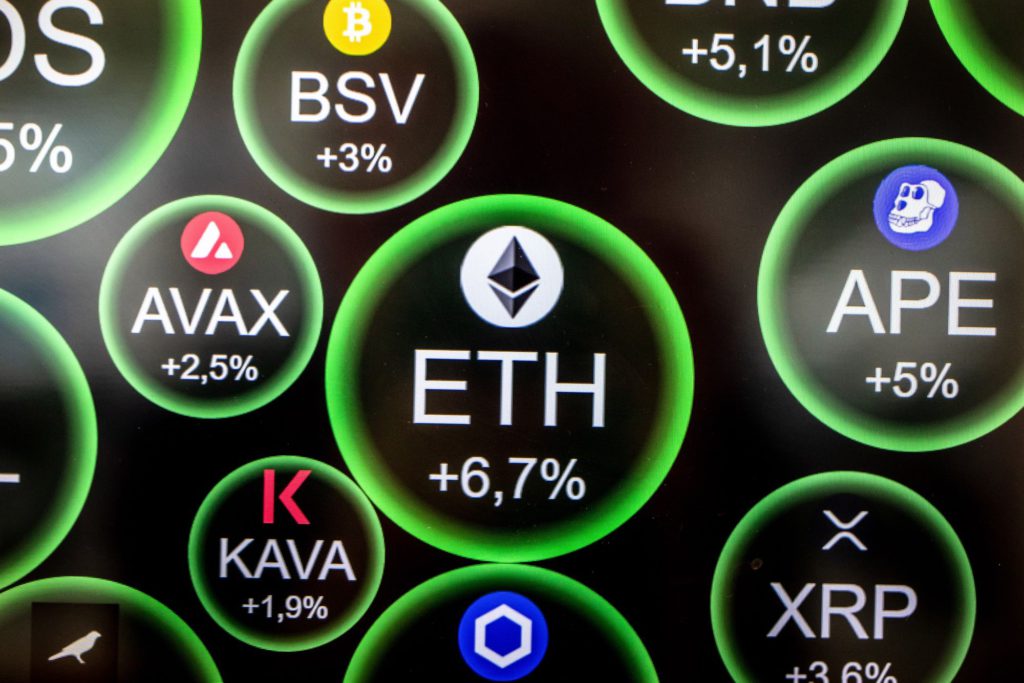
  • Bitcoin fell 0.6% to $19,121.44
  • Ether fell 1.6% to $1,286.91

Bonds

  • The yield on 10-year Treasuries advanced six basis points to 3.94%
  • Germany’s 10-year yield declined five basis points to 2.29%
  • Britain’s 10-year yield declined eight basis points to 4.39%

Commodities

  • Brent crude fell 1.3% to $94.93 a barrel
  • Spot gold was little changed

More stories like this are available on bloomberg.com

©2022 Bloomberg L.P.

Brookfield, DigitalBridge Weigh Bid for Stake in Vodafone’s Vantage Unit

(Bloomberg) — Brookfield Asset Management Inc. and DigitalBridge Group Inc. have expressed joint interest in buying a stake in Vodafone Group Plc’s wireless towers unit, people familiar with the matter said. 

The infrastructure specialists are weighing making a binding offer for part of Frankfurt-listed Vantage Towers AG via their portfolio company GD Towers, the people said, asking not to be identified discussing confidential information. Brookfield and DigitalBridge agreed to buy a majority stake in GD Towers from Deutsche Telekom AG earlier this year.

Vodafone plans to sell part of its roughly 82% interest in Vantage and has invited suitors to participate in an auction process. US telecommunication infrastructure operator American Tower Corp., as well as private equity firms KKR & Co., Global Infrastructure Partners and EQT AB, are among those interested in the business, Bloomberg News has reported. Spain’s Cellnex Telecom SA has also studied the feasibility of an offer.

Shares in Vantage were trading at €25.76 at 10:02 a.m. in Frankfurt, giving the company a market value of around €13 billion ($12.6 billion). Berenberg analyst Usman Ghazi said he expected bids for at least half of Vodafone’s stake in Vantage to be in the range of €27 to €29. 

“Vodafone’s desire to maintain joint control of Vantage Towers, alongside a likely requirement for infrastructure investors to re-lever the balance sheet of Vantage Towers to juice returns, means the base case should be for a bid by infrastructure funds for at least half of Vodafone’s equity stake,” Ghazi wrote in a note.

Deliberations are ongoing and there’s no certainty that GD Towers will decide to proceed with a binding proposal, according to the people. DigitalBridge is already Vantage’s second-largest shareholder with a roughly 4.4% holding, according to data compiled by Bloomberg. Representatives for Brookfield, DigitalBridge, Deutsche Telekom, Vantage and Vodafone declined to comment.

Europe’s phone carriers have started to sell off infrastructure assets to raise money for investments in costly fiber-optic rollouts and wireless network upgrades, as well as to cut their large debt piles. The assets, which carriers once saw as vital to their business models, are attractive to investment firms thanks to their steady, predictable returns. Cellnex also bid for a majority stake in Deutsche Telekom’s towers unit before dropping out. 

(Updates with details from analyst note from fourth paragraph.)

More stories like this are available on bloomberg.com

©2022 Bloomberg L.P.

What If Apple Made an E-Bike?

(Bloomberg) — For seven years, Horace Dediu has been thinking about one idea almost every day. A longtime handset industry analyst and avid Apple follower, Dediu, 54, also popularized the term “micromobility” to describe a growing array of small, non-car electric vehicles. His obsession is at the intersection of all those interests: Dediu is convinced that Apple Inc. should make an e-bike, or something like it. 

“I fundamentally believe there’s no better product for Apple in mobility than micromobility,” Dediu says. “It is so Apple, so Jobs-ian that it just smacks you in the face…Steve would have been all over this.”

It’s an open secret that Apple has spent nearly a decade working on a car. “Project Titan,” as it’s known internally, aims to get a self-driving EV on the market by 2025. Ostensibly, the idea makes sense. Apple sits on a pile of cash bigger than GM, Toyota and Volkswagen combined. It produces battery-powered hardware at a colossal scale and eye-popping profit margins. And it already inhabits the dashboards of millions of drivers using its CarPlay software. In September, consumer research shop Strategic Vision published a survey showing that more people would “definitely consider” buying a car from Apple than Tesla. Without so much as a rendering of a vehicle, Apple beat out all but two (Toyota and Honda) of the more than 45 brands included in the poll. 

But building a car is harder than it sounds. The odds of any company selling a self-driving passenger vehicle in 2025 are close to zilch, and anything less than that puts Apple in an already crowded marketplace. It’s a no-win situation that has churned through executives in Cupertino.

In the meantime, e-bikes have been booming, with plenty of room left to grow. There is no feasible path to net zero emissions that does not include a proliferation of light electric vehicles. And this presents Apple with the chance to do something it hasn’t done since the iPhone: make a category-defining product that also rewires how people relate to time and space.

For now, there’s no evidence that Apple is working on an electric bike, and the company didn’t respond to a request for comment — although Apple did file a patent to integrate an iPod with a bike 12 years ago. In an earnings call last year, Chief Executive Officer Tim Cook said Apple leadership asks two questions about possible new products: (1) Is it something they would want to use themselves? and (2) Is there a big enough market? Given this framework, it’s not surprising that a tech giant with executive ranks full of California commuters would pursue a car. “They are definitely drivers out there,” says Dediu. 

But the personal car, even electrified, is an increasingly archaic idea — a hulking, overlarge, complicated piece of hardware that endures because people are trapped in a legacy infrastructure network. Cars are also extractive to build, expensive to maintain and store, dangerous to operate, and generally not a very efficient way to move people. They’re the landline of transportation. Forward-thinking cities and citizens are looking for ways to ditch them. 

“Apple changes the way people think about the world and how they interact with the world,” says Tony Fadell, a former Apple executive who helped to create the iPod and later co-founded the thermostat startup Nest Labs Inc. “Doing another car is not that. It doesn’t change much of how we live. Apple’s strength is going to be getting people to think about different ways of being mobile—on two-, and three-, and lightweight four-wheel vehicles.”

As for market size: Global e-bike sales, by one estimate, will cross $40 billion by 2030. That’s puny next to a rapidly electrifying car market: In the US alone, automakers sold more than 15 million cars last year at an average transaction value near $50,000. (Prices for e-bike vary wildly, but an average commuter model goes for around $2,600.) On a global scale, though, it’s clear that the future of electric vehicles favors the small. BloombergNEF estimates that by 2040 there will be over 750 million electric two- and three-wheelers on the road globally, and 700 million electric cars.

As a practical matter, there’s also more open space in micromobility. “If you look at the automobile world, there’s all kinds of regulations and rules and established practices; same thing for motorcycles. For electric bikes, there’s not much,” says Ed Benjamin, founder and chairman of the Light Electric Vehicle Association. “You want to be innovative? Here’s a place that is wide open for innovation.”

Even the name of the product category is up for grabs. Benjamin argues that “electric bike” is akin to “horseless carriage,” a transitional term for a novel technology that will almost certainly evolve into something else. Today’s electric bikes are basically just that — bikes with electric motors attached — but there’s a Cambrian explosion of small battery-powered vehicles. “What are these things going to be in 20 years? I don’t know, but I’m pretty sure it’s going to be different,” says Benjamin. “There are some incredibly talented people that work at Apple. Maybe one of them does have a clear idea.”

There’s an opportunity, as Jobs once put it, to figure out what people are going to want before they do and show it to them.

Some companies are already building high-end e-bikes that are essentially iPhones on two wheels. Dutch startup VanMoof and its Belgian competitor Cowboy, whose latest models start at more than $3,000, are prime examples. Both make bikes with mounts on the handlebars that enable riders to use their smartphones as dashboards that display maps, velocity and battery charge. Riders can also use their phones to lock and unlock the bikes and to track them if they are stolen. These e-bikes even look like iPhones — batteries and other electronic guts are encased in simple, monochromatic exteriors — and work like iPhones, with motors that kick in automatically and sensors that set the level of assistance so riders don’t have to futz with buttons or dials.

“VanMoof is probably the most innovative in this,” says Ryan Johnson, co-founder of the car-free residential real estate development company Culdesac and an e-bike evangelist who owns 70 different models. “But Apple obviously has the pedigree to really take that to the next level.” (It could also buy both VanMoof and Cowboy in a heartbeat if it wanted.) From Apple’s point of view, however, it might make sense to leave the hardware to others. As long as riders are already on their iPhones, why bother with chassis, wheels and motors? 

In the non-hypothetical world, the company already has a new hardware product in the pipeline: Sometime soon, Apple is aiming to release its first mixed-reality headset. The arrival of augmented-reality wearables, Dediu and Benjamin agree, only strengthens the case for an Apple e-bike. 

Imagine riding an Apple e-bike while your Apple AR glasses share turn-by-turn navigation, your Apple Watch provides biofeedback, and the bike itself tracks information on output, speed and air quality—and maybe the coffee shop up ahead sends a discount coupon to entice you to stop by. In this scenario, an Apple e-bike becomes the kind of product that Cook, on that same call with analysts, said Apple loves: one where hardware, software and services come together. 

“If Apple does deliver on the promise of a wearable over the eyes,” says Dediu, “they could paint a new alternative reality on the surface of the world.”

Dediu’s other argument — that Steve Jobs would have wanted an e-bike — is impossible to prove, but it is fun to think about. Jobs famously called the computer a “bicycle for our minds.” He rode a motorcycle, and reportedly said the Segway (if redesigned) would be as big as the personal computer. But perhaps most importantly, an e-bike could do what Apple and Jobs did best: make an old way of doing things instantly seem obsolete. 

“There’s so much latent demand for people to ride bikes and for cities to be transformed by bikes,” says Johnson. “When people try an e-bike for the first time, their eyes light up, especially when they feel the motor kick in for the first time. It’s not just a little bit different than a bike, it’s a lot different than a bike.”

More stories like this are available on bloomberg.com

©2022 Bloomberg L.P.

Crypto Assets Require Same Scrutiny as Wall Street, FSB Says

(Bloomberg) — Countries should apply the same level of regulation to cryptoassets and their intermediaries as they do to equivalent functions in finance if they are to sufficiently govern the sector, the Financial Stability Board said in two sweeping new reports on Tuesday.

The FSB, which is set to present its recommendations to G20 finance ministers and central bank governors this week, said watchdogs should apply the overarching approach of “same activity, same risk, same regulation,” regardless of whether a cryptoasset is characterized as a payment, security or other instrument.

Klaas Knot, chair of the FSB, said in a letter to ministers Tuesday that the market’s current downturn had reinforced the threat that crypto can pose, including its intrinsic volatility and interconnectedness across different subsectors. “Concerns about the risks they pose to financial stability are therefore likely to come back to the fore sooner rather than later, as are public expectations that policy makers have in place a robust international framework to identify, monitor and address those risks,” Knot said.

In a 77-page report with recommendations for cryptoasset regulation, the FSB said it was typical for crypto firms to offer multiple services or activities from a single entity, such as custody, trading, lending and proprietary trading. It suggested that regulators should consider requiring firms to disaggregate or separate certain functions and activities so that they can better meet existing rules. 

“While most of these individual functions exist in traditional finance, typically regulations require that such activities be conducted by different entities and, in some cases subject them to different sectoral standards,” the FSB said. Regulators should also monitor interdependence between various parts of the crypto ecosystem, it added, as well as how those parts of crypto connect with the wider financial system.

The reports follow months of severe pain within the crypto market, as falling prices and tempered demand contributed to the collapse of several major projects and companies. The bankruptcy proceedings of crypto lenders Celsius and Voyager were highlighted as examples of the risks that the industry can pose, as well as the demise of the Terra ecosystem and its eponymous stablecoin in May. 

  • Read more: Crypto’s $2 Trillion Shakeout Portends Lehman Moment

Cryptoasset issuers and service providers should be required have in place and disclose comprehensive governance, risk management and data-reporting frameworks, the report recommended. Those frameworks should provide for clear and direct lines of responsibility and accountability, the FSB added, touching on a sore point for the sector in which projects have failed without rulemakers knowing who operated core parts of the business.

A second report expanded on earlier recommendations for regulation of stablecoins, digital tokens that aim to maintain a one-on-one value with a less volatile assets such as the euro or dollar. The FSB said most existing stablecoins would not meet its recommendations at present, requiring “significant improvements” to their governance, risk management, stabilization mechanisms and disclosures. A rush by different jurisdictions to put in place local stablecoin regulation after Terra’s collapse created challenges for cohesion, the FSB added, hindering consistent oversight and effective cross-border cooperation.

The FSB’s proposals are to be finalized in mid-2023, subject to feedback from consultations on the reports. The board is also presently analyzing similar developments and potential risks stemming from decentralized finance, it added. Progress made by jurisdictions in implementing the recommendations will be reviewed in 2025.

More stories like this are available on bloomberg.com

©2022 Bloomberg L.P.

India’s New Rich Fuel Brand Expansion for Tata’s Jewelry Arm

(Bloomberg) — India’s expected surge of rich consumers is driving the jewelry unit of Indian conglomerate Tata Group to triple its Zoya-branded luxury stores by 2027.

“There is a lot of latent demand for luxury from India and high net-worth individuals are going to explode,” Ajoy Chawla, the chief executive officer of the jewelry division at Titan Co., said in an interview. “This is just the beginning for luxury.”

Titan, India’s biggest jeweler, gets about 90% of its revenue from the sale of jewelry and the rest from watches, eyewear and perfumes. It has four jewelry brands under its umbrella: flagship Tanishq, working women-focused Mia, online sales portal Caratlane, and Zoya, which is aimed at rich customers. 

Expanding the number of Zoya stores to 15 in the next five years would cost about 300 million rupees ($3.64 million) per boutique, Chawla said. The company also plans to add Zoya galleries within select Tanishq stores, aiming to more than double those to as many as 15 by the end of next year, he said.

Revenues at the brand have climbed as much as five times from pre-pandemic sales figures, and the company expects this “aggressive pace” of growth to continue, he said.

India is already the world’s second-biggest market for gold used in jewelry, and demand is unlikely to waver with a report by Knight Frank showing the number of ultra-high net worth people with assets of $30 million or more growing 11% in 2021 from a year earlier. That figure is expected to jump by about 39% in 2026, while individuals with wealth of at least $1 million is forecast to surge by about 77% during the five-year period, it said.

Demand for Luxury Goods Shows Growing India Inequality

Titan is also aiming to ramp up overseas expansion in Zoya in a bid to build a global luxury brand. 

“We have forayed overseas with Tanishq in the Middle East and US recently and we will use that experience to plan a global move for Zoya,” Chawla said. “Ultimately, the plan is to create a global brand with an Indian soul.”

Chawla said he was optimistic of the potential of the Zoya brand to outperform the growth expected in Tanishq. Zoya has managed to lure in rich customers by curating experiences like romantic dinners at its sister company Indian Hotels Co.’s Taj Hotels Resorts and Palaces and providing bespoke jewelry by working with the design team and artisans.

(Updates with additional expansion plans for galleries in the fourth paragraph. An earlier version of the story corrected designation for Ajoy Chawla)

More stories like this are available on bloomberg.com

©2022 Bloomberg L.P.
RealReal Is Selling Magic: The Gathering Cards—for Nearly $1 Million

(Bloomberg) — The RealReal Inc. has landed a rare consignment haul that stretches the upper price limits of its secondhand marketplace, blasting far past the luxury fashion for which its best known. A six-card collection of Magic: The Gathering cards from the original Power 9 set, considered some of the most powerful cards in the game, are available for a total of $845,000.

Produced in 1993 in limited quantities during its early launch, the listing includes the hotly sought Beta Black Lotus card, which is an artist proof from Christopher Rush, one of the game’s original designers. Valued at $750,000, the card is graded 8 by the RealReal’s authentication provider, Beckett Collectibles. Last year, a Christopher Rush-signed PSA 10 Alpha Set Black Lotus card sold on EBay for $511,100, according to HypeBeast. And there’s been hype across social media about such celebrities as hip-hop rap star Post Malone collecting such cards, much to the dismay of hobbyists.

Five additional cards from the original Alpha set are up for sale as well, including the Alpha Mox Pearl, Mox Sapphire, Ancestral Recall, Time Walk, and Timetwister. 

“This is the RealReal’s most expensive consigned item in its history,” says Matthew Rogers, lead valuation manager of comics, trading cards, and collectibles, in an interview. “Only a handful of these cards are known to exist.”

Noted for luxury handbags and vintage watches, the RealReal launched its collectibles vertical in July 2021 and has seen a 72% increase in sales growth and 61% increase in consignment growth since the beginning of 2022, with search demand doubling, Rogers says. This is in line with the boom in all sorts of collectible markets—from sneakers to baseball cards—since the Covid-19 pandemic began. Consigners can earn up to 85% on the item’s selling price.

The trading card game was launched by Wizards of the Coast in 1993 and acquired by Hasbro Inc. in 1999. The Magic: The Gathering franchise continues to be one of the company’s  most profitable; in the second quarter it grew  11% across all platforms, compared to that period a year earlier. The game is played competitively and is estimated to have about 40 million players worldwide.


More stories like this are available on bloomberg.com

©2022 Bloomberg L.P.
Global PC Sector Suffers Worst Drop as China Chip Curbs Loom

(Bloomberg) — The global PC market saw its steepest decline on record as economic uncertainty and a glut of unsold inventory dented shipments for the fourth quarter in a row.

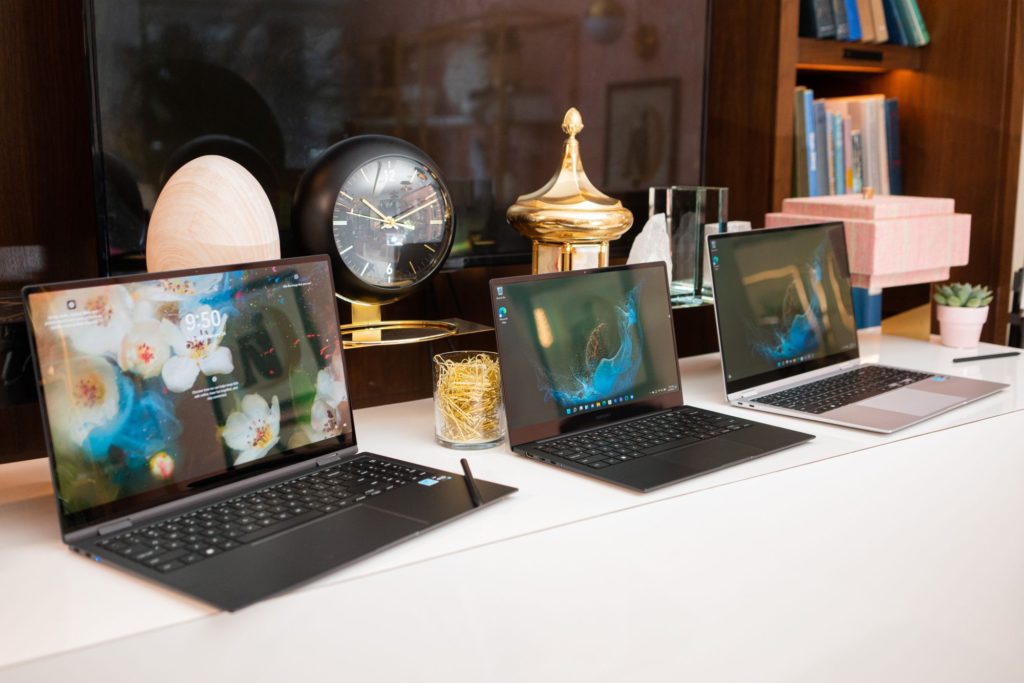
Worldwide shipments of desktop and laptop computers fell by 19.5% in the third quarter of 2022 compared with the year-ago period, according to research firm Gartner. It was the biggest drop Gartner has documented in more than two decades of tracking the market, echoing data compiled by Canalys, which released similar figures showing double-digit declines.

The dismal PC numbers coincide with a period of upheaval for the global tech industry, which is now parsing a plethora of restrictions Washington imposed on chip and technology exports to China last week. Leading chipmaker Taiwan Semiconductor Manufacturing Co. had its biggest drop ever on Tuesday as the market reacted to the expanded sanctions.

PC vendors and major suppliers like Advanced Micro Devices Inc. had already warned of a market slowdown this year, emphasizing the need for new growth to replace demand from remote work and online learning as the pandemic eases. Although shipping volume remains comparable to pre-pandemic levels and robust hiring numbers suggest positive commercial demand, it’s likely that economic headwinds will impact IT spending for both business and personal use into next year, according to Canalys.

“The rapid deterioration in demand across all segments is a worrying sign not only for vendors, but for stakeholders across the supply chain,” Canalys senior analyst Ishan Dutt said. “Intel and AMD are facing headwinds from weakness in their PC businesses, and smaller makers of components from ICs to memory are cutting production and lowering earnings forecasts.”

The market is likely to recover by the second half of 2023, Dutt added.

Lenovo Group Ltd. remained the top global PC maker in the third quarter, though its shipments fell around 15%, according to Gartner. Among the top five vendors, HP Inc. saw the largest decline in the third quarter with a 28% drop.

(Updates with TSMC share decline)

More stories like this are available on bloomberg.com

©2022 Bloomberg L.P.

India’s New Rich Fuel Expansion for Tata’s Jewelry Arm

(Bloomberg) — India’s expected surge of rich consumers is driving the jewelry unit of Indian conglomerate Tata Group to triple its Zoya-branded stores by 2027.

“There is a lot of latent demand for luxury from India and high net-worth individuals are going to explode,” Ajoy Chawla, the chief executive officer of the jewelry division at Titan Co., said in an interview. “This is just the beginning for luxury.”

Titan, India’s biggest jeweler, gets about 90% of its revenue from the sale of jewelry and the rest from watches, eyewear and perfumes. It has four jewelry brands under its umbrella: flagship Tanishq, working women-focused Mia, online sales portal Caratlane, and Zoya, which is aimed at rich customers. 

Expanding the number of Zoya stores to 15 in the next five years would cost about 300 million rupees ($3.64 million) per boutique, Chawla said. Revenues at the brand have climbed as much as five times from pre-pandemic sales figures, and the company expects this “aggressive pace” of growth to continue, he said.

India is already the world’s second-biggest market for gold used in jewelry, and demand is unlikely to waver with a report by Knight Frank showing the number of ultra-high net worth people with assets of $30 million or more growing 11% in 2021 from a year earlier. That figure is expected to jump by about 39% in 2026, while individuals with wealth of at least $1 million is forecast to surge by about 77% during the five-year period, it said.

Demand for Luxury Goods Shows Growing India Inequality

Titan is also aiming to ramp up overseas expansion in Zoya in a bid to build a global luxury brand. 

“We have forayed overseas with Tanishq in the Middle East and US recently and we will use that experience to plan a global move for Zoya,” Chawla said. “Ultimately, the plan is to create a global brand with an Indian soul.”

Chawla said he was optimistic of the potential of the Zoya brand to outperform the growth expected in Tanishq. Zoya has managed to lure in rich customers by curating experiences like romantic dinners at its sister company Indian Hotels Co.’s Taj Hotels Resorts and Palaces and providing bespoke jewelry by working with the design team and artisans.

(Corrects to change designation for Ajoy Chawla)

More stories like this are available on bloomberg.com

©2022 Bloomberg L.P.

Close Bitnami banner
Bitnami