Bloomberg

Bitcoin Rally Loses Momentum as Expectations for Fed Shift Eases

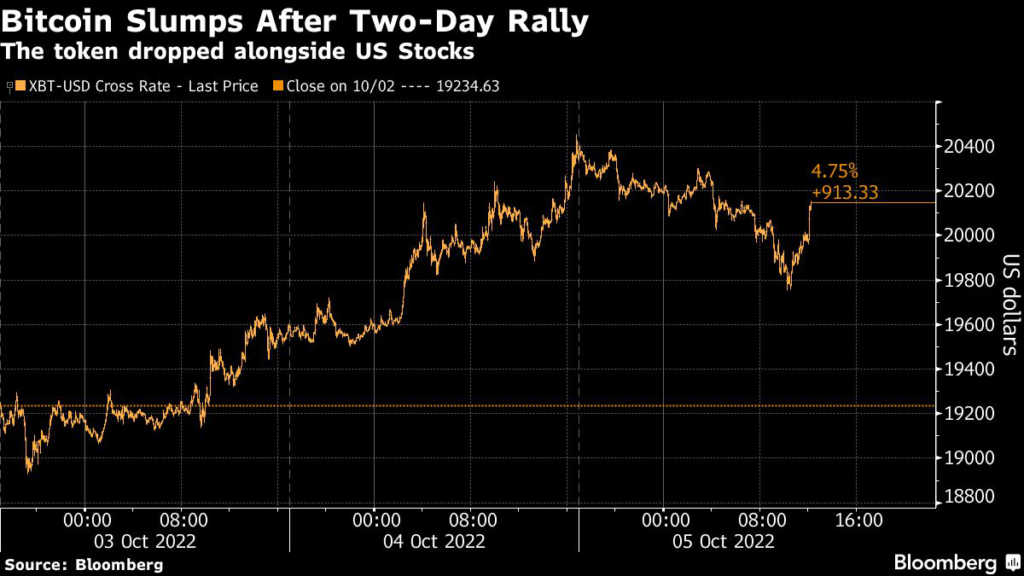
(Bloomberg) — Bitcoin’s two-day resurgence ran out of steam after strong economic data dashed hopes for a relaxation in hawkish central bank policies. 

Bitcoin, the largest digital coin by market value, dipped as much as 2.9% on Wednesday to trade as low as $19,752, before trading little changed. That’s a reversal from the prior day’s trading, when Bitcoin moved above $20,000 to gain alongside the S&P 500 Index. US stocks also slumped on Wednesday, dropping as much as 1.8% after a two-day rally.

Ether sank as much as 3.3%, while other so-called altcoins like Cardano and Solana dipped lower. Dogecoin sank as much as 3.8%, a reversal from the prior session when the coin gain as much as 9.5%. Tesla CEO Elon Musk, an ardent supporter of the token, revived his $44 billion bid for Twitter Inc. on Tuesday. 

Economic data showed better-than-estimated growth for US service providers as well as companies’ strong demand for workers. Those figures could weigh on investors’ hopes for a more dovish Federal Reserve.

Stephane Ouellette, chief executive of FRNT Financial Inc, a crypto brokerage firm, said that even though Bitcoin and the S&P 500 are both declining, Bitcoin’s move is relatively more muted. 

“Typically BTC volatility is at least 3-4x higher than SPX volatility,” Ouellette wrote to Bloomberg News. Bitcoin’s drop is “the equivalent of a much smaller move in equities,” he added.

More stories like this are available on bloomberg.com

©2022 Bloomberg L.P.

Stocks Sink as Hot Data, Fedspeak Dash Dovish Hope: Markets Wrap

(Bloomberg) — Stocks sank, in a reversal of the dramatic rally of the past couple of days that was driven by oversold conditions and a debate on whether the monetary tightening cycle would be close to a peak.

Traders got fresh economic insights, with data showing strong growth at US service providers and companies hiring at a solid clip, which could complicate the Federal Reserve’s war against inflation. Also not helping sentiment were comments from Fed Bank of San Francisco President Mary Daly, who sees a high bar for slowing the 75-basis-point pace of hikes as she watches data between now and the November meeting. Daly also said the anticipation of cuts next year is misplaced.

To Win Thin at Brown Brothers Harriman, the notion of any Fed pivot is just “wishful thinking” as Fed officials remain hawkish. He says another 75-basis-point hike next month is a “done deal.” The Fed has raised rates by three-quarters of a percentage point for three consecutive meetings and has signaled another 125 basis points of increases at its remaining two gatherings this year.

Volcker Lesson to Generation QE: Stock Recoveries Can Take Years

“Over the last few sessions, the market was too quick price in the ‘peak rate’ story in markets,” said Bipan Rai, head of North America currency strategy at CIBC. “Price pressures are set to remain sticky for some time and while the Fed might be closer to smaller incremental hikes than not, playing this via a ‘peak rate’ view is fairly dicey.”

Treasury 10-year yields surged as much as 15 basis points to almost 3.8%. The dollar halted a two-day slide, climbing against all of its Group-of-10 peers.

All eyes will now be on the government’s payrolls report Friday that’s forecast to show another month of robust job creation and the unemployment rate holding near a 50-year low. To Charlie McElligot at Nomura Securities, Wednesday’s ADP employment print helped mitigate some of that “dovish vibe” that followed data showing a slide in US job openings, which lent credibility to the idea that the labor market could be moderating.

As the Fed intensifies its inflation fight, a report released Wednesday illustrated the abrupt swing in borrowing costs. US mortgage rates jumped to a 16-year high of 6.75%, marking the seventh-straight weekly increase and spurring the worst slump in home loan applications since the depths of the pandemic.

If history is any guide, “markets will need to experience more stress” before a pivot in monetary policy and an equity bottom, Wells Fargo & Co. strategists led by Christopher Harvey wrote. The Cboe Volatility Index is still trading below 40 — a threshold that in the past signaled a shift to monetary easing.

US stocks just posted a rare streak of quarterly declines and are in a bear market, but Citigroup Inc. quantitative strategists say they’re only just starting to reflect the risks of a recession. A team led by Hong Li said equities could come under further pressure as they continue to be “heavily driven” by heightened bond market volatility as well as concerns around persistent inflation and hawkish Fed. 

There’s “more downside risk for the market and the earnings season,” they wrote.

Retail investors, who helped push stocks to all-time highs, are now trying a different tactic: Betting against the market. 

From January to August this year, even before the most recent slump in stocks, the number of newly opened short positions on trading platform eToro was 61% higher than in 2021 and 41% higher than in 2020. Meanwhile, some of the biggest US exchange-traded funds that bet against popular indexes are raking in record amounts of cash. 

Investors’ uncertainty toward the health of US companies is rising — and their leaders haven’t done much to help. The lack of an accurate road map for the crucial earnings season is setting the stage for a slew of potential surprises when the reporting season kicks off in coming weeks.

Aside from those few providing cold, hard numbers, executives at the 1,000 largest US firms have spent the past three months voicing a similar message in their public remarks: They’re unsure about what’s ahead. They’ve mentioned “uncertainty” or its synonyms when describing the outlook 484 times during that time, the highest tally since the quarter ending March 2021, data compiled by Bloomberg show.

Elsewhere, oil rallied as a potential output cut from Russia in response to price caps exacerbated the already tight supply outlook from the OPEC+ reduction. West Texas Intermediate futures hovered near $88 after members of the producer group agreed to cut as much as 2 million barrels a day from current output limits.

Biden Calls OPEC+ Cut ‘Unnecessary,’ Signals Further US Releases

Key events this week:

  • Eurozone retail sales, Thursday
  • US initial jobless claims, Thursday
  • Fed’s Charles Evans, Lisa Cook, Loretta Mester speak at events, Thursday
  • US unemployment, wholesale inventories, nonfarm payrolls, Friday
  • BOE Deputy Governor Dave Ramsden speaks at event, Friday
  • Fed’s John Williams speaks at event, Friday

Will earnings disappoint and push equities to new lows? This week’s MLIV Pulse survey asks about corporate earnings. It’s brief and we don’t collect your name or any contact information. Please click here to share your views.

Some of the main moves in markets:

Stocks

  • The S&P 500 fell 1.3% as of 11:59 a.m. New York time
  • The Nasdaq 100 fell 1.6%
  • The Dow Jones Industrial Average fell 1%
  • The Stoxx Europe 600 fell 1%
  • The MSCI World index fell 0.9%

Currencies

  • The Bloomberg Dollar Spot Index rose 0.9%
  • The euro fell 1.2% to $0.9867
  • The British pound fell 1.8% to $1.1273
  • The Japanese yen fell 0.4% to 144.74 per dollar

Cryptocurrencies

  • Bitcoin fell 1.7% to $19,996.13
  • Ether fell 2.3% to $1,330.4

Bonds

  • The yield on 10-year Treasuries advanced 14 basis points to 3.77%
  • Germany’s 10-year yield advanced 17 basis points to 2.04%
  • Britain’s 10-year yield advanced 16 basis points to 4.04%

Commodities

  • West Texas Intermediate crude rose 1.4% to $87.73 a barrel
  • Gold futures fell 0.8% to $1,717 an ounce

More stories like this are available on bloomberg.com

©2022 Bloomberg L.P.

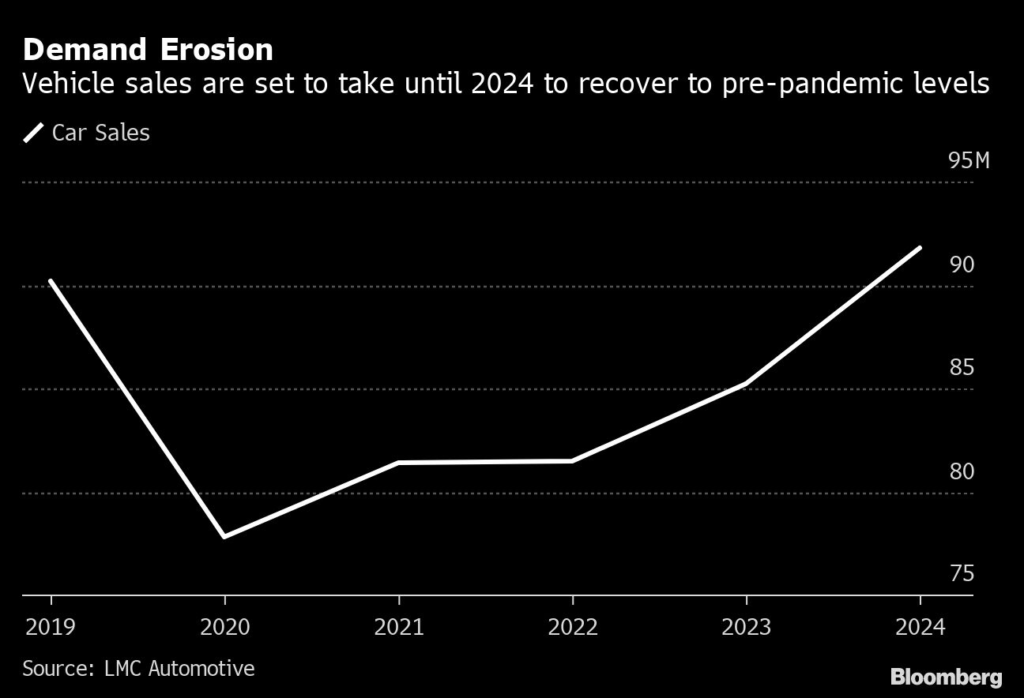
Global Car Sales Might Stay Below Pre-Pandemic Levels for Another Year

(Bloomberg) — Passenger car sales in 2023 are set to trail levels from before the pandemic for a fourth year as supply-chain constraints give way to a drop in demand, according to LMC Automotive. 

Deliveries are expected to reach about 85 million vehicles as consumers turn cautious, inflation bites and interest rates surge, the forecaster said Wednesday. That compares to about 90 million deliveries in 2019, the year before the coronavirus pandemic shuttered dealerships and kept people home.

“Demand is no doubt softening as the global economic outlook deteriorates and customers’ appetites for making a big-ticket purchase, such as a new car, are tempered,” Jonathon Poskitt, LMC Automotive’s director of global sales forecasts, said in a report. “Pre-pandemic global market volumes are not forecast before 2024, with risks remaining skewed to the downside, particularly given the potential for a much harder economic downturn.”

Car sales have stayed below 2019 levels after surging demand for consumer products cleared out global inventories of semiconductors, forcing manufacturers to idle plants. With few cars available, and manufacturers like BMW, Ford and Stellantis concentrating production on their biggest money-spinners, car prices have surged. 

While carmakers are still working down long waiting lists, prices are set to ease as household budgets come under pressure and protracted supply-chain issues improve. In the US, the price of the average car has reached $46,000. 

“As Europe and North America head into the winter months, economic prospects look increasingly dismal in the face of stubbornly high inflation, and underlying demand for new vehicles is inevitably being eroded,” the forecaster said. 

For this year, LMC’s sales forecast is now five million units lower than before Russia’s invasion of Ukraine that triggered another wave of supply-chain disruption, it said.  

More stories like this are available on bloomberg.com

©2022 Bloomberg L.P.

Michigan Lures $1.6 Billion Battery Factory in Fight for EV Jobs 

(Bloomberg) — Michigan awarded incentives to two new battery projects — a local startup building a cell plant and a Chinese firm that may produce battery components — as Governor Gretchen Whitmer seeks to secure future automotive jobs in the state.

Our Next Energy, founded by Apple Inc. veteran Mujeeb Ijaz, is planning to build a $1.6 billion cell factory in southeast Michigan that will make lithium-iron phosphate batteries and eventually hire 2,112 people, the company said Wednesday. Michigan awarded the startup a $200 million grant that will be critical to ordering battery manufacturing equipment, Ijaz said. The company will also get more than $36 million in loans and tax exemptions. The factory is scheduled to come online in 2024 and reach full capacity by 2027.

Chinese battery maker Gotion High-Tech Co. was awarded $175 million in grants and a zoning designation estimated to be valued at $540 million, according to the Michigan Economic Development Corp. The company has proposed investing $2.4 billion in a plant in Big Rapids, Michigan, to build battery anodes and cathodes and employ as many as 2,350 people according to proposal documents from the MEDC, though the project isn’t yet confirmed.

“The facility will serve our finished goods manufacturing in North America and possibly have enough capacity to sell these two critical components to other North-America based battery manufacturers,” Chuck Thelen, the company’s vice president of North America operations, said in an emailed statement. 

States, flush with stimulus dollars, have been battling each other to win electric vehicle and battery plants. Michigan suffered a blow last year when Ford Motor Co. decided to go south to create two new EV hubs in Tennessee and Kentucky. Since then, Whitmer has put almost $2 billion into a fund to dole out incentives to companies to land big projects. 

ONE’s batteries should qualify for the full 7.5% tax credit on consumer EVs and production tax credits created by President Joe Biden’s Inflation Reduction Act, Ijaz said in an interview. The law is designed to reduce US reliance on China for critical battery minerals and components by subsidizing a domestic EV supply chain. 

“While we’ve been working on the factory for the past 11 months, the passage of the IRA has solidified our sources of capital as well as our interest in the customer market to help us build this factory,” Ijaz said. 

More stories like this are available on bloomberg.com

©2022 Bloomberg L.P.

Why More Than 40% of Ex-SPACs Are Running Out of Cash  

(Bloomberg) — As the US economy slowly buckles under the strain of soaring interest rates, corporate bankruptcies will pile up. Few on Wall Street doubt this. The real question they have is which sorts of companies and industries will succumb first.

A good place to start looking: firms that went public via SPAC, that anything-goes world of speculative investing that’s come to represent the unbridled financial mania the pandemic wrought and the bust that followed. Bedrock AI, an investment research company that scours regulatory documents, pored through filings issued by hundreds of de-SPACs — which are SPACs, or blank-check firms, that found companies to merge with — and determined that more than 40% of them flagged questions about their own viability as going concerns, signaling a risk they could go out of business. (A few of them have since filed for bankruptcy.)

It’s a high percentage, more than double the rate of such filings by companies that went public via traditional IPOs over the same period, according to Bedrock AI. And it’s a reminder, analysts say, that fewer restrictions were in place and earnings forecasts were very rosy  — targets of 50, 100, even 300-fold increases in revenue were common — during a nine-month boom in which investors blindly bid up the value of just about anything SPAC financiers brought to market. With the Federal Reserve pushing up rates at the fastest pace in decades and demand in the economy cooling, those projections look even more unrealistic now.

“There was so much SPAC capital looking for deals that they were lowering the bar for companies that they were partnering with because they were highly motivated to get a deal done,” said Greg Martin, co-founder of Rainmaker Securities, a merchant bank focused on private securities deals. “You’ll see a greater-than-expected percentage of bankruptcies.” 

Read more: SPAC Issuers Churn Out New IPOs Despite Blank-Check Tumbles 

Investors’ enchantment with SPACs, and de-SPACs, came to an abrupt end early last year, right about the time that another pandemic favorite, meme stocks, started tanking, too. An index that tracks de-SPACs is down 62% this year and 82% since hitting a peak in February 2021. All told, more than one-quarter of the roughly 400 companies that merged with a SPAC are now trading below $2 a share, just a fraction of the $10 mark the blank-check companies typically go public at.

Battered share prices paired with soaring interest rates may put companies with fragile balance sheets in jeopardy. More than 75 former SPACs are already likely to need more financing in the next year in order to just keep operating, according to data compiled by Bloomberg that estimates a company’s cash needs. 

Biotechnology firms, companies pushing electric-vehicles, and those who hoped to ride the ESG hype are most at risk based on cash on hand and their current spending habits, the Bloomberg data show.

Canoo Inc., an electric-vehicle startup that has a pact with Walmart to sell electric vans, had just $34 million in cash as of June 30. A month earlier, it issued a warning about its ability to continue as a going concern. However, it does have options to access at least $500 million: one through a deal with hedge fund Yorkville Advisors and a mixed securities shelf registration. Its stock has sunk 90% since its December 2020 debut to $1.87 and it reported a net loss of $289.8 million in the first six months of the year.

View Inc., a maker of smart-glass products, has just $111 million in cash and is seeking to raise additional capital while warning in a file dated Aug 8 of its ability to fund operations beyond next month. The company has reported a net loss of more than $135 million so far this year. Its stock closed at $1.34 on Tuesday. When it debuted back in March, it traded near $9.

Representatives of Canoo and View didn’t reply to emails or a phone call seeking comment on their funding and stocks’ performances.

Winding Down

Since June, two firms that merged with SPACs filed for bankruptcy after less than a year of being public. Retail startup Enjoy Technology Inc. and electric-vehicle firm Electric Last Mile Solutions Inc. met the same fate in June. While Packable Holdings LLC, an ecommerce company backed in part by Carlyle Group, started to wind down operations in August after a blank-check merger collapsed.

“With these market conditions there are a lot of companies that are going to need to go away or recapitalize,” said Mike Bennett, managing partner at investment banking firm Crewe Capital. “There really are less options or no options for some industries like pre-profitable tech unless you’re an outlier or focused on industries doing well even with the market conditions.”

Many of the SPAC industry’s most savvy investors are opting to eat millions in losses and close their doors. Serial dealmaker Bill Foley joined “SPAC King” Chamath Palihapitiya, Bill Ackman and Sam Zell when he said he’d return roughly $2.1 billion to investors and shutter a pair of blank-check firms. At least 23 blank checks have liquidated in 2022, more than double the total seen over the five previous years, data compiled by SPAC Research show.

Despite the malaise, some SPAC deals continue to lure in investors. LiveWire Group Inc., the electric motorcycle business spun off by Harley-Davidson Inc., has been among those able to complete mergers. While the spinoff raised less than was planned, it’s share price has clawed back the bulk of an initial three-day slide. It closed at $9.63 on Tuesday after falling to $8.25 in its debut session.

More stories like this are available on bloomberg.com

©2022 Bloomberg L.P.

US Services Growth Remains at Solid Pace, Price Pressures Ease

(Bloomberg) — Growth at US service providers remained firm in September, reflecting solid business activity and orders, while a measure of prices fell to the lowest since the start of 2021.

The Institute for Supply Management’s gauge of services softened to 56.7 last month from 56.9 in August, according to data released Wednesday. Readings above 50 signal growth and the figure was slightly firmer than the median projection of 56 in a Bloomberg survey of economists.

While the measure of business activity, which parallels the ISM factory production index, and the new orders gauge both declined from the strongest readings of the year, they remained elevated.

That suggests demand for services is healthy despite high inflation, rising interest rates and growing concerns about the economy’s prospects. Fifteen service industries reported growth in September, led by mining, other services, education and agriculture.

The ISM’s index of services employment advanced to the highest level in six months, suggesting companies are having greater success hiring. The measure rose to 53 in September from 50.2, pointing to an easing of tight labor conditions that have driven up wages and contributed to inflation.

A fifth-straight decline in a measure of prices paid by service providers adds to evidence of moderating cost pressures. The ISM’s index dropped to 68.7 last month, the softest print since January 2021.

The report also indicated supply chains are continuing to normalize. Order backlogs fell to a four-month low and supplier delivery times increased at the slowest speed since February 2020.

Select ISM Industry Comments

“Sales at our restaurants seasonally trend down from August to October, and this year seems to be more severe compared to before the pandemic. General inflation concerns and consumer uncertainty are the likely causes, expressed by industry peers as well.” – Accommodation & Food Services

“General slowdown in sales. We believe high commodity prices and inflation have impacted consumers’ desire for fertilizer from our turf and ornamental division. Farmers have already cut back on consumption due to pricing and weather-related issues.” – Agriculture

“Sales have slowed significantly. Very challenging market… Manufacturers, distributors and installation trades are still busy and passing on price increases, while we are discounting homes to stimulate sales. Margins are compressing.” – Construction

“Labor pressures continue to depress business activity, as insufficient staffing levels are not allowing the hospital system to operate at capacity.” – Health Care

“Due to inflationary concerns, companies are being cautious about hiring direct employees and are attempting to utilize contingent labor.” – Professional, Scientific & Technical Services

“Still facing supply/demand issues with certain products — food, beverages, some raw construction material and semiconductor chips.” – Transportation & Warehousing

“Inventory levels are starting to fall from record highs, but overstocked items are still a problem. We expect lower demand and inventory rebalancing to impact business activity through the end of the calendar year.” – Wholesale Trade

Meantime, service providers appear to be making progress reducing inventory levels. The ISM’s index of stockpiles fell to the lowest since October of last year. A measure of inventory sentiment was little changed and continued to signal more service firms see stockpiles as being too low rather than too high.

The report also indicated a quickening in export growth that defied concerns of a global recession. The export orders index increased to 65.1 in September, the highest since July 2021.

(Adds industry comments)

More stories like this are available on bloomberg.com

©2022 Bloomberg L.P.
Crypto Overhaul Fizzles in Congress, Leaving Industry and Investors in Limbo

(Bloomberg) — US lawmakers’ efforts to pass significant crypto legislation by the end of the year are on life support, leaving in place Washington’s scattershot approach to digital coins. 

Several high-profile, bipartisan bills that once seemed to have a promising shot of passing before the end of 2022 are held up, with congressional committees pushing off important votes. And now with lawmakers squarely focused on next month’s elections, their chances of becoming law in 2022 have all but evaporated. 

“Given the calendar, getting any piece of legislation through both houses is going to be a monumental task,” said Perianne Boring, founder and chief executive officer of the Chamber of Digital Commerce trade group. 

While most business sectors are fine with — or even lobby for — morass in Washington, the crypto industry has been pushing hard for new laws. They say Congress needs to step in because current American financial rules, and the government agencies enforcing them, are ill-equipped for digital assets.

Recent turmoil in the crypto markets, including the collapse of the popular algorithmic stablecoin TerraUSD, have saddled investors with billions of dollars of losses and increased calls for Capitol Hill to act. In addition to a lack of regulatory clarity and failures in the market, the price of Bitcoin — the world’s largest cryptocurrency — has fallen by more than 50% since the beginning of the year.

Bitcoin’s price of $19,853 at 10:08 a.m. New York time was down from a record of more than $68,000 last November. 

Among the many bills under consideration, legislation to regulate crypto stablecoins and to give the Commodity Futures Trading Commission more power to oversee digital assets have gained the most traction. However, the bipartisan interest so far isn’t translating into success.

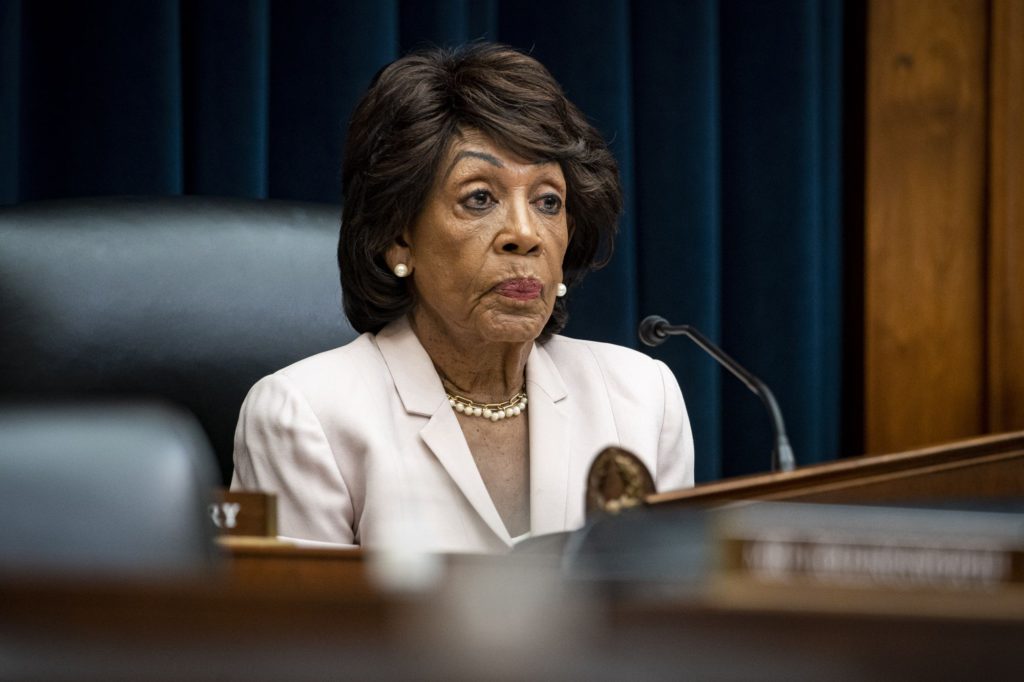
For example, a stablecoin bill that’s been privately negotiated for months by leaders of the House Financial Services Committee, with input from the Biden administration, has faltered as lobbyists and lawmaker staff remain locked in discussions. Sticking points include the role of state regulators and who should get accounts with the Federal Reserve that are typically reserved for banks, according to people familiar with the matter. Maxine Waters, the chairwoman of the committee, and Patrick McHenry, the panel’s top Republican, didn’t return requests for comment. 

The lawmakers blew through a tentative date for a committee vote on the bill last month — in part because members still need time to understand the complex provisions in the latest draft. Republicans on the panel would also be in a better negotiating position if the chamber flips to their control in next month’s elections. 

Progress has also been elusive on two high-profile efforts in the Senate that would bolster the CFTC’s ability to directly oversee trading in Bitcoin and any other cryptocurrencies that aren’t subject to US securities laws. One bill is being led by the leaders of the Senate Agriculture Committee — Debbie Stabenow and John Boozman — and the other is part of a much-larger package backed by Wyoming Republican Cynthia Lummis and New York Democrat Kirsten Gillibrand. 

The Financial Stability Oversight Council, which is led by Treasury and includes the US’s top Wall Street regulators, said this week that Congress should give them power to directly oversee tokens that aren’t securities. 

The odds of passing a crypto law this year appear increasingly long with Congress likely on recess until after the Nov. 8 midterm elections. But there’s still a slim chance, especially if lawmakers attach one of the measures to government-funding legislation that needs to be passed by mid-December. 

A delay may not be the worst thing for the industry as it would have more time to lobby against changes it doesn’t like, including measures that may impact decentralized finance platforms. 

“From our perspective, it’s not when something gets done,” said Kristin Smith, the executive director of the Blockchain Association trade group. “It’s what gets done.” 

(Updates to add Bitcoin price in sixth paragraph.)

More stories like this are available on bloomberg.com

©2022 Bloomberg L.P.
Facebook Asks Users for More Help Improving Its Algorithms

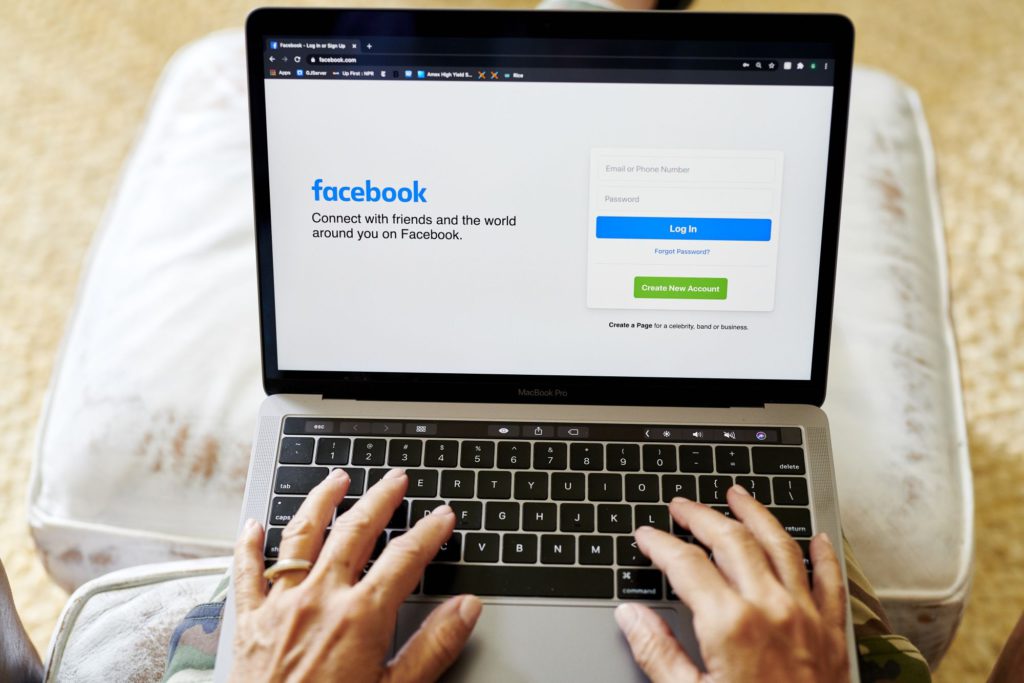
(Bloomberg) — Facebook parent Meta Platforms Inc. will soon ask some users for more direct feedback on what they like to see in their feed — and what they don’t — as part of a broader effort to compete with TikTok and show people posts from users they don’t follow.

Users will soon see “show more” and “show less” buttons on posts that appear in their feed, giving them a more direct way to tell the company what they’re interested in. Facebook will use that feedback to temporarily alter the kinds of content  people see as it works to improve “discovery” across the company’s apps and surface new posts and videos to people from others they don’t already follow. 

Meta already personalizes user feeds on Facebook and Instagram by using a number of signals, including Likes and follows, but the impact of the new “show more” and “show less” buttons is meant to be both direct and temporary. Using the buttons will likely impact the algorithm for 30 to 60 days, and help dictate the kind of accounts that show up in feeds, said Tom Alison, the head of Facebook’s core app. 

“We are looking at it as a signal you are giving us that is a little more time-bound than” liking a post, Alison said, adding that it’s meant to tell Facebook “how you feel about content in the moment.”

Chief Executive Officer Mark Zuckerberg has said that improving “discovery” is a key focus for Meta. It’s considered a key strength of TikTok’s, and Meta has spent a lot of time and resources trying to build a competing short-form video product called Reels. 

The “show more” and “show less” options will only appear on some posts, but they will also work on ads, Alison said. “It’s not designed” for ads, he admitted, “but you can apply these controls to ads.”

“This is all about delivering a relevant experience,” he added. 

More stories like this are available on bloomberg.com

©2022 Bloomberg L.P.
Elon Musk Canceled Last Week’s Deposition on Twitter Deal Over Covid Fears

(Bloomberg) — Elon Musk canceled a Sept. 28 meeting to answer questions about the Twitter Inc. deal because of concerns one of the social media company’s lawyers was exposed to Covid, according to a newly unsealed court filing. 

In a Sept. 27 letter, Twitter complained to a Delaware Chancery Court judge that Musk was “seeking to evade” the deposition, and noted that he is “the source of essentially all party testimony from defendants.” Musk’s lawyers said the suggestion he was evading their questions was “unwarranted,” and said he was making a “reasonable request — consistent with CDC guidelines” to not have the deposition in person, according to their Sept. 27 response. 

Musk said yesterday that he was reversing himself and now offering to go ahead with the $44 billion deal on its original terms, a move that could end the trial scheduled to begin Oct. 17 in Delaware. 

The deposition was rescheduled to Oct. 6-7 in Austin, Texas. If the court case is halted, that deposition may be canceled. A spokesman for Musk’s lawyers couldn’t immediately comment on whether it will still take place.

Musk tweeted in March that he “supposedly” had Covid “again,” with almost no symptoms. The billionaire has railed against government lock-down requirements and working from home, demanding all Tesla Inc. employees get back to their desks or find work elsewhere.

The case is Twitter v. Musk, 22-0613, Delaware Chancery Court (Wilmington).

(Updates with Musk’s prior Covid statement in fifth paragraph.)

More stories like this are available on bloomberg.com

©2022 Bloomberg L.P.

Coinbase Hires Ex-Goldman Executive for Derivatives Push

(Bloomberg) — Usman Naeem on Wednesday announced he’s leaving his role as managing director at Goldman Sachs Group Inc. to join Coinbase Global Inc.’s institutional arm for its derivatives efforts.

Naeem will serve as global head of derivative sales and agency trading at Coinbase, led by Brett Tejpaul, according to a LinkedIn post by Naeem. Based in London, he spent eight years at Goldman, most recently in equity derivatives. He also worked at Bank of America Merrill Lynch from 2009 to 2014, according to his LinkedIn profile.

A Coinbase spokesperson confirmed the appointment with Bloomberg. 

Coinbase has been laying the groundwork to expand into derivatives for months. In January, Coinbase announced its acquisition of futures exchange FairX, which is registered with US regulators. It is awaiting approval for its futures commission merchant license to offer futures directly to US users.

In June, Coinbase extended a hiring freeze and laid off 18% of staff as the market downturn worsened. Individuals from major financial firms such as Goldman Sachs, Morgan Stanley and BlackRock, were among those who had employment offers rescinded by Coinbase. The company has since renewed some hiring, including for its overseas expansion. 

Read More: Crypto Exchange Coinbase Revamps its Platform in Australia

More stories like this are available on bloomberg.com

©2022 Bloomberg L.P.
Close Bitnami banner
Bitnami