
Bloomberg

Samsung to Invest $5 Billion Under Plan to Tame Rising Emissions

(Bloomberg) — Samsung Electronics Co. will invest 7 trillion won ($5 billion) in green initiatives and lobby South Korea to add more clean energy as the electronics giant looks to reverse a rise in emissions and zero out direct pollution by mid-century.

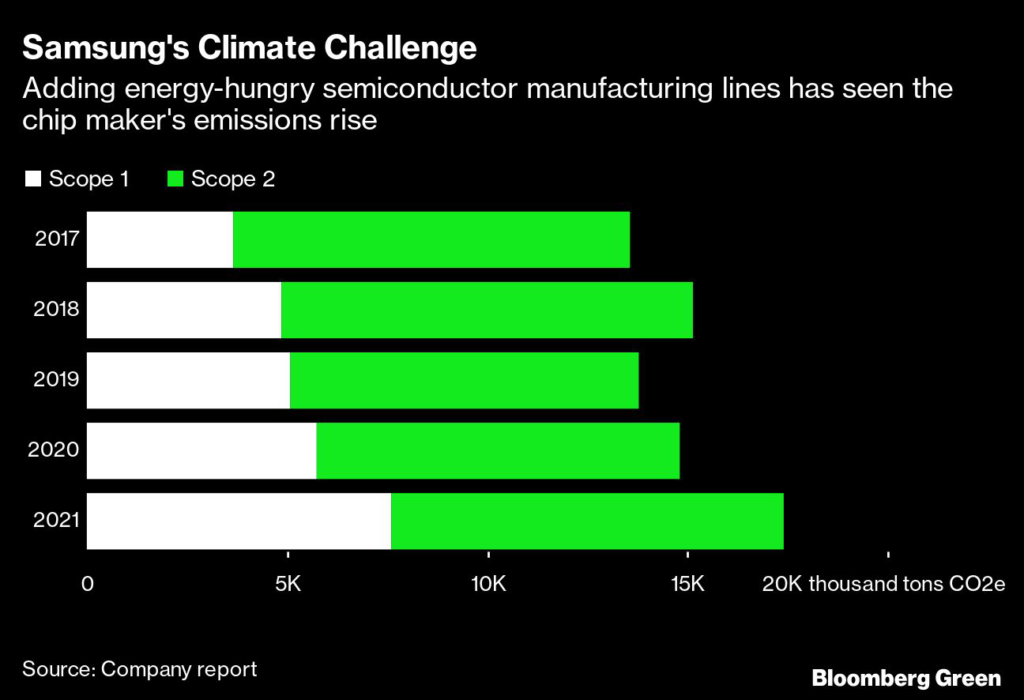
The world’s largest memory-chip maker, which has seen its climate footprint swell in recent years as it has expanded energy-intensive manufacturing lines, plans to eliminate Scope 1 and 2 carbon emissions. Samsung has not developed goals to reduce Scope 3 pollution like some peers, though intends to set targets in the future.

South Korea’s biggest company also aims to switch overseas factories entirely to renewable electricity within five years, though argues it can’t yet pursue a similar target for its most energy-hungry domestic plants — which account for the majority of production — because of constraints on the availability of clean power in the fossil fuel-reliant nation. 

Read more: Samsung Struggles to Go Green in Coal-Addicted South Korea

Samsung has long been criticized by investors and activists over a slower approach to climate action than industry peers such as Apple Inc., which says its own operations are already carbon neutral and has been pressing suppliers to follow suit.

“Addressing climate risks has been particularly challenging with our complex business portfolio,” Kim Soojin, head of ESG strategy group at Samsung Electronics, said in an interview. The firm’s status as a manufacturer of a wide range of electronics and its extensive supply chains, mean “the environmental pressure on our shoulders has been extremely heavy,” she said. 

A new strategy announced Thursday includes spending on carbon capture and storage, measures to reduce water consumption and the release of gases during semiconductor manufacturing, work to boost the energy efficiency of its products and improvements to the collection of electronic waste for recycling. While cutting direct emissions is a priority, Samsung will also consider the use of offsets in voluntary carbon markets, Kim said. 

As the biggest electricity user in South Korea, Samsung’s key challenge remains the country’s grid. Fossil fuels accounted for more than 65% of electricity generation in 2021 and plans are being studied to scale back proposals for more renewables as President Yoon Suk Yeol’s government touts a potential longer-term build out of nuclear power.

Samsung’s operations consumed 32,322 gigawatt-hours of energy in 2021, including 25,767 GWh of electric power, the company said in its most recent sustainability report. That compares with South Korea’s wind, solar and hydro power generation of 31,323 GWh in the same year, according to data compiled by BloombergNEF. The company’s emissions have risen in recent years as a direct result of the installation of new semiconductor manufacturing lines, according to its report.

Competition for renewable electricity is also likely to rise with all of South Korea’s key conglomerates now pledging to run their operations using solely clean energy. 

Samsung will ask Yoon’s administration for more help. “We’re planning to voice industry-wide concerns over higher cost of renewable energy, and ask for the government’s policy support for the development of various climate-related innovations,” Kim said.

Local plants for consumer electronics will move to 100% renewables by 2027, Samsung said in a statement. The company aims to run its semiconductor foundries entirely on clean sources by 2050, according to Kim.

“The Korean government isn’t doing much to support companies, putting the entire economy at risk of losing its industrial competitiveness,” said Hong Jong Ho, a professor at Seoul National University Graduate School of Environmental Studies. “With Samsung’s enormous influence, it should be the one playing an advocacy role in enforcing the government for policy changes.” 

More stories like this are available on bloomberg.com

©2022 Bloomberg L.P.

NFL Is Latest Target in Lawsuits Over Data-Sharing With Meta

(Bloomberg) — The National Football League was sued for allegedly sharing digital subscribers’ personal data with Meta Platforms Inc.’s Facebook, becoming the latest target of consumers claiming companies pass on private information to the social media site without their consent.

NFL.com subscriber Israel James of Illinois sued the league in Chicago federal court Wednesday seeking to represent hundreds of thousands of other subscribers of the website in a class action.

The world’s largest social network has been sued and investigated by regulators over privacy issues over the last decade, most often over allegations that the company illegally collects information on users that it uses for targeted advertising.

In his lawsuit, James claims the NFL installed a Facebook pixel on its website — a computer code that tracks when digital subscribers enter NFL.com or NFL.com’s accompanying app and view videos. NFL.com tracks and discloses to Facebook the digital subscribers’ viewed videos, and most notably, the digital subscribers’ Facebook ID, according to the complaint. 

“This occurs even when the digital subscriber has not shared (nor consented to share) such information,” James said in the complaint.

From the Facebook ID, the social media company can easily find and view the subscriber’s corresponding Facebook profile, according to the complaint.

The NFL didn’t immediately respond to an emailed request for comment.

James is seeking $2,500 in compensation for each member of the class, as well as unspecified punitive damages.

The lawsuit targeting the NFL follows similar suits filed against CNN parent Warner Bros. Discovery Inc., Buzzfeed owner Huffington Post and Bloomberg LP, the parent of Bloomberg News. Meta also faces at least two proposed class-action lawsuits claiming its pixel tracking tool harvests patients’ private medical data from health-care provider web portals and shares the information with Facebook.

Warner Bros., Buzzfeed, Bloomberg and Meta didn’t immediately respond to emailed requests for comment.

The football league is violating the Video Privacy Protection Act by disclosing its digital subscribers’ identities and files containing viewed media to Facebook without the proper consent, James said in the complaint.

“Without telling its digital subscribers, defendant profits handsomely from its unauthorized disclosure of its digital subscribers’ Personal Viewing Information to Facebook,” James said in the complaint. “It does so at the expense of its digital subscribers’ privacy.”

The case is James v. National Football League, 1:22-cv-04984, US District Court, Northern District of Illinois (Chicago)

(Updates with attempt to contact companies in 10th paragraph)

More stories like this are available on bloomberg.com

©2022 Bloomberg L.P.
Singapore Rooms Surge Past $2,000 a Night as Bankers Head for F1

(Bloomberg) — Deal-makers tired of years of Covid restrictions are converging on Singapore for the year’s biggest investment conferences and Formula 1 — a massive party-in-the-making that’s helping push hotel rates to unprecedented heights.

Over the next 30 days, the affluent island nation plays host to a slew of conferences including the SuperReturn summit, which is charging delegates $4,000, then Formula One — the first after a two-year hiatus. It’s an ideal setting for a celebration for the well-heeled, after years of punishing pandemic restrictions and dismal markets have taken their toll.

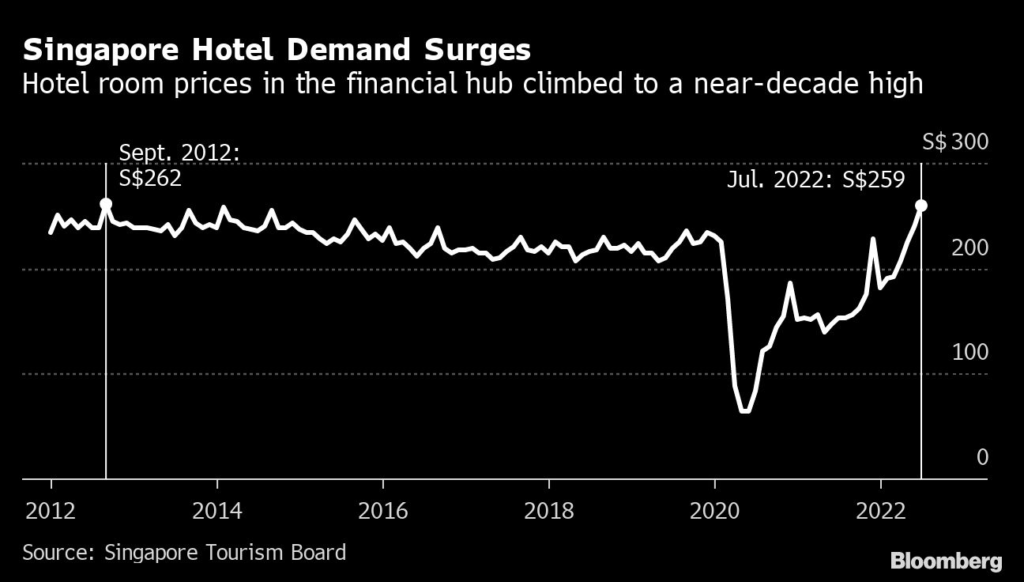
As of Thursday, digs at top-flight venues from the Marina Bay Sands to the storied Raffles Hotel were sold out for much of the coming month — many at upwards of $2,000 a pop. Even before that surge, accommodation costs had reached their highest in a decade.

For Sean Xiang, the founder and CEO of Hermitage Capital who’s making his first trip abroad in three years, it’s well worth it. He’s set aside $40,000 to $50,000 for a two-week layover.

“It’s a bit over the top,” Xiang said after scoring a place at the Sands, which boasts one of Asia’s largest casinos. “But Chinese fund managers have been held back for three years. It’s a conference you cannot miss.”

Read more: Singapore Roars Back to Life As Hotel Prices Reach 10-Year High

Xiang plans to catch up with his limited partners while in town, and find out at Super Return how his peers are grappling with a market selloff. The event is expected to draw not just financiers but also startups on the prowl. Many funds in China, especially the smaller ones, are having a hard time raising capital after Beijing’s sweeping crackdown on the country’s internet sector. 

Singapore will also host the Milken Institute Asia Summit, Forbes Global CEO Conference and several crypto events in September, followed by gamescom asia in October. 

But it’s F1 that might prove the bigger draw. This year’s night race is set to see its biggest turnout since the inaugural event in 2008. Away from the track, the entertainment lineup includes performances by Westlife and Green Day. Other big names coming to Singapore later this year include Justin Bieber, Maroon Five and Guns N’ Roses.

That stands in stark contrast with rival financial center Hong Kong’s own barren events calendar, which includes a Rugby Sevens tournament and a financial summit at the center of controversy over the city’s reluctance to do away with pandemic-era curbs. 

“It’s Super Return and F1. Everyone wants to be in town,” said Ian Lee, deputy CFO of Chinese biotech startup XtalPi.

More stories like this are available on bloomberg.com

©2022 Bloomberg L.P.
Disney CEO Chapek Considering Merging Company’s Hulu and Disney+ Services

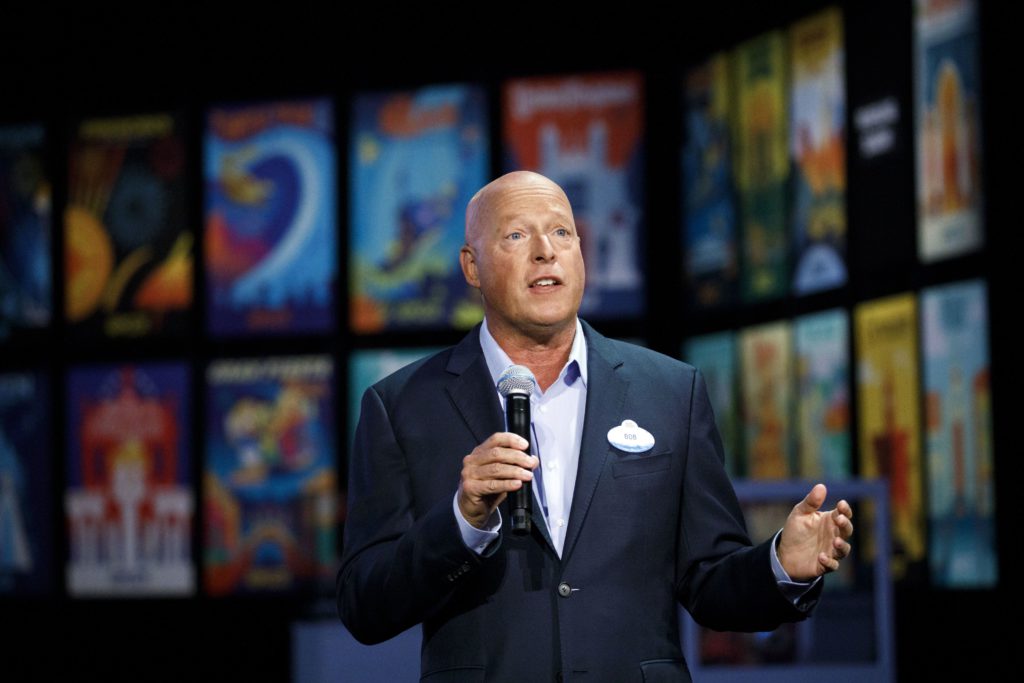
(Bloomberg) — Walt Disney Co. Chief Executive Officer Bob Chapek is considering merging the Hulu streaming service with Disney+, creating a single online option for viewing the company’s movies and TV shows in the US.

The executive, speaking Wednesday at Goldman Sachs Group Inc.’s telecom and media conference, said Disney+ already offers programs for adult viewers through its Star brand outside of the US, and the company is moving more general entertainment to the Disney+ service domestically.

Disney has had success selling Hulu and Disney+ together in a bundle at a discounted price, Chapek said. A combination of the two would eliminate friction consumers feel when they switch between the apps, he said. Disney+ includes movies and TV shows for kids and families, while Hulu features some edgier content for adults.

Any merger of Hulu and Disney+ would require the company to buy the one-third of Hulu owned by Comcast Corp. The two companies have an agreement for Disney to acquire Comcast’s stake in 2024, under terms that value the whole business at a minimum of $27.5 billion. Chapek said he’d like to acquire that stake sooner.

Disney wants to integrate data gleaned from both TV viewing and theme-park visits to create a broader connection with consumers, Chapek said. The company also offers the ESPN+ streaming service in the US for sports fans.

Comcast Chief Executive Officer Brian Roberts, speaking later at the same conference, said he’d be interested in owning Hulu if it was for sale. He also suggested Comcast might get a higher price for its interest if Hulu was auctioned off. Their sale agreement says that Hulu’s value will be assessed by independent experts.

(Adds Comcast CEO’s remarks in last paragraph.)

More stories like this are available on bloomberg.com

©2022 Bloomberg L.P.
Xi Unlikely to Throw Putin a Lifeline as Ukraine Struggles Mount

(Bloomberg) — Shortly before invading Ukraine in February, Vladimir Putin and Xi Jinping declared a “no limits” friendship. Yet even as his forces suffer humiliating losses on the battlefield, Russia’s president shouldn’t expect much help at his first meeting with his Chinese counterpart since then.

Xi and Putin meet face-to-face in Uzbekistan on Thursday in their first sitdown since a Beijing meeting before the Winter Olympics that yielded a lengthy joint statement of more than 5,000 words. In it, they vowed to have “no ‘forbidden’ areas of cooperation” in challenging the US-led global order and pushing for a multipolar world.

Yet China appeared caught off guard when Putin invaded Ukraine a few weeks later. Officials in Beijing initially struggled to both support Russia and avoid endorsing a clear violation of sovereignty — a pretext that could be used to justify foreign intervention in Taiwan, which China claims as its territory.

China’s diplomatic backing for Russia eventually solidified over the months, and strengthened further after US House Speaker Nancy Pelosi visited Taiwan in August. Last week, Li Zhanshu — China’s No. 3 official — visited Moscow and told Russian lawmakers that Beijing’s leaders “fully understand the necessity of all the measures taken by Russia aimed at protecting its key interests.”

Sanctions Fears

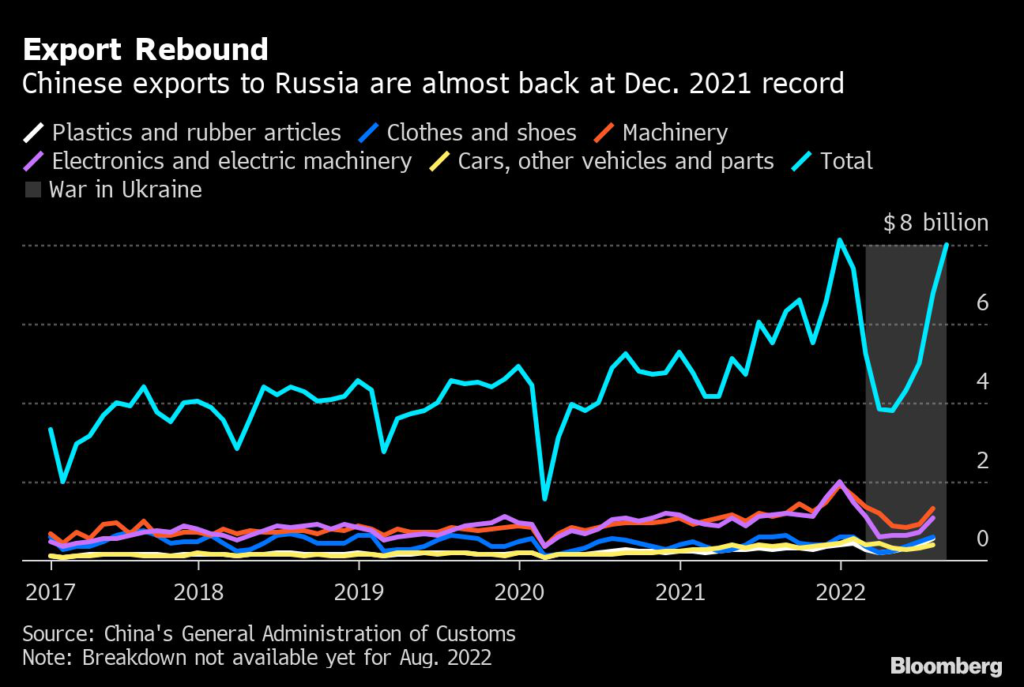
But while trade has picked up even as the US and its allies have imposed sweeping sanctions on Russia, Beijing has stopped short of sending military supplies or financial support that might make it a target of such restrictions. And, despite recent fears among some financial investors, Beijing’s position is unlikely to change even if Putin on Thursday asks Xi for military assistance in Ukraine following heavy Russian losses in recent weeks. 

“Chinese officials talk about a partnership ‘without limits,’ but Russia and China have always agreed to disagree on numerous issues,” said Elizabeth Wishnick, a senior research scientist at the CNA, a security think tank in Washington.

“I don’t think Chinese military aid to Russia is likely due to the sanctions and strong international opprobrium that would ensue,” she added. “This would also contradict Chinese claims that western military support for Ukraine perpetuates the war.”

Putin in recent days has seen some of his biggest losses since the war began, with Ukraine saying it retook more than 6,000 square kilometers (2,300 square miles) of land in a counteroffensive that has shifted the momentum of the conflict. Although Russia still controls about one-fifth of Ukrainian territory, fears are rising that Putin may seek further escalation to regain the upper hand.

While Xi sees Russia as an important diplomatic ally to resist the US, particularly its military alliances and control of the global financial system, he has few domestic incentives to get involved. The Chinese leader is set to secure a third term in power at a party congress next month while also dealing with an economic slowdown and a property crisis. 

What’s more, sending troops or weapons would mark a violation of sovereignty, undercutting China’s own stated positions. The Kremlin has had to turn to Iran and North Korea for drones and ammunition, according to the US.

Any Chinese loss of life or economic hardship exacerbated by financial sanctions only risks blowing back politically on the Communist Party, which has vowed to raise living standards among the masses and even locked down major cities to keep people from dying of Covid. 

China has several ways to show more support for Russia that would not fundamentally shift its position on the conflict, said Amanda Hsiao, senior analyst at Crisis Group, a Brussels-based policy research organization. 

That includes using the Shanghai Cooperation Organization meeting in Uzbekistan to show the world that Putin isn’t isolated, as well as potentially participating in more military exercises with Russia, she said.

China and Russia’s economic ties have grown despite US and European sanctions in the war. Dominated by energy and other commodities, Russia’s exports to China jumped nearly 50% to $40.8 billion in the first five months of the year. 

China has also helped fill a void left by fleeing foreign firms with cars, televisions and smartphones as its exports to Russia recover after a lull following the invasion. Its exports to Russia of integrated circuits and other semiconductor components, and the machines that make them, rose to $155 million in the first seven months of this year, up almost 27% compared to the same period in 2021.

“So far China has provided political and moral support to Moscow but has refrained from providing military assistance and toed the line on sanctions,” Hsiao said. “This posture reflects a balancing of its strategic interests with its economic ones — these interests will continue to guide Beijing’s positioning going forward.”

More stories like this are available on bloomberg.com

©2022 Bloomberg L.P.
Ex-Twitter, Facebook Executives Urge Lawmakers to Rein In Social-Media Platforms

(Bloomberg) — A top executive for the video app TikTok Inc., which is owned by Chinese tech giant ByteDance Ltd., told a US Senate panel that it’s negotiating with federal regulators on restricting access to user data for employees in China, but declined to commit to a total cutoff. 

Senator Rob Portman, an Ohio Republican, repeatedly asked the platform’s Chief Operating Officer, Vanessa Pappas, to say the company would seal off Chinese access to all US data. Pappas declined to do so, instead saying that the company will continue to cooperate with federal agencies in drafting an agreement to protect US user data.

“Our final agreement to the US government will satisfy all national security concerns,” Pappas testified Wednesday before the Homeland Security & Governmental Affairs Committee.  

Critics argue that TikTok’s Chinese ownership puts US users at risk. TikTok says it stores data on US users in the United States and it’s working with Oracle Corp. to create a firewall around the data. TikTok is under scrutiny by a number of government bodies, including the Committee on Foreign Investment in the United States, or Cfius. 

That national security review comes as tensions have risen between the US and China over trade, the status of Taiwan and China’s growing military assertiveness. The Biden administration is looking for ways to curb US investment in China’s industries and has extended Trump-era tariffs on Chinese imports.

Pappas was among a group of executives from the biggest social media companies who faced skeptical questions from the panel over whether their need to attract users is at odds with restricting hate speech, as former employees had alleged in testimony earlier in the day. 

Also appearing before the panel were Neal Mohan, chief product officer at Alphabet Inc.’s YouTube, Chris Cox, Meta Platforms Inc.’s chief product officer; and Jay Sullivan, general manager of Bluebird at Twitter Inc. Legislators peppered the executives with questions on whether the businesses amplify misinformation or violence-inciting posts to boost engagement on the platforms. 

Earlier in the day, former Twitter and Facebook executives told the committee that the companies can do more to rein in extremism and misinformation, but won’t unless forced to by regulation because their profits depend on attracting and engaging users.

YouTube’s Mohan denied that their business benefits from extreme or violent messages.

“Our advertisers have told us in no uncertain terms that, ‘We don’t want to be associated with content that promotes hate, violent extremism,’” Mohan said. “When that content is on our platform, they walk away.”

In response to recent reports that Meta dismantled the team responsible for addressing product concerns — known as the Responsible Innovation Team — Cox said the work of the 20 people on that team overlapped with the company’s broader integrity work, which remains.

Cox didn’t directly say whether employees working on product design are compensated based on the trust and safety of the product.

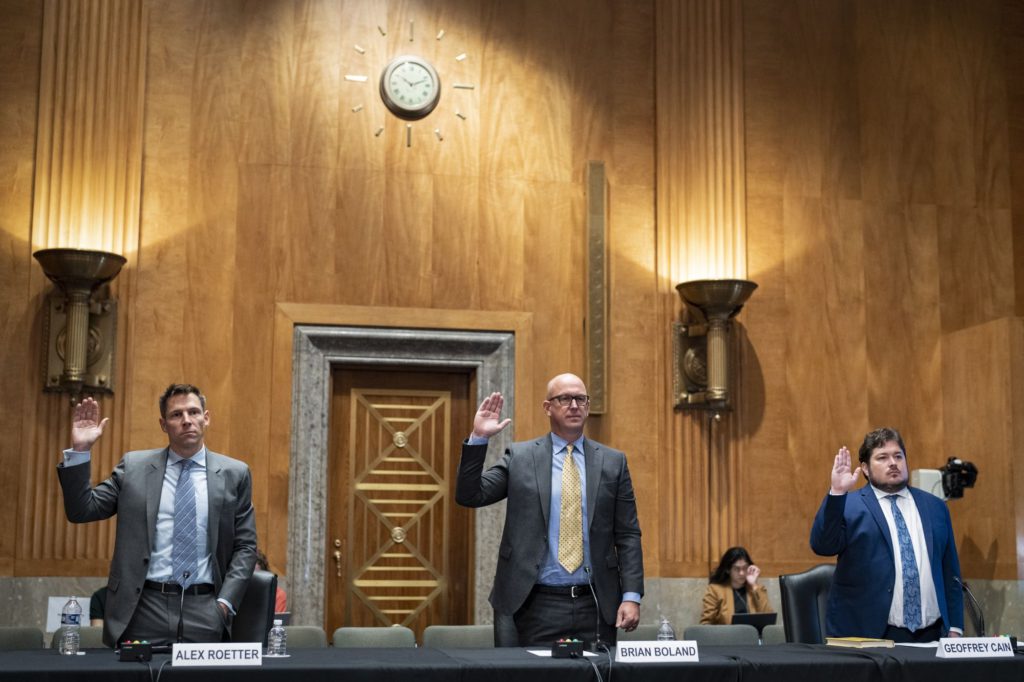
Earlier in the day, Brian Boland, a former vice president with Meta’s Facebook, and Alex Roetter, Twitter’s former senior vice president for engineering, warned the committee that social media companies have failed to address the harm their platforms can cause, including how their algorithms can amplify harmful content. 

“Today you don’t know what’s happening with the companies, you have to trust them,” said Boland. “I lost my trust with the companies with what they were doing and what Meta was doing. We should move beyond trust to helping researchers and journalists understand the platforms better.”

Boland contrasted the companies’ development with the auto industry, where advancements are tested and overseen by safety regulators before being put on the road. “There’s almost no ability to protect our future and create a version of crash-testing a car,” he said. 

The hearing comes a day after Twitter whistle-blower Peiter “Mudge” Zatko testified in front of a separate Senate committee about his allegations that Twitter’s lack of security protections pose a threat to the US. Zatko claimed Twitter has looked the other way while foreign agents accessed sensitive data on U.S. users. 

Efforts to regulate the companies have so far stalled in Congress amid partisan disagreements and a lobbying surge by the tech giants and their trade groups.

More stories like this are available on bloomberg.com

©2022 Bloomberg L.P.
Amazon Keeps Prices ‘Artificially High,’ California Alleges

(Bloomberg) — California sued Amazon.com Inc., saying the company forces third-party merchants to agree to policies that lead to “artificially high prices” for consumers.

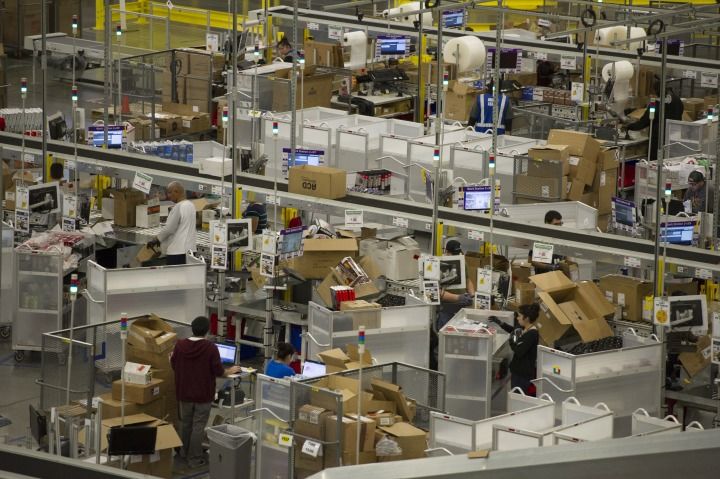
State Attorney General Rob Bonta on Wednesday announced the antitrust suit challenging Amazon merchant agreements that bar sellers from offering lower prices on other sites and impose stiff penalties if they do. He said the agreements block competition from other online retailers, resulting in inflated fees for merchants and higher prices for consumers.

“Amazon coerces merchants into agreements that keep prices artificially high, knowing full-well that they can’t afford to say no,” Bonta said in a statement. The suit, filed in state court in San Francisco, seeks an order blocking Amazon from continuing to engage in anticompetitive behavior and compensation for California consumers.

The suit comes three years after Bloomberg reported that the company’s pricing policies were forcing sellers to raise their prices on competing sites like Walmart Inc. because if they offered lower prices on other sites Amazon would bury their products in search results.

Bonta’s suit similarly stressed that merchants risked less prominent placement on Amazon or even removal from the site if they charged less on rivals like Walmart, Target, eBay, and, in some instances, their own websites.

It’s not the first time that Amazon’s policy towards merchants has drawn scrutiny. The California suit is similar to one filed last year by Washington, D.C., Attorney General Karl Racine. A judge dismissed the suit last year, but Racine is trying to revive the case on appeal. The Justice Department submitted a brief in support of Racine’s appeal, saying the judge who dismissed it misapplied antitrust law.

“Similar to the D.C. attorney general — whose complaint was dismissed by the courts — the California attorney general has it exactly backwards,” Amazon representative Alex Haurek said in a statement Wednesday. “Sellers set their own prices for the products they offer in our store.” Haurek said the relief Bonta was seeking “would force Amazon to feature higher prices to customers, oddly going against core objectives of antitrust law.”

In response to an antitrust price-fixing investigation by the Washington state attorney general, the company agreed to pay a $2.25 million fine in January and shutter a program in which it agreed on pricing with third-party sellers, rather than compete with them. Separately, a group of Amazon customers filed a proposed class-action lawsuit in federal court in Seattle in July, accusing Amazon of violating antitrust laws through agreements with sellers that guaranteed Amazon a minimum margin.

‘Vicious Anticompetitive Cycle’ 

The Federal Trade Commission, which has both antitrust and consumer protection mandates, has also been investigating Amazon on several fronts. A probe into the e-commerce giant’s retail business, started in 2019 under the Trump administration, has since expanded under Chair Lina Khan into cloud computing services and M&A activity, such as its $8.45 billion acquisition of MGM Studios and its proposed deals for iRobot Corp. and One Medical.

In August, the company accused the FTC of harassing founder Jeff Bezos and Chief Executive Officer Andy Jassy with “unduly burdensome” information requests.

Bonta highlighted Amazon’s market dominance in the California suit, calling the 160 million members of its Prime subscription service “the most lucrative customers online.” The state attorney general noted that half of Amazon’s third-party sellers derive more than 80% of their revenue from the site. 

“For hundreds of thousands of third-party sellers, Amazon sales are effectively their entire business — lose Amazon, and they lose their livelihood,” Bonta said in the suit. As a result, the company was able to dictate terms, leading to “a vicious anticompetitive cycle in which Amazon wins and its third-party sellers, its wholesale suppliers, consumers, and competition lose.”

Jason Boyce, CEO of Avenue7Media, which helps about 100 small businesses sell products online, said the California suit was a welcome development. He said many merchants avoid putting their products on competing sites out of fear of hurting their sales on Amazon, where they do most of their business.

“Amazon’s practices, in my opinion, raise prices across the entire internet,” Boyce said. “It hurts small businesses and hurts consumers. The only one that doesn’t get hurt is Amazon.”

(Updates with comment from Amazon.)

More stories like this are available on bloomberg.com

©2022 Bloomberg L.P.

Coinbase Is Highlighting Politicians on Their Crypto-Friendliness

(Bloomberg) — Coinbase Global Inc. is adding a scorecard for politicians right into its app as the largest US cryptocurrency exchange amps up its policy advocacy efforts after expressing frustration with lawmakers and regulators.  

American customers can check crypto sentiment scores for members of Congress based on their past statements, Brian Armstrong, chief executive officer of Coinbase, wrote in a series of tweets Wednesday. They can also register to vote and find out about local town hall events.  

Over time, the effort will expand to global elections and help candidates solicit donations in crypto, he said. Coinbase has more than 100 million verified users.    

Coinbase is among crypto firms seeking to be at the forefront of shaping the regulatory environment for the digital assets industry. It recently launched a voter registration tool, and took a high-profile stance against the Treasury Department’s decision to sanction coin mixer Tornado Cash by backing a lawsuit filed by two Coinbase employees and others. 

Coinbase has also used more conventional means to influence Washington. It spent $1 million on lobbying in the second quarter, a record amount for the company, and launched a political action committee in February to pool donations from employees and donate to members of Congress.

Read More: Crypto Industry Seeks Clout With PAC to Spread Huge Haul of Cash

Millions of crypto-backed dollars are going into the coffers of federal candidates and committees ahead of November’s congressional elections. Donations from the crypto industry at the federal level have surpassed oil and gas, transportation and defense industries, from January 2021 through July, according to a Bloomberg analysis. Major crypto donors include Sam Bankman-Fried of crypto exchange FTX and Michael Novogratz of Galaxy Digital. 

More stories like this are available on bloomberg.com

©2022 Bloomberg L.P.
Google Cuts Funding, Jobs at Its New Idea Incubator

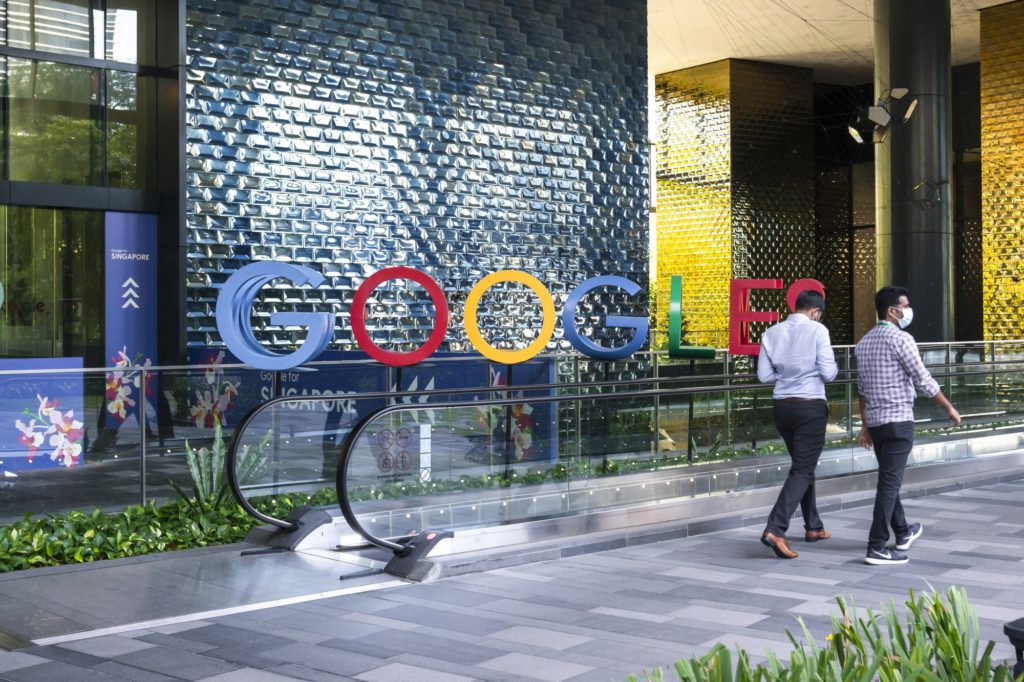
(Bloomberg) — Google is making cuts to Area 120, its in-house incubator for new projects, according to people familiar with the matter, as the tech giant moves to control spending and focus more tightly on artificial intelligence.

Some teams at Area 120 were notified this week that their projects had been reorganized or canceled, according to two people who asked not to be identified because the changes aren’t public. The affected workers will need to find new roles at Google within a certain period of time or lose their jobs. One of the people estimated that half of the teams at Area 120 had been affected.

A company spokesperson said in a statement that Area 120 “will be shifting its focus to projects that build on Google’s deep investment in AI and have the potential to solve important user problems.” 

“As a result, Area 120 is winding down several projects to make way for new work,” said the spokesperson for Google, which is owned by Alphabet Inc. “Impacted team members will receive dedicated support as they explore new projects and opportunities at Google.”

Area 120 will continue to incubate new projects, according to one of the people with knowledge of the situation.

In recent years, Google has handled cutbacks by giving affected employees a window to find new roles. But the workers may face an uphill battle, especially as the company slows overall hiring. 

Launched in 2016, Area 120 offers select employees the opportunity to work on small startups that live inside Google. “Many of Google’s best ideas begin as passion projects,” the Area 120 website explains. Among the incubator’s biggest hits was GameSnacks, a gaming platform launched in 2020 that caters to people using low-memory devices on slow cellular networks. 

Yet Google has been signaling to both workers and Wall Street that it will exercise greater financial discipline in the face of a potential economic recession. In an email to staff in July, Alphabet Chief Executive Officer Sundar Pichai said Google plans to “focus our hiring on engineering, technical and other critical roles” for the remainder of this year and next year. 

Other parts of Alphabet are increasing their ambitions, though. Verily, Alphabet’s life-sciences unit, announced this week that it had raised $1 billion in new investments led by its parent company. The sequence of events suggests Alphabet is prioritizing concrete gains in the short term over “pie in the sky” innovation, said Dan Ives, an analyst at Wedbush Securities.

“Google, like every other tech company, is going to have to make some tough decisions,” he said. “With no more free money, investors don’t want these companies to be spending like 1980s rock stars.”

(Adds statement from Google starting in third paragraph.)

More stories like this are available on bloomberg.com

©2022 Bloomberg L.P.

Amazon Opens the Email Marketing Floodgates to Try to Boost Sales

(Bloomberg) — Amazon.com Inc. will let brands and merchants send marketing emails to shoppers, a risky bid to boost sales that could inundate inboxes with spam. 

The company announced the initiative Wednesday at the Amazon Accelerate conference in Seattle, where it demonstrates new features to the independent businesses that sell more than half of the products on Amazon.com. 

Merchants will be able to send free emails to recent shoppers, repeat customers and their biggest spenders through a “Tailored Audiences” tool, which will also let sellers monitor the results. The tool has been in testing this year and will be available to all US sellers in early 2023.

The move marks a break with Amazon’s historic reluctance to let independent merchants connect directly with customers for fear of alienating them. But online sales have slowed from their pandemic highs, and antitrust investigators are probing the power Amazon holds over millions of third-party vendors. Some merchants also say Amazon makes it hard to create a relationship with even their most loyal buyers.

Customers will have to unsubscribe if they don’t wish to receive the marketing emails.

“The downside is this could lead to a lot of spam, and I wonder how they’re going to manage that,” said Kirthi Kalyanam, director of the Retail Management Institute at Santa Clara University. “Retailers send so many emails, and shopper in-boxes get absolutely inundated.”

Despite the risks, merchants will probably embrace the initiative. This year US online sales will rise just 9.4% to $1 trillion, the first time growth has slipped into the single digits, according to Insider Intelligence. Some Amazon merchants are already bracing for a bleak holiday shopping season as inflation-hit consumers curb their spending and focus on such necessities as food and fuel.

Amazon shares rose 1.36% to $128.55 in New York.

The company captures 37.8% of all online spending in the U.S., six times more than its closest competitor Walmart Inc., according to Insider Intelligence. To maintain that edge as rivals improve their own e-commerce operations, the online behemoth is constantly rolling out new tools to help sellers and brands boost sales. 

Amazon is also introducing a new question and answer feature that will let merchants connect with shoppers via its Alexa voice-activated platform. Shoppers asking such questions as “how can I remove pet hair from my carpet” can see and hear answers from merchants along with links to their products. The feature will be available to select merchants in October and launched to them all early next year.

“Many brand owners have spent years becoming experts in their product area and this an opportunity to connect customers with their brand,” Dharmesh Mehta, Amazon’s vice president of worldwide selling services, said in an interview.

The email marketing initiative pushes Amazon further into advertising, which founder Jeff Bezos initially resisted but has since become a fast-growing and profitable business. Advertising services generated $8.8 billion in Amazon’s second quarter, up 18% from the same period a year earlier. 

In a precursor to the email marketing strategy, Amazon already lets shoppers follow favorite brands, which can then send them messages. The big difference is shoppers had to opt in to receive those messages. Now they’ll have to opt out.

Kalyanam suspects Amazon is encouraging more communication because it wants to help merchants glean deeper insights about their customers.

“These sellers can’t see any data about customers, and that must be creating problems for them,” he said. “If 90% of your sales are on Amazon, you are basically flying blind, and a dumb seller is not good for Amazon.”

(Updated with shares. A previous version of the story corrected the spelling of an Amazon executive in 11th paragraph.)

More stories like this are available on bloomberg.com

©2022 Bloomberg L.P.

Close Bitnami banner
Bitnami
