
Bloomberg

The Hype Around Esports Is Fading as Investors and Sponsors Dry Up

(Bloomberg) — The once-thriving esports industry has fallen on hard times as funding sources dwindle and signs abound that athletic competition via video games doesn’t have anywhere near the earning potential investors anticipated.  

Sports-business billionaires and gaming executives had hopes that esports could one day could scale into an organization like the National Basketball Association. But after a boom five years ago, several prominent esports teams and organizations, particularly in the US, are contracting, the result of a broad economic downturn, a venture capital industry that’s no longer willing to accept growth without profits and a crypto meltdown that has undercut a significant source of backing.

Since the summer, Team SoloMid and 100 Thieves—the two most valuable esports organizations according to Forbes—have terminated dozens of positions in total. In November, Evil Geniuses, one of the oldest esports groups, disbanded its North America team that competed in the highly popular game Defense of the Ancients 2 and shifted their operations to South America. Game publishers, too, are shrinking their esports operations and that’s trickling down to tournament organizers, teams and players. In early November, Riot Games said it will close its official Wild Rift leagues outside of Asia next year, choosing to focus solely on the world’s biggest mobile gaming market. And a popular Super Smash Bros. tournament was terminated after not getting a license from Nintendo Co.

“We have been operating our esports teams at a loss since inception,” said Ben Spoont, founder and chief executive officer of Misfits Gaming Group, who sold the organization’s slot to field a team in the League of Legends European Championship in July. “I had thought that by 2022, I’d have seen enough data to say, ‘We are there’ or ‘We’ll get there in the next year or two.’” 

Investors who were once eager to get in early on what was expected to be a booming industry are now scrutinizing the business fundamentals and not much liking what they see. In 2018, a record $4.5 billion was invested in the industry, including from private equity firms jumping in for the first time, according to a report by Deloitte. That bounty has faded and venture capital investment in esports is the lowest it’s been since 2016—excluding 2020, when pandemic restrictions threw into question the viability of live esports tournaments—according to data provided by PitchBook.

The dissatisfaction is also reflected in the public markets. FaZe Clan, an organization of gaming celebrities and esports pros that helped pioneer the influencer marketing industry, went public via a SPAC in July and has seen its stock drop about 80% since then.  

As originally envisioned, esports organizations were supposed to generate revenue by selling stadium tickets and merchandise or sharing profit with game publishers from large sponsorship and broadcast deals. Anticipating outsize success, traditional sports franchise executives paid $20 million to get in early on teams for Activision Blizzard Inc.’s Overwatch League and even more later for Call of Duty league teams. 

Read more about the shaky future of the Overwatch League.But the revenue generators that worked for traditional sports, so far aren’t in esports. Even if major esports events can sell out stadiums, those tickets cost less than for an average American football or basketball game. Esports fans also spend far less on merchandise and digital goods than traditional sports fans. While 261 million people globally watch esports at least once a month, each enthusiast only produces $5.30 in revenue per year, according to industry tracker NewZoo. 

Making matters worse, viewership for League of Legends’ Championship Series, one of the most mainstream leagues in esports, is at a five-year low, according to data aggregated by Esports Charts. As viewership declined, broadcast and streaming deals became less lucrative or less common for US and European esports leagues.  And, while traditional sports teams have been able to get local governments to offset the upfront costs of their operations with tax benefits and subsidies for stadium construction, esports teams weren’t able to get the same deals. Comcast Spectacor, owner of the Philadelphia Fusion Overwatch League team, started work on a $50 million esports arena in 2019 only to have it reimagined as a multiuse dining and retail facility.

All that has left the industry exceedingly reliant on outside investment. Sponsors and advertisers, like BMW and Red Bull, represent 60% of esports organizations’ revenue, according to NewZoo. But a global economic downturn caused the US advertising market to shrink by 7% in the second quarter from a year earlier and esports is not immune. The Overwatch League lost all of its sponsors ahead of the 2022 season, in part due to controversy over sexism at publisher Activision Blizzard.

Some sponsors have turned their attention to increasingly popular gaming influencers—namely Twitch streamers and YouTube creators like Tyler “Ninja” Blevins—who are better-positioned to capitalize on viewers’ attention than esports teams focused on competing and winning tournament prize pools. Live gaming viewership on Twitch and YouTube Gaming boomed over the pandemic while esports leagues struggled under lockdowns. Misfits’ Spoont said selling the the League of Legends European Championship slot was part of a strategy to expand the group’s emphasis on partnering with top creators like Minecraft YouTuber Toby “Tubbo” Smith and “QTCindarella.” Influencers are also a better bang for the buck than esports  teams, whose players’ salaries can be as high as seven figures. This year, salaries in the League of Legends Championship Series declined for the first time in years, according to two people with knowledge of the situation.

Some of the biggest recent sponsorship deals in esports come from the cryptocurrency industry. Deals from betting companies and crypto firms represented 15% of 2022’s sponsorships, according to NewZoo. The rout in the crypto market and collapse of crypto exchange FTX, which filed for bankruptcy after a liquidity crisis, has dried up funding from that industry. Last year, FTX paid Team SoloMid $210 million to change its name to TSM FTX. In November, after Sam Bankman-Fried’s crypto empire imploded, FTX TSM suspended the partnership and reverted to just TSM.

TSM spokesperson Gillian Sheldon said the FTX deal’s collapse had no impact on the team’s decision to downsize and lay off employees. “As is well known in the industry, most esports teams operate at an annual loss,” Sheldon said. “But the combination of high interest rates and the market cooling down has made raising additional capital difficult.” She added that TSM as an organization, which operates esports teams, manages content creators and runs a successful app called Blitz, is profitable. 

In mid-November, a well-liked app for connecting the esports fandom called Juked.gg, shuttered after failing to find a buyer. “Esports has become anti-sexy to VCs who had been burned by the hype and sky-high valuations esports startups enjoyed a few years earlier, and most investors now understand that game publishers are the primary beneficiaries in esports,” wrote creator and former Twitch employee Ben Goldhaber, in a Medium post. 

While many esports organizations seem to be moving on, focusing more on influencers and less on sports teams, some executives think game publishers should take more responsibility for the predicament teams find themselves in today.

“It’s important that publishers step in to find a solution to create digital revenue opportunities for the esports ecosystem they have built and benefit from,” said Arnold Hur, chief executive officer of esports organization Gen. G. “It’s clear that relying solely on media and sponsorship deals, especially in this kind of market, simply will not work.”

More stories like this are available on bloomberg.com

©2022 Bloomberg L.P.
Crypto Miner Marathon Digital Taps Advisers as It Weighs Compute North Bid

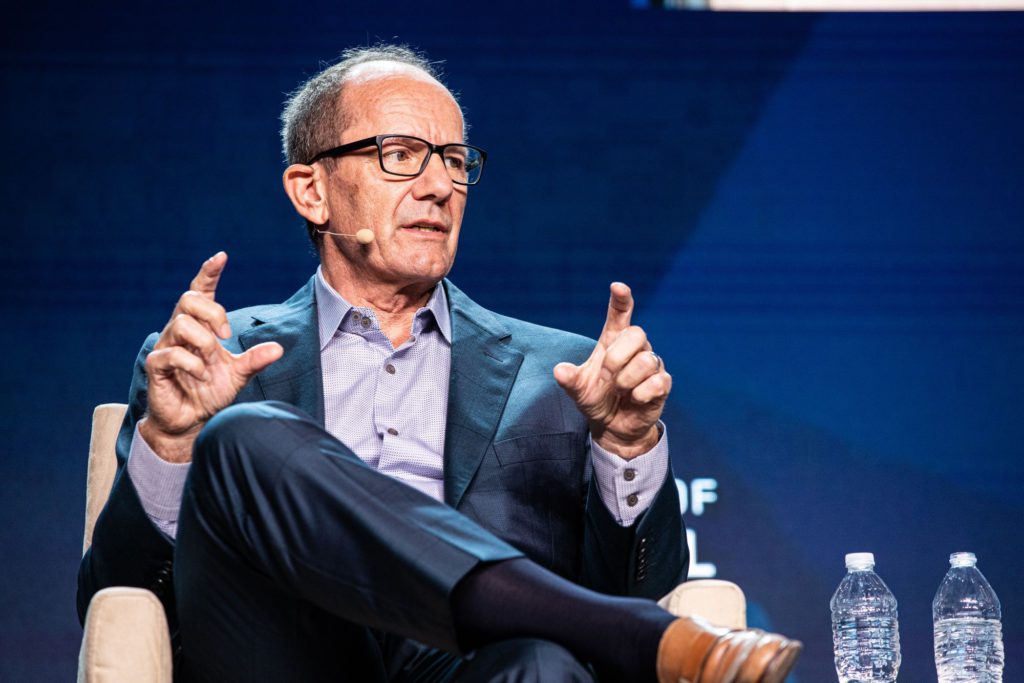
(Bloomberg) — Cryptocurrency miner Marathon Digital Holdings Inc. has hired restructuring specialists to provide advice on its exposure to bankrupt counterparty Compute North Holdings, Marathon Chief Executive Officer Fred Thiel said.

Marathon is weighing a bid for Compute North, a crypto miner which has been shedding small parts of its business during bankruptcy, Thiel told Bloomberg News. The company tapped Guggenheim Partners and law firm Weil Gotshal & Manges for advice, he said.

A representative at Weil didn’t respond to request for comment, while Guggenheim declined to comment.

Las Vegas-based Marathon is among the largest publicly traded Bitcoin miners. The firm employs an asset-light strategy, buying pricey mining machines and paying third-party hosting sites to operate them, avoiding the need to build their own infrastructure.

Compute North hosted a significant portion of Marathon’s mining operation. Marathon posted a wider loss for the third quarter and an impairment charge of $39 million tied to Compute North’s bankruptcy filing. More recently, Marathon estimated that roughly $22 million of its $42 million in remaining deposits to the host are recoverable. 

Low Bitcoin prices, soaring energy costs and stiff competition have battered the crypto mining industry. Crypto-mining giant Core Scientific has warned of a potential bankruptcy, while Argo Blockchain in October said it will have to cease or limit operations if the firm can’t secure further funding. 

Marathon had $61.7 million cash on hand at the end of last month and 69,000 active mining rigs as of December 1. 

The company’s 1% convertible notes due 2026 hit a recent low of roughly 24.8 cents on the dollar, according to Trace data. 

(Updates with bond prices in the last paragraph.)

More stories like this are available on bloomberg.com

©2022 Bloomberg L.P.
The Federal Reserve Is Deflating Financial Bubbles, Without a Crash

(Bloomberg) — The Federal Reserve hasn’t had much success so far in wrestling down sky-high inflation, but its monetary tightening campaign is having a major impact in deflating asset bubbles that swelled during the pandemic.

  • The cryptocurrency market — once valued at $3 trillion — has shrunk by more than two-thirds
  • Investor-favored technology stocks have tumbled by more than 50%
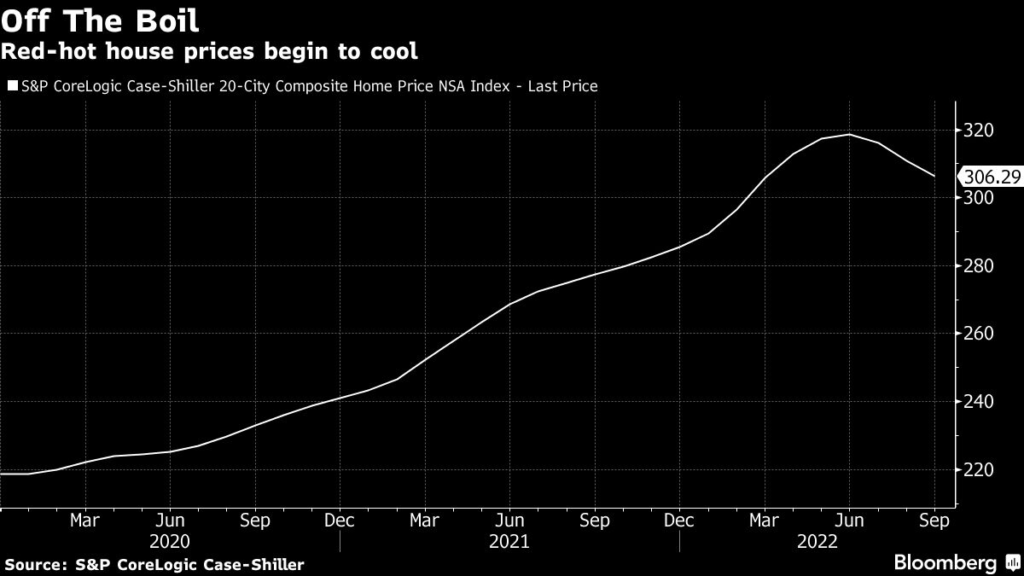
  • Red-hot housing prices are falling for the first time in 10 years

Most importantly – and surprisingly – all this is occurring without upending the financial system. 

“It’s astonishing,” said Harvard University professor Jeremy Stein, who as a Fed governor from 2012 to 2014 paid special attention to financial stability issues. “If you told any one of us a year ago, ‘we’re going to have a bunch of 75 basis-point hikes,’ you’d have said, ‘Are you nuts? You’re going to blow up the financial system.’”

Fed policymakers have long shied away from using monetary policy to address asset bubbles, saying interest-rate hikes are too blunt a tool for such a mission. But the current deflation in asset prices could help achieve the soft landing in the economy Chair Jerome Powell and his colleagues are seeking.

A broader financial blowup can’t be ruled out. But the current episode for now marks a sharp contrast with the bursting of the US property-price bubble that triggered a deep downturn from 2007 to 2009, and the tech-stock meltdown that helped push the economy into a mild recession in 2001.

Partly in recognition of the risks – and the fact they’ve already raised interest rates a lot – Powell & Co. are primed to throttle back rate increases to 50 basis points next week, after four straight 75 basis-point moves.

Here’s how their campaign has helped affect asset markets so far:

Housing Cooldown, Not Meltdown

Ultra-low borrowing costs, along with a surge in demand for properties outside of urban centers during the pandemic, saw housing prices soar. Those are now coming down under the weight of a more-than-doubling in mortgage rates this year.

Financial reforms instituted after the financial crisis helped ensure that the latest housing cycle didn’t feature the kinds of loosening in credit standards seen in the early 2000s. The so-called Dodd-Frank measures have left banks much better capitalized, and much less leveraged than they were back then.

Banks are also awash in deposits, courtesy of the excess savings that Americans built up while holed up during the pandemic, said Wrightson ICAP LLC chief economist Lou Crandall.

“This housing downturn is different from the 2008 crash,” Bloomberg chief US economist Anna Wong and colleague Eliza Winger said in a note. Mortgage credit quality is higher than it was then, they wrote.

While nonbank lenders – so-called shadow banks – have become a massive new source of credit in US housing in recent years, the mortgage market still has an effective backstop in the form of the nationalized financiers Fannie Mae and Freddie Mac. 

“Maybe we shouldn’t be surprised that housing isn’t more disruptive to the financial system — because we federalized it,” said former Fed official Vincent Reinhart, now chief economist at Dreyfus and Mellon.

Crypto Collapse, Contained

Much of the speculative excess seen during the pandemic was centered on crypto. Luckily for the Fed and other regulators, that’s proved to be largely a self-enclosed ecosystem with the firms inside it mostly indebted to each other. A broader integration with the financial system might have made the downturn much more destabilizing.

“It wasn’t providing any services to the traditional financial system or the real economy,” said former Bank for International Settlements chief economist and Brandeis University professor Stephen Cecchetti, who likened the crypto market to a multiplayer online video game. 

So yes, many players in the market have been hurt by the crypto crack-up, but the fallout elsewhere has been minimal.

Tech Tumble, But No Dot-Com Bust

Stocks of technology-sector firms that prospered during the era of pandemic lockdowns have also plunged, wiping out trillions of dollars in market capitalization. But the decline has been gradual, spread out over the course of the last year as Fed rates marched higher. 

And the losses, while large, are a fraction of the scale seen in the bursting of the tech bubble at the start of the century. The Nasdaq Composite Index is down a little over 30% from its high reached last year, but that compares with an almost 80% crash two decades ago.

The broader stock market has held up even better, with the S&P 500 Index about 18% off of its record high hit in January.

“By and large equities aren’t leveraged,” Cecchetti said. “And the people that own them tend to be pretty well off.”

No All-Clear

The full financial fallout from the Fed’s inflation-fighting crusade may not be evident quite yet. Not only are more rate hikes in the pipeline, but the central bank continues to shrink its balance sheet, through so-called quantitative tightening. The only other time the Fed conducted QT, it had to end the process sooner than expected, following bouts of market volatility.

Shocks can occur suddenly, as the recent blowup in the UK bond market showed, auguring caution. And policymakers don’t have as much information as they’d like about what’s going on in the less-regulated shadow banking arena.

“That’s a problem,” former Fed Chair Ben Bernanke said in a lecture in Stockholm on Thursday marking his receipt of the Nobel Prize in Economics. While there’s been some increased regulation of the shadow banks, it’s “not nearly enough.”

One continuing source of worry is the $23.7 trillion market for US Treasuries, long thought to be the most liquid and stable in the world. Paradoxically, the Dodd-Frank-inspired rules have made the market more brittle by discouraging big banks from acting as intermediaries in the buying and selling of Treasury securities. 

Read More: Treasury Market’s Illiquidity Remains a Concern, Fed Blog Says

Given the potential for bigger financial pitfalls, Harvard’s Stein cautioned against taking too much comfort from the relative calm seen so far.

There’s also concern the financial damage from the central bank’s tightening campaign has been limited because investors in stocks and corporate bonds are clinging to the belief the Fed will quickly come to their rescue if markets suffer a deep dive. 

While the Fed might “soften” its efforts to tighten credit if it were faced with a major financial disruption, such action would likely be temporary, said Stifel Financial Corp. chief economist Lindsey Piegza.

“The Fed is hyper-focused on fighting inflation,” she said.

Former Fed Vice Chairman Alan Blinder is among those who are optimistic the US will get through the current cycle without undue financial carnage.

Though policymakers always have to worry about what they don’t know – especially the unknown unknowns – “I’m reasonably optimistic” a breakdown can be avoided, the Princeton University professor said.

(Adds Bernanke comment in third paragraph after ‘No All-Clear’ subheadline.)

More stories like this are available on bloomberg.com

©2022 Bloomberg L.P.
Warren Presses Fed’s Powell on Bank-Crypto Links After FTX

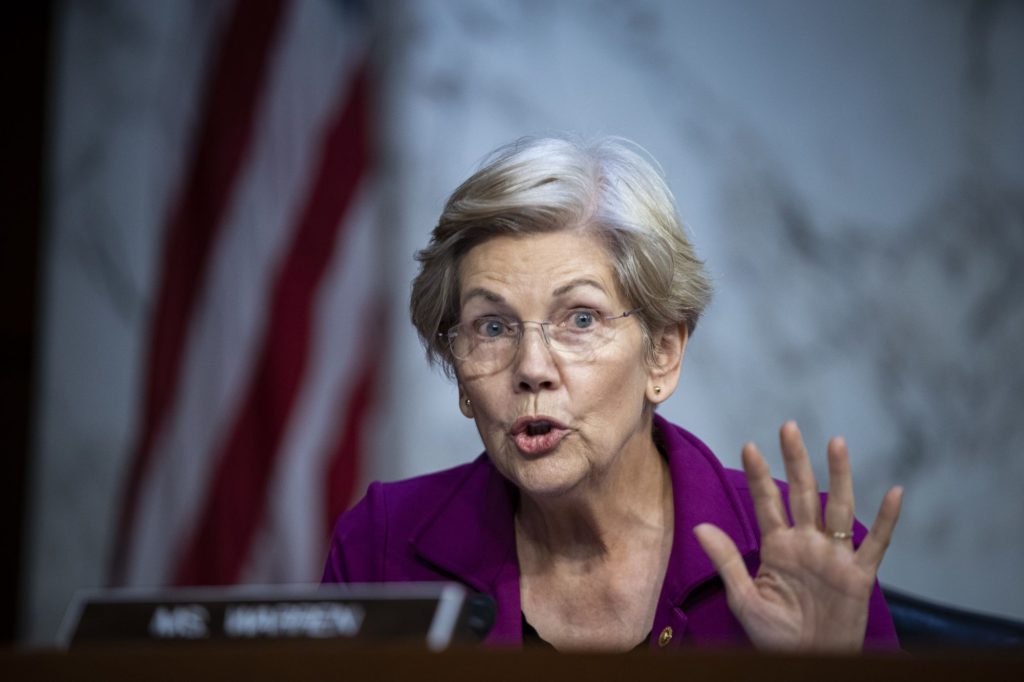
(Bloomberg) — US Senator Elizabeth Warren wants an accounting from Federal Reserve Chair Jerome Powell and other top bank watchdogs on the links that major lenders have with the crypto industry following FTX’s spectacular collapse.

Warren and Tina Smith, who is also a Democratic senator, want to know how the Fed, Office of the Comptroller of the Currency and Federal Deposit Insurance Corp. “assesses the risks to banks and the banking system associated with those relationships.” The pair said those connections might be deeper than previously thought. 

“We write to express concern regarding recent revelations of ties between the banking industry and cryptocurrency firms,” the two wrote in Dec. 7 letters to Powell, FDIC Acting Chairman Martin Gruenberg and Acting Comptroller Michael Hsu. 

Warren, who represents Massachusetts and Smith, who’s from Minnesota, expressed concerns specifically on revelations of the relationships that several banks had with FTX and Alameda Research, a trading firm, which was also founded by Sam Bankman-Fried and played a starring role in his empire’s implosion. 

The senators asked the regulators if they plan to conduct a broad review of crypto firms’ ties to the banking industry. They also asked for details on regulated banks that are currently engaged in crypto-related activities. 

They gave a Dec. 21 deadline for responses.

More stories like this are available on bloomberg.com

©2022 Bloomberg L.P.
China, Saudi Sign Deals as Xi Gets Warm Welcome in Riyadh

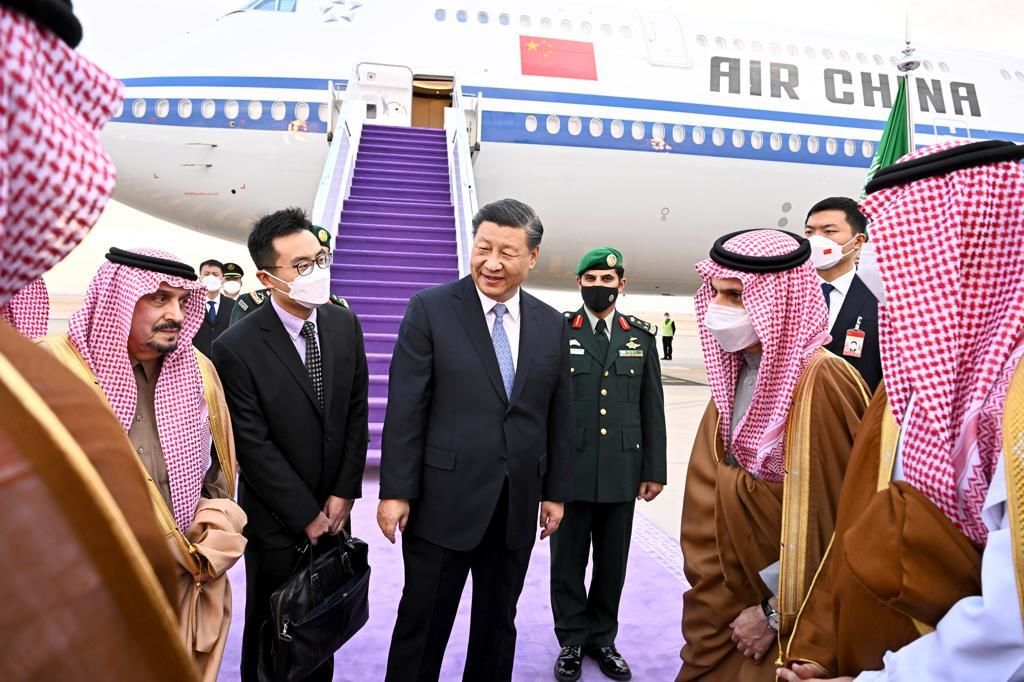
(Bloomberg) — China and Saudi Arabia signed a number of agreements, including on energy and investments, after their leaders met in Riyadh on Thursday at a summit that showcased deep and growing ties beyond oil. 

Saudi Arabia’s Crown Prince Mohammed bin Salman and Chinese President Xi Jinping signed the agreements at the royal palace. It includes a strategic partnership agreement and a harmonization plan between the kingdom’s Vision 2030 that aims to wean the economy off a reliance on oil and China’s Belt and Road Initiative. Memorandums of understanding were also signed on hydrogen energy, solar power, direct investments and housing. 

The leaders “reviewed aspects of partnership and joint coordination efforts” and discussed “opportunities to invest available resources” in both countries, according to state-run Saudi Press Agency. 

Xi was greeted with a horseback parade at the royal palace where he met Saudi Arabia’s crown prince. His visit comes as US ties with the kingdom come under pressure. 

Saudi Arabia is the world’s largest oil exporter, and China its top customer, making their relationship key to the crude markets. But both are looking to gradually diversify their energy mix. 

Saudis Roll Out Red Carpet for Xi Jinping as Gulf Looks Past US 

Saudi state news agency gave few details about the agreements, which also included pacts in other sectors such as information technology, cloud services, transportation, logistics, medical industries, housing and construction.

These include an agreement with China’s Huawei on cloud computing and high speed internet complexes in Saudi Arabia, and another to build an aluminium plant signed between between the Saudi investment ministry and Shandong Innovation Group. Also, an MOU to set up a hydrogen cracking project was signed, according to a statement by the Saudi government.

Saudi Arabia has started work on a large facility for green hydrogen in Neom, a Red Sea city under construction. The green hydrogen, a fuel seen as crucial to the global transition to cleaner energy, will be generated using solar and wind power.

“The Kingdom enjoys a strategic geographical location linking three continents” and overlooks some of the most important water crossings and energy resources, Saudi Investment Minister Khalid Al-Falih said, according to SPA. 

Xi’s trip comes two months after Saudi Arabia angered the US by orchestrating a big oil-production cut by the OPEC+ cartel and cast itself as an emerging power capable of standing up to pressure from Washington. China praised this stance. 

EXPLAINER: Understanding the Ups and Downs of US-Saudi Relations

The two countries will strengthen collaboration at the UN, the G20 and the Shanghai Cooperation Organization, Xi wrote in an editorial in Saudi newspaper Al Riyadh. 

“It suits both Riyadh and Beijing to highlight they have other options to the US, or important partnerships on the world stage that do not include the west,” said Raffaello Pantucci, a senior fellow at the S. Rajaratnam School of International Studies at Nanyang Technological University in Singapore. China’s engagement with the region shows China illustrating that “an alternative world order” can exist, he added.

–With assistance from Rebecca Choong Wilkins.

More stories like this are available on bloomberg.com

©2022 Bloomberg L.P.
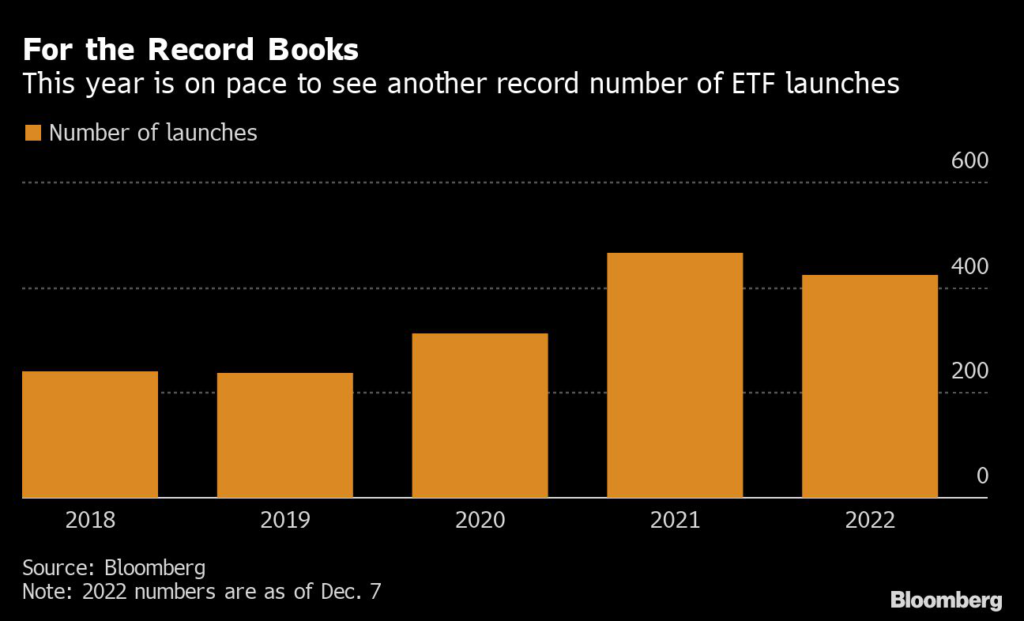
Hundreds of New ETFs Debuted This Year Even as Markets Suffered

(Bloomberg) — If a crushing bear market, inflation-fueled volatility and slump in inflows was meant to cool the booming US exchange-traded fund industry, issuers never got the message.

Firms have brought 422 new ETFs to the market this year as of Wednesday, five more than the number seen at the same time in 2021. That total puts 2022 on track to surpass last year’s record for debuts, even as the Federal Reserve’s battle against soaring prices stokes turmoil across asset classes. 

Far from cooling the market, volatility has lent ETFs new momentum, according to Todd Rosenbluth, head of research at ETF data-provider and research consultant VettaFi. Investors are seeking cheap and easy ways to deploy their cash, while traders are harnessing the vehicles for diversification.

“The record inflows for ETFs in 2021 encouraged asset managers to expand their product pipeline in 2022 and then investors continuing to turn to ETFs during times of market volatility has caused that trend to persist,” Rosenbluth said in an interview.

Despite the explosive growth in ETF launches, there have been 139 closures this year versus just 72 in all of 2021, and inflows have dropped 40% from last year’s record.

Some once-hot areas of the market are already seeing a slowdown from earlier this year. Even before the collapse of the FTX exchange, the cryptocurrency ETF pipeline had been deflating, with launches dwindling to a trickle and a handful of ETPs shuttering. Some market-watchers are expecting a slew of closures in the coming months. 

“We expect closures to pick up in 2023,” said James Seyffart, a Bloomberg Intelligence analyst. “We had record launches in 2021 and near-record launches in 2022 and many of these new funds still have minimal assets, which means they are prime candidates for closures as firms look to clean up and streamline their ETF offering lineup.” 

However, even after all the closures, investors have added a net $588 billion to ETFs this year as they pulled $923 billion from mutual funds, according to ICI data compiled by Bloomberg Intelligence. Meanwhile, trading volumes for the year have already surpassed 2021’s record numbers. 

“The ETF vehicle gives investors control, and then the variety gives them precision,” Bryon Lake, global head of ETF Solutions at JPMorgan Asset Management, said. “So, by having thousands of ETFs, you can put together the perfect group of those to achieve the portfolio that’s specific to you.”

ETF debuts this year included the advent of single-stock funds, which allow investors to make leveraged or inverse bets on the daily performance of individual companies like Tesla Inc., Microsoft Corp. and Coinbase Global Inc. Direxion, GraniteShares and others debuted such products. All told, more than 25 single-stock ETFs came to the market in 2022, though applications to launch such funds that target foreign companies have been withdrawn by a couple of issuers. 

Other trends also remain as strong as ever — 36 of this year’s launches had ESG attributes, Bloomberg data show. Meanwhile, mutual fund-to-ETF conversions also accelerated in 2022, with Neuberger Berman planning to convert its only US commodity mutual fund into an ETF, following similar moves by JPMorgan, Harbor Capital Management, Guinness Atkinson and others. In the coming decade, more than $1 trillion worth of mutual fund assets could be converted into ETFs, according to an analysis by Bloomberg Intelligence.

“This year, we’ve seen an enormous amount of new filings,” said Sylvia Jablonski, chief investment officer at Defiance ETFs. “As markets evolve, new and unique investable opportunities tend to present themselves.”

The global ETF industry could reach $30 trillion by 2030, according to Lake. Launches will likely remain robust, with 2023 potentially being another record year, he added.

–With assistance from Katie Greifeld, Emily Graffeo and Isabelle Lee.

More stories like this are available on bloomberg.com

©2022 Bloomberg L.P.
Peter Thiel Bets $250 Million on Venture Debt Fund

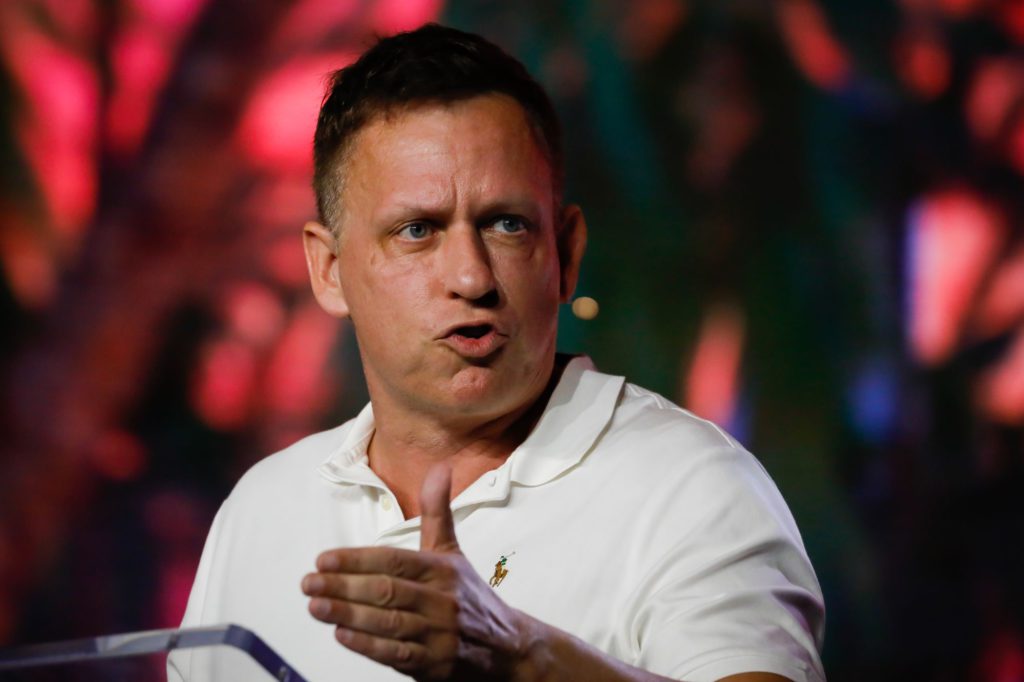
(Bloomberg) — Peter Thiel has had a busy 2022, directing time and money into two US Senate races, a Maltese citizenship, a handful of venture capital funds and more than a dozen technology startups. Among his single biggest bet: venture debt.

The billionaire invested $250 million in Tacora Capital, according to the venture debt firm, which was started this year by Keri Findley, a former partner at Third Point. It’s an unusually large investment for Thiel, the size of which hasn’t been previously reported.

Tacora is backed by an additional $100 million or so from other investors, and the firm has agreements so far to lend to four startups. The Austin, Texas-based firm targets private companies in the property-technology and fintech industries, with predictable cash flow and assets Tacora can use to underwrite risk.

Venture debt boomed during the past few years as an alternative or complement to selling equity. This year, with venture capital on track for its biggest global decline in more than two decades, venture debt has proved resilient. Volume in the US hit roughly $25 billion for the first nine months of this year, about the same level as the past three years, according to the research firm PitchBook.

Issuers of venture debt say the market downturn will generate more demand. Blackstone Inc., KKR & Co. and Bain Capital all said this year they’re either starting or expanding their venture debt programs in response to the market. Longstanding players including Hercules Capital said business is surging, especially from mature private companies that want to avoid selling their equity at a discount. “If the market was up and to the right and green, those companies wouldn’t be talking to us,” Hercules Chief Executive Officer Scott Bluestein told Bloomberg in September.

Findley, 39, has been working with corporate debt for years. At Third Point, she invested in loans and securities from the upstart lender Social Finance Inc. starting in 2015. That experience introduced her to Thiel Capital, which also invested in SoFi, and its partners, including Matt Danzeisen, who’s now married to Thiel. Findley engaged in a series of conversations with the partners about specialty finance startups and non-dilutive funding options, she said. She spoke with Thiel “many” times, she said, and eventually pitched him an idea to use capital to finance relatively low-risk assets created and held by startups.

When Findley was named partner at Third Point, she was the first woman and the youngest person to hold that title. She left in early 2017, and later that year, Bloomberg reported that US securities regulators conducted a preliminary probe into Findley’s role in the mispricing of hard-to-value mortgage bonds at Third Point. “I do not believe the previous reporting was accurate,” Findley now says. “I was never questioned or even contacted in regards to this matter.”

Thiel is a powerful ally to Findley and her four-person investment firm, but relying so heavily on one person’s imprimatur can be risky. Located just across town from Tacora in Austin is Mithril Capital, a venture firm co-founded by Thiel with Ajay Royan, who previously worked for Thiel at his defunct hedge fund Clarium Capital.

Since Mithril’s founding a decade ago, the firm has had limited success and some drama. Following the departure of big-name senior managers, including the opensource engineer Brian Behlendorf and JD Vance, whose successful 2022 Ohio senate campaign was backed by Thiel, former employees accused Royan of mismanaging the firm and driving out top talent. 

Mithril, named after a fictional metal in the Lord of the Rings books, hasn’t raised a fund in nearly six years. If Thiel, the firm’s anchor, or another investor doesn’t sign on soon, it could run out of money.

The firm’s reserves of capital left to invest from its most recent fund have dwindled to 10%, according to PitchBook. This year, it made four investments to support companies already in its portfolio and added one new startup, Genetesis Inc., which makes health diagnostic equipment.

The funding slowdown could create a lasting problem. VC firms that go quiet often struggle to come back, said Theresa Hajer, managing director of VC research at Cambridge Associates.

“If a firm isn’t making new investments, it’s hard to stay relevant in the market. They fade away quietly,” Hajer said. “People call them zombie funds.”

Several of Thiel’s other investment firms are thriving. San Francisco-based Founders Fund is sitting on more than $6 billion in committed capital and New York-based Valar Ventures has more than $1 billion.

Tacora is fielding plenty of applications from borrowers, Findley said. Conversations are underway with more than a dozen companies, she said. That the market downturn could push more startups to seek venture debt is, Findley said, “lucky” timing.

More stories like this are available on bloomberg.com

©2022 Bloomberg L.P.

UK Space Launch Delay Due to Virgin Orbit Snag, Regulator Says

(Bloomberg) — Britain’s aviation regulator said Virgin Orbit Holdings Inc. alone decided to delay the country’s first-ever space launch as it grapples with last-minute snags, and that the move had nothing to do with licensing issues.

“The UK space regulation process is not a barrier to a UK space launch,” Tim Johnson, director for space at the Civil Aviation Authority, said in a statement Thursday. He added that hurdles cited by Virgin “in no way relate to the timing of when a licence will be issued.”

Virgin Orbit, owned by billionaire Richard Branson, said earlier that the mission from Spaceport Cornwall in southwest England planned for Dec. 14 had been put on hold. Chief Executive Officer Dan Hart said the decision was made since UK licenses for the launch and its satellite payload remain outstanding and additional technical work is needed to establish system health and readiness.

Given an “available launch window of only two days, we have determined that it is prudent to re-target launch for the coming weeks to allow ourselves and our stakeholders time to pave the way for full mission success,” Hart said.

The Cornish hub had already been issued with Britain’s first-ever spaceport license. The CAA said so called wet testing, in which the launcher — slung under the wing of a Boeing Co. 747 from which it later blasts away — is loaded with fuel which, was carried out at the weekend.

The CAA said previously it was in the “very advanced stages” of giving the go ahead for the Virgin Orbit mission, as well licensing firms planning to deploy satellites.

More stories like this are available on bloomberg.com

©2022 Bloomberg L.P.
Tesla to Shorten Shanghai Factory Shifts, Delay New Hires

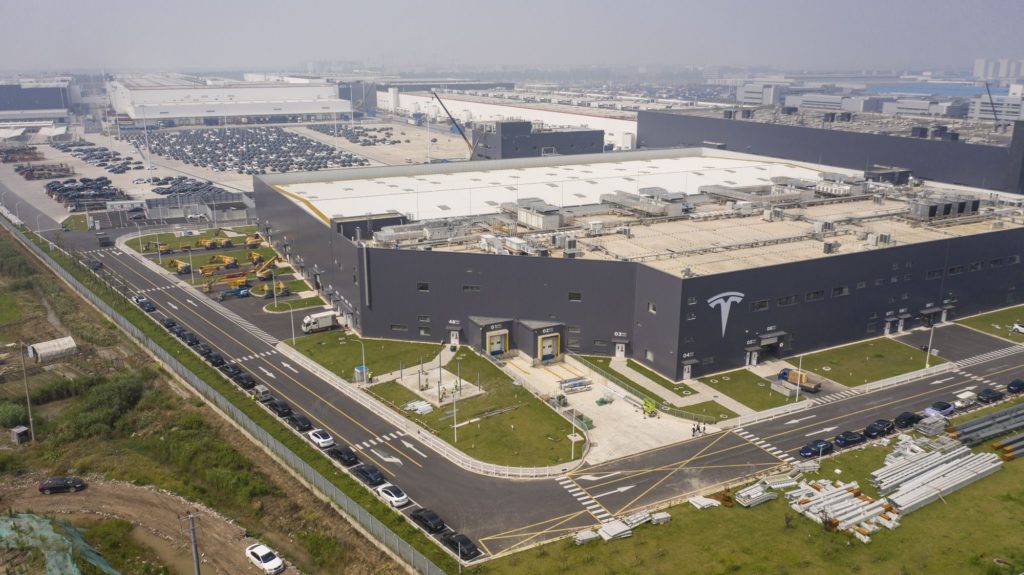
(Bloomberg) — Tesla Inc. will shorten production shifts at its Shanghai factory as soon as Monday and has delayed the on-boarding of some new hires, people familiar with the situation said — adding to signs demand for the company’s electric cars in China isn’t meeting expectations.

The plant will operate two 9 1/2-hour shifts per day, down from two 11 1/2-hour shifts currently, according to the people, who asked not be named because the information isn’t public. The change is scheduled to take place from Monday, according to a production schedule seen by Bloomberg News, though it may be subject to some last-minute adjustments, the people said. The shorter shifts will lead to reduced monthly pay for production staff, they said.

Tesla shares slipped 1.3% at 8:28 a.m. in early New York trading, on pace to extend this week’s losses, after earlier falling as much as 2.3%.

Earlier this week, Bloomberg reported that Tesla plans to cut production this month at the Shanghai factory across the Model Y and Model 3 production lines by about 20%. A Tesla representative said it was “untrue” the carmaker planned to cut output, without elaborating.

Separately, the on-boarding process of some new hires has been suspended, other people said. Some production staff who were slated to start in November, including in Tesla’s battery workshops and on vehicle assembly lines, were informed by the company their start dates would be delayed. One of the people said they were told by Tesla’s recruiter to be prepared for to start after the Chinese New Year holiday, which falls at the end of January, because there isn’t an urgent need for more workers right now.

A Tesla representative in China declined to comment Thursday. 

After enjoying a dream start in China, Elon Musk’s EV pioneer is now facing tougher competition from local electric-car makers in the word’s biggest auto market. Recent price cuts and incentive offers signaled demand isn’t keeping up with increased supply after an upgrade of the factory boosted capacity to around 1 million vehicles a year. On Wednesday, Tesla offered 6,000 yuan ($860) subsidies to customers who buy and take delivery of new cars this month, suggesting it has stock to clear.

China is key for Tesla, and continued growth in the world’s biggest EV market is crucial for achieving Musk’s goal of 50% annual growth globally for years to come.

The pullback in Shanghai comes as Tom Zhu, the longtime Tesla executive who oversaw construction of what was the US company’s first overseas gigafactory, is deployed at the newest plant in Austin, Texas, Bloomberg reported earlier on Thursday. Zhu, who has been heading Tesla’s Asia Pacific operations, is said to be overseeing the ramp up of Giga Texas. 

The shorter shifts at the Shanghai factory, as part of the output cut, won’t necessarily be immediately reflected in monthly deliveries because the company still has some inventory on hand, one of the people said. Any Model 3 or Model Y ordered in China today should be delivered within the month, Tesla’s website shows. That lead time is down from as long as four weeks in October and up to 22 weeks earlier this year. 

Tesla may need to cut prices in China further in the coming year because it “increasingly appears to have a demand issue,” Sanford C Bernstein & Co. analyst Toni Sacconaghi Jr. said in a note this week. 

Tesla shares fell almost 11% over the past three days since Bloomberg News reported the Shanghai production cuts. Musk’s bankers are considering providing the billionaire with new margin loans backed by Tesla stock to replace some of the high-interest debt he layered on Twitter Inc., according to people with knowledge of the matter.

–With assistance from Craig Trudell.

(Updates shares in third paragraph, adds margin loan details in 12th.)

More stories like this are available on bloomberg.com

©2022 Bloomberg L.P.
Indian Fintech Unicorn Sues Co-Founder Over Misusing Funds

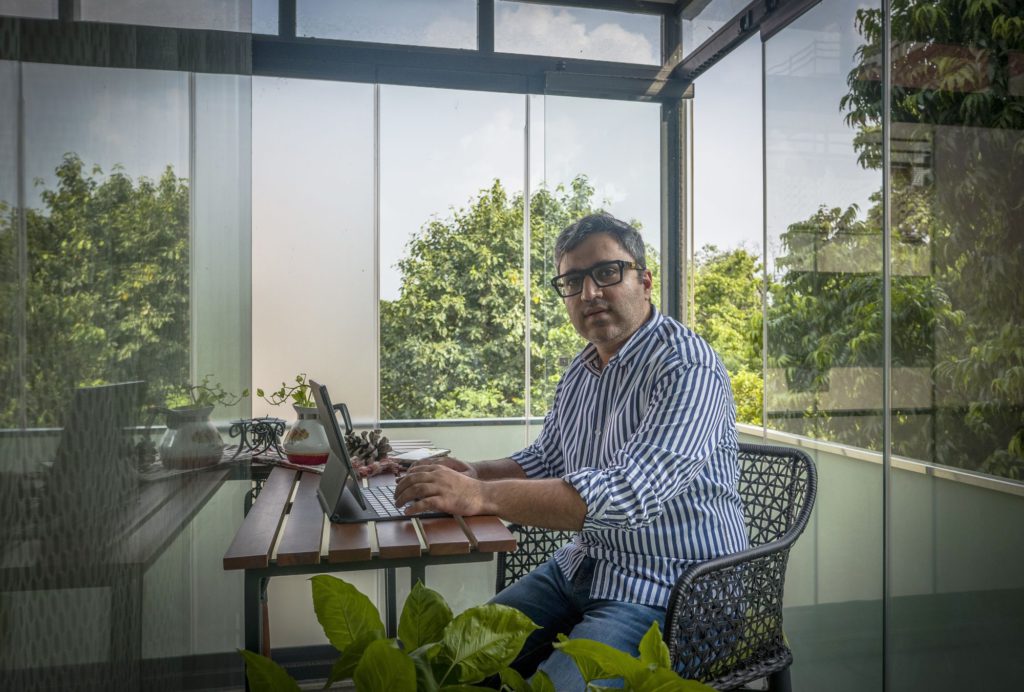
(Bloomberg) — BharatPe, one of India’s leading fintech firms, began legal proceedings against its co-founder and his wife for allegedly embezzling and misusing company money, in what could mark the first case of its kind in the nation’s thriving startup ecosystem.

The company sued Ashneer Grover and his wife, Madhuri Jain, for damages worth about 880 million rupees ($10.7 million), according to a civil lawsuit filed Wednesday in the Delhi High Court, a copy of which Bloomberg News reviewed. BharatPe has also moved the court to restrain Grover from making derogatory public statements about the company.

Grover and Jain face 17 additional criminal charges in a separate complaint filed by BharatPe with the economic offenses wing of the Delhi police. Grover faces a 10-year prison sentence if convicted.

Apart from Grover and Jain, the complaint names Jain’s father, brother and brother-in-law, according to a copy seen by Bloomberg. They’re accused of making “illegitimate” payments of 760 million rupees to fake HR consultants, as well as making inflated payments worth 62.3 million rupees.

The complaint flags potential embezzlement of 717.6 million rupees and “dishonest and illegal payments” to travel agencies. Jain is specifically accused of enriching herself through reimbursement of forged invoices and destruction of evidence.

Tensions between Grover and other leaders at BharatPe, which is backed by global investors including Sequoia Capital and Tiger Global Management, reached a climax in March, when the 39-year-old entrepreneur was forced to resign. The company’s C-suite accused Grover of using funds to bankroll a lavish lifestyle, allegations he has vehemently denied.

Ashneer Grover, Madhuri Jain and their family members  didn’t respond to emailed questions and text messages seeking comment on the cases against them. The Delhi High Court has given Ashneer Grover’s legal team two weeks to reply.

The public showdown between BharatPe and Grover has cast a cloud over India’s dynamic startup economy, where venture money has helped fuel the rise of an ambitious new class of millionaires eager to displace the old guard.

Grover, who co-founded BharatPe in 2018, helped transform the company into a unicorn, going toe-to-toe with older rivals such as Paytm and the Walmart Inc.-owned PhonePe. The tech company found enormous success offering digital payment services across India.

He was also the driver of growth and a master marketer, making public appearances in snazzy jackets and landing zingers on fresh-faced entrepreneurs as a “shark” investor on the first Indian edition of Shark Tank. Grover doesn’t have a place in the line-up for the upcoming second season.

–With assistance from Sankalp Phartiyal and Shruti Mahajan.

(Updates with details about complaint through out)

More stories like this are available on bloomberg.com

©2022 Bloomberg L.P.

Close Bitnami banner
Bitnami