Bloomberg

Holiday Discounting Drives Sharp Drop in US Online Prices Again

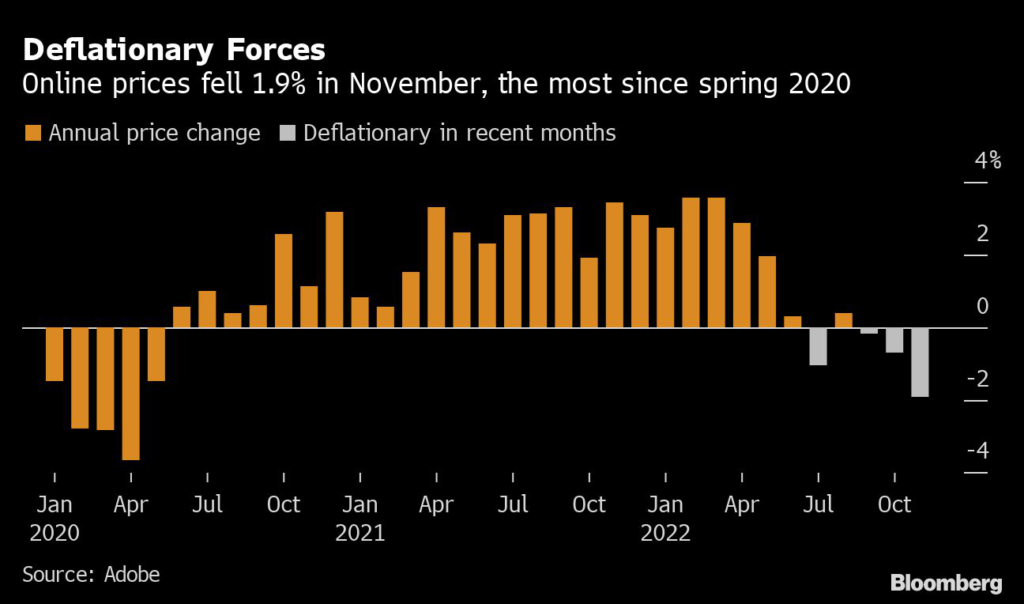
(Bloomberg) — A record drop in the prices of computers and electronics sold online in the US caused a sharp 1.9% annual decline in online prices last month, according to Adobe Inc.

For the third consecutive month, online prices fell from a year earlier, Adobe said Thursday, as firms have been heavy discounting goods to move merchandise. 

On a monthly basis, prices fell 3.2% month-over-month last month.


Online prices for computers dropped 18% from a year earlier and were down 5.1% from October, and electronics fell a record 13.4% on an annual basis, the most since Adobe began tracking online prices in 2014. 

A few categories remain resilient to dis-inflationary forces. Price increases were seen in three categories: groceries, non-prescription drugs, and medical equipment/supplies last month.

Still, these categories, which are not promotional in nature, are seeing  the rate of price increases come down from the late summer pace, says Patrick Brown, Adobe vice president of growth marketing and insights. 

In total, half of the 18 categories tracked by Adobe’s Digital Price Index saw prices decrease year-over-year and 15 of the 18 saw prices fell month-on-month. Adobe’s figures are not adjusted for inflation.

The index was developed for Adobe in partnership with the Federal Reserve Bank of Chicago’s incoming president Austan Goolsbee, who takes office on Jan. 9.

More stories like this are available on bloomberg.com

©2022 Bloomberg L.P.

EU Aims to Require Crypto Providers to Report Transaction Data

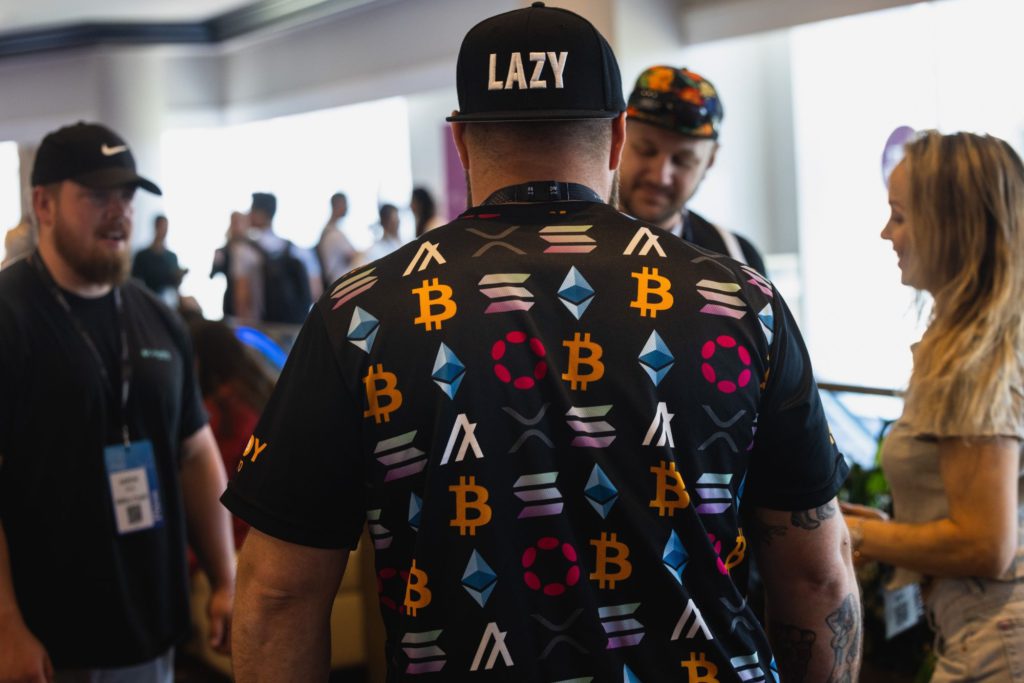
(Bloomberg) — The European Union proposed new rules Thursday to combat tax fraud and evasion in the crypto sector by requiring all digital asset service providers to report transactions involving customers residing in the bloc.

The initiative by the EU’s executive arm, part of a package to increase the transparency in the tax system, aims to ensure that the bloc’s residents pay taxes on gains from trading or investing in crypto assets. It would establish a common minimum level of penalties for cases of serious non-compliance, including the absence of reporting despite reminders. 

“The cover of anonymity, the fact that there are more than 9,000 different cryptoassets currently available, and the inherent digital nature of the trade means that many cryptoasset users that are making huge profits fall under the radar of national tax authorities,” the bloc’s economy commissioner, Paolo Gentiloni, said in a prepared statement.

The European Commission said that tax authorities currently lack proper information about the gains of crypto holders, limiting the tax revenues deriving from a booming sector.

The rules would cover crypto-service providers of all sizes and both for domestic and cross-border transactions, regardless of where the entities are based. The commission also proposed extending the reporting obligations of financial institutions to cover e-money and digital currencies.

The proposal is in line with new reporting rules agreed by the Organization for Economic Cooperation and Development and is expected to enter into force on January 2026. It also needs the unanimous approval of the bloc’s 27 member states.

The plan is part of a commission package to align the EU tax system with the digital world and fight against tax evasion. According to the commission’s latest estimates, member states lost €93 billion ($97.8 billion) in 2020 in VAT revenues, one quarter of which can be conservatively attributed to fraud.

More stories like this are available on bloomberg.com

©2022 Bloomberg L.P.

Meta Goes to Trial to Defend VR Deal From Antitrust Enforcers

(Bloomberg) — Meta Platforms Inc. faces a major test to its metaverse strategy starting Thursday in California federal court as US antitrust enforcers seek to block the social network from buying a virtual reality startup. 

The Federal Trade Commission argues that Meta’s plan to buy Within, the maker of fitness app Supernatural, is intended to give the tech giant a leg up in dominating the burgeoning VR market. The eight-day hearing in San Jose represents a test case for FTC Chair Lina Khan and her more aggressive strategy on mergers, especially by digital giants.

The FTC’s case focuses on “potential competition,” said Florian Ederer, an economics professor at Yale School of Management who specializes in antitrust. The FTC alleges that Facebook parent Meta abandoned its own plans to develop a virtual reality fitness app in favor of buying Within.

“This is a landmark case for the FTC,” Ederer said. “Meta wants to make more inroads into the virtual reality space. That’s where they see the future is. If Meta couldn’t buy Within, it could develop its own app that would directly compete.” 

The FTC sued Meta in July over the deal, alleging the company was seeking to create a monopoly in virtual reality much in the same way Facebook bought up Instagram and WhatsApp to extend its dominance in social networking. During the Trump administration, the agency sued the company seeking to unwind those deals retroactively. That case is pending.

The Within suit represents the first time the FTC has preemptively challenged a deal by the social media giant, which has bought more than 100 smaller companies over the past decade. Tech companies and investors are closely watching the suit amid concerns the case may make startup acquisitions more difficult. 

Gary Shapiro, the chief executive officer of tech trade group Consumer Technology Association, said the FTC’s suit risks “chopping off the ability of big companies to buy small companies.”

“The success of our economy relies on businesses and startups,” said Shapiro, whose group includes Meta as a member, though he said he hadn’t spoken with the company about the FTC lawsuit. “This fundamental reversal is so bad on so many levels I feel duty bound to speak up.”


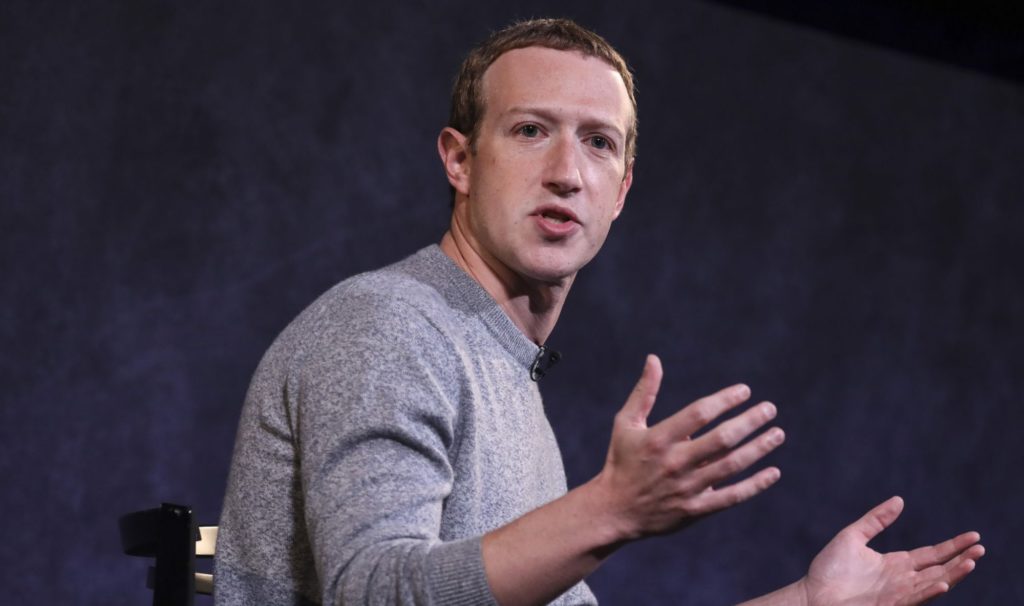
Meta Chief Executive Officer Mark Zuckerberg has sought to reposition his company as a leader in the metaverse — a more immersive version of the internet where people can populate an alternative virtual world to go shopping, go to work and see friends. But the transition has been slow after a rebrand of the company formerly known as Facebook. Still, Meta has made important inroads; its Quest headset is the most used VR device, with a 74% market share in the third quarter of 2022, according to research firm International Data Corporation.

Over the course of the hearing, Judge Edward Davila will hear testimony from top Meta executives, including Zuckerberg and Meta’s head of VR Andrew Bosworth. He has pledged to issue a decision by the end of the year on whether to block Meta’s acquisition while the FTC conducts a lengthier, administrative proceeding on the deal in 2023. Meta has said in court filings that it’s likely to abandon the transaction if the judge rules in the FTC’s favor.

“We are confident the evidence will show that our acquisition of Within will be good for people, developers and the VR space, which is experiencing vibrant competition,” Meta spokesman Christopher Sgro said. “The FTC’s case is based on ideology and speculation, not evidence. We are ready to make our case before the court.”

Antitrust experts agree the lawsuit may be hard for the FTC to win. The last time the agency pursued a potential competition case – a 2015 merger between STERIS Plc and Synergy Health Plc – it lost, said Daniel Francis, an FTC veteran who now teaches antitrust at New York University School of Law.

“The FTC is putting its credibility on the line in a very important part of the merger-enforcement project,” Francis said. “The cost of a failed litigation, and particularly a litigation on unpromising facts, can be new law that makes it even harder” to win the next time.

To make its case against the Meta-Within deal, the agency is relying on older court cases from the 1970s that antitrust laws can prohibit deals that have an impact on potential competition, said Rebecca Haw Allensworth, an antitrust professor at Vanderbilt Law School.

The FTC wants “to win but they also want to change the law,” said Allensworth. Invoking those old cases “is not desperation. They are trying to return to that.” 

Meta denies the allegations and has argued that virtual reality remains a highly dynamic and competitive industry. It has pointed to Sony Group Corp.’s Playstation VR headsets and virtual reality headsets introduced by TikTok parent ByteDance Ltd. in Europe and Asia, as well as expectations that Apple Inc. may enter the market with its own product. 

The company also argues that consumers have a wealth of options for fitness outside virtual reality. Meta plans to call witnesses from NIKE Inc., Peloton Interactive Inc. and Equinox Media LLC, which makes the connected bicycle and app used by SoulCycle Inc.

–With assistance from Alex Barinka.

More stories like this are available on bloomberg.com

©2022 Bloomberg L.P.

US Stock Futures Climb; Treasuries Rally Stalls: Markets Wrap

(Bloomberg) — US equity futures pointed to a recovery after a five-day rout sparked by concerns that the Federal Reserve will remain hawkish in the face of economic headwinds.

Contracts on the S&P 500 ticked higher after the underlying benchmark posted the longest stretch of down days to begin a month since 2011. Futures on the Nasdaq 100 edged higher. European equities extended a four-day slide, with property and telecommunications firms pacing declines even as energy companies and miners gained. 

Treasuries halted a rally that had sent the 10-year yield to an almost three-month low as investors braced for an economic downturn. The benchmark added three basis points to yield 3.44%, while a gauge of the dollar was little changed.

Traders now await Friday’s US producer price report and the Consumer Price Index print to get a read on how effective Fed policy has been to quell inflation, and whether the central bank will be able to notch down its aggressive campaign.

Strategists from Morgan Stanley to JPMorgan Chase & Co. have warned investors against piling back into risk on hopes the Fed is getting close to pivoting to easier policy. Belief in a dovish turn, reinforced in part by Fed officials themselves, sparked a 14% surge in the S&P 500 over seven weeks.

“Presumably if the Fed is pivoting this time around, it’s not for a good reason. It’s a deteriorating fundamental picture,” Joyce Chang, chair of global research at JPMorgan, said in an interview with Bloomberg TV Thursday. “I mean, is that really a reason to be buying risk? I think it’s premature to say that there is a Fed pivot.”

Elsewhere in markets, oil rose after a four-day drop as investors weighed the impact of China’s moves to ease virus curbs against a looming US slowdown. 

Key events this week:

  • ECB President Christine Lagarde speaks, Thursday
  • US initial jobless claims, Thursday
  • China PPI, aggregate financing, money supply, new yuan loans, Friday
  • US PPI, wholesale inventories, University of Michigan consumer sentiment, Friday

Some of the main moves in markets: 

Stocks

  • Futures on the S&P 500 rose 0.3% as of 6:52 a.m. New York time
  • Futures on the Nasdaq 100 rose 0.3%
  • Futures on the Dow Jones Industrial Average rose 0.2%
  • The Stoxx Europe 600 fell 0.3%
  • The MSCI World index was little changed

Currencies

  • The Bloomberg Dollar Spot Index was little changed
  • The euro was little changed at $1.0510
  • The British pound fell 0.3% to $1.2169
  • The Japanese yen fell 0.1% to 136.77 per dollar

Cryptocurrencies

  • Bitcoin was little changed at $16,832.23
  • Ether rose 0.5% to $1,238.77

Bonds

  • The yield on 10-year Treasuries advanced three basis points to 3.44%
  • Germany’s 10-year yield was little changed at 1.79%
  • Britain’s 10-year yield advanced one basis point to 3.06%

Commodities

  • West Texas Intermediate crude rose 1.6% to $73.14 a barrel
  • Gold futures were little changed

This story was produced with the assistance of Bloomberg Automation.

More stories like this are available on bloomberg.com

©2022 Bloomberg L.P.

Wirecard CEO Gets Day in Court After Two Years Behind Bars

(Bloomberg) — Markus Braun makes his first public appearance in court today, more than two years after his high-flying digital-payment company Wirecard AG collapsed under the weight of fraud allegations, wiping out billions in shareholder value and destroying Germany’s efforts to breed a new technology champion rivaling Silicon Valley. 

The Munich Regional Court opened the case against Braun and two co-accused on Thursday in a spacious courtroom located in the Stadelheim prison, among Germany’s largest prison complexes. With more than three dozen journalists registered to follow the proceedings, the trial is set to stretch well into 2024 as the presiding five judges pours over material collected in more than 700 binders of documents.

The case will retrace the steps leading up to the early months of 2020, when Wirecard fought an increasingly futile battle to portray itself as a digital payment pioneer under assault from short sellers and journalists alleging the company was built on fraud. In the end, the business quickly crumbled, with Wirecard first admitting that more than $2 billion in cash it had previously reported as merely missing likely never existed, and the company then filed for insolvency a few days later on June 25, 2020. 

By that time, Braun, an Austrian who nurtured a cerebral aura with his rimless spectacles, had already been arrested. He has remained in custody for the best part of two years, making only a brief public appearance in Berlin two years ago in November where he was questioned by a parliamentary committee seeking to shed light on the scandal. He provided no insights into what may have led to the breakdown of the erstwhile darling of investors and politicians.

Braun appeared in court on Thursday in the instantly recognizable suit and black turtleneck sweater, following closely as prosecutors read through the more than 80 pages of charges.

Prosecutor Matthias Buehring detailed how Braun, his co-accused and others at Wirecard allegedly set up an elaborate system of fake accounts and payments to make credit providers and investors believe Wirecrad was a thriving business. 

“The goal was to inflate the balance sheet and the sales to make the company look financially stronger and dress it up as more attractive for investors and clients,” said Buehring.  They wanted “to conceal that the real business of Wirecard was loss-making and the loans sought were needed to prevent its collapse.” 

Warning Signs

Wirecard’s demise proved an embarrassment for Germany’s regulatory and political institutions because red flags had existed for years. Damning reports by short sellers like Fraser Perring and a series of articles by the Financial Times questioned management’s accounting of business in Asia and the Middle East, charges the company always denied. Instead, Munich prosecutors initially took the company’s side, going as far as investigating journalists and short sellers instead of Wirecard. 

As a result of Wirecard’s collapse, the head of the Bafin financial watchdog, Felix Hufeld, was forced to step down in early 2021.

Prosecutors finalized their probe into Wirecard’s decline and fall in March, having spent almost two years retracing the company’s demise. They have charged Braun alongside two co-defendants — former chief accountant Stephan von Erffa and Oliver Bellenhaus, who ran a Wirecard company in Dubai and who has become a key witness.

According to prosecutors, the trio “invented purportedly extremely profitable businesses, particularly in Asia” to make believe that Wirecard was a successful company. In reality though, underlying assets in Dubai, the Philippines and Singapore didn’t exist and paperwork was forged, according to prosecutors. 

Large Payouts

Banks paid out loans of about €1.7 billion euros ($1.8 billion) and two bonds totaling about €1.4 billion, “operating under the mistaken assumption of dealing with a successful, prosperous, properly managed and in any case creditworthy DAX company,” prosecutors wrote in a statement when they filed their indictment.

By reporting fictitious results, the trio manipulated markets, using fabricated numbers to seek loans, say the prosecutors, who have charged the three men with aggravated fraud, market-manipulation and false accounting.

Braun was also charged with breach of trust by making Wirecard pay more than €200 million to an obscure company, a maneuver allegedly orchestrated with his right-hand man at the time, Jan Marsalek, then Wirecard’s chief operating officer. Some of the money was channeled back to the men, according to prosecutors. 

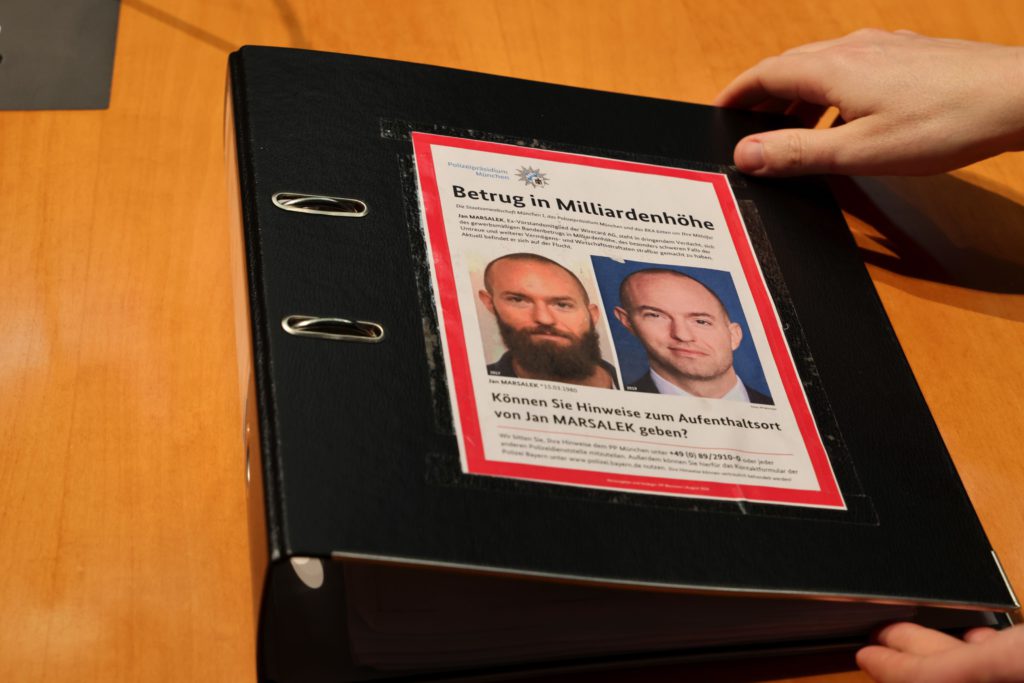
Marsalek fled when the scandal broke and remains at large. He’s now on Interpol’s most wanted list and a Munich probe against him and other suspects continues. 

Retracing the business activities took a large team of investigators more than a year, involving more than 40 search warrants in Germany alone and the retrieval of data from places as far flung as Mauritius, the Philippines and Brazil. 

No Release

While Germany has had its share of accounting scandals and high-profile corporate collapses, few compare with Wirecard because the failure marked the first time that a company listed on Germany’s benchmark DAX index went bust. Wirecard was long seen as Germany’s ticket to the world of digital payment systems as the world shopped, played and communicated online. When it all turned out to be built of sand, politicians and regulators faced tough questions how a sophisticated economy like Germany could have been so easily tricked, and why nobody followed up on early warnings.

Braun has denied the allegations and has insisted that the foreign partner business at the heart of the fraud allegations was real. His lawyer Alfred Dierlamm has said the evidence suggests that Marsalek and others set up an elaborate system to channel money out of Wirecard and into their own pockets, without Braun’s knowledge. 

Dierlamm didn’t reply to an email seeking comment. Sabine Stetter, a lawyer for von Erffa, said she will comment on the case in her opening statement. 

But a Munich appeals court that had to rule on several occasions in the past two years whether Braun could be held in pre-trial detention wasn’t swayed by Dierlamm’s argument, finding instead on each occasion that the evidence against the former CEO was strong enough to keep him in custody.

Two Sides

In the upcoming trial, prosecutors will lean heavily on their key witness: Bellenhaus, Wirecard’s former Dubai boss. 

A month after Wirecard declared insolvency, Bellenhaus returned to Munich and turned himself in. He was taken into custody and has been held ever since, sharing his inside knowledge in a long series of interviews. He will be instrumental to prove that the partner business was fake, and the trial is likely to provide two contrasting sides: the cooperating Bellenhaus on one side, and the stonewalling Braun on the other. 

Bellenhaus’s defense counsel Nicolas Fruehsorger said he expects a lengthy trial given the conflicting defense strategies and testimony of his client’s co-accused. 

“But I have faith that the fact-based truth will prevail in the end,” he said.

(Updates with details from courtroom in fifth paragraph.)

More stories like this are available on bloomberg.com

©2022 Bloomberg L.P.

House Democrats Press Elon Musk on His Plans to Combat Hate Speech on Twitter

(Bloomberg) — Two House Democrats want Elon Musk to outline what he’s doing to stem what they say has been a sharp rise in hate speech and other harmful content on Twitter since he took over.

“There has been an extreme spike in the number of tweets that include slurs, the level of engagement with these tweets, and the popularity of spreading this harmful rhetoric,” Representatives Adam Schiff and Mark Takano wrote in a letter to Musk dated Thursday. 

The two California lawmakers cite research from the Center for Countering Digital Hate showing tweets containing antisemitic and racial slurs have grown on Twitter since Musk became CEO, compared to the 2022 average. Schiff, who is Jewish, and Takano, who is openly gay, “write that of particular concern to them is “the rise in anti-LGBTQ rhetoric on Twitter under your supervision.”

Musk, who has said his goal is to make the social media platform a forum for free speech, has cut more than half of Twitter employees and more have resigned, complicating the company’s efforts to police harmful speech on the site. He’s also restored many users who had been previously suspended for violating policies.

He’s also claimed that hate speech has lost traction on Twitter.

The rapper Ye, formerly known as Kanye West, was suspended from Twitter last week after he posted an image of a swastika inside a Star of David. Musk said the tweet violated Twitter’s policy against inciting violence. Ye had been allowed back on the site after it restricted his account in October in response to another antisemitic tweet. Musk also has invited former President Donald Trump to return to Twitter after he was barred following the Jan. 6 insurrection at the US Capitol.

Schiff and Takano said they are seeking answers about what steps the company has taken in response to a recent rise in hate speech and how the company plans to increase the safety of users, as well as Twitter’s “current capability and capacity to handle the risks arising from the extreme rise in hate speech, hate actors and the growth of hate communities?”

More stories like this are available on bloomberg.com

©2022 Bloomberg L.P.
FCA Fines BGC £5 Million for Market Abuse Surveillance Failures

(Bloomberg) — The Financial Conduct Authority has fined three entities of BGC Partners Inc. £4.7 million ($5.7 million) for failing to ensure they had appropriate systems and controls in place to effectively detect market abuse.

Between July 2016 and January 2018, BGC Brokers LP, GFI Brokers Ltd. and GFI Securities Ltd. had deficient surveillance processes that meant there was an elevated risk that potentially suspicious trading would go undetected, the regulator said in a statement Thursday.

“Gaps or holes in a firm’s ability to monitor and detect abusive trading poses direct risks to market integrity,” Mark Steward, executive director of enforcement and market oversight, said in the statement.

BGC, which agreed to resolve the case at an early stage and qualified for a 30% discount, couldn’t be reached for comment. GFI was bought by BGC in January 2016.

–With assistance from Leonard Kehnscherper.

More stories like this are available on bloomberg.com

©2022 Bloomberg L.P.
Short Sellers’ Damning Stock Reports May Get Harder to Google

(Bloomberg) — Targets of damning reports by short sellers and other critics of corporate performance can insist that Google cuts internet search links to the research — but only if they can show it’s wrong, according to the European Union’s top court.  

EU judges weighed in after two unidentified executives claimed they were hit by an online information campaign in 2015 unfairly criticizing the way they ran their business and depicting them living a lavish lifestyle.

The EU Court of Justice in Luxembourg ruled on Thursday that search-engine operators “must dereference information” on the internet when the person making the request “proves that such information is manifestly inaccurate.” Judges said that while it’s up to the targets of online articles or pictures to demonstrate why the material is wrong, they don’t need to go through the courts to prove it.

The case is the latest test of the so-called right to be forgotten, following a 2014 EU court ruling that forces search engines to remove European links to websites that contain out of date or false information that could unfairly harm a person’s reputation. In Thursday’s case, Google had initially refused to sever the search links, saying it couldn’t judge whether the content in the disputed articles was wrong, as the complainants claimed.

Google and other search engine providers “cannot be required to play an active role in trying to find facts which are not substantiated by the request for dereferencing,” the court said.

Read More: Why Short Sellers Become Targets During Market Routs: QuickTake

While the ruling is unlikely to rein in short sellers, it adds to mounting global scrutiny of activities of some firms in the industry, which cash in when their research about the under-performance of a company sends stock prices tumbling. 

Google said it has worked hard to implement the right to be forgotten in the EU and “to strike a sensible balance between people’s rights of access to information and privacy.” The “links and thumbnails in question are not available via the web search and image search anymore; the content at issue has been offline for a long time.” 

The case is: C-460/20, Google (Déréférencement d’un contenu prétendument inexact).

More stories like this are available on bloomberg.com

©2022 Bloomberg L.P.
Crypto Faithful Are Touting Benefits of Cold Wallets (Podcast)

(Bloomberg) — Listen to Bloomberg Crypto on the iHeartRadio App, Apple Podcasts or  Spotify.

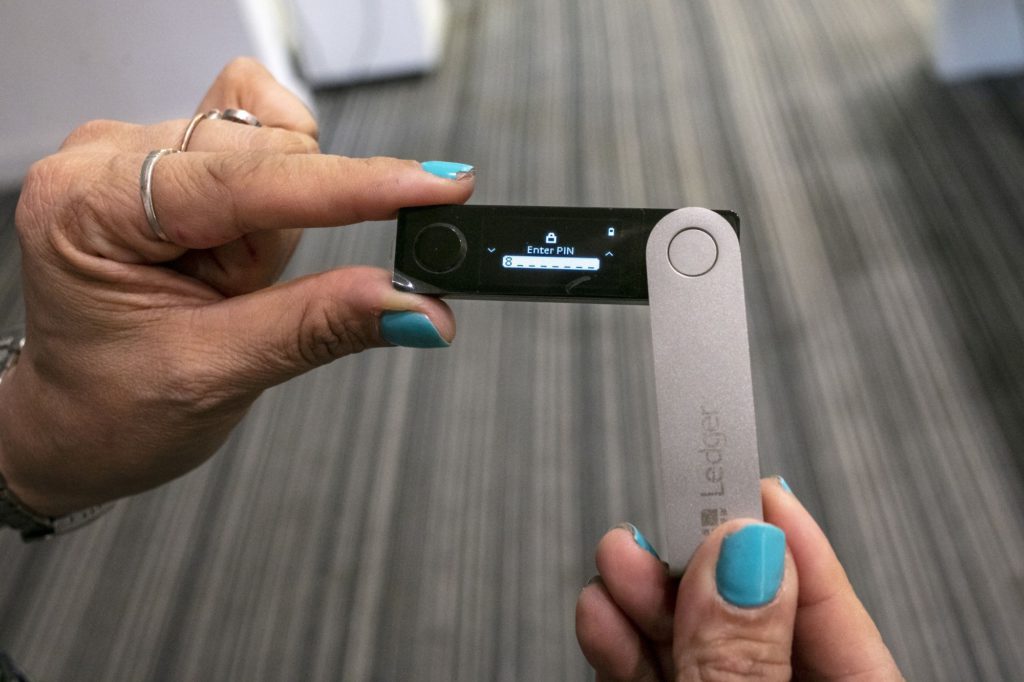
Financial markets can be subject to a fair amount of groupthink. The herd effect. Mob mentality, even. [There’s actually some really interesting research into this: check out for example the paper, “Bubbles, Human Judgment, and Expert Opinion” by Robert J. Shiller]Crypto investors are no exception: and their in-group behavior also features a lot of catchphrases. Like the famous “GM”, and the infamous “HAVE FUN STAYING POOR.” Or the tongue-in-check “Bitcoin will fix this,” in which “this” is basically any social or economic issue you can imagine.In this episode, Bloomberg senior editor Mike Regan and Bloomberg reporter Emily Nicolle assess the mood among the crypto faithful – and explain why some of them are now evangelizing cold wallets.


Subscribe to the Bloomberg Crypto Newsletter at https://bloom.bg/cryptonewsletter 

More stories like this are available on bloomberg.com

©2022 Bloomberg L.P.

European Stocks Extend Slide on Economic Headwinds: Markets Wrap

(Bloomberg) — European equities extended a four-day slide as optimism over a potential downshift in Federal Reserve rates hikes deflates in the face of economic headwinds.

The Stoxx Europe 600 slipped 0.2%, with property firms and banks pacing declines. Contracts on the S&P 500 steadied to trade little changed after the underlying benchmark posted the longest stretch of down days to begin a month since 2011.

Treasuries halted a rally that had sent the 10-year yield to an almost three-month low as investors braced for an economic downturn. The benchmark added four basis points to yield 3.45%, while a gauge of the dollar ticked higher.

Traders now await Friday’s US producer price report and the Consumer Price Index print to get a read on how effective Fed policy has been to quell inflation, and whether the central bank will be able to notch down its aggressive campaign.

Strategists from Morgan Stanley to JPMorgan Chase & Co. have warned investors against piling back into risk on hopes the Fed is getting close to pivoting to easier policy. Belief in a dovish turn, reinforced in part by Fed officials themselves, sparked a 14% surge in the S&P 500 over seven weeks.

“Presumably if the Fed is pivoting this time around, it’s not for a good reason. It’s a deteriorating fundamental picture,” Joyce Chang, chair of global research at JPMorgan, said in an interview with Bloomberg TV Thursday. “I mean, is that really a reason to be buying risk? I think it’s premature to say that there is a Fed pivot.”

Elsewhere in markets, oil rose after a four-day drop as investors weighed the impact of China’s moves to ease virus curbs against a looming US slowdown. 

Key events this week:

  • ECB President Christine Lagarde speaks, Thursday
  • US initial jobless claims, Thursday
  • China PPI, aggregate financing, money supply, new yuan loans, Friday
  • US PPI, wholesale inventories, University of Michigan consumer sentiment, Friday

Some of the main moves in markets: 

Stocks

  • The Stoxx Europe 600 fell 0.2% as of 9:52 a.m. London time
  • Futures on the S&P 500 were little changed
  • Futures on the Nasdaq 100 rose 0.1%
  • Futures on the Dow Jones Industrial Average were little changed
  • The MSCI Asia Pacific Index rose 0.4%
  • The MSCI Emerging Markets Index rose 1%

Currencies

  • The Bloomberg Dollar Spot Index rose 0.2%
  • The euro was little changed at $1.0497
  • The Japanese yen fell 0.3% to 137.05 per dollar
  • The offshore yuan fell 0.1% to 6.9698 per dollar
  • The British pound fell 0.3% to $1.2169

Cryptocurrencies

  • Bitcoin fell 0.1% to $16,806.75
  • Ether fell 0.1% to $1,230.41

Bonds

  • The yield on 10-year Treasuries advanced four basis points to 3.45%
  • Germany’s 10-year yield was little changed at 1.78%
  • Britain’s 10-year yield was little changed at 3.05%

Commodities

  • Brent crude rose 0.9% to $77.84 a barrel
  • Spot gold fell 0.2% to $1,782.88 an ounce

This story was produced with the assistance of Bloomberg Automation.

More stories like this are available on bloomberg.com

©2022 Bloomberg L.P.
Close Bitnami banner
Bitnami