
Bloomberg

Crypto Exchange CoinFlex Now Seeking to Recover $84 Million

(Bloomberg) — CoinFlex said it has taken legal action to recover $84 million in losses from a single customer and is in talks to sign a joint venture with another crypto exchange in a bid to revive its fortunes.

The crypto exchange paused withdrawals on its platform last month after a counterparty, which it later identified as longtime crypto investor Roger Ver, failed to repay $47 million from a margin call. 

CoinFlex said in a blog post on Saturday the total owed by the investor had since risen after calculating a final tally of losses from “significant” positions in the exchange’s native FLEX token. The blog post didn’t mention Ver by name.

“The individual first asked us to liquidate his account, but then continued to tell us for some considerable time afterwards that he wanted to send significant funds to the exchange to take physical delivery of the futures positions,” CoinFlex Co-Founders Sudhu Arumugam and Mark Lamb wrote in the post on Saturday. “It is clear to us now that he was wasting time and hoping for a bounce in the market that never materialized.”

The pair said CoinFlex had commenced arbitration proceedings in Hong Kong to recover the $84 million, a process which they expect could take approximately 12 months before a judgment is reached. 

Ver, who earned the nickname “Bitcoin Jesus” for his early investment in crypto, declined to comment on the case. He told Bloomberg last month that he had no outstanding debt with CoinFlex. In a June 28 tweet he said that an unidentified counterparty owed him “a substantial sum of money.”

CoinFlex is one of several crypto platforms struggling to operate amid a major market downturn that’s wiped around $2 trillion off the total value of cryptocurrencies, and several players have suspended withdrawals or filed for bankruptcy. The crisis has exposed a web of contagion across the sector, where one firm’s failure causes a domino effect across numerous others.

Read more: Bankman-Fried’s Crypto Firm Alameda Is All Things to Voyager

A plan to raise enough outside funding in USDC — a stablecoin tied to the value of the US dollar — to cover the missing liquidity and resume withdrawals is ongoing, Sudhu and Lamb said in the blog post. This includes asking some customers whether they might help the business by “rolling some of their deposits into equity.”

CoinFlex is also in discussions with “a large US exchange” about entering a joint venture once that financing process is concluded, they said. The resulting deal would see the other exchange use CoinFlex’s platform to offer access to the US equities repo market and deliverable perpetual futures, initially through offshore licenses before migrating to the US.

For the moment, CoinFlex will seek to make 10% of customer balances available for withdrawal within a week, Sudhu and Lamb added.

“This is not a position we ever envisioned we would be in,” they wrote in the post.

Founded in 2019, CoinFlex is a smaller crypto exchange focused on derivatives trading. It had around $145 million in total value locked on its platform on Saturday.

More stories like this are available on bloomberg.com

©2022 Bloomberg L.P.
Musk Effort to Kill Deal Leaves Twitter With Only Bad Options

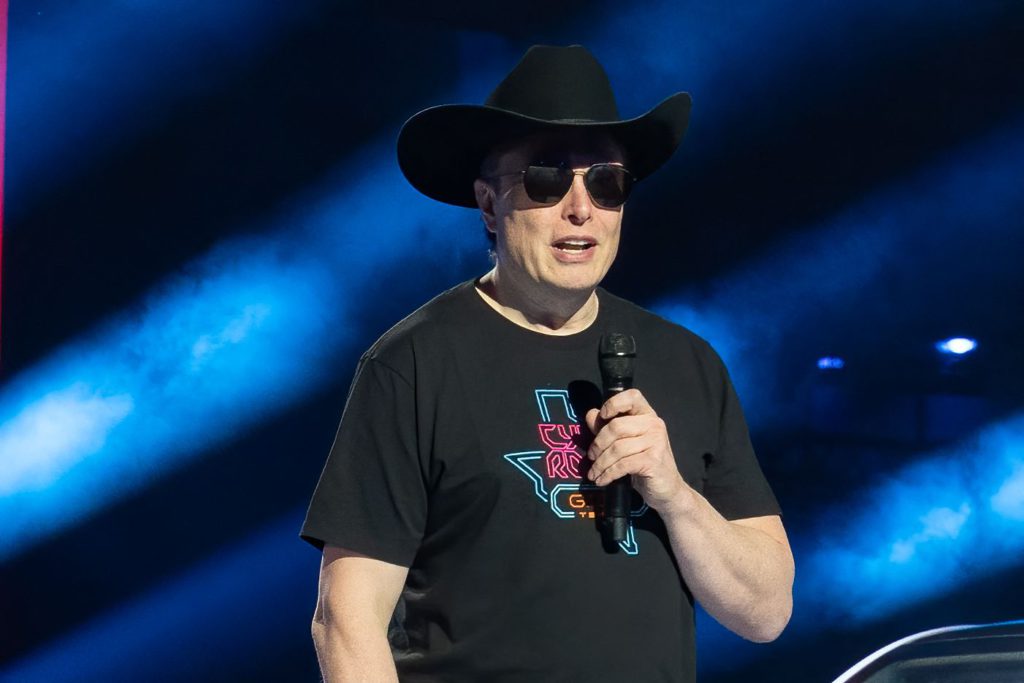
(Bloomberg) — Elon Musk’s effort to dump his agreement to buy Twitter Inc. leaves the social media service worse off, no matter the outcome.

If the Tesla Inc. chief executive officer succeeds in ending the deal, Twitter stock will likely free-fall, and a staff already dejected by Musk’s months-long public criticism of the site will suffer another emotional blow. If Twitter prevails in court, the company will be run by an unpredictable and reluctant owner, while still struggling to meet ambitious growth targets.

Musk’s regulatory filing Friday announcing plans to walk away from his $44 billion purchase touched off a nightmare scenario for Twitter, where only bad options remain. Chairman Bret Taylor responded by vowing to enforce the deal in court, but the company’s leadership is already losing the trust of staff after months of uncertainty and stress.

Many of Twitter’s employees were already worried about the impact of Musk’s arrival. During a Q&A he held with Twitter employees in June, some workers mocked Musk over internal slack channels as he told employees that only those who were “exceptional” would be allowed to continue working from home. In weeks before the Q&A, still others fretted that Musk had no idea how to run a social network, and some posted their frustration about claims alleging Musk had sexually harassed former employees at his rocket company SpaceX. After Twitter leadership failed to acknowledge the allegations, one employee wrote that “as a woman working at Twitter, I find this radio silence extremely disheartening.”

Those feelings were directed toward Musk when employees thought he still wanted to buy the company. His change of heart has only intensified frustration with Musk and with Twitter’s management and board, which some employees are publicly mocking on Twitter — though there is an internal directive not to speak publicly about the deal, according to people familiar with the matter.

Staff were also on edge due to recent executive departures and restructuring of product leadership, making product development more difficult, the person said. Twitter cut roughly 100 employees this week, with staff expecting more to come.

“If Musk is able to terminate the deal, Twitter will still be left with the same problems it had before he came on the scene,” wrote Debra Aho Williamson, a principal analyst at Insider Intelligence. “Its user growth is slowing. And while ad revenue is still growing marginally, Twitter is now dealing with a slowing economy that could squeeze ad spending on all social platforms.”

If Twitter goes to court and fails to force Musk to buy the San Francisco-based company, he’ll likely sell his 9% stake and walk away. Twitter’s stock price — which already hadn’t reached the $54.20 per share that Musk had agreed to pay — will undoubtedly slide far below Friday’s $36.81 close. After months of anticipating a deal, Twitter will suddenly be back where it started April when Musk showed up on its doorstep.

That might not be a great place to be. Twitter’s business was looking questionable when Musk made his offer. The company had set lofty user growth and revenue targets for 2023, and the user target was looking more and more ambitious with every new quarter. Since Musk made his offer, Twitter has also implemented a hiring freeze, fired two top executives and cut some jobs.

The Twitter-Musk saga isn’t over. Musk will try to prove Twitter violated their merger agreement, and Twitter will fight to show it fulfilled its obligations. It’s possible Musk and Twitter renegotiate the price, or maybe Musk walks away, but pays Twitter a hefty settlement. 

Despite Musk’s claims, the deal is not dead. But as far as Twitter’s options go, it may as well be.

More stories like this are available on bloomberg.com

©2022 Bloomberg L.P.
Michelin CEO Sees Mild Recession, Car Market Rebound by 2024

(Bloomberg) —

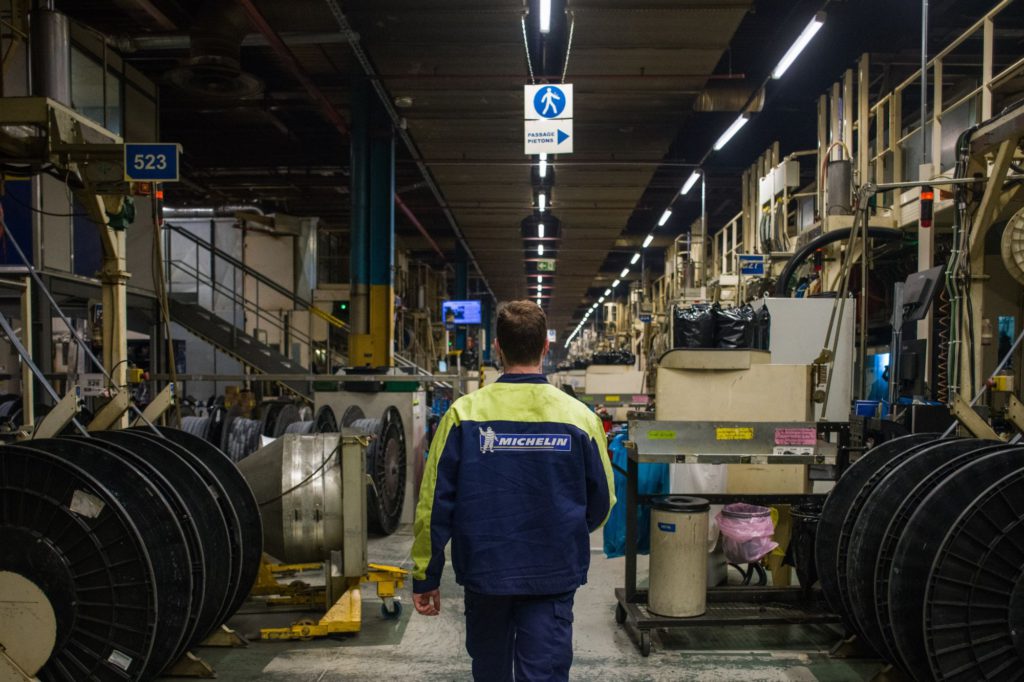
Car sales crimped by semiconductor shortages may take until 2024 to recover, even assuming the global economy endures a mild recession rather than a deep slump, said the chief executive of French tiremaker Michelin. 

The auto industry faces a tough year as lingering shortages of chips, Russia’s invasion of Ukraine, fresh Covid outbreaks in China, and rising energy and raw material costs put new strain on supply chains, he said. 

“As we were discussing last year, my estimate was that we will not go back into real recovery before mid-2023,” Cie. Generale des Etablissements Michelin Chief Executive Officer Florent Menegaux said Saturday in an interview with Bloomberg Television. 

At this point the auto recovery looks more likely to happen in 2024 absent a deep recession, he said, adding that he foresees a “mild” global economic downturn for now.

While the global car market may rebound toward its pre-pandemic level that year, European sales could lag as consumers hesitate on which type of vehicle to buy amid more stringent environmental regulations, which may affect their cars’ value on the second-hand market, he said. 

Menegaux said that tires for new cars represent just 13% of the group’s revenue. 

The French company has been hit indirectly by semiconductor shortages because the delivery of equipment used to manufacture tires has been delayed, he said.  

Read more: Chip Delivery Times Fall by One Day as Companies See Some Relief

Michelin must also cope with rising transport costs, — partly spurred by trucker shortages after thousands of Ukrainian drivers returned home to fight Russia’s invasion — and by soaring energy prices, especially in Europe “where it will be tight in supply and expensive,” he said.  

Read more: European Gas Notches Another Weekly Gain on Russia’s Tight Grip

The firm has raised tire prices three times in the past six months to protect the group’s margins from an estimated 2.4 billion-euro ($2.44 billion) increase in its input costs this year, Menegaux said. “Fortunately, our customers are still willing to pay for our tires,” he said. 

“We have experienced an accumulation of crises which is unprecedented,” he said. “We now know how to operate in this hectic environment.”

More stories like this are available on bloomberg.com

©2022 Bloomberg L.P.
Big Tech is ‘Forcing’ Carriers To Invest in Networks: Orange CEO

(Bloomberg) —

Through the “huge” growth of internet traffic, Big Tech is “forcing” phone companies to invest heavily in improving networks while not helping to meet the cost, said Orange SA CEO Christel Heydemann.  

“We are condemned to invest in infrastructure,” Heydemann said Saturday at the Recontres Economiques conference in Aix-en-Provence, France. She added that network traffic is expected to “multiply by three or five” times in the next six years.  

That huge growth is “essentially captured by a few players, the big content providers, five players that force us to invest,” she said.

Without naming Netflix Inc., Amazon.com Inc., Meta Platforms Inc. or Alphabet Inc.’s Google, Heydemann said a future challenge would be work with large tech companies that she said are “forcing certain behaviors” on their users. 

Also speaking at the conference, Orange CFO Ramon Fernandez added that technology giants “hardly participate in the deployment of infrastructure” when, in the next four years, some “15 billion euros ($15.3 billion) of added investment will be required to absorb traffic growth” in Europe.

The EU started evaluating this spring whether big internet companies should share the cost of building out 5G infrastructure. “This fight” for making them pay a fair share “will be very complicated but existential,” Fernandez said.

Read more: EU’s Vestager Presses Idea to Make Tech Firms Pay Telecom Costs

More stories like this are available on bloomberg.com

©2022 Bloomberg L.P.
Big Tech is Forcing Carriers To Invest in Networks: Orange CEO

(Bloomberg) —

Through the “huge” growth of internet traffic, Big Tech is “forcing” phone companies to invest heavily in improving networks while not helping to meet the cost, said Orange SA CEO Christel Heydemann.  

“We are condemned to invest in infrastructure,” Heydemann said Saturday at the Recontres Economiques conference in Aix-en-Provence, France. She added that network traffic is expected to “multiply by three or five” times in the next six years.  

That huge growth is “essentially captured by a few players, the big content providers, five players that force us to invest,” she said.

Without naming Netflix Inc., Amazon.com Inc., Meta Platforms Inc. or Alphabet Inc.’s Google, Heydemann said a future challenge would be work with large tech companies that she said are “forcing certain behaviors” on their users. 

Also speaking at the conference, Orange CFO Ramon Fernandez added that technology giants “hardly participate in the deployment of infrastructure” when, in the next four years, some “15 billion euros ($15.3 billion) of added investment will be required to absorb traffic growth” in Europe.

The EU started evaluating this spring whether big internet companies should share the cost of building out 5G infrastructure. “This fight” for making them pay a fair share “will be very complicated but existential,” Fernandez said.

Read more: EU’s Vestager Presses Idea to Make Tech Firms Pay Telecom Costs

More stories like this are available on bloomberg.com

©2022 Bloomberg L.P.
Twitter Deal Collapse Makes Musk a Hot Ticket at Sun Valley

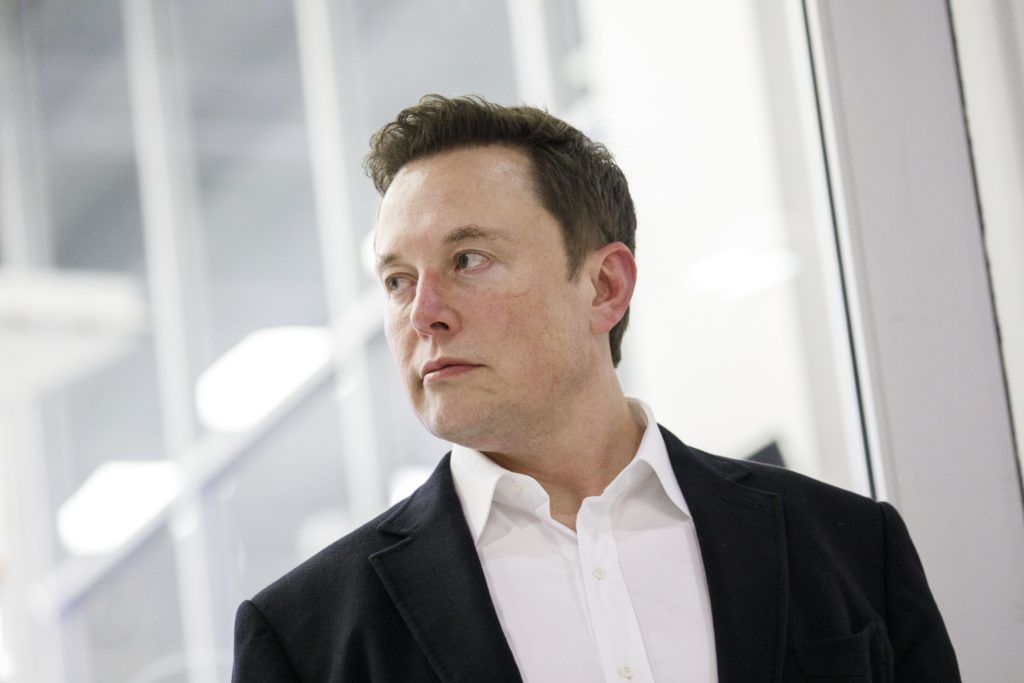
(Bloomberg) — The collapse of Elon Musk’s Twitter Inc. deal has made the billionaire’s appearance at Allen & Co.’s Sun Valley Conference an even hotter ticket.

Musk is still slated to appear and speak on Saturday, the final day of the event, people with knowledge of the matter said Friday. Some attendees who had planned on leaving the conference early are now extending their stays in order to listen to Musk, other people said, asking not to be identified. Musk did not respond to requests for comment.

Musk on Friday announced he’s scrapping his $44 billion bid to buy Twitter and take it private, alleging the company misrepresented user data. The decision sets the stage for an arduous court brawl. Minutes after the filing landed, the social media company vowed to fight back in court.

The marquee address is typically reserved for the likes of legendary investors such as Warren Buffett. What the Tesla Inc. and SpaceX chief executive officer plans to say to technology and media leaders at the annual retreat in Idaho couldn’t be determined, though attendees will be eagerly watching for any comments by Musk on the Twitter deal. Musk is due to speak late morning local time, the people said.

At the conference on Thursday, Twitter CEO Parag Agrawal didn’t respond to a question from Bloomberg on whether he’s worried about Musk walking away from the deal. Twitter Chief Financial Officer Ned Segal, also an attendee, said nothing when asked whether a report that the deal could fall apart is accurate.

More stories like this are available on bloomberg.com

©2022 Bloomberg L.P.
Blinken-Wang Meeting Begins as US, China Look to Cool Tensions

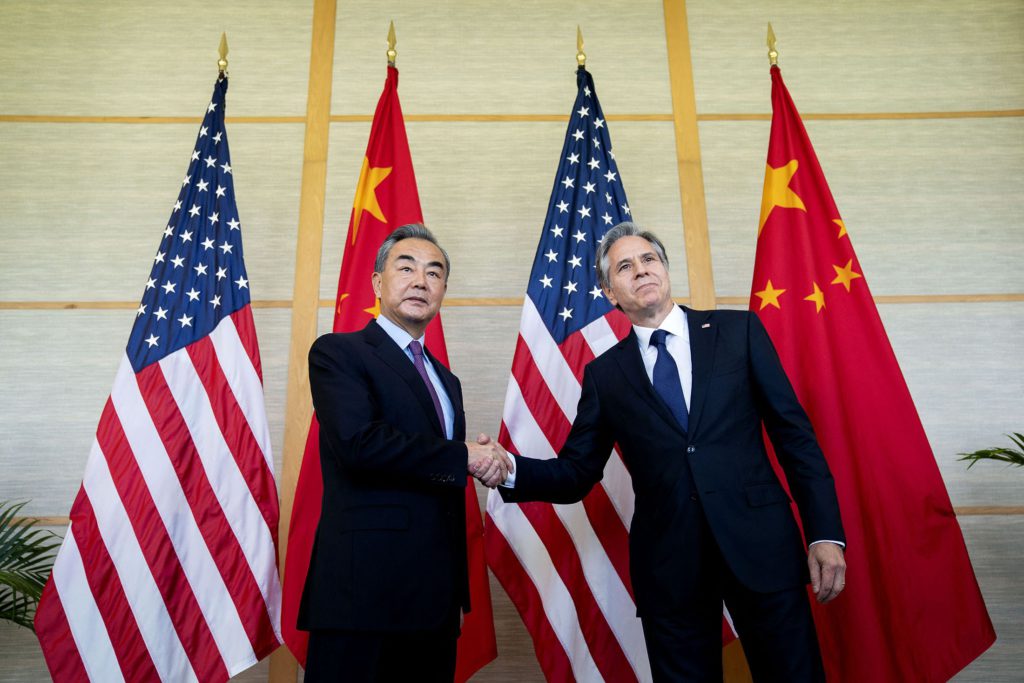
(Bloomberg) — US Secretary of State Antony Blinken began meetings with Chinese Foreign Minister Wang Yi on the sidelines of a G-20 meeting Saturday, the latest signal that the two sides want to ensure ongoing tensions don’t turn into a bigger crisis. 

While the Ukraine war, a global food crisis and the assassination of former Japanese Prime Minister Shinzo Abe have dominated discussions at the G-20, the meeting between Wang and Blinken at the Ritz Carlton in Bali is the most anticipated event of the gathering. 

“There is no substitute for face-to-face, or sometimes mask-to-mask, diplomacy,” Blinken said ahead of the meeting and working lunch. “In a relationship as complex and consequential as the one between the United States and China, there is a lot to talk about.”

Wang responded, saying it was necessary for both countries to maintain “normal” exchanges. “We do need to work together to ensure that this relationship will continue to move forward along the right track,” he added. 

The two leaders are expected to address key bilateral tensions — including human rights and economic disputes — as well as the war in Ukraine and the pressure campaign against Russia, which US officials would like to see Beijing embrace. Their talks will also help lay the groundwork for an expected call between President Joe Biden and President Xi Jinping later this month. 

Ahead of the meeting, a senior State Department official said the meeting with Wang was part of numerous high level engagements with China that were designed to responsibly manage the intense competition between the two nations. Blinken was accompanied by the US ambassador to China Nicholas Burns and Laura Rosenberg, the senior director for China and Taiwan on the National Security Council, who both flew in for the meeting.

Daniel Kritenbrink, the assistant secretary for East Asian and Pacific affairs, told reporters on Tuesday that the meeting would be an opportunity to convey American expectations about what “we would expect China to do, and not to do, in the context of Ukraine.”

The Chinese side has been less forthcoming about the meeting, saying only that the two diplomats would “exchange views on current China-US relations and major international and regional issues,” according to a statement from the country’s Foreign Ministry.

Blinken Tells Russian Diplomats to Stop Blocking Ukraine Grain

A productive meeting with Wang that keeps tensions from escalating, and avoids controversy, would likely be seen as a victory for US officials. The US delegation was pleasantly surprised by China’s statements at a Friday session on food security and by the broader degree of opposition to Russia shown by the vast majority of delegations at the G-20 meeting, according to an official who asked not to be identified discussing behind-the-scenes talks.  

Before walking into the meeting with Blinken, Wang did not reply when a reporter asked whether China believed in Ukraine’s sovereignty and territorial integrity.

Tariffs

No breakthrough is expected on the issue of about $300 billion in US tariffs on Chinese goods. Biden was scheduled to discuss possible reductions in tariffs — first imposed during Donald Trump’s presidency — in a meeting with advisers in Washington on Friday afternoon. Some aides — including Treasury Secretary Janet Yellen — believe reducing the tariffs could help the administration address surging inflation. 

Yellen begins her first trip to Asia as Treasury secretary this weekend, a 10-day journey that includes stops in Tokyo, Seoul and Bali, where finance ministers from the G-20 are meeting July 15-16. 

China’s Commerce Ministry welcomed the news of the potential removal of tariffs on Chinese goods and called on the US to meet China halfway and make joint efforts to maintain the stability of global trade and industrial supply chains.

Yellen Heads to Asia With Russia Oil-Price-Cap Top of Mission

But on other fronts, tensions are still rising. Bloomberg reported this week that Washington is pushing Dutch semiconductor-equipment maker ASML to expand exports restrictions on China, a move that Beijing quickly decried as “technological terrorism” by the US. 

There have also been reports that the administration intends to expand the use of export controls meant to prevent companies like Huawei Technologies Co. from accessing cutting-edge technology seen as a threat to US national security. 

And US and Chinese officials continue to have talks aimed at keeping about 200 Chinese stocks from losing their listings on New York exchanges. 

US-China Talks Over Delisting Stocks Hinge on Redacted Audits

China’s human rights record is also expected to feature in the discussion, in particular over the alleged use of forced labor in its far western Xinjiang region. 

Late last month, the Uyghur Forced Labor Prevention Act came into effect, blocking imports from the Xinjiang region unless companies can prove they weren’t made with forced labor. Beijing has dismissed such allegations, calling them the “lie of the century.”

(Updates with the start of the meetings, comments from Blinken and Wang)

More stories like this are available on bloomberg.com

©2022 Bloomberg L.P.
Musk Backs Out of $44 Billion Twitter Deal Over Bot Accounts

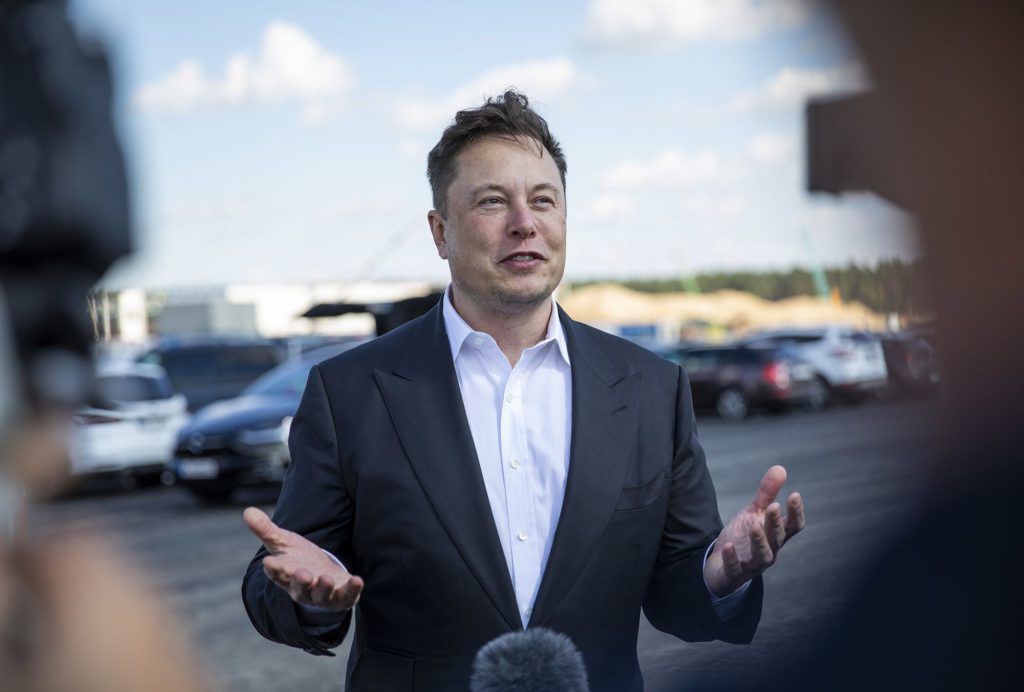
(Bloomberg) — Elon Musk is trying to end an agreement to buy Twitter Inc. for $44 billion and take it private, alleging that the company misrepresented user data and setting the stage for an arduous court brawl.

The pullout marks a dramatic turn in a half-year saga that began with Musk building up an equity stake, lining up an elaborate financing plan and then striking a deal in April. Throughout, Musk has accused the company of misleading the public about the number of automated accounts known as spam bots on its platform, culminating with a termination letter sent Friday.

Twitter made “misleading representations” over the number of spam bots on the social network and hasn’t “complied with its contractual obligations” to provide information about how to assess how prevalent the bots are, Musk’s representatives said in the letter included in a regulatory filing.

Within minutes of the letter going public, Twitter vowed to fight back in court.

“The Twitter Board is committed to closing the transaction on the price and terms agreed upon with Mr. Musk and plans to pursue legal action to enforce the merger agreement,” Bret Taylor, chairman of the board, said in a tweet. “We are confident we will prevail in the Delaware Court of Chancery.”

The legal tussle will play out in a court that historically frowns on efforts to scrap merger agreements and could result in a settlement whereby Musk is forced to buy Twitter, possibly under revised terms, legal scholars said.

The entire deal has been a frenzied and untraditional affair, largely played out on Twitter’s own social network. Musk, the billionaire chief executive officer of Tesla Inc., went from being merely a prolific user to revealing a significant stake in Twitter, and then launching an unsolicited takeover offer — without detailed financing plans — within a matter of weeks. The agreement came together at breakneck speed in part because Musk waived the chance to look at Twitter’s finances beyond what was publicly available.

Shortly after deciding he wanted to own Twitter in April, Musk cooled on the idea. Meanwhile, the agreed upon price of $54.20 a share looked better and better for Twitter as the social network started to struggle to sell ads and began a hiring freeze while its shares were pounded by a broader market meltdown. The spread between Twitter’s stock and the deal price has widened, in a sign of increasing skepticism that it would go through.

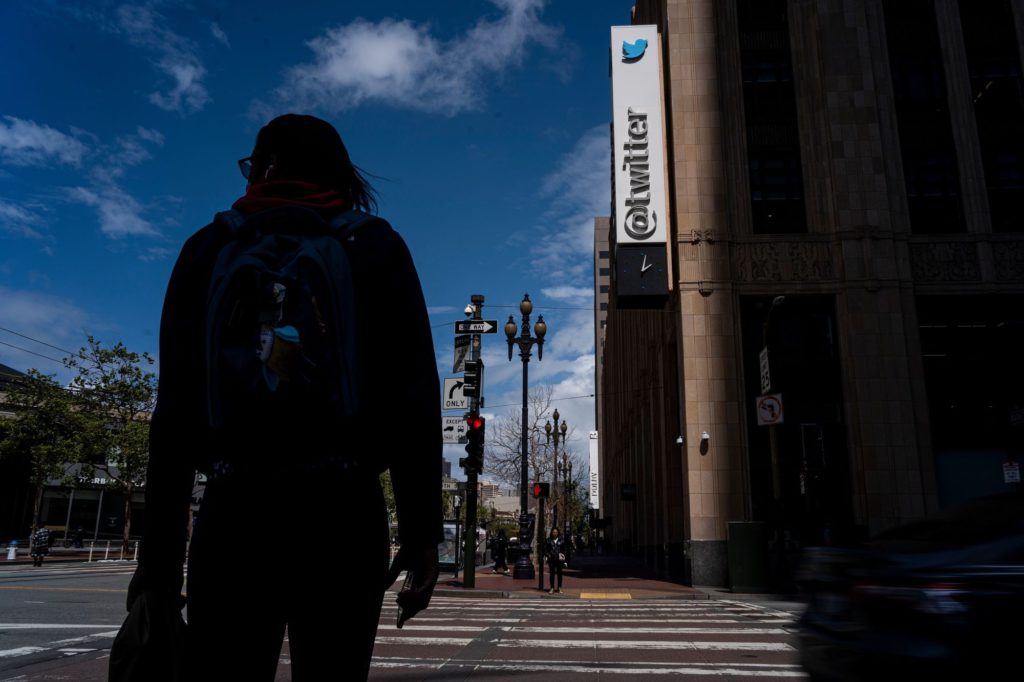
Musk’s termination letter torpedoed Twitter stock further and threw the company’s future into heightened doubt after months of ups and downs, mainly based on Musk’s shifting public statements about the transaction. Employees on Friday were told to refrain from posting on Twitter or on Slack about the deal, as it is now considered an ongoing legal matter, according to a person familiar with the situation.

Twitter has denied Musk’s claims over spam bots, saying bots are less than 5% of the total users, with executives repeating as recently as Thursday in a press briefing that their estimates are accurate.

According to the letter, Musk and his team have asked Twitter for more information regarding bots, and not received enough to satisfy his questions. The information “has come with strings attached, use limitations or other artificial formatting features,” making it “minimally useful.” Musk believes the amount of spam bots to be substantially higher than 5%, he said in the letter, without offering evidence.

Musk also argued that Twitter has failed to operate its normal course of business. The San Francisco-based company instituted a hiring freeze, fired senior leaders and saw other major departures. “The company has not received parent’s consent for changes in the conduct of its business, including for the specific changes listed above,” Musk said in the letter, calling it a “material breach” of the merger agreement.

Musk’s deal with Twitter had included a provision that if it fell apart, the party breaking the agreement would pay a termination fee of $1 billion, under certain circumstances. Legal experts have debated whether the conflict over spam bots is enough to allow Musk to walk away from the deal.

But Musk may not be able to walk away simply by paying the termination fee. The merger agreement includes a specific performance provision that allows Twitter to force Musk to consummate the deal, according to the original filing. That could mean that, should the deal end up in court, Twitter might secure an order obligating Musk to complete the merger rather than winning monetary compensation for any violations of it. The company has repeatedly said that it will pursue that legal path.

Bob Swan, the former chief executive officer of Intel Corp., resigned from Musk’s deal negotiations team last month, surprising some who had seen Swan as one of the experienced “adults” in the room working closely with Twitter Chief Financial Officer Ned Segal on the deal, according to two people familiar with the process.

Swan, the former CEO and CFO of Intel, is now an operating partner at the venture capital firm Andreessen Horowitz. The VC firm has agreed to help Musk finance his Twitter deal, and earlier committed $400 million to Musk’s bid. Andreessen has also been helping on integration work.

Swan and Musk didn’t respond to requests for comment. 

Twitter shares slid about 7% on the news after closing Friday at $36.81 in New York. The stock has dropped 15% this year and hasn’t come close to reaching the $54.20 Musk offered in the deal.

The purchase, announced on April 25, could still be one of the biggest leveraged buyouts in history, if Twitter manages to get a judge to force Musk to go through with it. Musk’s initial offer included $25.5 billion of debt and margin-loan financing from lenders including Morgan Stanley as well as a $21 billion equity commitment from the 50-year-old billionaire himself. That financing has evolved as Musk in the weeks that followed, with Musk bringing on other equity investors. And he’s taken out a $6.25 billion margin loan against his Tesla shares, though he had been trying to replace that by bringing in preferred equity investors.

(Adds detail on bots and court battle in second, sixth paragraphs.)

More stories like this are available on bloomberg.com

©2022 Bloomberg L.P.
The Fight Between Musk and Twitter Will Come Down to Three Words

(Bloomberg) — Elon Musk’s attempt to walk away from his $44 billion Twitter Inc. buyout will turn on a three-word phrase that’s sometimes asserted in busted mergers — but rarely passes muster with judges.

“Material Adverse Effect” was cited by Musk’s lawyers in a regulatory filing Friday which argued that undisclosed information about bots on the social media platform is “fundamental to Twitter’s business and financial performance.”

To escape the deal, Musk must prove the alleged omission amounts to an “unexpected, fundamental, permanent” negative development — akin to blowing a hole in the transaction that can’t be fixed, said Larry Hamermesh, a University of Pennsylvania law professor. 

In a 2020 case involving Boston Scientific Corp., a Delaware judge defined the term as an “adverse change in the target’s business that is consequential to the company’s long-term earnings power over a reasonable period, which one would expect to be measured in years rather than months.”

So far, Delaware courts have found only one case in which a clear MAE emerged — Fresenius SE’s $4.3 billion buyout bid in 2018 for rival drugmaker Akorn Inc. 

A judge blessed Fresenius’ decision to walk away from the deal after finding Akorn executives hid an array of problems that cast doubt on the validity of data backing up approval for some drugs and profitability of its operations.

More stories like this are available on bloomberg.com

©2022 Bloomberg L.P.

Amazon Prime Growth Stalls in US After Price Increase

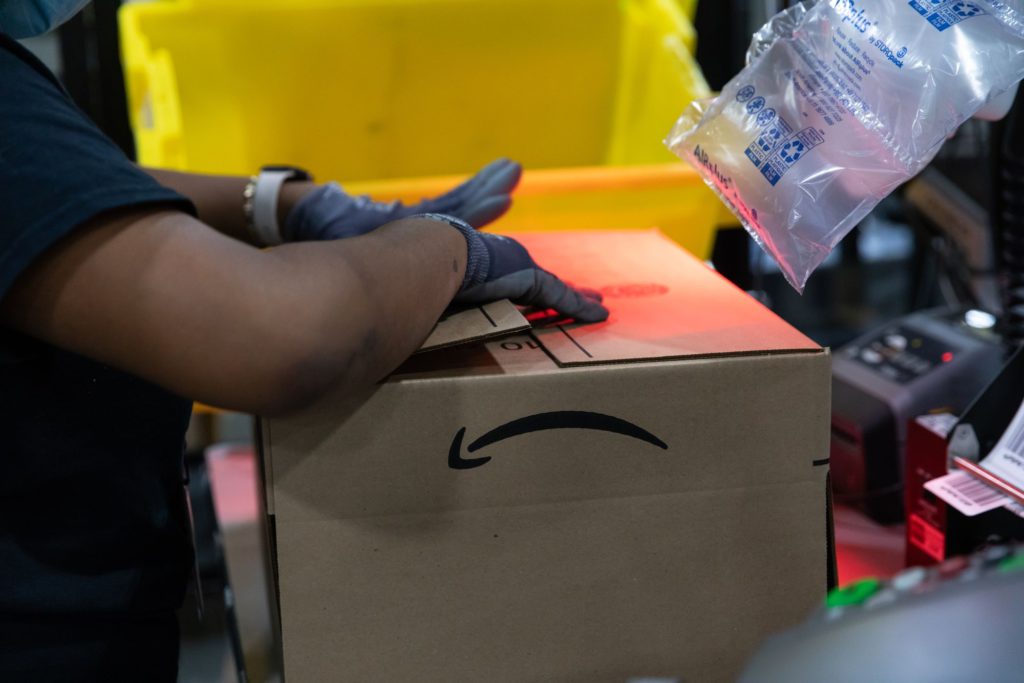
(Bloomberg) — Amazon.com Inc.’s number of Prime members in the US stagnated in the first half of the year, suggesting a $20 annual price increase that took effect in February may be turning off potential customers struggling with high gas prices and inflation.

The online retailer had about 172 million members as of June 30 who pay yearly or monthly dues in exchange for shipping discounts, video streaming and other perks, the same as six months earlier, according to Consumer Intelligence Research Partners, a Chicago firm that tracks Prime members through consumer surveys.

Amazon in February raised the price of Prime membership to $139 from $119 for those paying yearly and to $14.99 from $12.99 for a monthly subscription. The higher prices combined with inflation and the resumption of pre-pandemic shopping habits by consumers to cool demand for the service, known mostly for quick delivery of online orders.

“After years of steady and even explosive growth, Prime membership is flat,” said Michael Levin, a partner in the research firm.

The Seattle-based company signed up a combined 60 million U.S. Prime members in 2020 and 2021 when shoppers stampeded online during the pandemic, according to Consumer Intelligence Research Partners. The firm tallies Prime members, not subscriptions. One Prime subscription can have multiple members since many households share one account.

Prime helps Amazon convert occasional shoppers into loyal customers since members typically spend more on Amazon than non-members.

Amazon couldn’t immediately be reached for comment.

More stories like this are available on bloomberg.com

©2022 Bloomberg L.P.

Close Bitnami banner
Bitnami