Bloomberg

Funding Societies to Buy Singapore-based Firm for SE Asia Growth

(Bloomberg) — Funding Societies, Southeast Asia’s biggest digital financing platform for small- and medium-sized firms, said it is buying Singapore-based payment firm CardUp as part of its expansion.

The company didn’t disclose the value of the transaction, saying the amount is subjected to regulatory approvals. The purchase will compliment Funding Societies’ lending products and allow its users to manage expenses, receive payments, and borrow funds on a single platform, it said in a statement.

The proposed acquisition follows a $294 million funding round in February and investment into Indonesia’s Bank Index. It has also recently expanded into Vietnam, part of a series of moves to tap the growth of digital finance in Southeast Asia. Funding Societies expects the market to be worth $60 billion by 2025.

More stories like this are available on bloomberg.com

©2022 Bloomberg L.P.

Tesla Lays Off About 200 Autopilot Workers, Most of Them Hourly

(Bloomberg) — Tesla Inc. laid off hundreds of workers on its Autopilot team as the electric-vehicle maker shuttered a California facility, according to people familiar with the matter. 

Surprisingly, the majority of those who were let go were hourly workers, said the people, who asked not to be identified discussing private information. As recently as last week, Chief Executive Officer Elon Musk had outlined plans to cut 10% of salaried staff but said he’d be increasing hourly jobs.

Teams at the San Mateo office were tasked with evaluating customer vehicle data related to the Autopilot driver-assistance features and performing so-called data labeling. Many of the staff were data annotation specialists, all of which are hourly positions, one of the people said.

About 200 workers were let go in total, according to the people. Prior to the cuts, the office had about 350 employees, some of whom were already transferred to a nearby facility in recent weeks.

Tesla didn’t immediately respond to a request for comment.

Tesla is trimming its ranks after a surge in hiring in recent years. The company, now based in Austin, Texas, had grown to about 100,000 employees globally as it built new factories in Austin and Berlin.

See also: Elon Musk Sounds Off on Recession Risk, Twitter Deal and Trump

Musk caught workers by surprise earlier this month when he said layoffs would be necessary in an increasingly shaky economic environment. He clarified in an interview with Bloomberg that about 10% of salaried employees would lose their jobs over the next three months, though the overall headcount could be higher in a year.

The EV market leader’s downsizing efforts have focused on areas that grew too quickly. Some human resources workers and software engineers are among those who have been laid off, and in some cases, the cuts have hit employees who had worked at the company for just a few weeks.

Those affected by the latest move worked on one of the higher-profile features in Tesla vehicles. In job postings, Tesla has said that labeled data is the “critical ingredient for training powerful Deep Neural Networks, which help drive the Tesla vehicles autonomously.” Staffers in Buffalo, New York, and San Mateo spent hours labeling images for cars and the environment they navigate, such as street signs and traffic lanes.

In Buffalo, Tesla has continued to expand its Autopilot data-labeling teams, a person familiar with the matter said. But staff at that location, who are doing the same role, are paid a lower hourly rate than in San Mateo, the person said.

Tesla’s shares fell less than 1% in late trading. The stock tumbled 34% this year through Tuesday’s close, compared with a 20% decline in the SP 500 Index.

More stories like this are available on bloomberg.com

©2022 Bloomberg L.P.

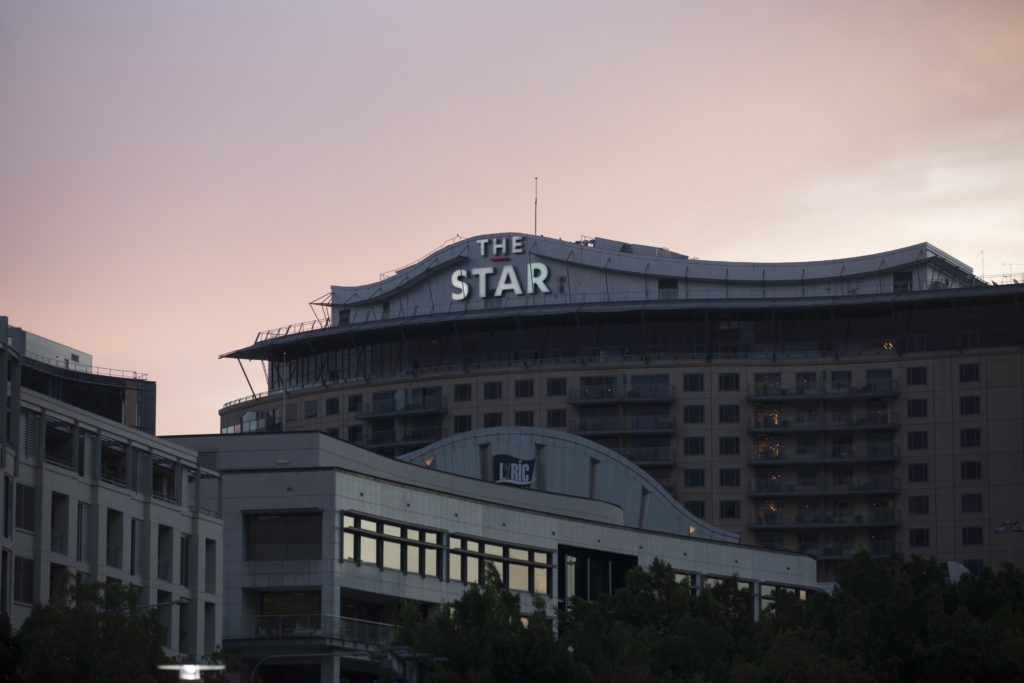
Star Hires Robbie Cooke as CEO in Bid to Chart Recovery

(Bloomberg) — Star Entertainment Group Ltd. named Robbie Cooke as chief executive officer as the Australian casino operator attempts to recover from a damaging regulatory inquiry.

Cooke’s appointment is subject to regulatory approvals and his start date will be confirmed later, Star said Wednesday. Cooke was CEO of lottery operator Tatts Group from 2013 to 2018 and is currently managing director of Australian financial technology provider Tyro Payments Ltd. 

The inquiry into Star in New South Wales state, home to the company’s flagship Sydney casino, has heard allegations Star misled the gaming regulator and allowed money laundering to take place. A final report is due by the end of August.

Read more: Cascade of Allegations Threatens Future of Australian Casinos

Former CEO Matt Bekier resigned in March, precipitating a boardroom cleanout. The inquiry heard that when consultants tried to tell Star that it may not be complying with anti-money laundering laws, Bekier grew “hostile” and labeled the report as “wrong,” the Australian Financial Review has reported. 

“There are challenges for The Star that have been well documented,” Cooke said in a statement. “They will be my priority and focus. Ensuring continuity of the business through a comprehensive renewal program is of paramount importance.”

The state of Queensland, where Star runs casinos in Brisbane and on the Gold Coast, this month announced an independent review into the company’s fitness to run the sites.

(Adds details of inquiry in third paragraph.)

More stories like this are available on bloomberg.com

©2022 Bloomberg L.P.

LG Reviews $1.3 Billion Arizona Battery Plant on Rising Costs

(Bloomberg) — LG Energy Solution Ltd., the world’s second-largest electric-car battery maker, is reviewing plans to build a $1.3 billion plant in Arizona as surging materials prices inflate the cost of the project. 

Given “unprecedented economic conditions and investment circumstances” in the US, LG Energy is currently reviewing various investment options, the company said in response to a Chosun Ilbo report that it had decided to reconsider the project as construction costs have increased and amid concerns over weakening battery demand.

LG Energy had planned to spend 1.7 trillion won ($1.3 billion) to build a plant with 11 gigawatt hours of capacity in Queen Creek, Arizona, to supply cylinder-type batteries for EV startups. Construction was set to start in the second quarter with mass production scheduled for the second half of 2024, LG Energy announced in March.

A final decision whether to build the Arizona plant will be made after LG Energy consults with customers on how it can reflect cost increases in battery prices, Yonhap New reported, citing an unidentified source. The decision is expected to take at least one to two months, according to Yonhap. The company still plans to proceed with plants jointly owned with General Motors Co. in Tennessee and Michigan, Yonhap said. 

More stories like this are available on bloomberg.com

©2022 Bloomberg L.P.

Lithium Developer Liontown Adds Ford Pact After Deal With Tesla

(Bloomberg) — Liontown Resources Ltd. agreed to an initial five-year deal with Ford Motor Co. to supply lithium material from an Australian mine project that’s expected to begin production from 2024.

The plan to supply lithium-bearing spodumene from the Kathleen Valley project in Western Australia adds to earlier pacts sealed with Tesla Inc. and LG Energy Solution.

Under the deal, a Ford unit will provide a A$300 million ($207 million) debt facility, meaning the developer now has sufficient funding to bring its project into full production, Liontown said in a statement Wednesday.

Automakers globally are racing to secure deals for the future supply of key battery metals as they aim to rapidly expand sales of electric models, and amid concerns over potential tight markets for some materials. About $14 billion of investment is needed to develop planned sufficient lithium production capacity by 2025, according to BloombergNEF.

How a Battery Metals Squeeze Puts EV Future at Risk: QuickTake

“Ford continues working to source more deeply into the battery supply chain,” as it aims to deliver more than 2 million electric vehicles a year by 2026, the carmaker’s Vice President of EV Industrialization Lisa Drake said in the statement. “This is one of several agreements we’re working on to help us secure raw materials.”

The auto company in April struck a non-binding agreement with Sydney-based Lake Resources NL for supply from its Kachi project in Argentina.

Perth-based Liontown’s agreement with Ford will see the miner supply an initial 75,000 dry metric tons of spodumene a year, increasing to double that volume in the final two years of the deal.

Together with the pacts with Tesla and LG, Liontown has now secured contract customers for 90% of Kathleen Valley’s initial production, and will retain the remainder for short-term or spot sales. 

More stories like this are available on bloomberg.com

©2022 Bloomberg L.P.

Deliveroo Rolls Out Ads on its Delivery App to Increase Revenue

(Bloomberg) — Deliveroo Plc is expanding access for advertisers on its app and website, joining a growing number of delivery companies using ads to improve sales and profitability. 

The Deliveroo Media and Ecommerce platform, set to roll out in July, will also sell ad space on the company’s order-tracker page for the first time, the company said in a statement on Wednesday. A customer may, for example, check the status of their dinner delivery on a Saturday evening and see an ad for a television streaming service or a movie to watch.

While Deliveroo already allows the restaurants and groceries it works with to purchase some advertising space, the new platform expands opportunities to consumer brands and is part of the company’s push to become profitable. Fast-growing and money-losing technology companies have seen their shares plunge in recent months as investors move to reward profits, with Deliveroo dropping more than 56% in trading year-to-date. The firm joins peers such as Jokr and Delivery Hero SE, which have also started supplementing their main businesses with ad revenue. 

Read more: Delivery Hero Eyes Advertising, Buy-Now-Pay-Later to Grow Sales

“Advertising revenue is a small part of Deliveroo’s current model but a big opportunity and a lever the company can pull to increase net revenue,” Deliveroo Chief Operating Officer Eric French said in the statement. 

Brands will be allowed to add samples and other materials to customers’ meal and grocery orders that originate from Deliveroo’s “editions” kitchens or rapid grocery “hop” centers, it said. 

The new service will begin in the UK before expanding to other markets. Criteo SA is providing technology and media sales services, the company said in the statement. 

More stories like this are available on bloomberg.com

©2022 Bloomberg L.P.

Samsung Acquires German OLED Display Startup Cynora

(Bloomberg) — Samsung Display Co. has purchased display company Cynora GmbH for about $300 million, according to people with knowledge of the matter, gaining technology for so-called OLED screens. 

As part of the deal, Samsung acquired Cynora’s intellectual property and technology but not its engineers, said the people, who asked not to be identified because the terms weren’t disclosed. The Bruchsal, Germany-based company terminated its workforce in recent weeks as part of the transaction, the people said. Samsung was already an investor in Cynora, with LG Electronics Inc. and other display manufacturers also backing the startup.

Samsung and other tech companies have long offered OLED screens — short for organic light-emitting diodes — but Cynora specialized in making rigid versions of the displays for foldable devices. Samsung has popularized foldable smartphones, a market that Apple Inc., Alphabet Inc. and other technology giants are expected to enter in the coming years.

Samsung declined to comment on the transaction, while representatives for Cynora didn’t respond to requests for comment. The startup’s website remains online but may be eventually shuttered, one of the people said. Some investors in the closely held company believe that the firm was running low on cash and needed an exit to return some funds to backers, according to the people.

In addition to developing foldable OLEDs, Cynora has next-generation emitter technology for blue and green-based color reproduction. The company says its approach can improve the power efficiency of displays, as well as enhancing the contrast between colors.

More stories like this are available on bloomberg.com

©2022 Bloomberg L.P.

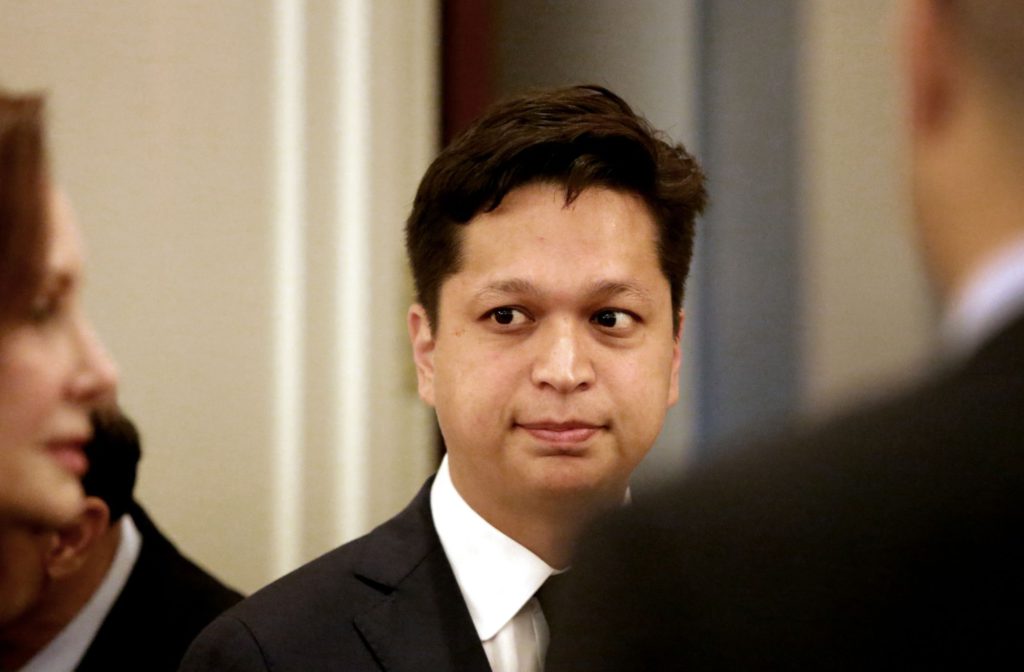
Pinterest CEO Silbermann Steps Down; Google’s Executive to Take Job

(Bloomberg) — Pinterest Inc. co-founder and Chief Executive Officer Ben Silbermann is handing the reins to Google and PayPal Inc. veteran Bill Ready in a sign the social-media company will focus more on e-commerce.

Silbermann, 39, will move to a newly created role as executive chairman and will retain his board seat, the San Francisco-based search-and-discovery platform said Tuesday in a statement. Ready will also join the company’s board. 

The changes mark the end of Silbermann’s decadelong run as CEO, during which Pinterest grew to more than 430 million users — known as Pinners — and annual revenue of more than $2.5 billion. The service has also worked in recent years to build a bigger e-commerce business in order to help advertisers and retailers sell products directly on the service.

Ready’s appointment plays into that goal. He joins Pinterest after spending the past two years leading commerce and payments at Alphabet Inc.’s Google. Ready, 42, is also worked for years at payments company PayPal. 

“In our next chapter, we are focused on helping Pinners buy, try and act on all the great ideas they see,” Silbermann said in the statement. “Bill is a great leader for this transition. He is a builder who deeply understands commerce and payments.”

Andrea Wishom, Pinterest’s lead independent director, echoed those comments in a statement, saying Ready’s “experience in payments, product development and shopping uniquely positions him to take Pinterest to its next phase of growth.”

The site gained users during the early part of the pandemic as people stayed home looking for things to do around the house such as gardening and decorating. But holding onto that growth became difficult as the intensity of the pandemic waned and people began returning to other activities. Pinterest said in April that global monthly active users declined 9% year-over-year in the first quarter.

Mark Mahaney, an analyst at Evercore ISI, called the move “a drastic step.”

“If you’re bringing somebody from the outside of the company in, you’ve just thrown a lot of uncertainty into Pinterest and into the management team,” Mahaney said in an interview with Bloomberg Television’s Emily Chang.

Silbermann is the latest CEO to step down from a company that gained customers and sales during the pandemic but has struggled to retain that growth — a group that includes John Foley of Peloton Interactive Inc. and Dan Springer of DocuSign Inc. Other founders that also have ended their tenures as CEO within the past year are Amazon.com Inc.’s Jeff Bezos and Twitter Inc.’s Jack Dorsey.

Pinterest shares gained about 4% in extended trading after closing at $19.70 in New York. The stock has declined 46% this year.

The executive change at Pinterest follows a number of alleged cultural incidents at the company. Silbermann and other members of Pinterest’s board were accused of fostering a “toxic” work environment in a lawsuit filed by a pension fund in early 2021.

That suit followed claims one year earlier by Pinterest’s former chief operating officer, Francoise Brougher, who alleged that the company engaged in gender discrimination. She was awarded $20 million in a settlement. Other former employees also accused the company of racial discrimination in 2020.

And last week, a California state judge ruled that Pinterest must face a lawsuit from a digital marketing strategist who said she helped come up with the idea for the social media platform.

(Updates with comments from analyst in the ninth paragraph.)

More stories like this are available on bloomberg.com

©2022 Bloomberg L.P.

This Startup Built a Bot Army to Reveal Risks Facing Chinese Companies

(Bloomberg) — Investors have long complained that there isn’t enough information about the non-financial risks facing companies in China and Southeast Asia. Environmental disclosures, for example, aren’t common, and where they do exist, they’re often inconsistent and unreliable. 

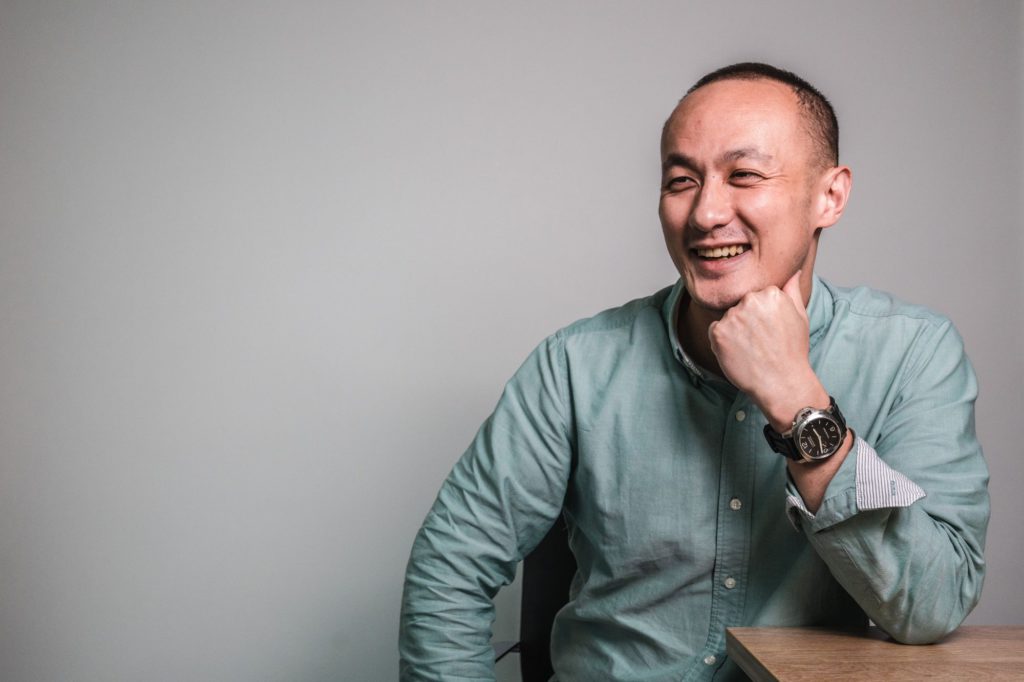
A six-year-old data company backed by JPMorgan Chase & Co and GIC Pte says it’s learning plenty about companies without waiting for regulators or required disclosures. MioTech scrapes information and statistics from thousands of government, regulatory and corporate sites across China and Southeast Asia to evaluate companies’ environmental, social and governance practices, including violations, pollution, carbon footprint and hiring discrimination. 

Now MioTech’s parent company, Cayman-based Mioying Holdings Inc., is in the process of raising about $150 million at a valuation of $1 billion, said co-founder and Chief Executive Officer Jason Tu. The goal is an ambitious one, considering that funders have been shunning China-related ventures, but also an affirmation of the growing interest in ESG in the region. Moody’s Corp., billionaire Li Ka-shing’s Horizons Ventures, ZhenFund and HSBC Holdings Plc have already invested, and MioTech has raised about $100 million in previous rounds. 

“People think that there’s no data on ESG in this region,” said Tu. “That’s a misconception. There’s a lot of data, it’s just not organized.” 

But collecting and organizing that information can be sensitive in a country like China, where big data companies have been penalized for using bots to scrape personal information online. Underscoring the risks, the government-backed Legal Daily reported earlier this year that an unidentified company was fined 40 million yuan ($6 million) and one of its executives was sentenced to a seven-year jail term.

In order to avoid legal pitfalls on data collection, MioTech has confined its scraping to public sources. It won’t harvest data from sites that require a login, it doesn’t gather personal information and doesn’t hide the fact that it’s using bots. Its satellite images also come from public channels. The company’s data protection officer has a legal background and a team to ensure compliance with regulations on information gathering and storage, said Tu.

Those precautions have still left MioTech with 68,000 data source pipelines. The Hong Kong stock exchange for example, is one. China’s central bank counts as another. Algorithms sort the harder-to-digest information scattered across tens of thousands of government and company sites. Sometimes regulators might distribute photo files of penalties levied on companies, so MioTech uses image-recognition technology to identify and catalog that data. 

Along with companies in Greater China, MioTech covers public and private companies across the US, Europe, Asia, and Australia, capturing information about water pollution, nitrogen dioxide emission levels, and discrimination complaints, among other metrics. As it expands, it plans to add employees in China and Singapore, increasing its workforce by about 67% to 500 before the end of the year. 

“Data plays a critical role in any investment decision process,” said Jennifer Wu, global head of sustainable investing at the asset management division of JPMorgan. “We find MioTech’s expertise in the China ESG data space to be unique and valuable, thanks to its technology architecture and Chinese language-based data science capabilities.”

As ESG investments have grown to $35 trillion, the demand for data has boomed. Roughly 160 firms, including MSCI, the three biggest corporate-credit rating firms and Bloomberg LP, the parent company of Bloomberg News, sell sustainability ratings and data to money managers. According to researcher Opimas, the ESG data market could reach $1.3 billion this year. MioTech generated about $15 million in revenue last year.

The big global firms also compile data on Chinese companies, as do domestic firms, including SynTao Green Finance. The country has also been taking steps toward more uniform and, eventually, compulsory disclosures. 

For global ESG investors though, the lack of information is only part of what makes it tricky to invest in China. China faces sanctions and trade restrictions from the US and some allies over alleged abuses including the detention of Uyghurs in Xinjiang and a jobs transfer program that sends ethnic minorities in the region to other parts of China — a policy the Biden administration says amounts to forced labor. (China denies charges of forced labor and other human rights abuses.)

MioTech says its approach is surgical and company specific, for example, deducting points for companies if abuses or violations are documented. 

For Moody’s, MioTech’s data enhances existing products like CreditView China, its tool for credit assessment and benchmarking Chinese companies globally. “Their information can help expedite our own development of tools that provide risk and credit analysis in China,” said Min Ye, managing director and head of international at Moody’s. “We can leverage their information to advance our own services.”

Financial institutions account for about 20% of MioTech’s clients but 70% of its income. Among them, nearly two-thirds are global. The rest are from China. “ESG in Asia is just getting started but everyone sees the potential in data,” said Tu. 

More stories like this are available on bloomberg.com

©2022 Bloomberg L.P.

UBS Nabs Citi’s Ridley-Thomas for Technology Private Placements

(Bloomberg) — UBS Group AG hired former Citigroup Inc. banker Sinclair Ridley-Thomas as head of technology private placements, according to people with knowledge of the matter.

Ridley-Thomas, who’s based in San Francisco, is set to join next month, reporting to Paul Crisci, global head of private markets and global co-head of technology, media and telecommunications, and Alan Felder, head of Americas private financing markets, said some of the people, all of whom asked not to be identified discussing the hiring. A UBS spokeswoman declined to comment, as did Ridley-Thomas and a Citigroup representative.

Ridley-Thomas joined Citigroup in 2020 and worked on transactions including Deep Instinct’s $100 million funding round led by BlackRock Inc., Trendyol’s $1.5 billion financing led by SoftBank Group Corp.’s Vision Fund 2 and Quip’s $100 million round led by Cowen Sustainable Investments, his LinkedIn profile shows. He previously worked at Royal Bank of Canada and JMP Securities LLC, and is the son of longtime Los Angeles politician Mark Ridley-Thomas.

Wall Street banks have been bolstering their private capital markets businesses in part because of the ballooning number of growth-stage companies.

More stories like this are available on bloomberg.com

©2022 Bloomberg L.P.

Close Bitnami banner
Bitnami