
Bloomberg

Apple to Improve Working Hours for Retail Staff After Union Push

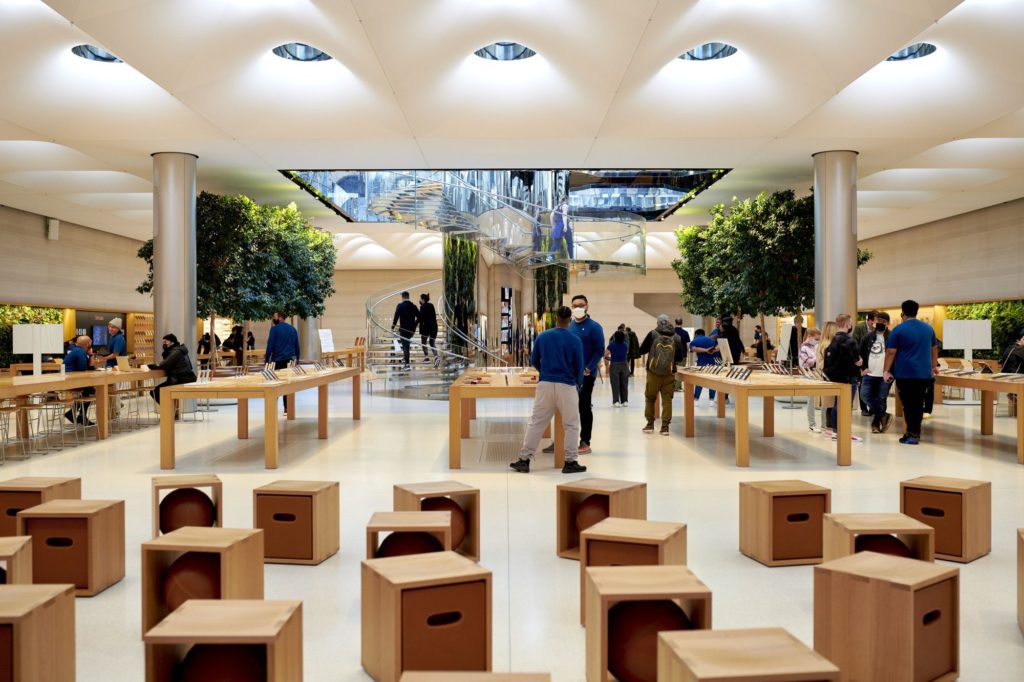
(Bloomberg) — Apple Inc. has agreed to make work schedules at its retail stores more flexible, according to employees with knowledge of the plans, part of a push to improve conditions in the face of unionization efforts. 

The company informed staff at some stores that scheduling changes will take effect in the coming months, according to the workers, who asked to not to be identified because the plans aren’t public. Some retail employees have voiced their frustrations with managers and labor groups about their schedules, and Apple’s retail chief recently signaled that changes could be coming.

“I am deeply committed to making Apple the best it could be for you, from scheduling to pay and benefits to development to the experience and environment in the stores,” Deirdre O’Brien told staff in a recent video message. 

The company is planning the following changes, according to the employees:

  • A minimum of 12 hours in between shifts, an increase from the current minimum of 10 hours.
  • A maximum of three days per week when employees can work past 8 p.m., unless they choose to work late shifts.
  • Employees won’t be scheduled to work more than five days in a row, a change from a maximum of six days in a row. There could be exemptions during new product launches and holidays.
  • Full-time employees will be eligible for a dedicated weekend day off for each six-month period.

Some of the changes are scheduled to go into effect within the next several weeks, while others may not arrive until later in the year, the employees said. 

A spokesperson for Cupertino, California-based Apple declined to comment. 

Apple has made several changes in recent months to placate workers and cope with a tight labor market. In February, the company doubled paid sick days, increased vacation days and expanded backup care for children. Last month, it upped hourly wages, raising its minimum pay to $22 an hour from $20.

Workers at stores around the US have launched campaigns to unionize Apple employees, though none successfully so far. O’Brien has pushed back on the labor efforts, saying that unions could slow Apple’s ability to improve conditions and that such organizations don’t share the company’s commitment to its employees. In the wake of Apple’s changes, at least one retail store canceled a vote to unionize. 

More stories like this are available on bloomberg.com

©2022 Bloomberg L.P.

Winklevoss Twins Aren’t Alone With ‘Crypto-Winter’ Job Cuts

(Bloomberg) — The crypto industry — white-hot last year as Bitcoin soared to a record and enthusiasm for everything from Bored Ape NFTs to DeFi and “play-to-earn” games propelled the entire market past $3 trillion — is feeling a chill. 

Gemini Trust Co., the crypto business run by billionaire twins Cameron and Tyler Winklevoss, on Thursday told staff of plans to slash the company’s workforce by 10% as trading across the industry slumps. Rain Financial Inc. — one of the Middle East’s largest crypto exchanges, with big backers from Silicon Valley — also made cuts, laying off dozens of employees, according to people with direct knowledge of the matter. Meanwhile, crypto exchange Coinbase Global Inc., its shares in a funk as transaction volumes decline, said Thursday it will extend a hiring freeze for both new and existing positions for the “foreseeable future” and rescind a number of accepted offers.   

“This is where we are now, in the contraction phase that is settling into a period of stasis — what our industry refers to as ‘crypto winter,’” the Winklevoss brothers wrote in a memo sent to Gemmini employees that was viewed by Bloomberg News. “This has all been further compounded by the current macroeconomic and geopolitical turmoil. We are not alone.”

Cryptocurrency prices have declined this year from the highs reached in early November and have largely remained in the doldrums, with the market now less than half the size it was at its 2021 peak. It’s only recently, though, that digital-asset executives have begun to characterize the situation as a cyclical “crypto winter,” when token prices may stay depressed for months. During the crypto winter of 2018, layoffs permeated the industry.

Venture capitalists are still pumping money into crypto startups, with Andreessen Horowitz breaking records last week by raising a $4.5 billion fund dedicated to crypto, and Binance’s venture-capital arm raising a $500 million crypto fund. But signs of cracks have begun to appear in recent weeks — particularly at exchanges, which typically see trading volume plunge during bear markets, when retail investors retreat. Gemini is refocusing “only on products that are critical to our mission,” according to the memo, with team leaders asked to assess their headcount based on “turbulent market conditions that are likely to persist for some time.” 

Read more: Coinbase to Rescind Employment Offers, Extend Hiring Freeze

The Winklevoss twins were among crypto’s early big-name believers and adopters. They started Gemini in 2014, and over time added a variety of services. As a privately held company, Gemini doesn’t disclose its number of employees. LinkedIn lists about 1,000 people who may work there.


Late last year, Gemini said it raised $400 million in a round of funding that valued the company at $7.1 billion.

Gemini’s offices will stay closed Thursday. Impacted employees will receive a calendar invite for remotely held conversations on the separation packages and health-care benefits Gemini will be providing. On Friday, the company will hold a company-wide “standup” to talk about its future.

“Today is a tough day, but one that will make Gemini better over the long run,” the memo said.

(Adds new Coinbase details in second paragraph.)

More stories like this are available on bloomberg.com

©2022 Bloomberg L.P.
Coinbase to Rescind Employment Offers, Extend Hiring Freeze

(Bloomberg) — Coinbase Global Inc. said it will extend a hiring freeze for both new and existing positions for the “foreseeable future” and rescind a number of accepted offers.

The largest US cryptocurrency exchange cited market conditions and ongoing business “prioritization efforts” for the decision in a blog post Thursday. Bitcoin has tumbled more than 55% from its record high in November, while other so-called altcoins have fallen even more as investors reevaluate the sector while central banks pull back on Covid-era stimulus.

Some Wall Street analysts have warned that Coinbase’s costs are too high. The company has ballooned to 4,948 full-time employees, from about 1,700 just a year ago. Hiring helped drive the company’s total operating costs to $1.7 billion in the first quarter, up 9% from the previous three months.

Read more: Coinbase Melts Down Even as Wall Street Is Bullish on Prospects

In a memo to employees on May 17, Coinbase’s chief product officer, Surojit Chatterjee, said the company will be increasing its focus “on critical revenue-generating products” by doubling down on core products while seeking improvements in developer productivity.

The decision was announced the same day as Gemini Trust Co., the crypto business run by billionaire twins Cameron and Tyler Winklevoss, told staff of plans to slash the company’s workforce by 10%. Rain Financial Inc. — one of the Middle East’s largest crypto exchanges, with big backers from Silicon Valley — also made cuts, laying off dozens of employees, according to people with direct knowledge of the matter. 

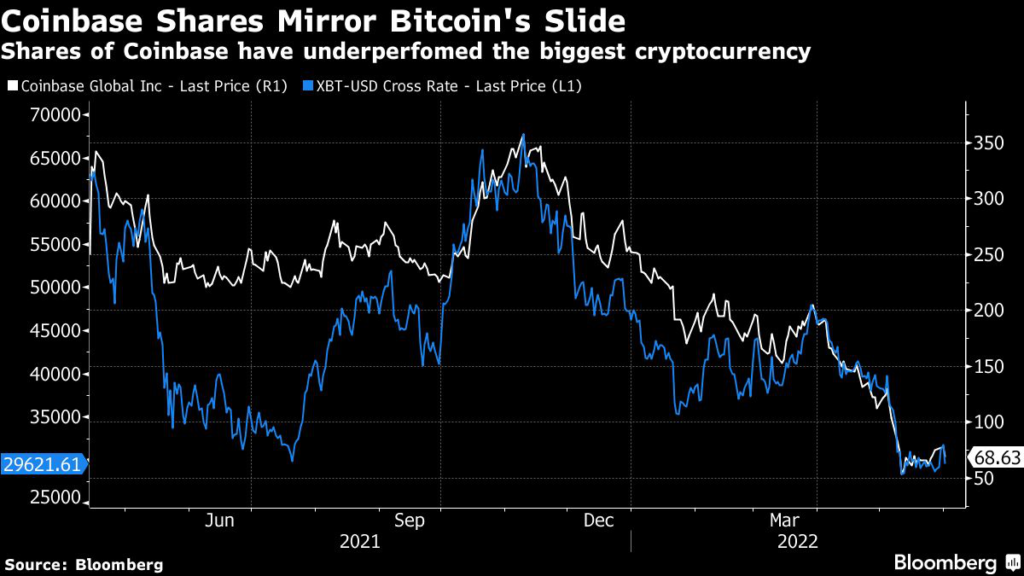
Coinbase has gone from one of the stock market’s most hotly anticipated debuts to one of its most spectacular crashes in a little more than a year. The firm’s market value has shrunk by about $50 billion since the end of its first day of trading last April. 

Read more: Coinbase’s $51 Billion Nosedive Isn’t Only About Crypto Winter

Shares of Coinbase fell to an all-time low in May, and even after recovering somewhat are still down about 80% from their debut. The stock rose 7.6% to $73.82 on Thursday, and was little changed in post-market trading.

More stories like this are available on bloomberg.com

©2022 Bloomberg L.P.
Microsoft Says It Will Work With Unions, With Eye on Activision

(Bloomberg) — Microsoft Corp. said it will work with labor groups when workers wish to join them, taking a pre-emptive stance amid a wave of union organizing in the tech industry and ahead of its acquisition of Activision Blizzard Inc., home of the first labor union in the gaming industry.

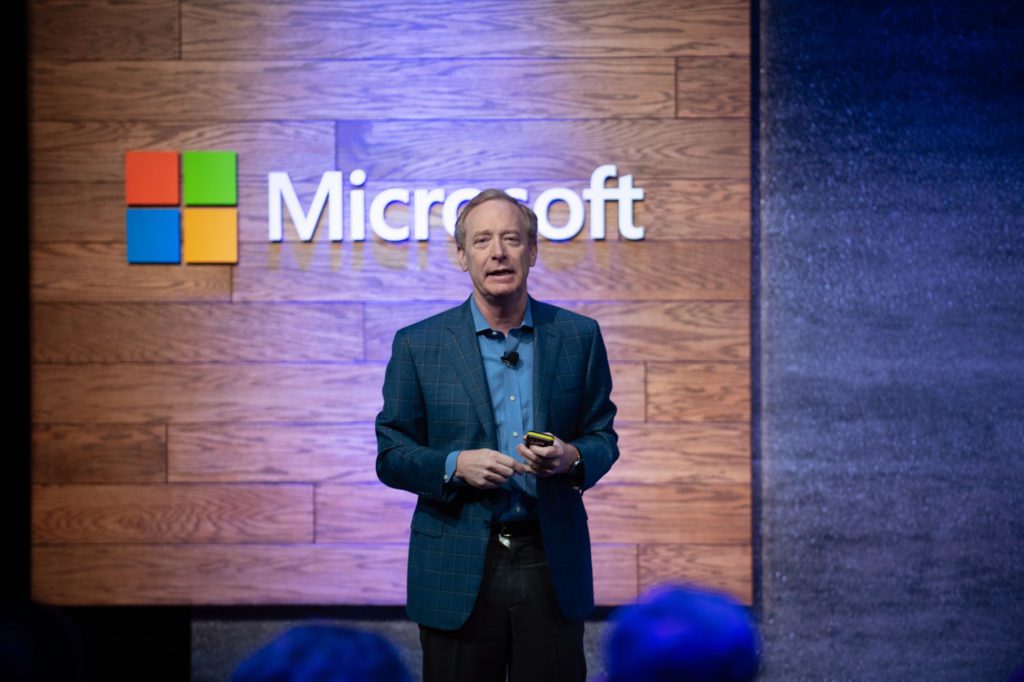
In a blog post outlining the company’s principles on engaging with employees, Microsoft President and Vice Chair Brad Smith wrote that workers “will never need to organize to have a dialogue with Microsoft’s leaders,” but that the software giant recognizes some employees in some countries may choose to join a labor organization.

“We respect this right, and do not believe that our employees or the company’s other stakeholders benefit by resisting lawful employee efforts to participate in protected activities, including forming or joining a union,” Smith wrote in the Thursday post. “We are committed to creative and collaborative approaches with unions when employees wish to exercise their rights and Microsoft is presented with a specific unionization proposal.”

The Redmond, Washington-based company is seeking regulatory approval for its $69 billion purchase of Activision, which was announced in January. Video game testers at Activision Blizzard’s Raven Software subsidiary voted on last month to form a union with the Communications Workers of America, a first for a US-listed game company. Nineteen quality assurance testers at Raven, who assess the performance of games in the lucrative Call of Duty series, voted for legal recognition of the union they’d first organized in January. Three voted against. 

Microsoft’s statement comes against the backdrop of a swell of labor organization in the U.S., including in industries and at companies where such efforts have traditionally struggled or failed. Among recent actions at other Seattle-area companies, workers at more than 60 Starbucks Corp. locations in 17 states have voted to join Workers United, an affiliate of the Service Employees International Union, following the lead and advice of first-mover baristas in Buffalo. Staffers at about 175 more Starbucks have petitioned the federal government for votes of their own. And Amazon.com Inc. workers at a New York warehouse voted to join an upstart labor union, ending more than 25 years in which company managed to keep unions out.

Smith said Microsoft sees that the workplace is changing. “While relationships with labor organizations are not new to Microsoft, we know that we have a lot to learn,” he wrote. 

More stories like this are available on bloomberg.com

©2022 Bloomberg L.P.
US Stocks Advance as Traders Weigh Mixed Reports: Markets Wrap

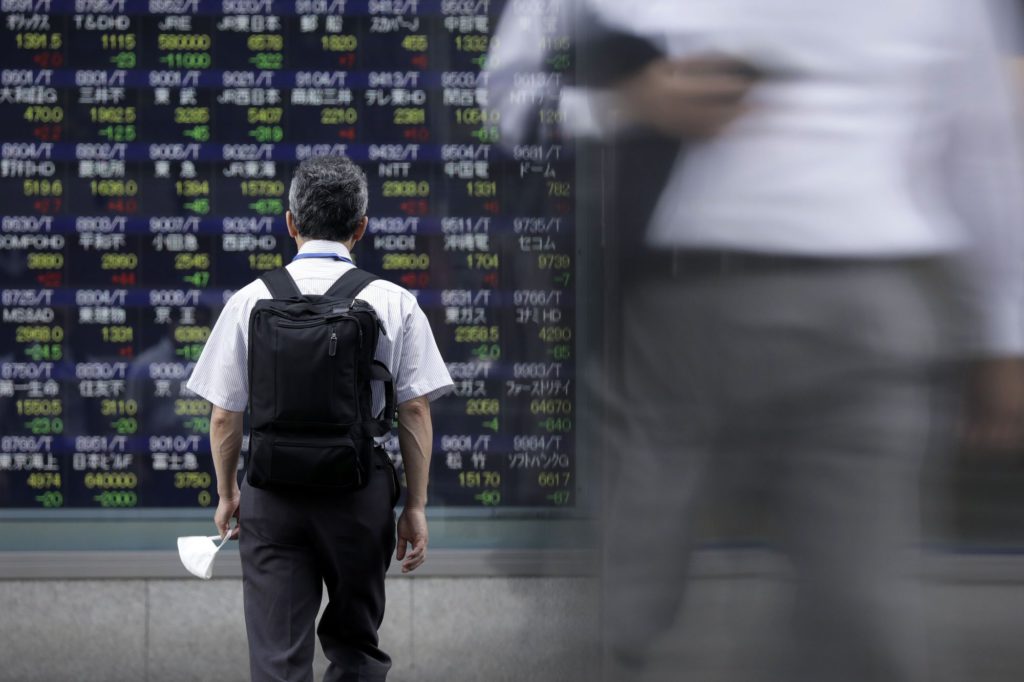
(Bloomberg) — US stocks snapped a two-day slide to rally ahead of Friday’s nonfarm payroll report, as traders expect to see cooler labor demand, which could alleviate some inflation concerns.

The S&P 500 rose 1.8%, led by gains in consumer discretionary, while the tech-heavy Nasdaq 100 added 2.8%. Microsoft Corp. erased earlier losses that came after it pared its outlook on the impact from a strong dollar. Treasuries were steady, with US 10-year yields reaching 2.91%.

“Outside of this recent rally, very little about this market has changed from a technical standpoint and that makes us wary of calling the all-clear,” said Scott Brown, technical market strategist at LPL Financial. “We believe a slight lean toward defensive sectors and away from the growth-oriented areas of this market still make sense.”

Earlier, markets lacked clear direction as traders mulled private hiring data, which showed the smallest gain since the pandemic recovery began, and factory orders, which came in lower than forecast. Federal Reserve Vice Chair Lael Brainard also said it’s hard to see a case for a September pause in rate hikes and that increases of 50 basis points in June and July seemed reasonable.

“Fed-friendly ADP and factory orders reports combined with a rational reaction to the Microsoft FX guide has investors feeling more constructive,” said Art Hogan, chief market strategist at National Securities. “Add to all of that OPEC+ is increasing quotas, which will certainly help all of our No. 1 concern, inflation.”

OPEC+ agreed to increase the size of its oil-supply hikes by about 50% in July and August, bending to pressure by major consumers including the US to fill the gap created by sanctions on Russian supplies. Lower oil prices could ease inflationary pressures. Yet investors remain on edge as some fear the pace of monetary tightening could throw the economy into a recession. WTI crude oil gained 2% after earlier losses.

Market participants believe the Fed will “continue to lower the balance sheet but be patient on raising interest rates as they see the economic data points come in,” Chad Morganlander, senior portfolio manager at Washington Crossing Advisors, said by phone. “That wait-and-see bias is one of the reasons why the market overall has rallied off the bottom in such a substantial way, and you’re seeing the follow-through in that trade today.”

Among individual stock moves, Tesla Inc., Nvidia Corp. and Amazon.com Inc. led gainers by value. Hewlett Packard Enterprise Co. was down after lowering its profit forecast on supply issues. 

How will markets be affected by the Fed’s quantitative tightening? QT officially starts Wednesday and is the theme of this week’s MLIV Pulse survey. Click here to participate anonymously.

Here are some key events to watch this week:

  • US May employment report Friday
  • The UN’s Food and Agriculture Organization releases its monthly food price index at a time of maximum concern about global supplies on Friday

Some of the main moves in markets:

Stocks

  • The S&P 500 rose 1.8% as of 4:07 p.m. New York time
  • The Nasdaq 100 rose 2.8%
  • The Dow Jones Industrial Average rose 1.3%
  • The MSCI World index fell 0.8%

Currencies

  • The Bloomberg Dollar Spot Index fell 0.7%
  • The euro rose 0.9% to $1.0750
  • The British pound rose 0.7% to $1.2575
  • The Japanese yen rose 0.2% to 129.86 per dollar

Bonds

  • The yield on 10-year Treasuries was little changed at 2.91%
  • Germany’s 10-year yield advanced five basis points to 1.24%

Commodities

  • West Texas Intermediate crude rose 2% to $117.61 a barrel
  • Gold futures rose 1.3% to $1,873.10 an ounce

More stories like this are available on bloomberg.com

©2022 Bloomberg L.P.
Slump in New Car Sales in May Raises Specter of US Recession

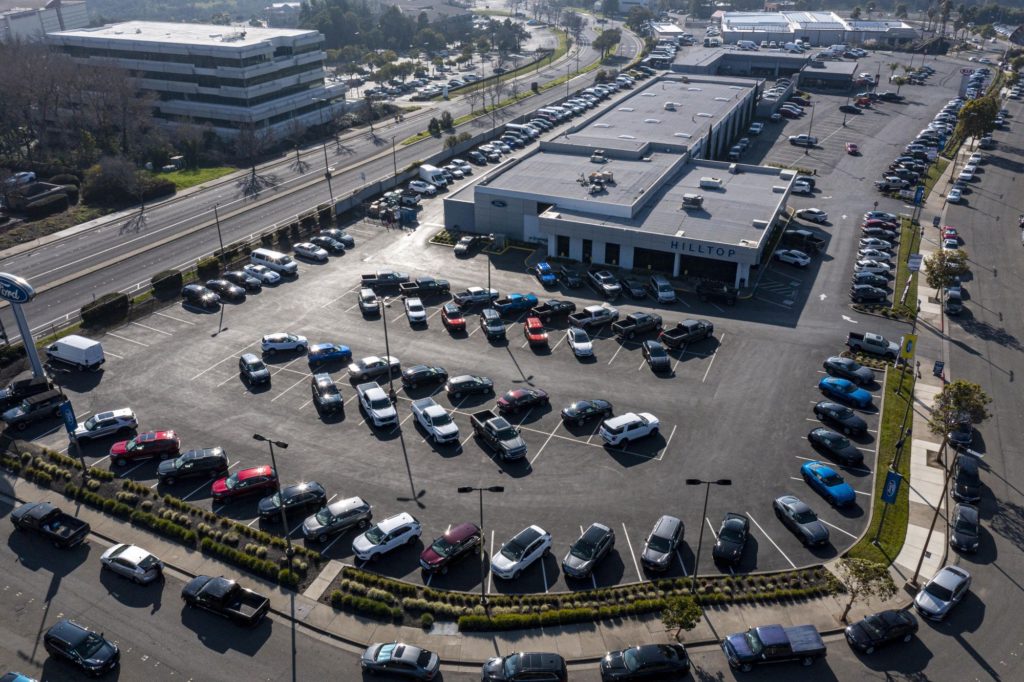
(Bloomberg) — Slumping US new car sales in May on continued high prices and low inventories have some analysts worried those lower-than-expected results could be a harbinger of a broader economic downturn.

Sales of new cars last month fell to 12.8 million vehicles at a seasonally adjusted annualized rate, representing an 11% drop from April, according to data compiled by Wards Intelligence. That is the lowest level since December and reflects shrunken inventories amid a persistent shortage of semiconductors and near record-high vehicle prices.

With increasing worries about macroeconomic headwinds, two analysts registered concern the downbeat data could be a taste of tougher times to come — even as automakers expect a recovery as supply-chain woes ease.  

“The market appears increasingly concerned about the economy, inflation, rising interest rates and a recession,” Joseph Spak, an analyst at RBC Capital Markets, said in a research note to clients published Thursday. 

Read more: US Economy Shows Signs of Downshifting as Rates, Inflation Bite

While Spak said there are no signs of “demand destruction” in the latest data, a recession would likely keep new monthly car sales in the low 12 million range — not far off from the rate seen in May. He lowered his demand forecast for the year to 14.7 million from 15.2 million.

Sales were slow enough last month that Daiwa analyst Jairam Nathan cut his firm’s 2022 SAAR estimate from 16 million to 15 million with “further downside likely.”

May had three fewer selling days than April, and both Spak and Nathan noted that the daily selling rates were basically flat with April. But that wasn’t much consolation as May is typically a month where automakers see a sales bump. 

Evercore ISI analysts wrote in a note that despite disappointment over the “sour” sales in May that undercut expectations, “fears of a broad-based consumer slowdown” haven’t shown up in consumer demand surveys.

More stories like this are available on bloomberg.com

©2022 Bloomberg L.P.
Winklevoss Twins’ Gemini Sued by CFTC Over Bitcoin Futures

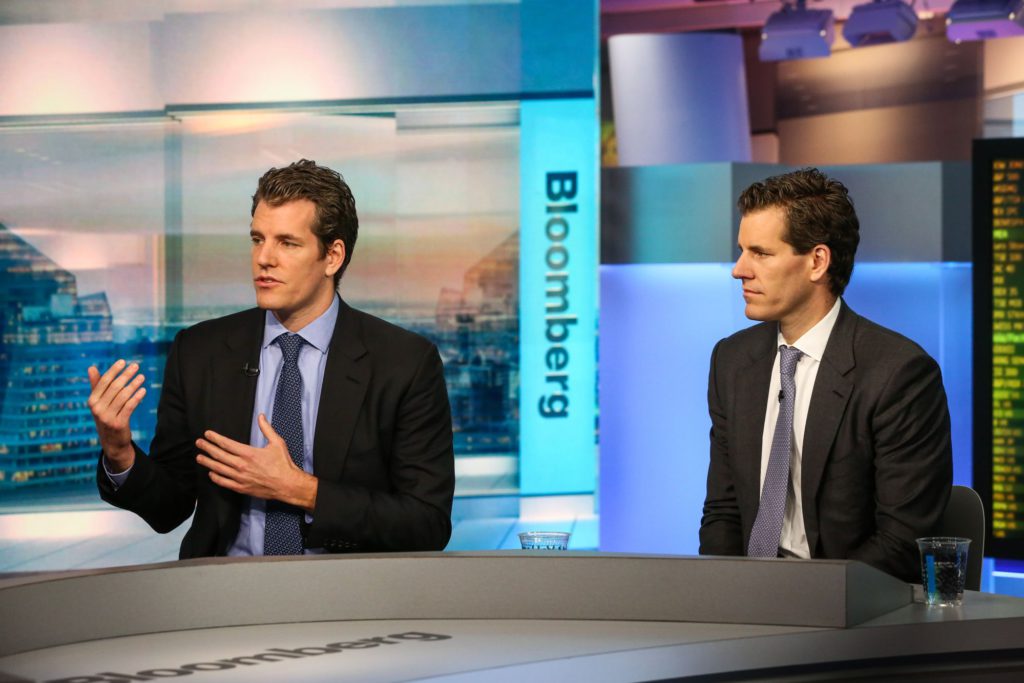
(Bloomberg) — The Winklevoss twins’ Gemini Trust Co. is being sued by the Commodity Futures Trading Commission for allegedly misleading the derivatives regulator in a bid to launch the first US-regulated Bitcoin futures contract.

The CFTC said Thursday that Gemini “made false and misleading statements” from July to December 2017 about how it would prevent manipulation in Bitcoin prices that were to serve as a reference for the derivatives based on the cryptocurrency. In a lawsuit filed in federal court in Manhattan, the agency sought trading and registration bans, as well as fines. 

Gemini, which was co-founded by Cameron and Tyler Winklevoss who are best known for the Hollywood depiction of their disputed role in founding Meta Platforms Inc.’s Facebook, misled the regulator about its efforts to prevent people from trading against themselves, the CFTC said. The alleged conduct happened just as Cboe Global Markets Inc. was preparing to launch the first Bitcoin futures contract on an exchange overseen by the regulator — a development that helped fuel a torrid rise in the world’s biggest token. 

The proposed Bitcoin futures contract “was particularly significant because it was to be among the first digital asset futures contracts listed on a designated contract market, at a time of fervent interest by market participants in obtaining exposure to Bitcoin through the derivatives markets,” said the regulator. 

Gemini vowed to fight the allegations. “We have an eight year track-record of asking for permission, not forgiveness, and always doing the right thing. We look forward to definitively proving this in court,” the firm said in a statement.

Read More: Winklevoss Twins Have Company in ‘Crypto-Winter’ Job Cuts

According to the CFTC, Gemini loaned market-makers funds to induce more trading on the exchange, which allegedly reduced protections against price manipulation. The regulator also said that Gemini staff decided to leave it to market-making firms to figure out how to keep people from trading with themselves, saying in one internal message that the traders “‘are grownups, they can figure it out,’” according to the lawsuit. 

The complaint added that self-trading, which can distort markets, only rarely occurred on the platform after the exchange took steps in May 2017 to prevent it.

Cboe Bitcoin futures were quickly followed by the launch of a similar product by its larger rival CME Group Inc. in December 2017. While the CME contracts continue to trade, the Cboe ones were de-listed in 2019 amid lackluster trading volume. Cboe didn’t immediately respond to a request for comment. 

Gemini was one of the first crypto exchanges in the US to get a special financial services license from New York state in 2015 to handle digital assets. Still, not all of the exchange’s regulated pursuits with regulators have been successful. The Securities and Exchange Commission has repeatedly turned down efforts backed by the billionaire twins to list a Bitcoin-backed exchange-traded fund in 2018.

The case is Commodity Futures Trading Commission v. Gemini Trust Co., 22-cv-04563, US District Court, Southern District of New York (Manhattan).

(Updates with further information on the allegations starting in second paragraph.)

More stories like this are available on bloomberg.com

©2022 Bloomberg L.P.

Palantir CEO Alex Karp Met With Zelenskiy in Ukraine

(Bloomberg) — Alex Karp, the chief executive officer of Palantir Technologies Inc., visited Ukraine and met with President Volodymyr Zelenskiy to discuss ways its technology could help the country resist the continuing Russian invasion.

Palantir, co-founded by controversial right-wing billionaire Peter Thiel, makes data mining software and services and powers dozens of agencies within the US government and its allies, as well as large institutions.

“We are honored to be included in these discussions and recognize the leading role technology companies can play to reinforce their mission,” Palantir said in a statement. At the meeting, Karp and Zelenskiy “discussed how Palantir can continue to use its technology to support Ukraine,” the statement said. “With geopolitical tensions rising all over the world, enhancing security and protecting democratic institutions has never been more important.”

In a tweet on Thursday, Ukraine’s vice prime minister and minister for digital transformation, Mykhailo Fedorov, said that Karp was the first CEO to visit the country since the beginning of the Russian invasion. Several government officials, including US House Speaker Nancy Pelosi and UK Prime Minister Boris Johnson, have also made the trip.

Denver-based Palantir has previously won significant defense contracts aimed at updating government software. In recent months, Palantir’s Karp has warned of the large national security implications of the war in Ukraine. In the company’s annual letter to shareholders in May, Karp wrote that the world is at an “inflection point,” and that the “global pandemic and war in Europe have now conspired to shatter our collective illusions of stability and perpetual peace.”

Palantir’s technology has been in use by Ukraine, the US and other NATO countries since the beginning of the conflict three months ago, according to a person familiar with the company who asked not to be identified discussing private information.

The company, which got its start nearly two decades ago helping intelligence agencies aggregate data, said in a recent investor presentation that governments in the region had used a range of Palantir services. “Every product and capability has been employed by our customers to support mission outcomes for Ukraine—and across Poland, Lithuania and other nations to power refugee relief,” the company said. 

More stories like this are available on bloomberg.com

©2022 Bloomberg L.P.

FDA Warns DNA Sequencing Machines Could Be Hacked

(Bloomberg) — US regulators warned health-care providers about a cybersecurity risk with some Illumina Inc. DNA-sequencing machines that could compromise patient data.

Several of Illumina’s next-generation machines have a software vulnerability that could allow an unauthorized user to take control of the system remotely and alter settings or data, the Food and Drug Administration said in a letter Thursday. While there have been no reports of this happening, it’s possible that a hacker could alter a patient’s clinical diagnosis or gain access to sensitive genetic information.

Illumina has a near monopoly on the genetic-sequencing market and its machines are used for both research and in medical practice. The company said it has developed a software patch for the vulnerability and is working on a permanent fix.

“Illumina takes data privacy and cybersecurity very seriously and prioritizes instrument security and the protection of genomic and personal data,” a company spokesperson said. 

Genetic data is especially sensitive. DNA contains a vast treasure trove of personal information about health, relationships, personality and family history. As genetic testing has grown in popularity in both a medical and consumer context, so too have calls for this information to be rigorously protected.

At least two other genetic testing companies — Veritas Genetics and MyHeritage — have experienced data breaches. In both cases the companies said it did not appear genetic data itself was accessed.

More stories like this are available on bloomberg.com

©2022 Bloomberg L.P.

Russian Hacking Group Turla Targeted Entity in Europe Last Month

(Bloomberg) — The Russian hacking group Turla targeted an entity in a European nation last month, according to a threat alert document seen by Bloomberg News.

It’s the second time in recent weeks that activity by Turla, which is considered a top-level cyber-espionage threat, has been detected in the European Union, the document says. Hackers used a decoy Microsoft Corp. document and JavaScript backdoor to target the entity, according to the EU document.

Authorities in the UK and US, in addition to cybersecurity firms, have published several warnings in recent years about Turla, which is also known as Venomous Bear and Waterbug. It deploys a variety of techniques to target government, military, technology, energy and commercial organizations for intelligence gathering, according to authorities.

A report by a German public broadcaster earlier this year suggested the group has links to the Russian intelligence service, the FSB. 

Turla also was suspected of using tools from an Iranian hacking group to conduct cyberattacks against dozens of countries. The attacks would then appear to be coming from Iran, masking the real hackers’ identity, authorities disclosed in 2019.

Russia-Linked Group Likely Used Iranian Hacking Tools, NSA Says

There is currently no evidence that EU institutions have been targeted but the bloc’s Computer Emergency Response Team is currently searching for potential infections, according to the document.

More stories like this are available on bloomberg.com

©2022 Bloomberg L.P.

Close Bitnami banner
Bitnami