Chinese Business

Bankrupt Sri Lanka seeks discounted Russian oil

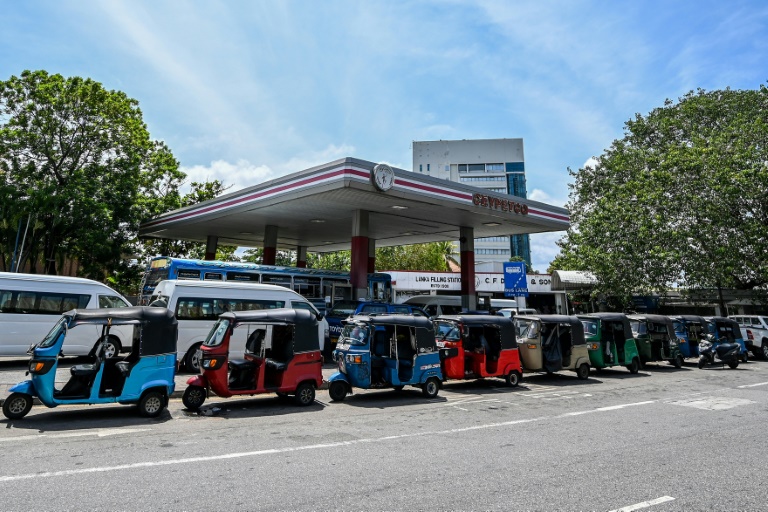
Cash-strapped Sri Lanka on Sunday announced sending ministers to Russia and Qatar to try and secure cheap oil a day after the government said it had all but run out of fuel.

The government meanwhile extended a two-week closure of non-essential state institutions until further notice in order to save fuel, maintaining only a skeleton staff to provide minimum services.

Energy Minister Kanchana Wijesekera said two ministers will travel to Russia on Monday to discuss getting more oil following last month’s purchase of 90,000 tonnes of Siberian crude.

That shipment was arranged through Coral Energy, a Dubai-based intermediary, but politicians have been urging the authorities to negotiate directly with President Vladimir Putin’s government.

“Two ministers are going to Russia and I will go to Qatar tomorrow to see if we can arrange concessionary terms,” Wijesekera told reporters in Colombo.

Wijesekera had announced on Saturday that Sri Lanka was virtually out of petrol and diesel after several scheduled shipments were delayed indefinitely due to “banking” reasons.

Fuel reserves were sufficient to meet less than two days’ demand and it was being reserved for essential services, Wijesekera said while apologising for the situation.

The state-run Ceylon Petroleum Corporation on Sunday hiked the price for diesel by 15 percent to 460 rupees ($1.27) a litre and petrol by 22 percent to 550 rupees.

Since the beginning of the year, diesel prices have gone up nearly four-fold and gasoline has almost tripled.

Wijesekera said there would be an indefinite delay in getting new shipments of oil and urged motorists not to queue up until he introduces a token system to a limited number of vehicles daily.

– US takes stock-

A delegation from the US Treasury and the State Department meanwhile arrived to “explore the most effective ways for the US to support Sri Lankans in need”, the US embassy in Colombo said.

“As Sri Lankans endure some of the greatest economic challenges in their history, our efforts to support economic growth and strengthen democratic institutions have never been more critical,” US ambassador Julie Chung said in a statement.

US Deputy Assistant Secretary of Treasury for Asia Robert Kaproth and Deputy Assistant Secretary of State for South and Central Asia Kelly Keiderling were in the delegation.

The embassy said it had committed $158.75 million in new financing in the past two weeks to help Sri Lankans.

About 1.7 million residents need “life-saving assistance”, according to the United Nations which issued a flash appeal last week.

Four out of five people in the nation of 22 million have reduced their food intake due to severe shortages and galloping prices, the UN noted.

Prime Minister Ranil Wickremesinghe warned parliament on Wednesday that more hardships were on the way.

“Our economy has faced a complete collapse,” Wickremesinghe said. “We are now facing a far more serious situation beyond the mere shortages of fuel, gas, electricity and food.”

Unable to repay its $51 billion foreign debt, the government declared it was defaulting in April and is negotiating with the International Monetary Fund for a possible bailout.

Sri Lanka’s official inflation at the end of May was 45.3 percent, according to official data, but private economists have placed it at 128 percent, the second-highest in the world after Zimbabwe.

Energy shock tests G7 leaders' climate resolve

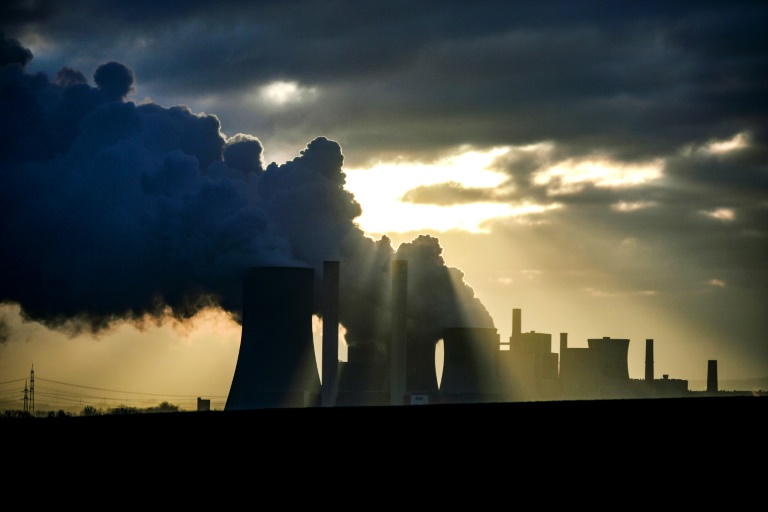
Leaders of the Group of Seven rich nations will be under pressure to stick to climate pledges in Bavaria from Sunday, as Russia’s energy cuts trigger a dash back to planet-heating fossil fuels.

Germany finds itself in an awkward position as G7 summit host, having recently announced that Europe’s biggest economy will burn more coal to offset a drop in Russian gas supplies amid deteriorating ties over the war in Ukraine.

Chancellor Olaf Scholz nevertheless insists the G7 remains committed to the Paris agreement of limiting global temperature increases to 1.5 degrees Celsius, and achieving carbon neutrality by 2050.

But concerns are growing that Scholz will use the gathering to push G7 partners to water down a previous promise to stop financing gas and oil projects abroad by the end of the year.

“That would be a real setback,” said Alden Meyer, a senior associate at climate policy think tank E3G. 

“Scholz could go down in history as the climate backtracking chancellor.”

US President Joe Biden, French President Emmanuel Macron and their counterparts from Britain, Italy, Canada and Japan will all be joining Scholz at the luxurious Elmau Castle from Sunday to Tuesday.

Thousands of people marched in the city of Munich on the eve of the summit to urge G7 leaders to do more to fight climate change.

– ‘Bitter’ coal comeback –

With the impact of the climate crisis already being felt across the globe through devastating floods, rising seas and crop-wilting droughts, the summit will be closely watched for fresh funding pledges to help poor nations cope.

But hopes of a breakthrough are low, as the conflict in Ukraine dominates the agenda and Western attention shifts to the vast sums that will be needed to rebuild the country.

“Before the war there was a clear intent, also from Germany, to really deliver on climate finance and this seems off the table now,” said Susanne Droege, a climate policy analyst at Germany’s Institute for International and Security Affairs (SWP).

Soaring energy prices and fears that Moscow could abruptly cut off supplies have left European nations scrambling to wean themselves off Russian oil, coal and gas.

With renewables like solar and wind power not yet a widely available alternative, countries including Germany, Italy, the Netherlands and Austria are reverting to fossil fuels to plug the gap.

German Energy Minister Robert Habeck, a Green party politician, called the decision to reactivate mothballed coal-fired plants “bitter” but necessary for energy security.

He stressed that Germany was still on track to close its coal plants by 2030 and remained committed to a massive shift towards renewable energy.

Droege said Russia’s aggression in Ukraine had exposed the risks of fossil fuel dependency.

“The only benefit of this war is that… understanding has increased that renewable sources of energy will pay off,” said Droege.

– ‘Empty promises’ –

Environmentalists say a key focus of the G7 climate talks should be on helping the most vulnerable nations that are already bearing the brunt of the climate emergency.

“In the Horn of Africa, a terrible drought is leaving over 18 million people suffering from food insecurity,” Ugandan youth activist Vanessa Nakate told reporters ahead of the summit.

“We are tired of empty promises. We need the G7 countries to put money on the table for loss and damage.”

Scholz himself aims to launch a “climate club” that would see willing nations agree to play by the same rules to avoid competitive disadvantages.

This could include setting carbon pricing standards or uniform regulations on what constitutes green hydrogen. Japan and the United States however have no plans to introduce a national carbon price.

Observers say strong signals are needed from the G7 ahead of the United Nations COP27 climate talks in Egypt in November.

The final G7 statement will be scoured for any walking back of previous pledges, including a promise to largely decarbonise their countries’ electricity sectors by 2035.

A long-standing promise by wealthy nations to spend $100 billion a year from 2020 to help developing countries adapt to climate change remains unmet.

Ukraine war robs India's 'Diamond City' of its sparkle

Yogesh Zanzamera lays out his bed on the floor of the factory where he works and lives, one of around two million Indians polishing diamonds in an industry being hit hard by the Ukraine war.

The air reeking from the only toilet for 35-40 people, conditions at workshops like this in Gujarat state leave workers at risk of lung disease, deteriorating vision and other illnesses.

But Zanzamera and others like him have other more immediate worries: the faraway war in Europe and the resulting sanctions on Russia, India’s biggest supplier of “rough” gemstones and a long-standing strategic ally.

“There are not enough diamonds. Because of that, there is not enough work,” Zanzamera, 44, told AFP at the workshop, situated up some dingy stairs in Surat where he has worked since leaving school at 13.

“The war should end. Everybody’s livelihood depends on the war ending.”

His monthly pay packet of 20,000 rupees ($260) is already down 20-30 percent, he says. 

But he is one of the lucky ones — the local trade union estimates that between 30,000 and 50,000 diamond workers in Surat have lost their jobs.

– Rough times –

Originally founded as a port city at the mouth of the Tapi river, Surat earned a reputation as the “Diamond City of India” in the 1960s and ’70s.

Now, some 90 percent of the world’s diamonds are cut and polished in the bustling industrial city and elsewhere in the western state of Gujarat.

Traders in Surat’s crowded Mahidharpura market openly trade diamonds worth millions of dollars on the streets each day, carrying the precious gems loose in paper wrappings.

“If it doesn’t go through Surat, a diamond is not a diamond,” said Chirag Patel, CEO of Chirag Gems.

Russian mining giants like Alrosa traditionally accounted for over a third of India’s rough diamonds, but supply has all but stopped because of Western sanctions.

For Chirag Gems, Russia was even more important, accounting for half the 900 “roughs” that his firm turns into dazzling gems that sell anywhere from $150 to $150,000.

Using state-of-the-art scanning and laser-cutting machines, his factory is better than most, with air-conditioning and exhaust systems protecting workers from inhaling dangerous dust.

But supply has shrunk to a tenth of what it was in the months since Western sanctions cut Russia off from the SWIFT international payments network in March.

“We are not getting goods from Russia because the payments system is stuck due to the war,” Patel, 32, told AFP, saying he is trying to bridge the gap with supplies from South Africa and Ghana.

– Demand at Tiffany’s –

The June-to-September wedding season in the United States is a crucial period for diamond exporters, Patel says.

The US accounted for more than 40 percent of India’s $24 billion exports of cut and polished diamonds in the financial year to March, data from the Gem and Jewellery Export Promotion Council (GJEPC) shows.

But along with supply, traders say demand from the United States and Europe, too, has nosedived in recent months as companies like Signet, Tiffany & Co, Chopard and Pandora refuse to buy diamonds sourced from Russia.

Workers like Dipak Prajapati have suffered the consequences. In May he lost a job in May that paid $320 a month to support his family of six.

“I called the company to ask when I could resume work, but they said they don’t have any work for me and told me to stay home,” the 37-year-old told AFP.

“Sixty percent of the jobs in Surat run on diamonds. Diamonds are the biggest industry in Surat. I don’t know any work other than diamonds.”

His layoff comes close on the heels of pandemic shutdowns.

“We didn’t get any salaries for six to eight months. We had to borrow money from all sides to survive and are still paying back those loans,” Prajapati said.

The Gujarat Diamond Workers’ Union has asked Gujarat’s chief minister for a 10-billion-rupee ($128-million) relief package for workers who have lost their jobs.

“We told him that if the situation does not improve in the coming days, our workers will be compelled to commit suicide,” union vice-president Bhavesh Tank said.

“Surat has given the world so much,” Tank says. “Surat has scrubbed diamonds for the entire world but our diamond workers are now getting scrubbed.”

“We can only pray to God that the war will end. If the war does not end, we don’t know how bad things will get.”

Bangladesh opens bridge plagued by graft claims, lynchings

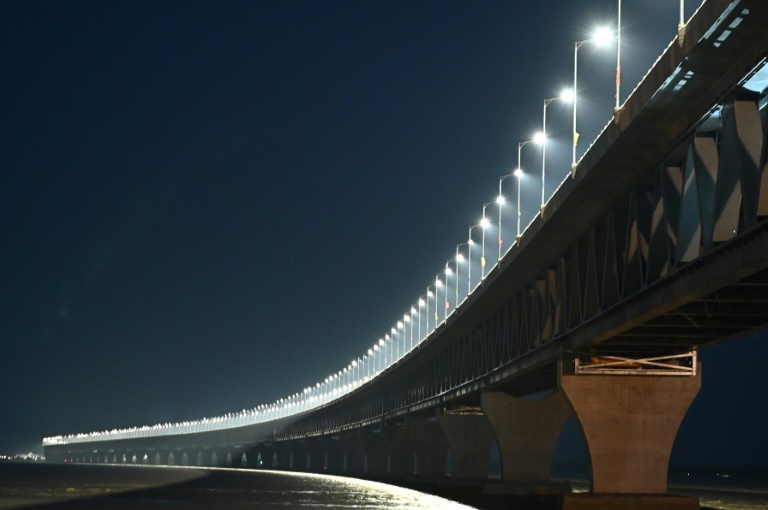
Bangladesh on Saturday opened an important bridge near the capital Dhaka after a long construction plagued by delays, graft allegations, and even deadly lynchings sparked by rumours of human sacrifice.

The inauguration of the Padma Multipurpose Bridge — now officially the country’s longest — caps a key infrastructure goal by Prime Minister Sheikh Hasina in the nearly eight years since construction began.

It ends an economic bottleneck that required freight destined for the country’s poverty-stricken south and the Indian megacity of Kolkata to be slowly ferried over the Padma river, a major tributary of the mighty Ganges.

“This bridge is not just bricks, cement, iron, and concrete,” Hasina told a crowd of nearly a million people who had gathered along the river’s banks for its opening ceremony. 

“This bridge is our pride, a symbol of our capacity, strength and dignity,” the leader added.

But the project was also burdened by other, more vexing associations even before work began. 

Bangladesh financed the $3.87-billion project itself after corruption allegations saw the World Bank and other lenders withdraw finance.

Canadian engineering firm SNC-Lavalin was banned from bidding on World Bank projects for a decade after it was accused of bribing officials over the project.

Prosecutors in Canada eventually declined to pursue corruption charges against company executives after a court ruled some wiretap evidence against them was inadmissible. 

Engineers said building challenges for the project were “immense” as siltation left the bottom of the Padma river unstable, making it difficult to place spans and helping blow out the bridge’s finish date by four years. 

And in 2019, eight people were killed in vigilante lynchings sparked by social media rumours of children being kidnapped and sacrificed as offerings for the bridge’s construction. 

More than 30 others were attacked in connection with the rumours, mostly spread on Facebook, that said human heads were needed to help finish the project.

Despite its troubles, the 6.2-kilometre (3.8-mile) road and rail link has long been signposted as one of the most significant endeavours of Hasina’s tenure.

Local media reported breathlessly on minor construction milestones, such as the completion of one of its 41 concrete spans. 

Major roads across Dhaka were festooned with lights, lasers and decorations to mark Saturday’s inauguration. 

Stocks and oil rally as rate-hike worries ebb

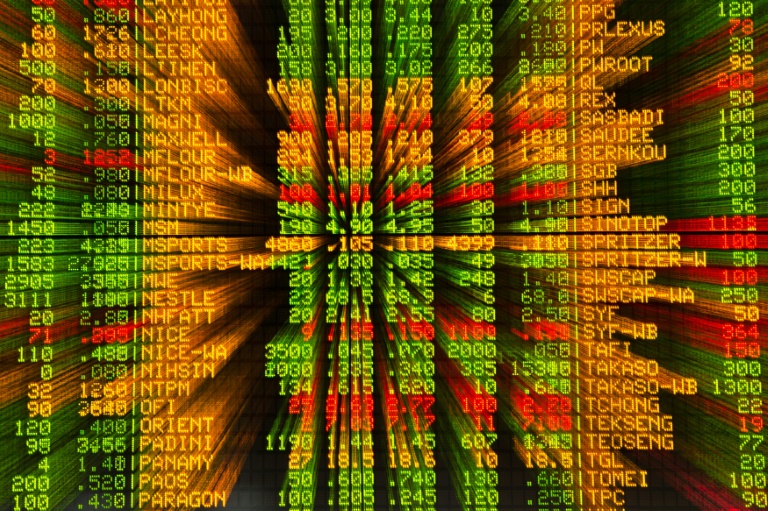
Global stock markets and oil prices jumped higher on Friday following recent heavy losses as the weakening economic outlook moderates expectations about central bank monetary tightening.

With a spate of data pointing to an economic slowdown, market watchers said investors now believe central banks may need to deal out less punishing interest rate hikes, and thus the pushing of equity markets into bear market territory may have been an overreach.

The broad-based S&P 500 added 3.1 percent to stand at 3,911.74 at the end of Friday’s session, up almost 6.5 percent for the week in one of the best seven-day stretches in an otherwise downcast 2022.

Earlier, London stocks rallied 2.7 percent with investors brushing aside news of bruising defeats for Britain’s ruling Conservatives in by-elections on Thursday.

The pound firmed against the dollar, despite data showing a drop in UK retail sales volumes as inflation soars.

Paris stocks jumped 3.2 percent in eurozone trade, while Frankfurt rose 1.6 percent with gains tempered by news of the worsening German business climate.

“Stock markets are taking a breather after being beat up… as recession fears took their toll,” OANDA trading platform analyst Craig Erlam told AFP.

But he warned that stock markets remain “vulnerable to another onslaught if the news does not improve”.

Asian stock markets closed higher after Thursday’s gains on Wall Street.

The recoveries come after global markets have been thrown into turmoil for months owing to soaring inflation, interest-rate hikes, the Ukraine war and China lockdowns.

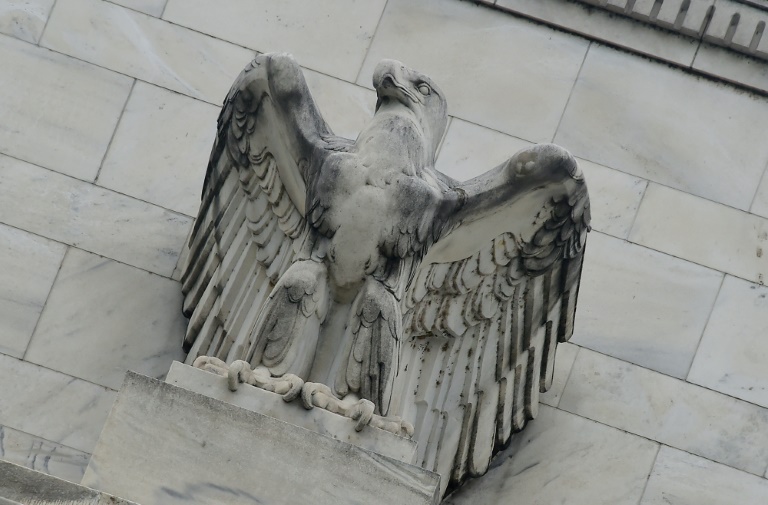
US equity markets tumbled into bear market territory — a drop of more than 20 percent from recent highs — as the US Federal Reserve began to aggressively raise interest rates.

Federal Reserve boss Jerome Powell this week told lawmakers a recession was “certainly a possibility”.

Sentiment in Asia has meanwhile been boosted by comments from Chinese President Xi Jinping suggesting an end to China’s tech crackdown as well as possible new measures aimed at lifting the economy.

Hong Kong shares were among the biggest winners Friday thanks to a rally in tech giants including Alibaba, Tencent and NetEase.

Analysts have been pointing to falling commodity prices, a primary driver of inflation, in the face of a possible recession reducing the need for sharp interest rate hikes as one possible explanation for the renewed bullish sentiment on equity markets. 

– Key figures at around 2020 GMT –

New York – Dow: UP 2.7 percent at 31,500.68 (close)

New York – S&P 500: UP 3.1 percent at 3,911.74 (close)

New York – Nasdaq: UP 3.3 percent at 11,607.62 (close)

London – FTSE 100: UP 2.7 percent at 7,208.81 (close)

Frankfurt – DAX: UP 1.6 percent at 13,118.13 (close)

Paris – CAC 40: UP 3.2 percent at 6,073.35 (close)

EURO STOXX 50: UP 2.8 percent at 3,533.17 (close)

Tokyo – Nikkei 225: UP 1.2 percent at 26,491.97 (close)

Hong Kong – Hang Seng Index: UP 2.1 percent at 21,719.06 (close)

Shanghai – Composite: UP 0.9 percent at 3,349.75 (close)

Euro/dollar: UP at $1.0559 from $1.0523 late Thursday

Pound/dollar: UP at $1.2280 from $1.2260

Euro/pound: UP at 85.95 pence from 85.83 pence

Dollar/yen: UP at 135.17 yen from 134.95 yen 

Brent North Sea crude: UP 2.8 percent at $113.12 per barrel

West Texas Intermediate: UP 3.2 percent at $107.62 per barrel

burs-jmb/bgs

Stocks and oil rally

Global stock markets and oil prices jumped higher on Friday following recent heavy losses on fears that interest rate hikes aimed at cooling decades-high inflation will spark a global recession.

With a spate of data pointing to an economic slowdown, market watchers are saying investors now believe central banks may need to deal out less punishing interest rate hikes, and thus the pushing of equity markets into bear market territory may have been an overreach.

London stocks rallied 2.7 percent with investors brushing aside news of bruising defeats for Britain’s ruling Conservatives in by-elections on Thursday. 

The pound firmed against the dollar, despite data showing a drop in UK retail sales volumes as inflation soars.

Paris stocks jumped 3.2 percent in eurozone trade, while Frankfurt rose 1.6 percent with gains tempered by news of the worsening German business climate.

“Stock markets are taking a breather after being beat up… as recession fears took their toll,” OANDA trading platform analyst Craig Erlam told AFP.

But he warned that stock markets remain “vulnerable to another onslaught if the news does not improve”.

Asian stock markets closed higher after Thursday’s gains on Wall Street.

Wall Street kept on rising on Friday, with all three major indices up over two percent in late morning trading.

The recoveries come after global markets have been thrown into turmoil for months owing to soaring inflation, interest-rate hikes, the Ukraine war and China lockdowns.

US equity markets tumbled into bear market territory — a drop of more than 20 percent from recent highs — as the US Federal Reserve began to aggressively raise interest rates.

Federal Reserve boss Jerome Powell this week told lawmakers a recession was “certainly a possibility”.

He suggested officials were ready to press on with big rate hikes, following last week’s three-quarter point increase for US borrowing costs that sent markets tanking.

Sentiment in Asia has meanwhile been boosted by comments from Chinese President Xi Jinping suggesting an end to China’s tech crackdown as well as possible new measures aimed at lifting the economy.

Hong Kong shares were among the biggest winners Friday thanks to a rally in tech giants including Alibaba, Tencent and NetEase.

Analysts have been pointing to falling commodity prices, a primary driver of inflation, in the face of a possible recession reducing the need for sharp interest rate hikes as one possible explanation for the renewed bullish sentiment on equity markets. 

“Falling interest rates and falling commodity prices, which typically go hand-in-hand with a growth slowdown, have been held out as developments working in favor of the rebound effort,” said Patrick O’Hare, analyst at Briefing.com.

“There is some truth to that, knowing that rising interest rates and rising commodity prices have been upsetting factors for most of the year, but one has to be careful stretching the credibility of those rally catalysts knowing that slower growth is going to translate into lower earnings growth prospects” for companies, he added.

Revised US consumer sentiment data — the initial reading of which may have helped push the US Fed into its massive 0.75 percentage point hike — also showed weaker inflation expectations and a new record low in consumer confidence.

“Today’s numbers would appear to suggest that the Federal Reserve may have overreacted,” said Michael Hewson at CMC Markets.

“This decline in inflation expectations has served to act as an additional tonic for markets as we headed towards the weekend,” he added.

– Key figures at around 1530 GMT –

New York – Dow: UP 2.2 percent at 31,338.15 points

EURO STOXX 50: UP 3.0 percent at 3,538.15

London – FTSE 100: UP 2.7 percent at 7,208.81 (close)

Frankfurt – DAX: UP 1.6 percent at 13,118.13 (close)

Paris – CAC 40: UP 3.2 percent at 6,073.35 (close)

Tokyo – Nikkei 225: UP 1.2 percent at 26,491.97 (close)

Hong Kong – Hang Seng Index: UP 2.1 percent at 21,719.06 (close)

Shanghai – Composite: UP 0.9 percent at 3,349.75 (close)

Euro/dollar: UNCHANGED from late Thursday at $1.0523

Pound/dollar: UP at $1.2290 from $1.2260

Euro/pound: UP at 85.85 pence from 85.83 pence

Dollar/yen: UP at 135.10 yen from 134.95 yen 

Brent North Sea crude: UP 3.5 percent at $113.85 per barrel

West Texas Intermediate: UP 3.9 percent at $108.34 per barrel

burs-rl/pvh

Stocks, oil prices push higher

Global stock markets and oil prices rose Friday following recent heavy losses on fears that interest rate hikes aimed at cooling decades-high inflation will spark a global recession.

London stocks rallied 1.7 percent with investors brushing aside news of bruising defeats for Britain’s ruling Conservatives in by-elections on Thursday. 

The pound firmed against the dollar and euro, despite data showing a drop in UK retail sales volumes as inflation soars.

Paris stocks jumped 2.2 percent in eurozone trade, while Frankfurt rose 0.9 percent with gains tempered by news of the worsening German business climate.

“Stock markets are taking a breather after being beat up… as recession fears took their toll,” OANDA trading platform analyst Craig Erlam told AFP.

But he warned that stock markets remain “vulnerable to another onslaught if the news does not improve”.

Asian stock markets closed higher after Thursday’s gains on Wall Street.

Wall Street kept on rising at the opening bell on Friday, with the Dow adding 0.9 percent.

The recoveries come after global markets have been thrown into turmoil for months owing to soaring inflation, interest-rate hikes, the Ukraine war and China lockdowns.

Federal Reserve boss Jerome Powell this week told lawmakers a recession was “certainly a possibility”.

He suggested officials were ready to press on with big rate hikes, following last week’s three-quarter point increase for US borrowing costs that sent markets tanking.

By contrast, the Bank of Japan is sitting tight over interest rate rises, even as the country’s inflation stands at a seven-year high.

Sentiment in Asia has meanwhile been boosted by comments from Chinese President Xi Jinping suggesting an end to China’s tech crackdown as well as possible new measures aimed at lifting the economy.

Hong Kong shares were among the biggest winners Friday thanks to a rally in tech giants including Alibaba, Tencent and NetEase.

Analysts have been pointing to falling commodity prices in the face of a possible recession means reduced need for sharp interest rate hikes as one possible reason for the rebound in sentiment for equities.

“Falling interest rates and falling commodity prices, which typically go hand-in-hand with a growth slowdown, have been held out as developments working in favor of the rebound effort,” said Patrick O’Hare, analyst at Briefing.com.

“There is some truth to that, knowing that rising interest rates and rising commodity prices have been upsetting factors for most of the year, but one has to be careful stretching the credibility of those rally catalysts knowing that slower growth is going to translate into lower earnings growth prospects” for companies, he added.

– Key figures at around 1330 GMT –

London – FTSE 100: UP 1.7 percent at 7,139.90 points

Frankfurt – DAX: UP 0.9 percent at 13,029.12

Paris – CAC 40: UP 2.2 percent at 6,013.21

EURO STOXX 50: UP 1.8 percent at 3,497.44

New York – Dow: UP 0.9 percent at 30,960.32

Tokyo – Nikkei 225: UP 1.2 percent at 26,491.97 (close)

Hong Kong – Hang Seng Index: UP 2.1 percent at 21,719.06 (close)

Shanghai – Composite: UP 0.9 percent at 3,349.75 (close)

Euro/dollar: UP at $1.0531 from $1.0523 late Thursday

Pound/dollar: UP at $1.2278 from $1.2260

Euro/pound: DOWN at 85.77 pence from 85.83 pence

Dollar/yen: UP at 135.07 yen from 134.95 yen 

Brent North Sea crude: UP 1.2 percent at $111.38 per barrel

West Texas Intermediate: UP 1.5 percent at $105.82 per barrel

burs-rl/lth

European stocks, oil prices rebound

European stock markets and oil prices recovered Friday following heavy losses this week on fears that interest rate hikes aimed at cooling decades-high inflation will spark a global recession.

London stocks rallied 1.3 percent around midday with investors brushing aside news of bruising defeats for Britain’s ruling Conservatives in by-elections on Thursday. 

The pound firmed against the dollar and euro, despite data showing a drop in UK retail sales volumes as inflation soars.

Paris stocks jumped 1.8 percent in eurozone trade, while Frankfurt rose 0.8 percent with gains tempered by news of the worsening German business climate.

“Stock markets are taking a breather after being beat up… as recession fears took their toll,” OANDA analyst Craig Erlam told AFP.

But he warned that stock markets remain “vulnerable to another onslaught if the news does not improve”.

Asian stock markets closed higher after Thursday’s gains on Wall Street.

The slight recoveries come after global markets have been thrown into turmoil for months owing to soaring inflation, interest-rate hikes, the Ukraine war and China lockdowns.

Federal Reserve boss Jerome Powell this week told lawmakers a recession was “certainly a possibility”.

He suggested officials were ready to press on with big rate hikes, following last week’s three-quarter point increase for US borrowing costs that sent markets tanking.

By contrast, the Bank of Japan is sitting tight over interest rate rises, even as the country’s inflation stands at a seven-year high.

Sentiment in Asia has meanwhile been boosted by comments from Chinese President Xi Jinping suggesting an end to China’s tech crackdown as well as possible new measures aimed at lifting the economy.

Hong Kong shares were among the biggest winners Friday thanks to a rally in tech giants including Alibaba, Tencent and NetEase.

– Key figures at around 1100 GMT –

London – FTSE 100: UP 1.3 percent at 7,110.72 points

Frankfurt – DAX: UP 0.8 percent at 13,010.79

Paris – CAC 40: UP 1.8 percent at 5,991.39

EURO STOXX 50: UP 1.4 percent at 3,485.73

Tokyo – Nikkei 225: UP 1.2 percent at 26,491.97 (close)

Hong Kong – Hang Seng Index: UP 2.1 percent at 21,719.06 (close)

Shanghai – Composite: UP 0.9 percent at 3,349.75 (close)

New York – Dow: UP 0.6 percent at 30,677.36 (close)

Euro/dollar: UP at $1.0543 from $1.0523 late Thursday

Pound/dollar: UP at $1.2304 from $1.2260

Euro/pound: DOWN at 85.68 pence from 85.83 pence

Dollar/yen: UP at 135.02 yen from 134.95 yen 

Brent North Sea crude: UP 1.6 percent at $111.79 per barrel

West Texas Intermediate: UP 1.6 percent at $105.91 per barrel

Markets rise as recession talk tempers rate hike expectations

Stocks climbed Friday following another rally on Wall Street as investors try to process central bank moves to fight soaring inflation and the growing possibility that those measures will induce a recession.

Global markets have been thrown into turmoil for months by a perfect storm of crises that have left observers predicting a sharp contraction, including the Ukraine war, China’s lockdown-induced economic troubles, supply chain snarls and spiking energy costs.

Expectations that the Federal Reserve and other central banks will have to keep lifting rates have left many traders fretting that the pain could go on for some time, with sovereign bond yields — key gauges to future rates — continuing to climb.

This week Fed boss Jerome Powell told lawmakers a recession was “certainly a possibility” and suggested officials were ready to press on with big rate hikes, following a three-quarter point lift this month.

However, analysts said speculation that a recession is on the way has helped push yields down in recent days and led traders to scale back their expectations for the length of rate hikes.

Demand concerns have also helped send oil prices — a key driver of inflation — lower with both main contracts down around 15 percent over the past week.

Added to the mix this week are comments from President Xi Jinping suggesting an end to China’s tech crackdown as well as possible new measures aimed at boosting the economy.

“As we have been saying for some time now, for stocks to return to any semblance of form, it would likely require an unlikely upbeat mix of a seamless China growth recovery, a top in US bond yields, and much softer oil prices,” said Stephen Innes at SPI Asset Management.

“While a tall order and still a near-term unlikely combination scenario, the fall in commodity prices, especially oil, should be music to the Fed’s ears, so some could be ticking one or two of those boxes off.”

In early Asia trade investors took their cue from Wall Street, where all three main indexes closed with healthy gains, including a more than one percent advance on the Nasdaq.

Hong Kong was among the biggest winners thanks to a rally in tech giants including Alibaba, Tencent and NetEase.

Tokyo, Mumbai, Shanghai, Sydney, Seoul, Singapore, Taipei, Manila and Jakarta were also well up, while in Europe London, Paris and Frankfurt all rose in the morning.

Lower expectations for US rates and bets on a recession also saw the dollar drop against the safe haven yen, having surged to a 24-year high on the Japanese unit at the start of the week.

“Assuming that the Fed will have to change course sooner than late 2023 isn’t an unreasonable assumption,” said OANDA’s Jeffrey Halley. 

“The Fed and a procession of central banks around the world got inflation completely wrong and have been scrambling to reverse the mistake. Given their track record, assuming they are going to be wrong the other way is completely reasonable in that context.”

– Key figures at around 0810 GMT –

Tokyo – Nikkei 225: UP 1.2 percent at 26,491.97 (close)

Hong Kong – Hang Seng Index: UP 2.1 percent at 21,719.06 (close)

Shanghai – Composite: UP 0.9 percent at 3,349.75 (close)

London – FTSE 100: UP 0.6 percent at 7,063.88

Dollar/yen: DOWN at 134.51 yen from 134.94 yen late Thursday

Pound/dollar: UP at $1.2269 from $1.2259

Euro/dollar: UP at $1.0528 from $1.0526

Euro/pound: DOWN at 85.77 pence from 85.80 pence

West Texas Intermediate: UP 0.1 percent at $104.33 per barrel

Brent North Sea crude: DOWN 0.2 percent at $109.88 per barrel

New York – Dow: UP 0.6 percent at 30,677.36 (close)

Asian markets rise as recession talk tempers rate hike expectations

Stocks rose in Asia on Friday following another rally on Wall Street as investors try to process central bank moves to fight soaring inflation with the growing possibility that those measures will induce a recession.

Global markets have been thrown into turmoil for months by a perfect storm of crises that have left observers predicting a sharp contraction, including the Ukraine war, China’s lockdown-induced economic troubles, supply chain snarls and spiking energy costs.

Expectations that the Federal Reserve and other central banks will have to keep lifting rates have left many traders fretting that the pain could go on for some time, with sovereign bond yields — key gauges to future rates — continuing to climb.

This week Fed boss Jerome Powell told lawmakers a recession was “certainly a possibility” and suggested officials were ready to press on with big rate hikes, following a three-quarter point lift this month.

However, analysts said speculation that a recession is on the way has helped push yields down in recent days and led traders to scale back their expectations for the length of rate hikes.

Demand concerns have also helped send oil prices — a key driver of inflation — lower with both main contracts around 15 percent over the past week.

Added to the mix this week are comments from President Xi Jinping suggesting an end to China’s tech crackdown as well as possible new measures aimed at boosting the economy.

“As we have been saying for some time now, for stocks to return to any semblance of form, it would likely require an unlikely upbeat mix of a seamless China growth recovery, a top in US bond yields, and much softer oil prices,” said Stephen Innes at SPI Asset Management.

“While a tall order and still a near-term unlikely combination scenario, the fall in commodity prices, especially oil, should be music to the Fed’s ears, so some could be ticking one or two of those boxes off.”

In early Asia trade investors took their cue from Wall Street, where all three main indexes closed with healthy gains, including a more than one percent advance on the Nasdaq.

Hong Kong, Tokyo, Shanghai, Sydney, Seoul, Singapore, Taipei, Manila and Jakarta were well up.

Markets are negotiating “a fraught transition from ‘front-loaded’ synchronised tightening towards demand destruction and peak ‘price-pressure’,” Citigroup Inc. strategists William O’Donnell and Edward Acton wrote in a note.

– Key figures at around 0230 GMT –

Tokyo – Nikkei 225: UP 0.7 percent at 26,362.24 (break)

Hong Kong – Hang Seng Index: UP 1.1 percent at 21,499.82

Shanghai – Composite: UP 0.7 percent at 3,343.83

Dollar/yen: DOWN at 134.84 yen from 134.94 yen late Thursday

Pound/dollar: UP at $1.2277 from $1.2259

Euro/dollar: UP at $1.0533 from $1.0526

Euro/pound: DOWN at 85.78 pence from 85.80 pence

West Texas Intermediate: UP 0.1 percent at $104.34 per barrel

Brent North Sea crude: DOWN 0.1 percent at $110.05 per barrel

New York – Dow: UP 0.6 percent at 30,677.36 (close)

London – FTSE 100: DOWN 1.0 percent at 7,020.45 (close)

Close Bitnami banner
Bitnami